Edo was the sword’s age of connoisseurship: the Hon’ami appraisers, the shogunal register of famous blades of 1719, and a thriving literature turned the sword into an object of study even as it ceased to be drawn in war.
 NihontoWatchNihontoWatch
本造り庵棟 うぶ茎 小板目肌、杢交じりよく詰む。地沸微塵につき、細かな地景顕われ、淡く沸映り立つ。刃紋は湾れに互の目、丁字、尖り刃交じる。匂い深めに、沸、小沸よくつく。沸足、葉盛んに働く。金筋、砂流しかかり、匂い口明るく冴える。本名は刈谷忠次、のち永尾宇太夫と改める。紫虹子と号す。水心子正秀の門。朱塗刻鞘脇差拵付き。(保存刀剣)
NihontoWatchOffered by Token-Net





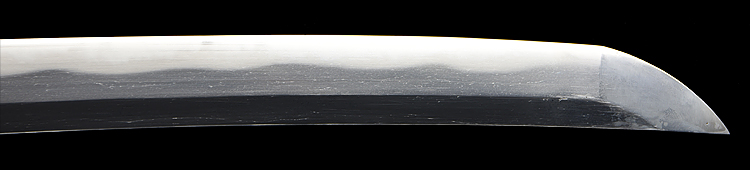
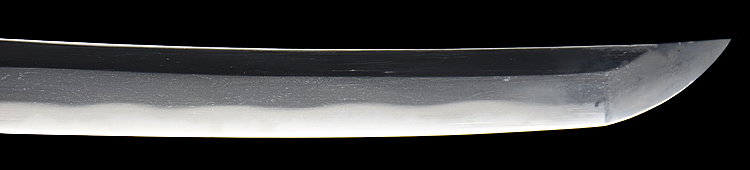
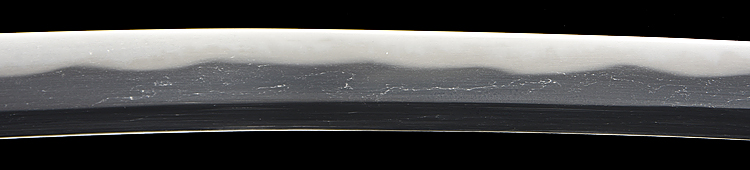
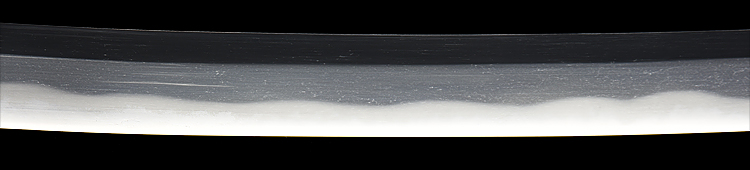
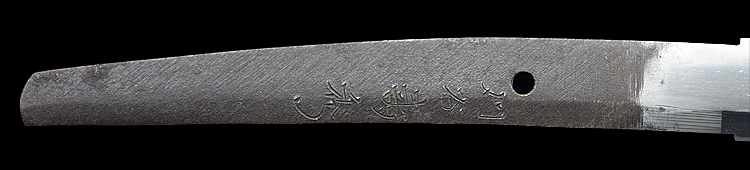
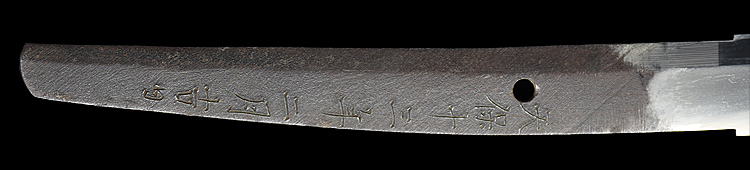
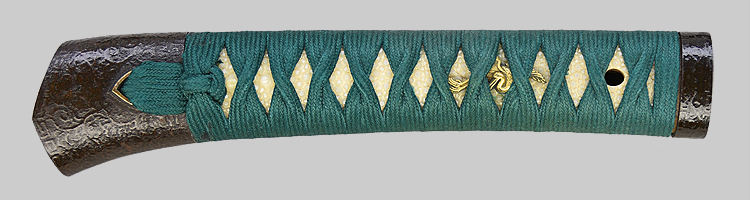
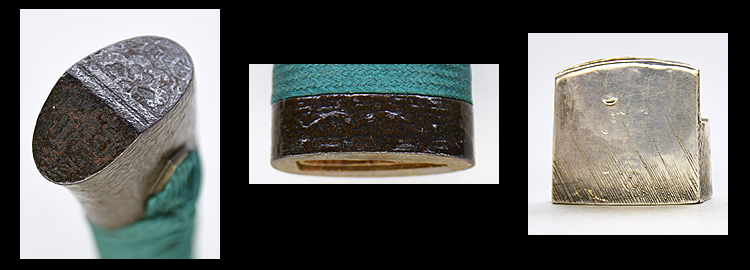
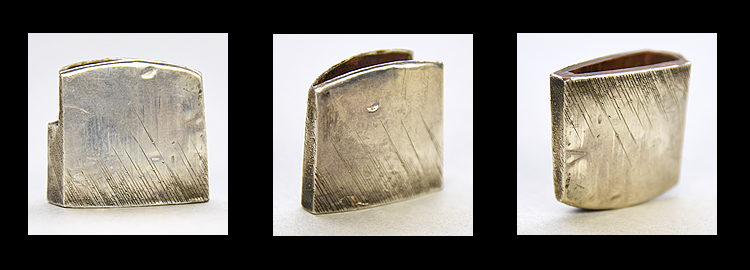
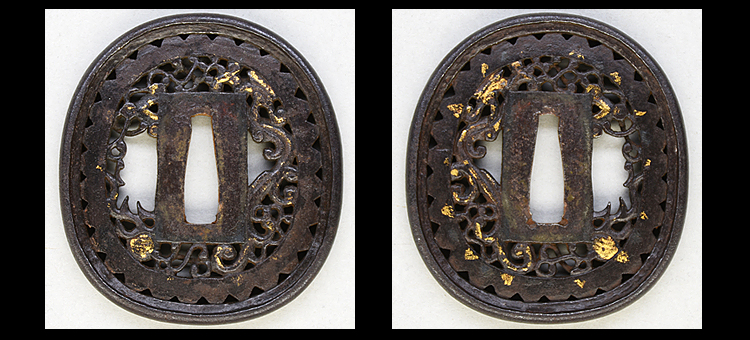

Tosa · around 1818-1830
1 piece on the market now
The Edo period (1615 to 1868)
Edo was the sword’s age of connoisseurship: the Hon’ami appraisers, the shogunal register of famous blades of 1719, and a thriving literature turned the sword into an object of study even as it ceased to be drawn in war.
Certifies a genuine blade worth preserving: a signature confirmed correct, or, if unsigned, an era, province, and school that the NBTHK can reliably identify.
The NBTHK (Nihon Bijutsu Tōken Hozon Kyōkai, the Society for the Preservation of Japanese Art Swords) is a public-interest incorporated foundation founded in 1948 and supervised by Japan’s Agency for Cultural Affairs (Bunkachō); it is based at the Japanese Sword Museum in Tokyo. Its expert panels physically examine each submitted work (shinsa) and issue a certificate (kanteishō) ranking it by artistic and historical merit. NBTHK papers are the most widely recognized standard of authentication for Japanese swords and fittings.
NBTHK official siteWithin one week of the item's arrival (cooling-off is possible within Japan only). For defects that differ from the purchase conditions, we will accept the return and refund the payment. For other cases such as overseas, we will consult separately.