The Haitōrei edict of 1876 ended sword wearing and nearly ended the craft itself. Military demand and imperial patronage kept a remnant alive, and in 1906 Gassan Sadakazu and Miyamoto Kanenori were named Artists to the Imperial Household.
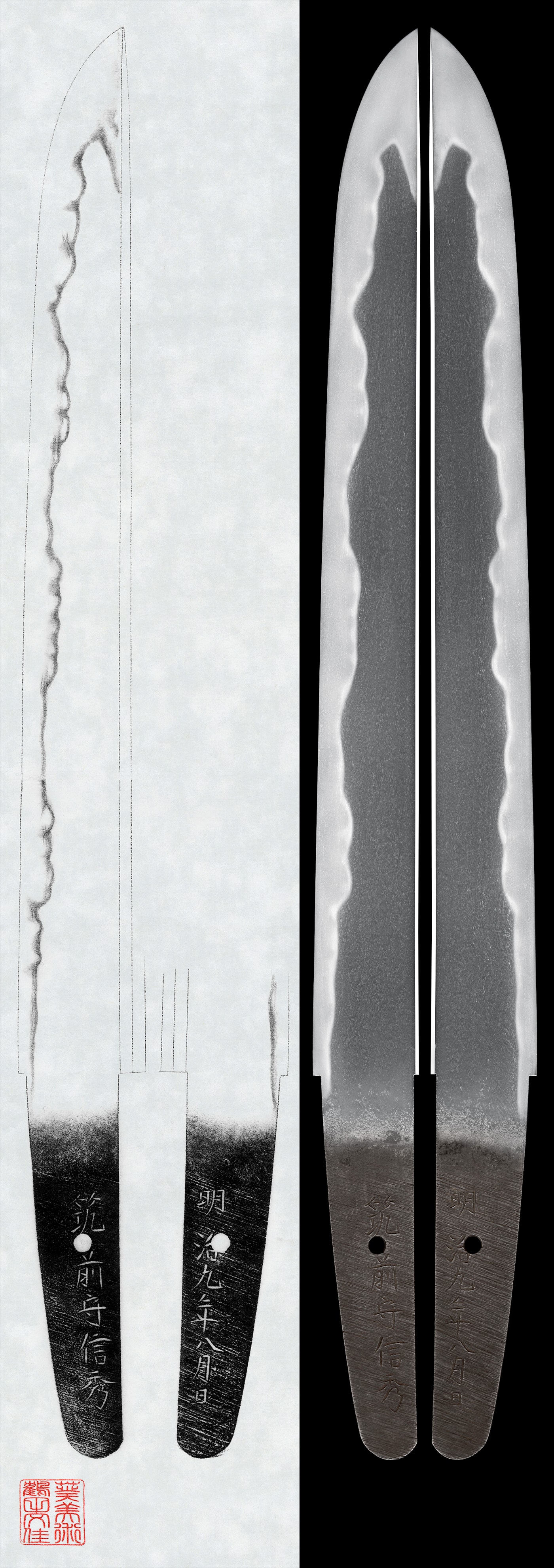
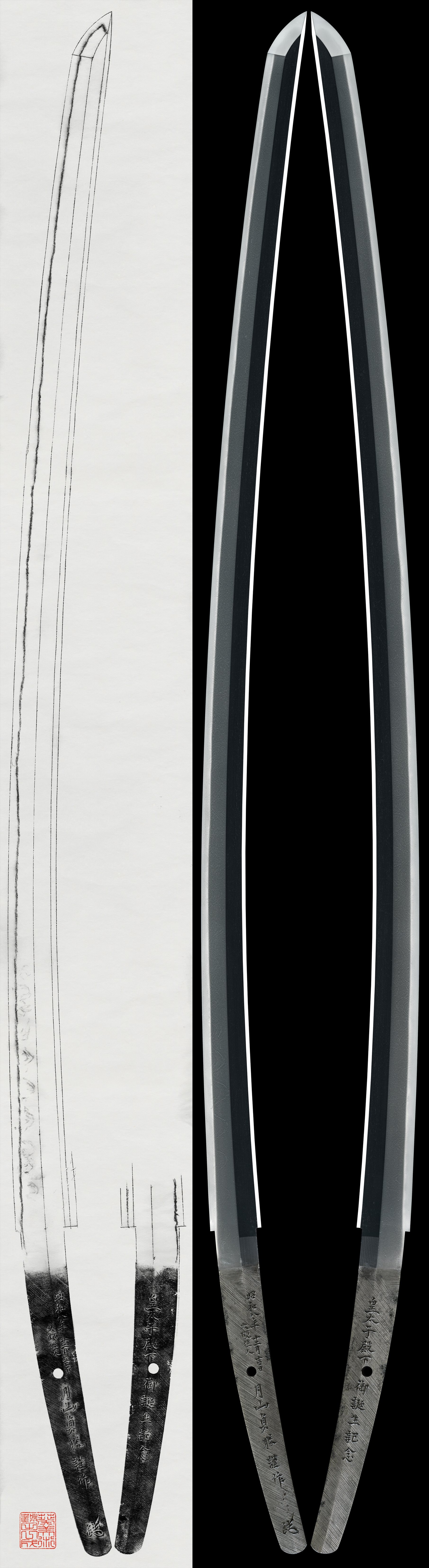
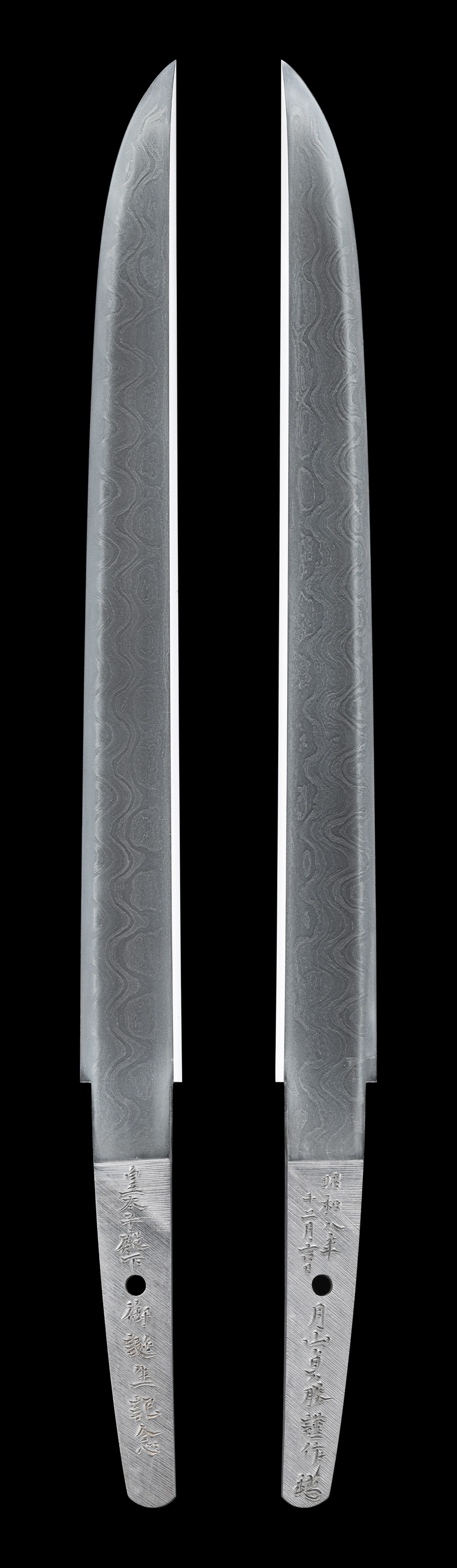
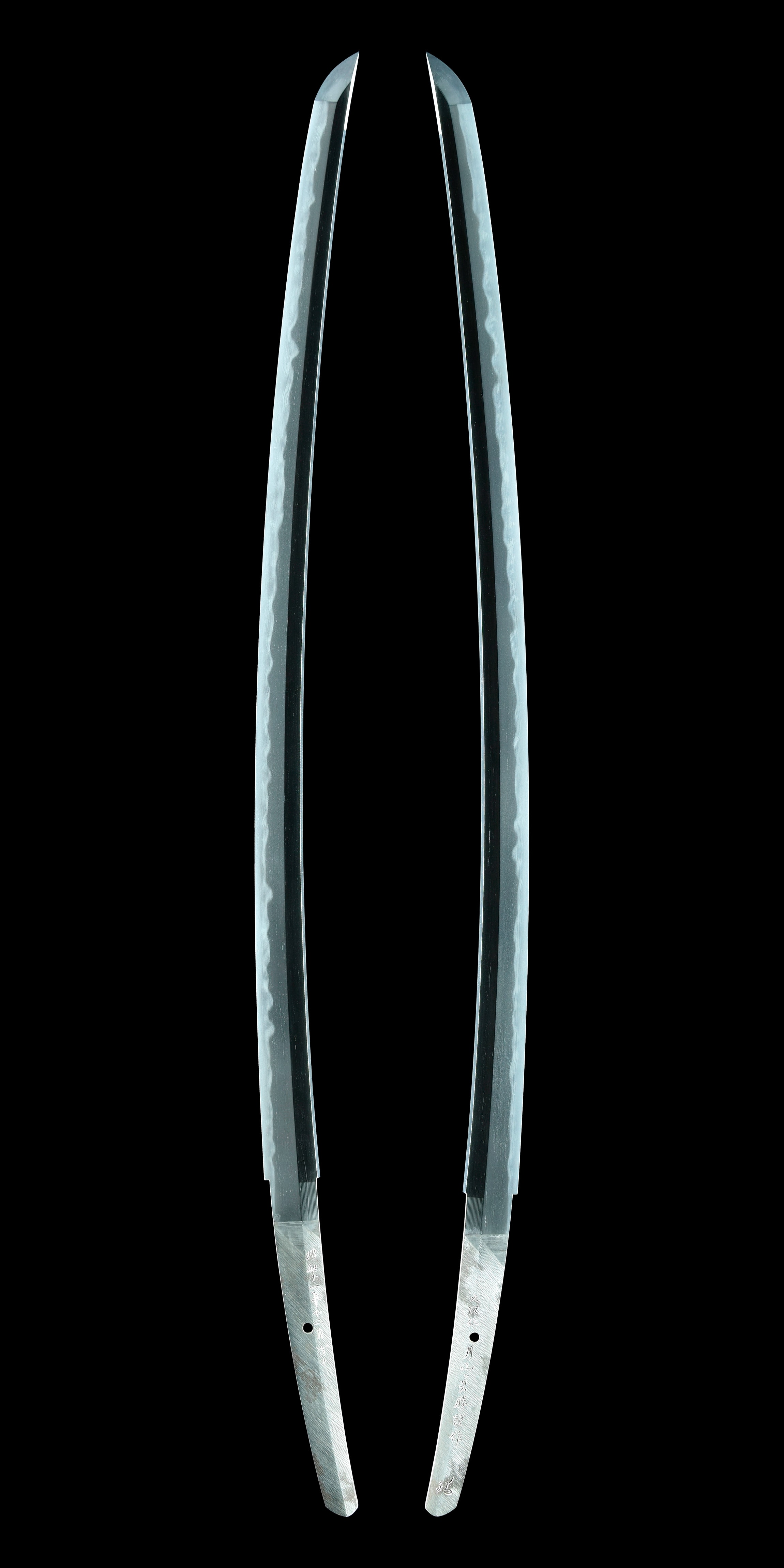
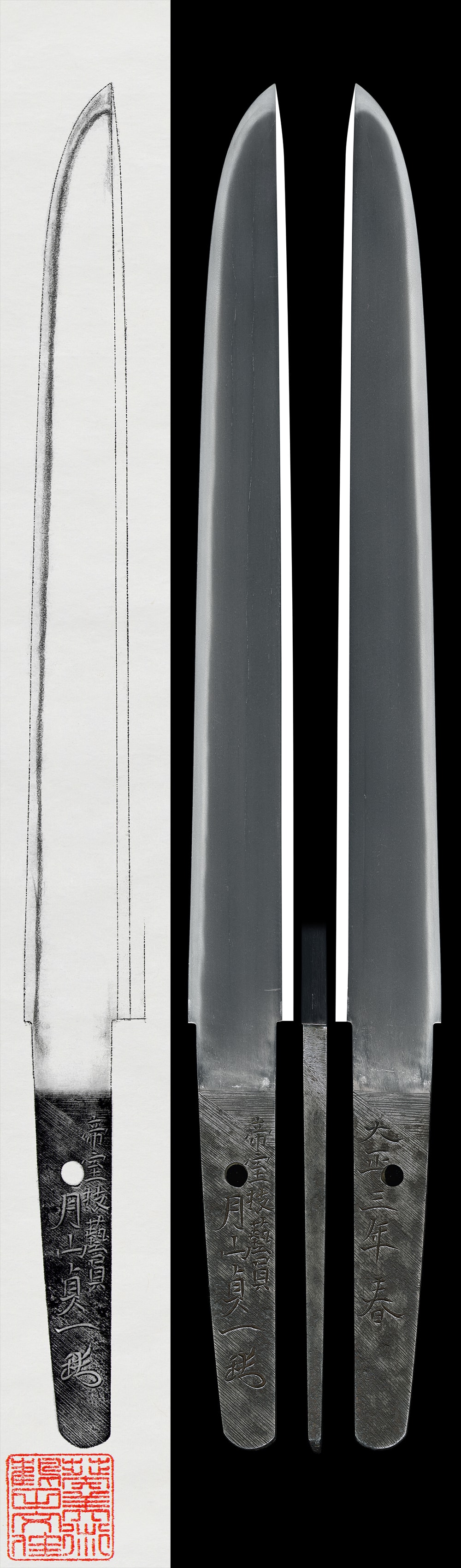
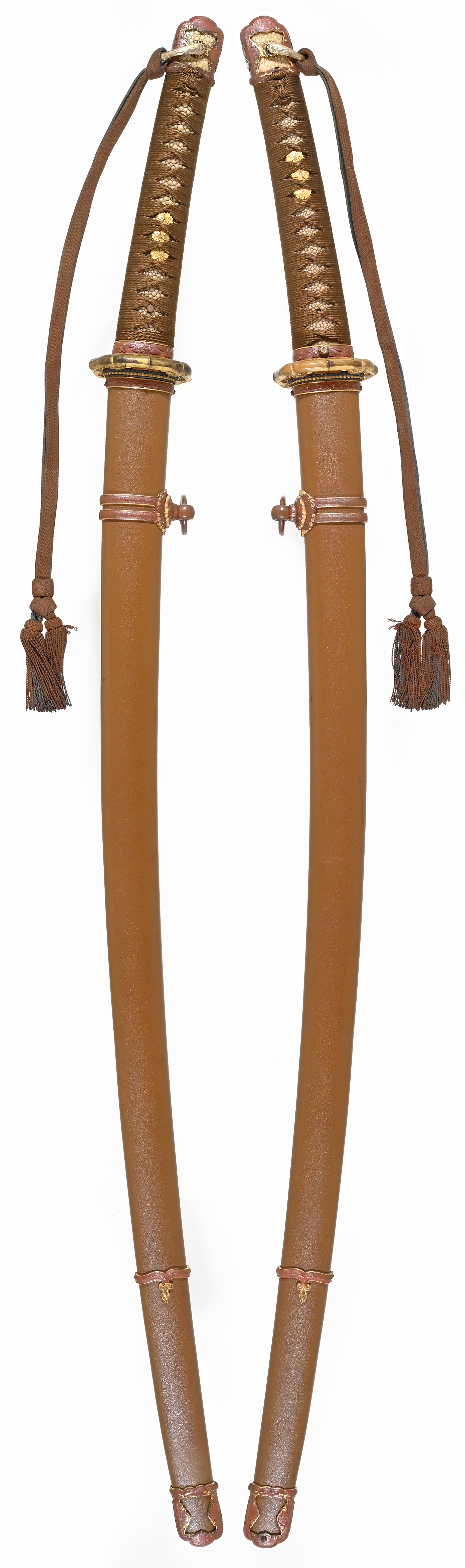
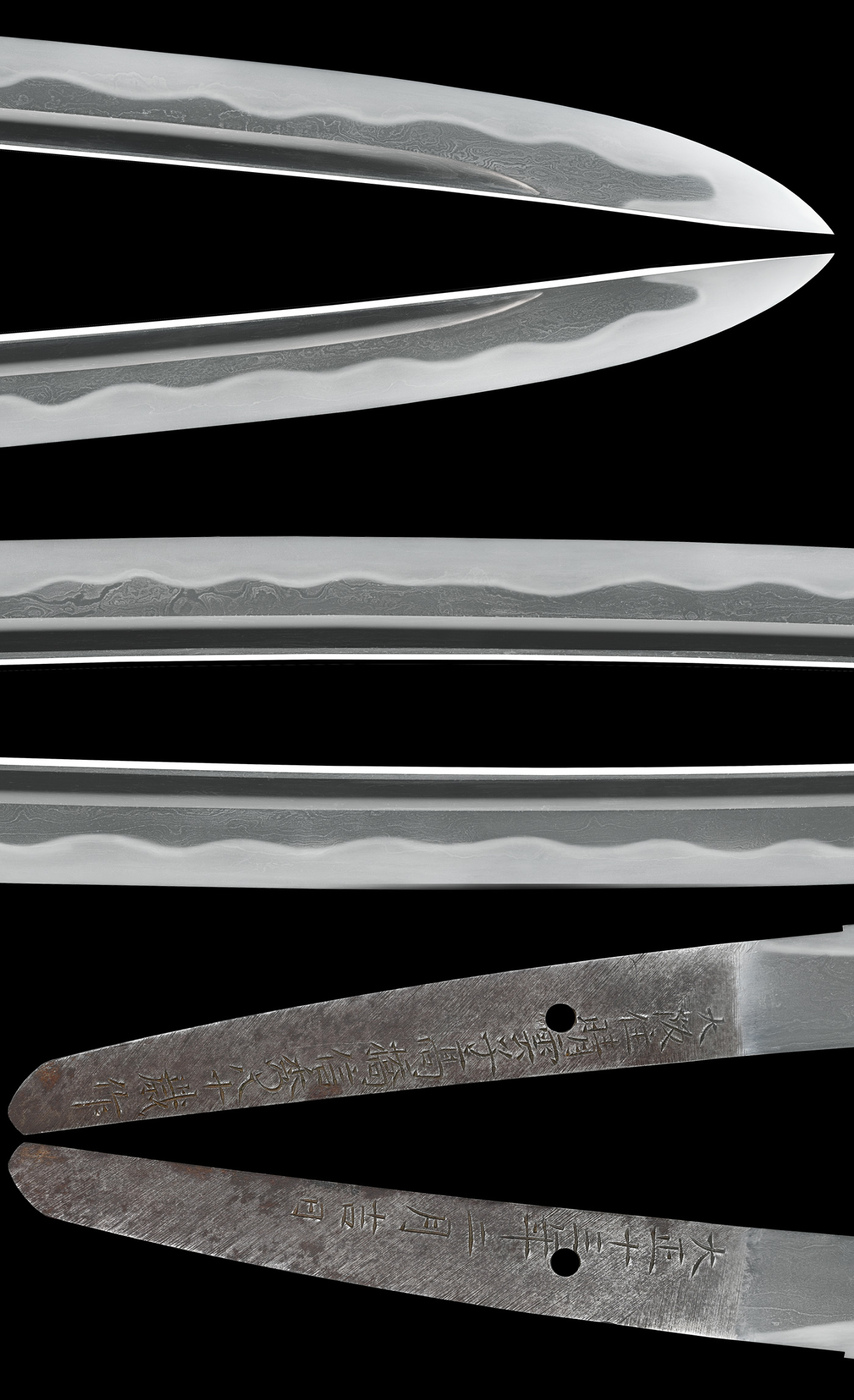
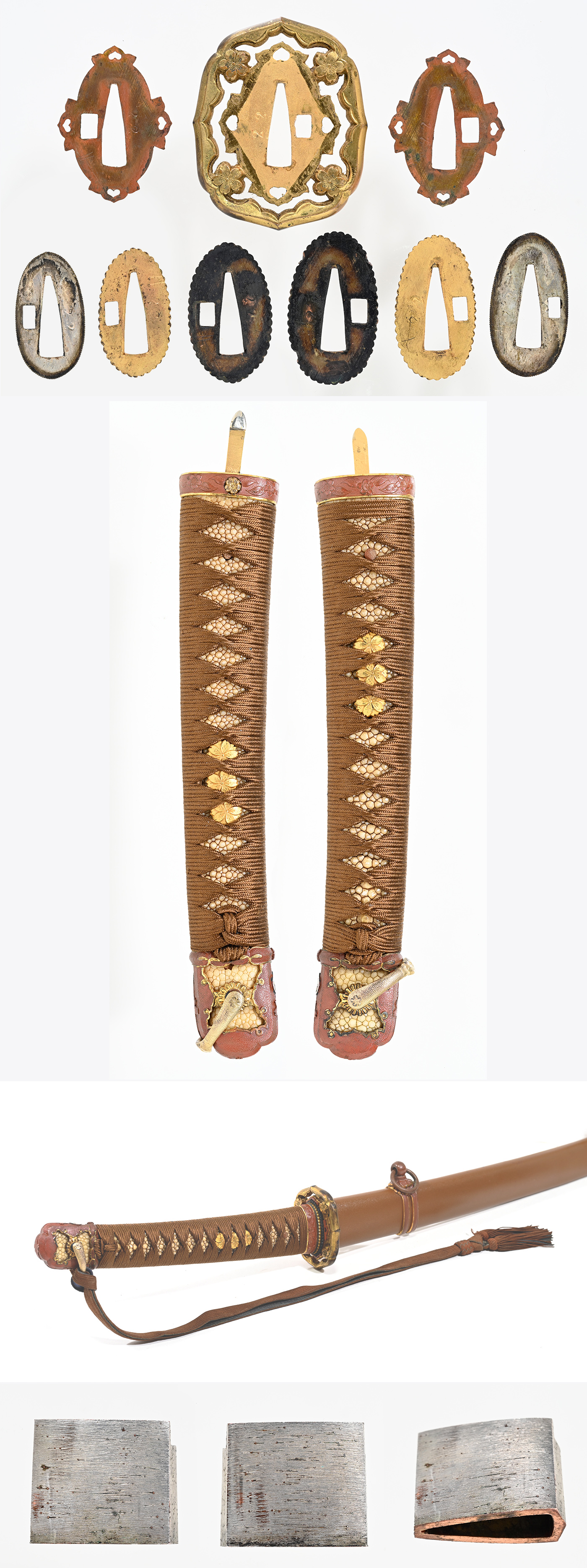
This is a Katana made by Takahashi Nobuhide, who was born in 1845 and later became a high-ranking disciple of Takahashi Nagashin before studying under Gassan Sadakazu. He revived sword forging in the late Meiji to Taisho period, and was honored to produce a tachi for the Emperor's enthronement ceremony in 1928. The blade is in new polish and good condition, and comes with NBTHK Hozon certification.
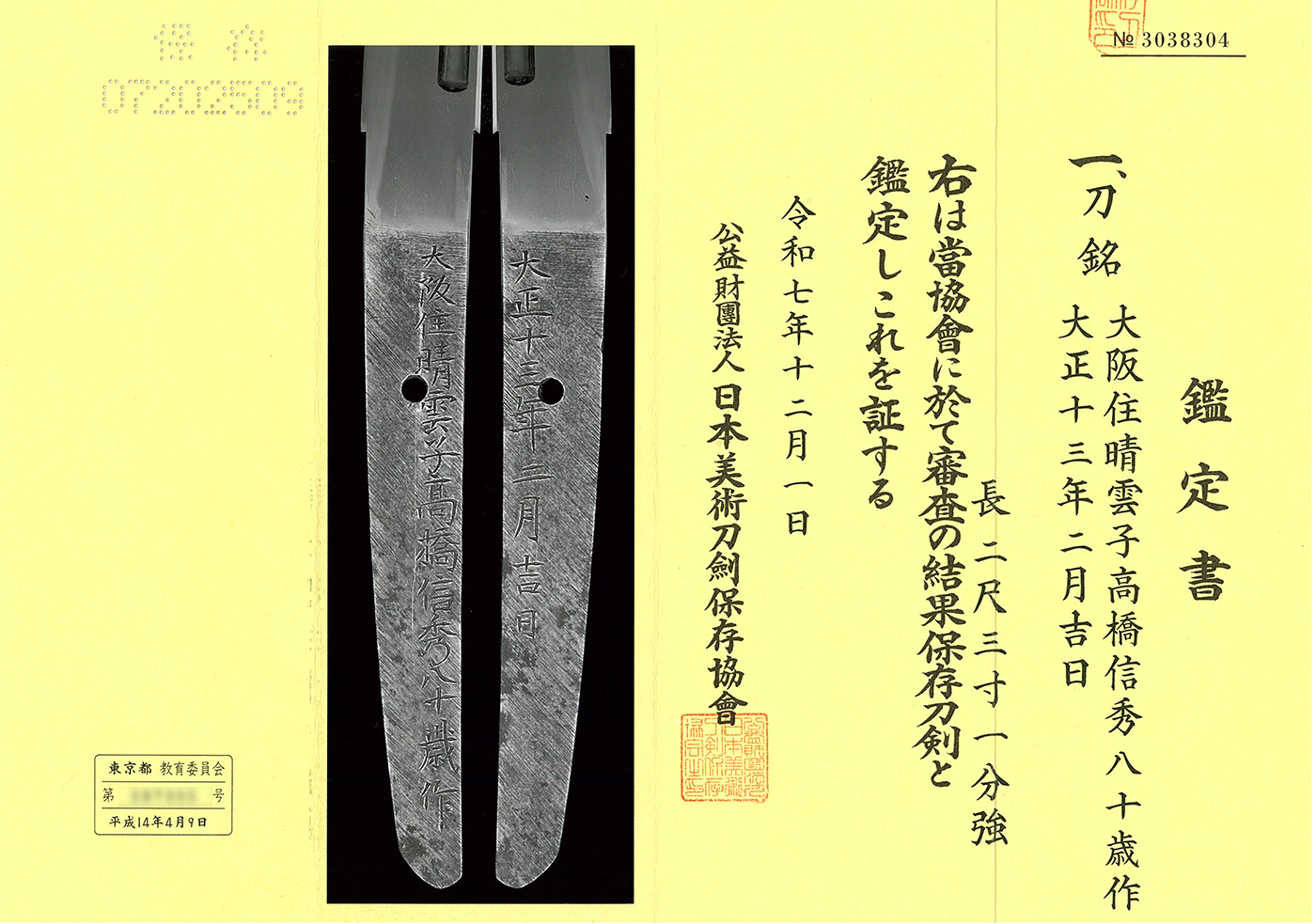
Certificate reading — 銘 大阪住晴雲子高橋信秀八十歳作 大正十三年二月吉日
 NihontoWatch
mei · Gassan · Meiji (1868-1912) · nagasa 70.1cm · sori 2cm


Osaka · around 1868-1912
Tōken Taikan top 87%
3 pieces on the market now
Where Nobuhide stands among comparable artisans: across all of nihontō, and within tradition, era, and period. The tiers (Foremost · Leading · Major · Notable) weigh official designations from the NBTHK and Japan's Agency for Cultural Affairs, together with historical honors of lasting repute such as the Sansaku and Meibutsu-chō.
Select a lens to see how it's measured.
Meiji: survival after the edict
The Haitōrei edict of 1876 ended sword wearing and nearly ended the craft itself. Military demand and imperial patronage kept a remnant alive, and in 1906 Gassan Sadakazu and Miyamoto Kanenori were named Artists to the Imperial Household.
Certifies a genuine blade worth preserving: a signature confirmed correct, or, if unsigned, an era, province, and school that the NBTHK can reliably identify.
The NBTHK (Nihon Bijutsu Tōken Hozon Kyōkai, the Society for the Preservation of Japanese Art Swords) is a public-interest incorporated foundation founded in 1948 and supervised by Japan’s Agency for Cultural Affairs (Bunkachō); it is based at the Japanese Sword Museum in Tokyo. Its expert panels physically examine each submitted work (shinsa) and issue a certificate (kanteishō) ranking it by artistic and historical merit. NBTHK papers are the most widely recognized standard of authentication for Japanese swords and fittings.
NBTHK official siteReturns possible within 3 days of arrival. Customer pays return shipping and bank transfer fees. Excluded: condition differs from sale, 3+ days passed, overseas delivery, in-store purchases, and deposit transactions.
Price on request
This is a Katana made by Takahashi Nobuhide, who was born in 1845 and later became a high-ranking disciple of Takahashi Nagashin before studying under Gassan Sadakazu. He revived sword forging in the late Meiji to Taisho period, and was honored to produce a tachi for the Emperor's enthronement ceremony in 1928. The blade is in new polish and good condition, and comes with NBTHK Hozon certification.
Certificate reading — 銘 大阪住晴雲子高橋信秀八十歳作 大正十三年二月吉日
NihontoWatchmei · Gassan · Meiji (1868-1912) · nagasa 70.1cm · sori 2cm
Osaka · around 1868-1912
Tōken Taikan top 87%
3 pieces on the market now
Where Nobuhide stands among comparable artisans: across all of nihontō, and within tradition, era, and period. The tiers (Foremost · Leading · Major · Notable) weigh official designations from the NBTHK and Japan's Agency for Cultural Affairs, together with historical honors of lasting repute such as the Sansaku and Meibutsu-chō.
Select a lens to see how it's measured.
Meiji: survival after the edict
The Haitōrei edict of 1876 ended sword wearing and nearly ended the craft itself. Military demand and imperial patronage kept a remnant alive, and in 1906 Gassan Sadakazu and Miyamoto Kanenori were named Artists to the Imperial Household.
Certifies a genuine blade worth preserving: a signature confirmed correct, or, if unsigned, an era, province, and school that the NBTHK can reliably identify.
The NBTHK (Nihon Bijutsu Tōken Hozon Kyōkai, the Society for the Preservation of Japanese Art Swords) is a public-interest incorporated foundation founded in 1948 and supervised by Japan’s Agency for Cultural Affairs (Bunkachō); it is based at the Japanese Sword Museum in Tokyo. Its expert panels physically examine each submitted work (shinsa) and issue a certificate (kanteishō) ranking it by artistic and historical merit. NBTHK papers are the most widely recognized standard of authentication for Japanese swords and fittings.
NBTHK official siteReturns possible within 3 days of arrival. Customer pays return shipping and bank transfer fees. Excluded: condition differs from sale, 3+ days passed, overseas delivery, in-store purchases, and deposit transactions.
Price on request