The twentieth century nearly killed the craft twice: wartime distortion, then the occupation ban. The NBTHK’s founding in 1948 and licensed forging from 1953 rebuilt the sword as an art, crowned by Living National Treasures and the mukansa rank.
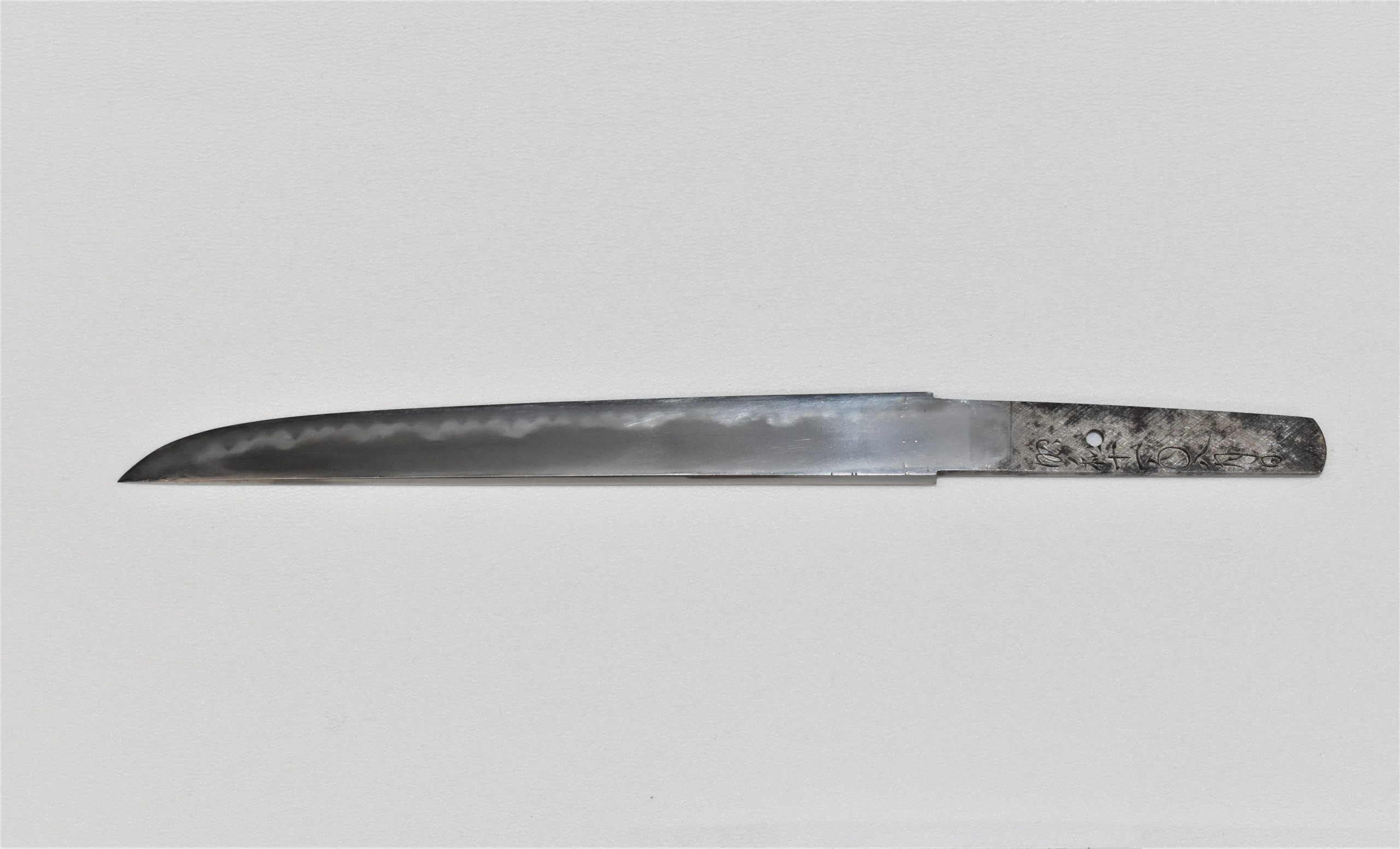
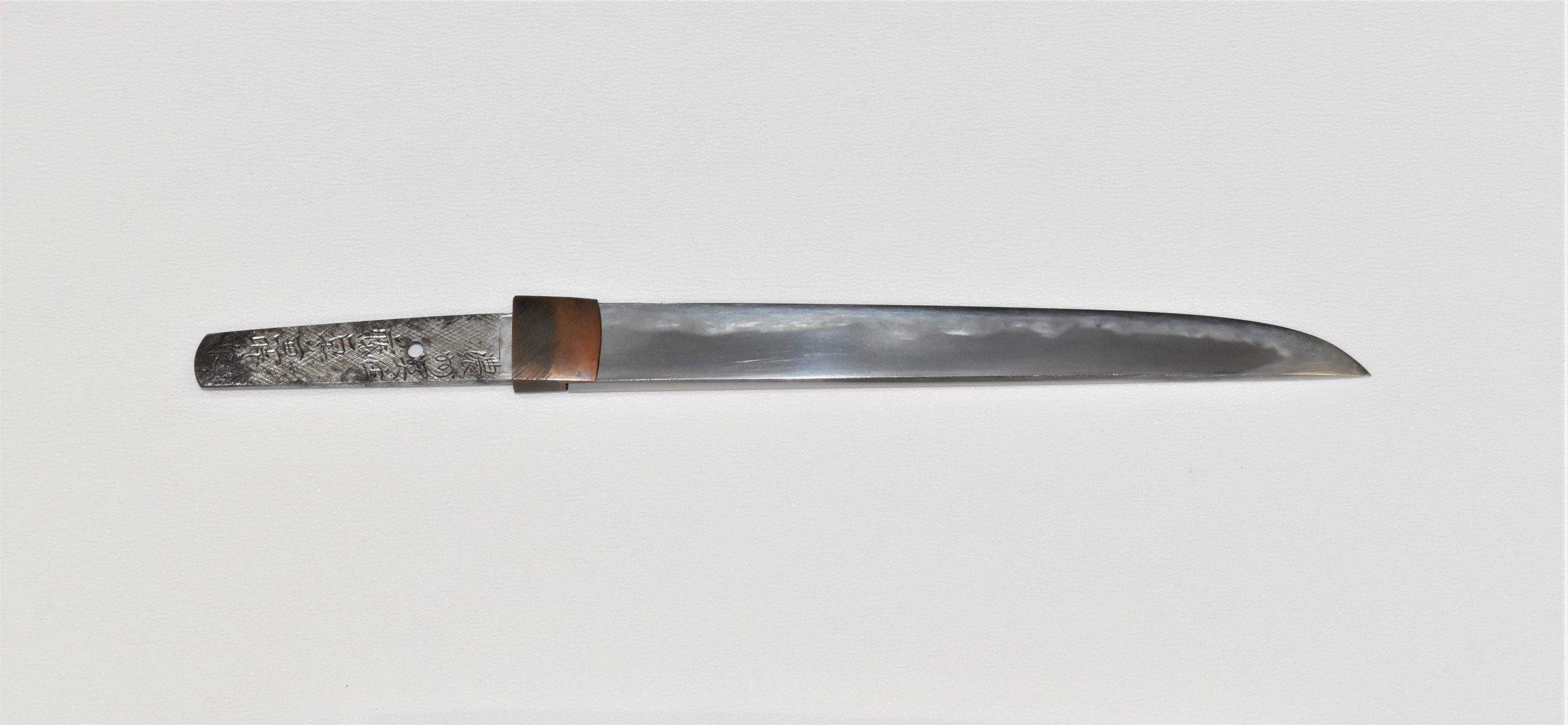
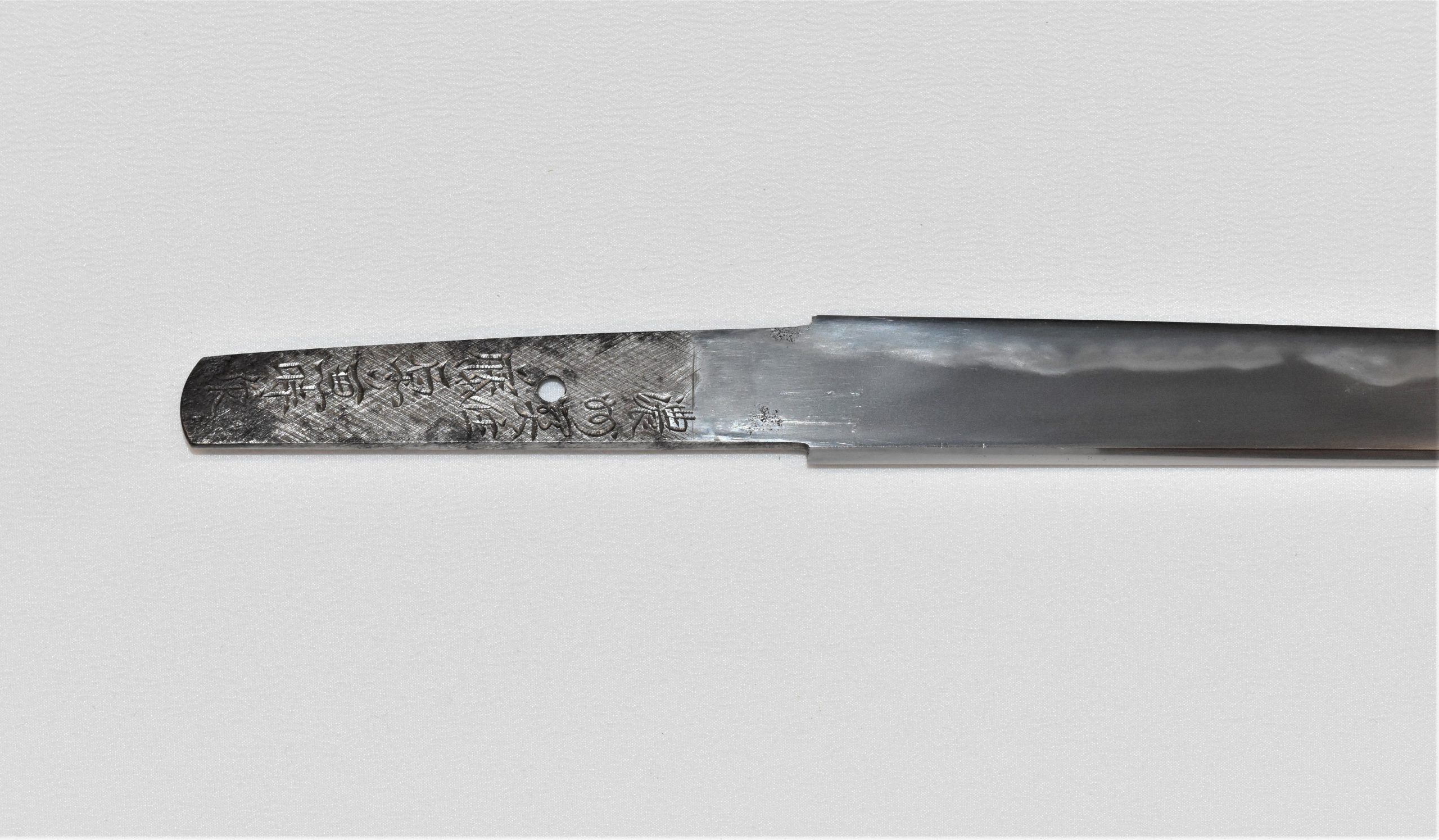
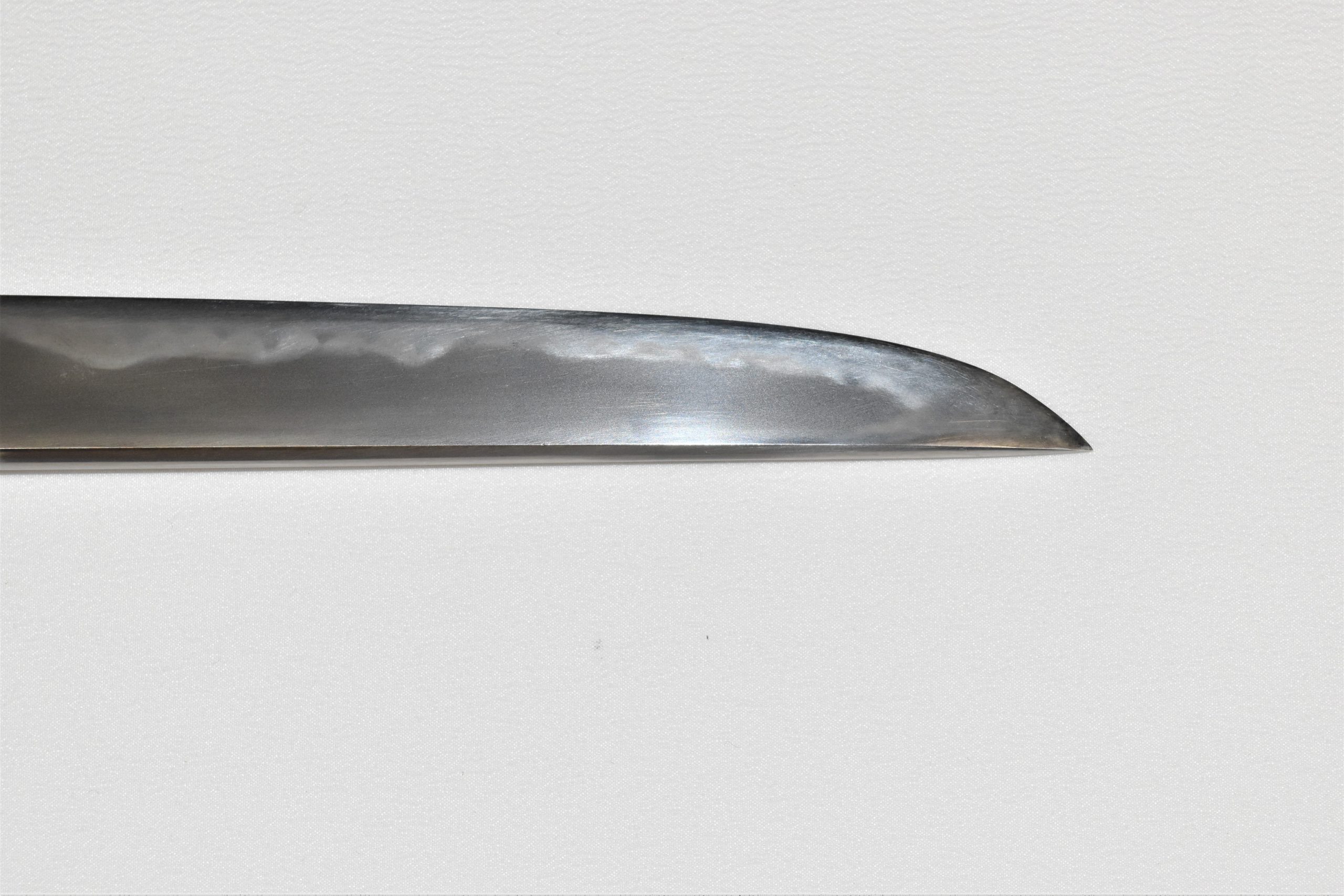
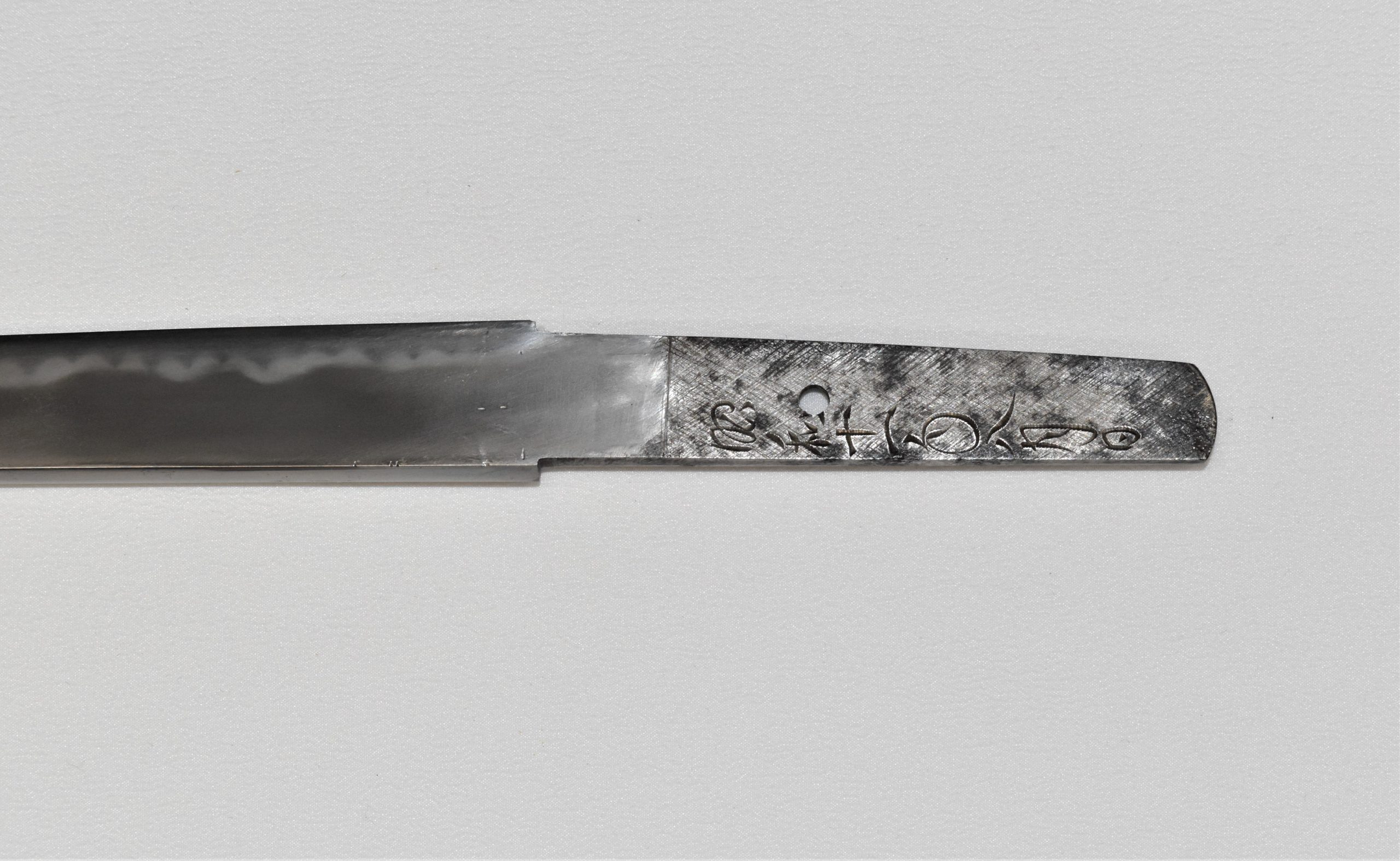
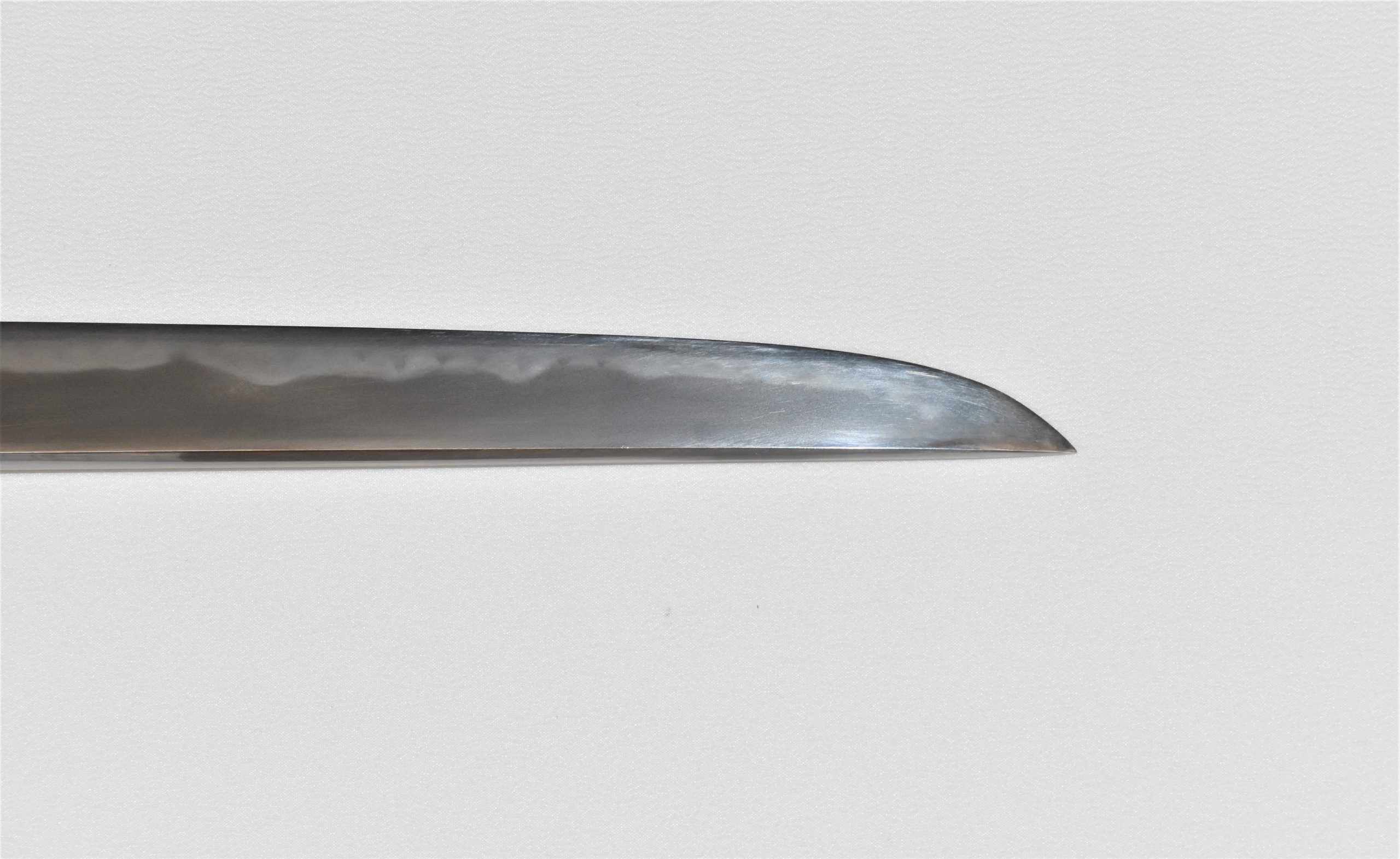
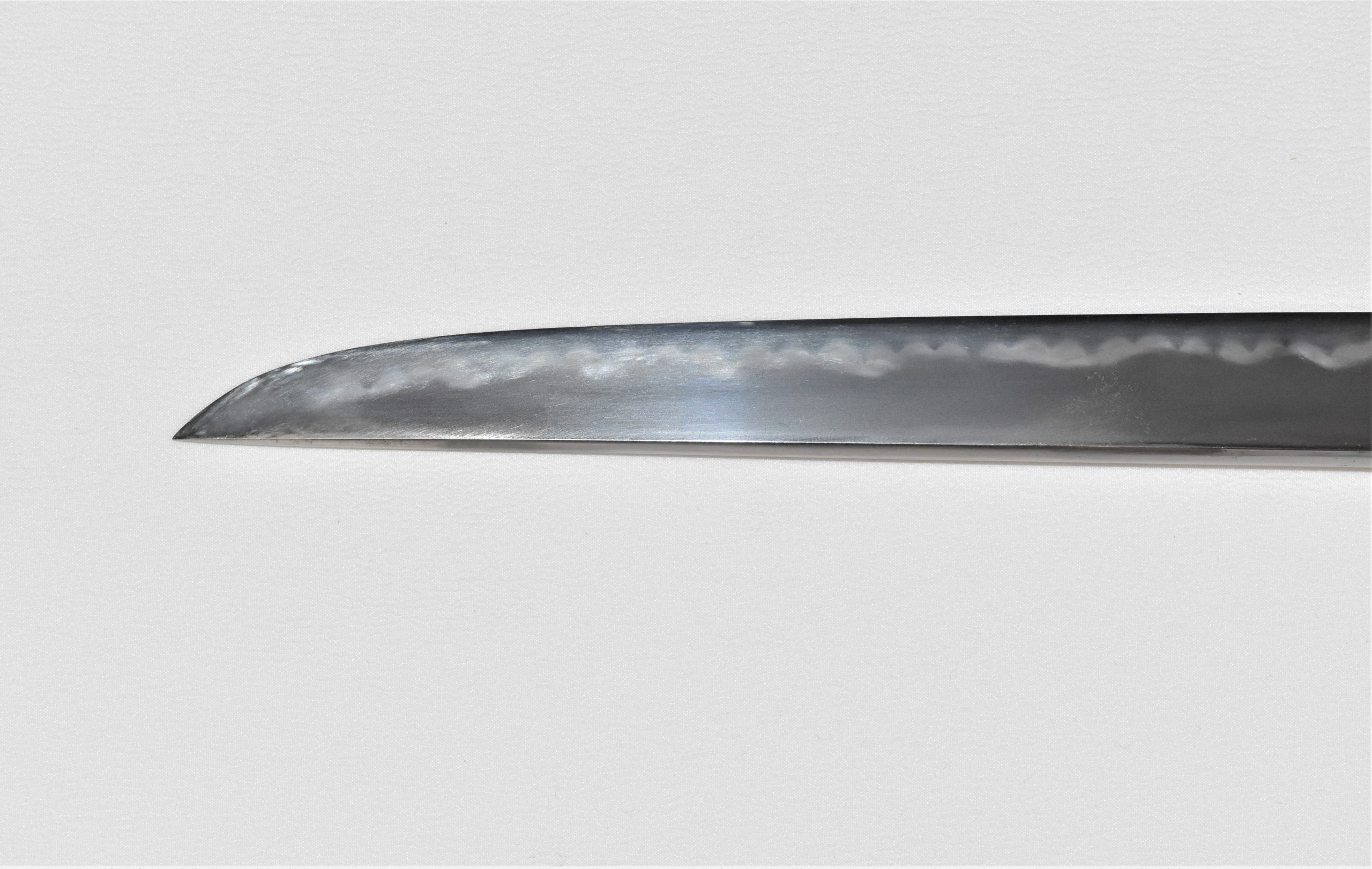
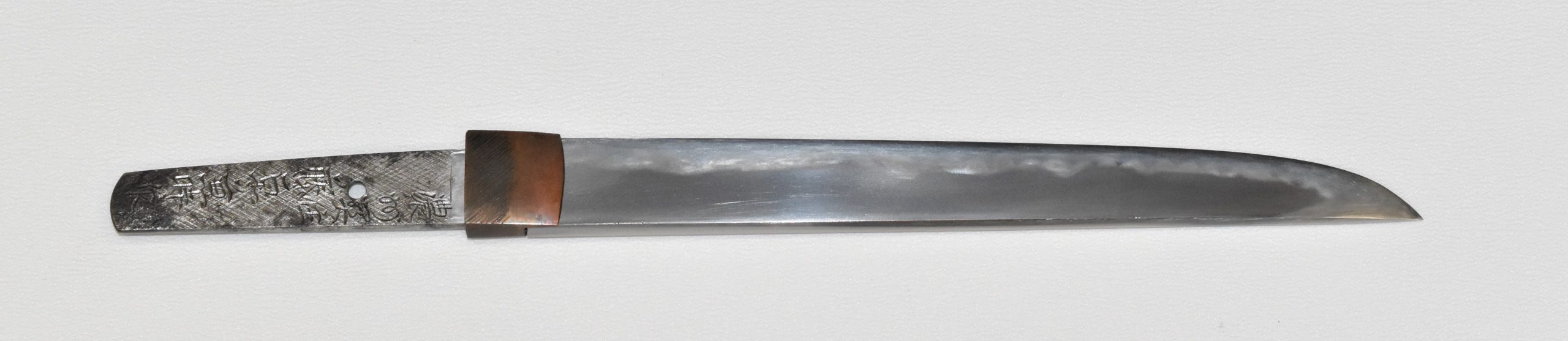
Fujiwara Kanetoki, also known as Kojima Kanetoki, born Kojima Tokijiro, was a representative swordsmith during World War II. He later took the name Kojima Kanemichi and also became a Kajikokko. In the "1st New Japanese Sword Exhibition" held in Showa 10, he won second prize, and later in the exhibition held in Showa 16, he received a special honorary seat; therefore, it is clear that Showa 11, when this blade was made, was a period of particular vigor for him as a swordsmith. Furthermore, the single character that is unclear on the registration certificate is undoubtedly "Seki". The tempered hamon is sanbonsugi with a jizo boshi. Both are representative hamon of Noshu Seki. It is housed in a shirasaya. Recommended for appreciation.
Offered by Nosyudo
3 on the market


As written by the shop
Machine translation from the shop's Japanese · may contain errors ·
Gifu · around 1926-1989
3 pieces on the market now
Shōwa to the present: destruction and revival
The twentieth century nearly killed the craft twice: wartime distortion, then the occupation ban. The NBTHK’s founding in 1948 and licensed forging from 1953 rebuilt the sword as an art, crowned by Living National Treasures and the mukansa rank.
We could not find an authenticity certificate on the seller’s listing. Japanese swords and fittings are normally papered by the NBTHK (or the NTHK). Without one, the attribution is the seller’s own assessment and has not been independently verified — treat it with caution and ask the dealer about certification before buying.
¥300,000