Edo was the sword’s age of connoisseurship: the Hon’ami appraisers, the shogunal register of famous blades of 1719, and a thriving literature turned the sword into an object of study even as it ceased to be drawn in war.
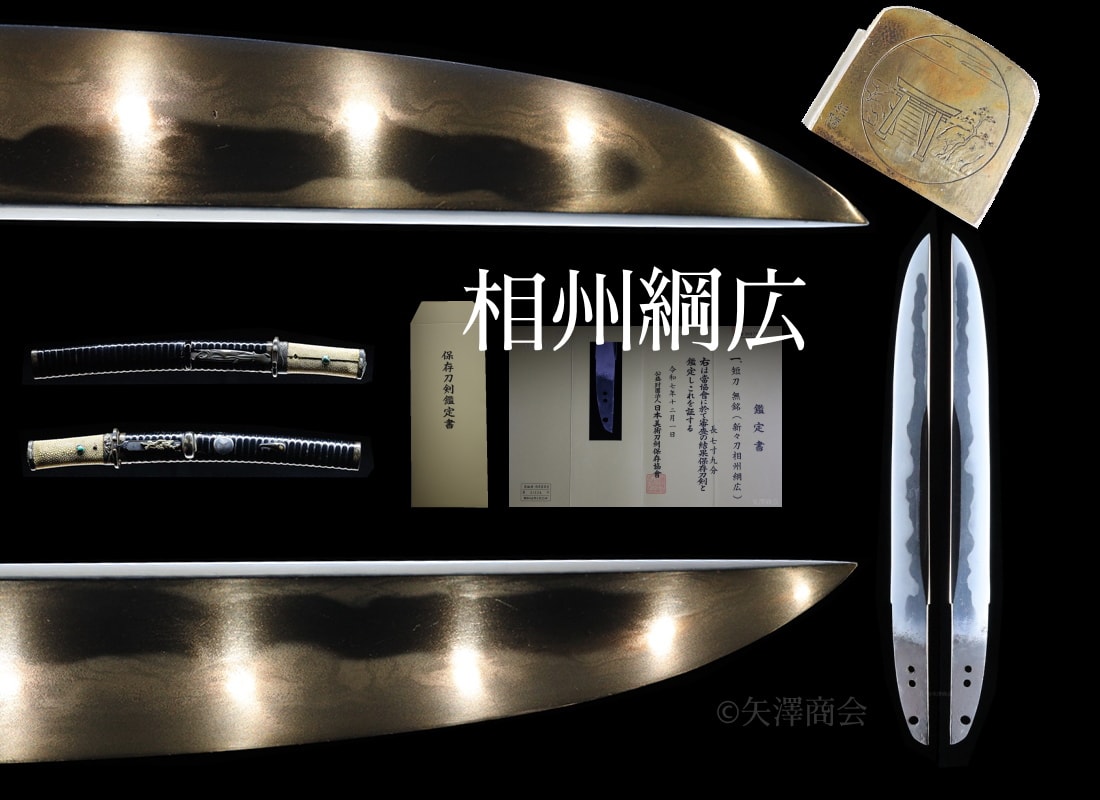
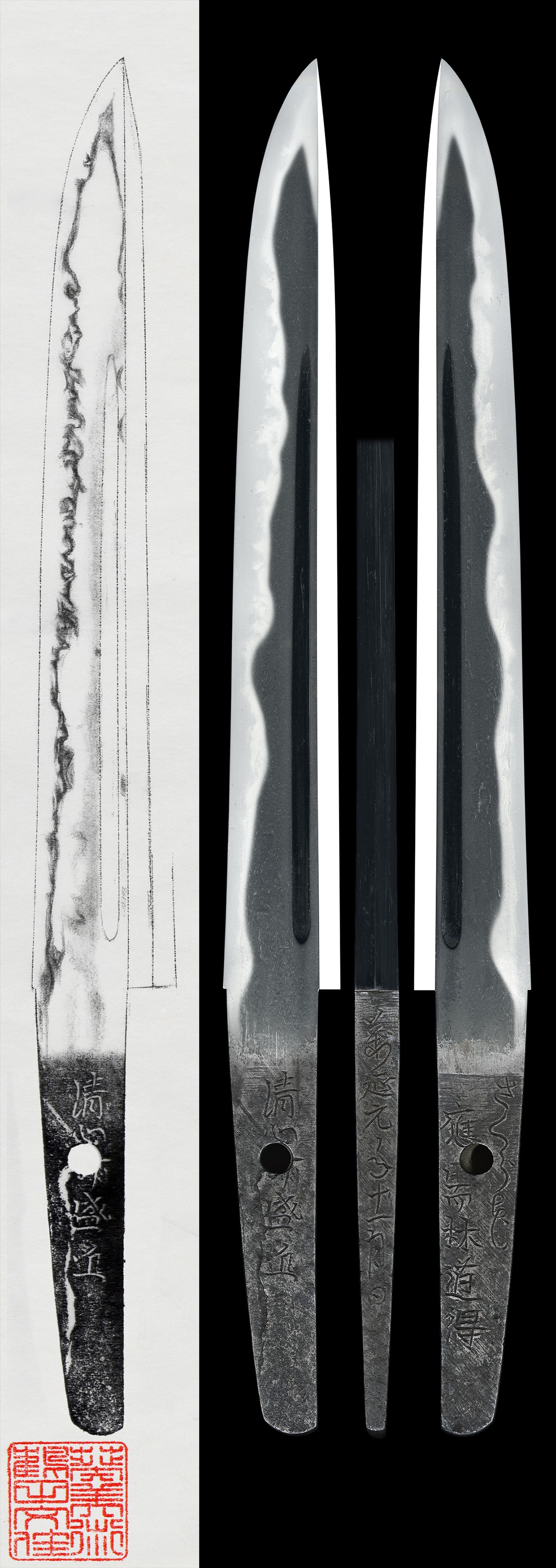
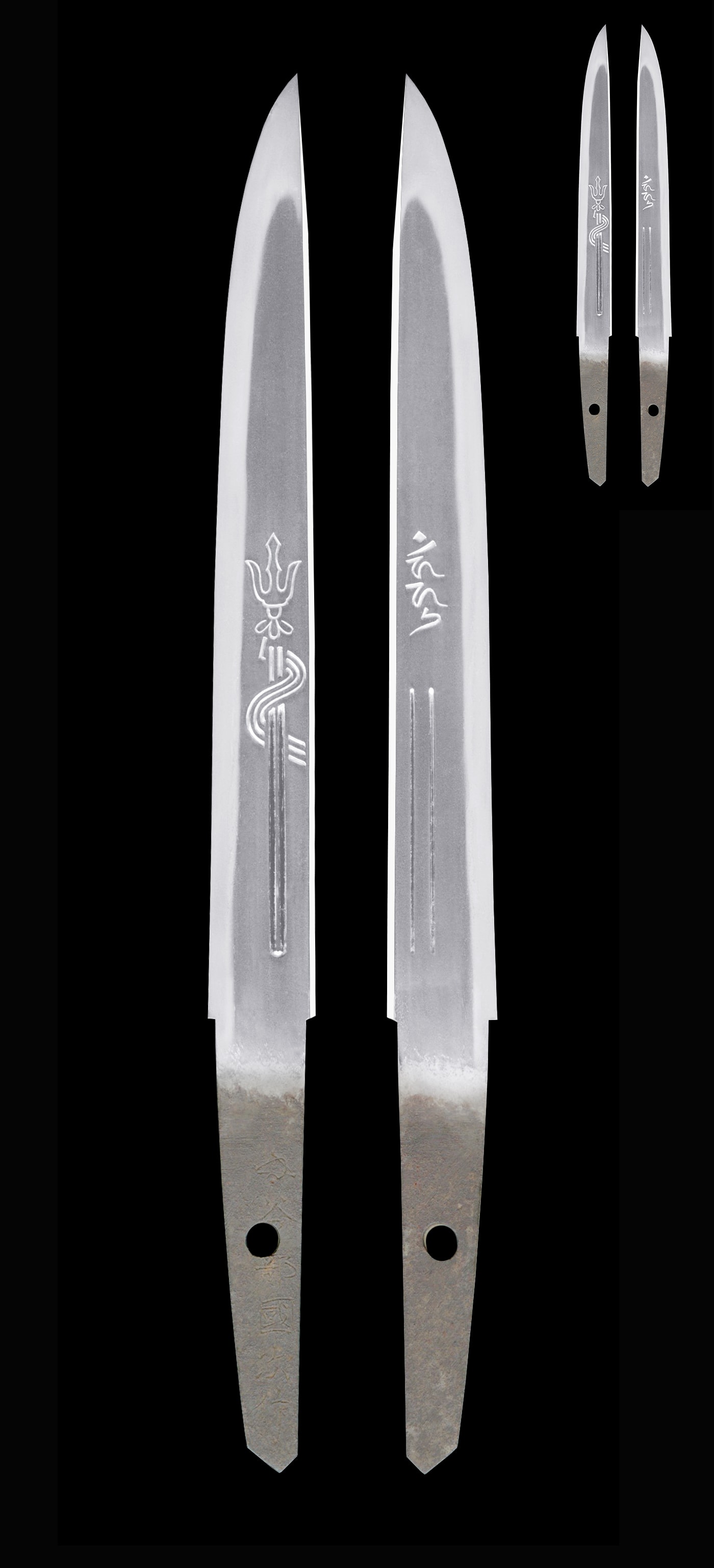
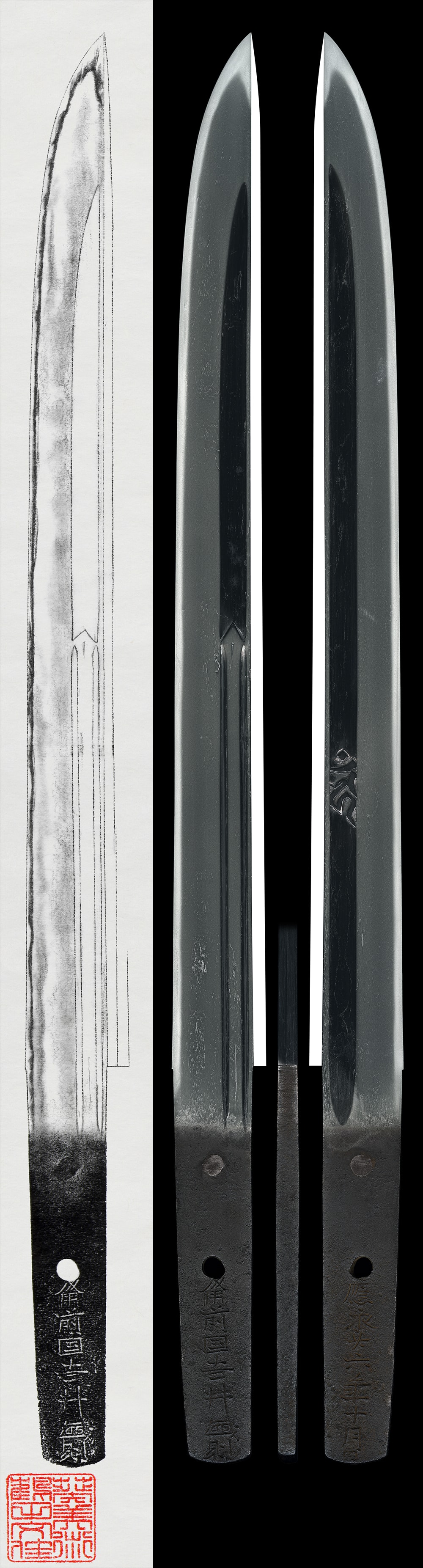
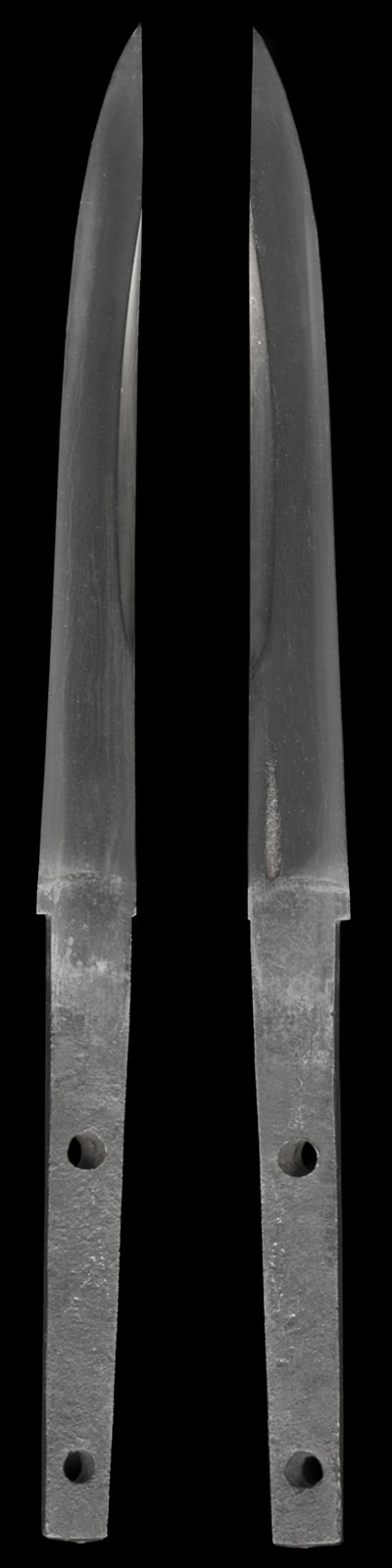
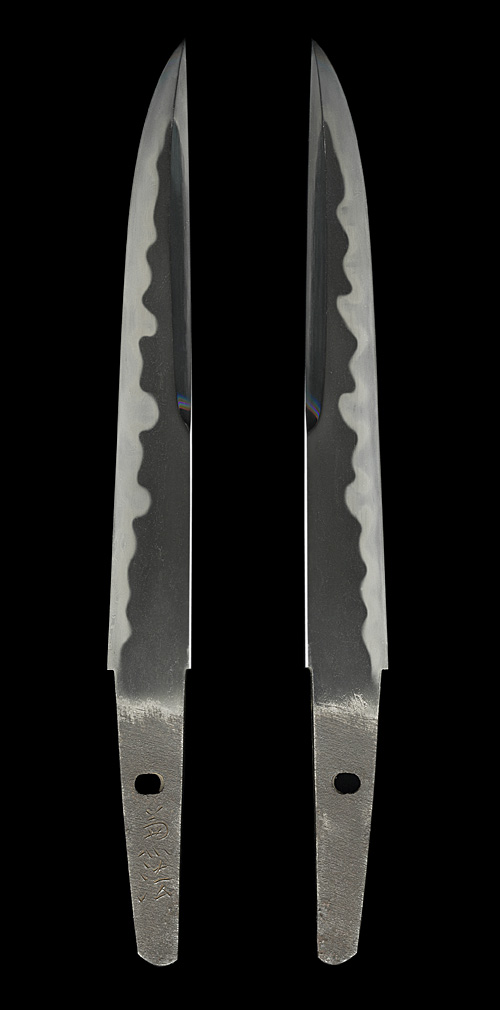
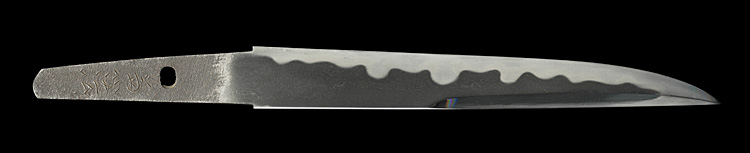
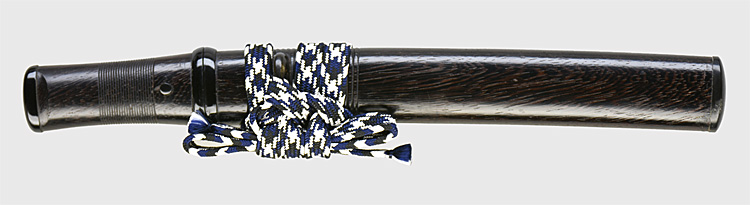
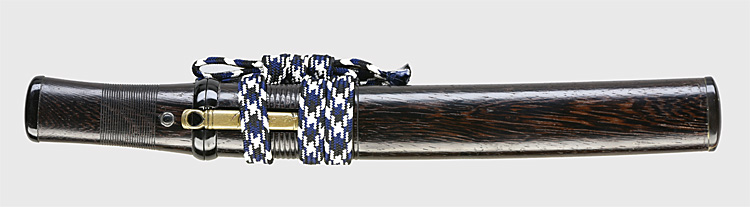
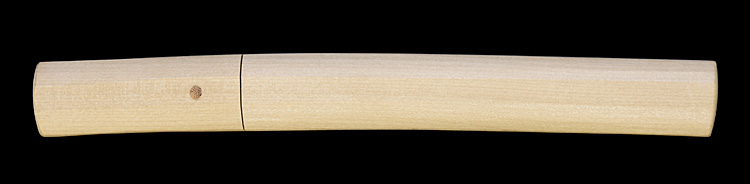
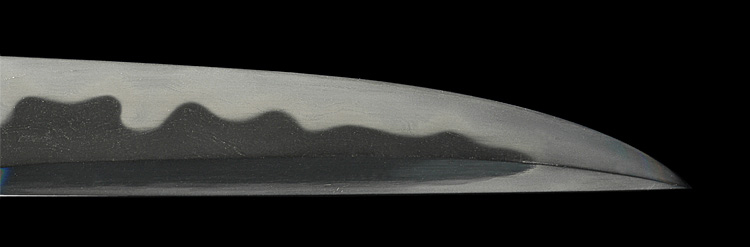
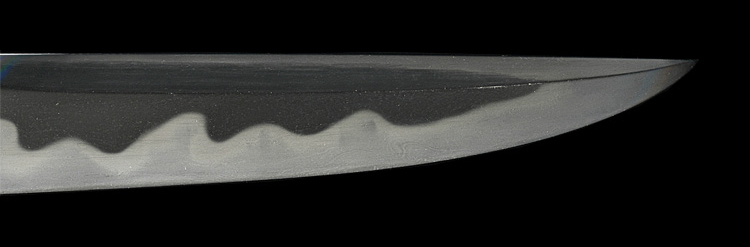
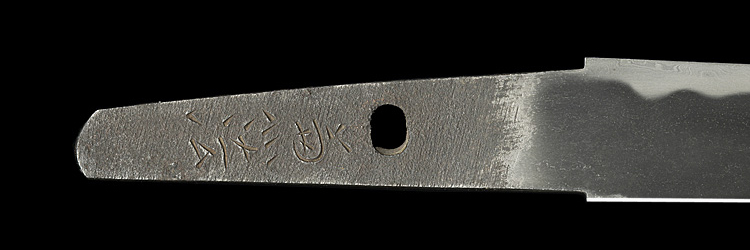
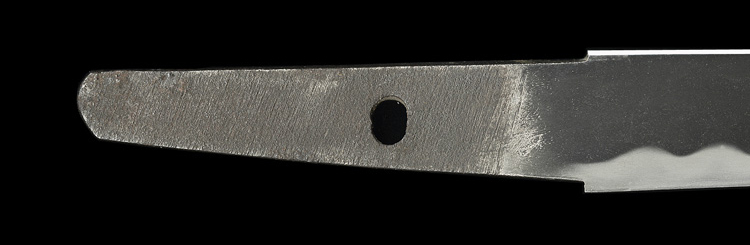
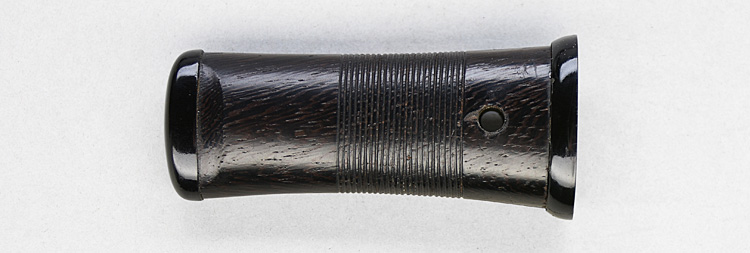
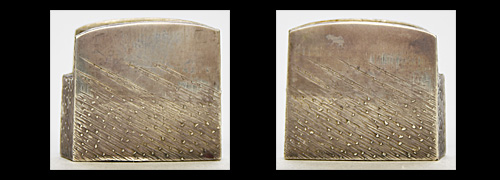
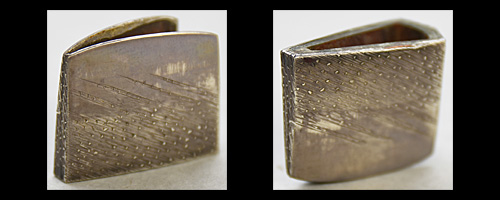
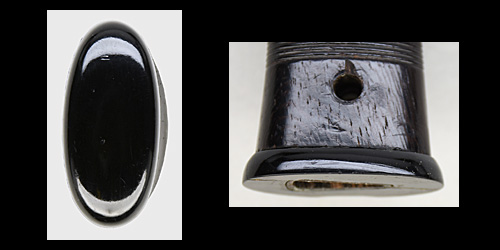
This is a tanto by Kanenori from the Mino province, active during the Bakumatsu period. It features a kanmuri-otoshi zukuri with an iori-mune and an ubu-nakago. The jihada is an itame mixed with mokume, showing ji-nie and chikei. The hamon is a combination of notare, gunome, choji, and togari-ba, with ko-nie, yubashiri, kinsuji, and sunagashi, resulting in a clear and bright appearance. It comes with a koshirae featuring a koshikizami mokume-nuri saya and an aikuchi style hard wood mounting, and is accompanied by an NBTHK Hozon Token certificate.
 NihontoWatch
mei · Kanei (1624-1644) · nagasa 16.7cm


Mino · around 1624-1644
1 piece on the market now
Edo was the sword’s age of connoisseurship: the Hon’ami appraisers, the shogunal register of famous blades of 1719, and a thriving literature turned the sword into an object of study even as it ceased to be drawn in war.
Certifies a genuine blade worth preserving: a signature confirmed correct, or, if unsigned, an era, province, and school that the NBTHK can reliably identify.
The NBTHK (Nihon Bijutsu Tōken Hozon Kyōkai, the Society for the Preservation of Japanese Art Swords) is a public-interest incorporated foundation founded in 1948 and supervised by Japan’s Agency for Cultural Affairs (Bunkachō); it is based at the Japanese Sword Museum in Tokyo. Its expert panels physically examine each submitted work (shinsa) and issue a certificate (kanteishō) ranking it by artistic and historical merit. NBTHK papers are the most widely recognized standard of authentication for Japanese swords and fittings.
NBTHK official siteWithin one week of the item's arrival (cooling-off is possible within Japan only). For defects that differ from the purchase conditions, we will accept the return and refund the payment. For other cases such as overseas, we will consult separately.
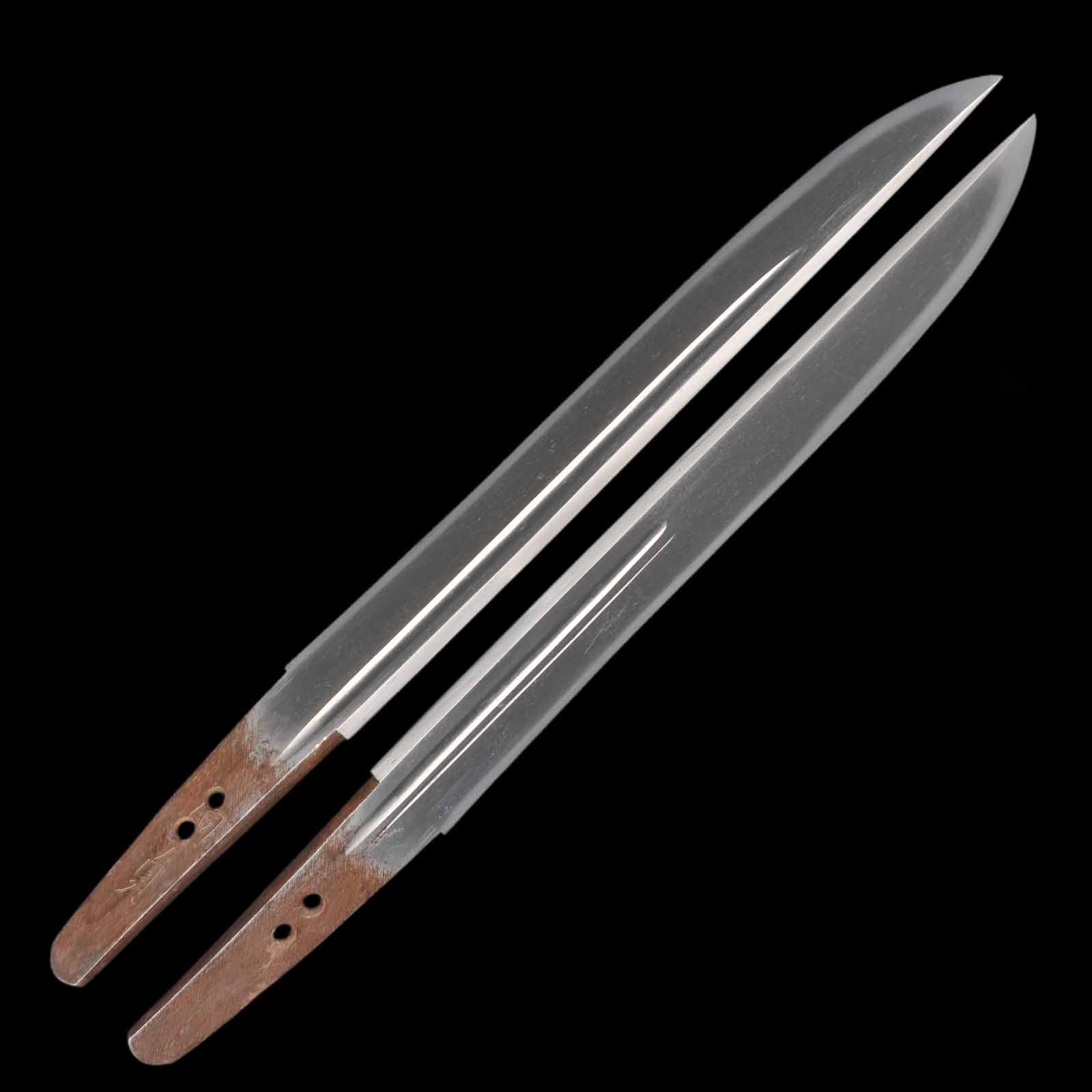
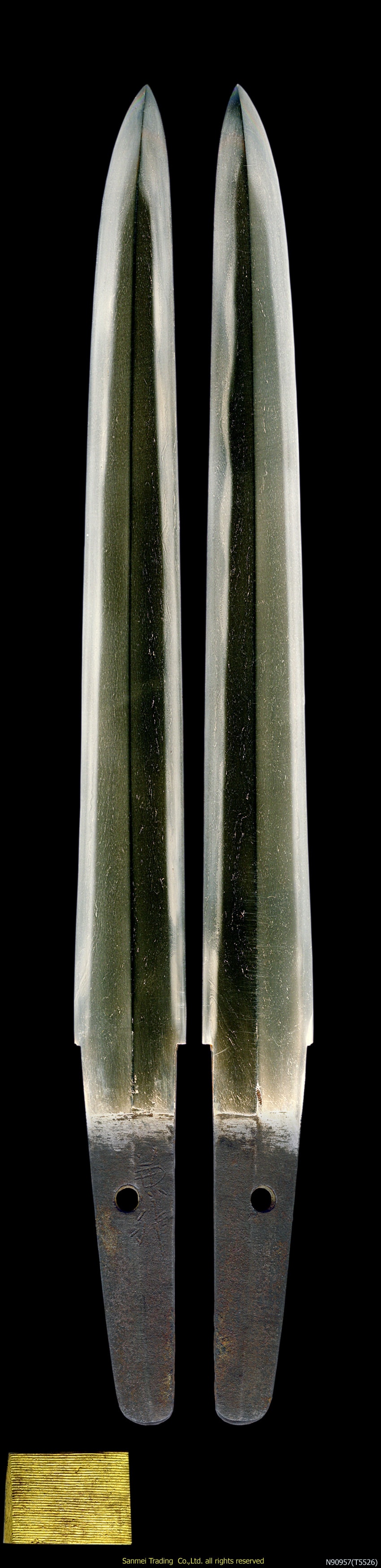
This is a tanto by Kanenori from the Mino province, active during the Bakumatsu period. It features a kanmuri-otoshi zukuri with an iori-mune and an ubu-nakago. The jihada is an itame mixed with mokume, showing ji-nie and chikei. The hamon is a combination of notare, gunome, choji, and togari-ba, with ko-nie, yubashiri, kinsuji, and sunagashi, resulting in a clear and bright appearance. It comes with a koshirae featuring a koshikizami mokume-nuri saya and an aikuchi style hard wood mounting, and is accompanied by an NBTHK Hozon Token certificate.
NihontoWatchmei · Kanei (1624-1644) · nagasa 16.7cm
Mino · around 1624-1644
1 piece on the market now
Edo was the sword’s age of connoisseurship: the Hon’ami appraisers, the shogunal register of famous blades of 1719, and a thriving literature turned the sword into an object of study even as it ceased to be drawn in war.
Certifies a genuine blade worth preserving: a signature confirmed correct, or, if unsigned, an era, province, and school that the NBTHK can reliably identify.
The NBTHK (Nihon Bijutsu Tōken Hozon Kyōkai, the Society for the Preservation of Japanese Art Swords) is a public-interest incorporated foundation founded in 1948 and supervised by Japan’s Agency for Cultural Affairs (Bunkachō); it is based at the Japanese Sword Museum in Tokyo. Its expert panels physically examine each submitted work (shinsa) and issue a certificate (kanteishō) ranking it by artistic and historical merit. NBTHK papers are the most widely recognized standard of authentication for Japanese swords and fittings.
NBTHK official siteWithin one week of the item's arrival (cooling-off is possible within Japan only). For defects that differ from the purchase conditions, we will accept the return and refund the payment. For other cases such as overseas, we will consult separately.