Edo was the sword’s age of connoisseurship: the Hon’ami appraisers, the shogunal register of famous blades of 1719, and a thriving literature turned the sword into an object of study even as it ceased to be drawn in war.
 NihontoWatchNihontoWatch
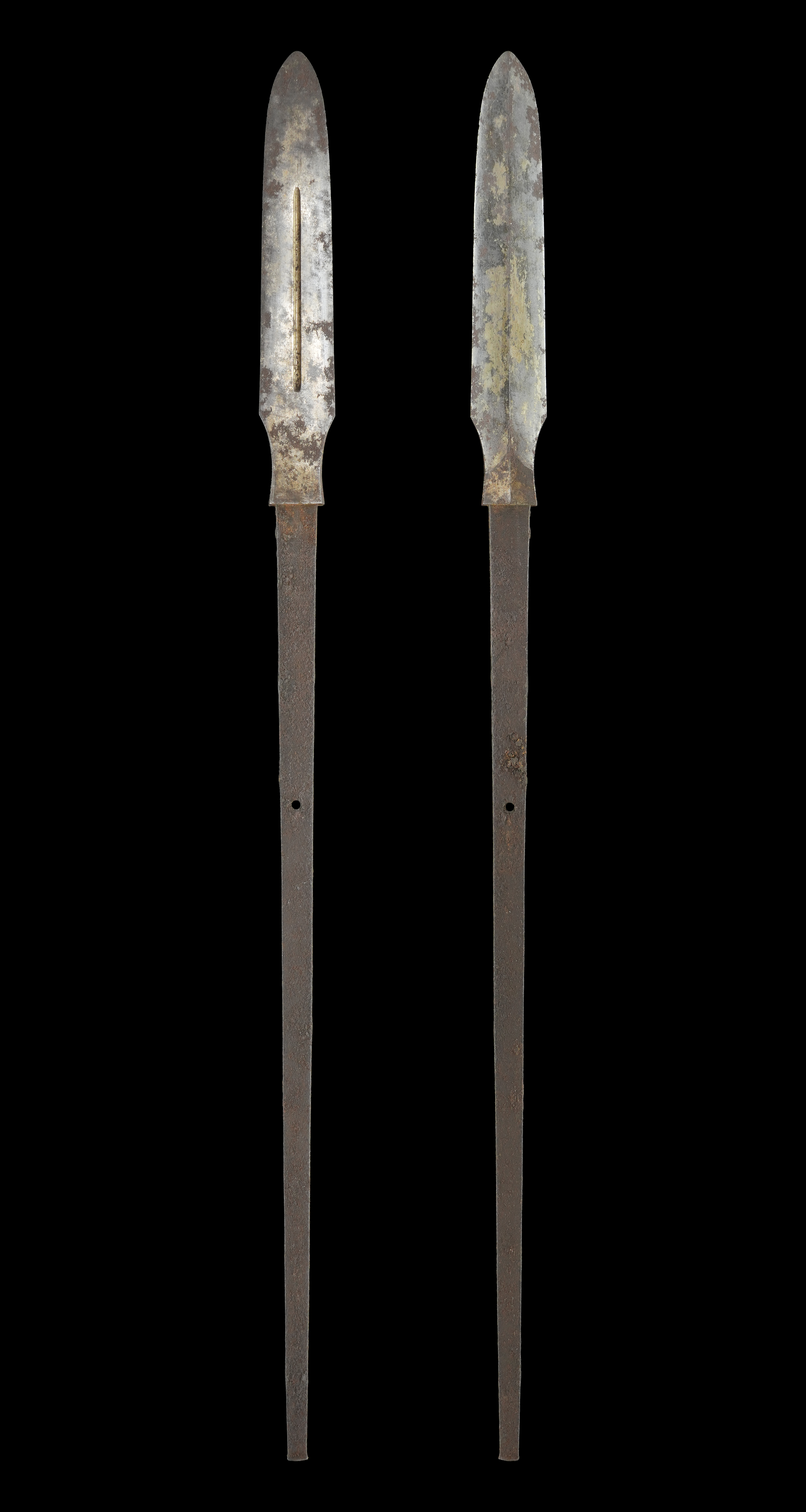
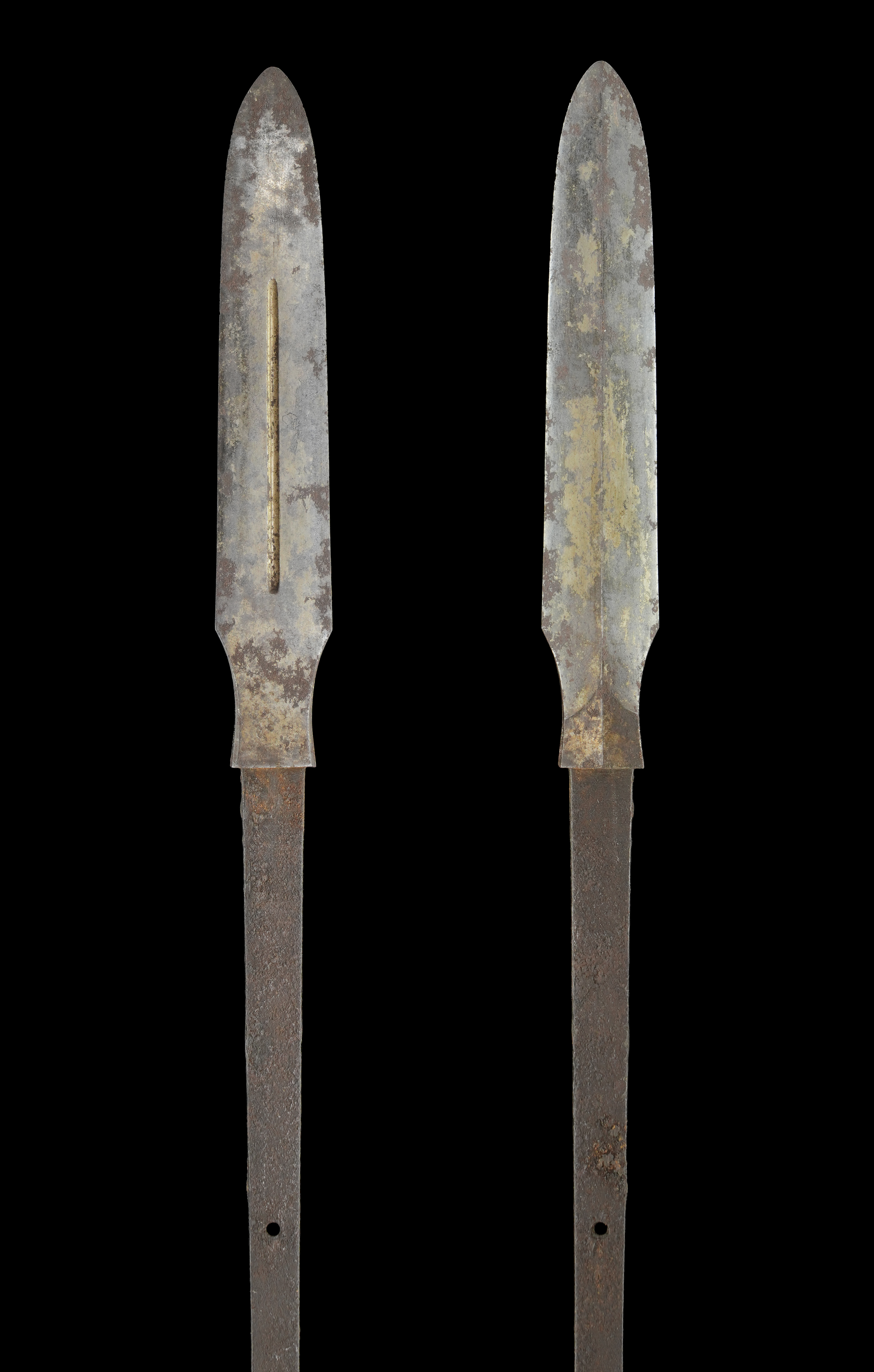
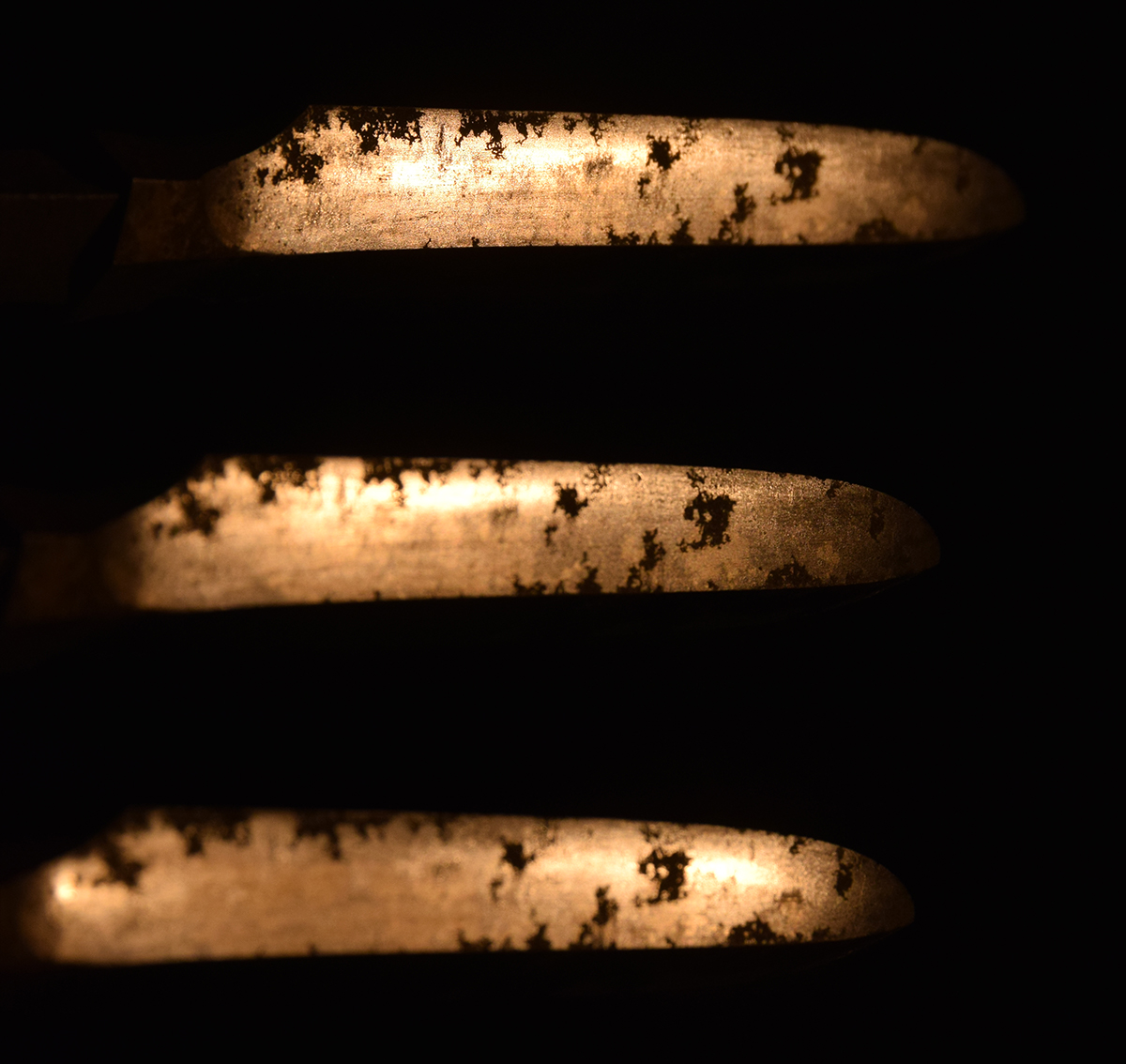
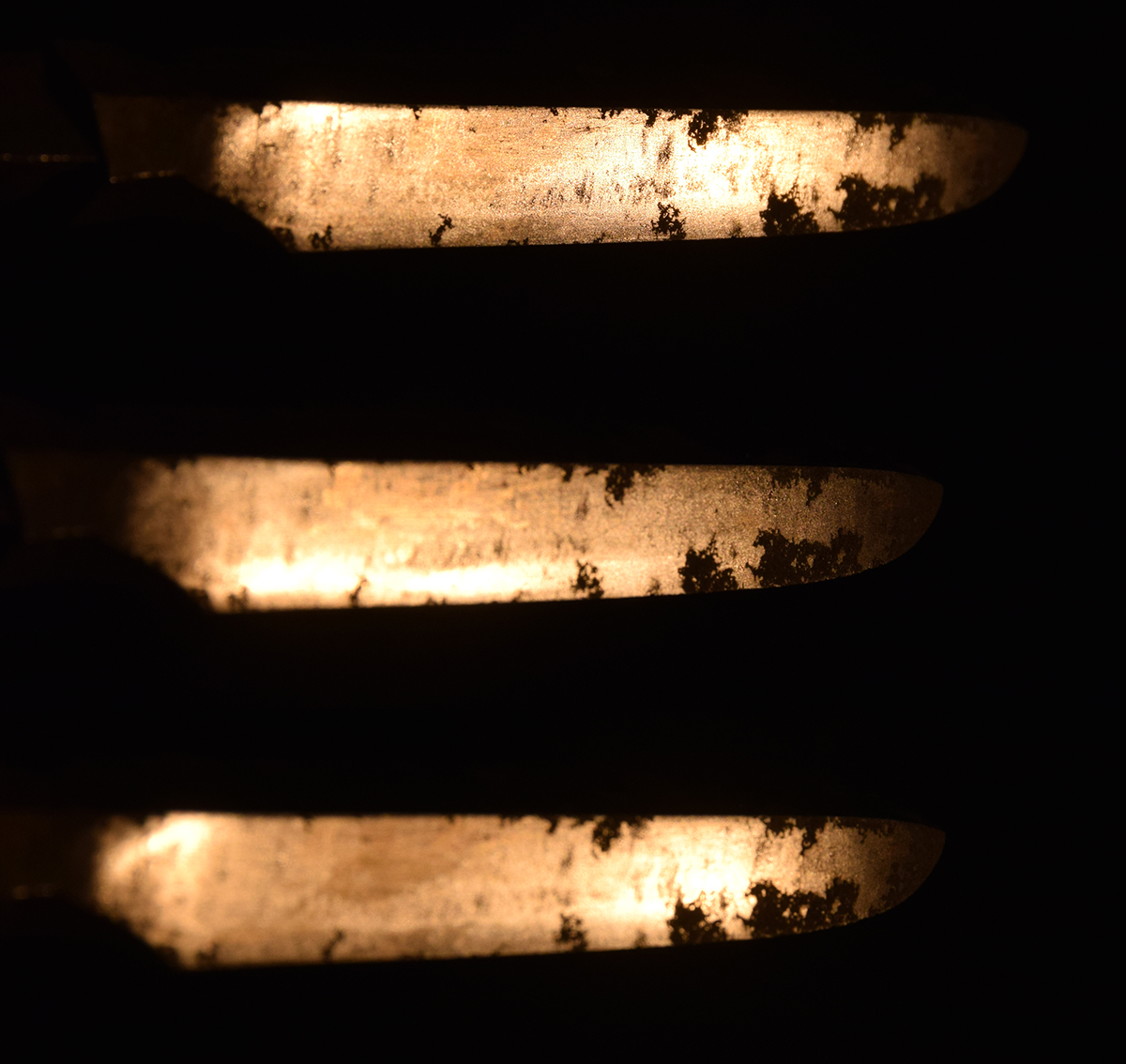
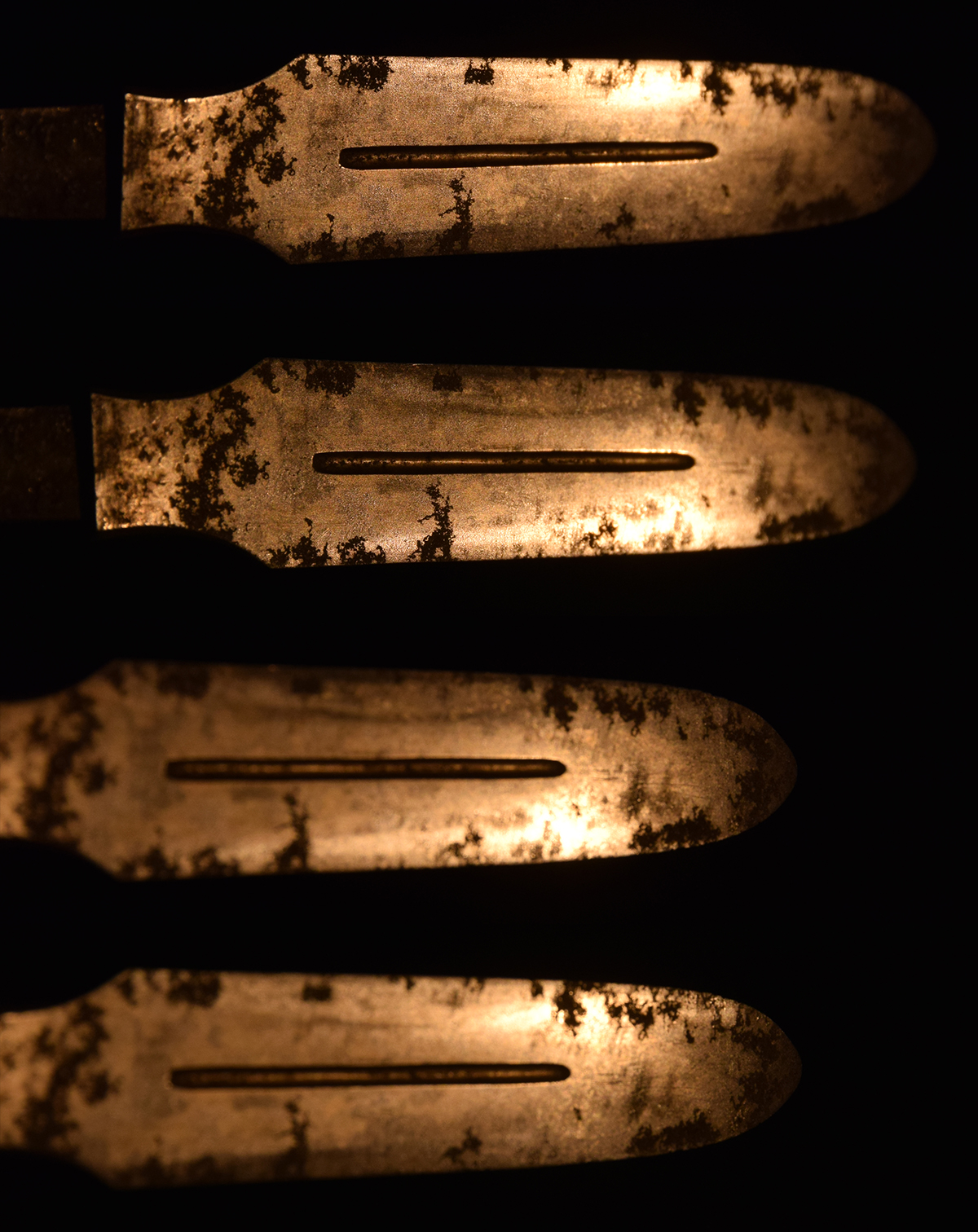
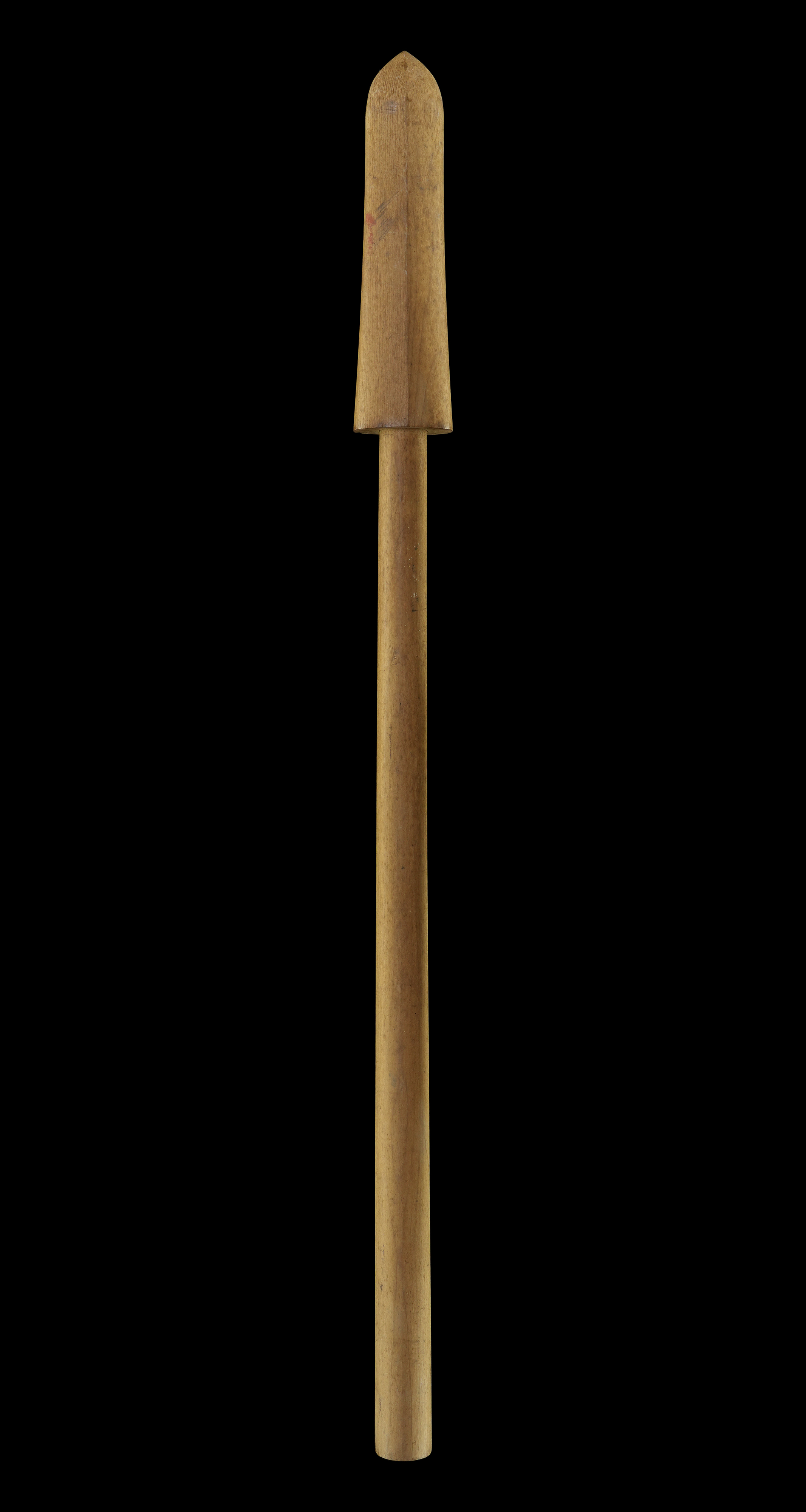
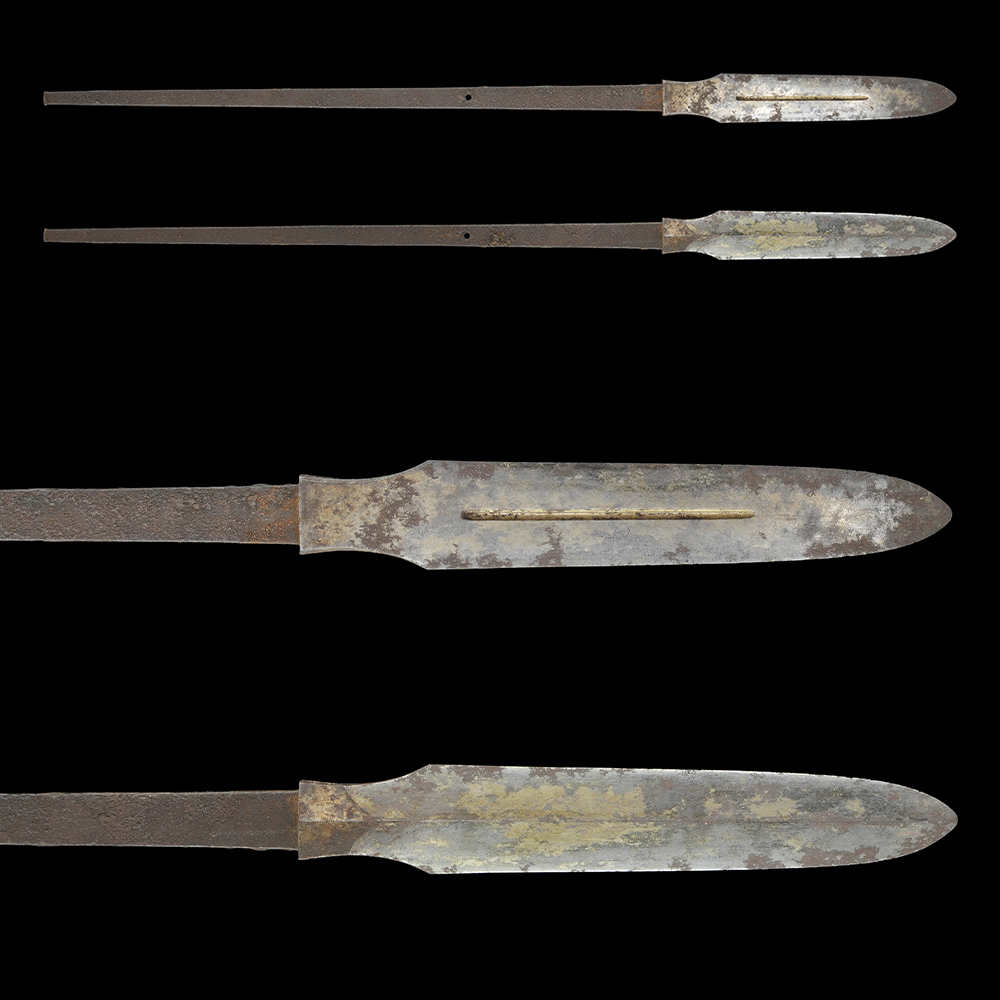
Hira-sankaku-zukuri. The kera-kubi has the corners of the flat surfaces removed to form a heptagonal shape. Due to rust, the jithane is unclear, but the hamon appears to be tempered as suguha. The craftsmanship of the kera-kubi is well-defined with sharp edges, and despite being mumei, it is an elaborate construction, so please by all means have it polished.
NihontoWatchOffered by Toushin

We couldn’t find current papers for this piece. Ask the dealer whether it has been, or can be, submitted to shinsa. — Hoshi

As written by the shop
Machine translation from the shop's Japanese · may contain errors ·
The Edo period (1615 to 1868)
Edo was the sword’s age of connoisseurship: the Hon’ami appraisers, the shogunal register of famous blades of 1719, and a thriving literature turned the sword into an object of study even as it ceased to be drawn in war.
We could not find an authenticity certificate on the seller’s listing. Japanese swords and fittings are normally papered by the NBTHK (or the NTHK). Without one, the attribution is the seller’s own assessment and has not been independently verified — treat it with caution and ask the dealer about certification before buying.
As a rule we do not accept returns, except when we have sent a different item from the one ordered or when there is a significant discrepancy between the description and the item. If you wish to return an item, please contact us within 3 days of its arrival and then send it back.
¥33,000