Perry’s arrival in 1853 unraveled the Tokugawa peace and created the first mass demand for working swords in two centuries. Kiyomaro, called the Masamune of Yotsuya, died on its eve; Munetsugu and Yukihide carried the boom to the end.
 NihontoWatchNihontoWatch
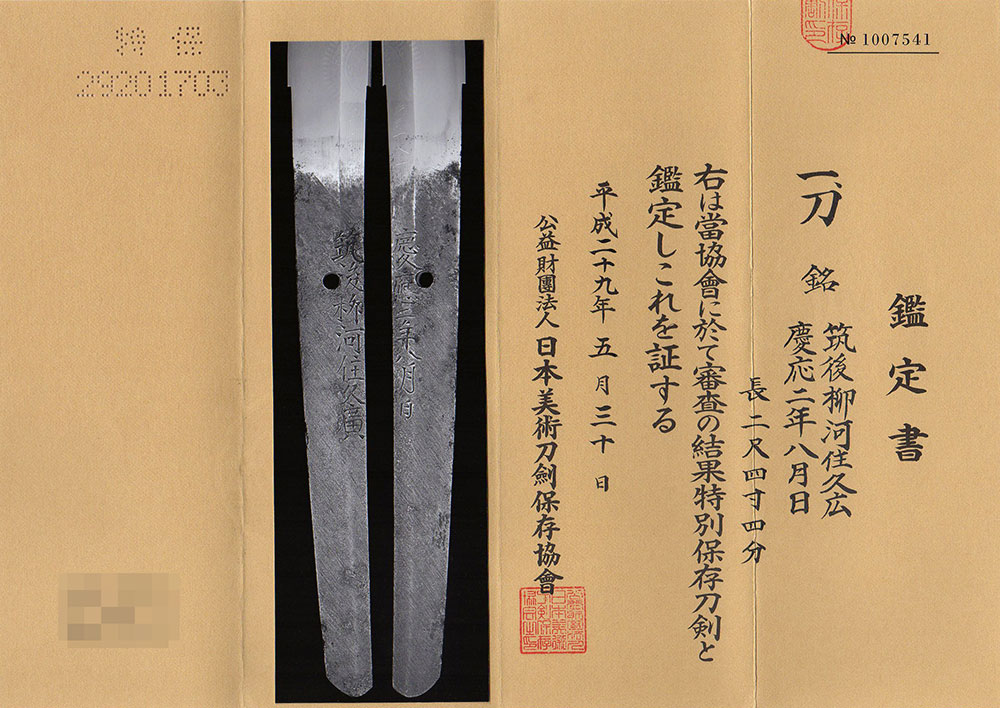
Shinano no Kami Muto Hisahiro was a swordsmith of the late Dotanuki lineage who studied swordmaking under Dotanuki Munehiro, and he wielded his hammer as an official smith for the Tachibana family of the Yanagawa (Yanagawa) Domain. That lineage is still carried on today by contemporary swordsmiths active in Fukuoka Prefecture. The difference between the width at the moto and saki is well-proportioned, and the kissaki is slightly extended. The jitetsu is a well-forged and tight ko-itame mixed with moku, and the hamon is a bright and clear suguha based in ko-nie, with frequent ashi forming ko-midare, and the interior of the ha is also nie-laden, showing a workmanship favored by connoisseurs. The boshi is sugu with a round kaeri. This is a work that fully demonstrates the skill of Hisahiro, who was active as a smith for the Yanagawa Domain.
Certificate reading — 銘 筑後柳河住久広 慶応二年八月日
NihontoWatchOffered by Toushin

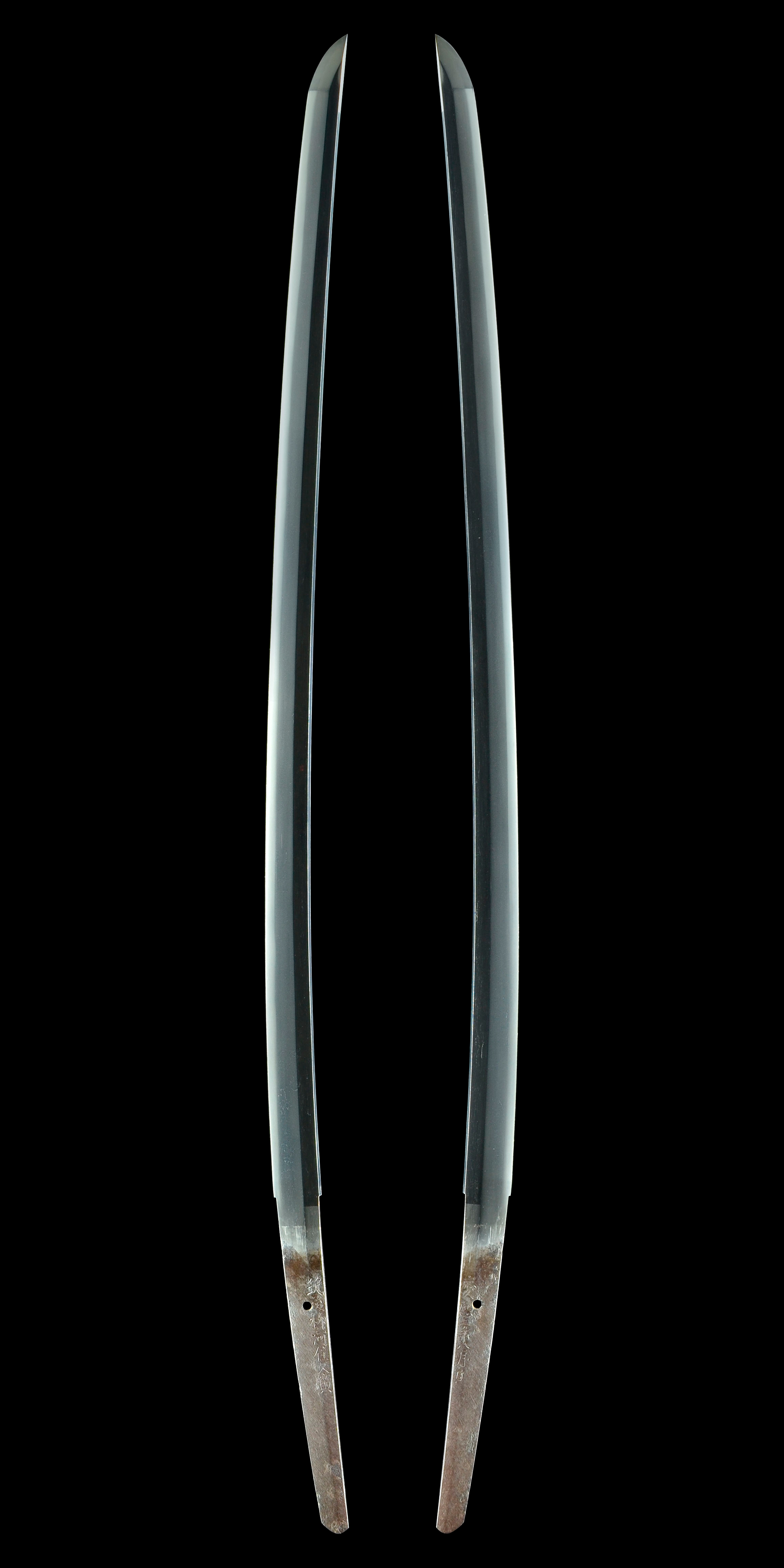
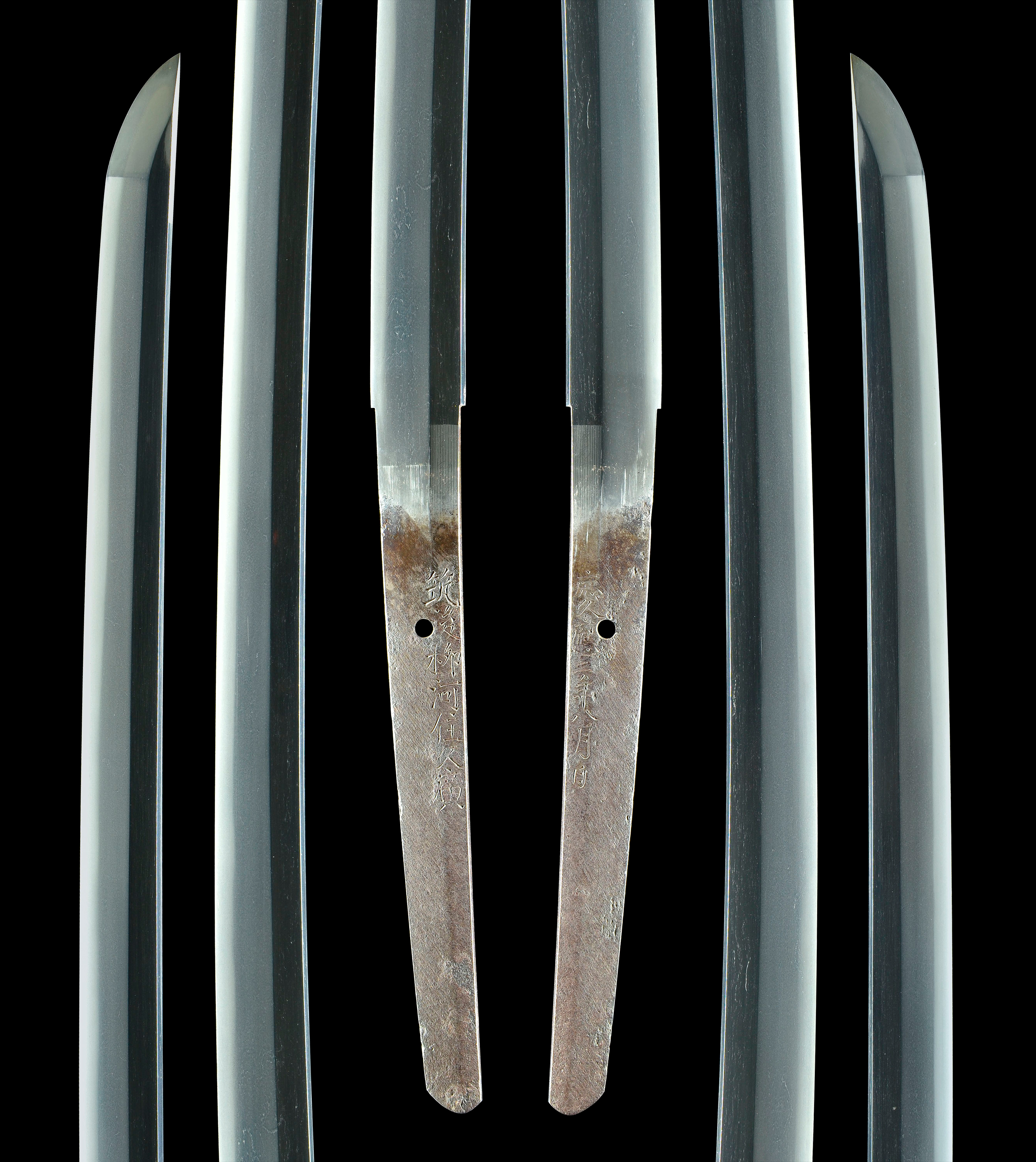
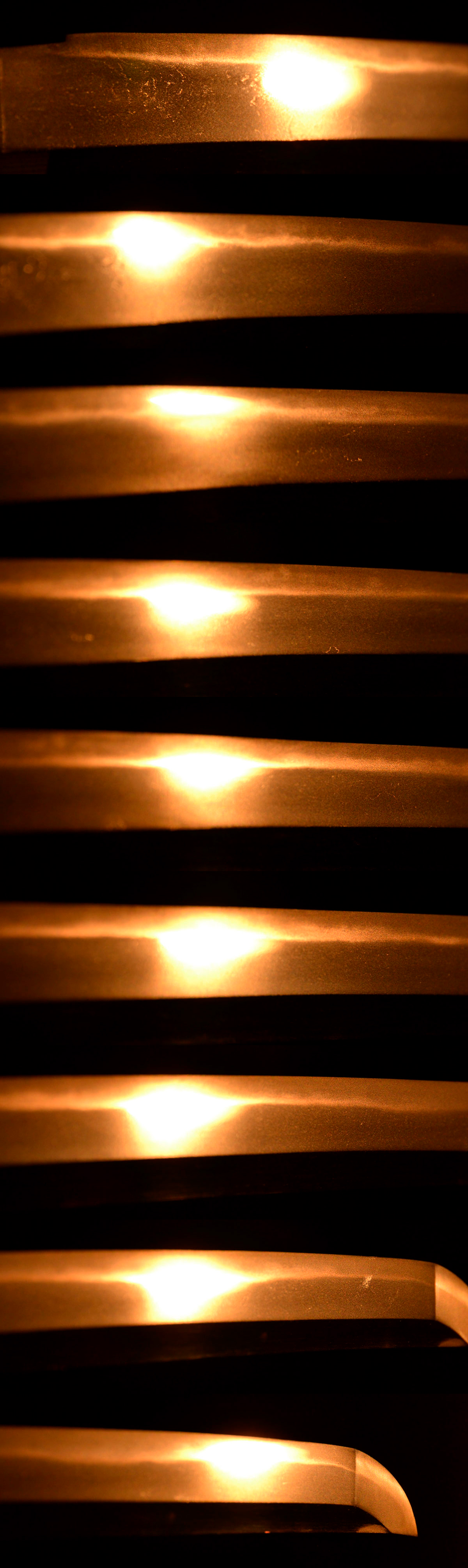
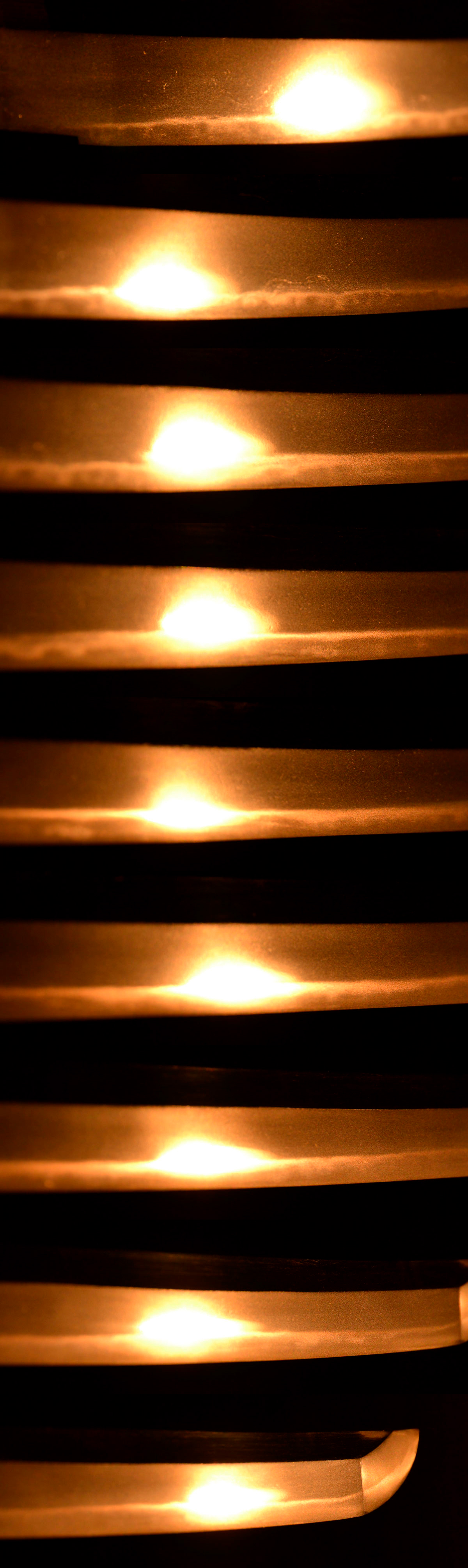
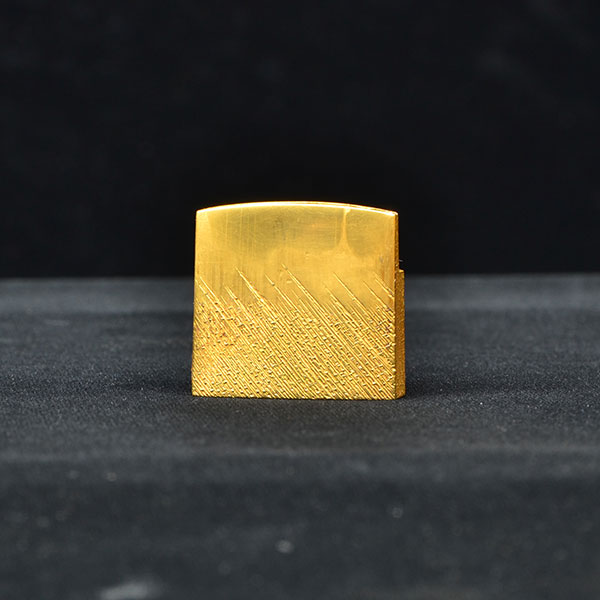
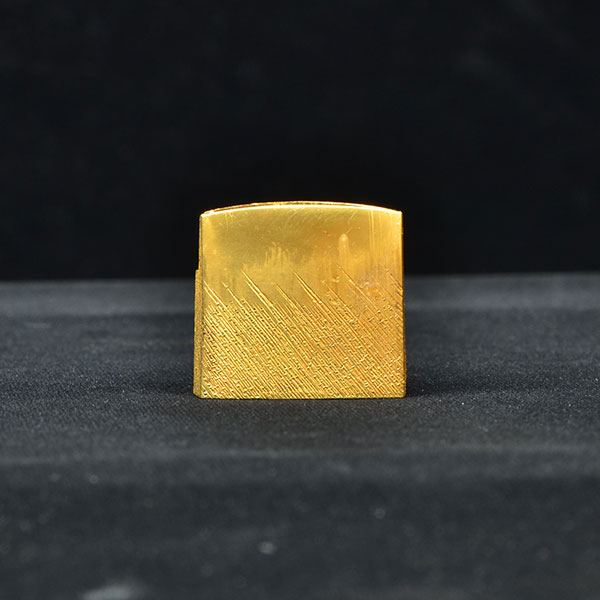
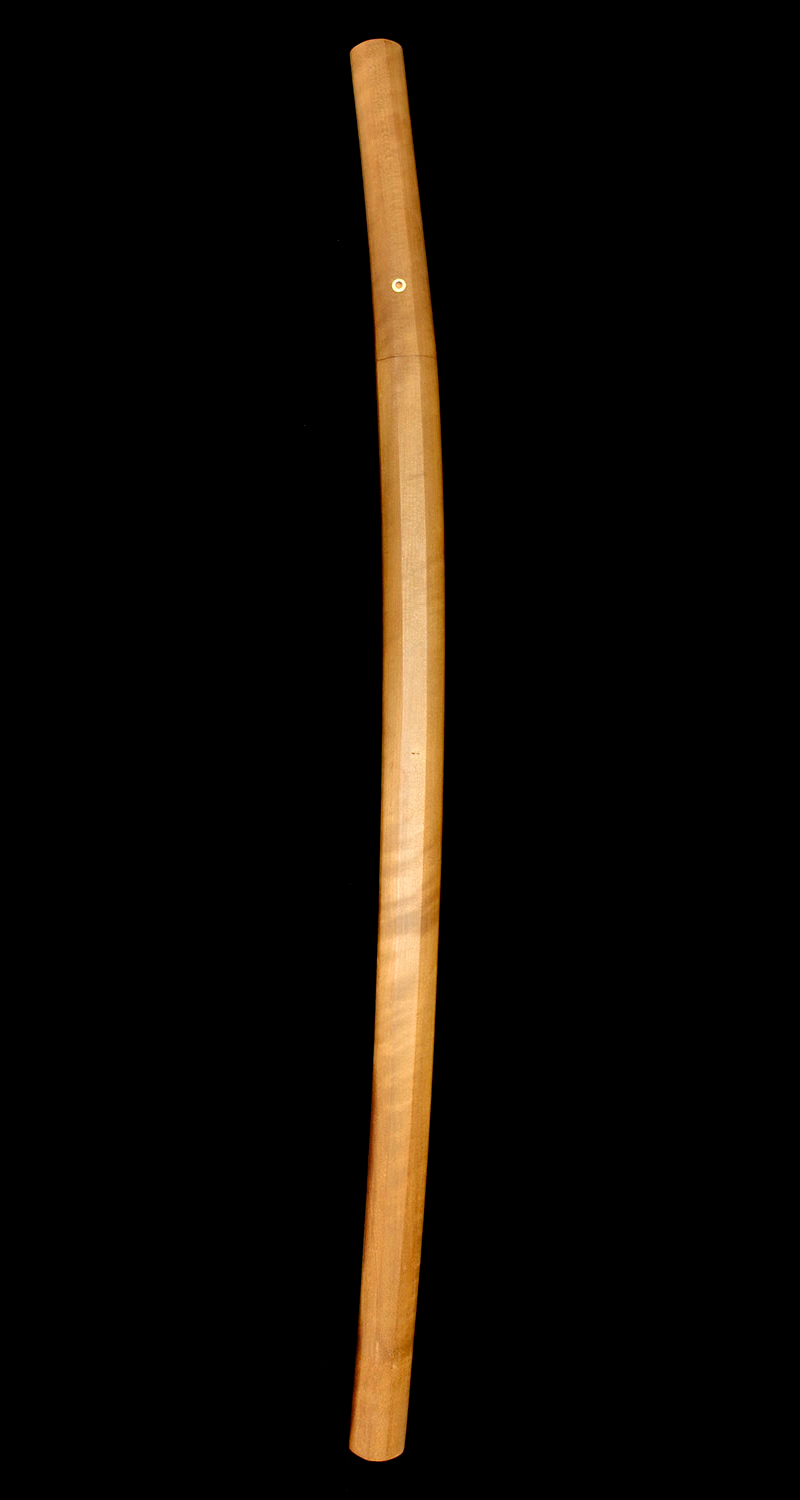
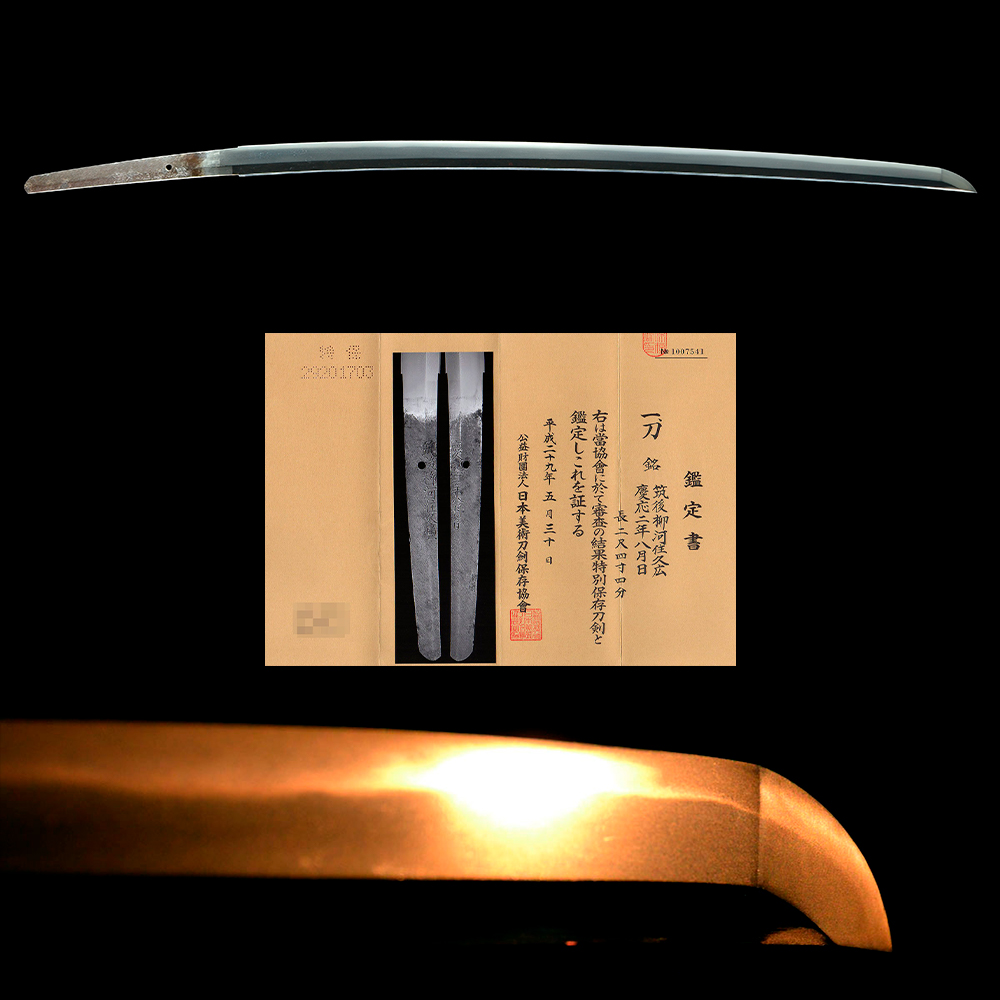
As written by the shop
Machine translation from the shop's Japanese · may contain errors ·
Chikugo · around 1866-1866
1 piece on the market now
Bakumatsu: the last war market
Perry’s arrival in 1853 unraveled the Tokugawa peace and created the first mass demand for working swords in two centuries. Kiyomaro, called the Masamune of Yotsuya, died on its eve; Munetsugu and Yukihide carried the boom to the end.
A Hozon-certified blade judged to show notably superior workmanship and a better state of preservation. The bar is higher: re-tempered blades and most unsigned Muromachi/Edo works are excluded.
The NBTHK (Nihon Bijutsu Tōken Hozon Kyōkai, the Society for the Preservation of Japanese Art Swords) is a public-interest incorporated foundation founded in 1948 and supervised by Japan’s Agency for Cultural Affairs (Bunkachō); it is based at the Japanese Sword Museum in Tokyo. Its expert panels physically examine each submitted work (shinsa) and issue a certificate (kanteishō) ranking it by artistic and historical merit. NBTHK papers are the most widely recognized standard of authentication for Japanese swords and fittings.
NBTHK official siteAs a rule we do not accept returns, except when we have sent a different item from the one ordered or when there is a significant discrepancy between the description and the item. If you wish to return an item, please contact us within 3 days of its arrival and then send it back.
¥797,500