His secular name was Sakurai Masatsugu, and he was a pupil of Koyama Munetsugu II. Born as the second son of Tanaka Seiryusai Masahisa on Meiji 1, April 8, in what is now Araki-cho, Shinjuku-ku, Tokyo, he was adopted by Sakurai Yasugoro in Meiji 17.
He studied sword-making methods under Tairyusai Kanji (Koyama Munetsugu - Tairyusai Munehiro - Kanji) from the age of thirteen until around twenty-two, and in Meiji 28, March, he was commissioned to prepare for the establishment of the metalwork department upon the recommendation of Okakura Tenshin, the director of the Tokyo School of Fine Arts; however, when Okakura Tenshin was dismissed as director in Meiji 31, April, he resigned in solidarity, and the following month, the tombstone of Yamaura Kiyomaro at Sofuku-ji temple in Suga-cho, Shinjuku-ku, which he had been involved in establishing, was completed.
The mei of Manji Masatsugu was given by Watanabe Nain of Ryuun-ji temple in Hakusan, Bunkyo-ku, where Masatsugu studied Zen. It was in Meiji 35 that he moved his forging facility from Nagata-cho, Chiyoda-ku, to the grounds of Zuisen-ji temple in Nikaido, Kamakura City, where he received an order to forge a daisho from Prince Arisugawa Takehito, who was recuperating from illness in Kamakura at the time. In Meiji 42, he was summoned by Prince Arisugawa Takehito and moved his forging facility to Maiko, Kobe City, where the Prince named the forge Joshinden and his residence Garyuan. In later years, he forged swords in Hiroshima, Shizuoka, and elsewhere, and by the time he was forging within the grounds of Munakata Taisha in Fukuoka Prefecture in Showa 10, his son Masayuki primarily handled those duties. In Showa 15, he was invited to the Ritsumeikan Nichiman Institute of Technology and opened a forge at the foot of Mount Kinugasa in Kita-ku, Kyoto City, which Masayuki presided over.
Among the disciples here was the future Living National Treasure, Sumitani Masamine, and others.
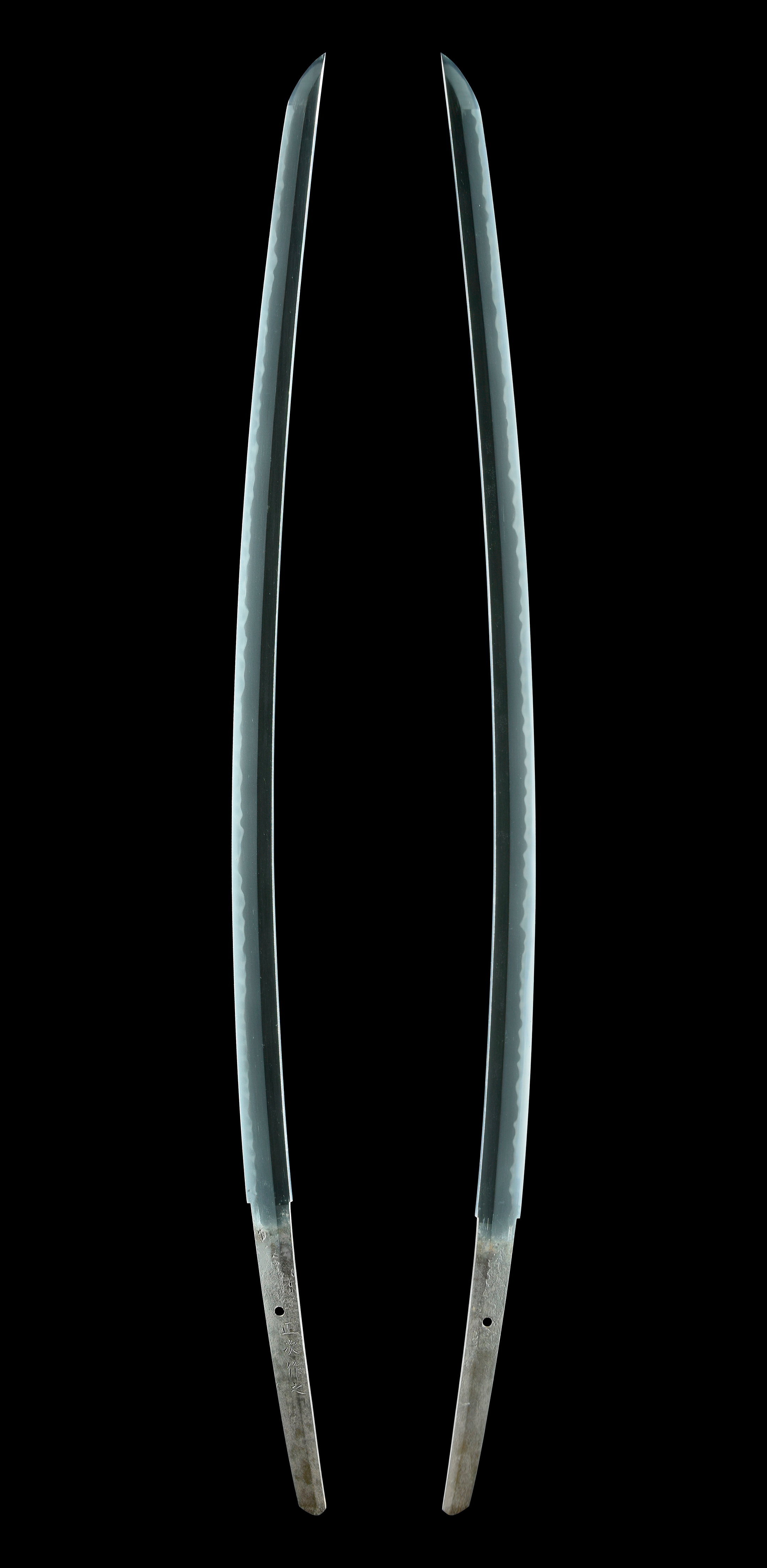
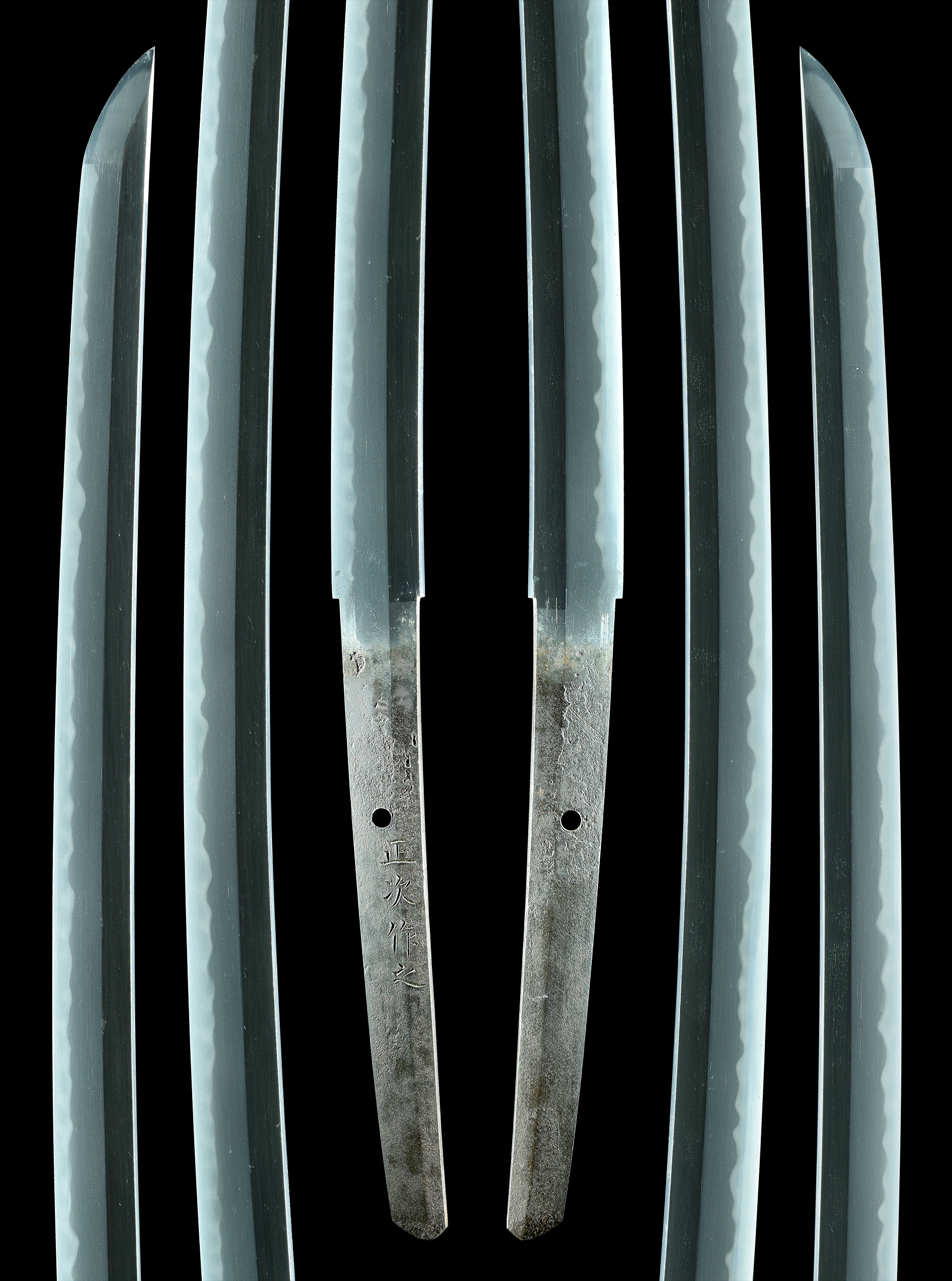
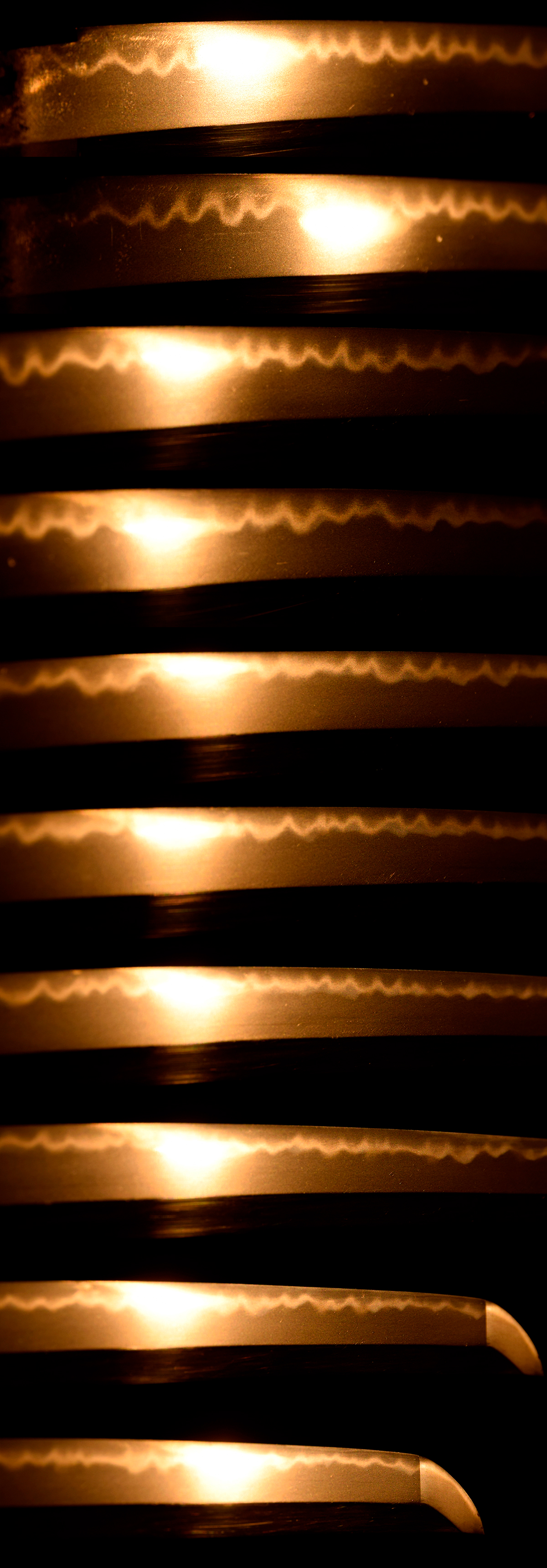
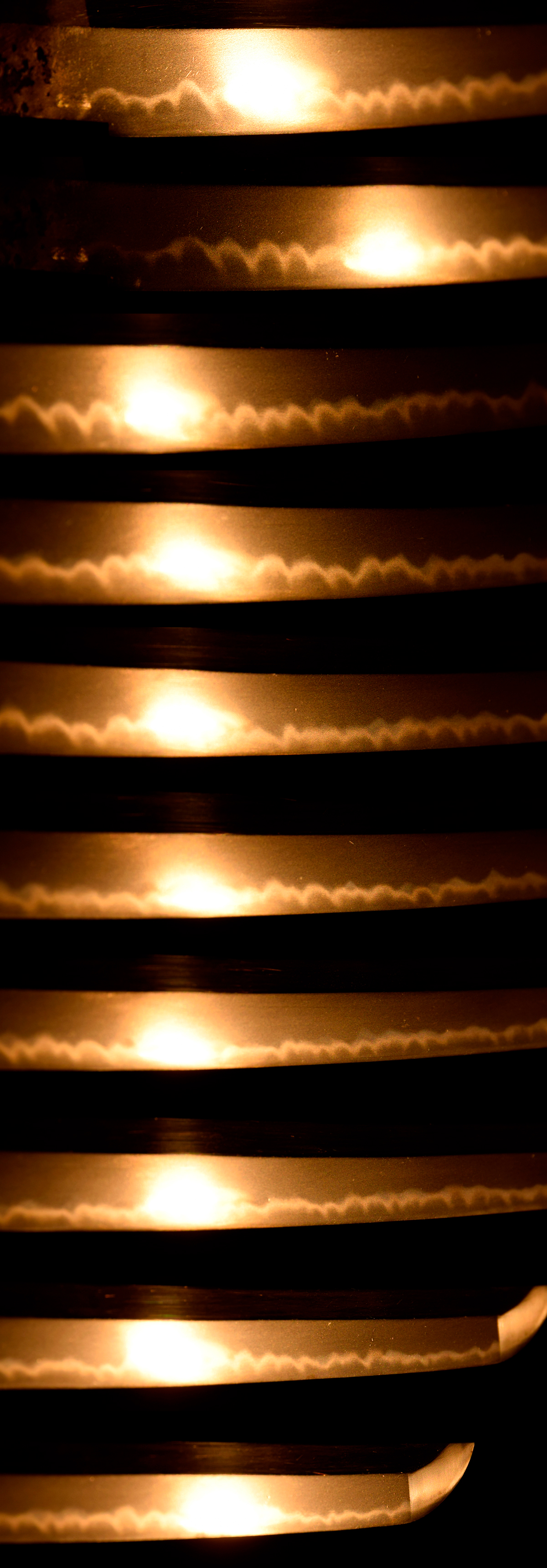
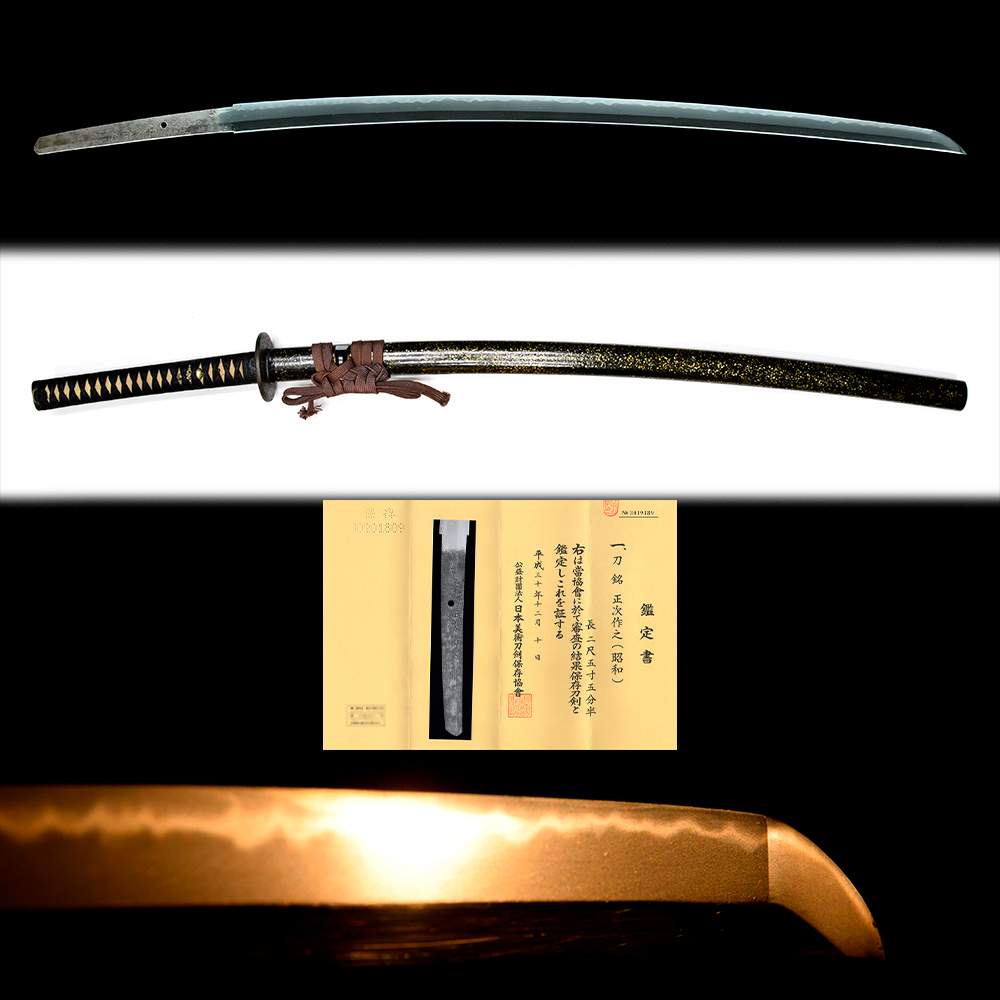
This sword is a work with a finely forged muji-style hada and a bright, clear gunome based in konie; there are no notable kizu from forging, and upon close inspection, delicate sunagashi can be observed along the habuchi. Despite its great length of over 2 shaku 5 sun 5 bu, the center of gravity is in the middle and the balance in the hand is good, making it feel lighter than its actual weight.
Even in its current state of polish, there is no hindrance to appreciating the hamon, but if you wish to enjoy the variations in the jigane, an elaborate polish is recommended.
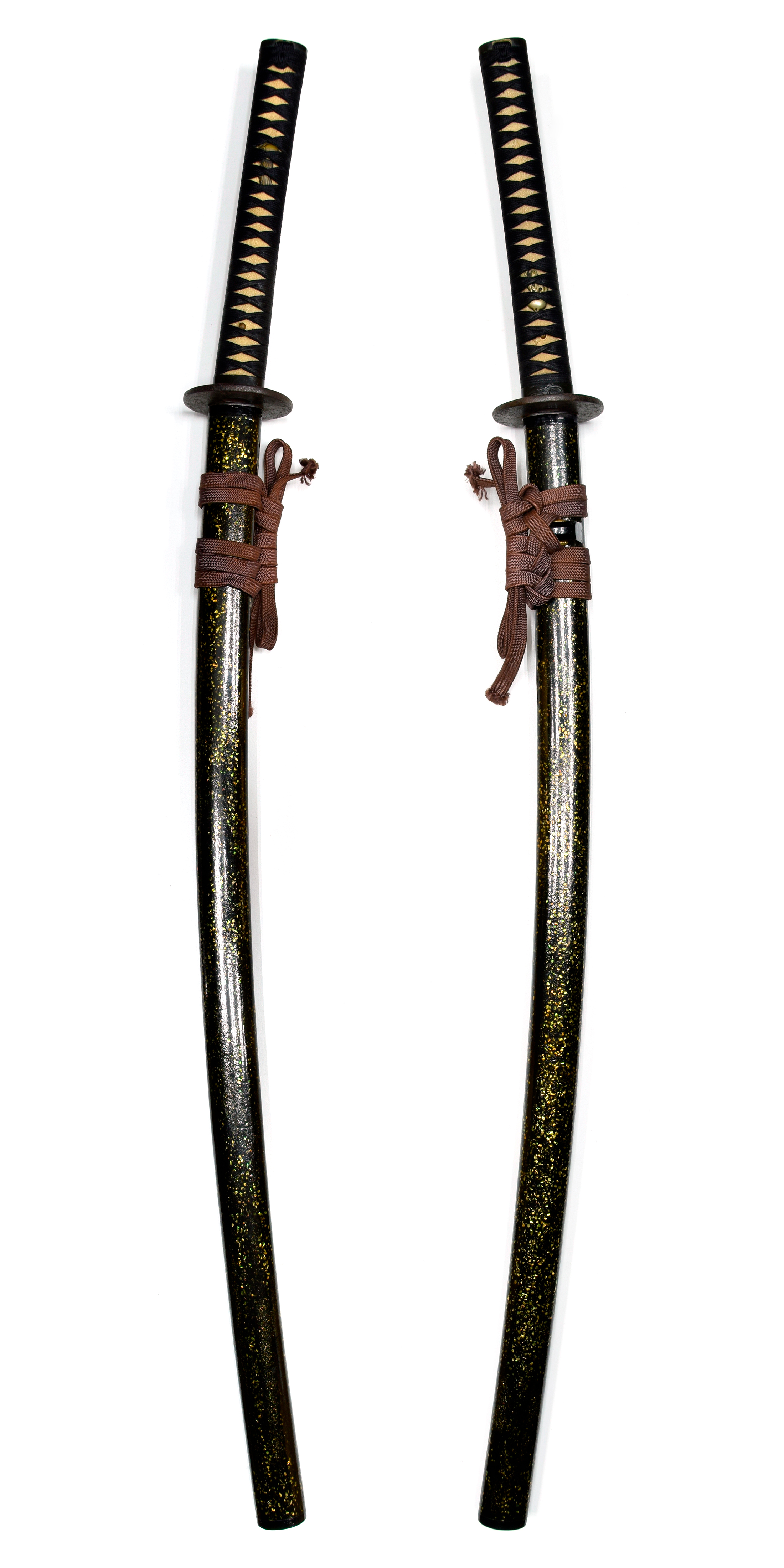
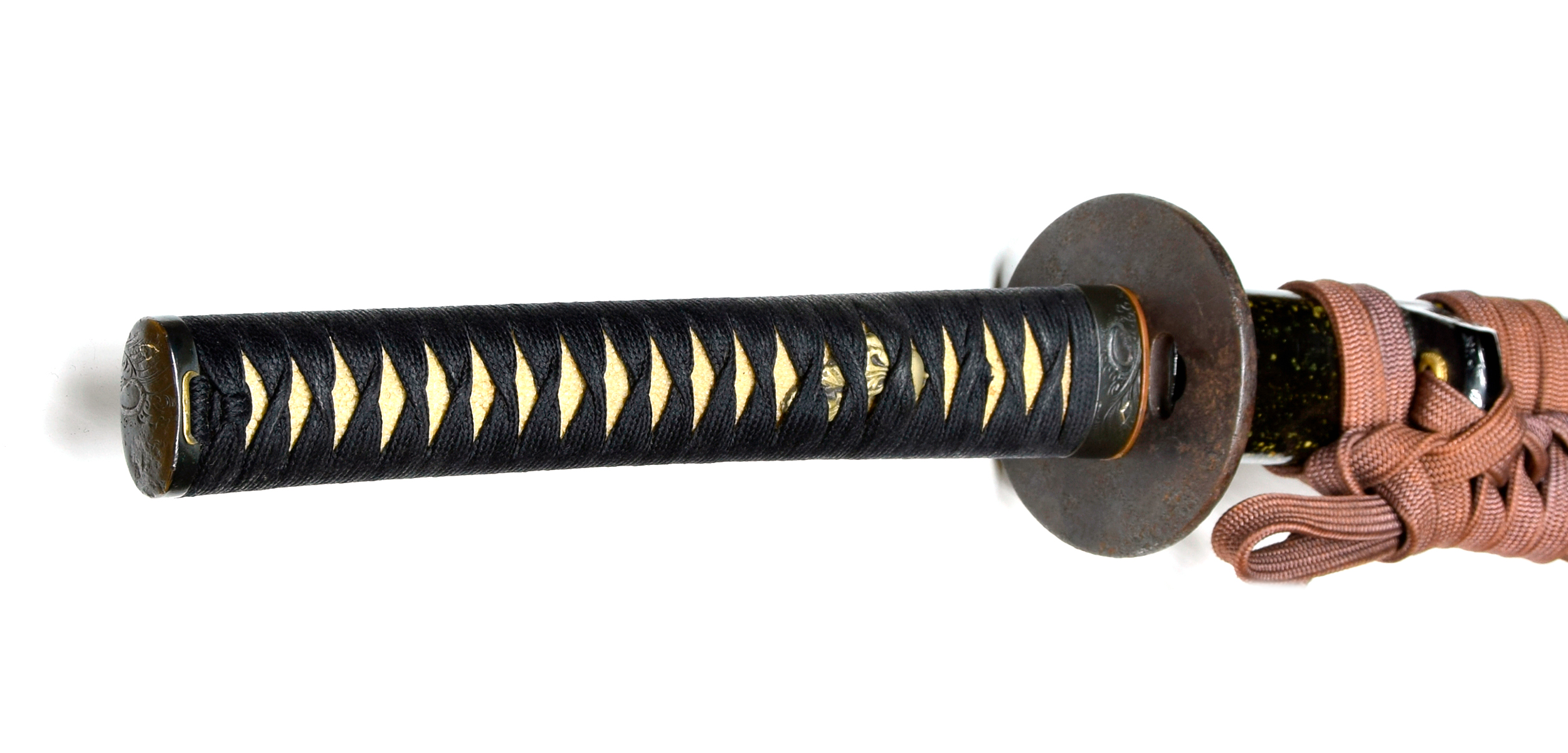
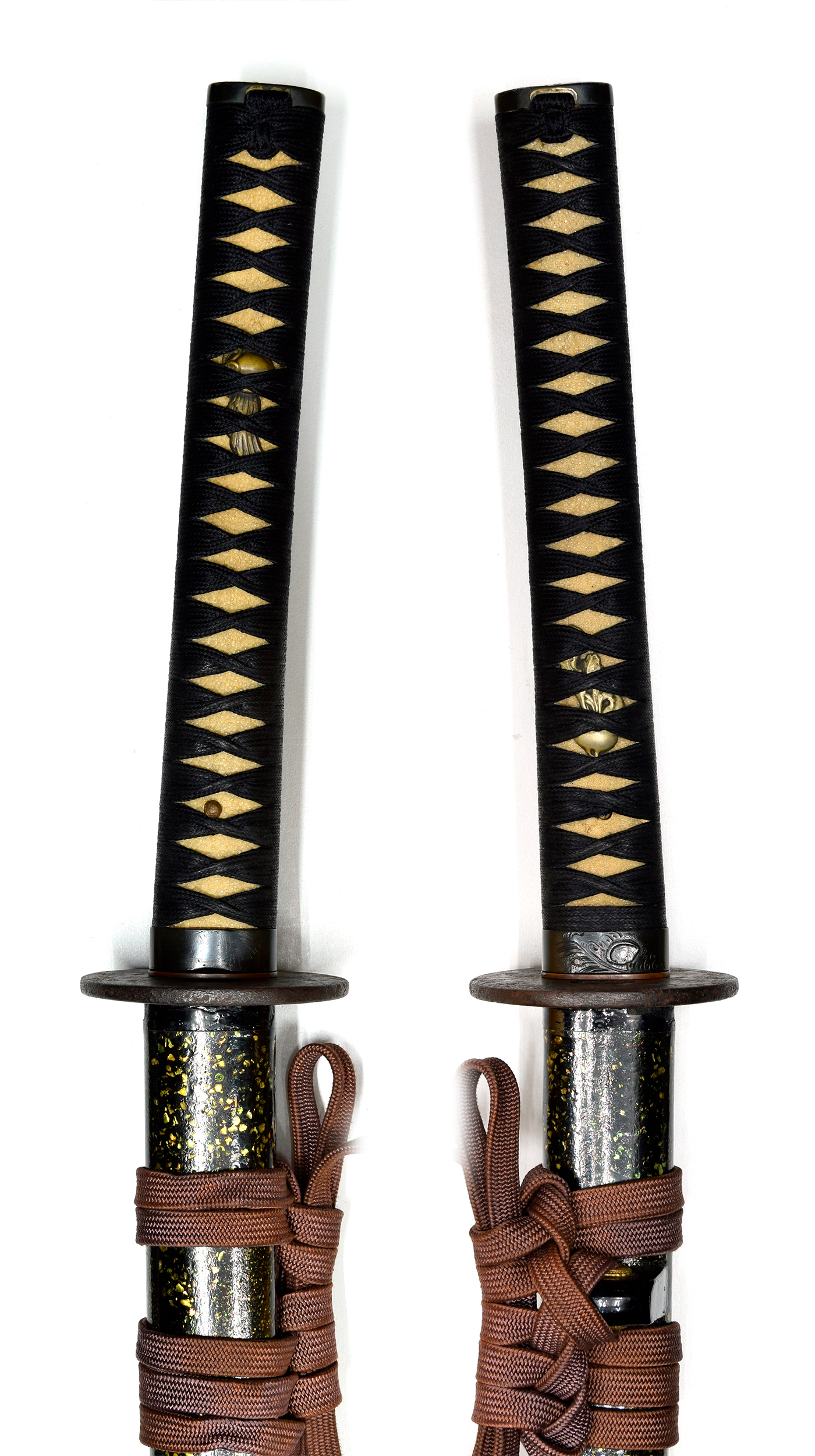
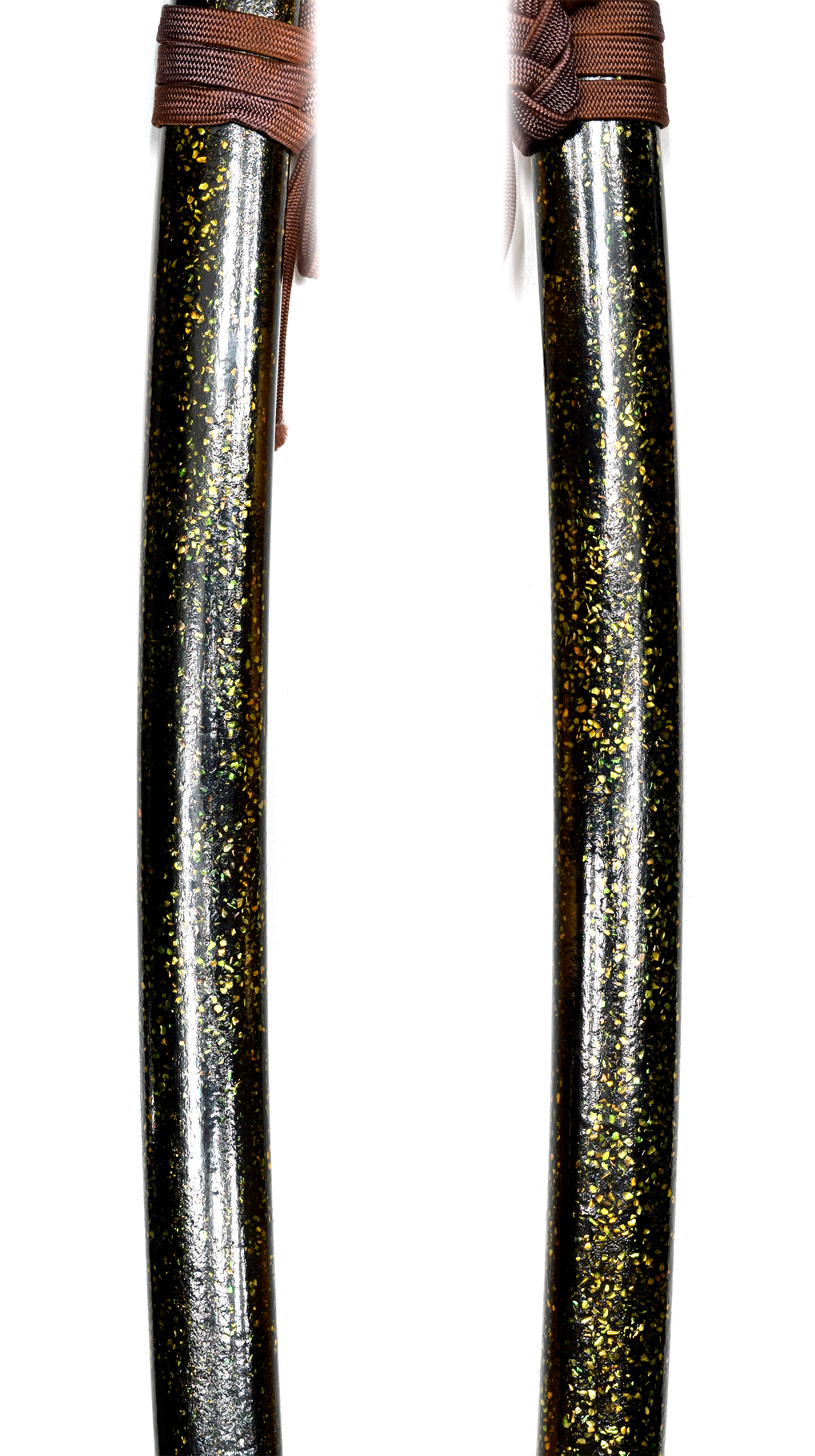
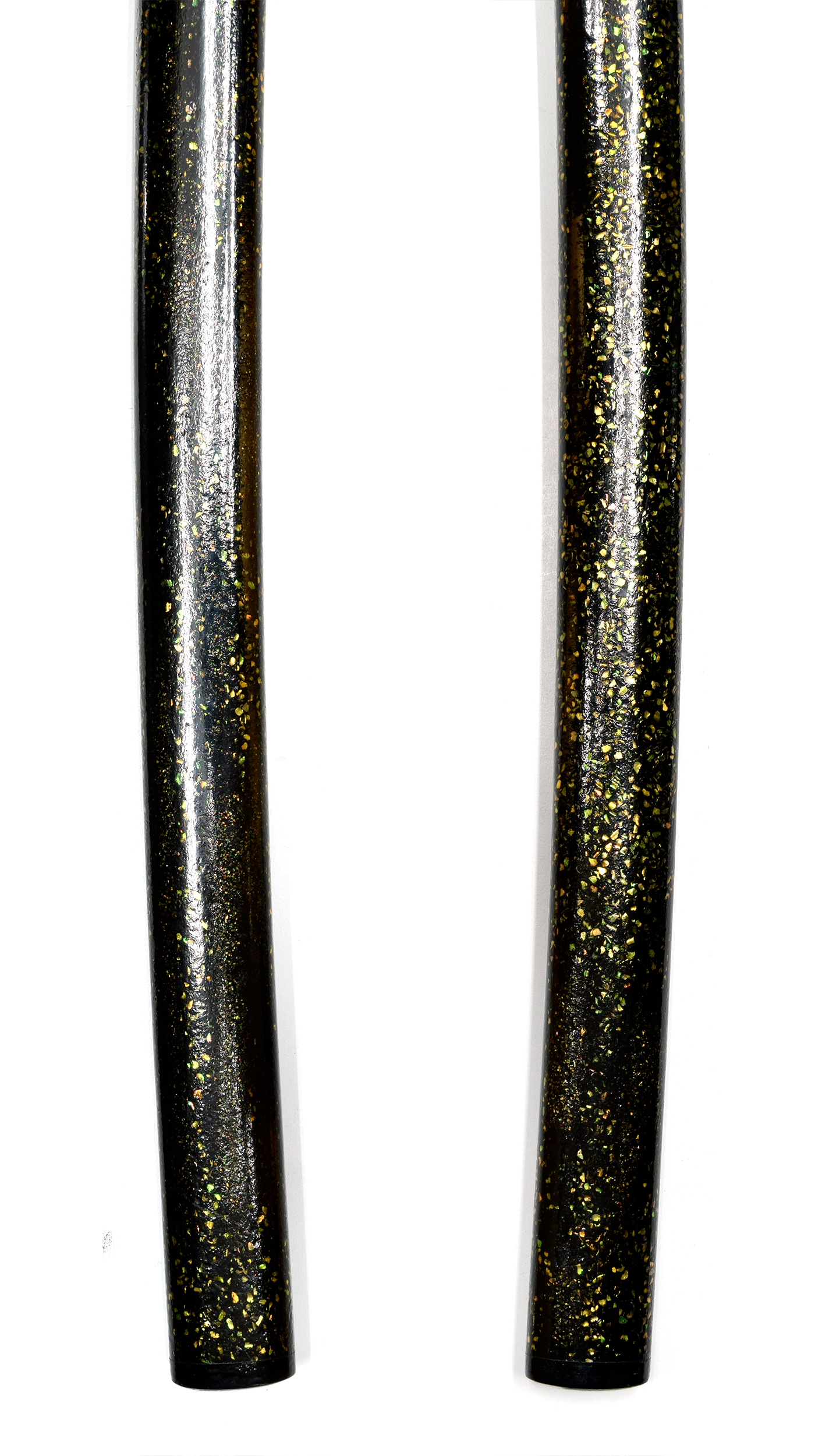
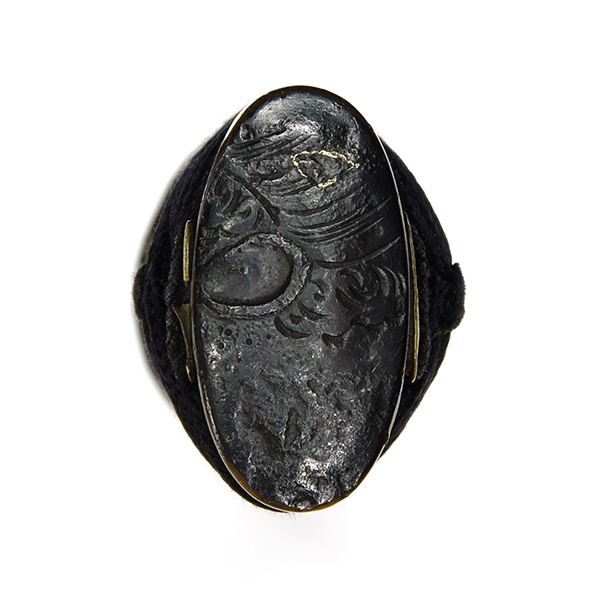
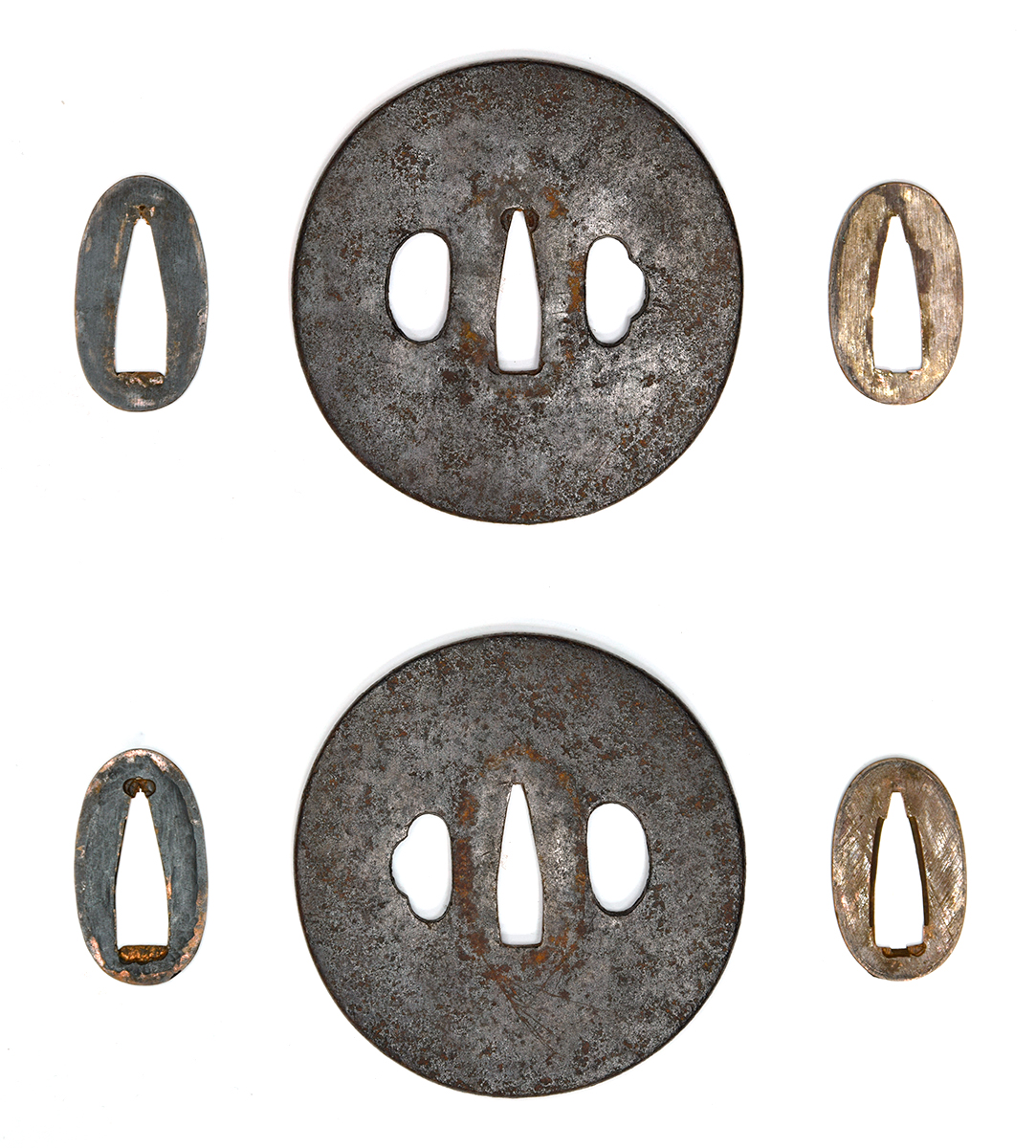
The accompanying koshirae features a saya scattered with aogai and a stylish fine-thread tsumami-maki wrap that is firm without any rattling, and it is paired with a rugged muji-ita tsuba that bears a mei appearing to be Kunihiro. *The Hozon Token kanteisho will be posted as soon as it arrives from the Nihon Bijutsu Token Hozon Kyokai.
Machine translation from the shop's Japanese · may contain errors ·
His secular name was Sakurai Masatsugu, and he was a pupil of Koyama Munetsugu II. Born as the second son of Tanaka Seiryusai Masahisa on Meiji 1, April 8, in what is now Araki-cho, Shinjuku-ku, Tokyo, he was adopted by Sakurai Yasugoro in Meiji 17.
He studied sword-making methods under Tairyusai Kanji (Koyama Munetsugu - Tairyusai Munehiro - Kanji) from the age of thirteen until around twenty-two, and in Meiji 28, March, he was commissioned to prepare for the establishment of the metalwork department upon the recommendation of Okakura Tenshin, the director of the Tokyo School of Fine Arts; however, when Okakura Tenshin was dismissed as director in Meiji 31, April, he resigned in solidarity, and the following month, the tombstone of Yamaura Kiyomaro at Sofuku-ji temple in Suga-cho, Shinjuku-ku, which he had been involved in establishing, was completed.
The mei of Manji Masatsugu was given by Watanabe Nain of Ryuun-ji temple in Hakusan, Bunkyo-ku, where Masatsugu studied Zen. It was in Meiji 35 that he moved his forging facility from Nagata-cho, Chiyoda-ku, to the grounds of Zuisen-ji temple in Nikaido, Kamakura City, where he received an order to forge a daisho from Prince Arisugawa Takehito, who was recuperating from illness in Kamakura at the time. In Meiji 42, he was summoned by Prince Arisugawa Takehito and moved his forging facility to Maiko, Kobe City, where the Prince named the forge Joshinden and his residence Garyuan. In later years, he forged swords in Hiroshima, Shizuoka, and elsewhere, and by the time he was forging within the grounds of Munakata Taisha in Fukuoka Prefecture in Showa 10, his son Masayuki primarily handled those duties. In Showa 15, he was invited to the Ritsumeikan Nichiman Institute of Technology and opened a forge at the foot of Mount Kinugasa in Kita-ku, Kyoto City, which Masayuki presided over.
Among the disciples here was the future Living National Treasure, Sumitani Masamine, and others.
This sword is a work with a finely forged muji-style hada and a bright, clear gunome based in konie; there are no notable kizu from forging, and upon close inspection, delicate sunagashi can be observed along the habuchi. Despite its great length of over 2 shaku 5 sun 5 bu, the center of gravity is in the middle and the balance in the hand is good, making it feel lighter than its actual weight.
Even in its current state of polish, there is no hindrance to appreciating the hamon, but if you wish to enjoy the variations in the jigane, an elaborate polish is recommended.
The accompanying koshirae features a saya scattered with aogai and a stylish fine-thread tsumami-maki wrap that is firm without any rattling, and it is paired with a rugged muji-ita tsuba that bears a mei appearing to be Kunihiro. *The Hozon Token kanteisho will be posted as soon as it arrives from the Nihon Bijutsu Token Hozon Kyokai.
The twentieth century nearly killed the craft twice: wartime distortion, then the occupation ban. The NBTHK’s founding in 1948 and licensed forging from 1953 rebuilt the sword as an art, crowned by Living National Treasures and the mukansa rank.
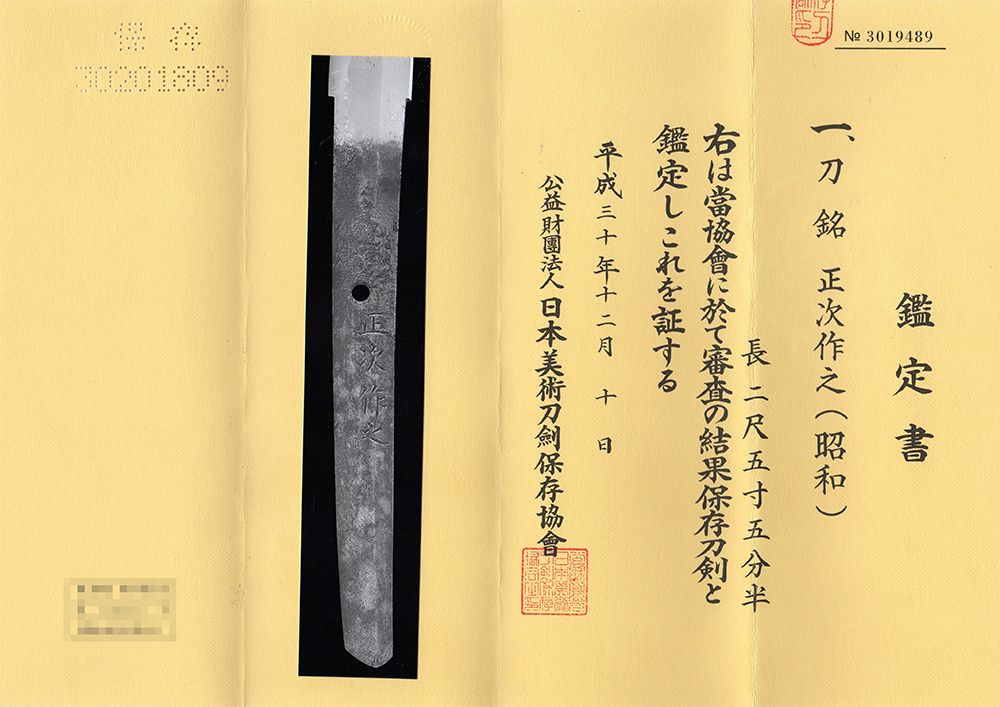
Certifies a genuine blade worth preserving: a signature confirmed correct, or, if unsigned, an era, province, and school that the NBTHK can reliably identify.
Signed: 正次作之 (Masatsugu)
As written on the certificate
About the NBTHK›
The NBTHK (Nihon Bijutsu Tōken Hozon Kyōkai, the Society for the Preservation of Japanese Art Swords) is a public-interest incorporated foundation founded in 1948 and supervised by Japan’s Agency for Cultural Affairs (Bunkachō); it is based at the Japanese Sword Museum in Tokyo. Its expert panels physically examine each submitted work (shinsa) and issue a certificate (kanteishō) ranking it by artistic and historical merit. NBTHK papers are the most widely recognized standard of authentication for Japanese swords and fittings.
As a rule we do not accept returns, except when we have sent a different item from the one ordered or when there is a significant discrepancy between the description and the item. If you wish to return an item, please contact us within 3 days of its arrival and then send it back.

 NihontoWatch