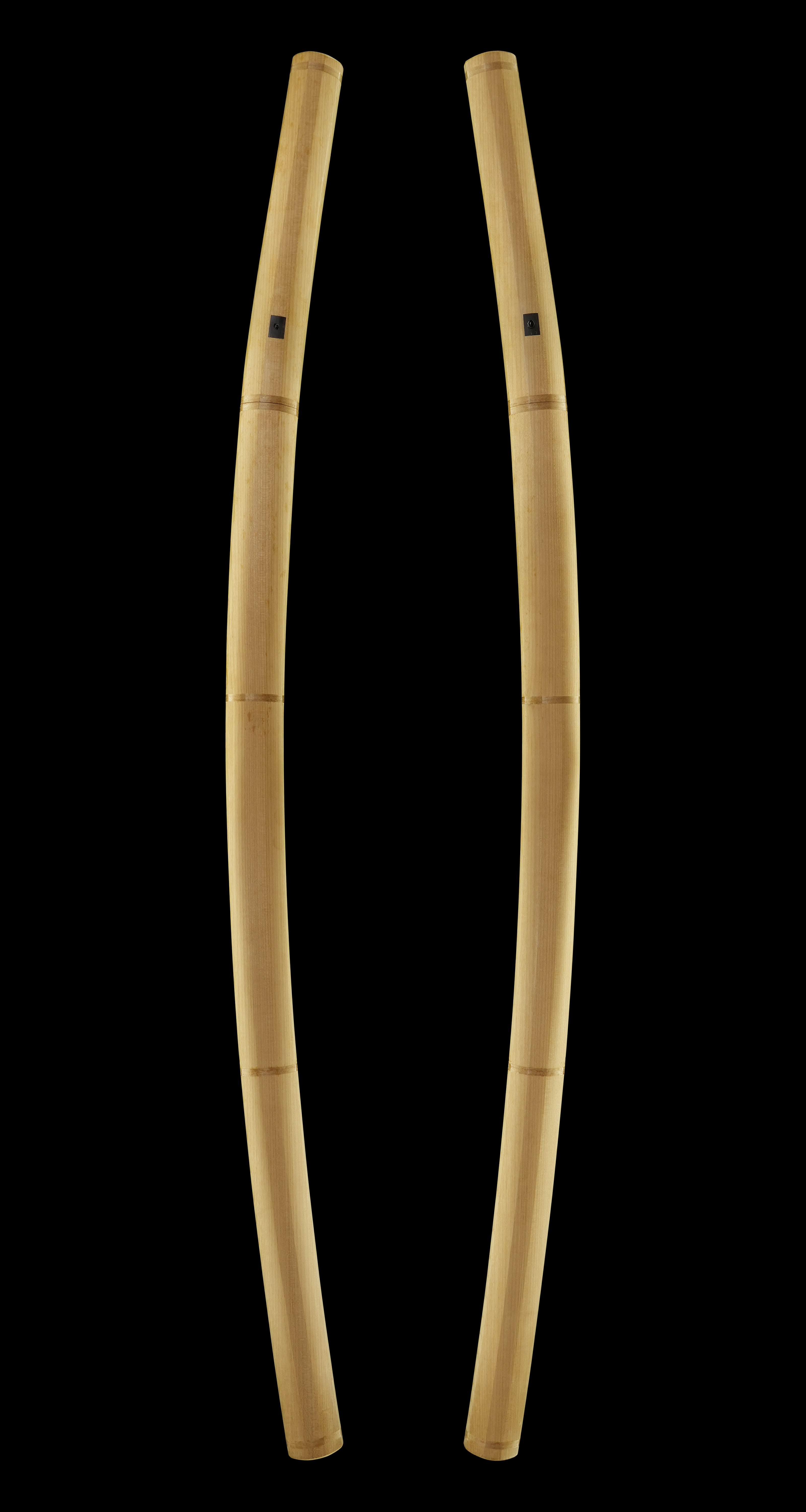
The twentieth century nearly killed the craft twice: wartime distortion, then the occupation ban. The NBTHK’s founding in 1948 and licensed forging from 1953 rebuilt the sword as an art, crowned by Living National Treasures and the mukansa rank.
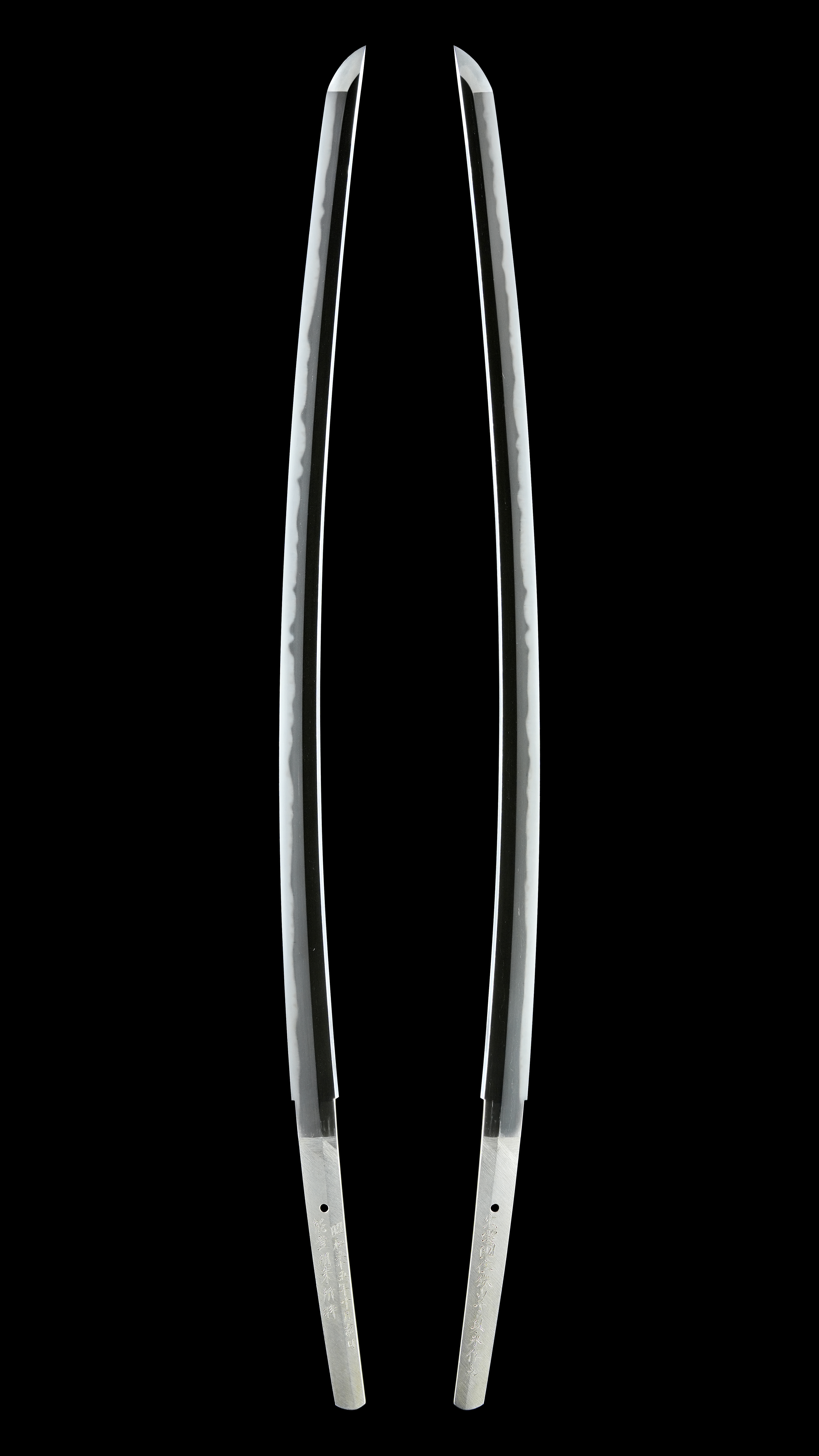
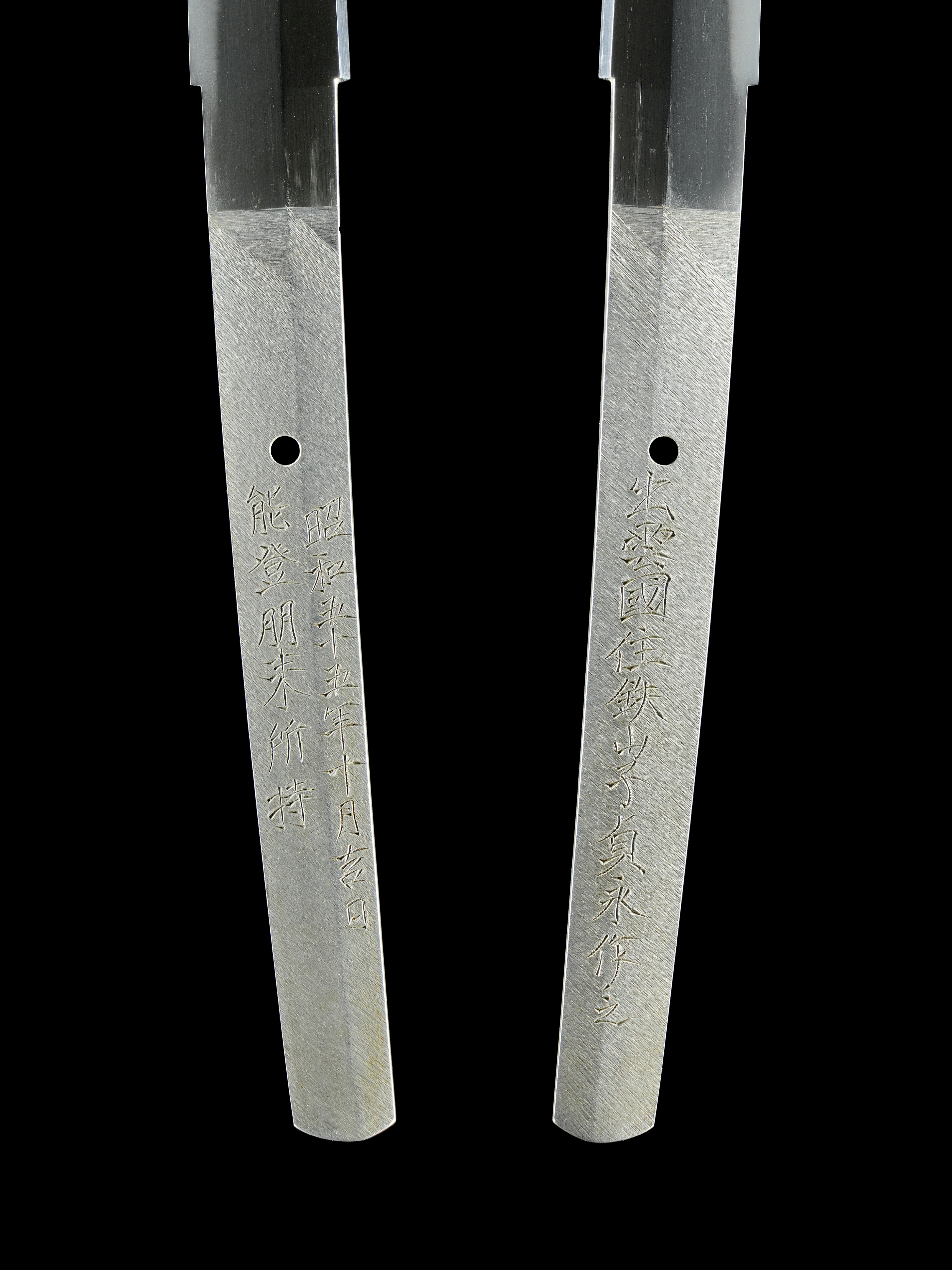
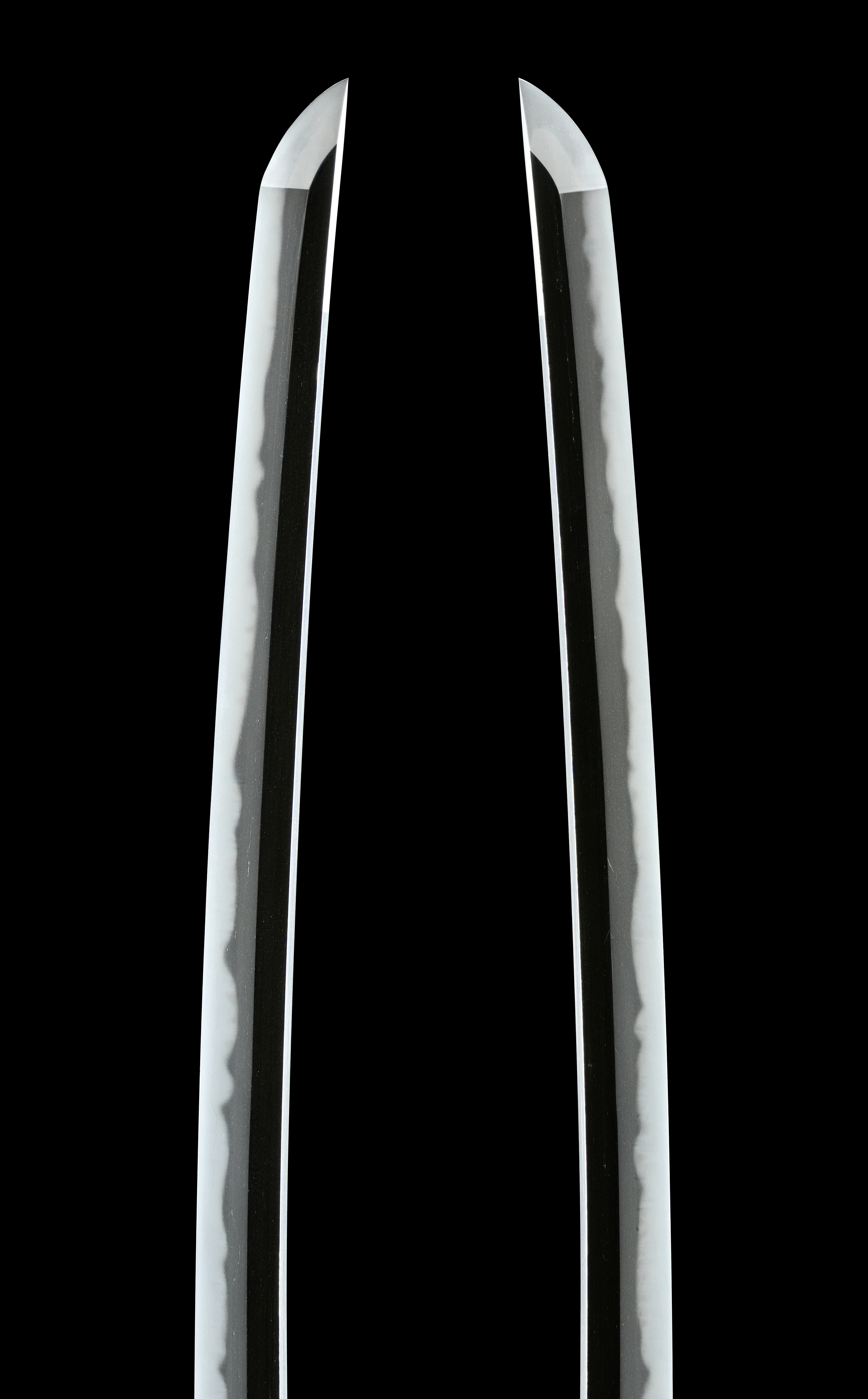
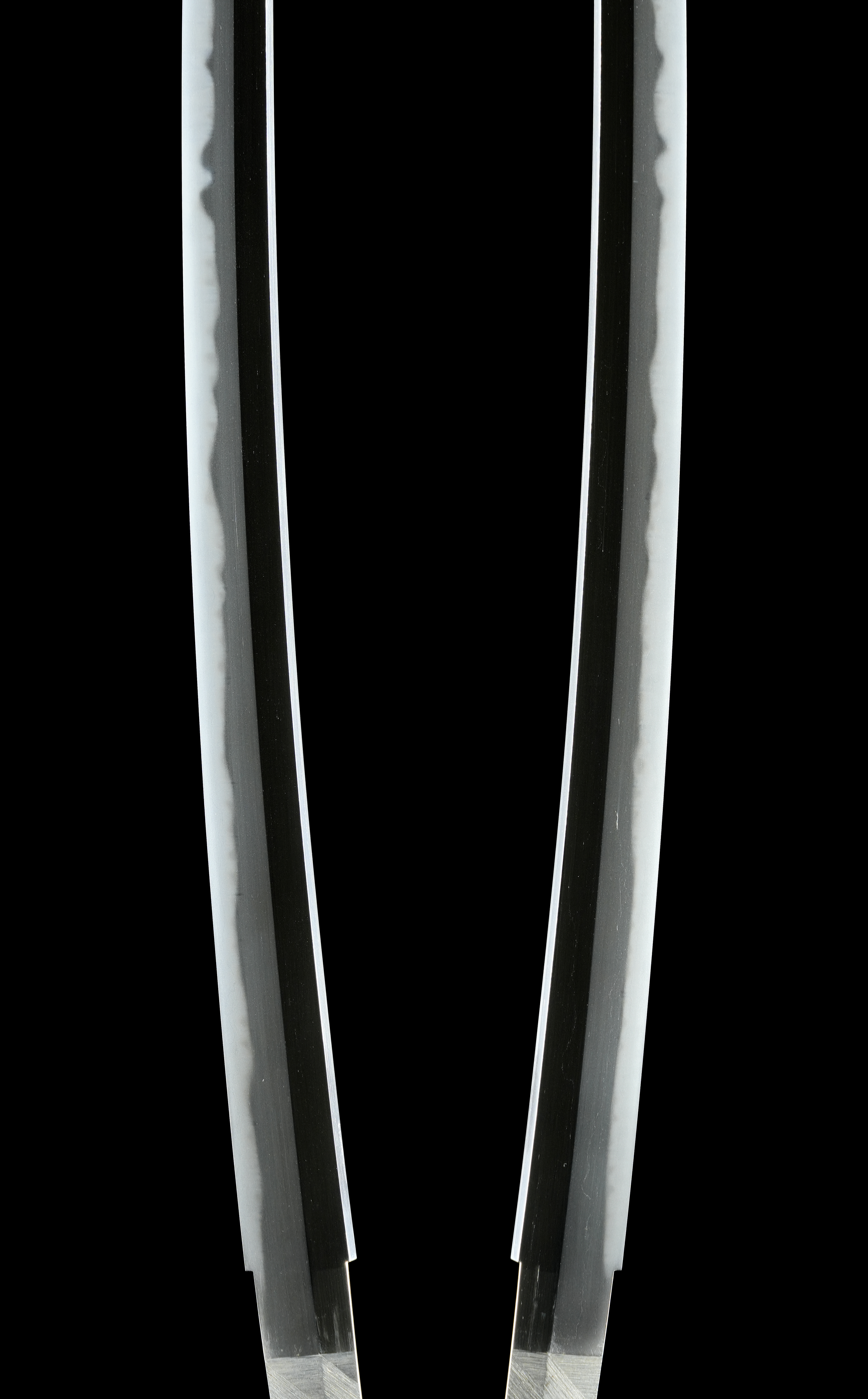
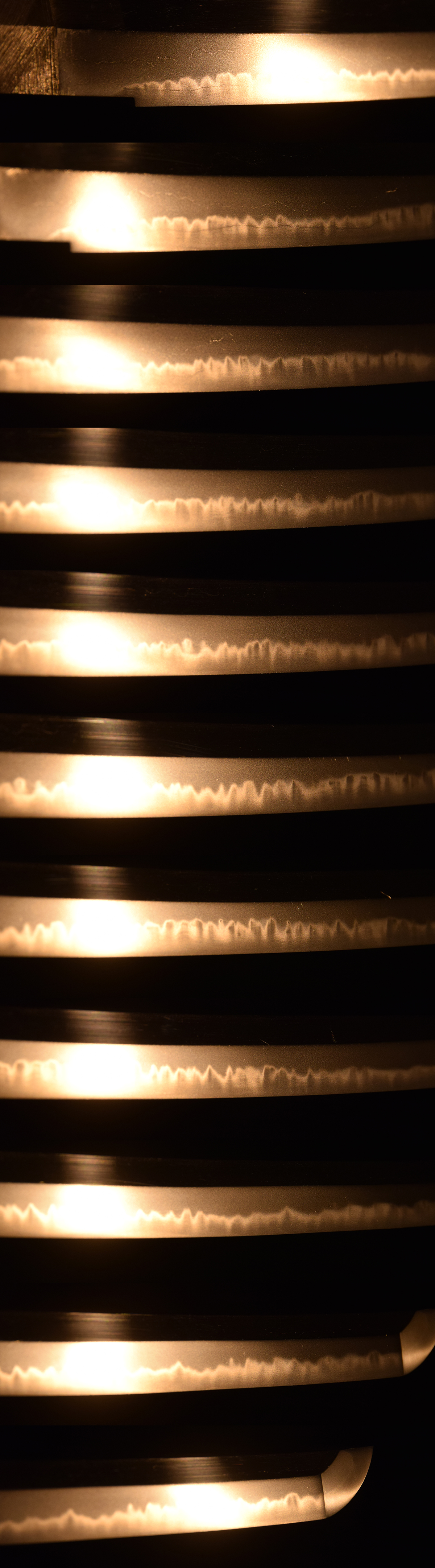
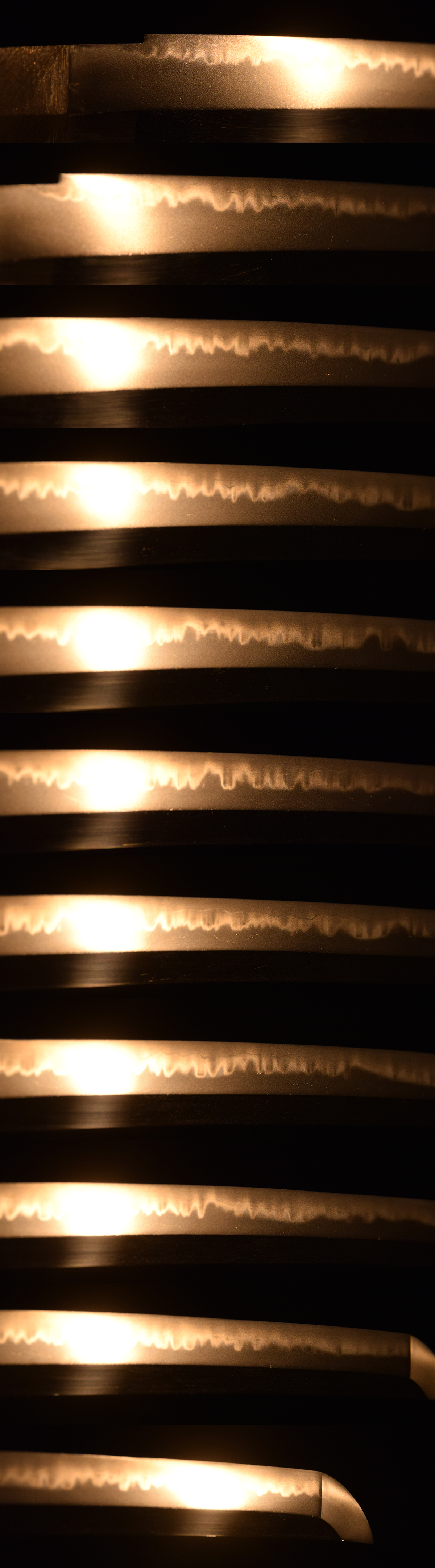
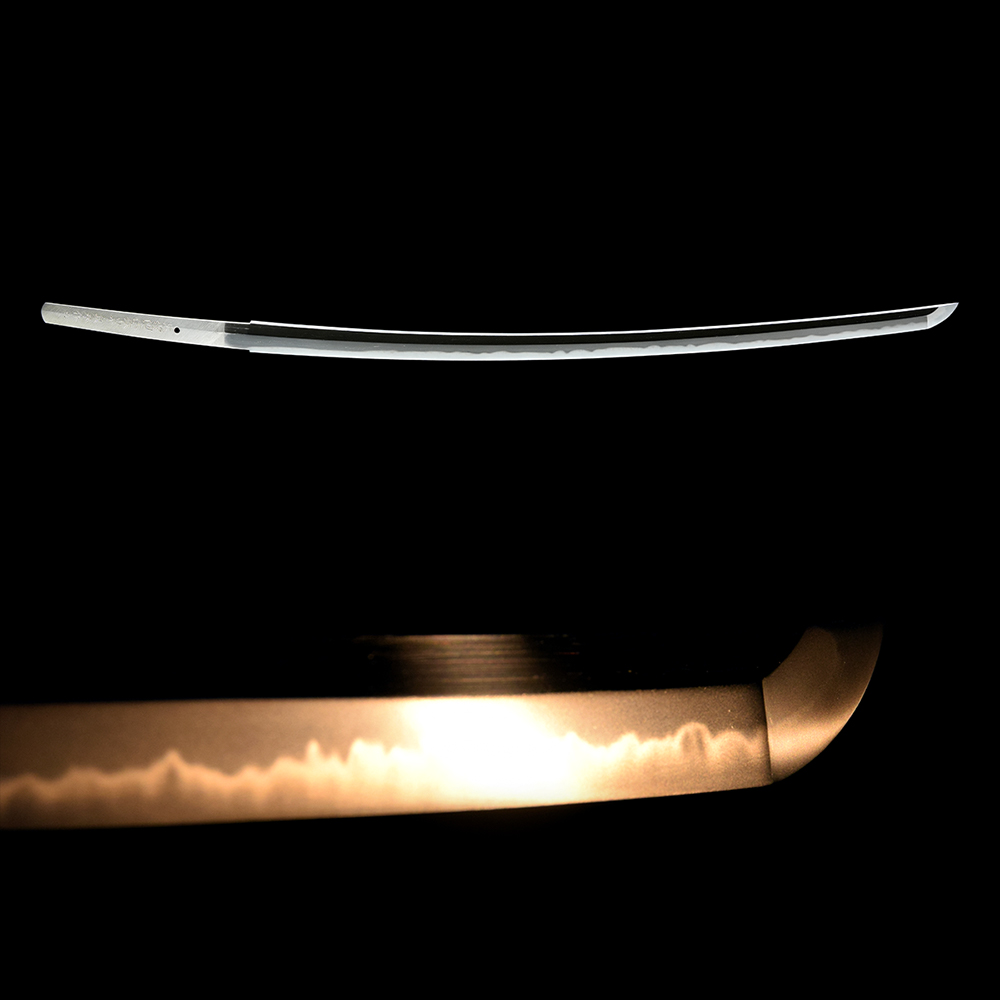
Real name, Kobayashi Rikio. Born as the third son of three brothers, his eldest brother is Sadateru and his second brother is Sadanori. Along with his second brother, the swordsmith Sadanori, he was designated a Shimane Prefecture Intangible Cultural Property on April 9, Heisei 11, and is highly evaluated, boasting numerous awards such as the Doryoku-sho and Kunzan-sho at the Shinsaku Meito Ten. Residing in Okuizumo-cho, where the NBTHK Tatara ironworks are operated, he became familiar with the path of sword making from childhood under his father's tutelage. His forging method, in which carefully selected tamahagane is used and soft iron is wrapped in hard iron through "makuri-kitae" to be minutely forged, can be called a masterful skill that revives ancient techniques in the modern age. His specialty style is the Bizen-den with a brilliant choji-ba tempered, and the workmanship is full of elegance, letting one feel a certain sae of the ji-ba within the calmness. This work is a blade forged in Showa 56 by the order of Mr. Noto. The width difference between the moto and saki is moderately opened, and the chu-kissaki is a graceful sugata with a slight nobikokoro. The jigane is a well-kneaded and tight ko-itame with ji-nie, and the hamon is a skillfully tempered choji-ba with a bright and clear nioiguchi. Within the ha, sunagashi appears in places, ashi enters actively, and particularly long-extending kinsuji and inazuma catch the eye. The boshi is sugu with a round tip returning elegantly, and it is a masterpiece that combines elegance and strength throughout.
Offered by Toushin


As written by the shop
Machine translation from the shop's Japanese · may contain errors ·
Izumo · around 1989-2019
1 piece on the market now
Shōwa to the present: destruction and revival
The twentieth century nearly killed the craft twice: wartime distortion, then the occupation ban. The NBTHK’s founding in 1948 and licensed forging from 1953 rebuilt the sword as an art, crowned by Living National Treasures and the mukansa rank.
We could not find an authenticity certificate on the seller’s listing. Japanese swords and fittings are normally papered by the NBTHK (or the NTHK). Without one, the attribution is the seller’s own assessment and has not been independently verified — treat it with caution and ask the dealer about certification before buying.
As a rule we do not accept returns, except when we have sent a different item from the one ordered or when there is a significant discrepancy between the description and the item. If you wish to return an item, please contact us within 3 days of its arrival and then send it back.
¥495,000