Weight (toshin only): 840g / Weight (excluding saya): 1210g
It has arrived, it has arrived—a magnificent and goso (grand/robust) katana attributed as the work of Kanetora, the nephew of Minamoto Kiyomaro. Kiyomaro is currently the most popular and high-priced smith in the nihonto world, and Kanetora is famous for the extreme rarity of his extant works. This blade has been carefully passed down through an old family for generations. Kanetora, whose real name was Yamaura Hayataro, was born in September of the 8th year of Bunsei (1825, 201 years ago). He was the son of Yamaura Masao, the elder brother of Minamoto Kiyomaro, who became world-famous for successfully passing the brutal aradameshi (structural testing) of the Shinshu Matsushiro Clan.
Initially aspiring to be a swordsman, he went to Edo and entered the school of Shimada Toranosuke, one of the "Three Swordsmen of the Bakumatsu." Shimada, whose disciples included Katsu Kaishu, taught that "The sword is the heart; if the heart is not upright, the sword cannot be upright. He who wishes to learn the sword must first learn from the heart." In the 4th year of Koka (1847, 179 years ago), he returned from Edo and began studying tantō (sword forging) under his father, Yamaura Masao, at age 22. In the 2nd year of Kaei (1849, 177 years ago) at age 24, he went to Edo again to study forging under his uncle, Minamoto Kiyomaro.
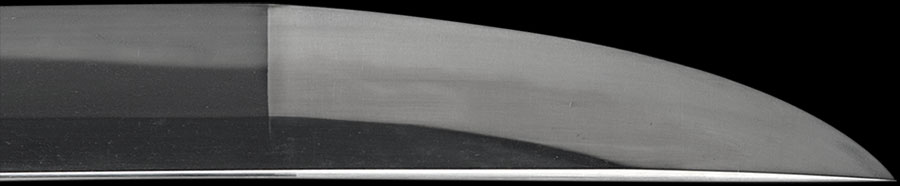
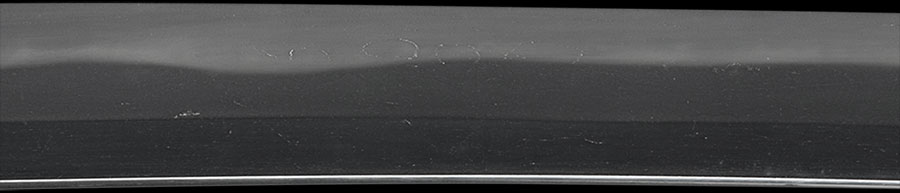
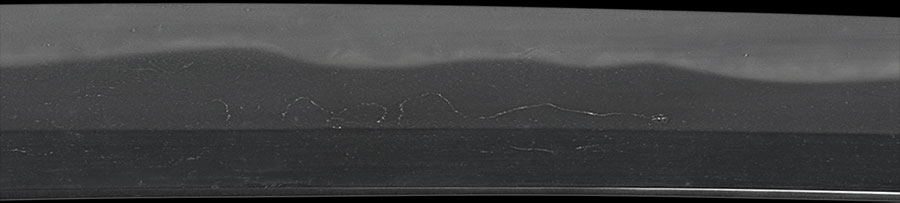
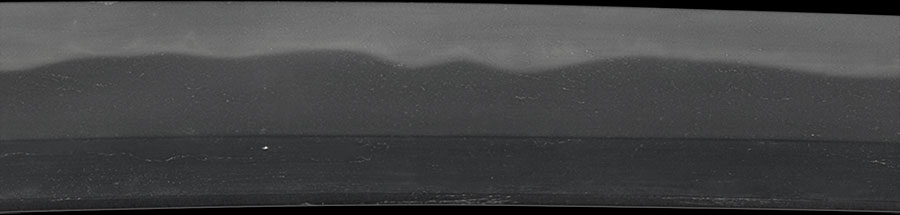
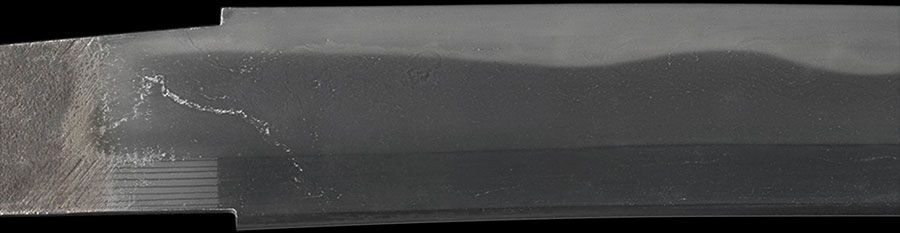
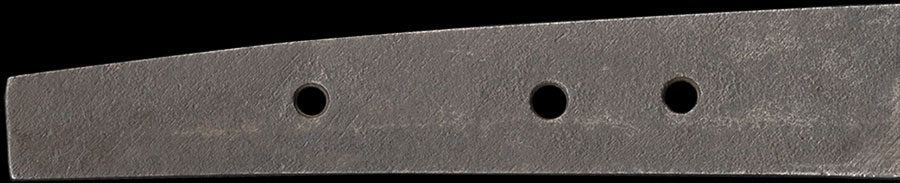
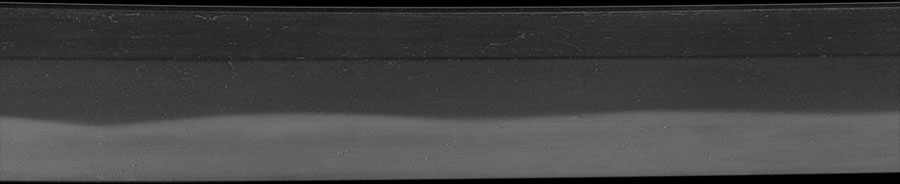
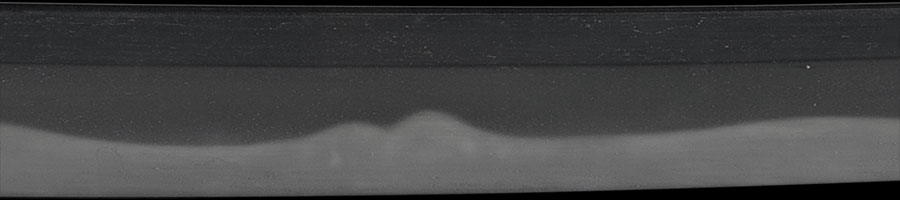
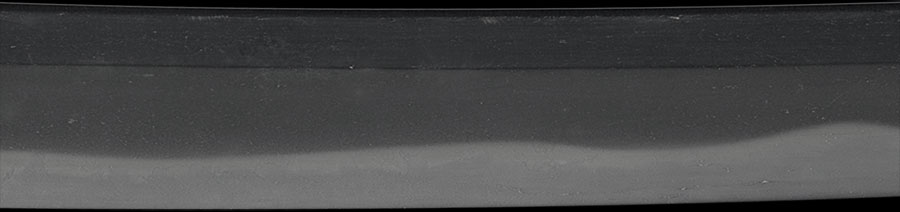
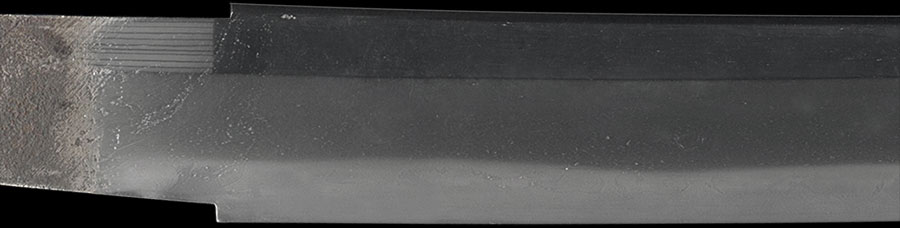
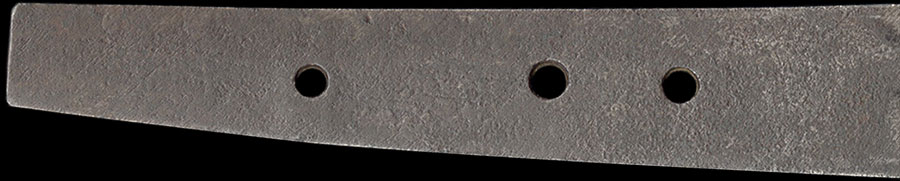
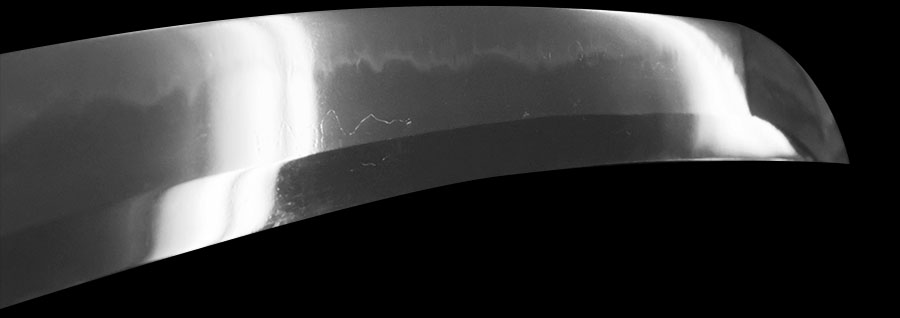
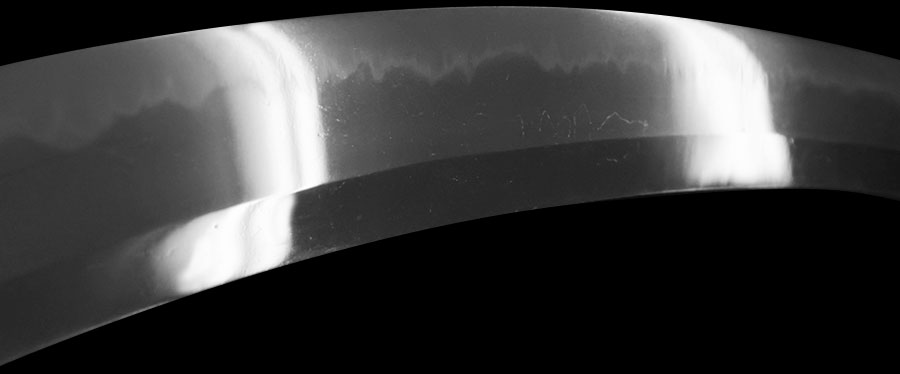
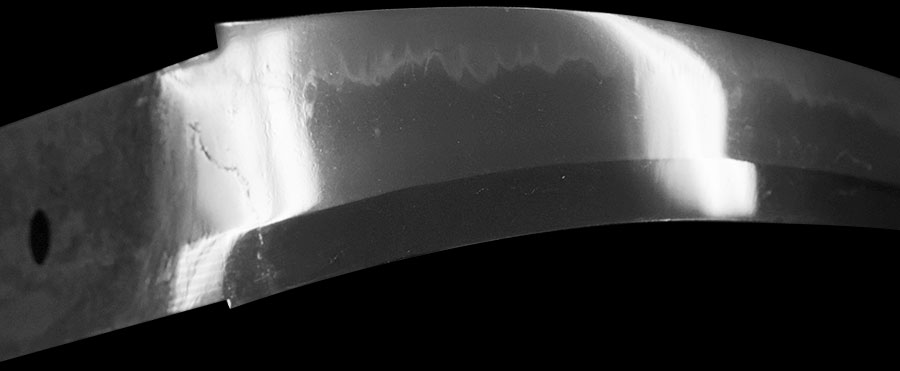
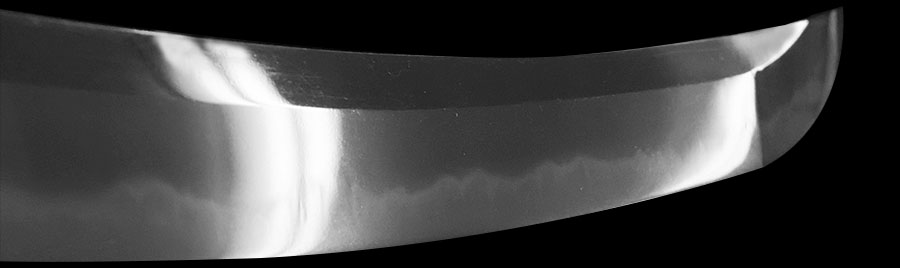
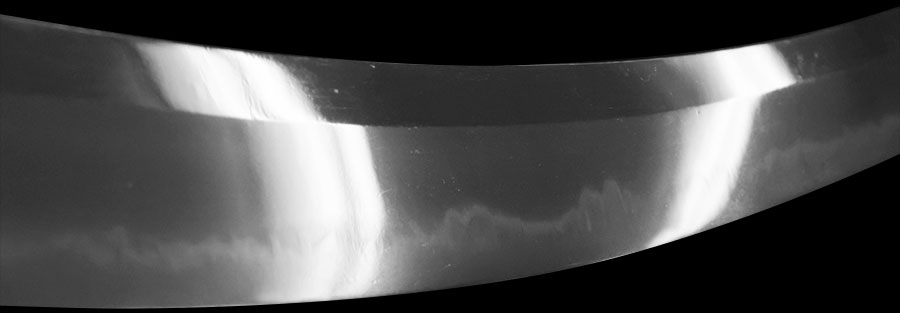
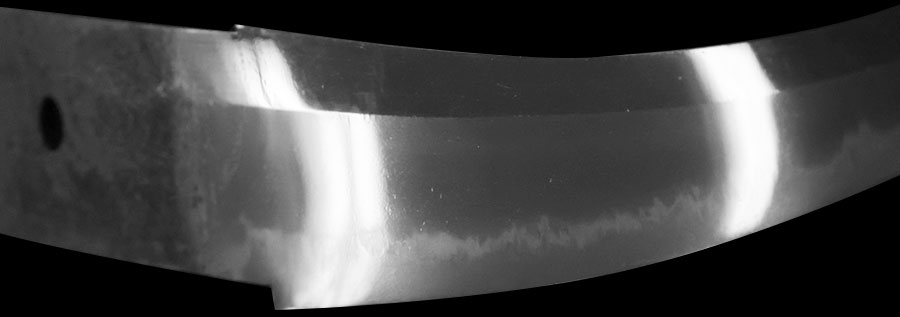
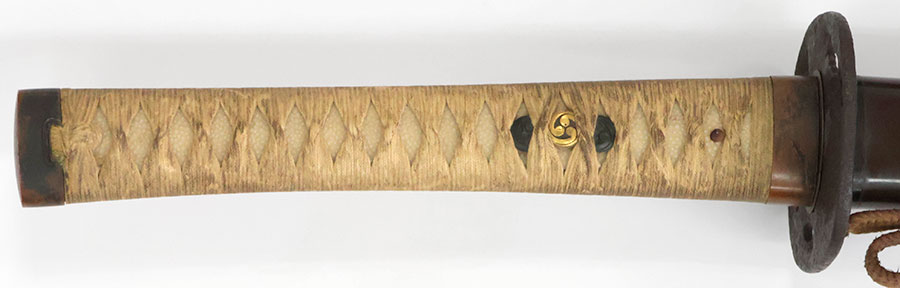
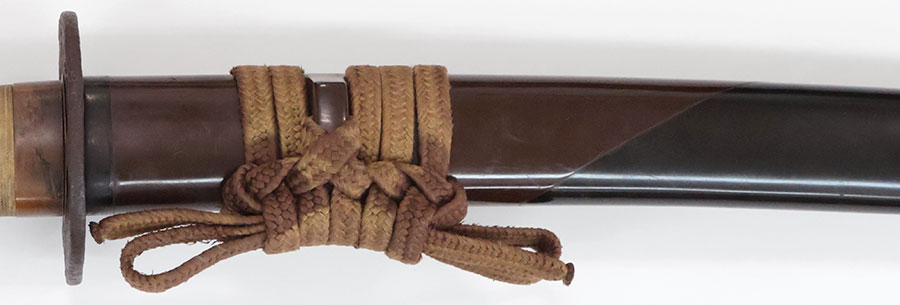
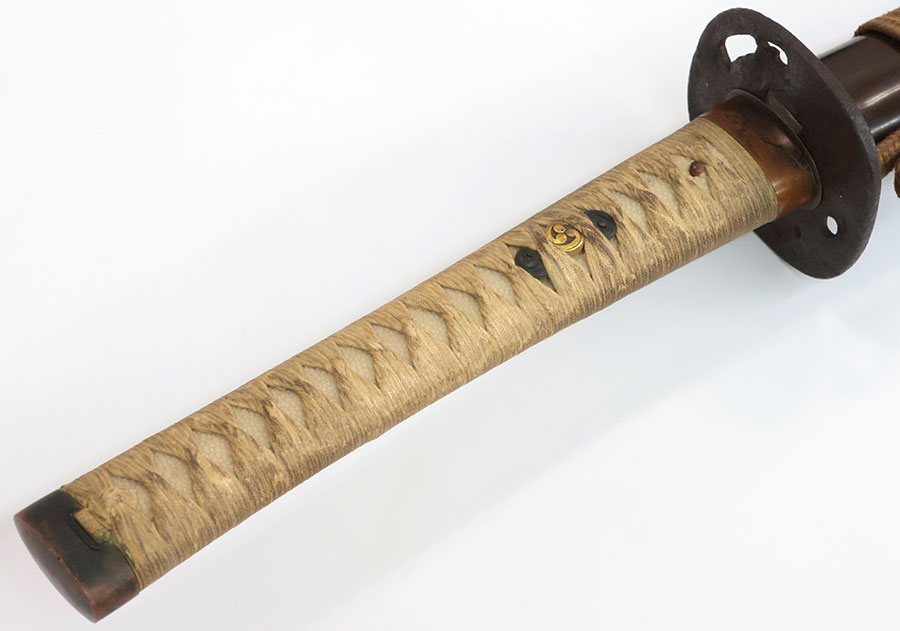
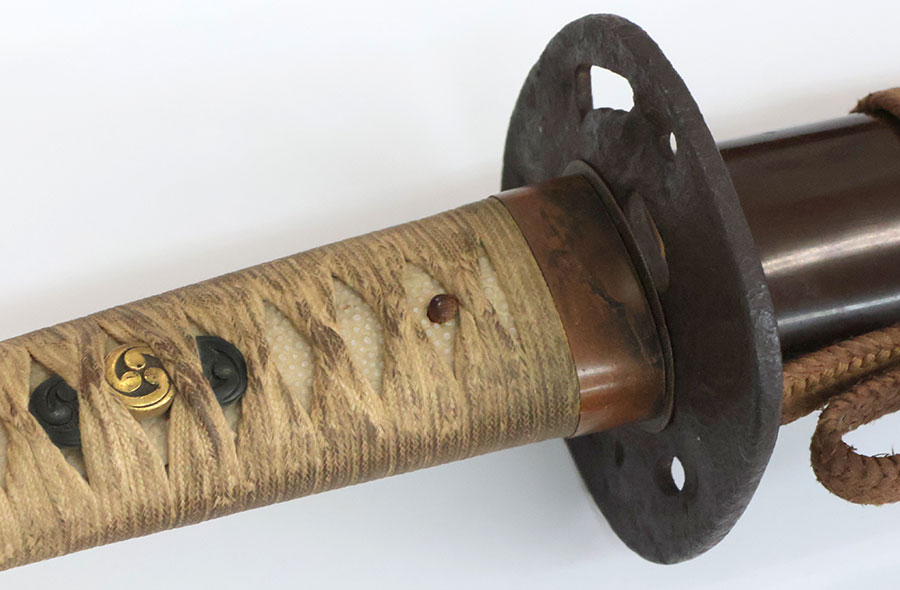
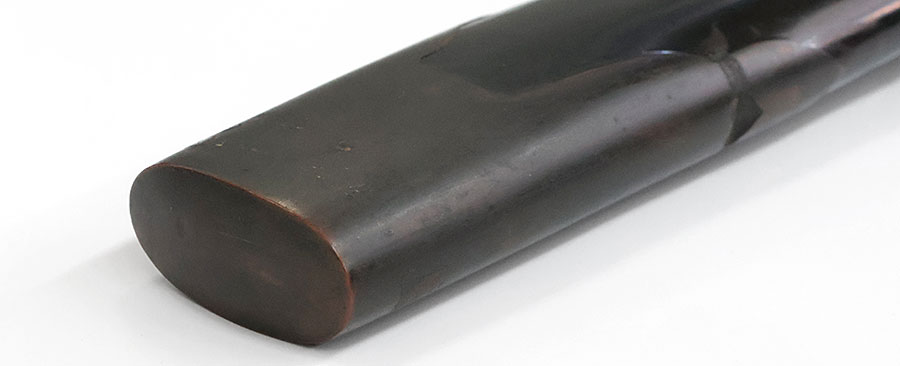
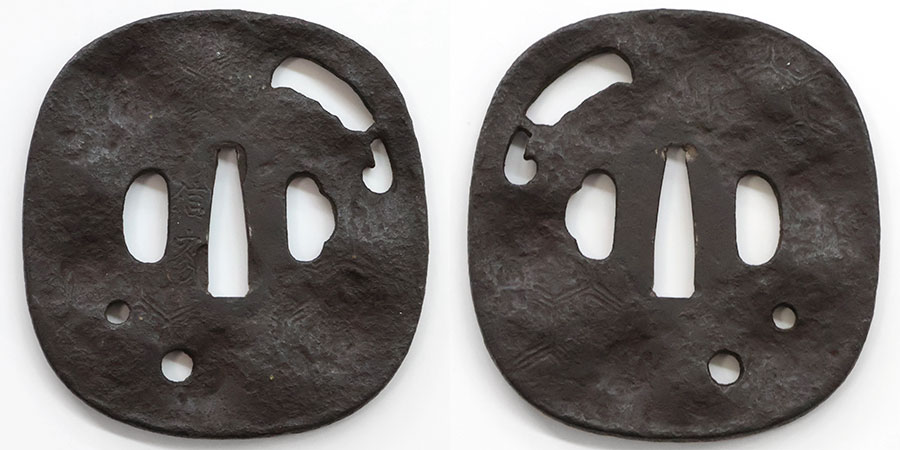
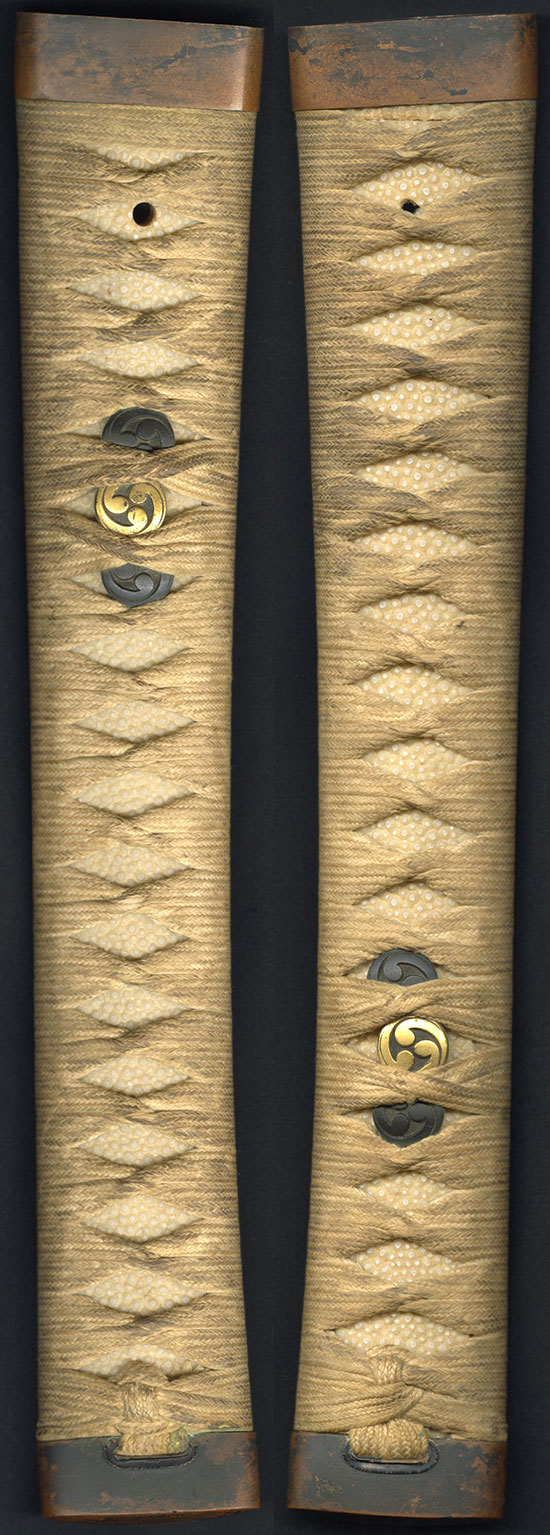
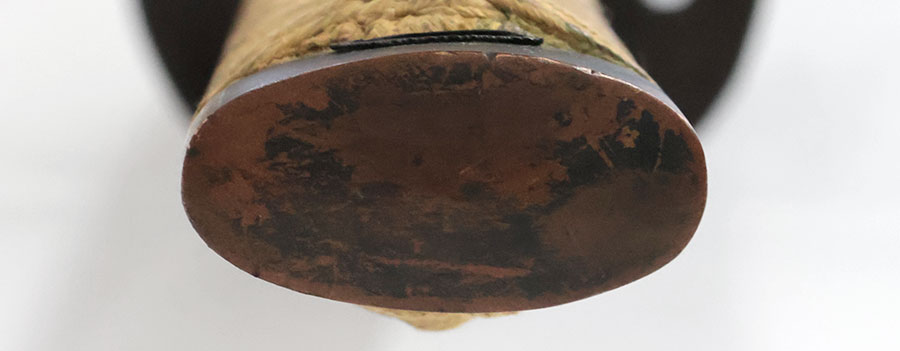
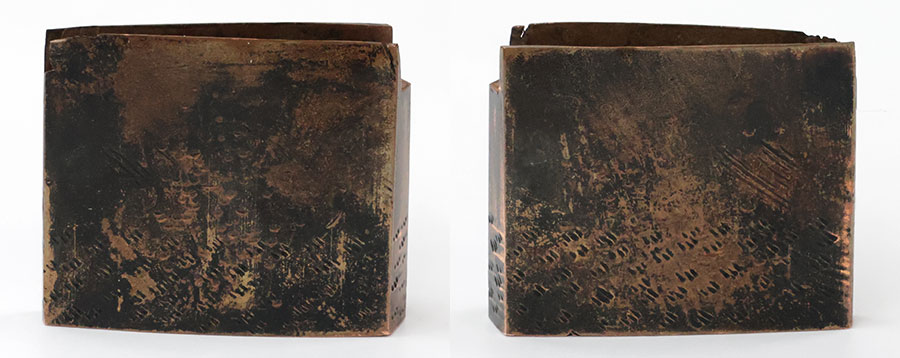
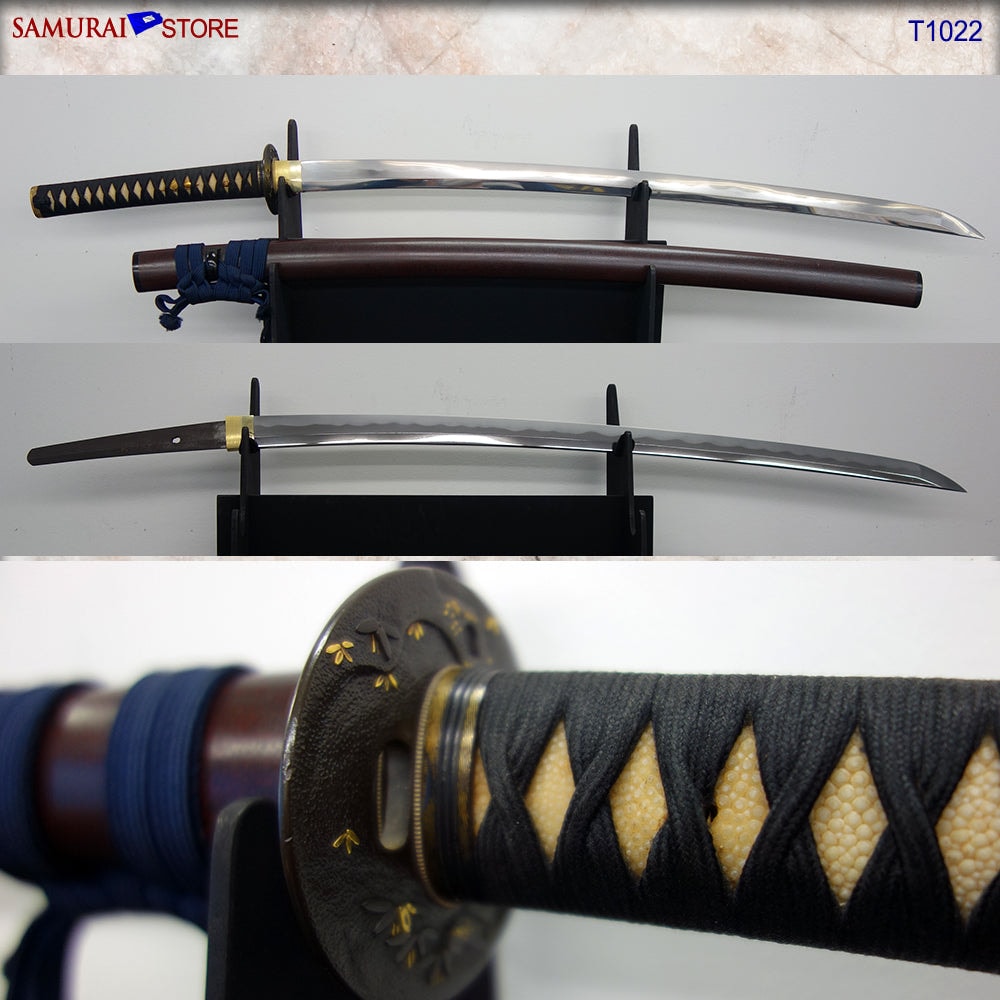
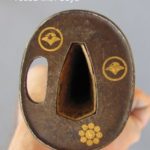
This katana exhibits a very goso sugata (magnificent form) identical to Minamoto Kiyomaro, with a wide motohaba, wide sakihaba, and a large kissaki. The jigane is a finely packed ko-itame hada with chikei appearing in the ji. The hamon is a large notare-style based in nioi-deki with bright nie, mixed with gunome-midare. Inside the ha, ashi are active, and the kinsuji—a hallmark characteristic of Minamoto Kiyomaro—appears prominently toward the kissaki, creating a blade full of haki (spirit/vigor). The koshirae from that period also remains in its grand style. Although it is mumei, this blade attributed to Kanetora, the nephew of Minamoto Kiyomaro, adds an extra layer of brilliance.
We have received this sword from an old family who has cherished it for generations. As the couple has grown elderly, they requested we pass it on to an enthusiast at an affordable price. Therefore, we are offering this goso katana—a mumei piece of such rarity that even we have seldom seen the likes of, attributed to Kanetora—at an ultra-bargain price. We highly recommend this to anyone with an interest in the works of Minamoto Kiyomaro. Please enjoy.
Weight (toshin only): 840g / Weight (excluding saya): 1210g
It has arrived, it has arrived—a magnificent and goso (grand/robust) katana attributed as the work of Kanetora, the nephew of Minamoto Kiyomaro. Kiyomaro is currently the most popular and high-priced smith in the nihonto world, and Kanetora is famous for the extreme rarity of his extant works. This blade has been carefully passed down through an old family for generations. Kanetora, whose real name was Yamaura Hayataro, was born in September of the 8th year of Bunsei (1825, 201 years ago). He was the son of Yamaura Masao, the elder brother of Minamoto Kiyomaro, who became world-famous for successfully passing the brutal aradameshi (structural testing) of the Shinshu Matsushiro Clan.
Initially aspiring to be a swordsman, he went to Edo and entered the school of Shimada Toranosuke, one of the "Three Swordsmen of the Bakumatsu." Shimada, whose disciples included Katsu Kaishu, taught that "The sword is the heart; if the heart is not upright, the sword cannot be upright. He who wishes to learn the sword must first learn from the heart." In the 4th year of Koka (1847, 179 years ago), he returned from Edo and began studying tantō (sword forging) under his father, Yamaura Masao, at age 22. In the 2nd year of Kaei (1849, 177 years ago) at age 24, he went to Edo again to study forging under his uncle, Minamoto Kiyomaro.
This katana exhibits a very goso sugata (magnificent form) identical to Minamoto Kiyomaro, with a wide motohaba, wide sakihaba, and a large kissaki. The jigane is a finely packed ko-itame hada with chikei appearing in the ji. The hamon is a large notare-style based in nioi-deki with bright nie, mixed with gunome-midare. Inside the ha, ashi are active, and the kinsuji—a hallmark characteristic of Minamoto Kiyomaro—appears prominently toward the kissaki, creating a blade full of haki (spirit/vigor). The koshirae from that period also remains in its grand style. Although it is mumei, this blade attributed to Kanetora, the nephew of Minamoto Kiyomaro, adds an extra layer of brilliance.
We have received this sword from an old family who has cherished it for generations. As the couple has grown elderly, they requested we pass it on to an enthusiast at an affordable price. Therefore, we are offering this goso katana—a mumei piece of such rarity that even we have seldom seen the likes of, attributed to Kanetora—at an ultra-bargain price. We highly recommend this to anyone with an interest in the works of Minamoto Kiyomaro. Please enjoy.
Under the Tokugawa peace the daishō became a regulated uniform, and demand gathered in the castle towns, above all Edo itself. The craft split two ways: brilliant display work for connoisseurs, and tested blades whose cutting results were sometimes inlaid in gold.
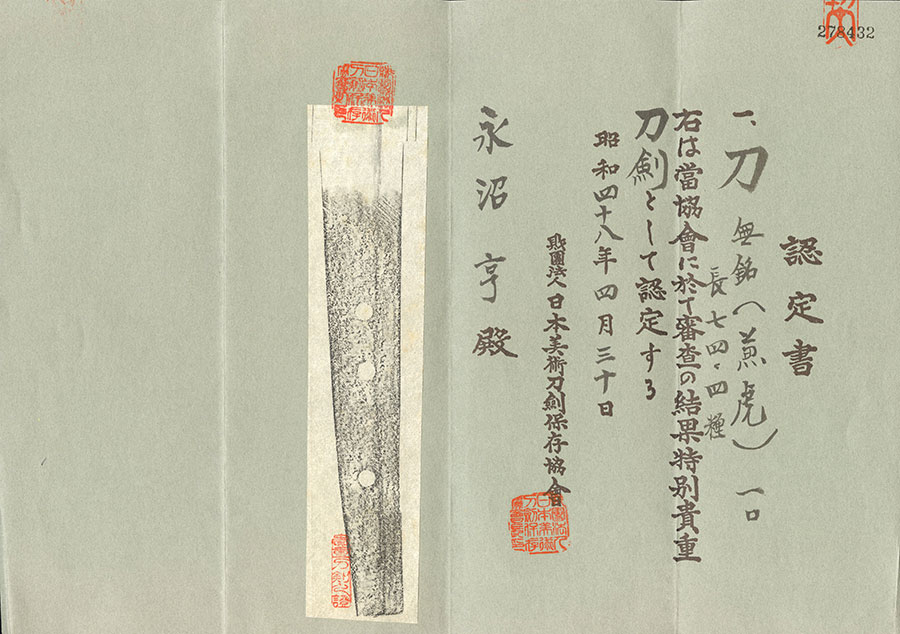
This work carries older NBTHK “Kichō”-era papers, which the NBTHK no longer issues and now regards as unreliable. To confirm the attribution, submission to an official Japanese examination body (such as the NBTHK or NTHK) for modern certification could be considered.
For returns due to customer circumstances, the cost is the customer's responsibility. For returns due to our mis-shipment or a defective item, we bear the cost.
Weight (toshin only): 840g / Weight (excluding saya): 1210g
It has arrived, it has arrived—a magnificent and goso (grand/robust) katana attributed as the work of Kanetora, the nephew of Minamoto Kiyomaro. Kiyomaro is currently the most popular and high-priced smith in the nihonto world, and Kanetora is famous for the extreme rarity of his extant works. This blade has been carefully passed down through an old family for generations. Kanetora, whose real name was Yamaura Hayataro, was born in September of the 8th year of Bunsei (1825, 201 years ago). He was the son of Yamaura Masao, the elder brother of Minamoto Kiyomaro, who became world-famous for successfully passing the brutal aradameshi (structural testing) of the Shinshu Matsushiro Clan.
Initially aspiring to be a swordsman, he went to Edo and entered the school of Shimada Toranosuke, one of the "Three Swordsmen of the Bakumatsu." Shimada, whose disciples included Katsu Kaishu, taught that "The sword is the heart; if the heart is not upright, the sword cannot be upright. He who wishes to learn the sword must first learn from the heart." In the 4th year of Koka (1847, 179 years ago), he returned from Edo and began studying tantō (sword forging) under his father, Yamaura Masao, at age 22. In the 2nd year of Kaei (1849, 177 years ago) at age 24, he went to Edo again to study forging under his uncle, Minamoto Kiyomaro.
This katana exhibits a very goso sugata (magnificent form) identical to Minamoto Kiyomaro, with a wide motohaba, wide sakihaba, and a large kissaki. The jigane is a finely packed ko-itame hada with chikei appearing in the ji. The hamon is a large notare-style based in nioi-deki with bright nie, mixed with gunome-midare. Inside the ha, ashi are active, and the kinsuji—a hallmark characteristic of Minamoto Kiyomaro—appears prominently toward the kissaki, creating a blade full of haki (spirit/vigor). The koshirae from that period also remains in its grand style. Although it is mumei, this blade attributed to Kanetora, the nephew of Minamoto Kiyomaro, adds an extra layer of brilliance.
We have received this sword from an old family who has cherished it for generations. As the couple has grown elderly, they requested we pass it on to an enthusiast at an affordable price. Therefore, we are offering this goso katana—a mumei piece of such rarity that even we have seldom seen the likes of, attributed to Kanetora—at an ultra-bargain price. We highly recommend this to anyone with an interest in the works of Minamoto Kiyomaro. Please enjoy.
Weight (toshin only): 840g / Weight (excluding saya): 1210g
It has arrived, it has arrived—a magnificent and goso (grand/robust) katana attributed as the work of Kanetora, the nephew of Minamoto Kiyomaro. Kiyomaro is currently the most popular and high-priced smith in the nihonto world, and Kanetora is famous for the extreme rarity of his extant works. This blade has been carefully passed down through an old family for generations. Kanetora, whose real name was Yamaura Hayataro, was born in September of the 8th year of Bunsei (1825, 201 years ago). He was the son of Yamaura Masao, the elder brother of Minamoto Kiyomaro, who became world-famous for successfully passing the brutal aradameshi (structural testing) of the Shinshu Matsushiro Clan.
Initially aspiring to be a swordsman, he went to Edo and entered the school of Shimada Toranosuke, one of the "Three Swordsmen of the Bakumatsu." Shimada, whose disciples included Katsu Kaishu, taught that "The sword is the heart; if the heart is not upright, the sword cannot be upright. He who wishes to learn the sword must first learn from the heart." In the 4th year of Koka (1847, 179 years ago), he returned from Edo and began studying tantō (sword forging) under his father, Yamaura Masao, at age 22. In the 2nd year of Kaei (1849, 177 years ago) at age 24, he went to Edo again to study forging under his uncle, Minamoto Kiyomaro.
This katana exhibits a very goso sugata (magnificent form) identical to Minamoto Kiyomaro, with a wide motohaba, wide sakihaba, and a large kissaki. The jigane is a finely packed ko-itame hada with chikei appearing in the ji. The hamon is a large notare-style based in nioi-deki with bright nie, mixed with gunome-midare. Inside the ha, ashi are active, and the kinsuji—a hallmark characteristic of Minamoto Kiyomaro—appears prominently toward the kissaki, creating a blade full of haki (spirit/vigor). The koshirae from that period also remains in its grand style. Although it is mumei, this blade attributed to Kanetora, the nephew of Minamoto Kiyomaro, adds an extra layer of brilliance.
We have received this sword from an old family who has cherished it for generations. As the couple has grown elderly, they requested we pass it on to an enthusiast at an affordable price. Therefore, we are offering this goso katana—a mumei piece of such rarity that even we have seldom seen the likes of, attributed to Kanetora—at an ultra-bargain price. We highly recommend this to anyone with an interest in the works of Minamoto Kiyomaro. Please enjoy.
Under the Tokugawa peace the daishō became a regulated uniform, and demand gathered in the castle towns, above all Edo itself. The craft split two ways: brilliant display work for connoisseurs, and tested blades whose cutting results were sometimes inlaid in gold.
This work carries older NBTHK “Kichō”-era papers, which the NBTHK no longer issues and now regards as unreliable. To confirm the attribution, submission to an official Japanese examination body (such as the NBTHK or NTHK) for modern certification could be considered.
For returns due to customer circumstances, the cost is the customer's responsibility. For returns due to our mis-shipment or a defective item, we bear the cost.