NihontoWatch Mon

NihontoWatch

Market
Encyclopedia
Kantei
NihontoWatch Mon

NihontoWatch

Market
Encyclopedia
Kantei

Description

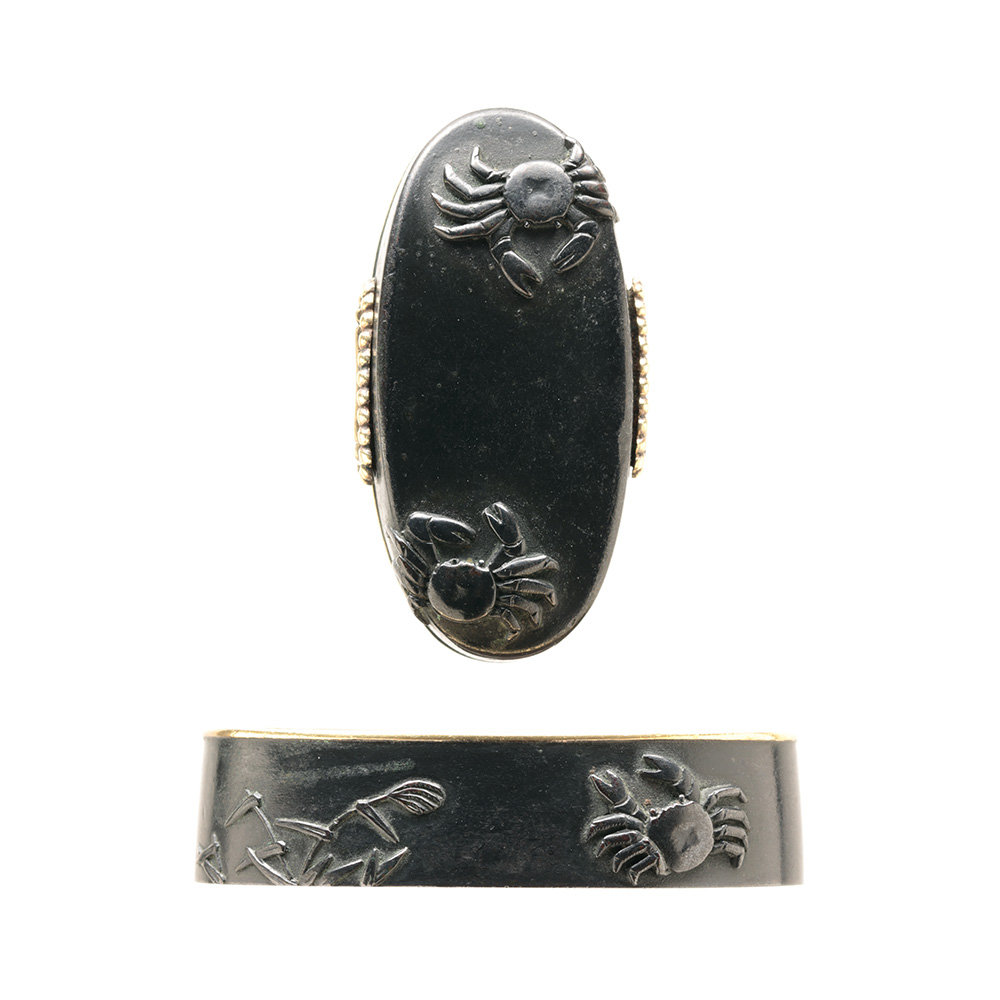
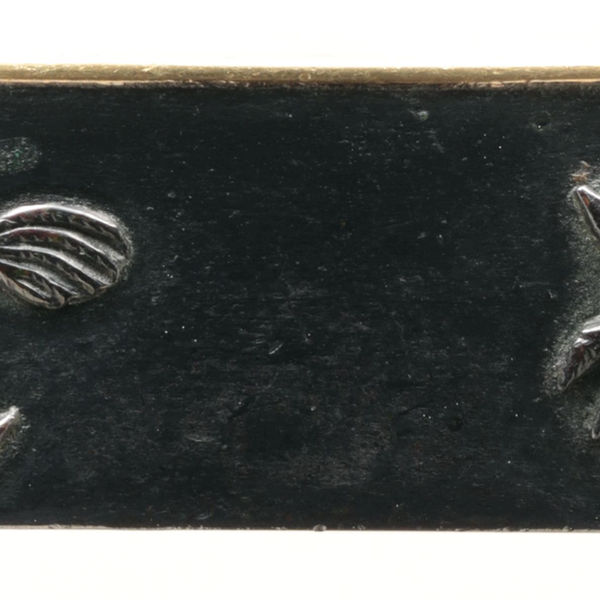
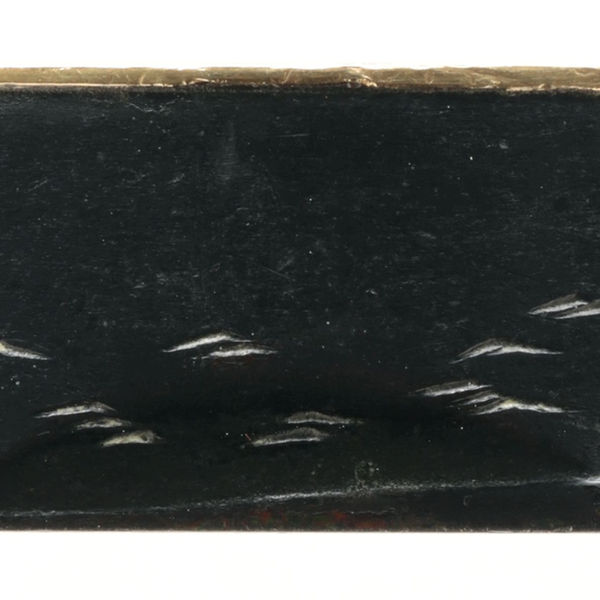
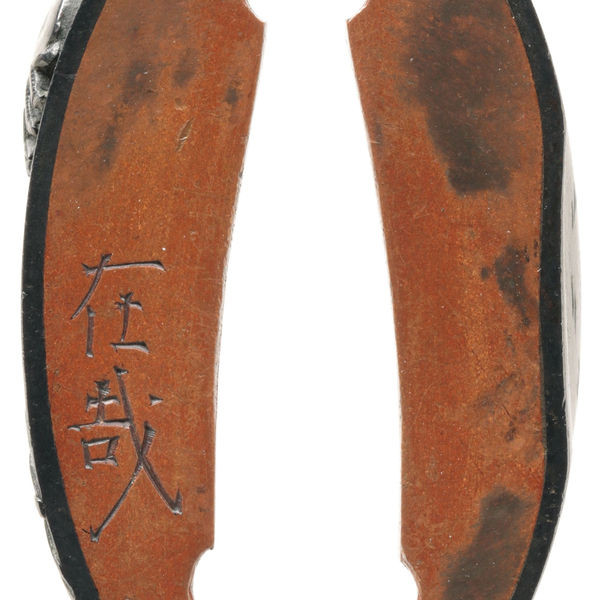
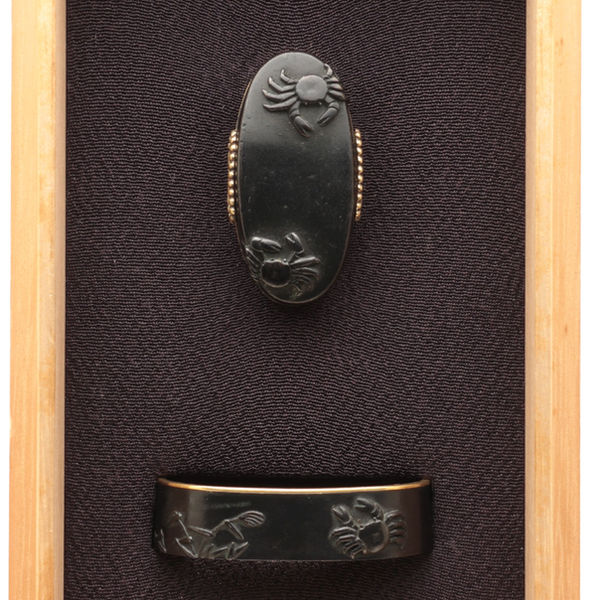
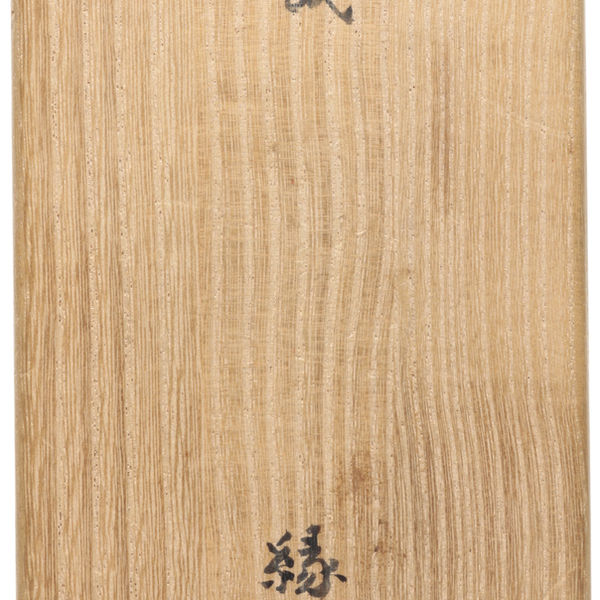
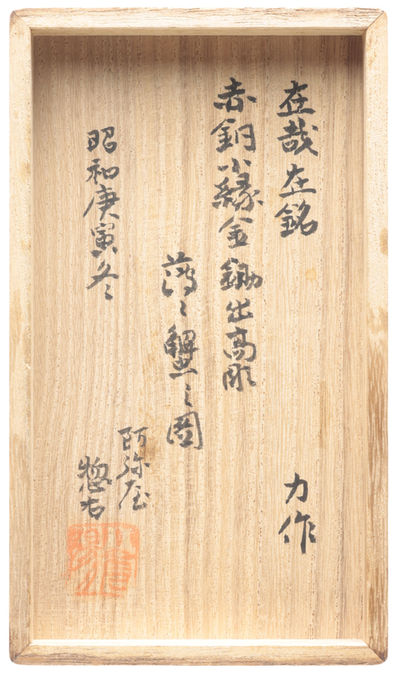
This fuchi-kashira set features a crab design, signed by Arichika. Made in the Mid-Edo period in Shonai, Dewa Province, it is crafted from shakudo with a stone-grained surface, high-relief carving, and colored gold plating. The set comes with an Amiya Soemon box inscription and is housed in a high-quality paulownia wood box with a silk cover.

NihontoWatch MonNihontoWatch
MarketEncyclopediaKantei
Fittings›Shonai›Arichika›Fuchi-Kashira with Crab Design, Signed Arichika
fuchi-kashiraTokubetsu Hozon
Shonai Arichika

Fuchi-Kashira with Crab Design, Signed Arichika

mei · Edo

¥250,000
Visit seller website →
Shonai Arichika — 1 of 7
Shonai Arichika — 2 of 7
Shonai Arichika — 3 of 7
Shonai Arichika — 4 of 7
Shonai Arichika — 5 of 7
Shonai Arichika — 6 of 7
Shonai Arichika — 7 of 7
1 / 7
1 / 7
Shonai Arichika — 1 of 7Shonai Arichika — 2 of 7Shonai Arichika — 3 of 7Shonai Arichika — 4 of 7Shonai Arichika — 5 of 7Shonai Arichika — 6 of 7Shonai Arichika — 7 of 7
Measurements & details
Era

Edo

Province

Dewa

Signature

Signed

Papers

Tokuho (NBTHK)

Description

This fuchi-kashira set features a crab design, signed by Arichika. Made in the Mid-Edo period in Shonai, Dewa Province, it is crafted from shakudo with a stone-grained surface, high-relief carving, and colored gold plating. The set comes with an Amiya Soemon box inscription and is housed in a high-quality paulownia wood box with a silk cover.

About the maker

Arichika

在哉

Kinko · Dewa · around 1670

3 pieces on the market now

›

Historical importance

Where Arichika stands among comparable artisans: across all of nihontō, and within tradition, era, and period. The tiers (Foremost · Leading · Major · Notable) weigh official designations from the NBTHK and Japan's Agency for Cultural Affairs, together with historical honors of lasting repute such as the Sansaku and Meibutsu-chō.

随一
Foremost
屈指
Leading
有数
Major
著名
Notable

Select a lens to see how it's measured.

Designation record
1 designated works
Jūyō
1
3 works by Arichika on the market→
Arichika — full profileKinko school
About the school

Shonai

庄内

Kinko · Dewa

20 pieces on the market now

›

The Shonai metalworking tradition arose in the castle town of the Sakai lords in Dewa Province, where geographic remoteness from the great urban ateliers fostered a distinctive regional idiom sustained across multiple generations of domain-retained craftsmen (kakae-ko). The earliest master attested in the designation corpus is Zaoya (1661--1742), who studied under Sato Chinkyu -- the same teacher who trained Nara Yasuchika -- yet remained throughout his life in Shonai and never traveled to Edo[[c:1]]. The dominant Washida lineage, by contrast, maintained a pattern of successive generations journeying to Edo to study under the Yanagawa school before returning to serve the Sakai house: the main line ran from the first head, Shinkodo Mitsutoki, through Kokodo Tokitaka, Kyukodo Mitsutoki, and the fourth head Shokodo Mitsuchika, with the latter's younger brother Kyozan Mitsunaka (1830--1889) bringing the school to its brilliant culmination. Other artisans drawn into this milieu include Horyusai Kosei, who fulfilled official commissions for the Sakai family, and Okada Tokio, originally of Sendai, who studied under Kono Shunmei before becoming a pupil of Washida Mitsutoki in Dewa. The collective technical vocabulary of the Shonai corpus centers on hira-zogan (flat inlay) executed in multiple varieties of colored metals -- gold, silver, shakudo, shibuichi, oborogin, and suaka -- applied over polished shakudo grounds (migaki-ji).

" Alongside the Washida manner, the corpus documents shakudo nanako-ji grounds bearing heraldic crests in gold iroe, as in Kosei's unified fittings for the Sakai house, and sukidashi-bori relief carving enriched with gold and silver iroe, as in Zaoya's tsuba with its interweaving of butterfly and ivy. The recurring guncho (swarm of butterflies) motif across multiple designated works exemplifies a design sensibility the examiners characterize as sharing affinities with the aesthetic consciousness of maki-e lacquer and yuzen dyeing -- a distinctly wayo (Japanese-style) decorative grammar[[c:4]]. The NBTHK examinations situate Shonai metalwork as a tradition in which "plain sincerity, graceful beauty, and unpretentious simplicity coexist[[c:7]]," and from which "many distinguished artisans" were produced[[c:5]]. The corpus attests both the formation of a regional school capable of absorbing Edo-derived technique and transforming it into a locally inflected vocabulary, and the achievement of individual masters -- above all Washida Mitsunaka, whose daishō tsuba pair received Tokubetsu-Juyo designation as "a masterpiece ... " From Zaoya's mid-Edo works channeling the manner of Chinkyu[[c:6]], through the Washida school's systematic absorption of Yanagawa and Kaga methods, to the formal heraldic programs executed for daimyo use, the Shonai tradition represents a sustained and coherent regional contribution to the late-Edo metalworking canon. Learn more →

4 recorded smiths6 designated works
Leading smiths
SmithEraDesignated
Arichika在哉16701
Mitsunaka光中16703
Tokio時雄16701
Horyusai Mitsuakira鳳龍斎光精—1
Explore the Shonai school →
NBTHK Certificate
Tokubetsu Hozon Tōsōgu特別保存刀装具
Fitting Especially Worthy of Preservation
›

A Hozon-certified fitting of notably superior craftsmanship and condition, often with signature or workmanship of high reference value.

About the NBTHK›

The NBTHK (Nihon Bijutsu Tōken Hozon Kyōkai, the Society for the Preservation of Japanese Art Swords) is a public-interest incorporated foundation founded in 1948 and supervised by Japan’s Agency for Cultural Affairs (Bunkachō); it is based at the Japanese Sword Museum in Tokyo. Its expert panels physically examine each submitted work (shinsa) and issue a certificate (kanteishō) ranking it by artistic and historical merit. NBTHK papers are the most widely recognized standard of authentication for Japanese swords and fittings.

NBTHK official site→
Seller
C
Choshuya
🇯🇵Ships from Japan
›
✓Verified dealerwww.choshuya.co.jp
Settles in JPY
✓Ships worldwide✓English support
Return policy

If, due to our fault, the item differs significantly from its proper condition, the item may be returned. Cooling-off is within one week of the item's arrival.

View all of Choshuya’s listings→View this item on the dealer’s site→

More works by Shonai Arichika

View all →
Choshuya
Tokuho
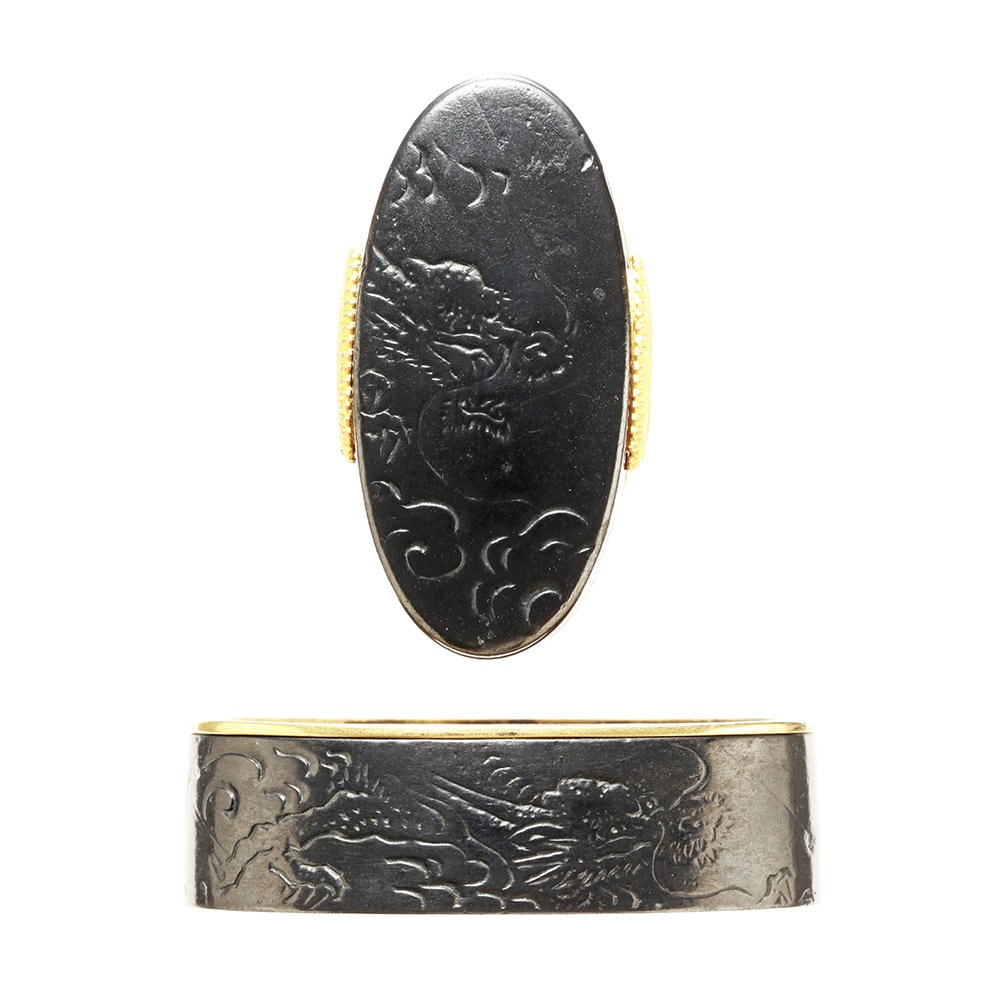
Fuchi-Kashira - Tokuho - by Shonai Arichika - Fuchi-Kashira: Dragon & Cloud - Signed ArichikaFuchi-Kashira - Tokuho - by Shonai Arichika - Fuchi-Kashira: Dragon & Cloud - Signed Arichika

Fuchi-Kashira

ByShonai Arichika
¥230,000
Choshuya
Hozon
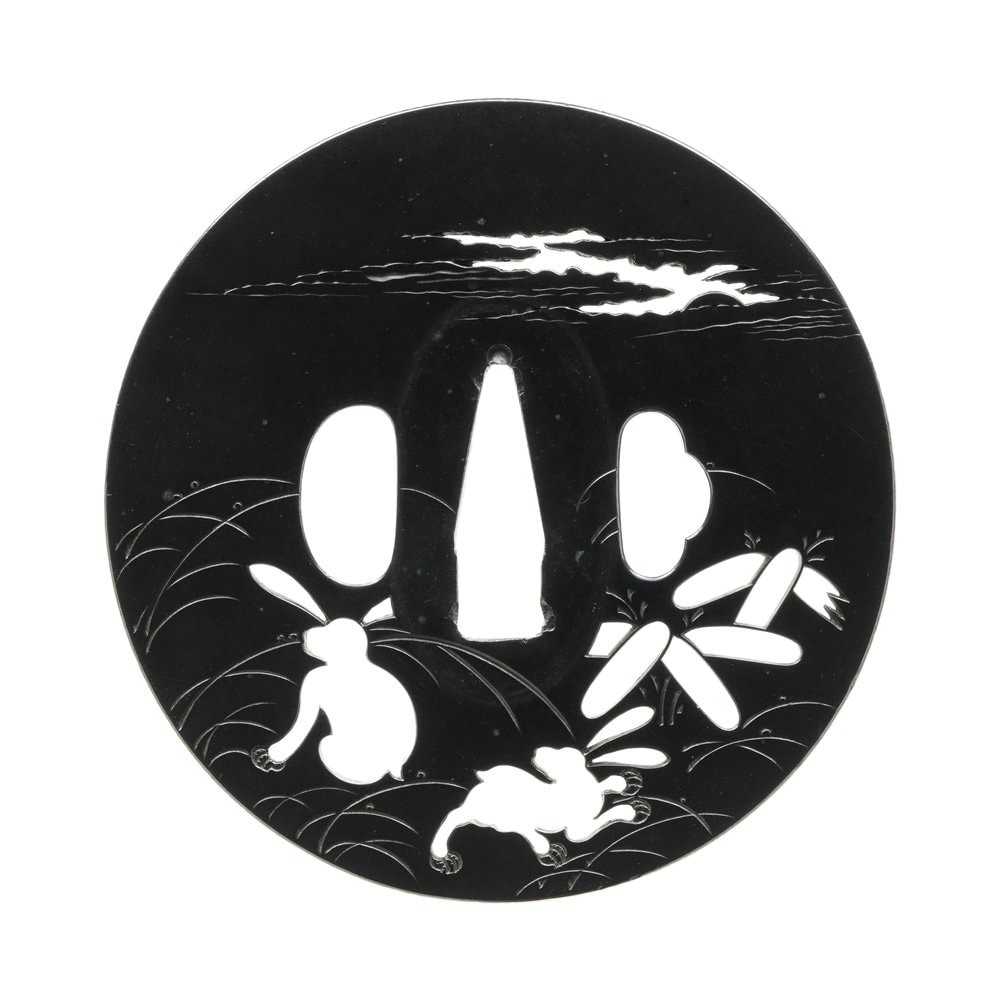
Tsuba - Hozon - by Shonai Arichika - Moon and Rabbit Design, Mumei, Attributed to ArichikaTsuba - Hozon - by Shonai Arichika - Moon and Rabbit Design, Mumei, Attributed to Arichika

Tsuba

ByShonai Arichika
¥300,000

Previously sold by Shonai Arichika

Choshuya
Hozon
Fuchi-Kashira - Hozon - by Shonai Arichika - Fuchi-Kashira: Old Coin Design, Signed ArichikaFuchi-Kashira - Hozon - by Shonai Arichika - Fuchi-Kashira: Old Coin Design, Signed Arichika
Sold

Fuchi-Kashira

ByShonai Arichika
SOLD

More from the Shonai school

View all →
Touken Matsumoto
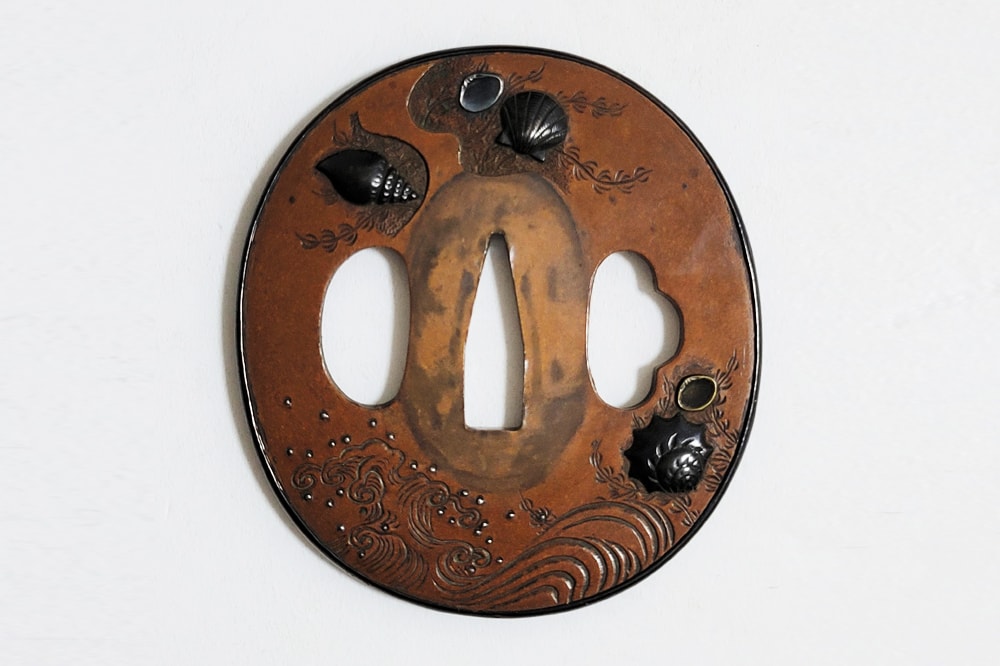
Tsuba - by Shonai School - Seaweed, Waves, and Shells DesignTsuba - by Shonai School - Seaweed, Waves, and Shells Design

Tsuba

ByShonai School
¥100,000
Yamasiroya
Hozon
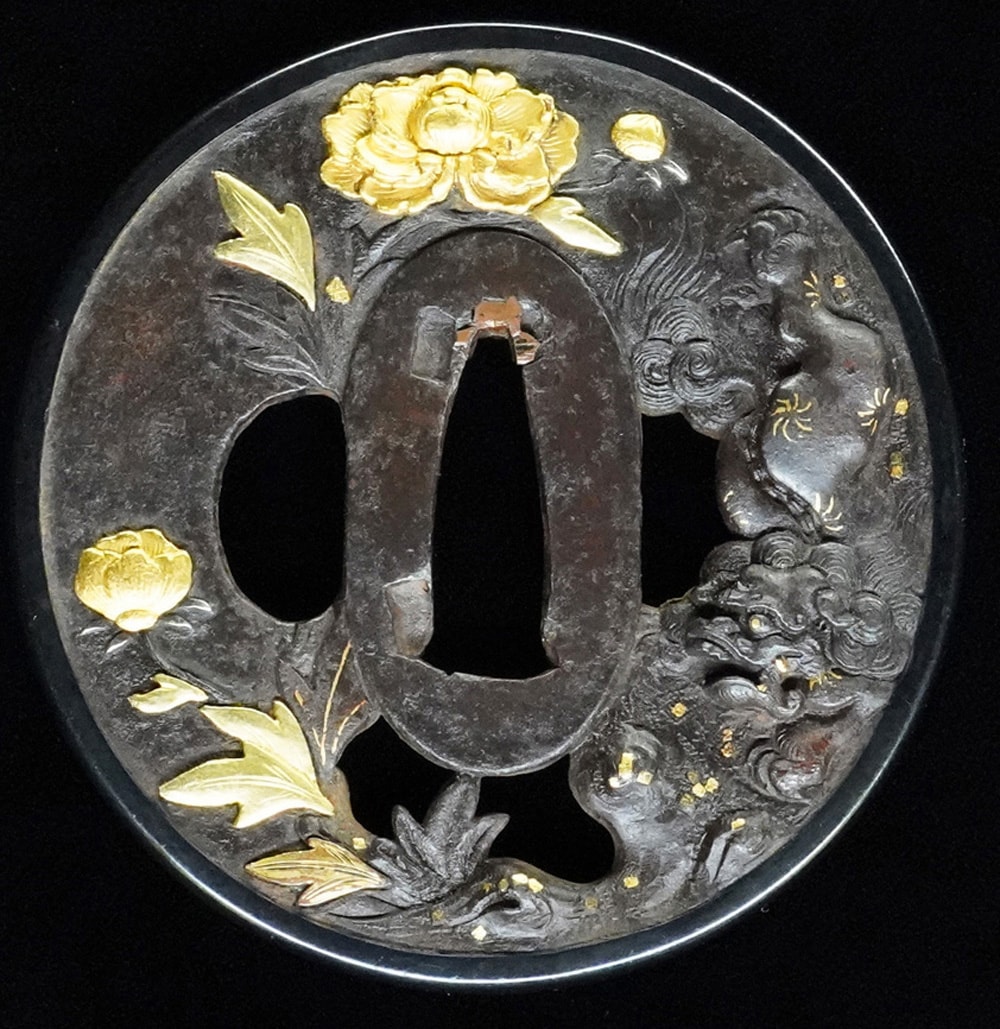
Tsuba - Hozon - by Shonai School - Peony and Lion Design (Mumei, Shonai)Tsuba - Hozon - by Shonai School - Peony and Lion Design (Mumei, Shonai)

Tsuba

ByShonai School
¥260,000
Toushin
Hozon
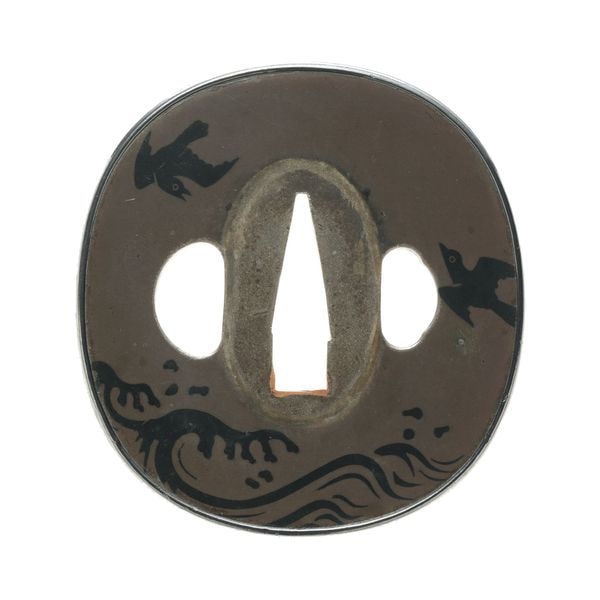
Tsuba - Hozon - by Shonai School - Wave Plover Design Mumei (Shonai)Tsuba - Hozon - by Shonai School - Wave Plover Design Mumei (Shonai)

Tsuba

ByShonai School
¥143,000
Giuseppe Piva
Hozon
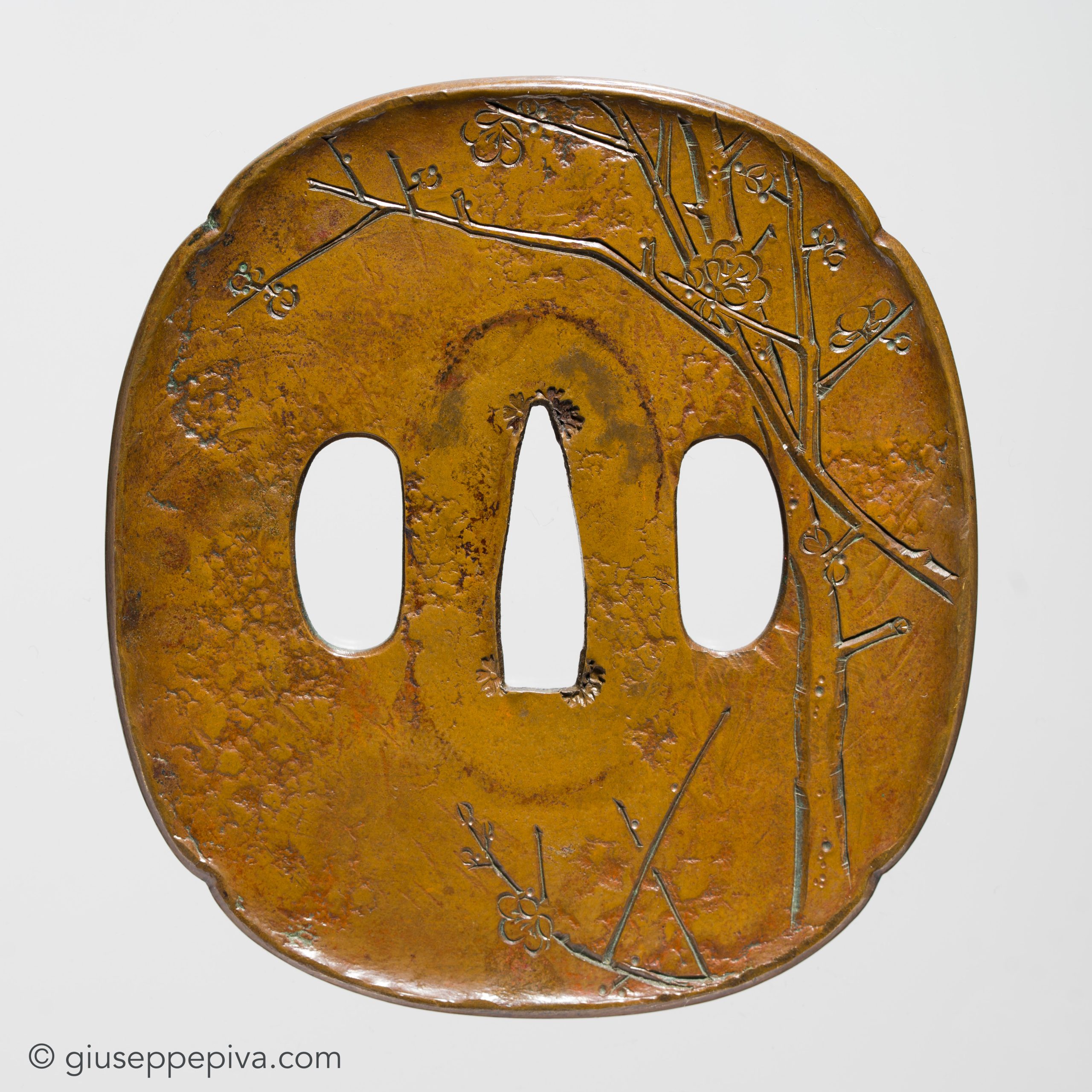
Tsuba - Hozon - by Shonai School - Two Trees in Mid-Winter, Shonai SchoolTsuba - Hozon - by Shonai School - Two Trees in Mid-Winter, Shonai School

Tsuba

ByShonai School
¥3,000
Toushin
Hozon
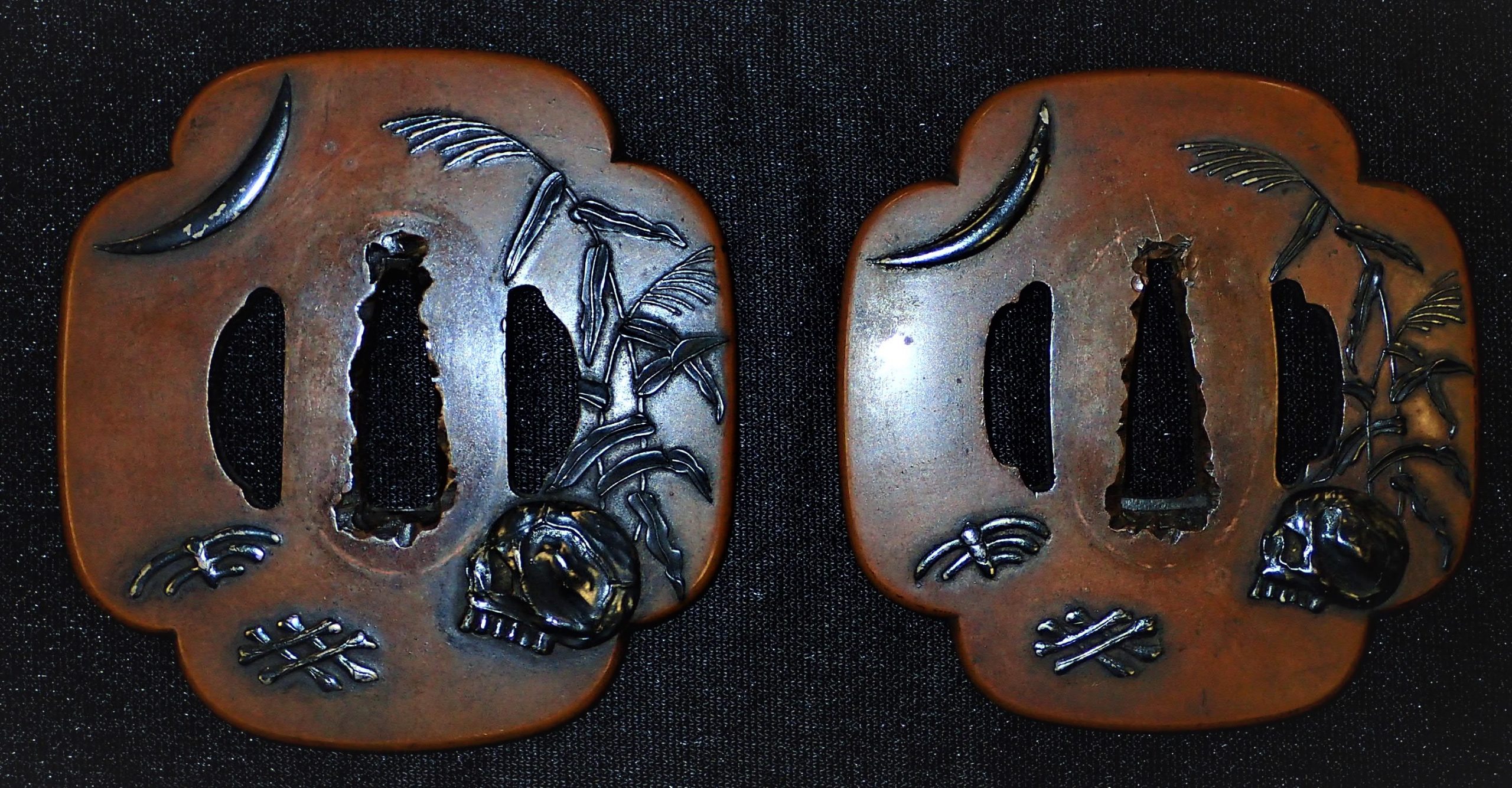
Tsuba - Hozon - by Shonai School - Bamboo and Tiger Design, Mumei (Shonai)Tsuba - Hozon - by Shonai School - Bamboo and Tiger Design, Mumei (Shonai)

Tsuba

ByShonai School
¥275,000
Eirakudo
Hozon
Tsuba - Hozon - by Shonai School - Shonai Bamboo Grass Tsuba Hozon TosoguTsuba - Hozon - by Shonai School - Shonai Bamboo Grass Tsuba Hozon Tosogu

Tsuba

ByShonai School
¥150,000
Nihonto Australia
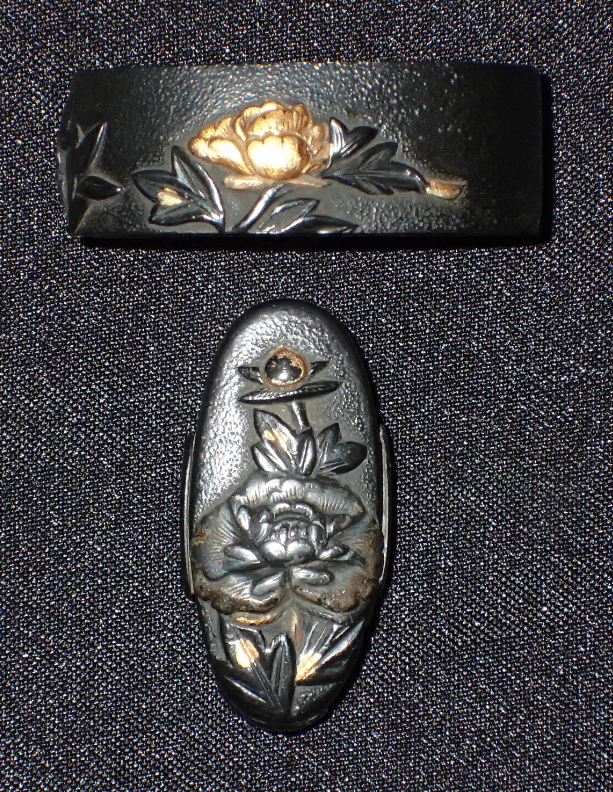
Fuchi-Kashira - by Shonai School - Shonai Peony Fuchi KashiraFuchi-Kashira - by Shonai School - Shonai Peony Fuchi Kashira

Fuchi-Kashira

ByShonai School
¥975
Eirakudo
Hozon
Tsuba - Hozon - by Shonai School - Shonai - Willow and Birds Design, Hozon TosoguTsuba - Hozon - by Shonai School - Shonai - Willow and Birds Design, Hozon Tosogu

Tsuba

ByShonai School
¥160,000

Swords

  • Katana
  • Wakizashi
  • Tantō
  • Tachi
  • Naginata
  • Yari

Fittings

  • Tsuba
  • Fuchi-Kashira
  • Kozuka
  • Menuki

Armor

  • Kabuto
  • Samurai Armor

By Certification

  • Tokujū
  • Jūyō
  • Tokuho
  • Hozon

Resources

  • Dealer Directory
  • Artist Directory
  • The Daily Kantei
  • Glossary
  • Browse All
Nihontowatch© 2026
TermsPrivacyCookiesAbout

Description

This fuchi-kashira set features a crab design, signed by Arichika. Made in the Mid-Edo period in Shonai, Dewa Province, it is crafted from shakudo with a stone-grained surface, high-relief carving, and colored gold plating. The set comes with an Amiya Soemon box inscription and is housed in a high-quality paulownia wood box with a silk cover.

NihontoWatch MonNihontoWatch
MarketEncyclopediaKantei
Fittings›Shonai›Arichika›Fuchi-Kashira with Crab Design, Signed Arichika
fuchi-kashiraTokubetsu Hozon
Shonai Arichika

Fuchi-Kashira with Crab Design, Signed Arichika

mei · Edo

¥250,000
Visit seller website →
Shonai Arichika — 1 of 7
Shonai Arichika — 2 of 7
Shonai Arichika — 3 of 7
Shonai Arichika — 4 of 7
Shonai Arichika — 5 of 7
Shonai Arichika — 6 of 7
Shonai Arichika — 7 of 7
1 / 7
1 / 7
Shonai Arichika — 1 of 7Shonai Arichika — 2 of 7Shonai Arichika — 3 of 7Shonai Arichika — 4 of 7Shonai Arichika — 5 of 7Shonai Arichika — 6 of 7Shonai Arichika — 7 of 7
Measurements & details
Era

Edo

Province

Dewa

Signature

Signed

Papers

Tokuho (NBTHK)

Description

This fuchi-kashira set features a crab design, signed by Arichika. Made in the Mid-Edo period in Shonai, Dewa Province, it is crafted from shakudo with a stone-grained surface, high-relief carving, and colored gold plating. The set comes with an Amiya Soemon box inscription and is housed in a high-quality paulownia wood box with a silk cover.

About the maker

Arichika

在哉

Kinko · Dewa · around 1670

3 pieces on the market now

›

Historical importance

Where Arichika stands among comparable artisans: across all of nihontō, and within tradition, era, and period. The tiers (Foremost · Leading · Major · Notable) weigh official designations from the NBTHK and Japan's Agency for Cultural Affairs, together with historical honors of lasting repute such as the Sansaku and Meibutsu-chō.

随一
Foremost
屈指
Leading
有数
Major
著名
Notable

Select a lens to see how it's measured.

Designation record
1 designated works
Jūyō
1
3 works by Arichika on the market→
Arichika — full profileKinko school
About the school

Shonai

庄内

Kinko · Dewa

20 pieces on the market now

›

The Shonai metalworking tradition arose in the castle town of the Sakai lords in Dewa Province, where geographic remoteness from the great urban ateliers fostered a distinctive regional idiom sustained across multiple generations of domain-retained craftsmen (kakae-ko). The earliest master attested in the designation corpus is Zaoya (1661--1742), who studied under Sato Chinkyu -- the same teacher who trained Nara Yasuchika -- yet remained throughout his life in Shonai and never traveled to Edo[[c:1]]. The dominant Washida lineage, by contrast, maintained a pattern of successive generations journeying to Edo to study under the Yanagawa school before returning to serve the Sakai house: the main line ran from the first head, Shinkodo Mitsutoki, through Kokodo Tokitaka, Kyukodo Mitsutoki, and the fourth head Shokodo Mitsuchika, with the latter's younger brother Kyozan Mitsunaka (1830--1889) bringing the school to its brilliant culmination. Other artisans drawn into this milieu include Horyusai Kosei, who fulfilled official commissions for the Sakai family, and Okada Tokio, originally of Sendai, who studied under Kono Shunmei before becoming a pupil of Washida Mitsutoki in Dewa. The collective technical vocabulary of the Shonai corpus centers on hira-zogan (flat inlay) executed in multiple varieties of colored metals -- gold, silver, shakudo, shibuichi, oborogin, and suaka -- applied over polished shakudo grounds (migaki-ji).

" Alongside the Washida manner, the corpus documents shakudo nanako-ji grounds bearing heraldic crests in gold iroe, as in Kosei's unified fittings for the Sakai house, and sukidashi-bori relief carving enriched with gold and silver iroe, as in Zaoya's tsuba with its interweaving of butterfly and ivy. The recurring guncho (swarm of butterflies) motif across multiple designated works exemplifies a design sensibility the examiners characterize as sharing affinities with the aesthetic consciousness of maki-e lacquer and yuzen dyeing -- a distinctly wayo (Japanese-style) decorative grammar[[c:4]]. The NBTHK examinations situate Shonai metalwork as a tradition in which "plain sincerity, graceful beauty, and unpretentious simplicity coexist[[c:7]]," and from which "many distinguished artisans" were produced[[c:5]]. The corpus attests both the formation of a regional school capable of absorbing Edo-derived technique and transforming it into a locally inflected vocabulary, and the achievement of individual masters -- above all Washida Mitsunaka, whose daishō tsuba pair received Tokubetsu-Juyo designation as "a masterpiece ... " From Zaoya's mid-Edo works channeling the manner of Chinkyu[[c:6]], through the Washida school's systematic absorption of Yanagawa and Kaga methods, to the formal heraldic programs executed for daimyo use, the Shonai tradition represents a sustained and coherent regional contribution to the late-Edo metalworking canon. Learn more →

4 recorded smiths6 designated works
Leading smiths
SmithEraDesignated
Arichika在哉16701
Mitsunaka光中16703
Tokio時雄16701
Horyusai Mitsuakira鳳龍斎光精—1
Explore the Shonai school →
NBTHK Certificate
Tokubetsu Hozon Tōsōgu特別保存刀装具
Fitting Especially Worthy of Preservation
›

A Hozon-certified fitting of notably superior craftsmanship and condition, often with signature or workmanship of high reference value.

About the NBTHK›

The NBTHK (Nihon Bijutsu Tōken Hozon Kyōkai, the Society for the Preservation of Japanese Art Swords) is a public-interest incorporated foundation founded in 1948 and supervised by Japan’s Agency for Cultural Affairs (Bunkachō); it is based at the Japanese Sword Museum in Tokyo. Its expert panels physically examine each submitted work (shinsa) and issue a certificate (kanteishō) ranking it by artistic and historical merit. NBTHK papers are the most widely recognized standard of authentication for Japanese swords and fittings.

NBTHK official site→
Seller
C
Choshuya
🇯🇵Ships from Japan
›
✓Verified dealerwww.choshuya.co.jp
Settles in JPY
✓Ships worldwide✓English support
Return policy

If, due to our fault, the item differs significantly from its proper condition, the item may be returned. Cooling-off is within one week of the item's arrival.

View all of Choshuya’s listings→View this item on the dealer’s site→

More works by Shonai Arichika

View all →
Choshuya
Tokuho
Fuchi-Kashira - Tokuho - by Shonai Arichika - Fuchi-Kashira: Dragon & Cloud - Signed ArichikaFuchi-Kashira - Tokuho - by Shonai Arichika - Fuchi-Kashira: Dragon & Cloud - Signed Arichika

Fuchi-Kashira

ByShonai Arichika
¥230,000
Choshuya
Hozon
Tsuba - Hozon - by Shonai Arichika - Moon and Rabbit Design, Mumei, Attributed to ArichikaTsuba - Hozon - by Shonai Arichika - Moon and Rabbit Design, Mumei, Attributed to Arichika

Tsuba

ByShonai Arichika
¥300,000

Previously sold by Shonai Arichika

Choshuya
Hozon
Fuchi-Kashira - Hozon - by Shonai Arichika - Fuchi-Kashira: Old Coin Design, Signed ArichikaFuchi-Kashira - Hozon - by Shonai Arichika - Fuchi-Kashira: Old Coin Design, Signed Arichika
Sold

Fuchi-Kashira

ByShonai Arichika
SOLD

More from the Shonai school

View all →
Touken Matsumoto
Tsuba - by Shonai School - Seaweed, Waves, and Shells DesignTsuba - by Shonai School - Seaweed, Waves, and Shells Design

Tsuba

ByShonai School
¥100,000
Yamasiroya
Hozon
Tsuba - Hozon - by Shonai School - Peony and Lion Design (Mumei, Shonai)Tsuba - Hozon - by Shonai School - Peony and Lion Design (Mumei, Shonai)

Tsuba

ByShonai School
¥260,000
Toushin
Hozon
Tsuba - Hozon - by Shonai School - Wave Plover Design Mumei (Shonai)Tsuba - Hozon - by Shonai School - Wave Plover Design Mumei (Shonai)

Tsuba

ByShonai School
¥143,000
Giuseppe Piva
Hozon
Tsuba - Hozon - by Shonai School - Two Trees in Mid-Winter, Shonai SchoolTsuba - Hozon - by Shonai School - Two Trees in Mid-Winter, Shonai School

Tsuba

ByShonai School
¥3,000
Toushin
Hozon
Tsuba - Hozon - by Shonai School - Bamboo and Tiger Design, Mumei (Shonai)Tsuba - Hozon - by Shonai School - Bamboo and Tiger Design, Mumei (Shonai)

Tsuba

ByShonai School
¥275,000
Eirakudo
Hozon
Tsuba - Hozon - by Shonai School - Shonai Bamboo Grass Tsuba Hozon TosoguTsuba - Hozon - by Shonai School - Shonai Bamboo Grass Tsuba Hozon Tosogu

Tsuba

ByShonai School
¥150,000
Nihonto Australia
Fuchi-Kashira - by Shonai School - Shonai Peony Fuchi KashiraFuchi-Kashira - by Shonai School - Shonai Peony Fuchi Kashira

Fuchi-Kashira

ByShonai School
¥975
Eirakudo
Hozon
Tsuba - Hozon - by Shonai School - Shonai - Willow and Birds Design, Hozon TosoguTsuba - Hozon - by Shonai School - Shonai - Willow and Birds Design, Hozon Tosogu

Tsuba

ByShonai School
¥160,000

Swords

  • Katana
  • Wakizashi
  • Tantō
  • Tachi
  • Naginata
  • Yari

Fittings

  • Tsuba
  • Fuchi-Kashira
  • Kozuka
  • Menuki

Armor

  • Kabuto
  • Samurai Armor

By Certification

  • Tokujū
  • Jūyō
  • Tokuho
  • Hozon

Resources

  • Dealer Directory
  • Artist Directory
  • The Daily Kantei
  • Glossary
  • Browse All
Nihontowatch© 2026
TermsPrivacyCookiesAbout
NihontoWatch Mon

NihontoWatch

Market
Encyclopedia
Kantei
NihontoWatch Mon

NihontoWatch

Market
Encyclopedia
Kantei