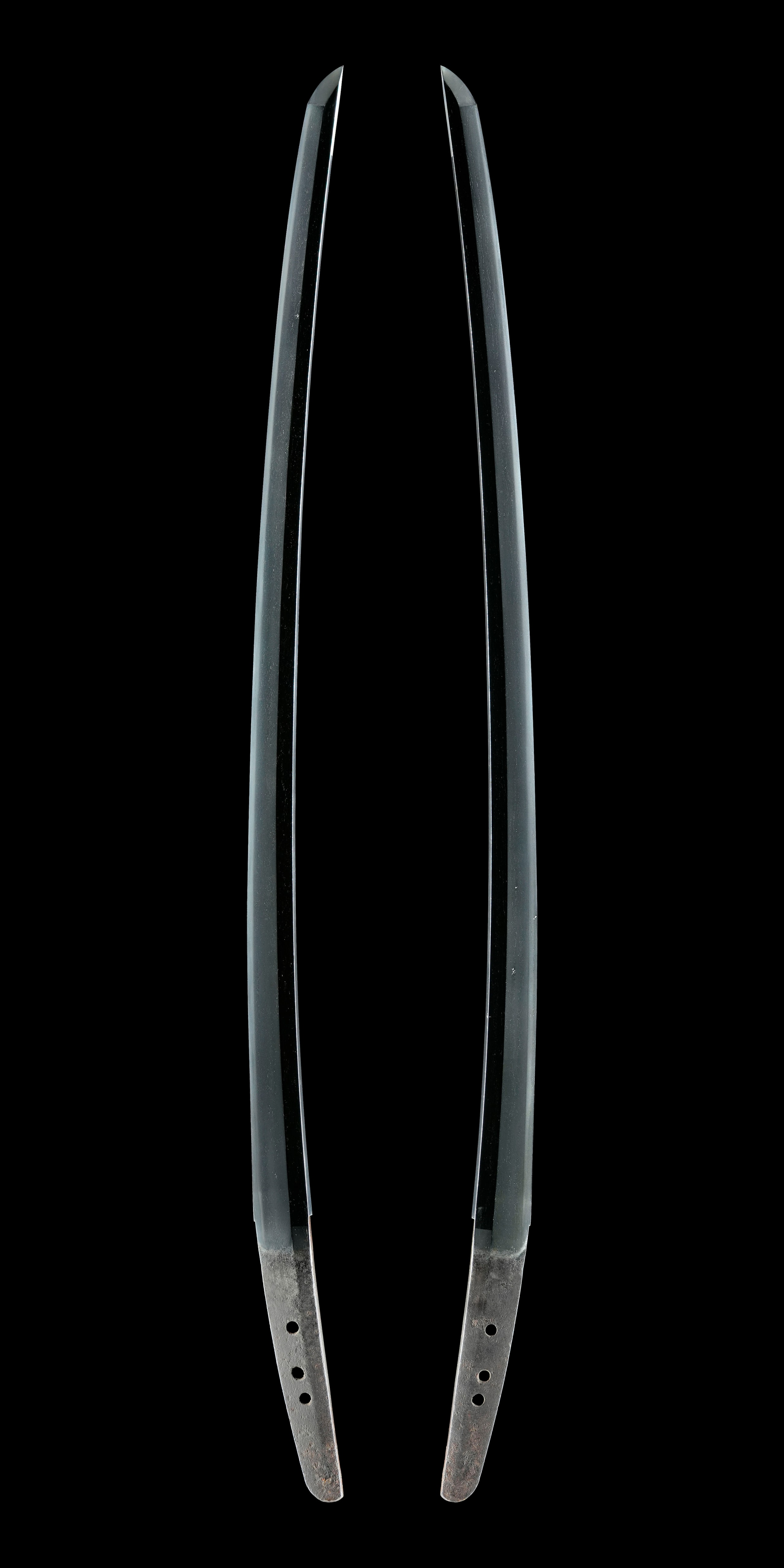
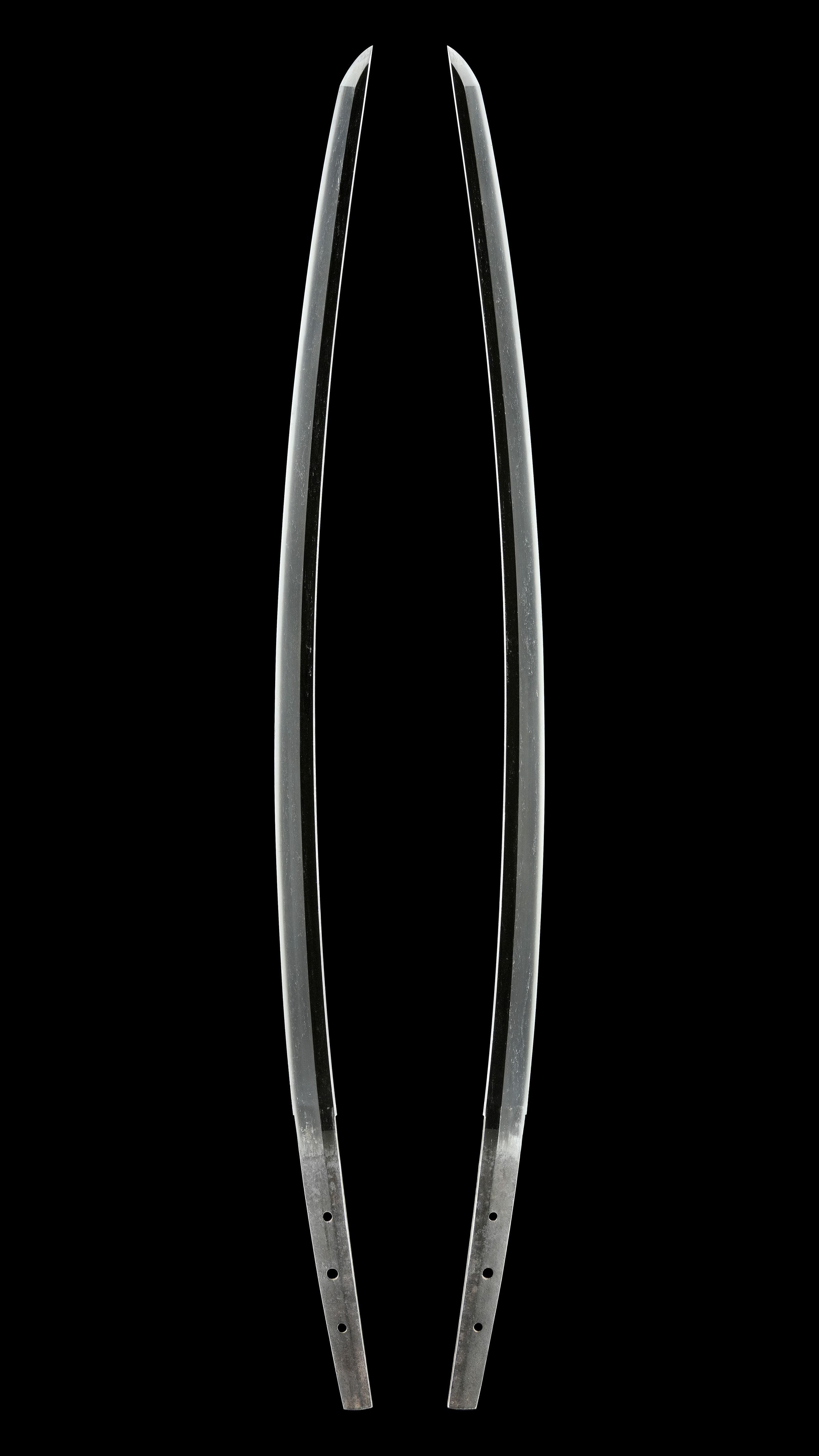
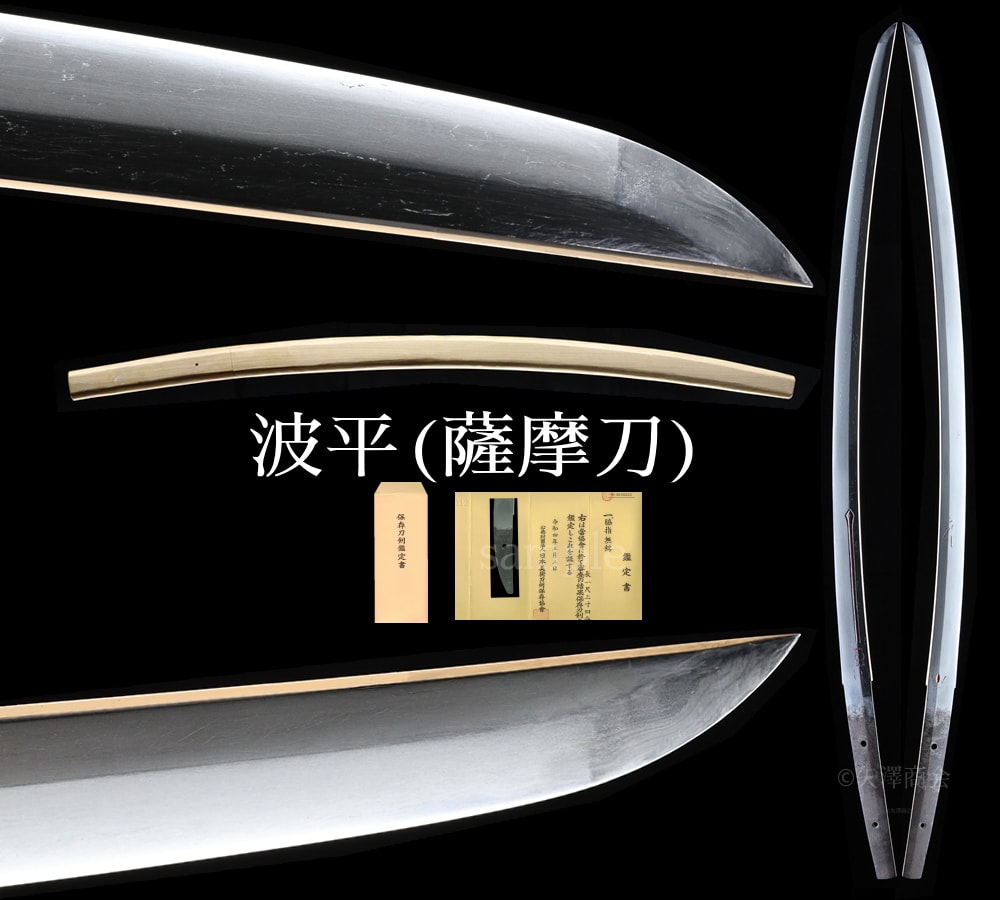
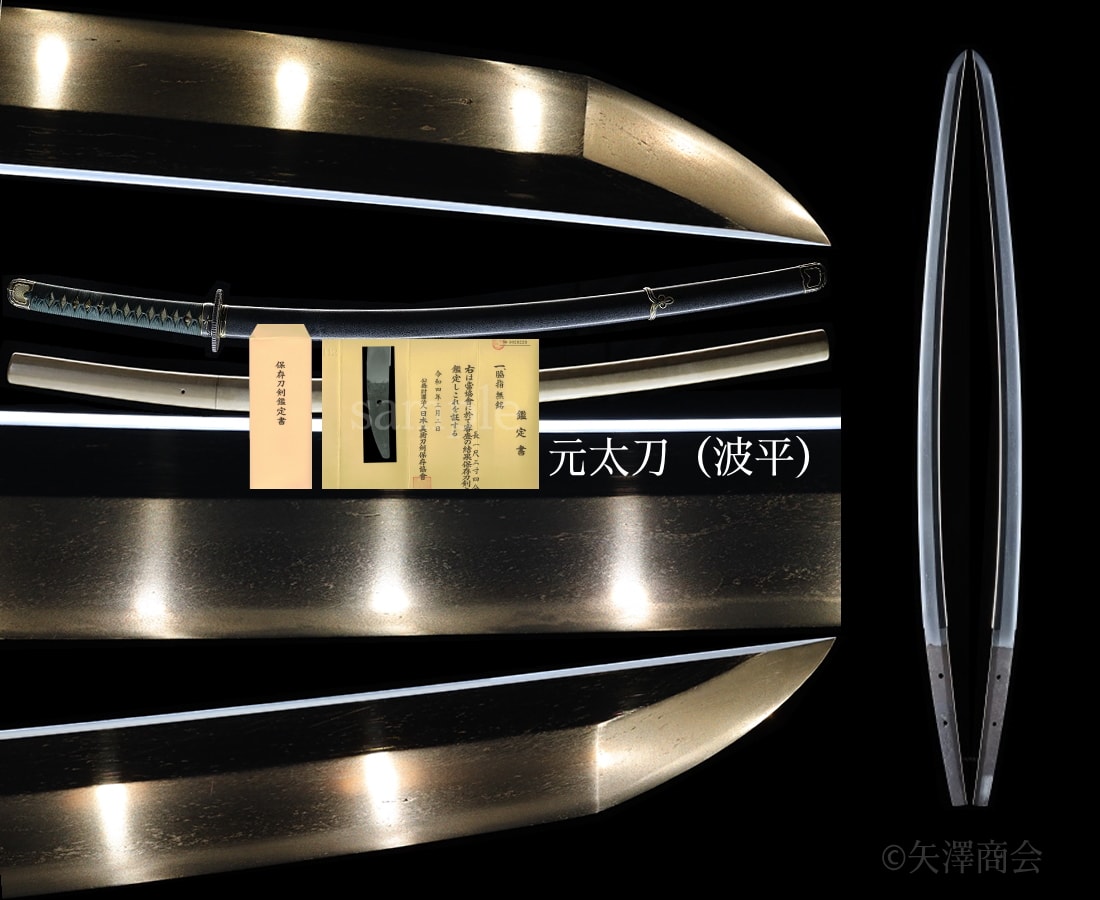
Muromachi turned sword making into an industry: the uchigatana rose with massed infantry warfare, Osafune and Seki produced bundle swords beside custom orders, and the Ming trade carried Japanese blades abroad by the tens of thousands.
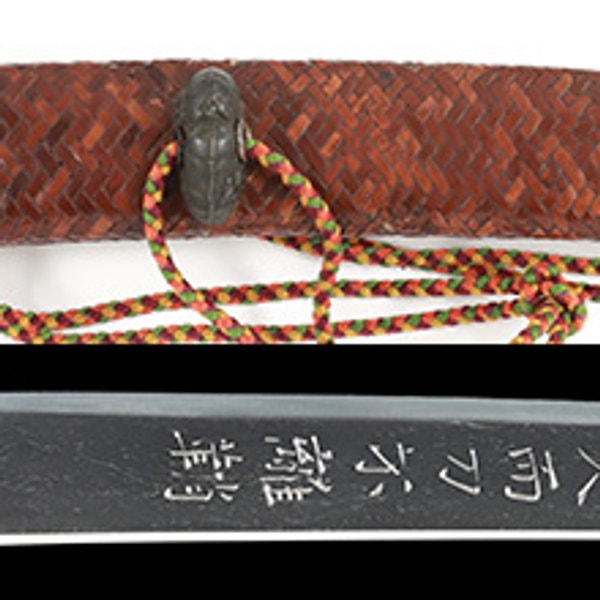
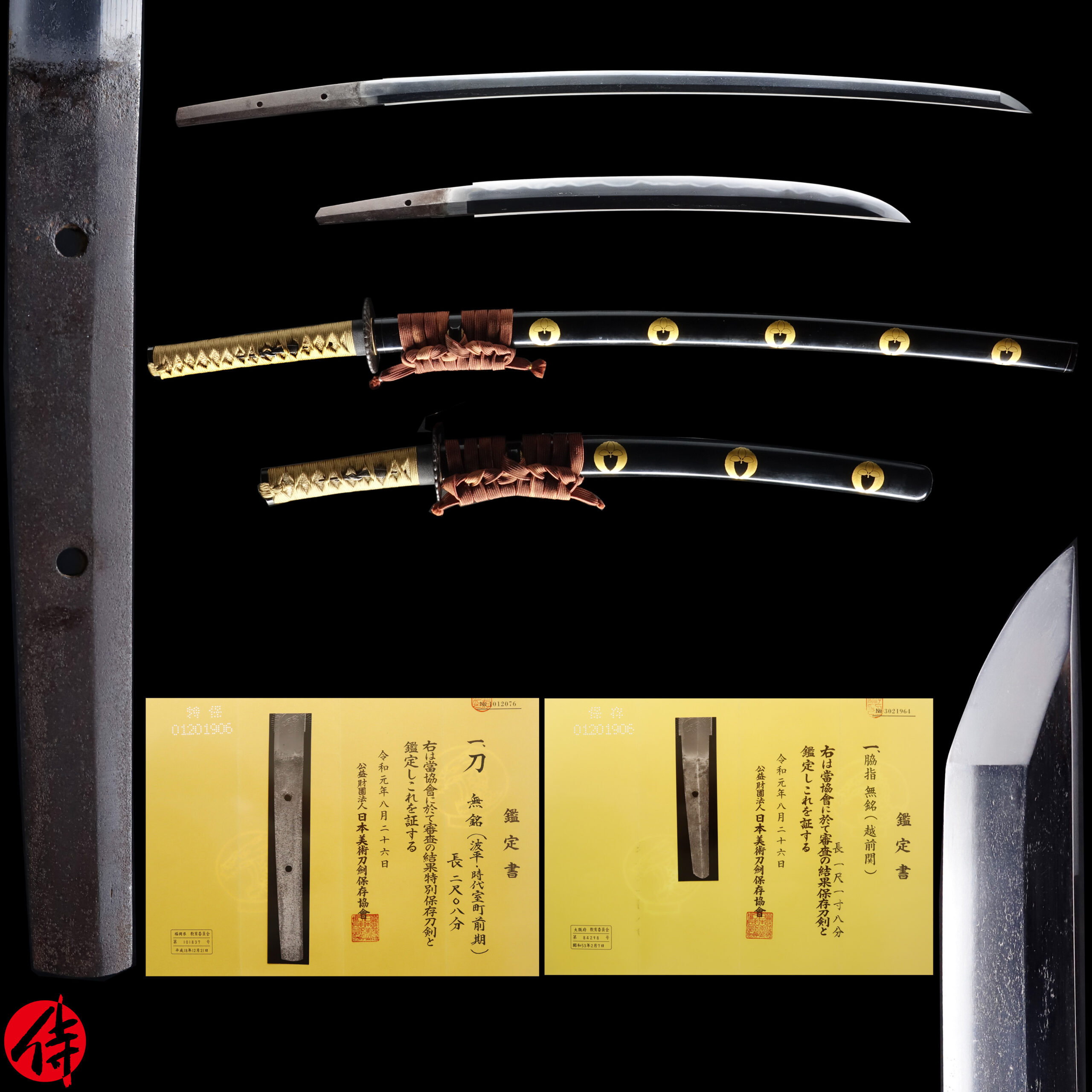
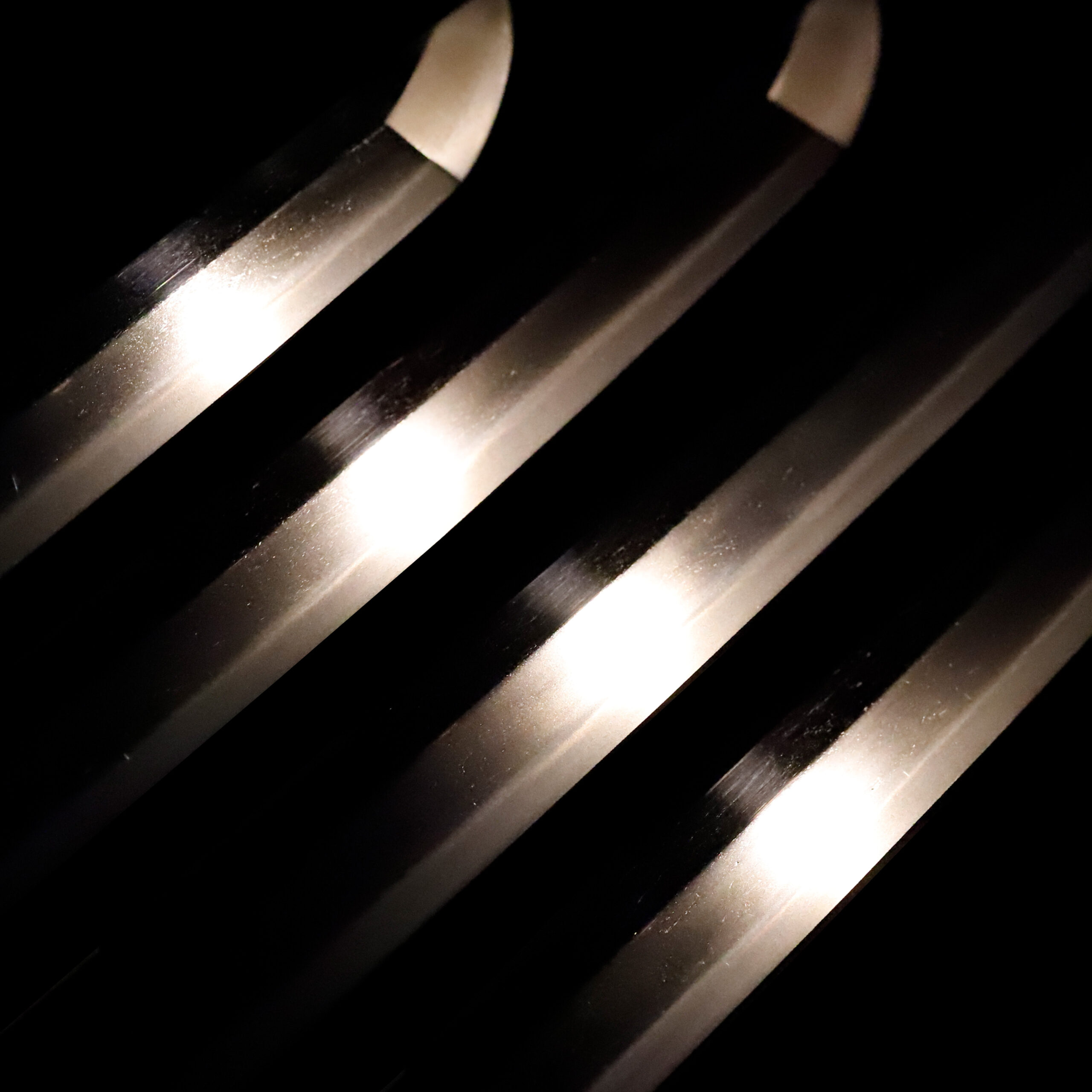
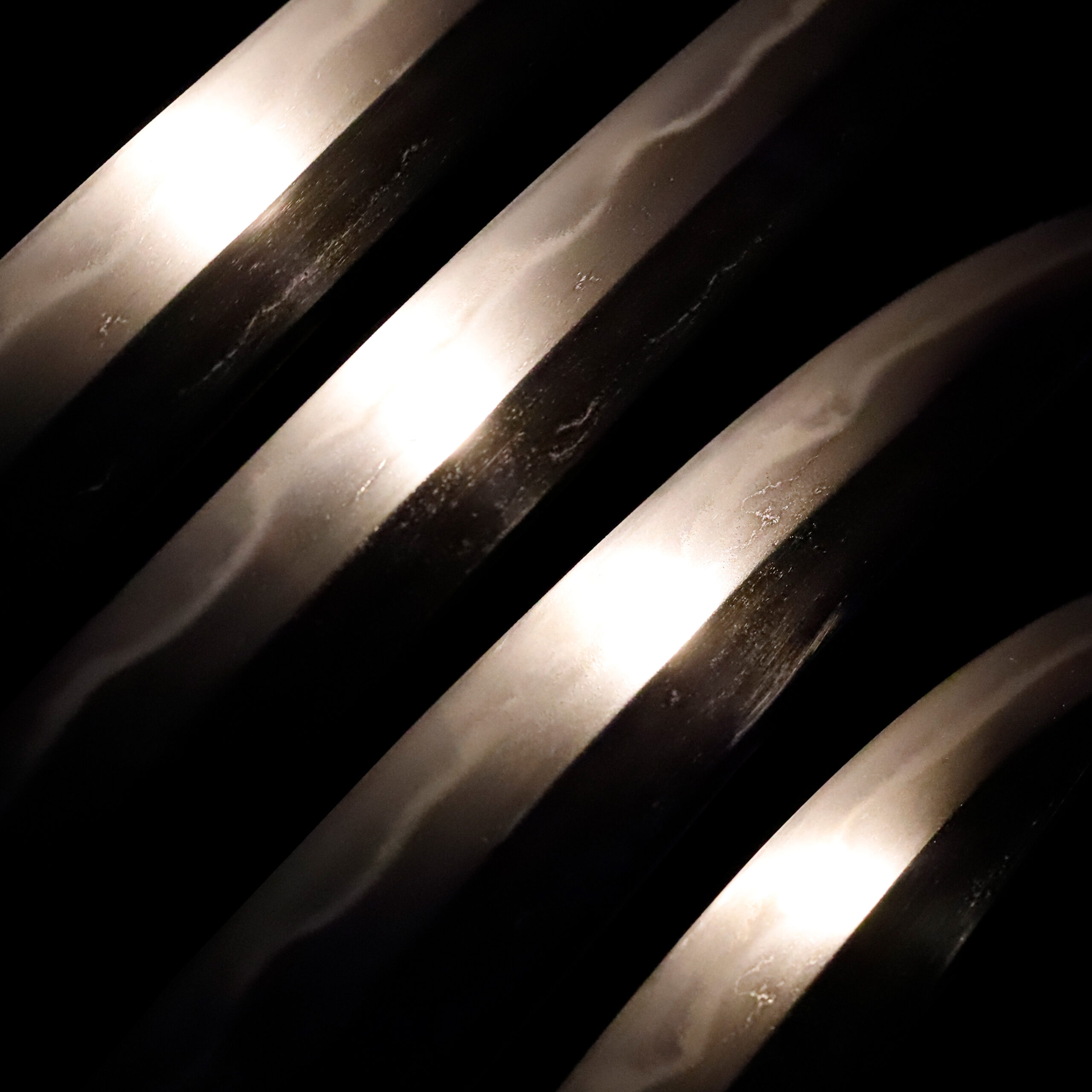
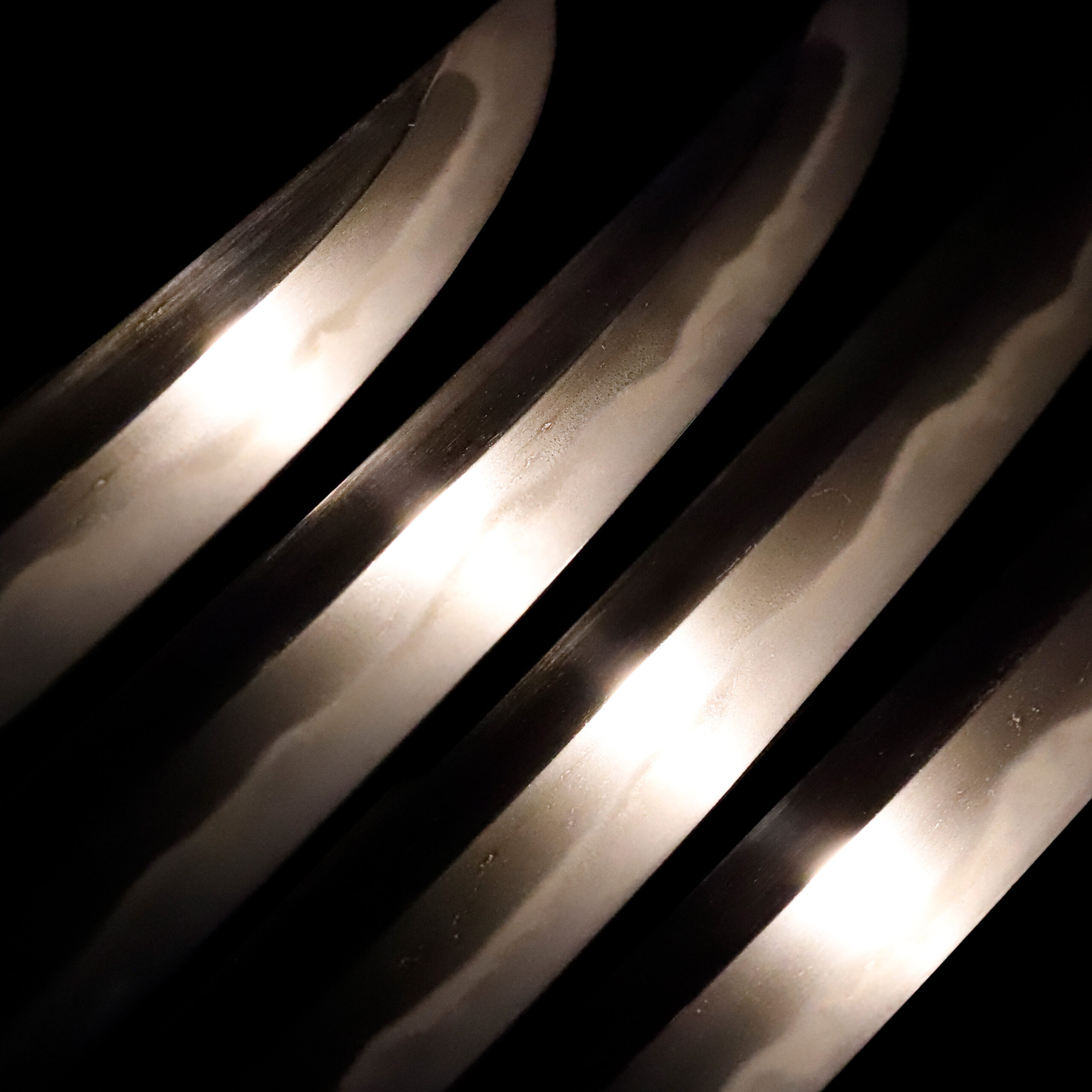
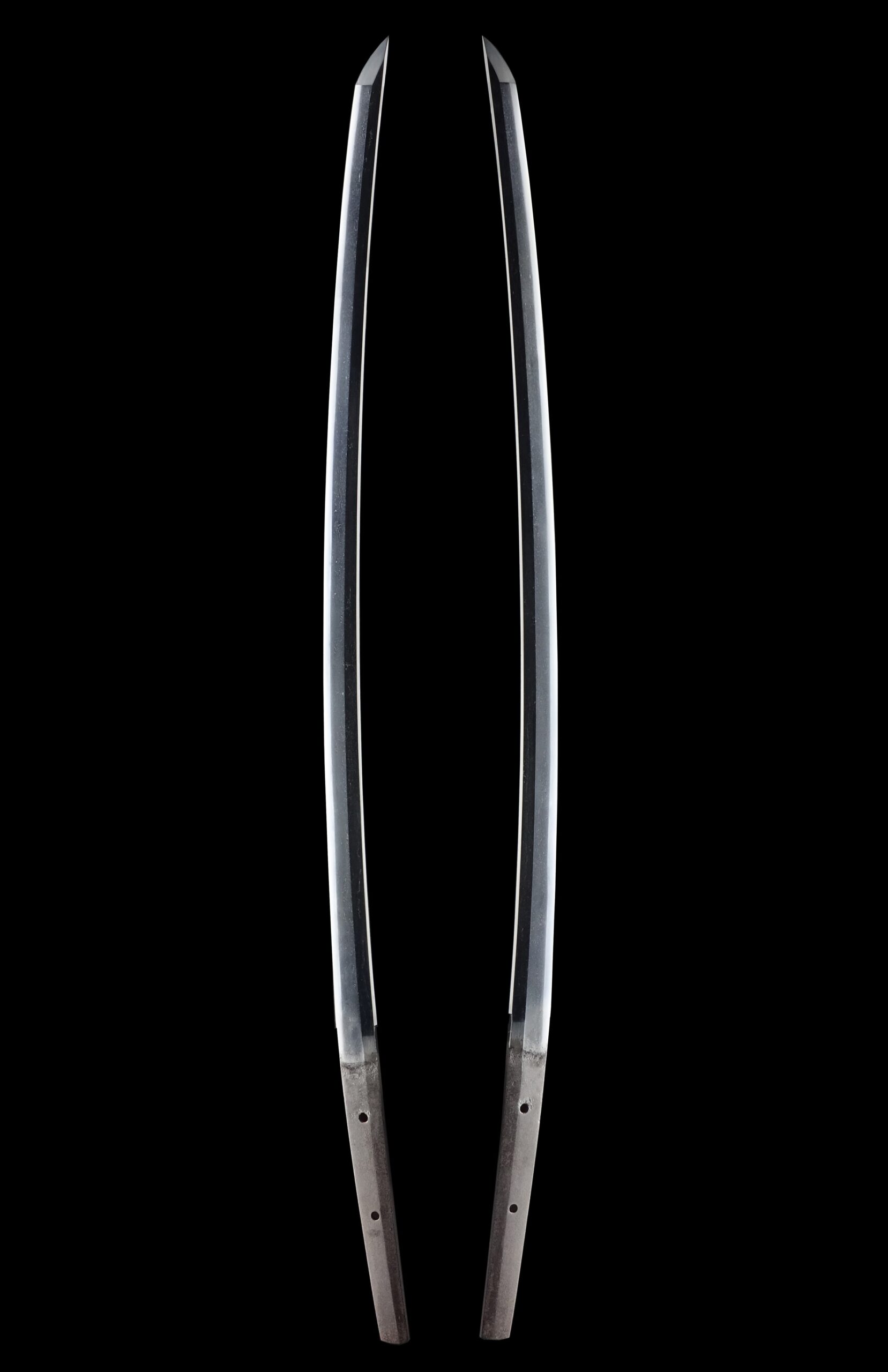
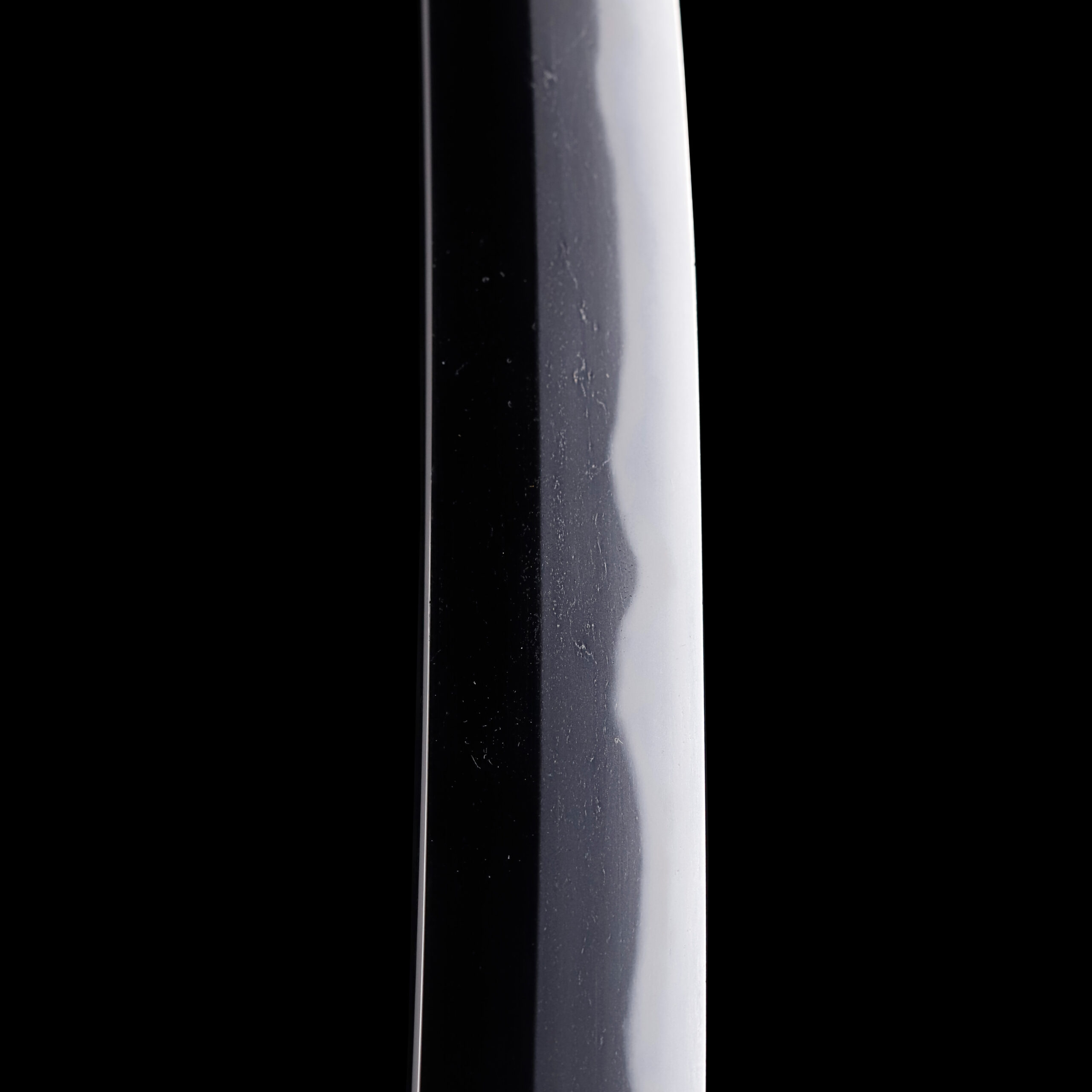
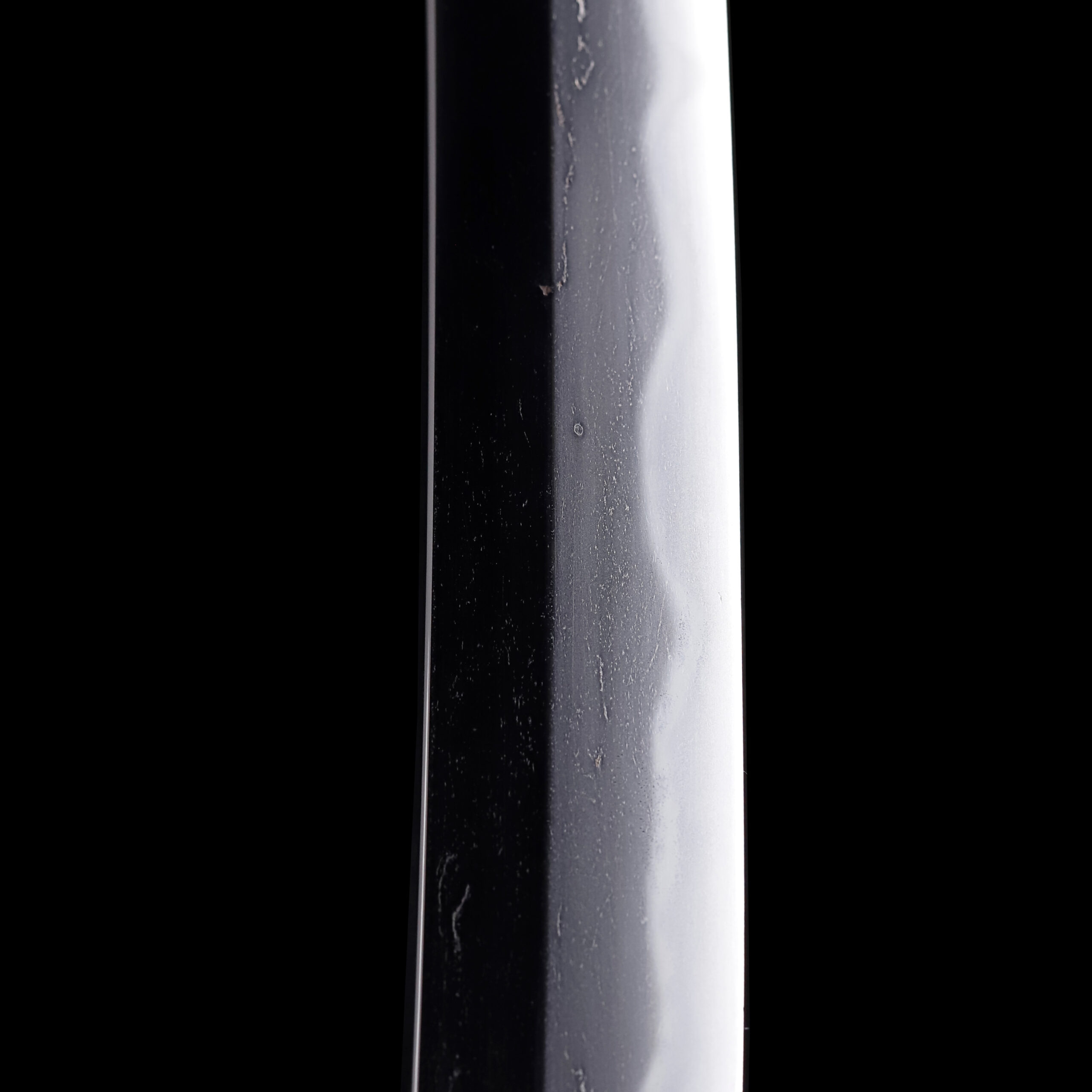
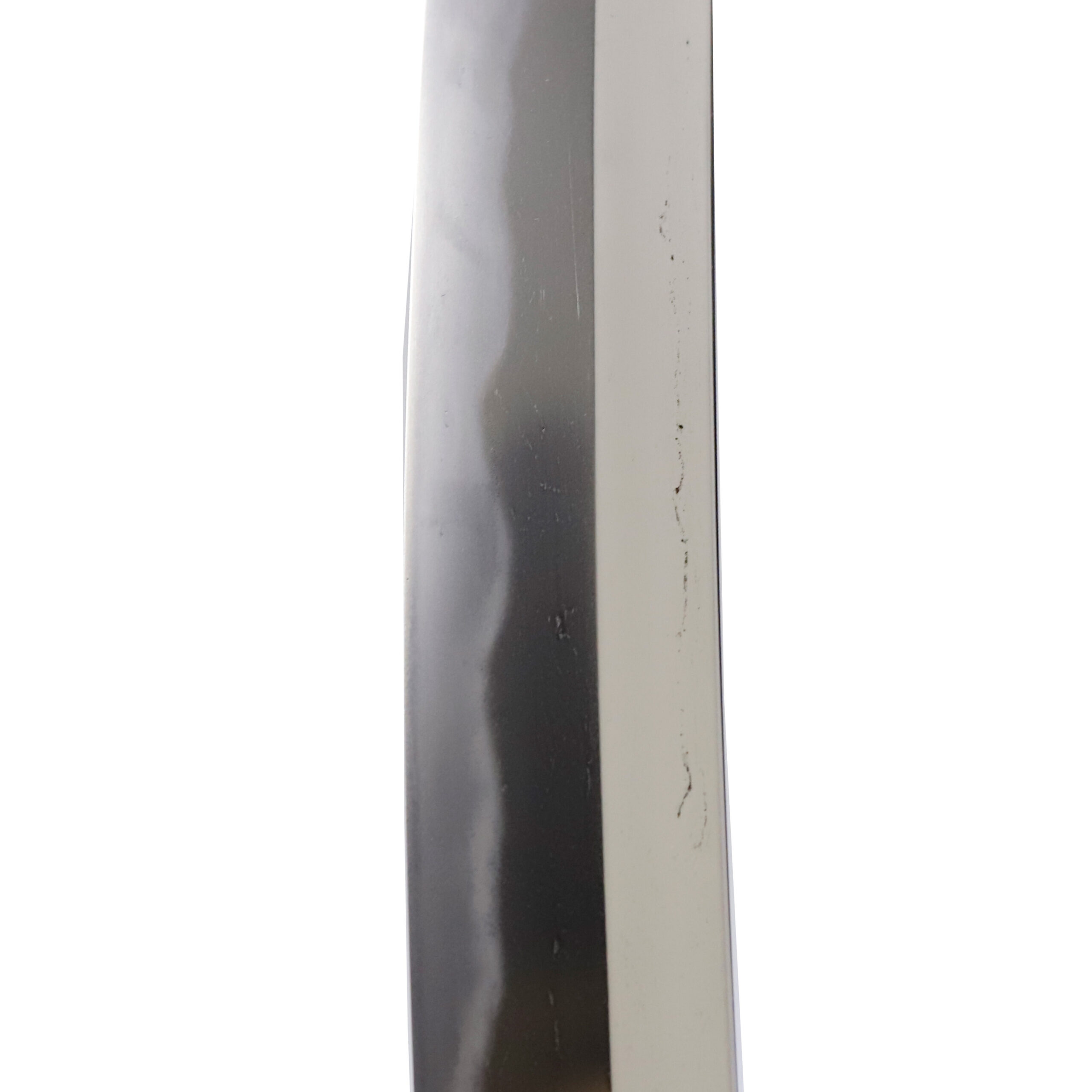
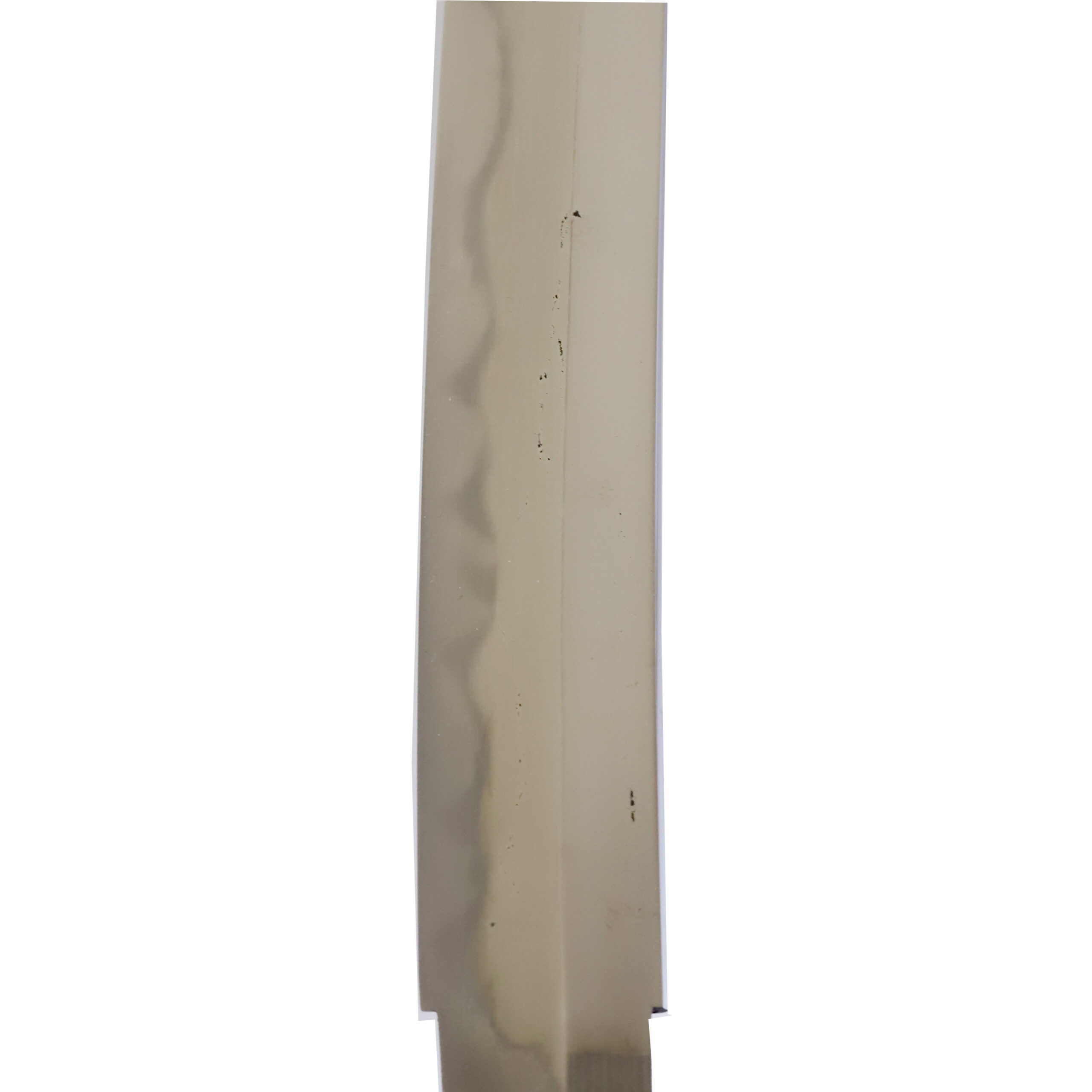
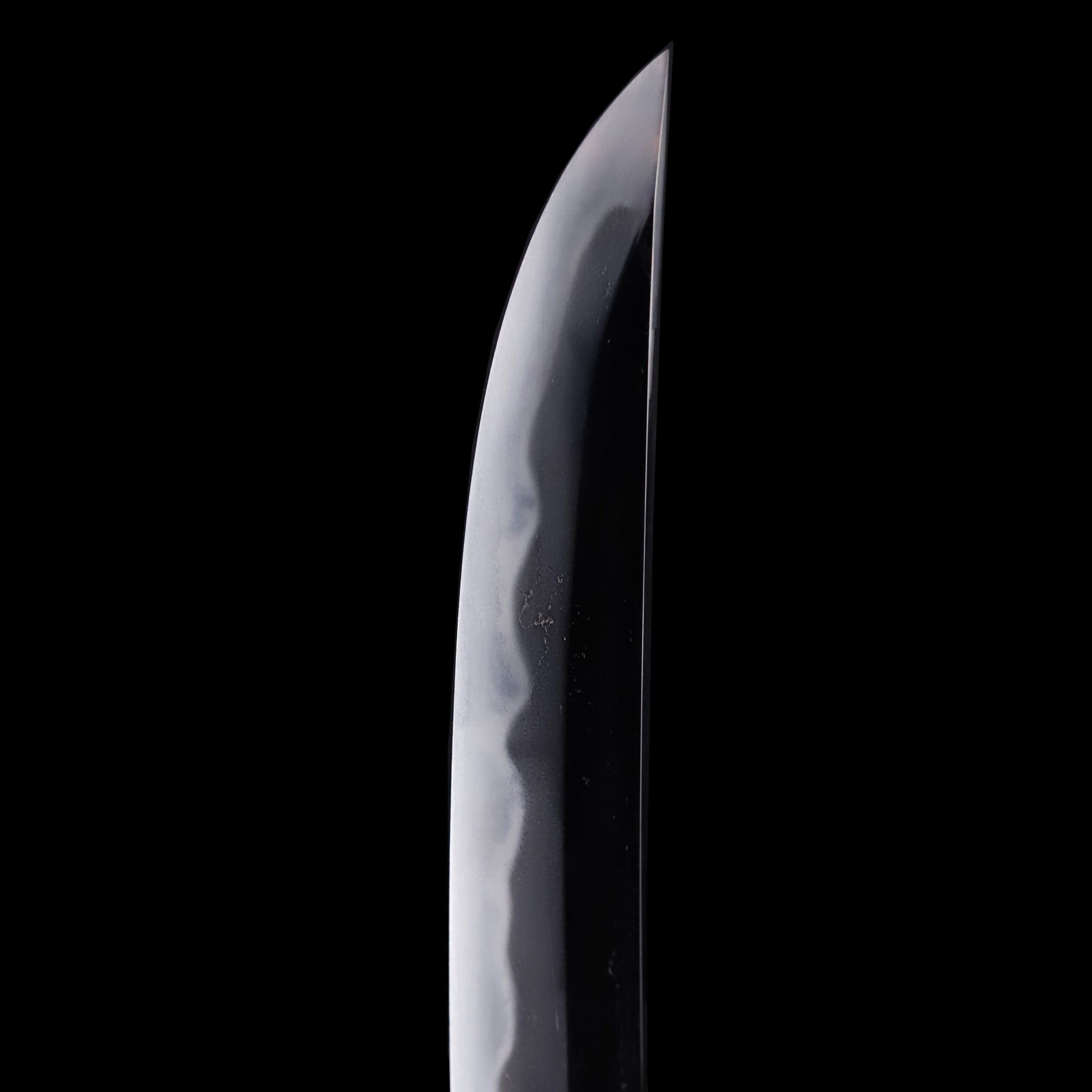
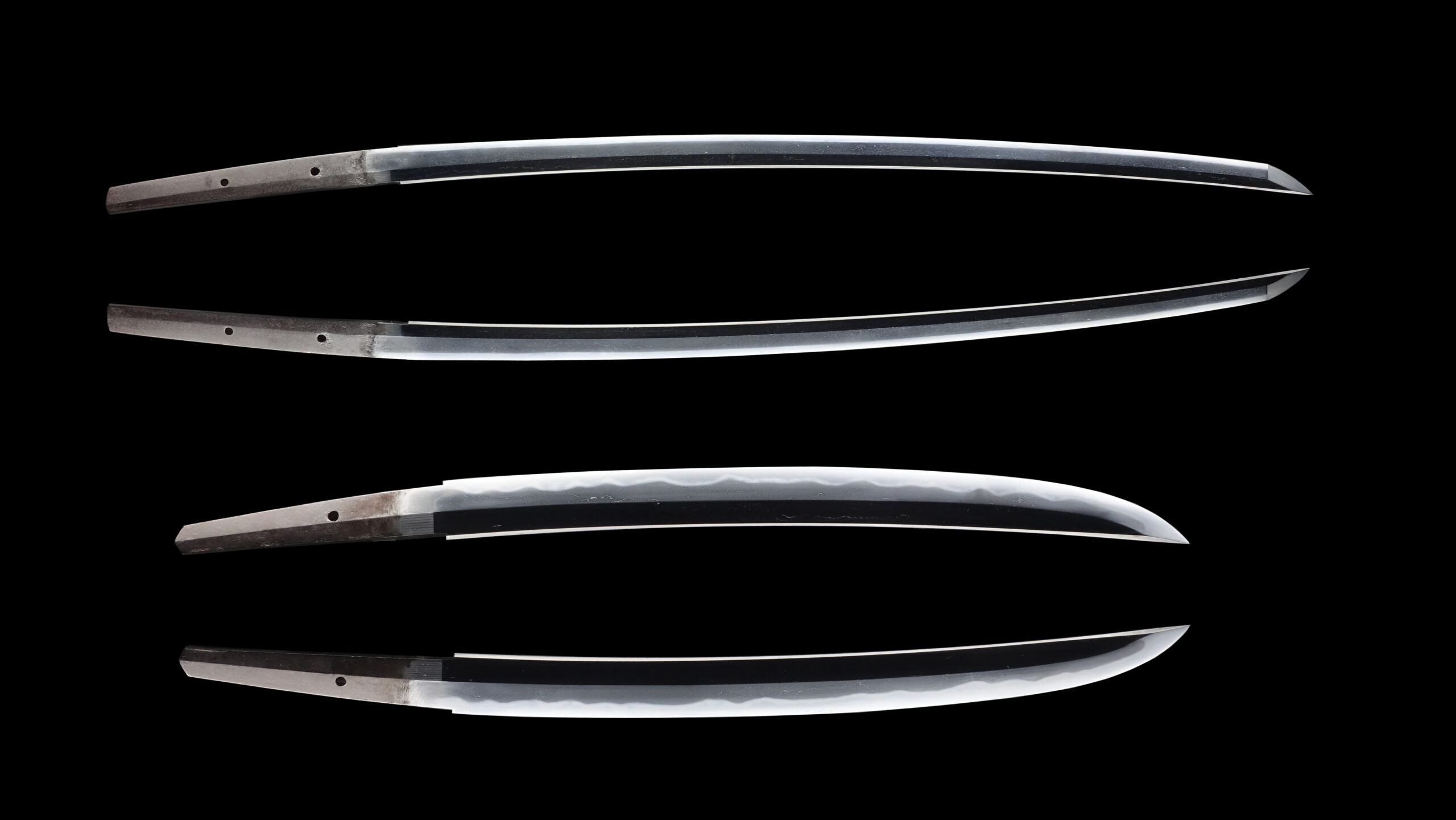
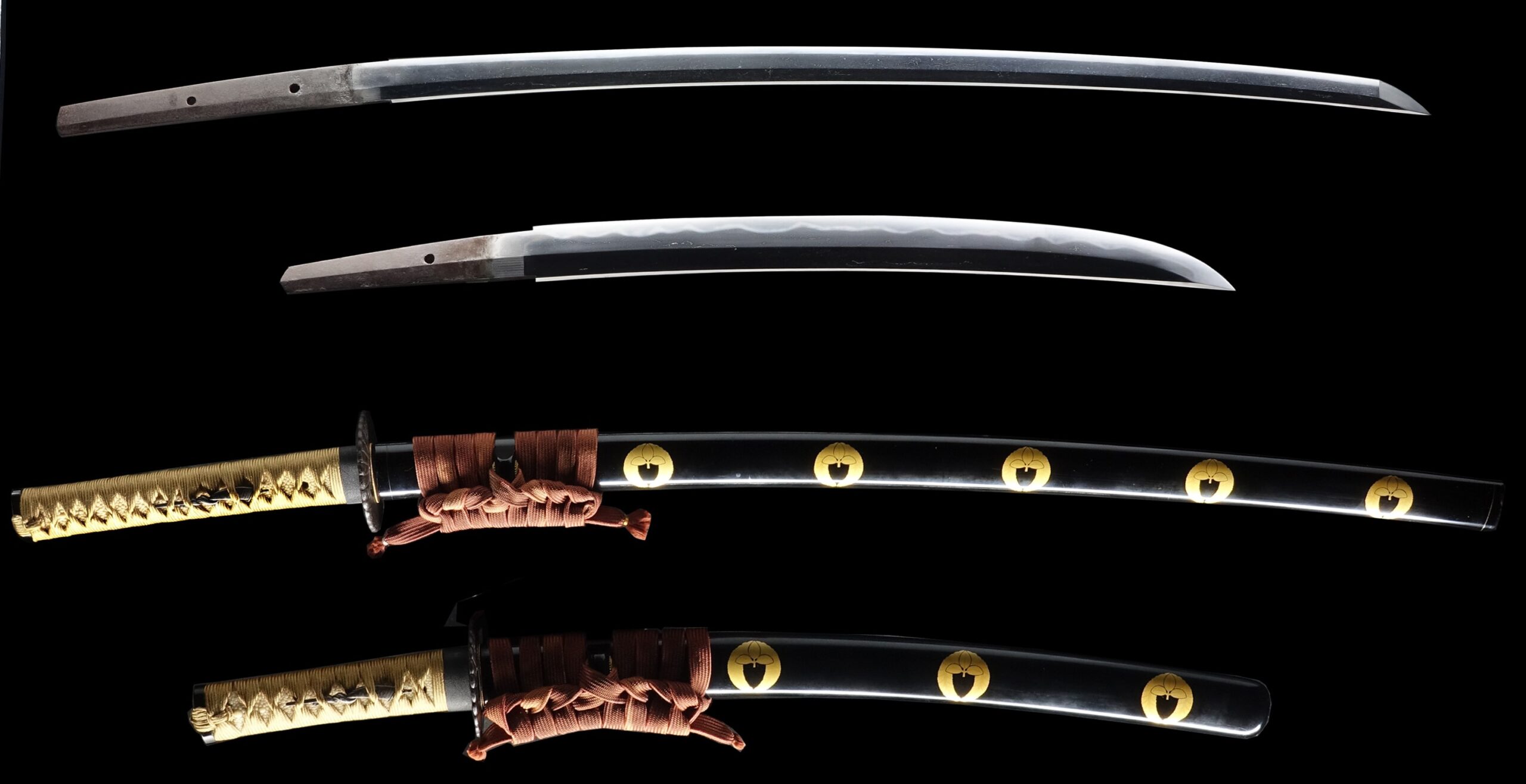
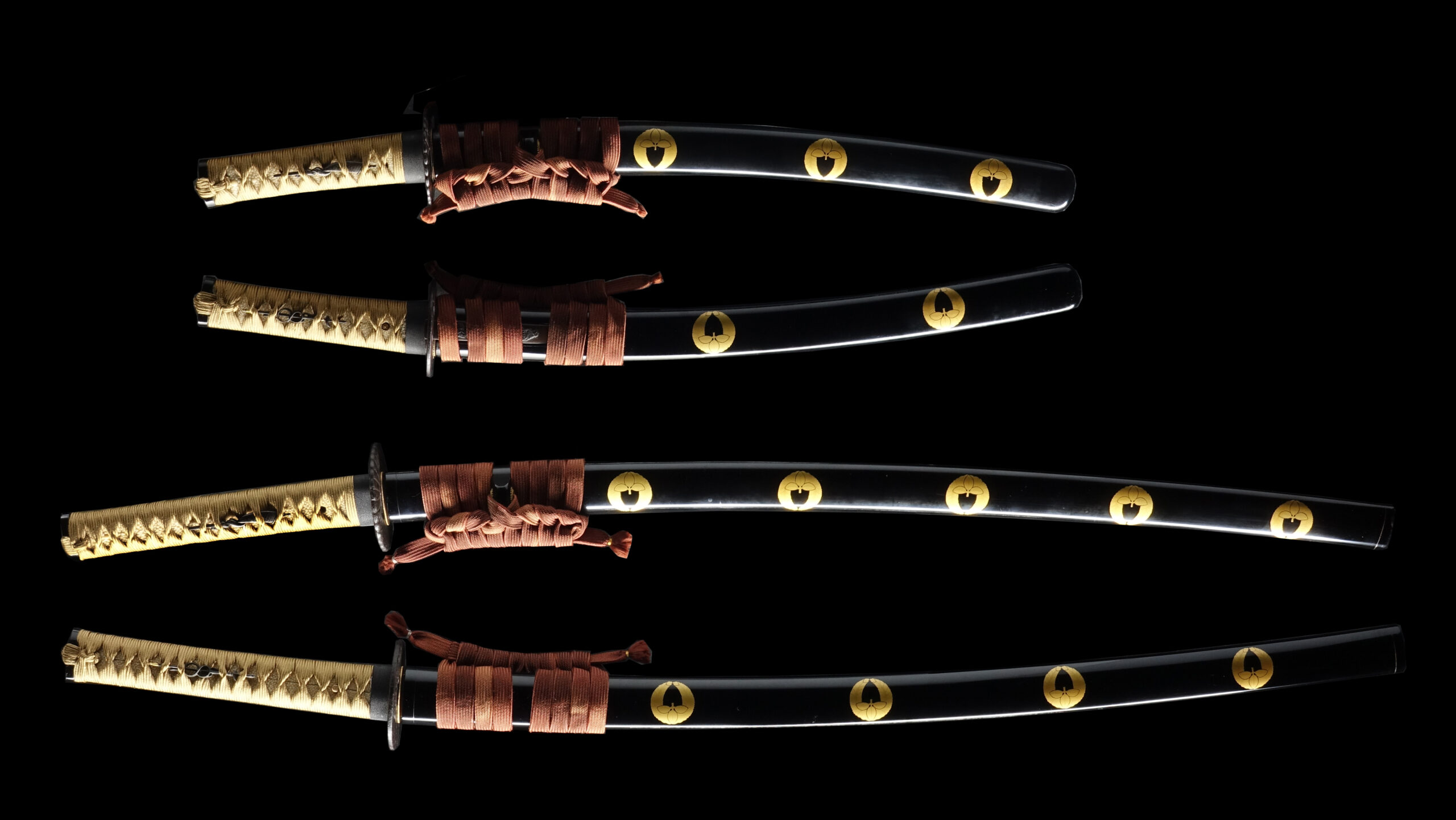
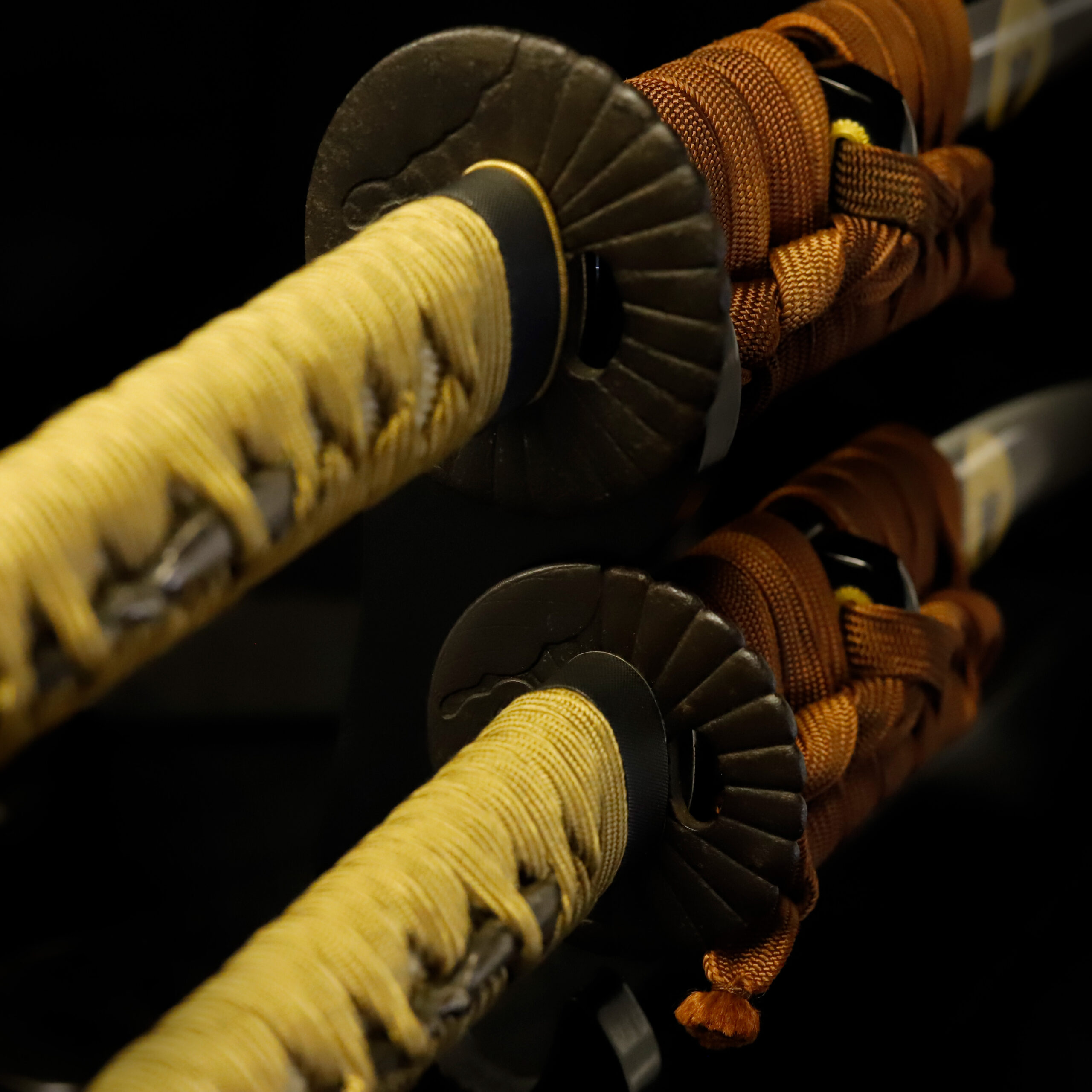
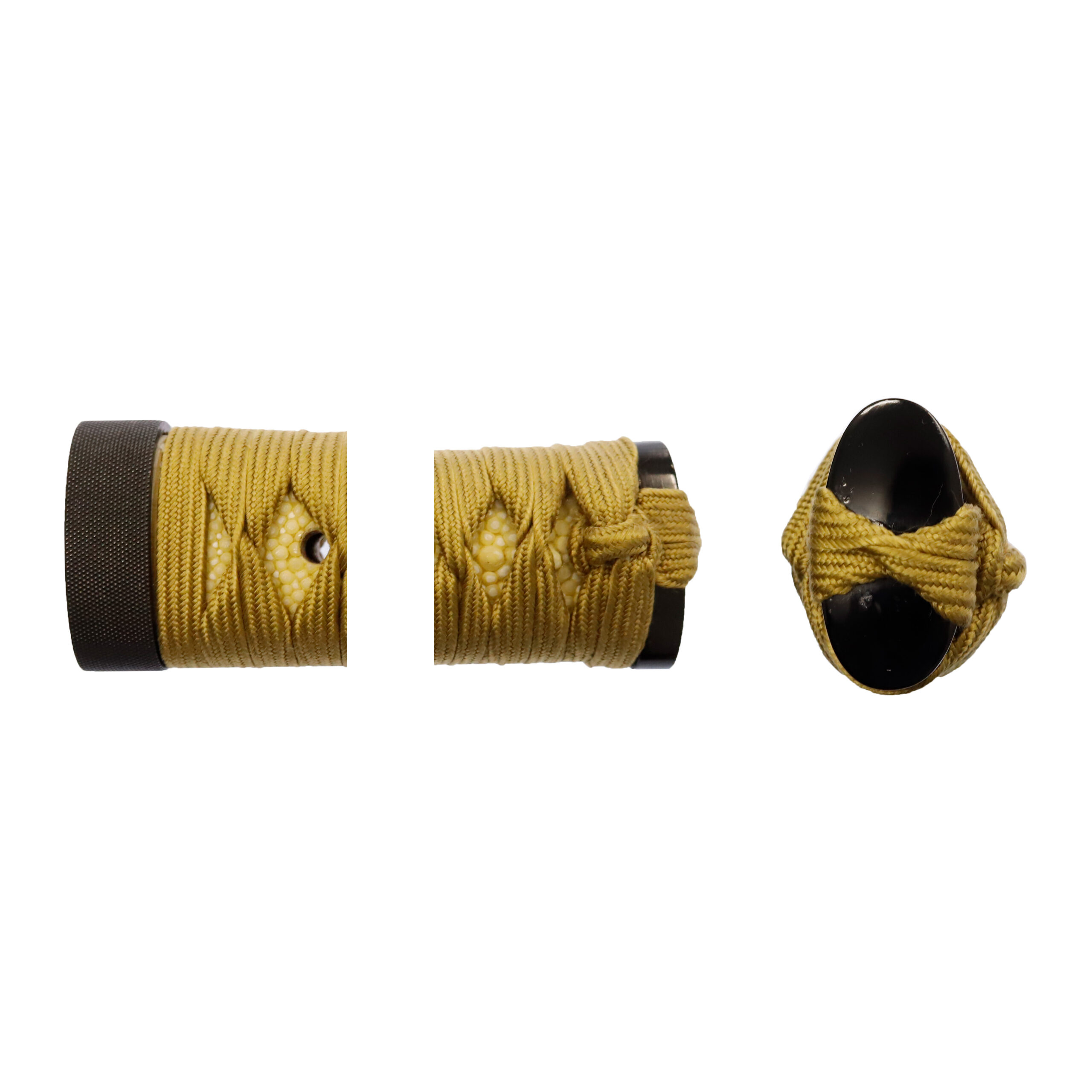
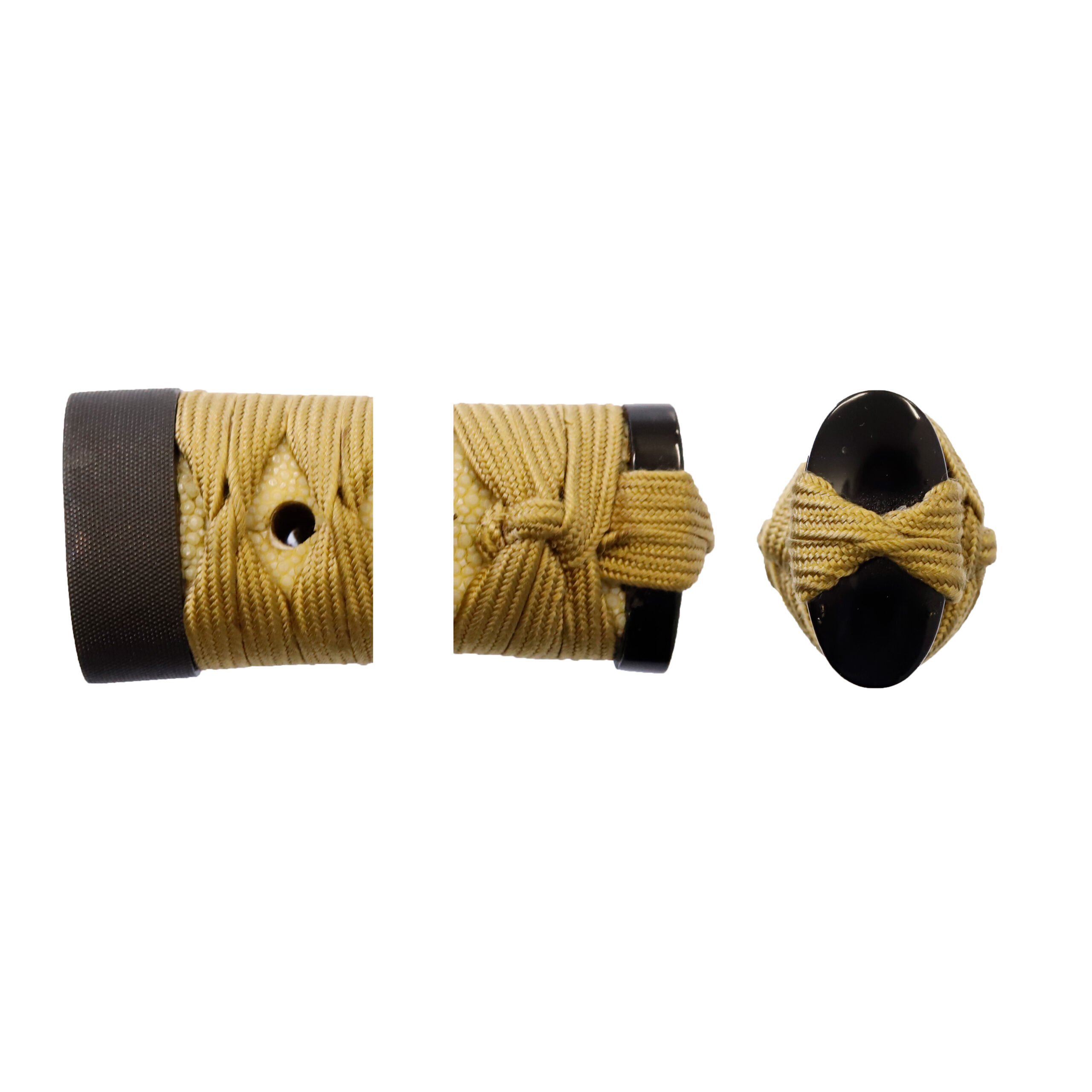
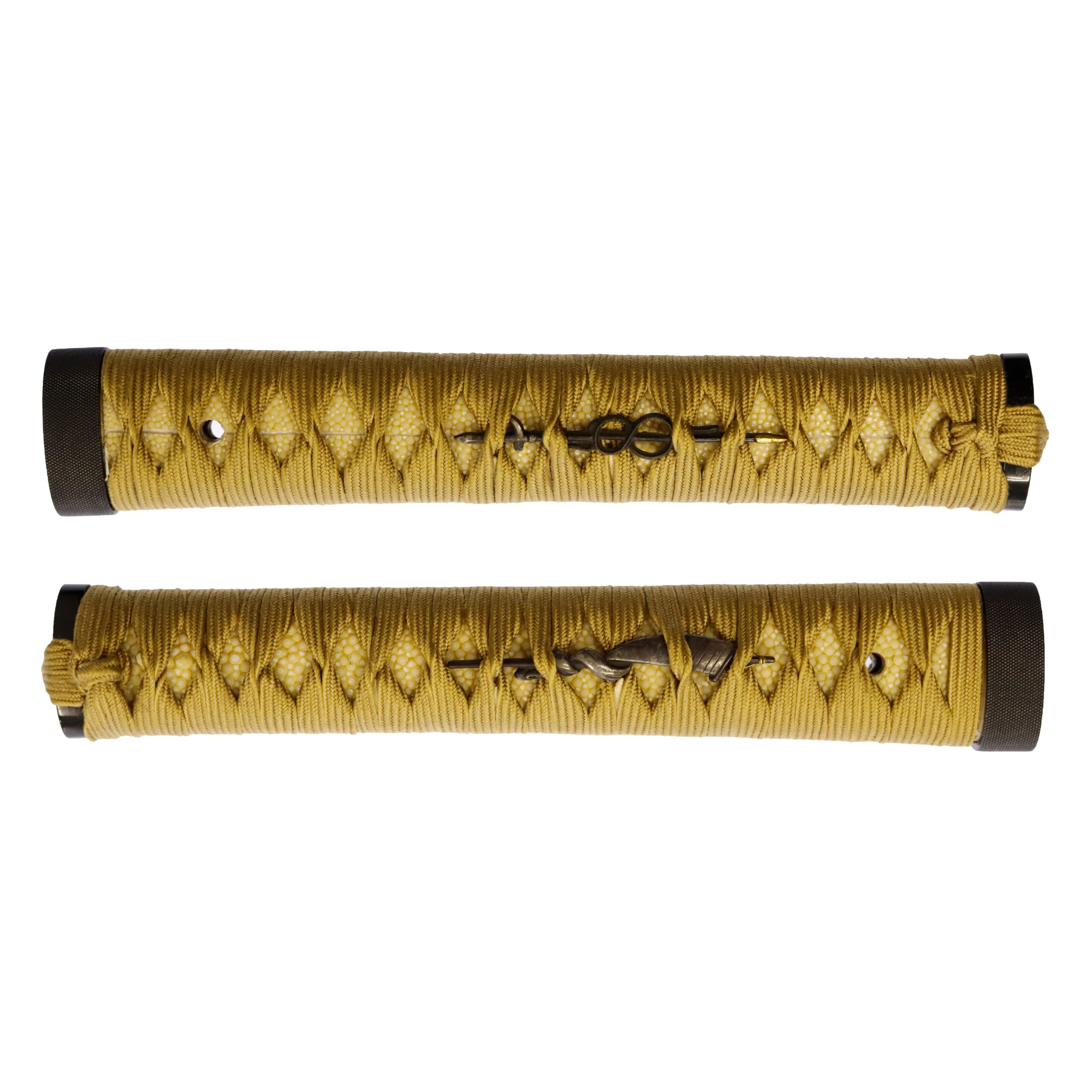
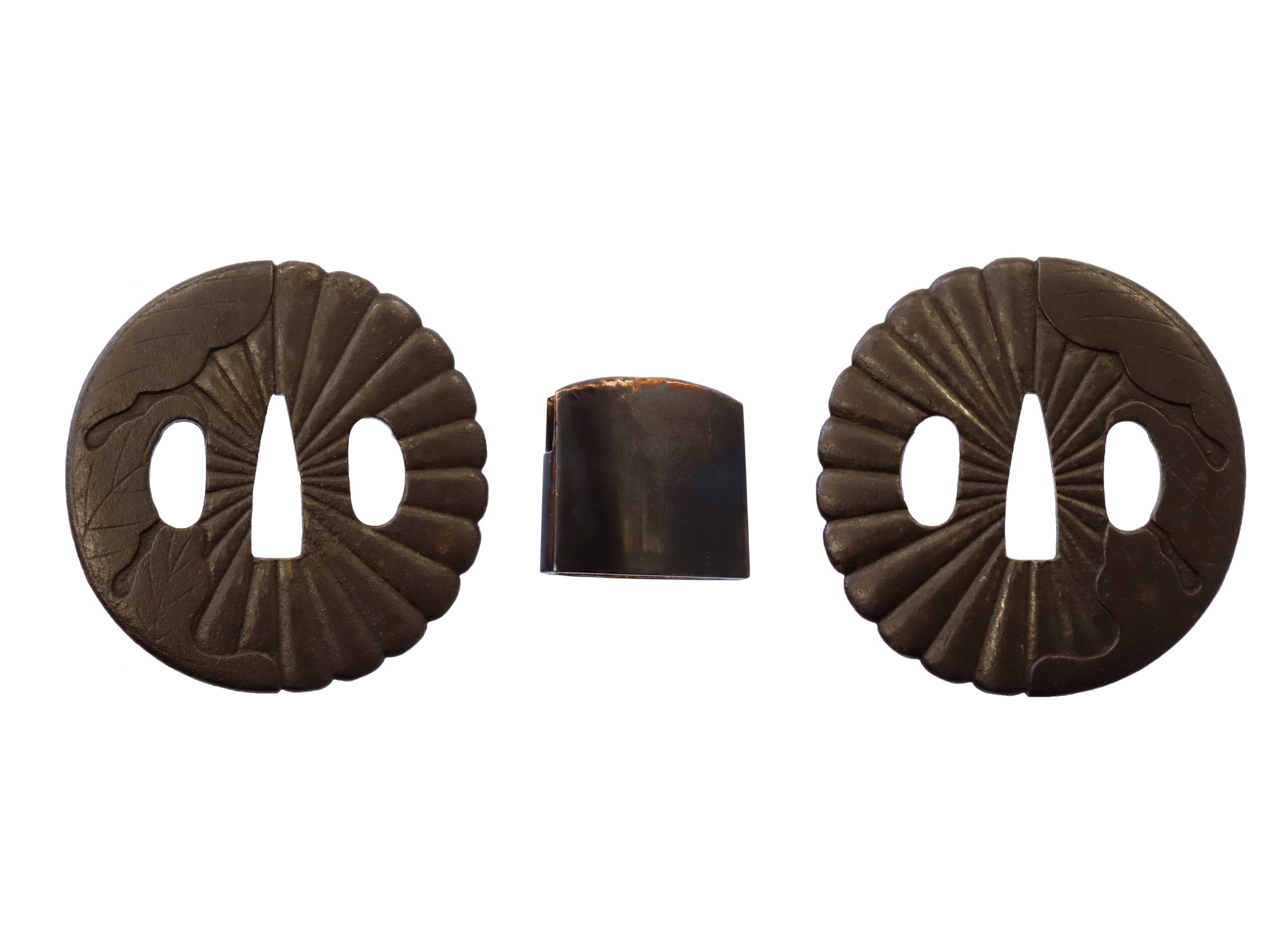
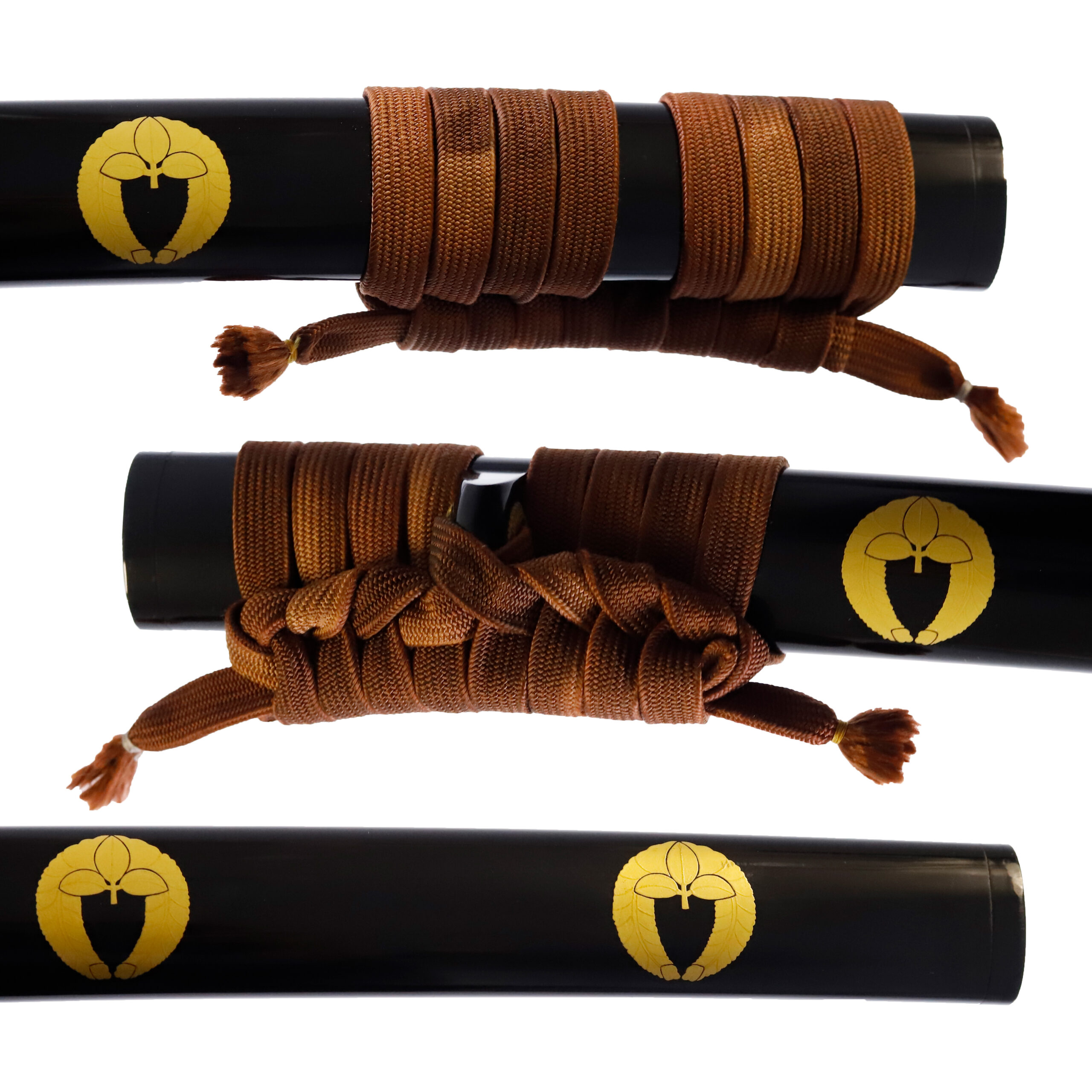
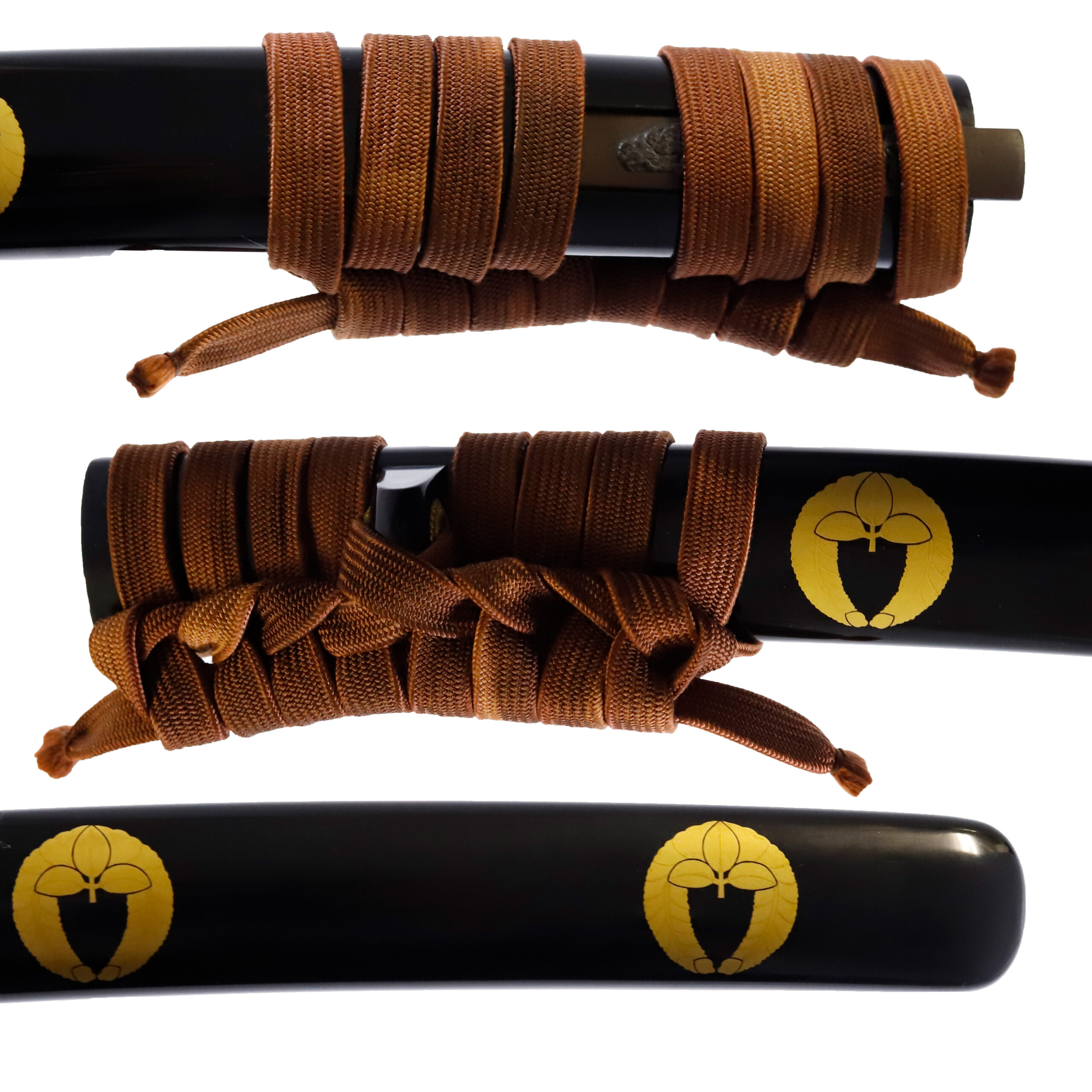
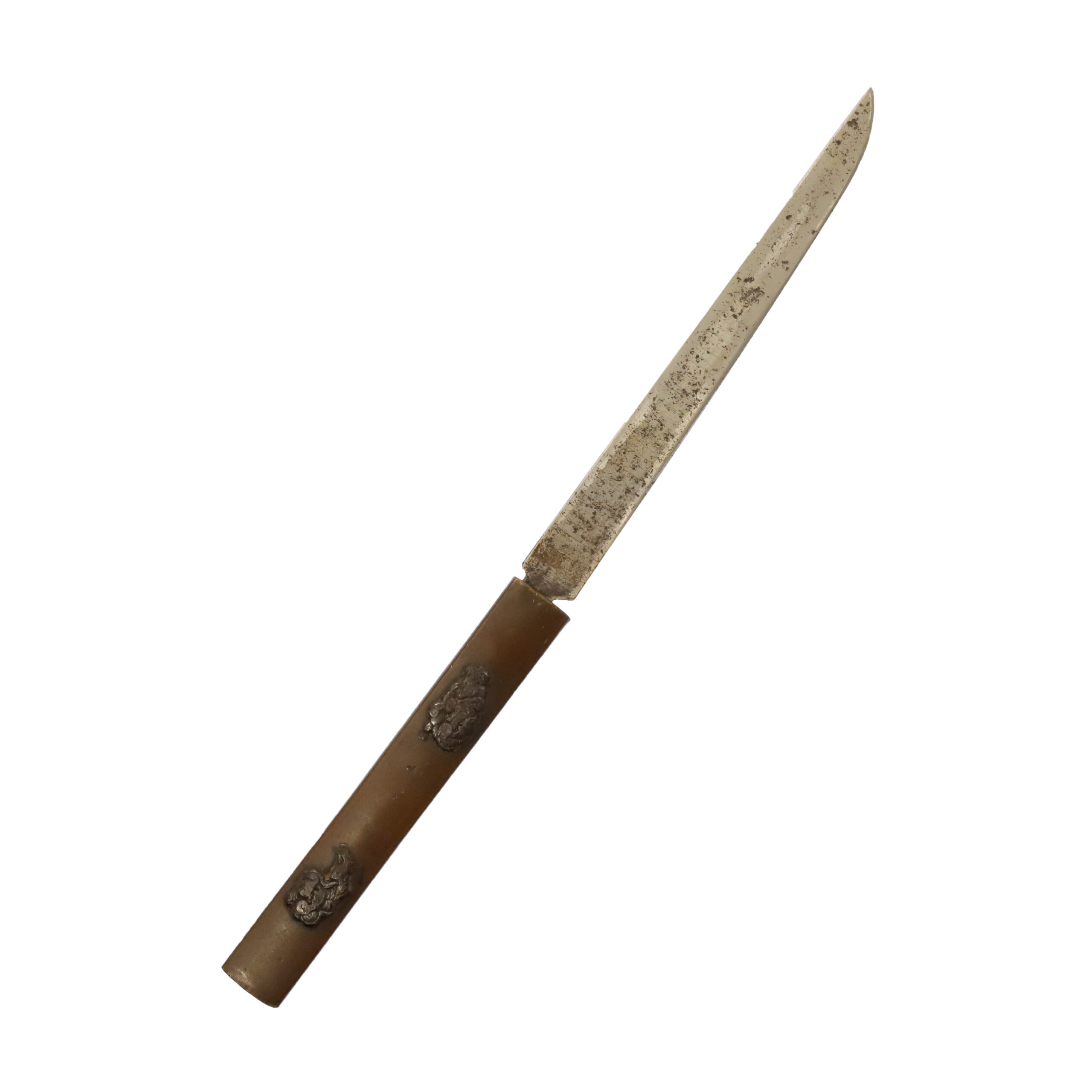
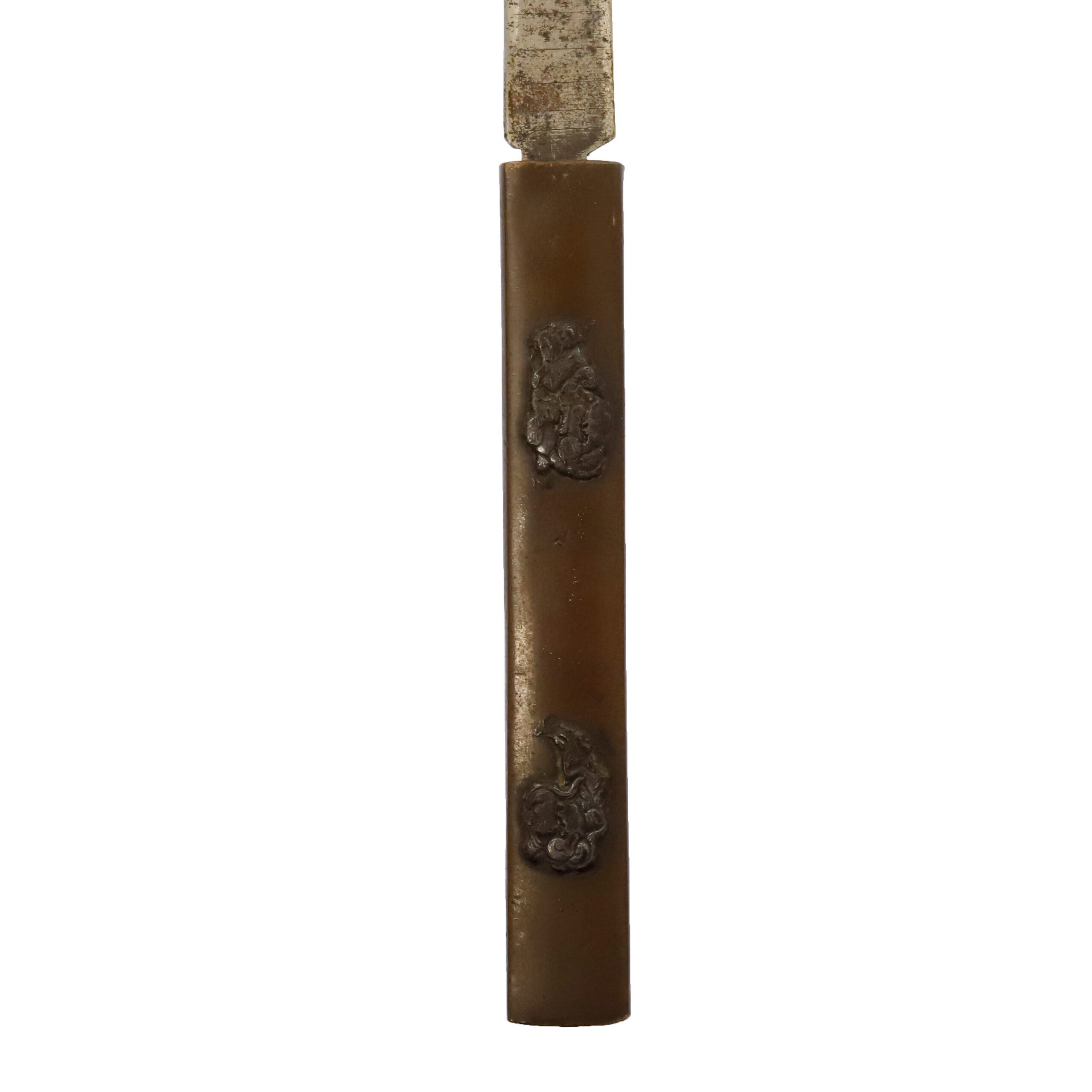
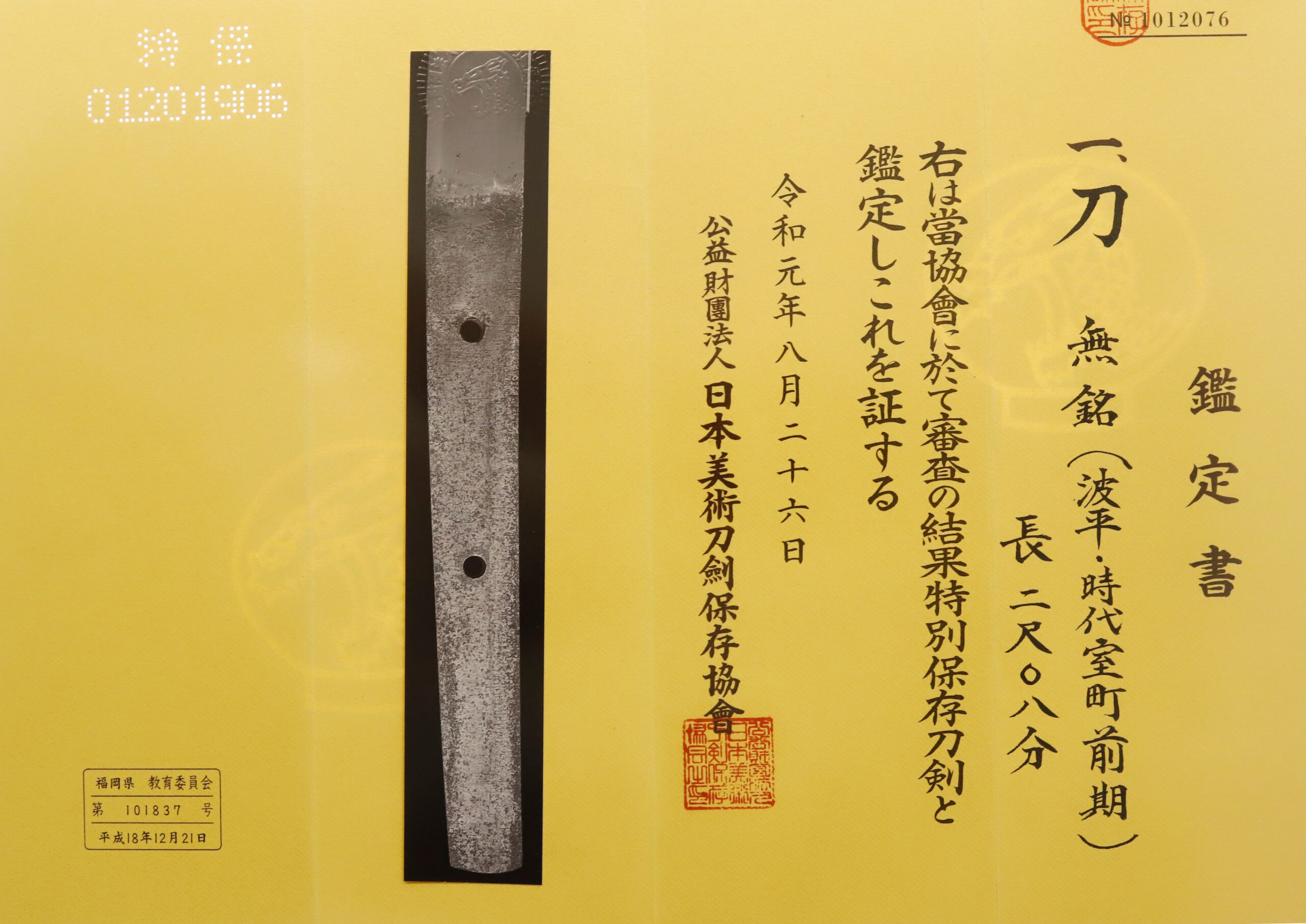
This is a Daisho set, comprising a Katana attributed to Naminohira from the early Muromachi period and a Wakizashi attributed to Echizen Seki from the early Edo period. The Katana comes with an NBTHK Tokubetsu Hozon certificate, and the Wakizashi with an NBTHK Hozon certificate. Both blades are unsigned and come with formal Denchu Koshirae mountings.
 NihontoWatch
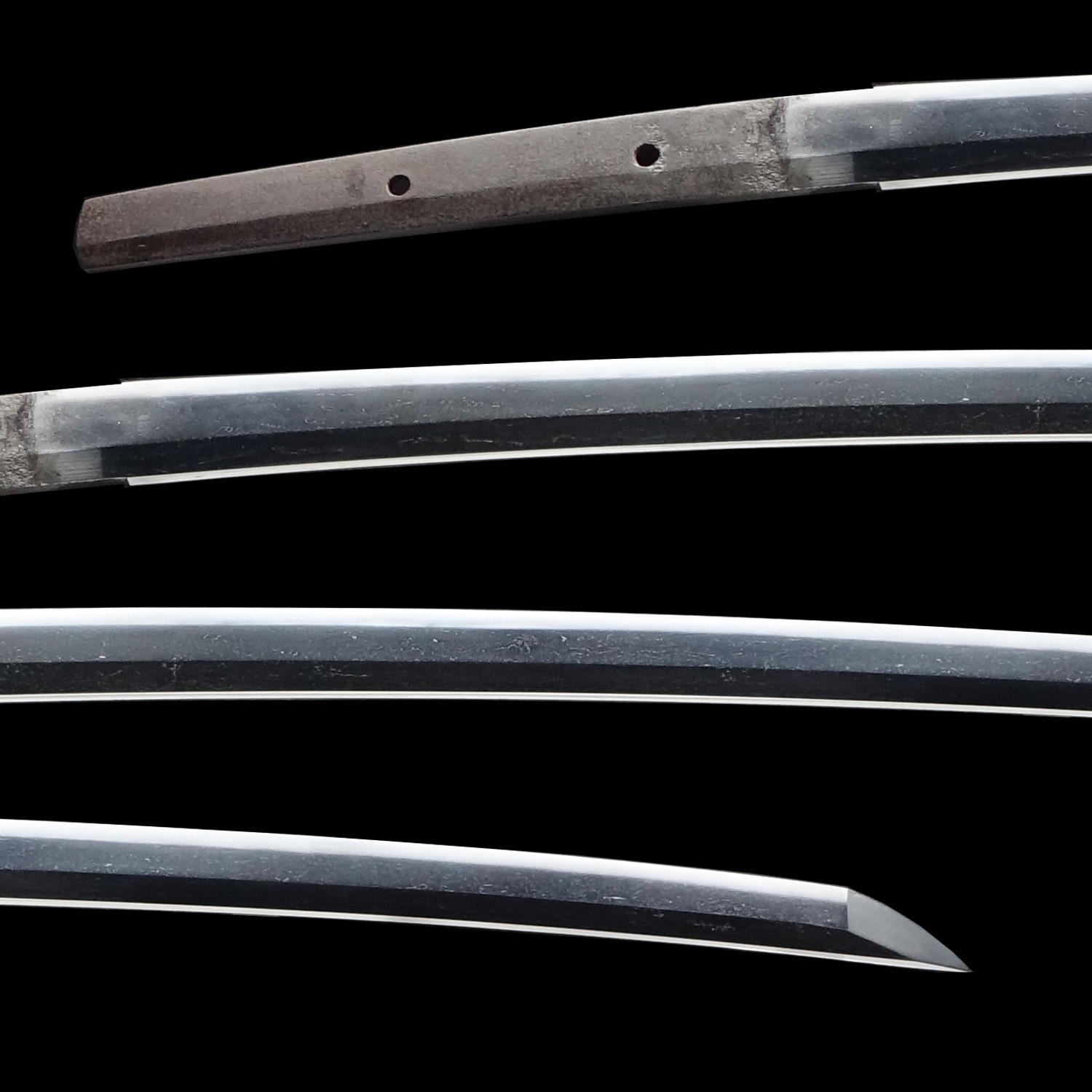
mumei · Naminohira / Seki · Muromachi / Shinto · nagasa 62.9cm · sori 1.6cm
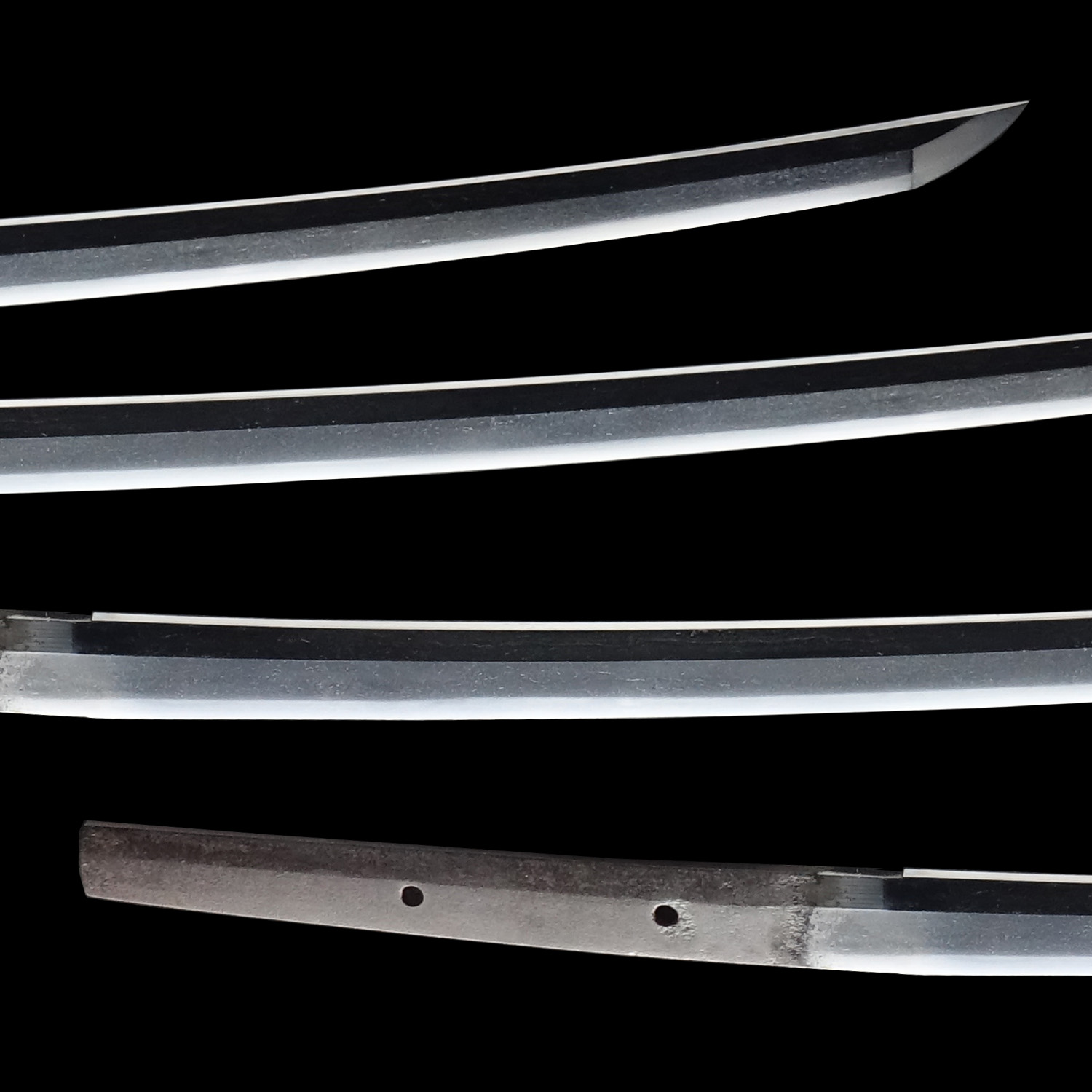
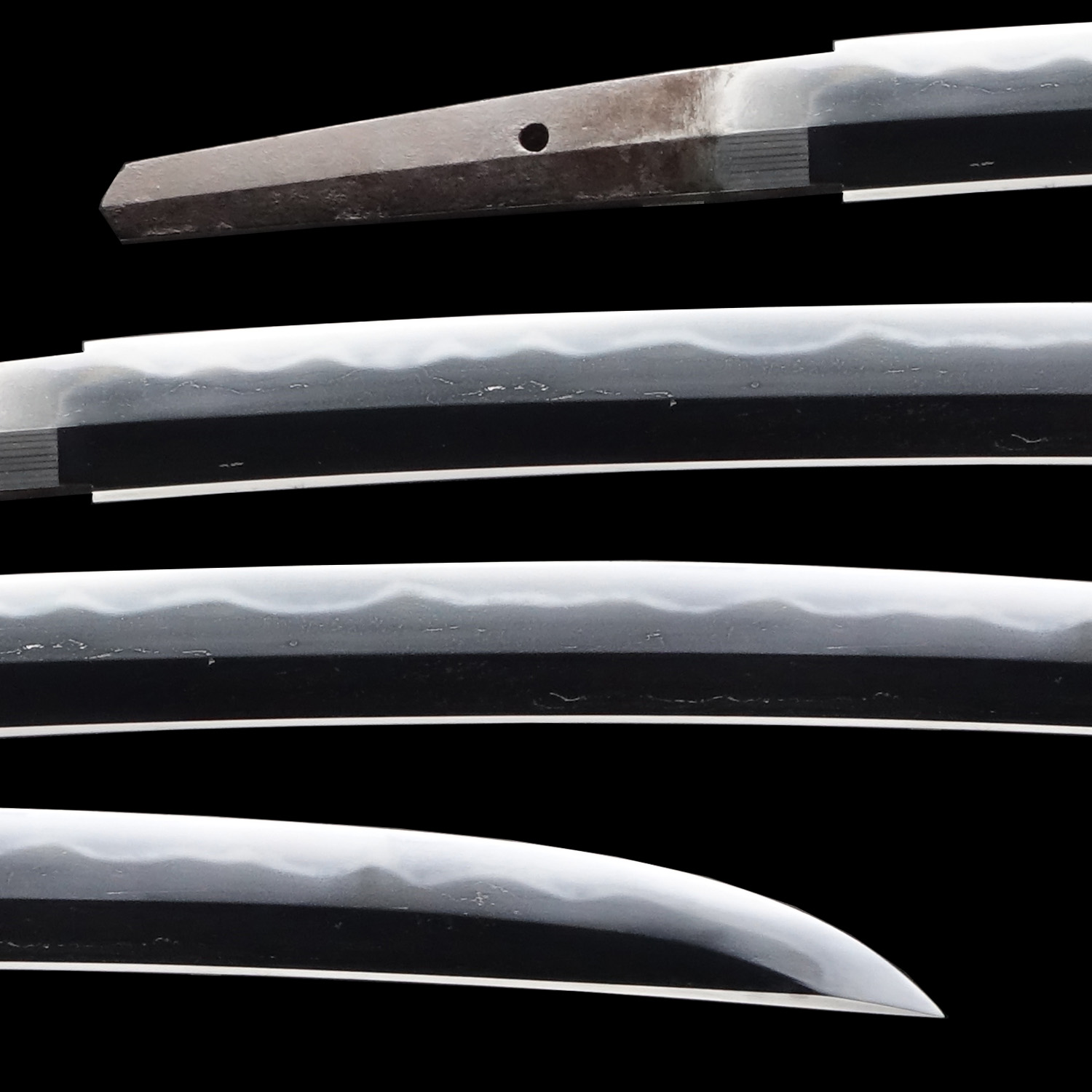
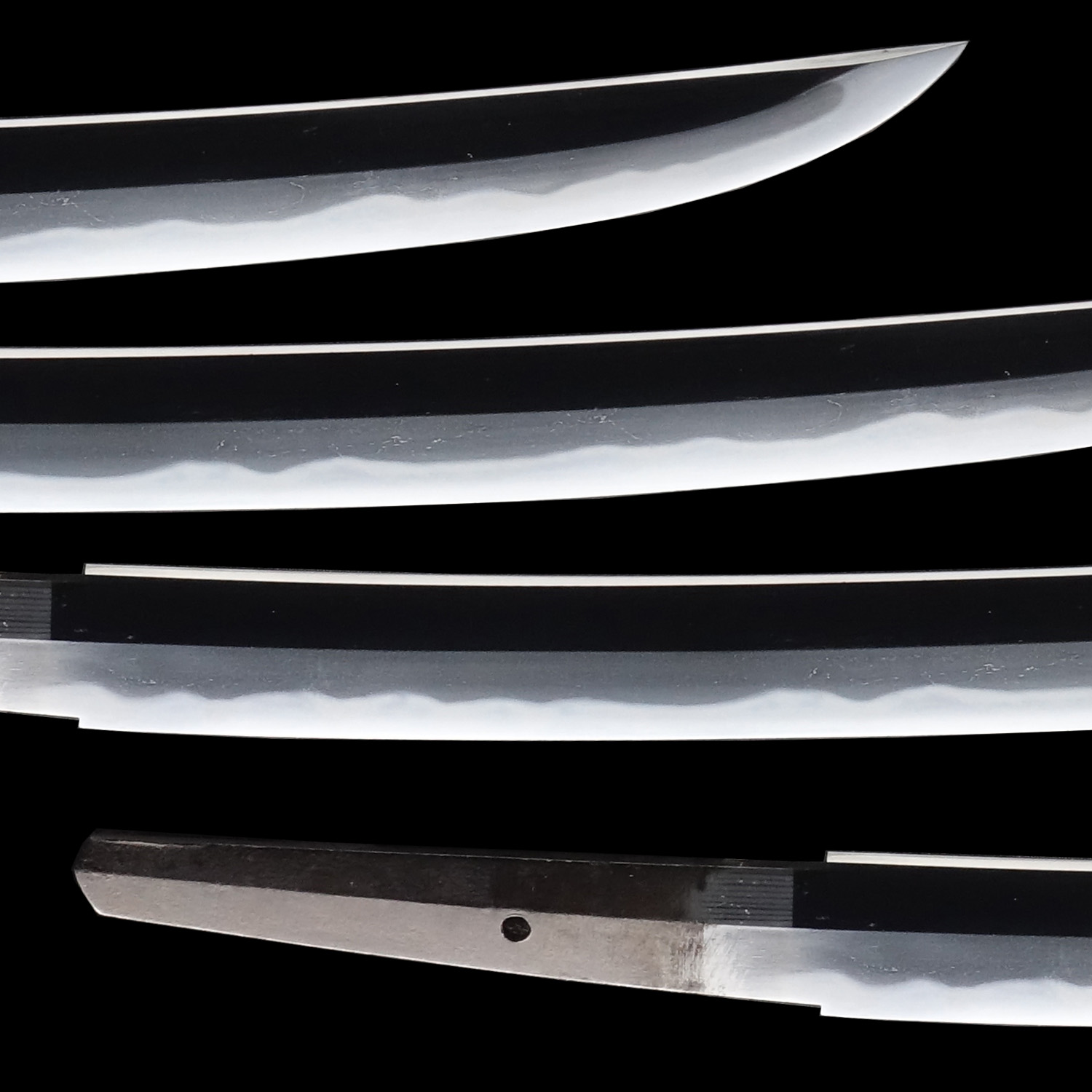
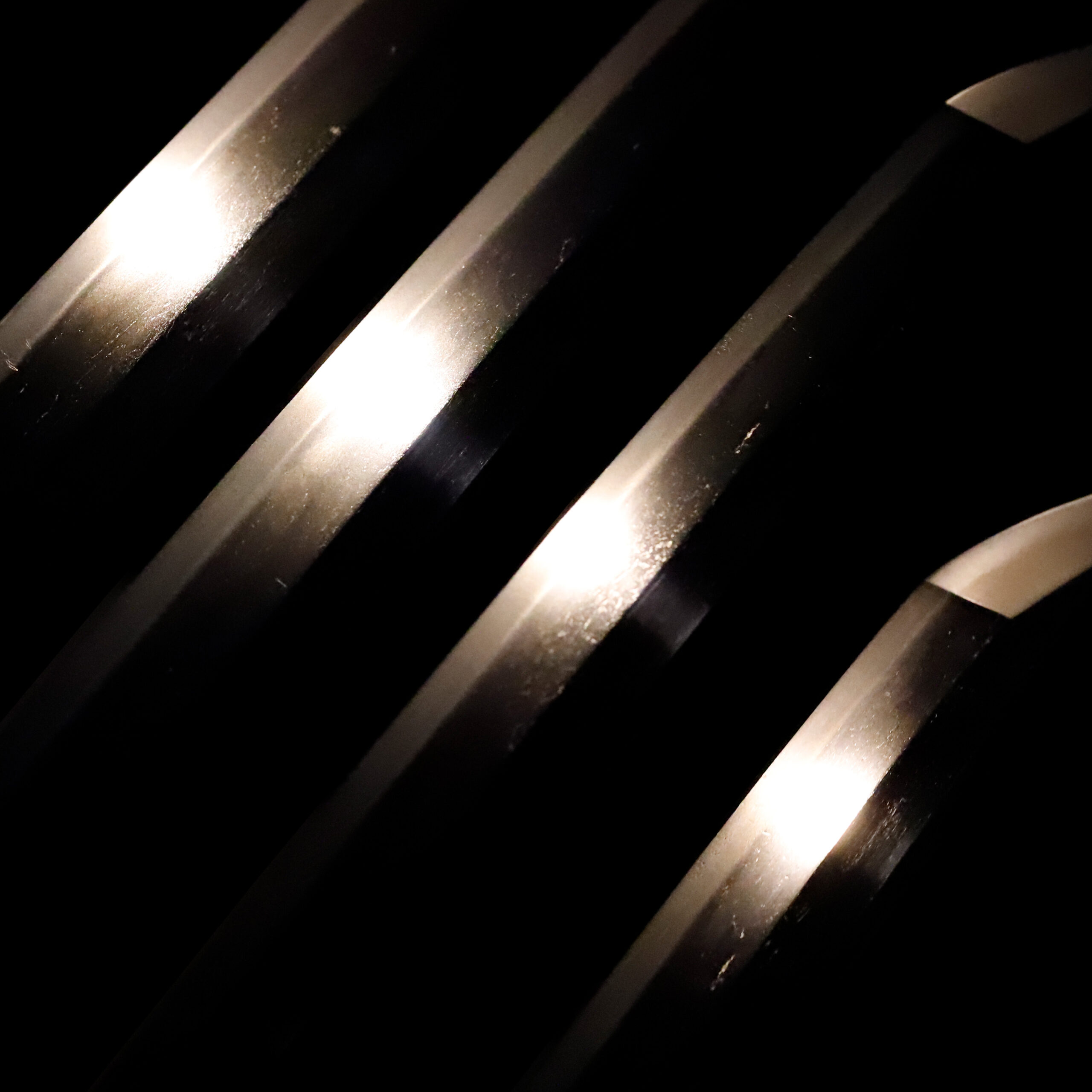
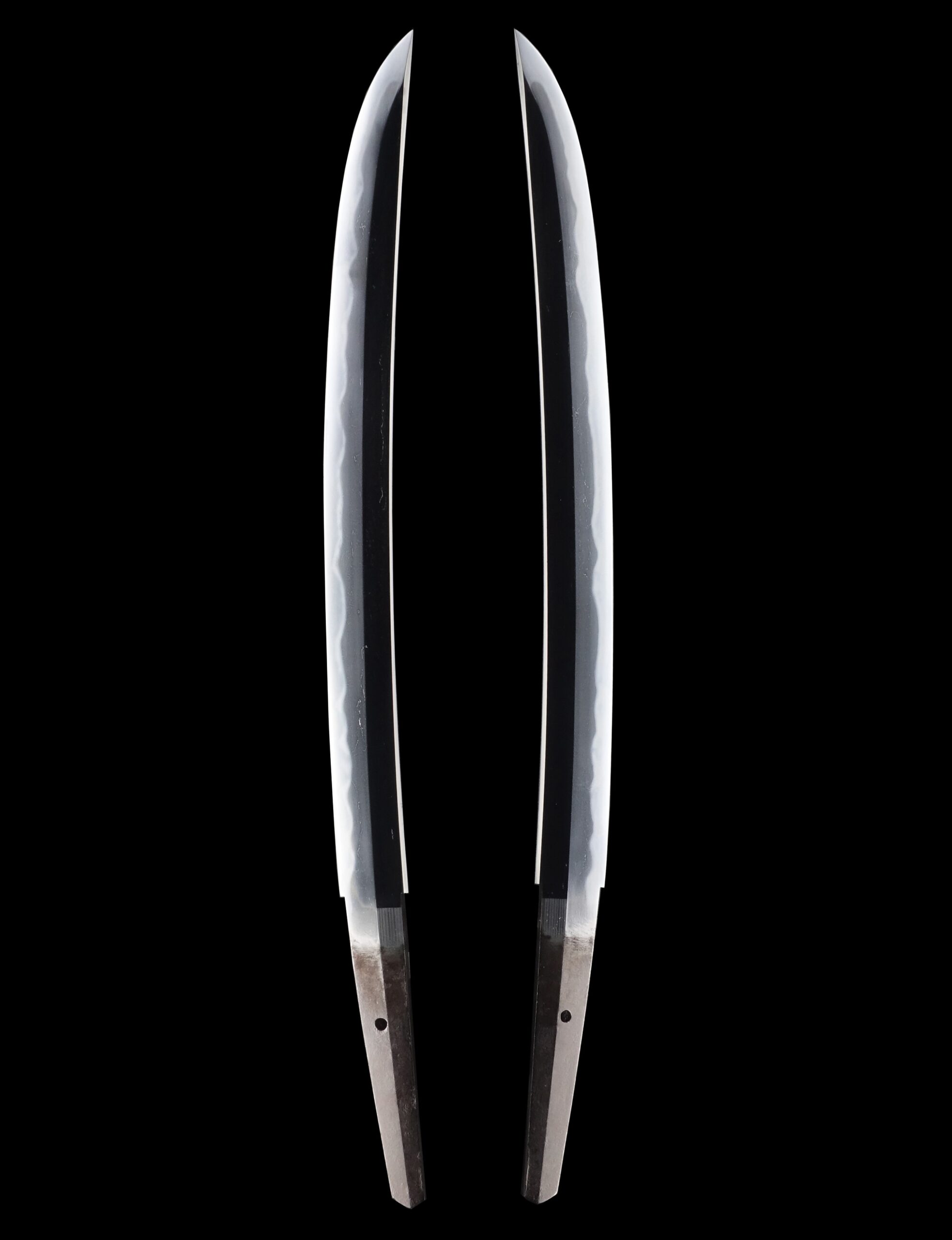
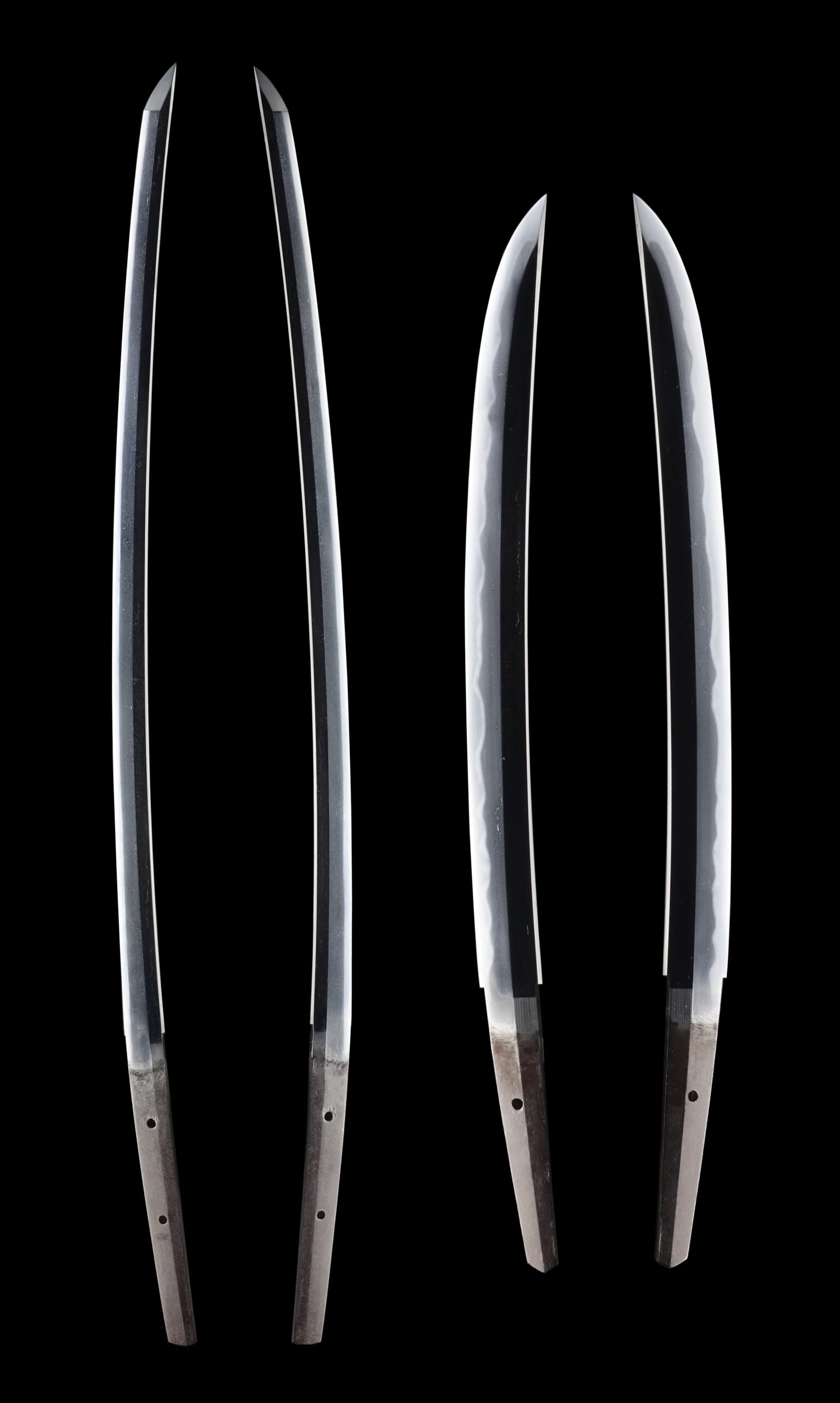
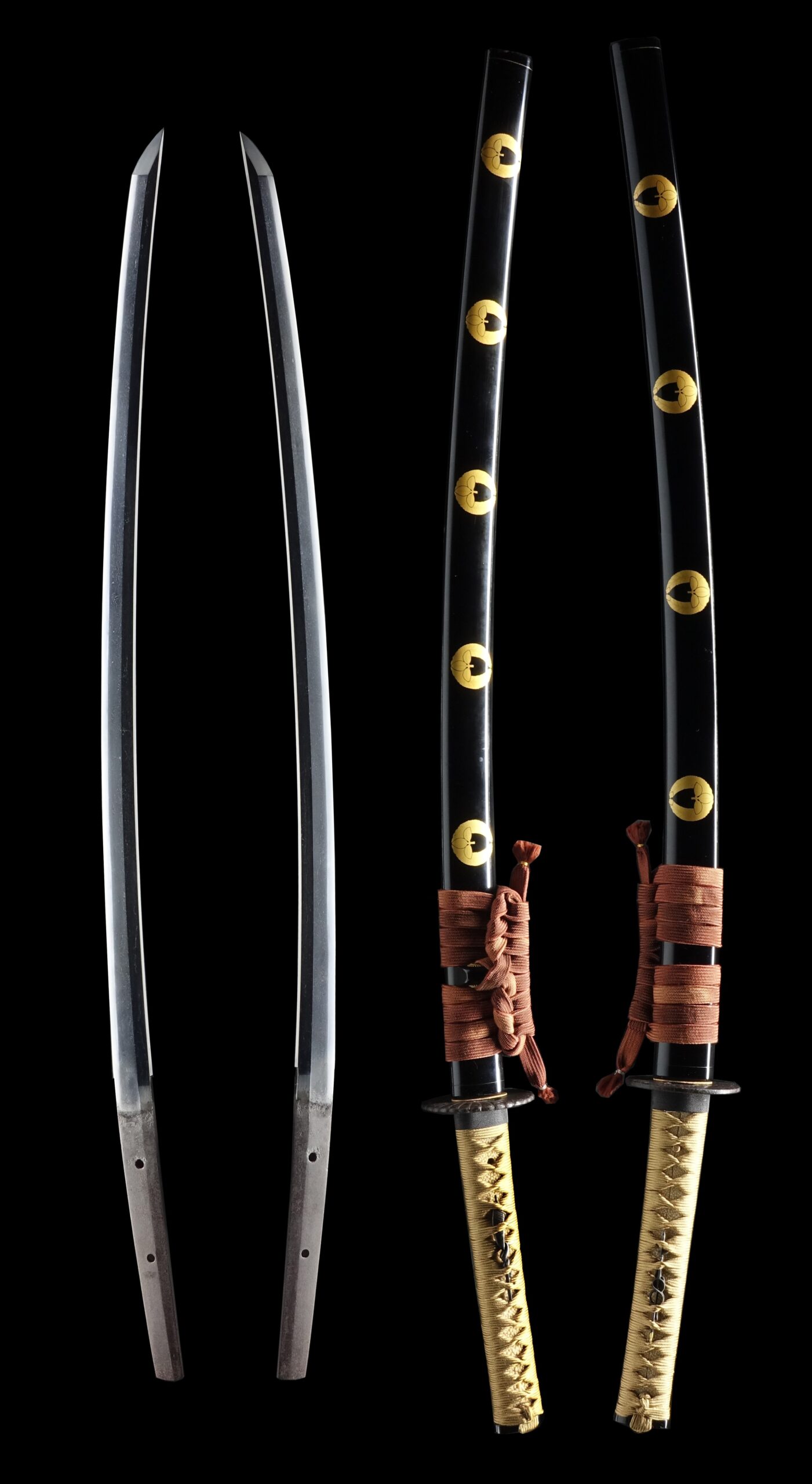
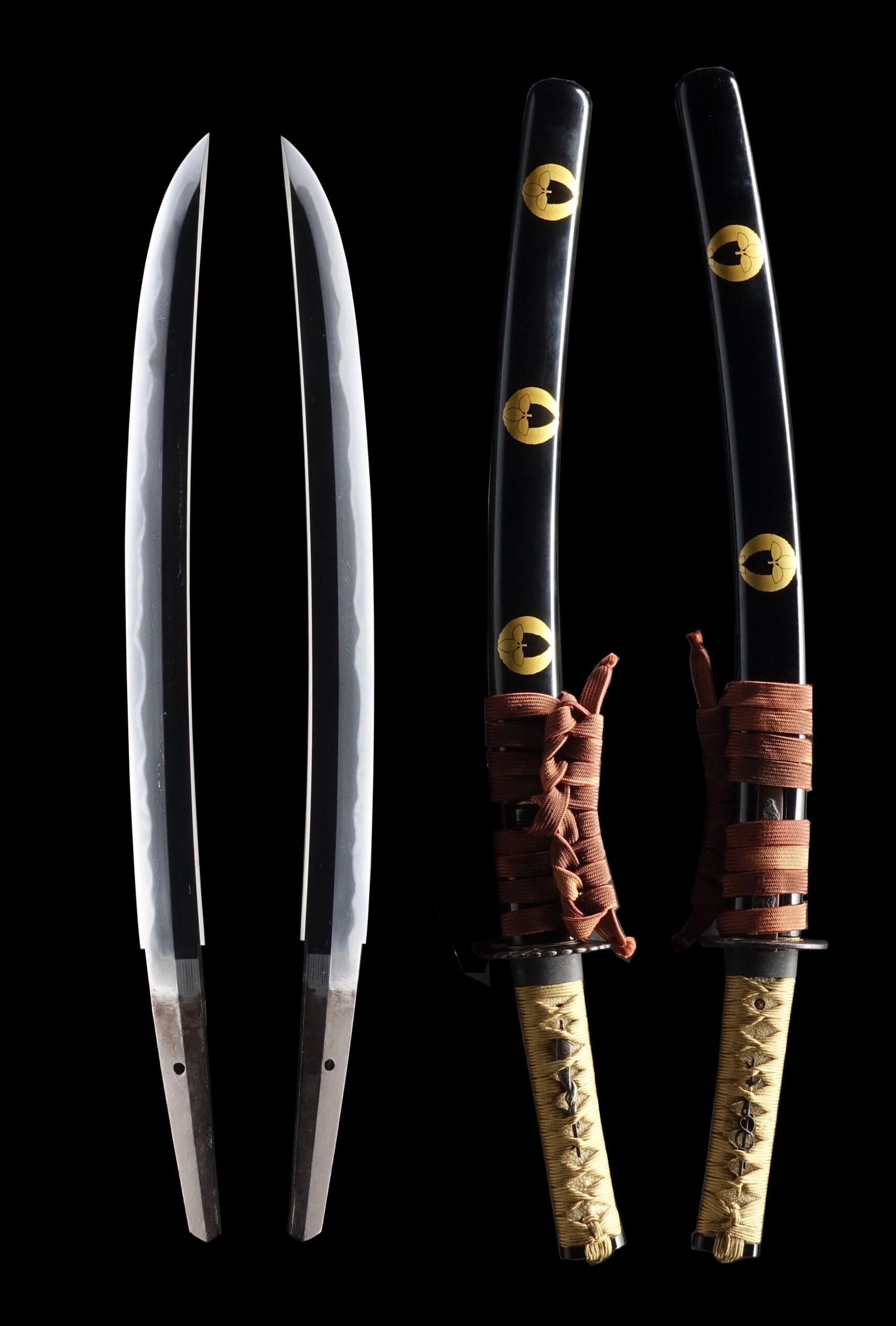
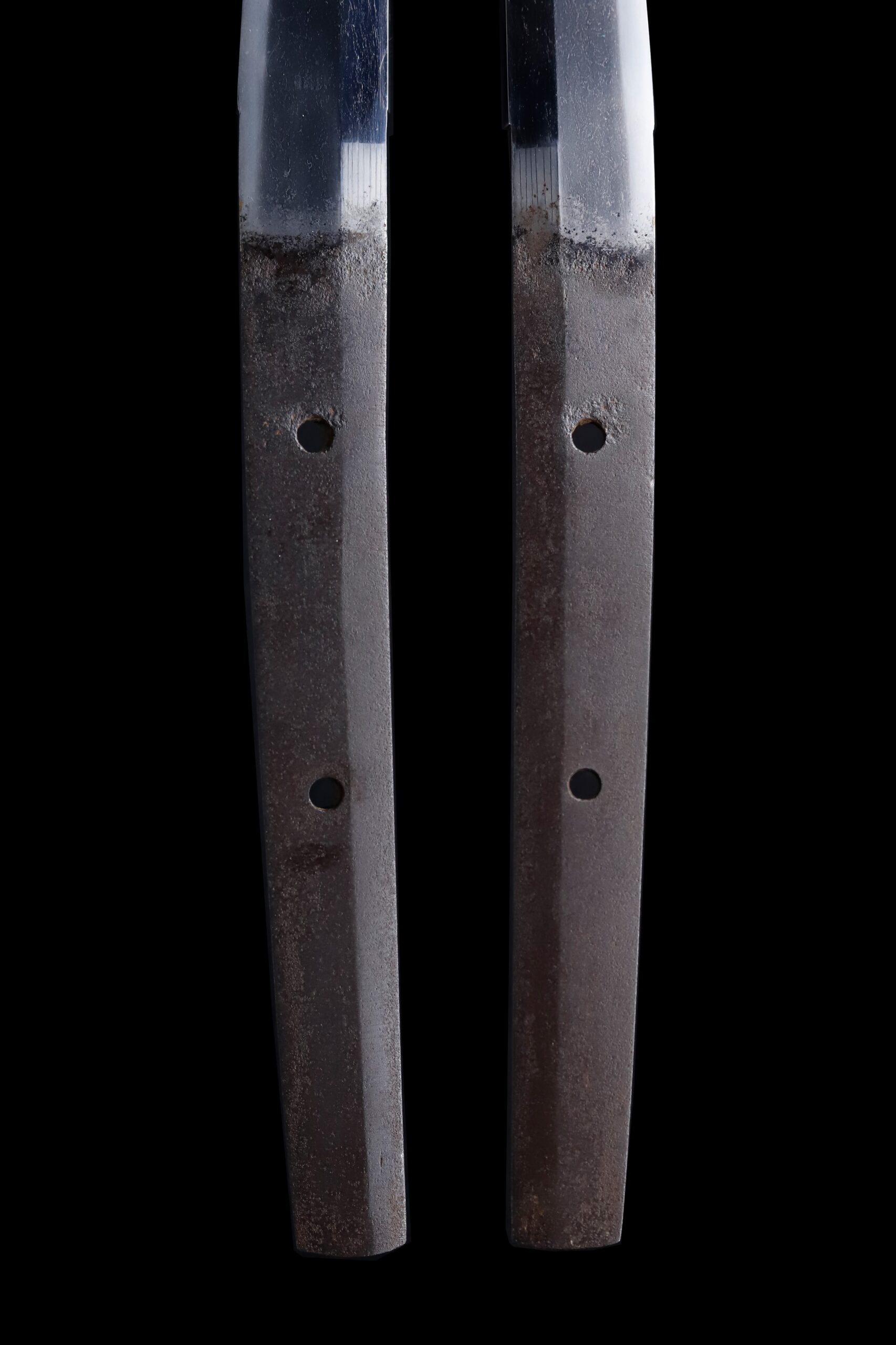
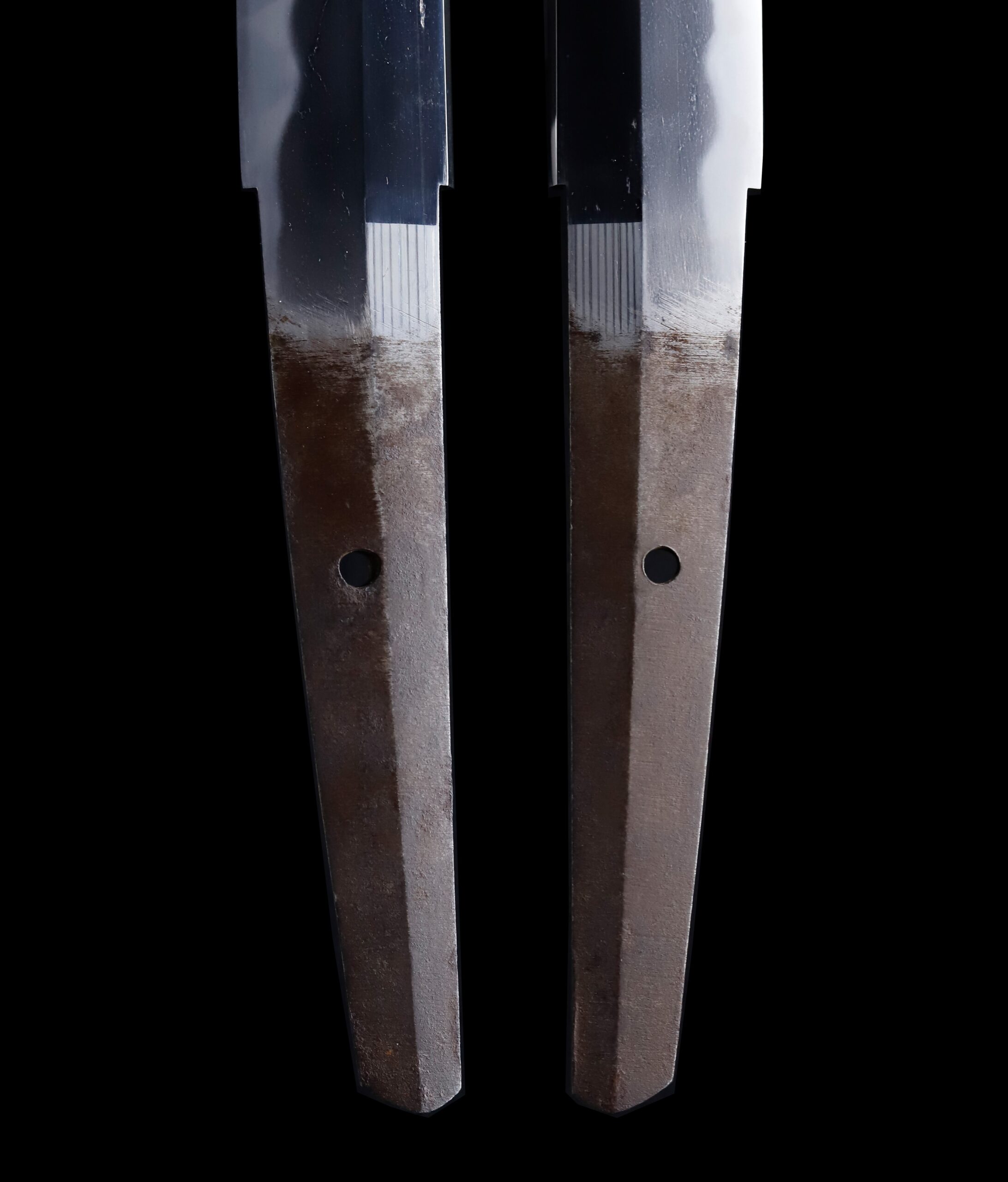
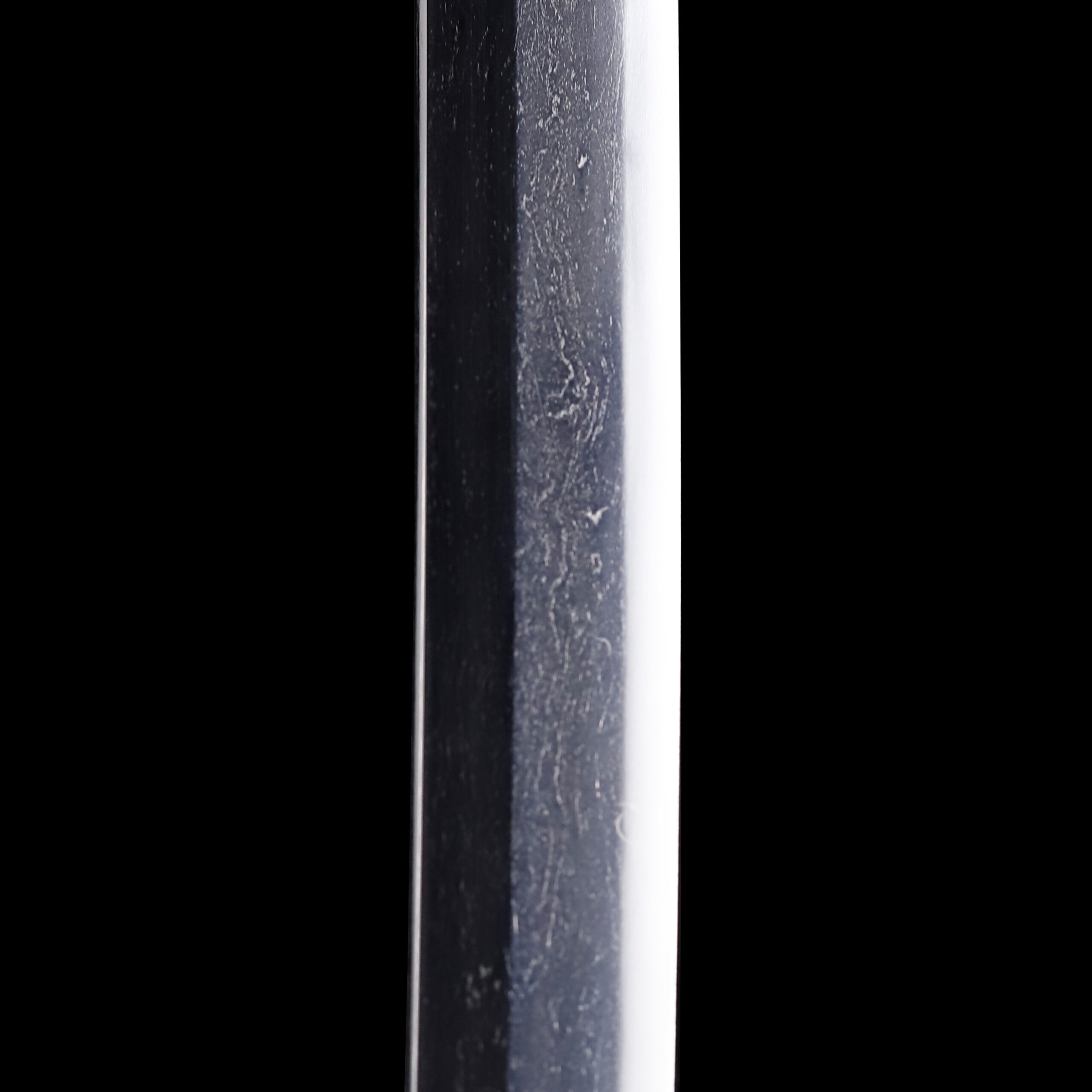
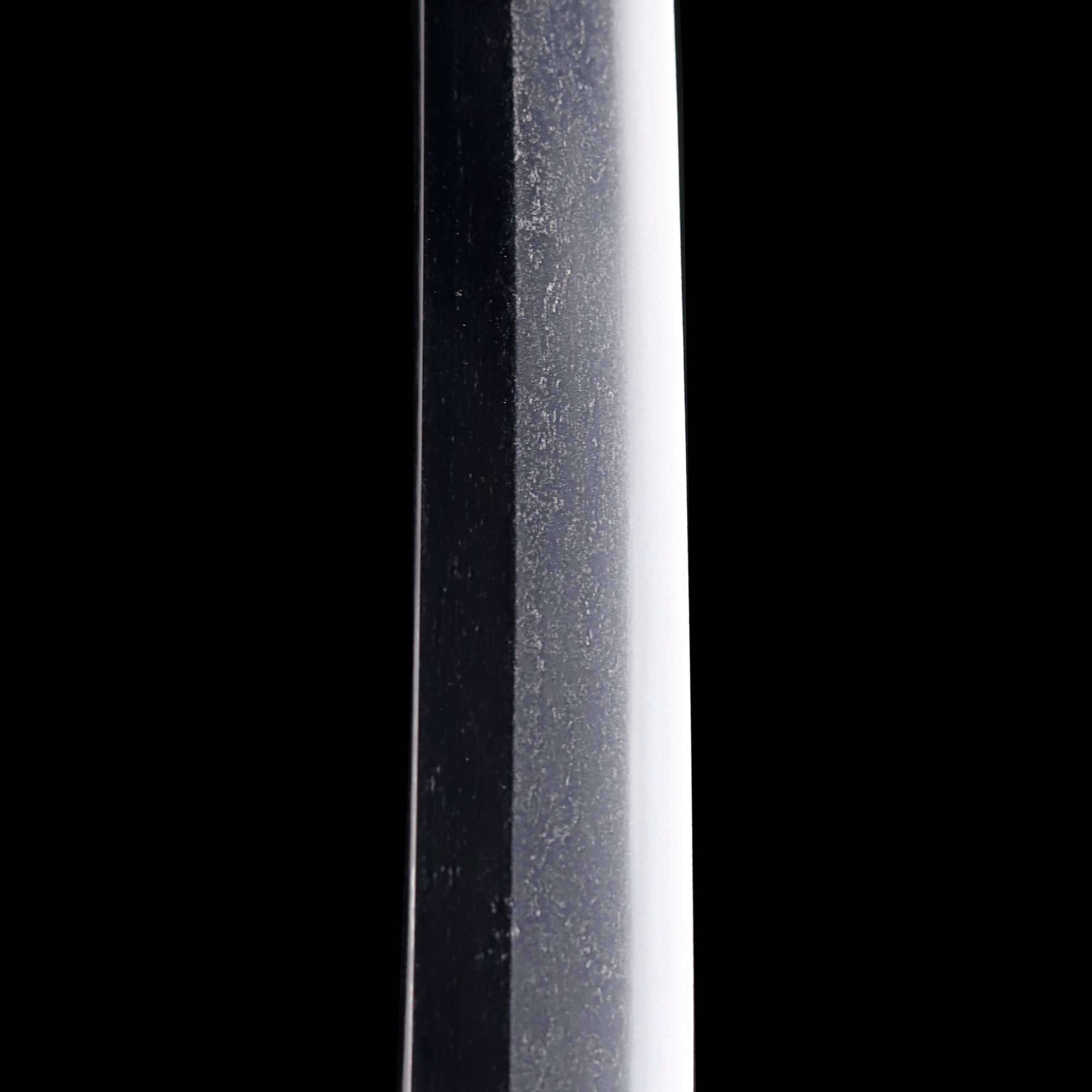
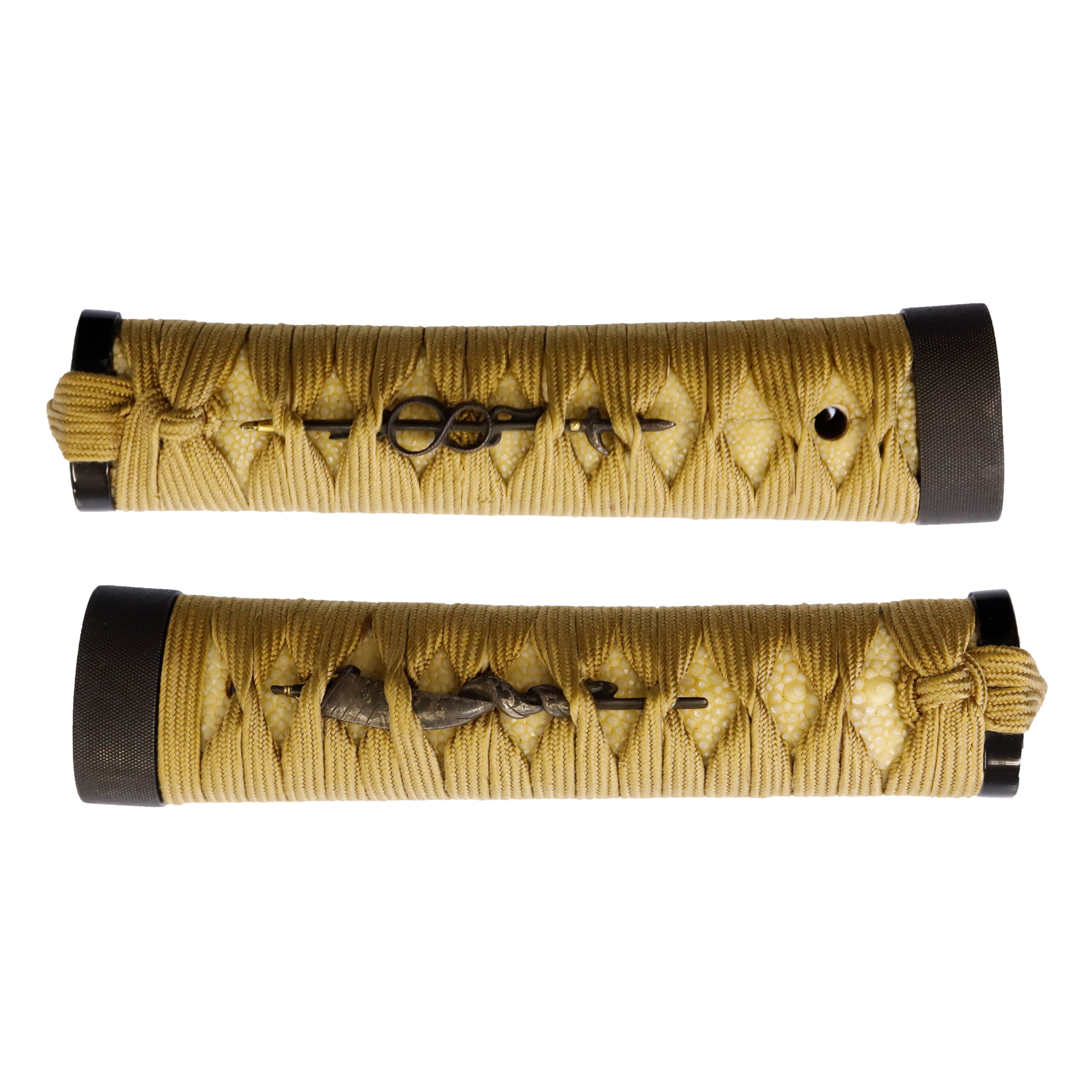
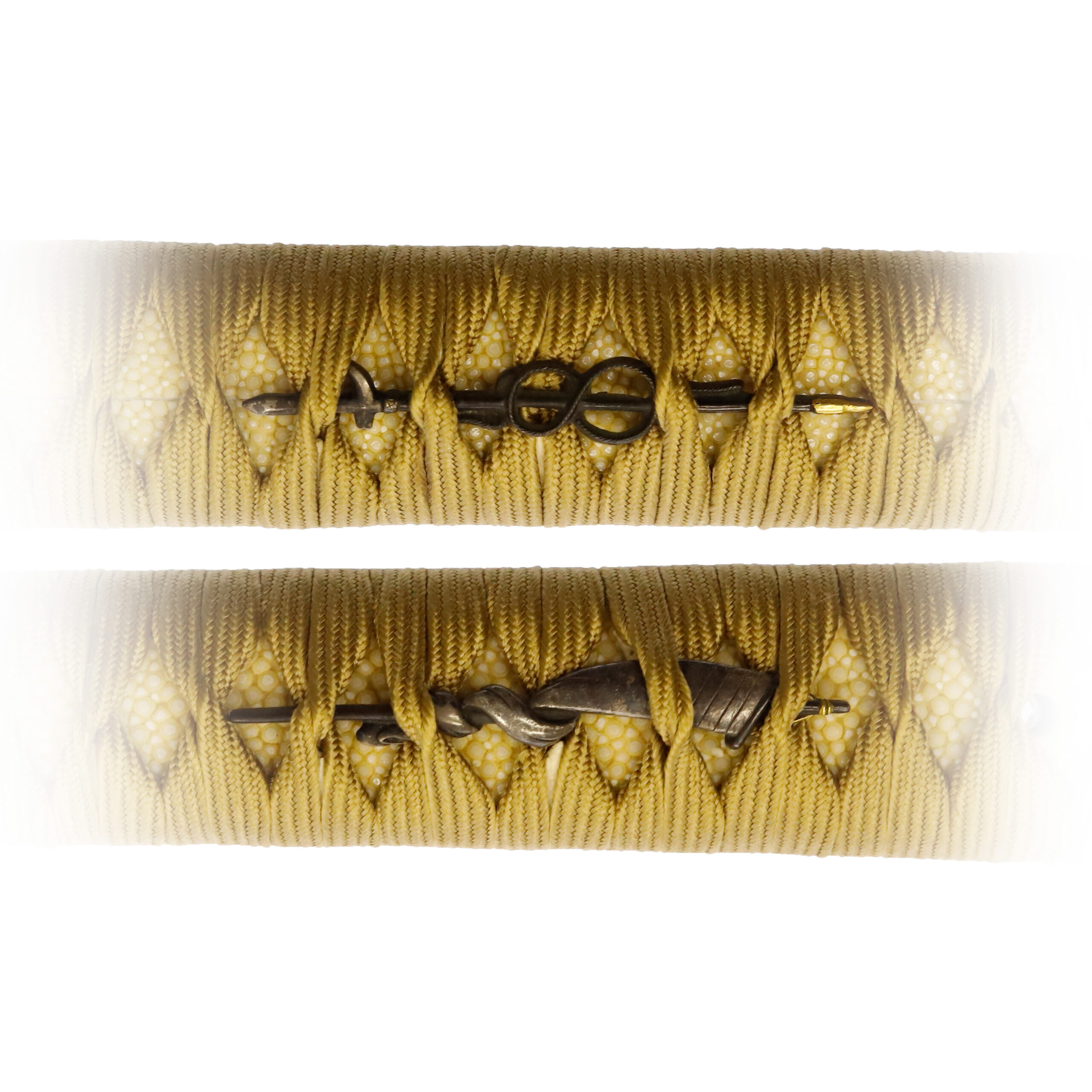
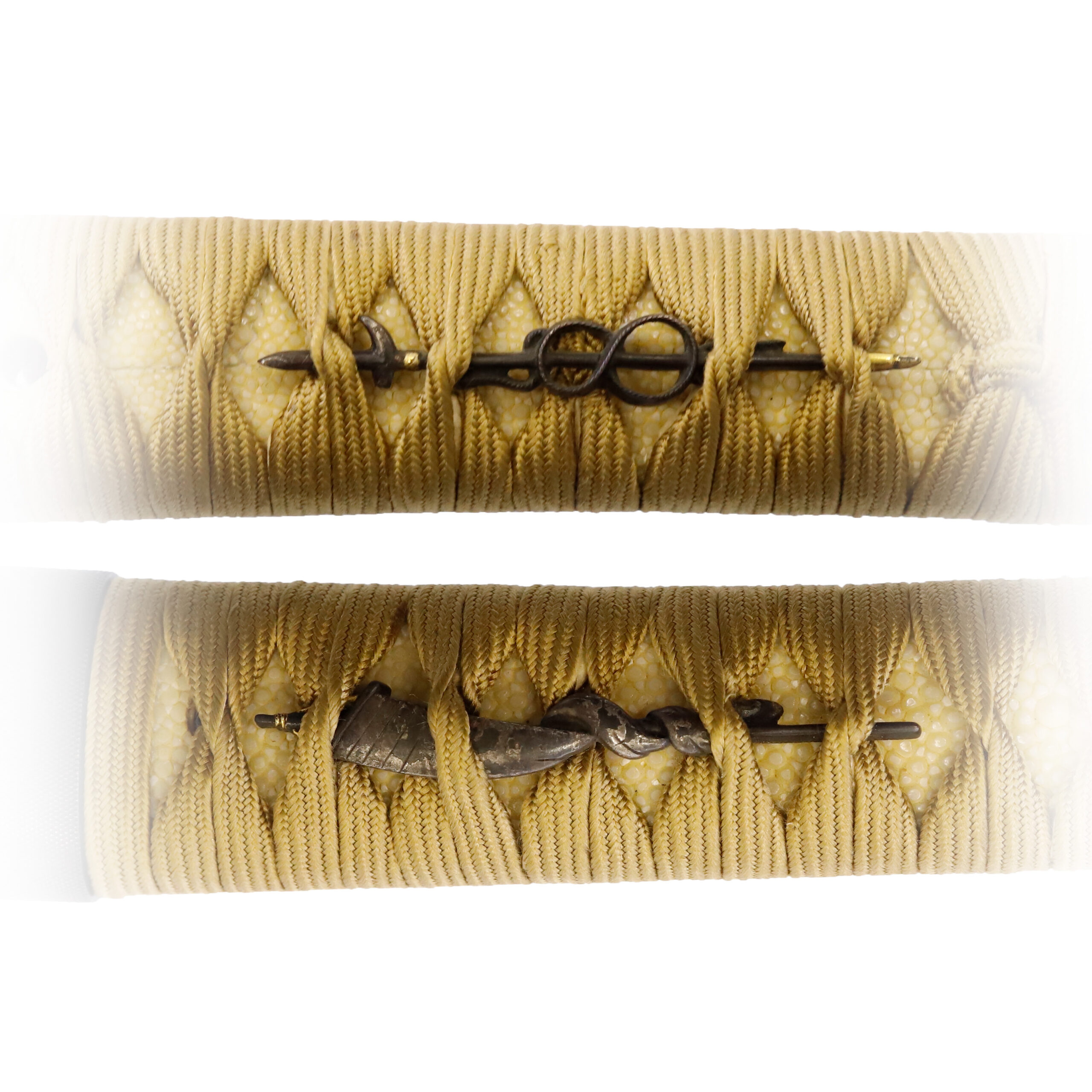
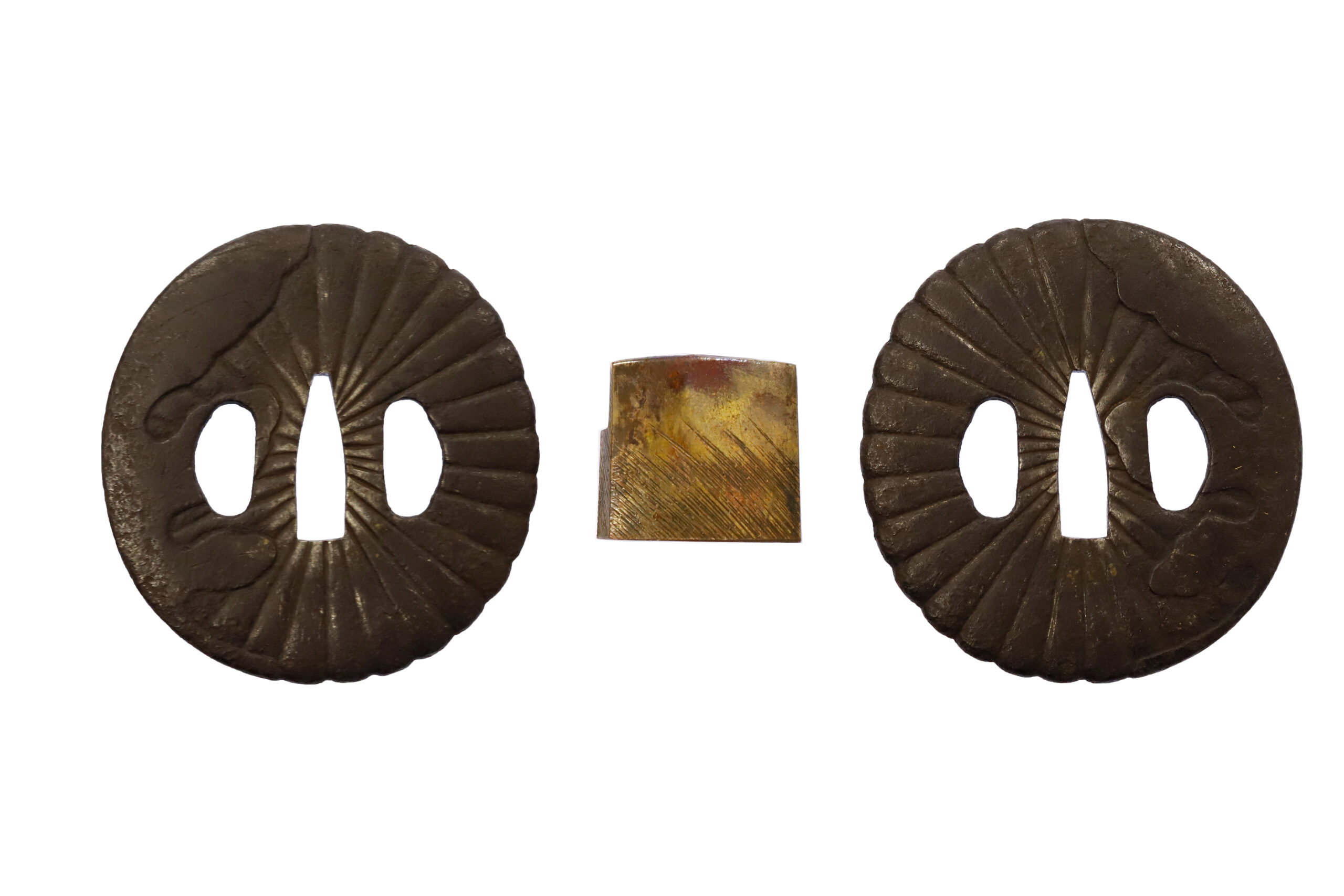
Wakimono · Satsuma · around 1206-1207
3 pieces on the market now
Wakimono · Satsuma
Phase: Ko-Naminohira古波平· 987–1393
13 pieces on the market now
Within the long span of Naminohira, Ko-Naminohira (古波平) marks the formative chapter, the body of smiths and works held in the setsumei to not descend past the Nanbokuchō period. The setsumei place the school's base at Naminohira in Taniyama District of Satsuma Province in southern Kyushu, where, by tradition, a Yamato smith named Masakuni settled in the late Heian era around Eien (987 to 989) and founded the line. His son Yukiyasu stands at the head of the working lineage, and the name Yukiyasu passed through generation after generation as the main line (chakuryū), with smiths favoring the characters yuki (行) and yasu (安). The setsumei attach the lineage to the Yamato Senjuin tradition; one Jūyō-Bijutsuhin record fixes the earliest dated inscription in all of Japanese swords to a Heiji 1 (1159) tachi read as Yukimasa, recorded in the meikan as Ko-Hahei. Beyond Yukiyasu the corpus names Yasuji, Chikayasu, Yasumitsu, Tomoyasu, and Yamauchi Yasuyuki, the named members of this early generation. The phase style sits close to Yamato yet keeps a Satsuma accent the setsumei return to repeatedly. The forging is itame with a flowing nagare and masame tendency toward the edge, the grain at times standing (hada-dachi), carrying well-adhered ji-nie and fine chikei; the steel is described as nettori, a viscous, soft-feeling ground, often with a whitish shirake-utsuri. The temper is a narrow suguha to hoso-suguha, shading at times into ko-midare or shallow notare, worked in ko-nie with frequent hotsure, nijūba, yubashiri, and intermittent kinsuji and sunagashi.
Two diagnostics recur: the nioiguchi tends to urumi, a moist, subdued quality, and the temper drops away at the base in yakiootoshi. The sugata is archaic, slender with deep koshizori and funbari in the older tachi, the bōshi commonly yakizume. The setsumei frame this against the later Sue-Naminohira only by exclusion: Ko-Naminohira is the early, hand-built work that does not descend beyond Nanbokuchō, set apart from the school's Muromachi disorder and shintō decline noted in one record, rather than the routinized later output. For kantei, the setsumei converge on a recognition cluster: nettori ground, urumi nioiguchi, base yakiootoshi, nijūba and fine sunagashi/kinsuji within a suguha of strong Yamato cast, an ayasugi-like masame flavor noted in older works. The records caution that this conservative manner shows little change by period, so a missing nengō makes dating difficult and the ubu form carries weight. Several setsumei align Ko-Naminohira with other Kyushu classical lines, naming Bungo Yukihira and Miike Mitsuyo as kin in archaic flavor. For provenance and benchmark, the texts cite the tachi at Sanage Shrine as Yukiyasu's oldest, the named tachi "Sasanuki" transmitted in the Kabayama family of the Shimazu, and a Kareki 2 (1327) dated tantō, the rarity of signed and dated early pieces giving the surviving examples their documentary weight. Learn more →
| Smith | Era | Designated |
|---|---|---|
| Yukiyasu行安 | 1308-1311 | 10 |
| Yasutsugu安次 | 1375-1381 | 0 |
| Yasuyoshi安吉 | 1469-1487 | 0 |
| Fuji藤 | 1394-1428 | 0 |
| Yasutsugu安次 | 1224-1225 | 0 |
The Muromachi period (1392 to 1573)
Muromachi turned sword making into an industry: the uchigatana rose with massed infantry warfare, Osafune and Seki produced bundle swords beside custom orders, and the Ming trade carried Japanese blades abroad by the tens of thousands.
A Hozon-certified blade judged to show notably superior workmanship and a better state of preservation. The bar is higher: re-tempered blades and most unsigned Muromachi/Edo works are excluded.
The NBTHK (Nihon Bijutsu Tōken Hozon Kyōkai, the Society for the Preservation of Japanese Art Swords) is a public-interest incorporated foundation founded in 1948 and supervised by Japan’s Agency for Cultural Affairs (Bunkachō); it is based at the Japanese Sword Museum in Tokyo. Its expert panels physically examine each submitted work (shinsa) and issue a certificate (kanteishō) ranking it by artistic and historical merit. NBTHK papers are the most widely recognized standard of authentication for Japanese swords and fittings.
NBTHK official siteReturns/exchanges limited to defects caused by shipping (except willful misconduct or gross negligence by the company); customers must contact within 72 hours of receiving the product.