Edo was the sword’s age of connoisseurship: the Hon’ami appraisers, the shogunal register of famous blades of 1719, and a thriving literature turned the sword into an object of study even as it ceased to be drawn in war.
 NihontoWatchNihontoWatch
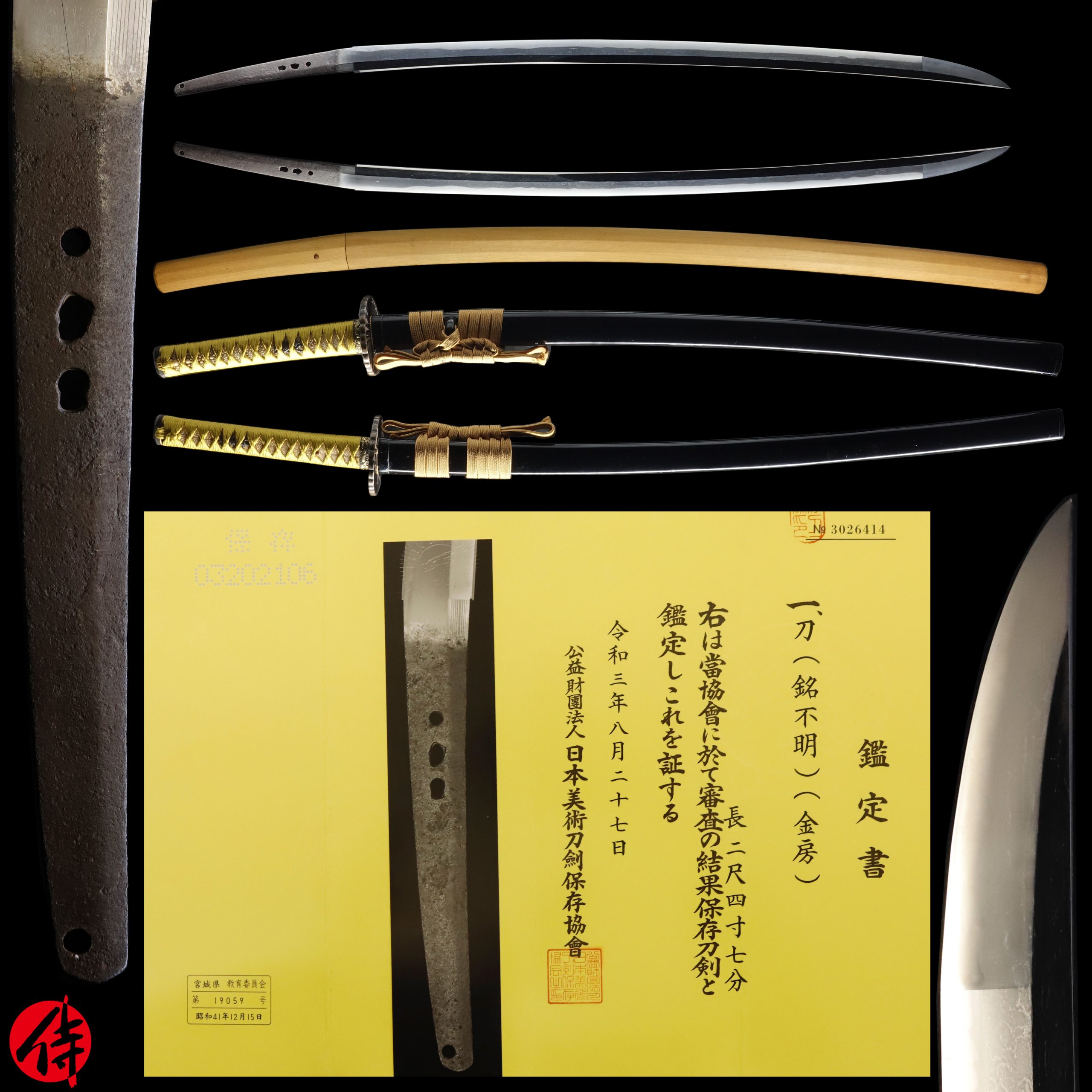
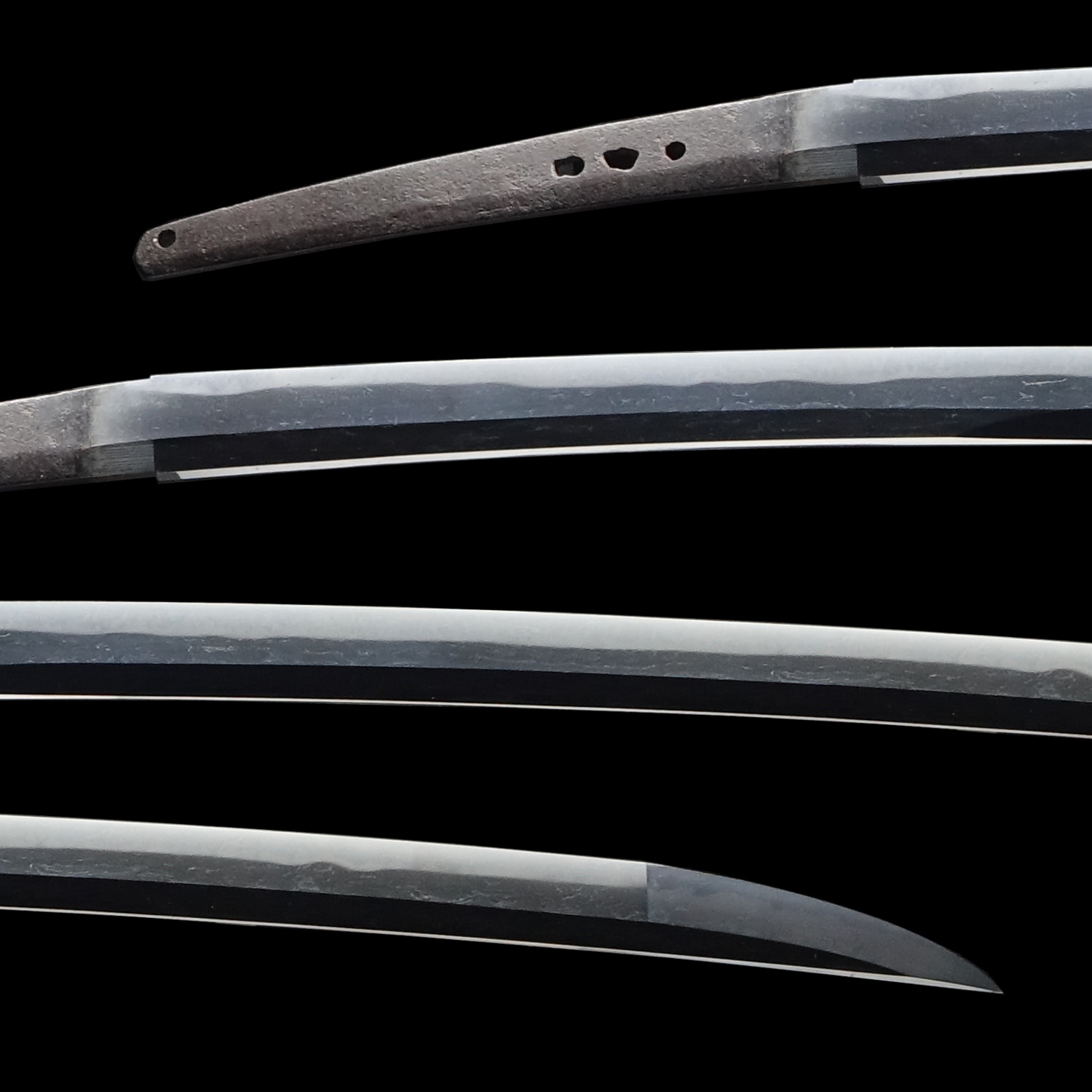
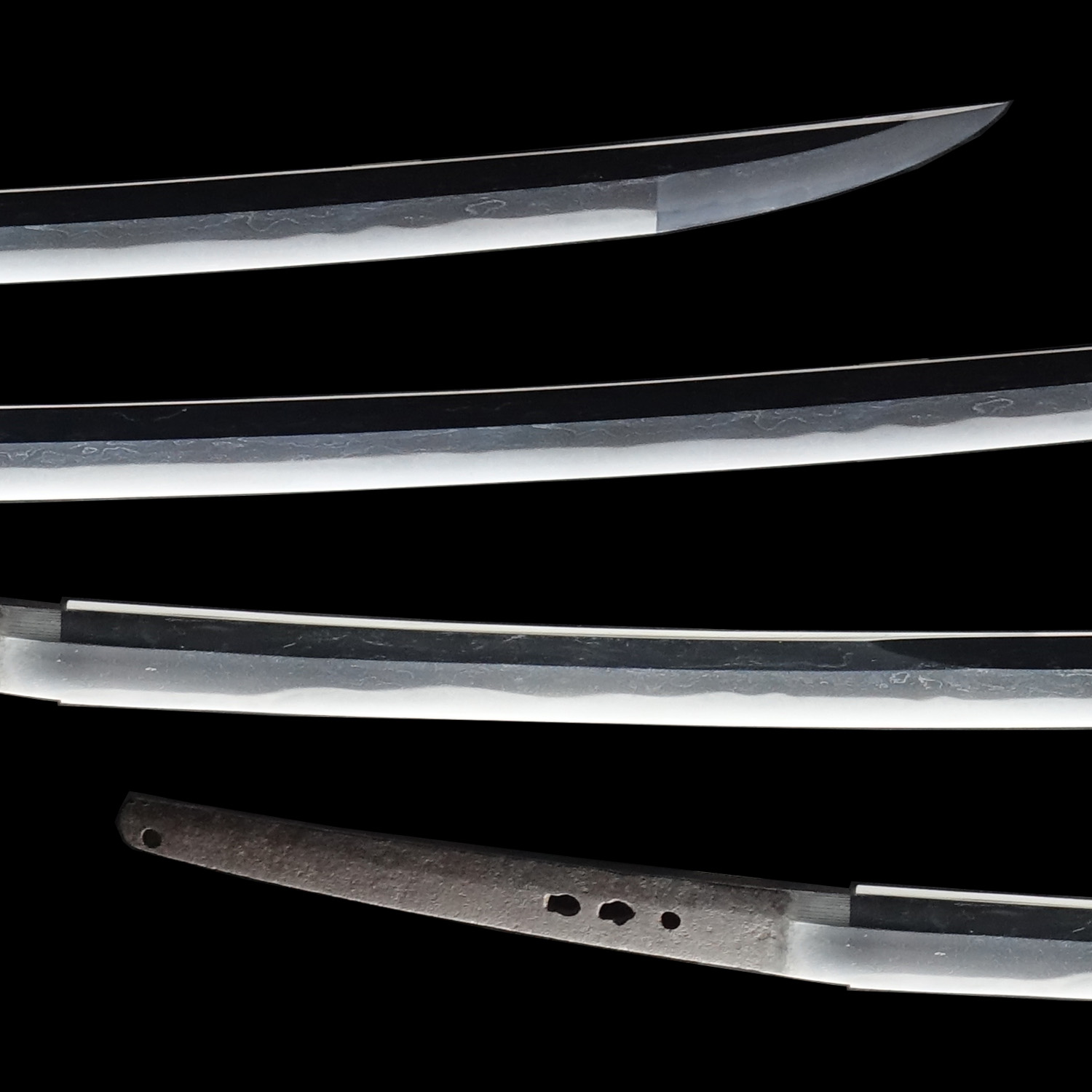
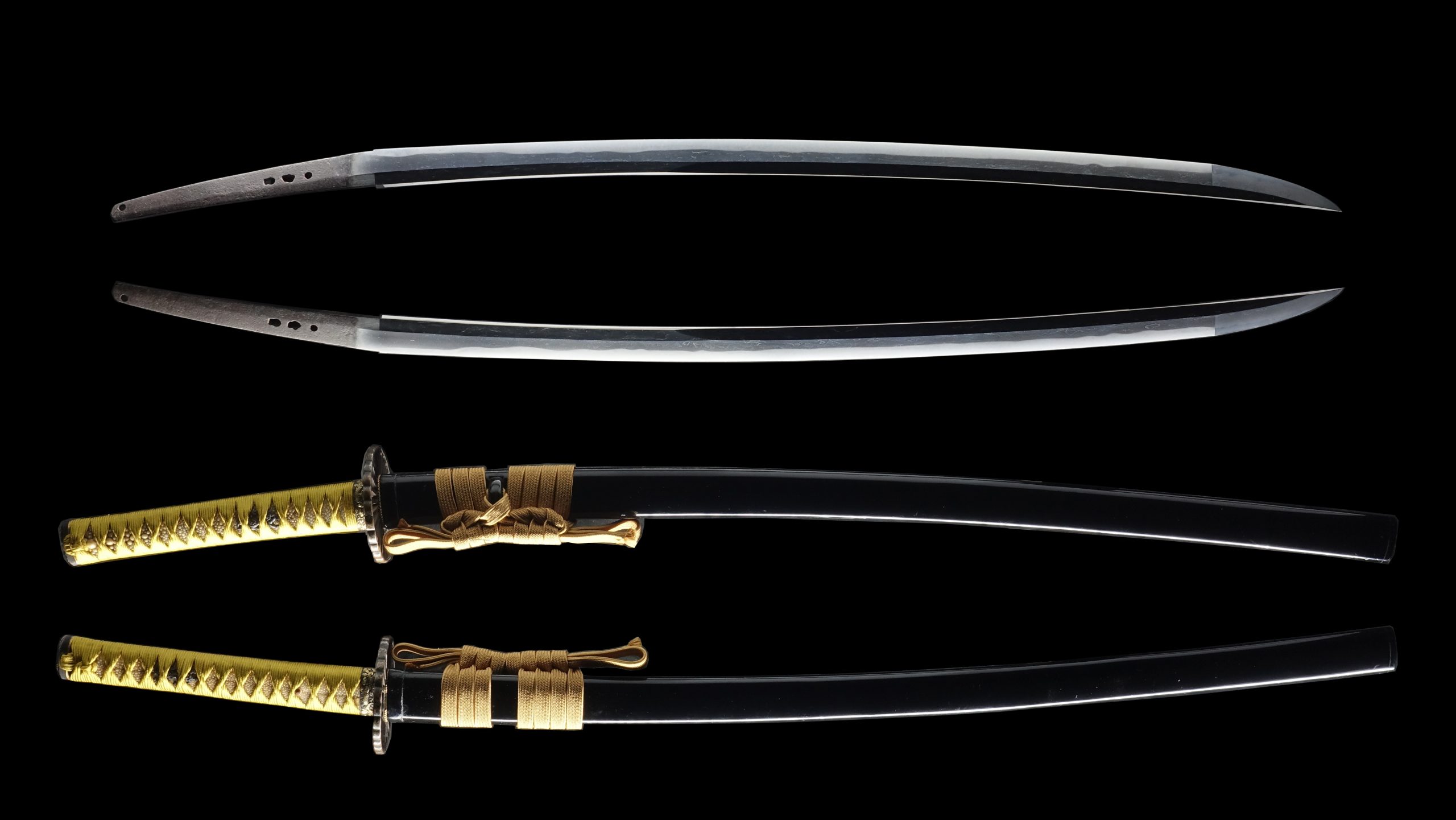
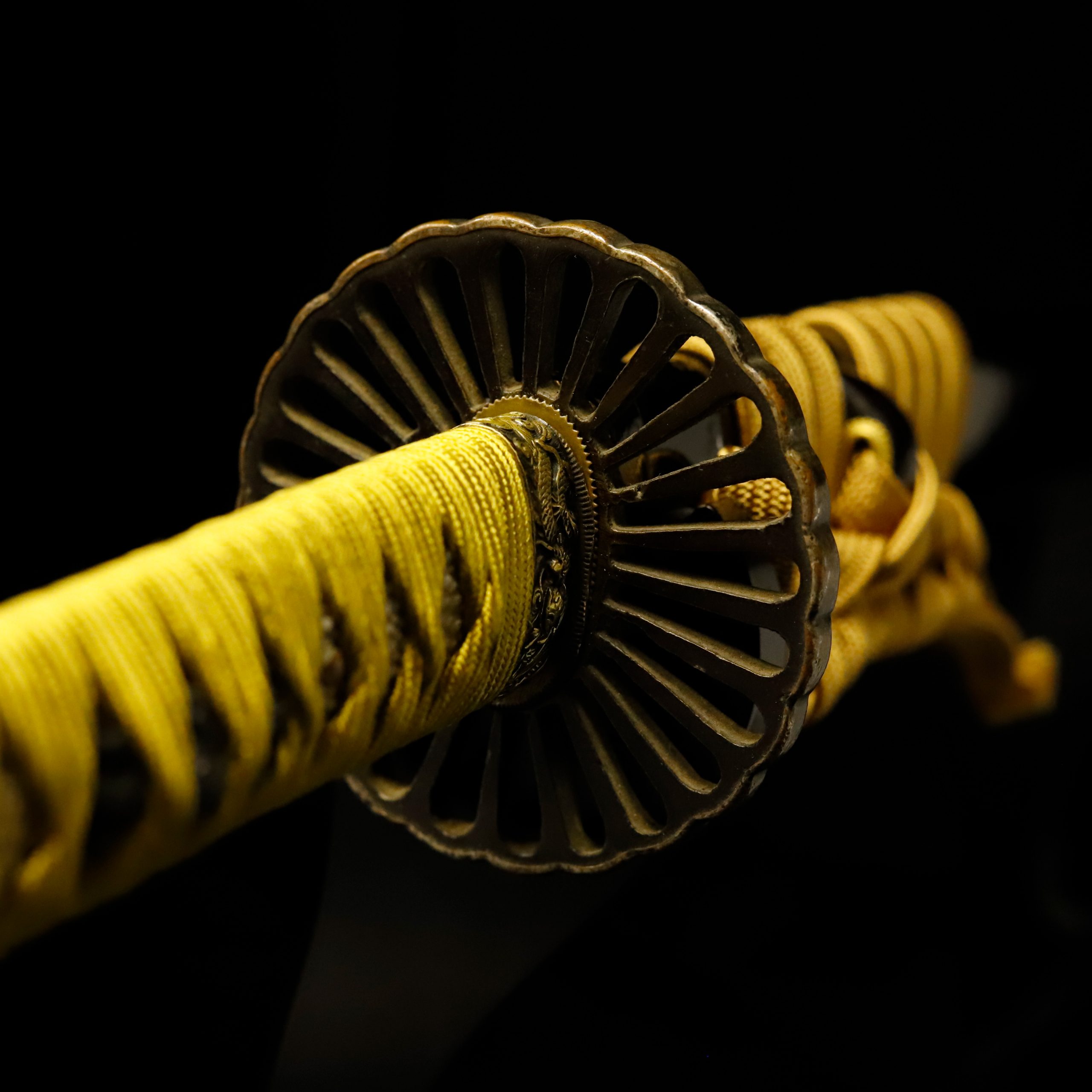
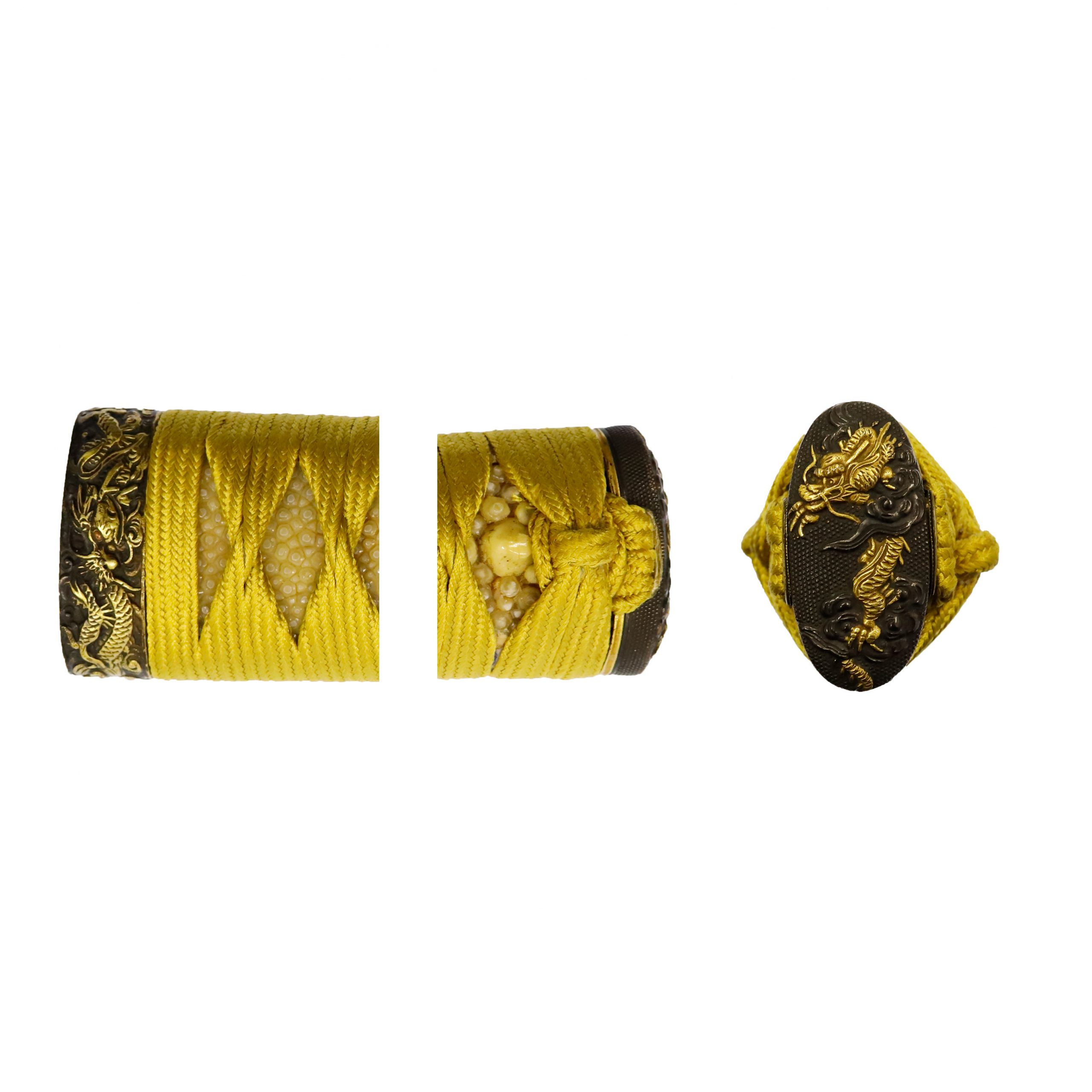
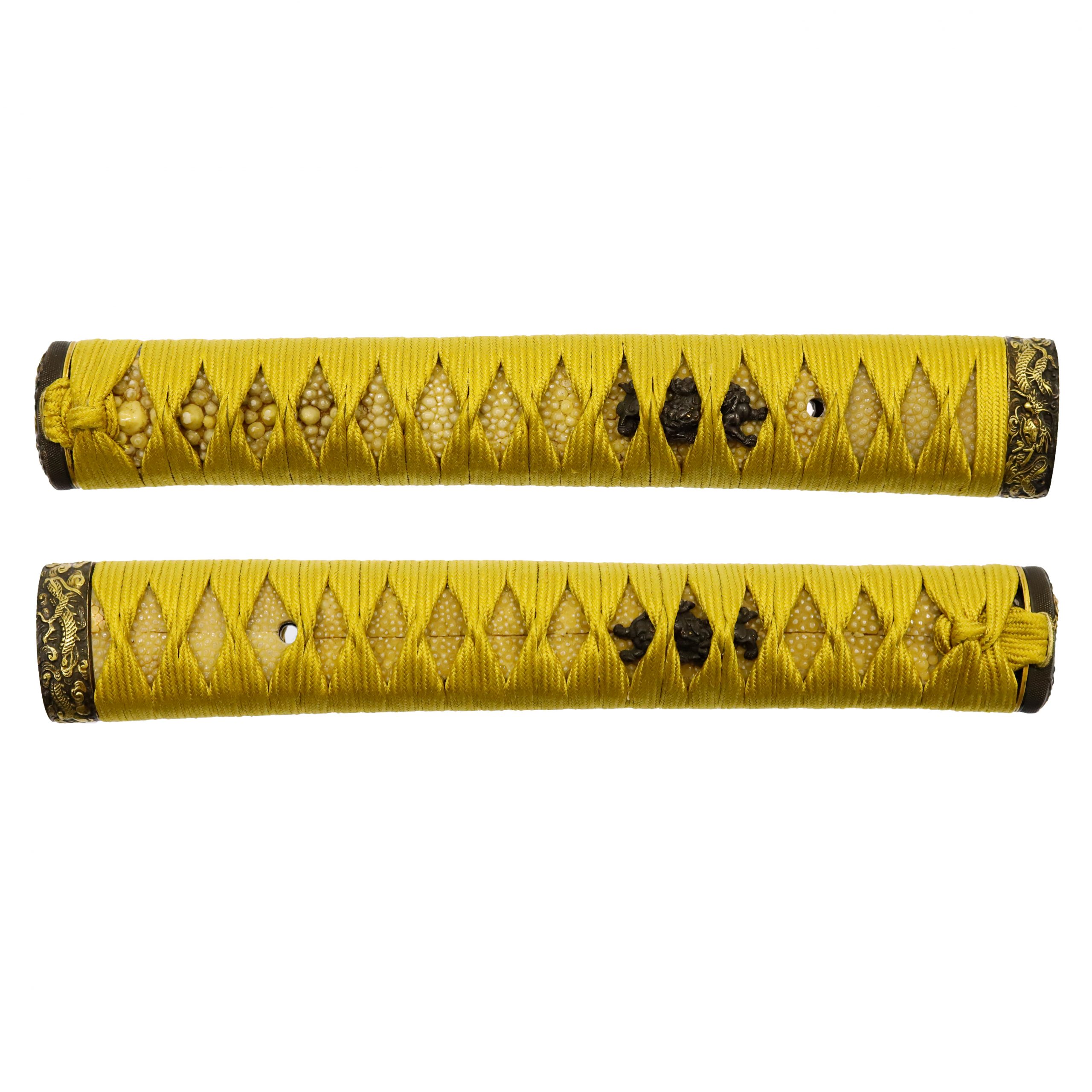
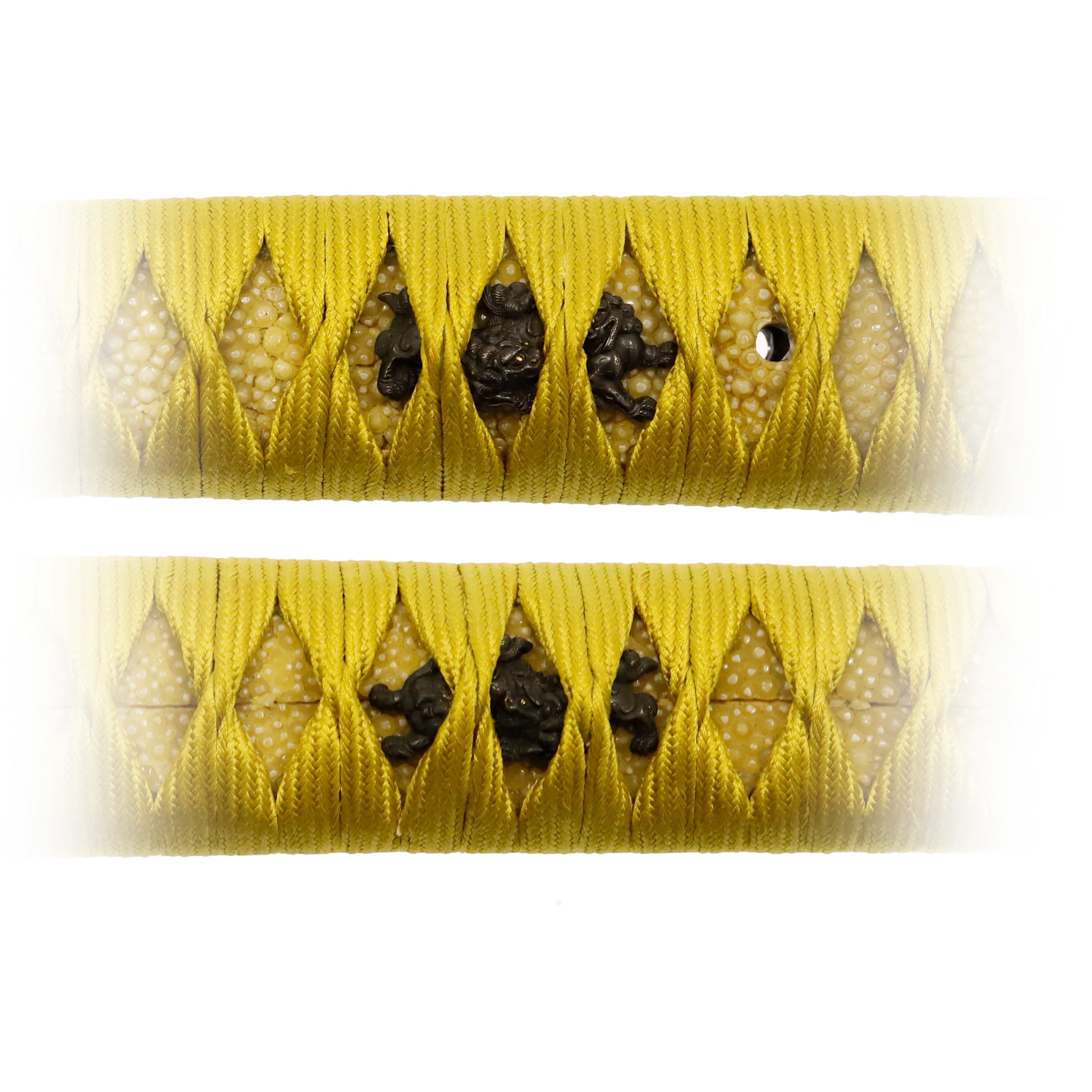
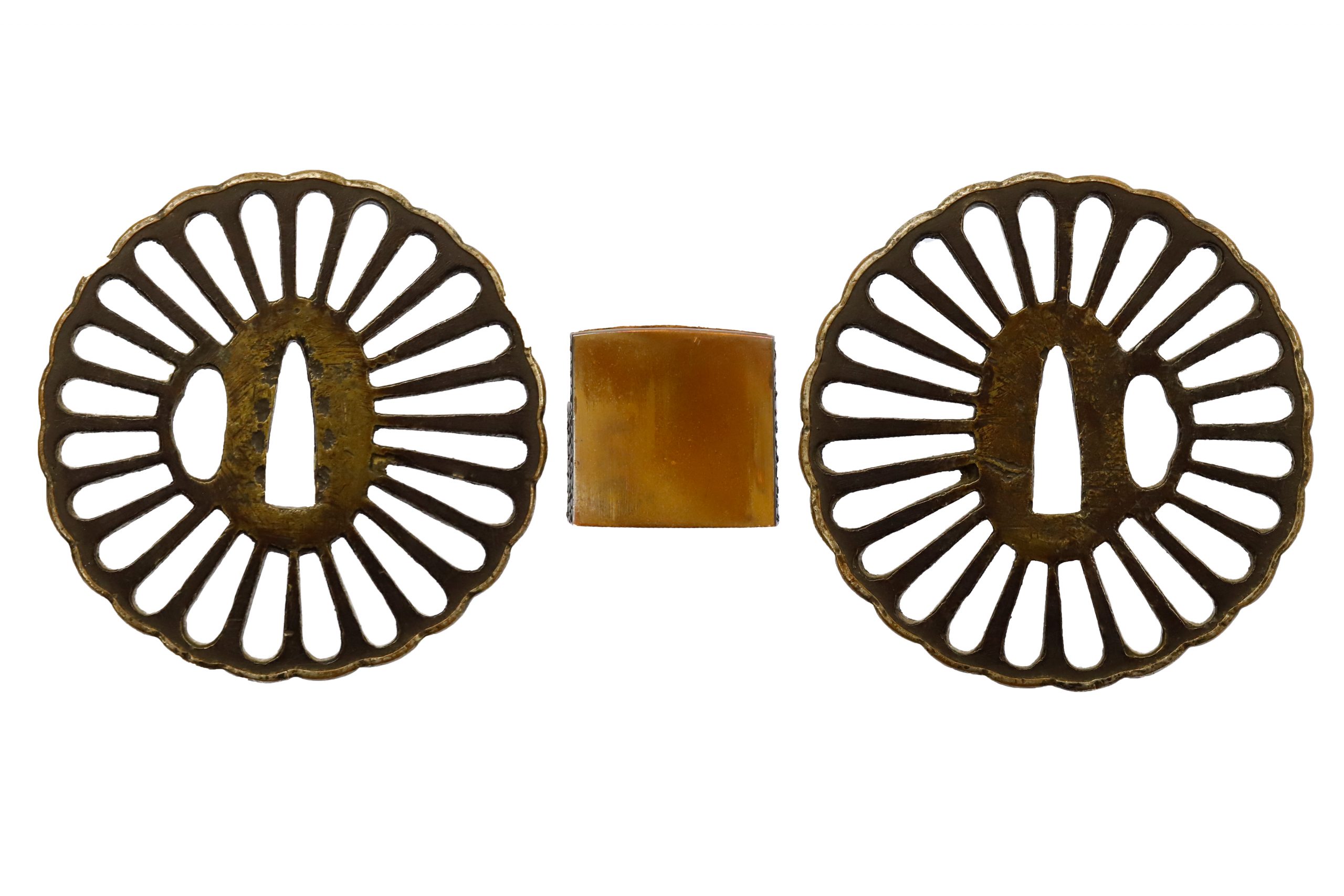
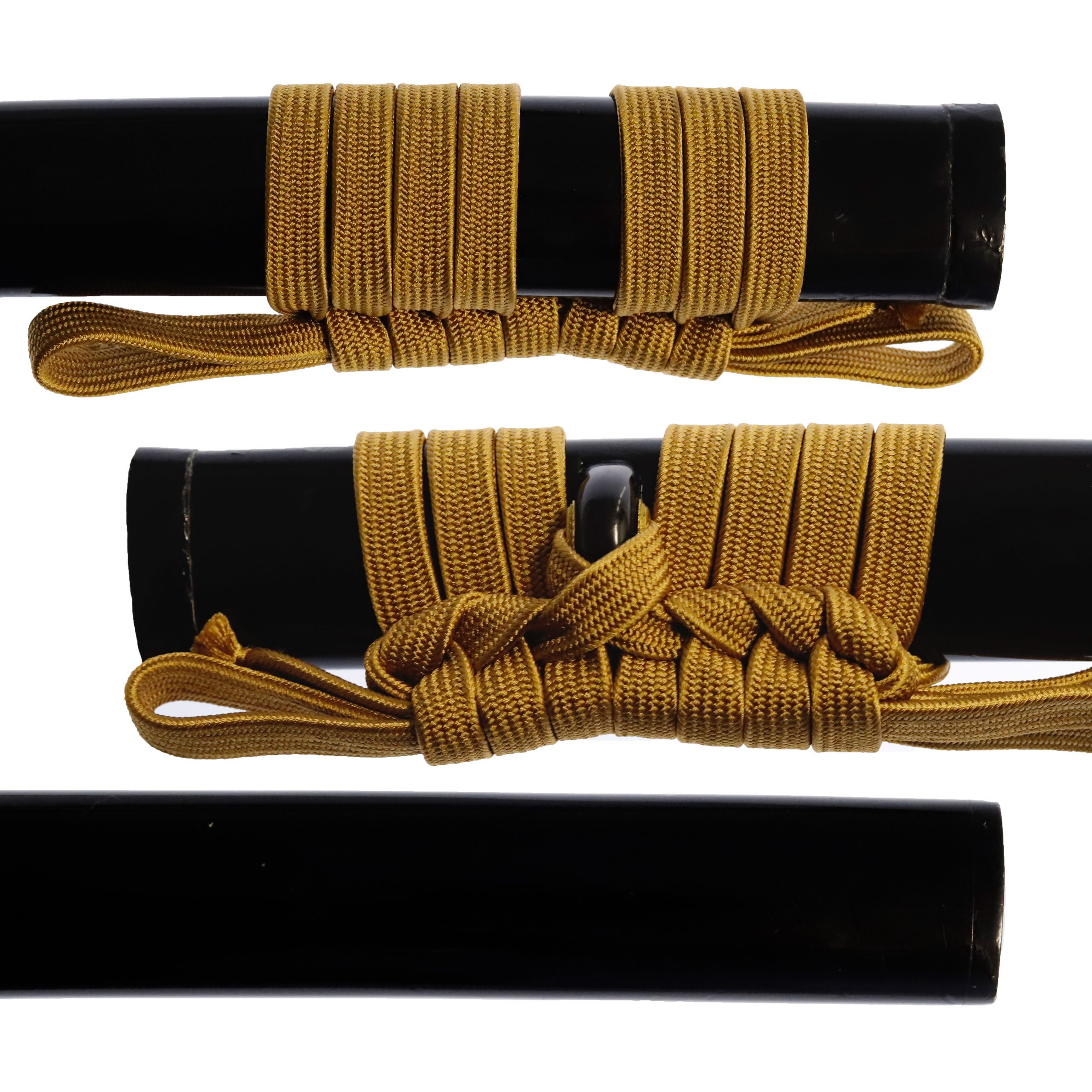
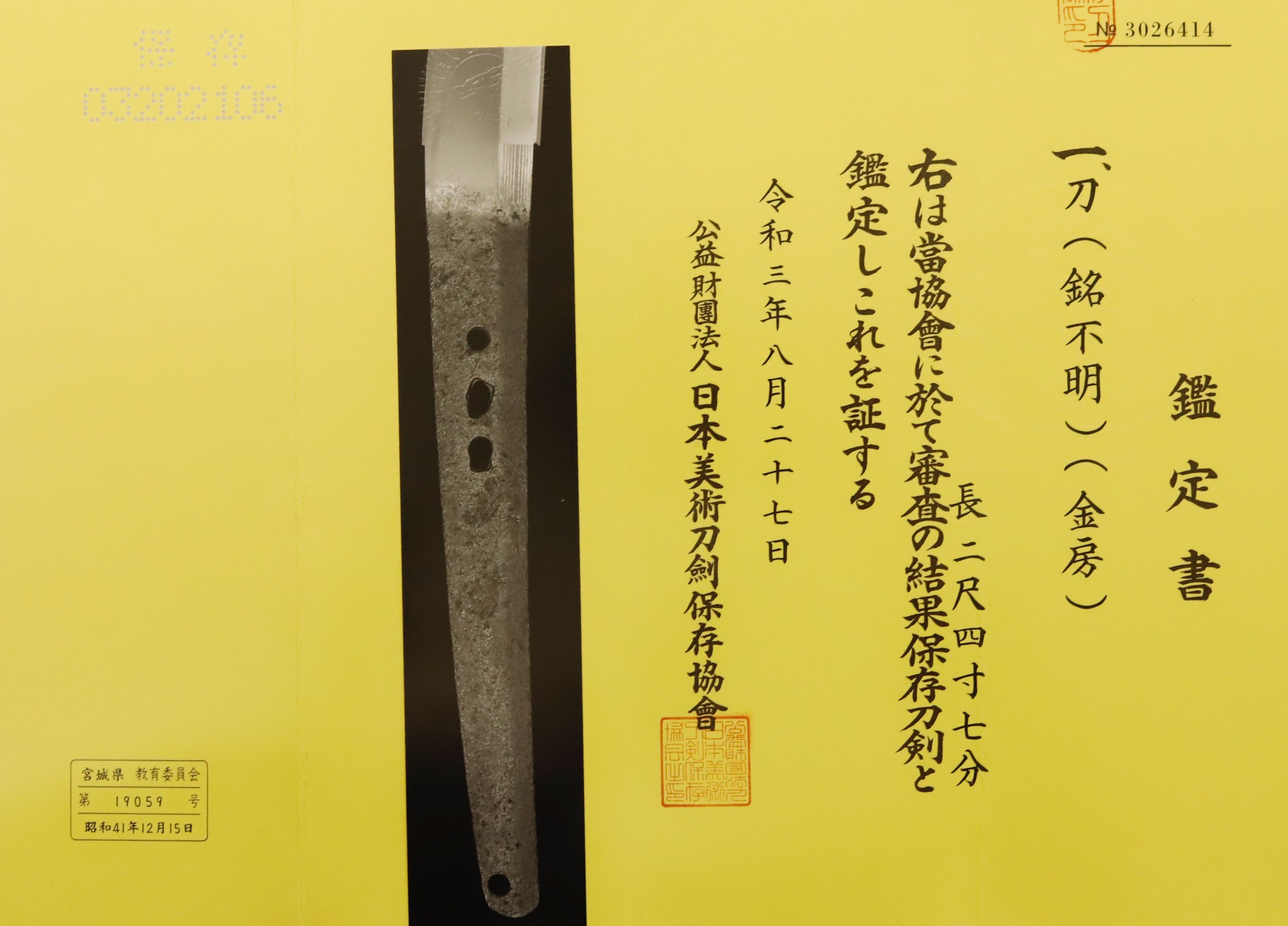
Summary This blade is attributed to a work of Kanabo (金房) school, according to the NBTHK’s appraisal. Kanabo (金房) school flourished in the late Muromachi-Azuchi Momoyama Period (Mid-Late 16th century). We believe this blade was made in the late Muromachi period (the 1570s), judging from the active period of this school. It is said that Kanabo school was founded in the Dai-Ei era (1521-1527: the late Muromachi period) by Kanabo Masanaga, an offspring of a member of Tegai school in Yamato region(today’s Nara prefecture). The swordsmiths who belonged to Kanabo school made blades for Sohei, Buddist warrior monks, and Samurai in the area during the warring state period called SENGOKU JIDAI when there were so many rivalries and civil wars among feudal lords. One of the most renowned swordsmiths in Kanabo school is Kanabo Masatsugu (金房政次). According to Kokin Kaji Biko (古今鍛冶備考), a book about famous Japanese swords written during the Edo period, a spear forged by a member of Kanabo school is listed as one of the three most renowned spears. This spear is called Nihongo (日本号). About Tegai school There were five prestigious schools, including Tegai, during the Kamakura-Nanbokucho period. They are called Yamato Goha(大和五派); Senjyuin(千手院), Tegai(手掻), Taima(当麻), Hosho(保昌) and Shikkake school. They served politically powerful monks and temples in Nara, such as Todaiji temples. They were initially forging swords for military monks who became powerful due to the government’s policy. Monks needed many weapons as there were many political rivalries between influential temples, and they needed strong weapons like swords to protect themselves. During this time, Tegai school or other Yamato sword schools met the requests from monks. They also forged blades for Samurai hired by those monks during their heyday. Tegai school belonged to YAMATO DEN, the longest history among GOKADEN and five Japanese sword forging techniques. The blades forged by swordsmiths residing in Yamato region are generally called Yamato Mono. This blade is appraised as a Hozon Token(保存刀剣) issued by NBTHK(Nihon Bijutsu Touken Hozon Kyokai:日本美術刀剣保存協会). Fuchi-Kashira Dragons are designed on this Fuchi Kashira. Golden paint is applied to their bodies, and clouds surround them. Initially, the dragon was an imaginary creature found in ancient traditions or myths. Furthermore, it was regarded as a symbol of auspicious signs. Its body is likened to nine animals: antlers are deer, the head is a camel, eyes are demons, the neck is a snake, belly is the Mizuchi (蛟, a mythical animal in Japan that looks like a snake and has a horn and four legs), scales are fish, claws are falcons, palms are tigers, and ears are cows. It was thought that the dragon would reign at the top of all animals because of its odd-looking appearance. Also, in Japan, there is a belief that worships dragon as a water god. Since rice cultivation has flourished in this country, water is always an essential resource. Therefore, the dragon motif has been familiar to Japanese people for a long time. We imagine many Samurais appreciated this dignified beast motif, and we guess that is why this design is often seen in sword mountings. Tsuka and Menuki Seeing from the curly hair of these animals, we believe this motif is the Karajishi (唐獅子). It depicts the figure of two Karajishis running facing each other. It seems some parts were initially colored with golden paint. The Shishi (獅子) means a lion in Japanese, and the Karajishi is a lion brought from the continent to Japan in the Toh period (唐, Tang dynasty, 618-907). The Karajishi typically has curly hair for its head, neck, body, and tail, as you see in this work. In Buddhism, the Karajishi is regarded as a symbol of wisdom, and Monju Bosatu (文殊菩薩, Manjushri Bodhisattva) rides lions. According to a theory, the Karajishi is the origin of Komainu (狛犬, stone guardian dogs that exorcize evil spirits). It shows this beast motif has been familiar to Japanese people since ancient times. Tsuba and Habaki Chrysanthemum is the motif of this Tsuba. It looks like the petals are arranged symmetrically, and you would see that the entire shape of this Tsuba looks like a chrysanthemum flower. The Mimi (耳, edge) part is framed with a thin metal plate. It adds decorativeness to this work and protects the Tsuba from damage. A long time ago, the chrysanthemum was used as a medicine for obtaining a long life in the continent, and it was brought to Japan with this thought in the Nara period (648-781). Chrysanthemum symbolizes fall, and people have appreciated it very much since ancient times. As its petals form radially, the chrysanthemum has been likened to the sun. That is why this flower pattern is treated as the symbol of perpetual youth and longevity or good health. Authentication Paper They authenticated the blade on Aug 27th in the 3rd year of Reiwa (2021). They appraised it as Hozon Touken, the blade worth preserving for Japanese society.
Offered by Samurai Museum
This piece has sold
9 on the market
Get an email when new Kanabo School work hits the market.

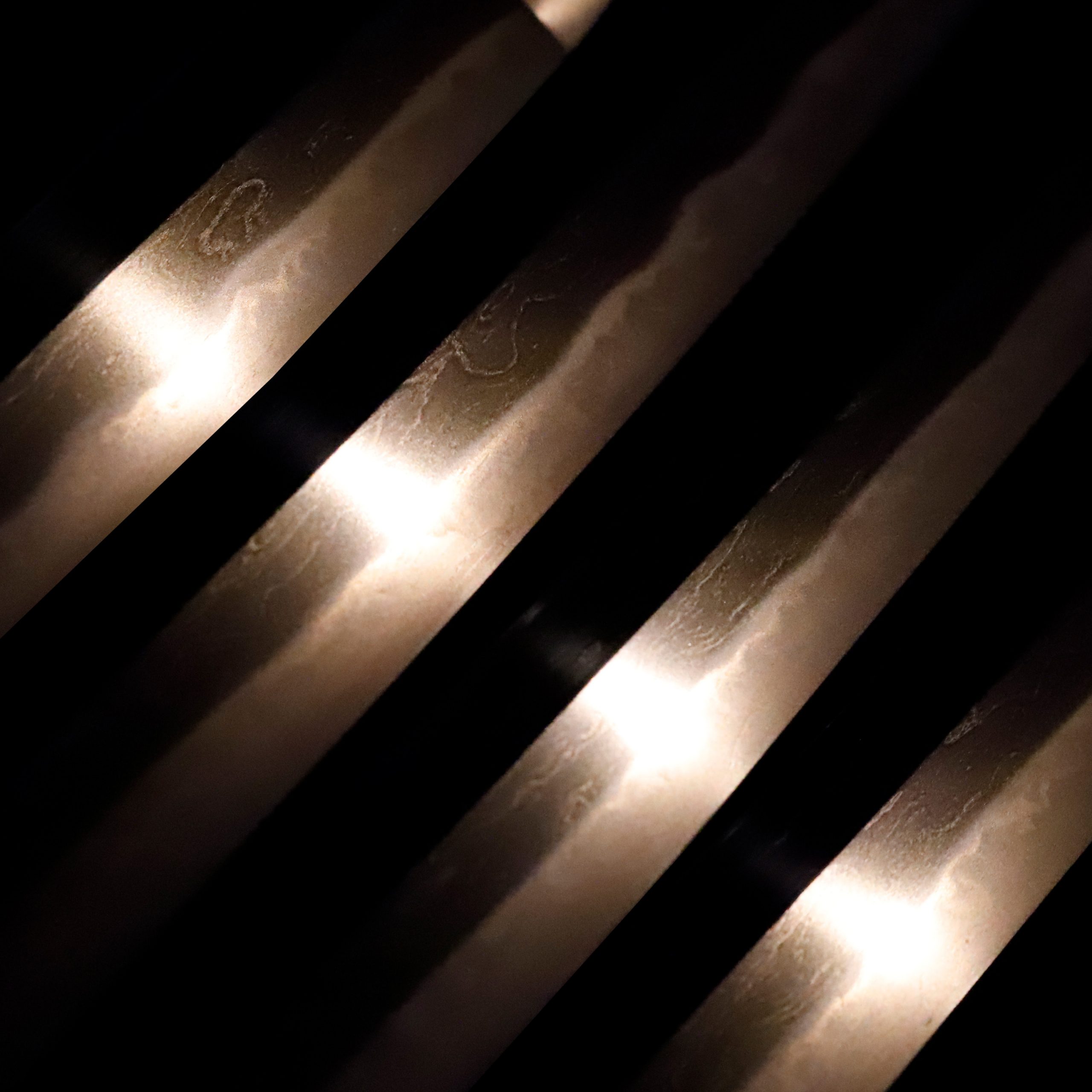
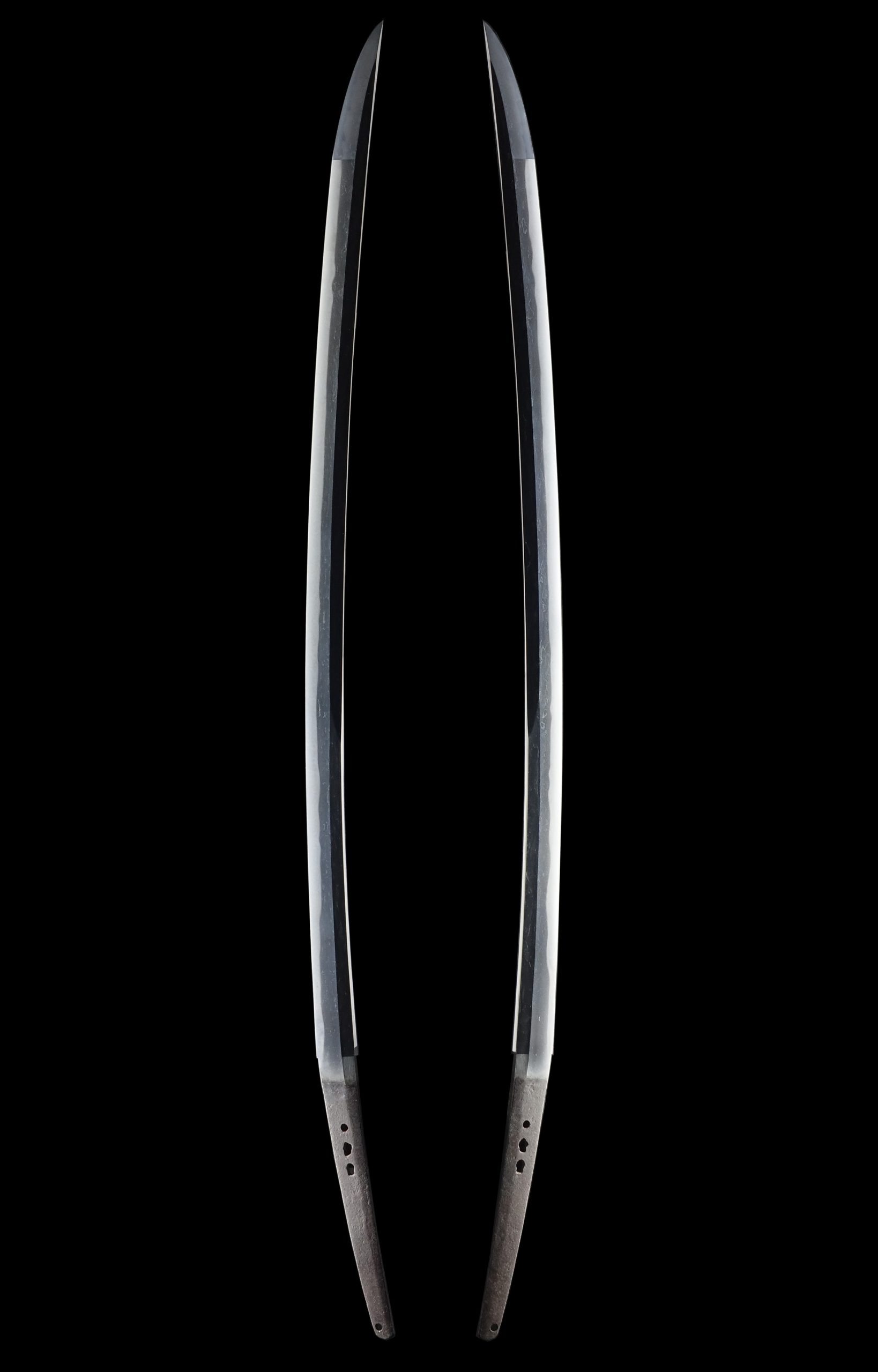
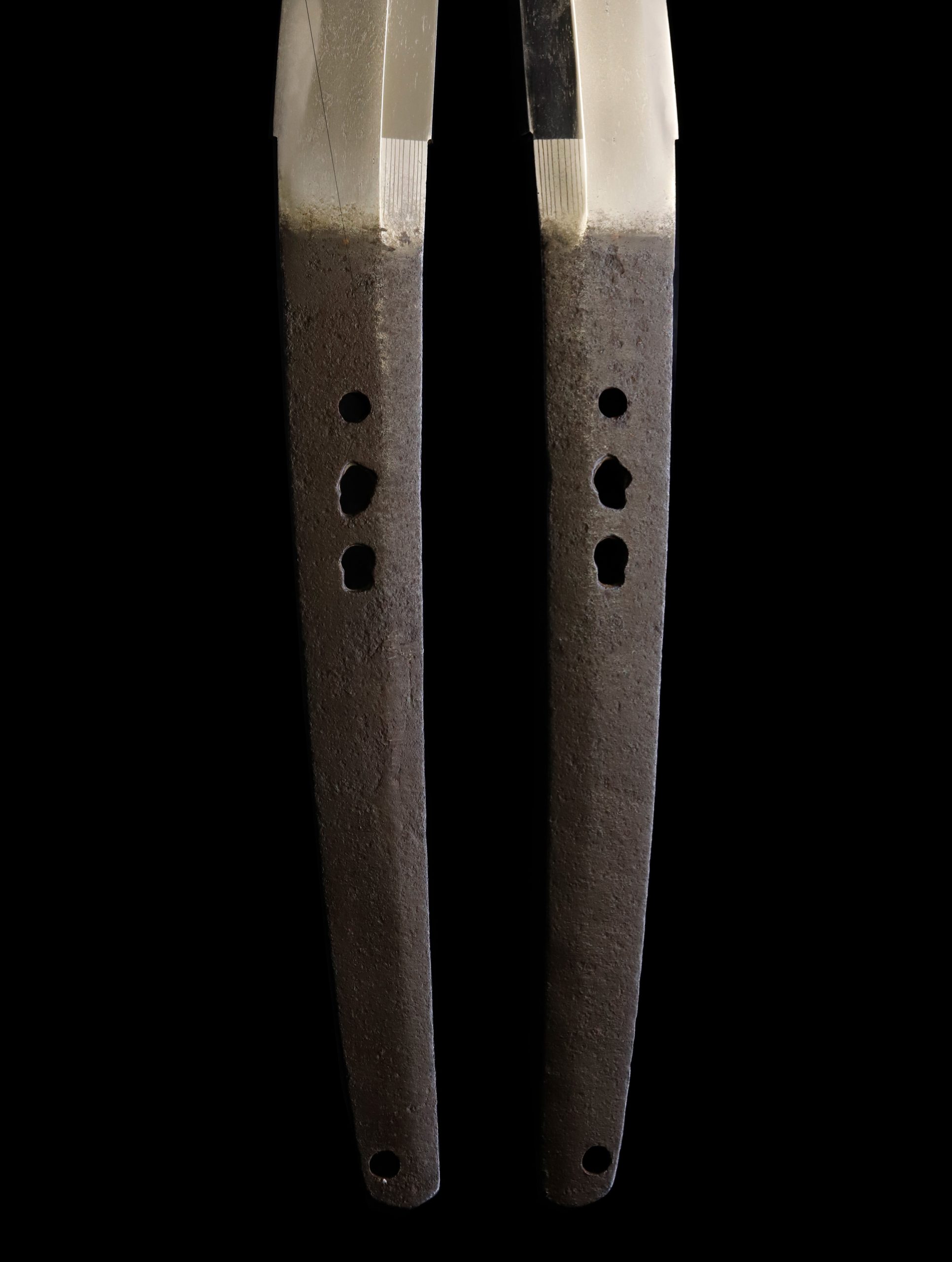
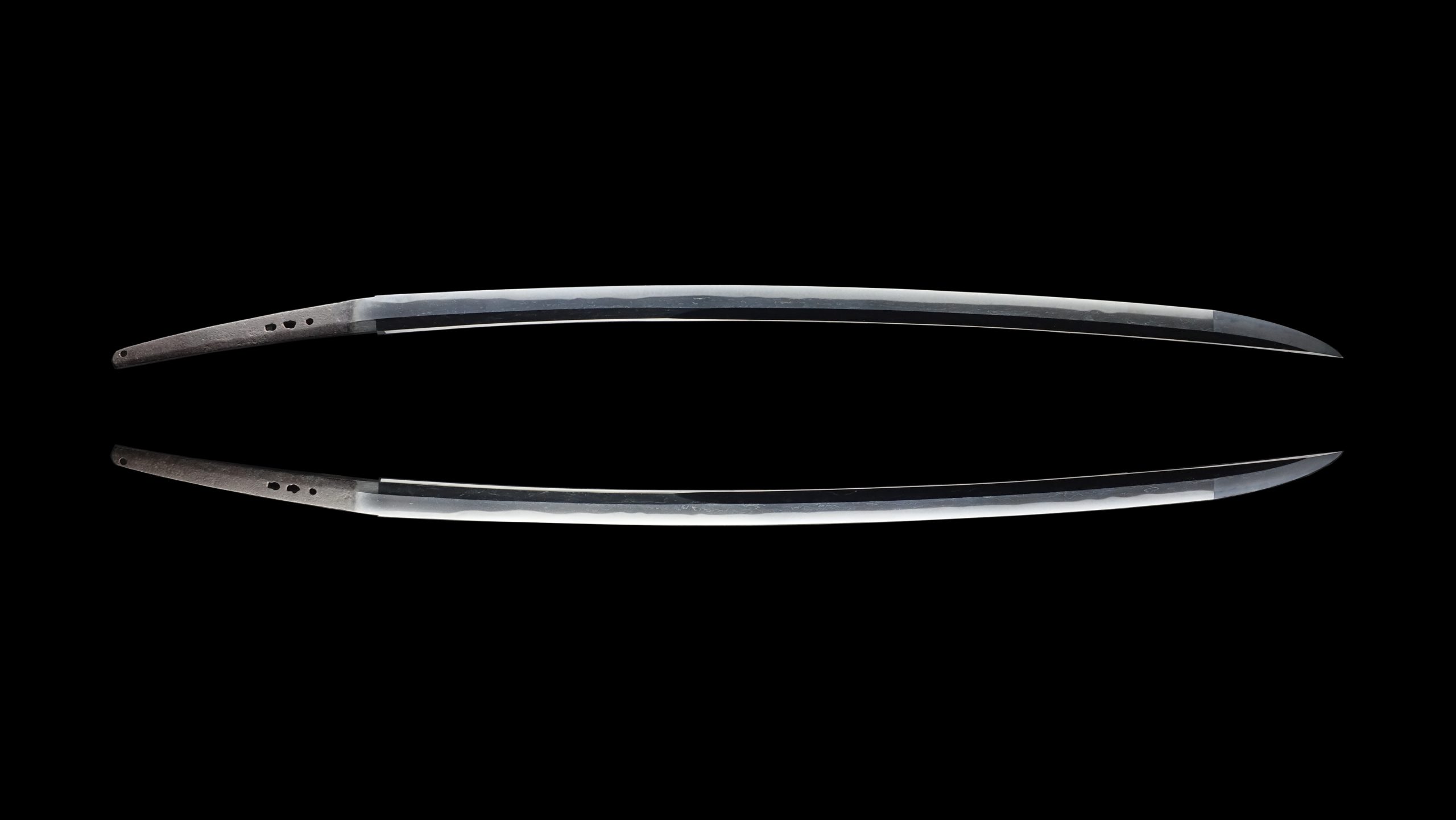
Wakimono · Yamato
9 pieces on the market now
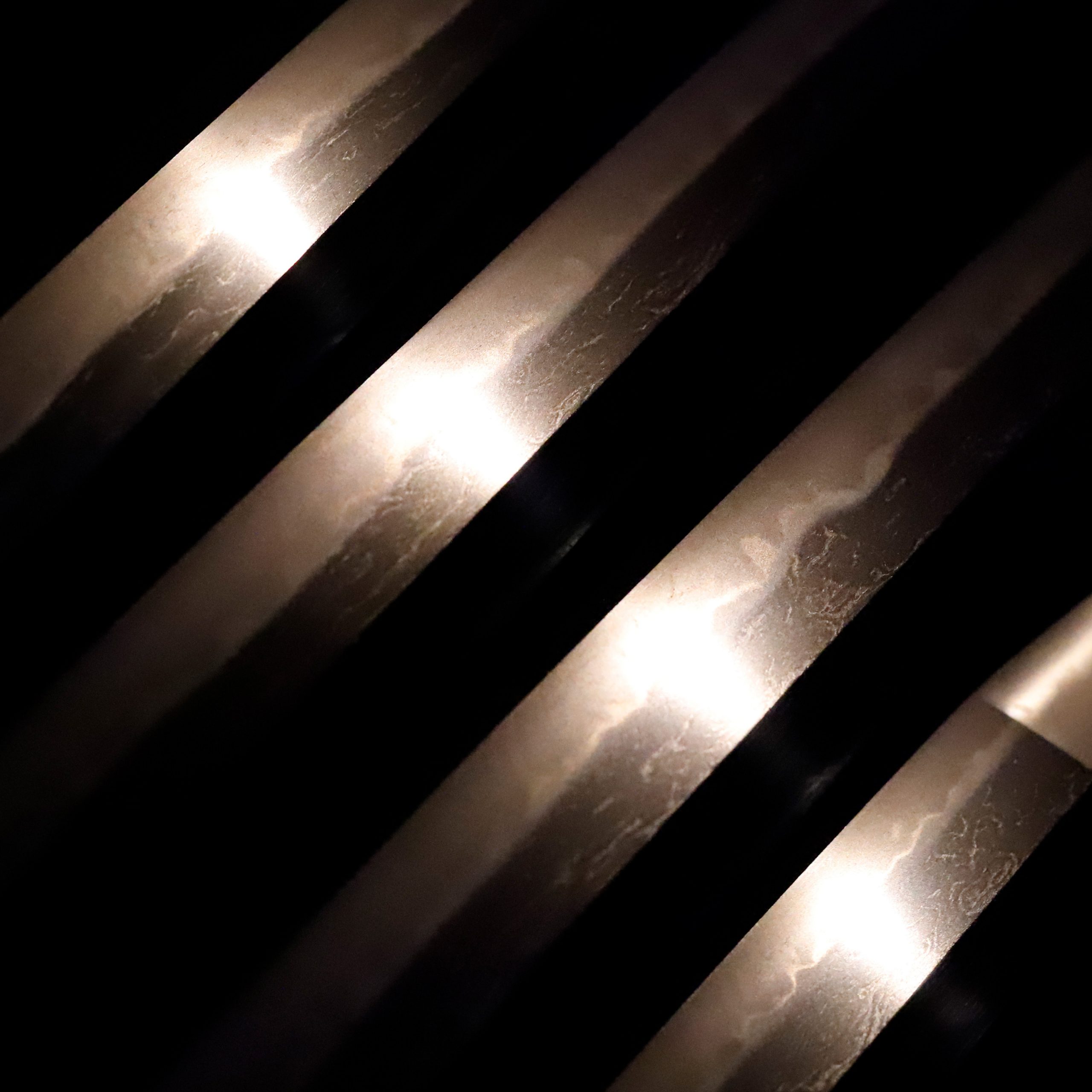
The Kanabō (金房) smiths worked in Nanto, the old name for Nara in Yamato province, from the end of the Muromachi period into the early Shintō era. Their relationship to any of the five established Yamato schools is not clearly fixed in the record, and the NBTHK setsumei treat the group as one that rose and flourished in Nara during the late Muromachi decades, with dated examples encountered from the Eishō era onward. The blades here name several hands. Masatsugu (政次), who signed as Kanabō Hyōe no Jō Masatsugu and as Kanefusa Hyōe no Jō Masatsugu, is described as the representative and best-known smith of the line. Masasada (政定), signing Kanefusa Saemon-no-jō Masasada, left an uchigatana dated Eiroku 2 (1559). " Rather than the classical Yamato-den manner of the earlier five schools, the Kanabō hand reads as a Muromachi uchigatana idiom that shares points with the Sue-Bizen and Sue-Seki spheres. The kitae is itame that flows into nagare and tends toward masame, with the grain often standing and growing large, and a whitish utsuri appearing in places. The hamon divides between two registers the setsumei repeatedly cite: a large gunome-based midare, the "hips" of the gunome opening out and mixed at times with togari-ba, chōji, or ko-notare; and a suguha carried on a tight nioiguchi.
Across both, ashi and yō enter well and stand out, ko-nie and ji-nie adhere, and sunagashi with kinsuji run through; the nioiguchi frequently takes a shizumi, subdued cast. The bōshi runs midare-komi, often with hakikake and a pointed or ko-maru return. The build tends to broad mihaba with sakizori on the swords, while naginata are conspicuously common, a production read as answering the demands of the warrior monks (sōhei) of Kōfukuji and the great Nanto temples. For kantei, the line is held by the flowing masame-tending itame, the broad gunome-midare with prominent ashi and yō over a tight or subdued nioiguchi, and the marked presence of naginata and long polearm blades among extant work. The setsumei single out Masatsugu's polearms as typical of his hand, several preserved with their vermilion-lacquer nagamaki mounts (shunuri nagamaki koshirae) and one black-lacquer naginata mounting, the fittings inferred to have been made together with the blade. The records grant that true masterworks within the group are rare, yet they describe individual blades by Masatsugu and Masasada with fine jigane, skillfully cut horimono, and workmanship judged excellent and dignified. Within the wider Yamato sphere the Kanabō stand as a late, utilitarian offshoot whose polearms and serviceable swords carry the group's name into the NBTHK register. Learn more →
| Smith | Era | Designated |
|---|---|---|
| Masatsugu政次 | 1492-1570 | 4 |
| Masazane正眞 | 1532-1555 | 0 |
| Masasada政定 | 1521-1559 | 1 |
The Edo period (1615 to 1868)
Edo was the sword’s age of connoisseurship: the Hon’ami appraisers, the shogunal register of famous blades of 1719, and a thriving literature turned the sword into an object of study even as it ceased to be drawn in war.
Certifies a genuine blade worth preserving: a signature confirmed correct, or, if unsigned, an era, province, and school that the NBTHK can reliably identify.
The NBTHK (Nihon Bijutsu Tōken Hozon Kyōkai, the Society for the Preservation of Japanese Art Swords) is a public-interest incorporated foundation founded in 1948 and supervised by Japan’s Agency for Cultural Affairs (Bunkachō); it is based at the Japanese Sword Museum in Tokyo. Its expert panels physically examine each submitted work (shinsa) and issue a certificate (kanteishō) ranking it by artistic and historical merit. NBTHK papers are the most widely recognized standard of authentication for Japanese swords and fittings.
NBTHK official siteReturns/exchanges limited to defects caused by shipping (except willful misconduct or gross negligence by the company); customers must contact within 72 hours of receiving the product.