Edo was the sword’s age of connoisseurship: the Hon’ami appraisers, the shogunal register of famous blades of 1719, and a thriving literature turned the sword into an object of study even as it ceased to be drawn in war.
 NihontoWatchNihontoWatch
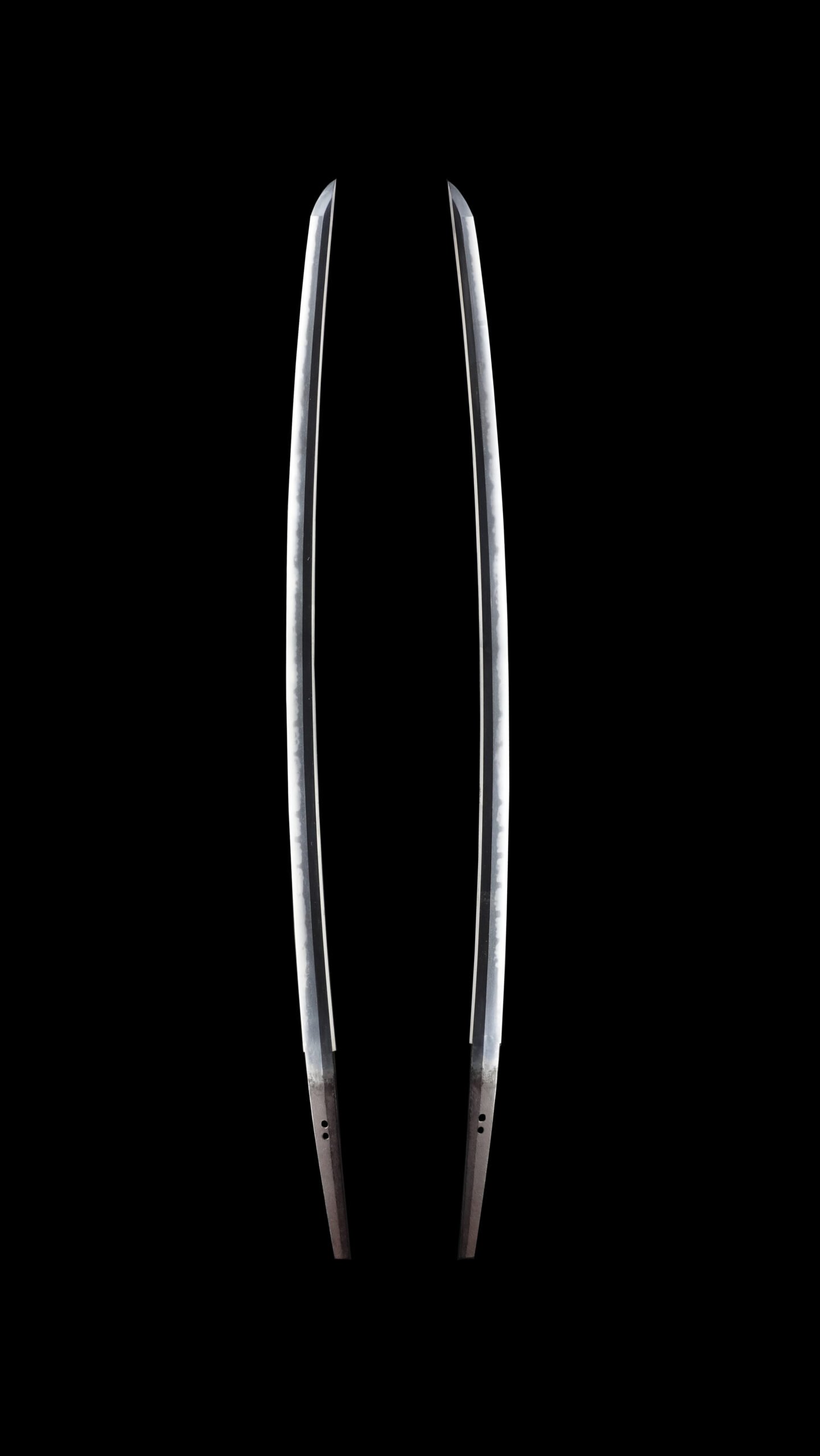
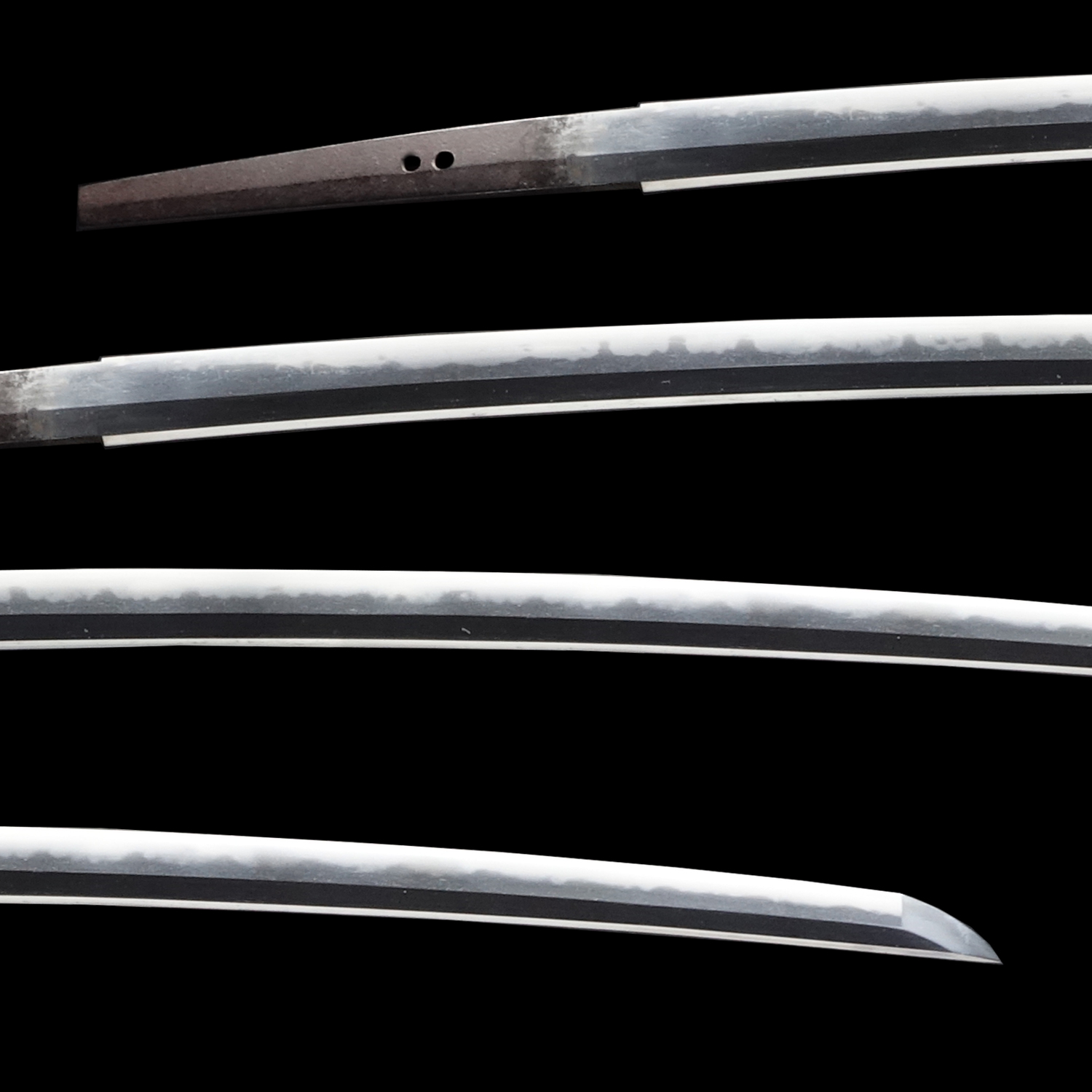
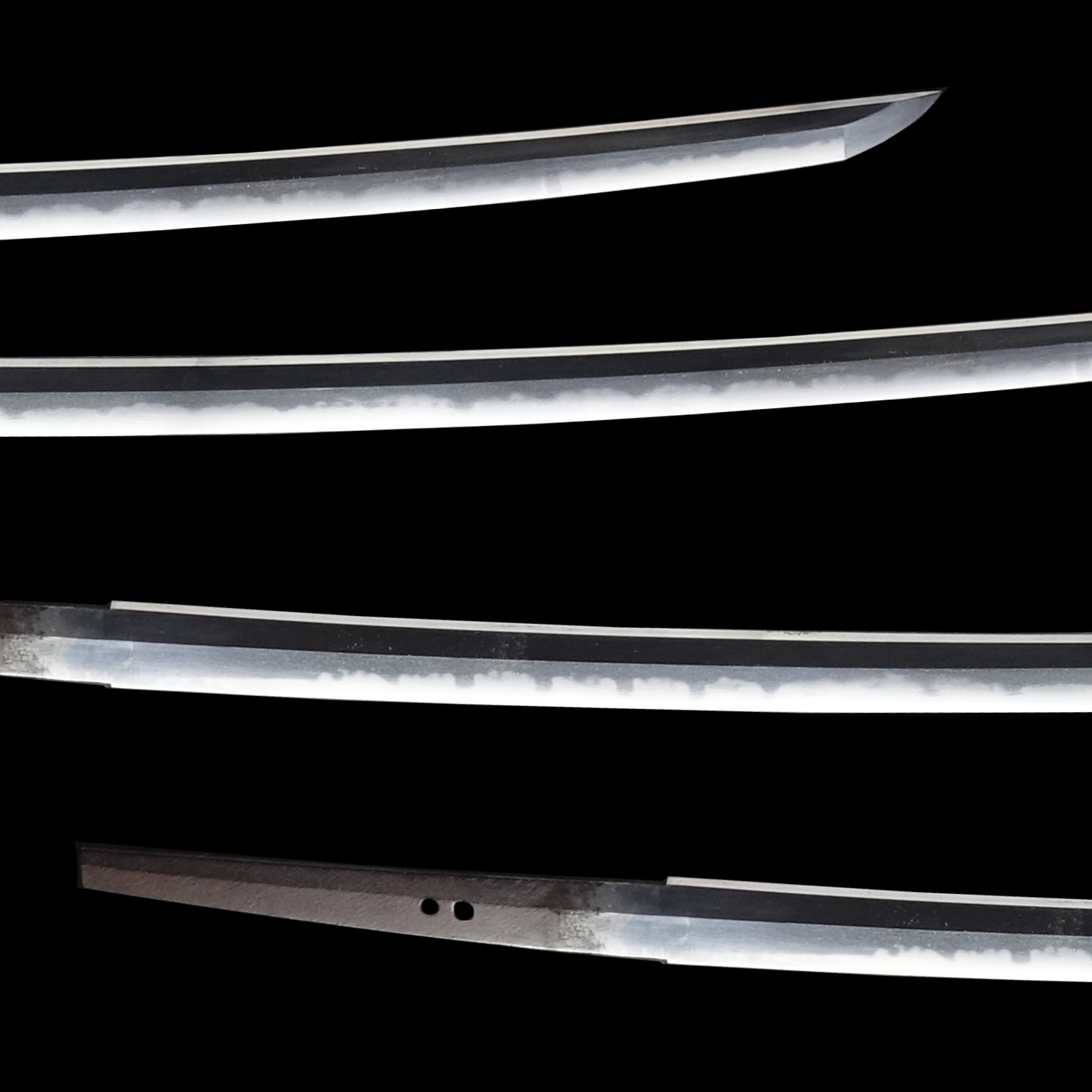
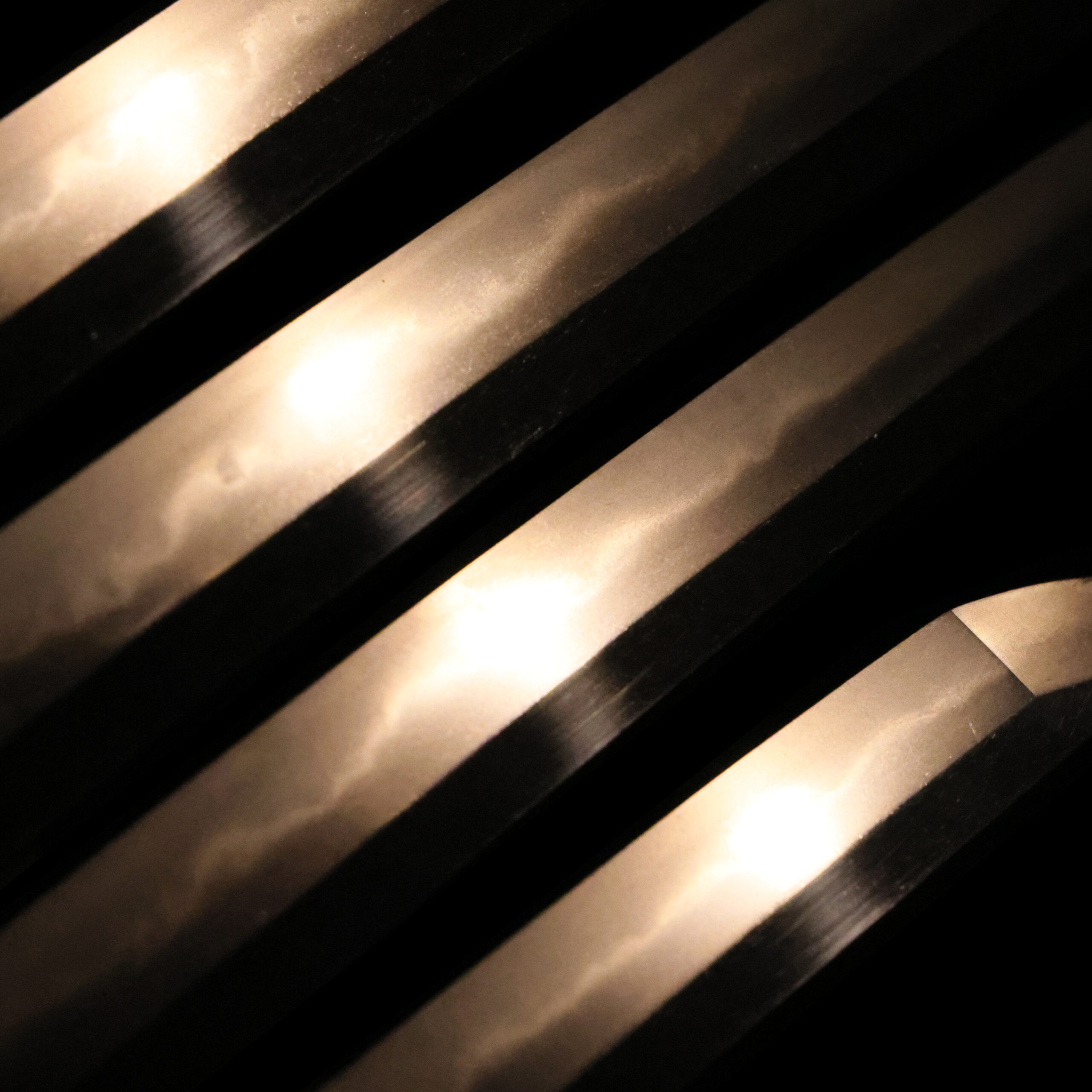
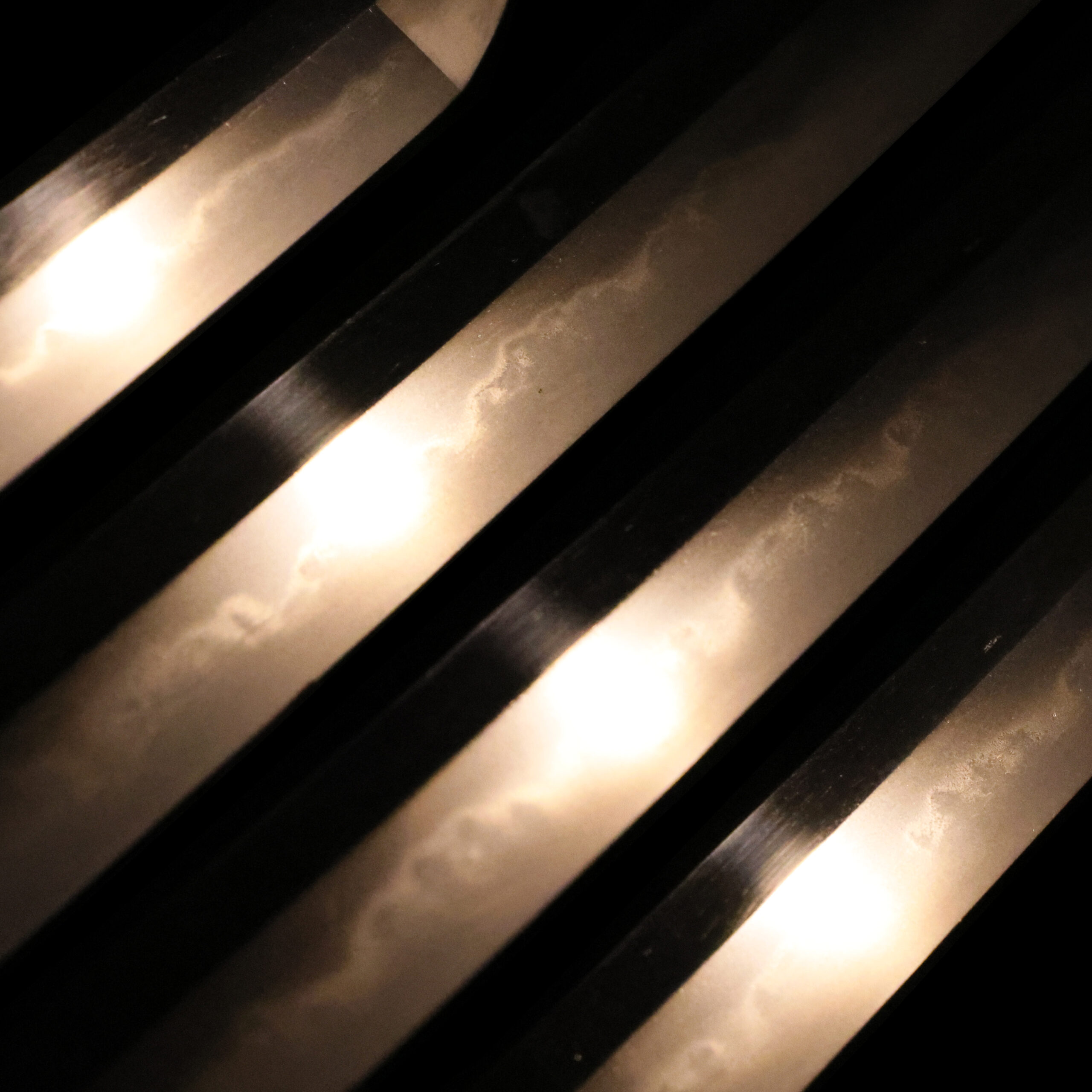
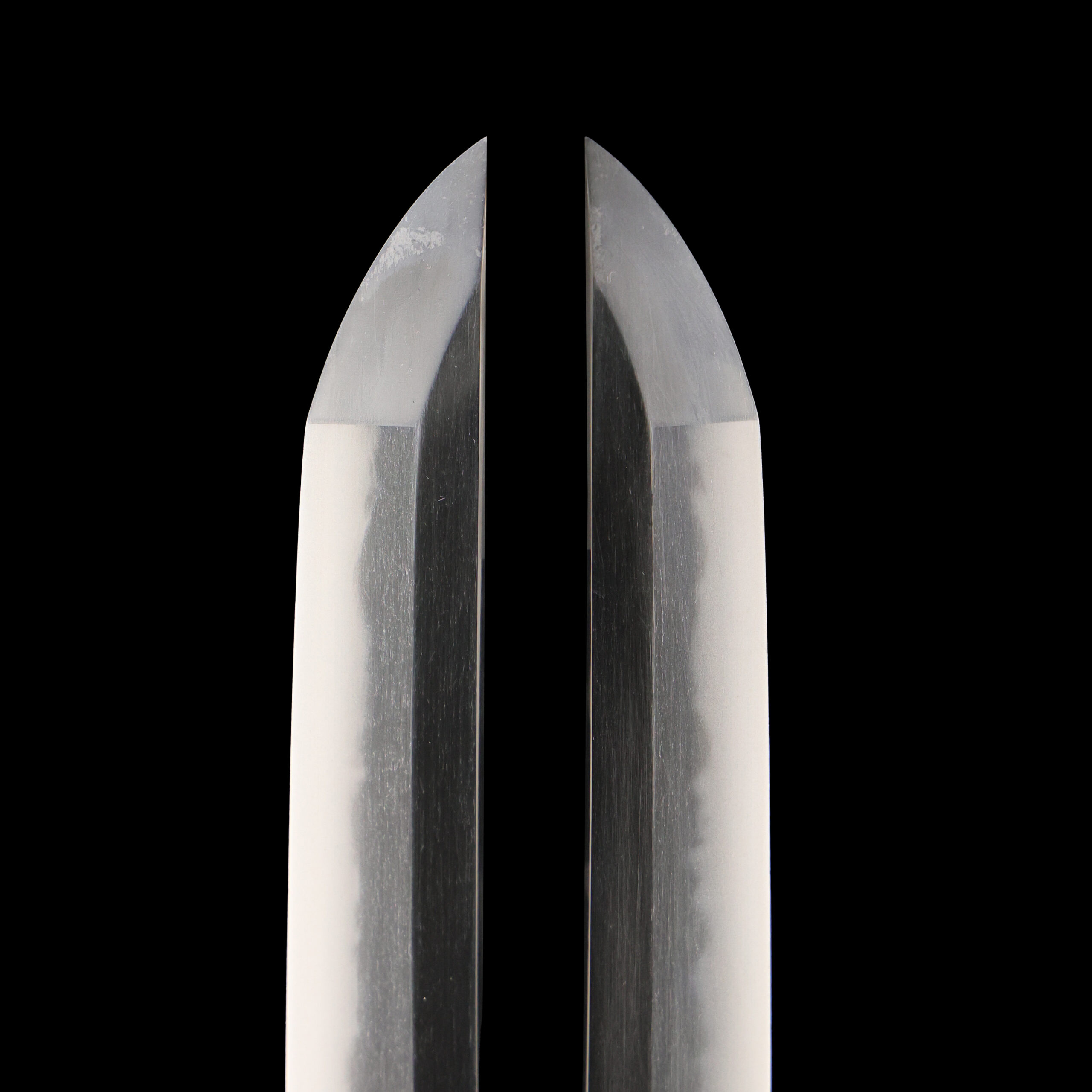
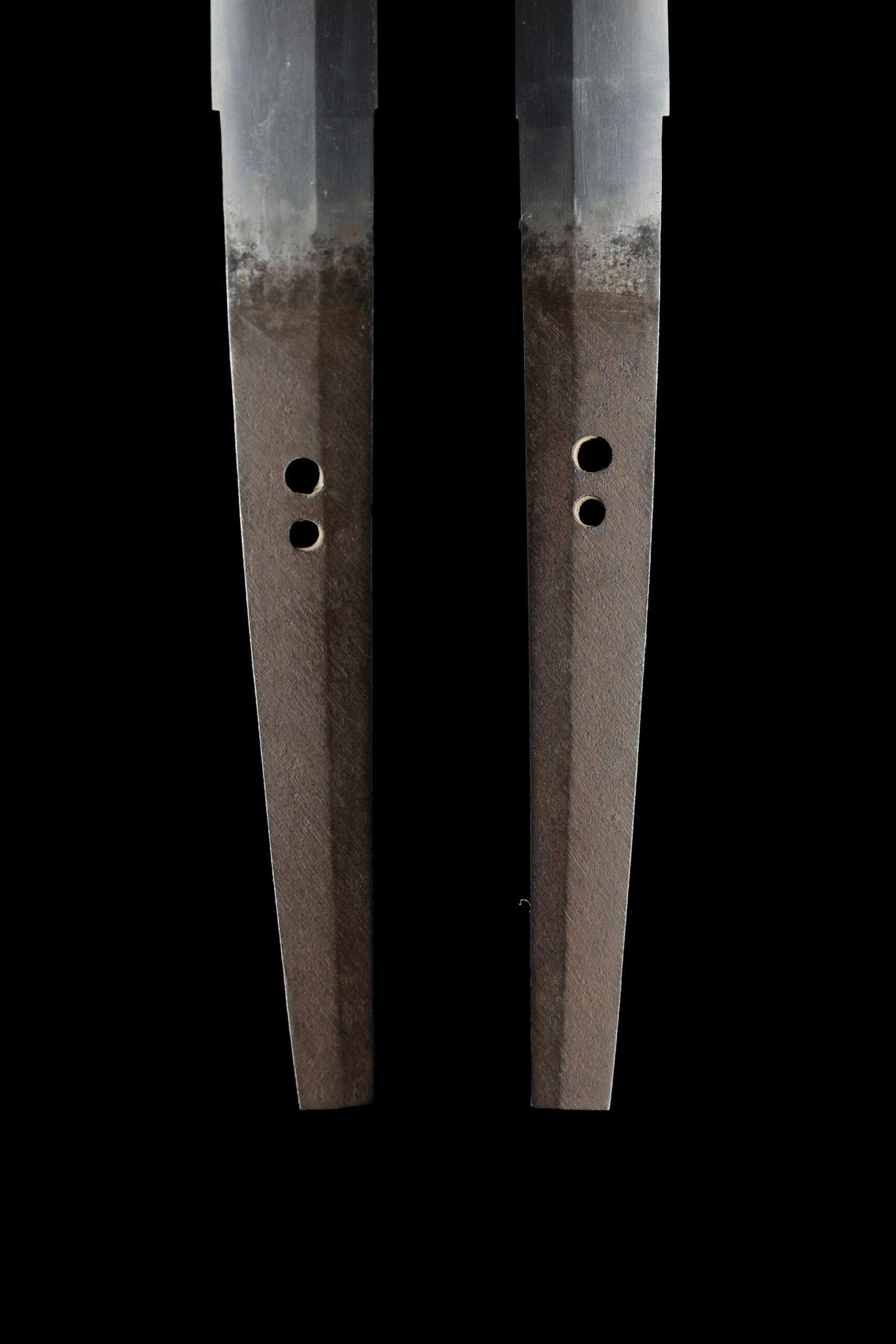
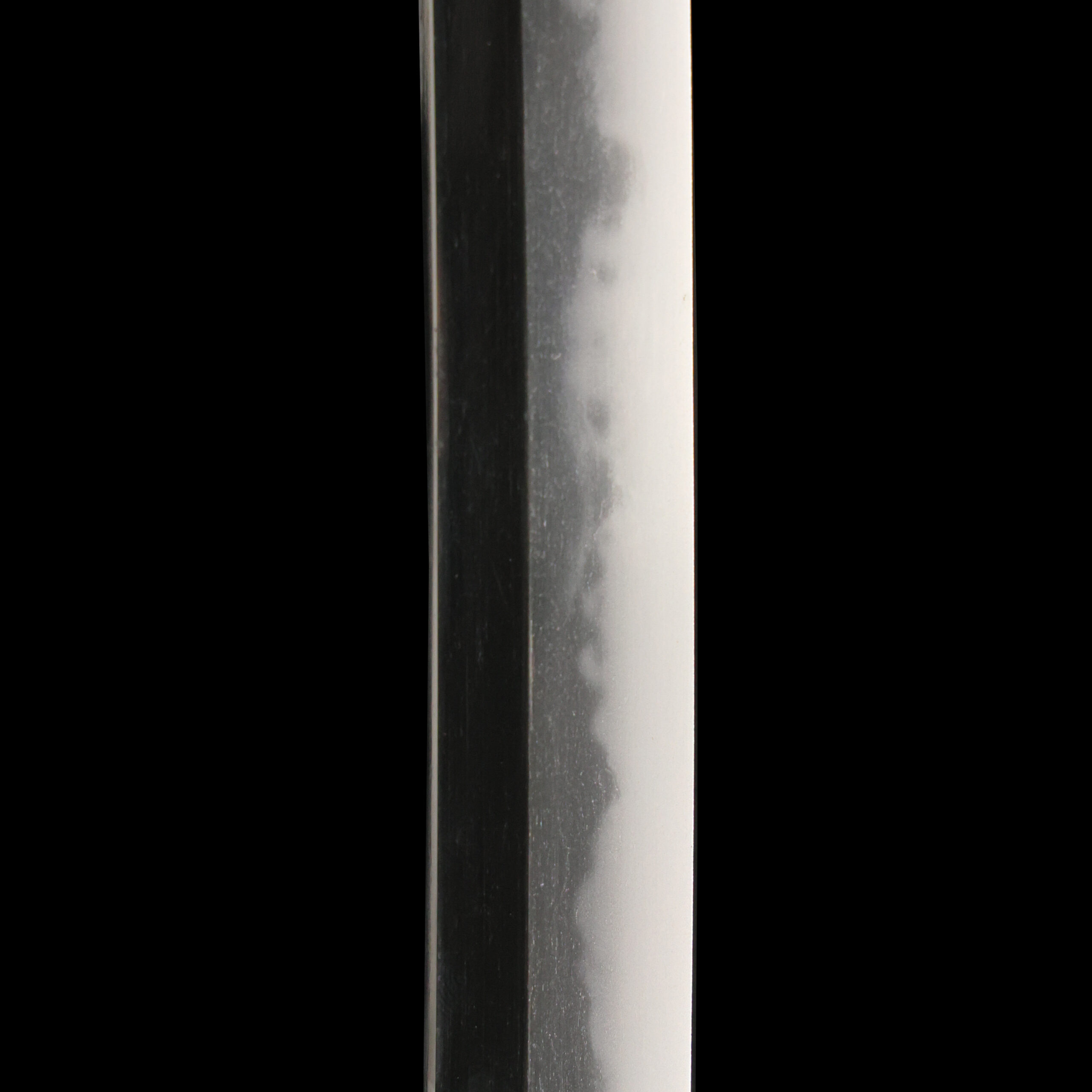
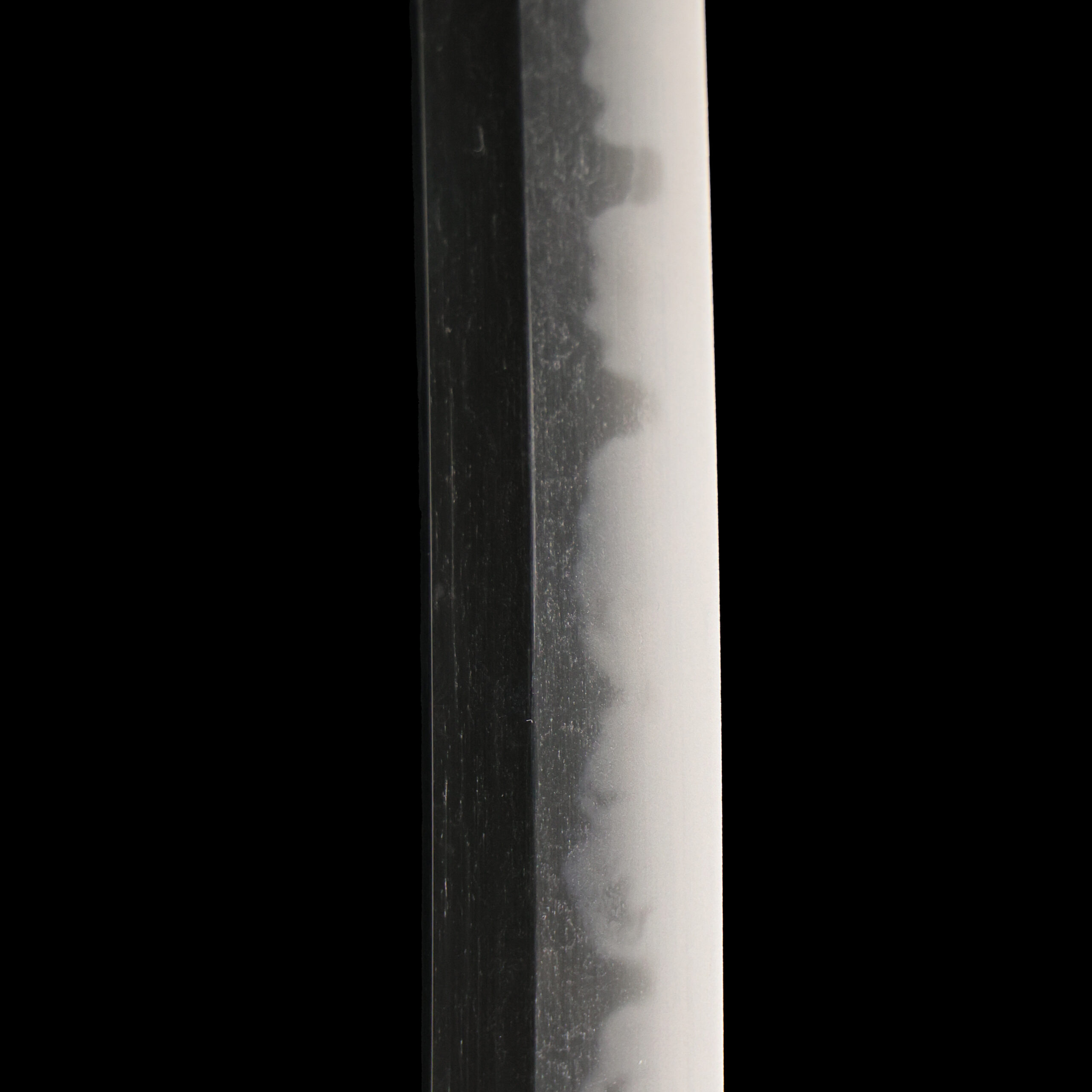
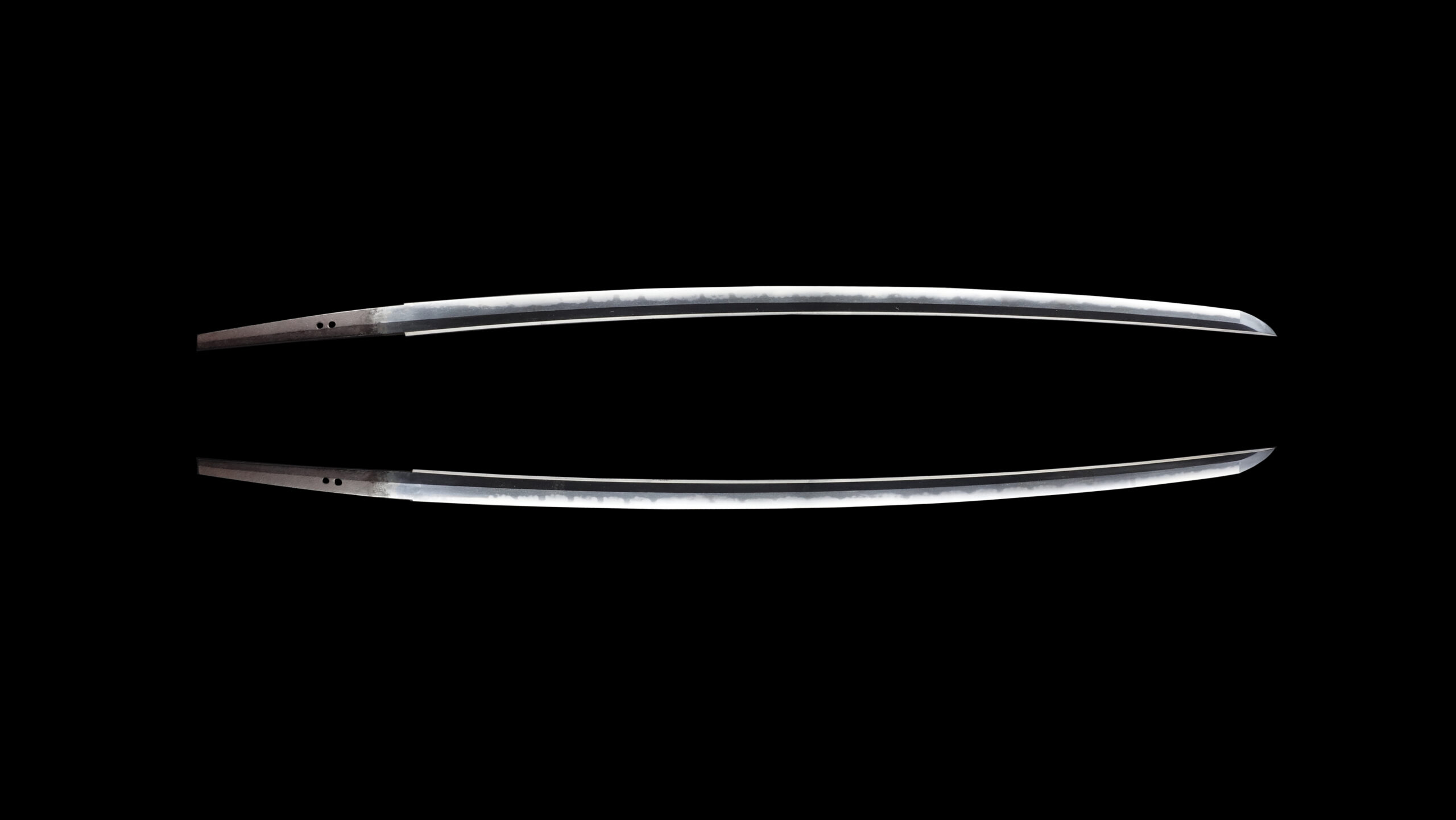
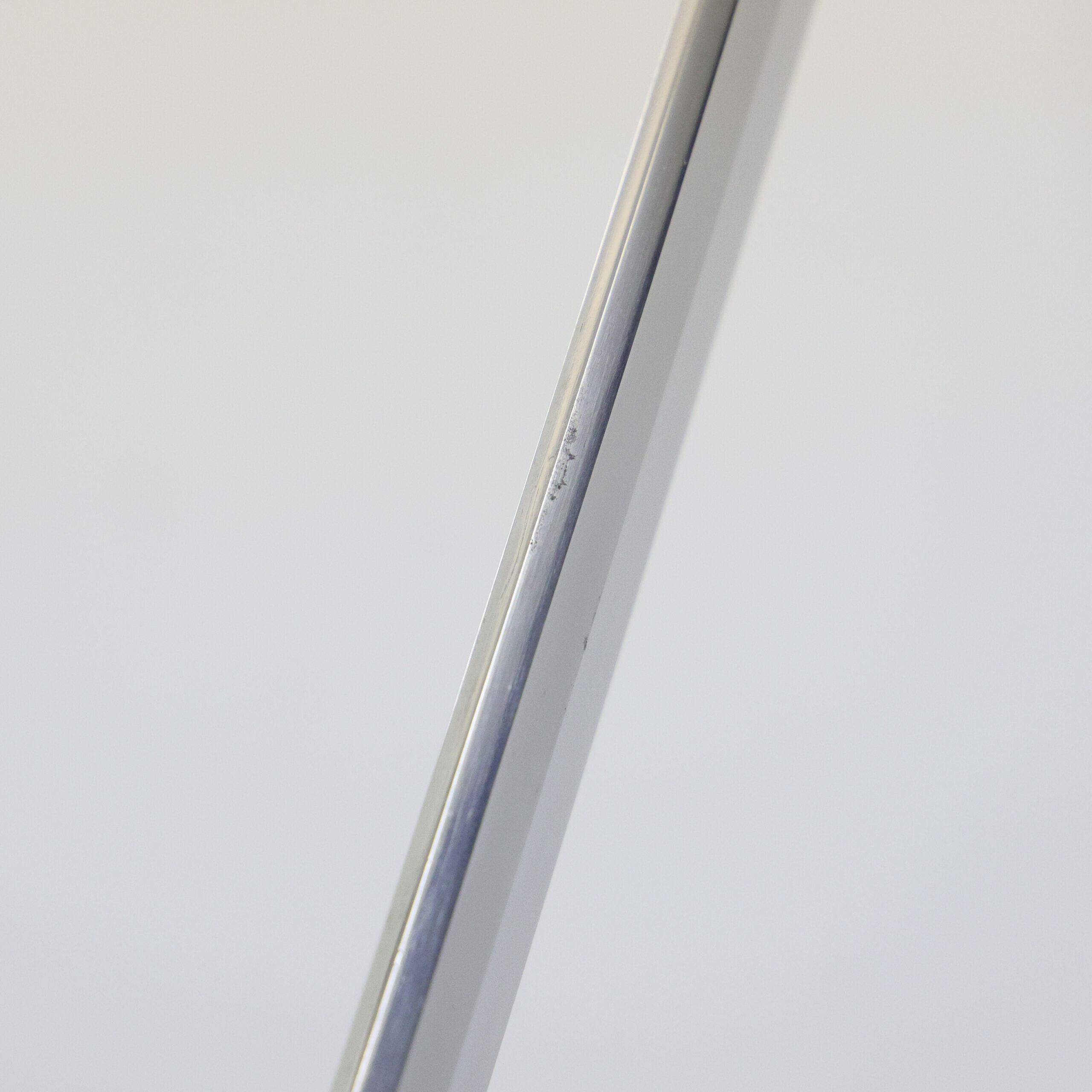
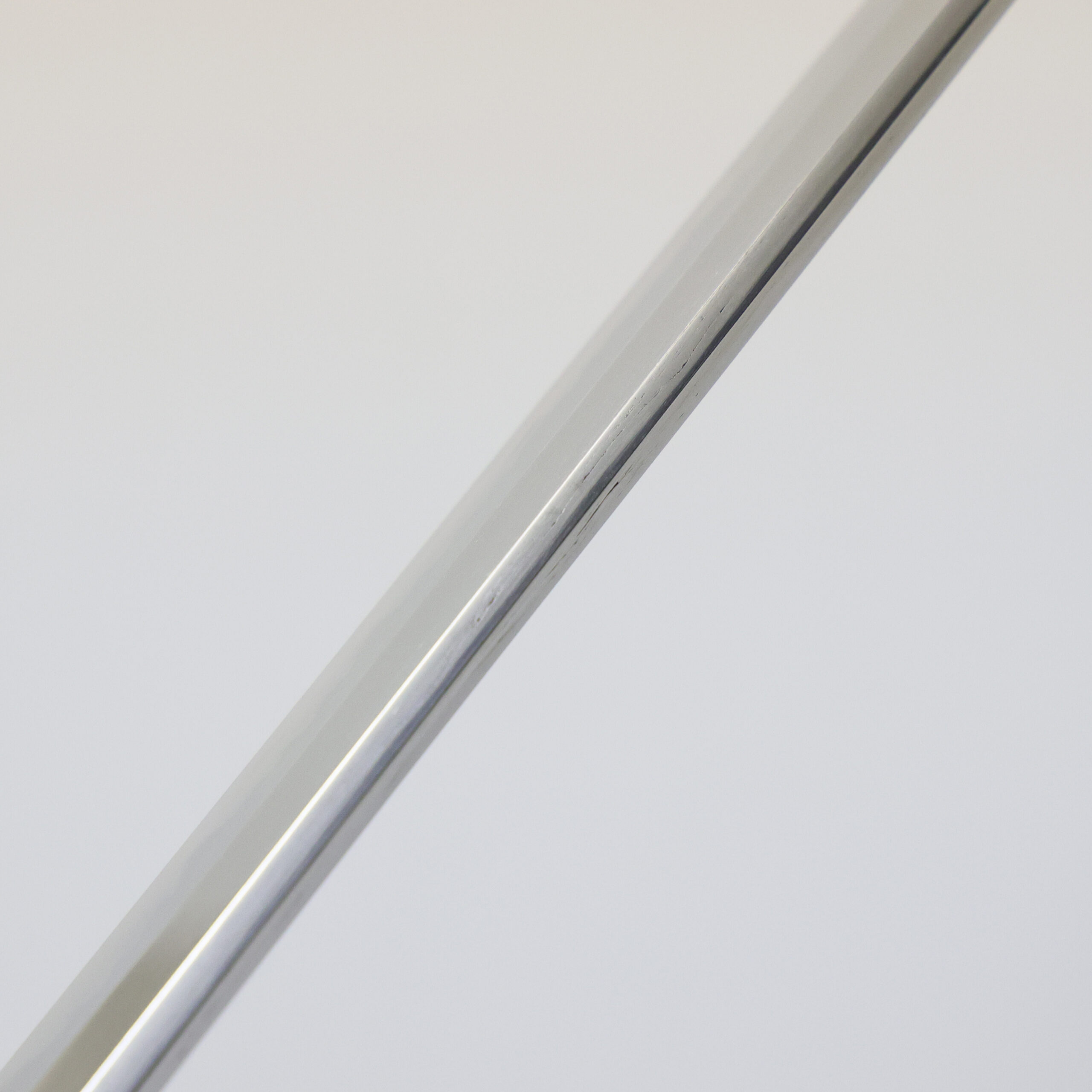
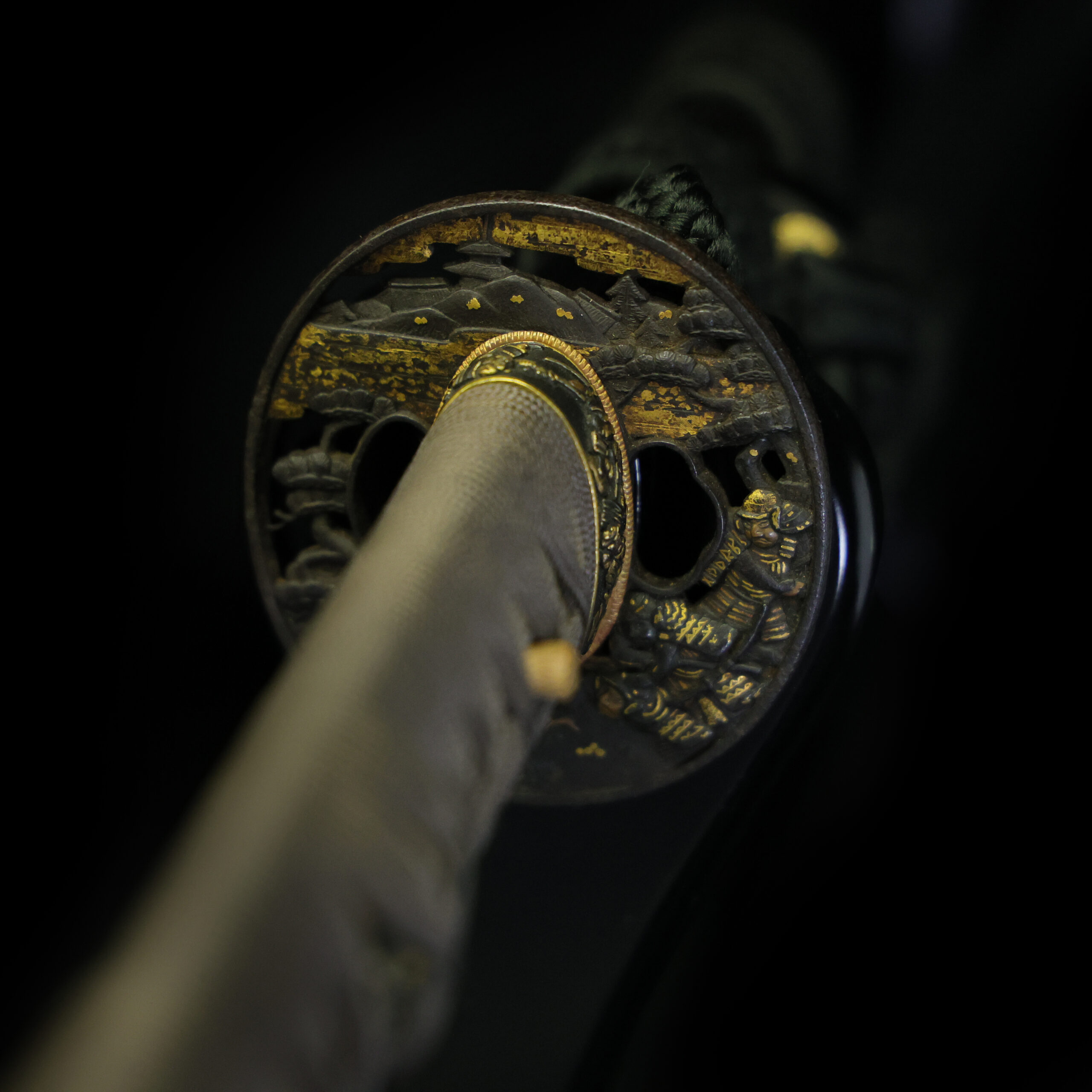
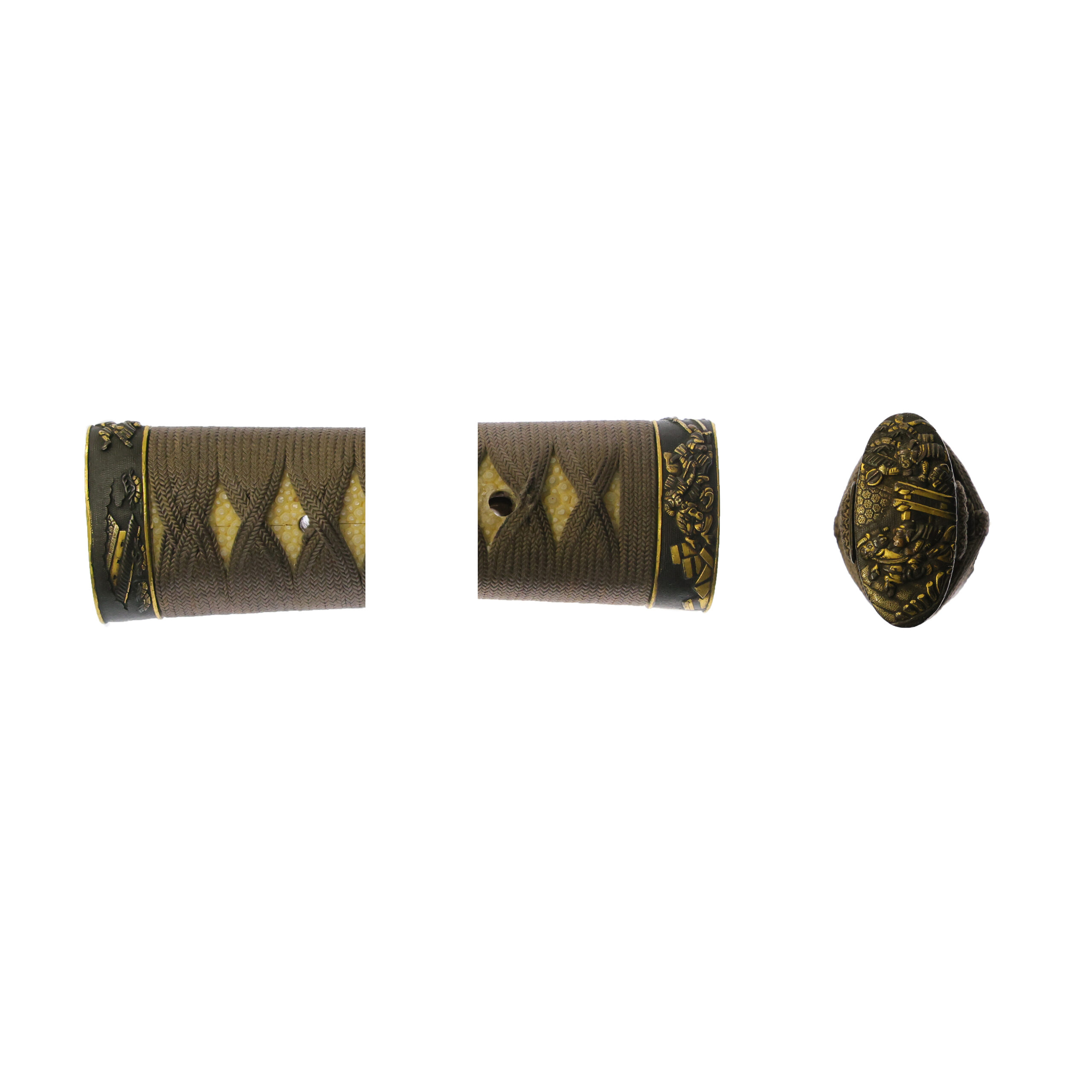
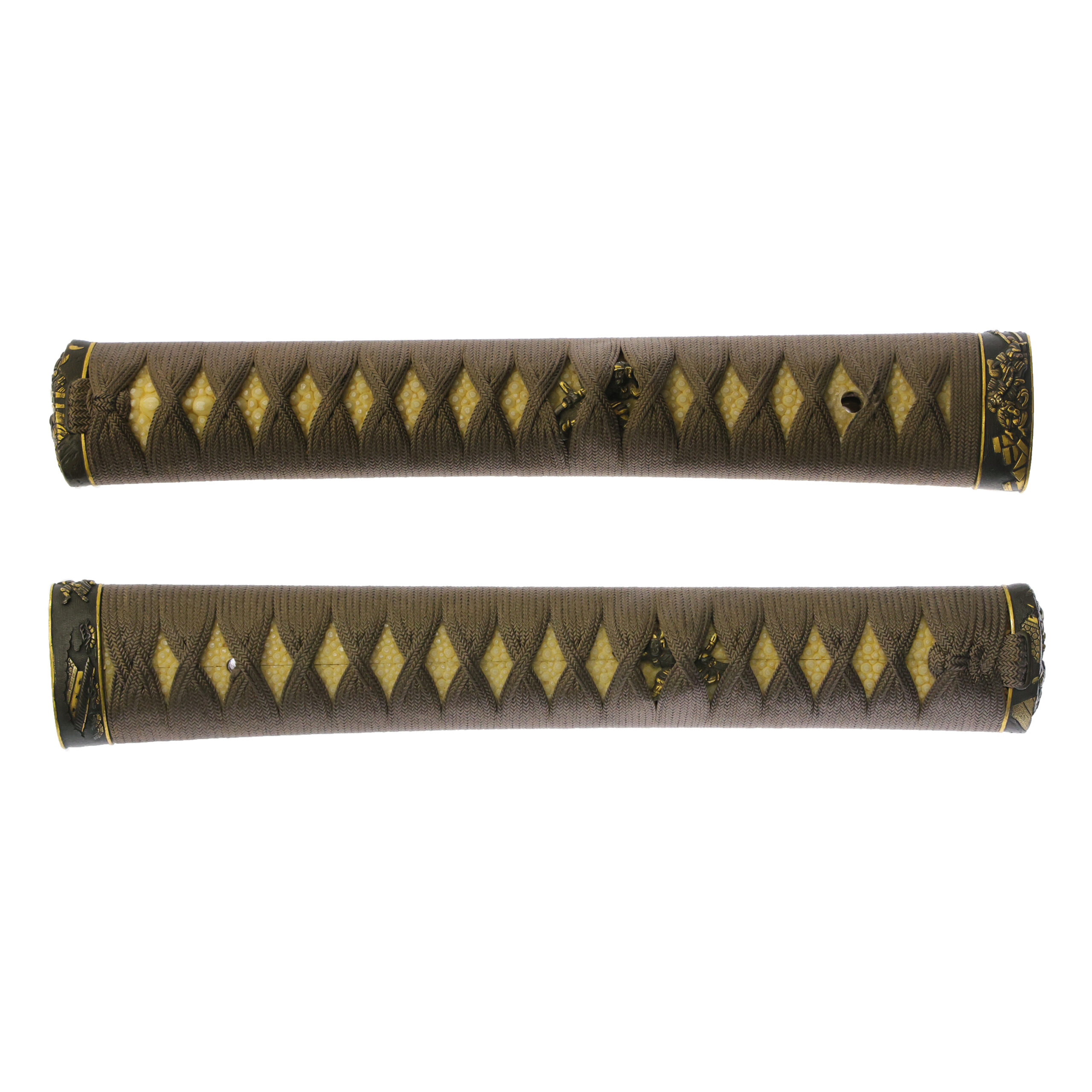
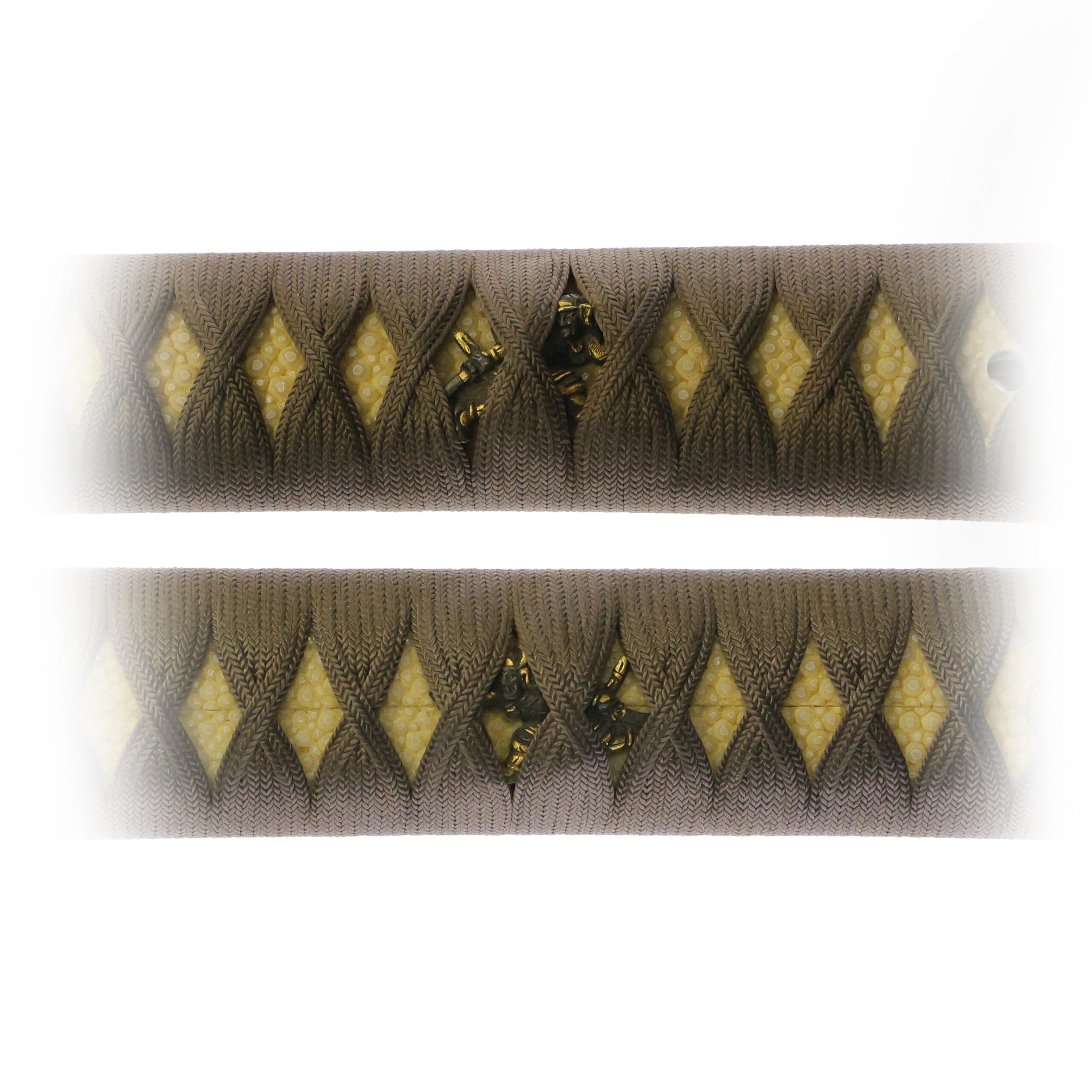
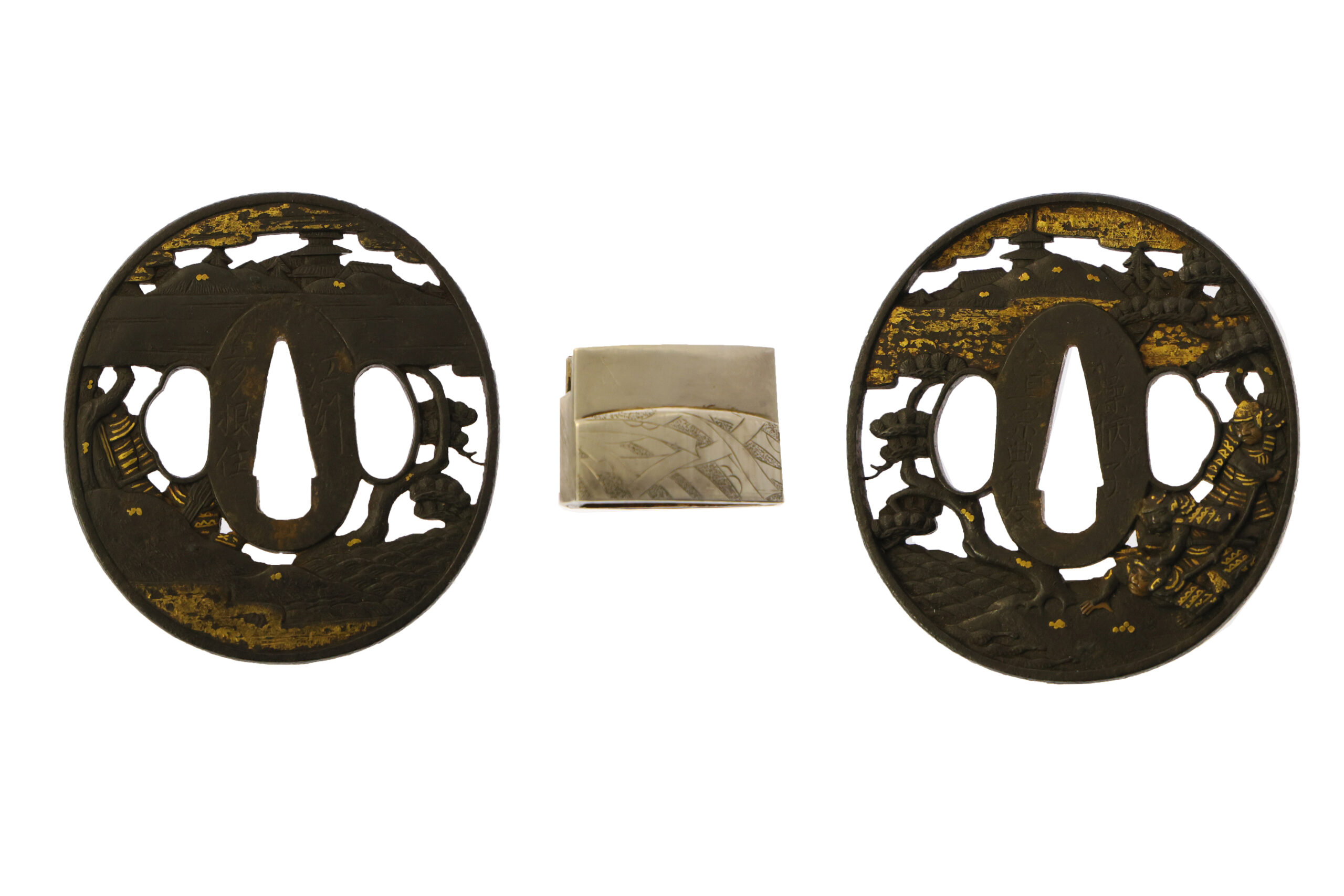
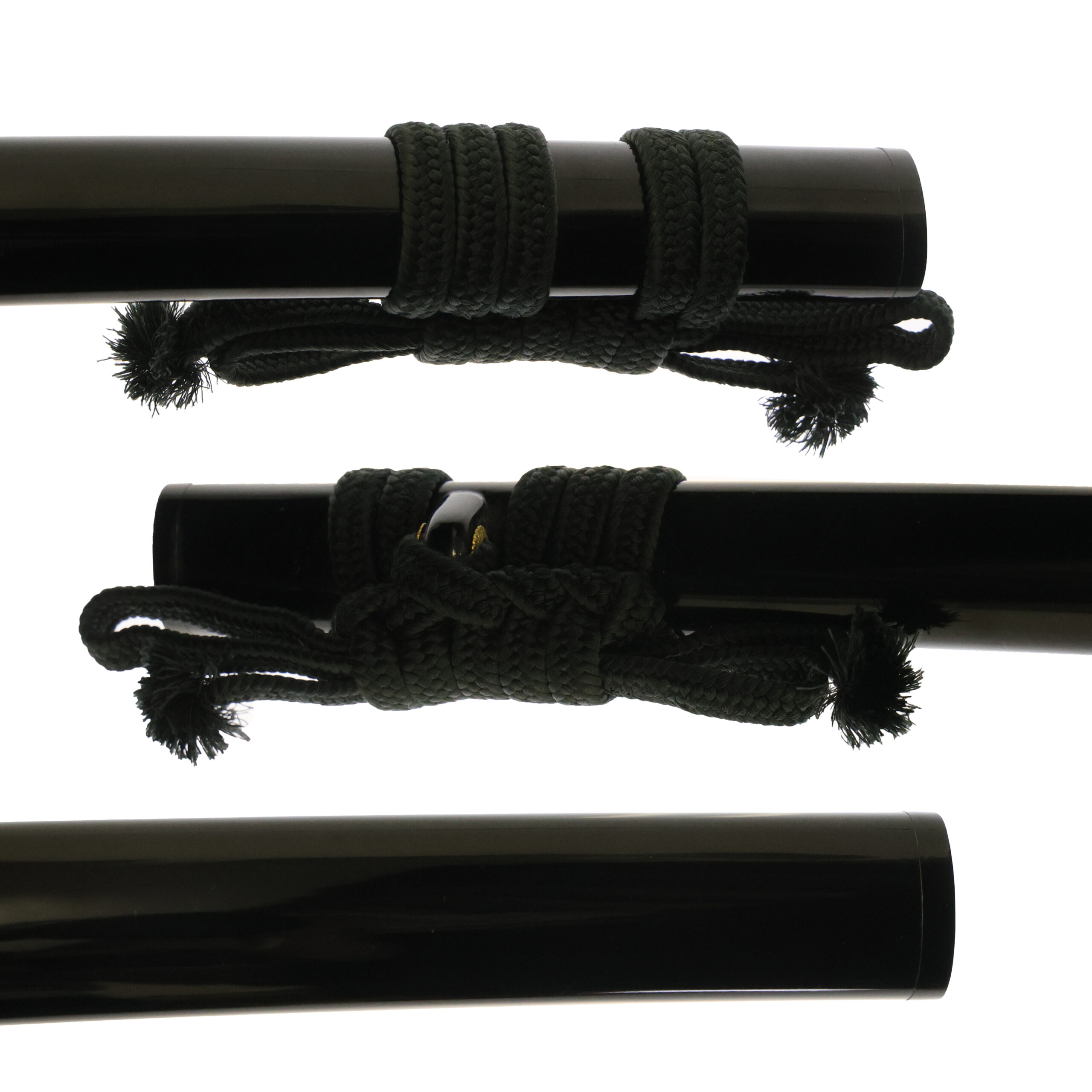
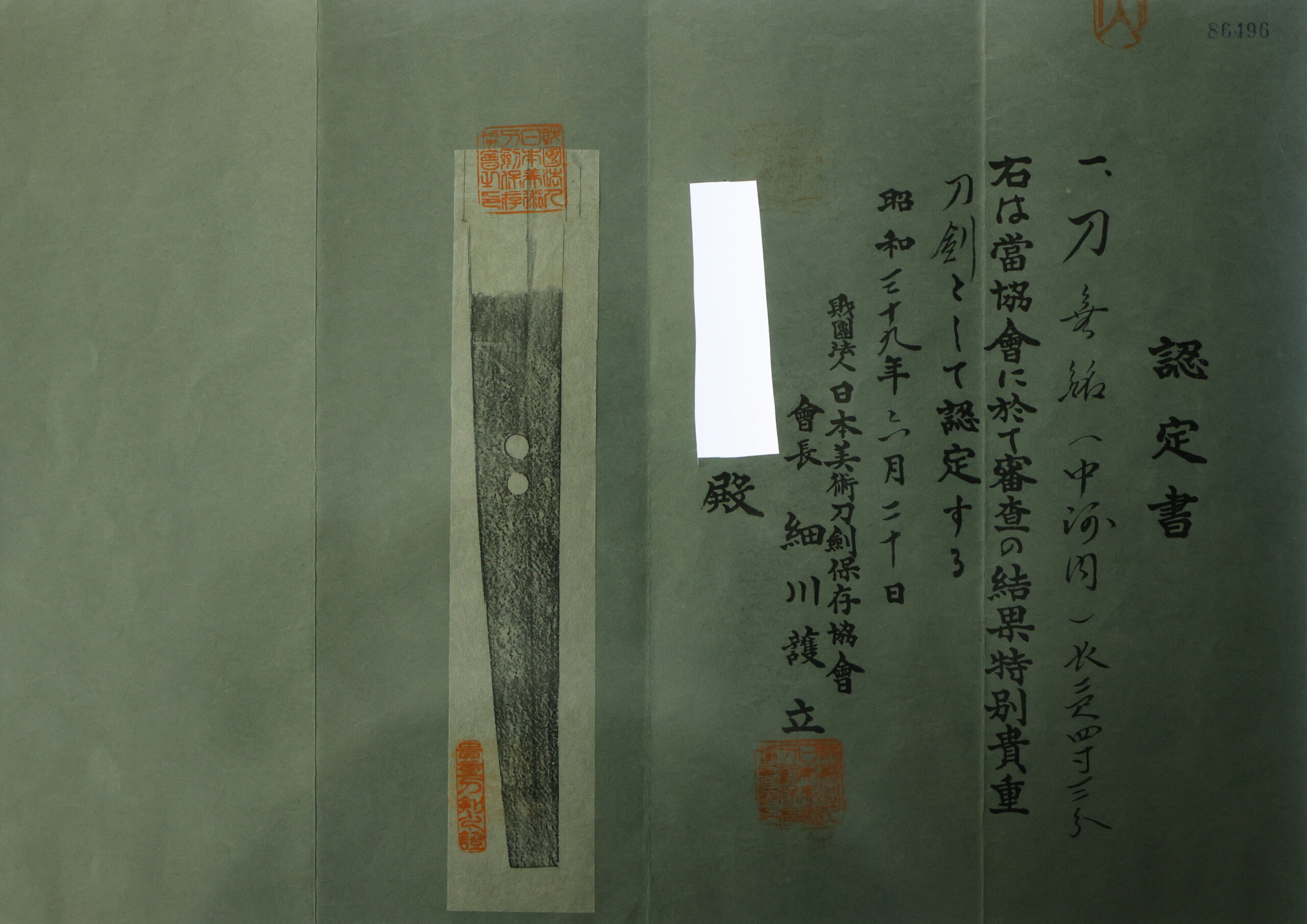
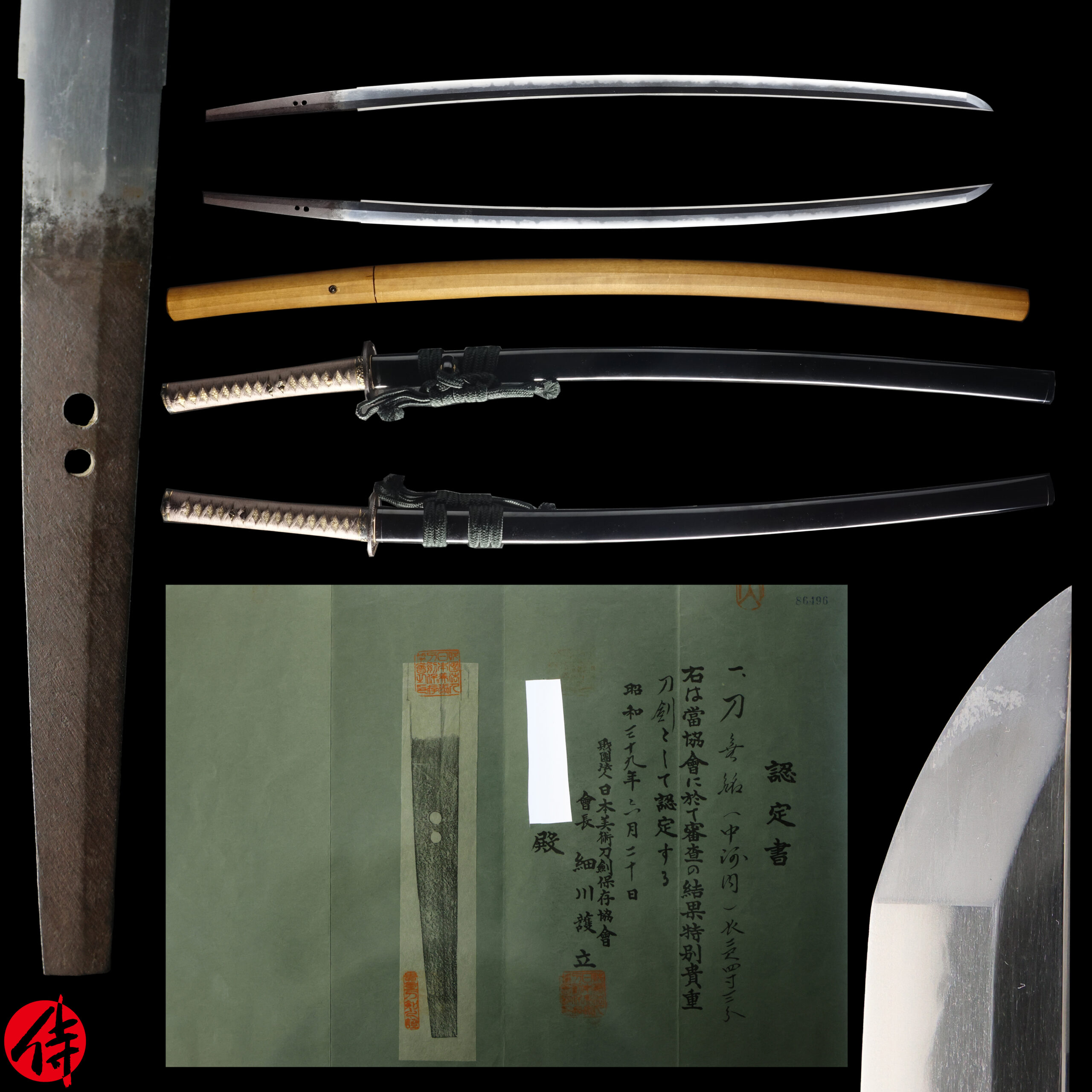
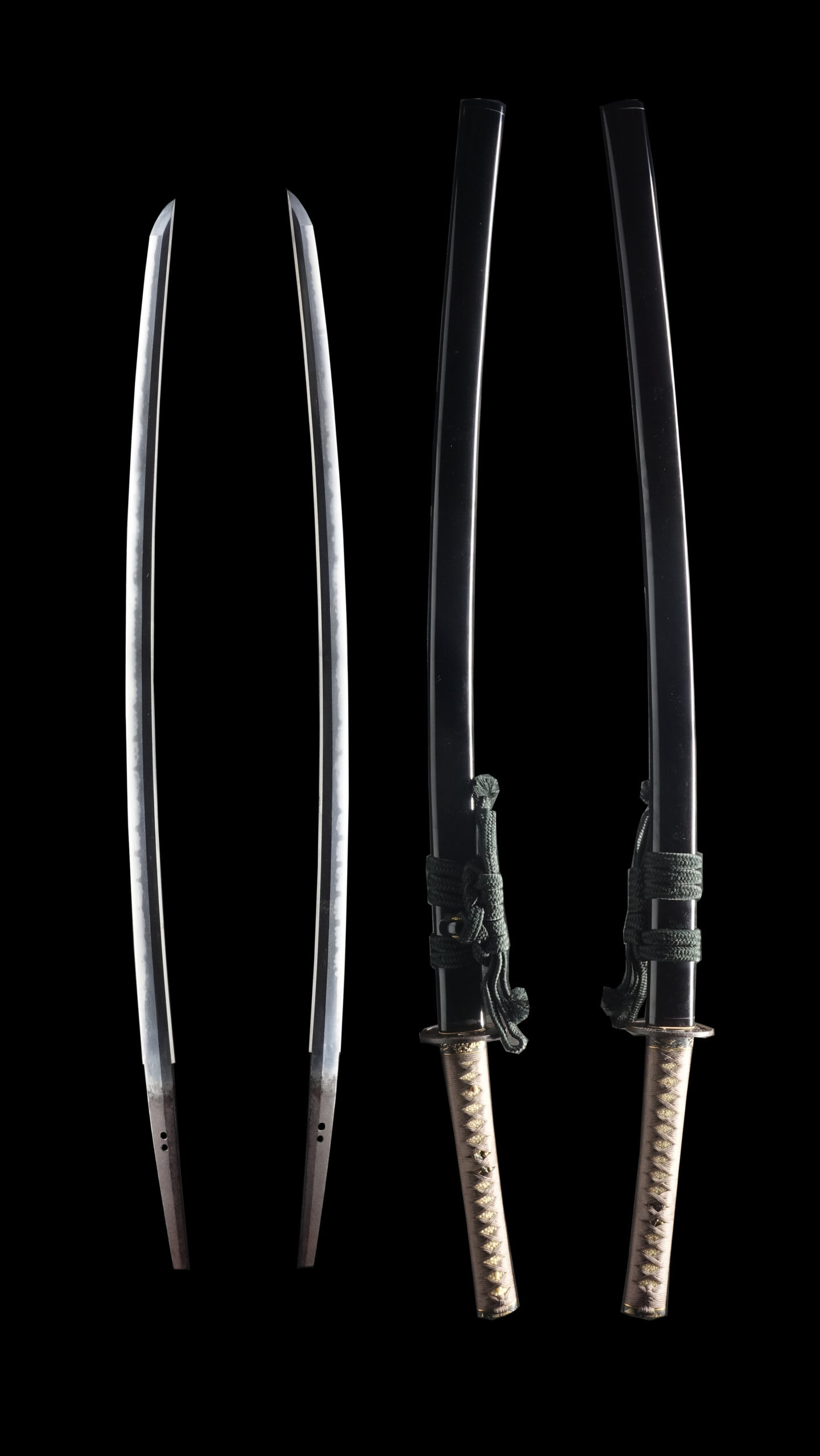
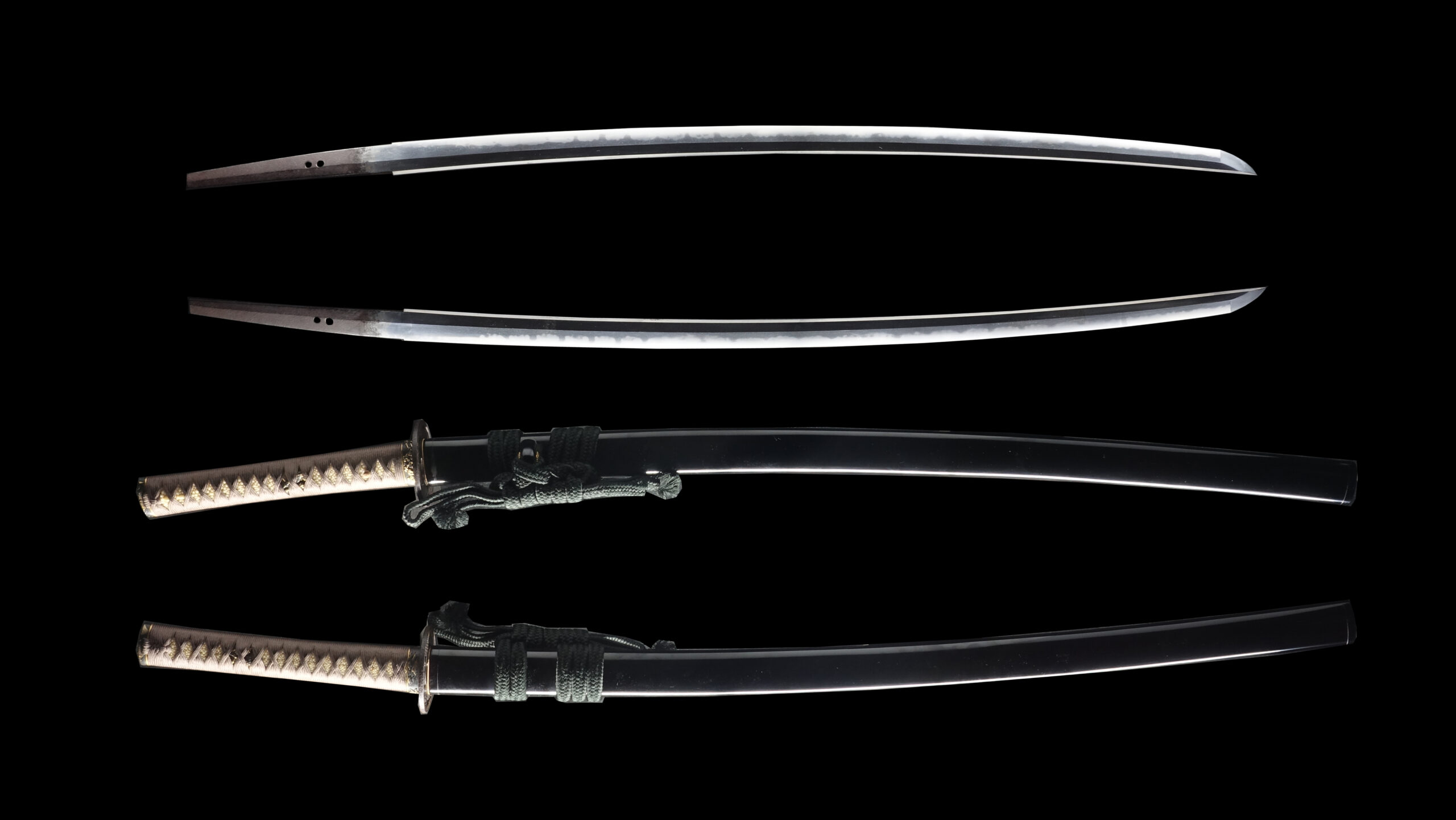
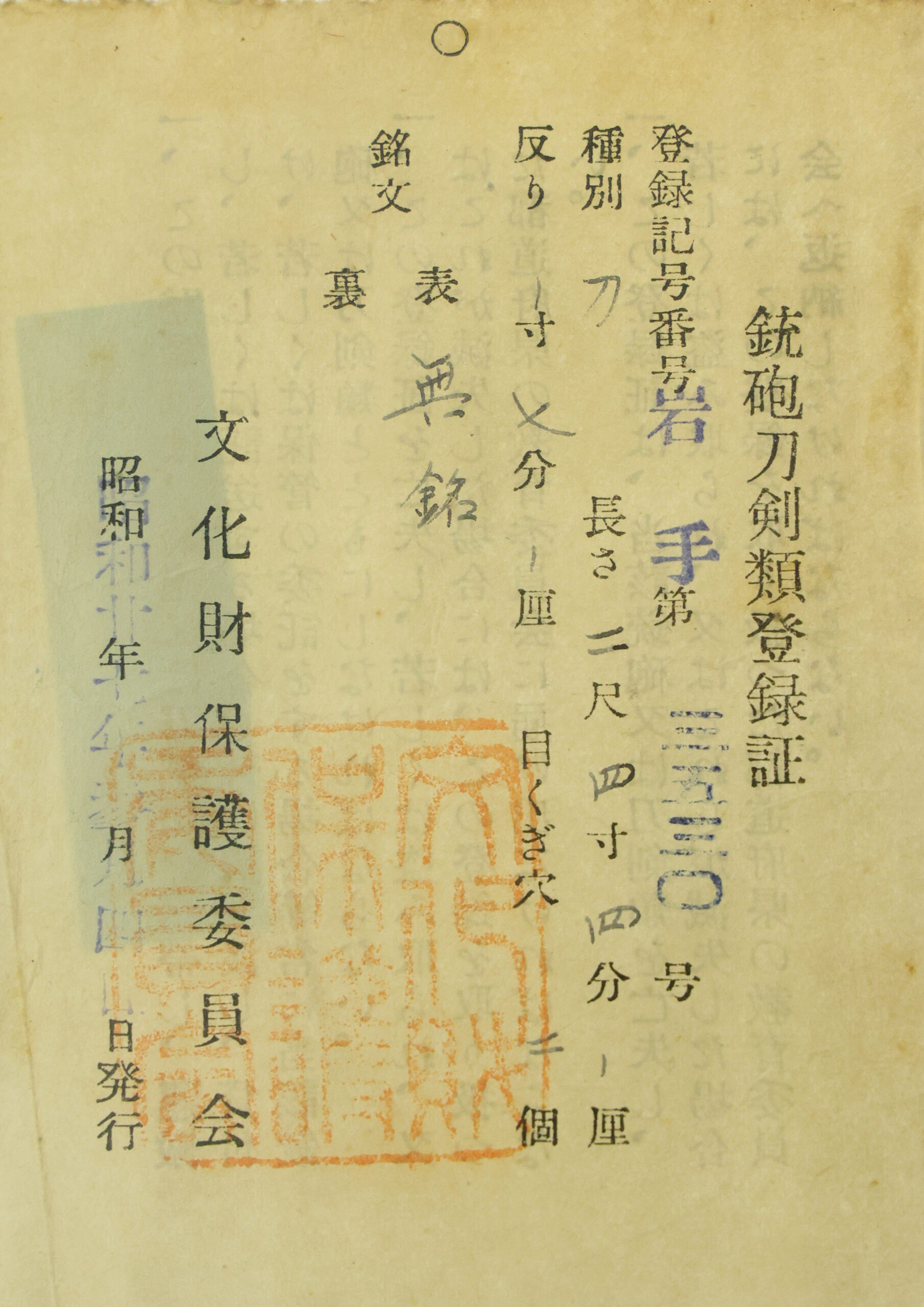
Summary This blade is attributed to Naka Kawachi (中河内), a name referring to the second-generation Kunisuke, who was active in Osaka during the early Edo period (1658–1673). Kunisuke was one of the most prominent swordsmiths in Osaka, and there were three generations in total. The second generation is known as “Nakagawachi” (literally “middle Kawachi”) because he belonged to the middle generation between the first and the third Kunisuke. “Kawachi” is derived from “Kawachi no Kami,” an honorary title granted to the swordsmith. He was particularly renowned for forging blades with the Kobushi-chōji hamon. “Kobushi” means “fist” in Japanese, and this tempering pattern is characterized by a series of rounded shapes resembling clenched fists aligned in succession. The first-generation Kunisuke was born in Ise Province (present-day Mie Prefecture) and initially served Seki Kazumasa, the lord of Kameyama Castle. After the fall of the Seki clan, he moved to Kyoto, where he became a disciple of Horikawa Kunihiro, one of the most distinguished swordsmiths of the early Edo period. Following Kunihiro’s death, he further refined his skills under Echigo no Kami Kunitomo. In 1630 (the 7th year of Kan’ei), he moved to Osaka together with Izumi no Kami Kunisada and established himself as an independent swordsmith. He is considered to have played a key role in the development of the Osaka Shintō tradition, and his exceptional craftsmanship was successfully passed down to the second-generation Kunisuke. Osaka Shinto The blades forged by the second-gen Kunisuke are categorized as Osaka Shinto. Shinto is Japanese Sword terminology that refers to the swords forged during 1596-1781. The blades made in the Osaka area during this period are called Osaka Shinto. There are many famous swordsmiths in this Osaka Shinto era. After Hideyoshi Toyotomi built Osaka castle, Osaka city flourished as a castle town and became the business center. Many swordsmiths moved to Osaka to look for better opportunities. They not only forged swords for those Samurai who lived in Osaka but also for feudal lords nationwide. Ikanshi Tadatsuna (Awataguchi Omi no Kami Tadatsuna), Inoue Shinkai, and Tsuda Sukehiro are the most famous among many swordsmiths. One of the most notable characteristics of Osaka Shinto is its beauty in Jigane. Jigane is a visible steel surface pattern created by folding and hammering during the forging process), which made it possible by the location of Osaka. Osaka had close access to the Tamahagane (special carbon steel to make Japanese swords) production sites. The swordsmiths residing in Osaka were able to get high-quality carbon steel from these sites. *Please keep in mind that there is a couple of Kitae Kizu on the Mune. Koshirae The overall theme of this sword mounting is Kassen-zu (合戦図, “battle scene design”), vividly depicting armored samurai engaged in fierce combat. The detailed yet dynamic carvings convey a strong sense of movement and realism, capturing the intensity and tension of the battlefield. Based on the style of armor and accompanying motifs such as pine trees, the scene depicted on this mounting is most likely inspired by the Genpei Kassen (源平合戦), a popular subject widely represented from the Muromachi to the Edo period. The Genpei Kassen, also known as the Jishō–Juei War (治承・寿永の乱), was a prolonged conflict lasting six years from 1180 to 1185. It was fought between the Minamoto clan (源氏, Genji) and the Taira clan (平家, Heike). The war was triggered by a call to arms from Prince Mochihito (以仁王), who sought to overthrow the Taira clan. Although Prince Mochihito was defeated and killed in 1180, the Minamoto forces continued their campaign, gradually defeating the Taira armies. The conflict culminated in the Battle of Dan-no-ura (壇ノ浦) in 1185, where the Minamoto clan achieved a decisive victory, leading to the fall of the Taira clan at the height of its power. Saya This scabbard is covered with black lacquer. Due to its high waterproof effect, lacquer has been used since ancient times in Asia. The blade of a Japanese sword is made of iron, and moisture is the greatest enemy of iron. For the purpose of carrying the blade without degrading it, people devised a method of coating the scabbard with lacquer. To prevent not only moisture but also rain and snow from penetrating the inside of the scabbard, it was necessary to apply multiple layers of lacquer. The Nushi (塗師, lacquerers) was born precisely because advanced techniques were required to handle the complicated processes. Authentication Paper *Please note that there is a section that has been clipped, but this is where the previous holder’s name was originally written, and it had already been clipped when we acquired this Katana with the certificate. They authenticated the blade on February 20th in the 39th year of Showa (1964). They appraised it as Tokubetsu Kicho Touken, an old form of the certificate.
Offered by Samurai Museum

Its only papers are older green Kichō papers, which the NBTHK largely disavows today. Ask the dealer whether it has passed current shinsa. — Hoshi

The Edo period (1615 to 1868)
Edo was the sword’s age of connoisseurship: the Hon’ami appraisers, the shogunal register of famous blades of 1719, and a thriving literature turned the sword into an object of study even as it ceased to be drawn in war.
This work carries older NBTHK “Kichō”-era papers, which the NBTHK no longer issues and largely disavows today. To confirm the attribution, submission to an official Japanese examination body (such as the NBTHK or NTHK) for modern certification could be considered.
Returns/exchanges limited to defects caused by shipping (except willful misconduct or gross negligence by the company); customers must contact within 72 hours of receiving the product.
¥820,000
Certificate reading — 無銘(中河内)