After the Ōnin War broke the Ashikaga order, a century of Sengoku warfare armed nearly every province in Japan. The era rewards a discriminating eye: routine work exists in quantity, and beside it stand custom blades of the first rank.
 NihontoWatchNihontoWatch
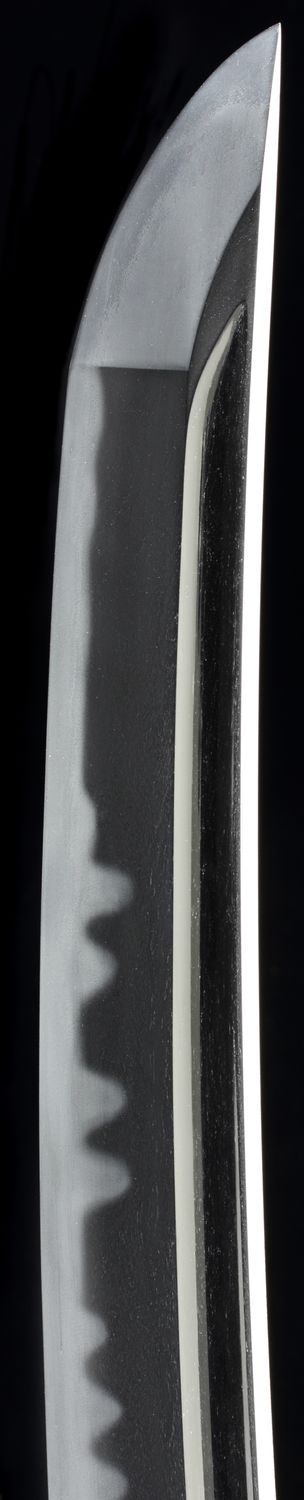
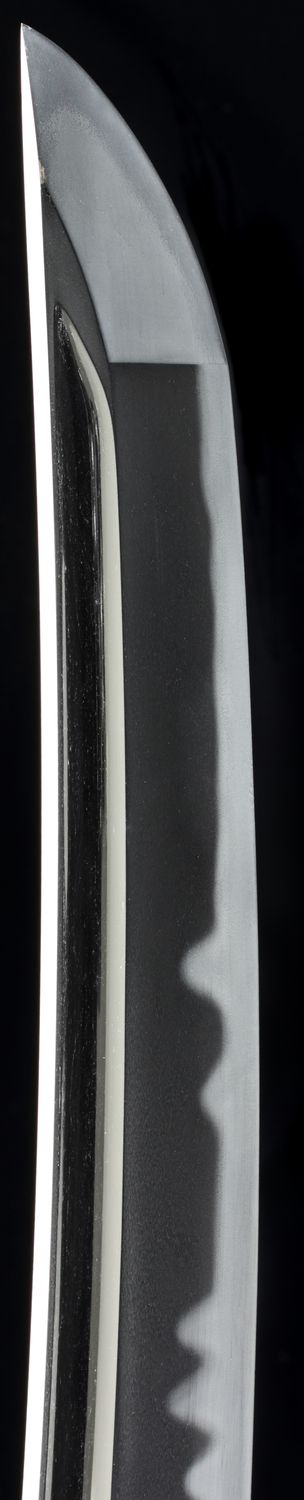
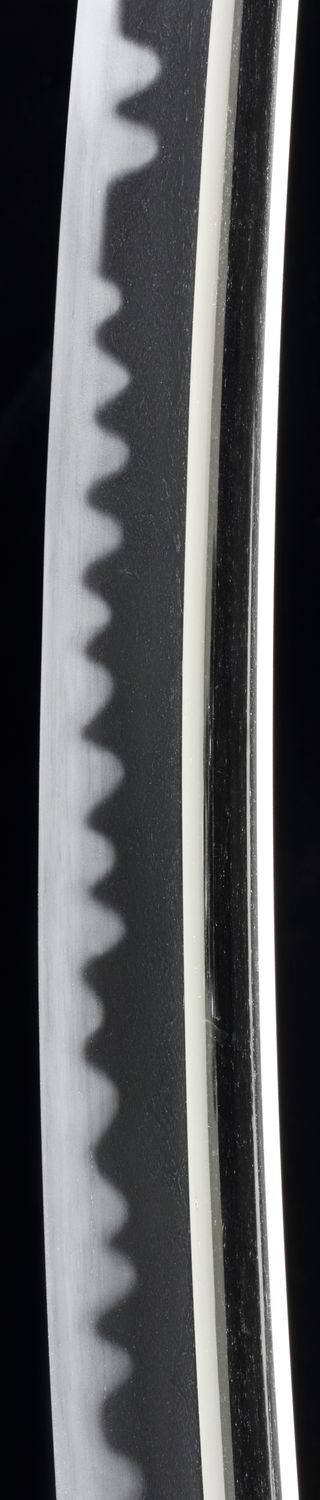
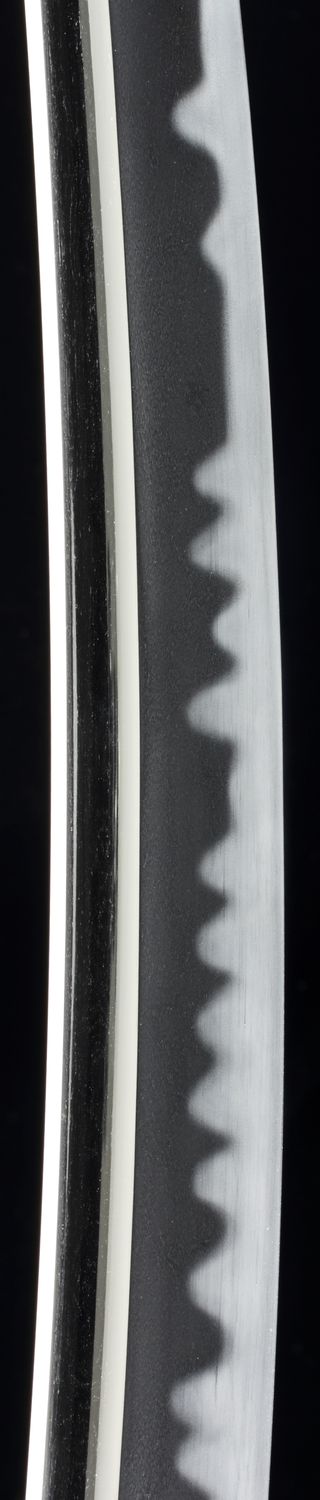
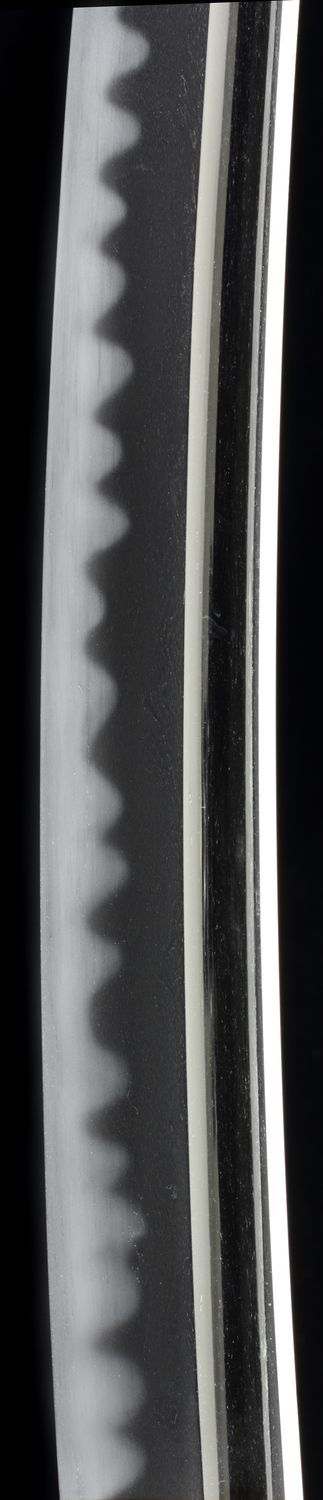
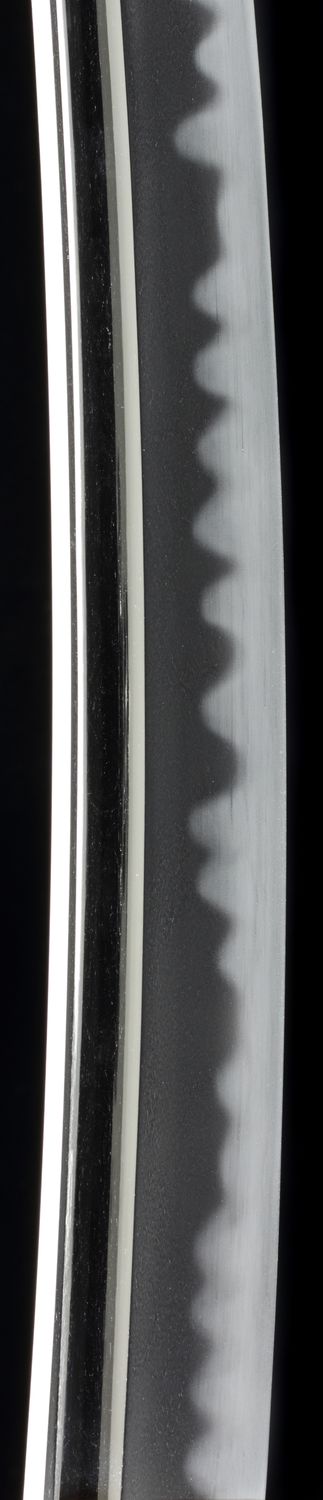
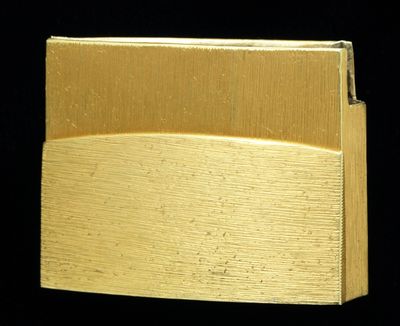
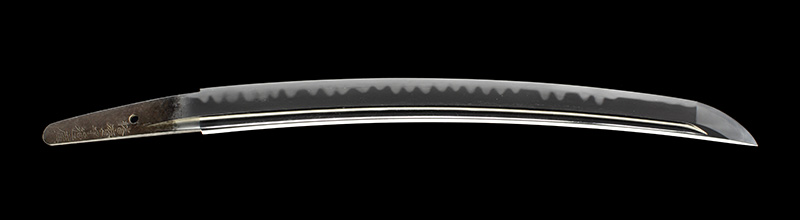
A ko-wakizashi filled with the tension unique to the early Edo period, in which the spirit of the Sengoku period remains. Harima no Kami Teruhiro was the son of the Owari Province samurai Kanie Gyobu, and his common name was Jinpachi. He studied under Higo no Kami Teruhiro and used the mei Kanehisa; later, his skill was recognized and he was requested to become a son-in-law, succeeding to the name of Teruhiro the second generation, moving to Geishu with the first generation to become a smith for Fukushima Masanori, and later serving Asano Nagaakira who ruled the same province. Based on his style and the era, there is a theory that he studied under Umetada Myoju of Kyo. The wakizashi in the title has a modest nagasa but the motohaba and sakihaba are extremely wide, the kasane is thick, the shinogi is high, the sori is deep, and the造り込み is robust with a kissaki-nobi-gokoro. Furthermore, although hi are carved, it is a healthy body where a heavy weight is transmitted to the hand. The ko-itame-hada mixed with itame, created by deeply forging high-quality steel, is finely packed, and fresh nie rises from the depths of the ji with a faint utsuri appearing; the scenery of the grain, made vivid by the faint yubashiri floating in places and the dynamic chikei, is even more koto-style. The hamon is gunome-midare mixed with kawazu-ko style choji, the nioiguchi is distinctly clear with deep konie-nioi, and the habuchi is covered with kinsan and sunagashi, with the nie of the boshi also being powerful; it possesses both dignity and strength, showing particularly excellent workmanship even among his works, making it a superior wakizashi with desirable complete preservation of the jiba.
NihontoWatchOffered by Choshuya
We couldn’t find current papers for this piece. Ask the dealer whether it has been, or can be, submitted to shinsa. — Hoshi



Machine translation from the shop's Japanese · may contain errors ·
Musashi · around 1573-1592
Tōken Taikan top 76%
The Muromachi period (1392 to 1573)
After the Ōnin War broke the Ashikaga order, a century of Sengoku warfare armed nearly every province in Japan. The era rewards a discriminating eye: routine work exists in quantity, and beside it stand custom blades of the first rank.
We could not find an authenticity certificate on the seller’s listing. Japanese swords and fittings are normally papered by the NBTHK (or the NTHK). Without one, the attribution is the seller’s own assessment and has not been independently verified — treat it with caution and ask the dealer about certification before buying.
If, due to our fault, the item differs significantly from its proper condition, the item may be returned. Cooling-off is within one week of the item's arrival.
Price on request