The twentieth century nearly killed the craft twice: wartime distortion, then the occupation ban. The NBTHK’s founding in 1948 and licensed forging from 1953 rebuilt the sword as an art, crowned by Living National Treasures and the mukansa rank.
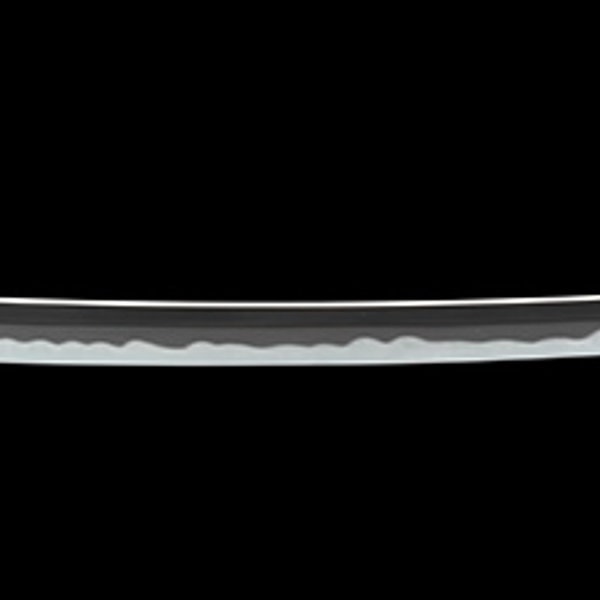
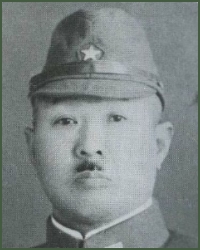
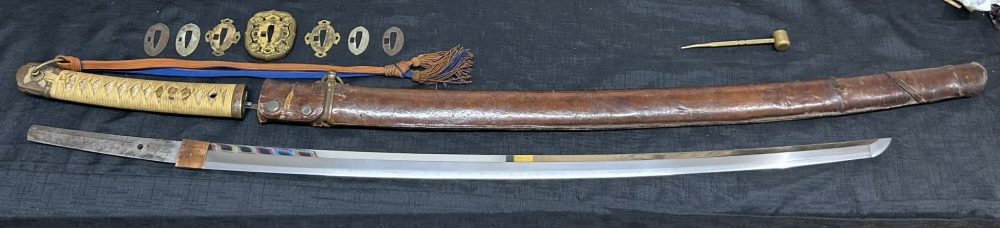
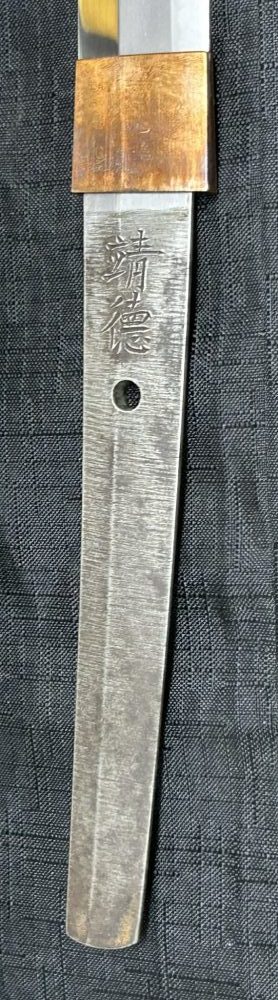
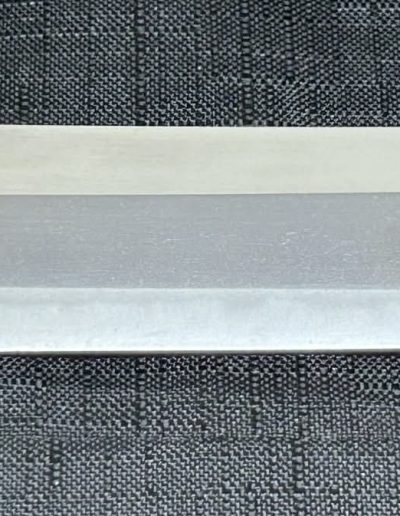
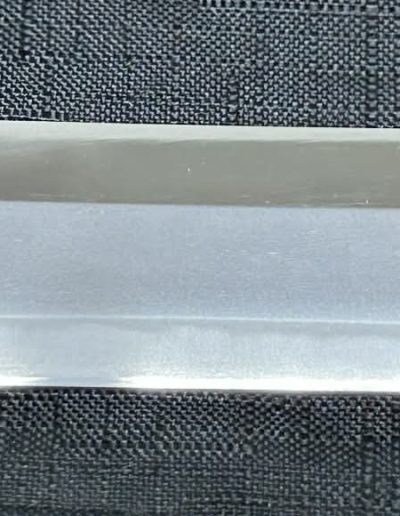
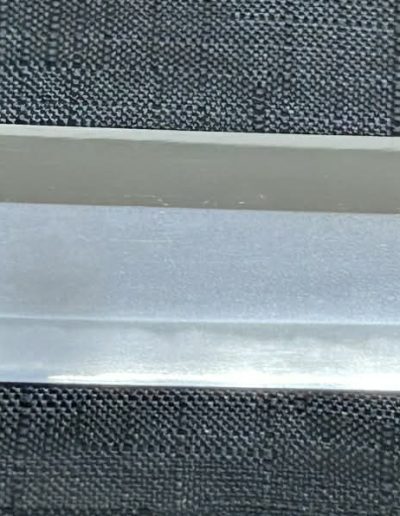
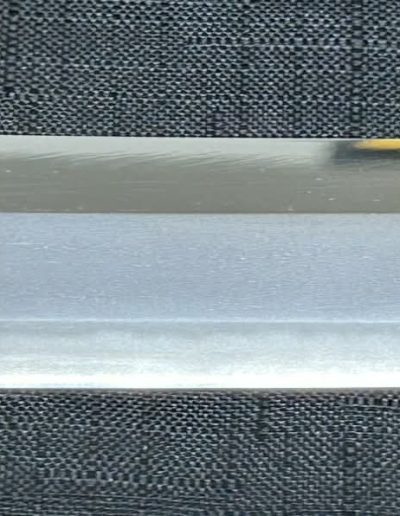
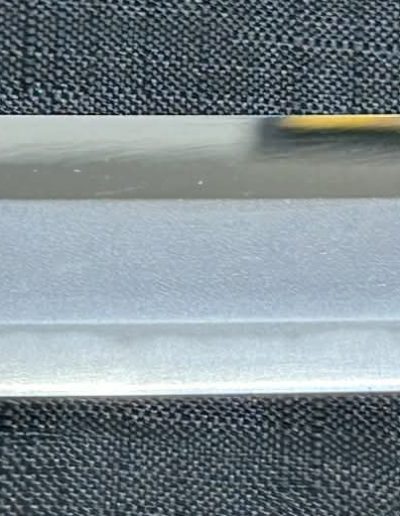
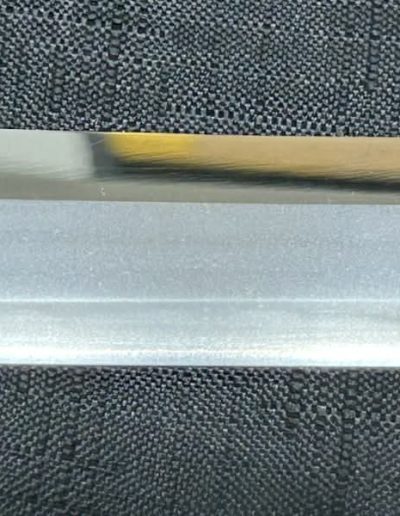
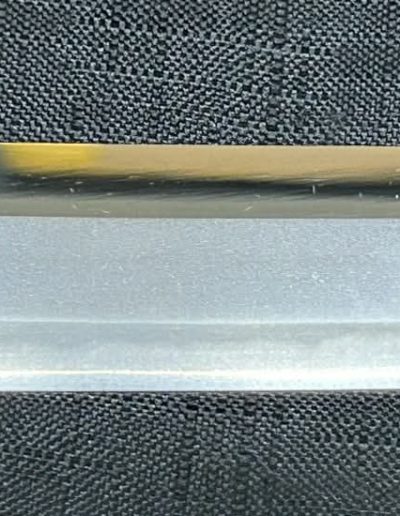
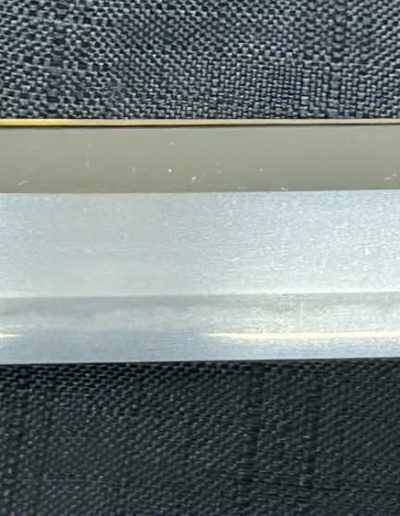
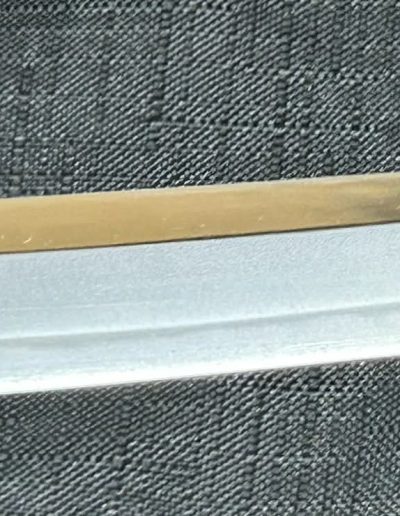
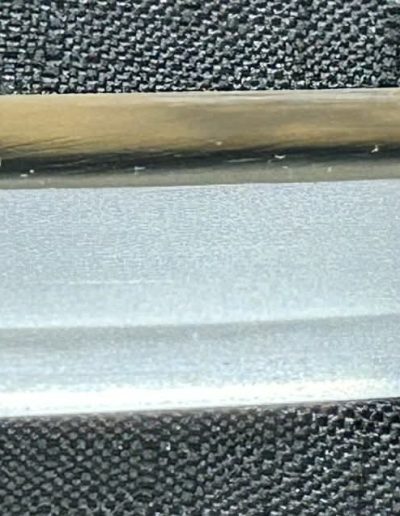
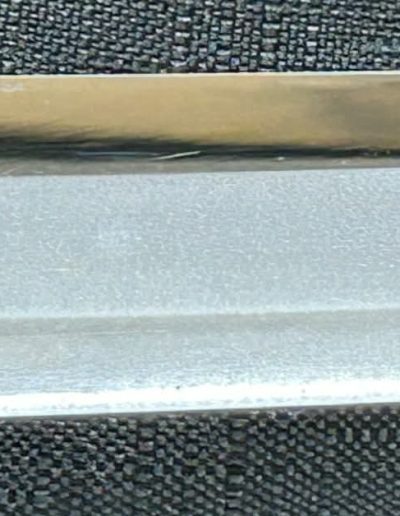
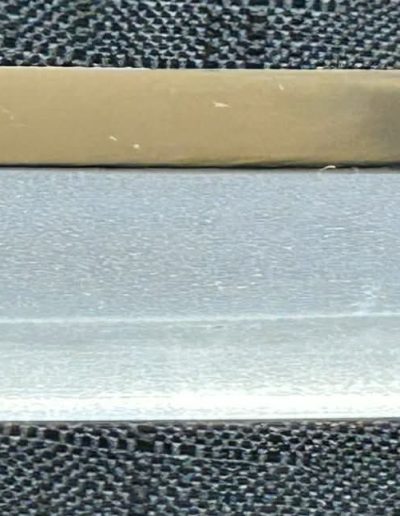
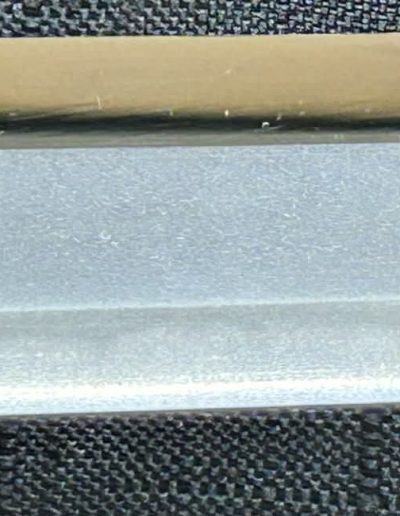
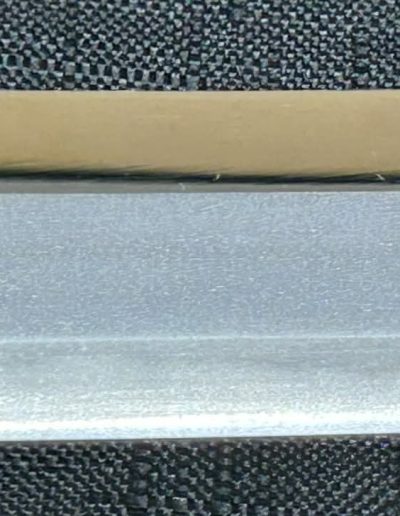
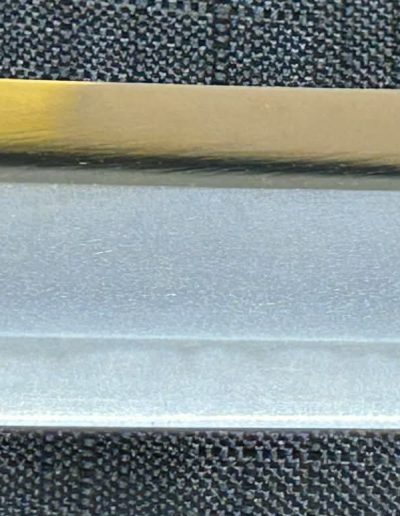
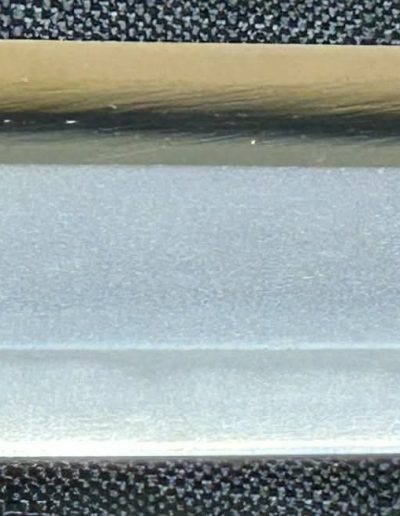
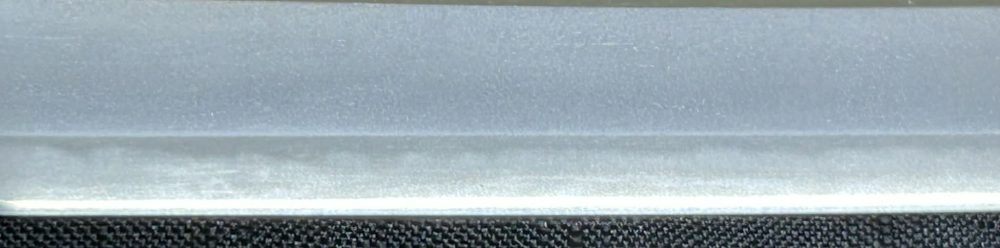
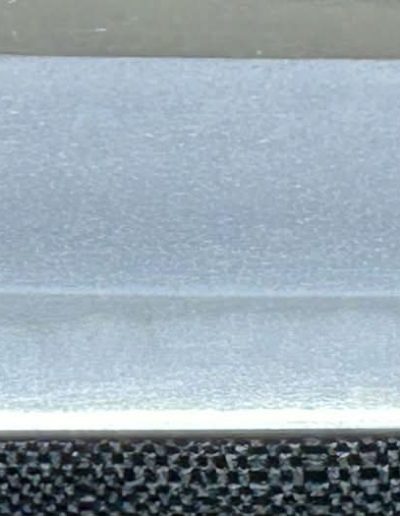
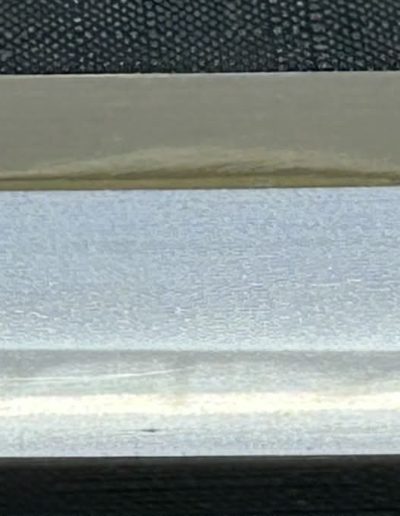
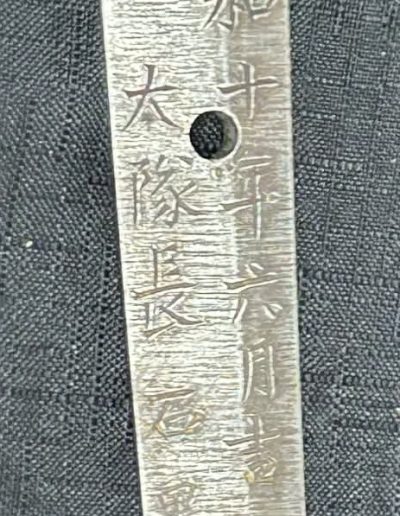
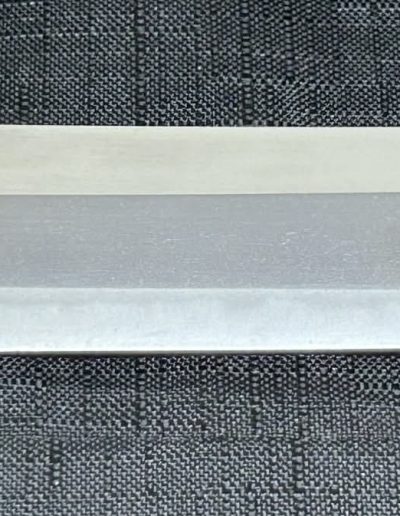
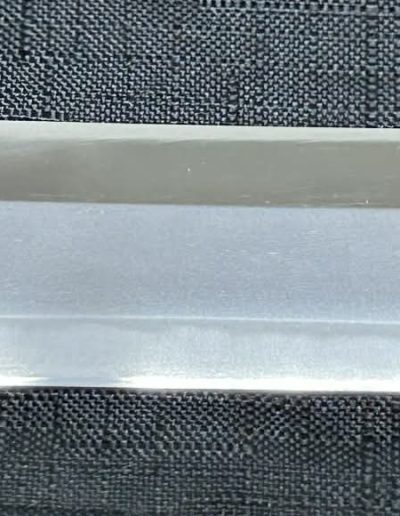
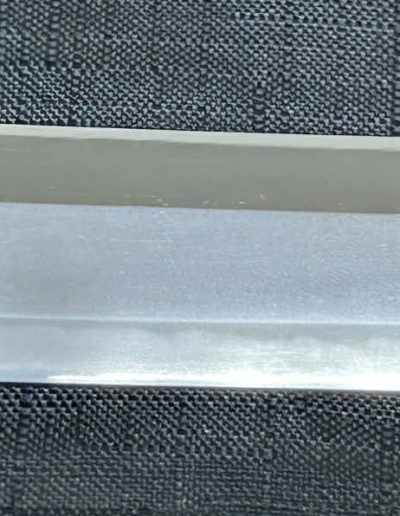
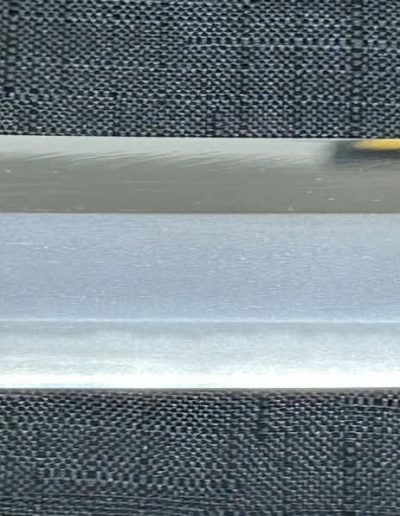
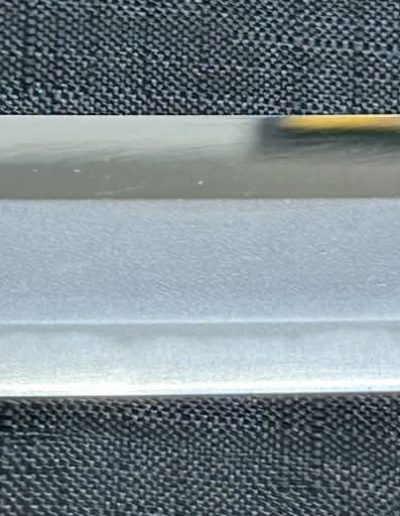
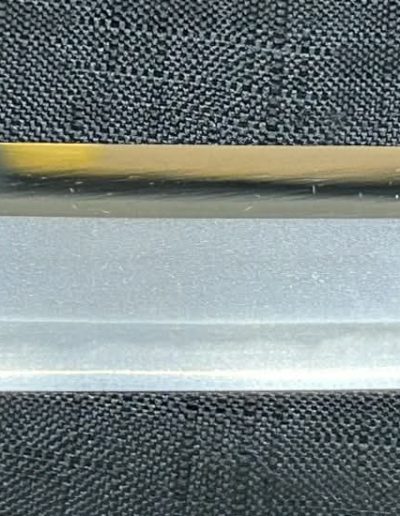
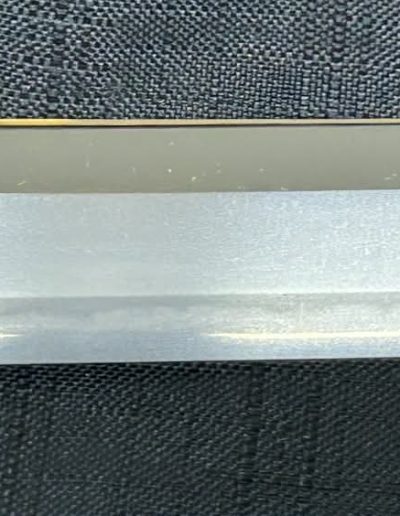
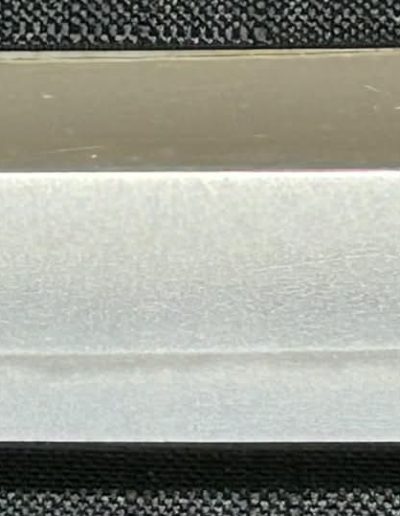
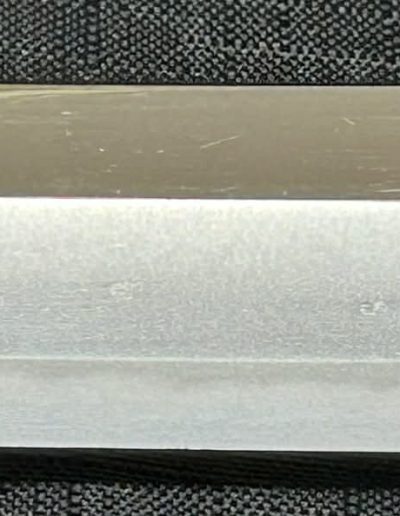
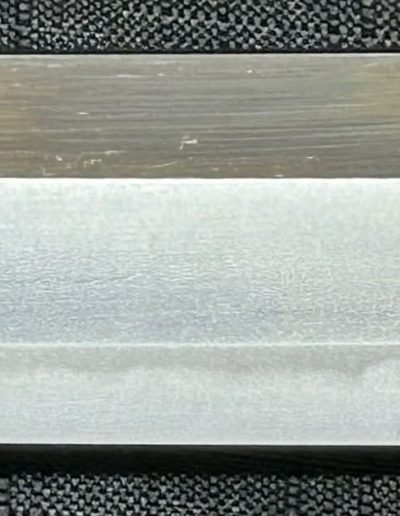
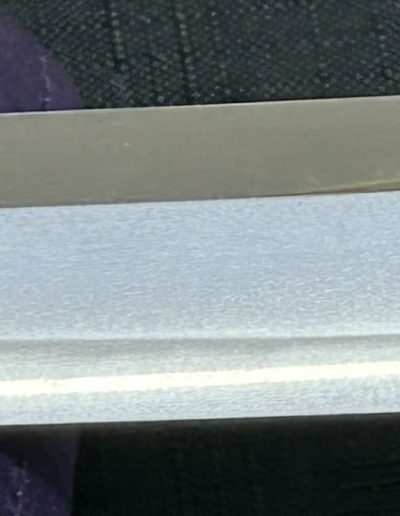
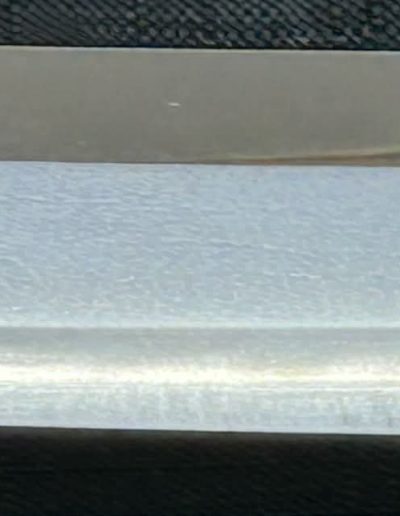
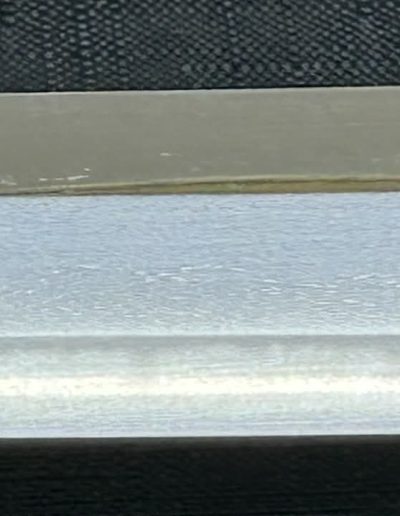
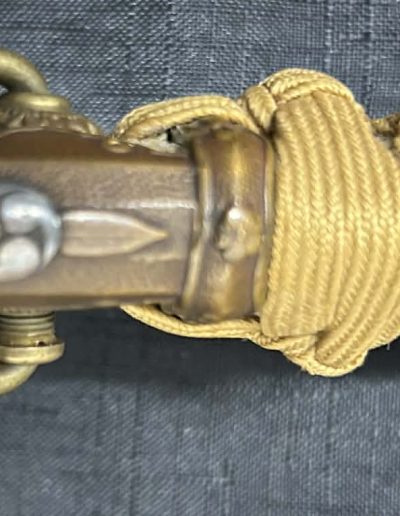
This is a Yasukuni Katana by Yasunori, made in June 1935 (Showa 10th year), and originally owned by Major General Iwata Ishiguro. It comes in a fresh Japanese polish and is mounted in its original Army Koshirae. The sword is accompanied by an NBTHK Tokubetsu Hozon Certificate, confirming its authenticity and quality.
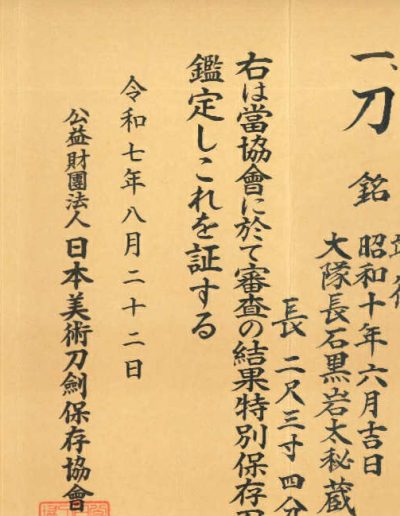
Certificate reading — 銘 昭和十年六月吉日 大隊長石黒岩太秘蔵
 NihontoWatch
mei · Yasukuni · Showa (1926-1989)
Tokyo · around 1926-1989
1 piece on the market now
Shōwa to the present: destruction and revival
The twentieth century nearly killed the craft twice: wartime distortion, then the occupation ban. The NBTHK’s founding in 1948 and licensed forging from 1953 rebuilt the sword as an art, crowned by Living National Treasures and the mukansa rank.
A Hozon-certified blade judged to show notably superior workmanship and a better state of preservation. The bar is higher: re-tempered blades and most unsigned Muromachi/Edo works are excluded.
The NBTHK (Nihon Bijutsu Tōken Hozon Kyōkai, the Society for the Preservation of Japanese Art Swords) is a public-interest incorporated foundation founded in 1948 and supervised by Japan’s Agency for Cultural Affairs (Bunkachō); it is based at the Japanese Sword Museum in Tokyo. Its expert panels physically examine each submitted work (shinsa) and issue a certificate (kanteishō) ranking it by artistic and historical merit. NBTHK papers are the most widely recognized standard of authentication for Japanese swords and fittings.
NBTHK official site
Price on request
This is a Yasukuni Katana by Yasunori, made in June 1935 (Showa 10th year), and originally owned by Major General Iwata Ishiguro. It comes in a fresh Japanese polish and is mounted in its original Army Koshirae. The sword is accompanied by an NBTHK Tokubetsu Hozon Certificate, confirming its authenticity and quality.
Certificate reading — 銘 昭和十年六月吉日 大隊長石黒岩太秘蔵
NihontoWatchmei · Yasukuni · Showa (1926-1989)
Tokyo · around 1926-1989
1 piece on the market now
Shōwa to the present: destruction and revival
The twentieth century nearly killed the craft twice: wartime distortion, then the occupation ban. The NBTHK’s founding in 1948 and licensed forging from 1953 rebuilt the sword as an art, crowned by Living National Treasures and the mukansa rank.
A Hozon-certified blade judged to show notably superior workmanship and a better state of preservation. The bar is higher: re-tempered blades and most unsigned Muromachi/Edo works are excluded.
The NBTHK (Nihon Bijutsu Tōken Hozon Kyōkai, the Society for the Preservation of Japanese Art Swords) is a public-interest incorporated foundation founded in 1948 and supervised by Japan’s Agency for Cultural Affairs (Bunkachō); it is based at the Japanese Sword Museum in Tokyo. Its expert panels physically examine each submitted work (shinsa) and issue a certificate (kanteishō) ranking it by artistic and historical merit. NBTHK papers are the most widely recognized standard of authentication for Japanese swords and fittings.
NBTHK official sitePrice on request