NihontoWatch Mon

NihontoWatch

Market
Encyclopedia
Kantei
NihontoWatch Mon

NihontoWatch

Market
Encyclopedia
Kantei

Description

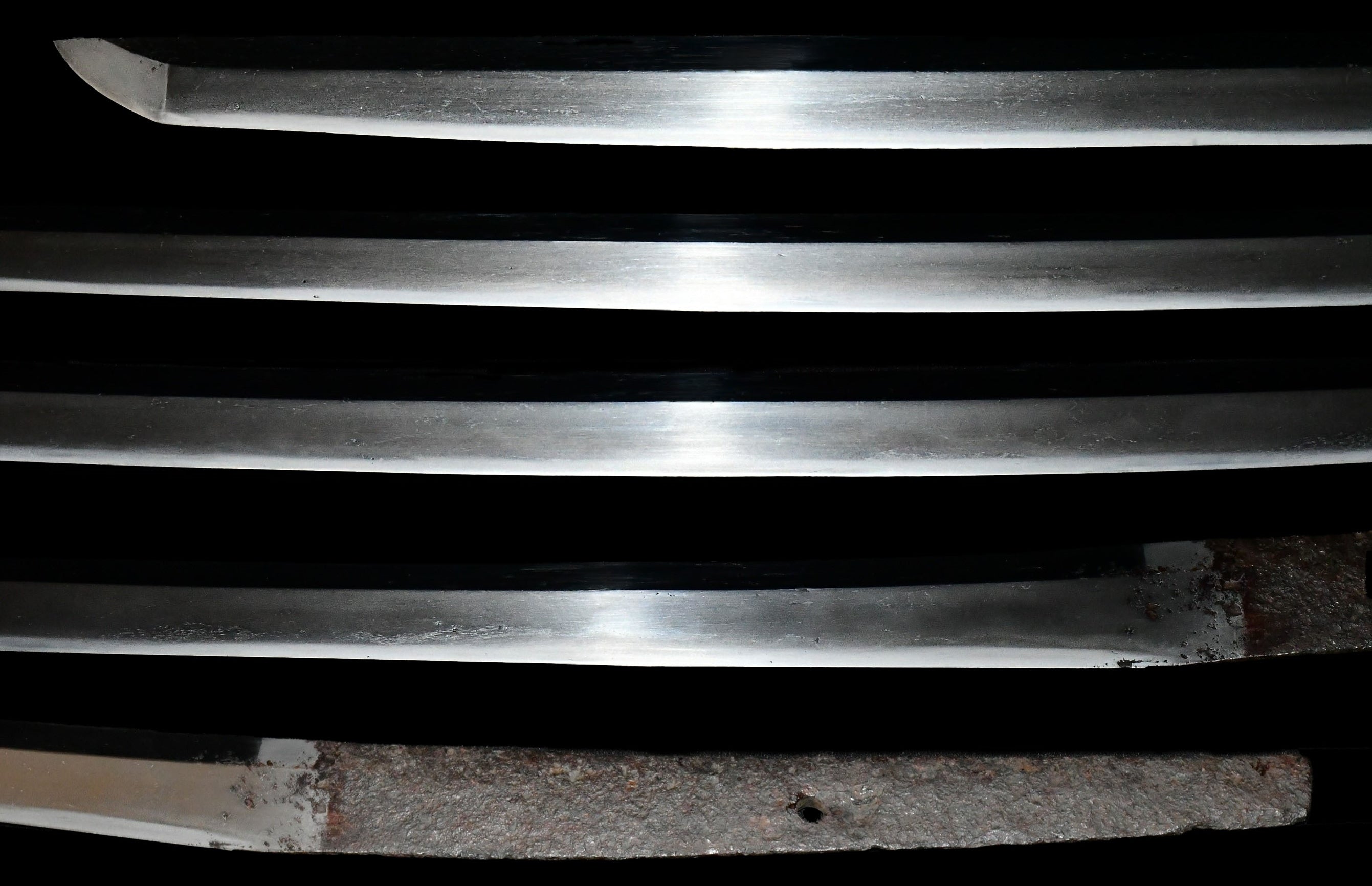
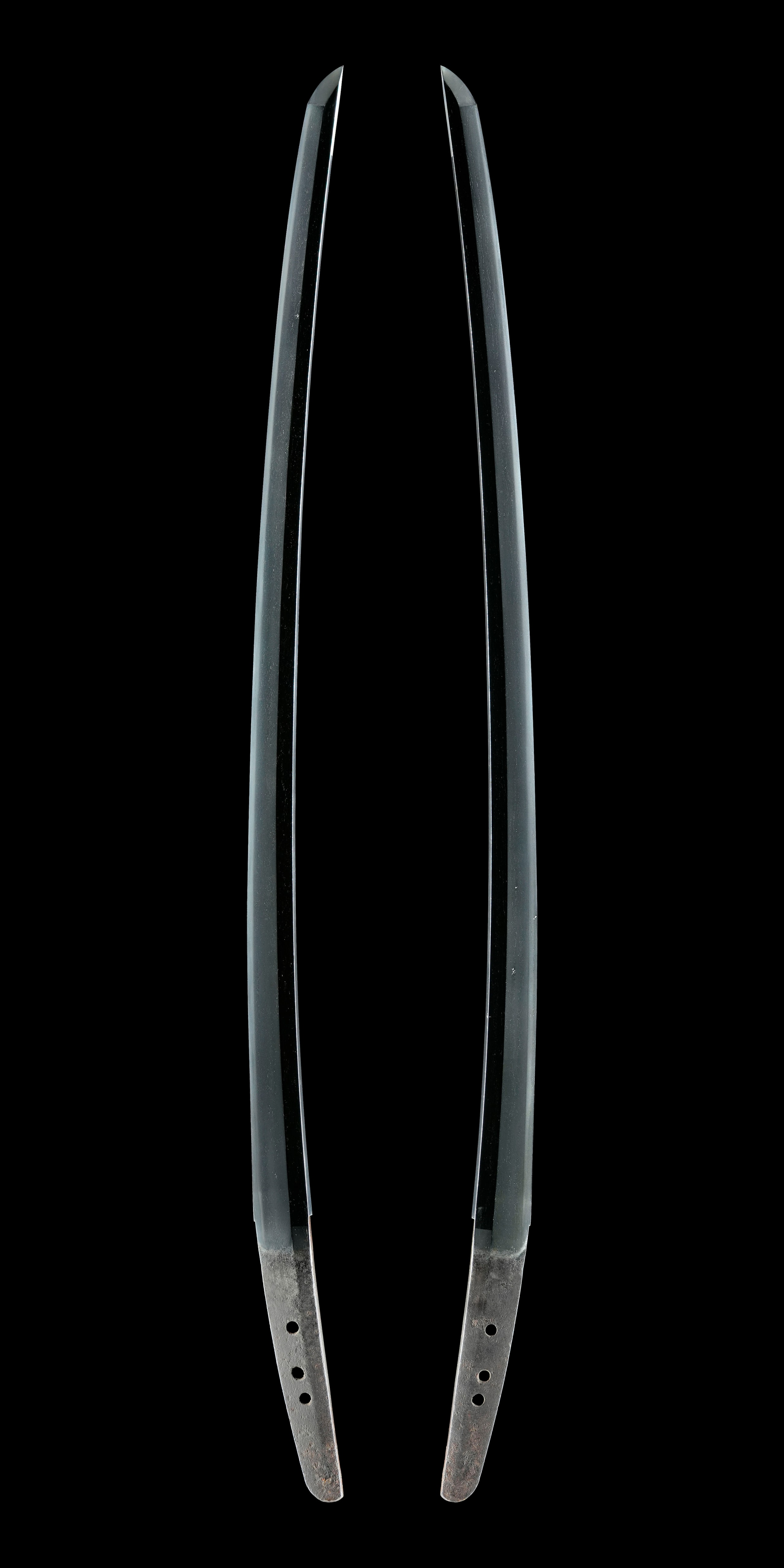
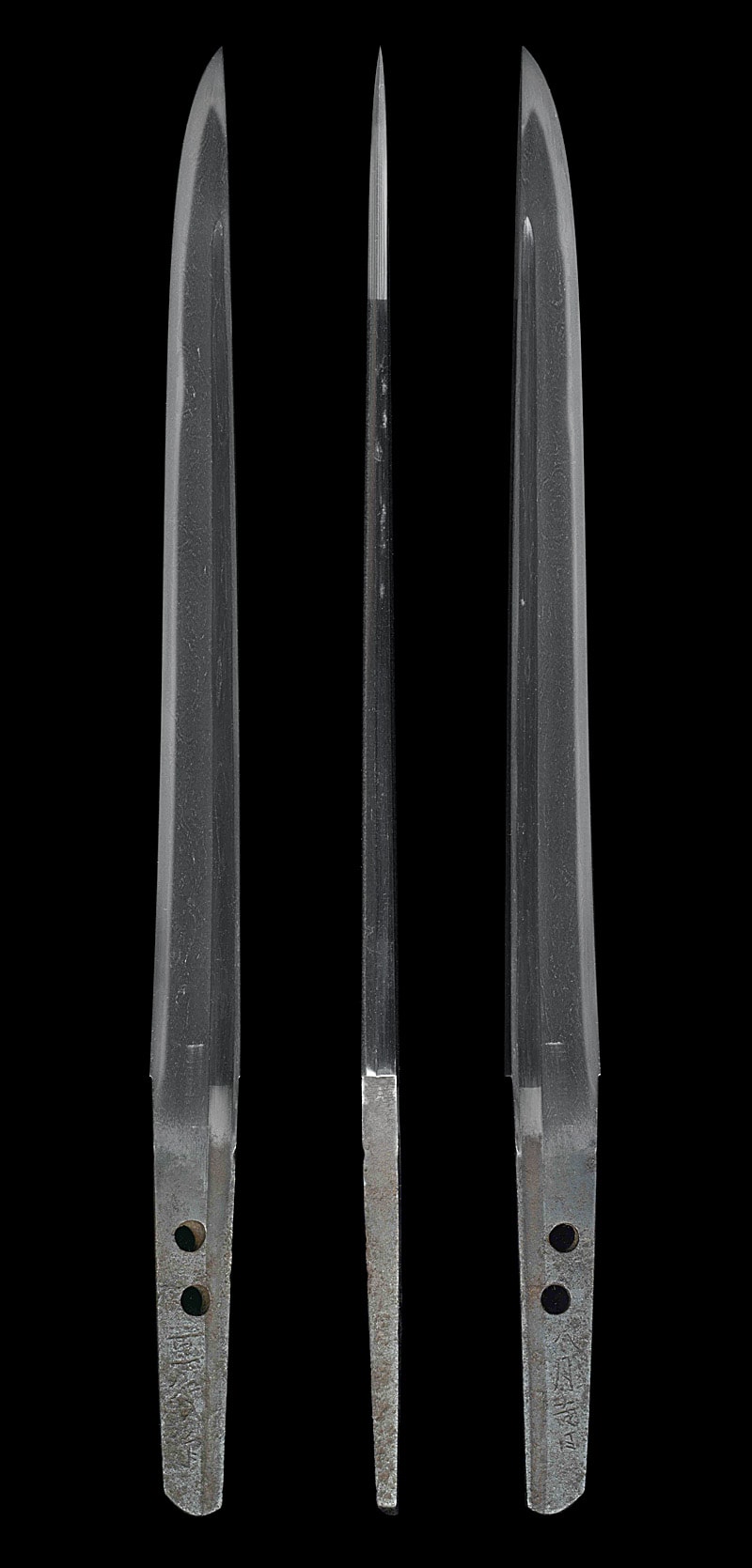
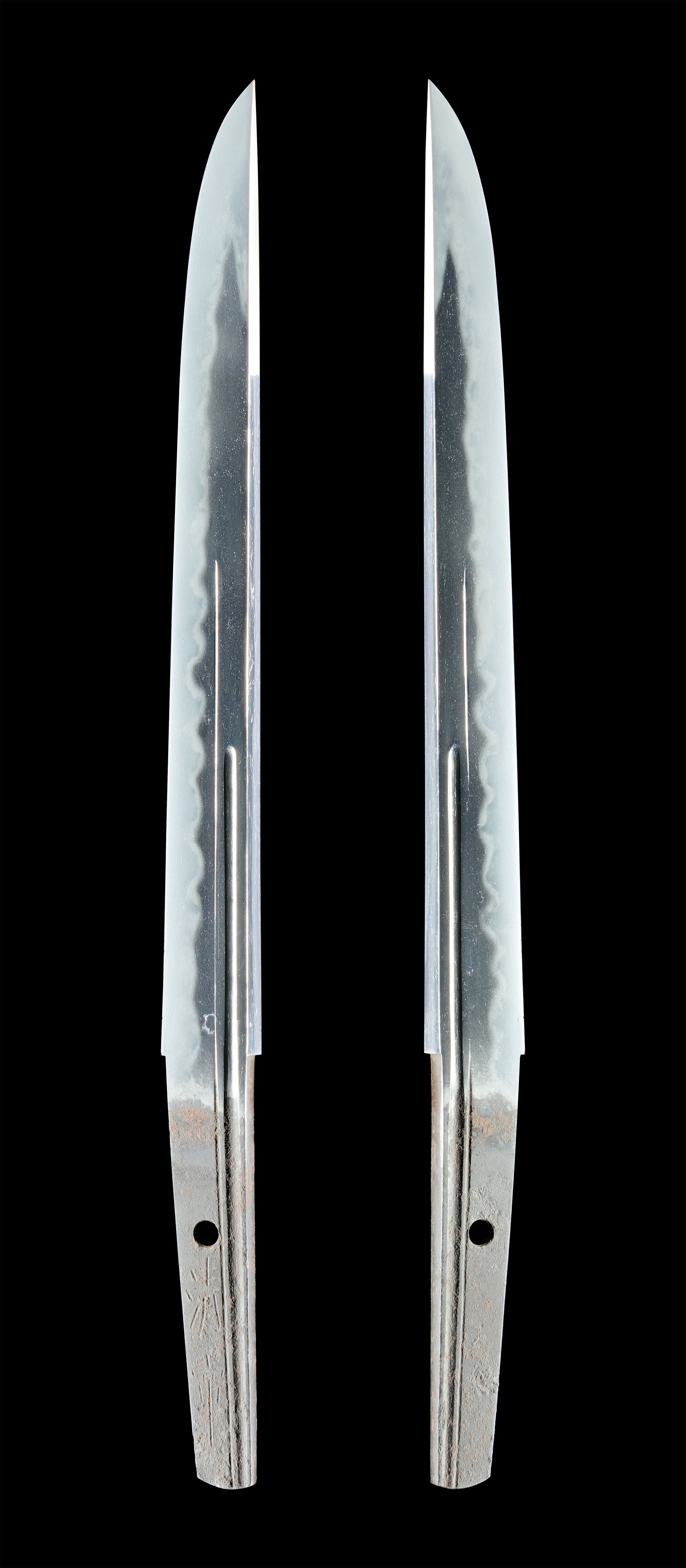
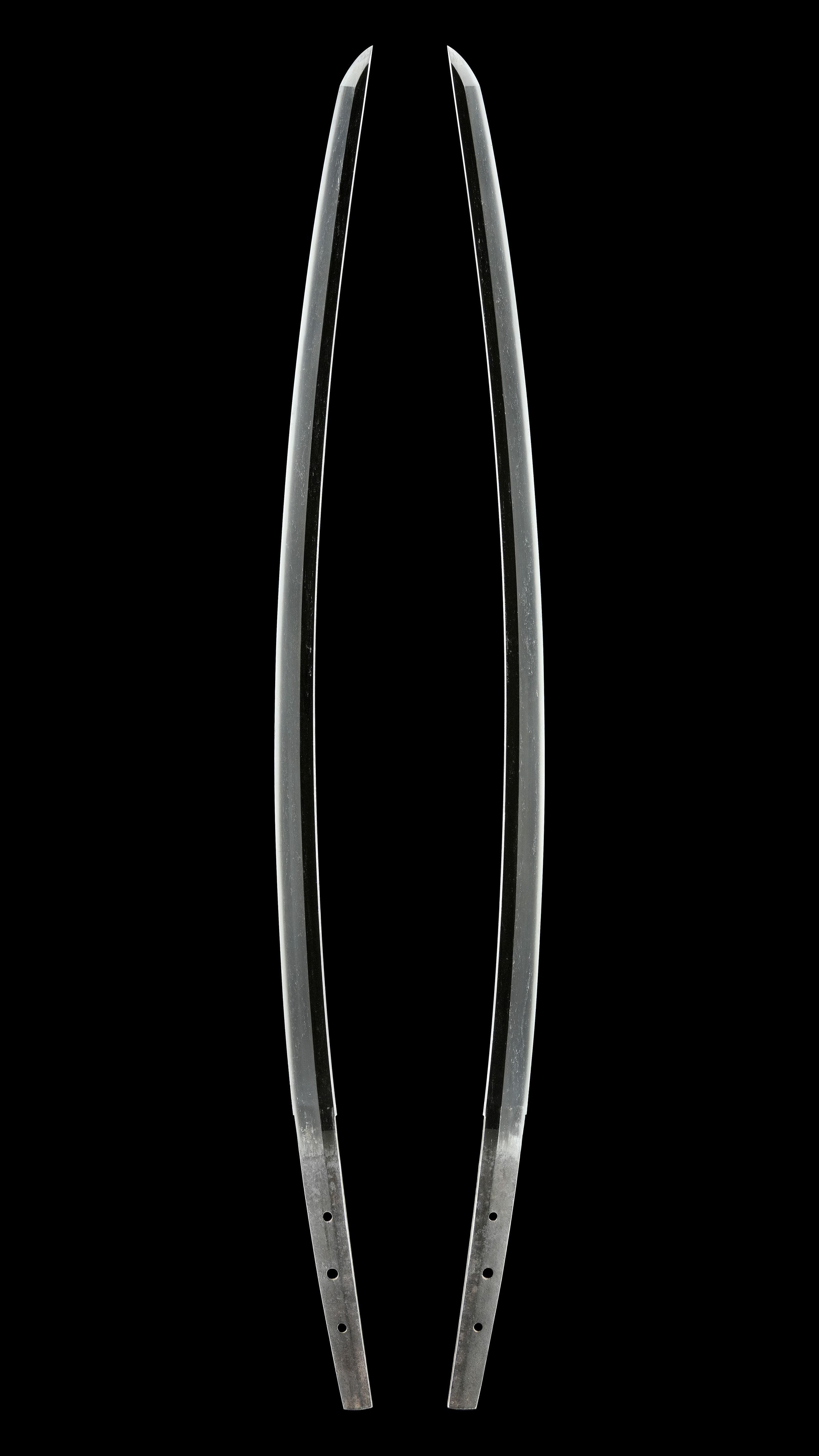
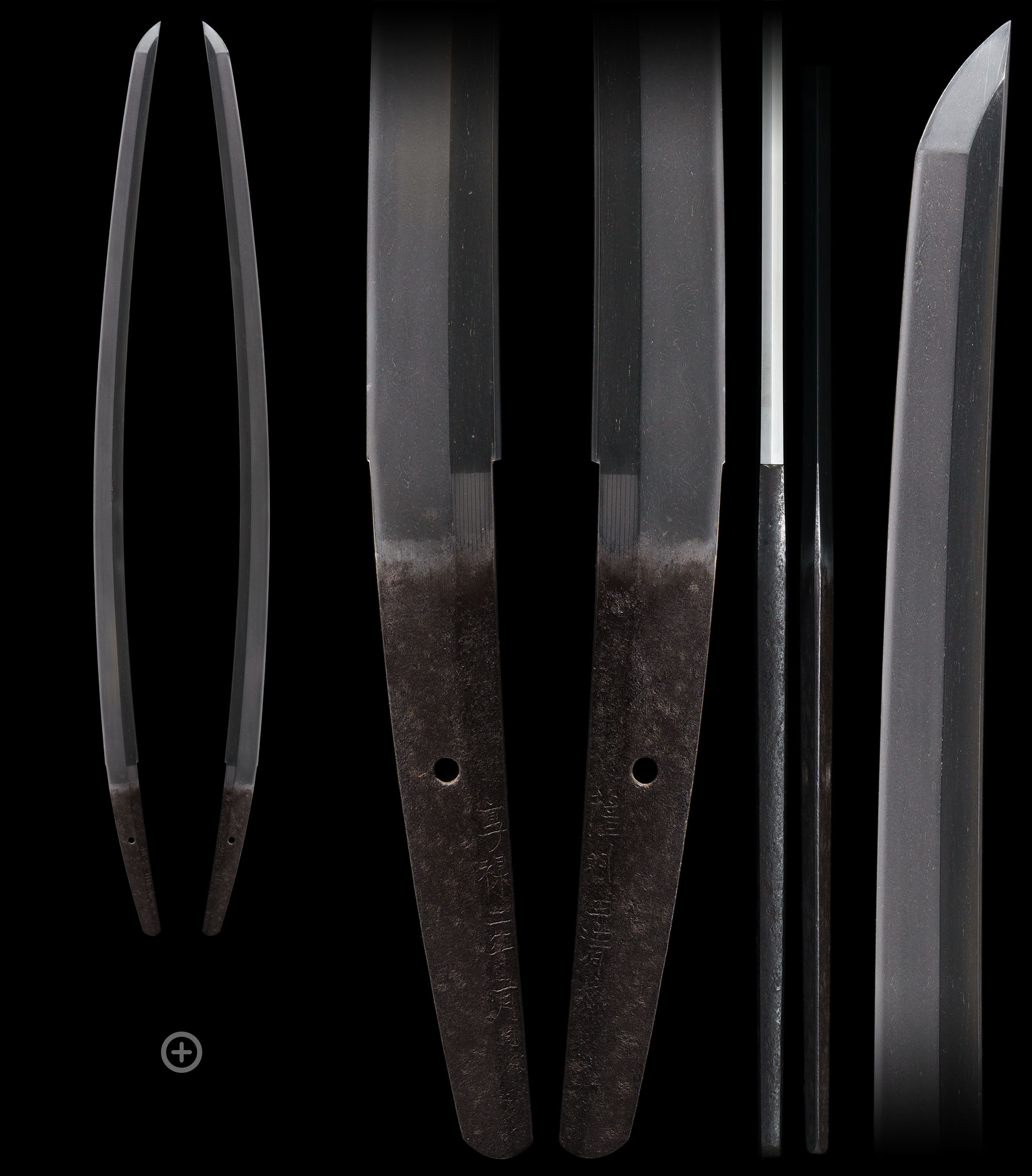
This is a katana made by Sato Kiyosa of Satsuma province, dated to February 1529. Kiyosa was a swordsmith active during the Sengoku period and is said to have studied under Bizen Osafune Kiyomitsu. The blade features an itame hada with ayasugi elements and a tight itame hamon.

NihontoWatch MonNihontoWatch
MarketEncyclopediaKantei
Swords›Naminohira›Sue-Naminohira›Kiyosuke›Katana: Satsuma Sato Kiyosa, dated February 1529
katanaTokubetsu Hozon
Sue-Naminohira Kiyosuke

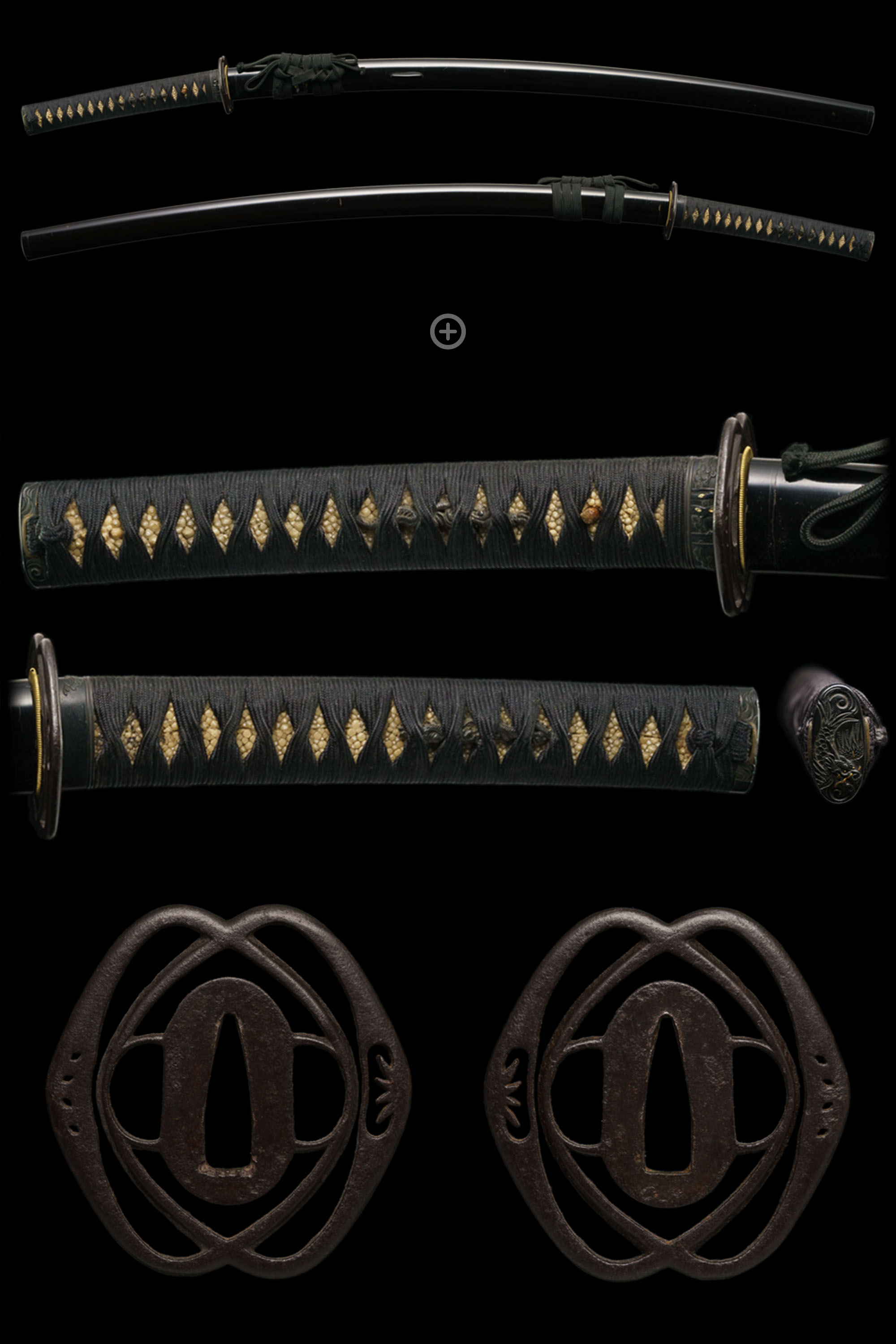
Katana: Satsuma Sato Kiyosa, dated February 1529

mei · Bunki (1501-1504) · nagasa 67.7cm · sori 2.3cm
¥1,760,000
Visit seller website →
Sue-Naminohira Kiyosuke — 1 of 2
Sue-Naminohira Kiyosuke — 2 of 2
1 / 2
1 / 2
Sue-Naminohira Kiyosuke — 1 of 2Sue-Naminohira Kiyosuke — 2 of 2
Measurements & details
Smith
Sue-Naminohira Kiyosuke
Type
Katana
School
Sue-Naminohira
Period
Around 1501–1504(Bunki)
Province
Satsuma
Signature
Signed
Measurements
Nagasa 67.7cmSori 2.3cmMotohaba 3.05cmSakihaba 2.03cmKasane 0.67cm
Description

This is a katana made by Sato Kiyosa of Satsuma province, dated to February 1529. Kiyosa was a swordsmith active during the Sengoku period and is said to have studied under Bizen Osafune Kiyomitsu. The blade features an itame hada with ayasugi elements and a tight itame hamon.

About the maker

Kiyosuke

清左

Wakimono · Satsuma · around 1501-1504

Tōken Taikan top 49%

1 piece on the market now

›
1 work by Kiyosuke on the market→
Kiyosuke — full profileWakimono school
About the school

Sue-Naminohira

末波平

Wakimono · Satsuma

Phase: Sue-Naminohira末波平· 1393–1900

2 pieces on the market now

›

Within the long Satsuma lineage that ran from the kotō into the shinshintō period, Sue-Naminohira (末波平) names the later chapter that carried the Naminohira tradition forward from the close of the Nanbokuchō age through the Muromachi era and into the early Edo workshops of Satsuma and neighbouring Ōsumi. The setsumei place a roster of dated smiths here: Sadatsugu of Satsuma and Haruyuki around the Tenmon era; Shigekane of Ōsumi, signing "Sūshū jū" and said also to have forged in Satsuma, dated Tenbun 14 (1545); Atsukura, who unusually prefixed the surname Fujiwara, active through Eiroku, Genki and Tenshō; and Sadakiyo, assigned to the Satō line, one of three branches (Hashiguchi, Ishigami, Satō) into which the group divides. The later Yuki-named continuation reaches into the Shintō period with Yasunetsune, counted as the fifty-ninth generation, with works dated to Enkyō and Meiwa. Throughout, the smiths worked under the Shimazu of southern Kyushu, geographically removed from the mainland centres. The setsumei describe a recurring later manner: a forging in which the hada stands out and flows with a whitish cast, a low-tempered suguha carrying hotsure, and a nioiguchi that tends toward urumi, a moist and soft quality, so that both ji and ha can read as subdued. This is framed as transmitting the manner of the forebears, the Ko-Naminohira tradition, and as conservative in character, where the early phase is described instead by a fine hoso-suguha with yaki-otoshi at the hamachi. Several pieces here, however, depart from that base by taking up the fashions of their day.

The setsumei record works in Sue-Bizen style with koshi-biraki gunome mixed with pointed and compound elements, and Atsukura's Sue-Sōshū-leaning blade with tobiyaki approaching a partial hitatsura. Given the thin corpus, these are presented as the documented range rather than as fixed traits of the phase. For kantei, the setsumei separate this phase from Ko-Naminohira by the standing, flowing hada and whitish tone paired with the low, urumi-tending suguha, against which the brighter, saeru and strongly nie-laden examples are flagged as exceptions worth noting. The koshi-biraki gunome with togariba, the katte-sagari or higaki yasurime, and the pointed midare-komi bōshi with hakikake recur as period markers, while sakizori and funbari register Muromachi sugata. Named hands anchor the group: Shigekane and Sadakiyo near Tenmon, Atsukura through Tenshō, and Haruyuki, whose work the setsumei compare to the Bungo Hirataka-Takada school, raising a possible contemporaneous link. The later Yasunetsune line then ties Sue-Naminohira to the Satsuma Shintō idiom, with wide, slightly long proportions and imo-tsuru nie-suji. Learn more →

1 recorded smiths1 designated works
Leading smiths
SmithEraDesignated
Nobuyasu延安1532-15550
Tadayuki忠行1573-15920
Yasutsugu安次1532-15550
Shigesumi重純1449-14520
Kiyosuke清左1501-15040
Explore the Sue-Naminohira school →

Historical context

Muromachi turned sword making into an industry: the uchigatana rose with massed infantry warfare, Osafune and Seki produced bundle swords beside custom orders, and the Ming trade carried Japanese blades abroad by the tens of thousands.

The Muromachi period (1392 to 1573) →

NBTHK Certificate
Tokubetsu Hozon Tōken特別保存刀剣
Sword Especially Worthy of Preservation
›

A Hozon-certified blade judged to show notably superior workmanship and a better state of preservation. The bar is higher: re-tempered blades and most unsigned Muromachi/Edo works are excluded.

About the NBTHK›

The NBTHK (Nihon Bijutsu Tōken Hozon Kyōkai, the Society for the Preservation of Japanese Art Swords) is a public-interest incorporated foundation founded in 1948 and supervised by Japan’s Agency for Cultural Affairs (Bunkachō); it is based at the Japanese Sword Museum in Tokyo. Its expert panels physically examine each submitted work (shinsa) and issue a certificate (kanteishō) ranking it by artistic and historical merit. NBTHK papers are the most widely recognized standard of authentication for Japanese swords and fittings.

NBTHK official site→
Seller
A
Asahi Token
🇯🇵Ships from Japan
›
✓Verified dealerasahitoken.jp
Settles in JPY
·Domestic shipping onlyWire transfer
Return policy

Returns accepted within 7 days of arrival if item is unchanged from condition at time of sale; customer bears return shipping for personal-reason returns, company covers errors/shipping damage.

View all of Asahi Token’s listings→View this item on the dealer’s site→

Previously sold by Sue-Naminohira Kiyosuke

Aoi Art
Hozon
Wakizashi - Hozon - by Sue-Naminohira Kiyosuke - Sasshu Ju Kiyosuke (August 1532)Wakizashi - Hozon - by Sue-Naminohira Kiyosuke - Sasshu Ju Kiyosuke (August 1532)
Sold

Wakizashi

BySue-Naminohira Kiyosuke
SOLD

More from the Sue-Naminohira school

View all →
Touken Matsumoto
Tokuho
Wakizashi - Tokuho - by Sue-Naminohira School - YasuokiWakizashi - Tokuho - by Sue-Naminohira School - Yasuoki

Wakizashi

BySue-Naminohira School
¥450,000

More from the Naminohira school

View all →
Samurai Nippon
Tokuho
Tachi - Tokuho - by Naminohira - Ko Naminohira (Ubu Mumei)Tachi - Tokuho - by Naminohira - Ko Naminohira (Ubu Mumei)

Tachi

ByNaminohira
¥1,100,000
Toyuukai
Hozon
Tachi - Hozon - by Naminohira School - Mumei (Ko Naminohira) - NBTHK HozonTachi - Hozon - by Naminohira School - Mumei (Ko Naminohira) - NBTHK Hozon

Tachi

ByNaminohira School
¥1,500,000
E-sword
Hozon
Tanto - Hozon - by Naminohira School - Shigeyuki (attributed to Naminohira)Tanto - Hozon - by Naminohira School - Shigeyuki (attributed to Naminohira)

Tantō

ByNaminohira School
¥280,000
World Seiyudo
Jūyō
Katana - Jūyō - by Naminohira - Mumei Ko-Naminohira - NBTHK Juyo TokenKatana - Jūyō - by Naminohira - Mumei Ko-Naminohira - NBTHK Juyo Token

Katana

ByNaminohira
¥4,800,000
Toushin
Tokuho
Kodachi - Tokuho - by Naminohira - Kodachi: Ko NaminohiraKodachi - Tokuho - by Naminohira - Kodachi: Ko Naminohira

Kodachi

ByNaminohira
¥1,100,000
Toushin
Hozon
Tachi - Hozon - by Naminohira - Mumei (Naminohira)Tachi - Hozon - by Naminohira - Mumei (Naminohira)

Tachi

ByNaminohira
¥935,000
Toushin
Hozon
Tanto - Hozon - by Naminohira School - Tsunekiyo (Attributed to Namihira)Tanto - Hozon - by Naminohira School - Tsunekiyo (Attributed to Namihira)

Tantō

ByNaminohira School
¥495,000
Nihontocraft
Tokuho
Katana - Tokuho - by Naminohira School - Naginata-Naoshi Katana: Ko-NaminohiraKatana - Tokuho - by Naminohira School - Naginata-Naoshi Katana: Ko-Naminohira

Katana

ByNaminohira School
¥6,900

Swords

  • Katana
  • Wakizashi
  • Tantō
  • Tachi
  • Naginata
  • Yari

Fittings

  • Tsuba
  • Fuchi-Kashira
  • Kozuka
  • Menuki

Armor

  • Kabuto
  • Samurai Armor

By Certification

  • Tokujū
  • Jūyō
  • Tokuho
  • Hozon

Resources

  • Dealer Directory
  • Artist Directory
  • The Daily Kantei
  • Glossary
  • Browse All
Nihontowatch© 2026
TermsPrivacyCookiesAbout

Description

This is a katana made by Sato Kiyosa of Satsuma province, dated to February 1529. Kiyosa was a swordsmith active during the Sengoku period and is said to have studied under Bizen Osafune Kiyomitsu. The blade features an itame hada with ayasugi elements and a tight itame hamon.

NihontoWatch MonNihontoWatch
MarketEncyclopediaKantei
Swords›Naminohira›Sue-Naminohira›Kiyosuke›Katana: Satsuma Sato Kiyosa, dated February 1529
katanaTokubetsu Hozon
Sue-Naminohira Kiyosuke

Katana: Satsuma Sato Kiyosa, dated February 1529

mei · Bunki (1501-1504) · nagasa 67.7cm · sori 2.3cm
¥1,760,000
Visit seller website →
Sue-Naminohira Kiyosuke — 1 of 2
Sue-Naminohira Kiyosuke — 2 of 2
1 / 2
1 / 2
Sue-Naminohira Kiyosuke — 1 of 2Sue-Naminohira Kiyosuke — 2 of 2
Measurements & details
Smith
Sue-Naminohira Kiyosuke
Type
Katana
School
Sue-Naminohira
Period
Around 1501–1504(Bunki)
Province
Satsuma
Signature
Signed
Measurements
Nagasa 67.7cmSori 2.3cmMotohaba 3.05cmSakihaba 2.03cmKasane 0.67cm
Description

This is a katana made by Sato Kiyosa of Satsuma province, dated to February 1529. Kiyosa was a swordsmith active during the Sengoku period and is said to have studied under Bizen Osafune Kiyomitsu. The blade features an itame hada with ayasugi elements and a tight itame hamon.

About the maker

Kiyosuke

清左

Wakimono · Satsuma · around 1501-1504

Tōken Taikan top 49%

1 piece on the market now

›
1 work by Kiyosuke on the market→
Kiyosuke — full profileWakimono school
About the school

Sue-Naminohira

末波平

Wakimono · Satsuma

Phase: Sue-Naminohira末波平· 1393–1900

2 pieces on the market now

›

Within the long Satsuma lineage that ran from the kotō into the shinshintō period, Sue-Naminohira (末波平) names the later chapter that carried the Naminohira tradition forward from the close of the Nanbokuchō age through the Muromachi era and into the early Edo workshops of Satsuma and neighbouring Ōsumi. The setsumei place a roster of dated smiths here: Sadatsugu of Satsuma and Haruyuki around the Tenmon era; Shigekane of Ōsumi, signing "Sūshū jū" and said also to have forged in Satsuma, dated Tenbun 14 (1545); Atsukura, who unusually prefixed the surname Fujiwara, active through Eiroku, Genki and Tenshō; and Sadakiyo, assigned to the Satō line, one of three branches (Hashiguchi, Ishigami, Satō) into which the group divides. The later Yuki-named continuation reaches into the Shintō period with Yasunetsune, counted as the fifty-ninth generation, with works dated to Enkyō and Meiwa. Throughout, the smiths worked under the Shimazu of southern Kyushu, geographically removed from the mainland centres. The setsumei describe a recurring later manner: a forging in which the hada stands out and flows with a whitish cast, a low-tempered suguha carrying hotsure, and a nioiguchi that tends toward urumi, a moist and soft quality, so that both ji and ha can read as subdued. This is framed as transmitting the manner of the forebears, the Ko-Naminohira tradition, and as conservative in character, where the early phase is described instead by a fine hoso-suguha with yaki-otoshi at the hamachi. Several pieces here, however, depart from that base by taking up the fashions of their day.

The setsumei record works in Sue-Bizen style with koshi-biraki gunome mixed with pointed and compound elements, and Atsukura's Sue-Sōshū-leaning blade with tobiyaki approaching a partial hitatsura. Given the thin corpus, these are presented as the documented range rather than as fixed traits of the phase. For kantei, the setsumei separate this phase from Ko-Naminohira by the standing, flowing hada and whitish tone paired with the low, urumi-tending suguha, against which the brighter, saeru and strongly nie-laden examples are flagged as exceptions worth noting. The koshi-biraki gunome with togariba, the katte-sagari or higaki yasurime, and the pointed midare-komi bōshi with hakikake recur as period markers, while sakizori and funbari register Muromachi sugata. Named hands anchor the group: Shigekane and Sadakiyo near Tenmon, Atsukura through Tenshō, and Haruyuki, whose work the setsumei compare to the Bungo Hirataka-Takada school, raising a possible contemporaneous link. The later Yasunetsune line then ties Sue-Naminohira to the Satsuma Shintō idiom, with wide, slightly long proportions and imo-tsuru nie-suji. Learn more →

1 recorded smiths1 designated works
Leading smiths
SmithEraDesignated
Nobuyasu延安1532-15550
Tadayuki忠行1573-15920
Yasutsugu安次1532-15550
Shigesumi重純1449-14520
Kiyosuke清左1501-15040
Explore the Sue-Naminohira school →

Historical context

Muromachi turned sword making into an industry: the uchigatana rose with massed infantry warfare, Osafune and Seki produced bundle swords beside custom orders, and the Ming trade carried Japanese blades abroad by the tens of thousands.

The Muromachi period (1392 to 1573) →

NBTHK Certificate
Tokubetsu Hozon Tōken特別保存刀剣
Sword Especially Worthy of Preservation
›

A Hozon-certified blade judged to show notably superior workmanship and a better state of preservation. The bar is higher: re-tempered blades and most unsigned Muromachi/Edo works are excluded.

About the NBTHK›

The NBTHK (Nihon Bijutsu Tōken Hozon Kyōkai, the Society for the Preservation of Japanese Art Swords) is a public-interest incorporated foundation founded in 1948 and supervised by Japan’s Agency for Cultural Affairs (Bunkachō); it is based at the Japanese Sword Museum in Tokyo. Its expert panels physically examine each submitted work (shinsa) and issue a certificate (kanteishō) ranking it by artistic and historical merit. NBTHK papers are the most widely recognized standard of authentication for Japanese swords and fittings.

NBTHK official site→
Seller
A
Asahi Token
🇯🇵Ships from Japan
›
✓Verified dealerasahitoken.jp
Settles in JPY
·Domestic shipping onlyWire transfer
Return policy

Returns accepted within 7 days of arrival if item is unchanged from condition at time of sale; customer bears return shipping for personal-reason returns, company covers errors/shipping damage.

View all of Asahi Token’s listings→View this item on the dealer’s site→

Previously sold by Sue-Naminohira Kiyosuke

Aoi Art
Hozon
Wakizashi - Hozon - by Sue-Naminohira Kiyosuke - Sasshu Ju Kiyosuke (August 1532)Wakizashi - Hozon - by Sue-Naminohira Kiyosuke - Sasshu Ju Kiyosuke (August 1532)
Sold

Wakizashi

BySue-Naminohira Kiyosuke
SOLD

More from the Sue-Naminohira school

View all →
Touken Matsumoto
Tokuho
Wakizashi - Tokuho - by Sue-Naminohira School - YasuokiWakizashi - Tokuho - by Sue-Naminohira School - Yasuoki

Wakizashi

BySue-Naminohira School
¥450,000

More from the Naminohira school

View all →
Samurai Nippon
Tokuho
Tachi - Tokuho - by Naminohira - Ko Naminohira (Ubu Mumei)Tachi - Tokuho - by Naminohira - Ko Naminohira (Ubu Mumei)

Tachi

ByNaminohira
¥1,100,000
Toyuukai
Hozon
Tachi - Hozon - by Naminohira School - Mumei (Ko Naminohira) - NBTHK HozonTachi - Hozon - by Naminohira School - Mumei (Ko Naminohira) - NBTHK Hozon

Tachi

ByNaminohira School
¥1,500,000
E-sword
Hozon
Tanto - Hozon - by Naminohira School - Shigeyuki (attributed to Naminohira)Tanto - Hozon - by Naminohira School - Shigeyuki (attributed to Naminohira)

Tantō

ByNaminohira School
¥280,000
World Seiyudo
Jūyō
Katana - Jūyō - by Naminohira - Mumei Ko-Naminohira - NBTHK Juyo TokenKatana - Jūyō - by Naminohira - Mumei Ko-Naminohira - NBTHK Juyo Token

Katana

ByNaminohira
¥4,800,000
Toushin
Tokuho
Kodachi - Tokuho - by Naminohira - Kodachi: Ko NaminohiraKodachi - Tokuho - by Naminohira - Kodachi: Ko Naminohira

Kodachi

ByNaminohira
¥1,100,000
Toushin
Hozon
Tachi - Hozon - by Naminohira - Mumei (Naminohira)Tachi - Hozon - by Naminohira - Mumei (Naminohira)

Tachi

ByNaminohira
¥935,000
Toushin
Hozon
Tanto - Hozon - by Naminohira School - Tsunekiyo (Attributed to Namihira)Tanto - Hozon - by Naminohira School - Tsunekiyo (Attributed to Namihira)

Tantō

ByNaminohira School
¥495,000
Nihontocraft
Tokuho
Katana - Tokuho - by Naminohira School - Naginata-Naoshi Katana: Ko-NaminohiraKatana - Tokuho - by Naminohira School - Naginata-Naoshi Katana: Ko-Naminohira

Katana

ByNaminohira School
¥6,900

Swords

  • Katana
  • Wakizashi
  • Tantō
  • Tachi
  • Naginata
  • Yari

Fittings

  • Tsuba
  • Fuchi-Kashira
  • Kozuka
  • Menuki

Armor

  • Kabuto
  • Samurai Armor

By Certification

  • Tokujū
  • Jūyō
  • Tokuho
  • Hozon

Resources

  • Dealer Directory
  • Artist Directory
  • The Daily Kantei
  • Glossary
  • Browse All
Nihontowatch© 2026
TermsPrivacyCookiesAbout
NihontoWatch Mon

NihontoWatch

Market
Encyclopedia
Kantei
NihontoWatch Mon

NihontoWatch

Market
Encyclopedia
Kantei