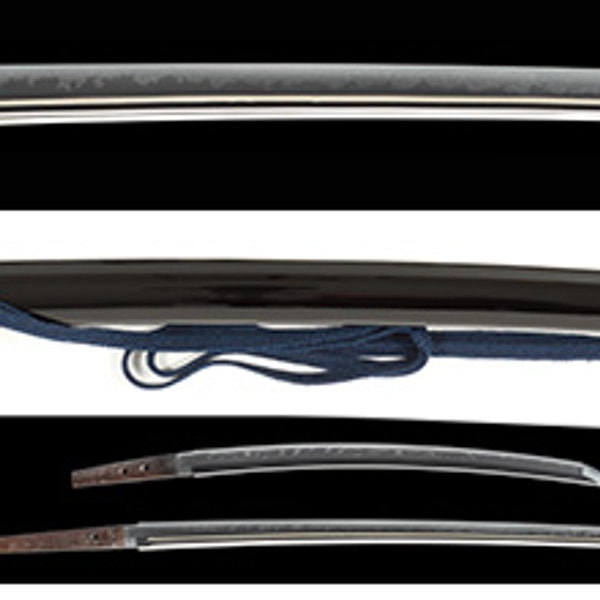
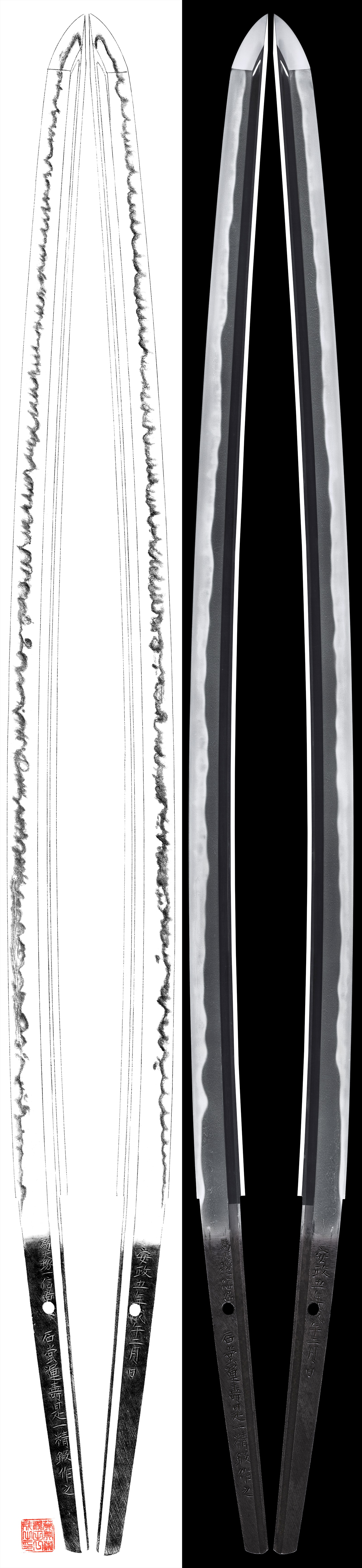
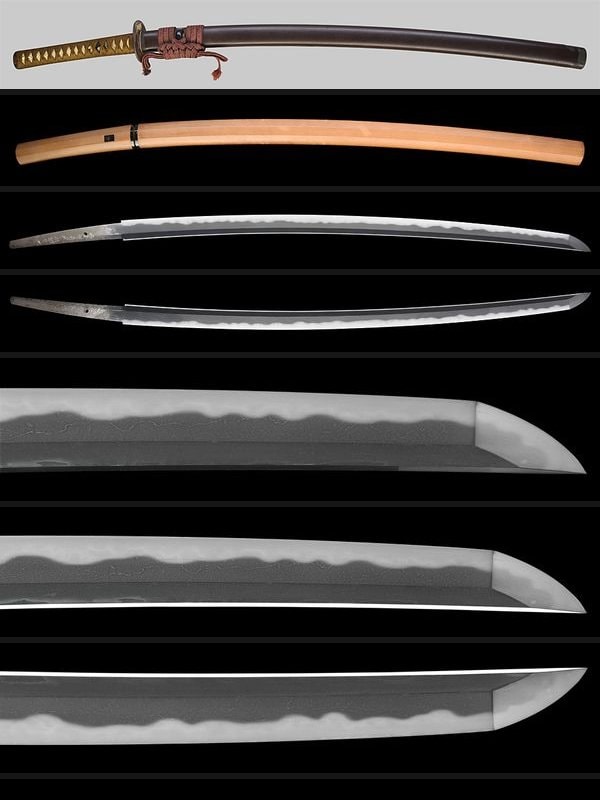
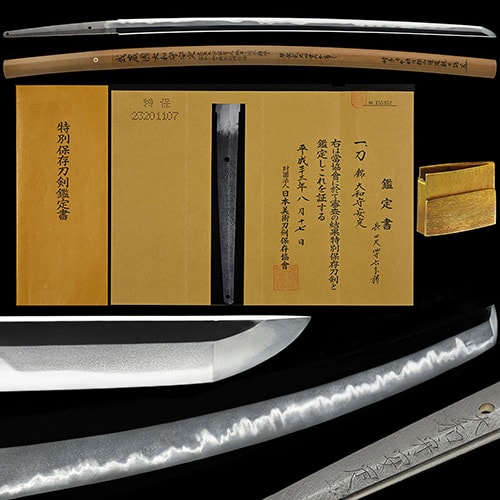
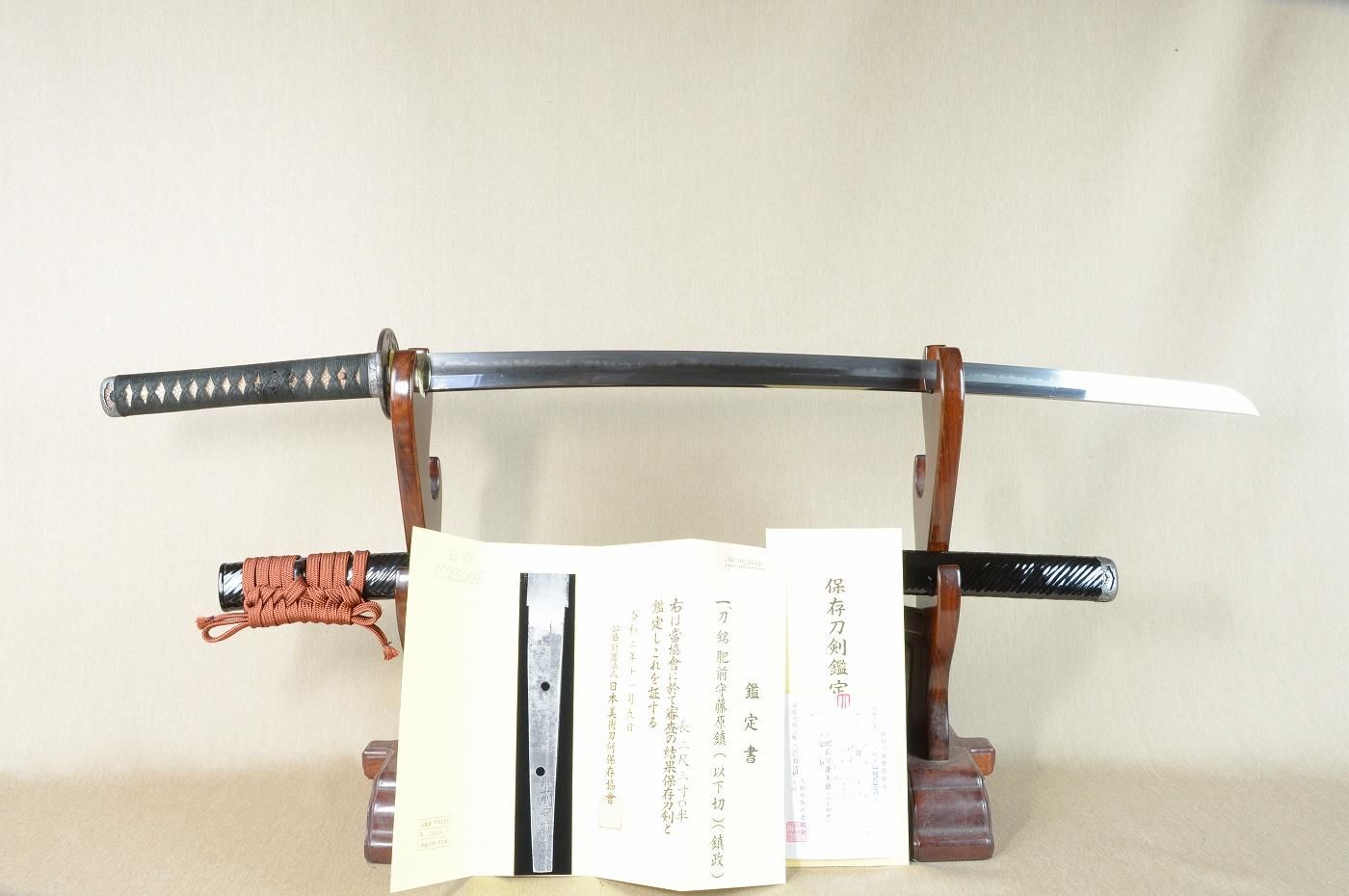
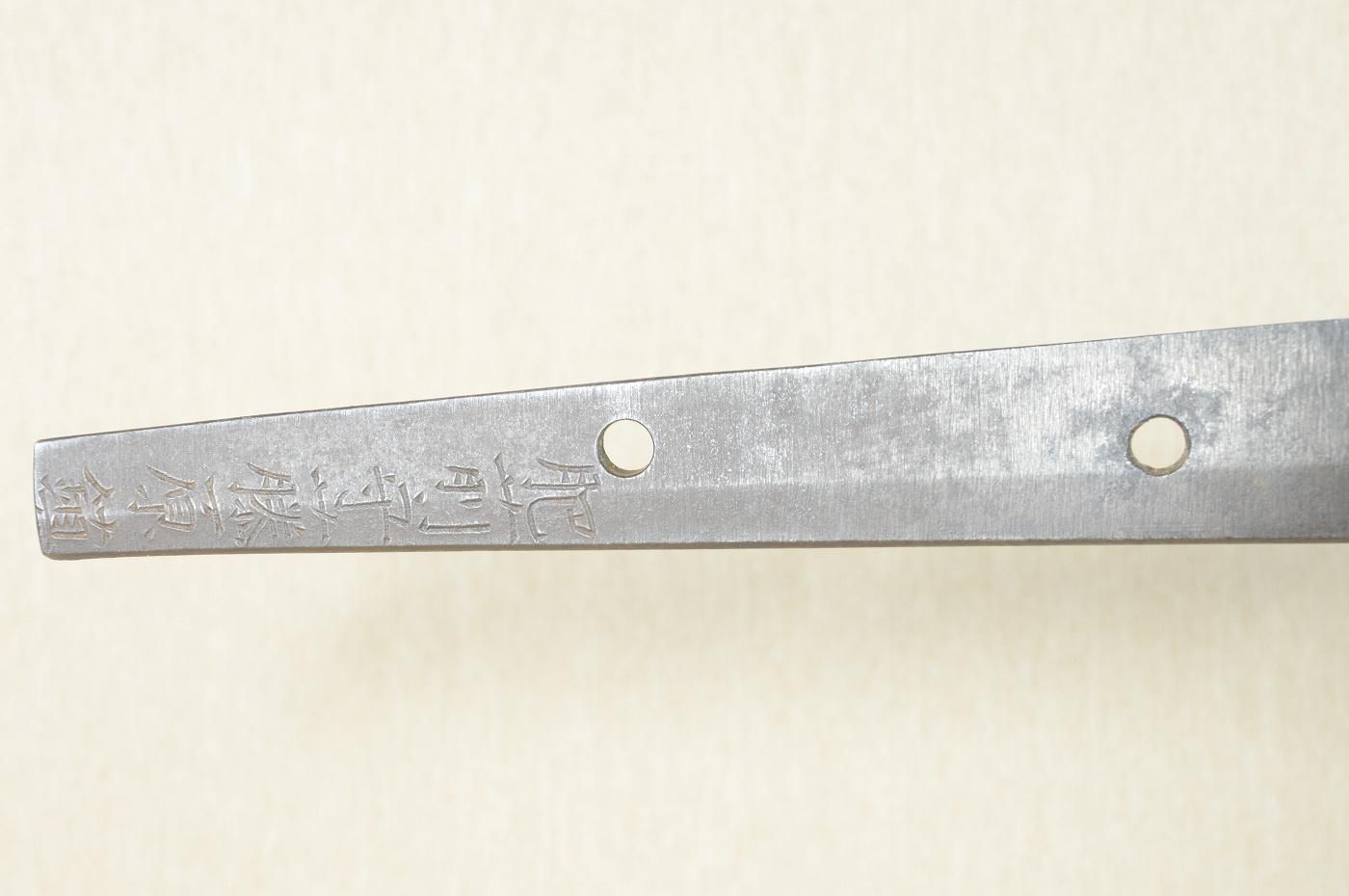
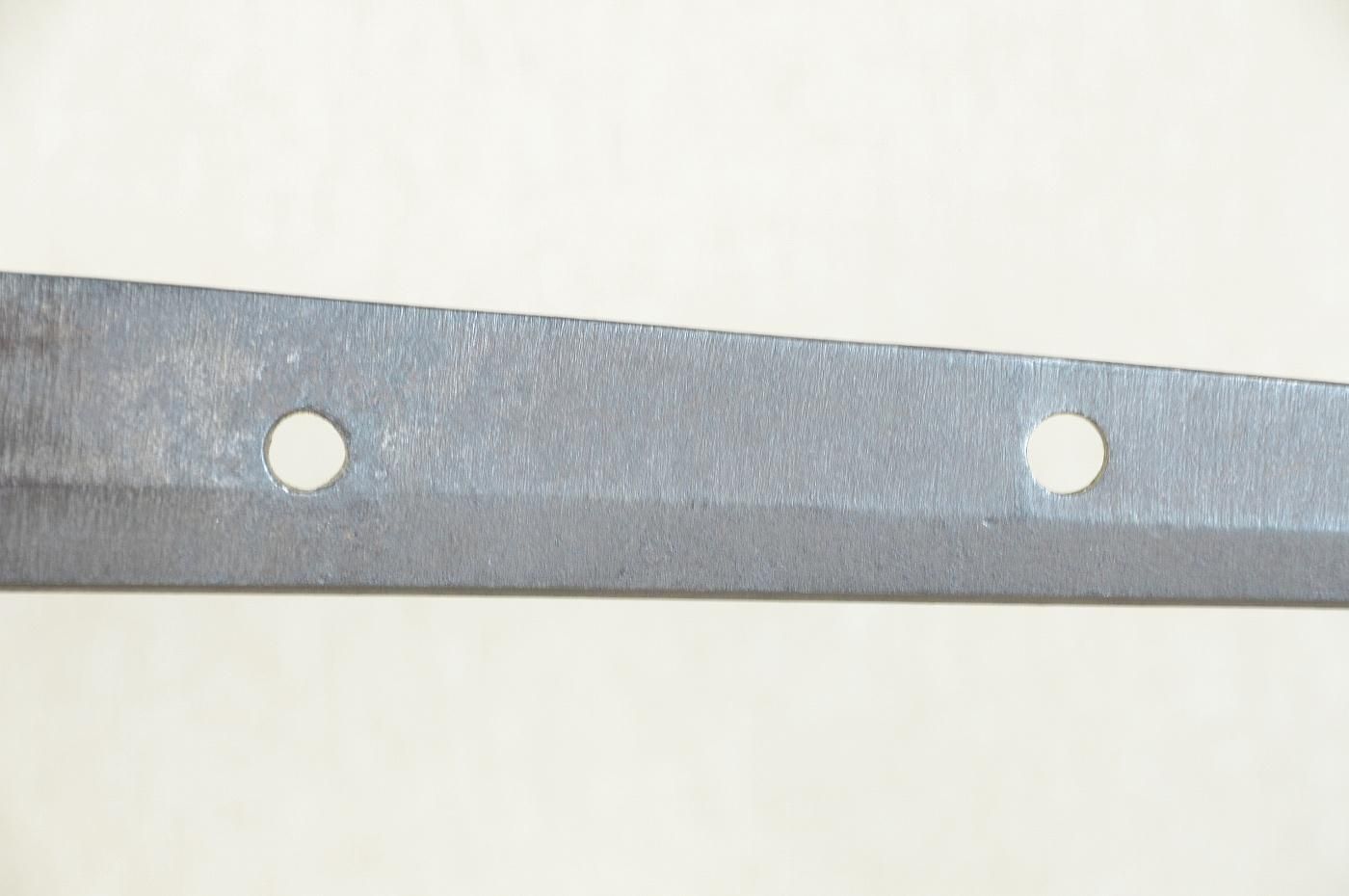
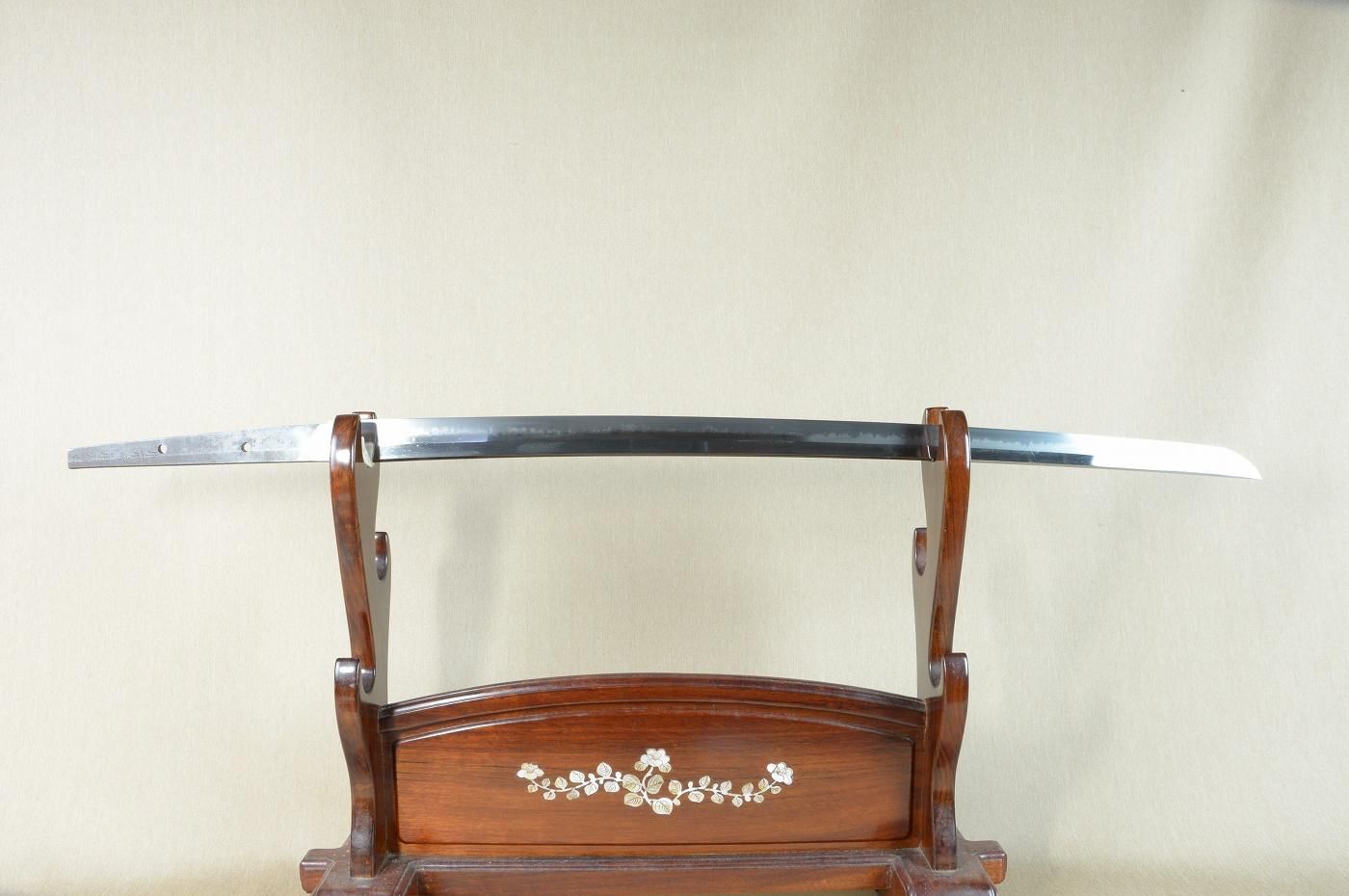
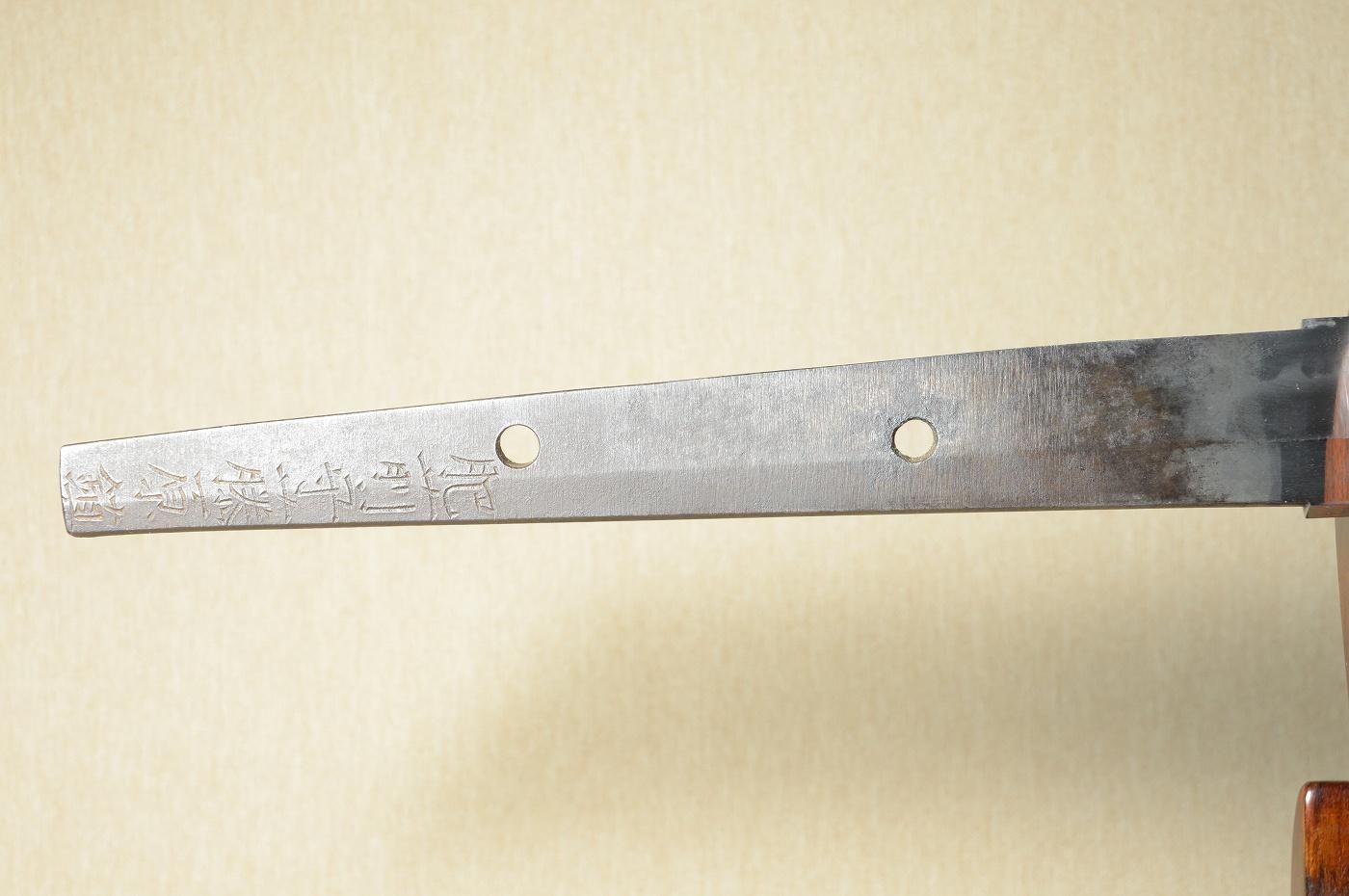
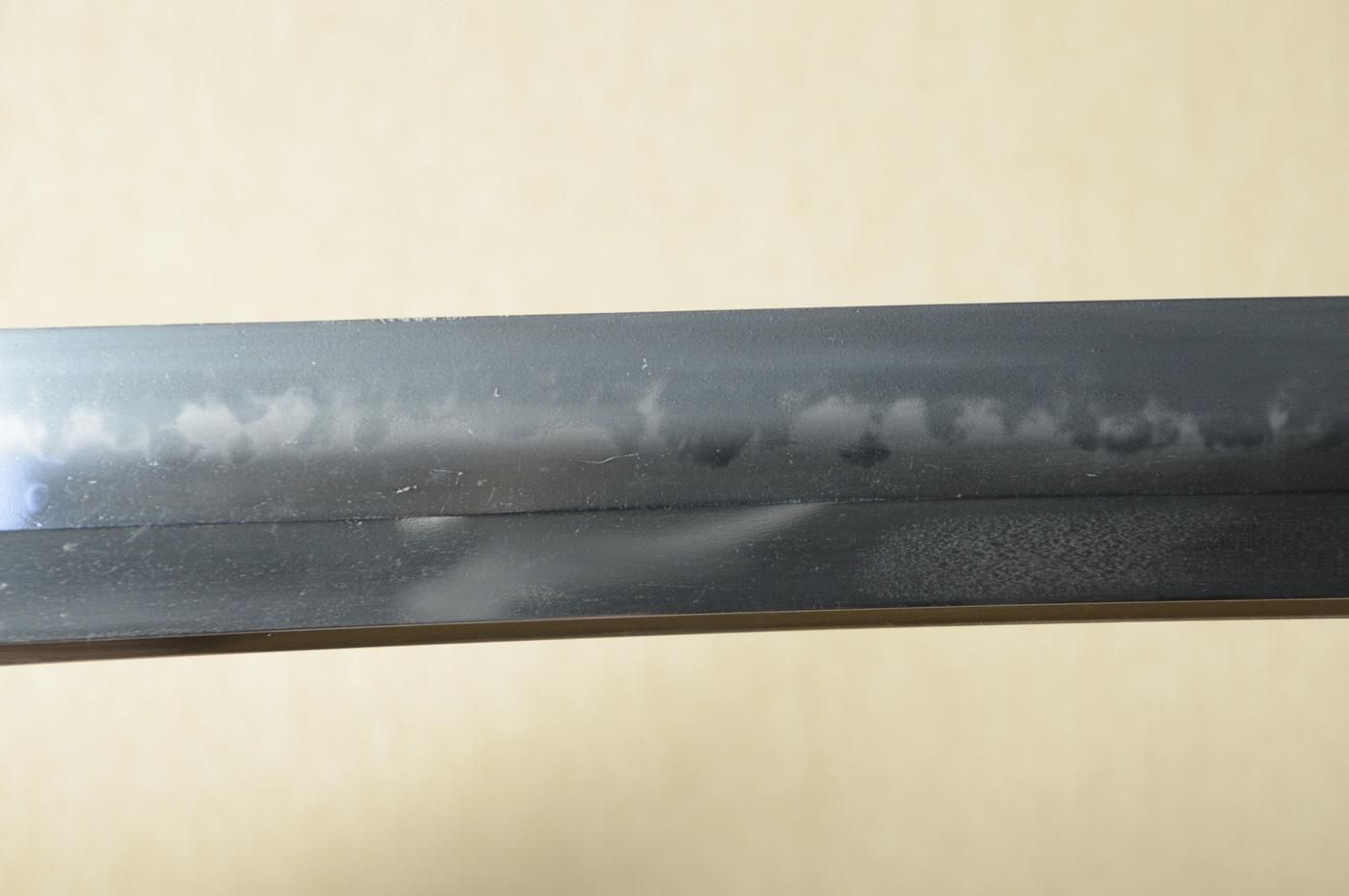
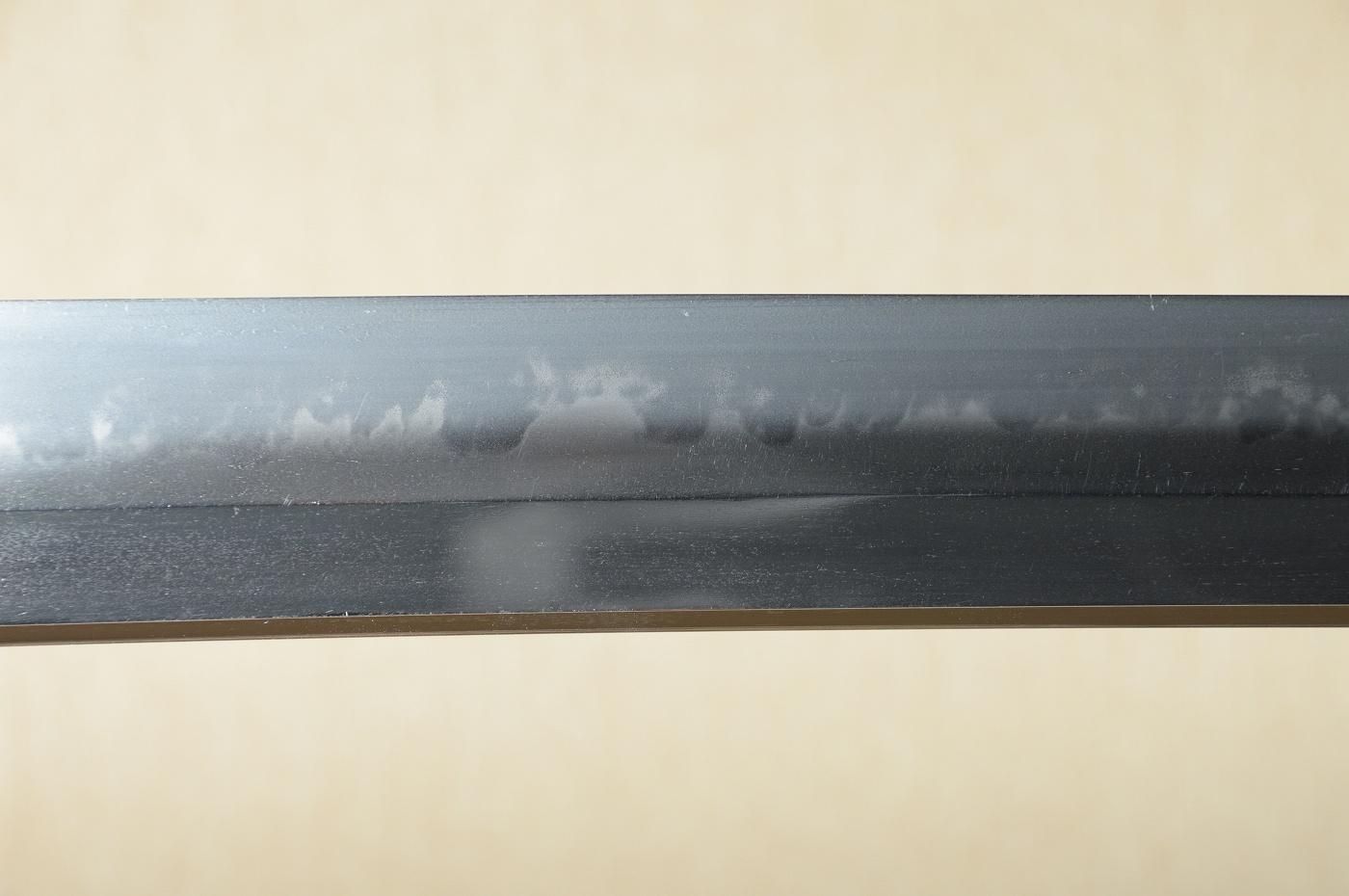
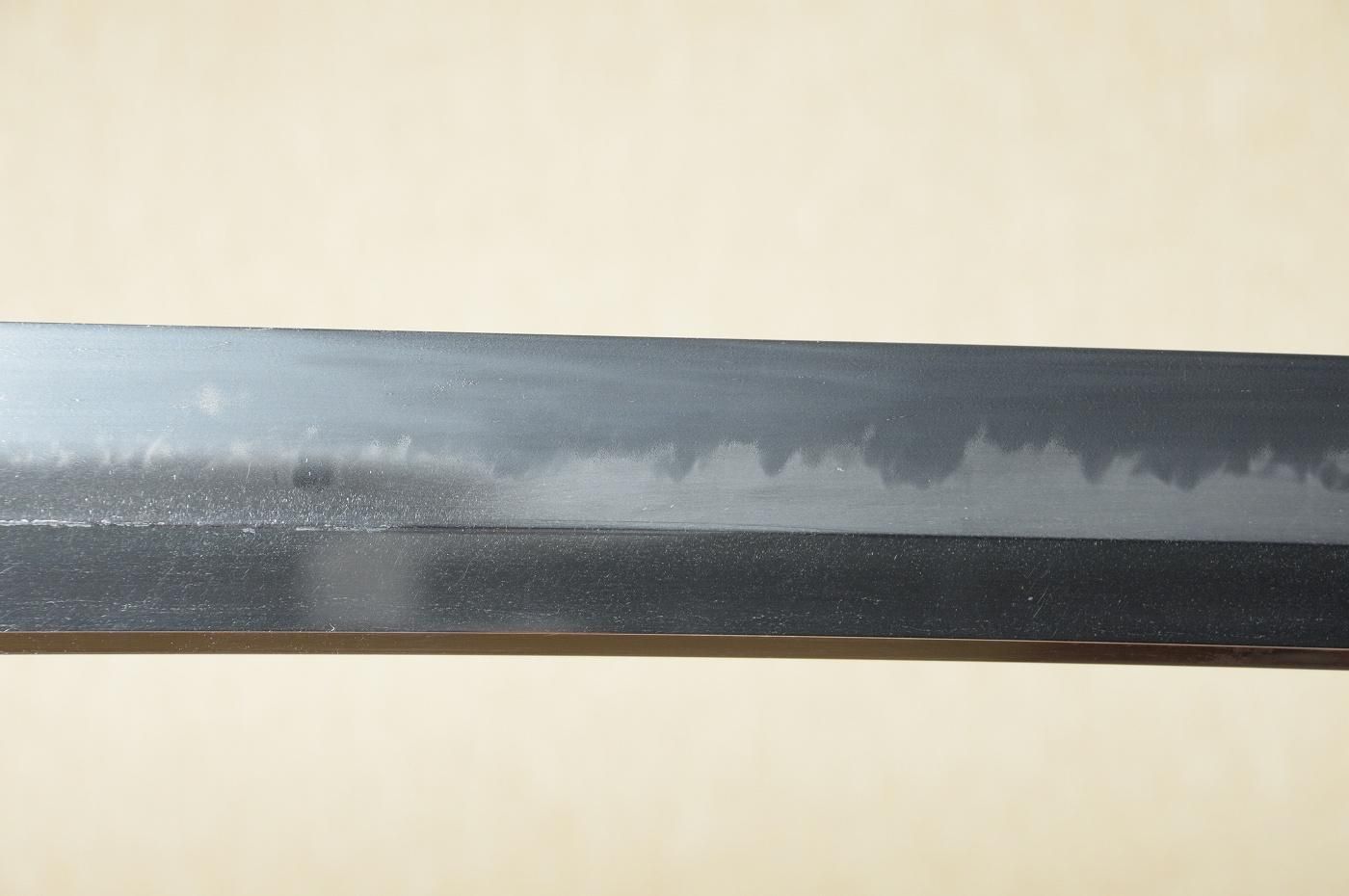
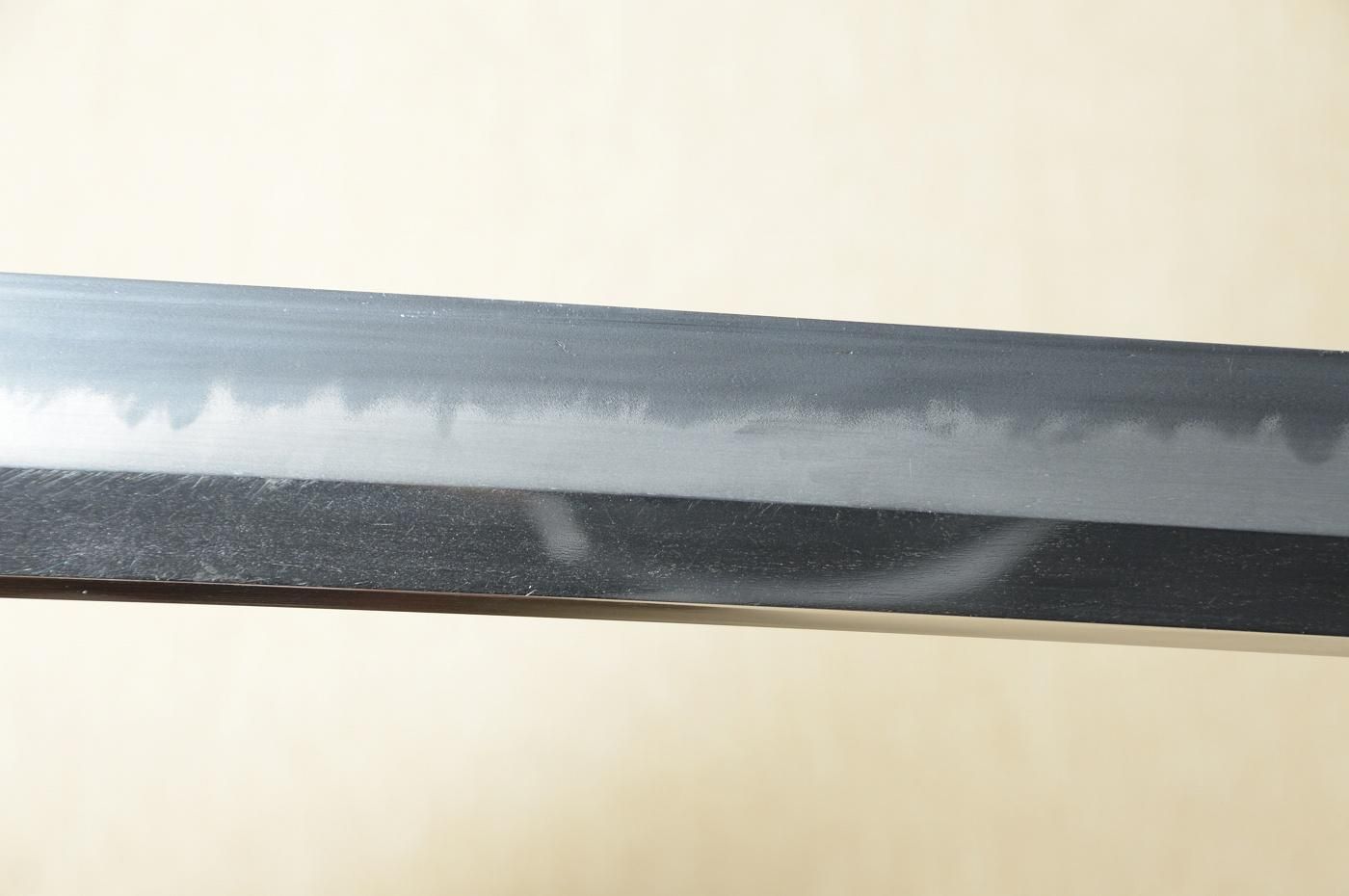
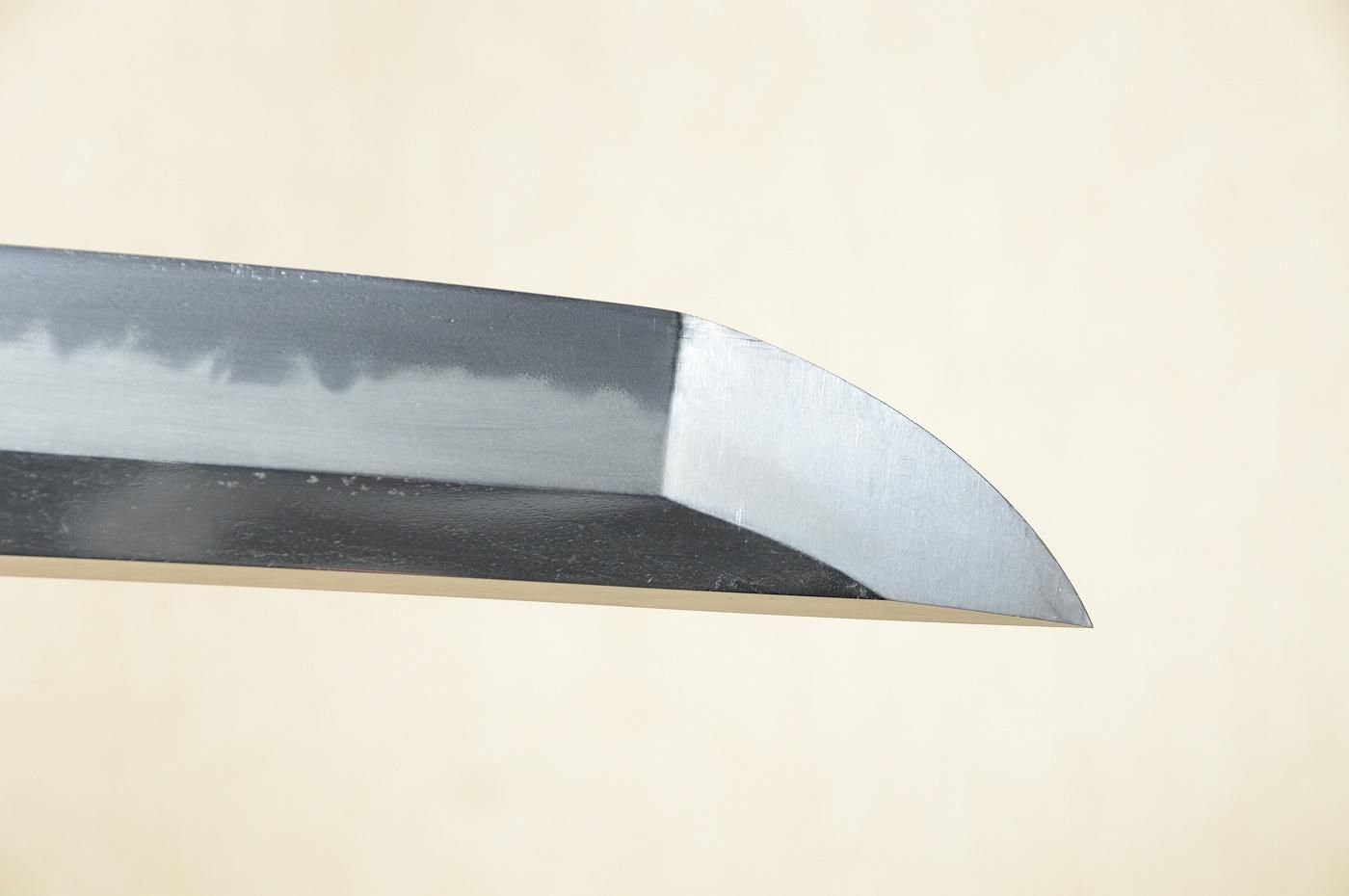
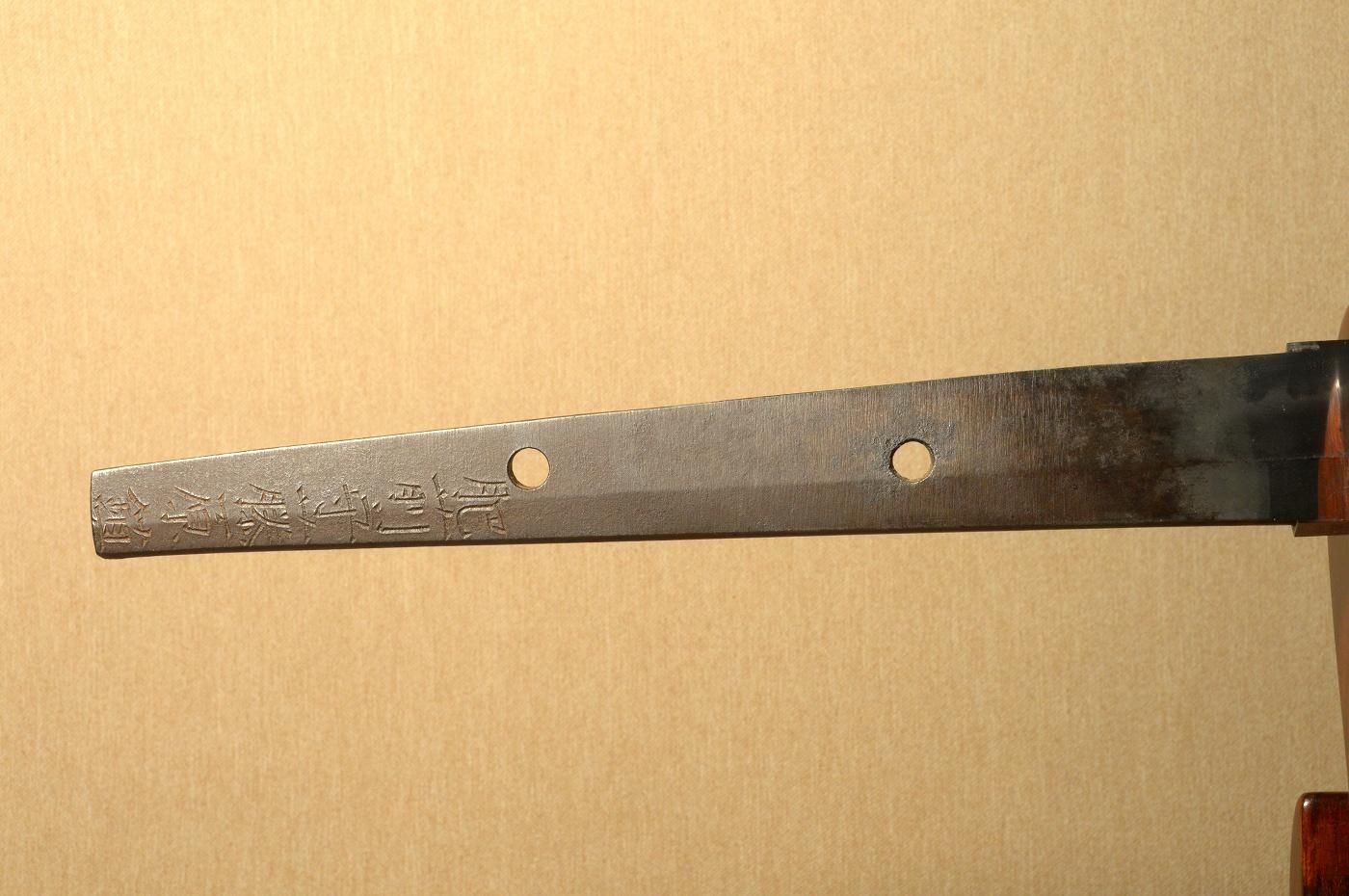
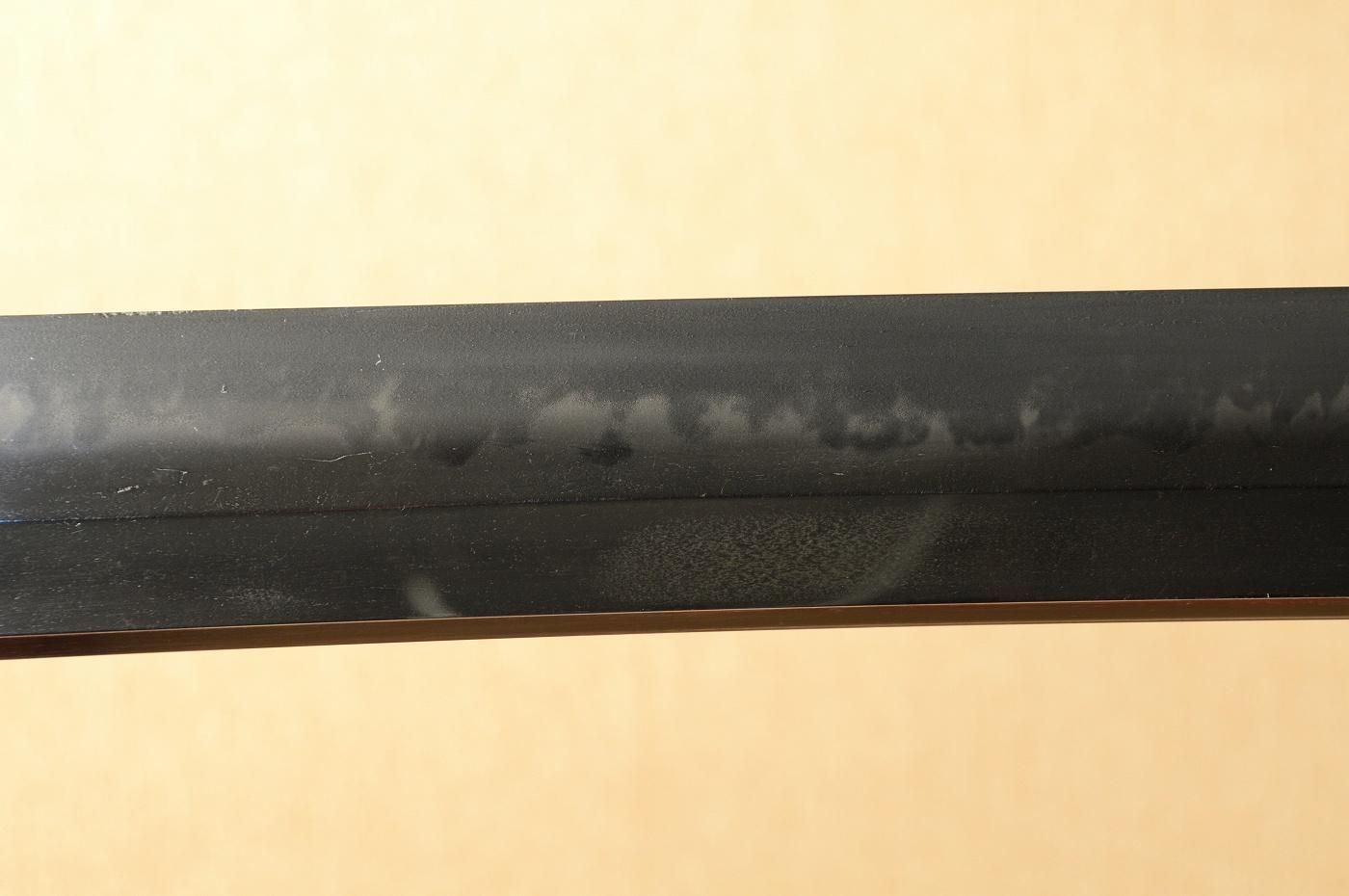
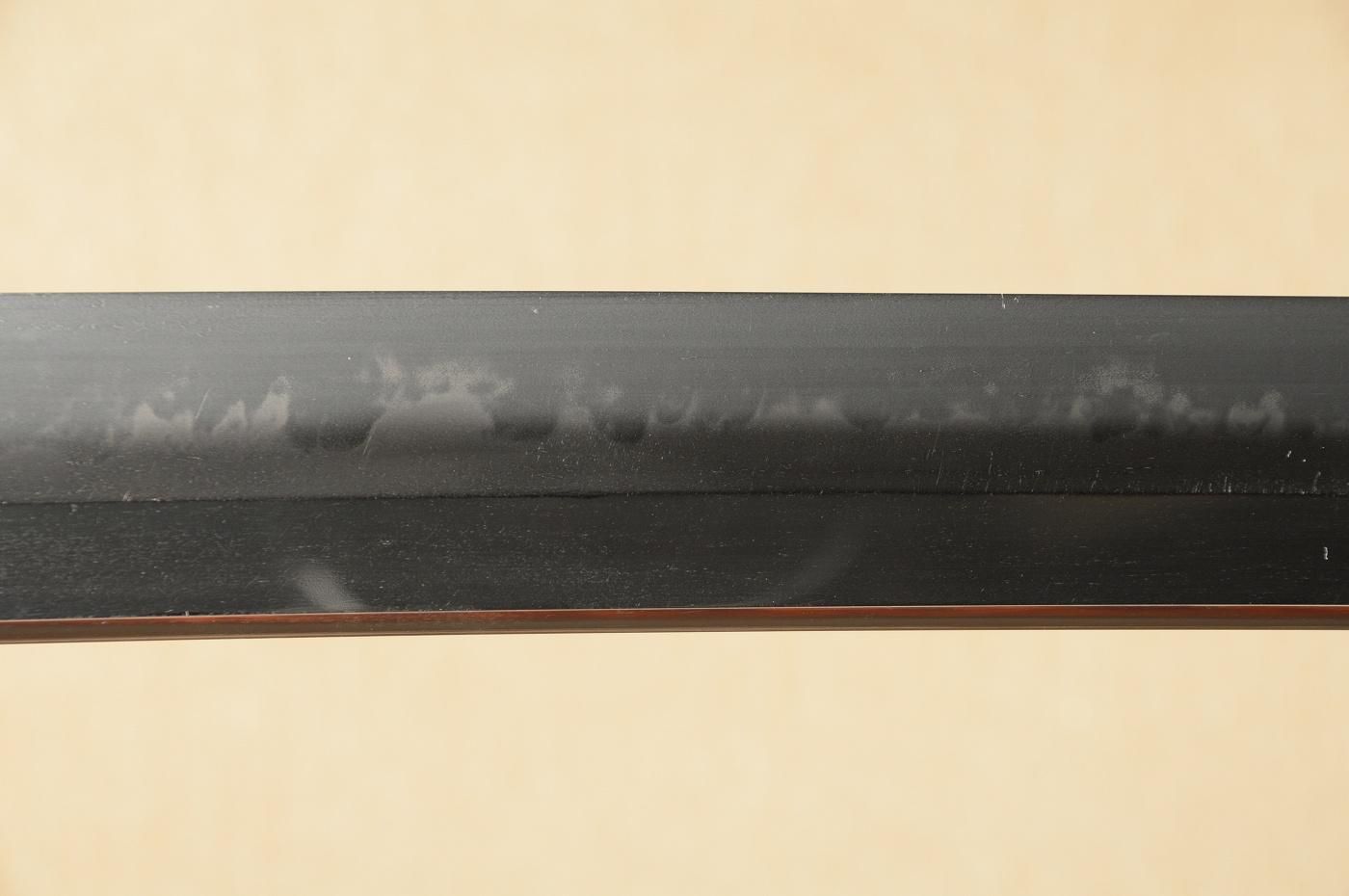
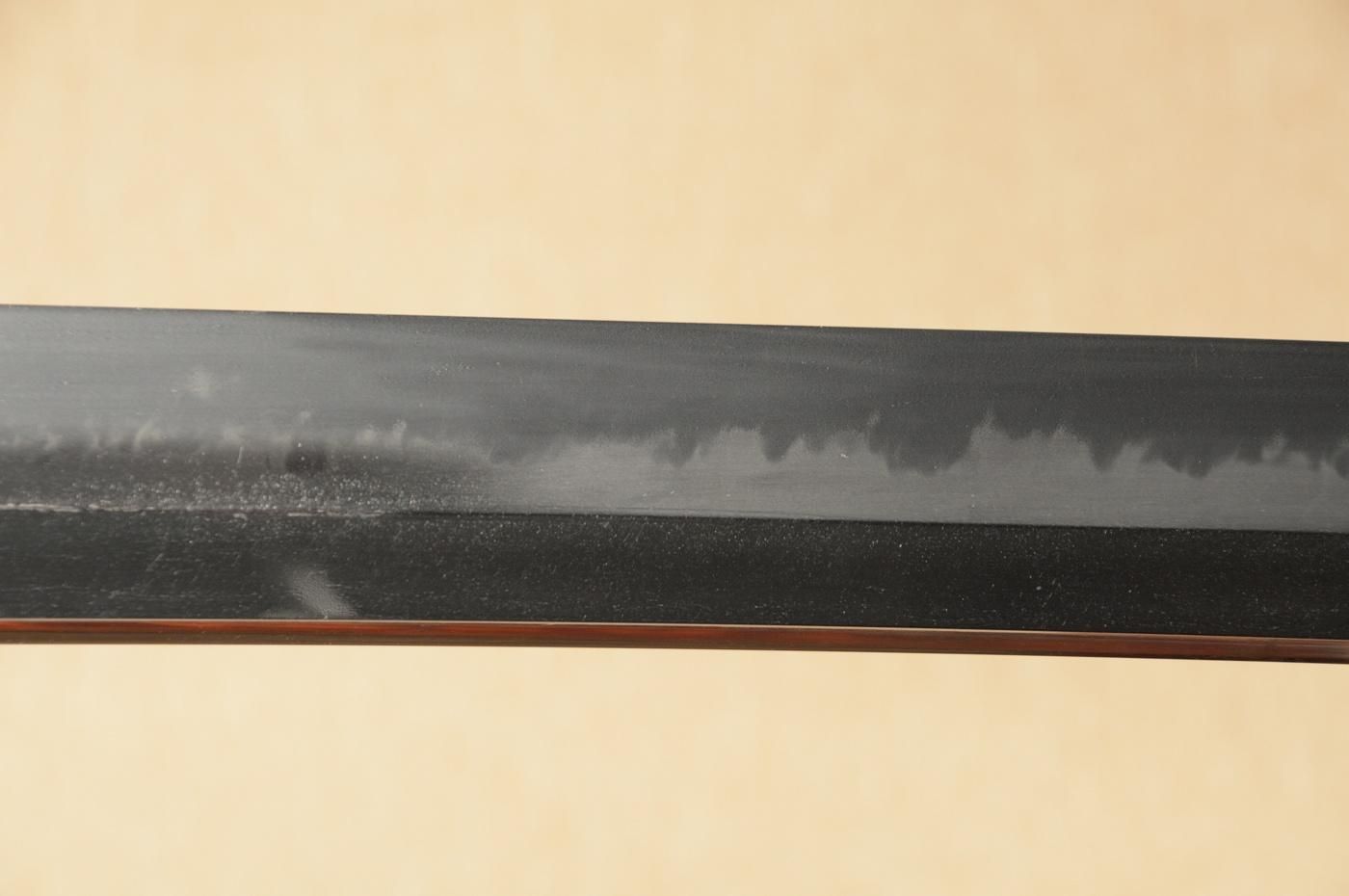
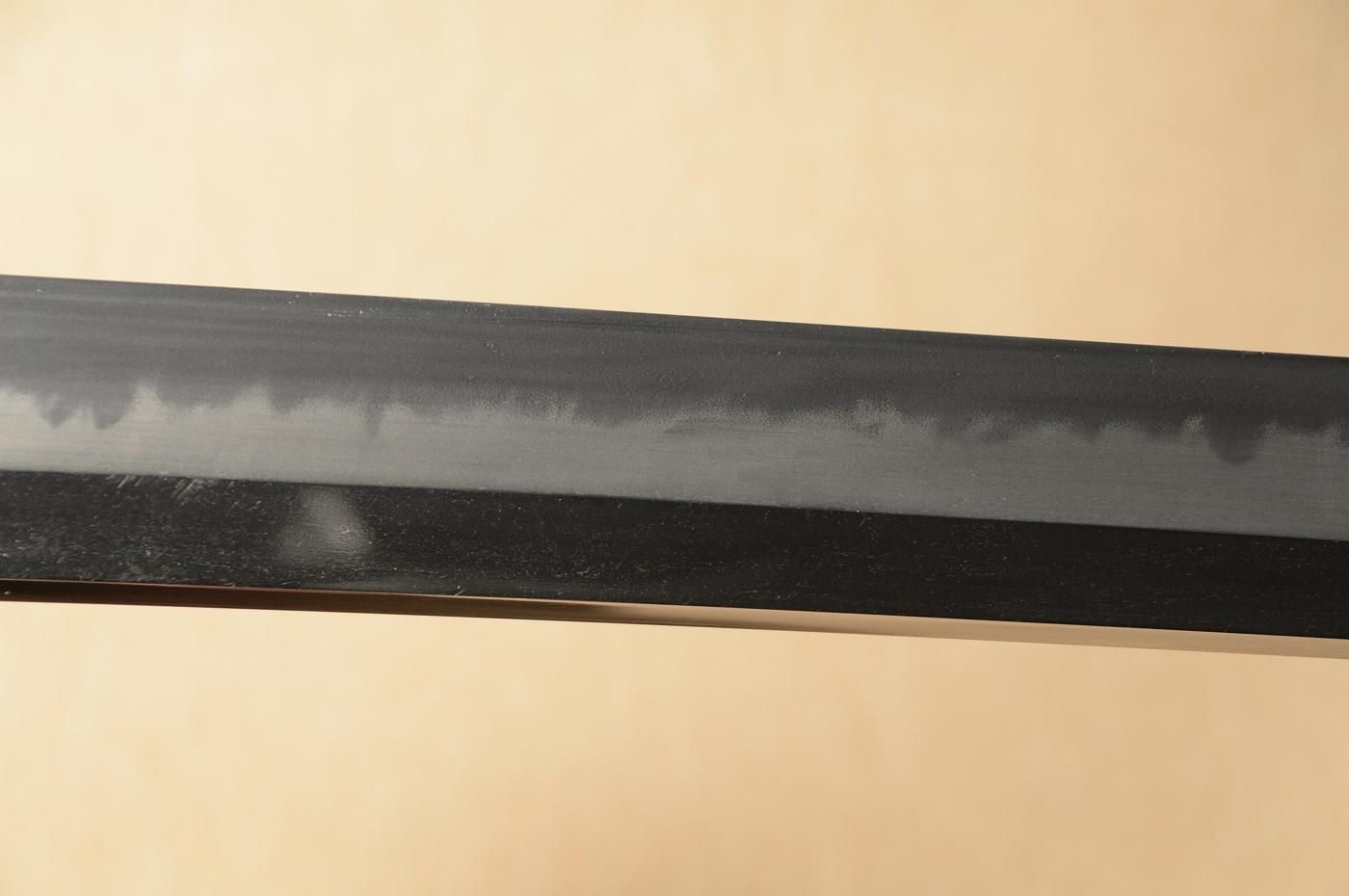
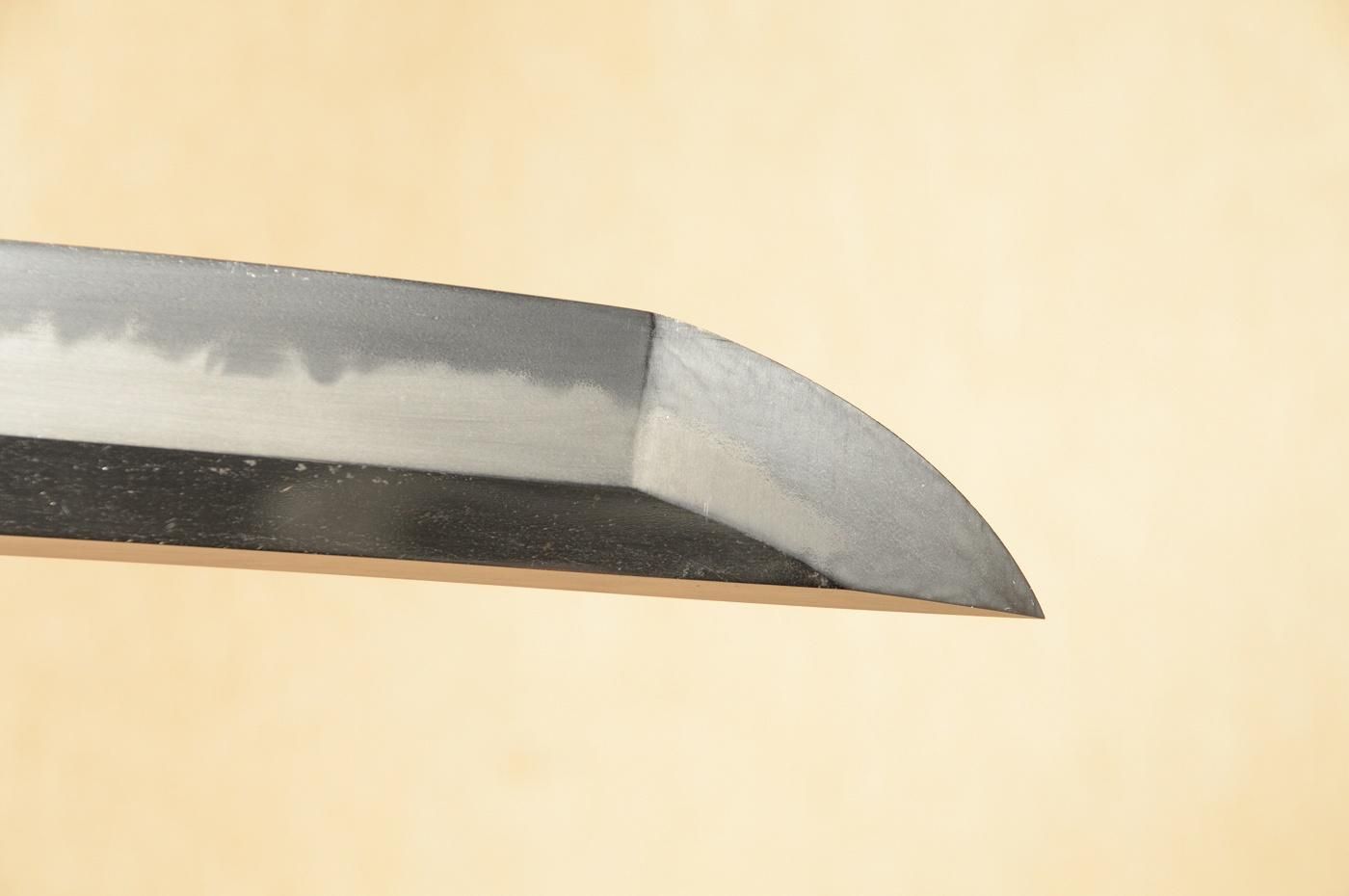
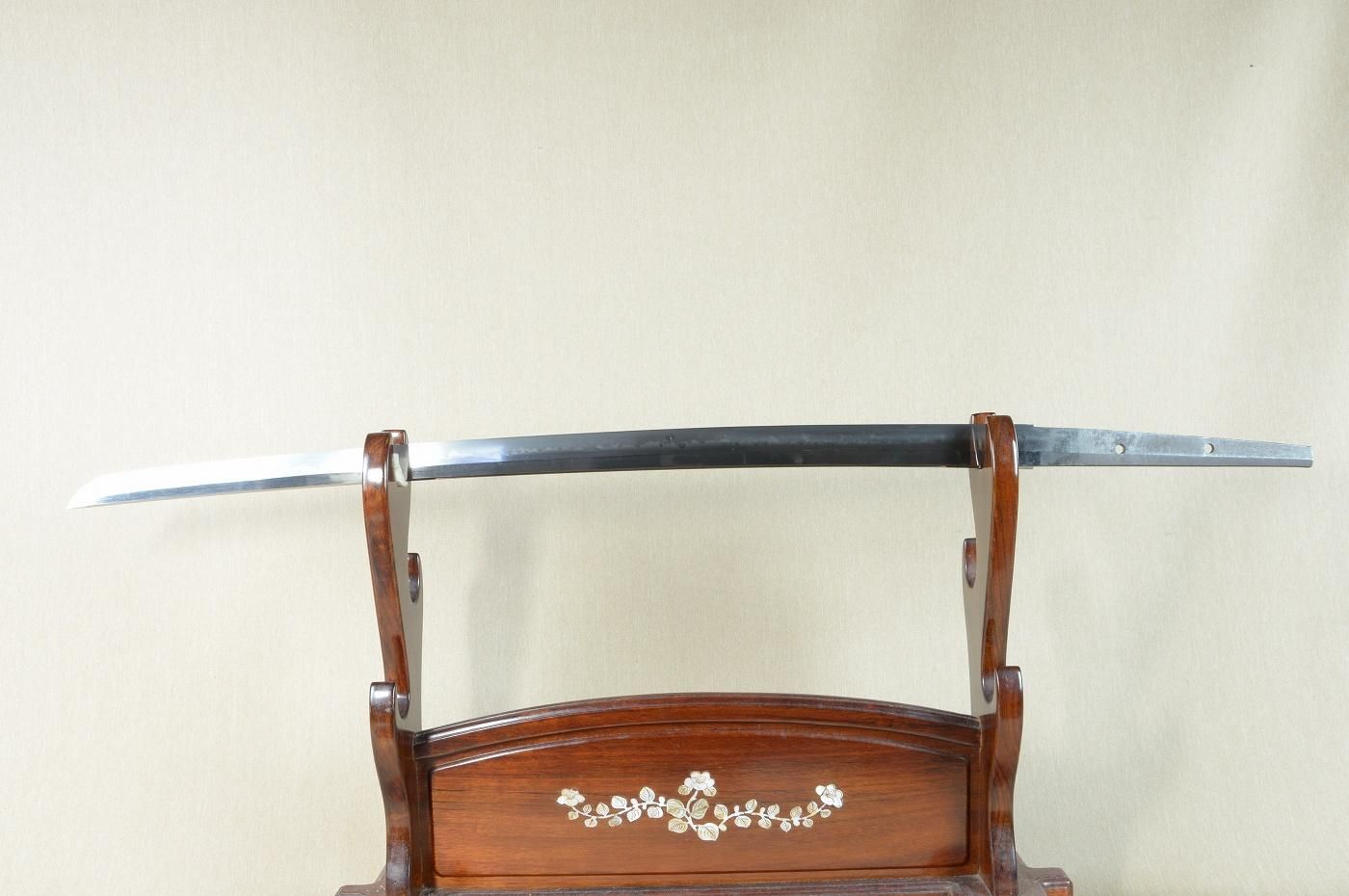
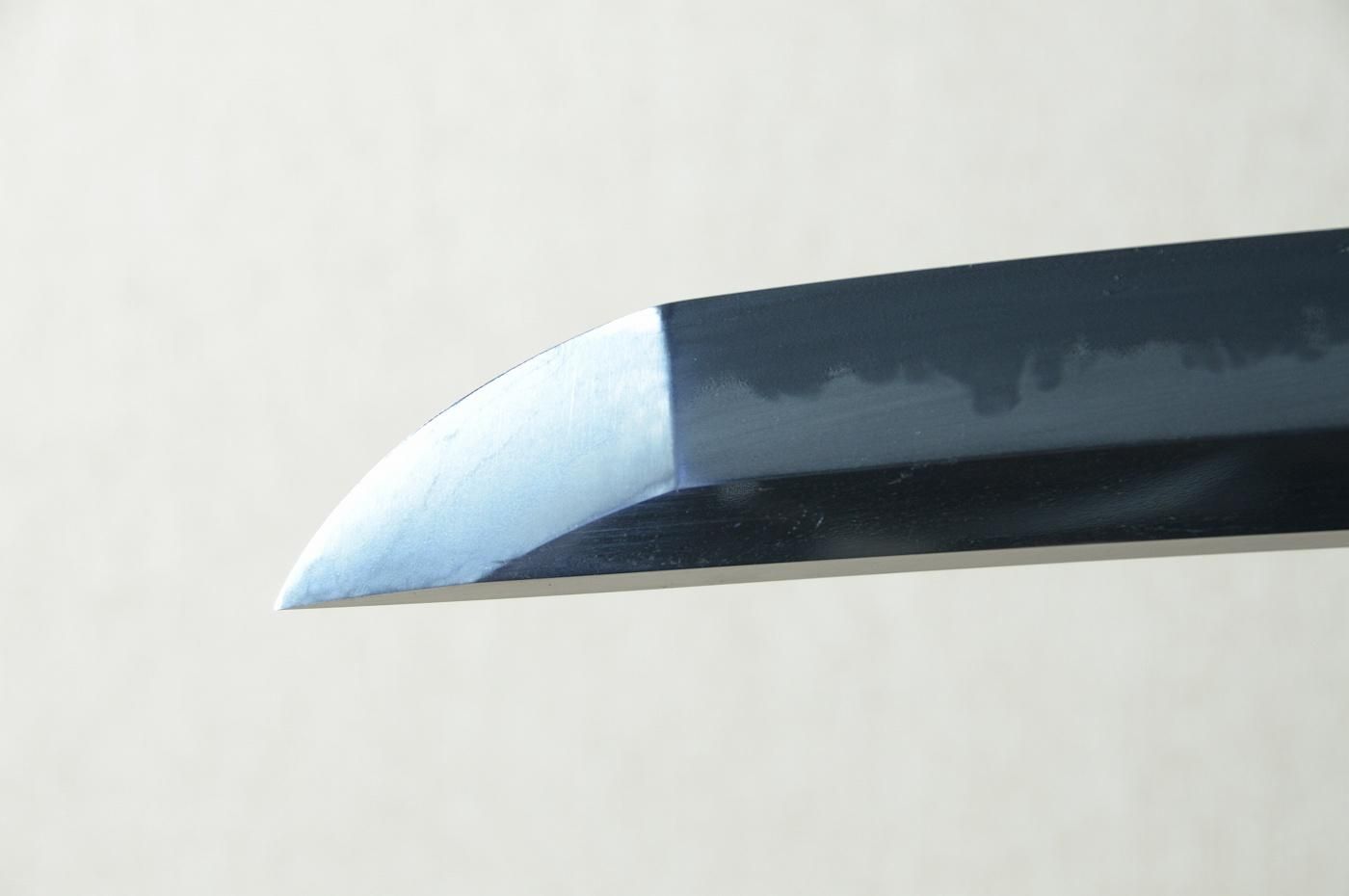
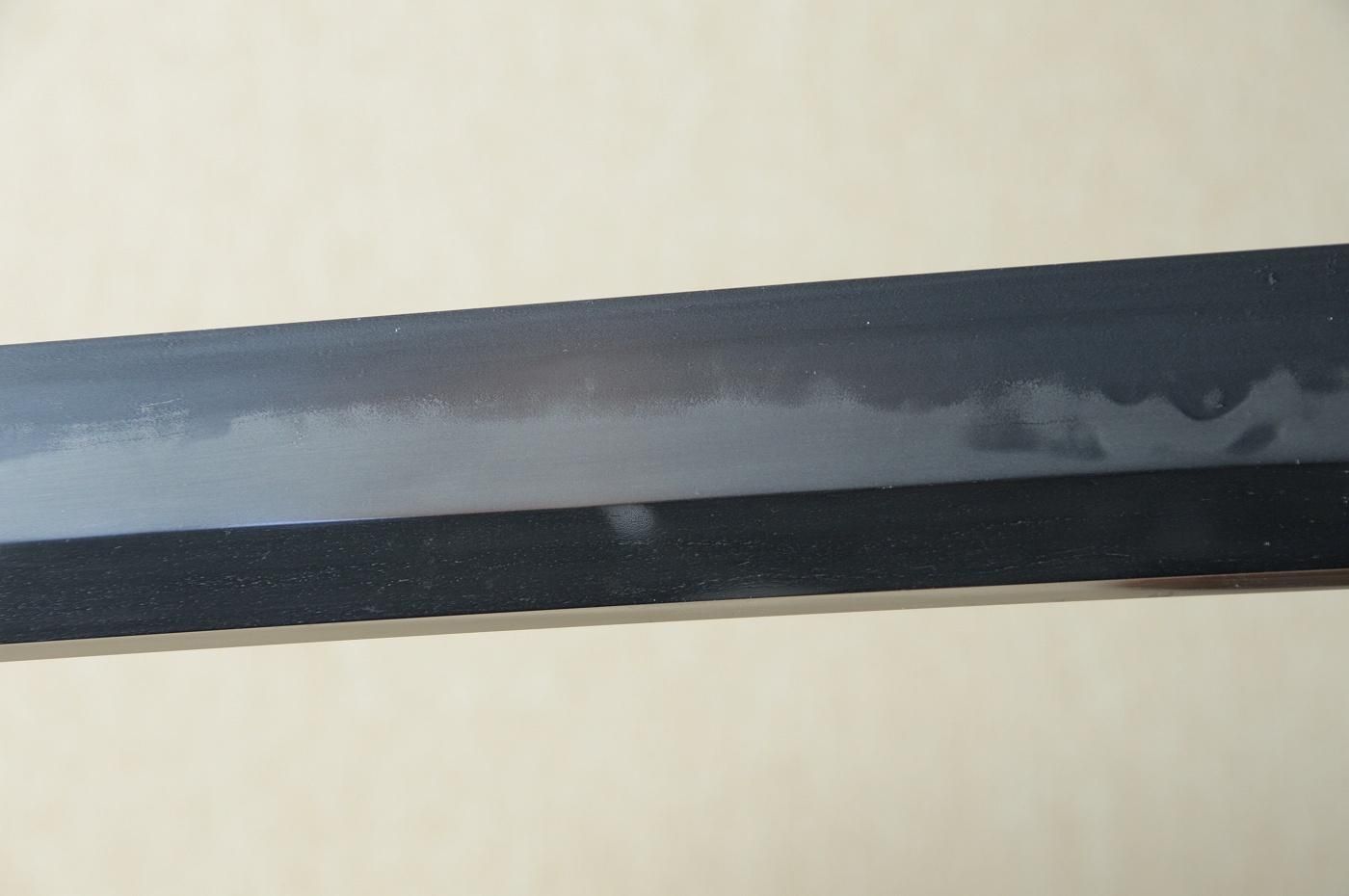
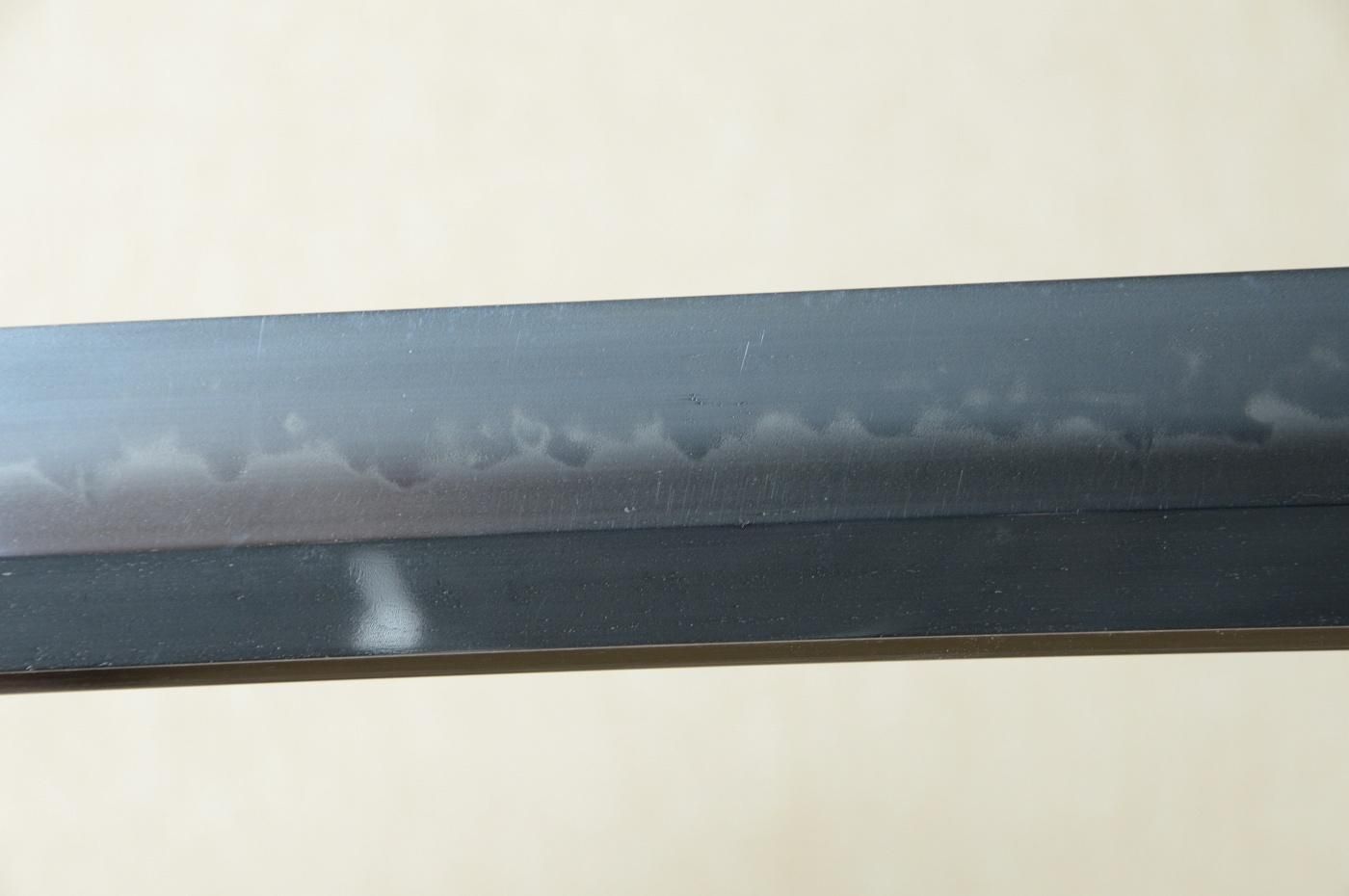
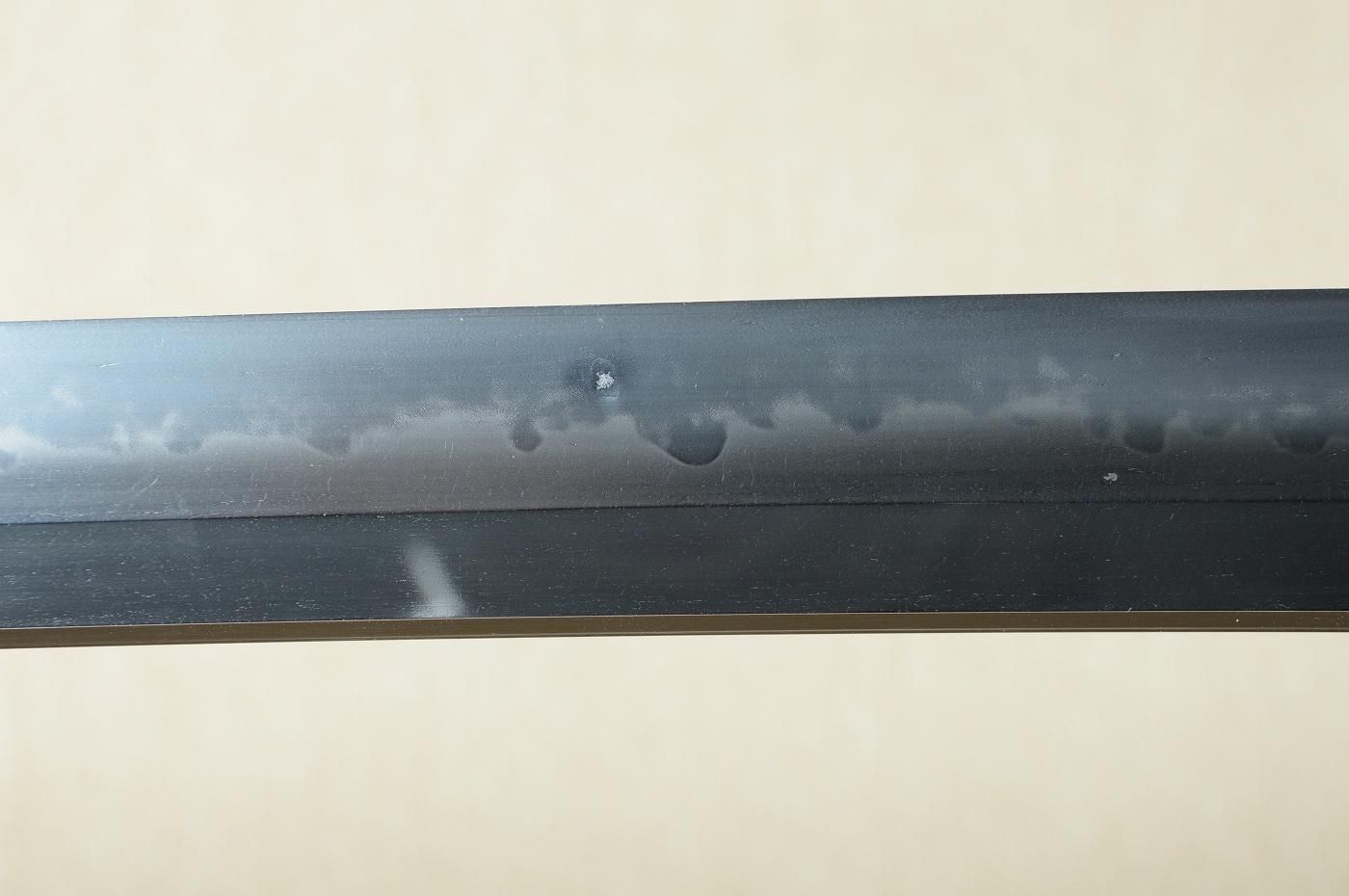
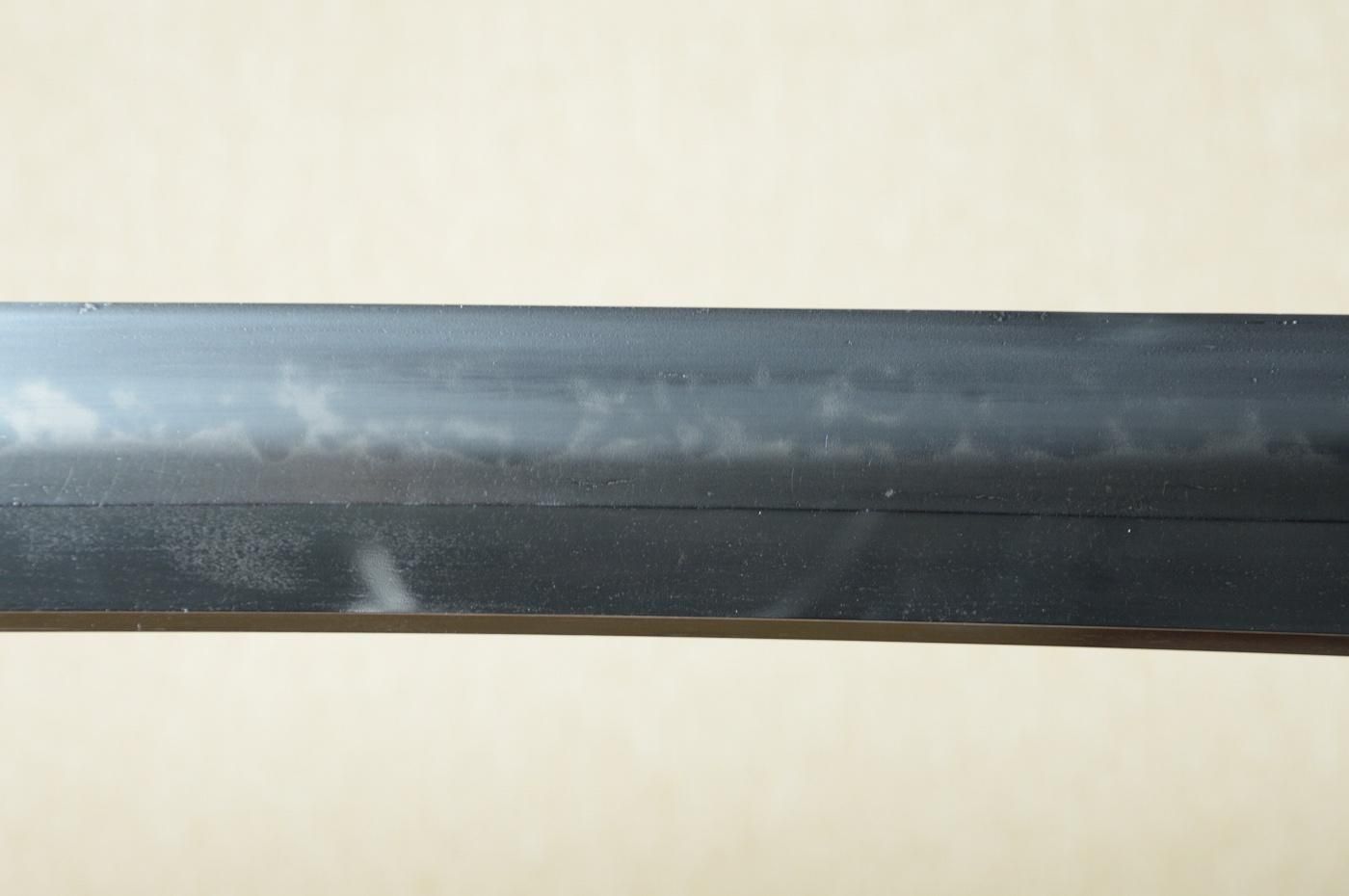
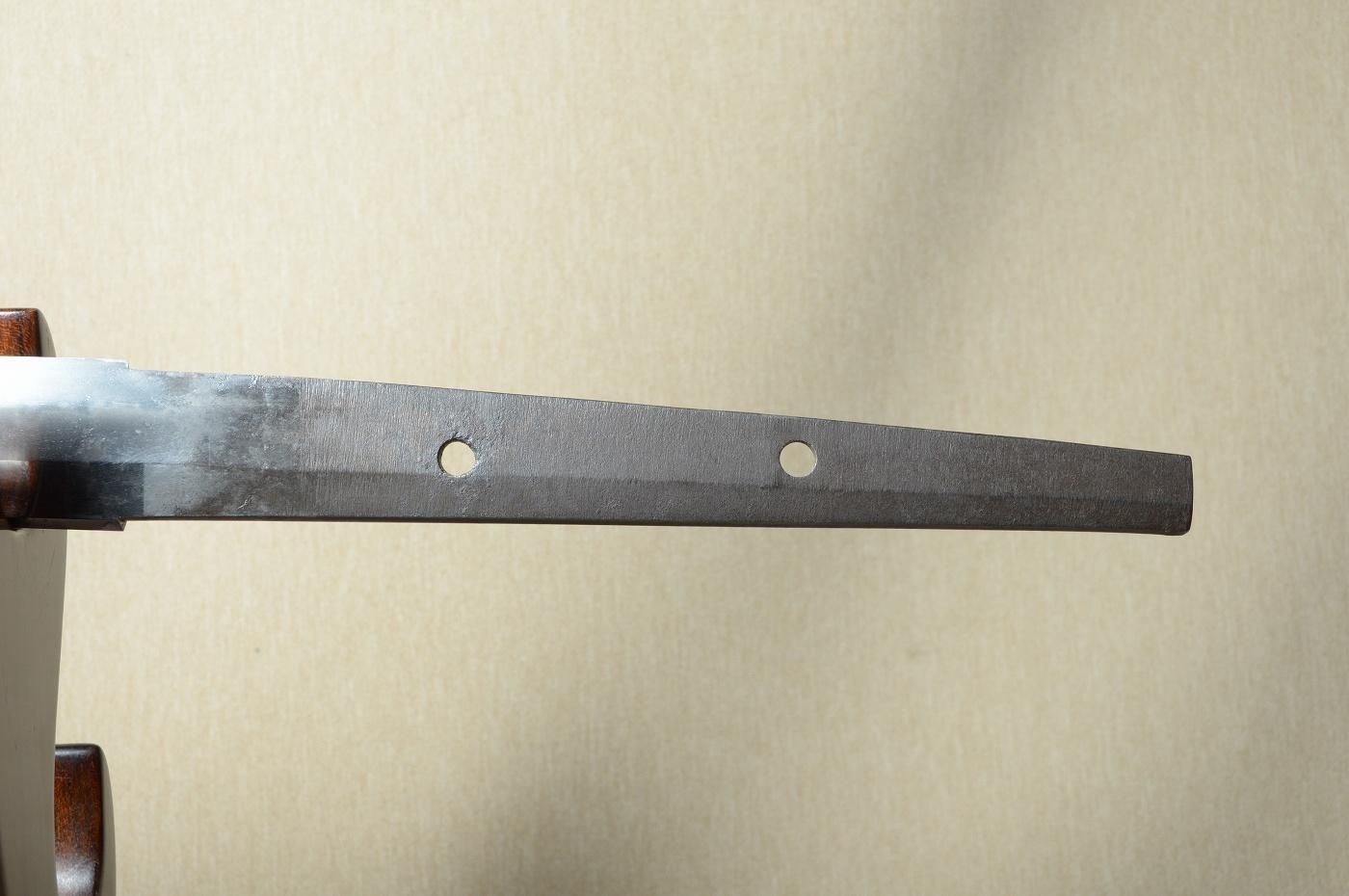
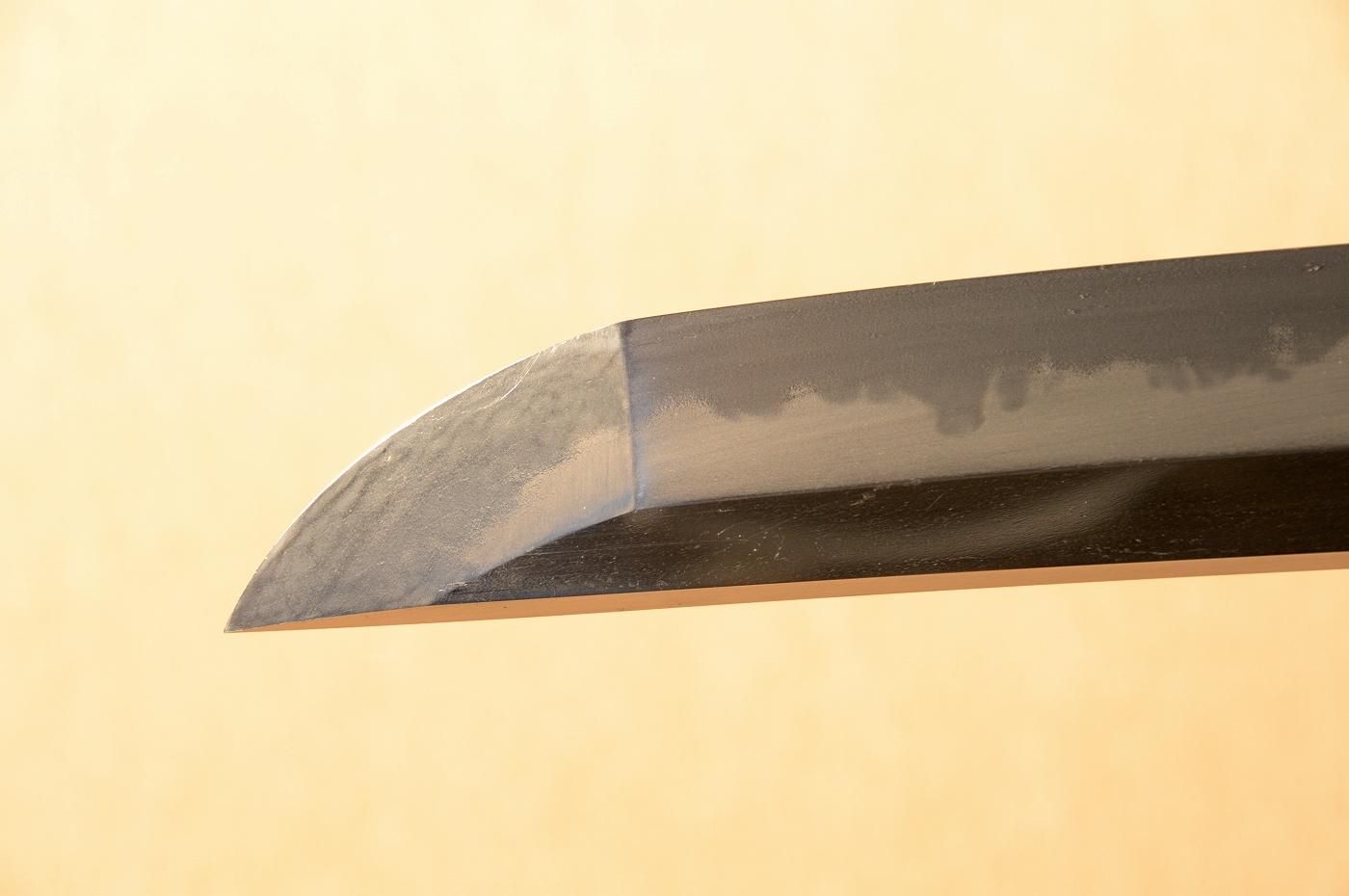
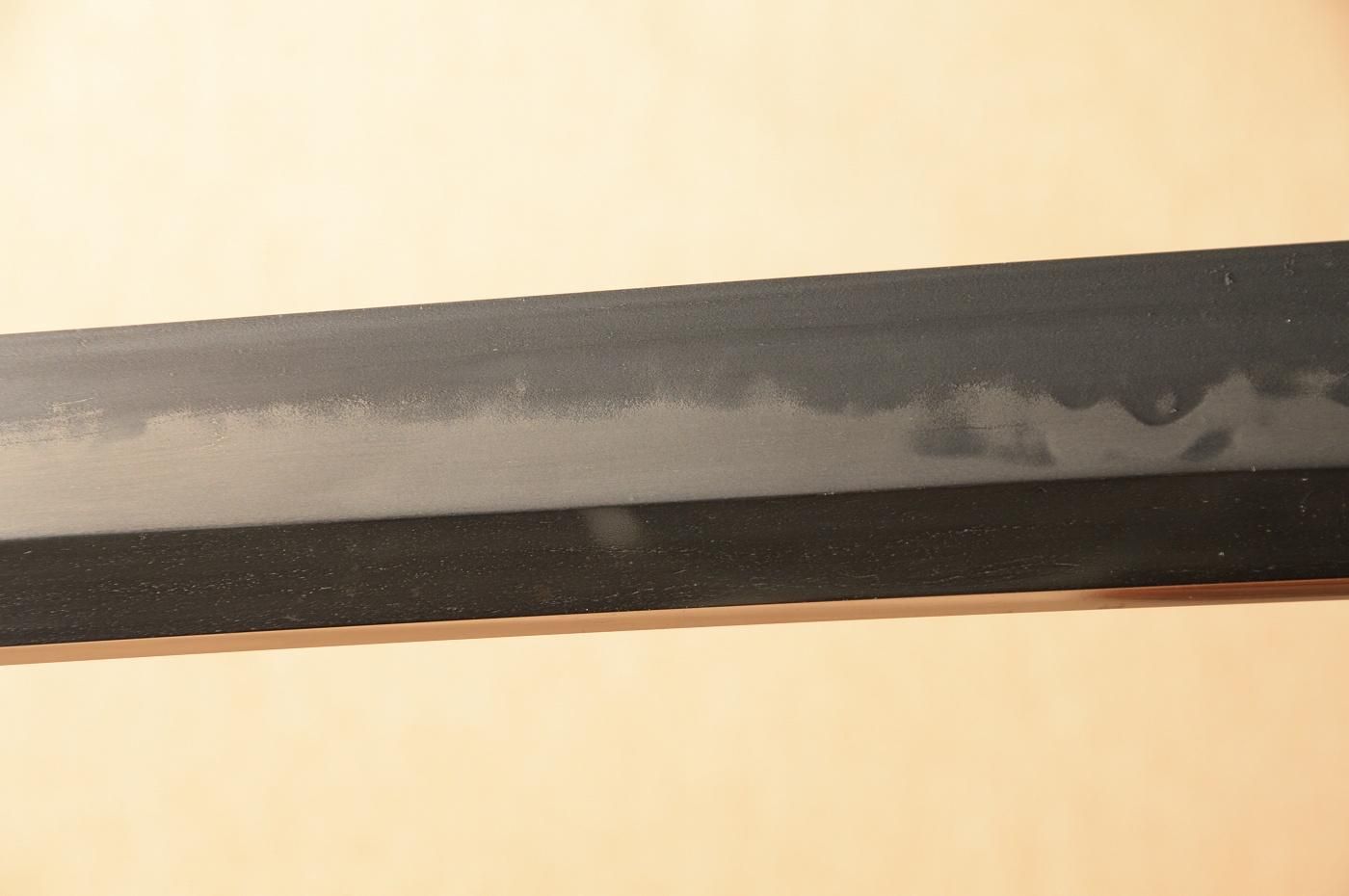
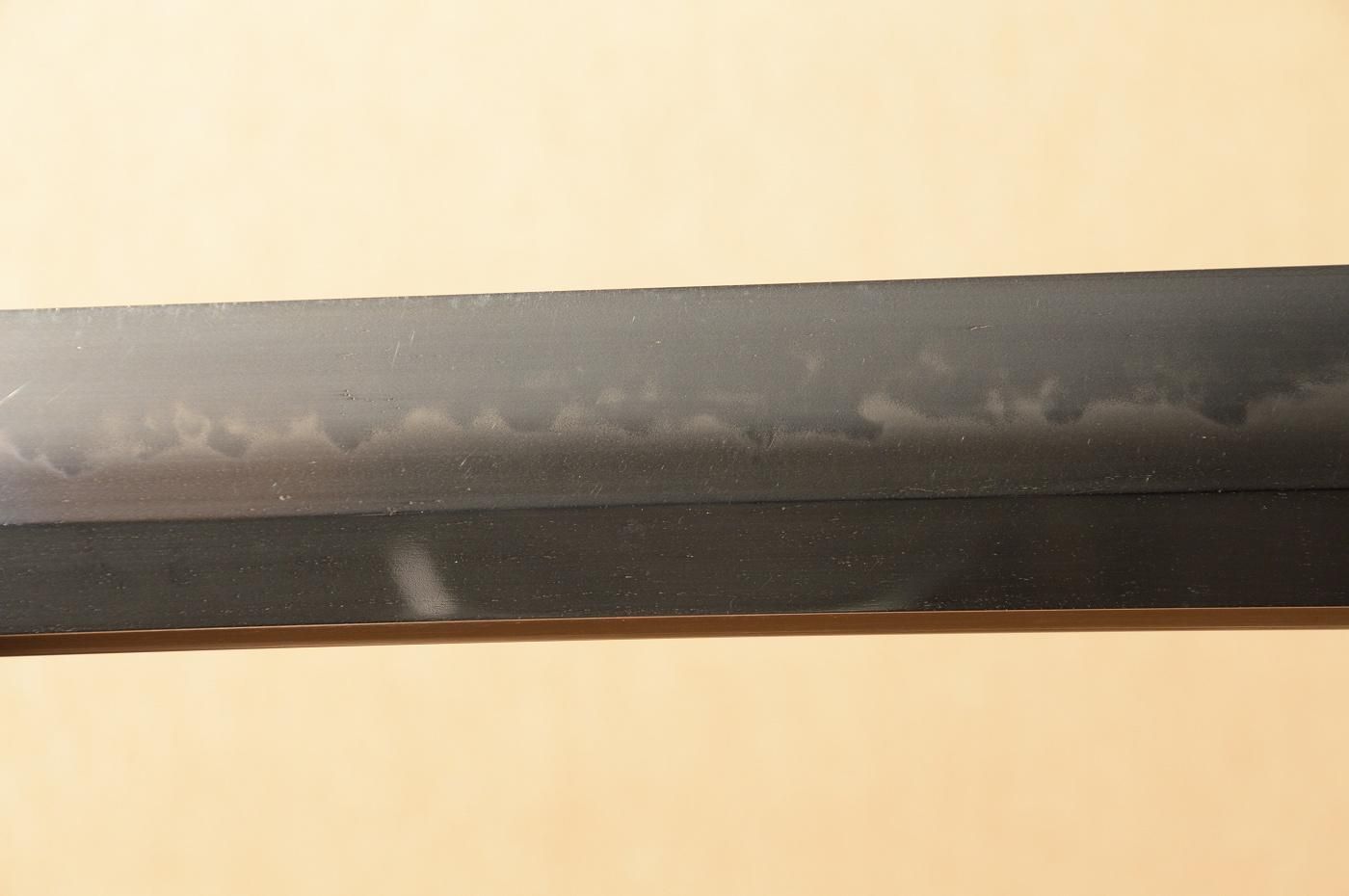
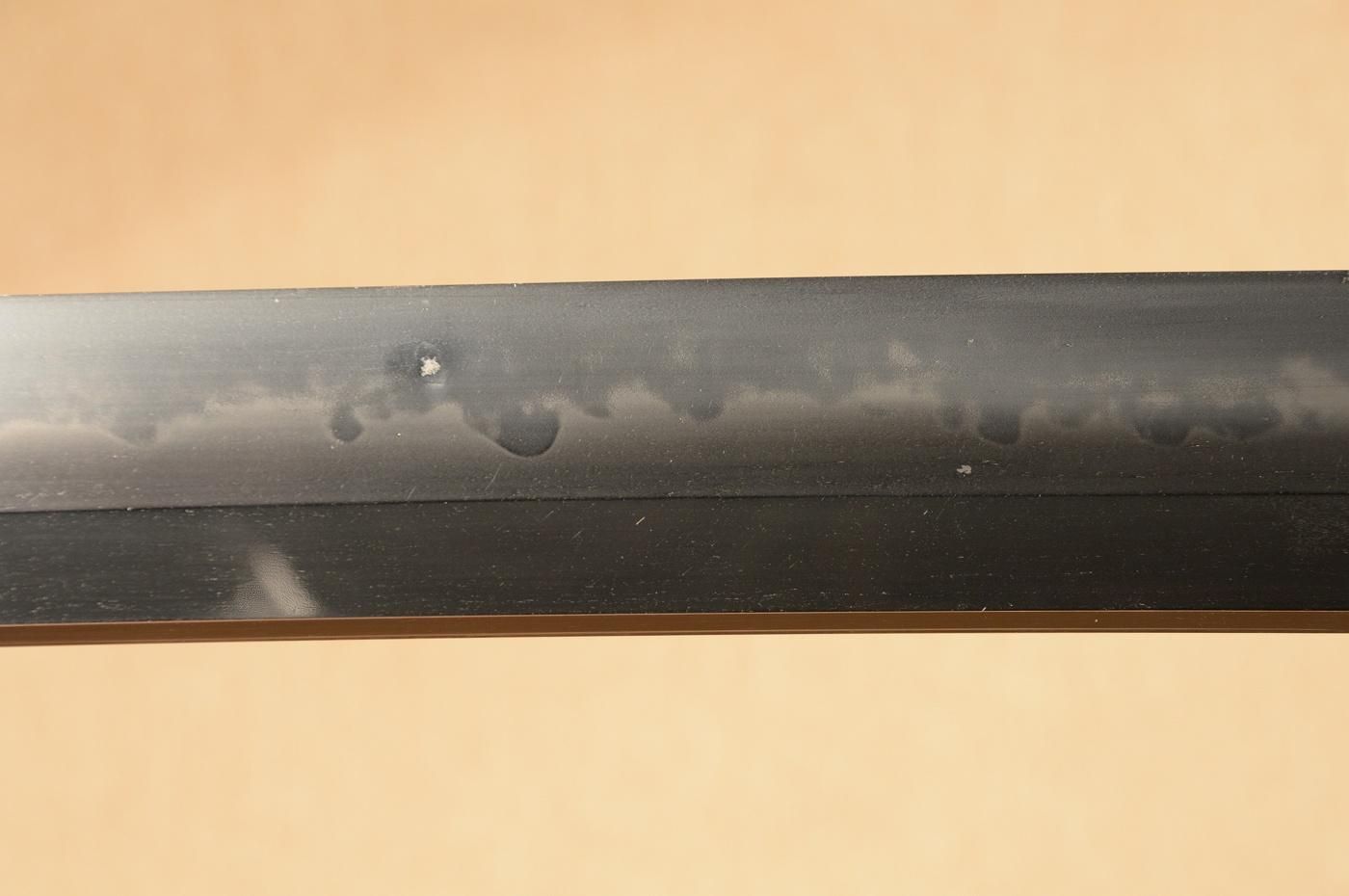
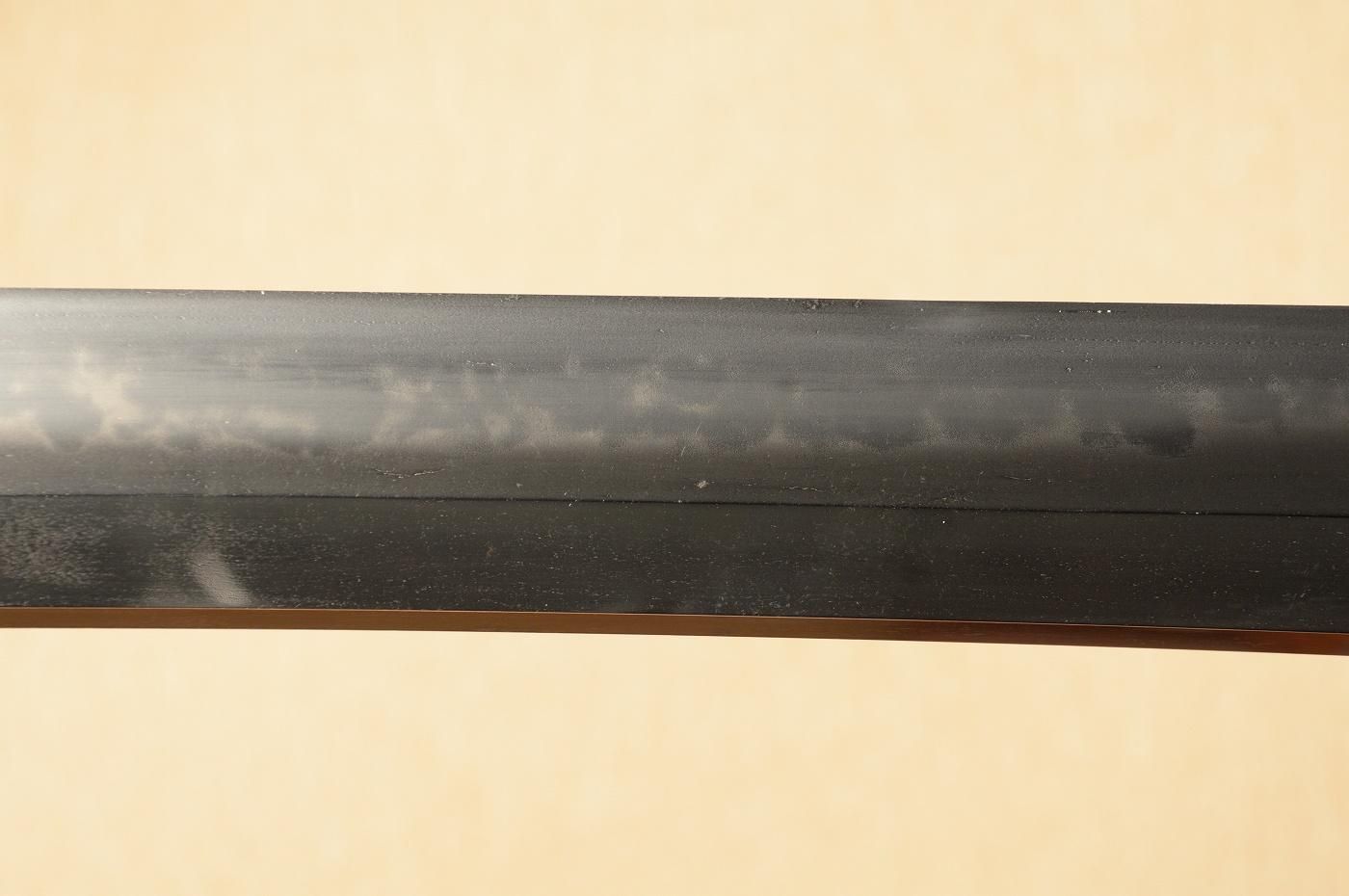
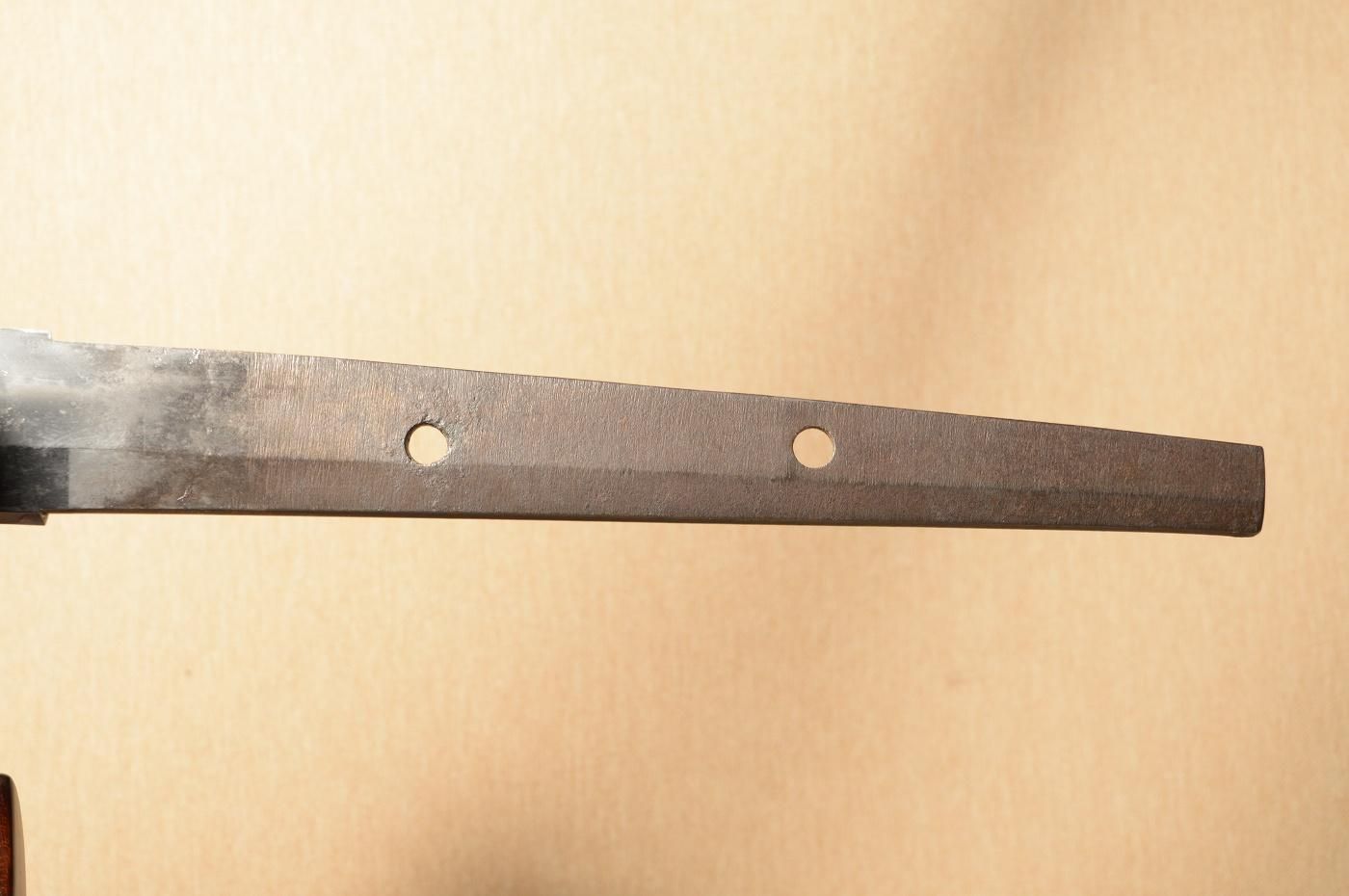
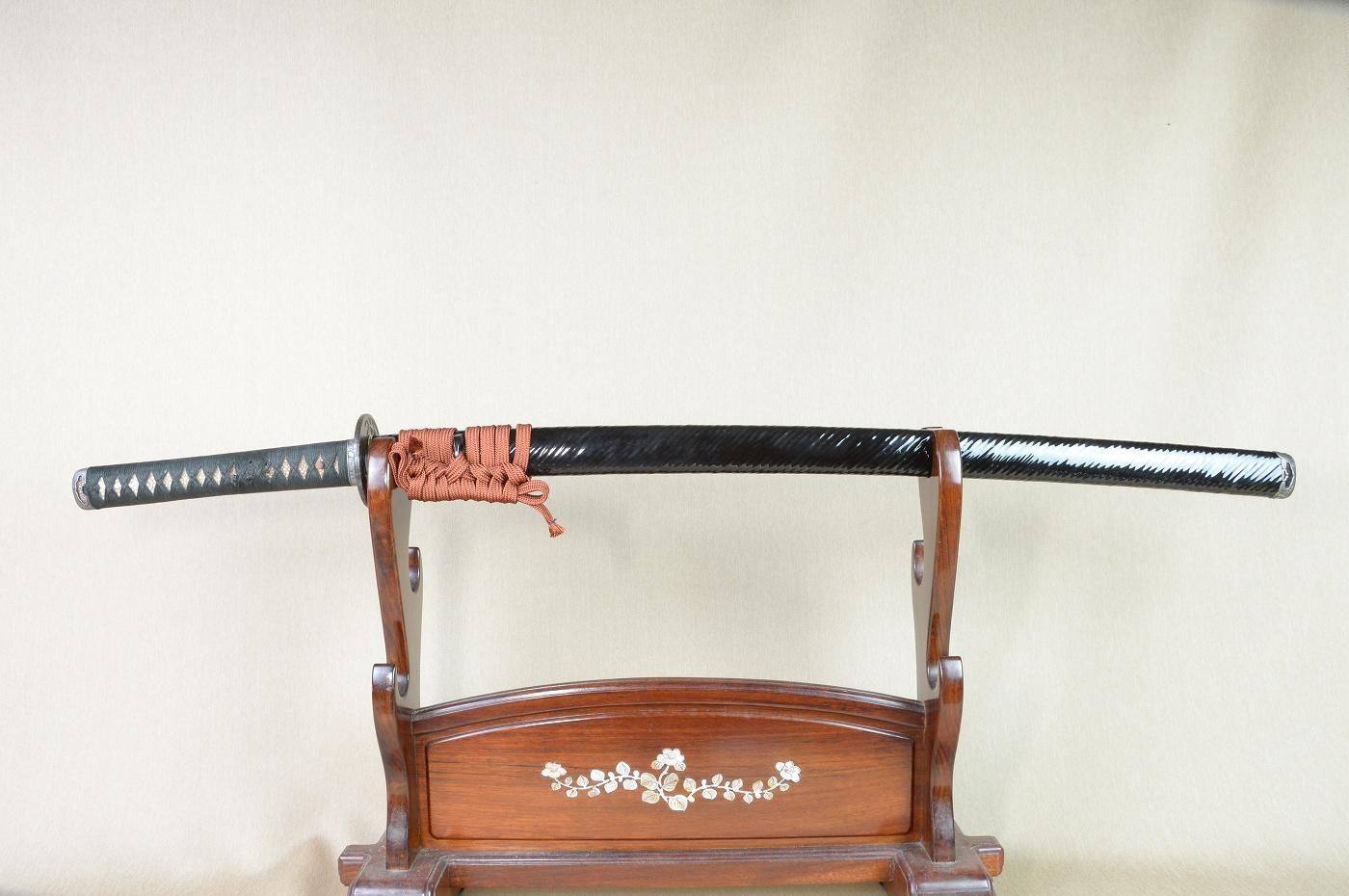
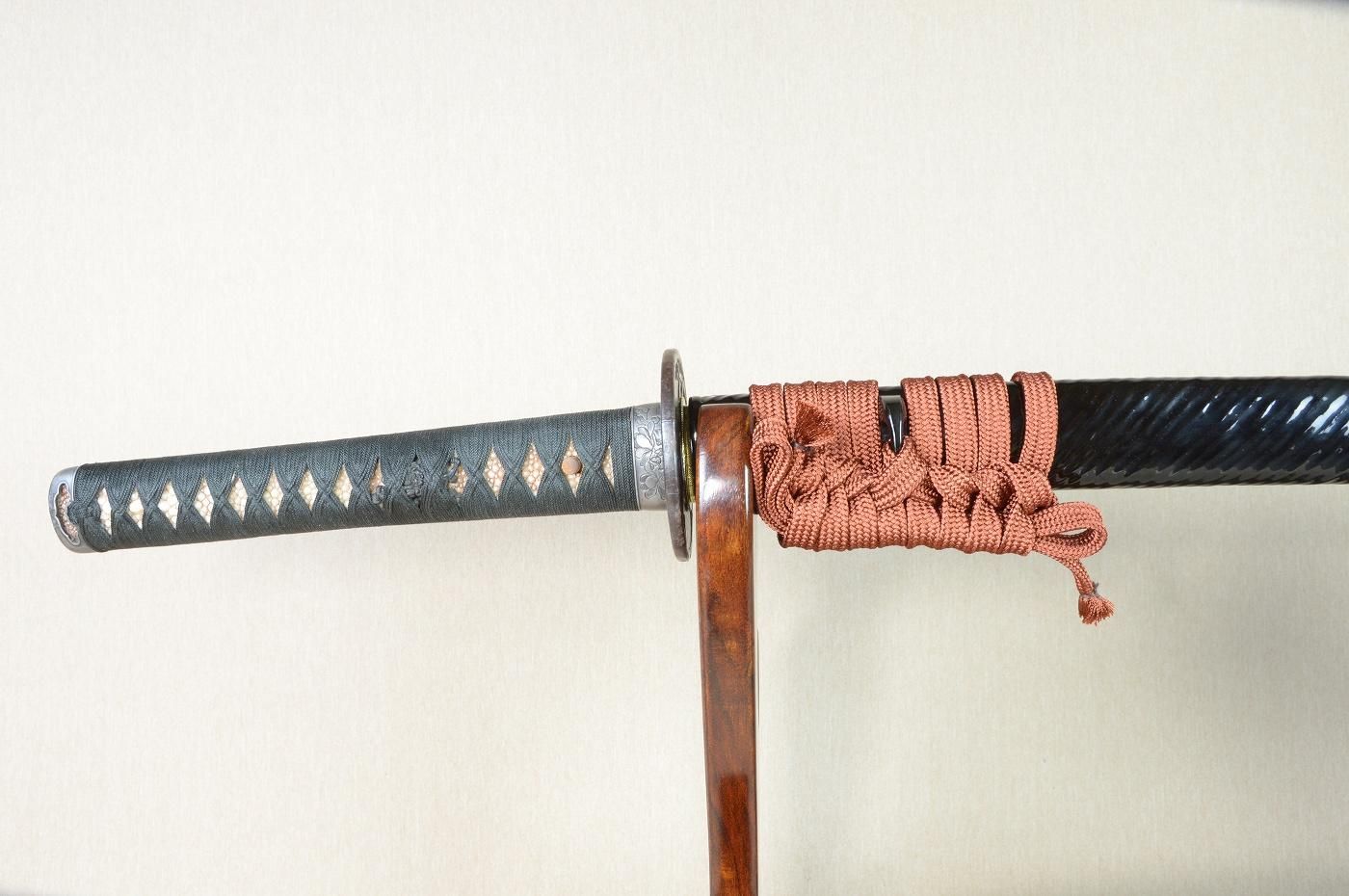
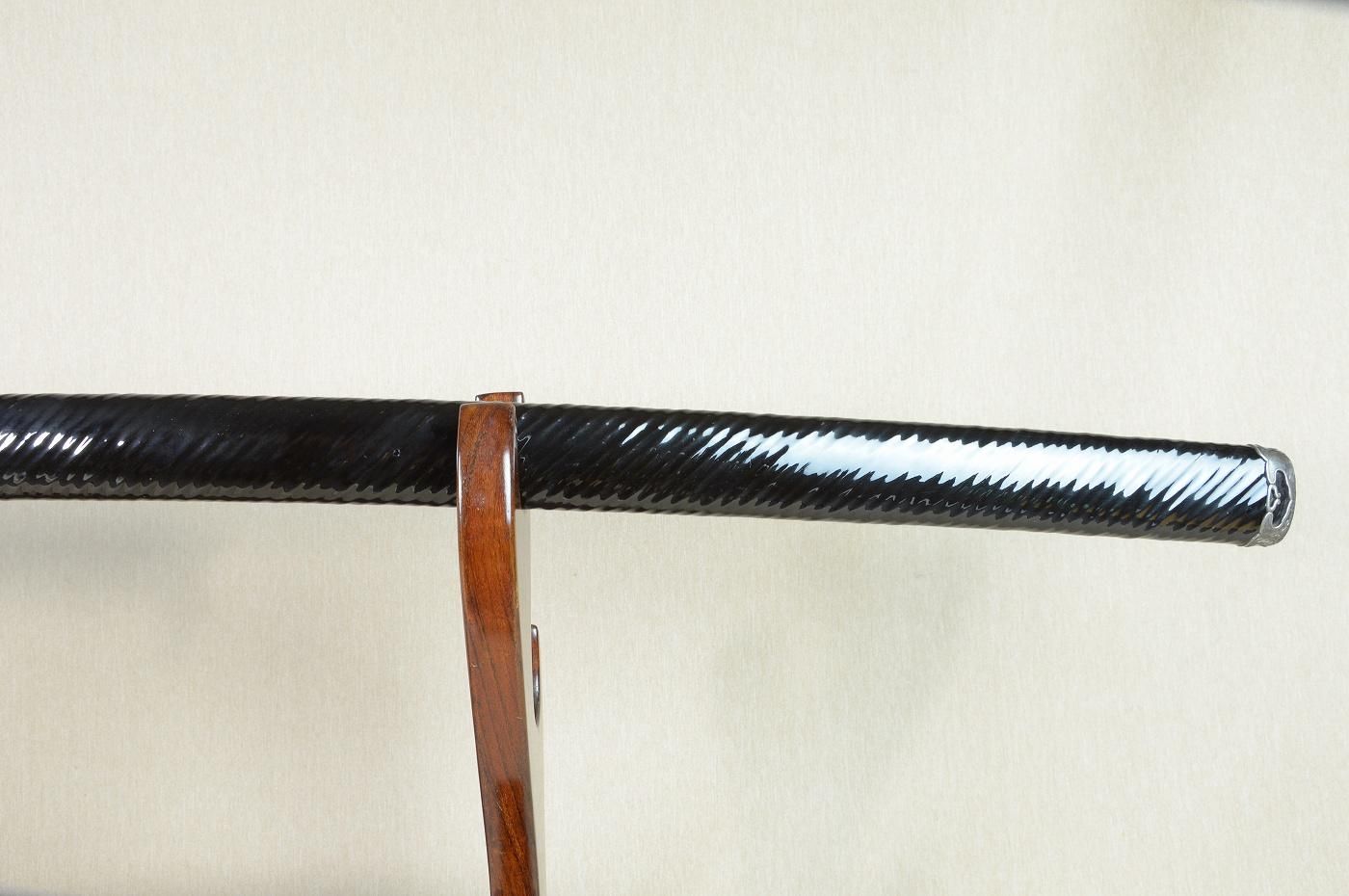
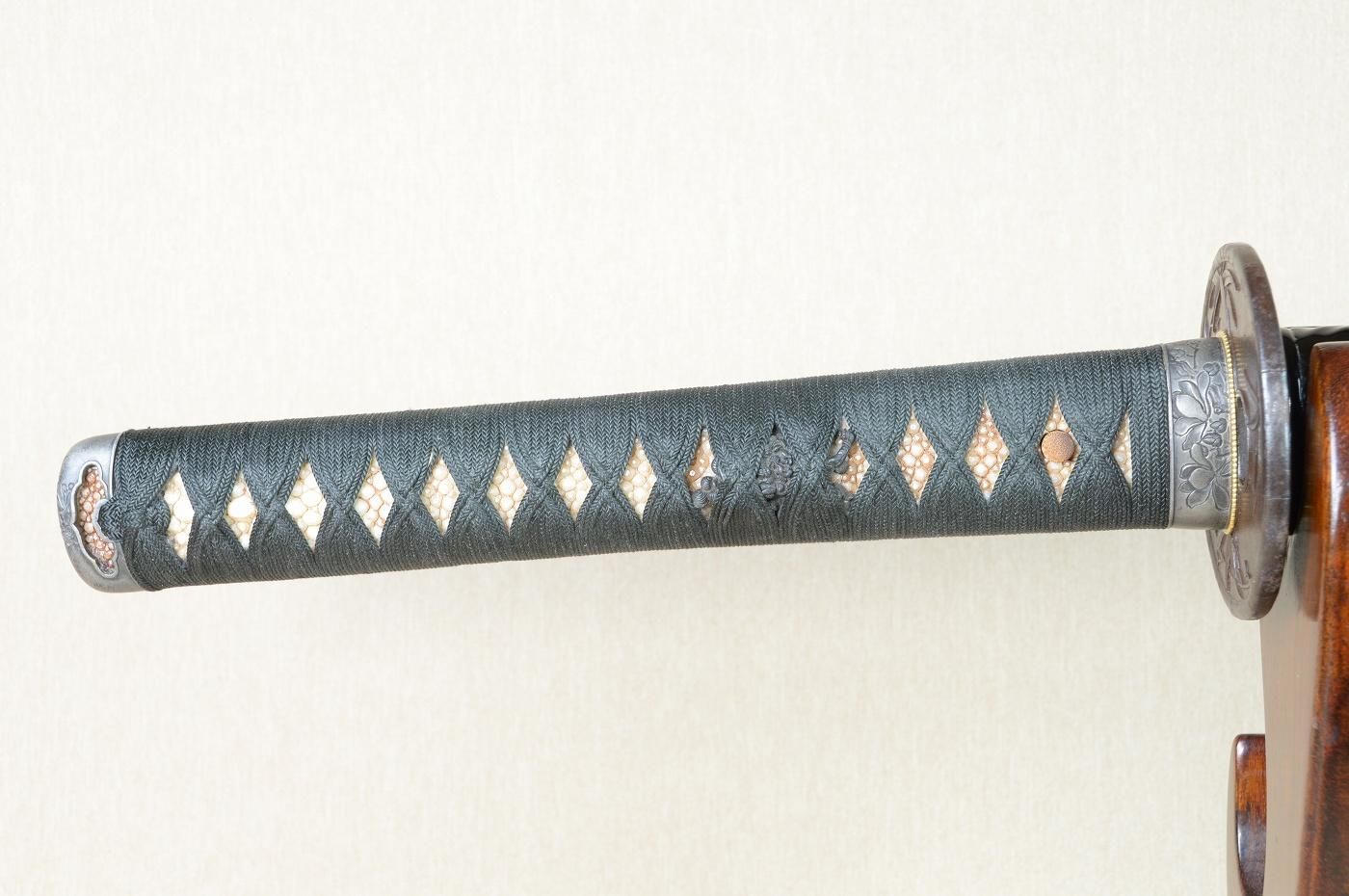
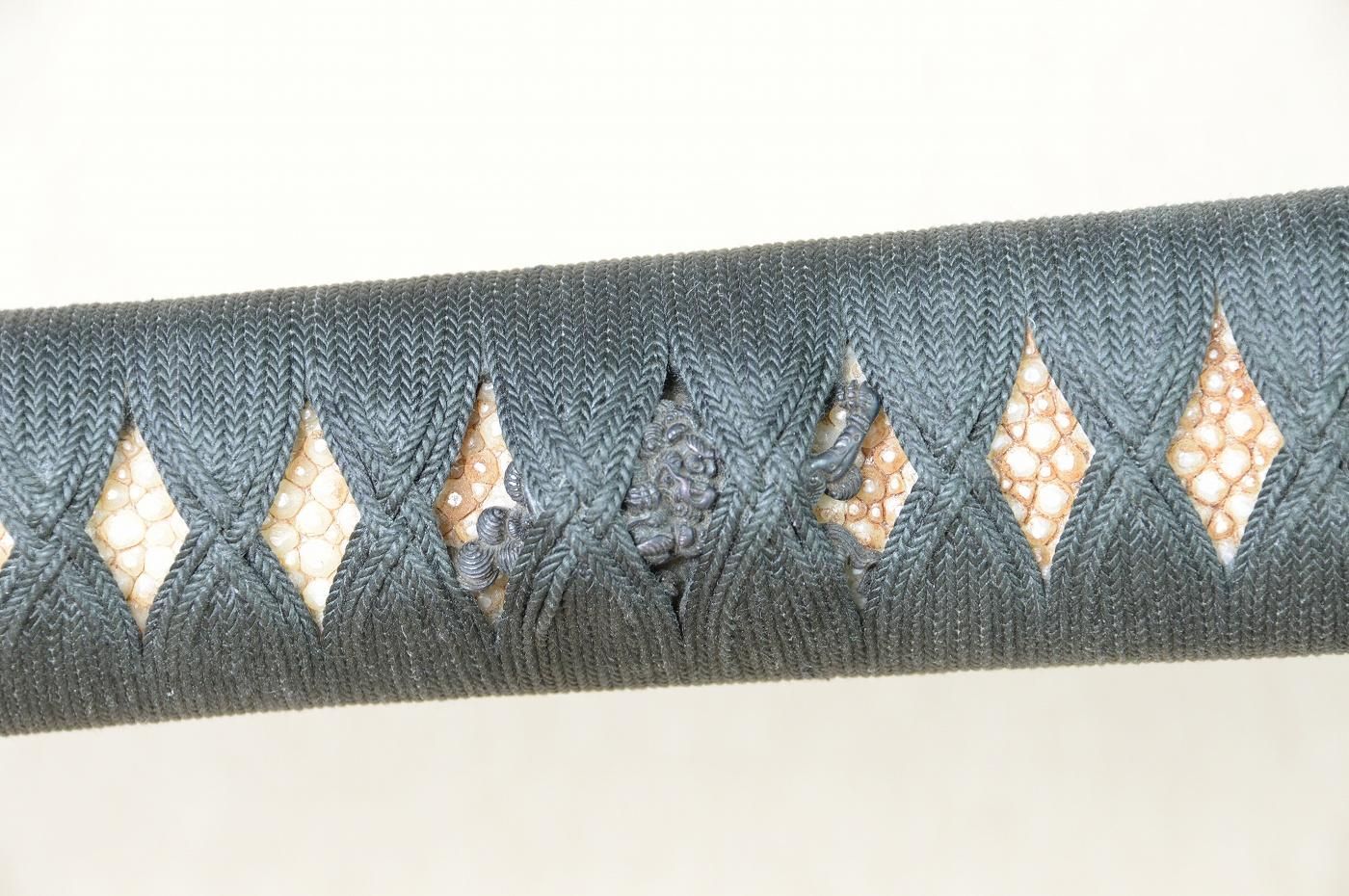
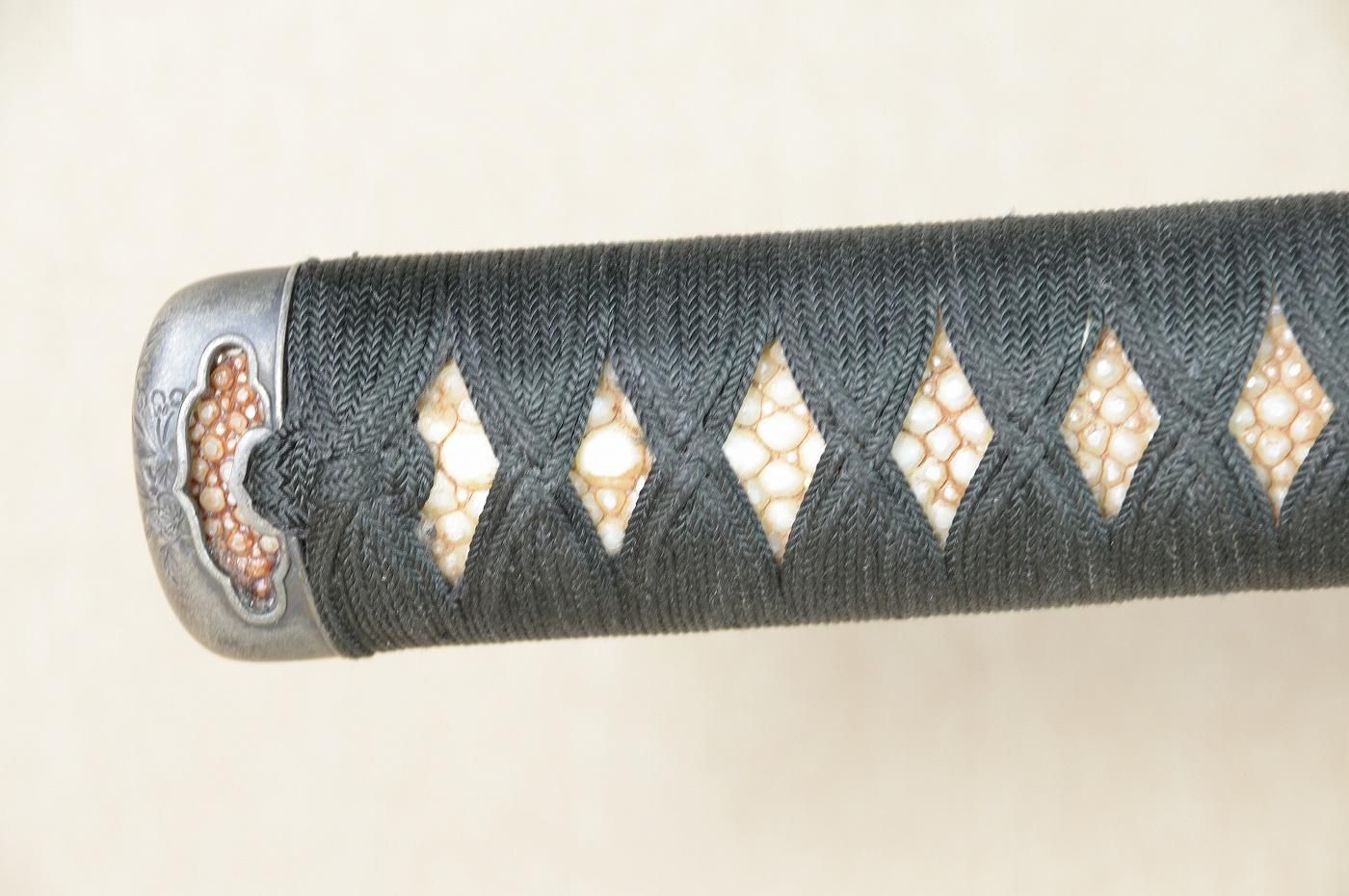
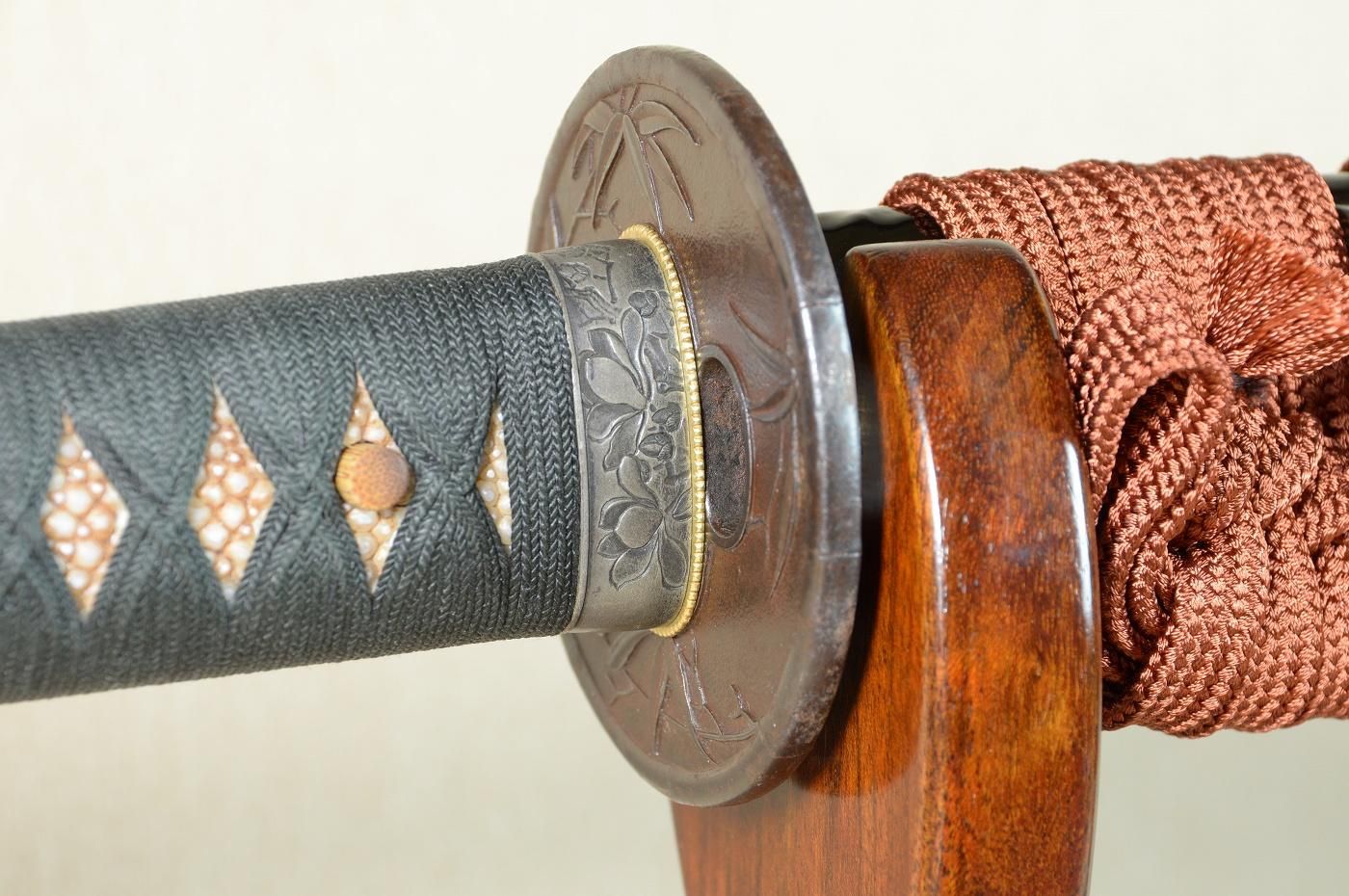
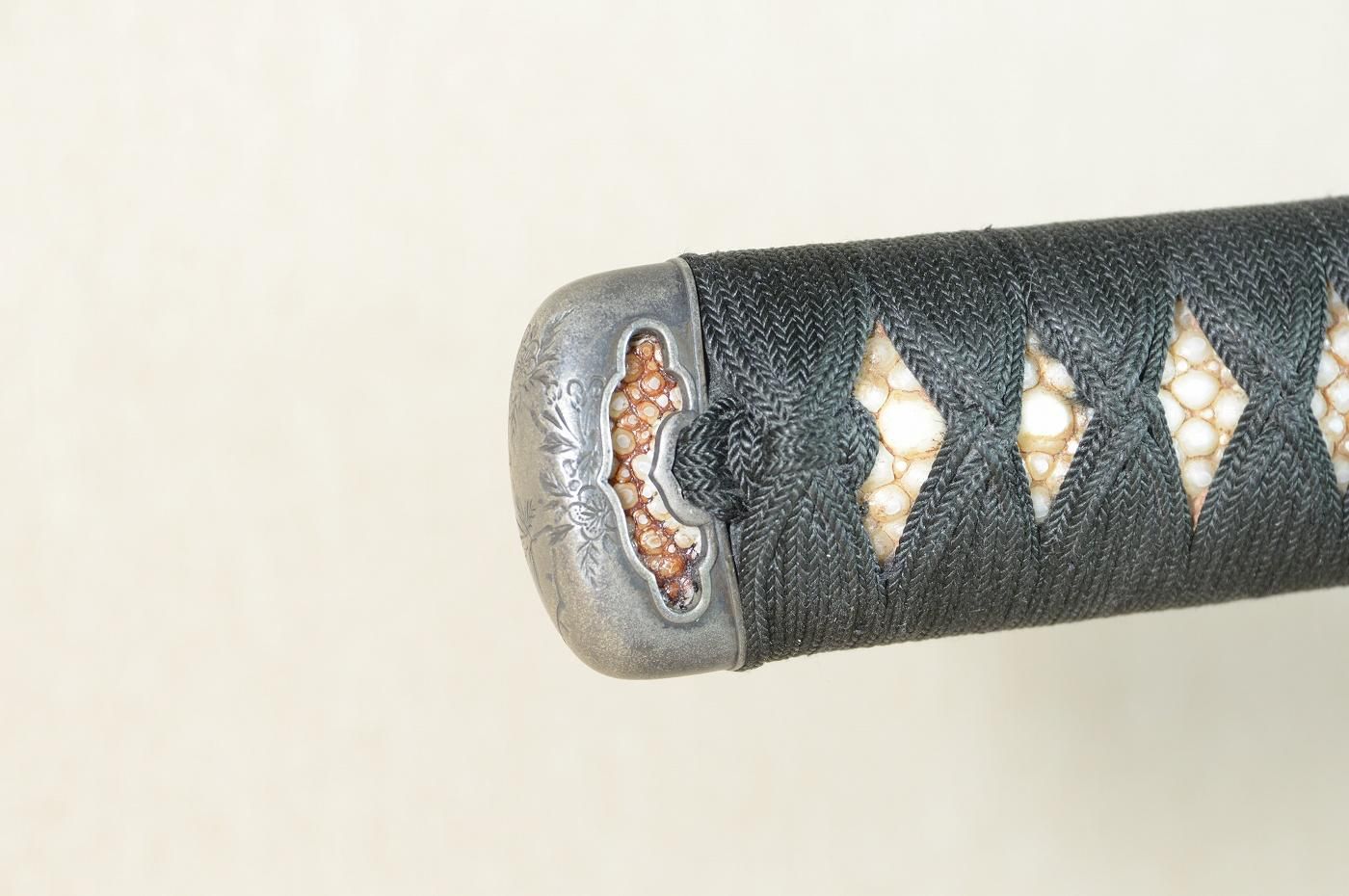
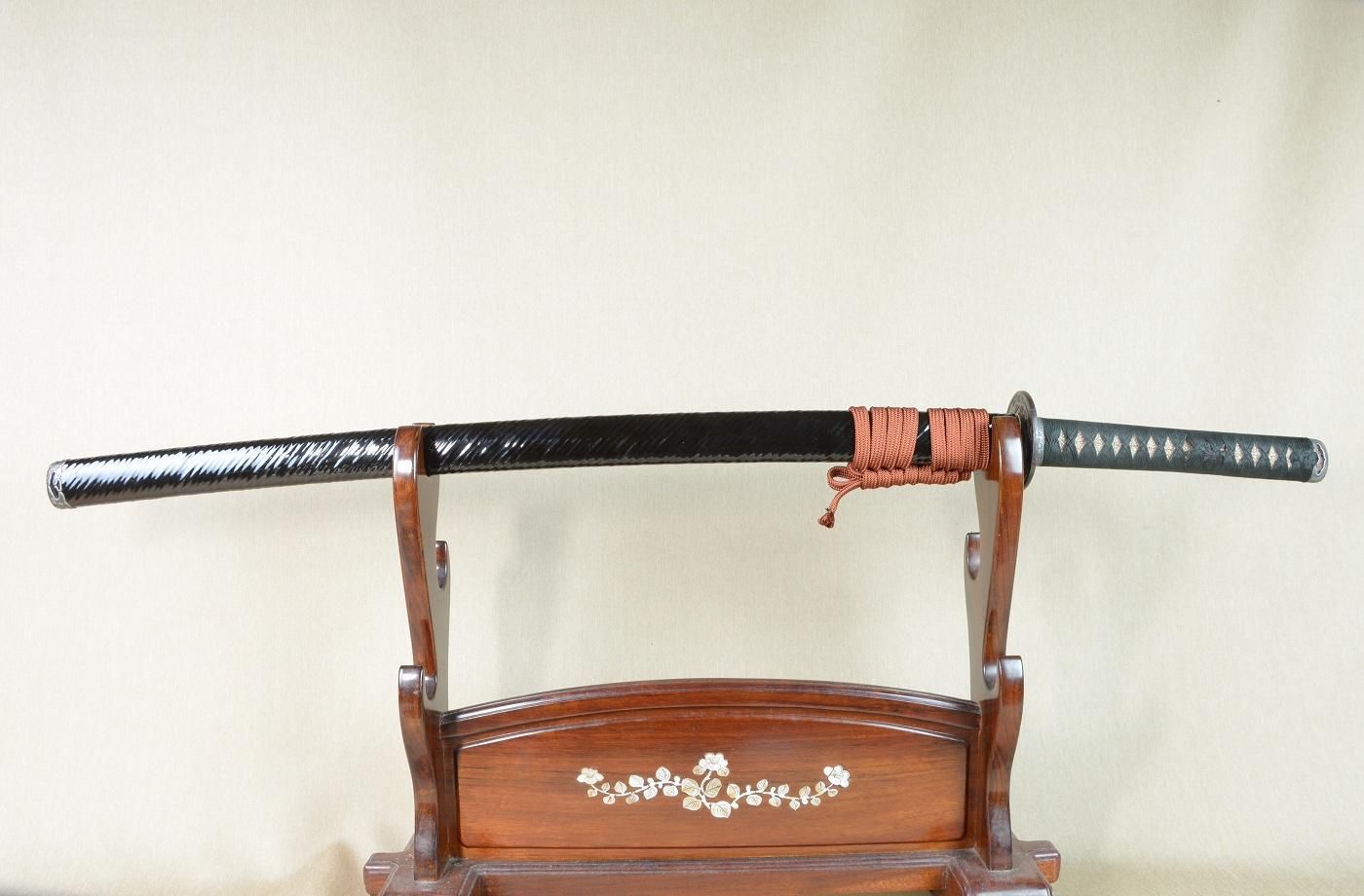
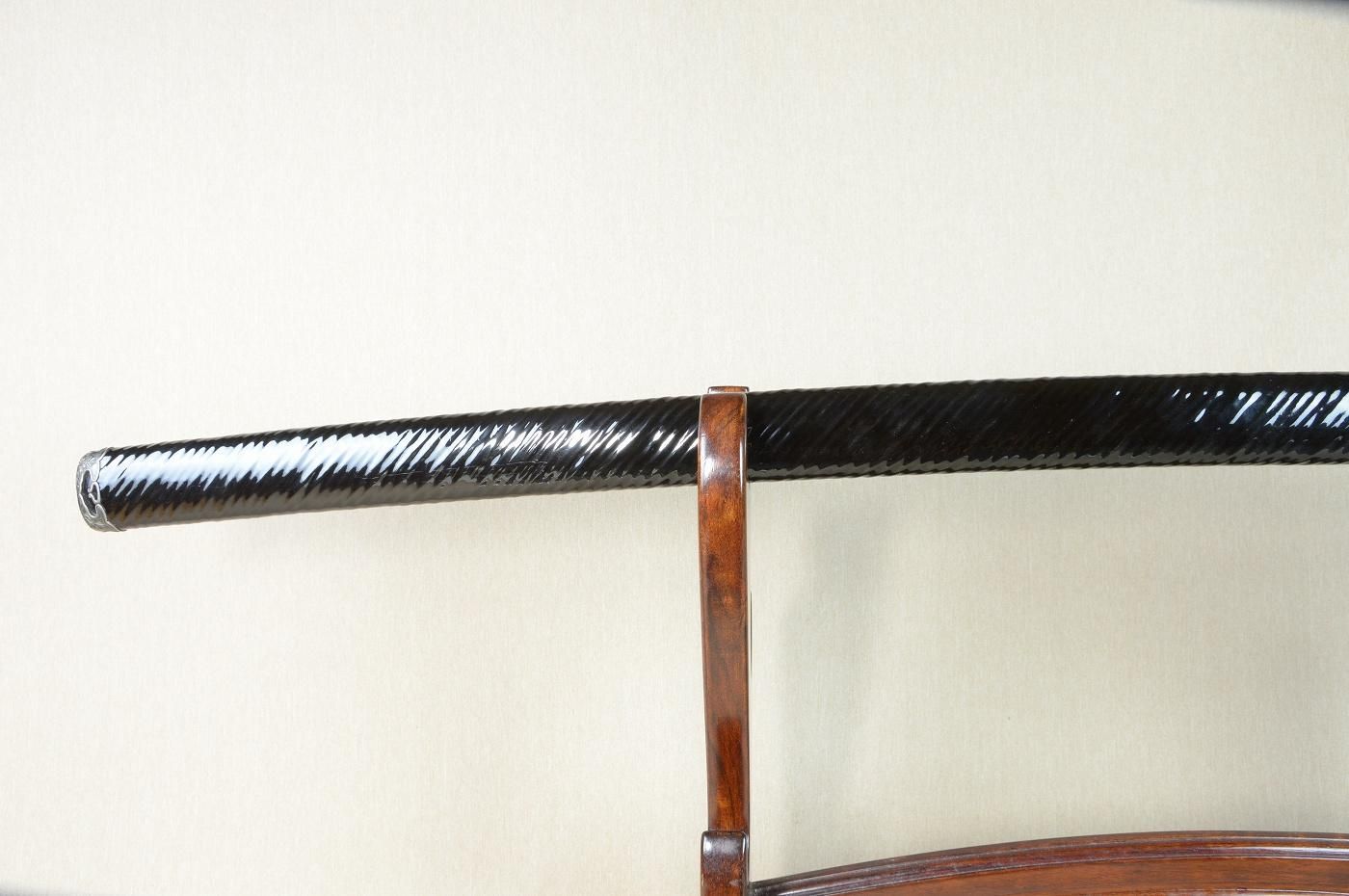
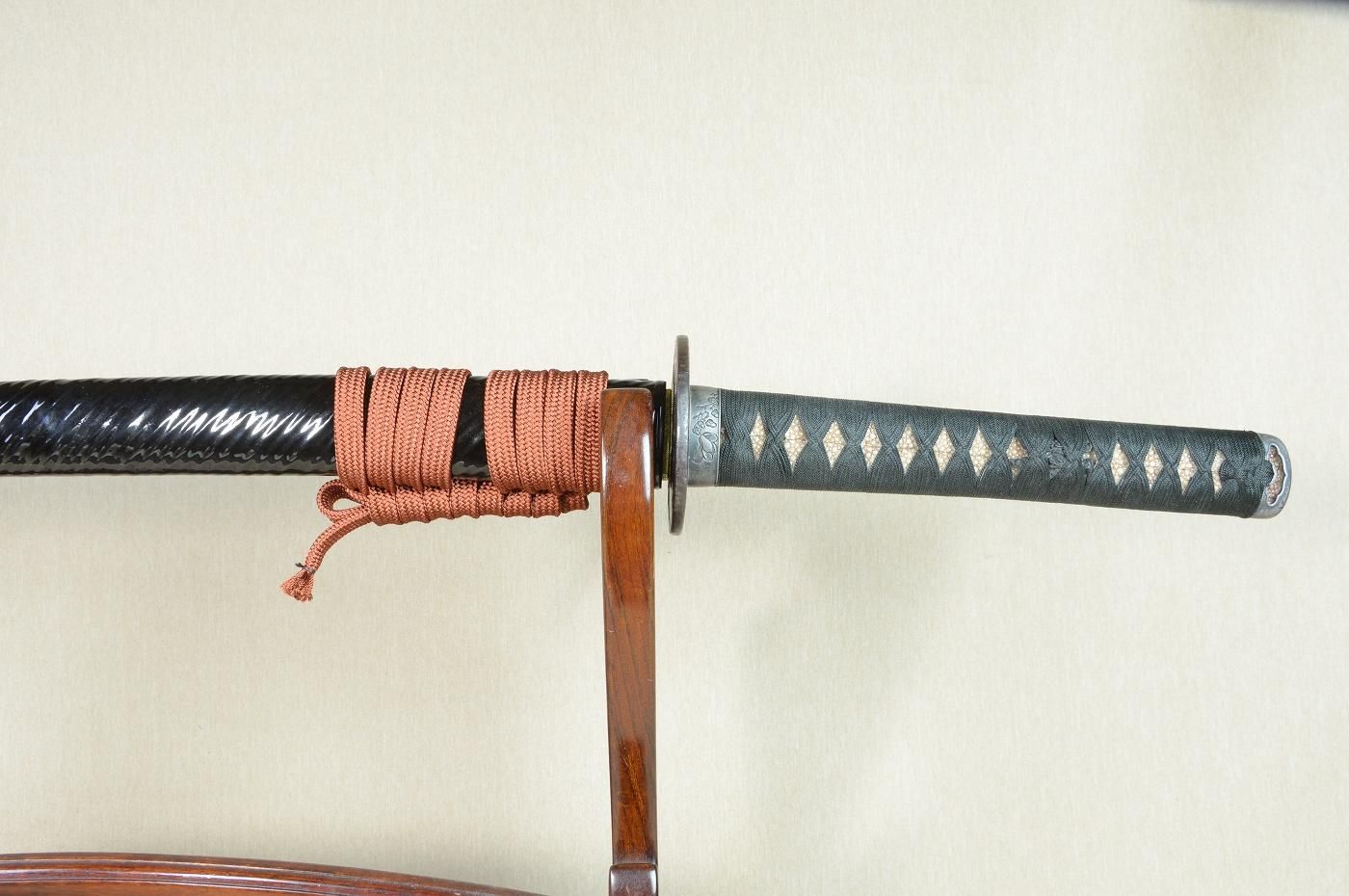
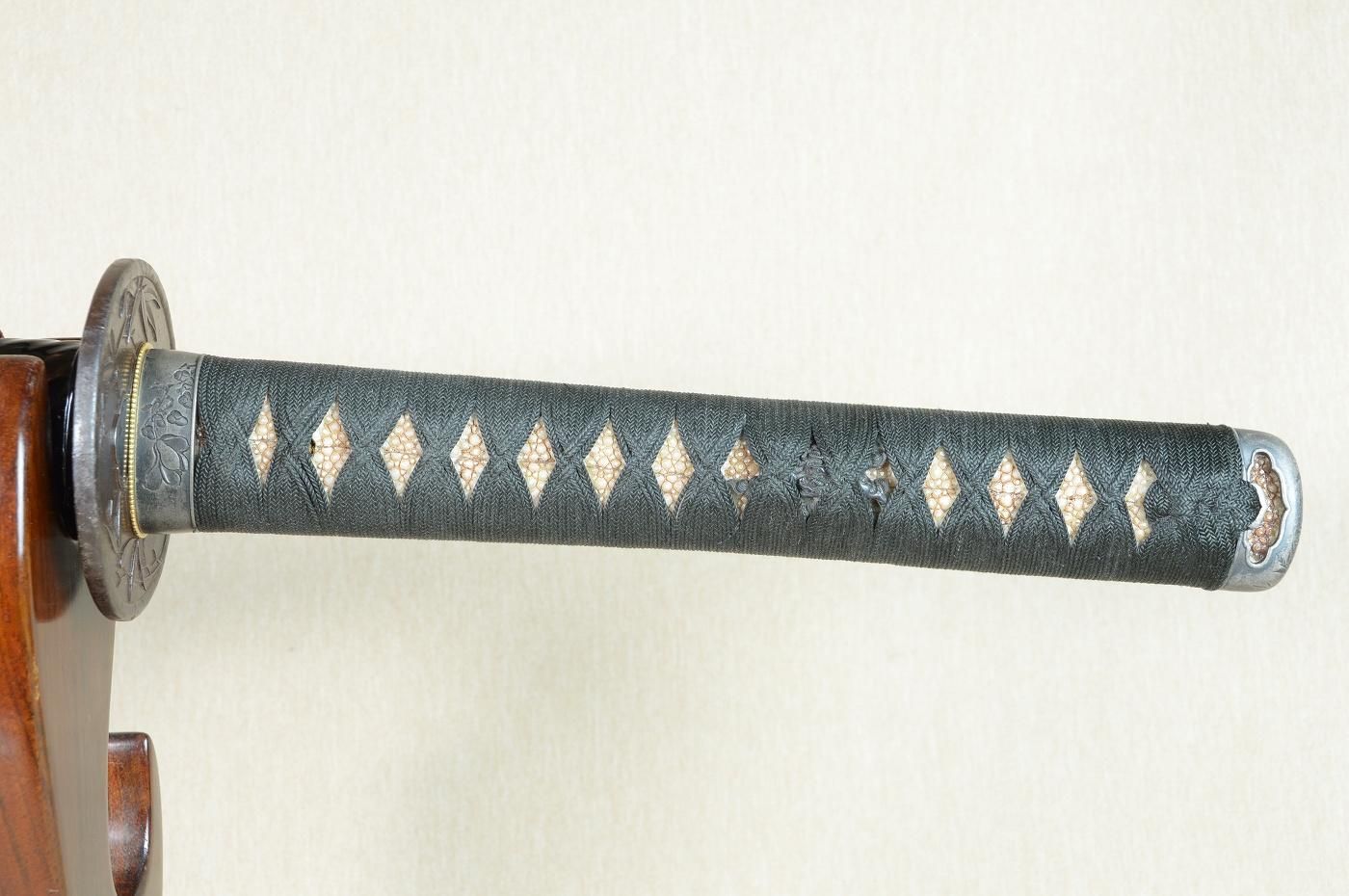
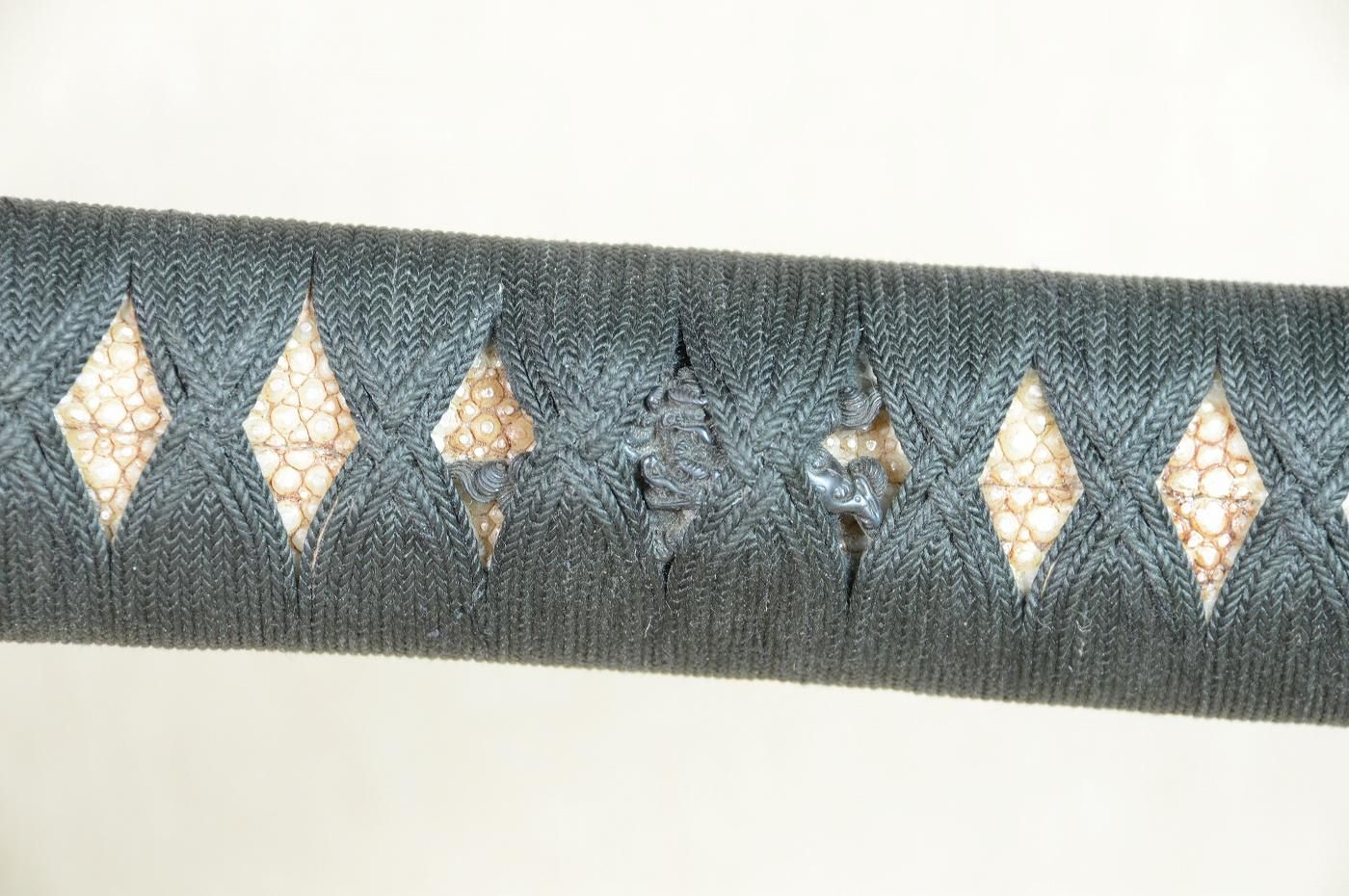
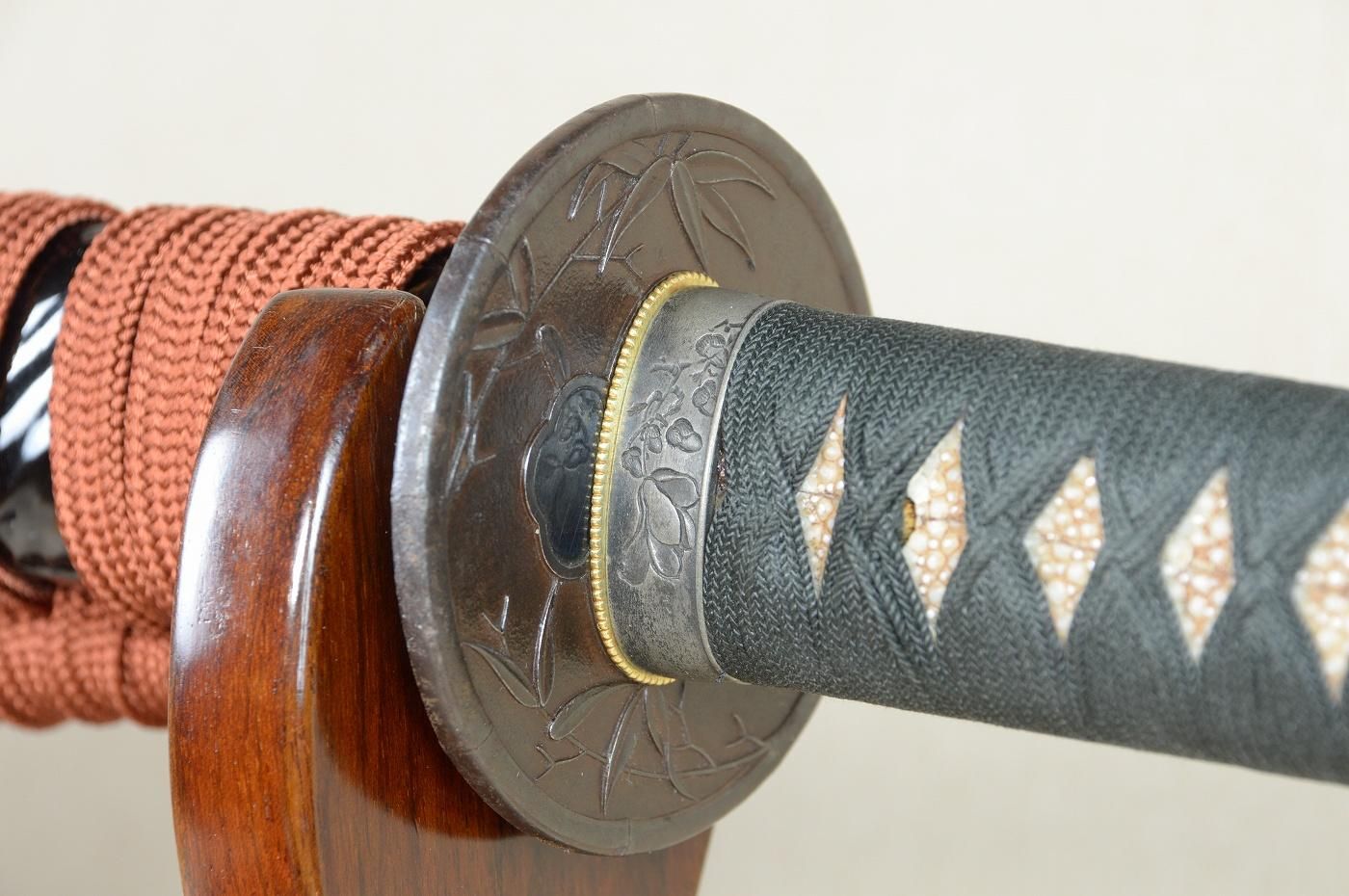
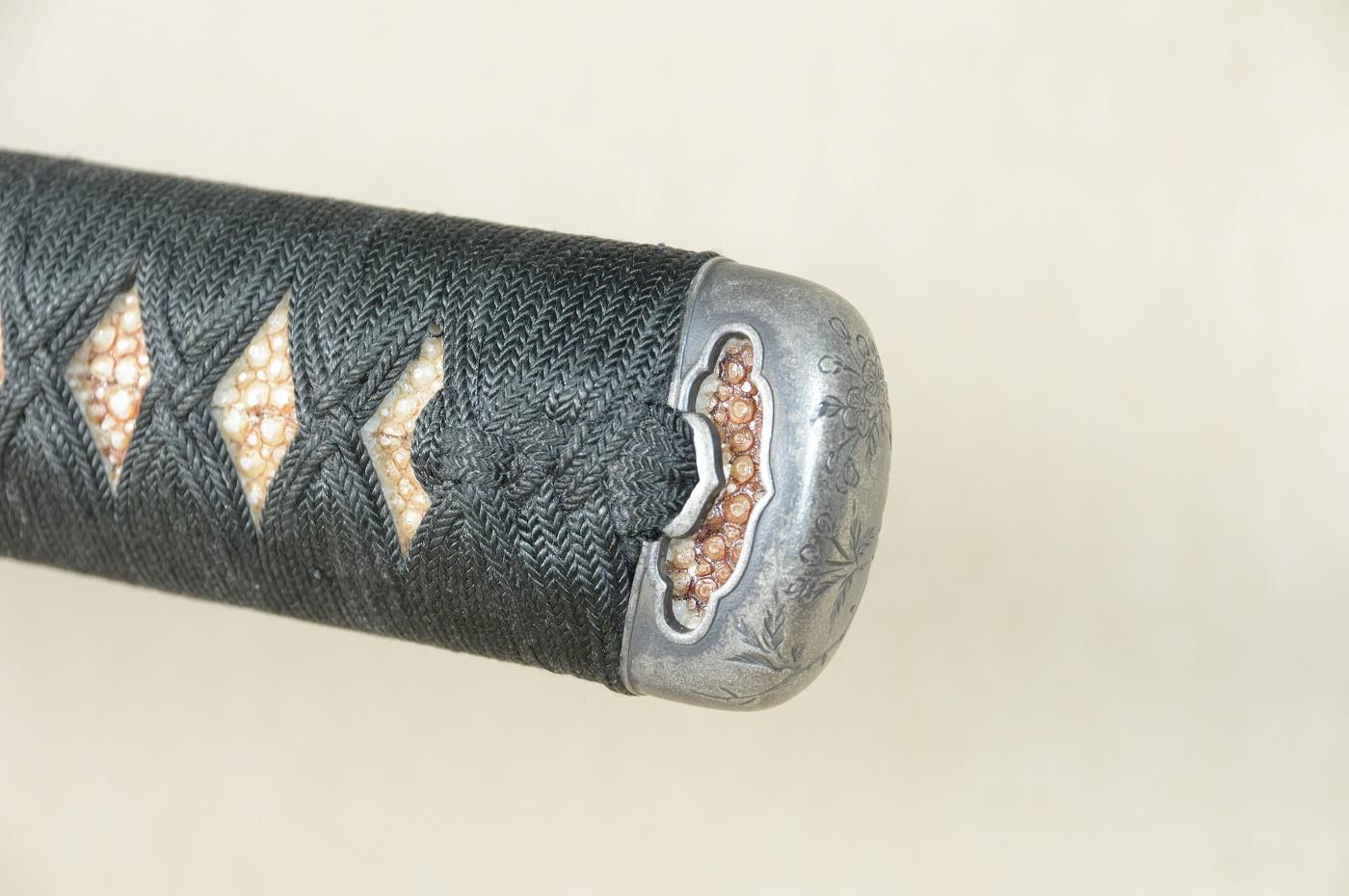
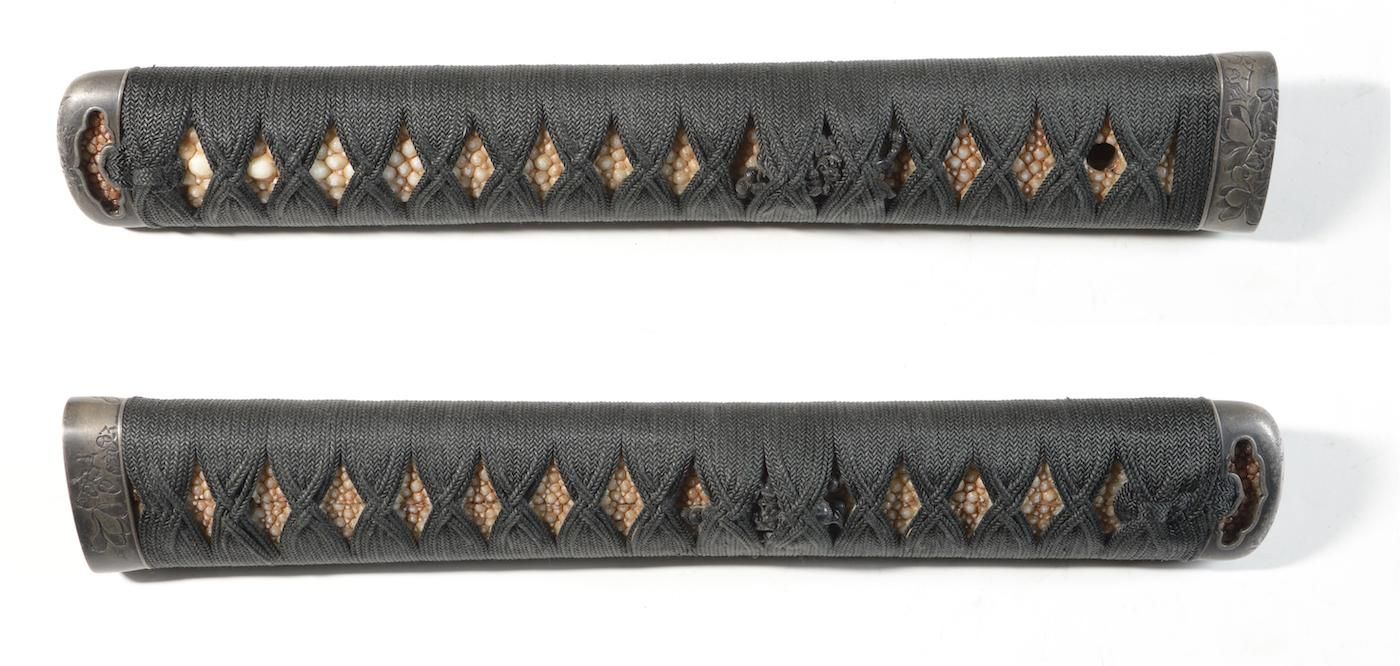
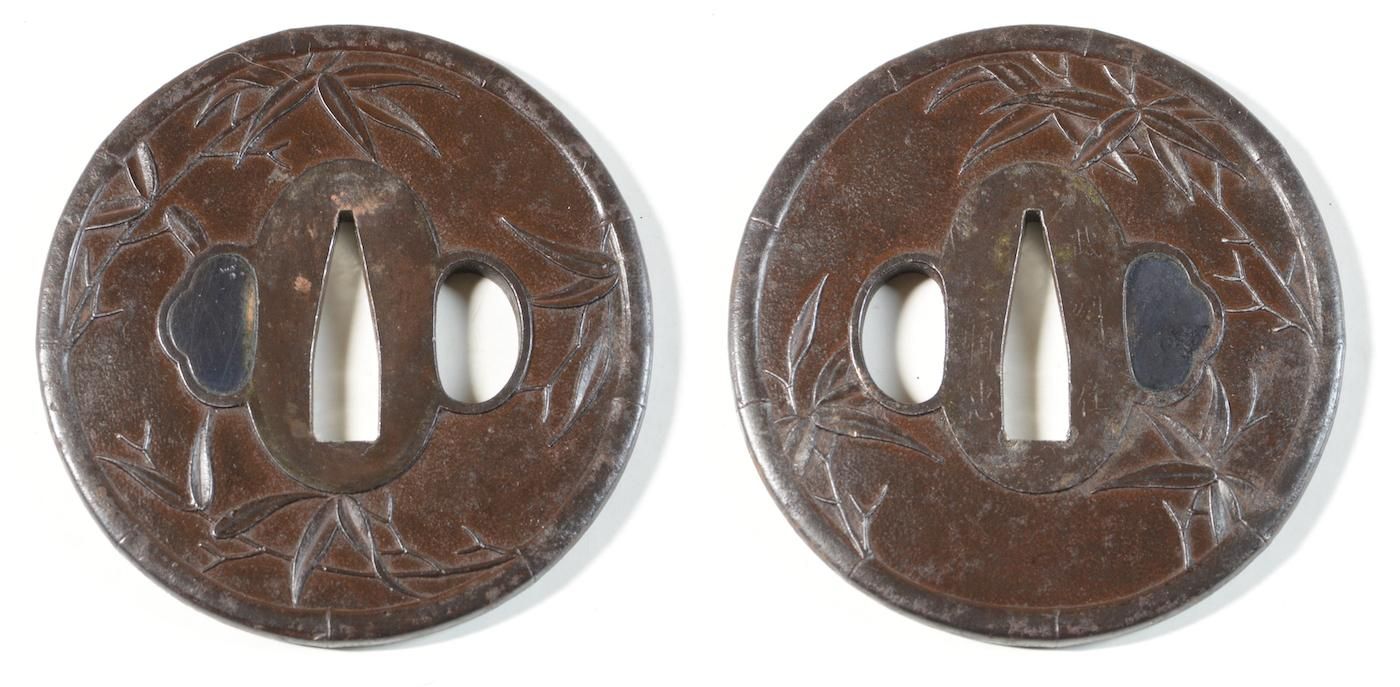
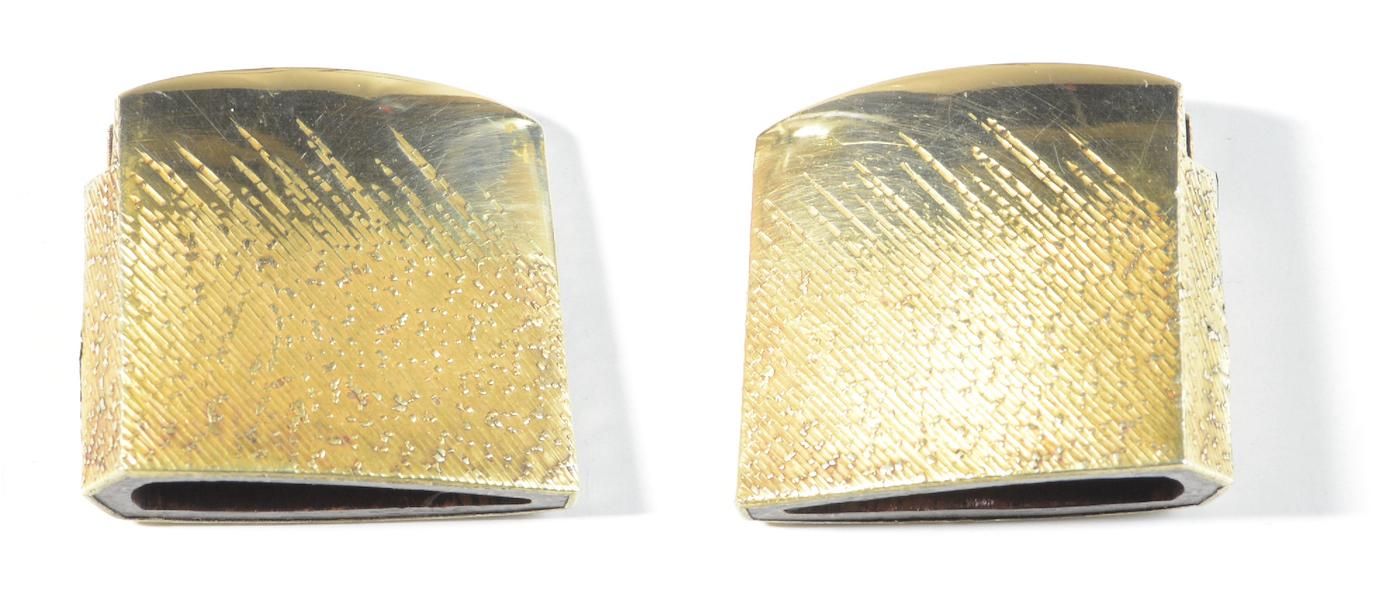
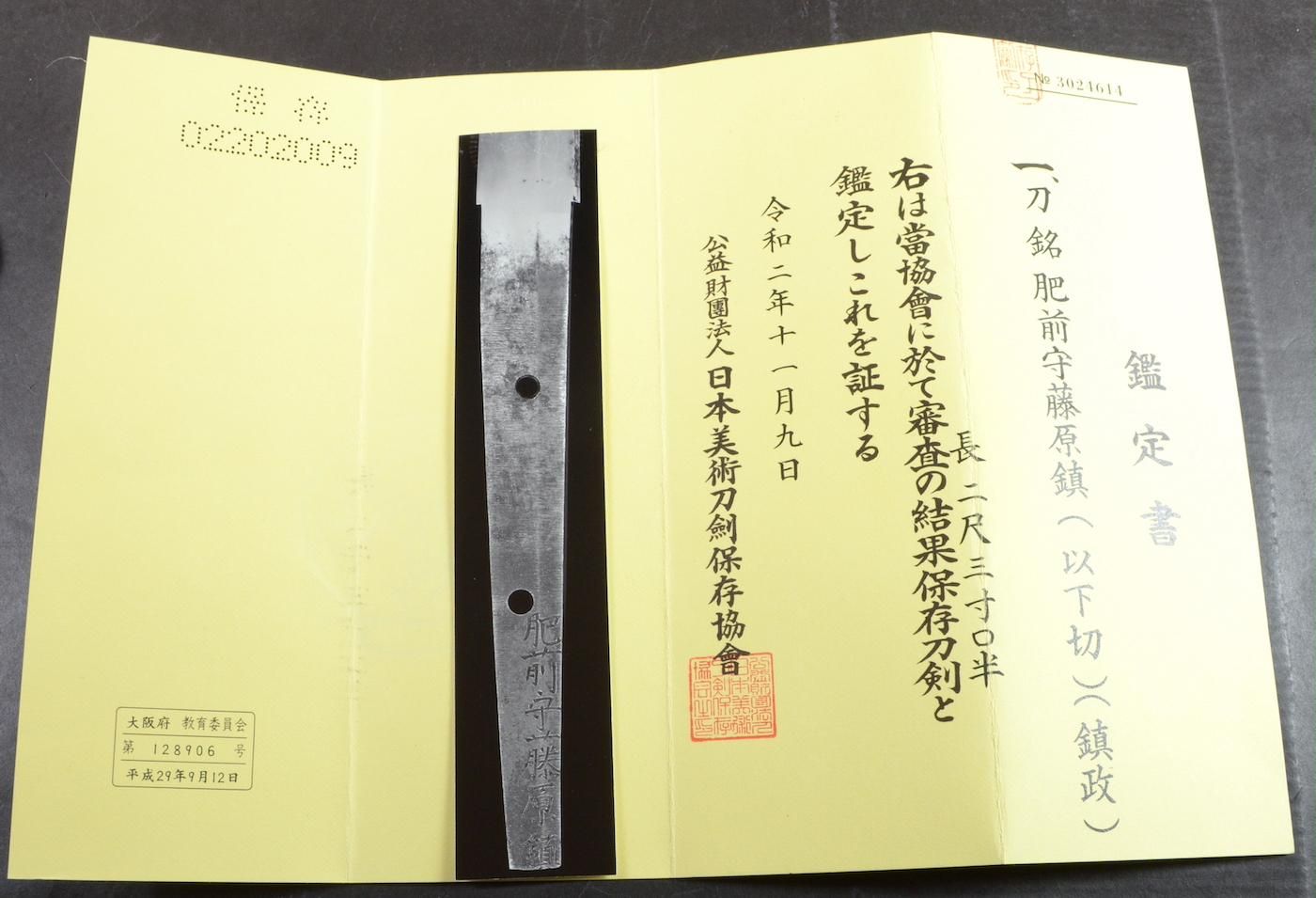
This is a katana by Fujiwara Shigemasa of the Iga Ishido school, measuring 69.9cm. Made in the early Edo period (1624-1644), the blade features a beautiful choji midare hamon and a well-forged ko-itame hada. The sword comes with a well-preserved koshirae and is designated as Hozon Token.
 NihontoWatch
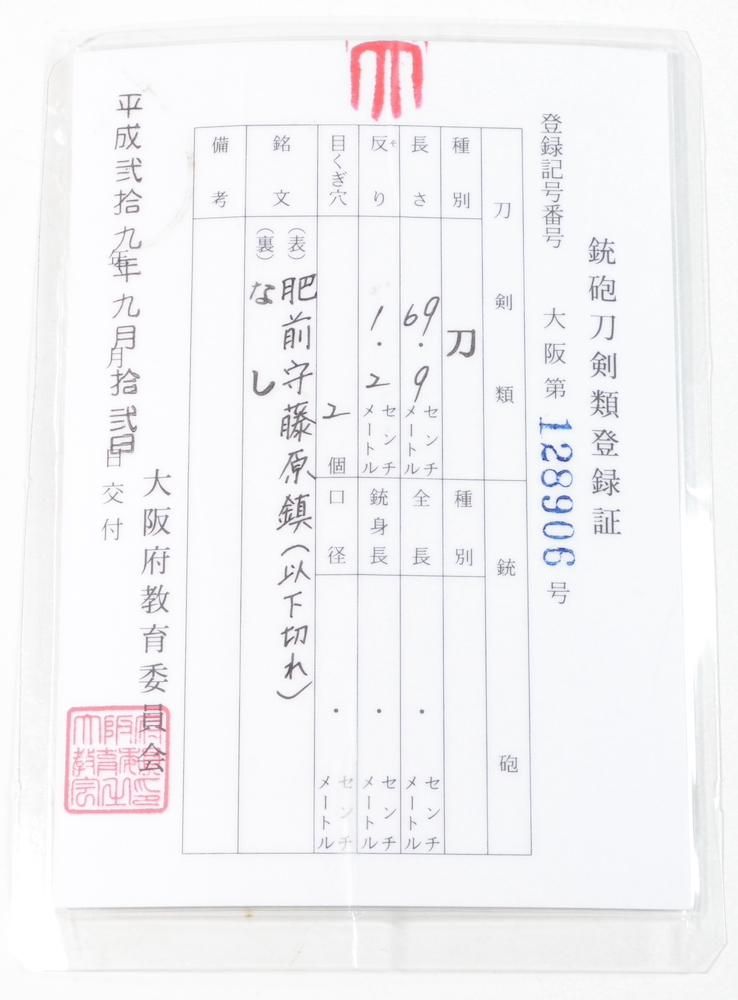
mei · Ishido · Shinto · nagasa 69.9cm · sori 1.2cm
Shinto · Omi
45 pieces on the market now
The Ishido school (石堂) traces its root to Omi Province, where smiths surnamed Hioki and bearing names such as Ishido worked before the line dispersed across the country in the early Edo period. From that Omi stem grew four principal branches: the Fukuoka Ishido of Chikuzen, the Edo Ishido carried east by makers who had first gone up from Omi to Kyoto, the Osaka Ishido seeded by smiths who settled in the merchant city, and the Kishu Ishido working under the Kii daimyo. Learn more →
| Smith | Era | Designated |
|---|---|---|
| Tsunemitsu常光 | 1648-1661 | 7 |
| Yasuhiro安廣 | 1661-1673 | 4 |
| Tsunahiro綱廣 | 1673-1681 | 0 |
| Nagatsugu長次 | 1345-1350 | 0 |
| Nagatsugu長次 | 1681-1684 | 0 |
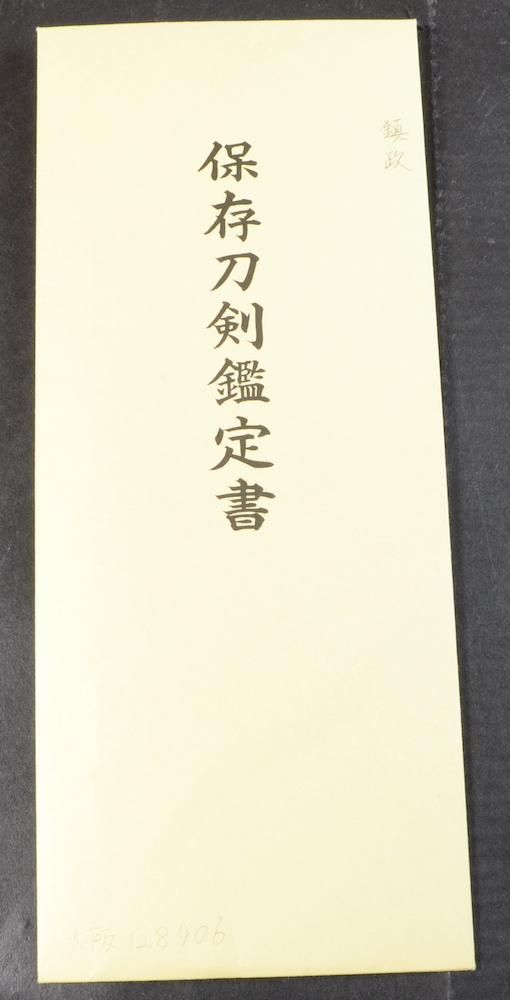
Certifies a genuine blade worth preserving: a signature confirmed correct, or, if unsigned, an era, province, and school that the NBTHK can reliably identify.
The NBTHK (Nihon Bijutsu Tōken Hozon Kyōkai, the Society for the Preservation of Japanese Art Swords) is a public-interest incorporated foundation founded in 1948 and supervised by Japan’s Agency for Cultural Affairs (Bunkachō); it is based at the Japanese Sword Museum in Tokyo. Its expert panels physically examine each submitted work (shinsa) and issue a certificate (kanteishō) ranking it by artistic and historical merit. NBTHK papers are the most widely recognized standard of authentication for Japanese swords and fittings.
NBTHK official sitePlease contact us promptly after the item's arrival. Except where the item is defective, we cannot accept returns. For returns due to customer circumstances, the cost is the customer's responsibility. In the case of a defective item, we bear the cost.
This is a katana by Fujiwara Shigemasa of the Iga Ishido school, measuring 69.9cm. Made in the early Edo period (1624-1644), the blade features a beautiful choji midare hamon and a well-forged ko-itame hada. The sword comes with a well-preserved koshirae and is designated as Hozon Token.
NihontoWatchmei · Ishido · Shinto · nagasa 69.9cm · sori 1.2cm
Shinto · Omi
45 pieces on the market now
The Ishido school (石堂) traces its root to Omi Province, where smiths surnamed Hioki and bearing names such as Ishido worked before the line dispersed across the country in the early Edo period. From that Omi stem grew four principal branches: the Fukuoka Ishido of Chikuzen, the Edo Ishido carried east by makers who had first gone up from Omi to Kyoto, the Osaka Ishido seeded by smiths who settled in the merchant city, and the Kishu Ishido working under the Kii daimyo. Learn more →
| Smith | Era | Designated |
|---|---|---|
| Tsunemitsu常光 | 1648-1661 | 7 |
| Yasuhiro安廣 | 1661-1673 | 4 |
| Tsunahiro綱廣 | 1673-1681 | 0 |
| Nagatsugu長次 | 1345-1350 | 0 |
| Nagatsugu長次 | 1681-1684 | 0 |
Certifies a genuine blade worth preserving: a signature confirmed correct, or, if unsigned, an era, province, and school that the NBTHK can reliably identify.
The NBTHK (Nihon Bijutsu Tōken Hozon Kyōkai, the Society for the Preservation of Japanese Art Swords) is a public-interest incorporated foundation founded in 1948 and supervised by Japan’s Agency for Cultural Affairs (Bunkachō); it is based at the Japanese Sword Museum in Tokyo. Its expert panels physically examine each submitted work (shinsa) and issue a certificate (kanteishō) ranking it by artistic and historical merit. NBTHK papers are the most widely recognized standard of authentication for Japanese swords and fittings.
NBTHK official sitePlease contact us promptly after the item's arrival. Except where the item is defective, we cannot accept returns. For returns due to customer circumstances, the cost is the customer's responsibility. In the case of a defective item, we bear the cost.