Edo was the sword’s age of connoisseurship: the Hon’ami appraisers, the shogunal register of famous blades of 1719, and a thriving literature turned the sword into an object of study even as it ceased to be drawn in war.
 NihontoWatchNihontoWatch
This tanto was made by Kawai Hisayuki in the late Edo period, specifically in Ansei 4 (1857). Hisayuki, born in Tenmei 6 (1786), was the eldest son of Kawai Sojiro Hisataka, a shogunal retainer. Sensing the turbulent atmosphere of the late Edo period, he became a swordsmith under Hosokawa Masayoshi, making him a unique figure who transitioned from a samurai family to a craftsman.
NihontoWatchHisayuki久幸
Offered by Choshuya
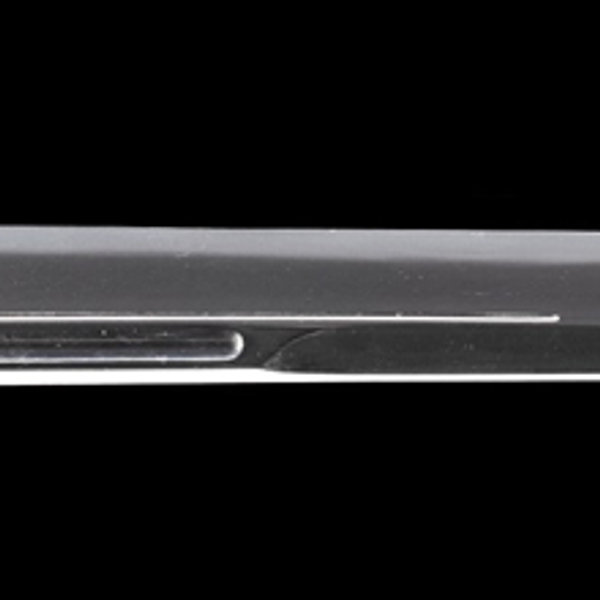
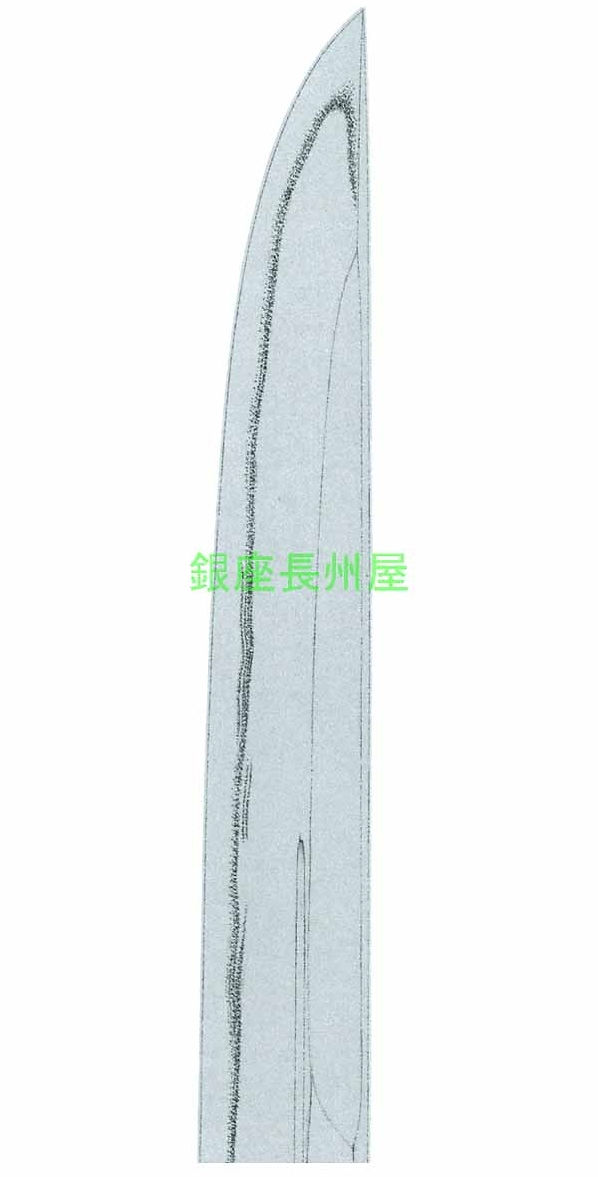
Musashi · around 1854-1860
2 pieces on the market now
The Edo period (1615 to 1868)
Edo was the sword’s age of connoisseurship: the Hon’ami appraisers, the shogunal register of famous blades of 1719, and a thriving literature turned the sword into an object of study even as it ceased to be drawn in war.
If, due to our fault, the item differs significantly from its proper condition, the item may be returned. Cooling-off is within one week of the item's arrival.