 NihontoWatchNihontoWatch
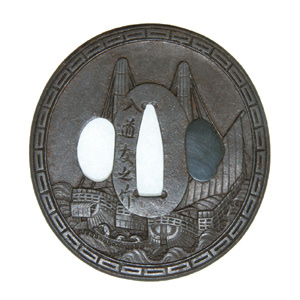
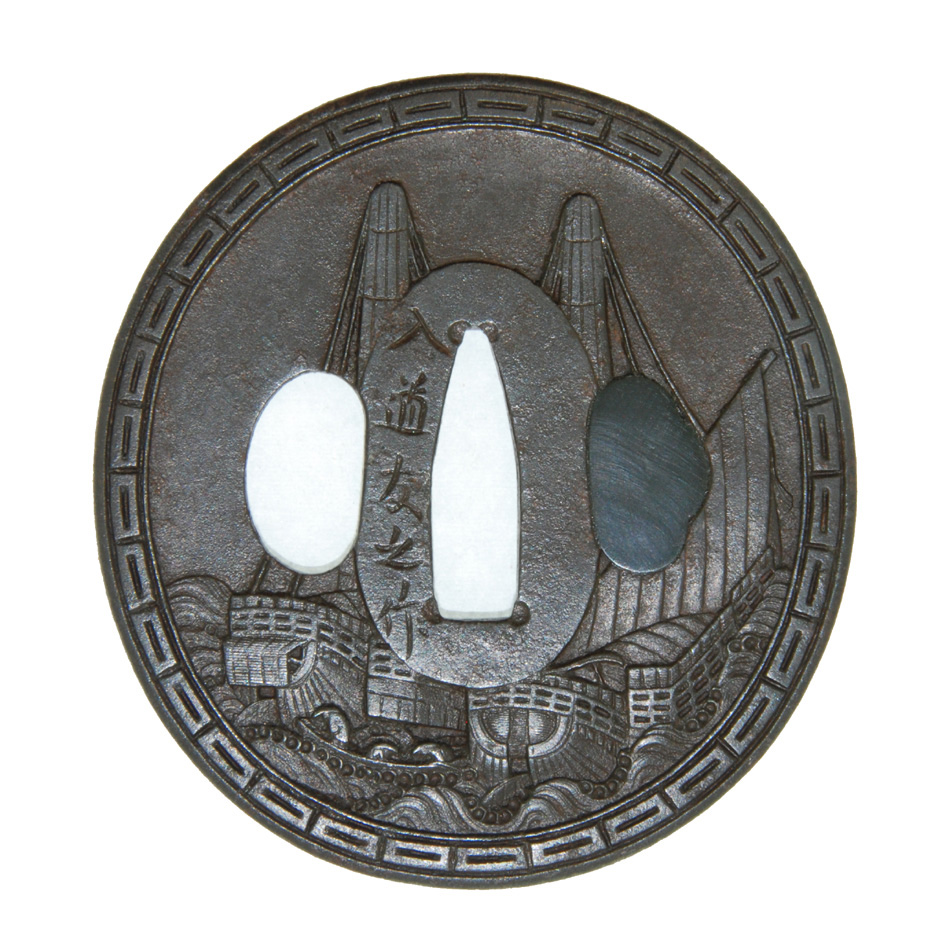
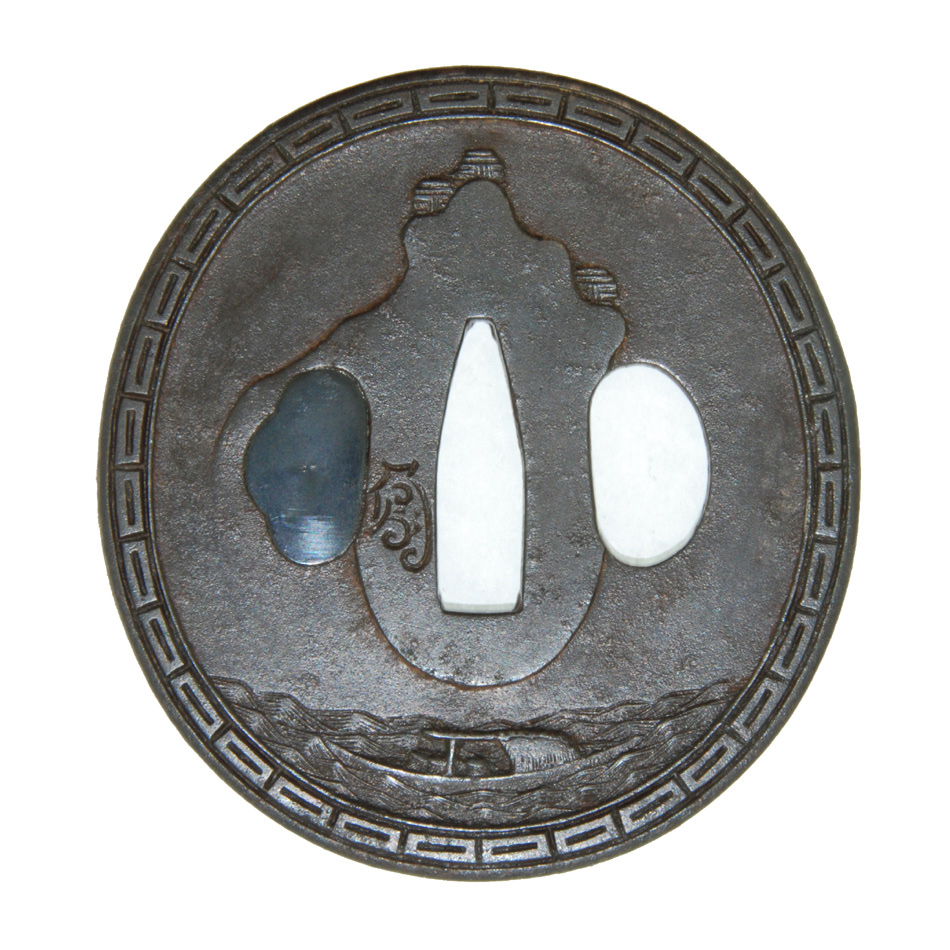
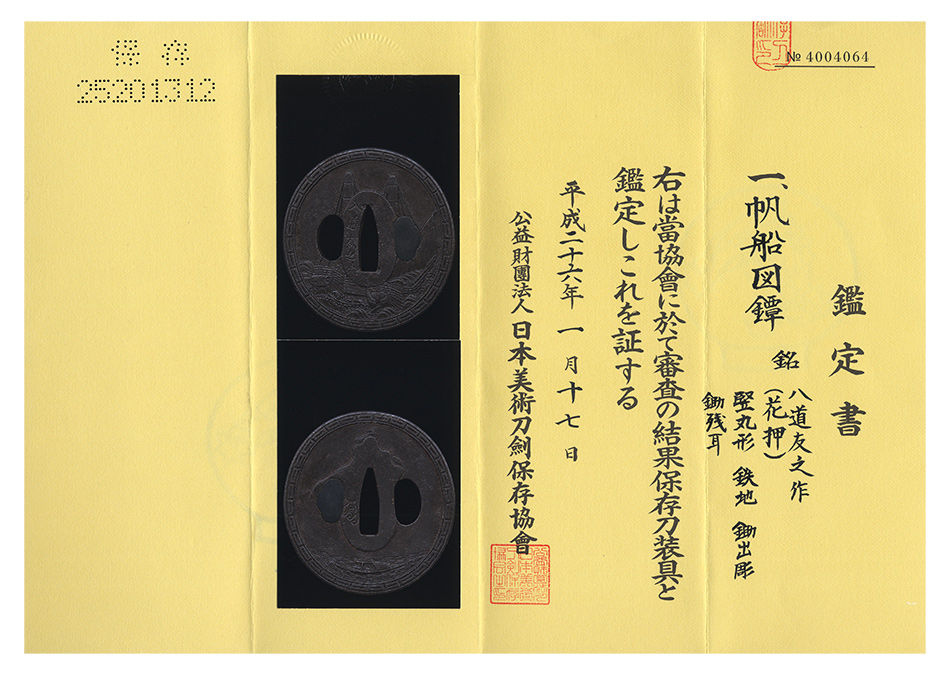
Stock number:TU-231214Paper(Certificate):[N.B.T.H.K] Hozon TousouguCountry・Era:Edo eraHansen-zu Tsuba竪丸形 鋤出彫 鋤残耳 両櫃孔Length:7.42cmWidth:6.95cmThickness:0.38cmWeight:108gIn paulownia wood box長州藩では東の水戸と並んで多くの金工が活躍しました。本作は長州鍔の名系八道の第一人者である長州萩住八道友之の作であります。八の字を入と銘切する手 癖があります。八道と書いてヤジと読みます。また彼の銘字の特徴に、友の右肩に(’)を彫ることも癖で、長州住友之の作と区別する目印となります。構図は 船出の図。小船に乗る三人の人物が和船に出船準備の積荷をしている様子の図が表面に、裏面は崖の上に松が生え、海は穏やかで苫船が浮かび、余白が見事に生 かされた造形になります。耳には天の意思を示す雷紋を表裏共にぐるりと巻くように彫り上げています。この模様は16世紀頃の中国殷の時代に高貴な人の模様 として好まれ、目出度さをあらわす模様であったと伝えられています。長州鍔というと龍を彫ったもの、植物を彫ったものなど様々な構図があり、その全てが上 手で雰囲気が良い物が多いです。この作はこれらの中でも際立って上手で、船出の図は特に有名な図で人気があり探してみても見つからない勝れた名品です。長 州鍔の特徴でもあり欠点でもある鉄錆が乾いた感じも無く、本鉄鍔の艶と潤いには、ただただ感歎を覚えずにはいられません。シットリと艶やかな地鉄は彫りの 良さをいっそう引き立てており、鍔面全体は大きな絵画の如く見ごたえがあり、迫力満点。誠に力強い鍔となります。とにかく船出を祝う=門出を祝う、まこと にお目出度い一口ですから、ご所蔵されるもよし、新築祝い、就職祝、結婚祝、何にでもバッチリ。あ~ほんとうに目出度くて気持ち良い逸品です。座布団付桐 箱入
NihontoWatchOffered by World Seiyudo
This piece has sold
18 on the market
Get an email when new Choshu School work hits the market.

(Translation unavailable)
Iron-tsuba · Nagato
18 pieces on the market now
The tsuba-making traditions of Choshu domain (Nagato Province) trace their origins to the migration of Heianjo-sukashi openwork craftsmen from Kyoto, invited by the Ouchi family of Suo and Nagato during the Muromachi period. This transplanted lineage gave rise to the Ko-Hagi group, which flourished from the late Muromachi into the early Edo period and established a distinctive regional idiom in iron openwork. Under the subsequent patronage of the Mori clan, Choshu developed into one of Japan's foremost centres of tsuba production, earning the epithet that placed it alongside Aizu as the two great guard-making provinces: notable both for the number of artisans and the volume of work. Multiple lineages emerged — among them the Kawaji, Nakahara, Hatto, Okada, Okamoto, Kaneko, and Nakai — with Nakai Tomotsune (also known as Zensuke) achieving particular renown as a kakae-ko (retainer craftsman) of the Mori household, receiving a stipend from Horeki 8 (1758). The collective vocabulary of the Choshu tradition is grounded in iron: thin, carefully forged plates with rich surface character, including tsuchime-ji (hammered ground).
" The later Nakai school extended this foundation into a broader technical range, deploying sukidashi takabori high relief, kinzogan iroe (gold inlay with polychrome accents), shibuichi, and gold nunome-zogan in compositions of considerable ambition — naturalistic subjects such as frolicking tenaga-zaru monkeys and theatrical Shiki Samban scenes rendered with "taut, controlled modeling" and effective distribution of irogane colour metals. The Choshu tradition occupies a singular position within the tosogu canon as a regional milieu whose finest productions transcend mere provincial category. The NBTHK has recognised that the best works by Nakai Tomotsune surpass "what is ordinarily encompassed by the category of so-called Hagi tsuba,"[[c:1]] distinguished in composition, carving technique, and the character of the iron (tetsumi) alike[[c:2]]. At the same time, the Ko-Hagi group preserves an older and quieter aesthetic — rooted in the Kyoto openwork heritage yet transformed into something "not seen in other makers' work" — that testifies to the depth and continuity of metalworking practice in Nagato Province across several centuries. Learn more →
| Smith | Era | Designated |
|---|---|---|
| Tomonori友矩 | 1770-1800 | 0 |
| Tomohiro友広 | — | 0 |
| Tomotsune友恒 | 1670 | 2 |
| Nobushige信重 | 1781-1867 | 0 |
Certifies a genuine fitting worth preserving: a correct signature, or, if unsigned, an identifiable era and school, with recognized artistic and craft value.
The NBTHK (Nihon Bijutsu Tōken Hozon Kyōkai, the Society for the Preservation of Japanese Art Swords) is a public-interest incorporated foundation founded in 1948 and supervised by Japan’s Agency for Cultural Affairs (Bunkachō); it is based at the Japanese Sword Museum in Tokyo. Its expert panels physically examine each submitted work (shinsa) and issue a certificate (kanteishō) ranking it by artistic and historical merit. NBTHK papers are the most widely recognized standard of authentication for Japanese swords and fittings.
NBTHK official siteNo cooling-off period or returns; refund only if the purchased sword is proven fake, capped at purchase price (excludes commission sales, accessories, auction items).