Edo was the sword’s age of connoisseurship: the Hon’ami appraisers, the shogunal register of famous blades of 1719, and a thriving literature turned the sword into an object of study even as it ceased to be drawn in war.
 NihontoWatchNihontoWatch
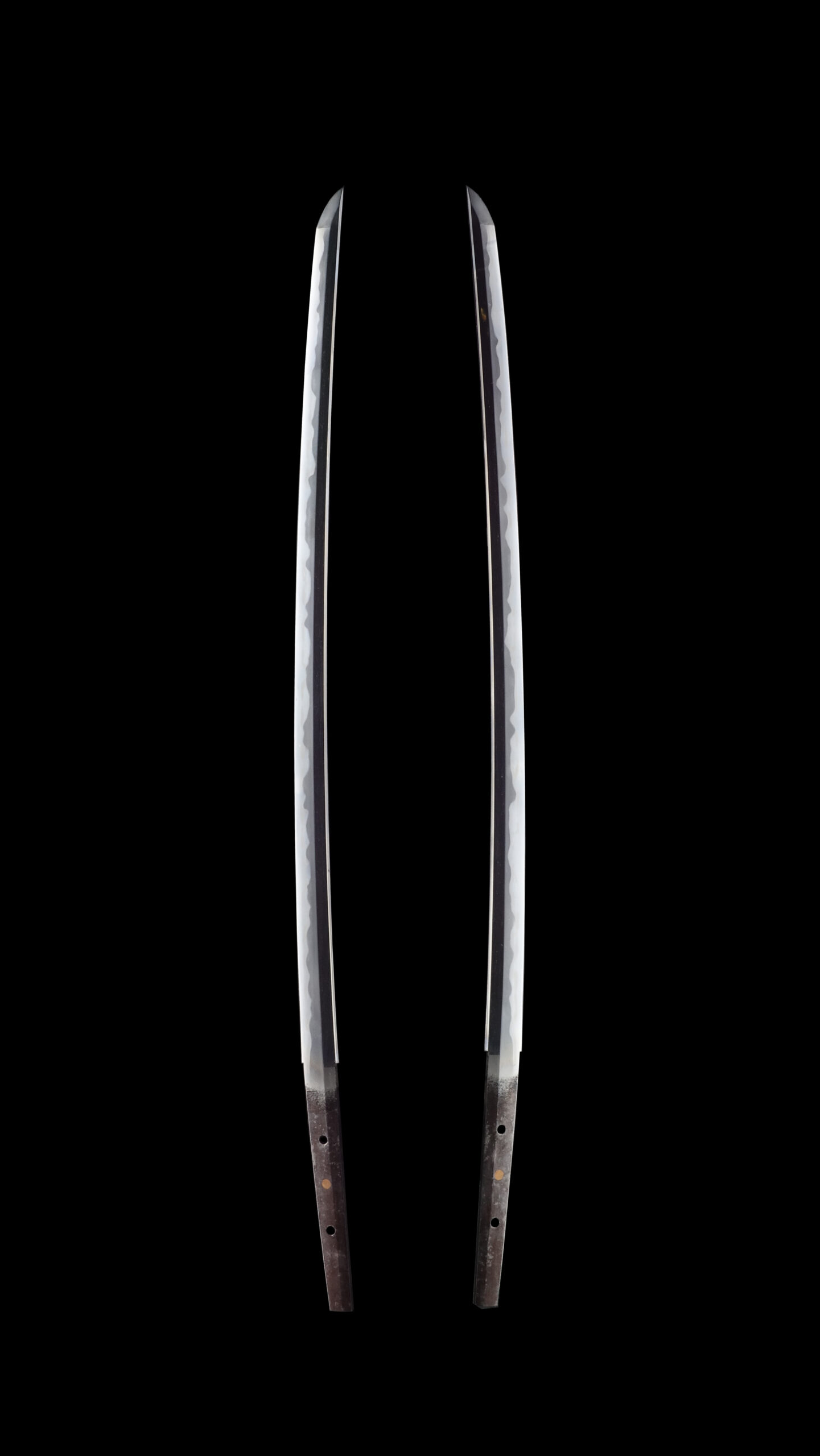
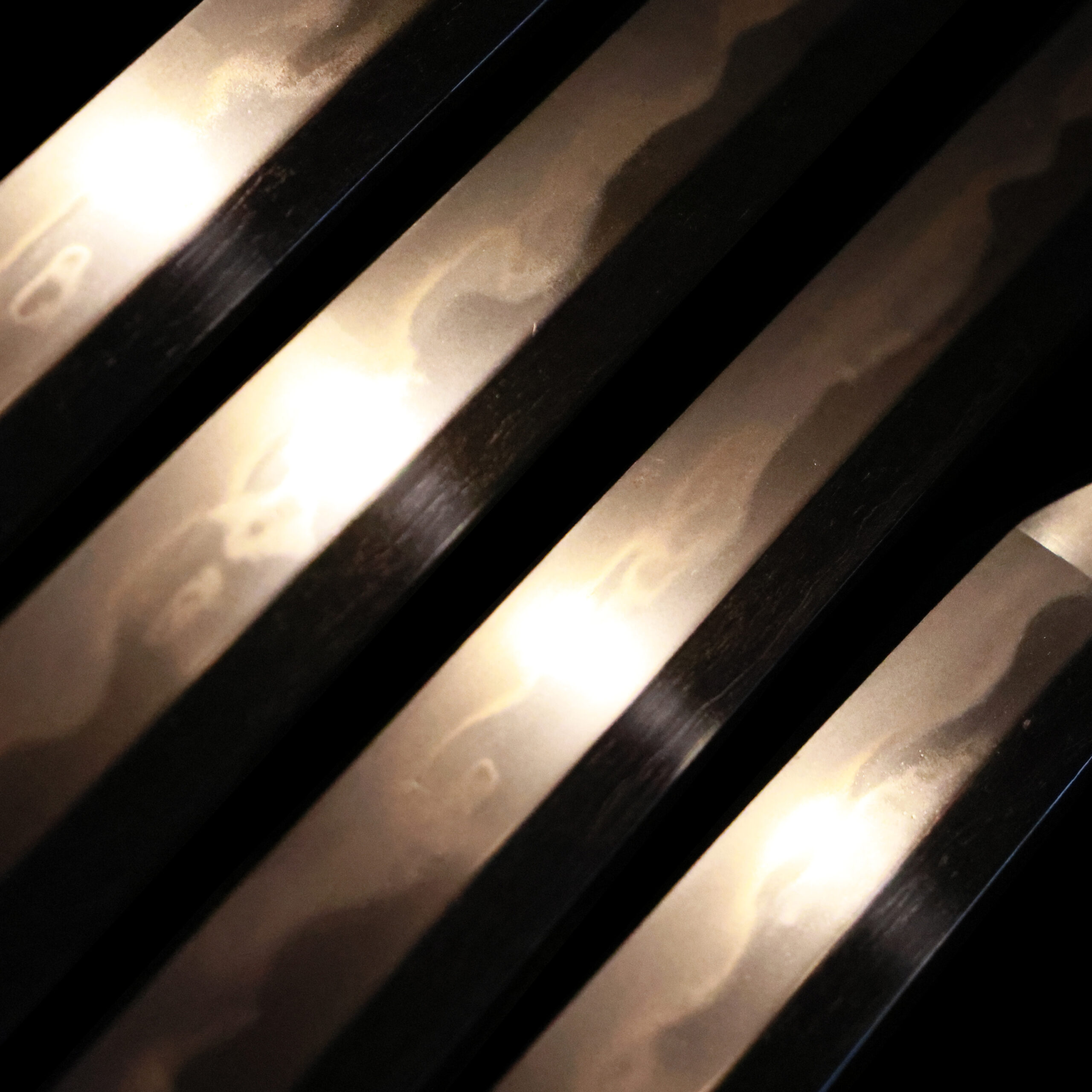
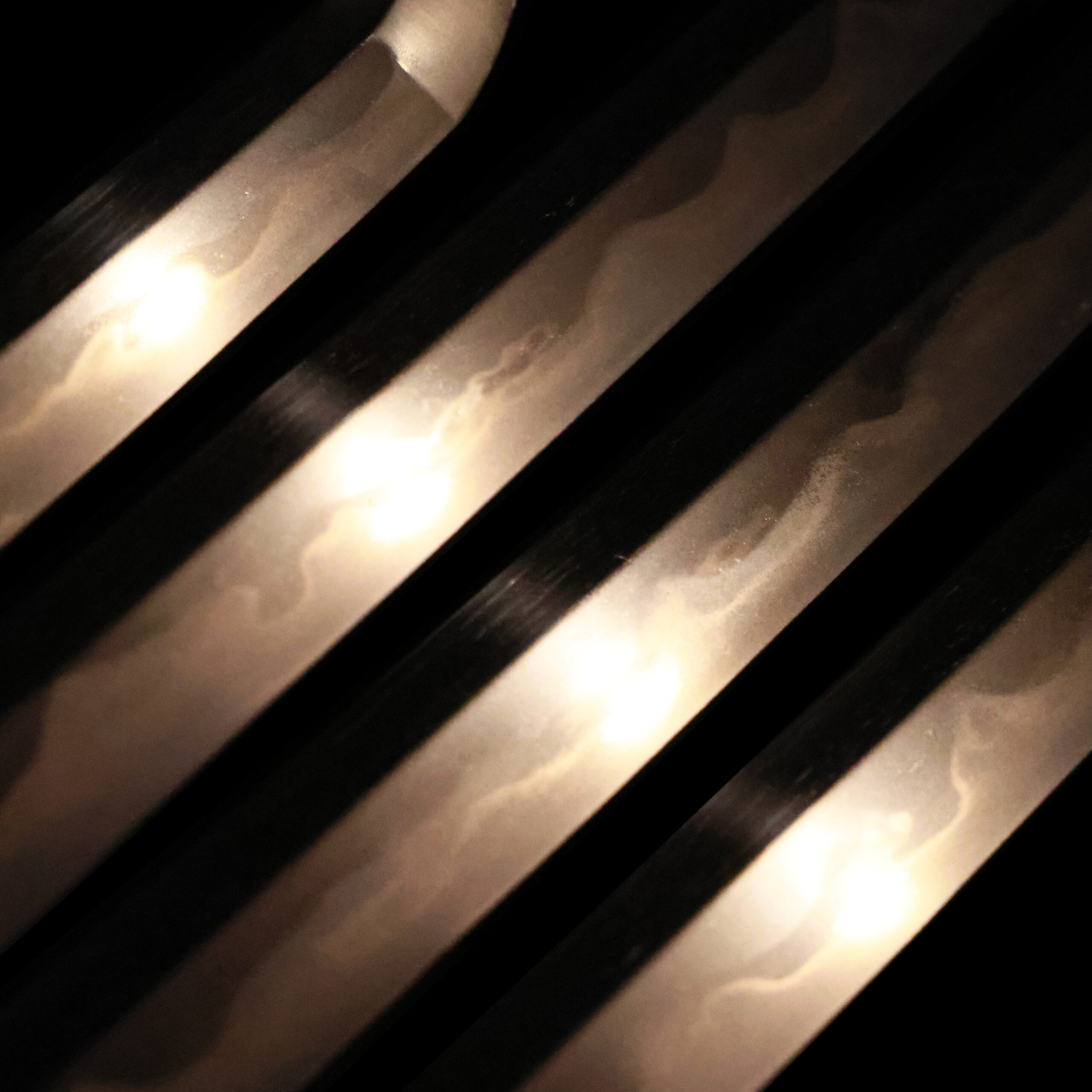
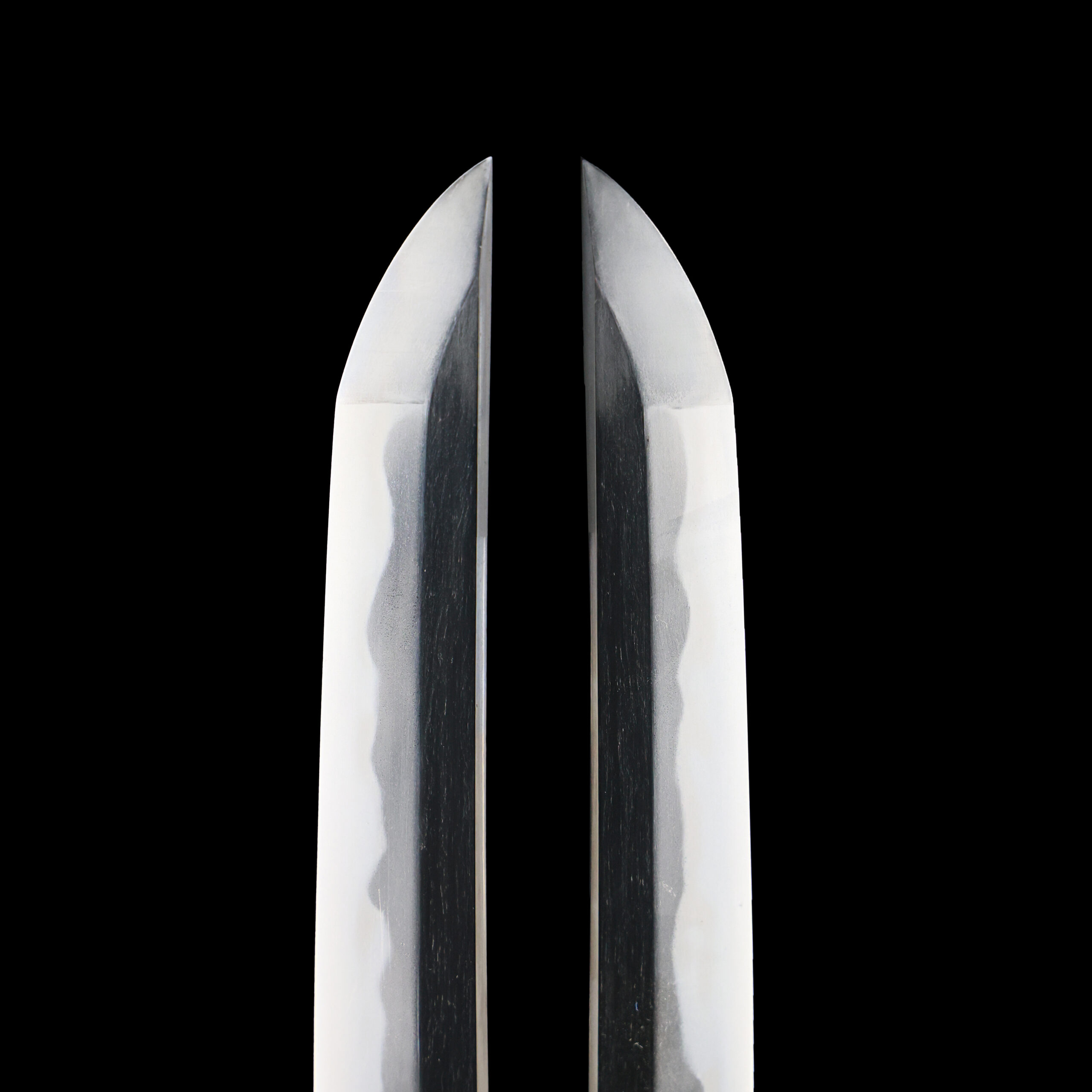
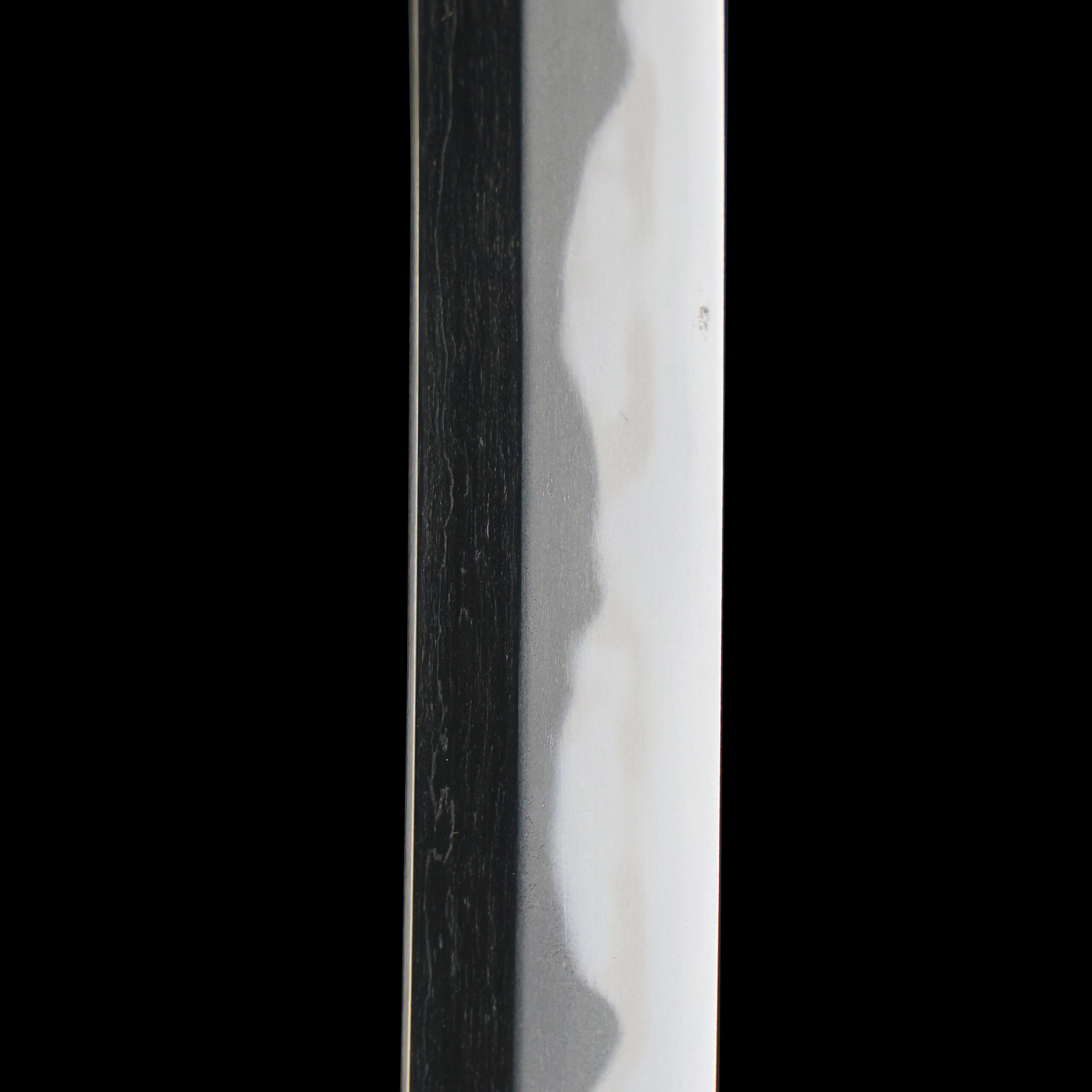
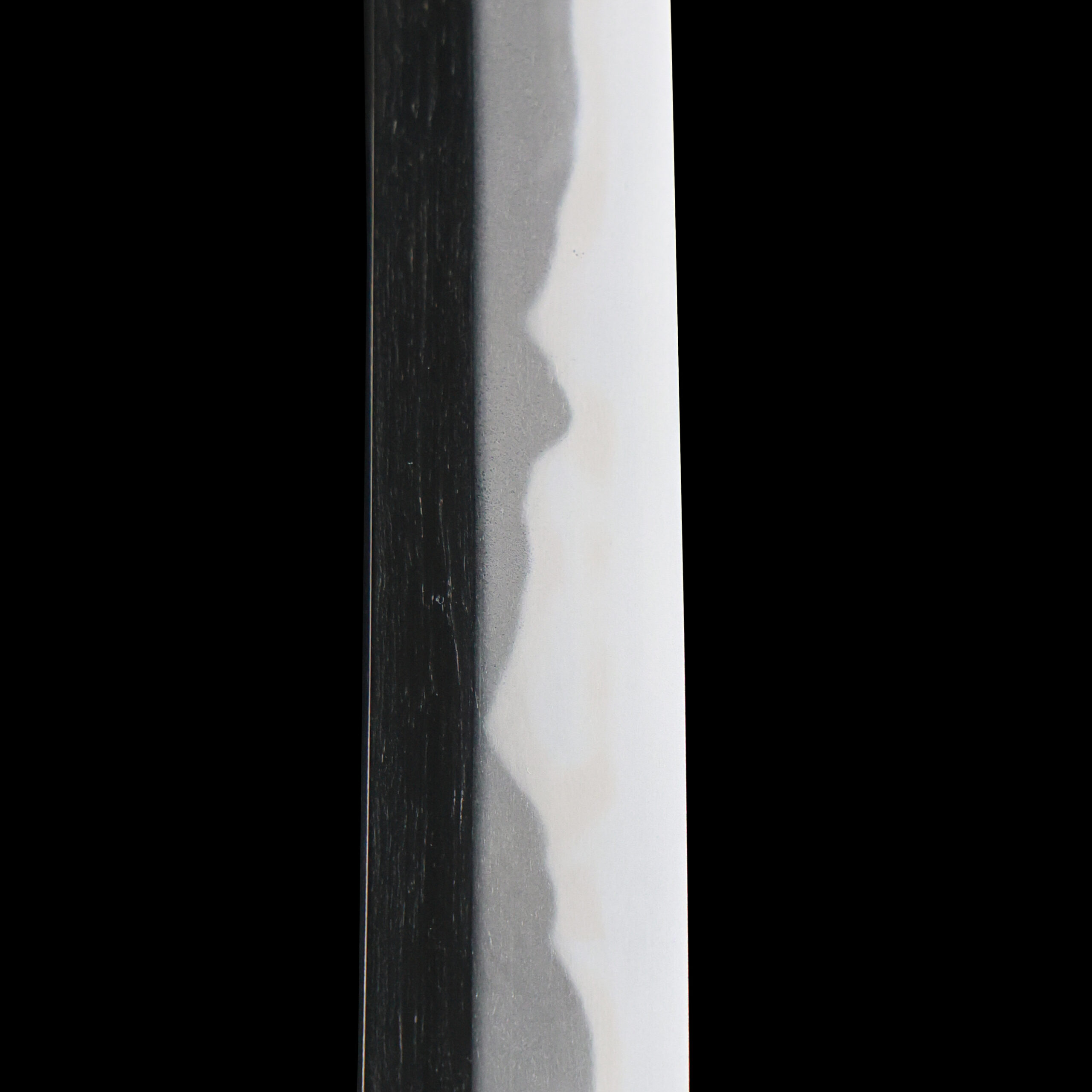
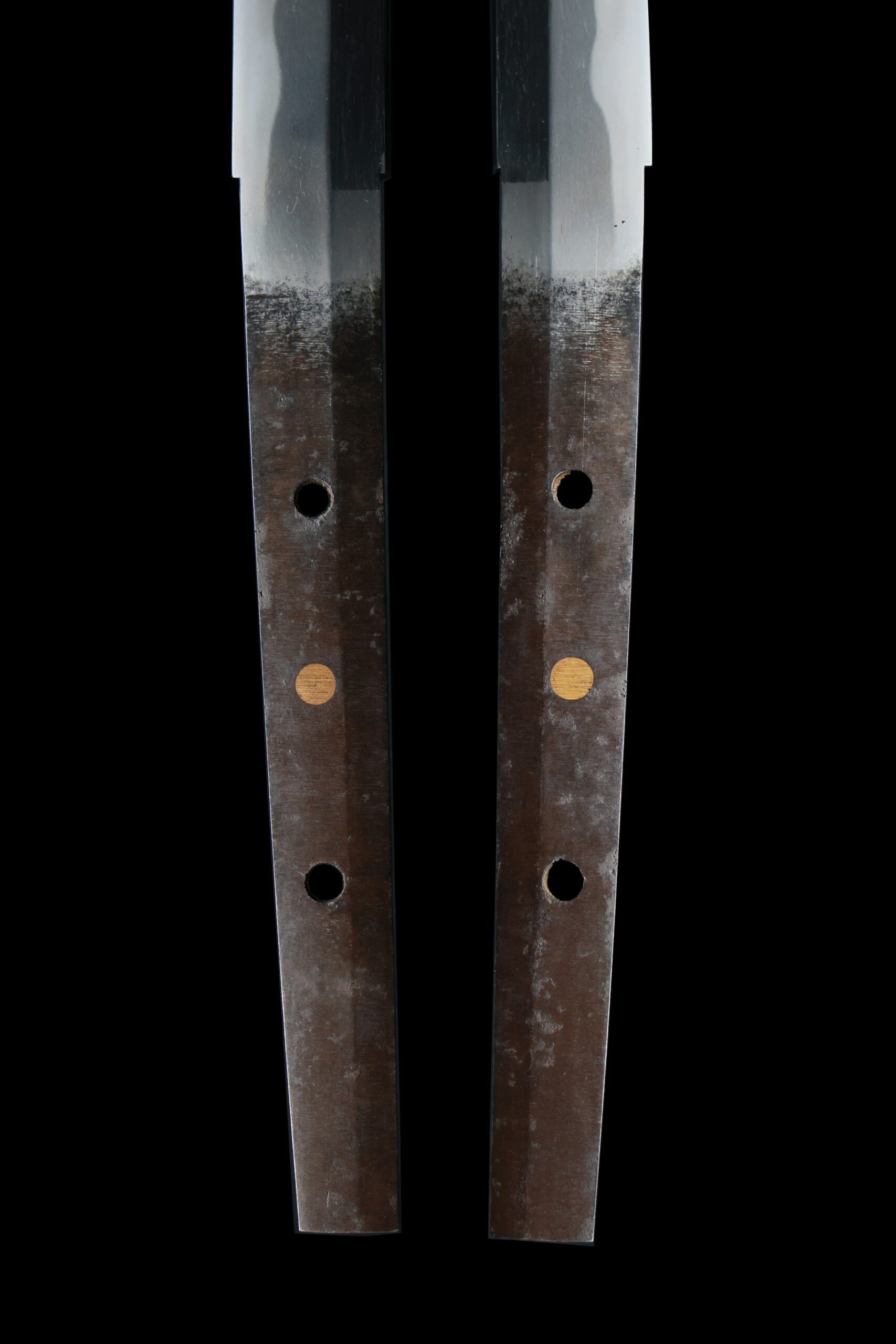
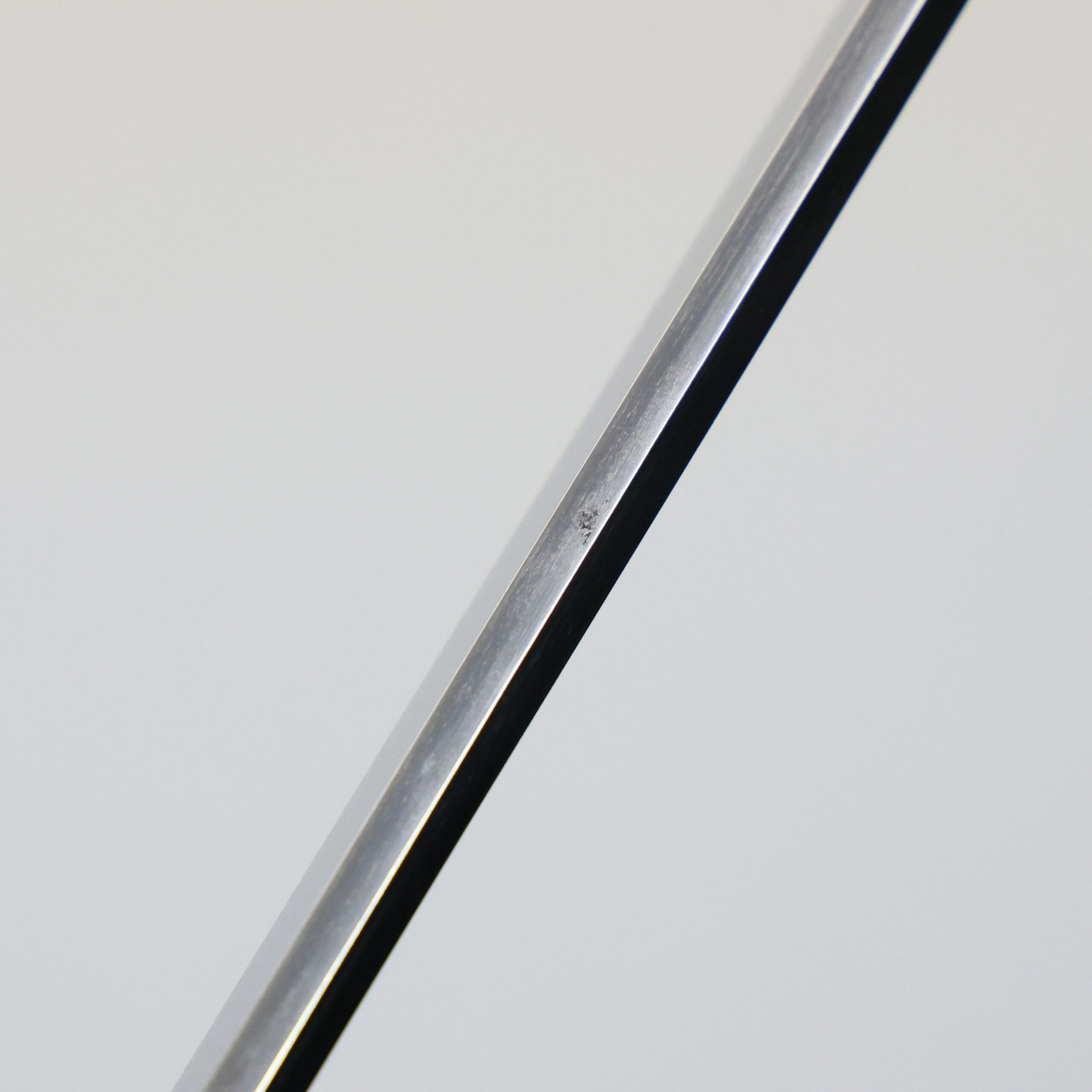
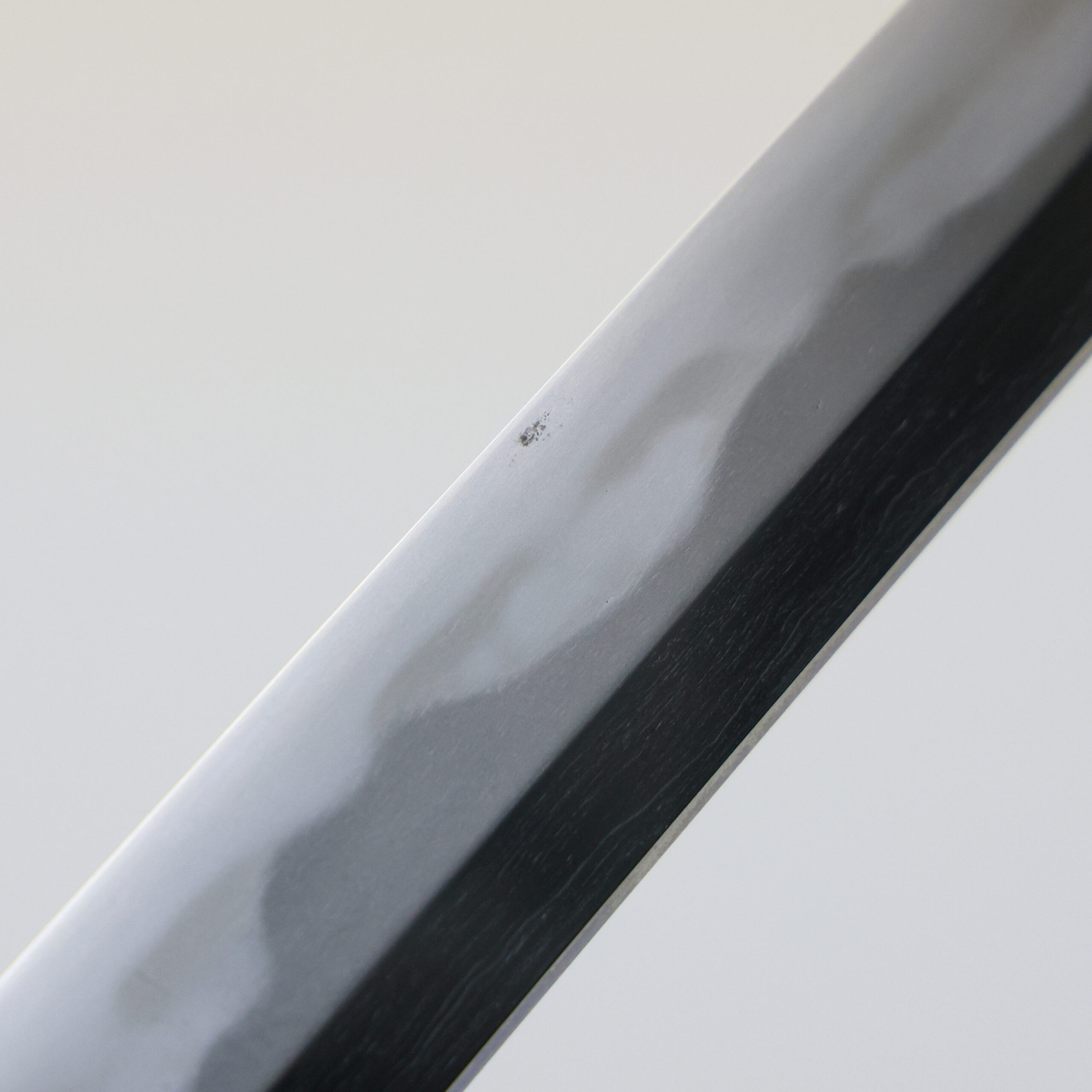
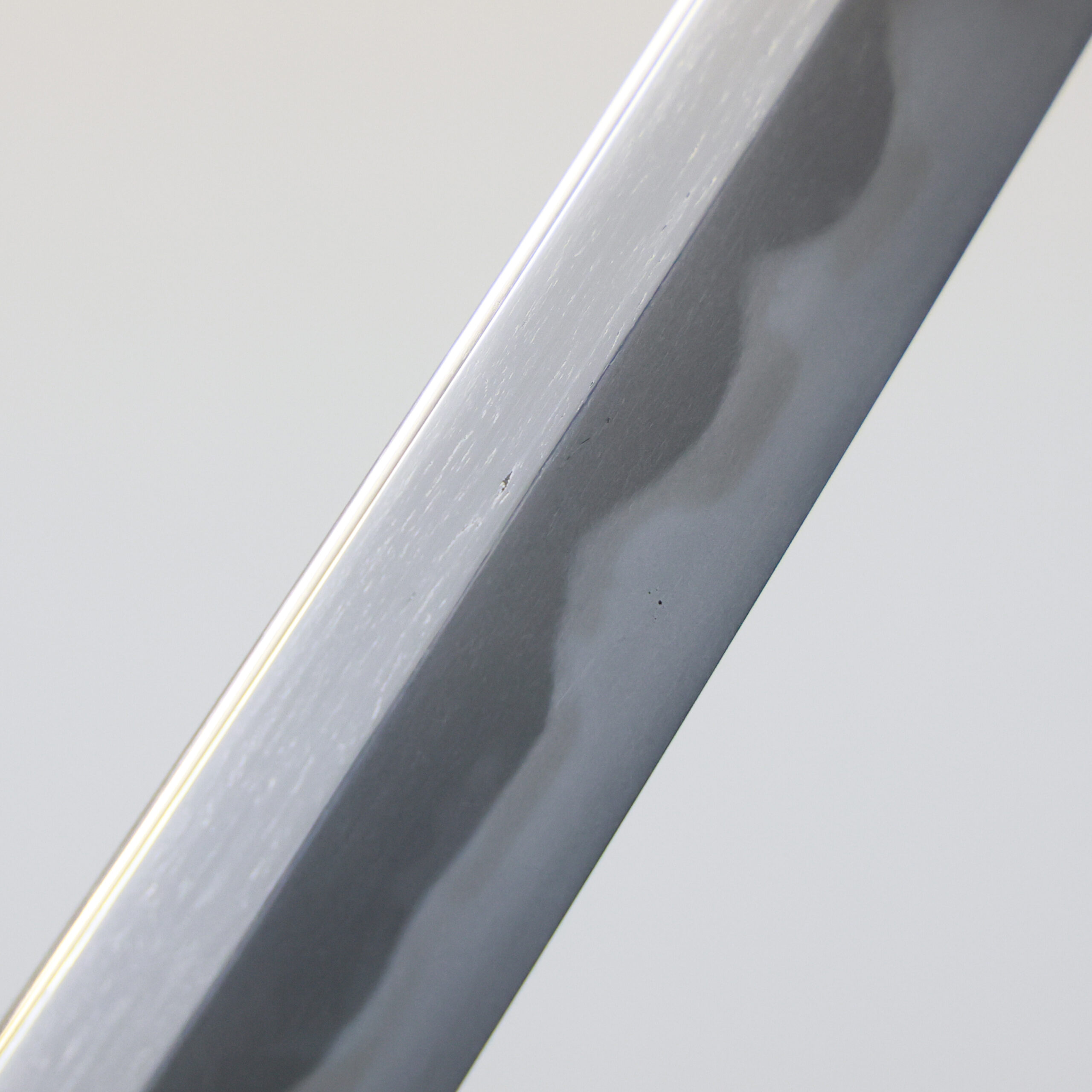
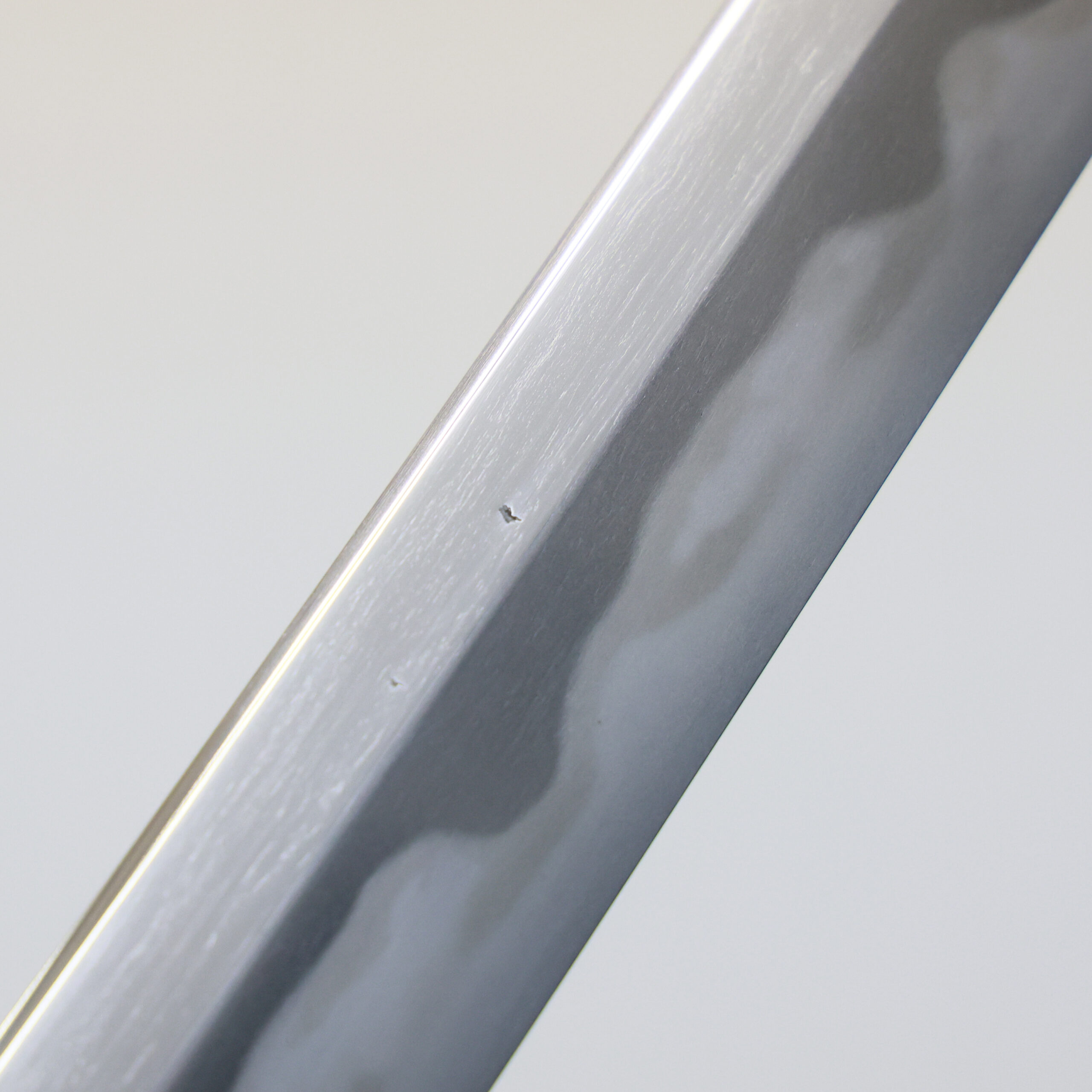
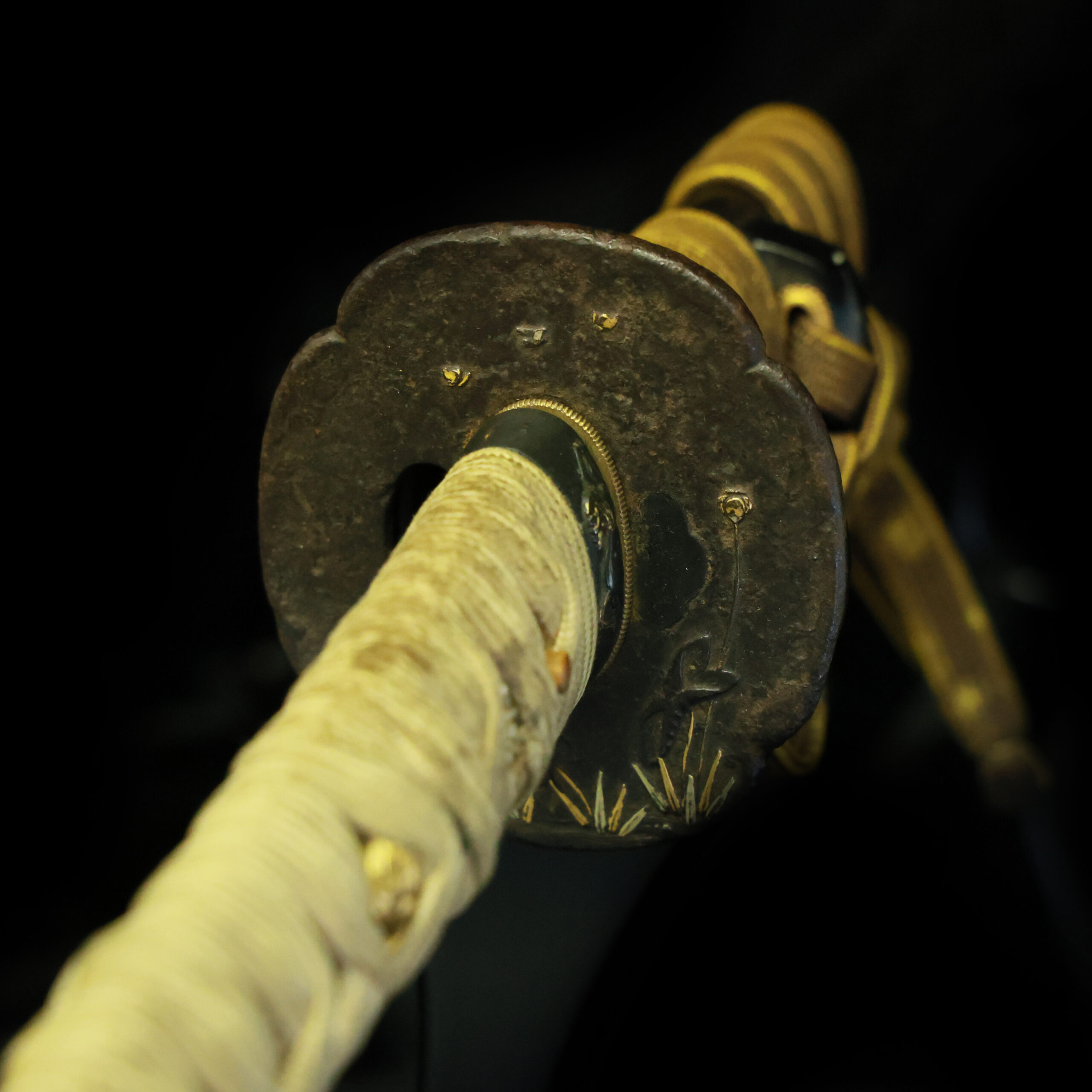
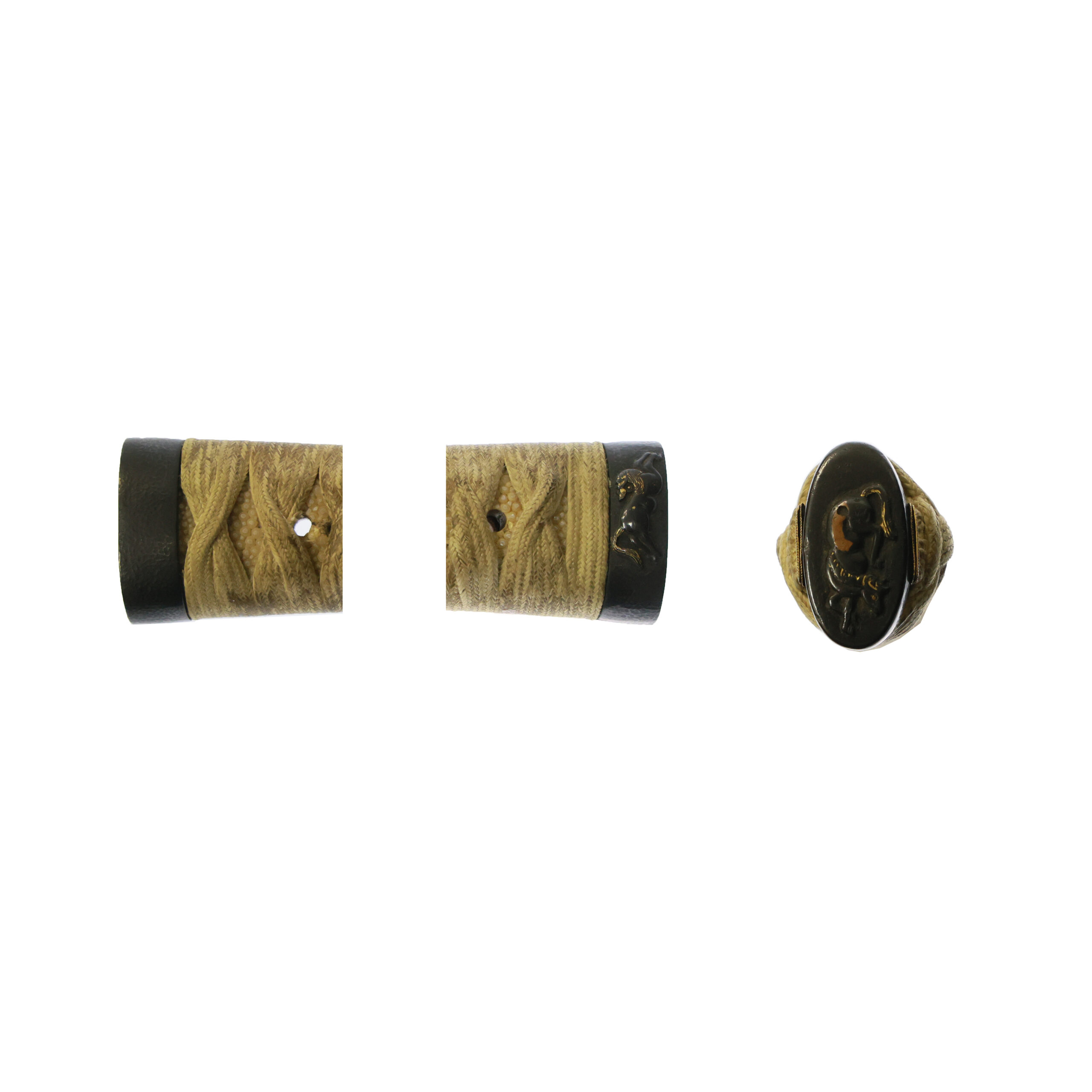
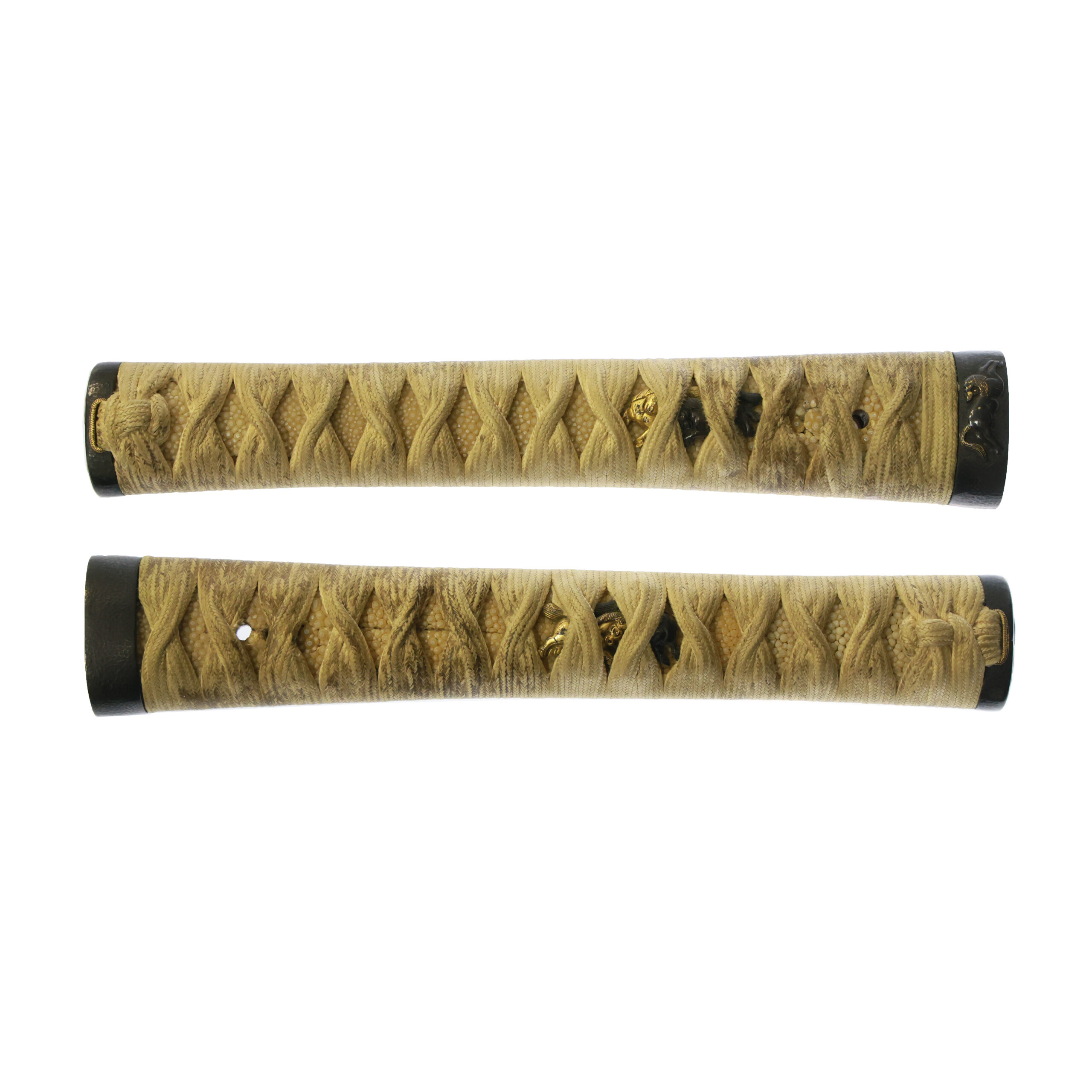
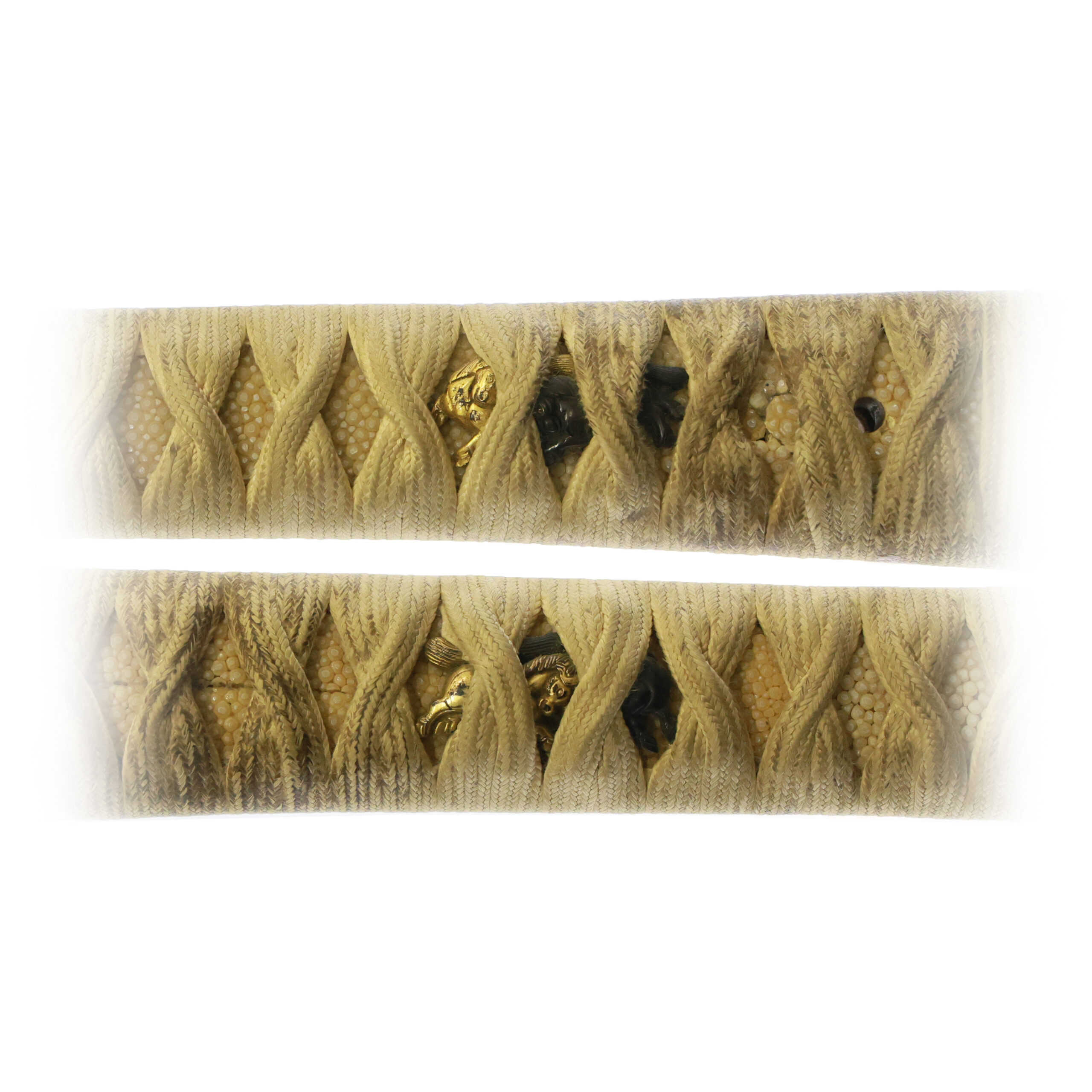
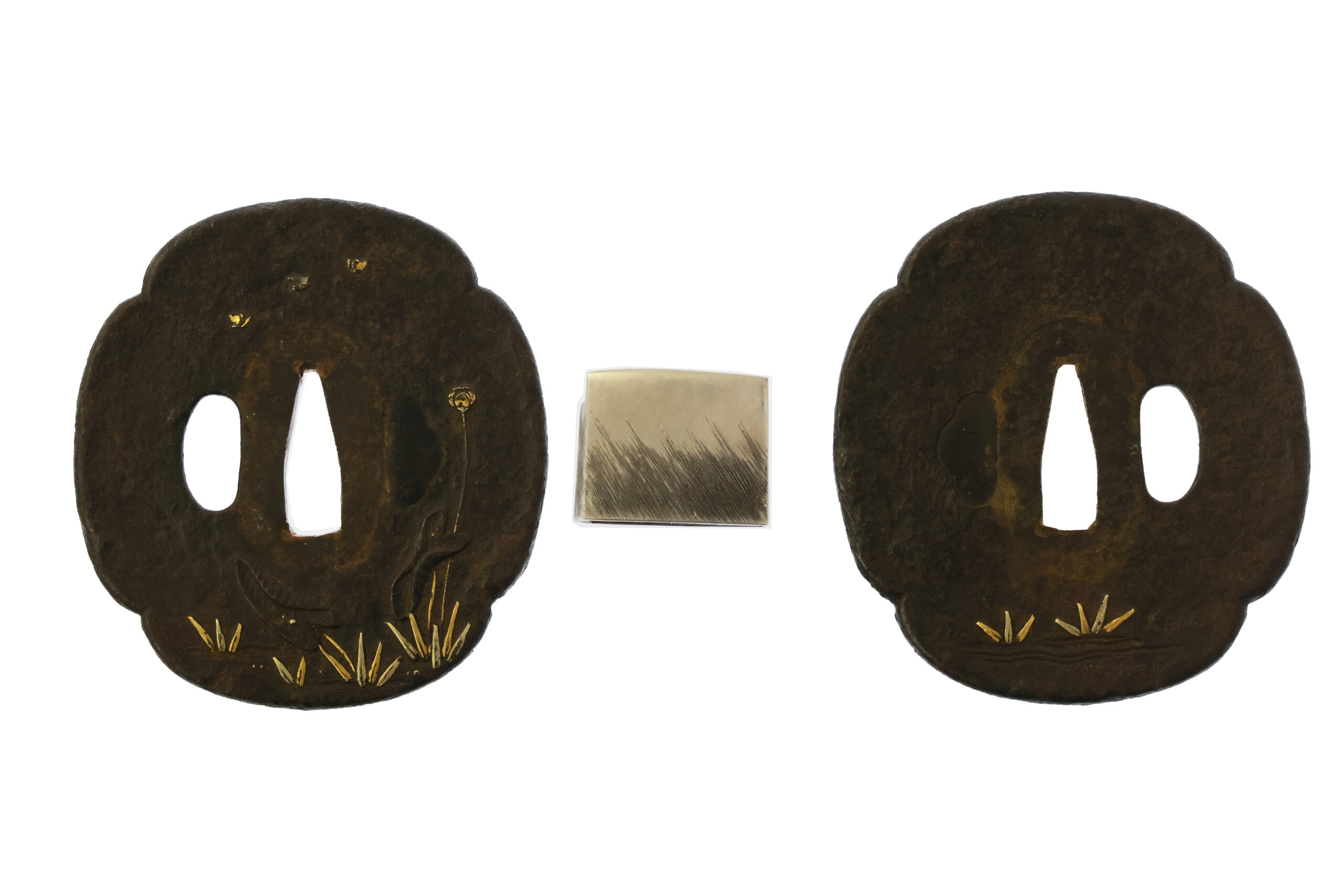
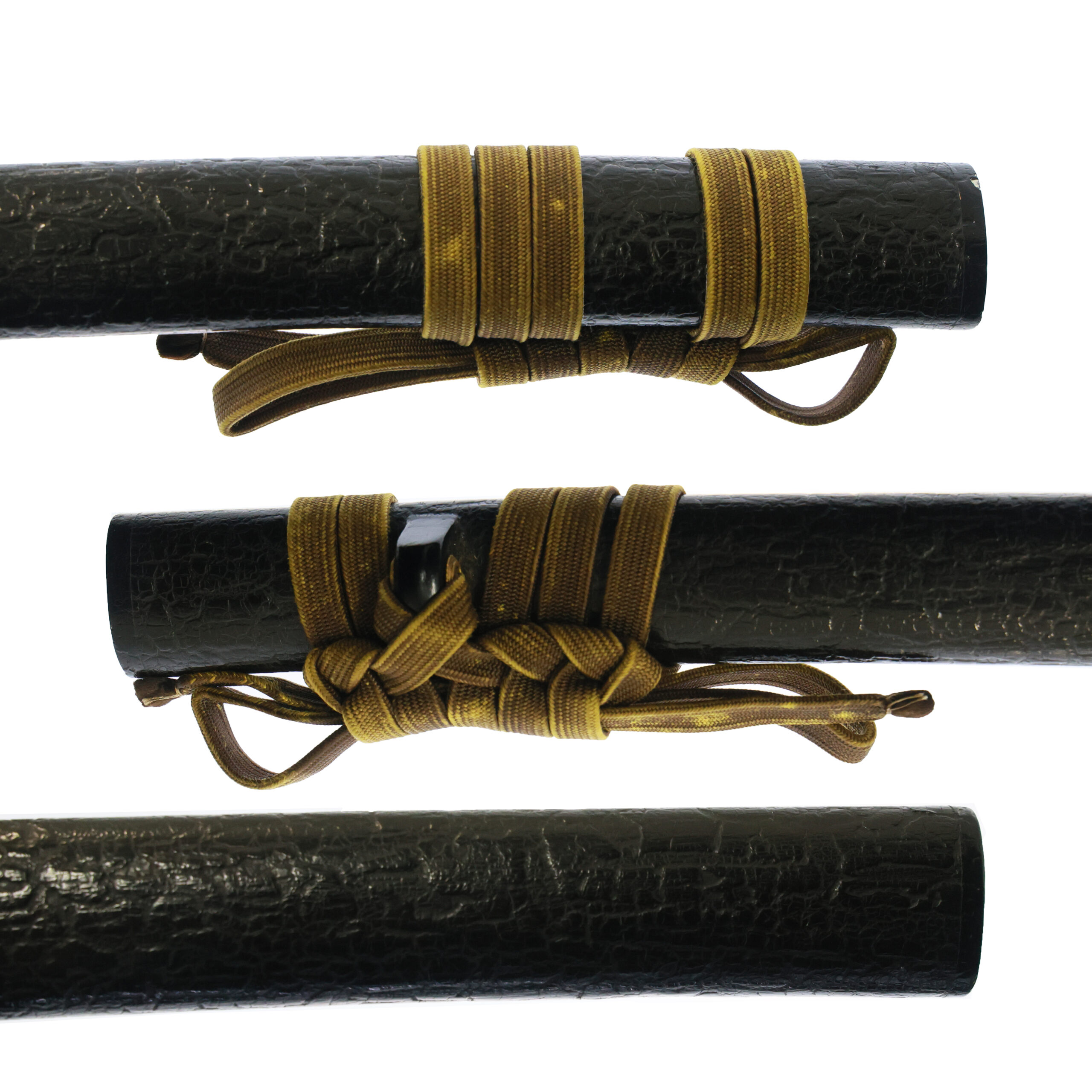
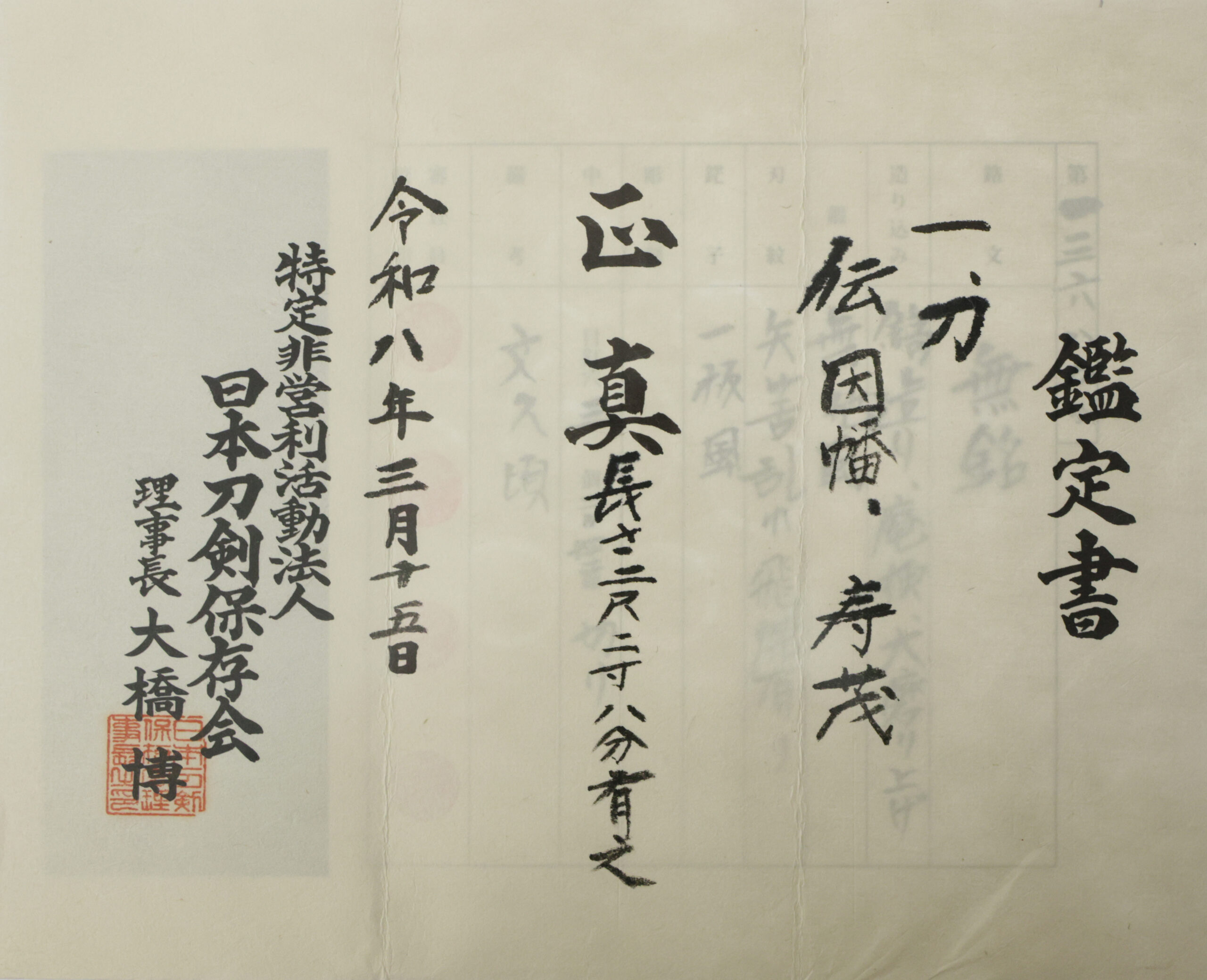
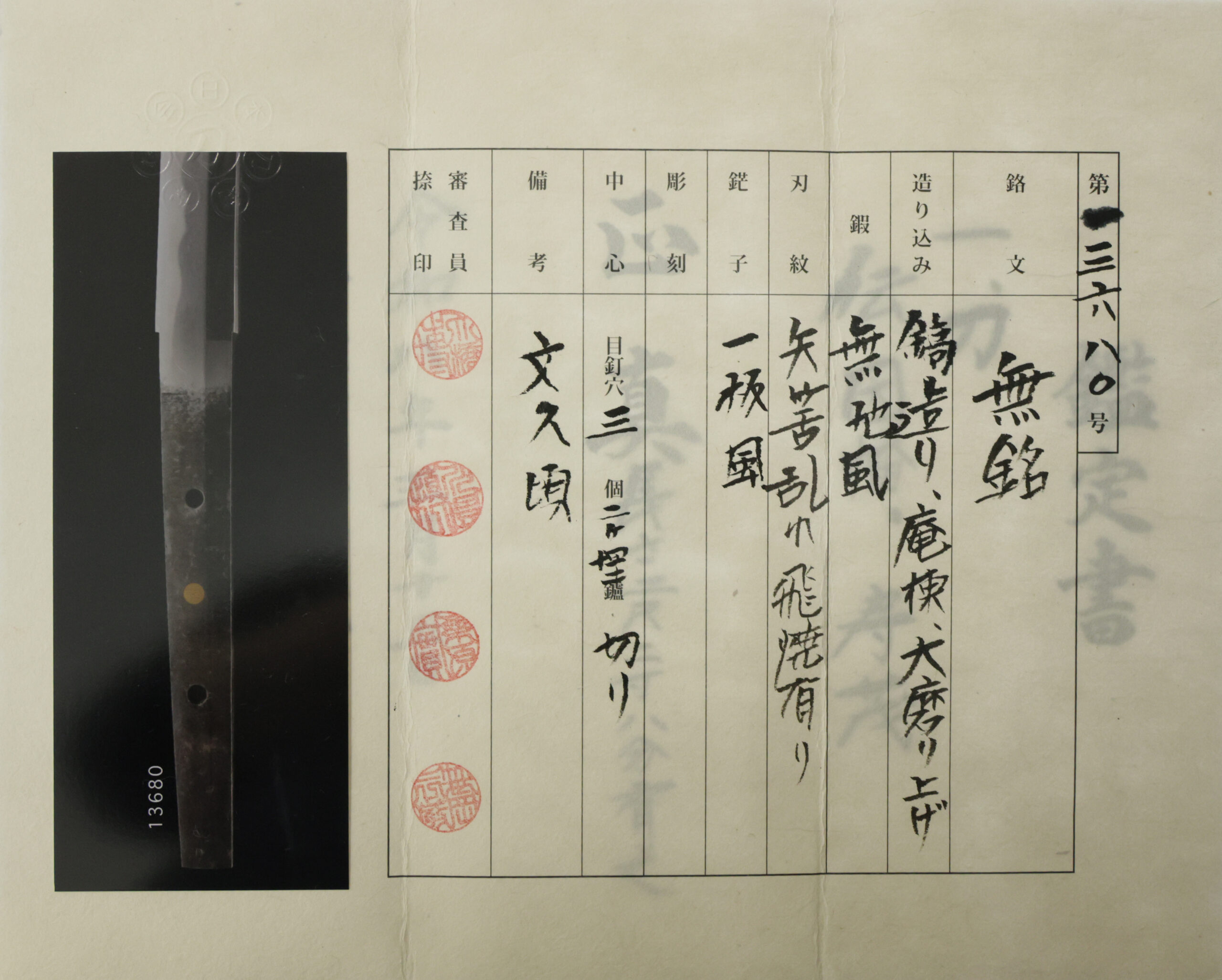
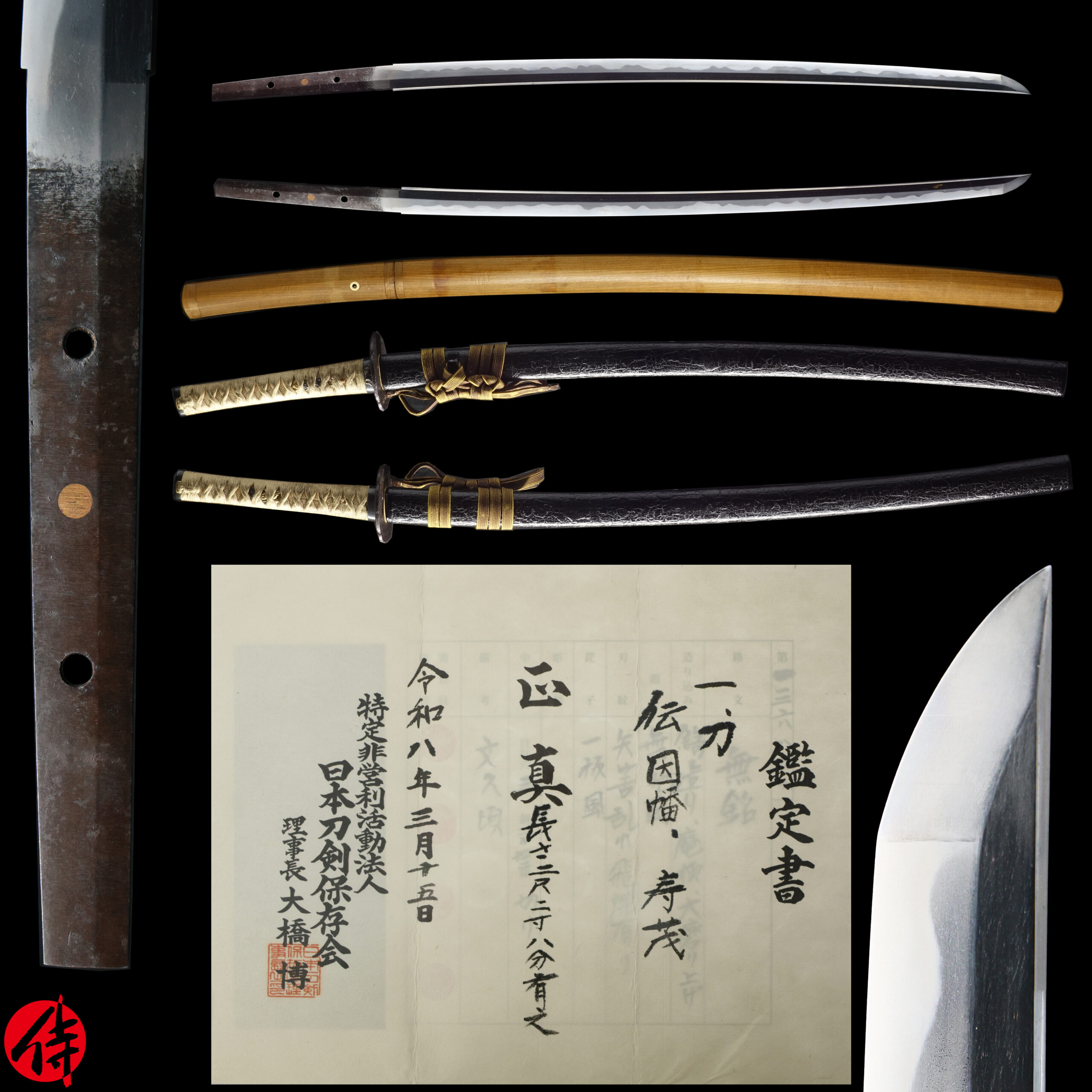
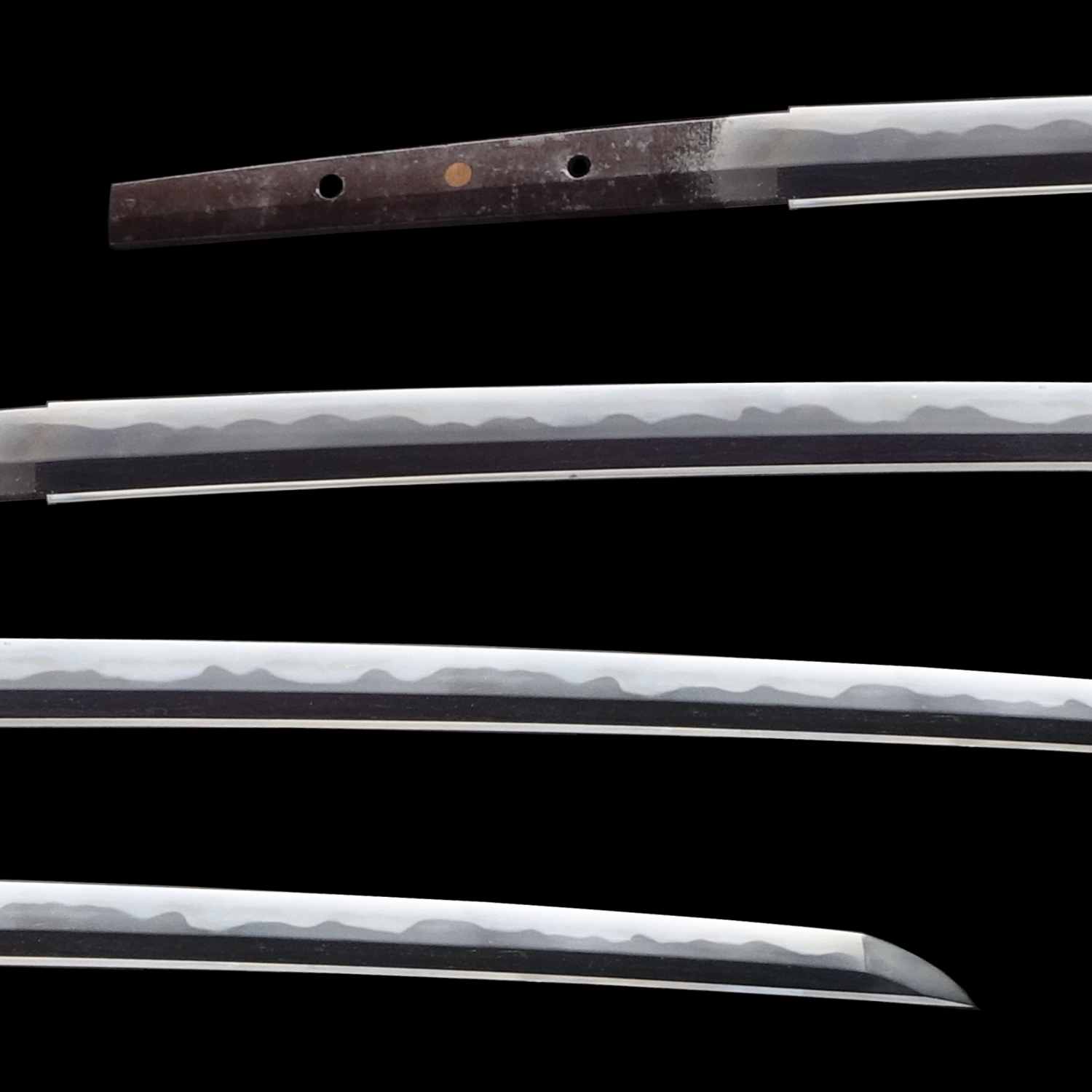
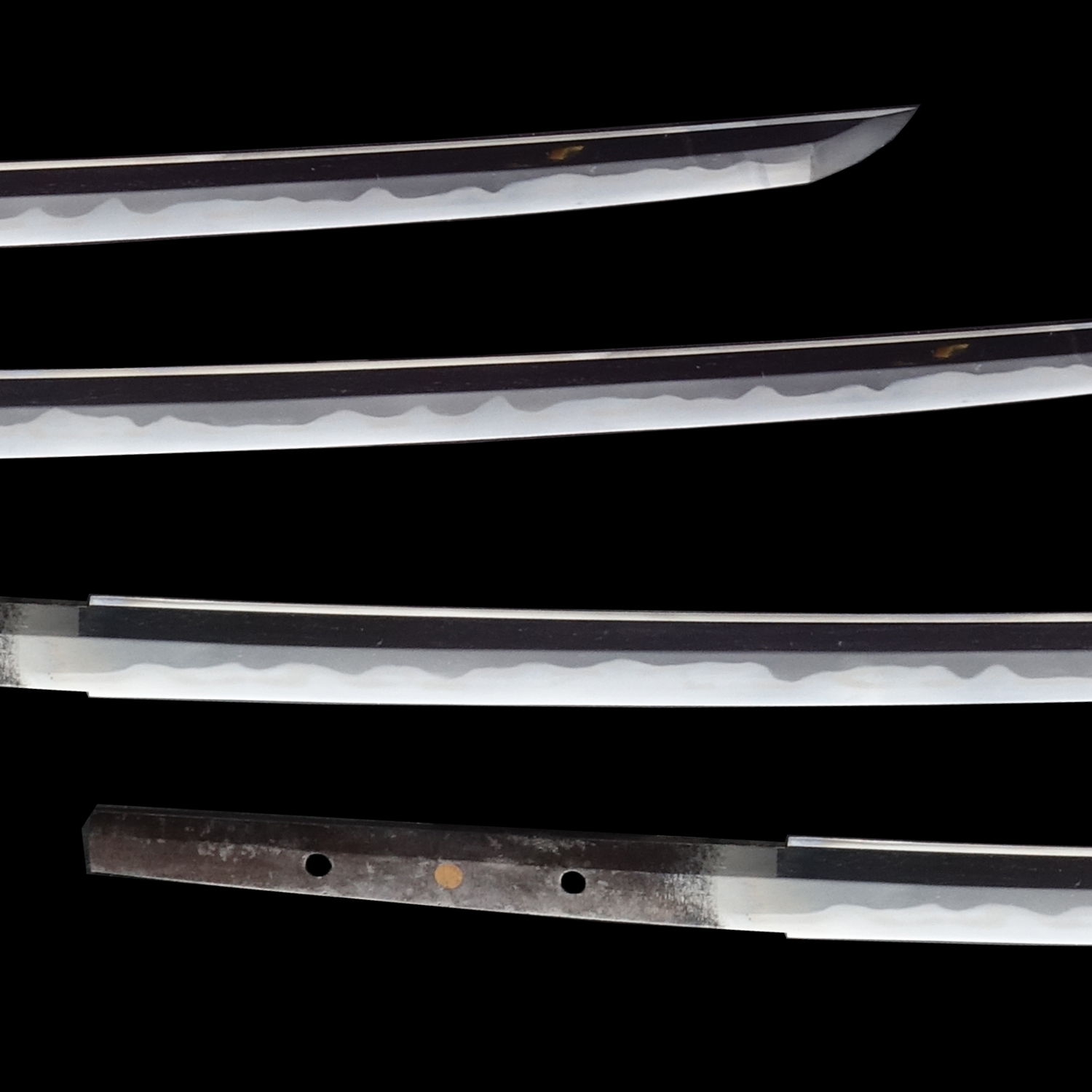
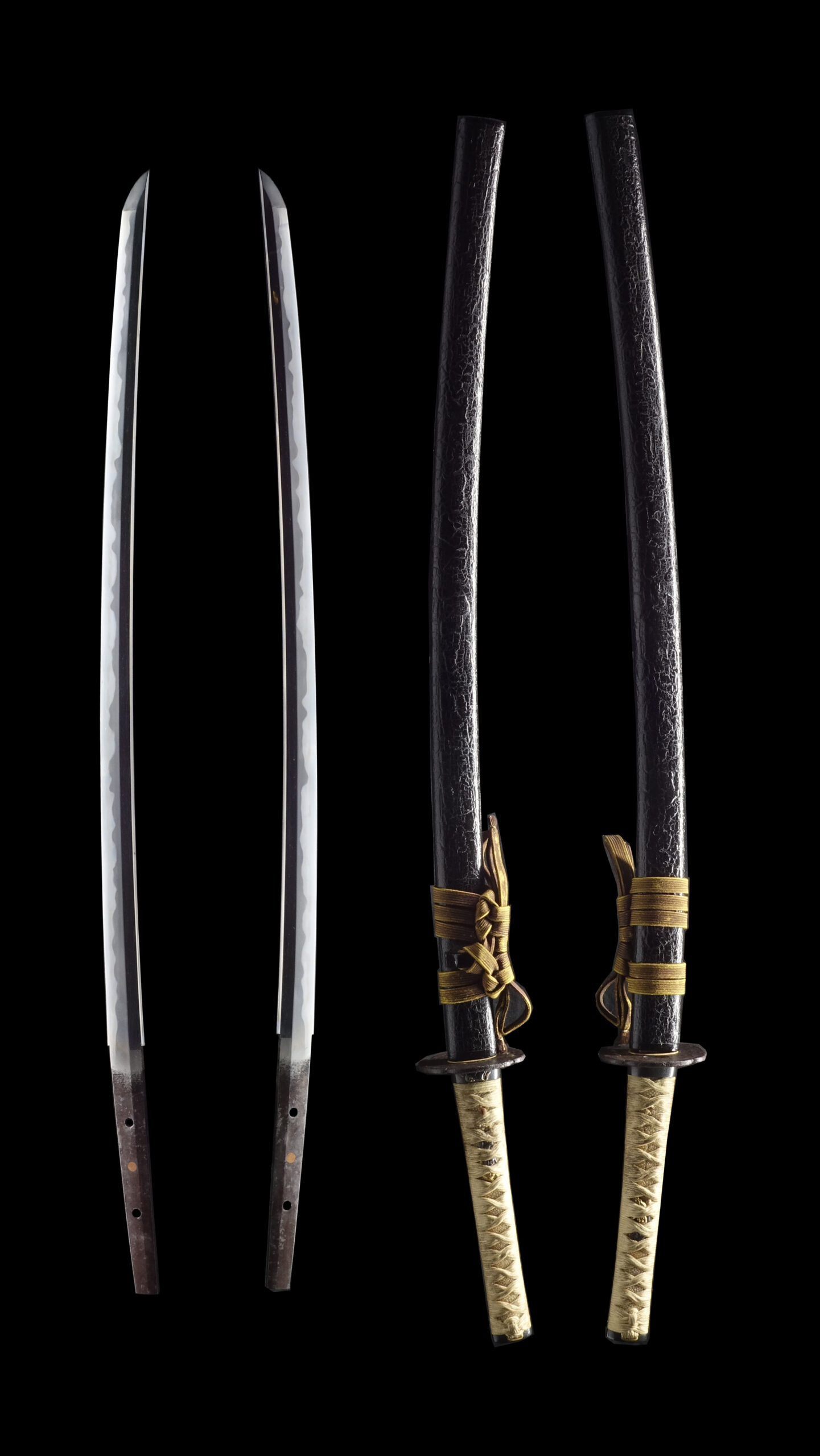
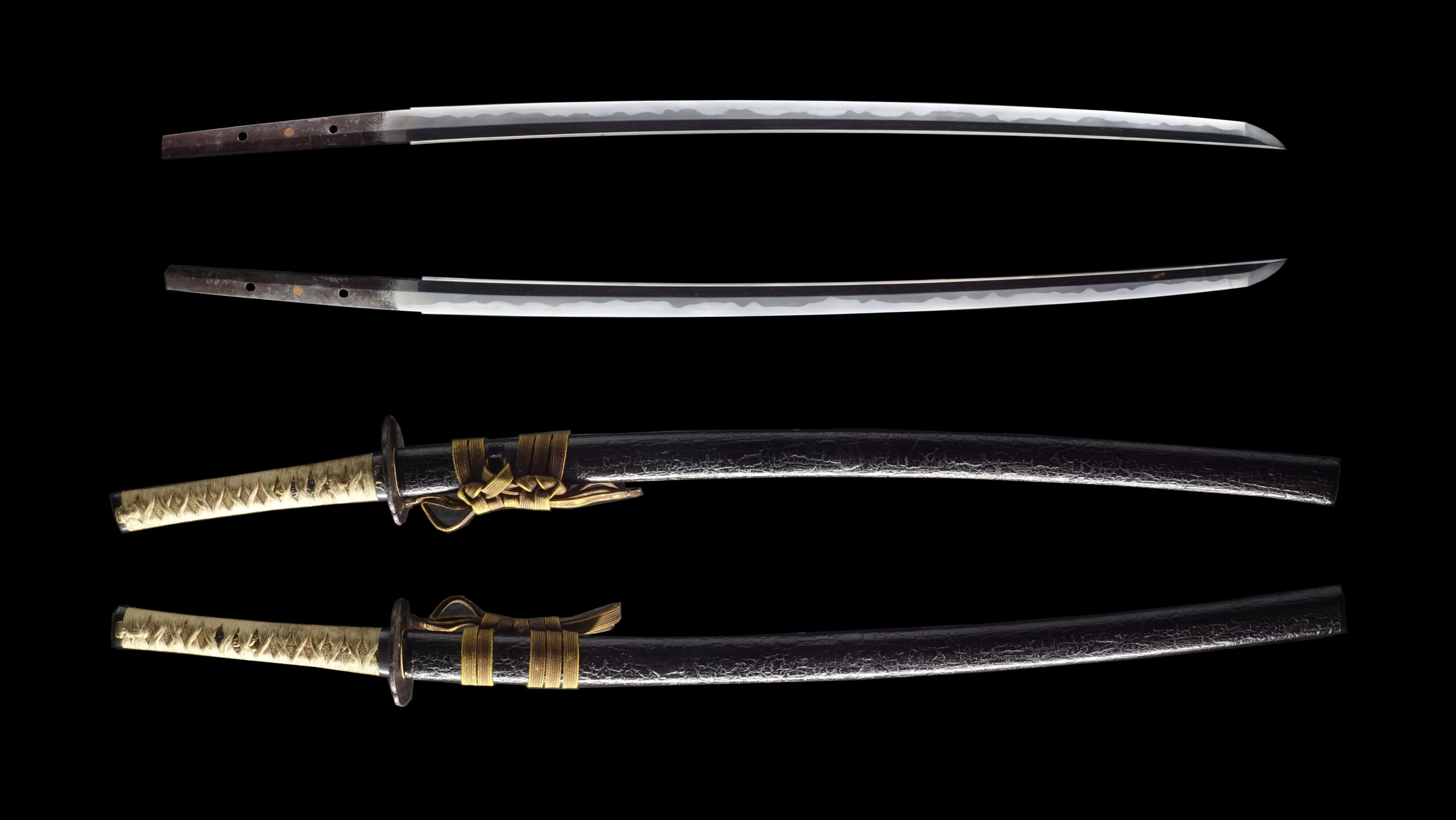
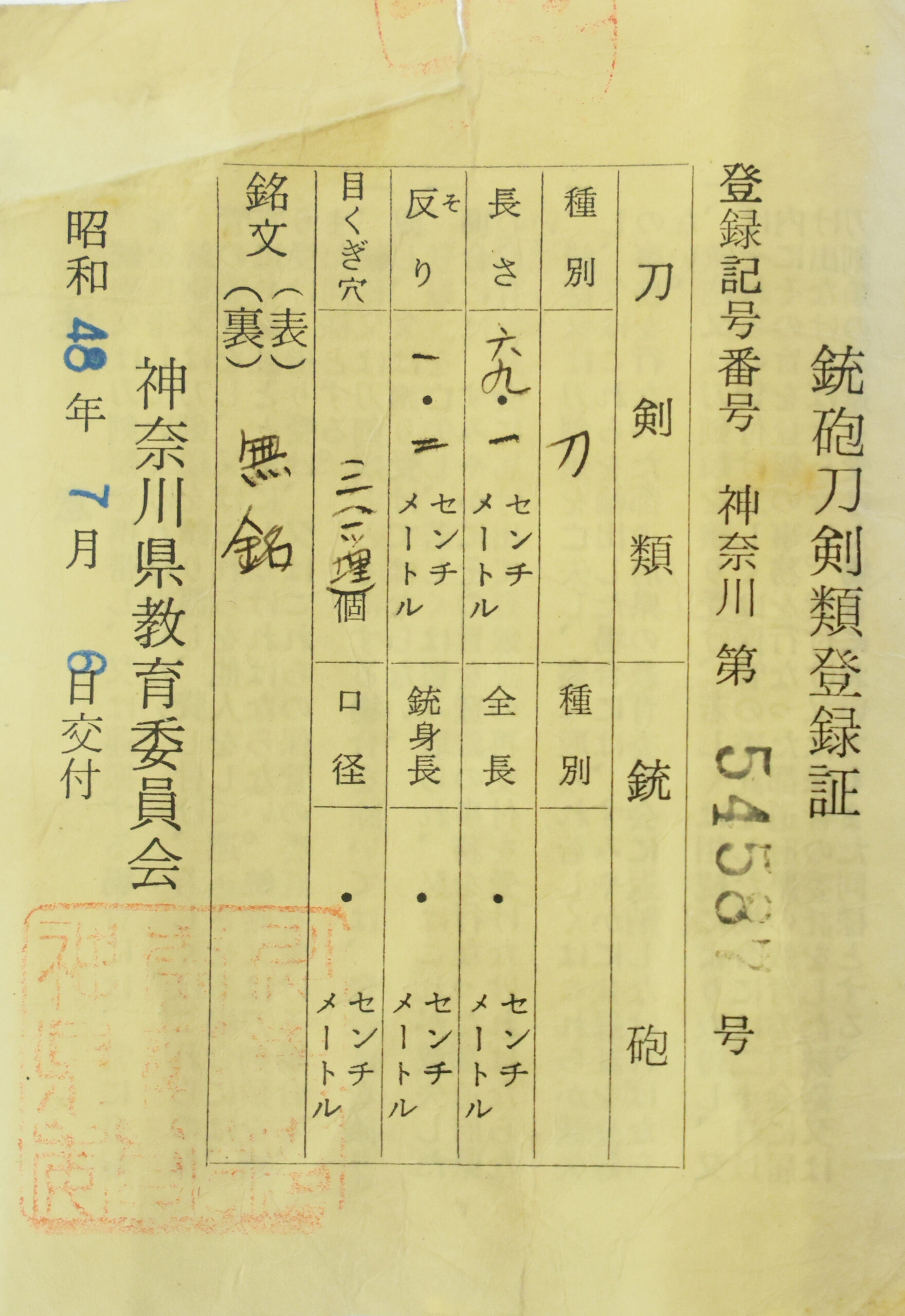
This blade is attributed to Den Inaba Toshishige (伝因幡寿茂), and is estimated to have been made during the Bunkyū era (1861–1864), according to the certification by the NTHK (Nihon Tōken Hozon Kai). Toshishige belonged to Hamabe school in Inaba province (today’s Tottori prefecture). The founder of the school, Hamabe Toshinori (浜部寿格), was born in 1746 in Tottori prefecture. He first learned sword forging techniques from Hioki Kanesaki in Tottori prefecture. And he also went to Edo city twice during 1781-1800 to study sword making under different masters. He stayed in Bizen Osafune as well to master Bizen Den from Sukesada. When he was 41 years old, he received the title of Mino no kami and changed his maker’s name to Toshinori. Then, he worked for the Tottori clan. His school had a lot of apprentices, including Toshishige, and his fame and achievements are well-known even today among Japanese sword connoisseurs. It is said that Toshishige was either the brother or relative of Hamabe Toshiyuki, the third-gen head of the school. The Bunkyū era falls within the late Edo period, a time of great political unrest and transition in Japan, often referred to as the Bakumatsu period (幕末). During this time, the Tokugawa shogunate was weakening, and conflicts between pro-imperial and pro-shogunate factions were intensifying. As a result, swords were not only weapons but also powerful symbols of status, loyalty, and identity for the samurai class. “Inaba” (因幡) refers to a historical province located in the eastern part of today’s Tottori Prefecture. This region, while not as widely known as major sword-producing centers such as Bizen or Seki, had its own local tradition of swordsmithing, often influenced by surrounding schools. *Please keep in mind that that there are a couple of Kitae Kizu and black rust on this blade. Fuchi-Kashira This fuchi-kashira features a horse (馬, Uma) design. For samurai, the horse was not only an essential companion in battle but also held significant cultural meaning in Japan. The horse symbolizes strength, nobility, and loyalty, reflecting qualities that were highly valued by the samurai. In Japanese culture, the horse is also seen as a symbol of grace, freedom, and connection to nature, often appearing in various forms of art and tradition. Tsuba and Menuki This menuki features a horse motif, matching the design of the fuchi-kashira. *Please keep in mind that there are some noticeable stain on the Tsuka Ito (thread on the handle). Tsuba and Habaki This tsuba is mokkō-shaped (木瓜型, mokko-gata), a form resembling a cross-section of a gourd or the Japanese quince flower, which was a popular shape for sword guards from the Muromachi through the Edo period(15th–19th centuries). Authentication Paper NTHK, also known as NPO Nihon Touken Hozon Kai, is the oldest organization for sword authentication of Japanese swords in modern times. It was established in 1910 during the post-Samurai era. They authenticated the blade on March 15th in the 8th year of Reiwa (2026).
Offered by Samurai Museum
Its photos show a certificate, and the listing names the NTHK as the issuer; it isn’t in our records yet. Current NBTHK and NTHK shinsa papers are the independent check we rely on, so it’s worth asking the dealer for a clear photo of the certificate. — Hoshi

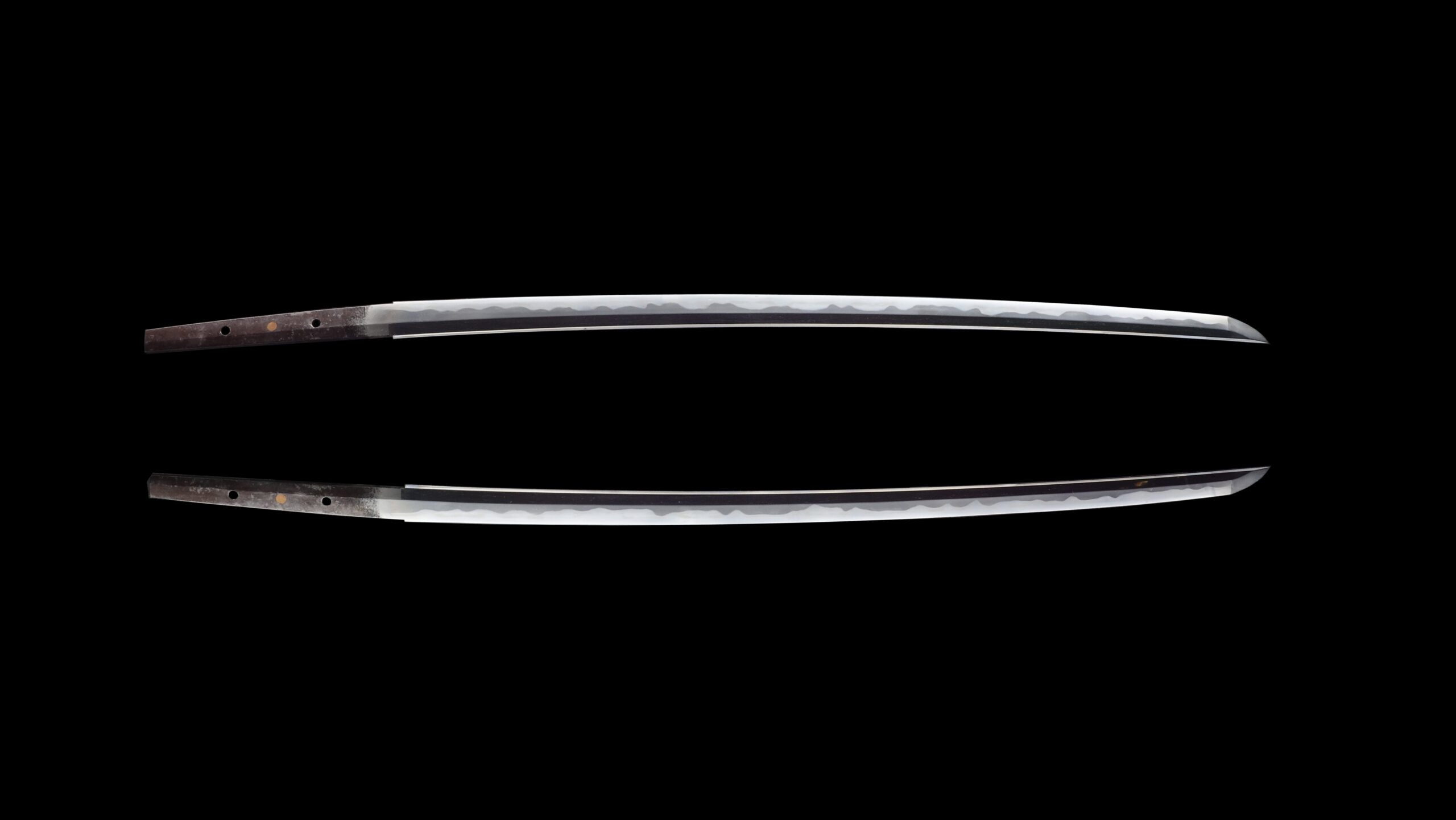
The Edo period (1615 to 1868)
Edo was the sword’s age of connoisseurship: the Hon’ami appraisers, the shogunal register of famous blades of 1719, and a thriving literature turned the sword into an object of study even as it ceased to be drawn in war.
The NTHK’s principal certificate, issued for a blade of considerable quality. It confirms a genuine signature, or, for an unsigned (mumei) work, records the judges’ attribution to a smith or school. The paper carries a detailed worksheet with a numerical point score.
The NTHK (Nihon Tōken Hozon Kai, the Society for the Preservation of the Japanese Sword) is the oldest of Japan’s sword-appraisal bodies, founded in 1910, decades before the NBTHK. After the death of its long-serving head it divided into two successor societies, the NTHK and the NTHK-NPO, both of which continue to hold shinsa. NTHK blade certificates are known for a detailed worksheet that records a numerical point score alongside the judges’ written opinion (fitting papers carry the judges’ opinion without a point score), and the society is especially respected for its attribution of unsigned (mumei) work.
Returns/exchanges limited to defects caused by shipping (except willful misconduct or gross negligence by the company); customers must contact within 72 hours of receiving the product.
¥570,000