The twentieth century nearly killed the craft twice: wartime distortion, then the occupation ban. The NBTHK’s founding in 1948 and licensed forging from 1953 rebuilt the sword as an art, crowned by Living National Treasures and the mukansa rank.
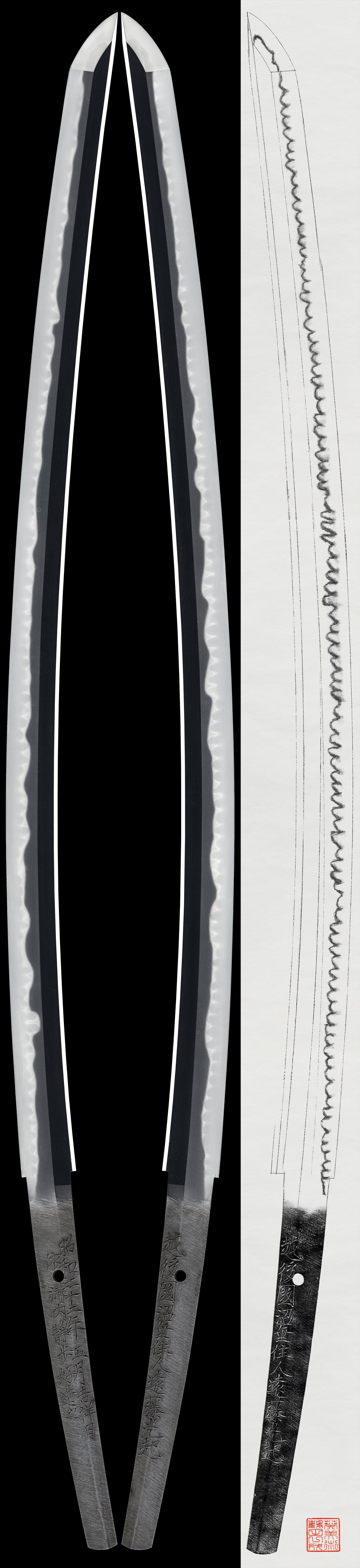
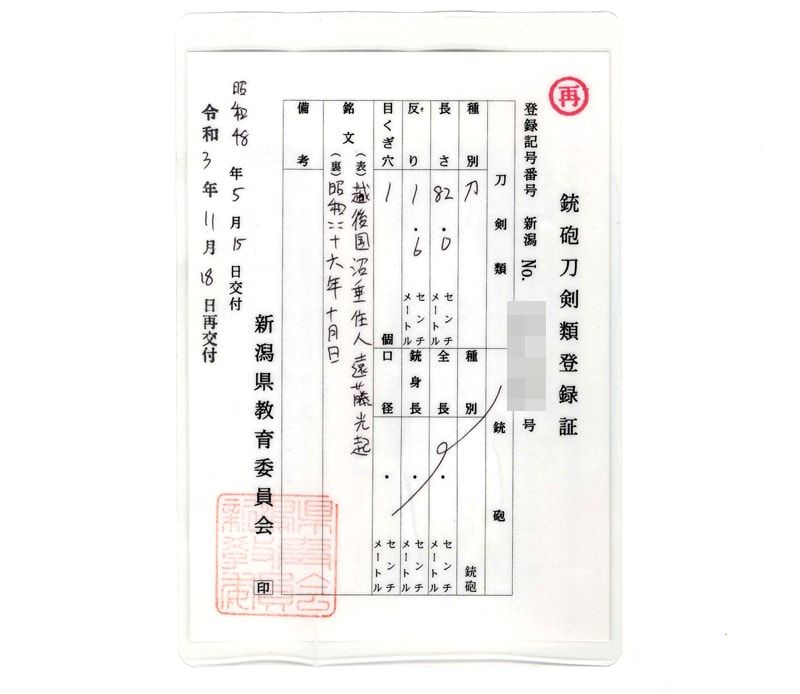
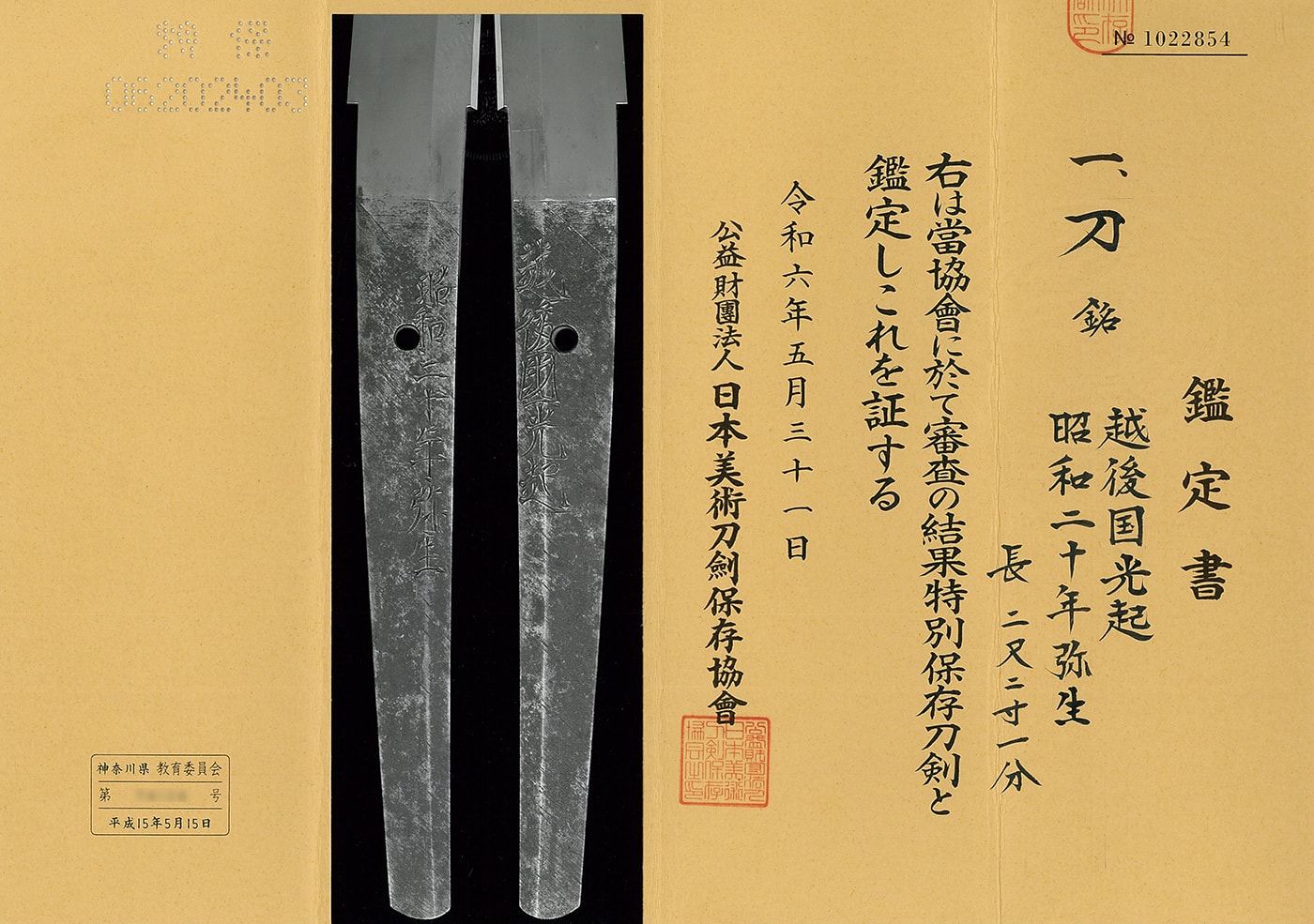
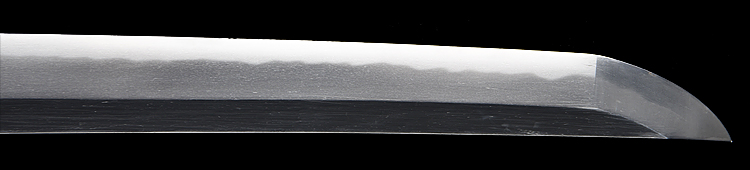
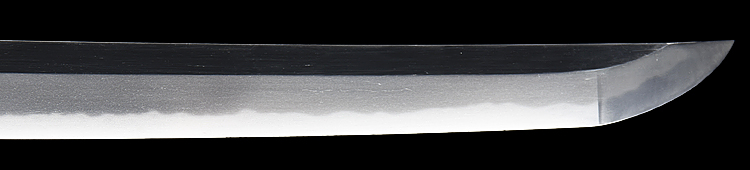
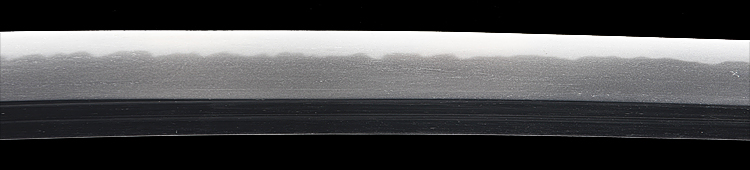
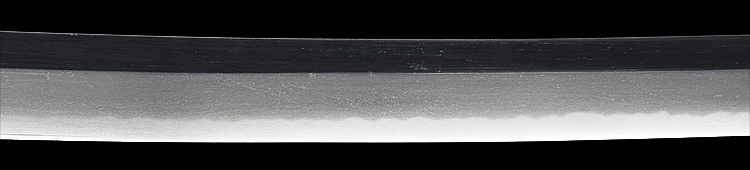
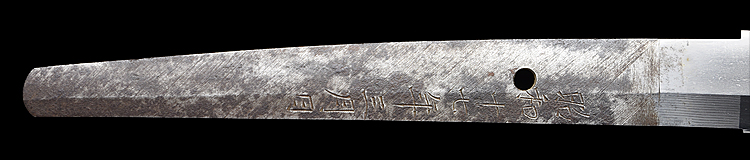
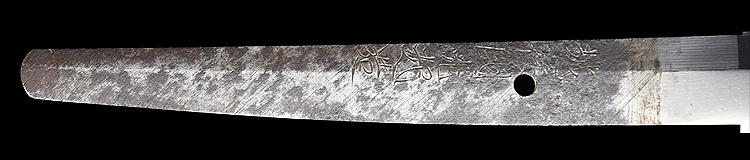
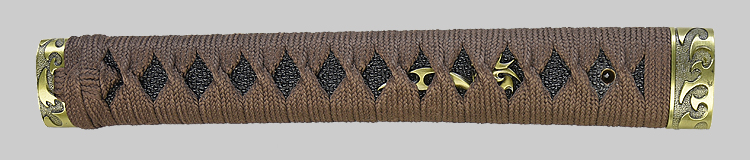
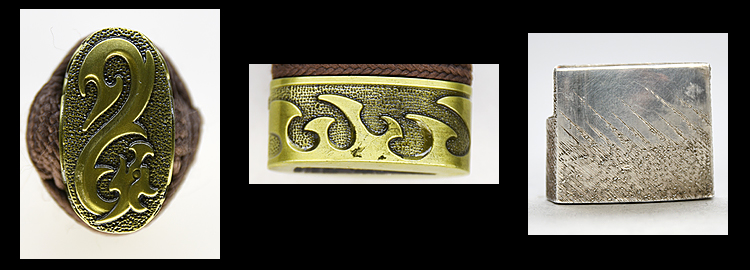
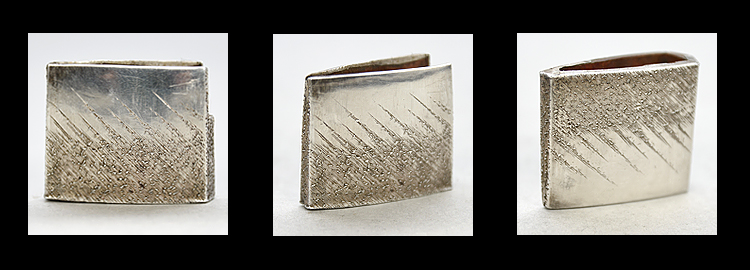
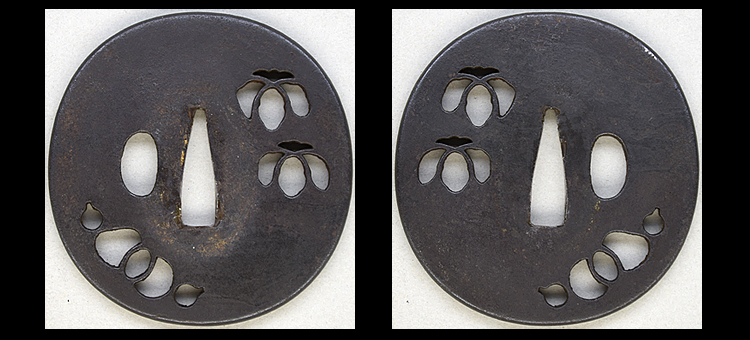
This katana was made by Mitsunori (Endo Jinsaku) in Echigo Province in March of 1942. Mitsunori was a self-taught smith who received numerous awards in pre-war Japanese sword exhibitions and made many dedications, including for the 700th anniversary of Emperor Go-Toba in 1939. The blade comes with a koshirae featuring a black hiru-maki saya.
 NihontoWatch
mei · Showa (1926-1989) · nagasa 68.1cm · sori 1.6cm



Echigo · around 1926-1989
4 pieces on the market now
Shōwa to the present: destruction and revival
The twentieth century nearly killed the craft twice: wartime distortion, then the occupation ban. The NBTHK’s founding in 1948 and licensed forging from 1953 rebuilt the sword as an art, crowned by Living National Treasures and the mukansa rank.
We could not find an authenticity certificate on the seller’s listing. Japanese swords and fittings are normally papered by the NBTHK (or the NTHK). Without one, the attribution is the seller’s own assessment and has not been independently verified — treat it with caution and ask the dealer about certification before buying.
Within one week of the item's arrival (cooling-off is possible within Japan only). For defects that differ from the purchase conditions, we will accept the return and refund the payment. For other cases such as overseas, we will consult separately.
This katana was made by Mitsunori (Endo Jinsaku) in Echigo Province in March of 1942. Mitsunori was a self-taught smith who received numerous awards in pre-war Japanese sword exhibitions and made many dedications, including for the 700th anniversary of Emperor Go-Toba in 1939. The blade comes with a koshirae featuring a black hiru-maki saya.
NihontoWatchmei · Showa (1926-1989) · nagasa 68.1cm · sori 1.6cm
Echigo · around 1926-1989
4 pieces on the market now
Shōwa to the present: destruction and revival
The twentieth century nearly killed the craft twice: wartime distortion, then the occupation ban. The NBTHK’s founding in 1948 and licensed forging from 1953 rebuilt the sword as an art, crowned by Living National Treasures and the mukansa rank.
We could not find an authenticity certificate on the seller’s listing. Japanese swords and fittings are normally papered by the NBTHK (or the NTHK). Without one, the attribution is the seller’s own assessment and has not been independently verified — treat it with caution and ask the dealer about certification before buying.
Within one week of the item's arrival (cooling-off is possible within Japan only). For defects that differ from the purchase conditions, we will accept the return and refund the payment. For other cases such as overseas, we will consult separately.