The twentieth century nearly killed the craft twice: wartime distortion, then the occupation ban. The NBTHK’s founding in 1948 and licensed forging from 1953 rebuilt the sword as an art, crowned by Living National Treasures and the mukansa rank.
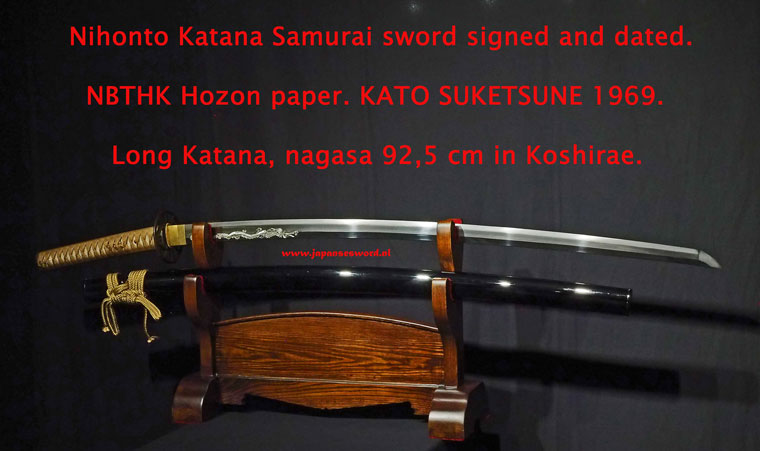
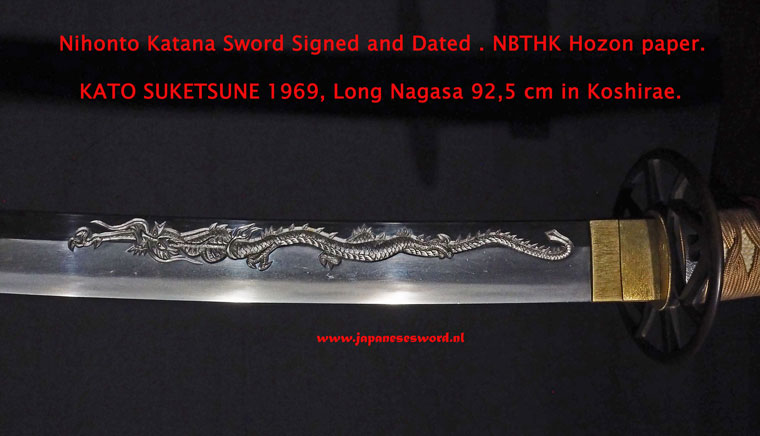
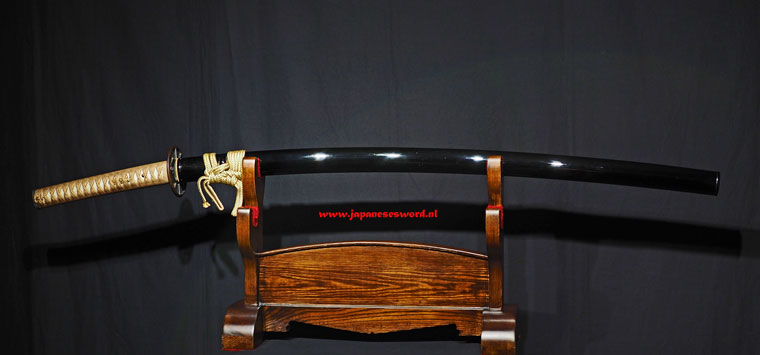
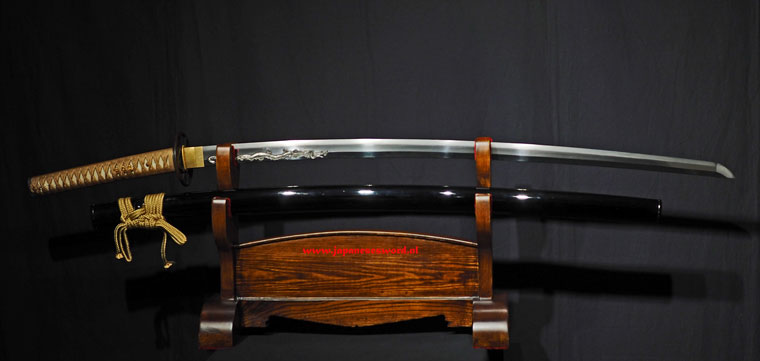
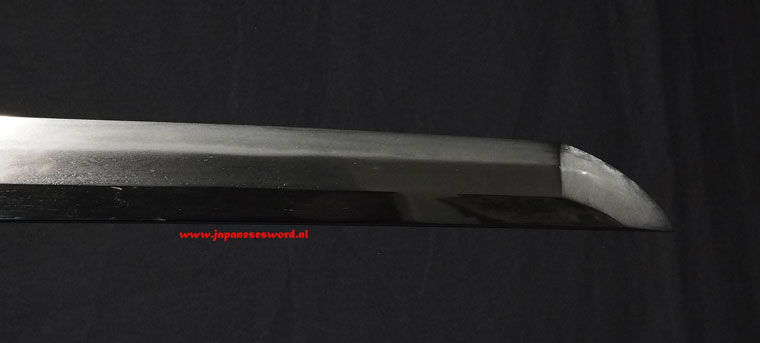
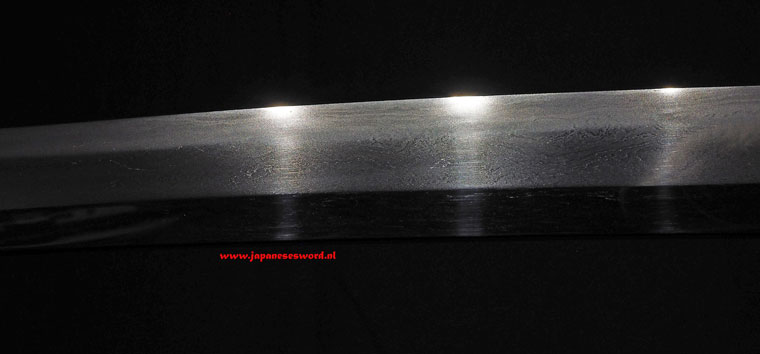
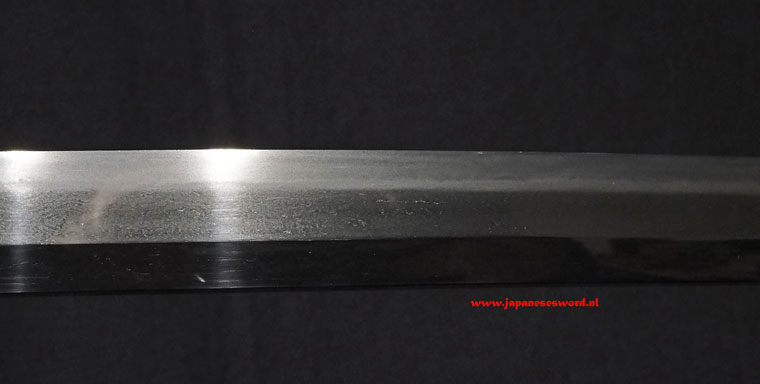
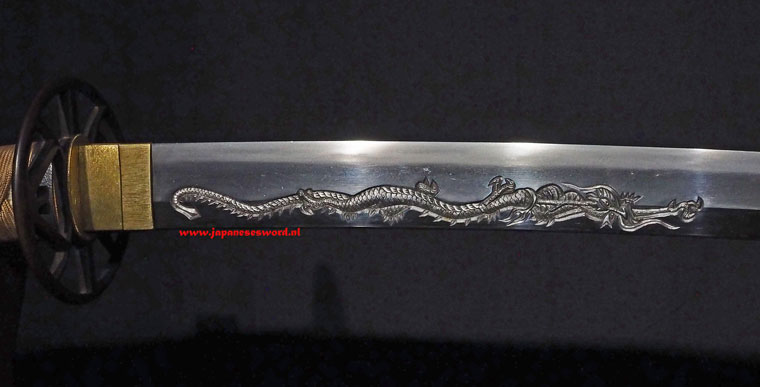
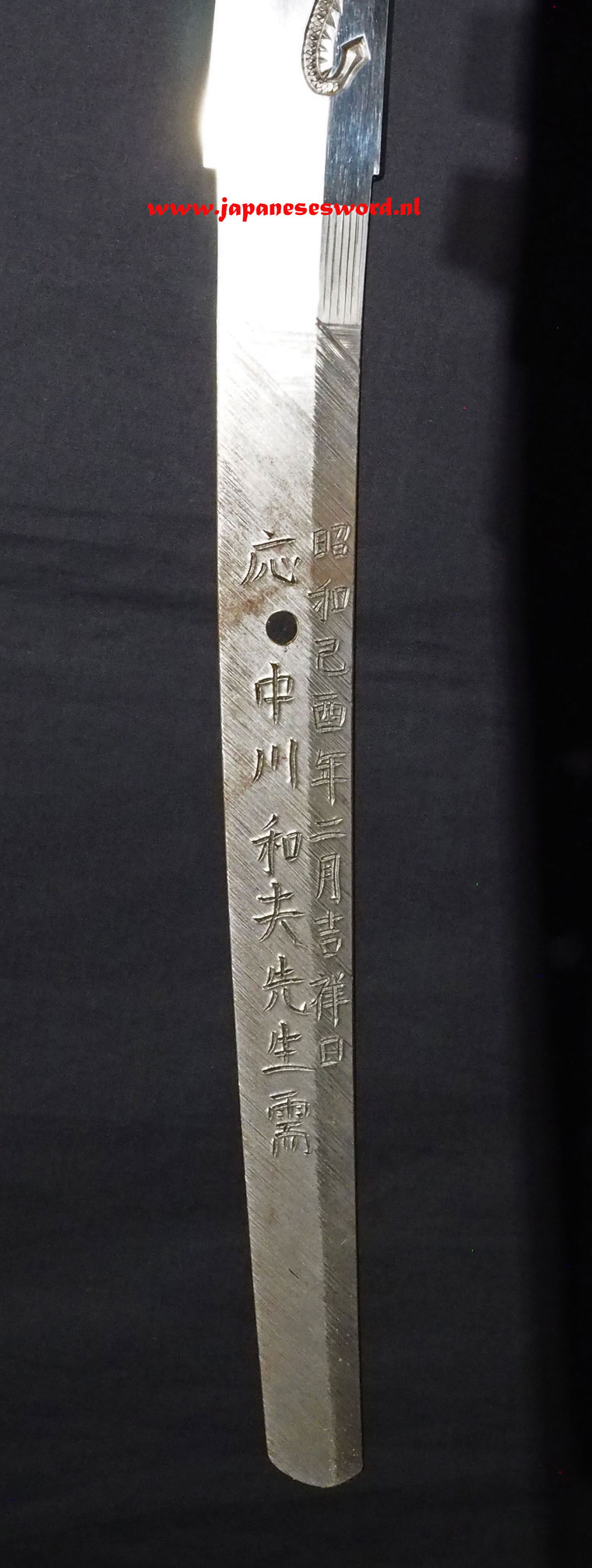
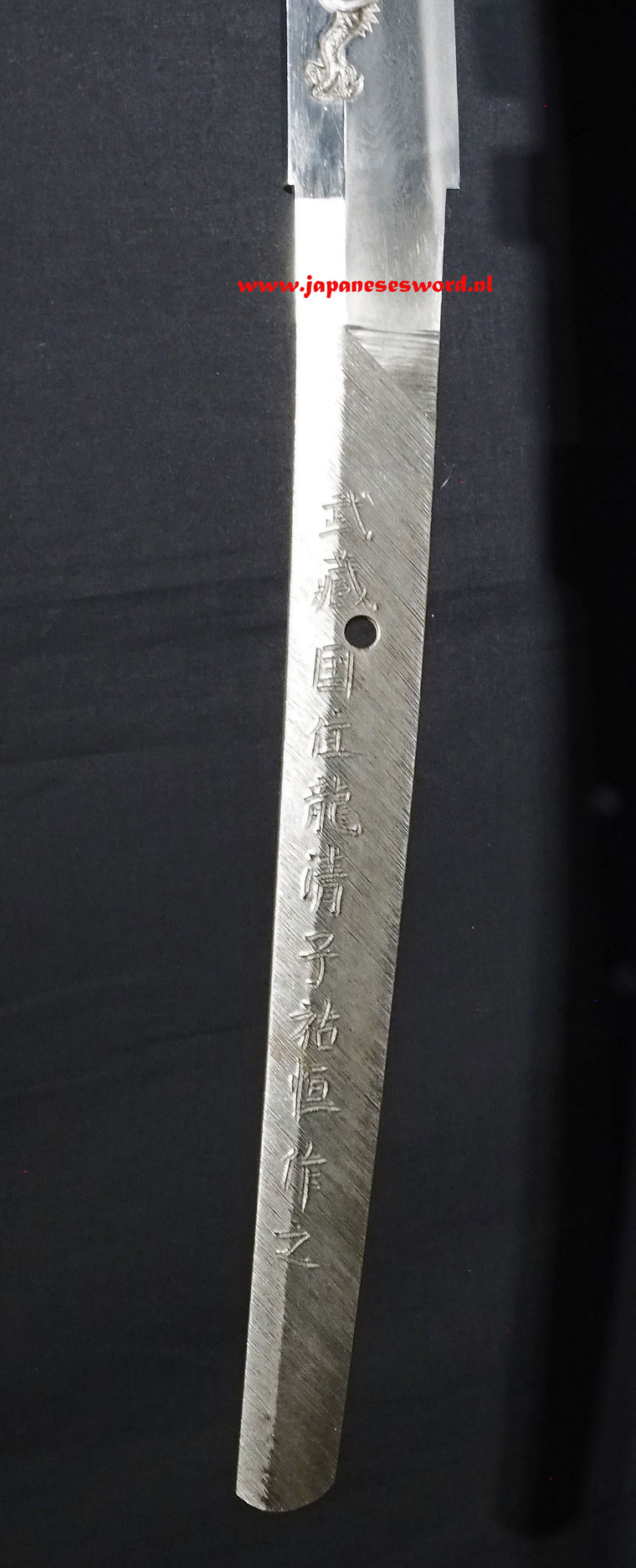
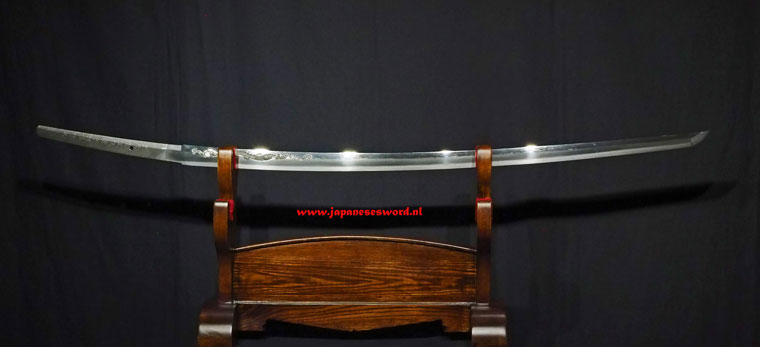
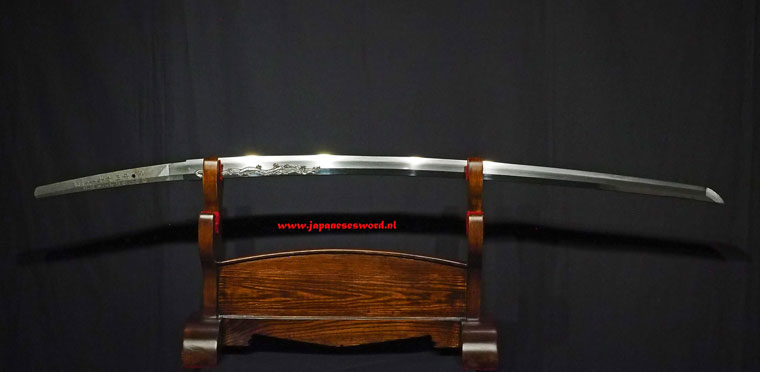
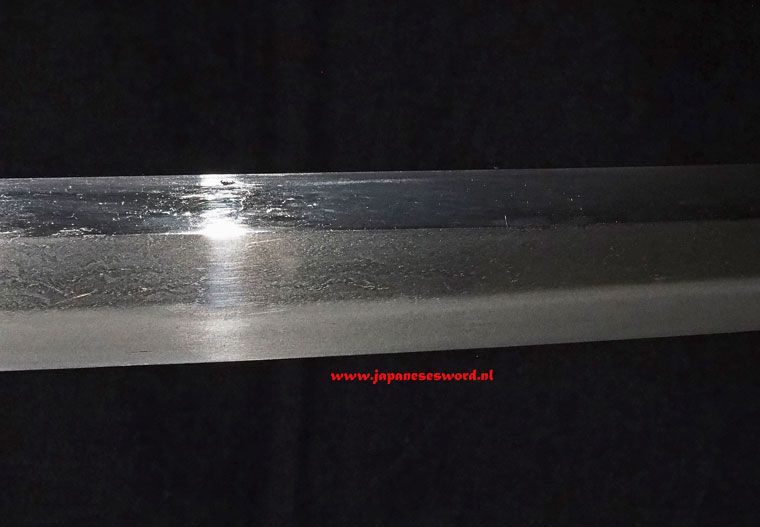
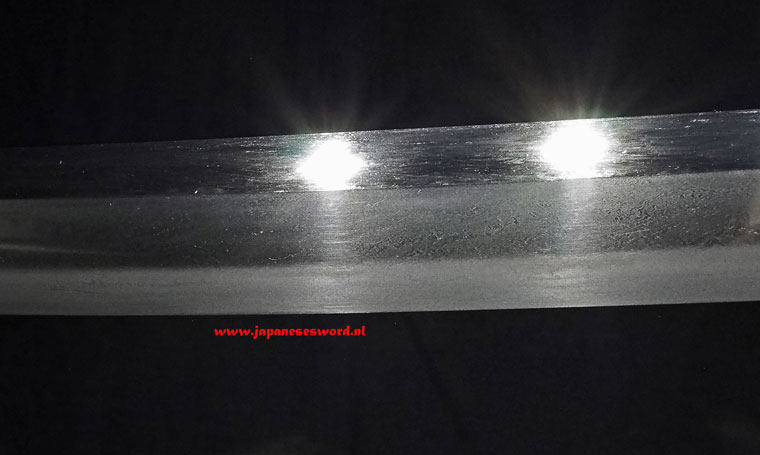
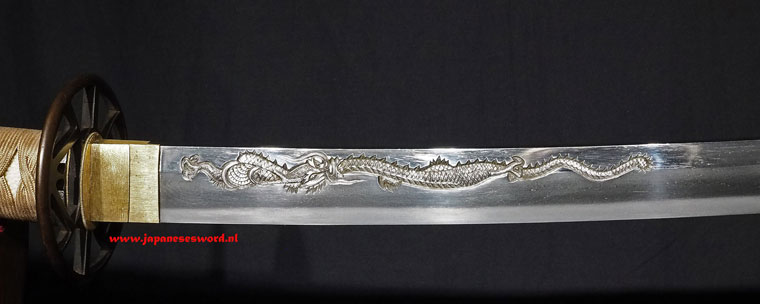
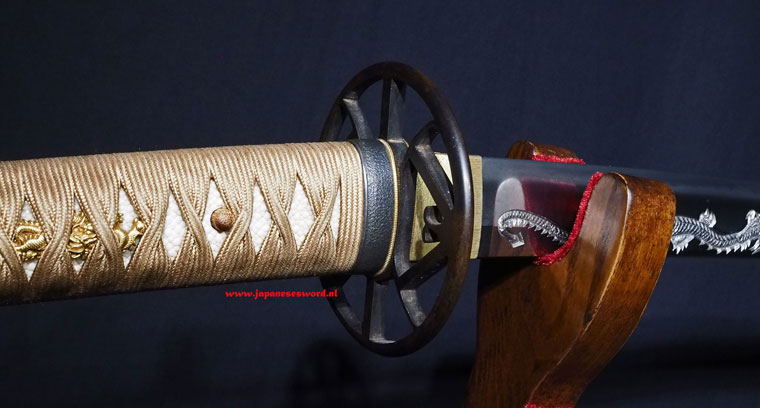
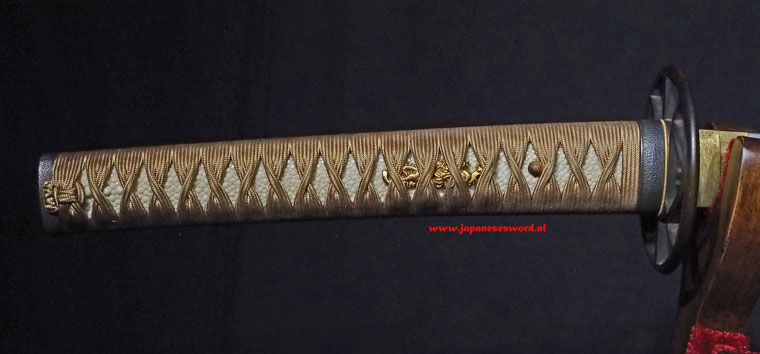
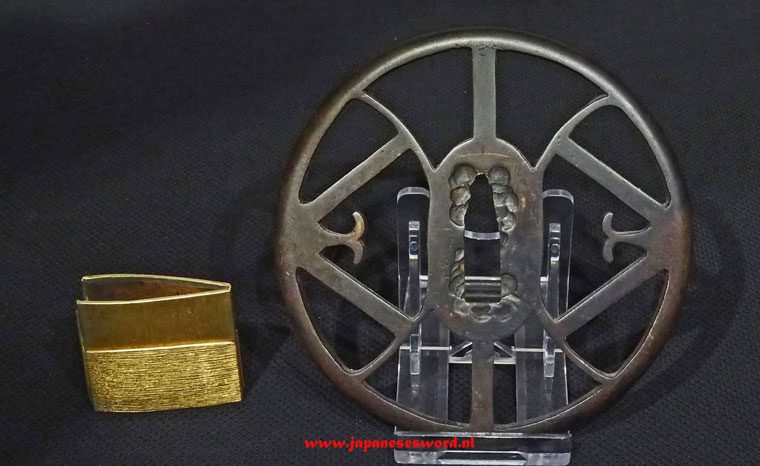
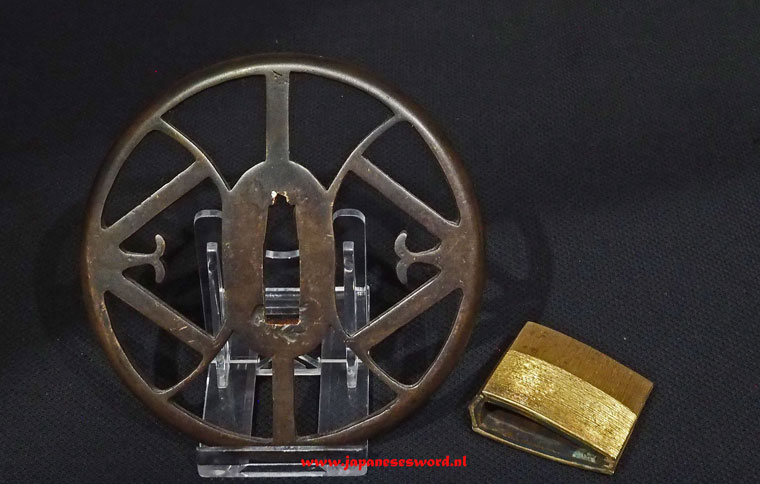
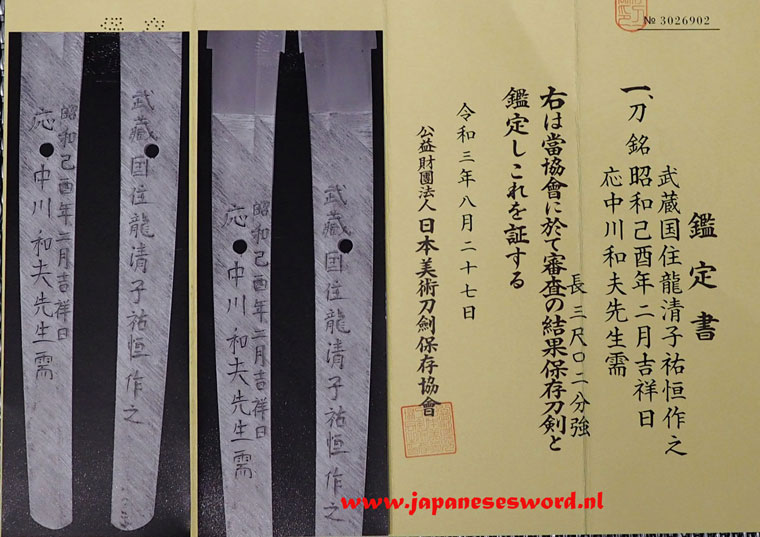
Dit is een authentiek Nihonto Japans Samurai zwaard. Een gesigneerde en gedateerde Showa periode Katana (1969) in een goede polijsting met NBTHK HOZON certificaat. Gesigneerd; Musashi no kuni Ryūseishi SUKETSUNE saku kore. (Musashi provincie (Tokio) Kato school) Gedateerd : Showa Tsushinoto-yū-nen nigatsu kichijitsu (Februari 1969) dan is er nog de signatuur van de opdrachtgever ; In opdracht van Sensei Onagawa Kazuo. SUKETSUNE is geboren Showa 1926 en overleed in 1989 in Tokyo. Zijn geboortenaam is Kató Kazuaki en heeft bij zijn grootvader Kató Sukekuni en zijn vader Kató Tsunayasu het smeden geleerd. Hij heeft meerdere prijzen bij de NBTHK gewonnen met zijn zwaarden, oa. 14 keer de NYUSEN prijs en 4 keer de DORYOKUSHO prijs. Hij maakte zwaarden in diverse stijlen, Bizen, Soshu, Aoe en Mino traditie. Hij heeft diverse zwaarden in verschillende tradities gemaakt, waarbij dit zwaard een Nanbokucho stijl laat zien wat lengte en vorm betreft, tevens heeft deze Katana aan beide zijden een fraai gestoken Horimono van draken. Deze katana is groot en robuust met een mooie Jihada en fraaie Suguha hamon. Suketsuna maakte Wazamono scherpe zwaarden. Deze kling is Ubu (originele lengte, niet ingekort), met 1 Mekugi-ana en heeft geen smeed fouten. De katana heeft een strakke Suguha Hamon met zachte Habuchi, en Kinsui in de hamon, de Jihada is een fraaie Ko-Itame Mokume als smeedpatroon met Nie, Jinie en Ara-nie. Dan nog het fraaie bij deze grote Katana zijn de beide Horimono van de draken die goed gestoken in detail zijn. De Habaki is van uitstekende kwaliteit als 2 delige met een goud folie omwikkeld. De Koshirae is uit dezelfde periode (Showa) als de Katana zelf. De Tsuka is met een goede goud bruine Ito wikkeling voorzien met draak Menuki. De Tsuba is gepatineerd koper en opengewerkt met een Maru-gata vorm. Een bijzondere Showa kling van Suketsune met NBTHK Hozon certificaat met een bijpassende koshirae in goede conditie.
Offered by Japanszwaard


Tokyo · around 1926-1989
1 piece on the market now
Shōwa to the present: destruction and revival
The twentieth century nearly killed the craft twice: wartime distortion, then the occupation ban. The NBTHK’s founding in 1948 and licensed forging from 1953 rebuilt the sword as an art, crowned by Living National Treasures and the mukansa rank.
Certifies a genuine blade worth preserving: a signature confirmed correct, or, if unsigned, an era, province, and school that the NBTHK can reliably identify.
The NBTHK (Nihon Bijutsu Tōken Hozon Kyōkai, the Society for the Preservation of Japanese Art Swords) is a public-interest incorporated foundation founded in 1948 and supervised by Japan’s Agency for Cultural Affairs (Bunkachō); it is based at the Japanese Sword Museum in Tokyo. Its expert panels physically examine each submitted work (shinsa) and issue a certificate (kanteishō) ranking it by artistic and historical merit. NBTHK papers are the most widely recognized standard of authentication for Japanese swords and fittings.
NBTHK official siteSwords only: if a sword does not match the description, the buyer must report it by e-mail within 48 hours of receipt, after which the sale is final. Returns only after agreement, safely packed and in exactly the condition delivered; the refund is the purchase price minus shipping/transport and bank costs, and return shipping and its risk are for the buyer. Consignment items carry no guarantee and cannot be returned.
€9,600