








The twentieth century nearly killed the craft twice: wartime distortion, then the occupation ban. The NBTHK’s founding in 1948 and licensed forging from 1953 rebuilt the sword as an art, crowned by Living National Treasures and the mukansa rank.
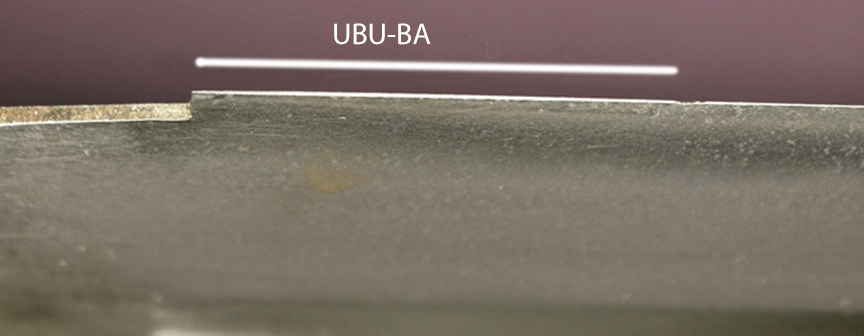
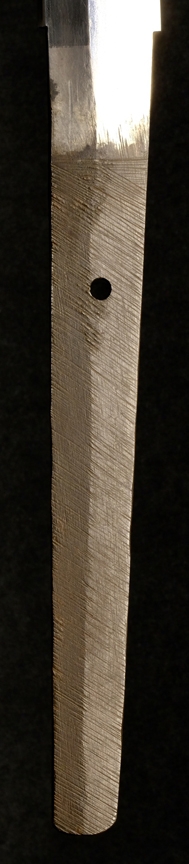
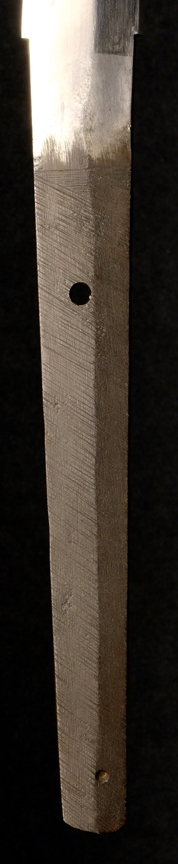
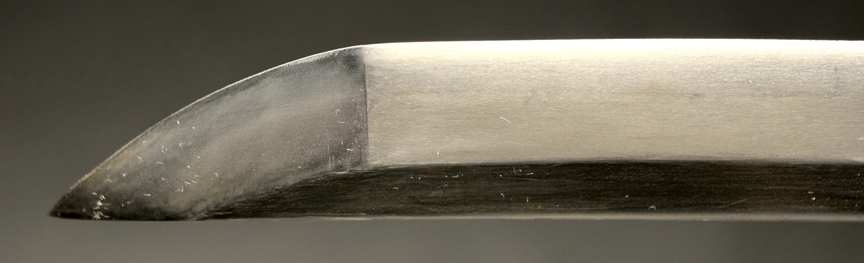
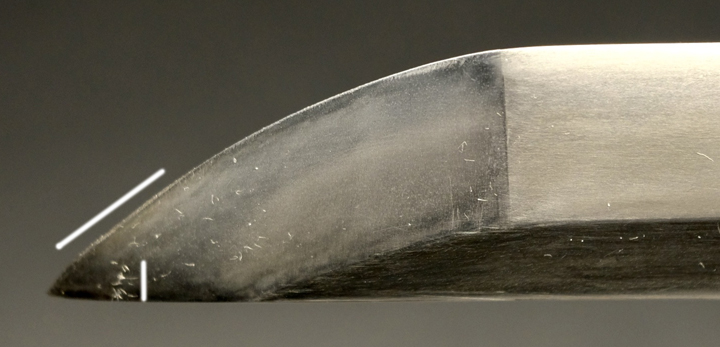
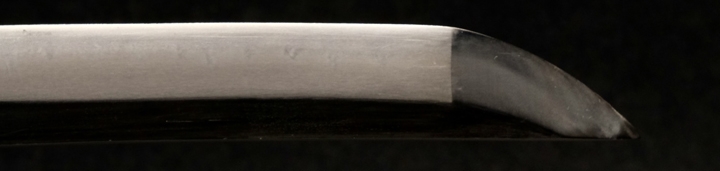
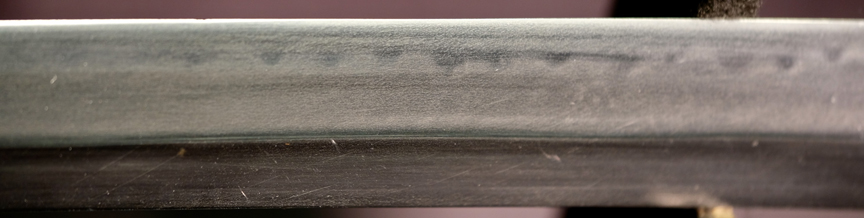
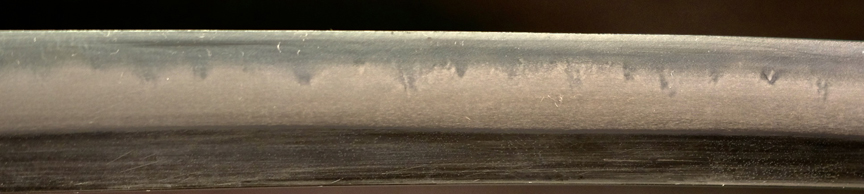
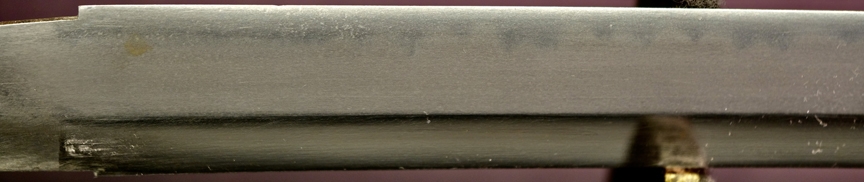
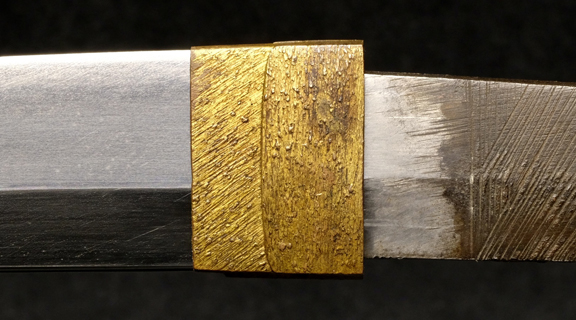
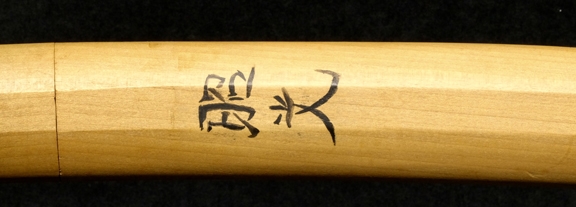
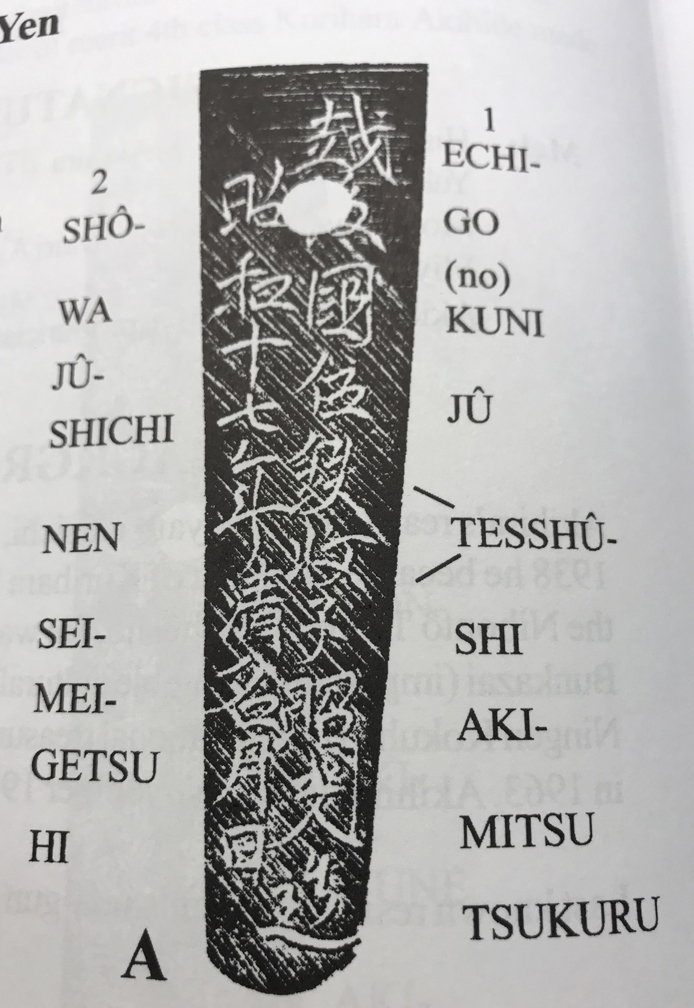
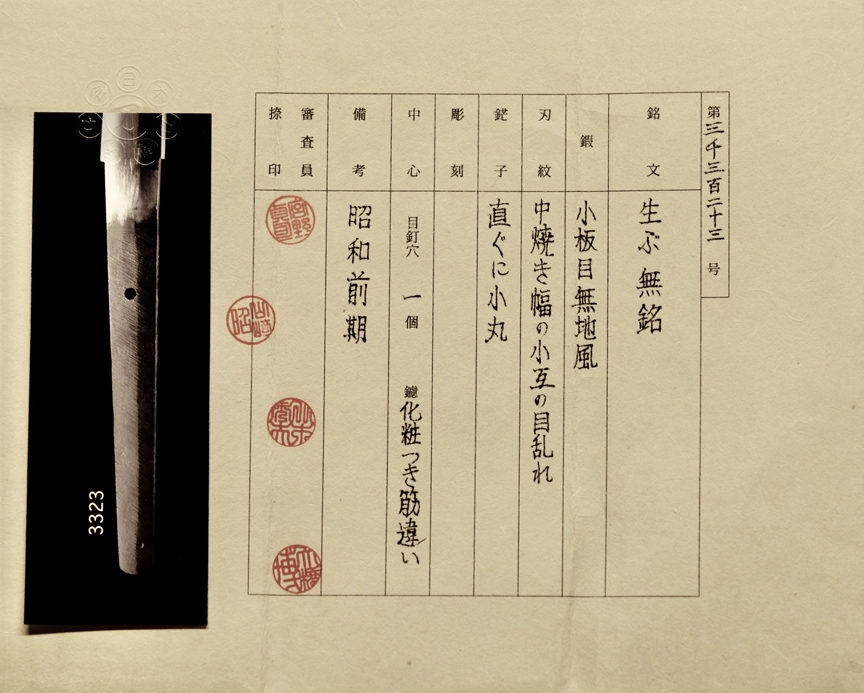
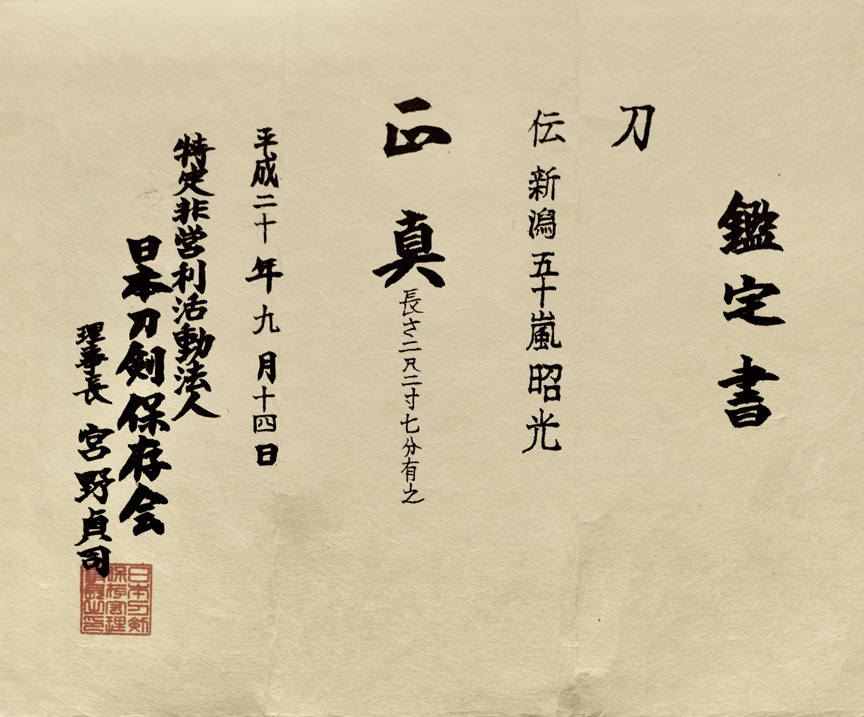
STUDENT OF KURIHARA AKIHIDE HIGH GRADE GENDAITO 1941 EXHIBITION – 2ND SEAT NTHK-NPO SHIRASAYA Igarashi Akimitsu signed Tesshudojin Akimitsu and his go was Tesshuji, real name is Igarashi Shoji and he is known as both Igarashi Akimitsu and Tesshudojin Akimitsu. Akimitsu was rated at 1 Million Yen. He is listed in the Toko Taikan (TK-3), Hawley’s (AKI-54), Nihonto Meikan (NMK-7), Gendai Toko Meikan (GTM-119), Sesko pg 24 (see below). AKIMITSU (昭光), Shōwa (昭和, 1926-1989), Niigata – “Tesshū Dōjin Akimitsu” (鉄収道人昭光) “Echigo Sanjō-jū Tettshū Dōjin Akimitsu kinsaku hori-dōjin” (越後三条住鉄収入道昭光謹作 彫同人, “respectfully forged and carved by Tesshū Dōjin Akimitsu from Sanjō in Echigo province”), real name Igarashi Seiji (五十嵐正治), born April 1st 1905, he studied his apprenticeship at the Nihontō Tanren Denshūjo (日本刀鍛錬伝習所) under Kurihara Akihide (栗原昭秀) in 1939 in Tōkyō and was working as rikugun-jumei-tōshō from 1940 onwards, he was a descendant of the family of a certain smith called Tesshinshi Terunaga (鉄心子照命) who is said to have worked for the Murakami fief (村上藩), Akimitsu got several prizes and lived in Sanjō (三条) in Niigata Prefecture, kihin no retsu (Akihide), Second Seat at the 6th Shinsaku Nihontō Denrankai (新作日本刀展覧会, 1941) (Sesko). The sword is overall good condition with no fatal flaws. There is some oxidation on the blade which subdues the hamon from being exceptional. It is visible just not brilliant. There is a small area along the edge in the kissaki which looks to have had a wet stone used on it lightly. This could have resulted from someone attempting to fix a small chip or rolled edged. At any rate it is visible and is hereby disclosed. Additionally, there is a tiny area of loose grain in the kissaki, not a hagiri (see photos) The sword does retain the Ubu-ba portion at the ha-machi. The Nakago is ubu with two mekugi ana. The sword is mumei with an attribution to Akimitsu by the NTHK-NPO. The sword comes in shirasaya which has a simple sayagaki which reads: Akimitsu.
Offered by Yakiba


Niigata · around 1926-1989
Tōken Taikan top 100%
1 piece on the market now
Shōwa to the present: destruction and revival
The twentieth century nearly killed the craft twice: wartime distortion, then the occupation ban. The NBTHK’s founding in 1948 and licensed forging from 1953 rebuilt the sword as an art, crowned by Living National Treasures and the mukansa rank.
We could not find an authenticity certificate on the seller’s listing. Japanese swords and fittings are normally papered by the NBTHK (or the NTHK). Without one, the attribution is the seller’s own assessment and has not been independently verified — treat it with caution and ask the dealer about certification before buying.
All swords sold for $5000 USD or less are considered final! Swords above the $5000 range may be returned for any reason within 48 hrs. Buyer will receive a full refund minus shipping/handling, insurance and or any fees incurred in shipping or sale.
$2,990