Perry’s arrival in 1853 unraveled the Tokugawa peace and created the first mass demand for working swords in two centuries. Kiyomaro, called the Masamune of Yotsuya, died on its eve; Munetsugu and Yukihide carried the boom to the end.
 NihontoWatchNihontoWatch
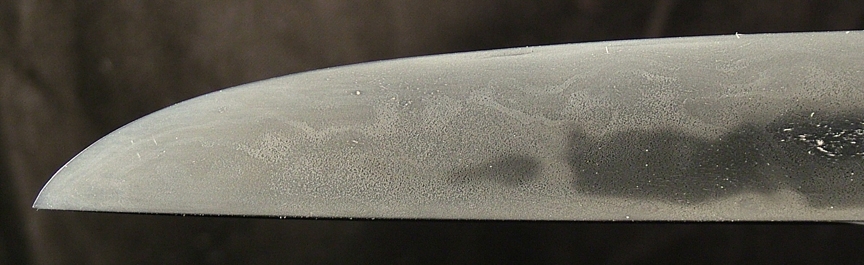
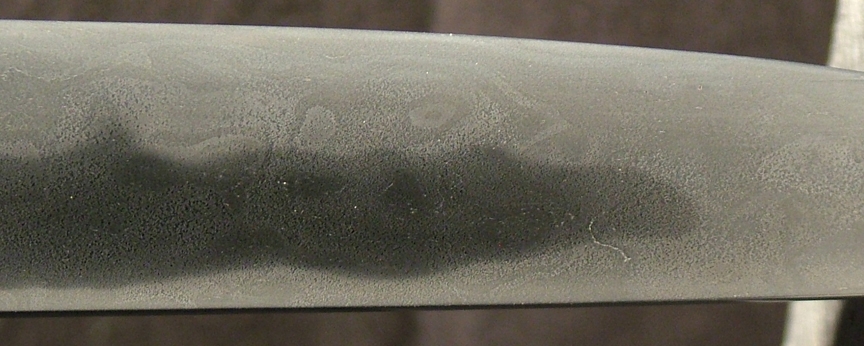
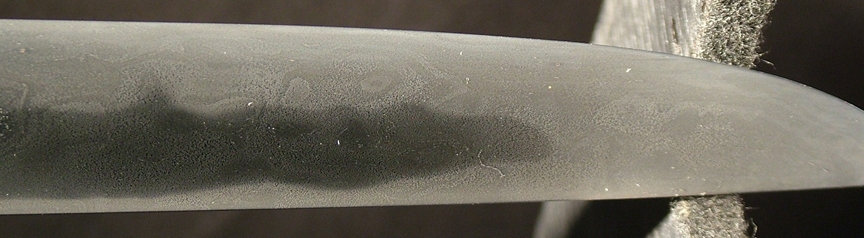
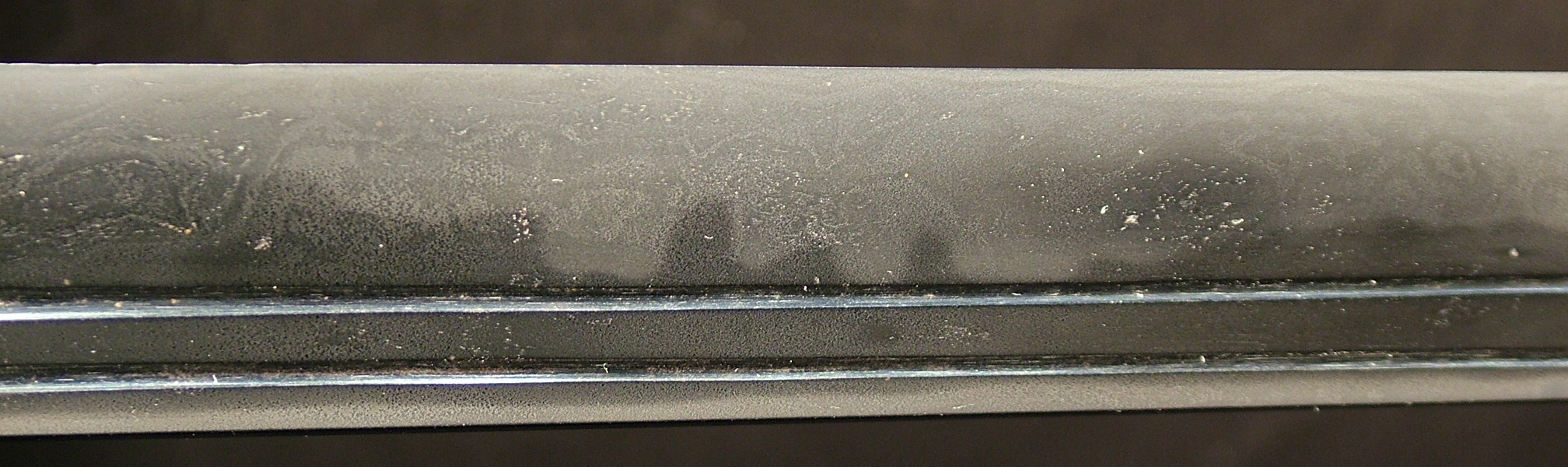
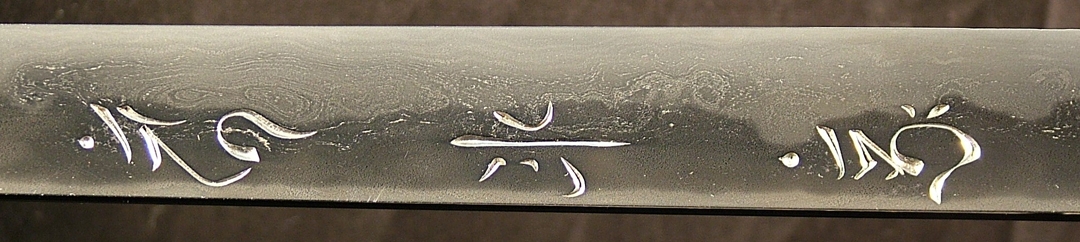
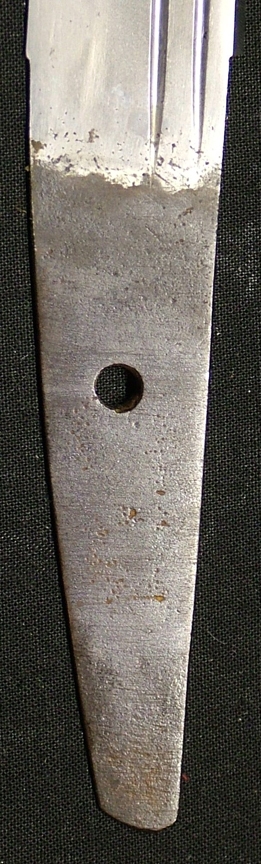
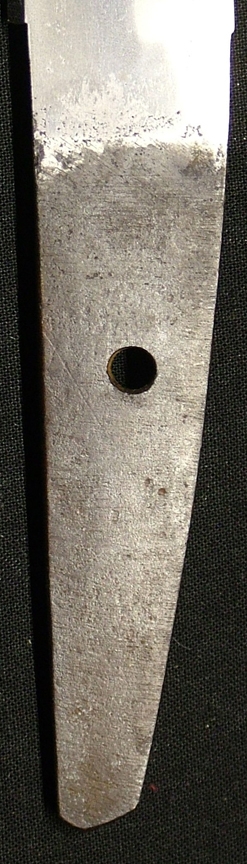
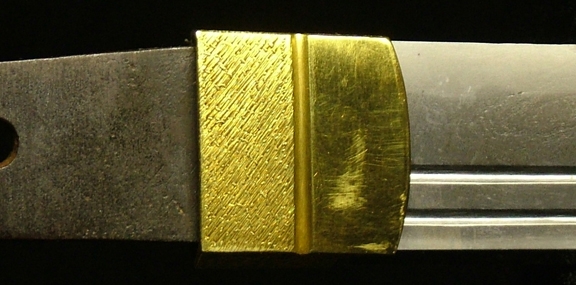
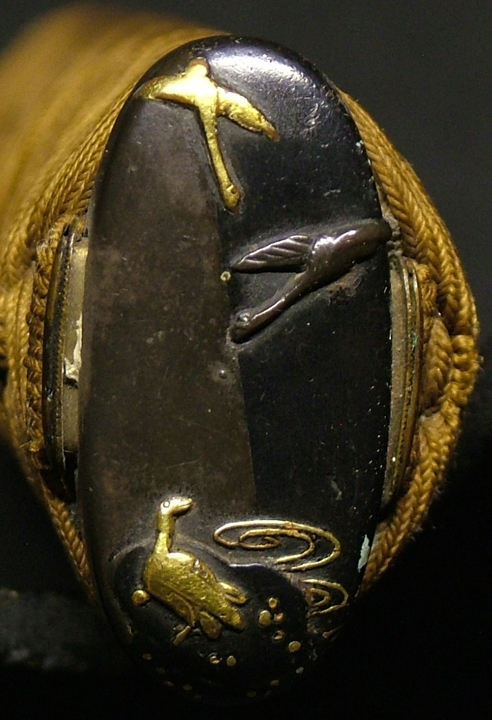
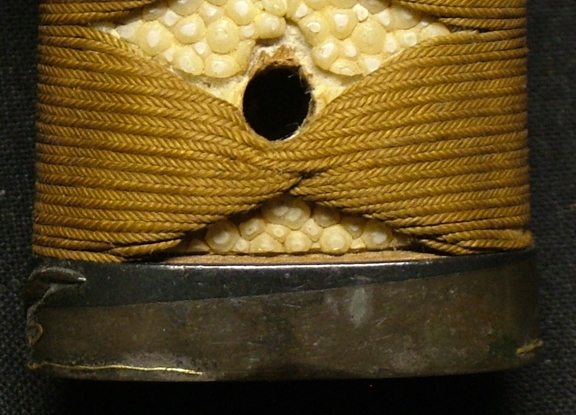
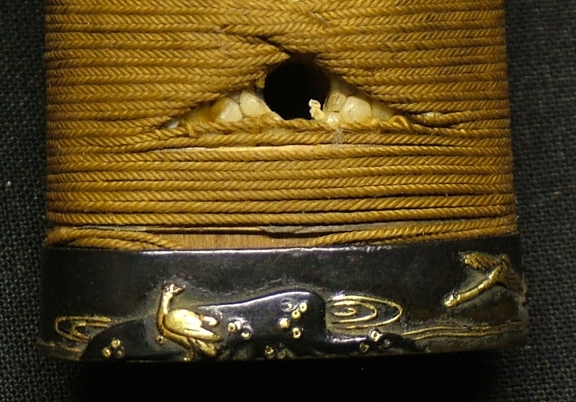
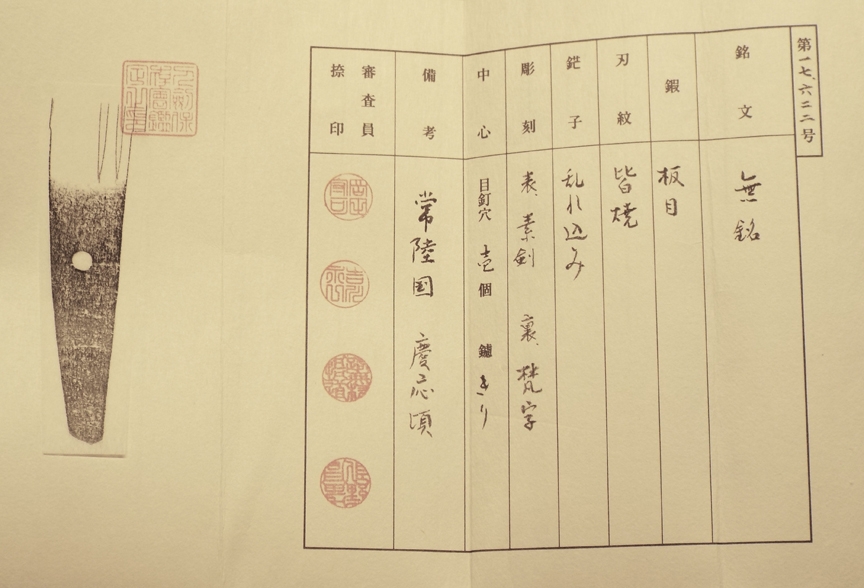
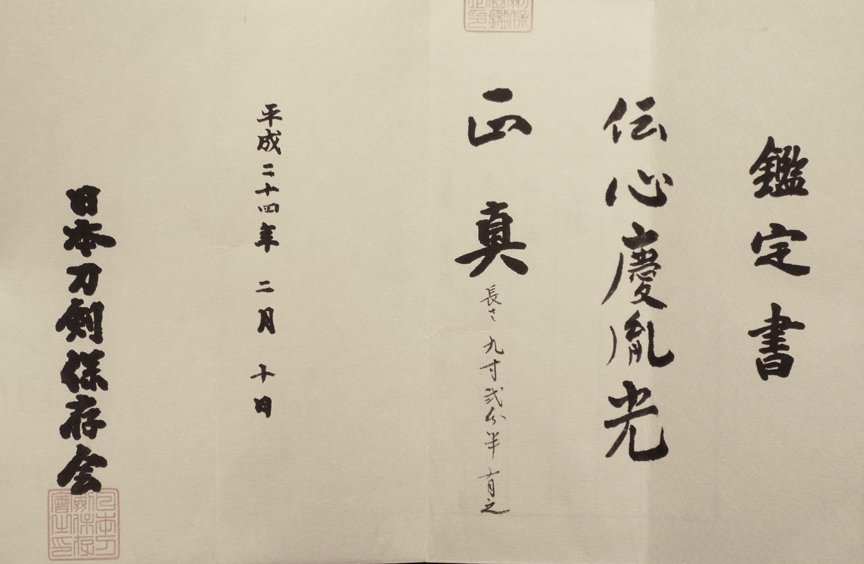
TANTO NTHK KANTEISHO – DEN SHINKEI TANEMITSU c. 1861 SHIRASAYA / KOSHIRAE TANEMITSU Tanto attributed to Den Shinkei Tanemitsu. Tanemitsu was a student of Noatane and his works are said to resemble his teacher’s. Fujishiro’s rates Tanemisu’s works as Chujosaku. His works can be seen in the Nihonto Koza pg. 108, Fujishiros pg. 146, and the Shinshinto Taikan pg. 231. From Sesko’s, Swordsmiths of Japan (2015): TANEMITSU (胤光), Bunkyū (文久, 1861-1864), Hitachi – “Shinkei Tanemitsu” (心慶胤光), “Shinkei Tanemitsu tsukuru” (心慶胤光造), “Tsuchiura-shin Nagao Shinkei Fujiwara Tanemitsu” (土浦臣長尾心慶藤原胤光), real name Nagao Eikichi (長尾栄吉), he was born on the 14th day of the fourth month Tenpō three (天保, 1832) as oldest son of Sudo Kume ́emon (須藤粂右衛門) in the village of Nakatate (中館) in Hitachi ́s Makabe district (真壁郡), he studied under Taikei Naotane (大慶直胤) and used the gō Shinkei (心慶), on the seventh day of the seventh month Ansei one (安政, 1854) he succeeded as head of Monju Kanesada’s (文珠包定) Nagao family (長尾), Kanesada worked for the Tsuchiura fief (土浦藩) but his lineage had ended during the Genroku era (元禄, 1688-1704) with its 2nd gen., Tanemitsu tried to revive this lineage, from the fifth year of Ansei (1858) onwards he worked in front of the gates of Tsuchiura Castle (土浦城) but with the Meiji era he moved to the town of Manabe (真鍋), there he died on the eleventh day of the twelfth month Meiji 34 (明治, 1901) at the age of 70, his posthumous Buddhist name is Seisō Dōei (清叟道栄), he worked mostly in the Bizen style of his master Naotane but also some excellent Sōshū blades are extant, he also signed in the archaic reisho script (隷書), some blades bear horimono, chūjō-saku The workmanship seen in this blade is quite nice and atypical for Shinshinto. The Hada exhibited is Itame with areas of swirling Mokume and not the standard muji seen in so many works from this period. The Hamon is listed on the worksheet as Hitatsura. Nie and ji-nie literally cover the blade. There are chikei, and sunagashi. There are Bonji Horimono on the Ura side and a Suken Horimono on the Omote. Sword comes with koshirae and shirasaya.
Offered by Yakiba
This piece has sold
Get an email when a new Tanemitsu piece hits the market.






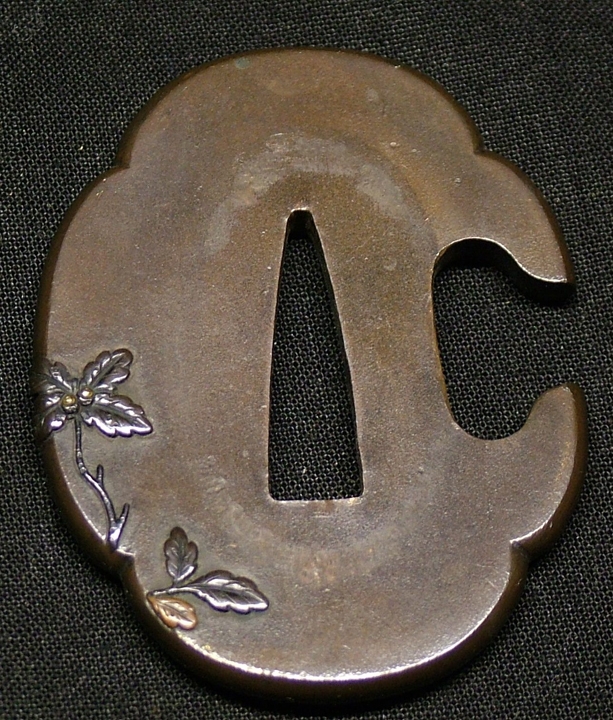
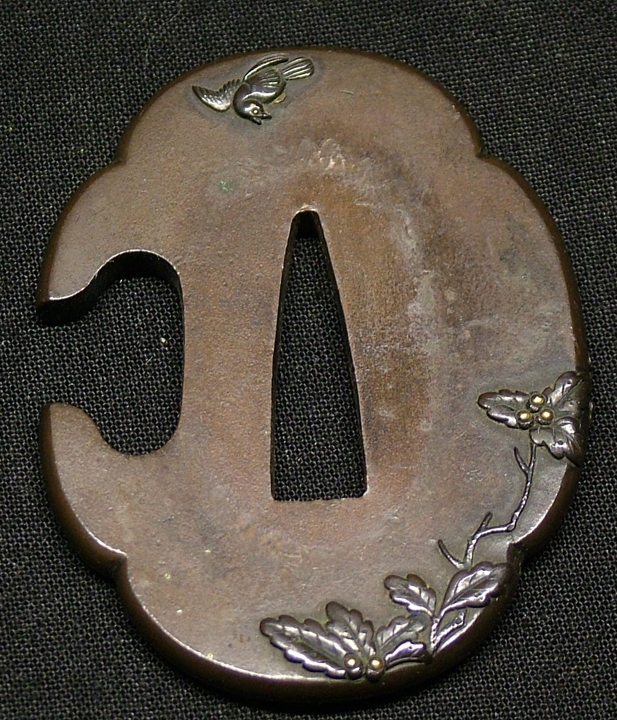
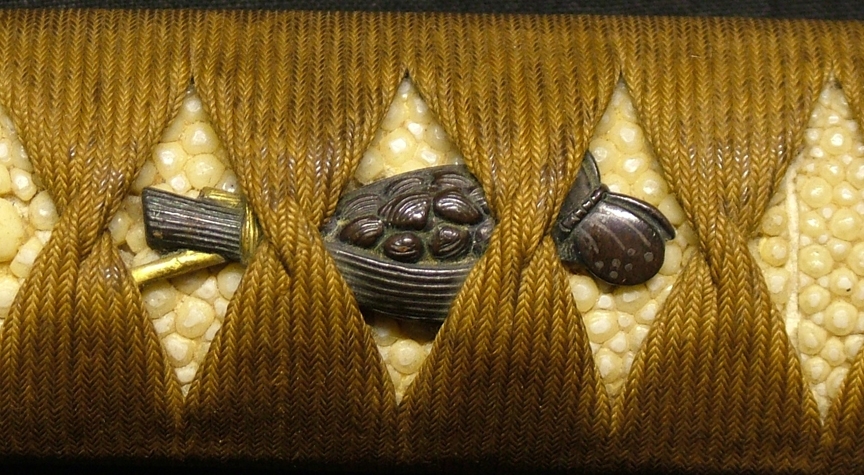
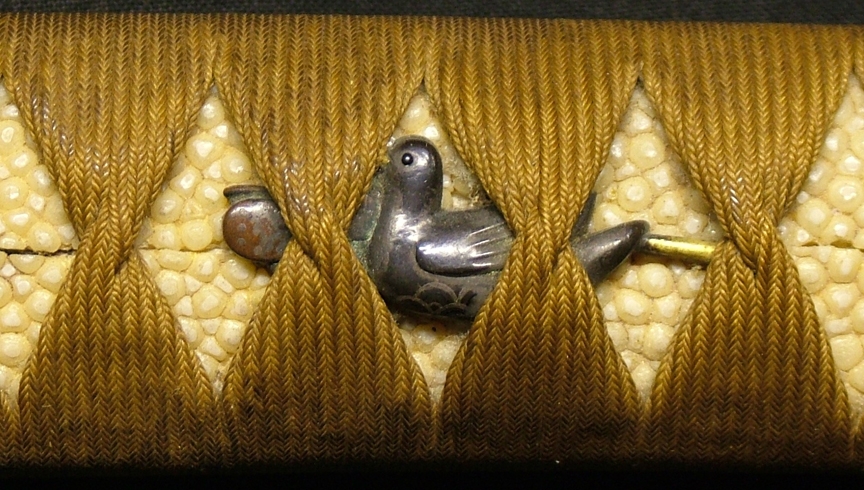
Hitachi · around 1865-1868
Tōken Taikan top 76%
1 piece on the market now
Bakumatsu: the last war market
Perry’s arrival in 1853 unraveled the Tokugawa peace and created the first mass demand for working swords in two centuries. Kiyomaro, called the Masamune of Yotsuya, died on its eve; Munetsugu and Yukihide carried the boom to the end.
The NTHK’s principal certificate, issued for a blade of considerable quality. It confirms a genuine signature, or, for an unsigned (mumei) work, records the judges’ attribution to a smith or school. The paper carries a detailed worksheet with a numerical point score.
The NTHK (Nihon Tōken Hozon Kai, the Society for the Preservation of the Japanese Sword) is the oldest of Japan’s sword-appraisal bodies, founded in 1910, decades before the NBTHK. After the death of its long-serving head it divided into two successor societies, the NTHK and the NTHK-NPO, both of which continue to hold shinsa. NTHK certificates are known for a detailed worksheet that records a numerical point score alongside the judges’ written opinion, and the society is especially respected for its attribution of unsigned (mumei) work.
All swords sold for $5000 USD or less are considered final! Swords above the $5000 range may be returned for any reason within 48 hrs. Buyer will receive a full refund minus shipping/handling, insurance and or any fees incurred in shipping or sale.