 NihontoWatchNihontoWatch
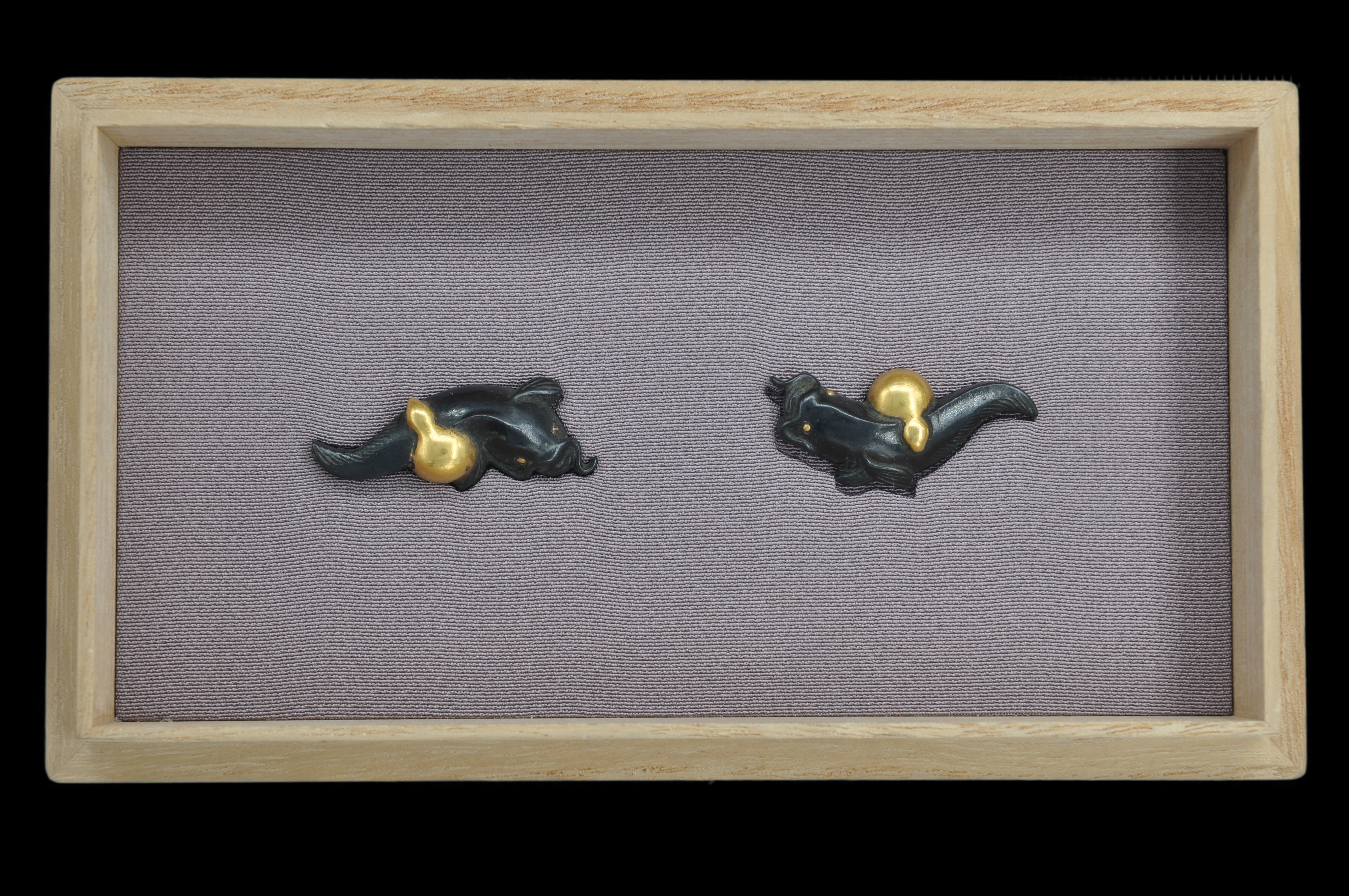
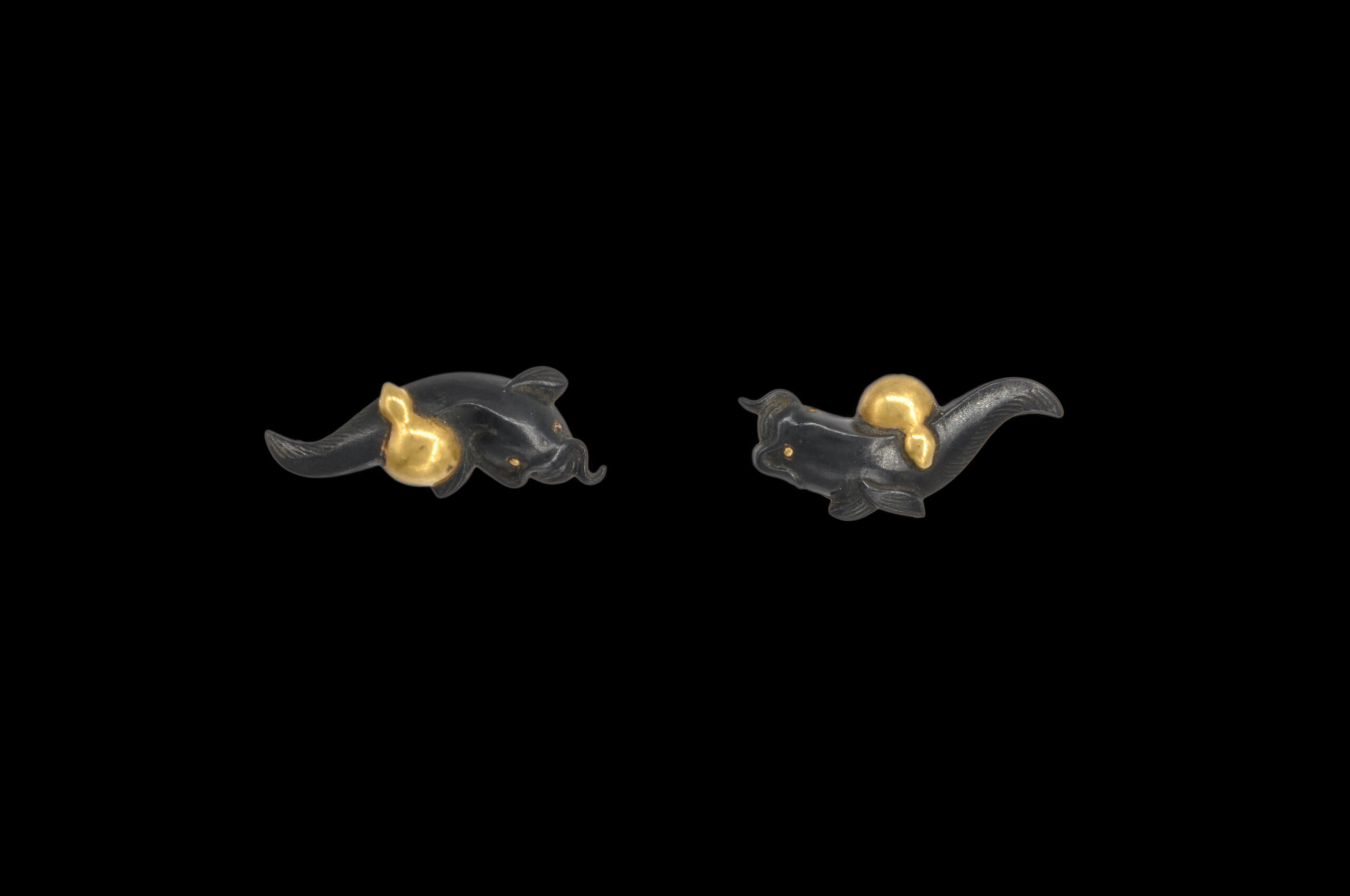
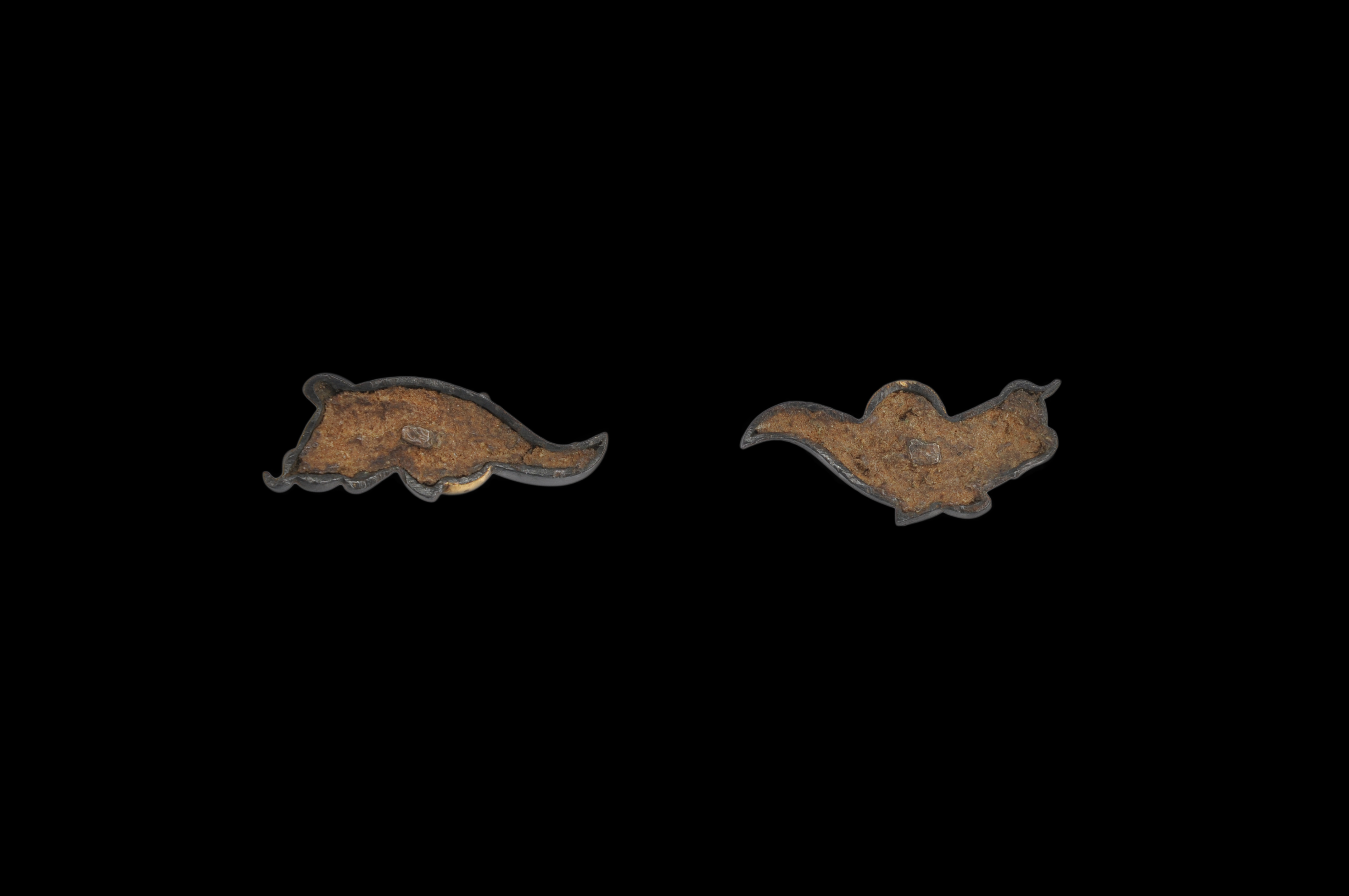
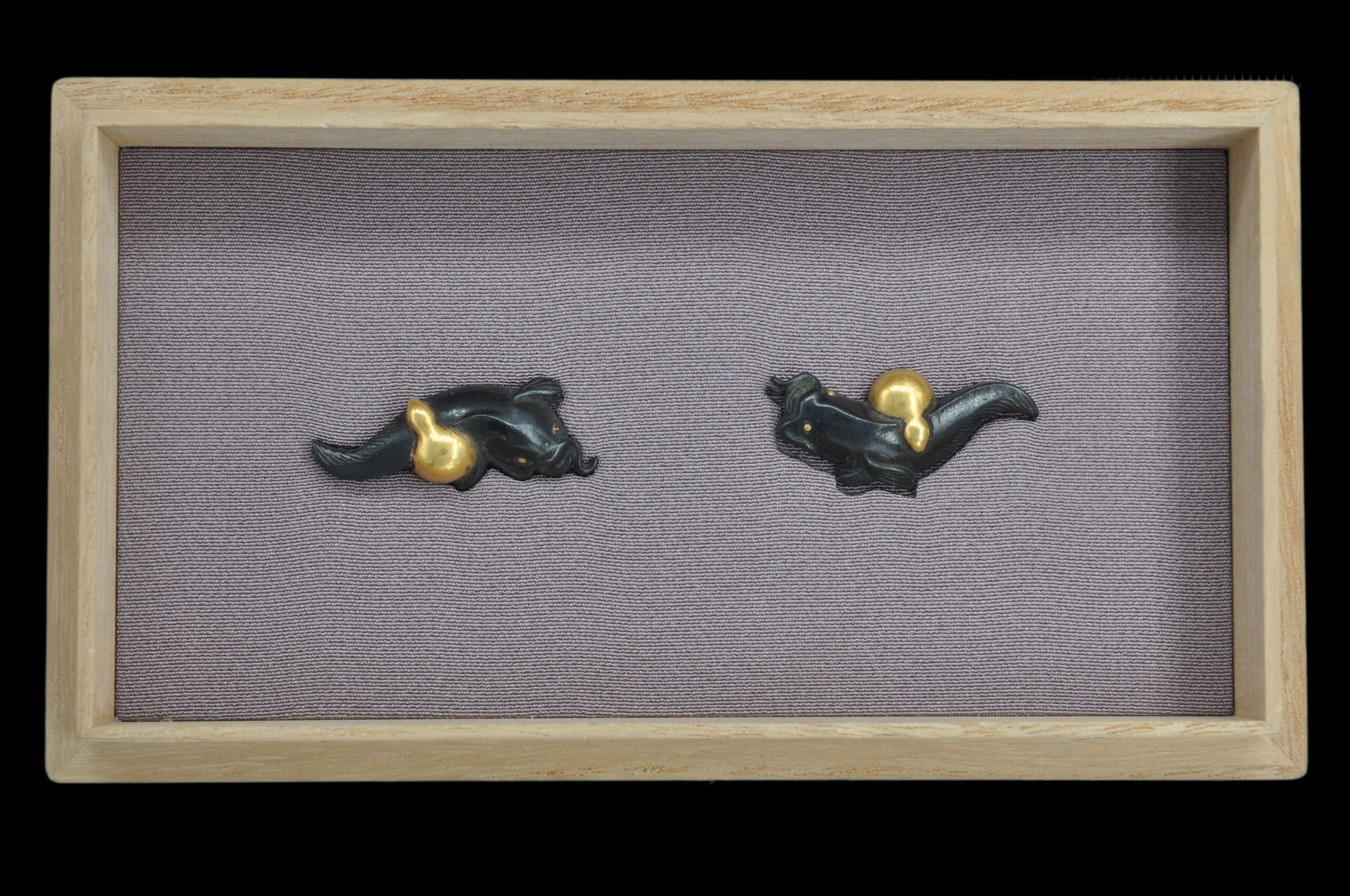
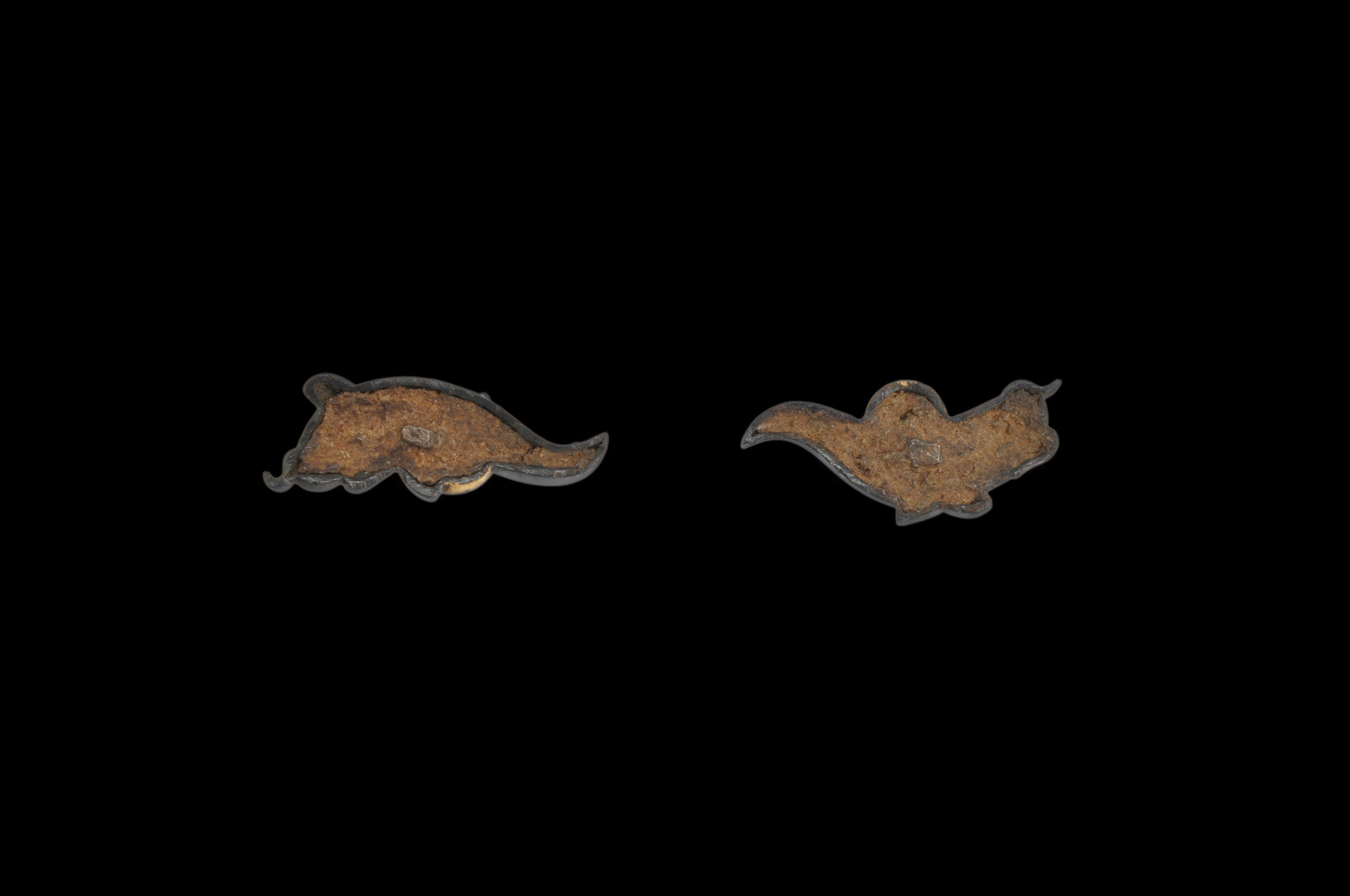
These menuki show the motif “Hyōtan Namazu“, a catfish, which is made here from shakudo. His eyes, as well as the pumpkin bottle, are inlaid in gold. The Ōnamazu (大鯰 ‘giant catfish’) is a fictional, giant catfish (namazu) that was supposedly the cause of earthquakes in Japan. There are various variations of the “Hyōtan Namazu” motif, which can literally be translated as “bottle gourd catfish”. Sometimes a person is shown climbing onto a catfish with that (pumpkin) bottle or “riding” on the catfish. Another time a monkey is depicted instead of a human. All of these “Hyōtan Namazu” motifs allude to the question or the Zen riddle of whether you can catch a catfish with a bottle. The motif is a metaphor for the fact that even seemingly impossible tasks can be achieved through personal effort. This motif was probably created in Ōtsu on Lake Biwa during the Edo period, the so-called Ōtsu-e colored woodblock prints, on which this metaphor was often used. Ōtsu on Lake Biwa was the last stop on the Tōkaidō and Nakasendō highways before reaching the capital Kyoto. To come back to the menuki, they also come from a studio in Kyoto and therefore have a Hozon certificate to “Kyo Kinko” (soft metal from Kyoto).
NihontoWatchOffered by Nihon Collection

Kyo-kinko School
Edo
Unsigned
Hozon (NBTHK)
Kinko · Yamashiro
Certifies a genuine fitting worth preserving: a correct signature, or, if unsigned, an identifiable era and school, with recognized artistic and craft value.
The NBTHK (Nihon Bijutsu Tōken Hozon Kyōkai, the Society for the Preservation of Japanese Art Swords) is a public-interest incorporated foundation founded in 1948 and supervised by Japan’s Agency for Cultural Affairs (Bunkachō); it is based at the Japanese Sword Museum in Tokyo. Its expert panels physically examine each submitted work (shinsa) and issue a certificate (kanteishō) ranking it by artistic and historical merit. NBTHK papers are the most widely recognized standard of authentication for Japanese swords and fittings.
NBTHK official site€1,375