The twentieth century nearly killed the craft twice: wartime distortion, then the occupation ban. The NBTHK’s founding in 1948 and licensed forging from 1953 rebuilt the sword as an art, crowned by Living National Treasures and the mukansa rank.
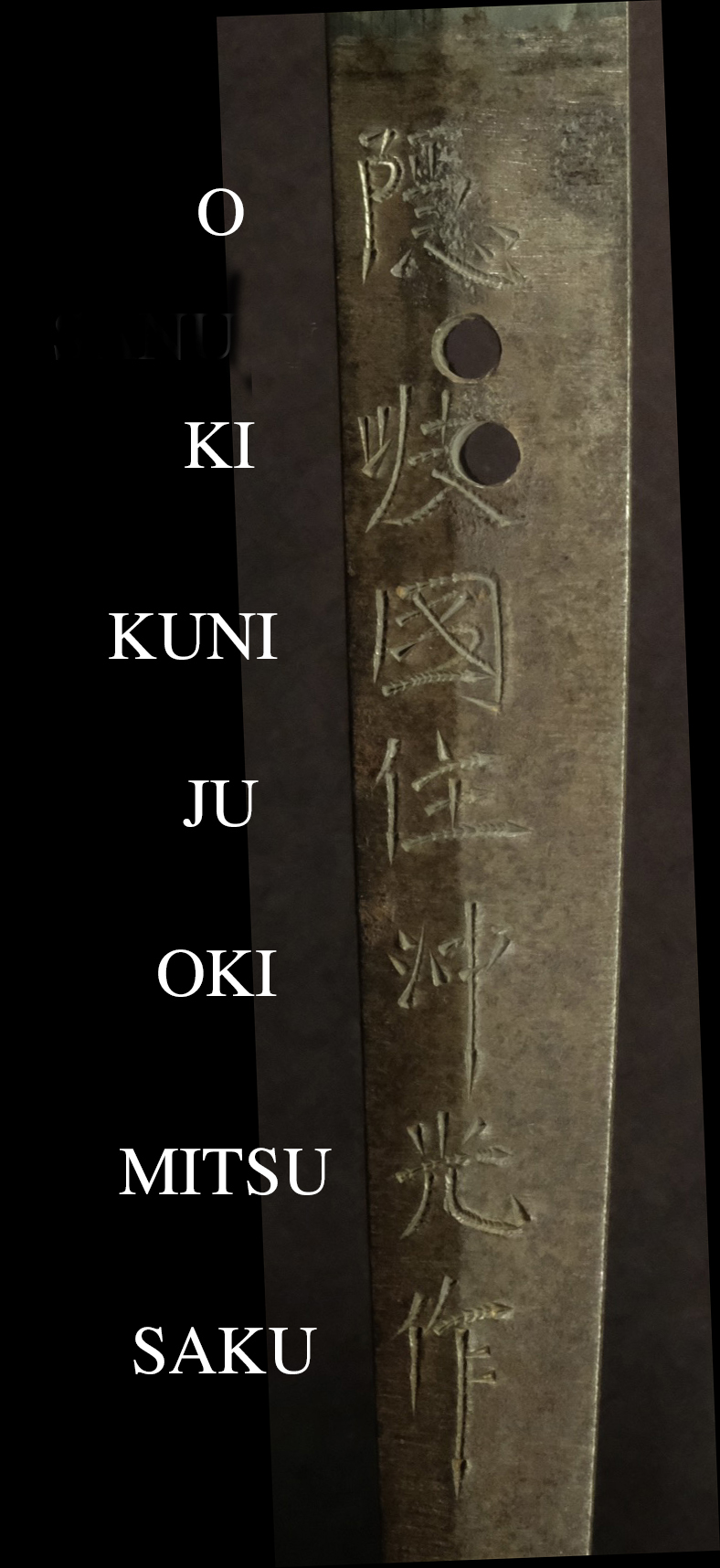
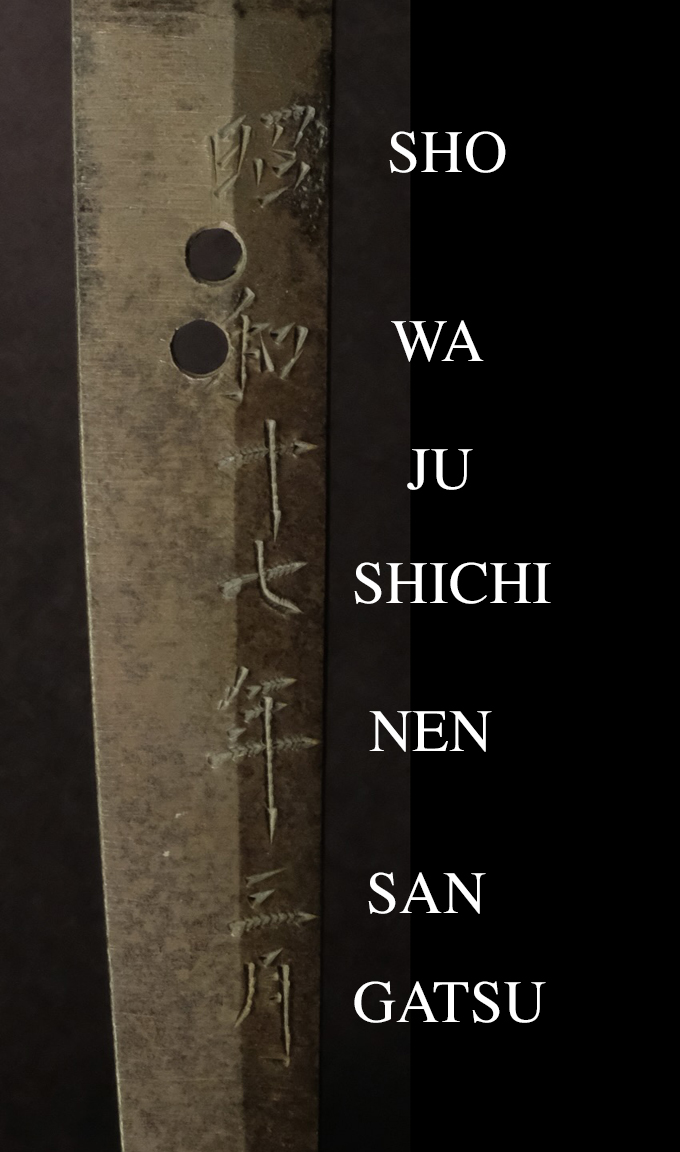
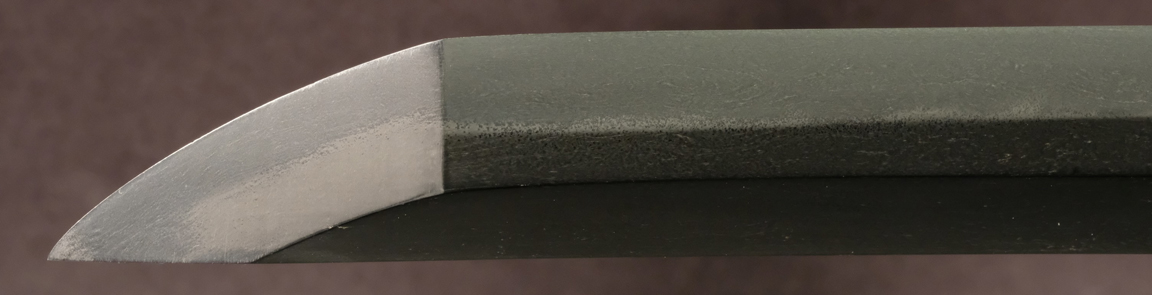
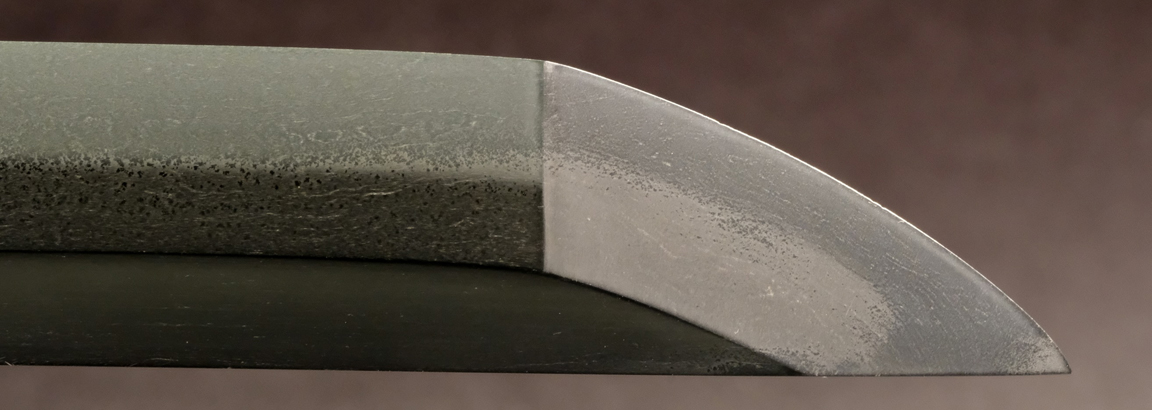
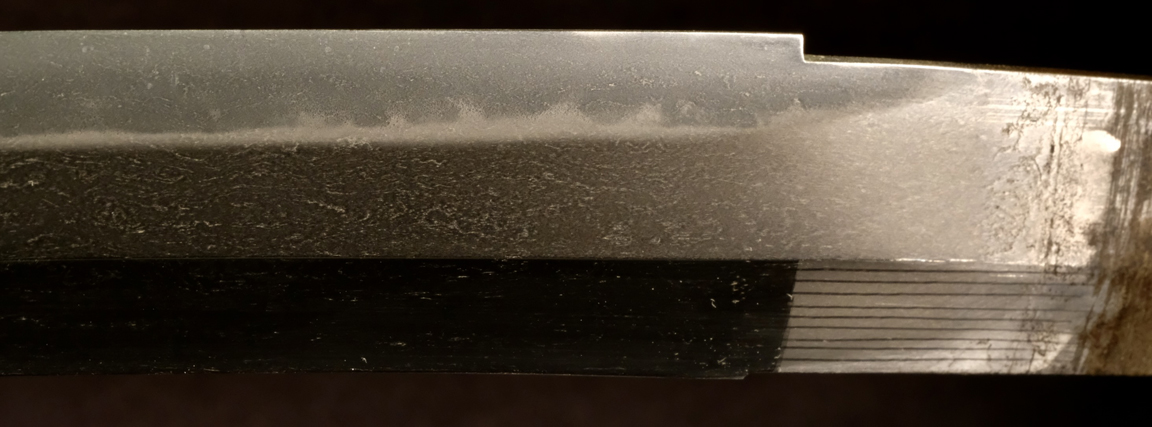
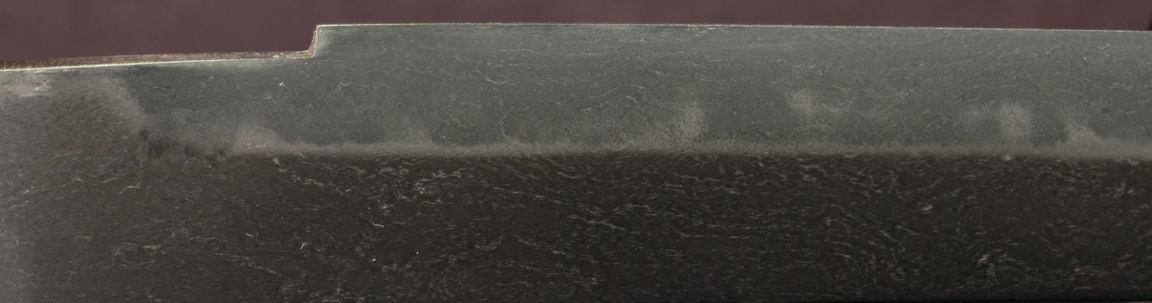
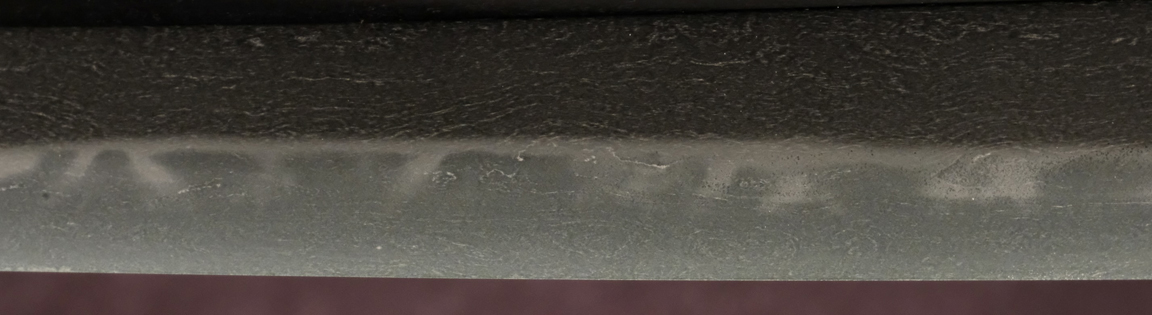
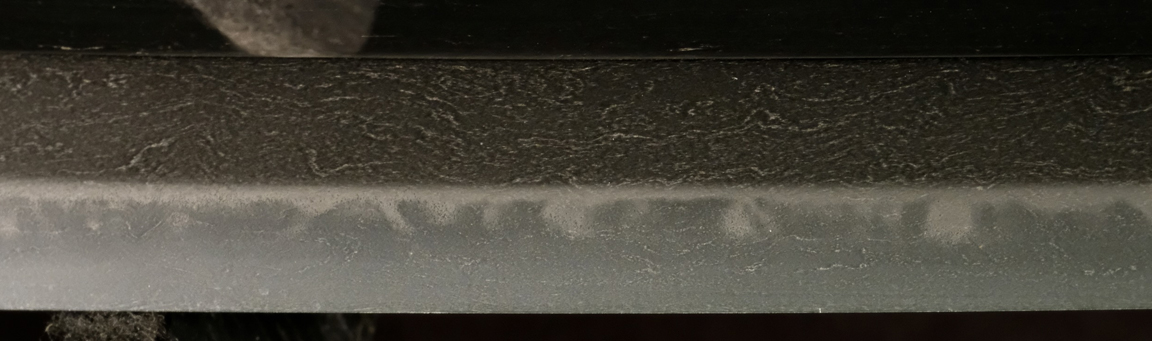
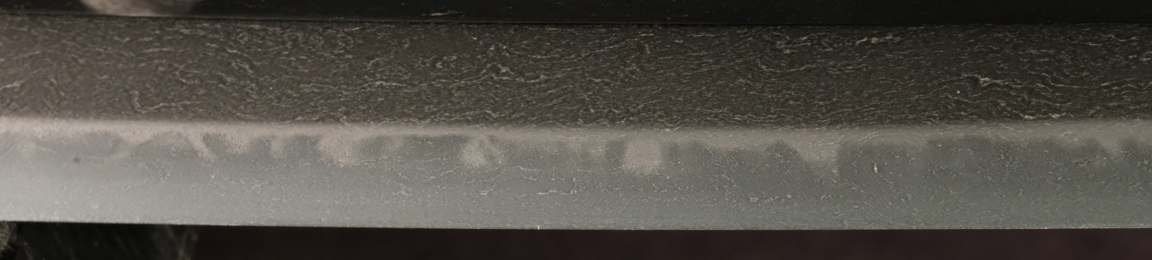
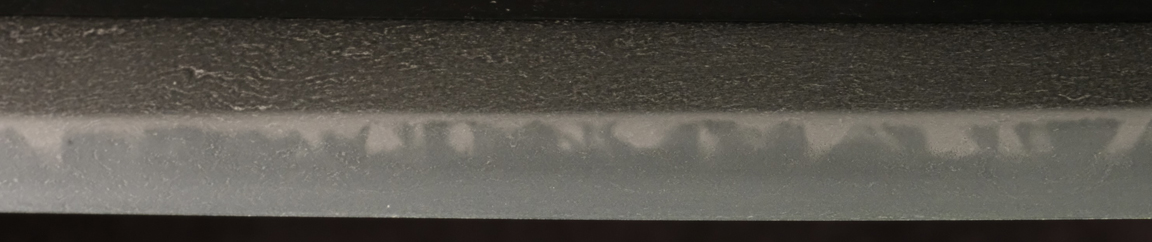
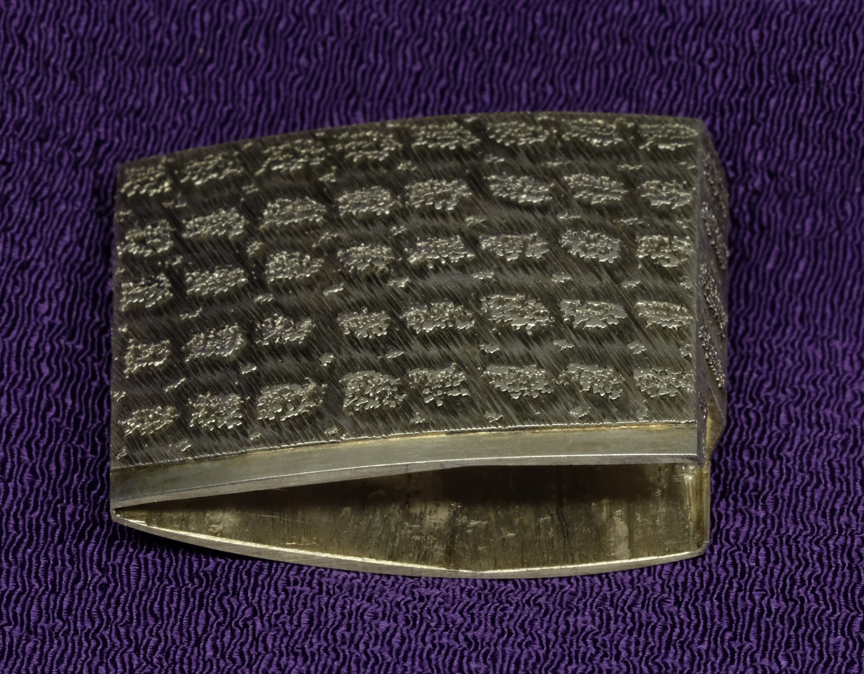
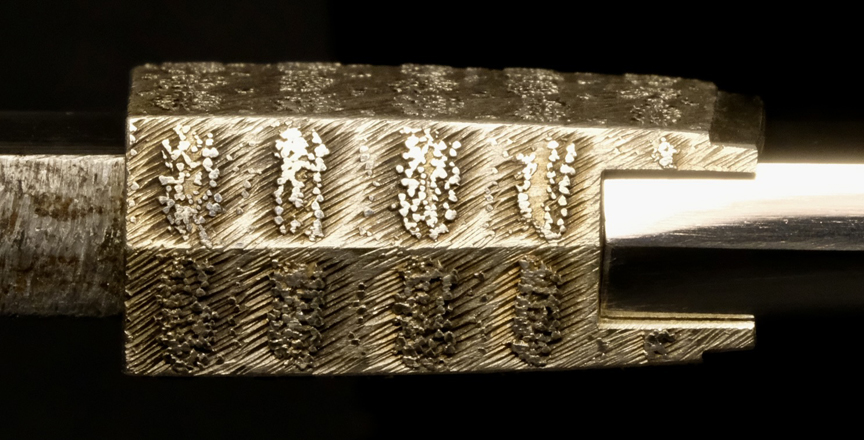
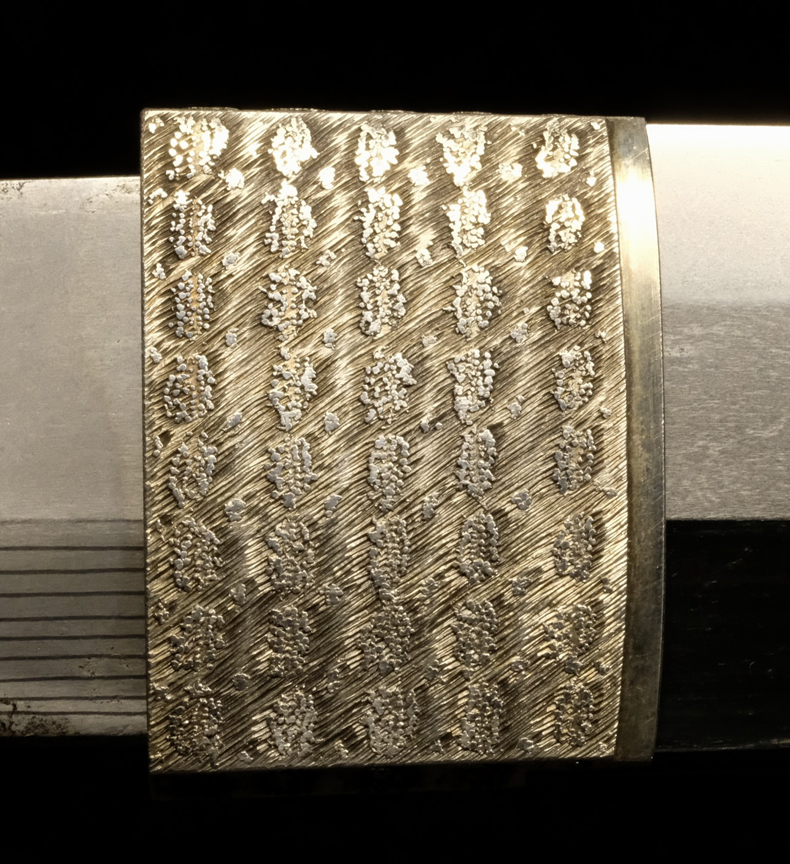
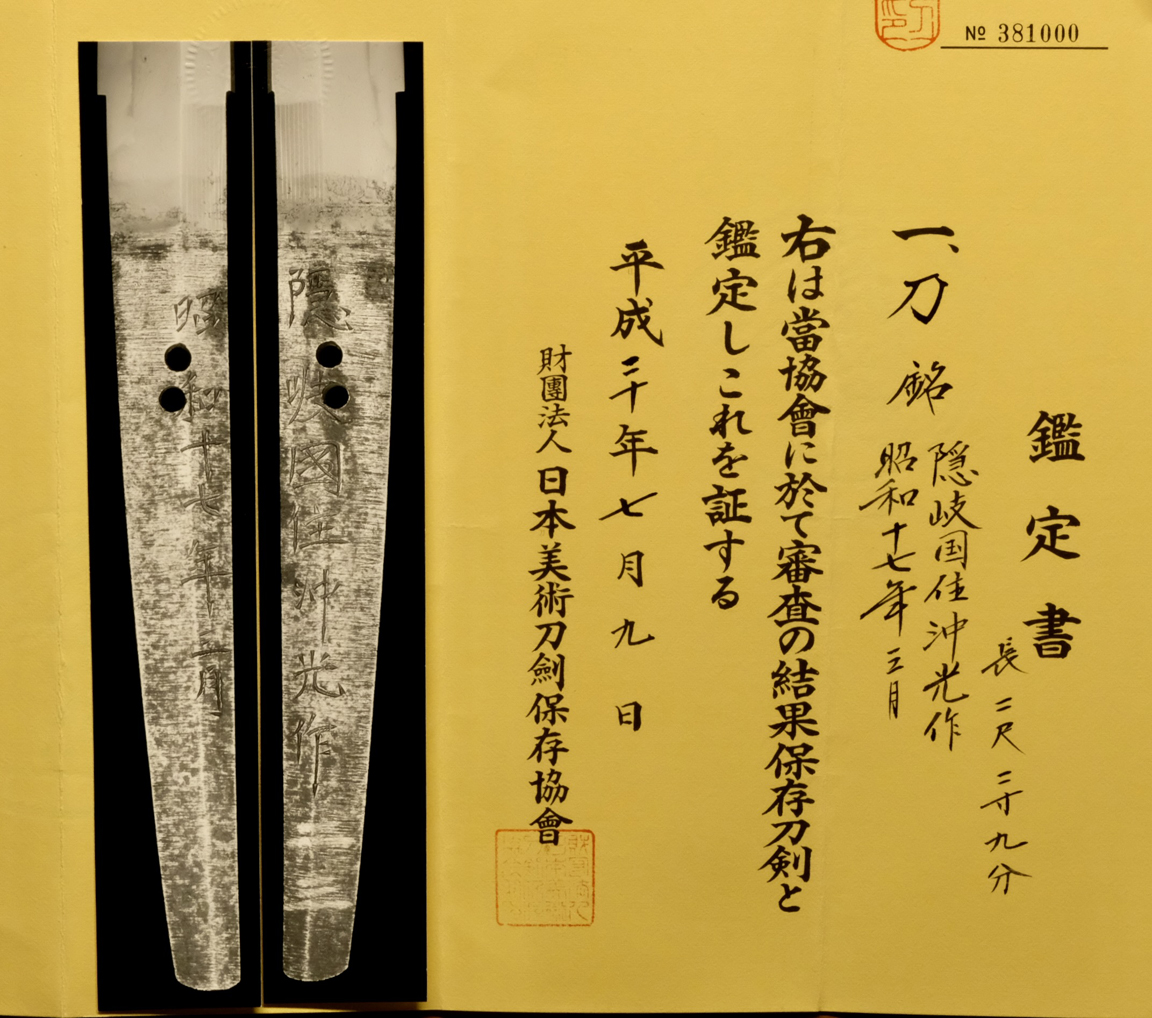
KATANA NBTHK HOZON SHIRASAYA This is an outstanding work by the Gendai Smith Oki Okimitsu. Okimitsu is rated at 1 million yen and jo-jo saku. The word “oki” can be read as “Sanuki” as this was the earlier pronunciation seen in older books in English such as Hawleys. As you can below in Sesko’s write-up it is correctly pronounced Oki which relates to the Oki district of Shimane prefecture. As per the information on Okimitsu below, this is clearly the shodai’s work. This sword was made and dated 1942. The nidai did not take over as the head of the school until 1952, ten years after this sword was made. The sword has a nagasa of over 27”, it is in excellent, flawless condition and polish and is an absolute pleasure to view with so much activity present. As mentioned above the complex gunome hamon transition to a ko-notare in the habuchi. See the last activity photo to see and understand this transition. It comes with shirasaya and NBTHK Hozon papers. Courtesy of Seskos, Swordsmiths A-Z: OKIMITSU (沖光), 1st gen., Shōwa (昭和, 1926-1989), Shimane – “Okimitsu” (沖光), real name Hara Kakutarō (原角太郎), student of Murakami Masatada (村上正忠), it is said that the part “Oki” in his name Okimitsu, a name that was given to him by his master Masatada, alludes to his place of residence which was in Nishinoshima (西ノ島) in the Oki district (隠岐) of Shimane Prefecture, he worked as rikugun-jumei-tōshō, kihin no retsu (Akihide), Second Seat at the 6th Shinsaku Nihontō Denrankai (新作日本刀展覧会, 1941). OKIMITSU (沖光), 2nd gen., Shōwa (昭和, 1926-1989), Shimane – “Oki no Kuni-jūnin Okimitsu kore o saku” (隠岐国住人沖光作之), “Oki no Kuni-jū Okimitsu saku” (隠岐国 住沖光作), real name Hara Hiroshi (原寛), born September 19th 1928, son of Hara Kakutarō (原角太郎), he succeeded as second generation of that name in 1952 but it is unknown if his father died in that year or just handed him over the forge, maybe the former approach is more likely as Kakutarō was only 24 years old at that time. This sword comes with a 48-hr. inspection period. Please refer to the Policy Page for complete details.
Offered by Yakiba
3 on the market


Shimane · around 1926-1989
3 pieces on the market now
Shōwa to the present: destruction and revival
The twentieth century nearly killed the craft twice: wartime distortion, then the occupation ban. The NBTHK’s founding in 1948 and licensed forging from 1953 rebuilt the sword as an art, crowned by Living National Treasures and the mukansa rank.
Certifies a genuine blade worth preserving: a signature confirmed correct, or, if unsigned, an era, province, and school that the NBTHK can reliably identify.
The NBTHK (Nihon Bijutsu Tōken Hozon Kyōkai, the Society for the Preservation of Japanese Art Swords) is a public-interest incorporated foundation founded in 1948 and supervised by Japan’s Agency for Cultural Affairs (Bunkachō); it is based at the Japanese Sword Museum in Tokyo. Its expert panels physically examine each submitted work (shinsa) and issue a certificate (kanteishō) ranking it by artistic and historical merit. NBTHK papers are the most widely recognized standard of authentication for Japanese swords and fittings.
NBTHK official siteAll swords sold for $5000 USD or less are considered final! Swords above the $5000 range may be returned for any reason within 48 hrs. Buyer will receive a full refund minus shipping/handling, insurance and or any fees incurred in shipping or sale.
$5,500
Certificate reading — 銘 隠岐国住沖光作 昭和十七年三月