Edo was the sword’s age of connoisseurship: the Hon’ami appraisers, the shogunal register of famous blades of 1719, and a thriving literature turned the sword into an object of study even as it ceased to be drawn in war.
 NihontoWatchNihontoWatch
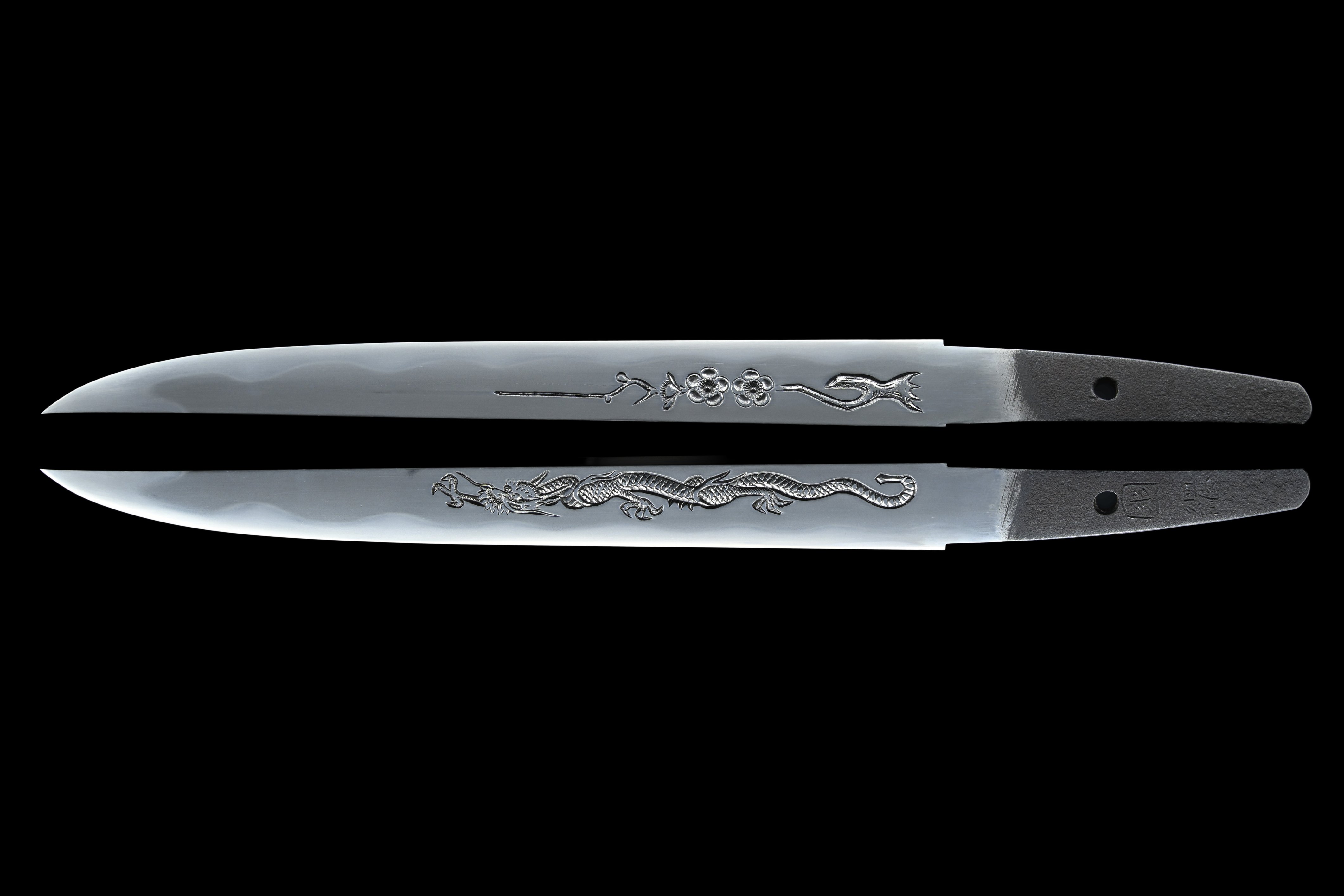
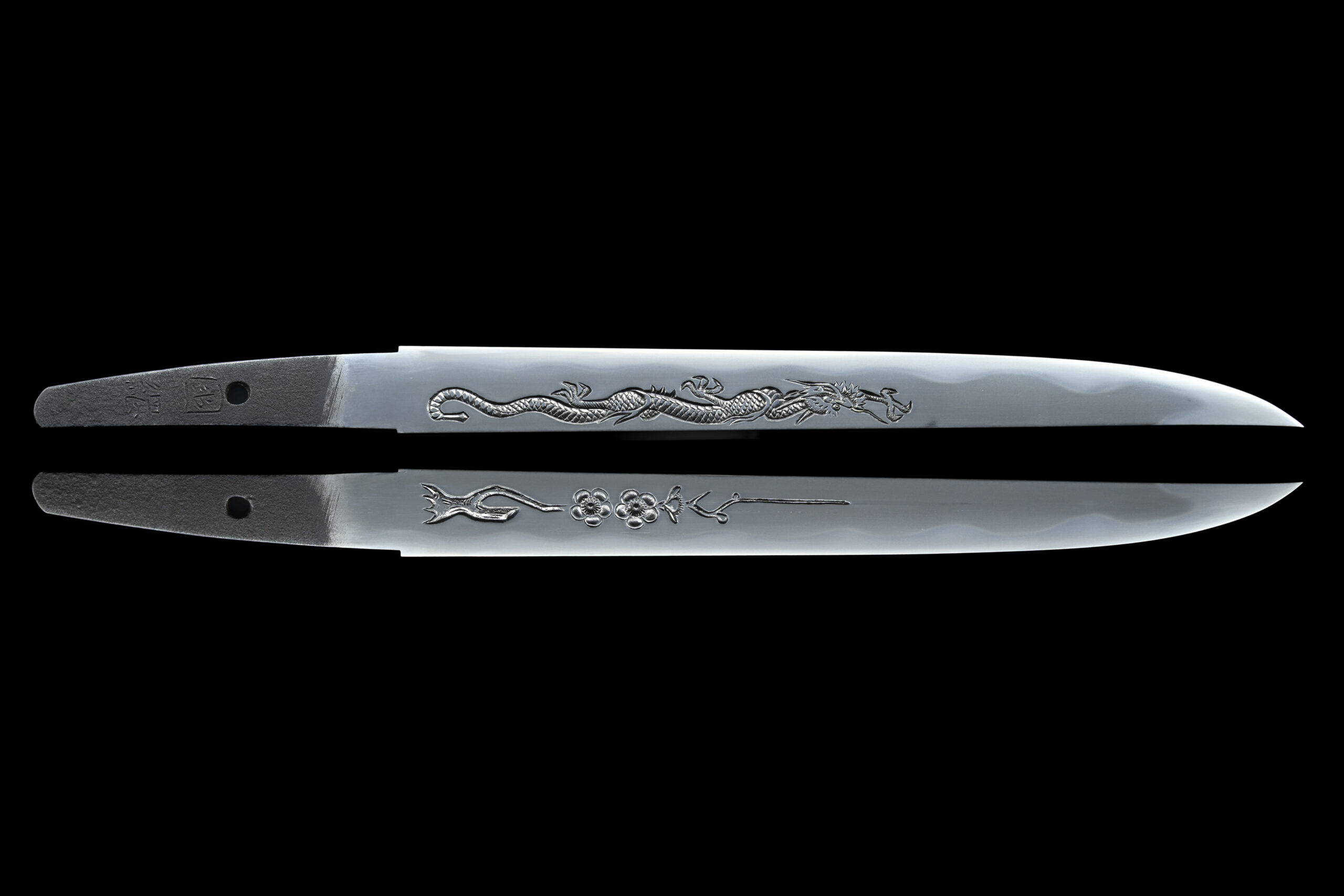
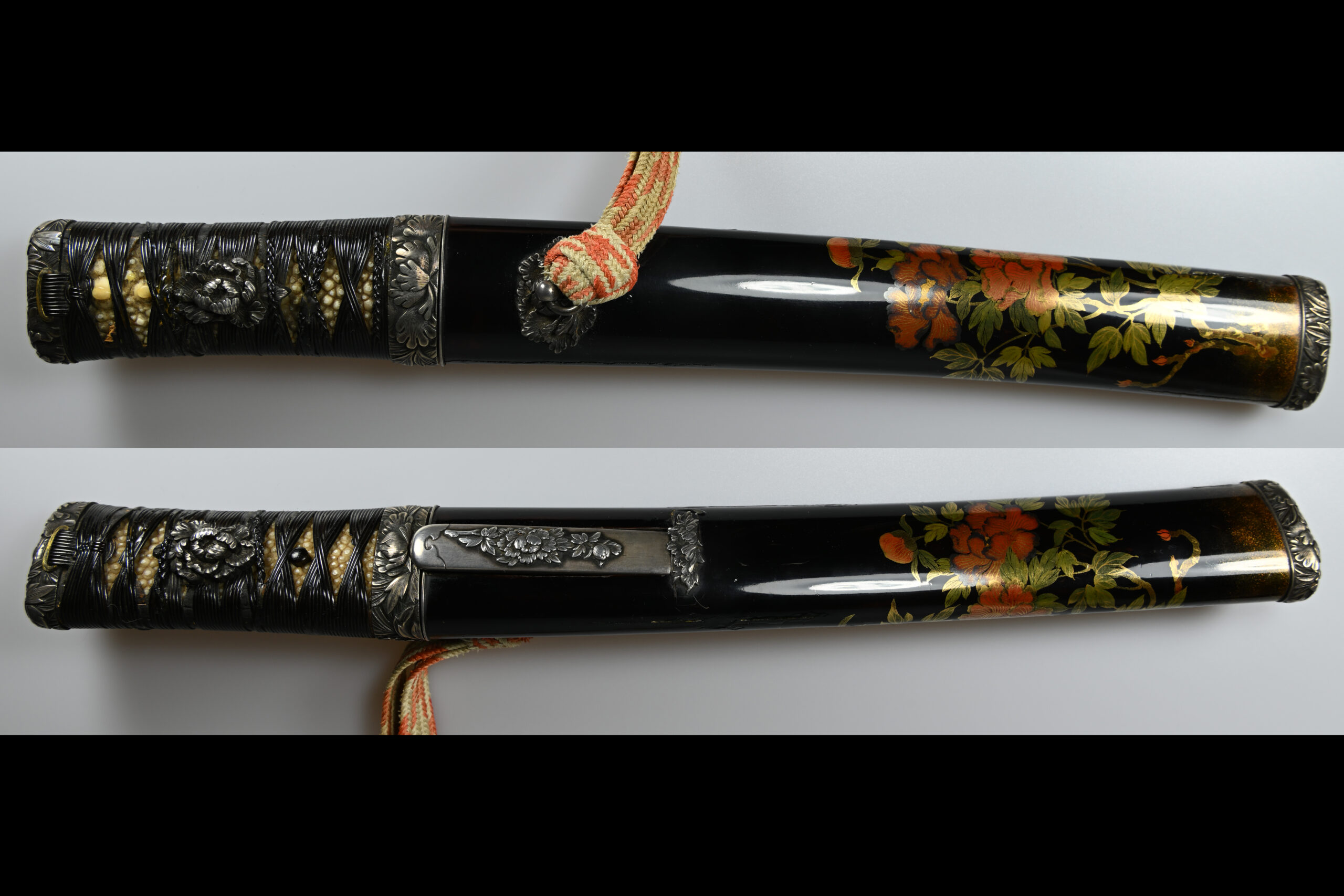
This finely forged tanto, signed by Kunitsuna, features a mitsu-mune blade with dense itame/mokume hada and a notare-midare hamon. It is adorned with horimono depicting a dragon and a plum tree. The tanto comes with a high-class koshirae from the Edo period, featuring a floral motif lacquer finish and solid silver fittings with a chrysanthemum design.
NihontoWatchOffered by Nihon Collection
We couldn’t find current papers for this piece. Ask the dealer whether it has been, or can be, submitted to shinsa. — Hoshi
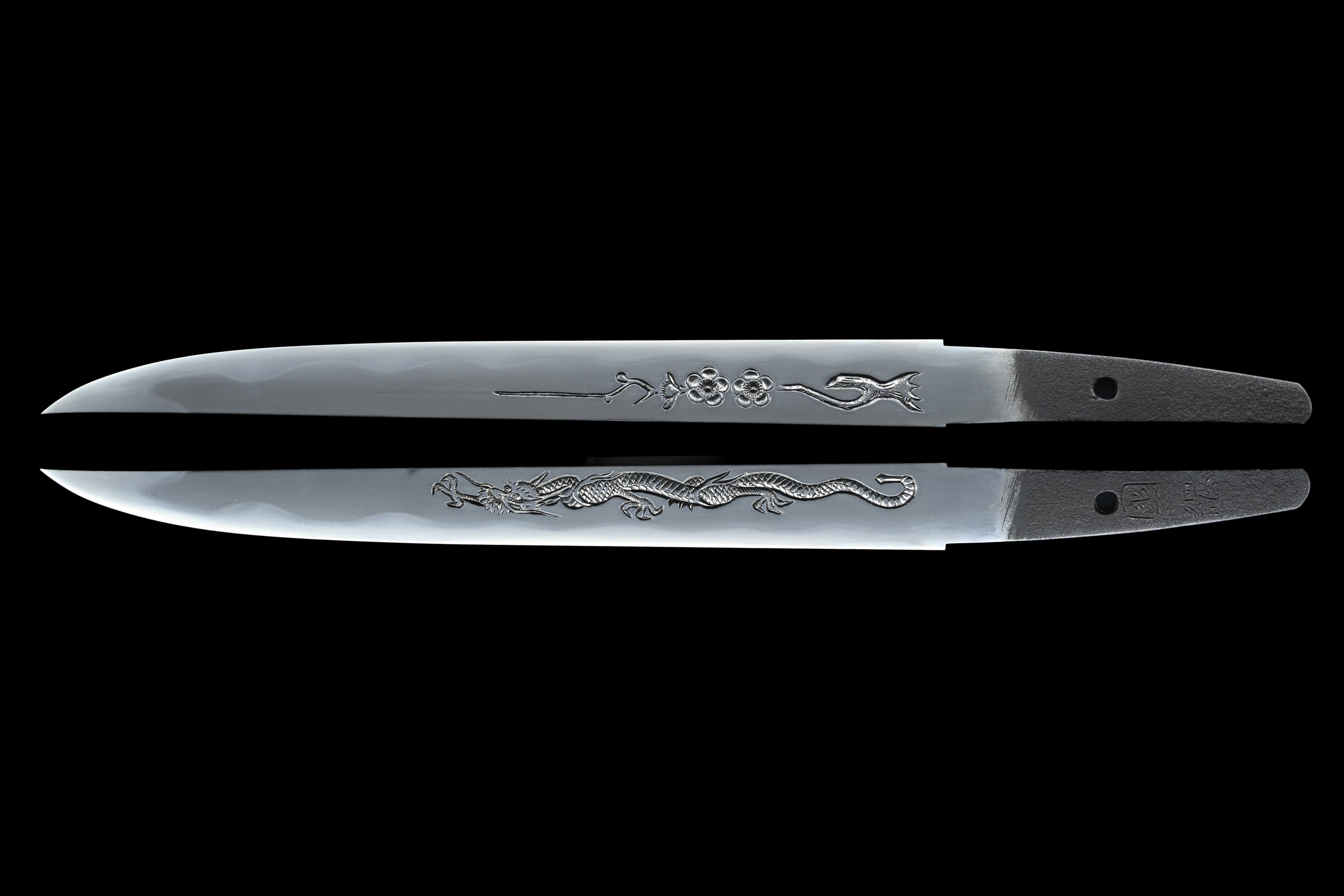
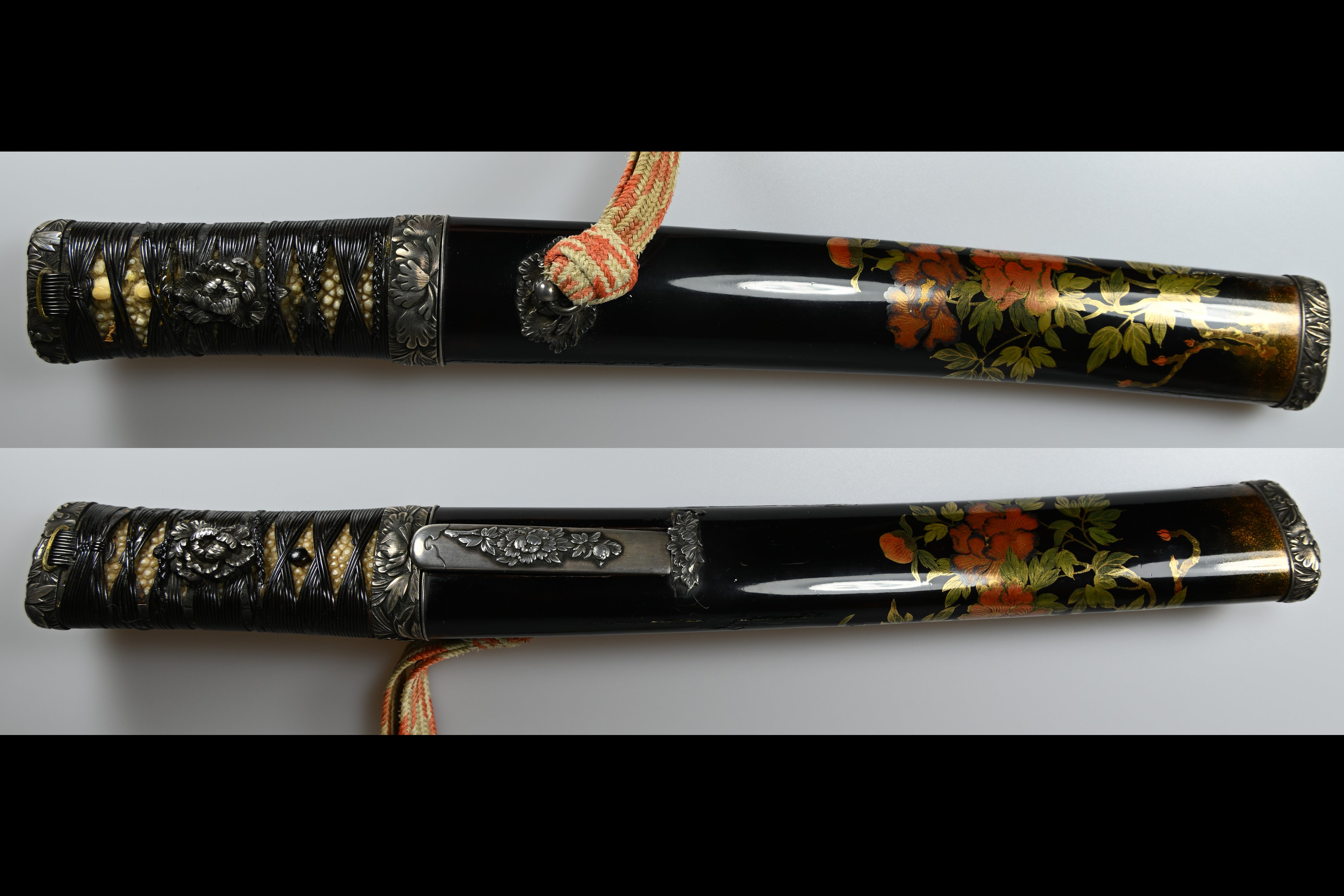
Echizen · around 1648-1652
Fujishiro Chu-jo saku · Tōken Taikan top 76%
1 piece on the market now
The Edo period (1615 to 1868)
Edo was the sword’s age of connoisseurship: the Hon’ami appraisers, the shogunal register of famous blades of 1719, and a thriving literature turned the sword into an object of study even as it ceased to be drawn in war.
We could not find an authenticity certificate on the seller’s listing. Japanese swords and fittings are normally papered by the NBTHK (or the NTHK). Without one, the attribution is the seller’s own assessment and has not been independently verified — treat it with caution and ask the dealer about certification before buying.
Price on request