After the Ōnin War broke the Ashikaga order, a century of Sengoku warfare armed nearly every province in Japan. The era rewards a discriminating eye: routine work exists in quantity, and beside it stand custom blades of the first rank.
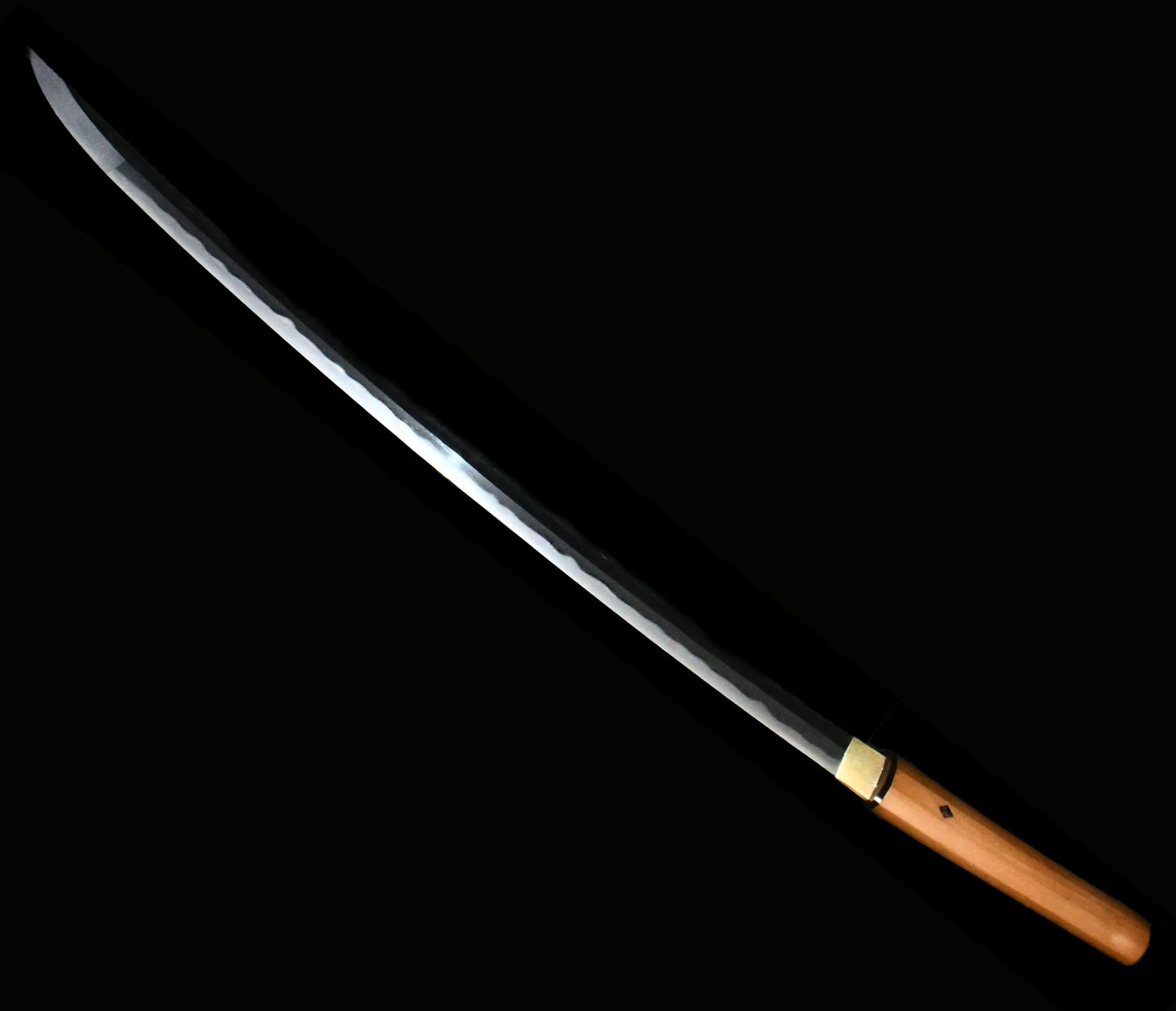
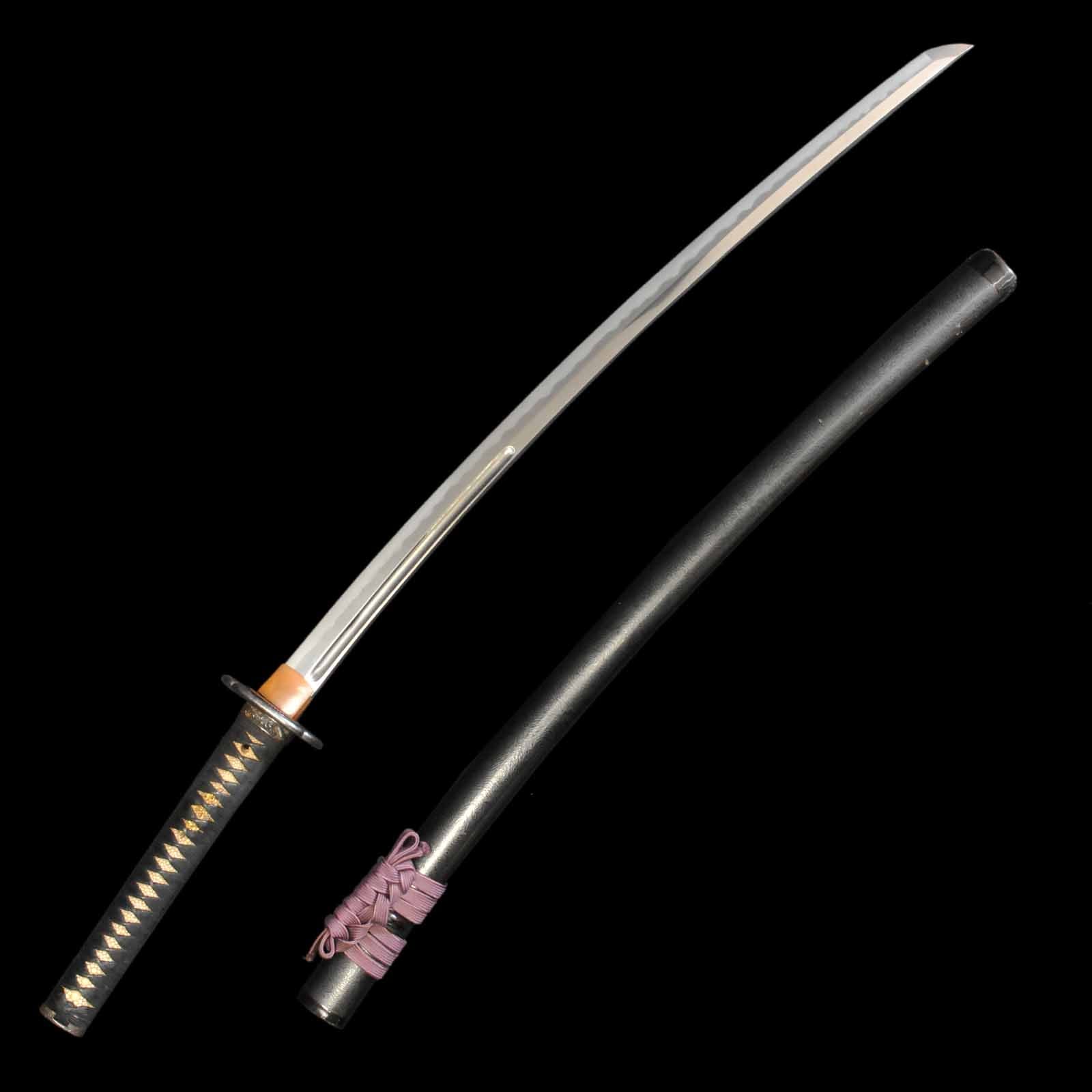
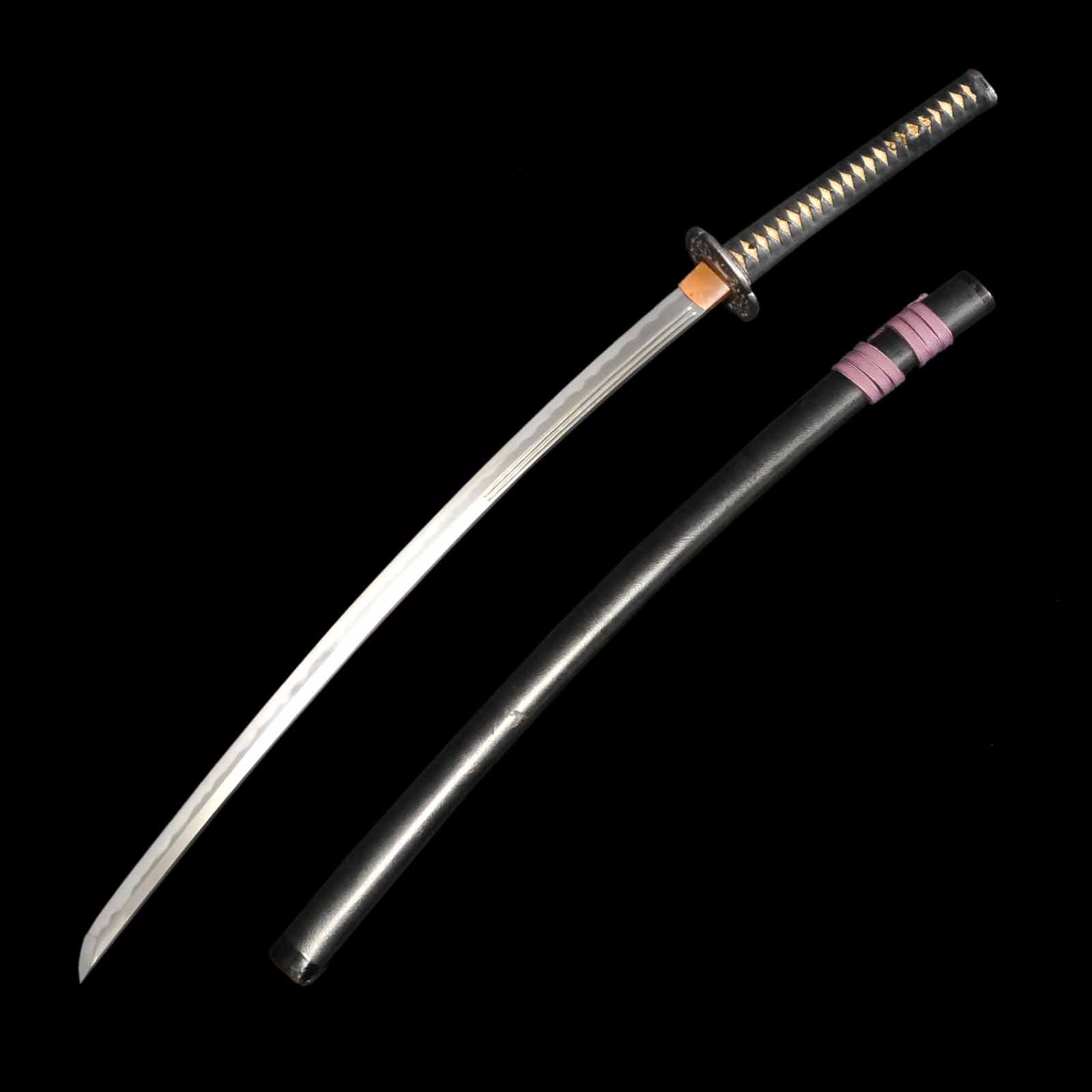
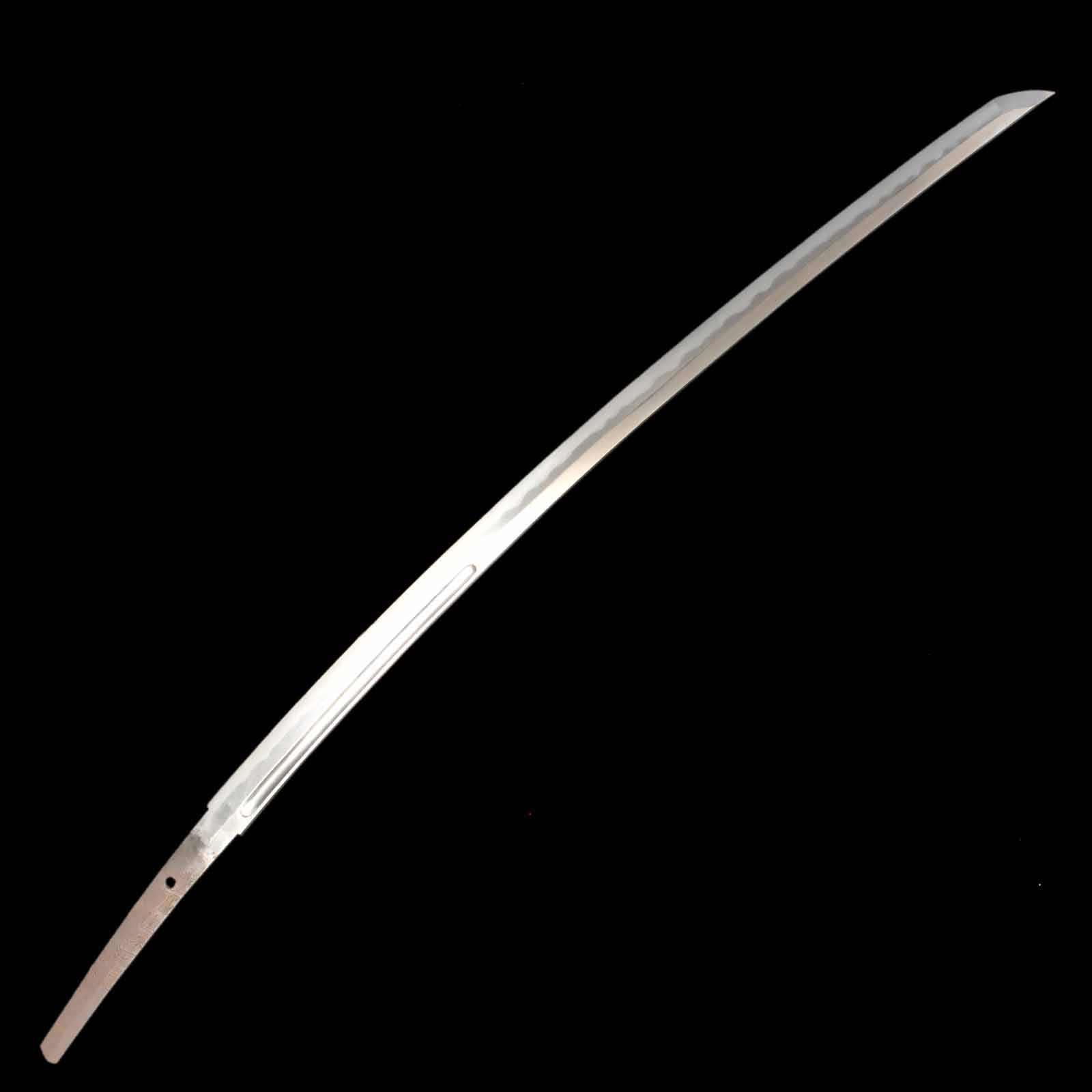
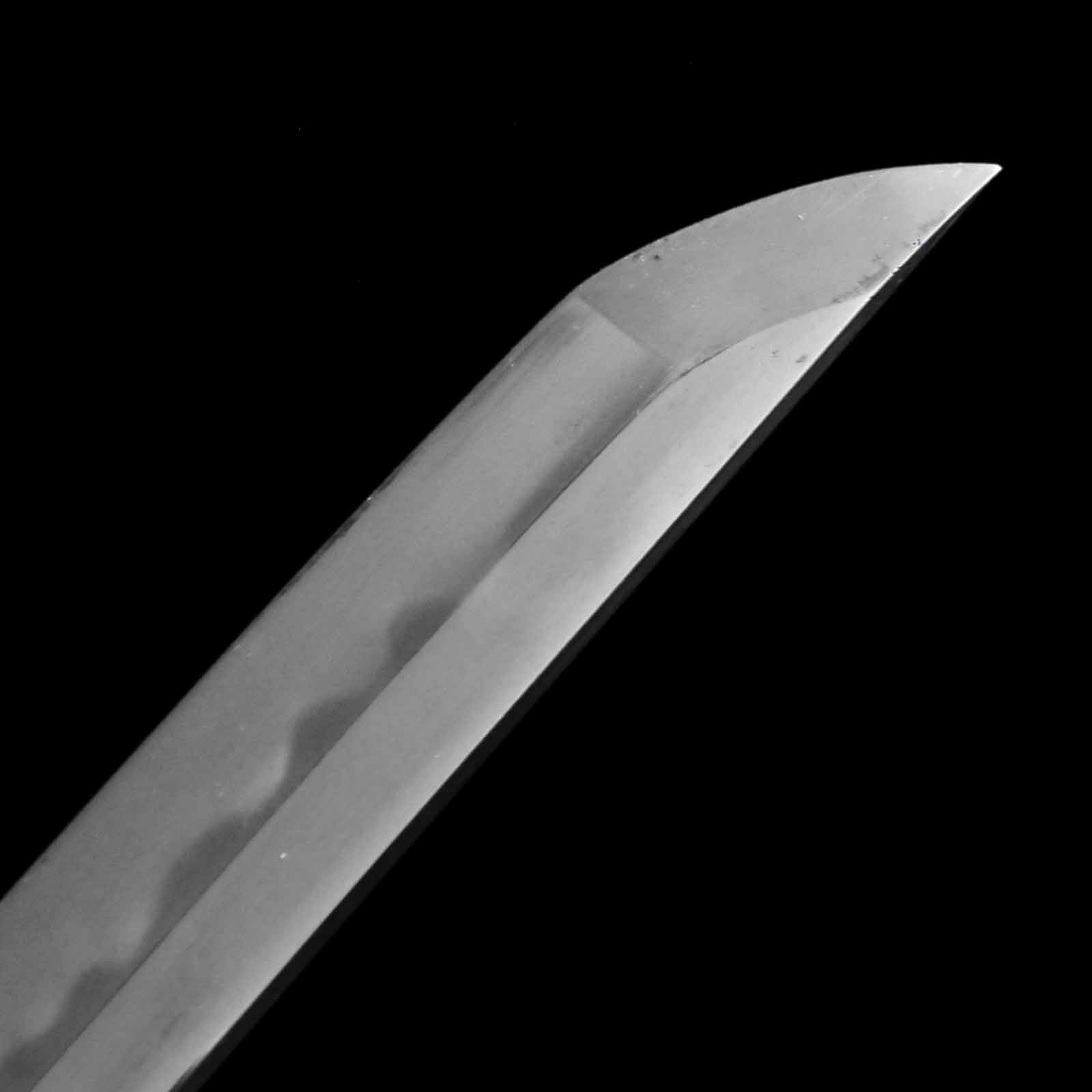
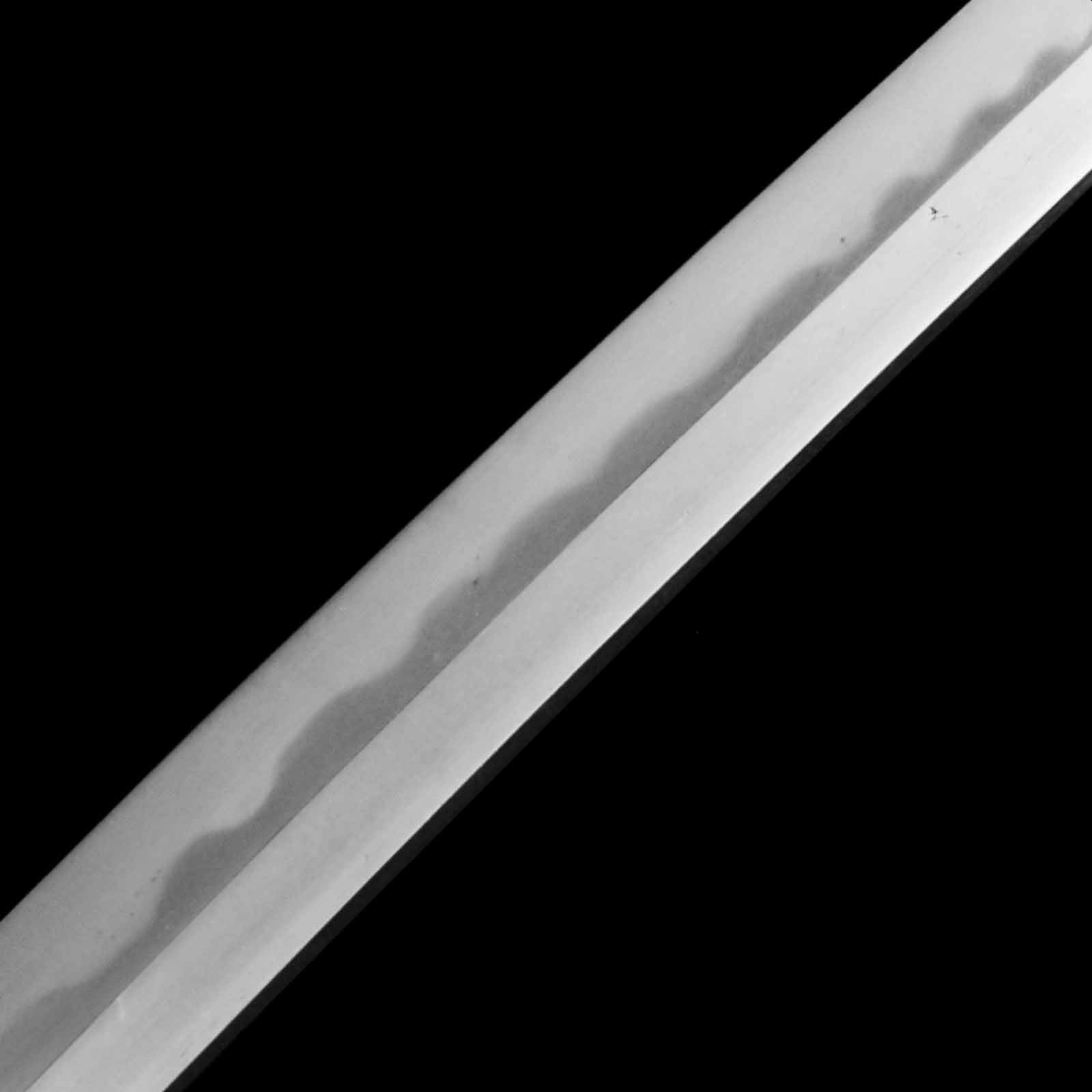
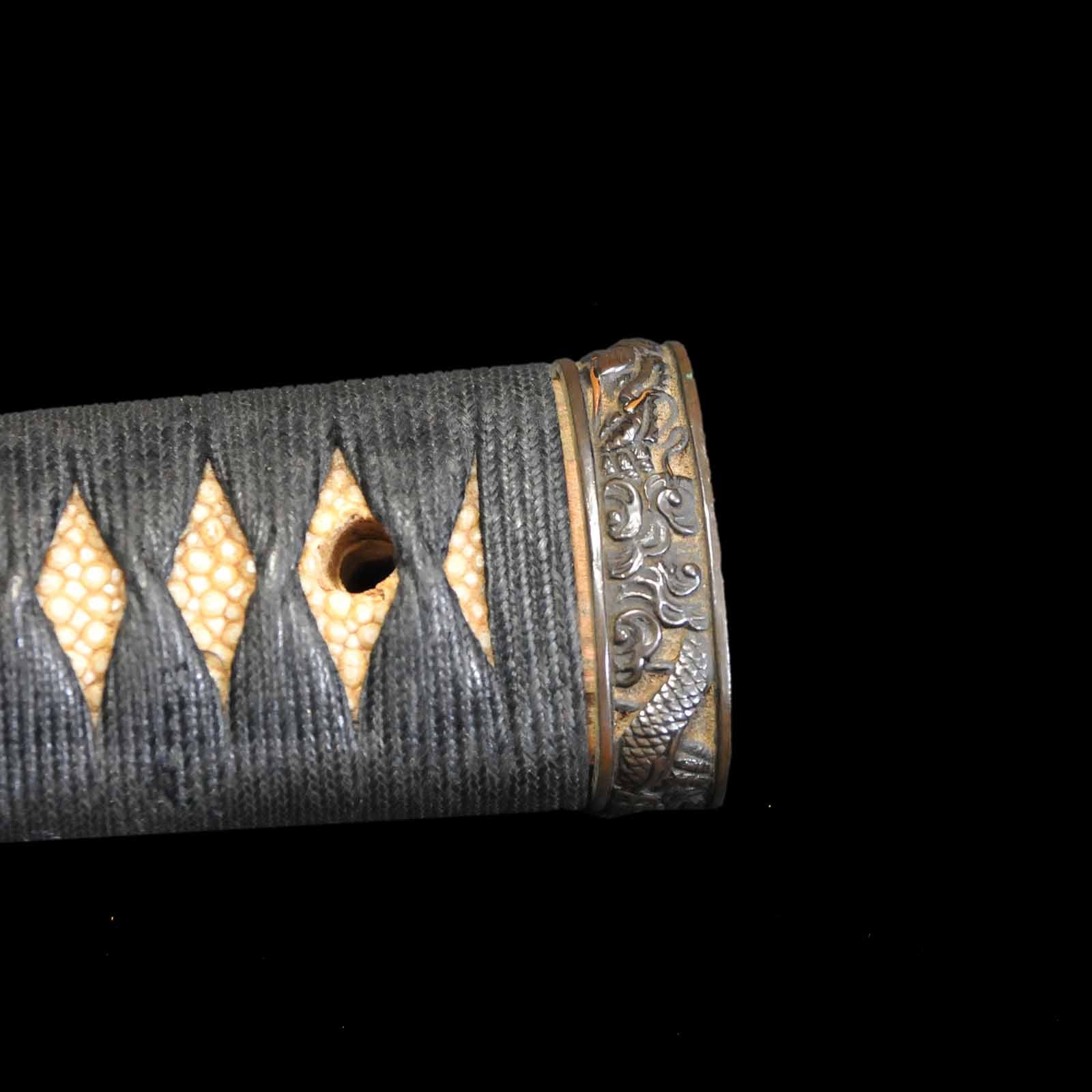
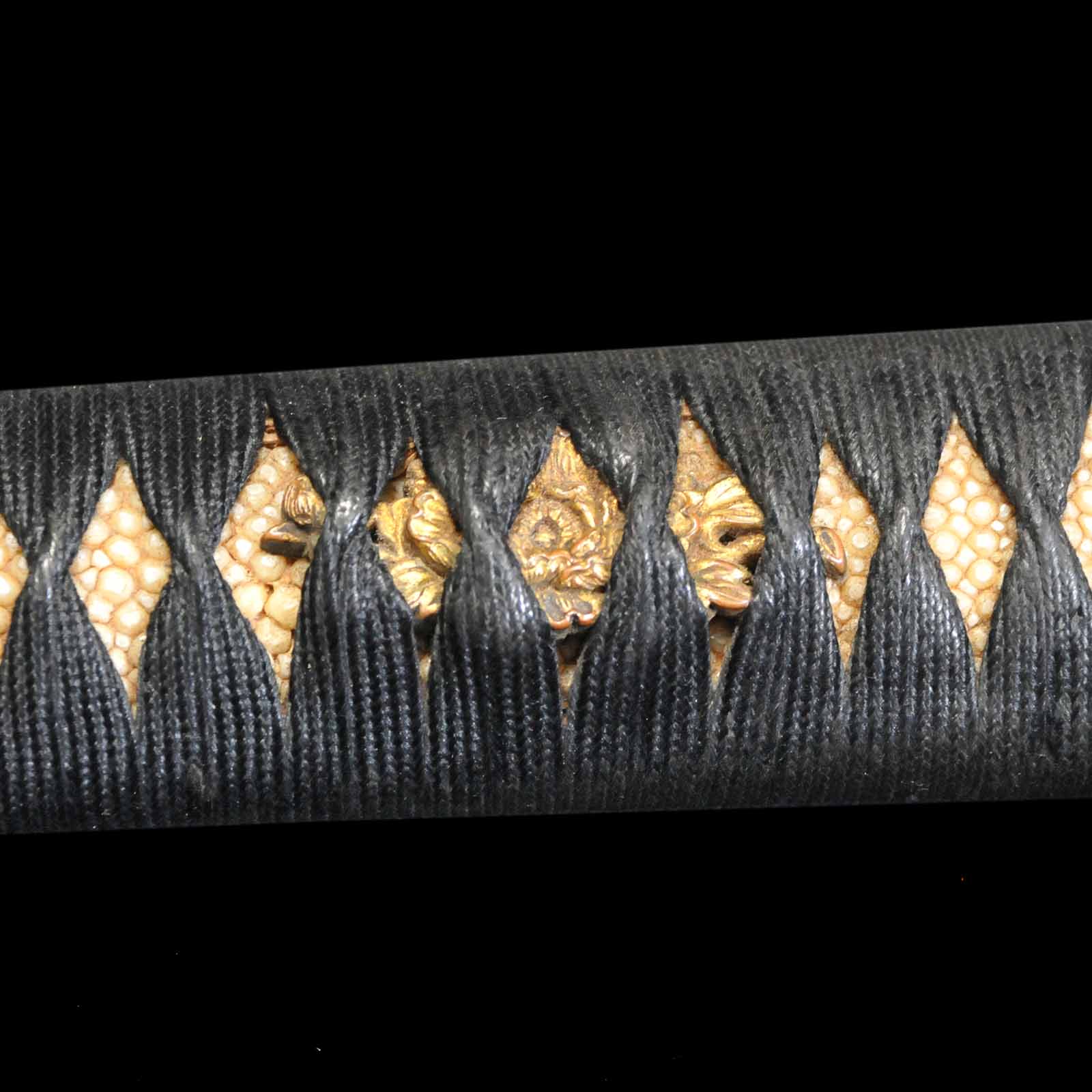
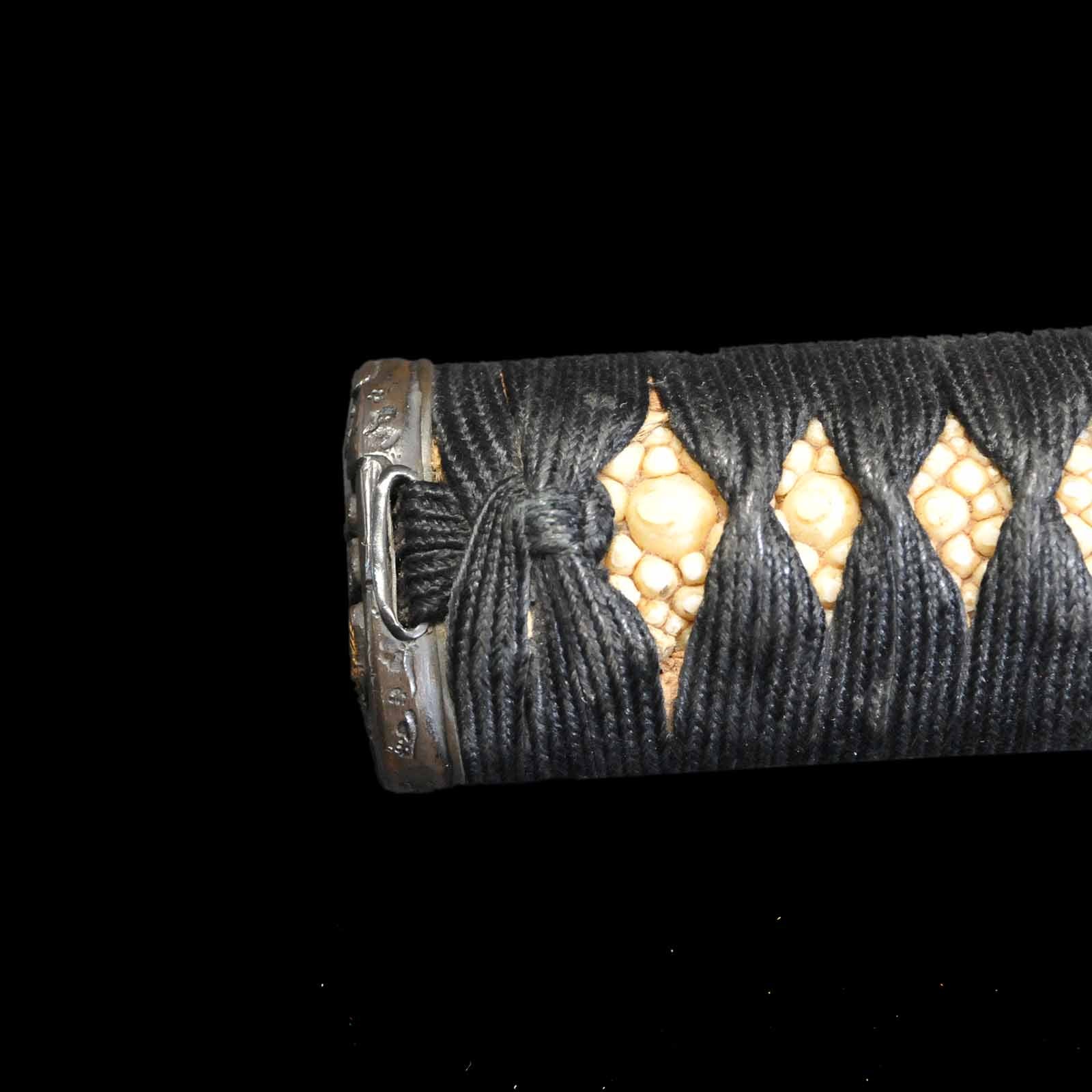
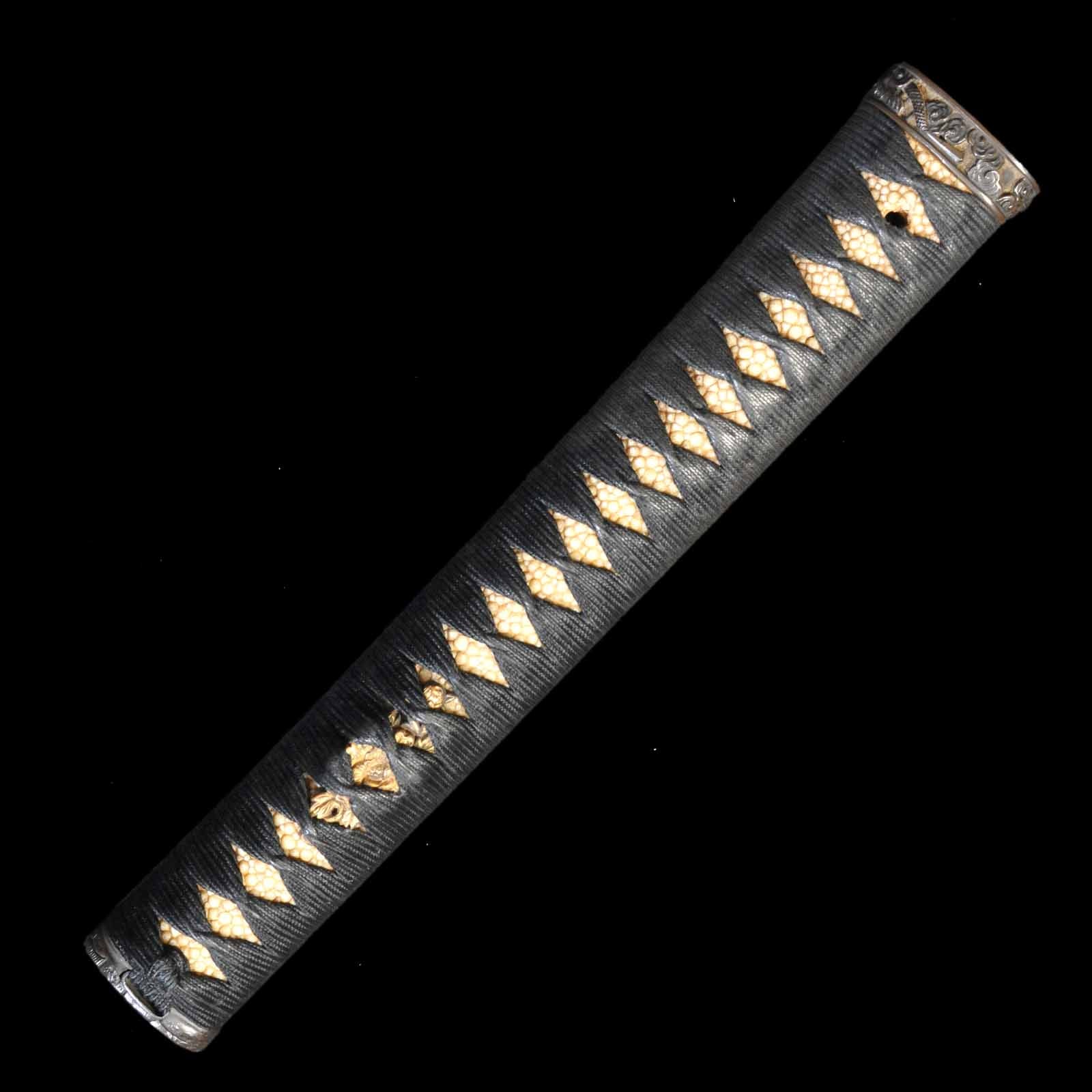
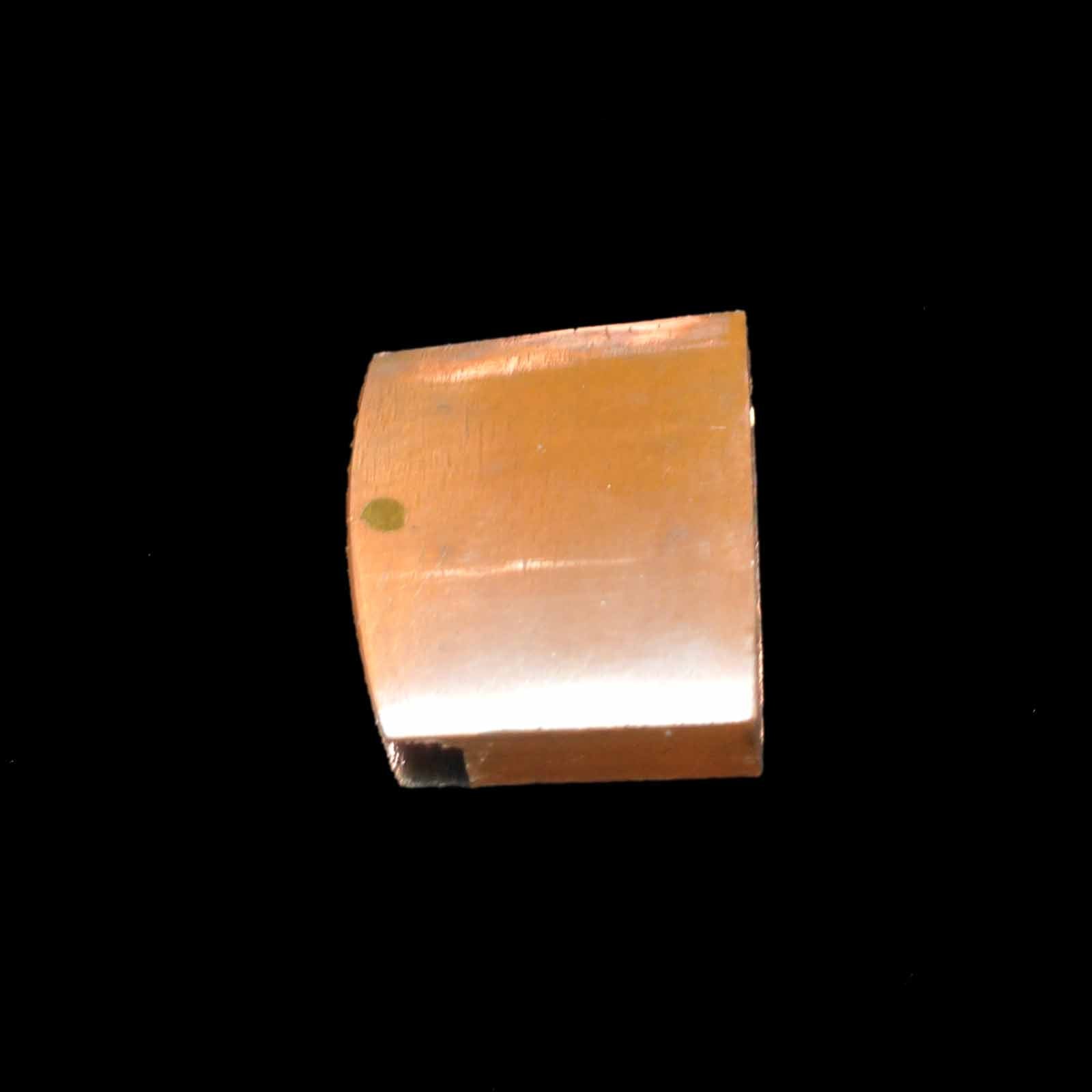
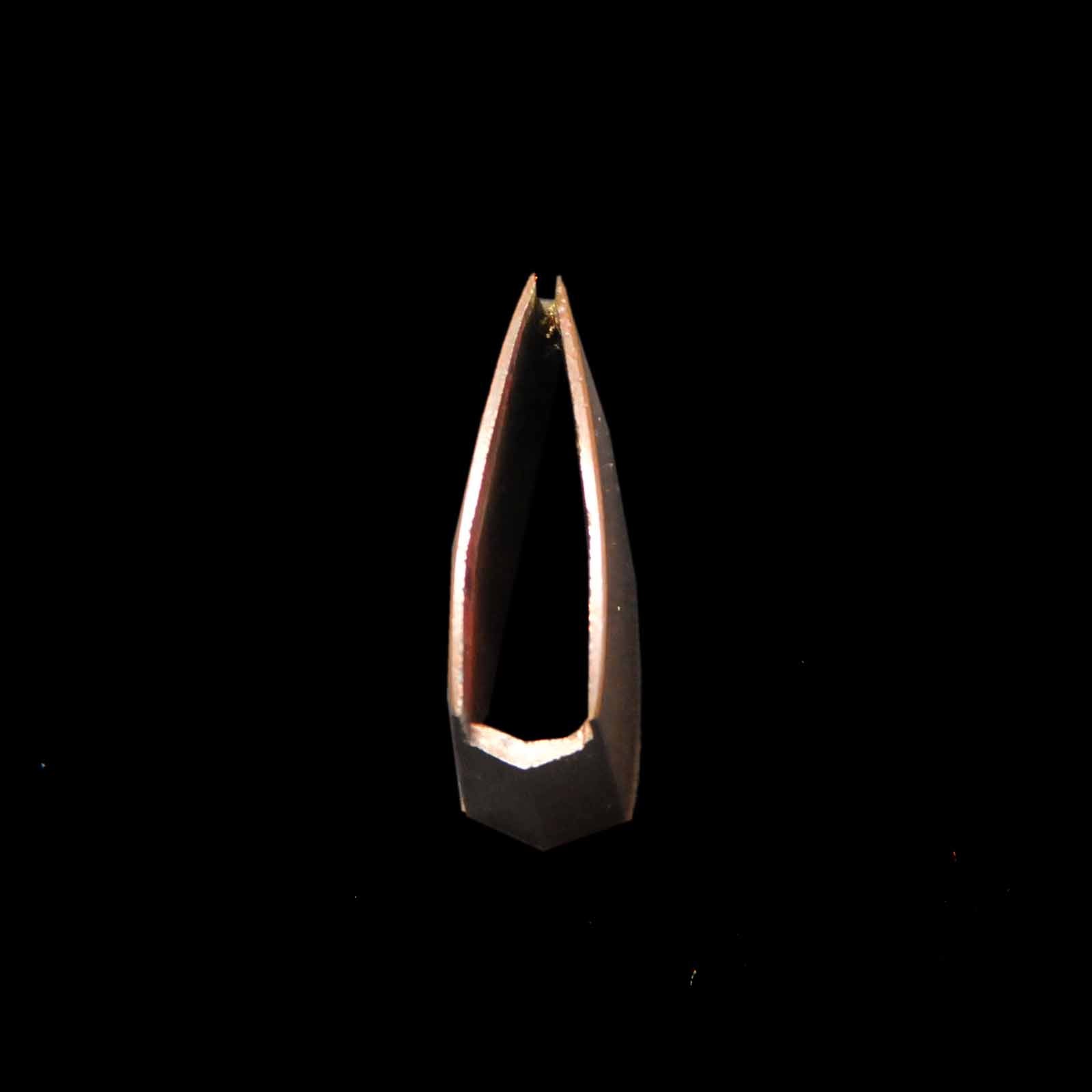
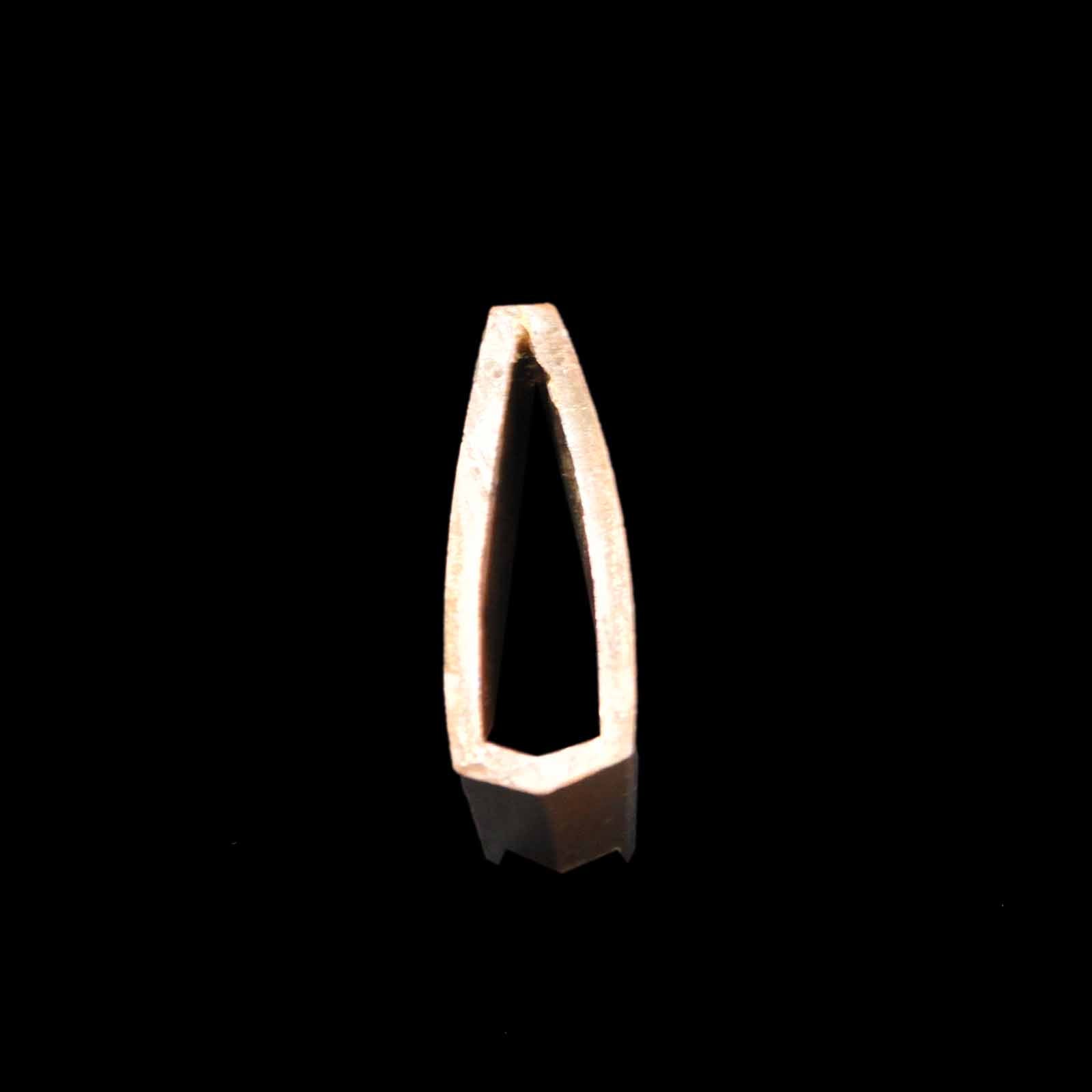
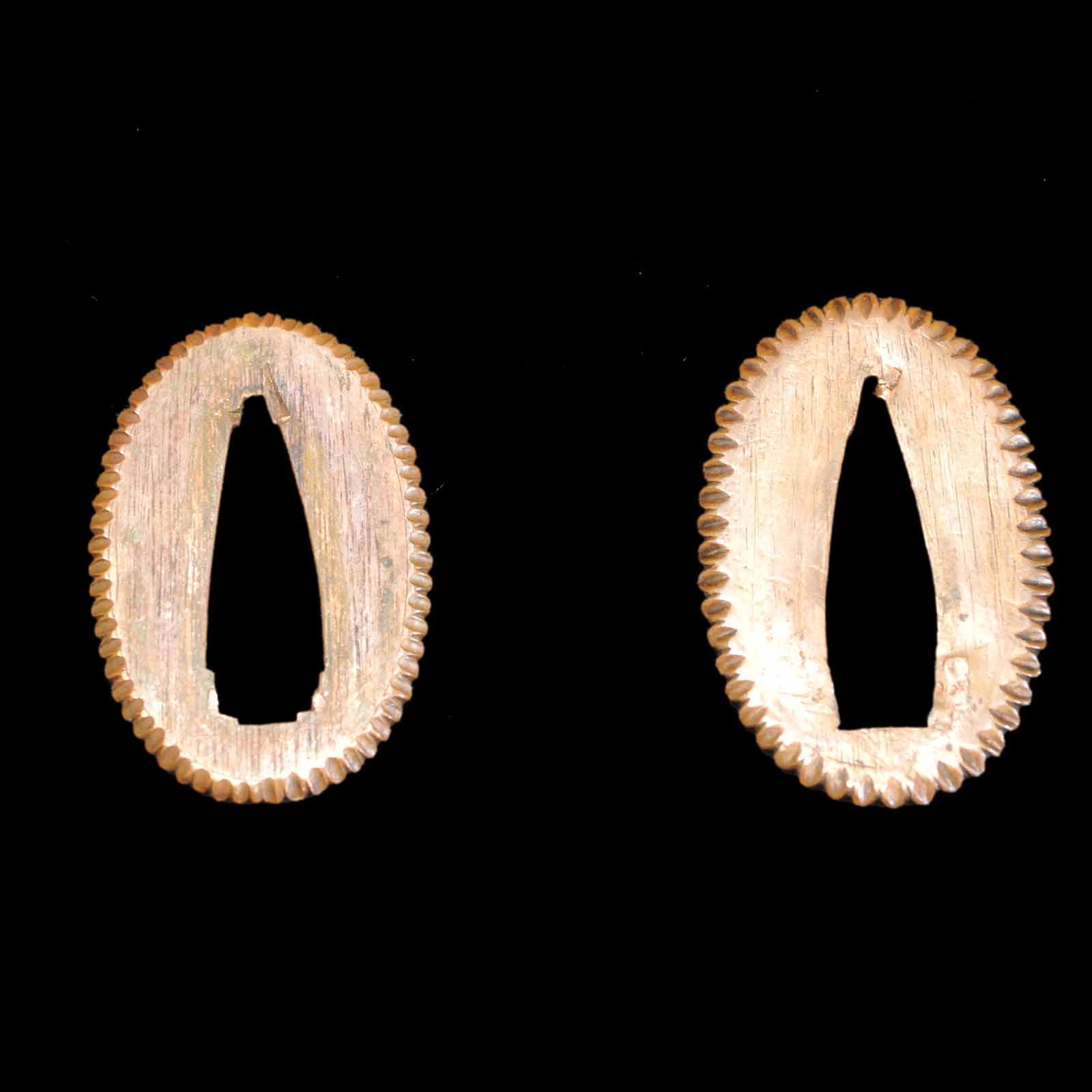
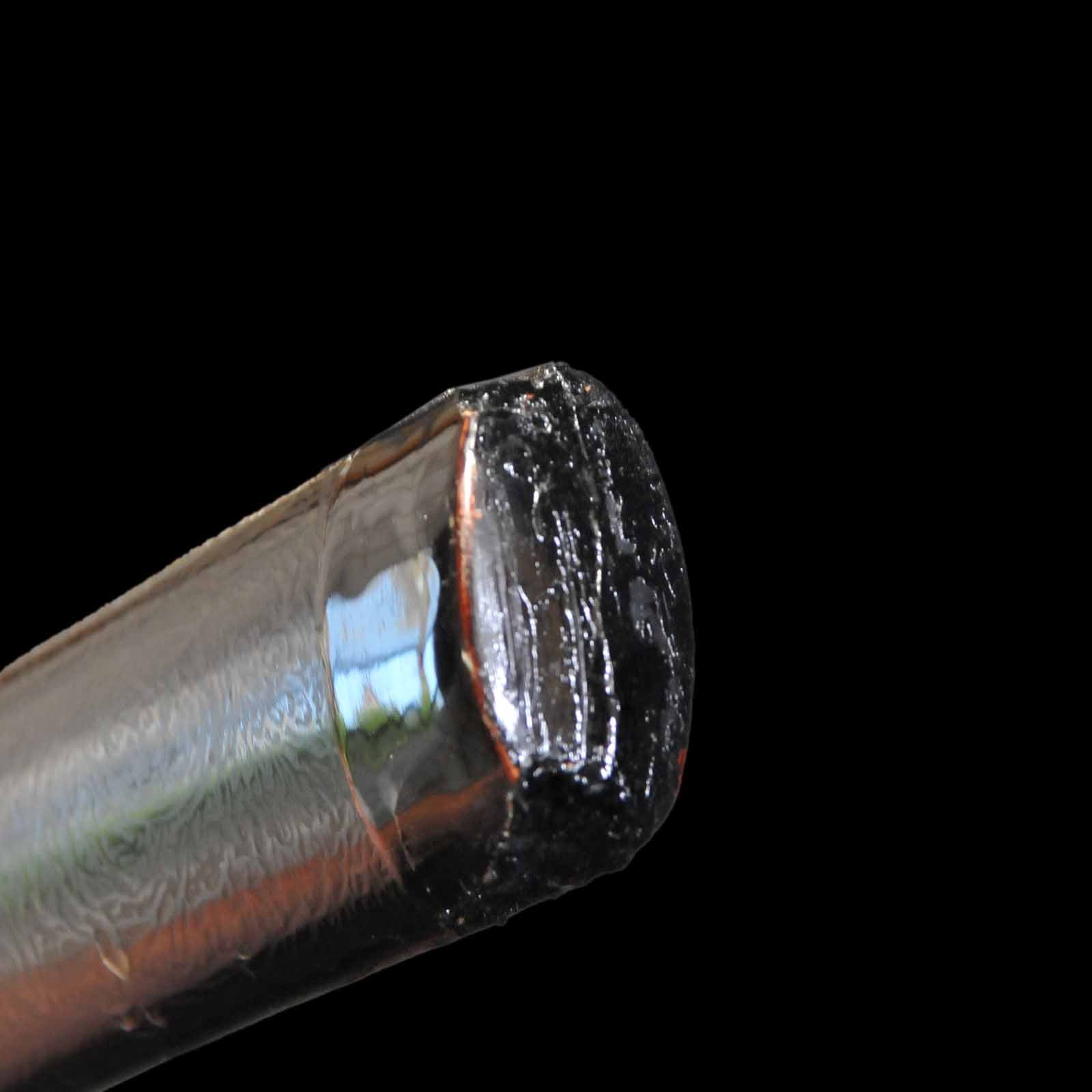
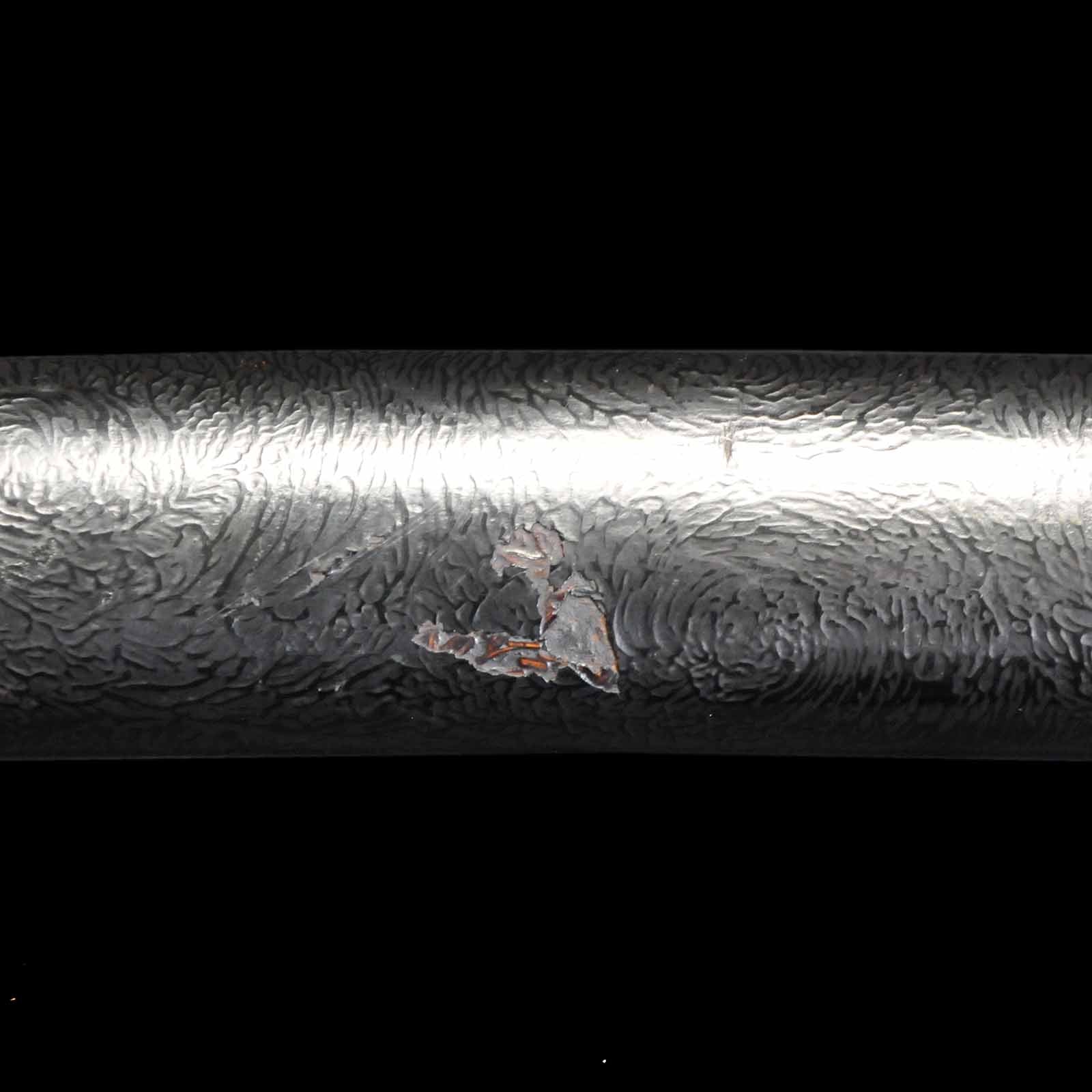
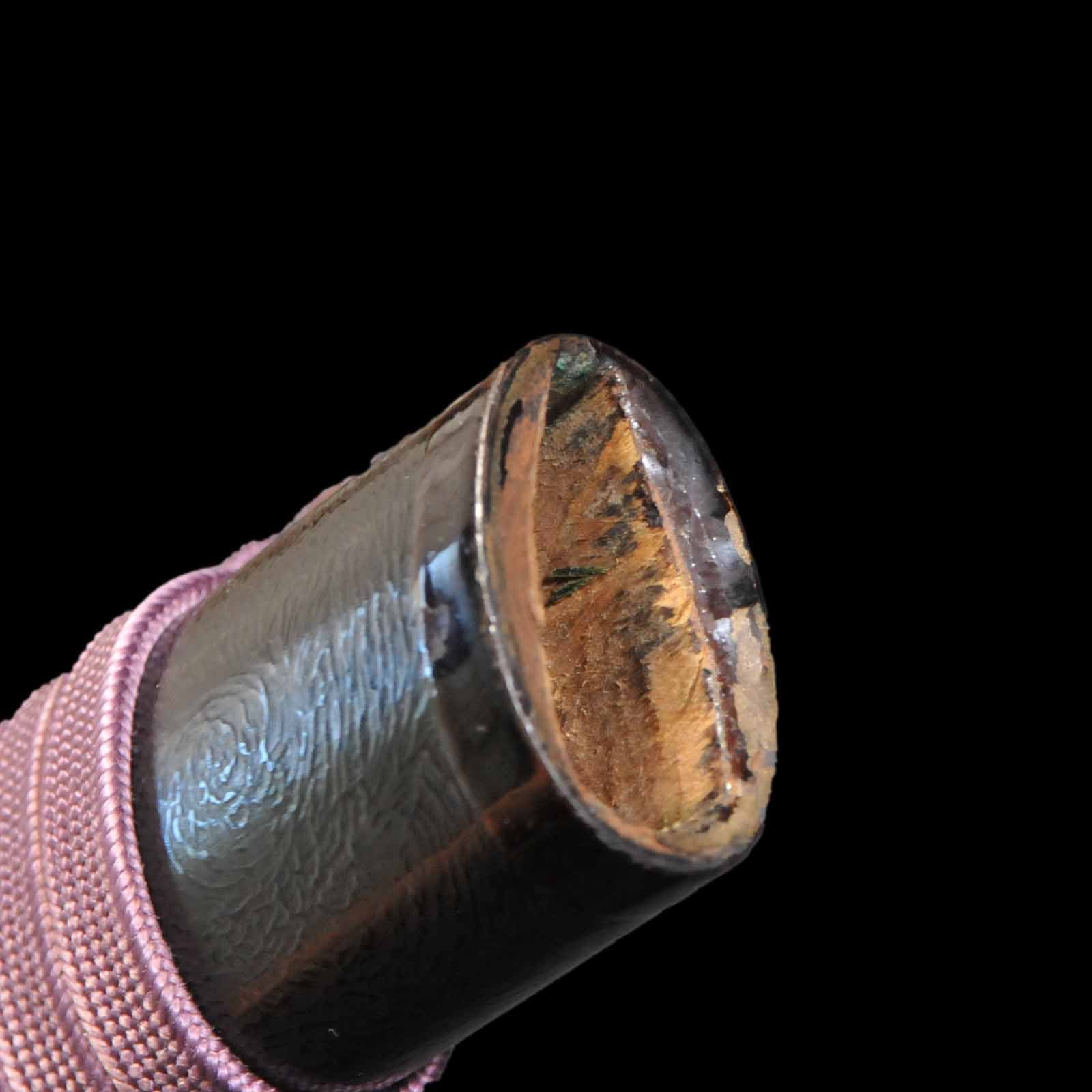
This is a katana by Masazane, a swordsmith active in the early Edo period (Shinto era), featuring uchigatana koshirae. The blade has some cloudiness from old polishing but no major flaws, and the nakago is signed "Minamoto Masazane, who lives in Musashi". It has an itame hada with active chikei and a niedeki gunome hamon with hataraki.
 NihontoWatch
mei · Hojo · Shinto · nagasa 67.3cm · sori 1.8cm
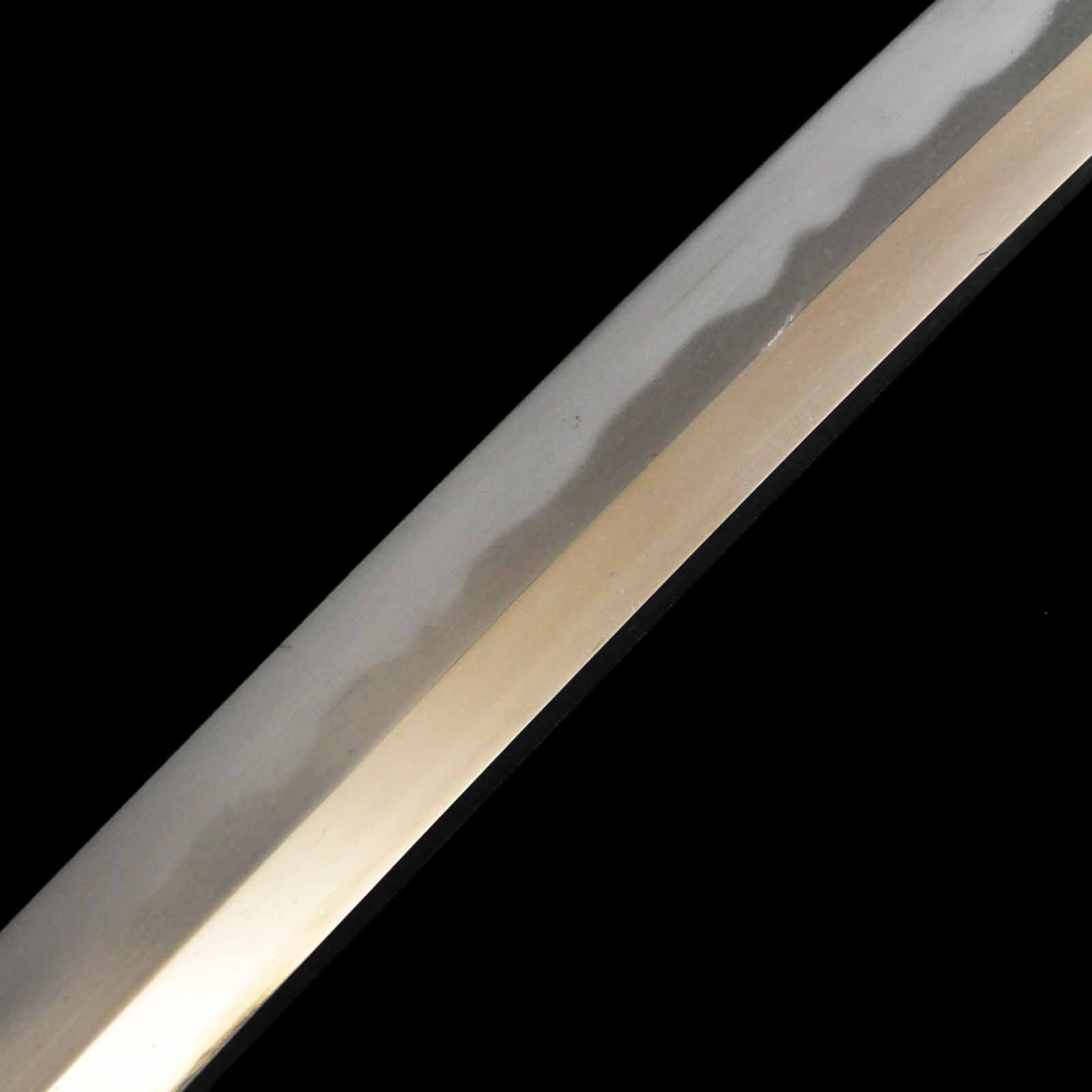
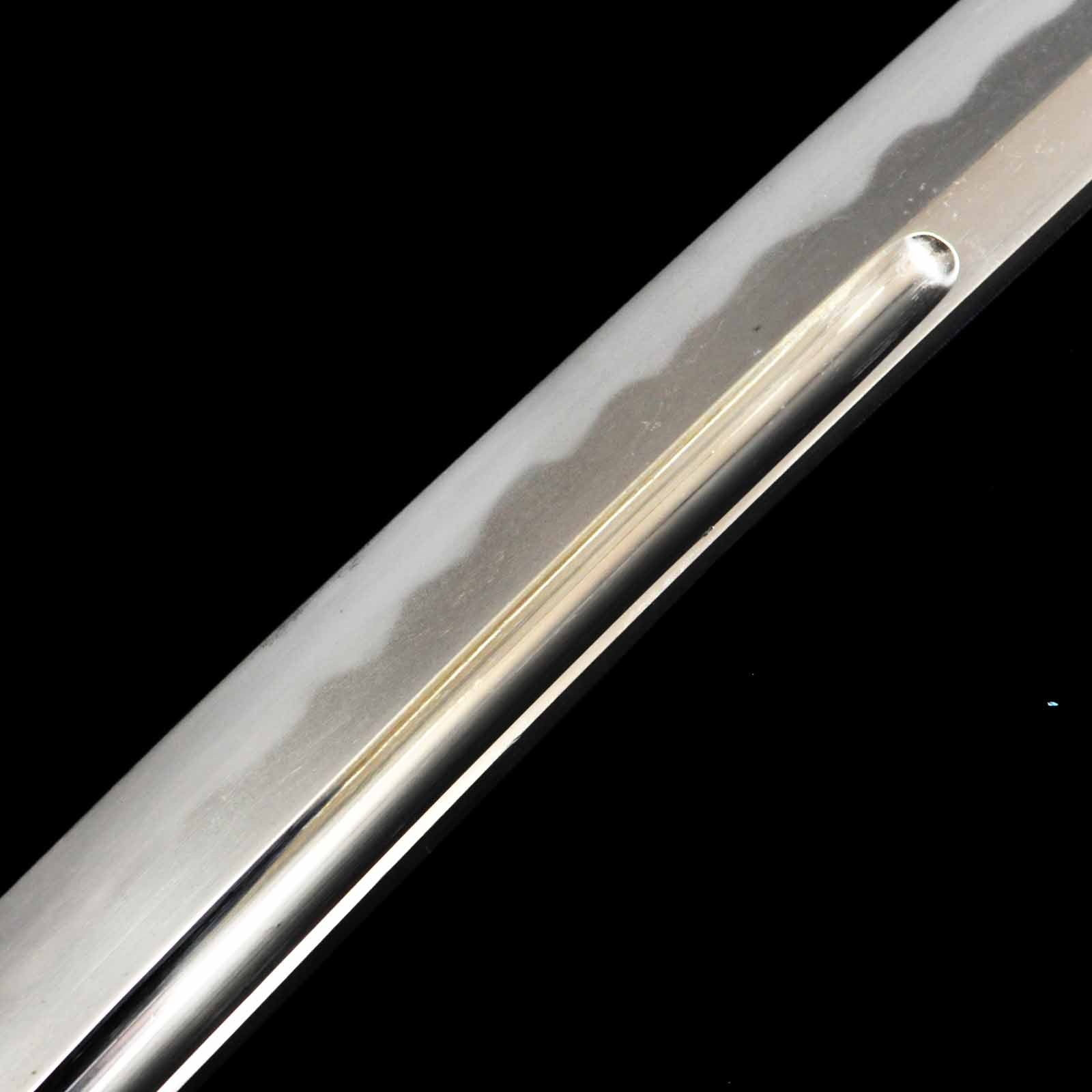
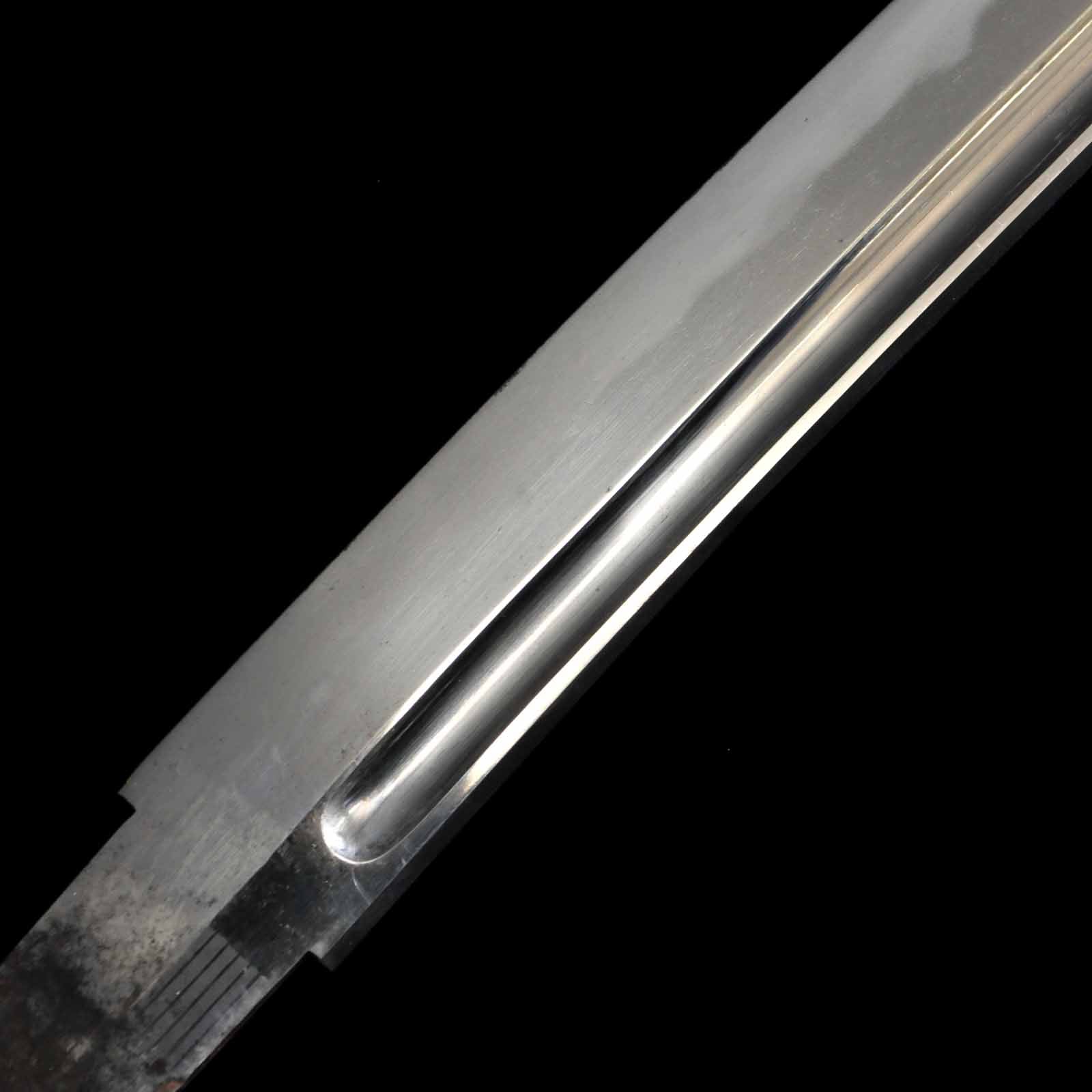
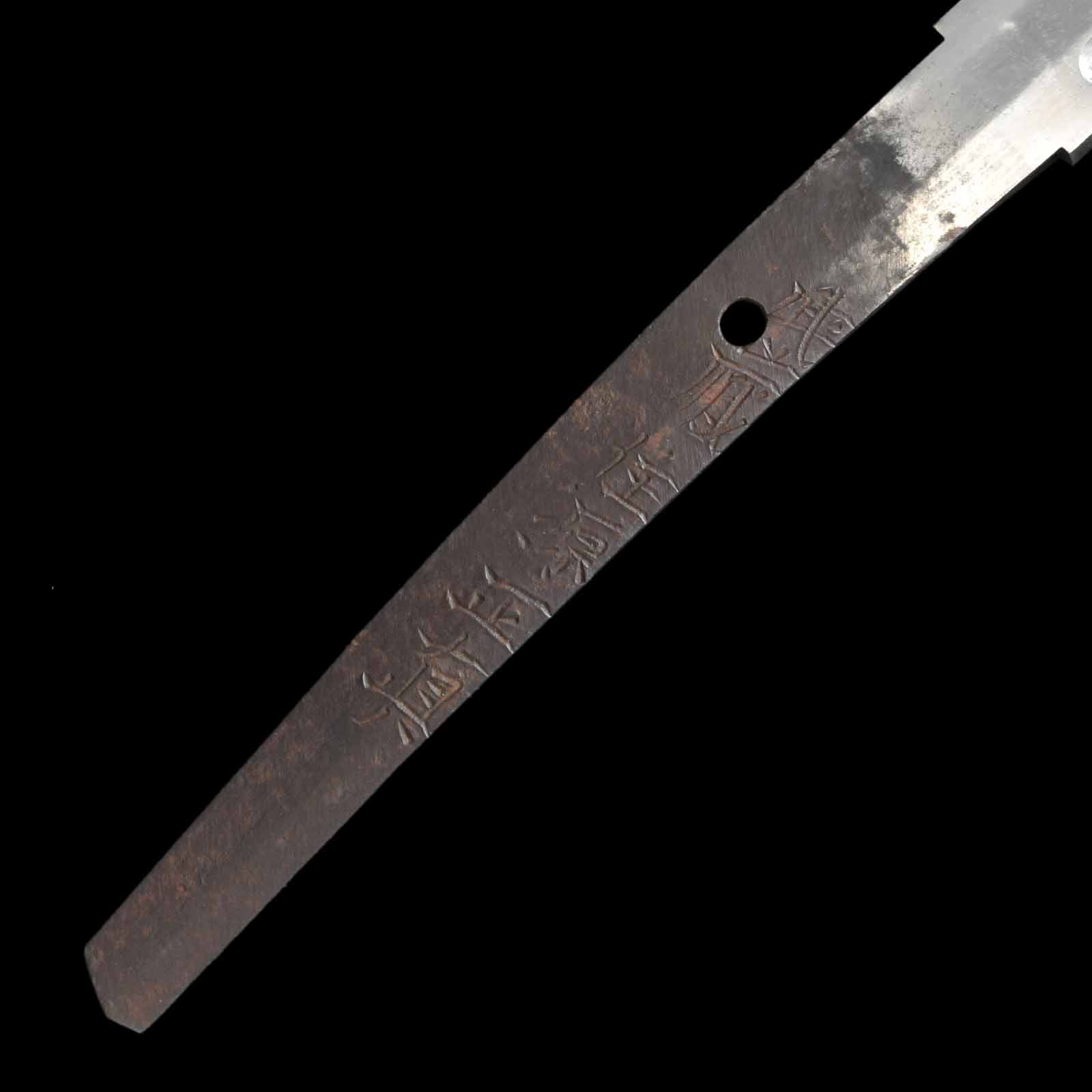
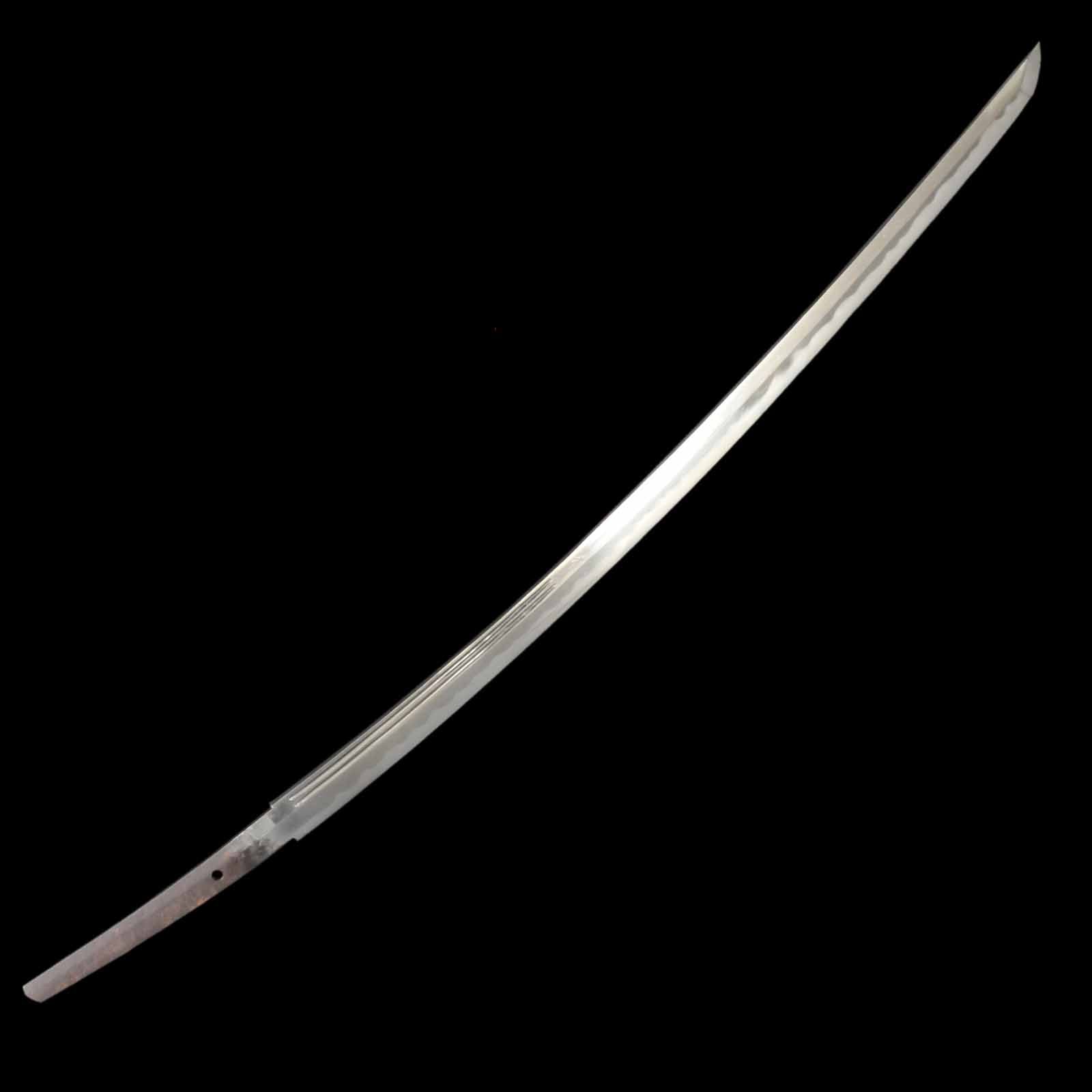
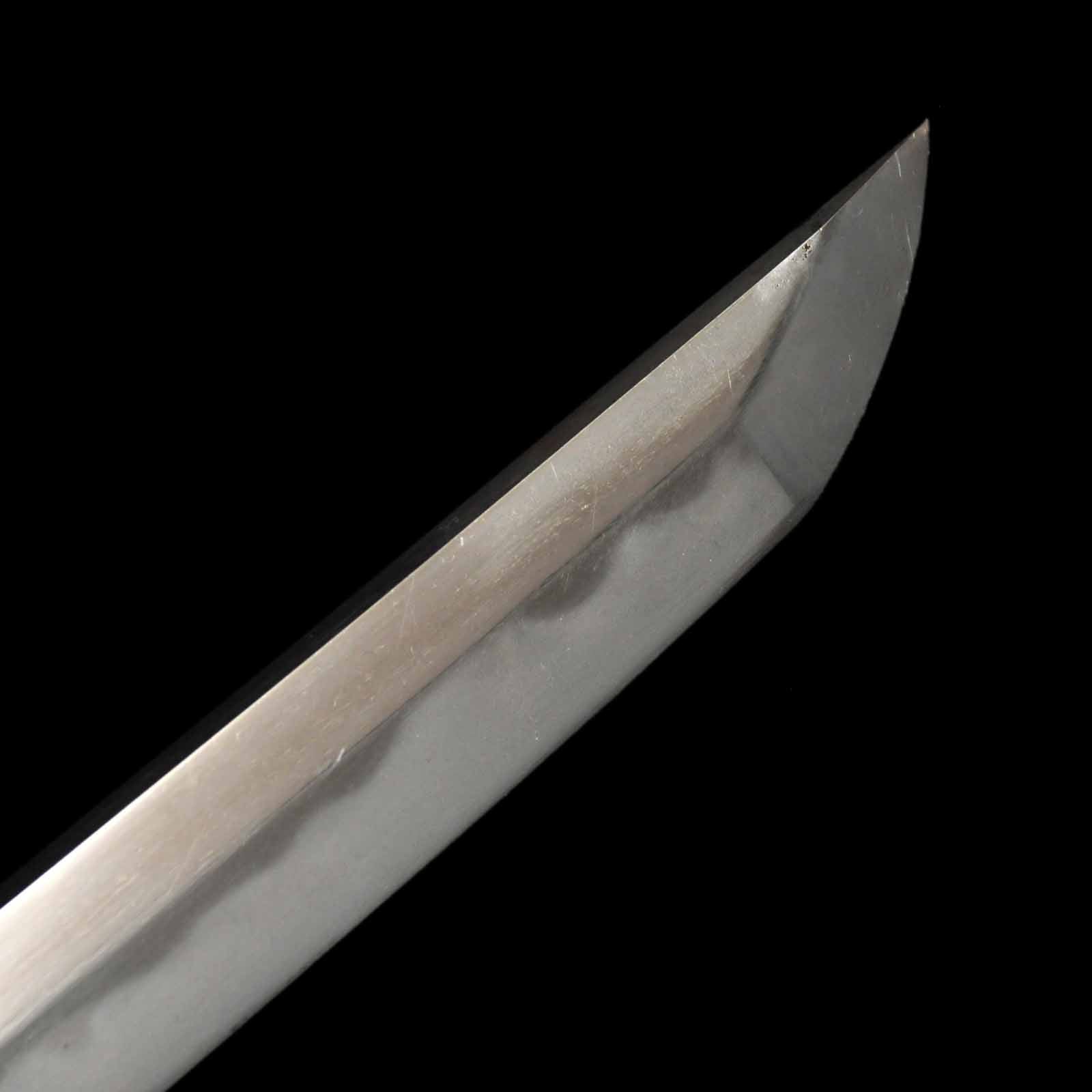
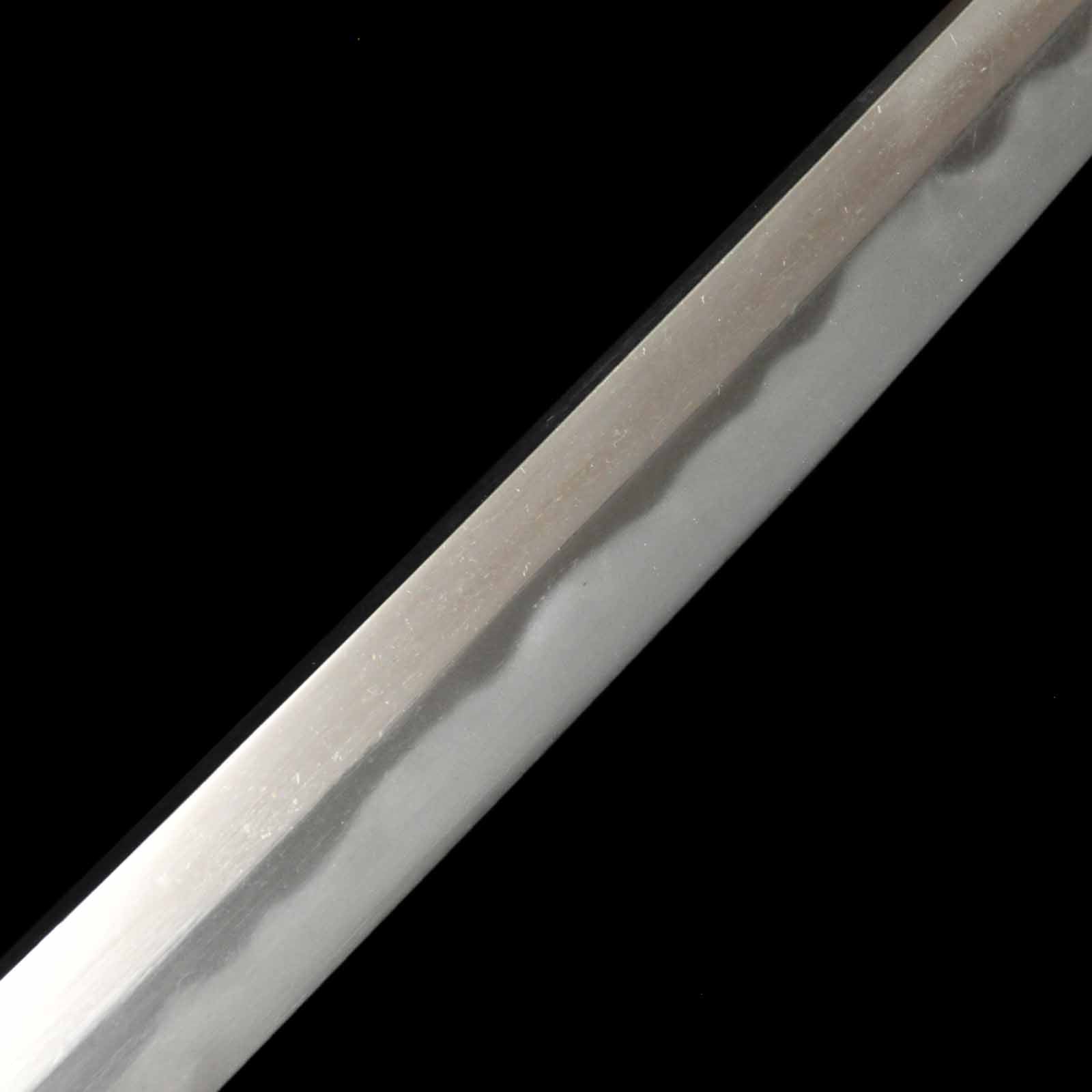
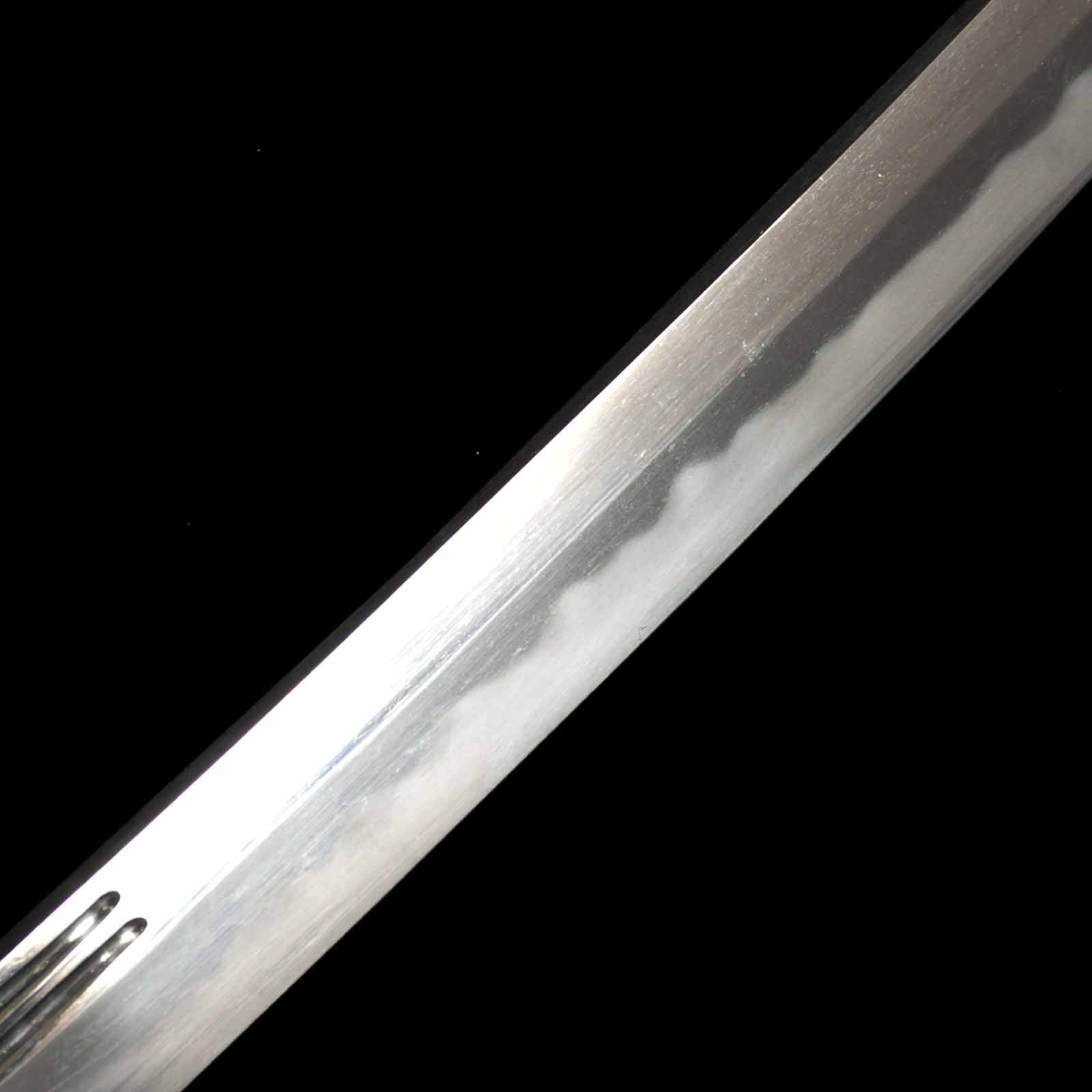
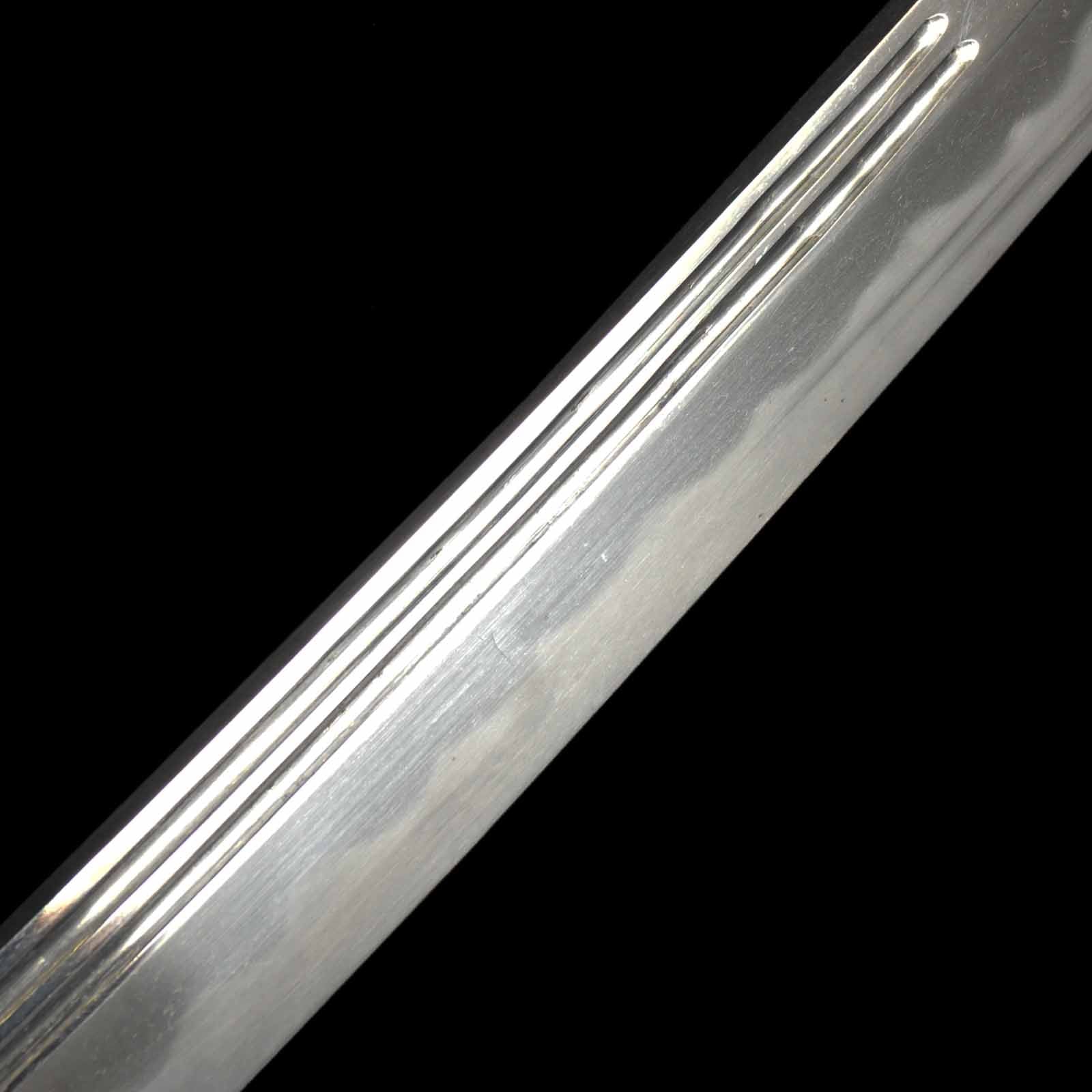
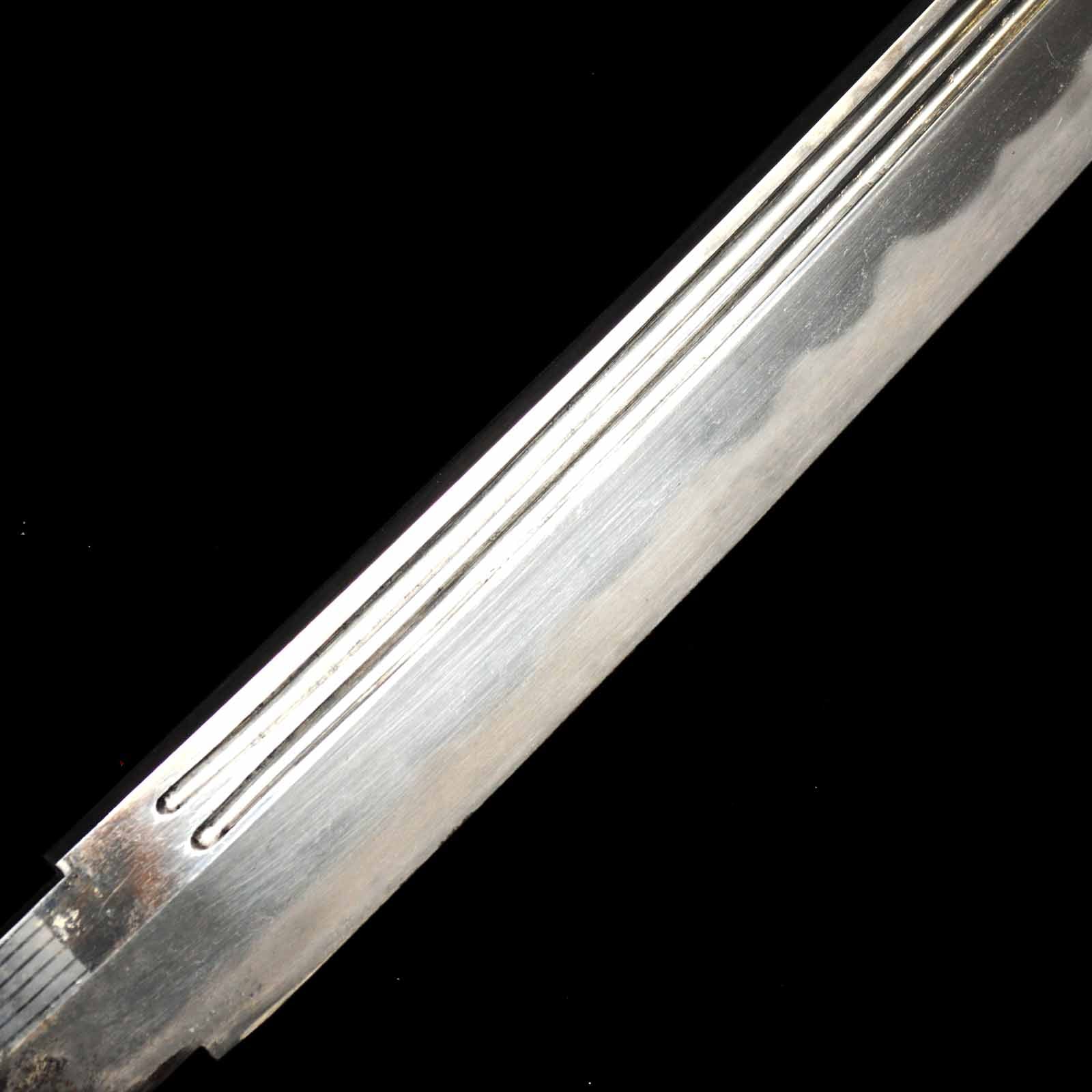
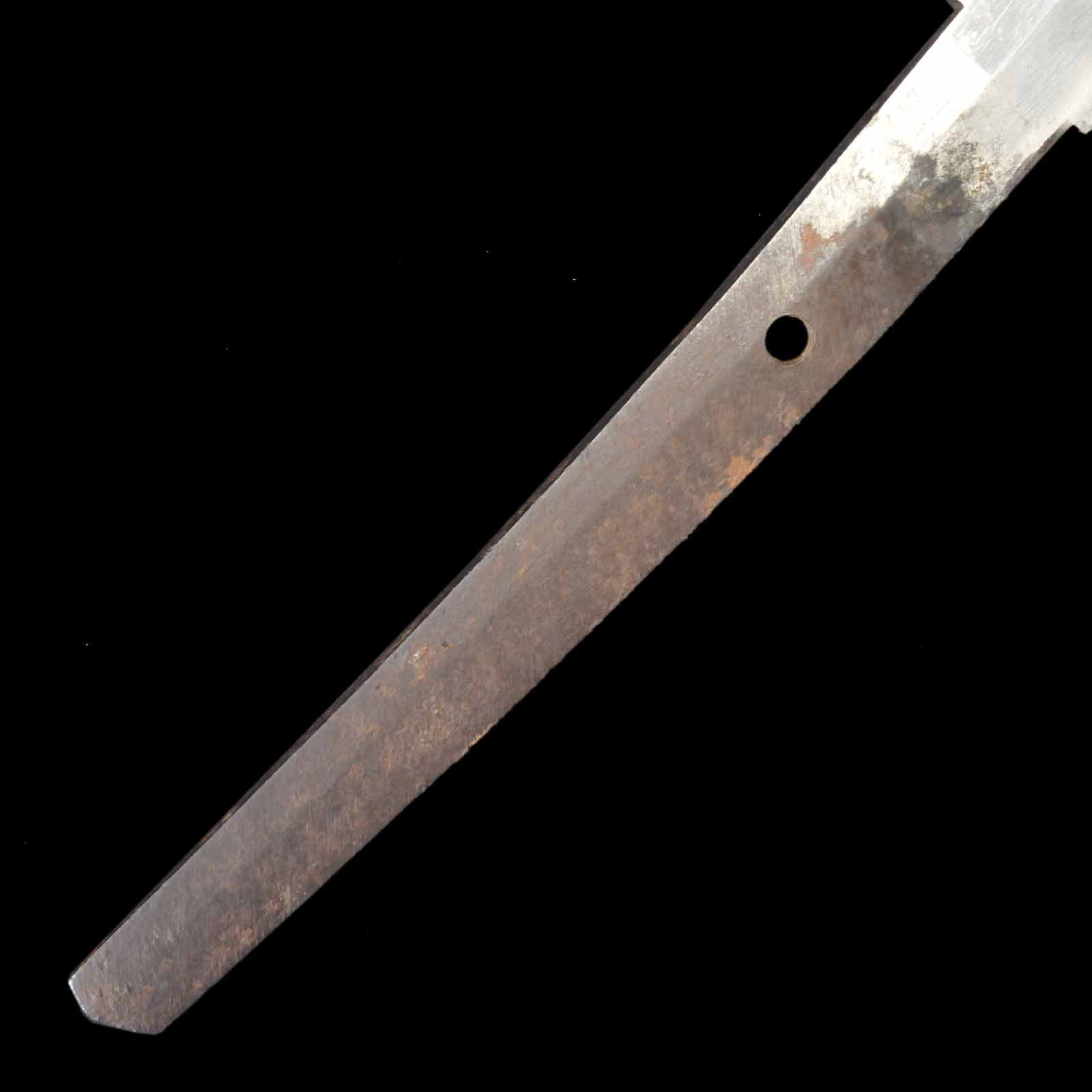
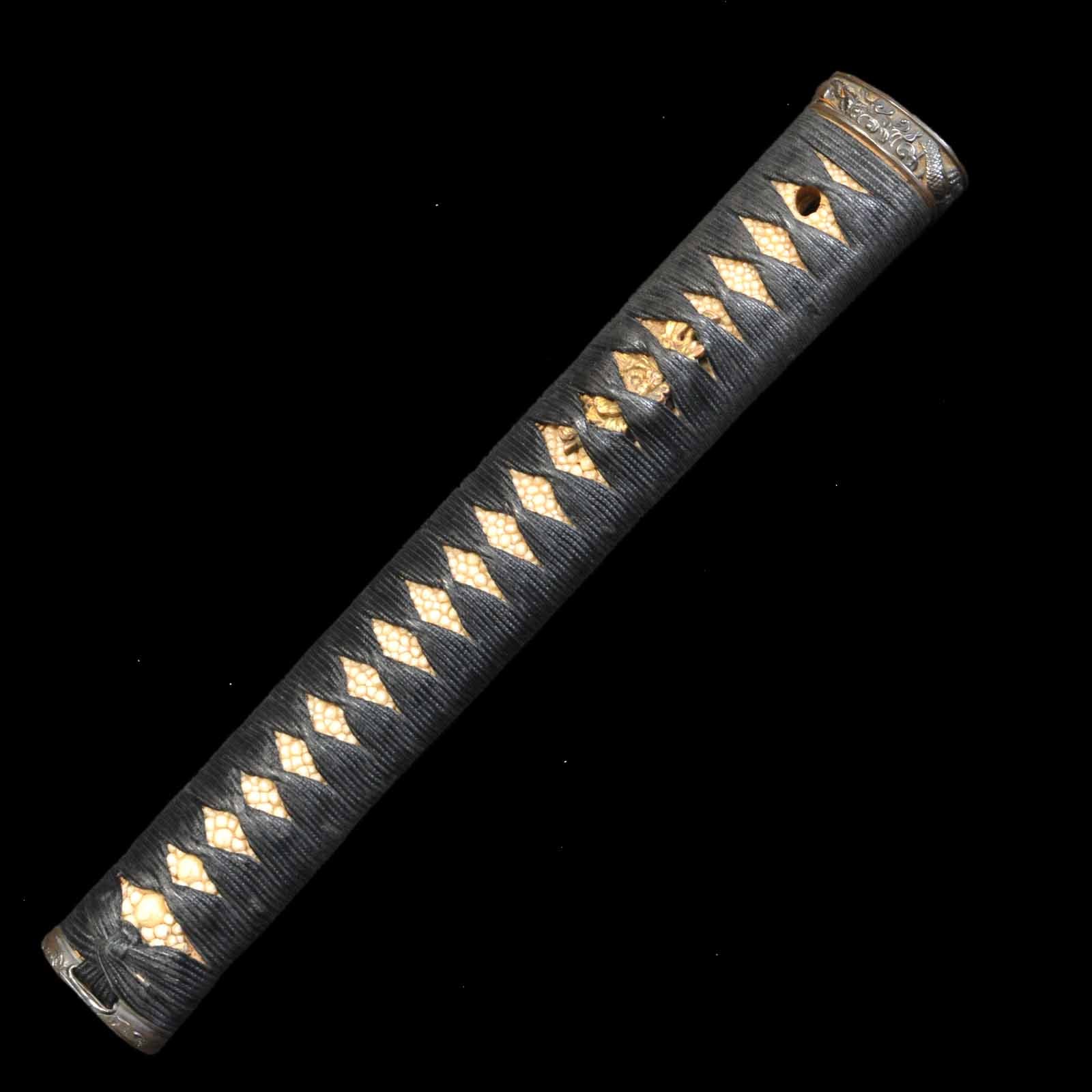
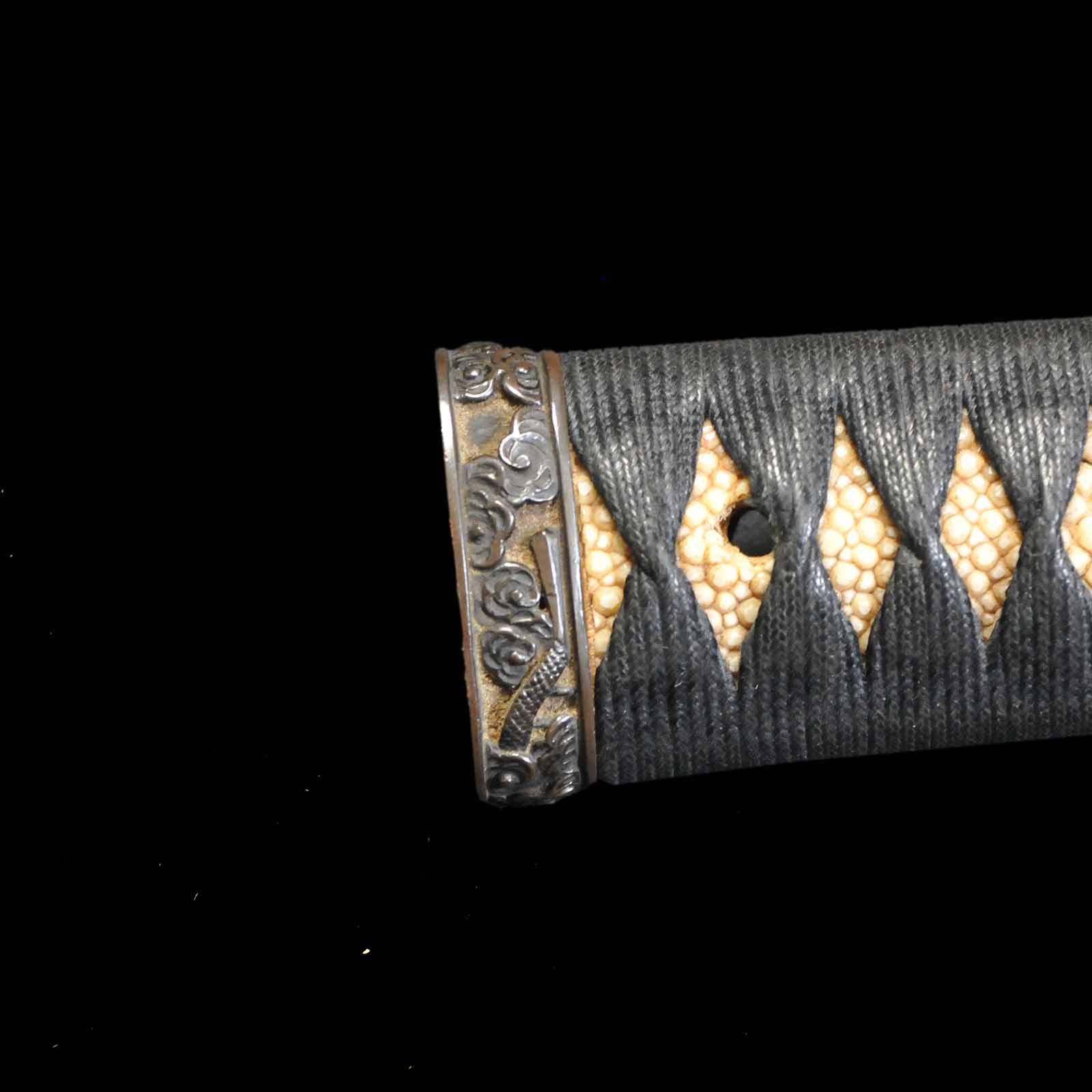
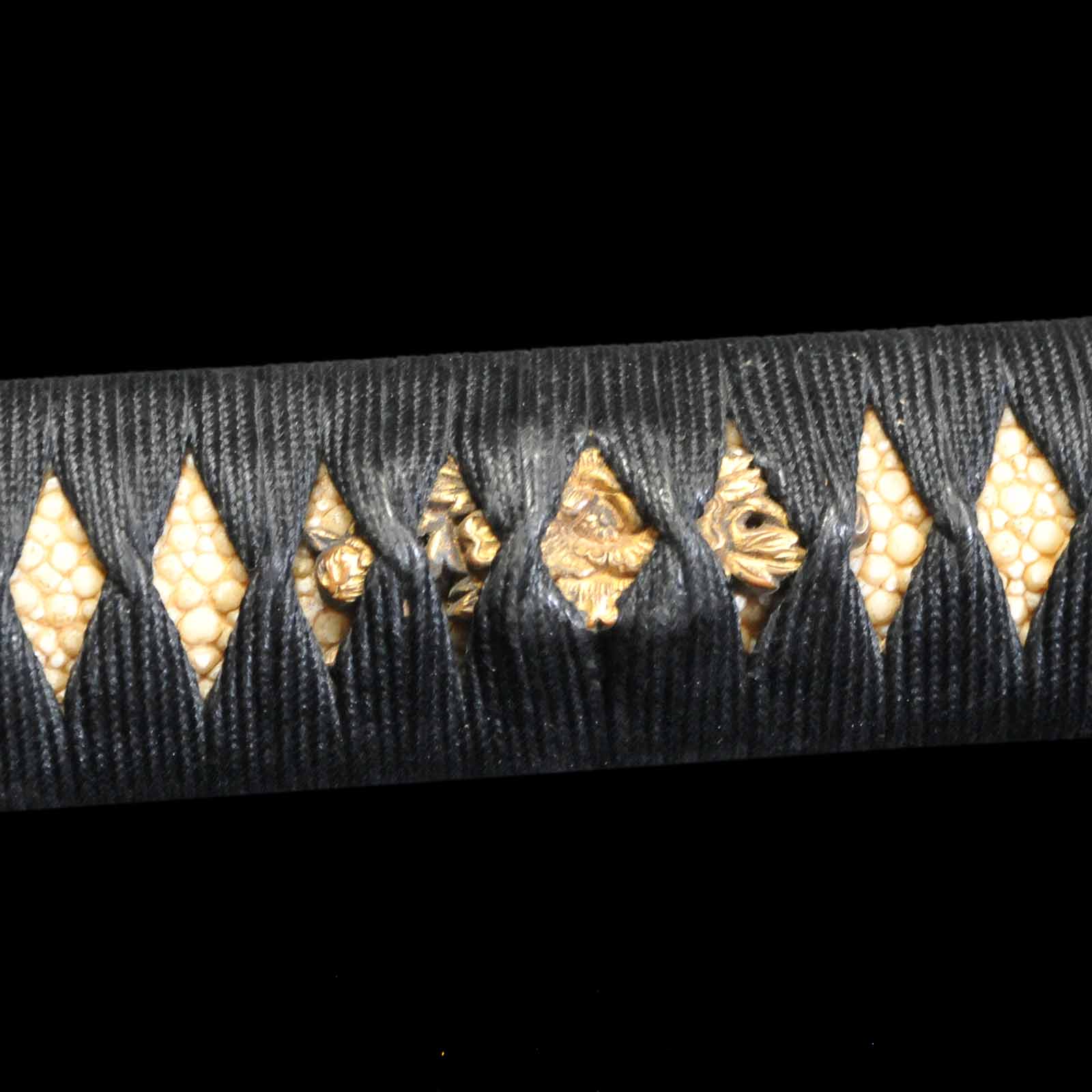
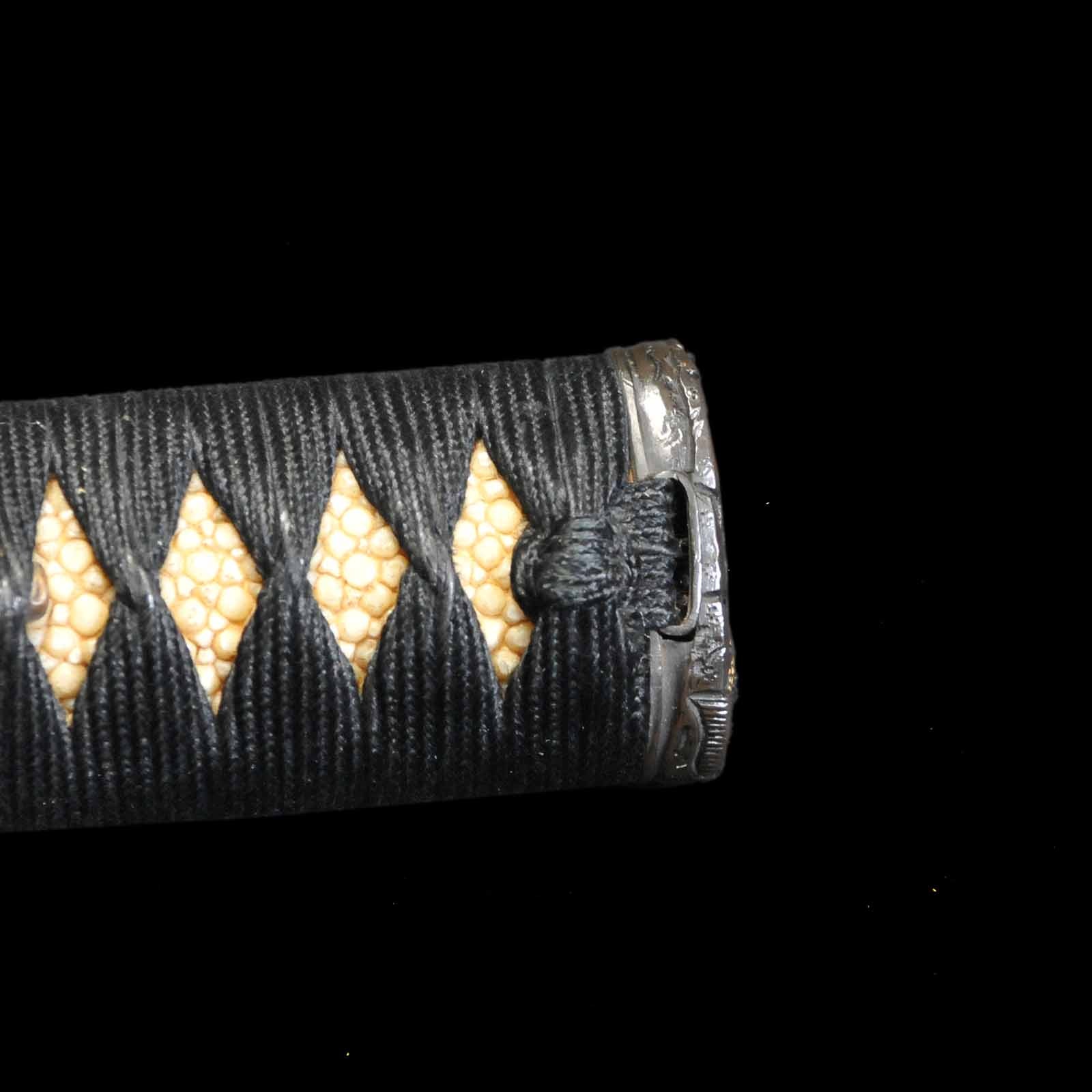
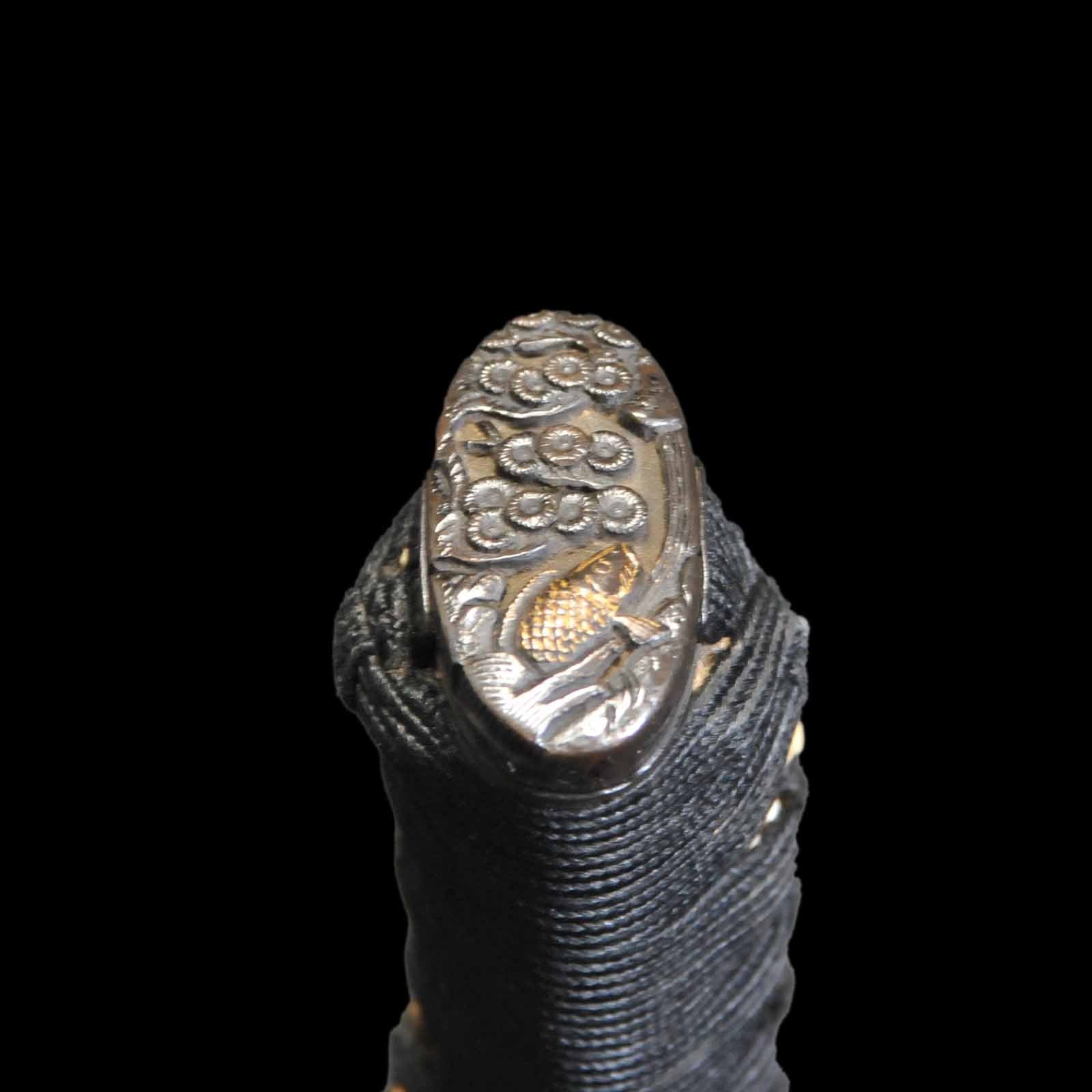
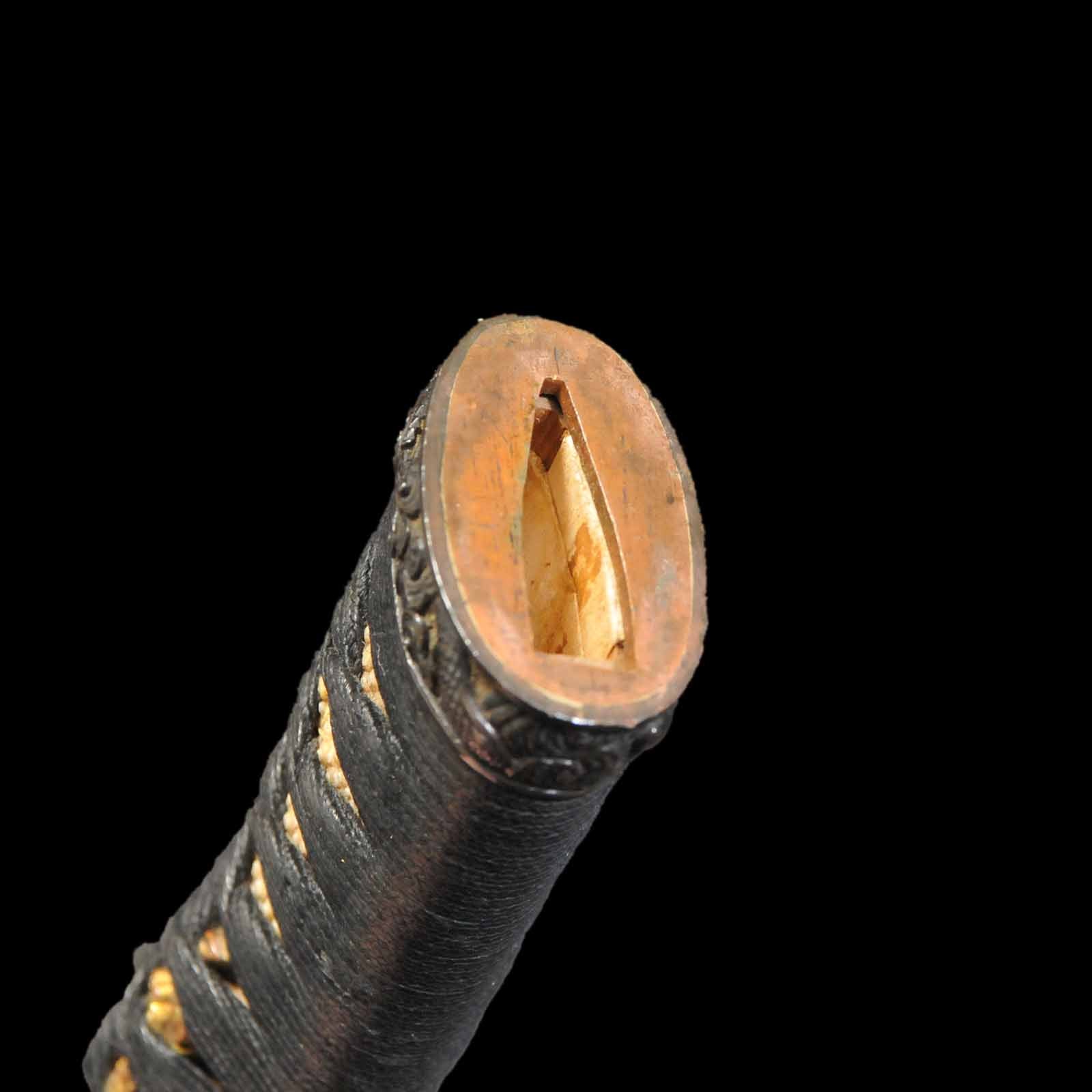
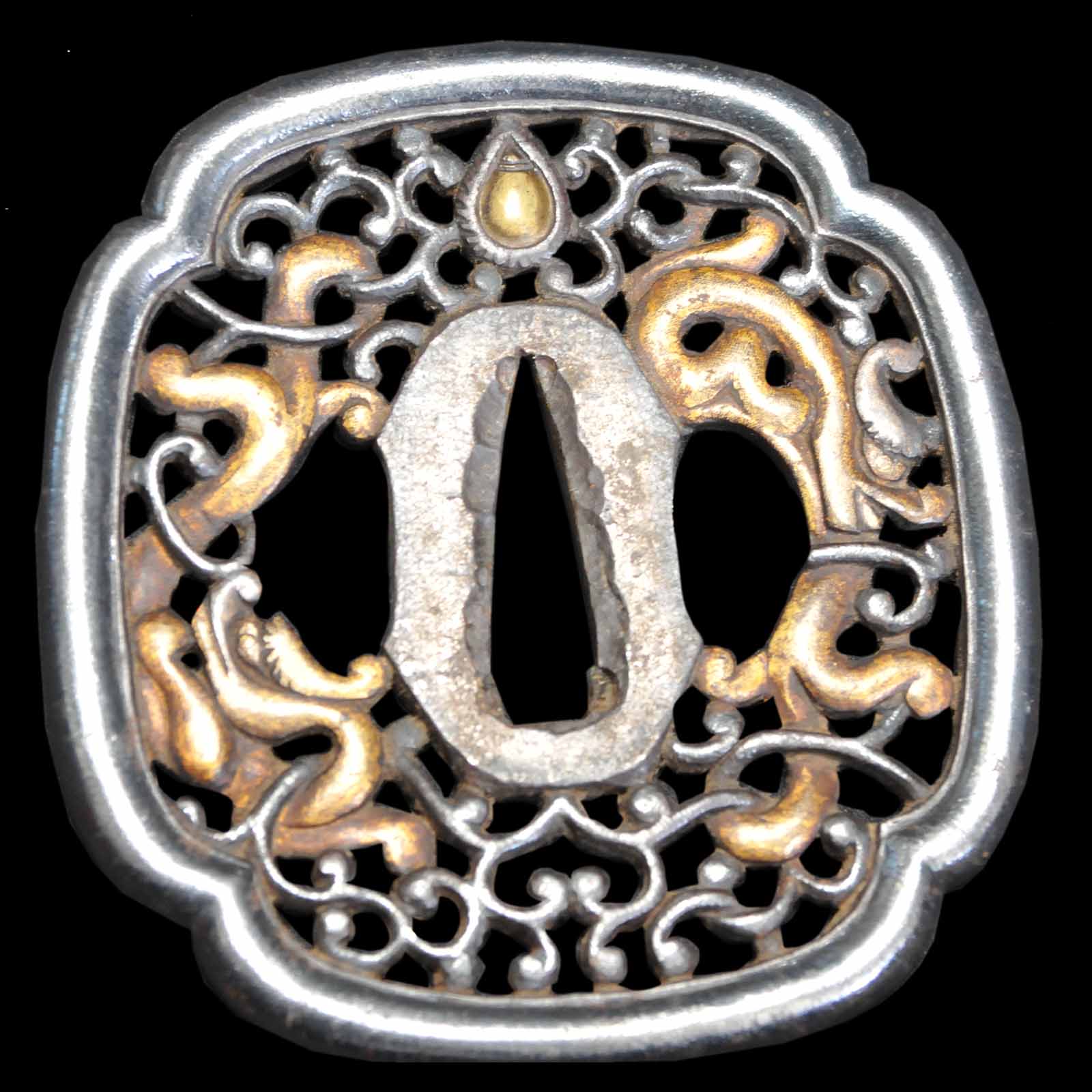
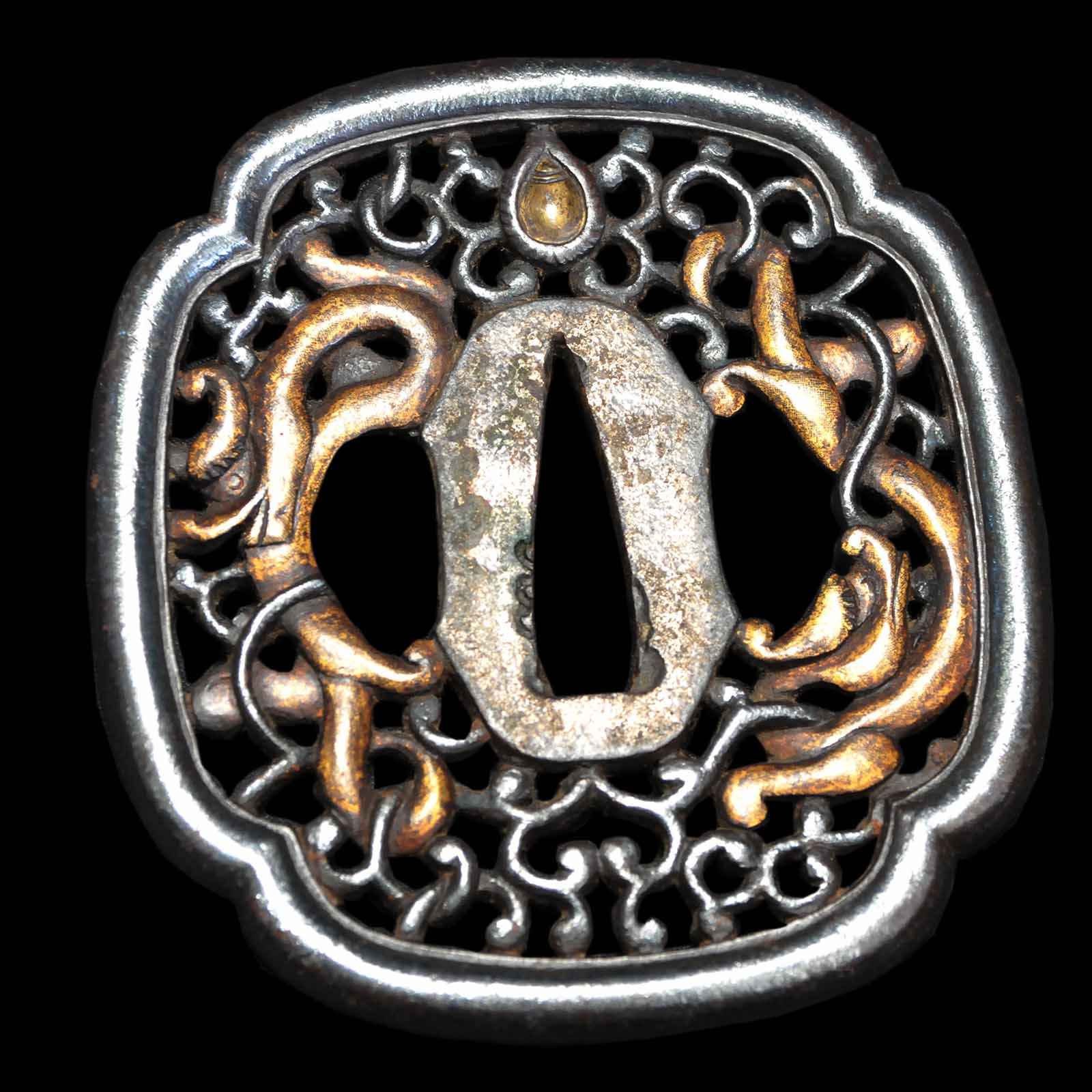
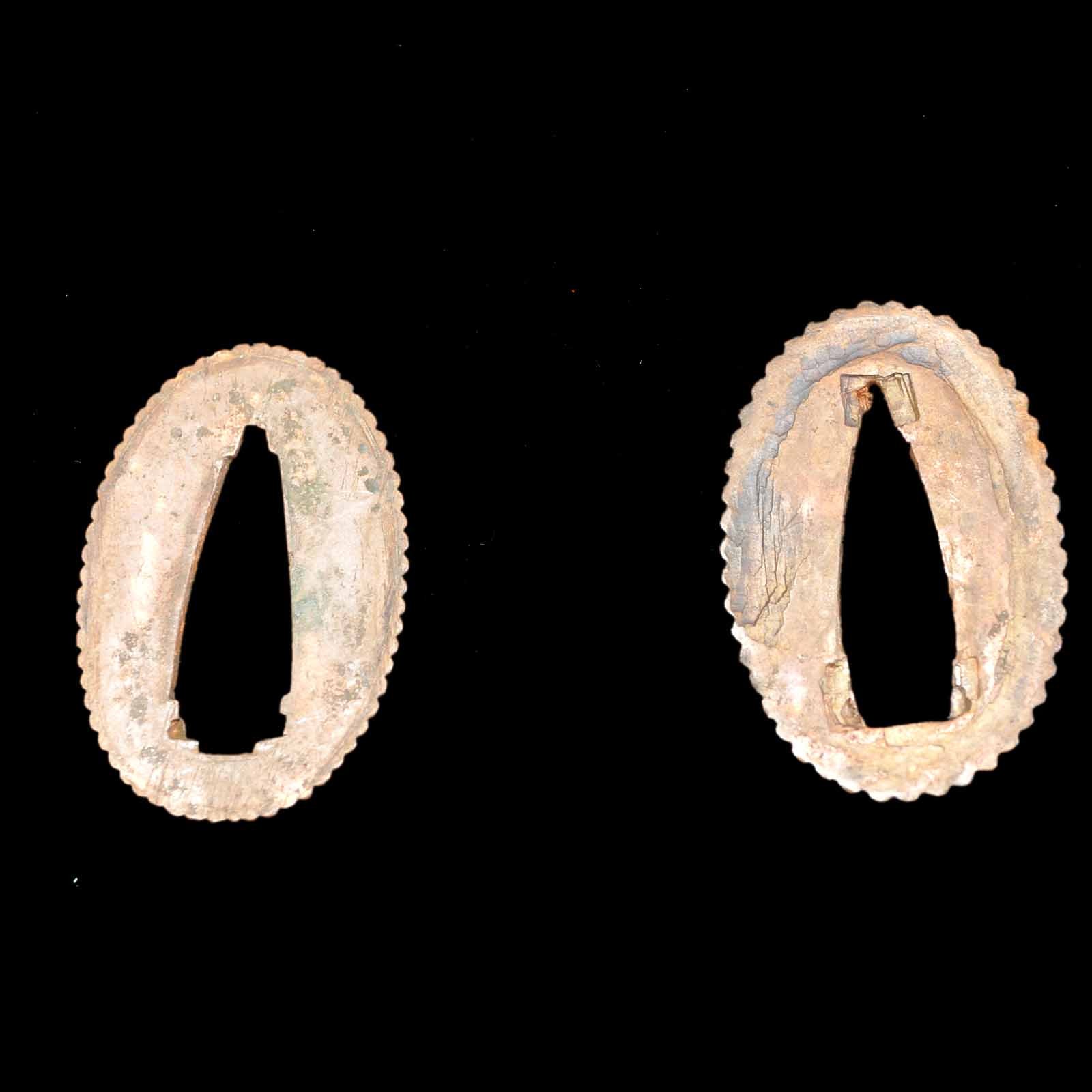
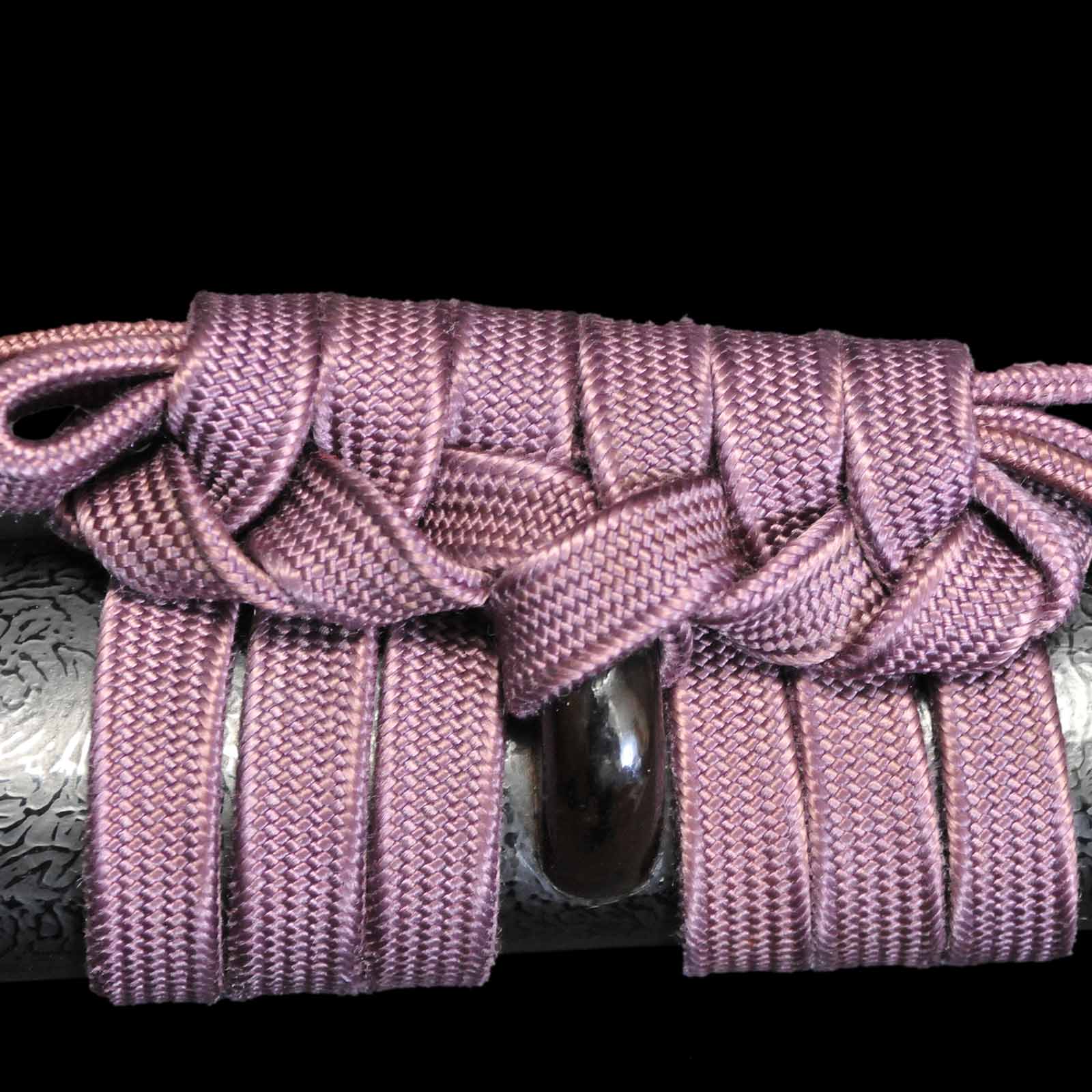
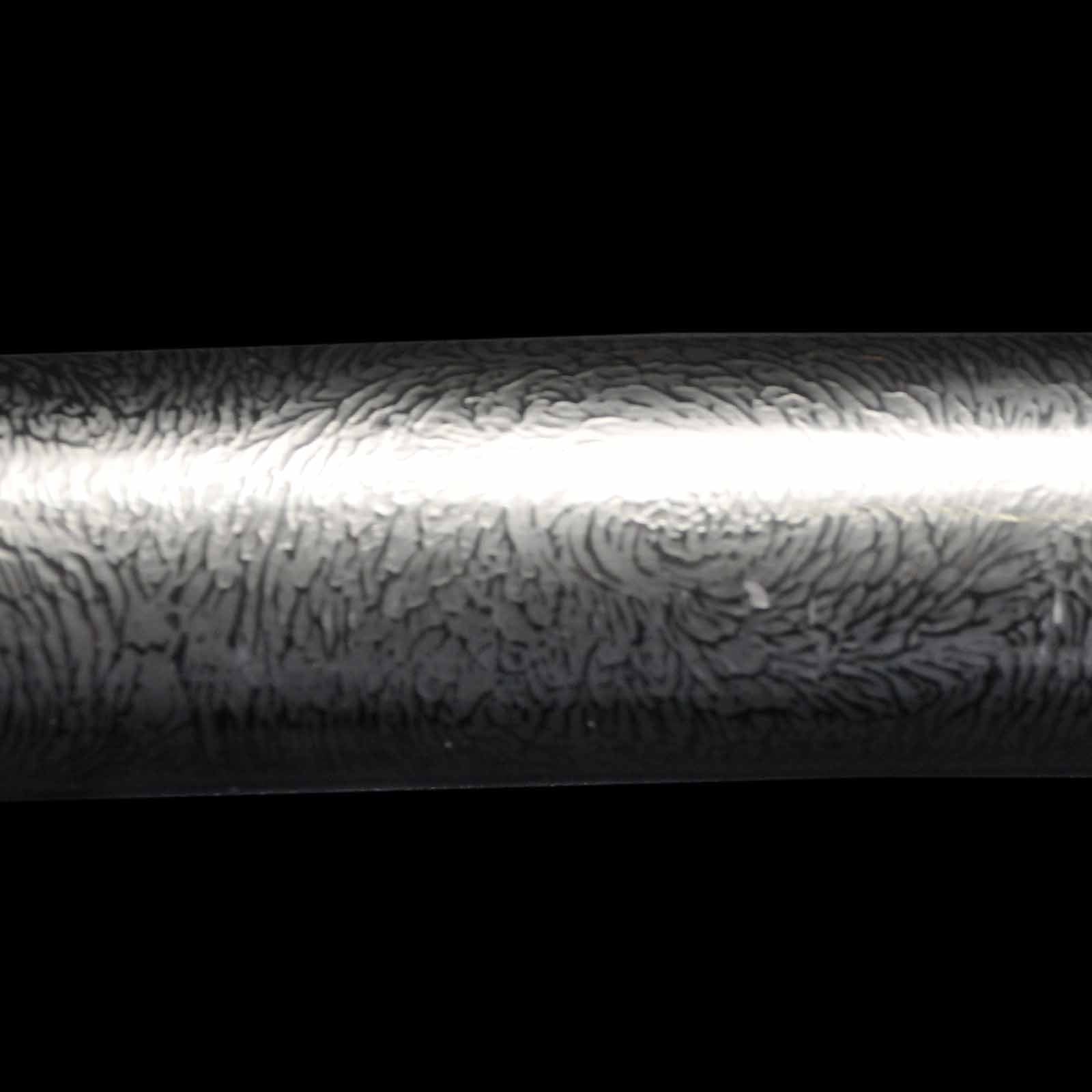
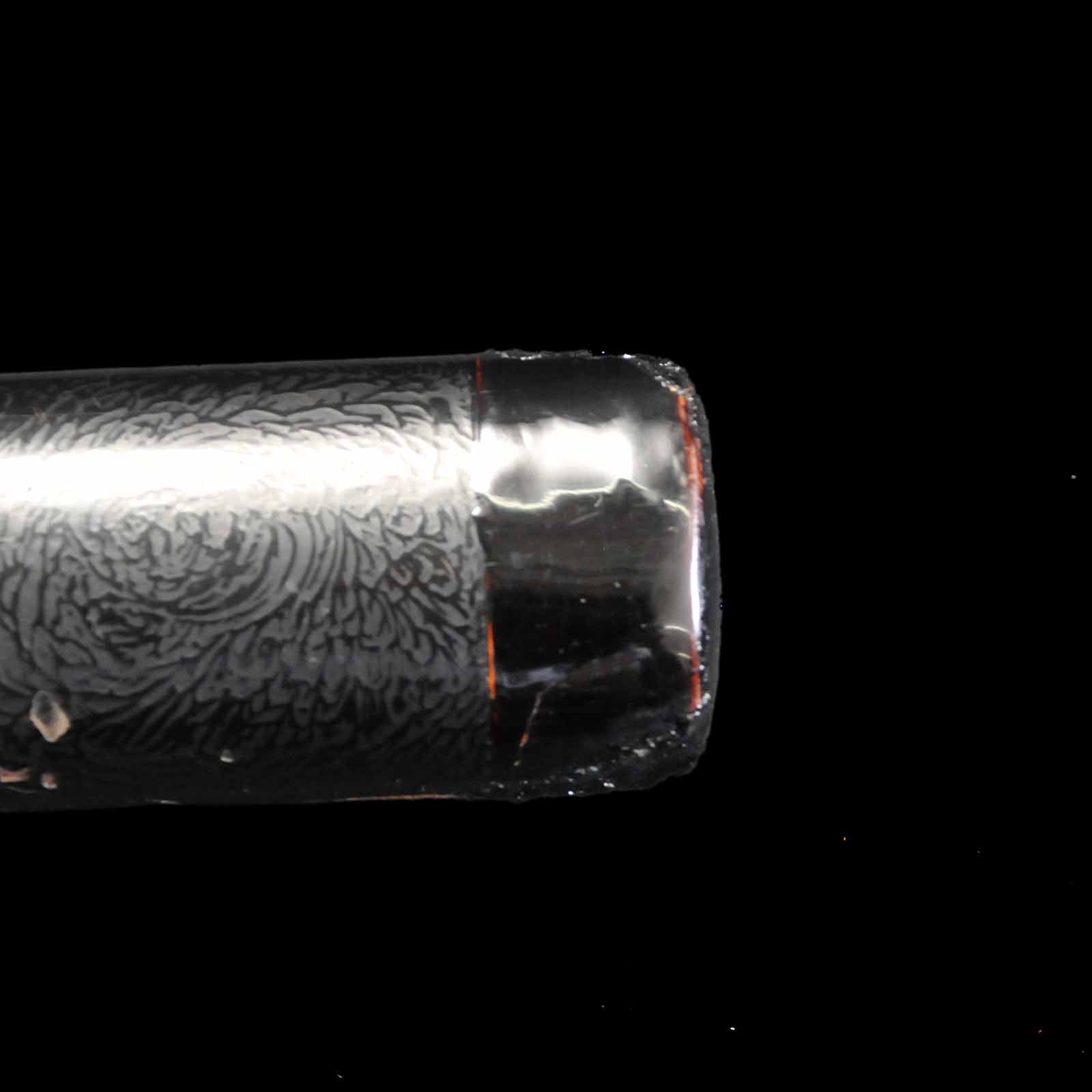
Wakimono · Yamato · around 1532-1555
1 piece on the market now
Wakimono · Yamato
8 pieces on the market now
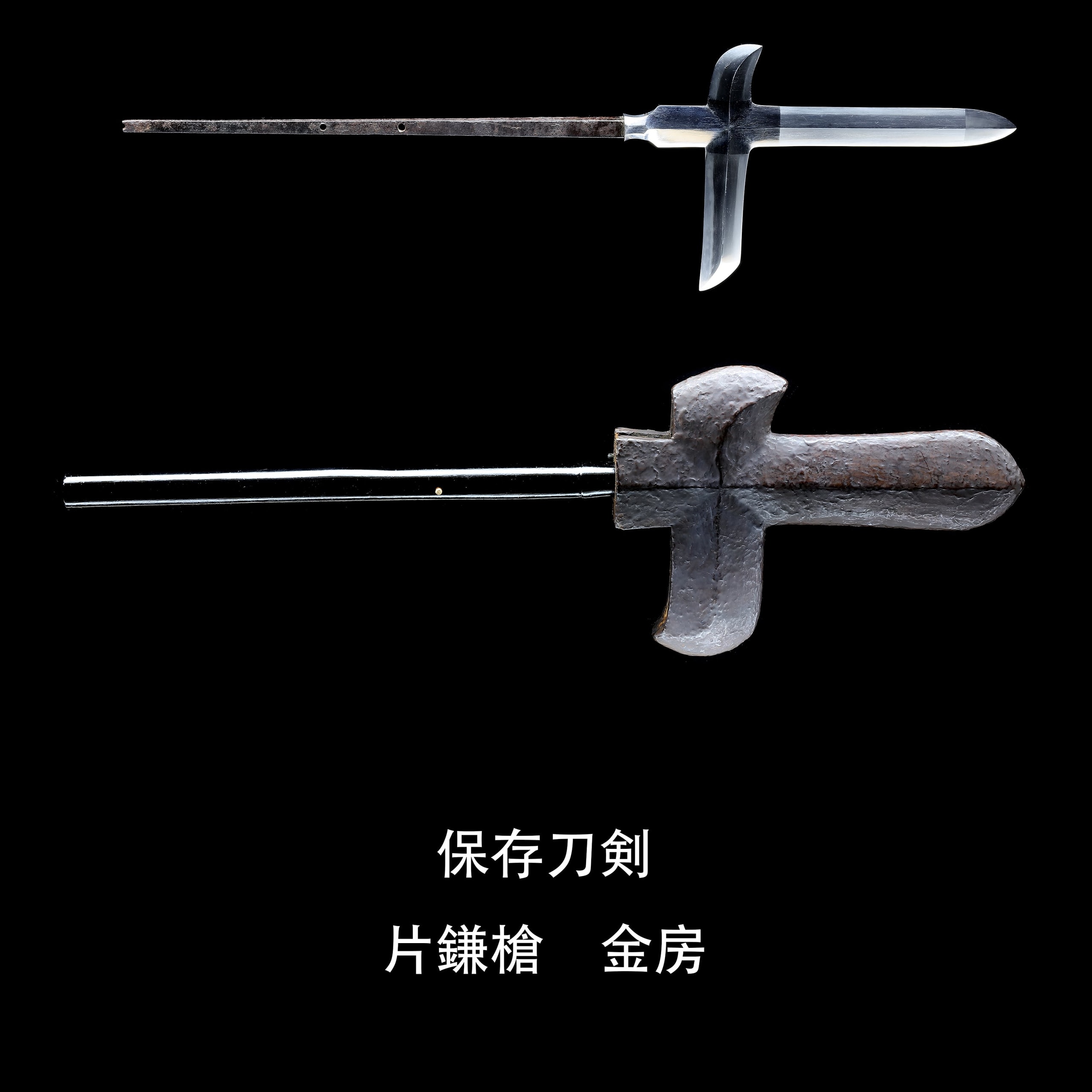
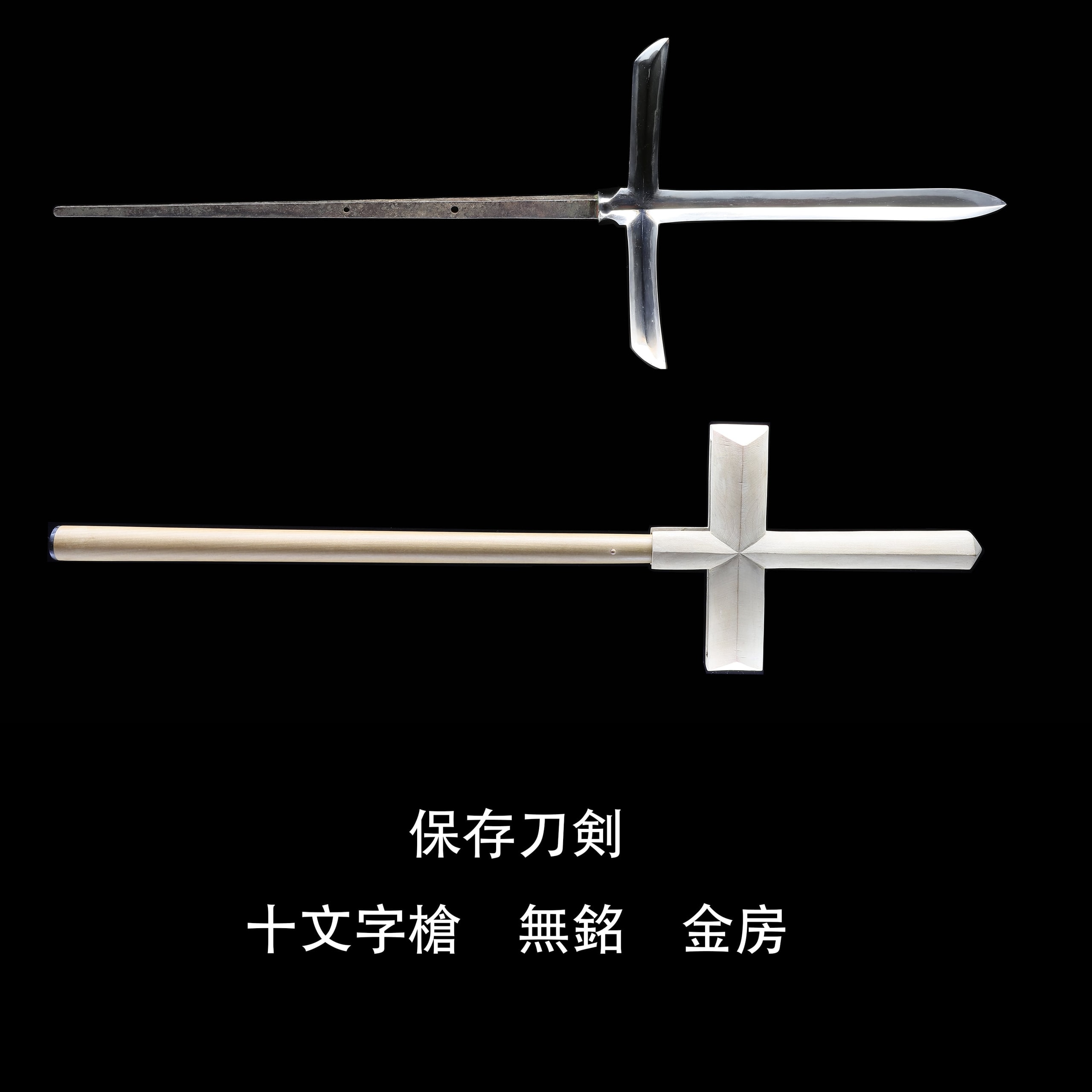
The Kanabō (金房) smiths worked in Nanto, the old name for Nara in Yamato province, from the end of the Muromachi period into the early Shintō era. Their relationship to any of the five established Yamato schools is not clearly fixed in the record, and the NBTHK setsumei treat the group as one that rose and flourished in Nara during the late Muromachi decades, with dated examples encountered from the Eishō era onward. The blades here name several hands. Masatsugu (政次), who signed as Kanabō Hyōe no Jō Masatsugu and as Kanefusa Hyōe no Jō Masatsugu, is described as the representative and best-known smith of the line. Masasada (政定), signing Kanefusa Saemon-no-jō Masasada, left an uchigatana dated Eiroku 2 (1559). " Rather than the classical Yamato-den manner of the earlier five schools, the Kanabō hand reads as a Muromachi uchigatana idiom that shares points with the Sue-Bizen and Sue-Seki spheres. The kitae is itame that flows into nagare and tends toward masame, with the grain often standing and growing large, and a whitish utsuri appearing in places. The hamon divides between two registers the setsumei repeatedly cite: a large gunome-based midare, the "hips" of the gunome opening out and mixed at times with togari-ba, chōji, or ko-notare; and a suguha carried on a tight nioiguchi.
Across both, ashi and yō enter well and stand out, ko-nie and ji-nie adhere, and sunagashi with kinsuji run through; the nioiguchi frequently takes a shizumi, subdued cast. The bōshi runs midare-komi, often with hakikake and a pointed or ko-maru return. The build tends to broad mihaba with sakizori on the swords, while naginata are conspicuously common, a production read as answering the demands of the warrior monks (sōhei) of Kōfukuji and the great Nanto temples. For kantei, the line is held by the flowing masame-tending itame, the broad gunome-midare with prominent ashi and yō over a tight or subdued nioiguchi, and the marked presence of naginata and long polearm blades among extant work. The setsumei single out Masatsugu's polearms as typical of his hand, several preserved with their vermilion-lacquer nagamaki mounts (shunuri nagamaki koshirae) and one black-lacquer naginata mounting, the fittings inferred to have been made together with the blade. The records grant that true masterworks within the group are rare, yet they describe individual blades by Masatsugu and Masasada with fine jigane, skillfully cut horimono, and workmanship judged excellent and dignified. Within the wider Yamato sphere the Kanabō stand as a late, utilitarian offshoot whose polearms and serviceable swords carry the group's name into the NBTHK register. Learn more →
| Smith | Era | Designated |
|---|---|---|
| Masatsugu政次 | 1492-1570 | 4 |
| Masazane正眞 | 1532-1555 | 0 |
| Masasada政定 | 1521-1559 | 1 |
The Muromachi period (1392 to 1573)
After the Ōnin War broke the Ashikaga order, a century of Sengoku warfare armed nearly every province in Japan. The era rewards a discriminating eye: routine work exists in quantity, and beside it stand custom blades of the first rank.
We could not find an authenticity certificate on the seller’s listing. Japanese swords and fittings are normally papered by the NBTHK (or the NTHK). Without one, the attribution is the seller’s own assessment and has not been independently verified — treat it with caution and ask the dealer about certification before buying.
As a general rule, returns/exchanges are not accepted on Japanese sword orders unless damaged upon delivery. Other items: returns/exchanges accepted within 7 days of delivery. Cancellation for personal reasons incurs a 30% restocking fee (70% refunded). Return shipping must be prepaid and insured by the buyer; shipping/handling fees are non-refundable. Contact katana@tozando.co.jp to initiate a return.