 NihontoWatchNihontoWatch
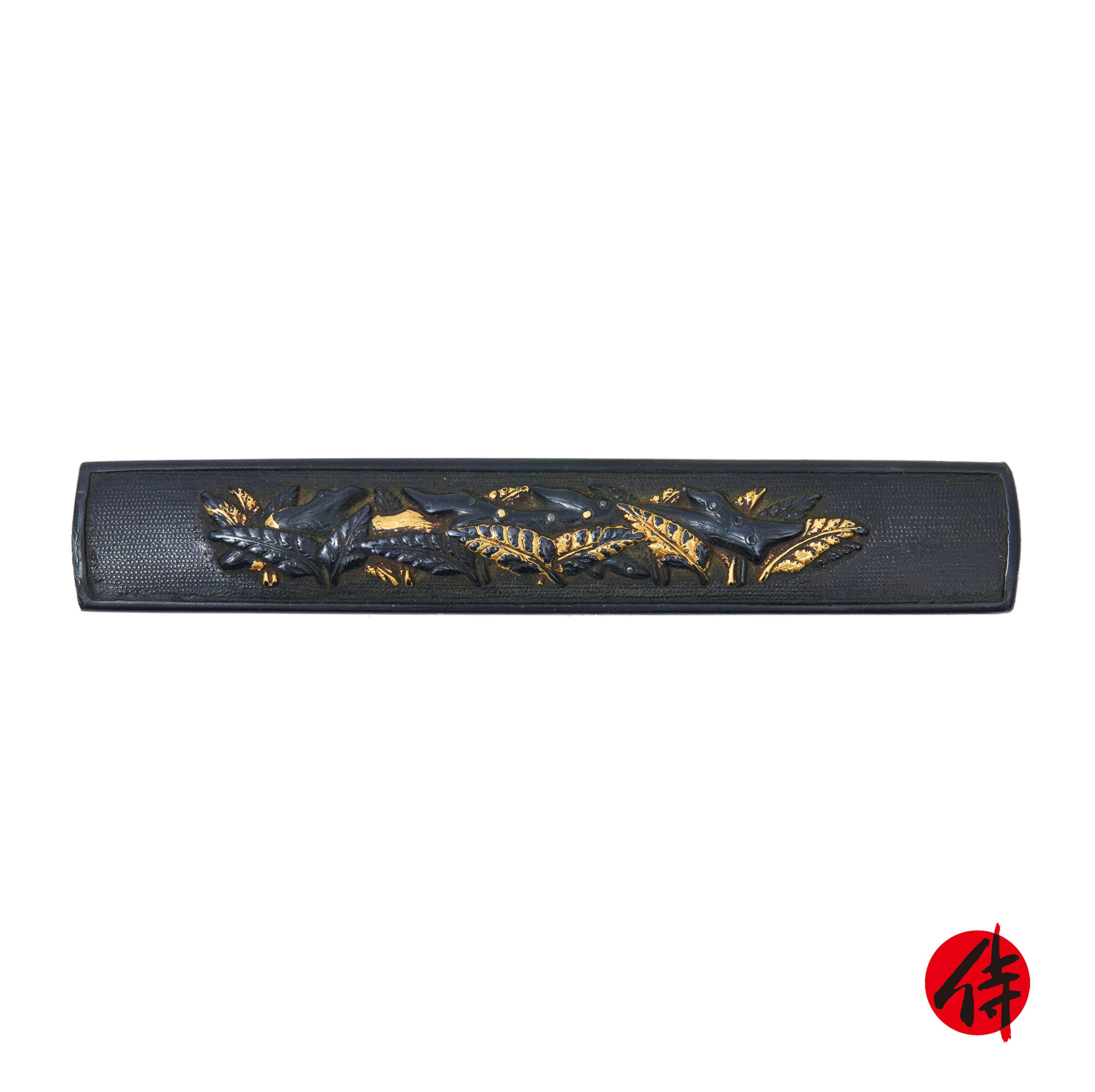
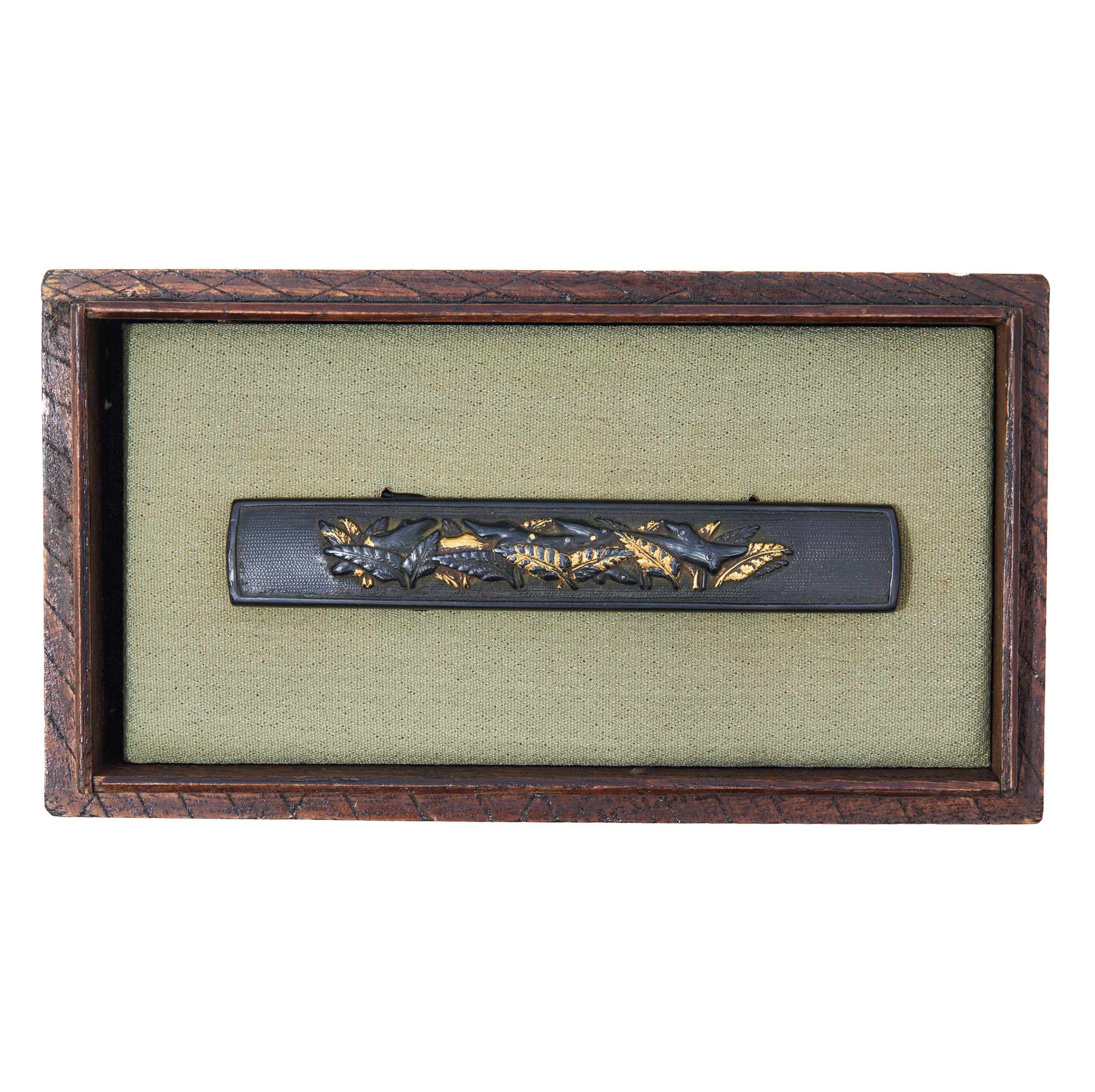
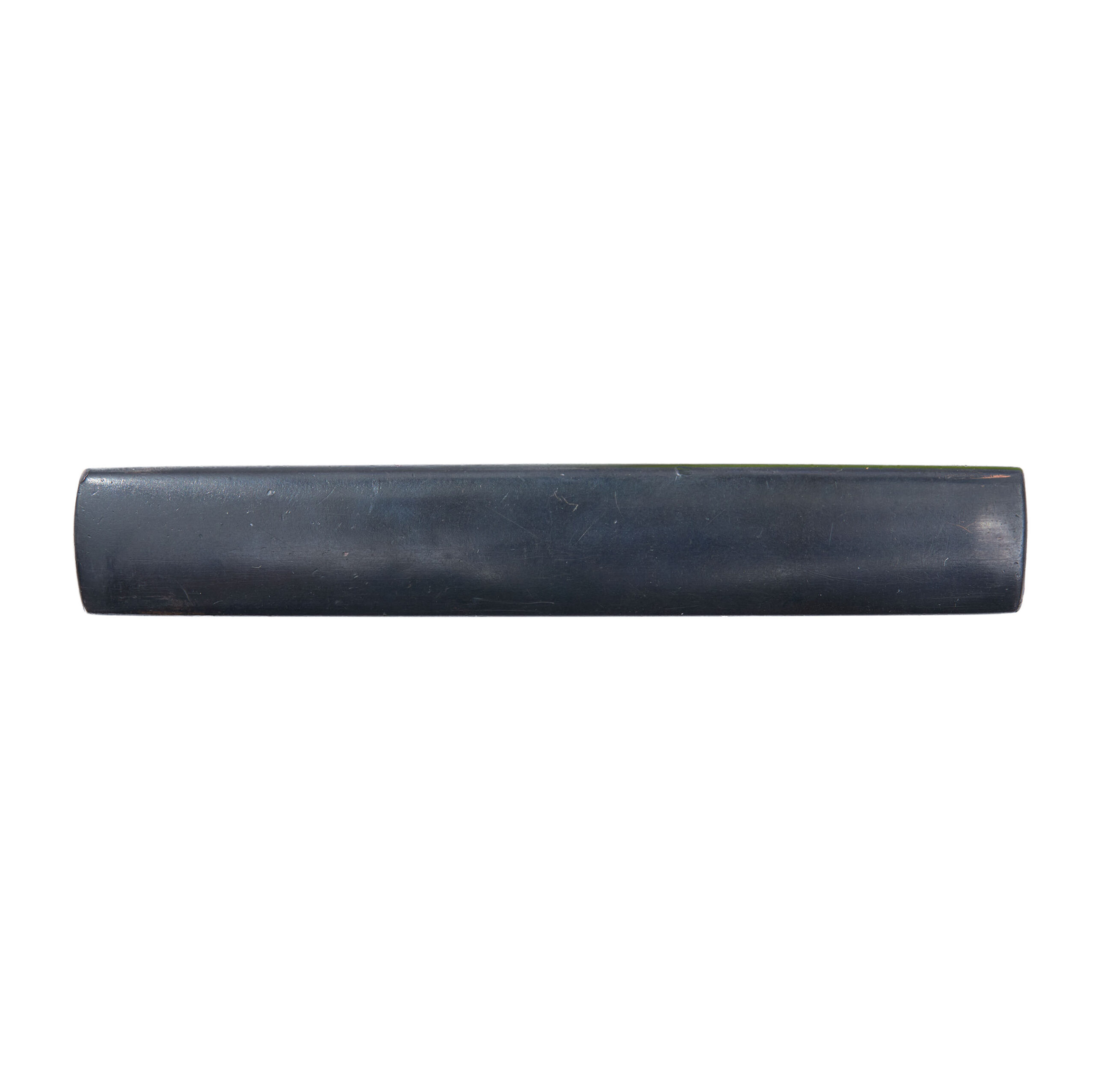
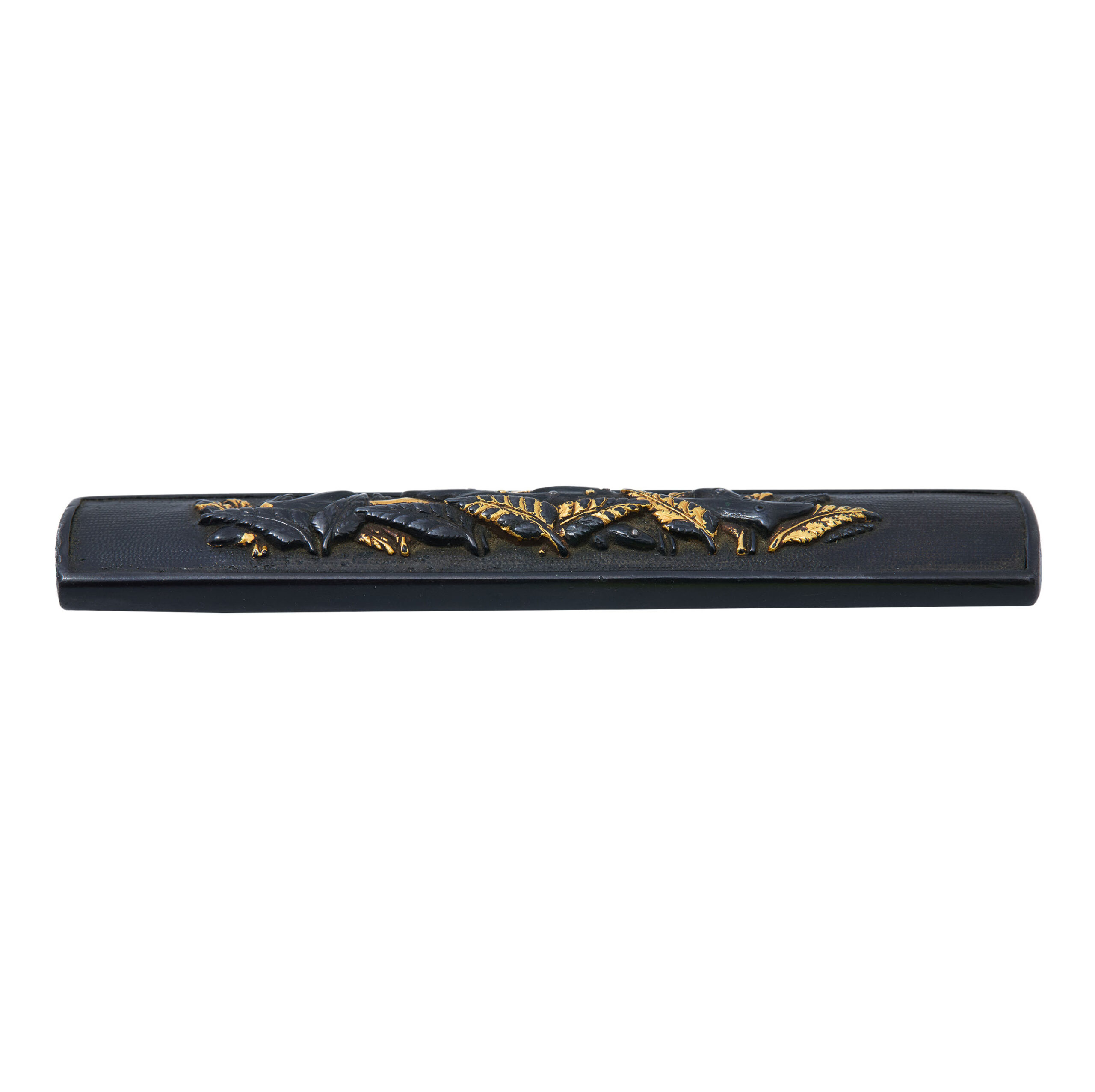
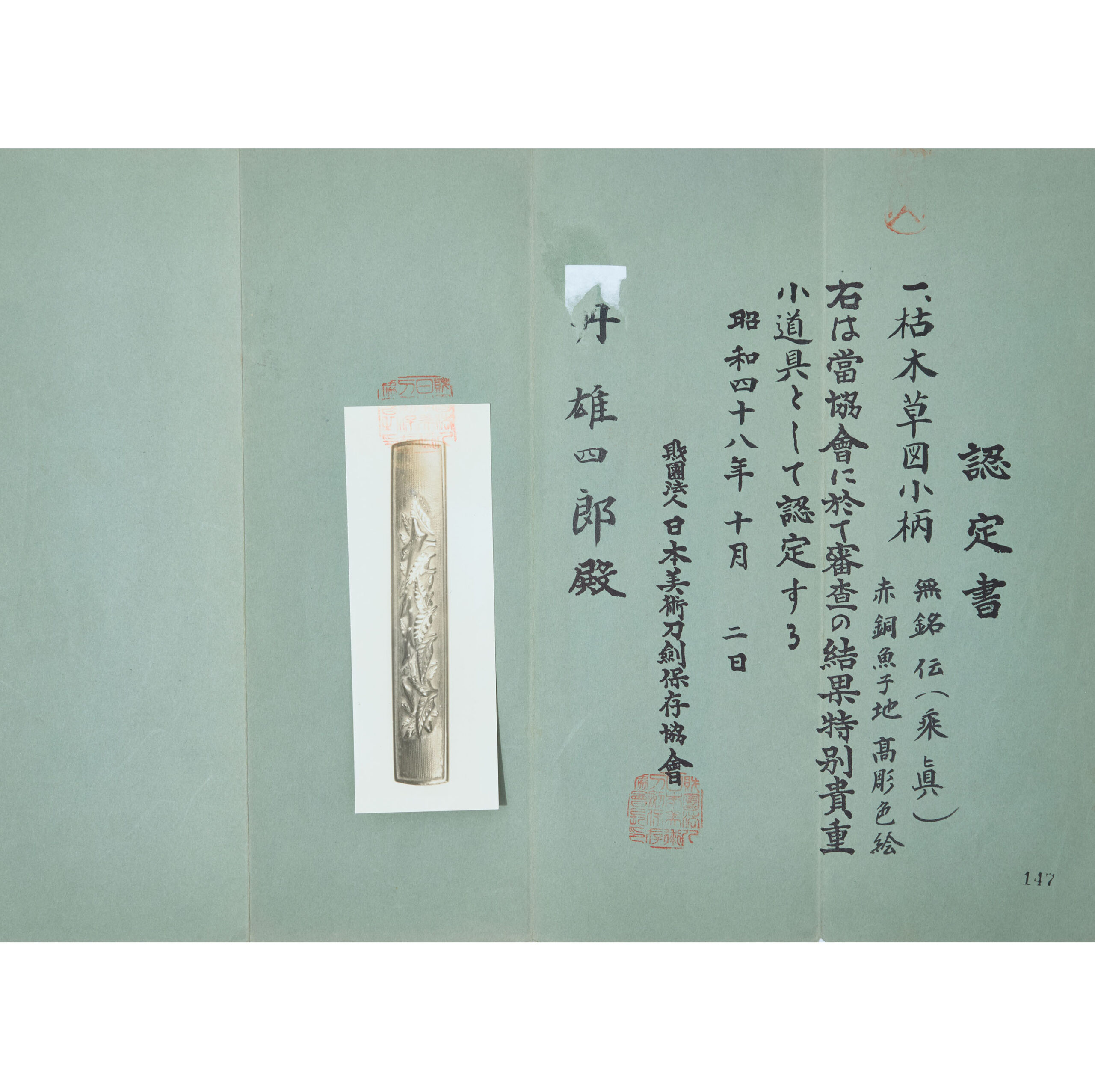
This kozuka, the handle of a small utility knife carried alongside a Japanese sword, is crafted from shakudō (赤銅), a copper-and-gold alloy prized for the rich blue-black surface developed through patination. The ground is finished in nanako-ji (魚子地), a delicate texture of tiny raised dots resembling fish roe. Each dot is formed individually with a specialized punch, requiring considerable precision to create an even pattern. The design depicts withered trees and grasses, known as kareki-kusa zu (枯木草図), rendered in takabori iroe (高彫色絵)—high-relief carving embellished with contrasting metals. The subject evokes the quiet atmosphere of late autumn and winter. It can also invite an appreciation of the understated beauty of nature as it ages and changes, an idea familiar in Japanese art. According to the accompanying NBTHK appraisal, this kozuka is attributed to Jōshin (乗眞), also known as Yoshihisa (吉久), the third-generation head of the distinguished Gotō family of sword-fitting makers. Active during the late Muromachi period, Jōshin followed the founding master Yūjō and the second-generation master Sōjō. These first three masters are collectively honored as the Kami Sandai (上三代), or the “First Three Masters,” and their works hold a particularly esteemed place in the tradition of Japanese sword fittings. Jōshin is known for bold compositions and deeply sculpted relief, with substantial forms that give his small-scale works a powerful presence. His style represents an expressive and vigorous aspect of the refined craftsmanship for which the Gotō family became renowned. Authentication Paper They authenticated the Kozuka on October 2nd in the 48th year of Showa (1973). They appraised it as Tokubetsu Kichou Kodougu, the Kozuka worth preserving for Japanese society.
NihontoWatchOffered by Samurai Museum

Its only papers are older green Kichō papers, which the NBTHK largely disavows today. Ask the dealer whether it has passed current shinsa. — Hoshi

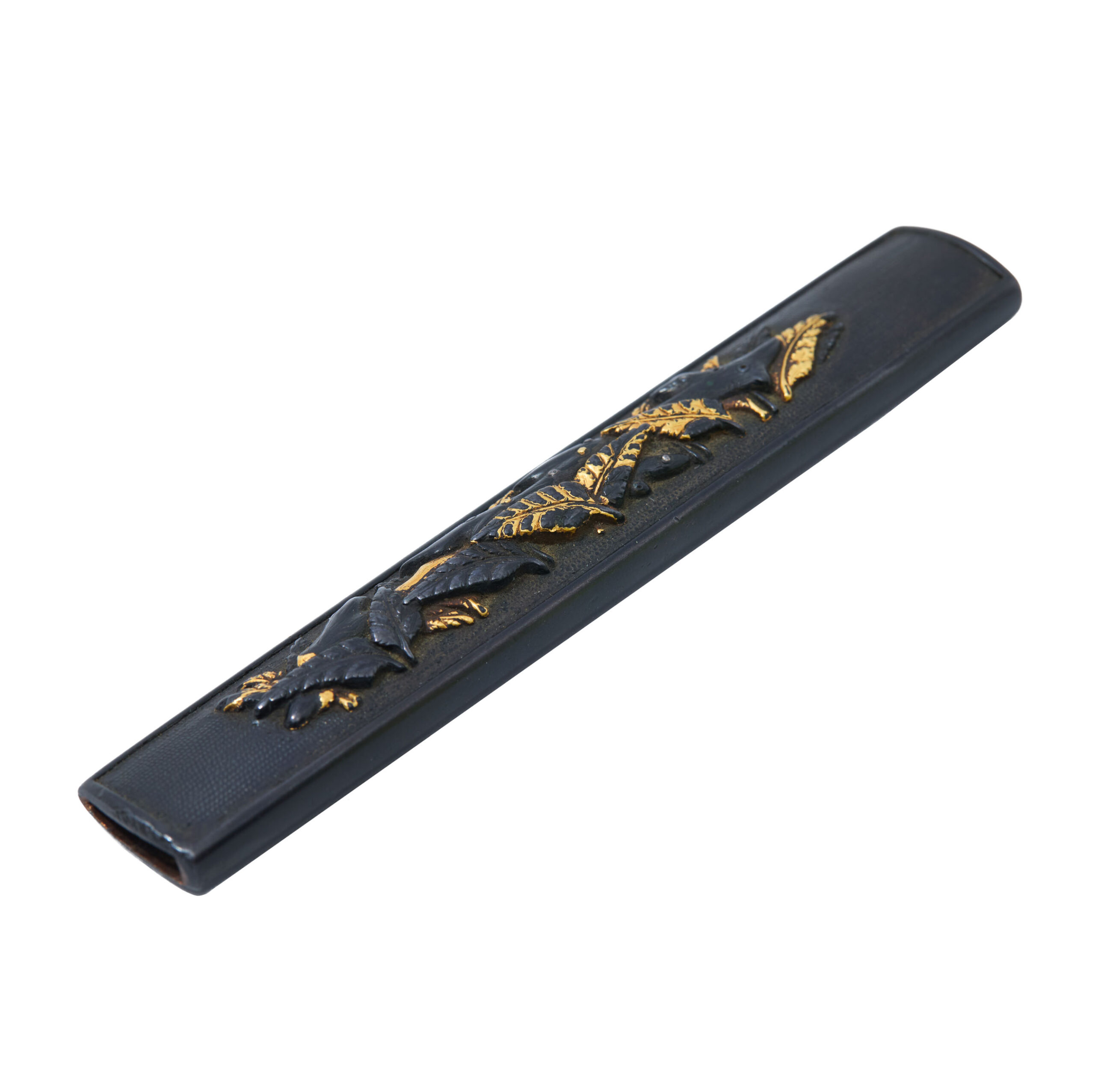
Joshin
Muromachi
Unsigned
Tokubetsu Kichō #48 (NBTHK)
This work carries older NBTHK “Kichō”-era papers, which the NBTHK no longer issues and largely disavows today. To confirm the attribution, submission to an official Japanese examination body (such as the NBTHK or NTHK) for modern certification could be considered.
Returns/exchanges limited to defects caused by shipping (except willful misconduct or gross negligence by the company); customers must contact within 72 hours of receiving the product.
¥95,000