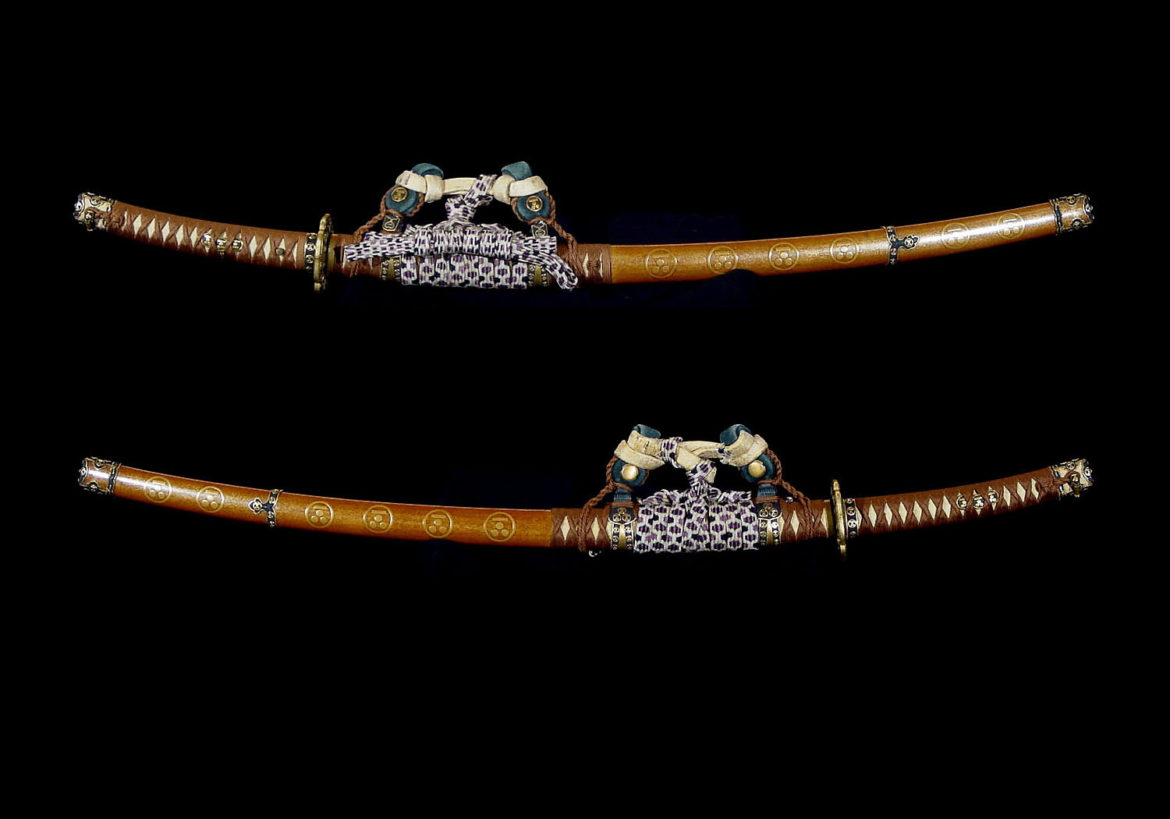
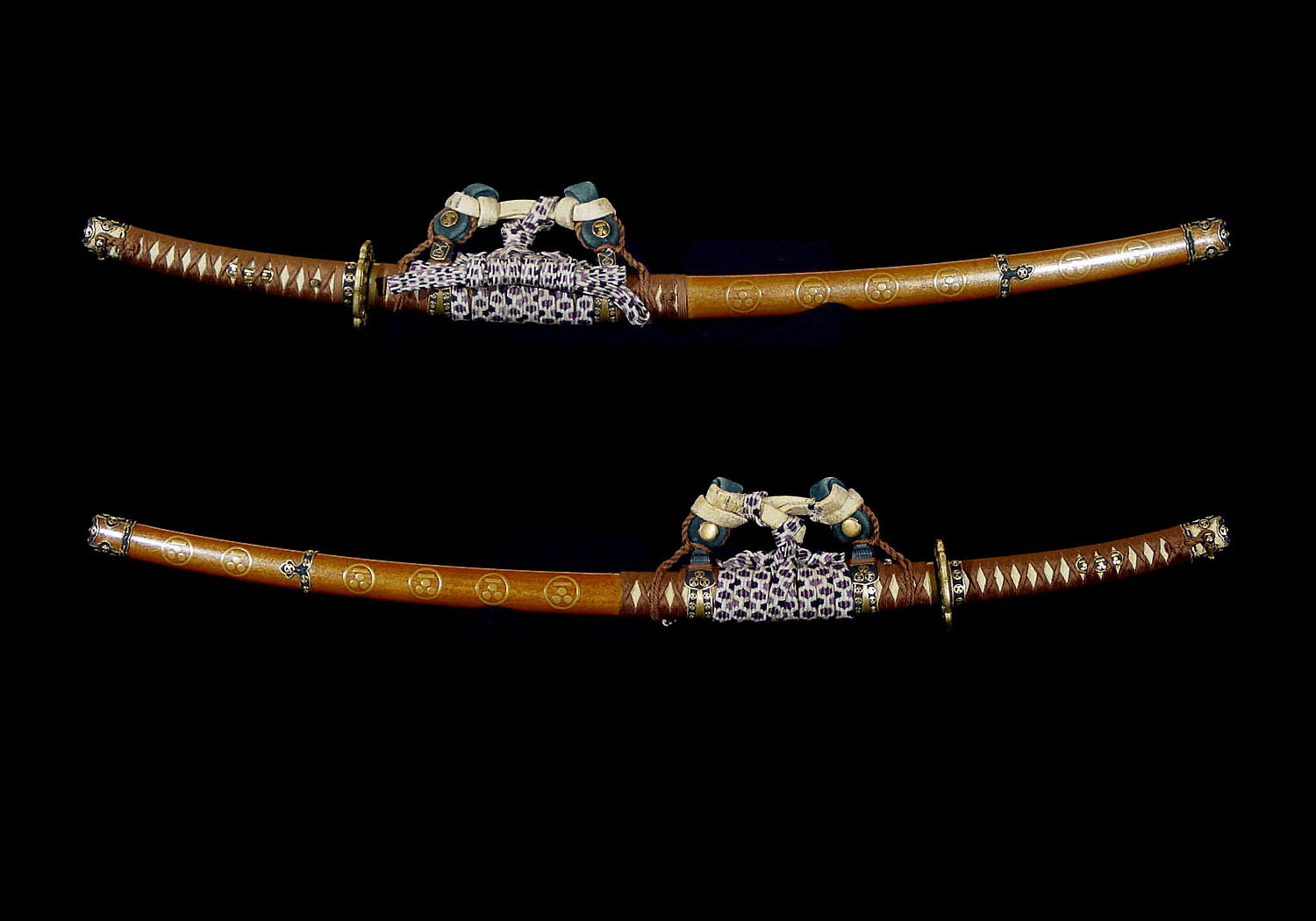
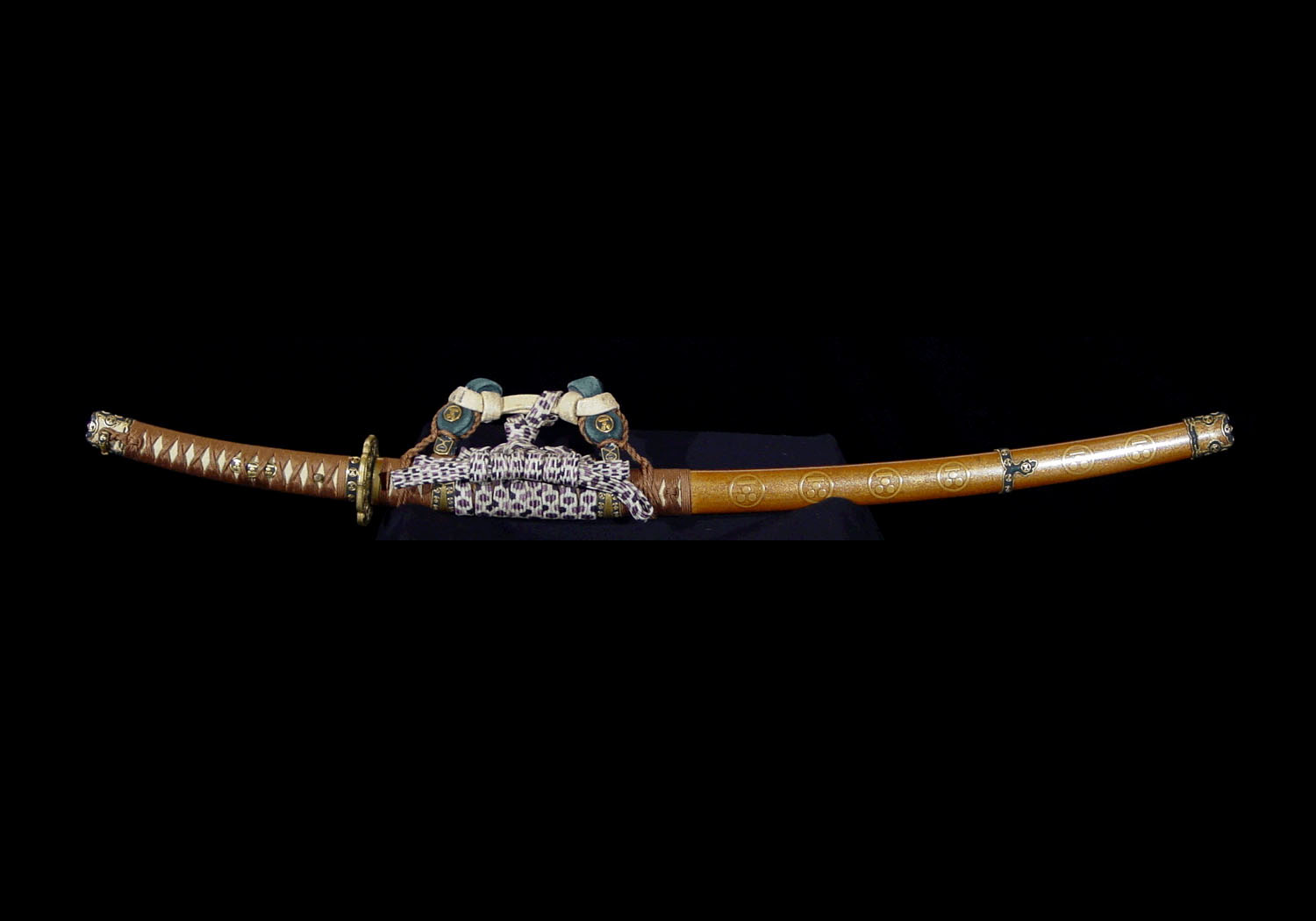
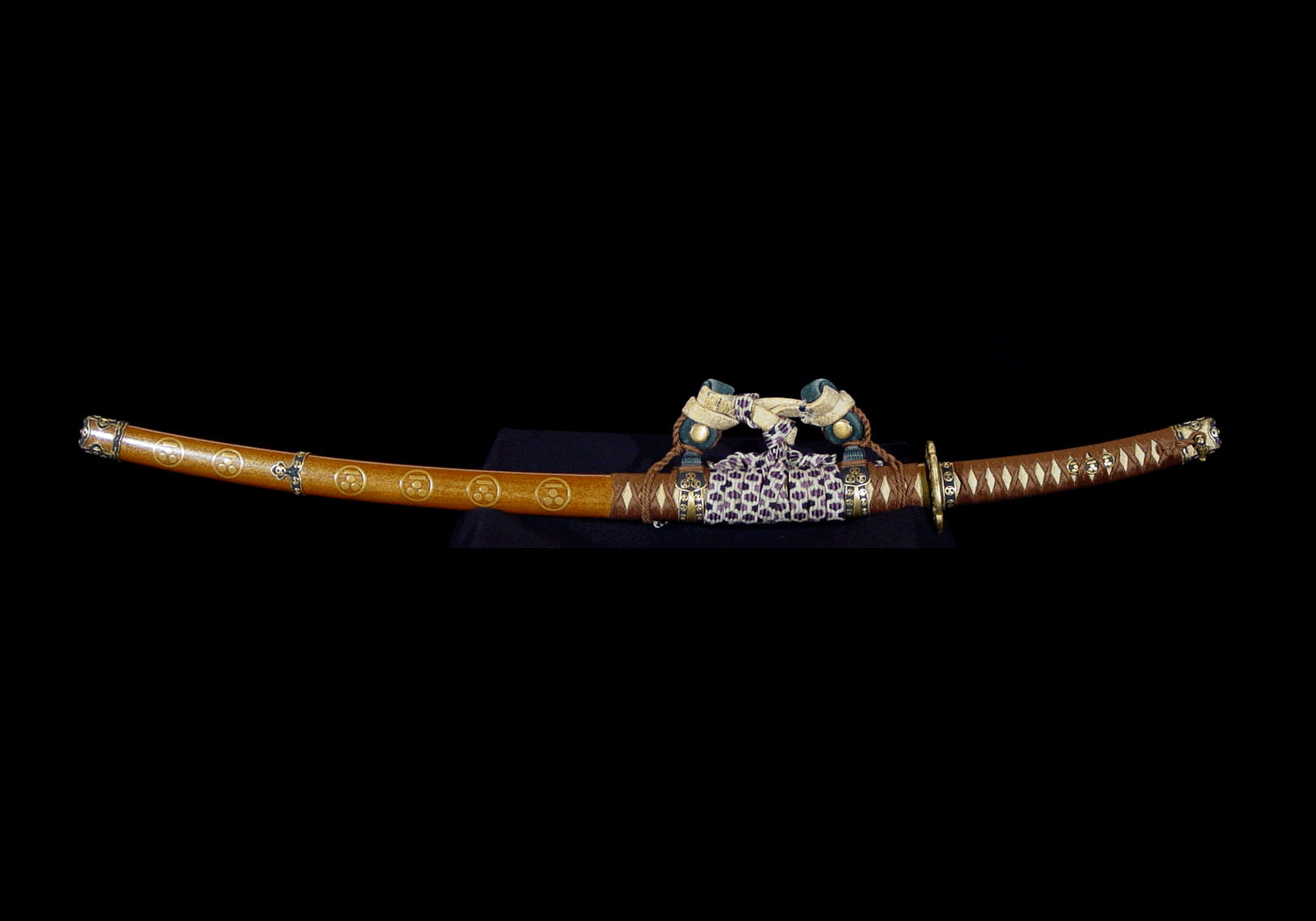
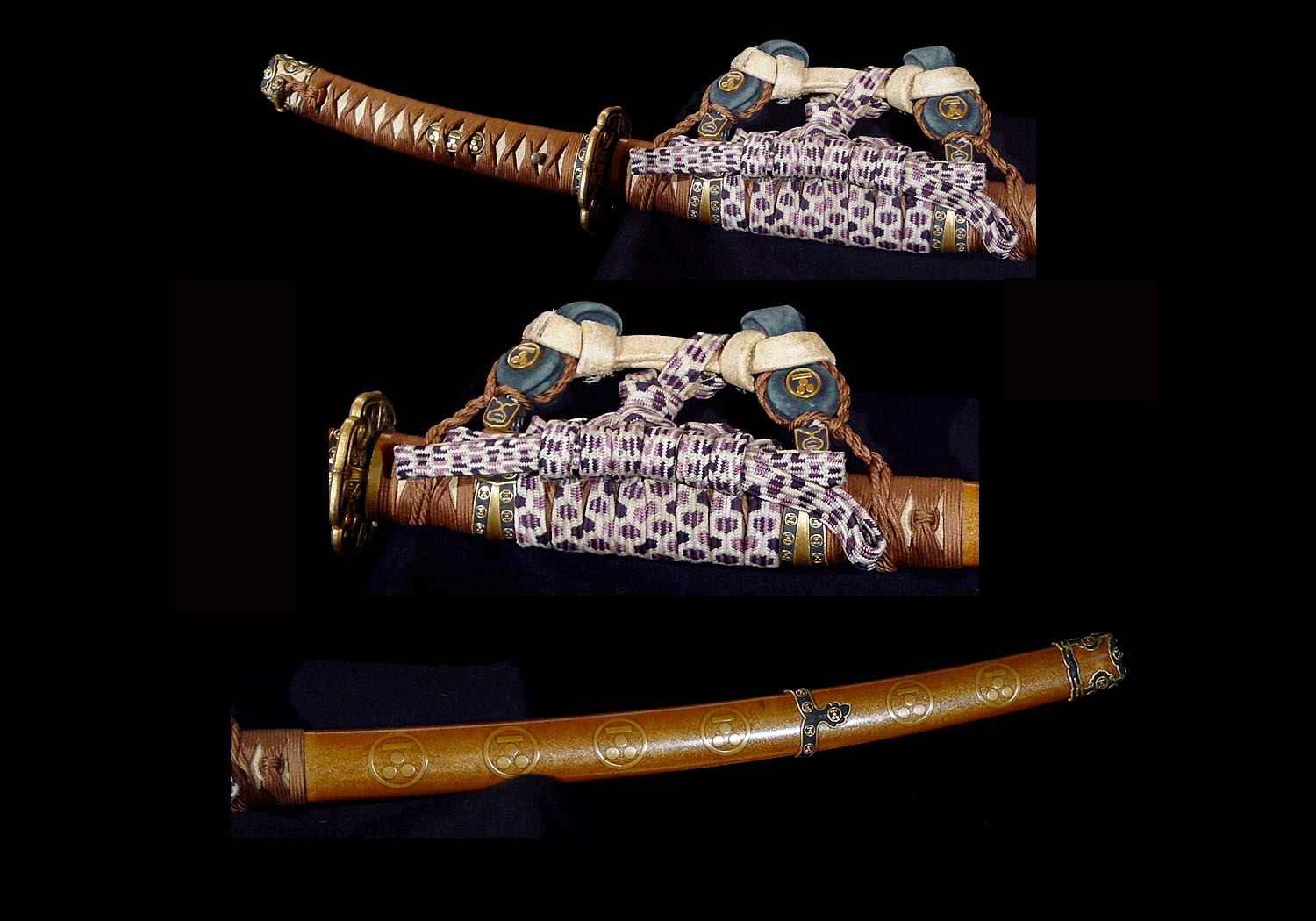
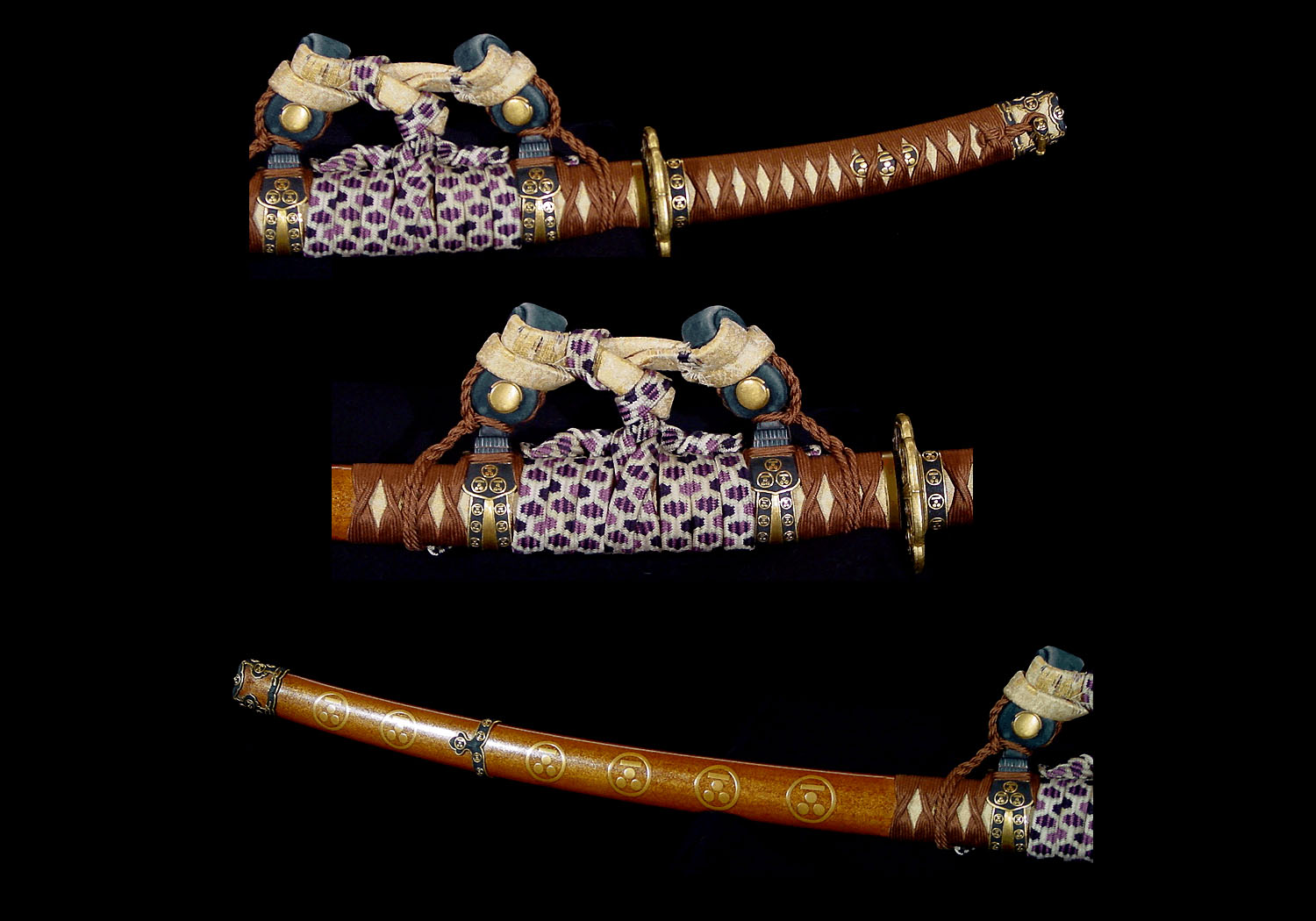
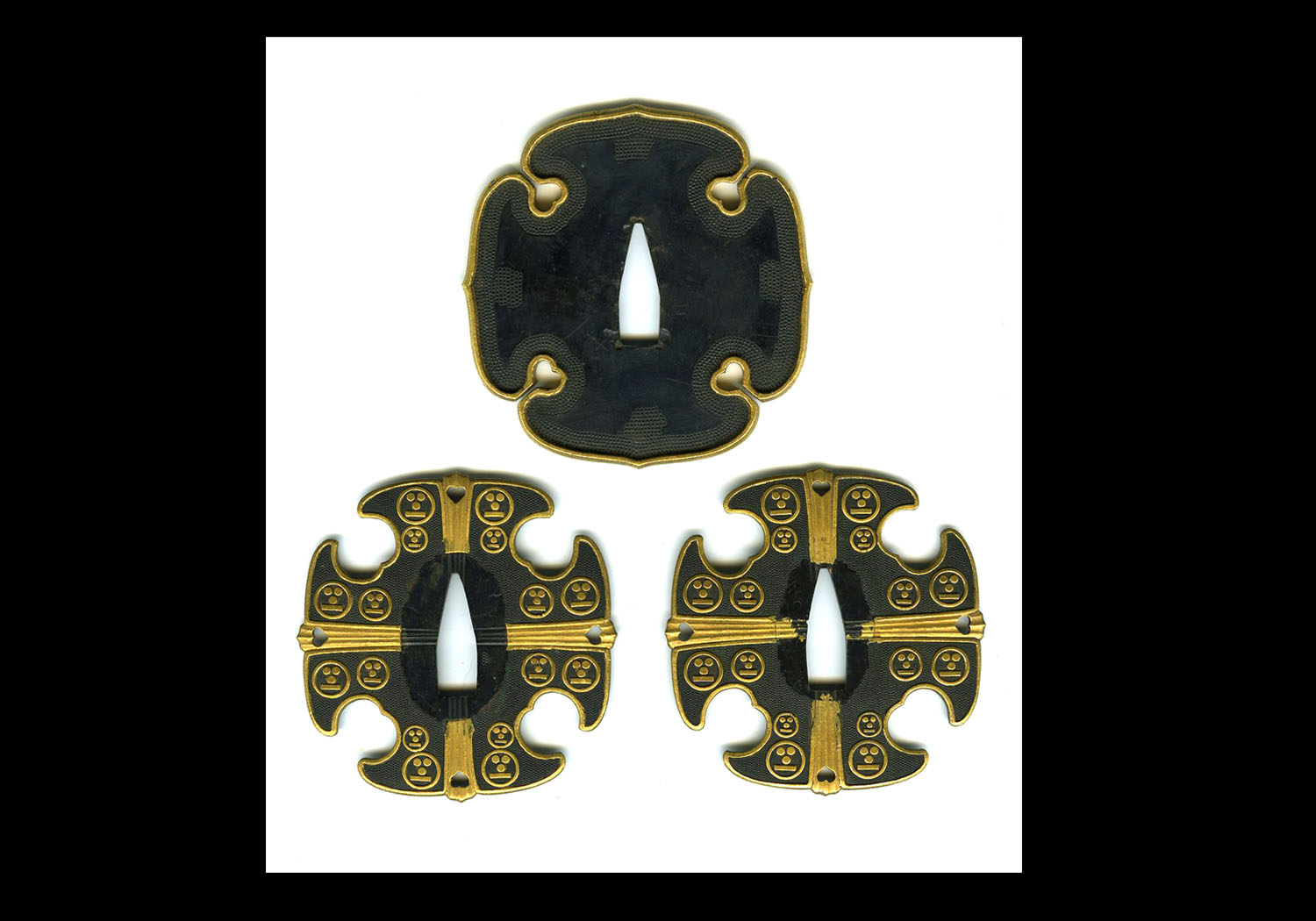
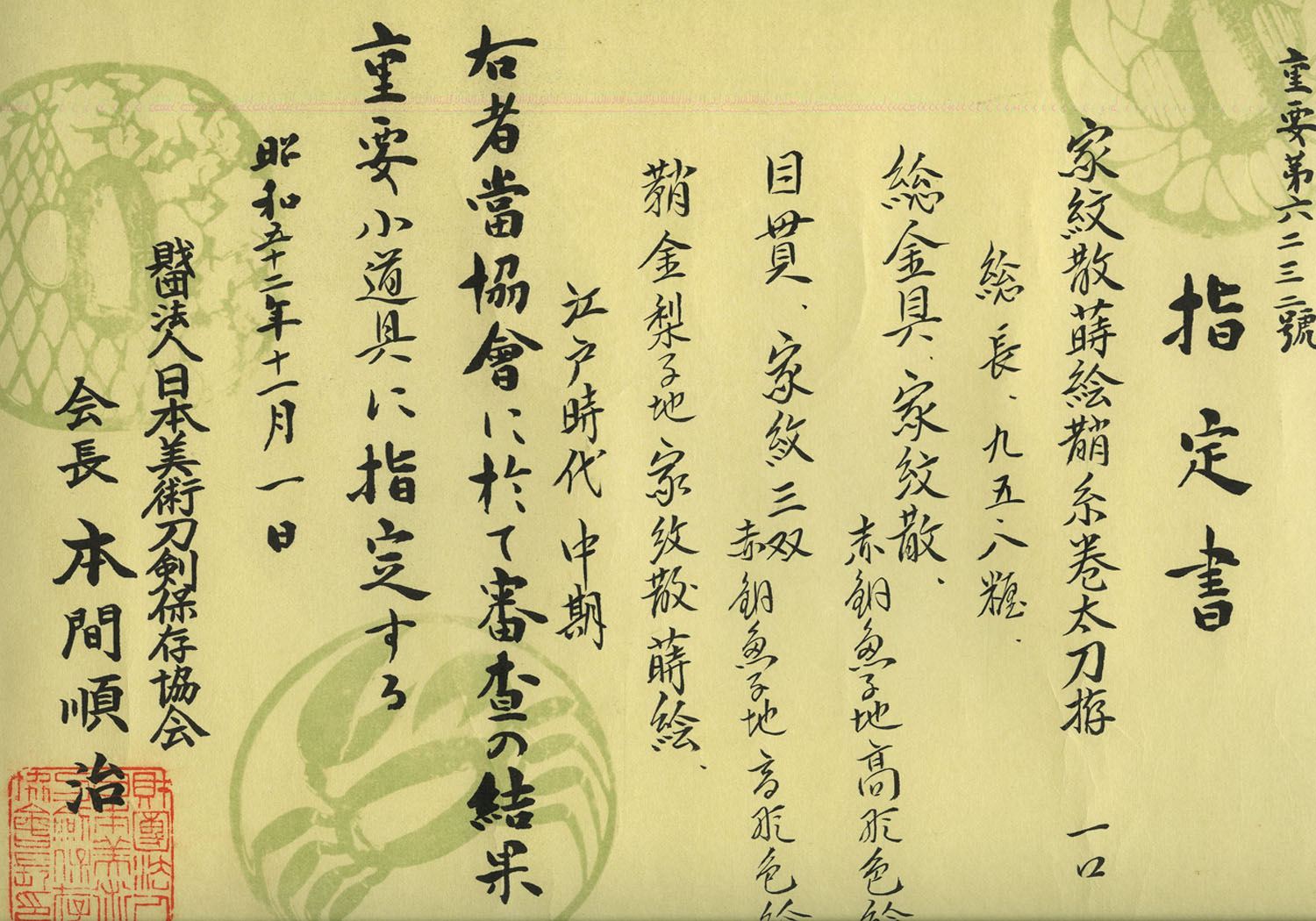
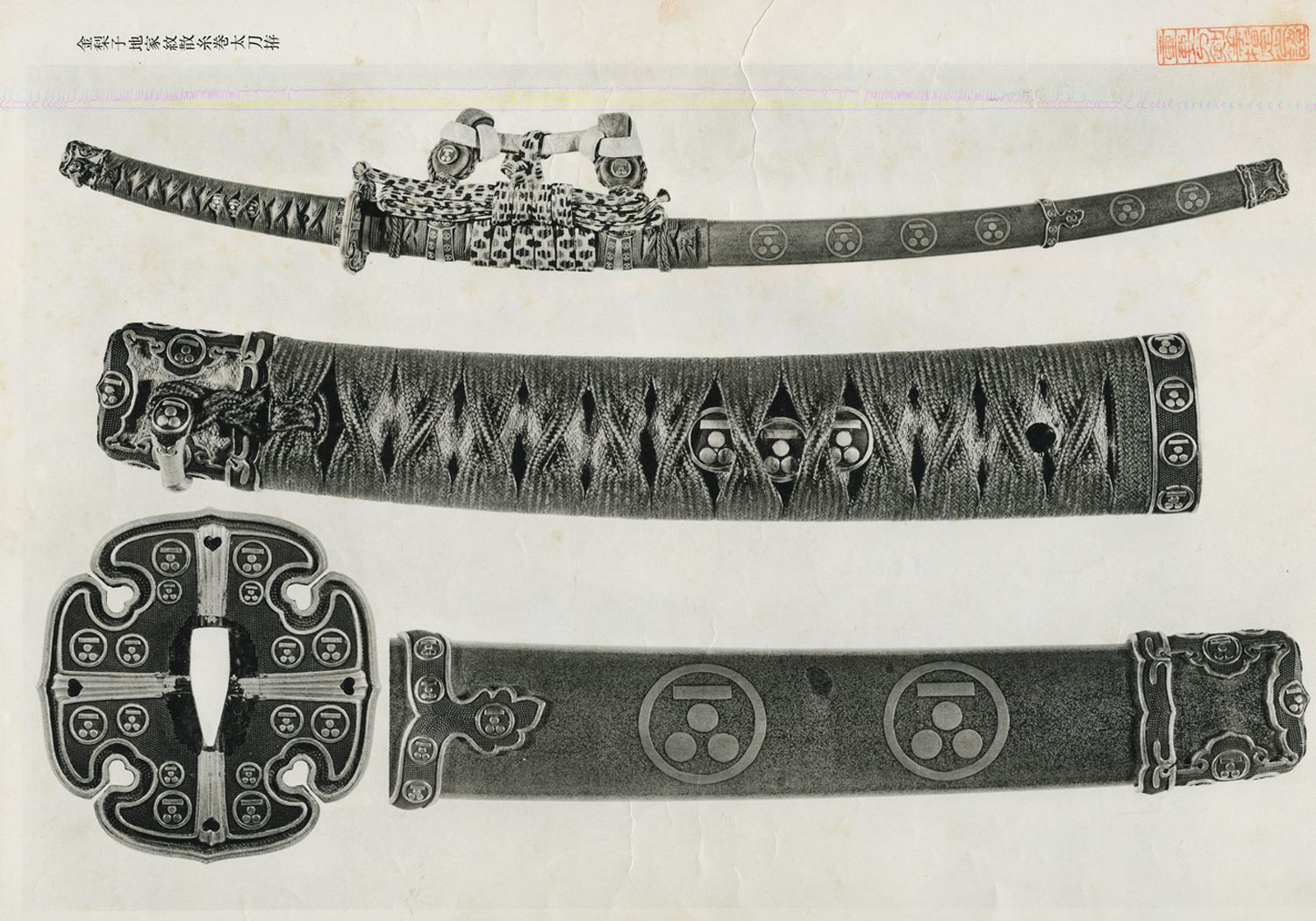
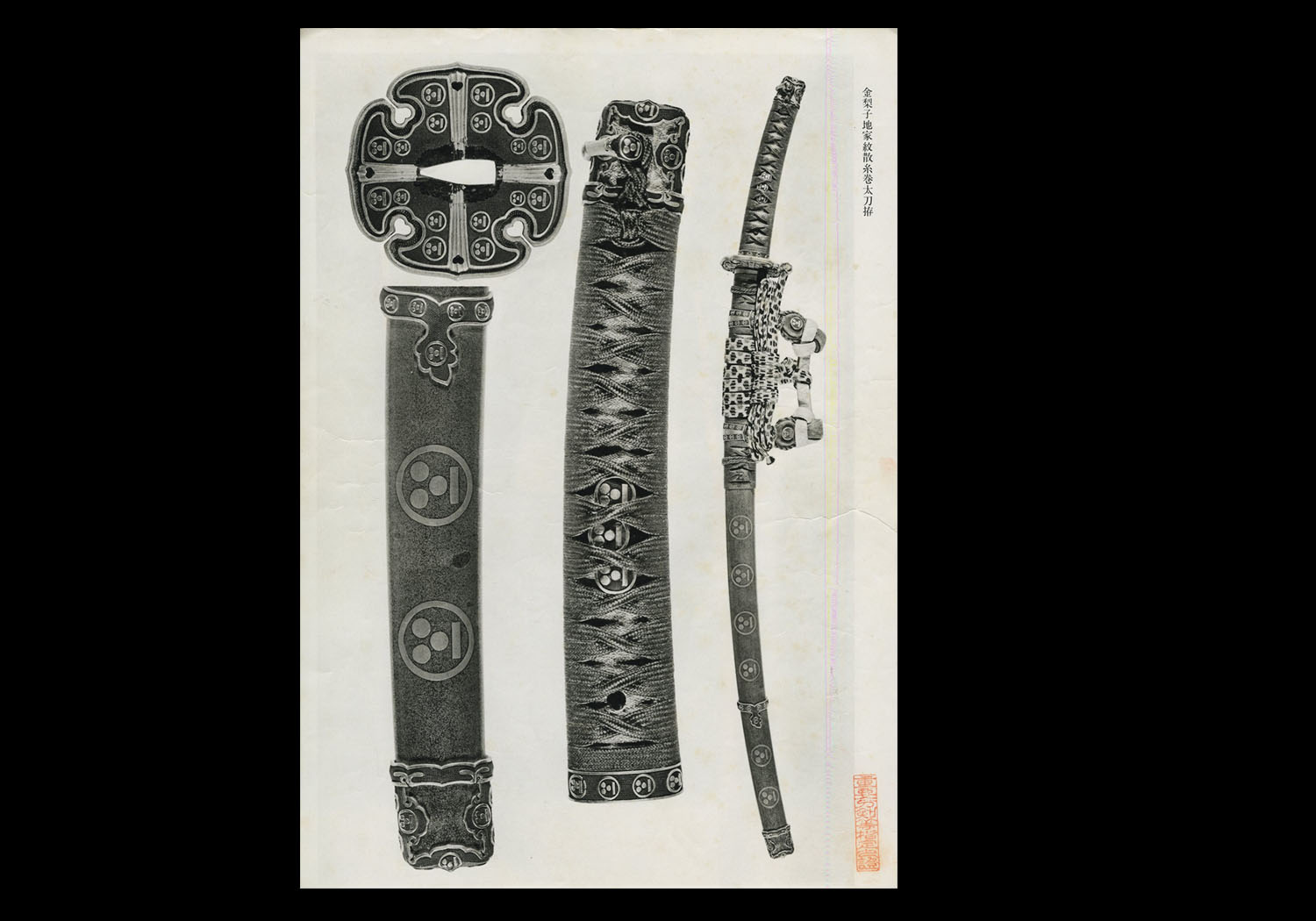
This is a gorgeous Itomaki no Tachi koshirae that belonged to the famous Mori Daimyô family, dating to the middle Edo period (around 1700). It features 133 gold Mori family mon on shakudo metal fittings and perfect lacquer. The koshirae was awarded Jûyô tôsogu status at the 25th Juyo shinsa in November of 1979.
Certificate reading — 無銘(江戸時代中期)
 NihontoWatch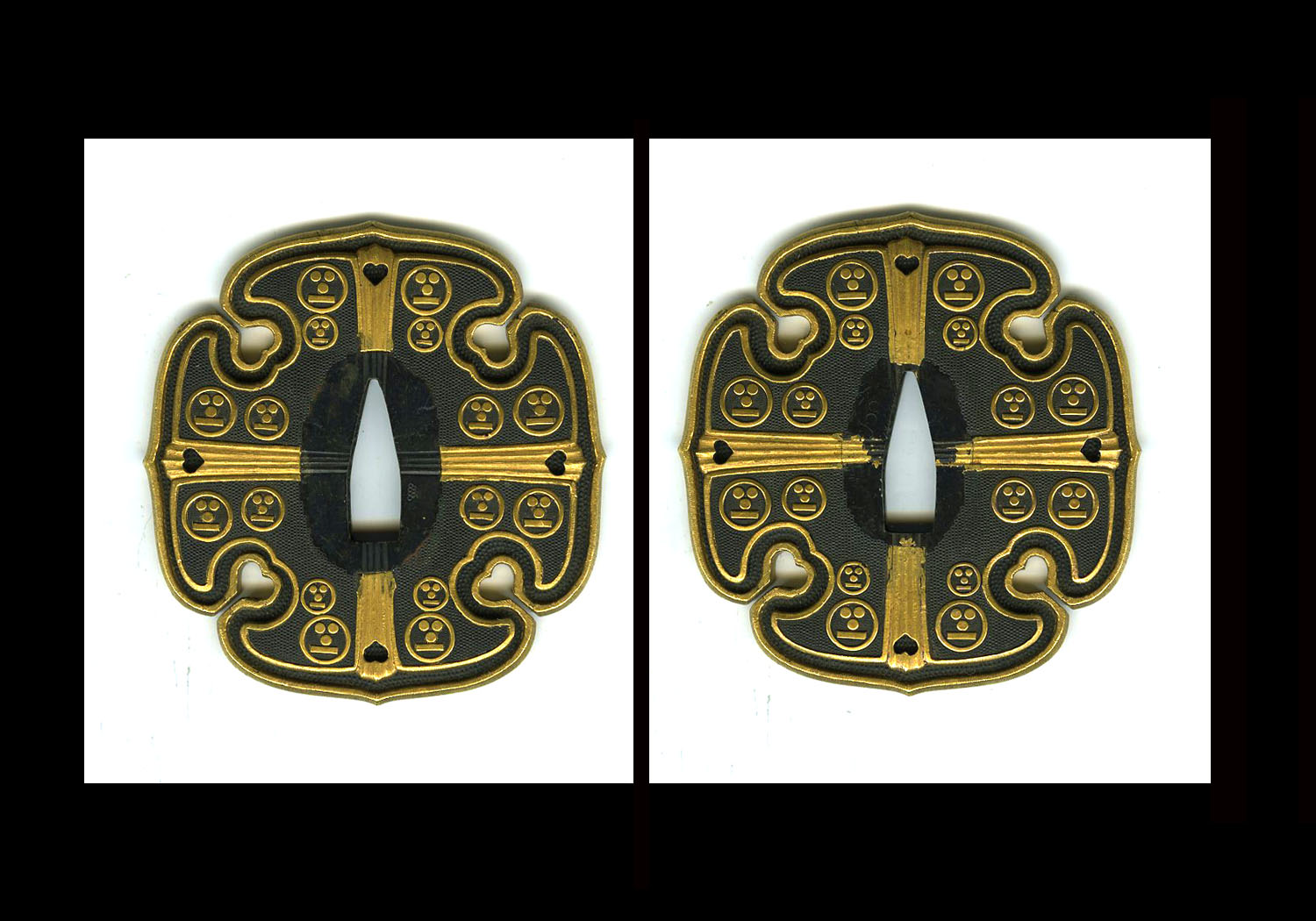
Edo
Jūyō #25 (NBTHK)
Period-Attributed
A blade of top-grade workmanship and condition, formally judged to rank with a nationally recognized Important Art Object (Jūyō Bijutsuhin). Awarded only at the NBTHK’s competitive annual examination.
Of Japan’s roughly 2.5 million registered swords, only 12,307 (about 1 in 203) have ever attained Jūyō.
The NBTHK (Nihon Bijutsu Tōken Hozon Kyōkai, the Society for the Preservation of Japanese Art Swords) is a public-interest incorporated foundation founded in 1948 and supervised by Japan’s Agency for Cultural Affairs (Bunkachō); it is based at the Japanese Sword Museum in Tokyo. Its expert panels physically examine each submitted work (shinsa) and issue a certificate (kanteishō) ranking it by artistic and historical merit. NBTHK papers are the most widely recognized standard of authentication for Japanese swords and fittings.
NBTHK official siteThree-day inspection period and seven-day return period; buyer notifies by email within three days of receipt, no reason needed; full refund once item returned undamaged and unaltered.
$35,500
This is a gorgeous Itomaki no Tachi koshirae that belonged to the famous Mori Daimyô family, dating to the middle Edo period (around 1700). It features 133 gold Mori family mon on shakudo metal fittings and perfect lacquer. The koshirae was awarded Jûyô tôsogu status at the 25th Juyo shinsa in November of 1979.
Certificate reading — 無銘(江戸時代中期)
NihontoWatchEdo
Jūyō #25 (NBTHK)
Period-Attributed
A blade of top-grade workmanship and condition, formally judged to rank with a nationally recognized Important Art Object (Jūyō Bijutsuhin). Awarded only at the NBTHK’s competitive annual examination.
Of Japan’s roughly 2.5 million registered swords, only 12,307 (about 1 in 203) have ever attained Jūyō.
The NBTHK (Nihon Bijutsu Tōken Hozon Kyōkai, the Society for the Preservation of Japanese Art Swords) is a public-interest incorporated foundation founded in 1948 and supervised by Japan’s Agency for Cultural Affairs (Bunkachō); it is based at the Japanese Sword Museum in Tokyo. Its expert panels physically examine each submitted work (shinsa) and issue a certificate (kanteishō) ranking it by artistic and historical merit. NBTHK papers are the most widely recognized standard of authentication for Japanese swords and fittings.
NBTHK official siteThree-day inspection period and seven-day return period; buyer notifies by email within three days of receipt, no reason needed; full refund once item returned undamaged and unaltered.
$35,500

