Edo was the sword’s age of connoisseurship: the Hon’ami appraisers, the shogunal register of famous blades of 1719, and a thriving literature turned the sword into an object of study even as it ceased to be drawn in war.
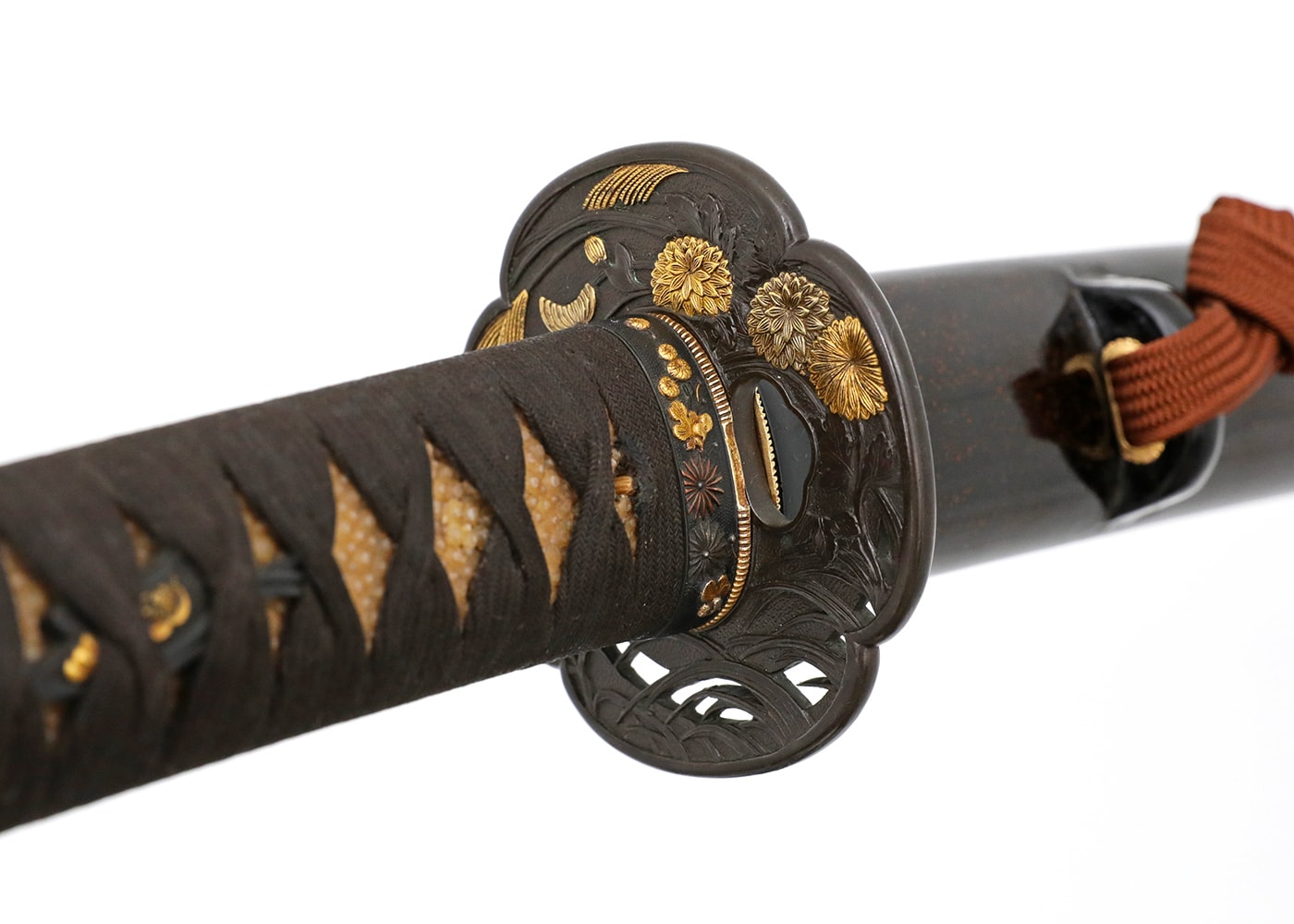
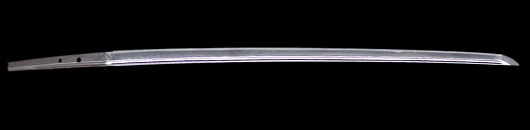
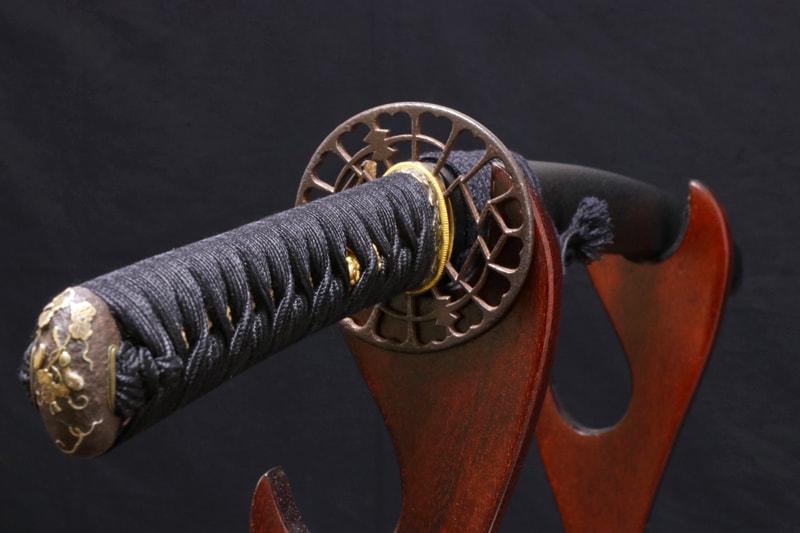
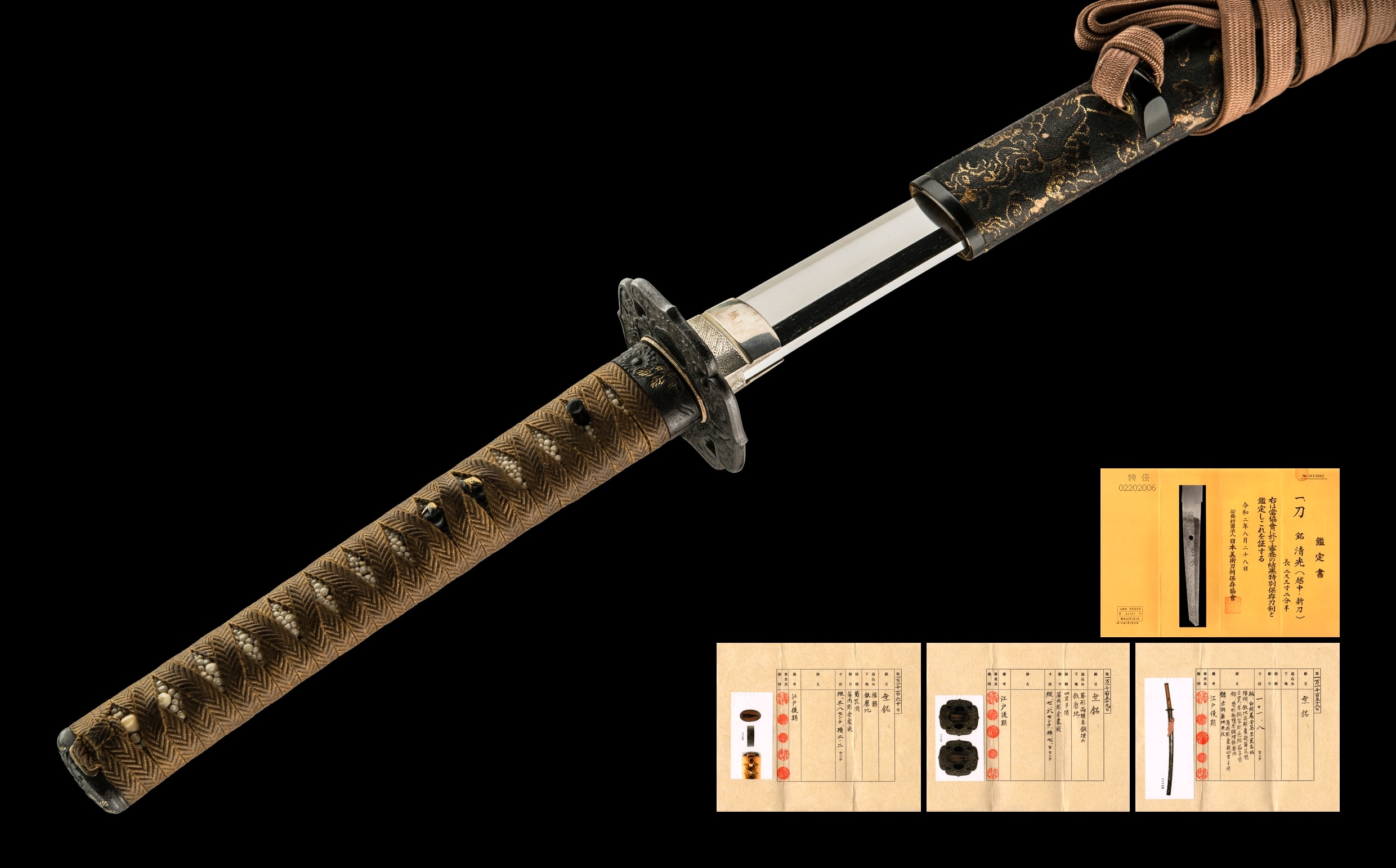
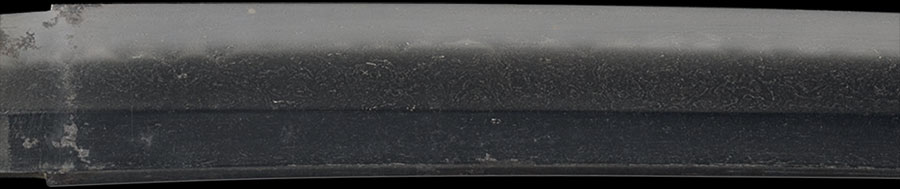
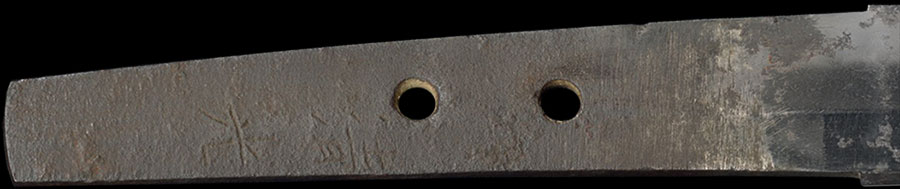
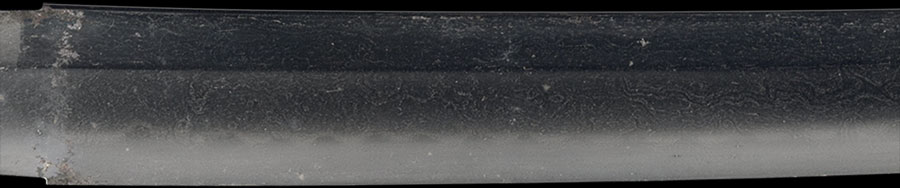
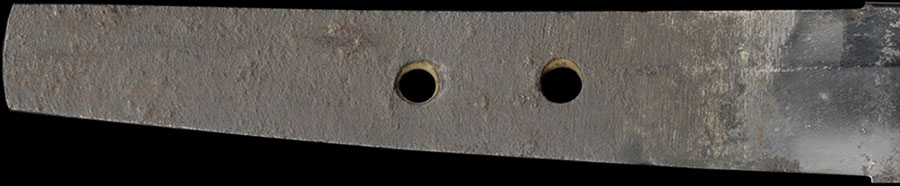
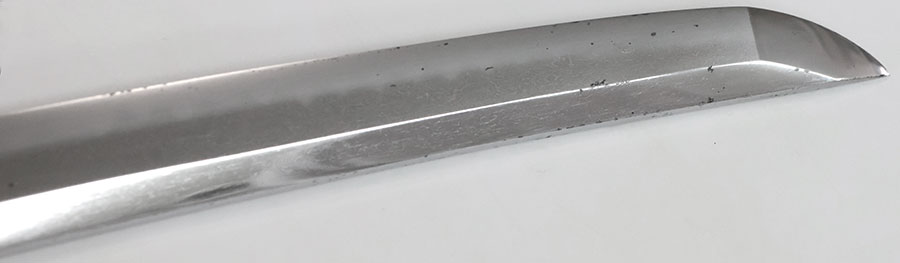
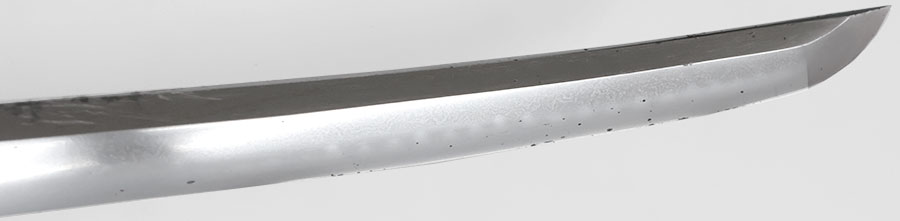
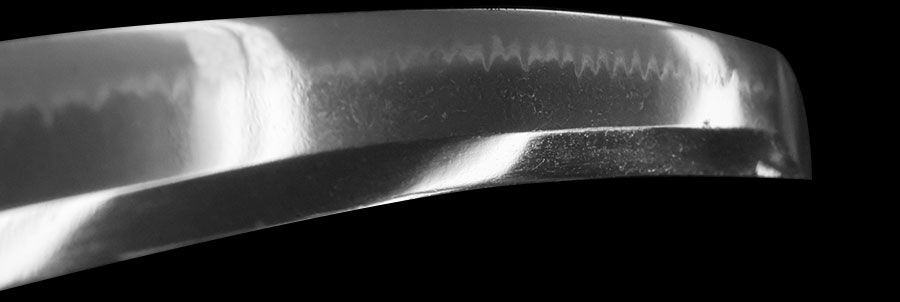
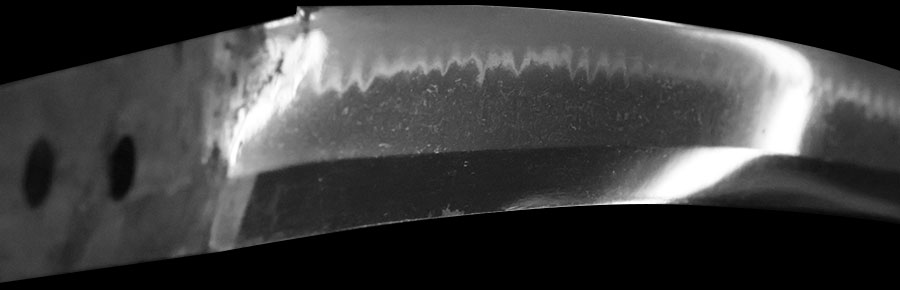
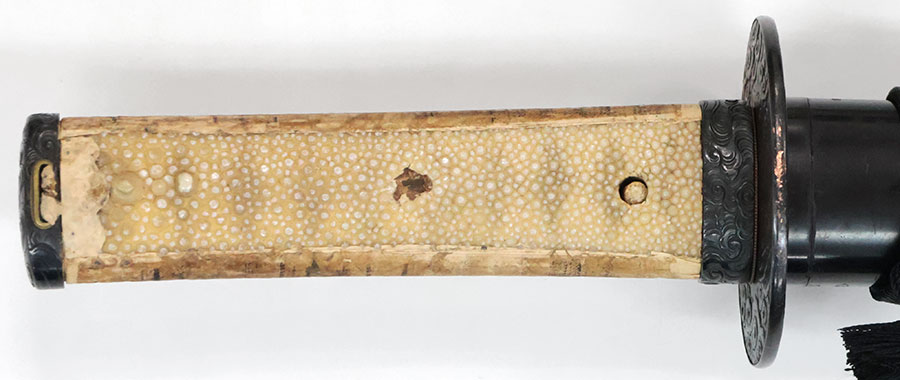
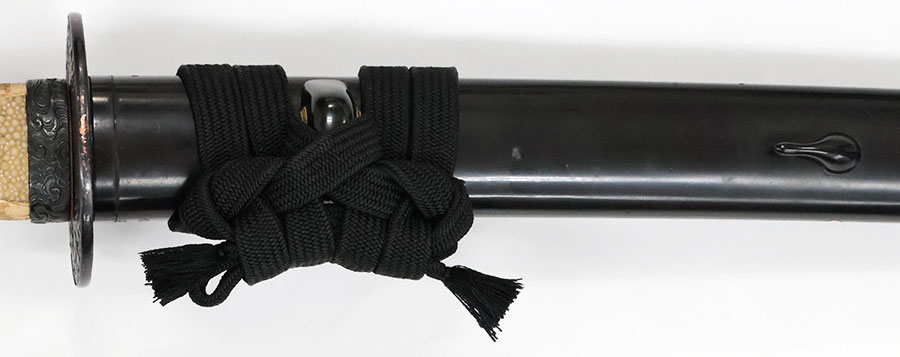
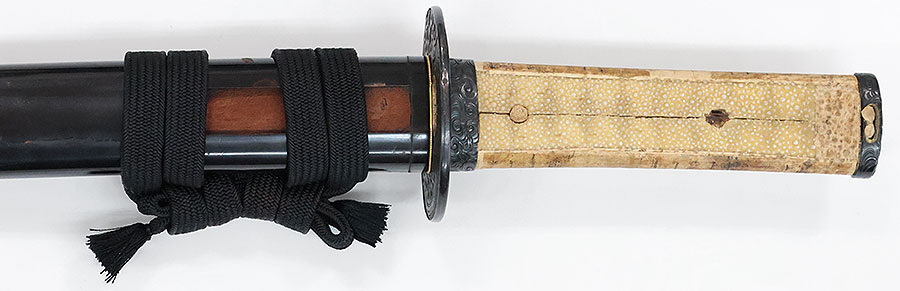
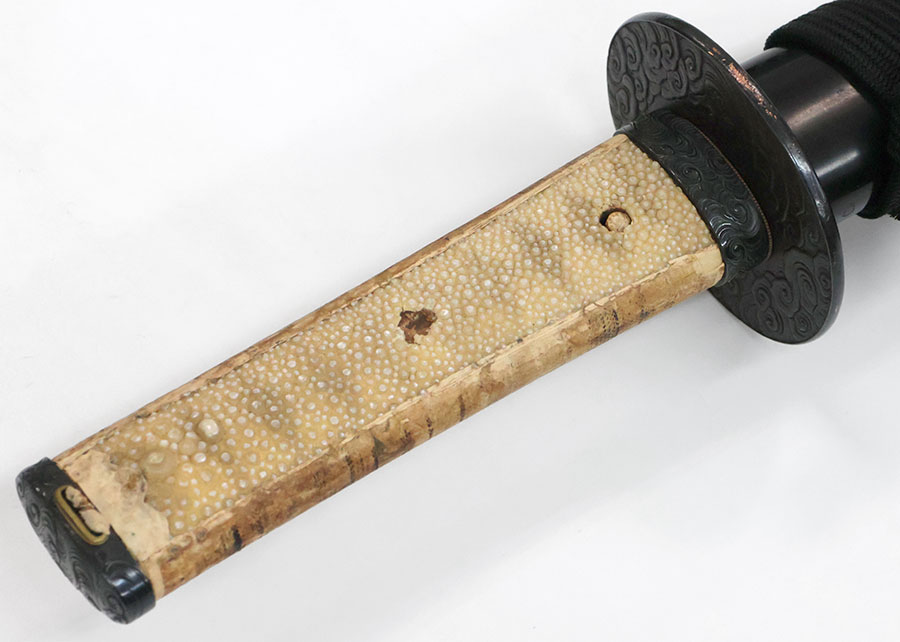
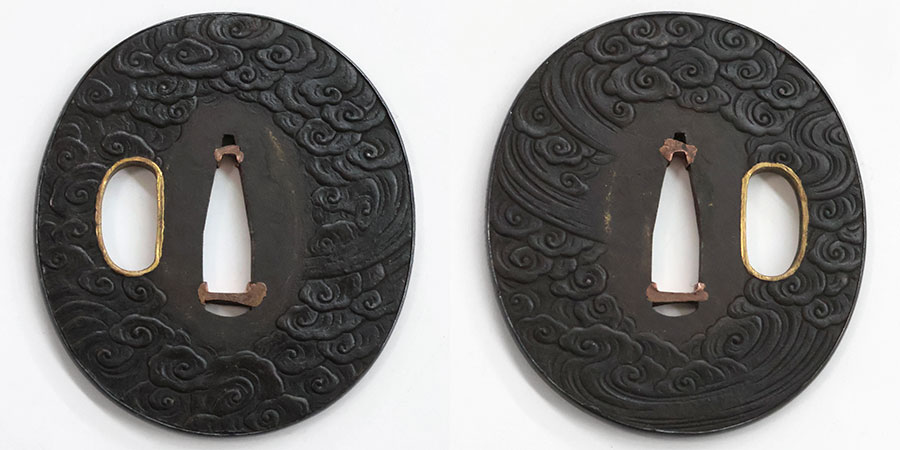
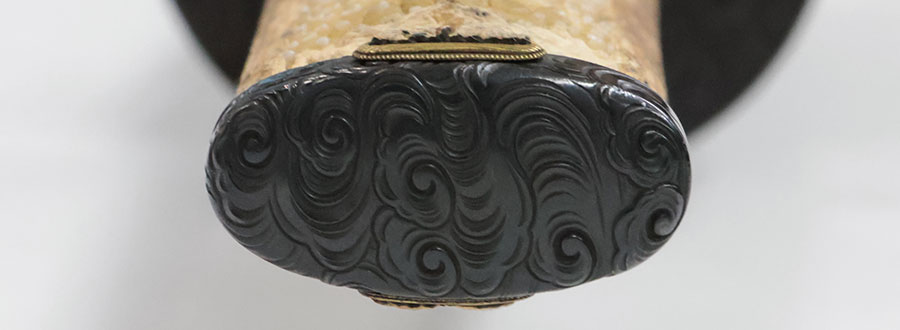
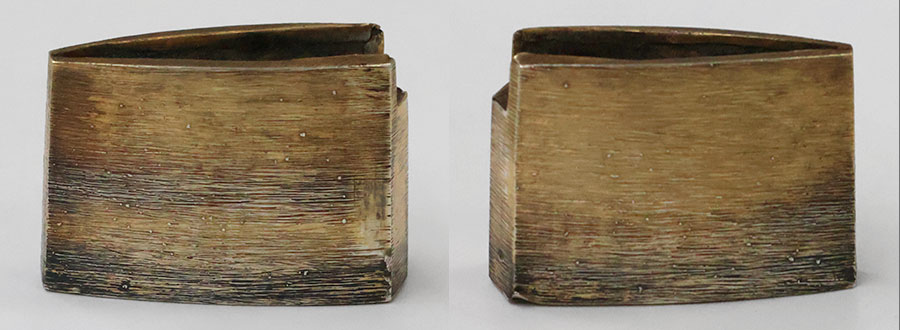
It’s here, it’s here—the popular Kiyomitsu (Kashu) has arrived. Shinsengumi 1st Unit Captain Okita Soji, who died young, was the strongest within the Shinsengumi and remains immensely popular as a handsome swordsman. Okita Soji’s beloved sword was a Kashu Kiyomitsu, and this wakizashi is that very same Kashu Kiyomitsu currently skyrocketing in popularity due to Touken Ranbu. This Kiyomitsu is known nationwide as a representative smith of the Kaga Domain around the Enpo era of the Edo period (1673) (352 years ago). The sugata of this wakizashi shows a difference between the motohaba and sakihaba with a shallow sori. The jigane is a bright and powerfully forged ko-itame hada with jinie. The hamon is nioideki with ko-nie, featuring a gunome-midareba mixed with togari-ba, tempered brightly. The Edo-period koshirae features luxurious shakudo fittings for the fuchi-kashira and tsuba, marking it as the possession of a high-ranking samurai. As you can see, due to its age, the silk tsuka-ito has rotted away, but please consider that part of its antique charm. Since ancient times, his reputation for sharpness as a wazamono has been high. Please enjoy this wakizashi by Kashu Kiyomitsu, famous as the beloved sword of Shinsengumi 1st Unit Captain Okita Soji. This wakizashi was cherished for generations by an old family, but as you can see, due to a lack of maintenance, it has developed some sabi. We have been entrusted to offer it at a special bargain price because the owner asked us to pass it on cheaply to someone who would say, "I will save even a Kashu Kiyomitsu in this condition." Please enjoy this wakizashi by Kashu Kiyomitsu, now at the peak of popularity thanks to Touken Ranbu.
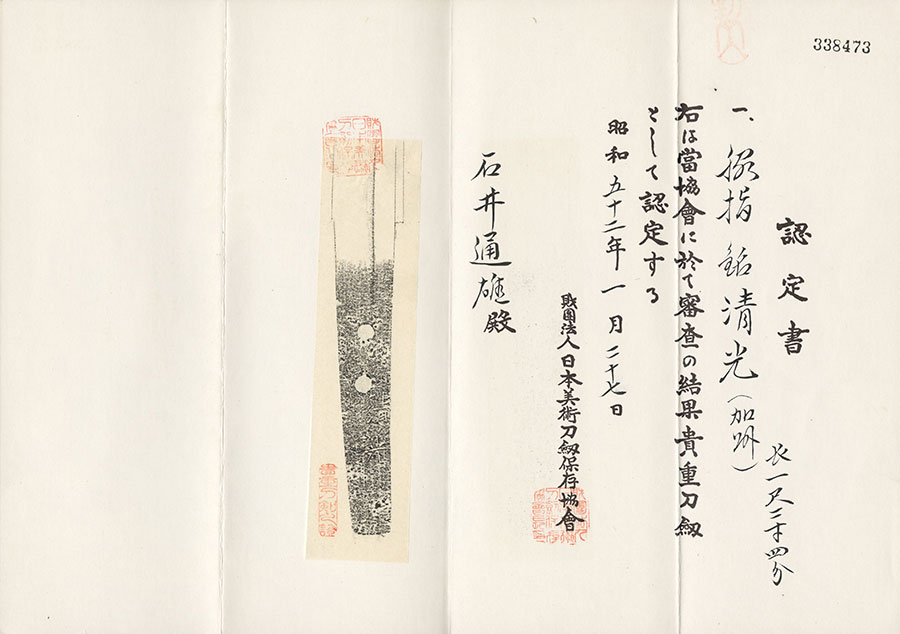
Certificate reading — 銘 清光(加州)
 NihontoWatch









Kaga · around 1661-1673
2 pieces on the market now
The Edo period (1615 to 1868)
Edo was the sword’s age of connoisseurship: the Hon’ami appraisers, the shogunal register of famous blades of 1719, and a thriving literature turned the sword into an object of study even as it ceased to be drawn in war.
This work carries older NBTHK “Kichō”-era papers, which the NBTHK no longer issues and now regards as unreliable. To confirm the attribution, submission to an official Japanese examination body (such as the NBTHK or NTHK) for modern certification could be considered.
For returns due to customer circumstances, the cost is the customer's responsibility. For returns due to our mis-shipment or a defective item, we bear the cost.