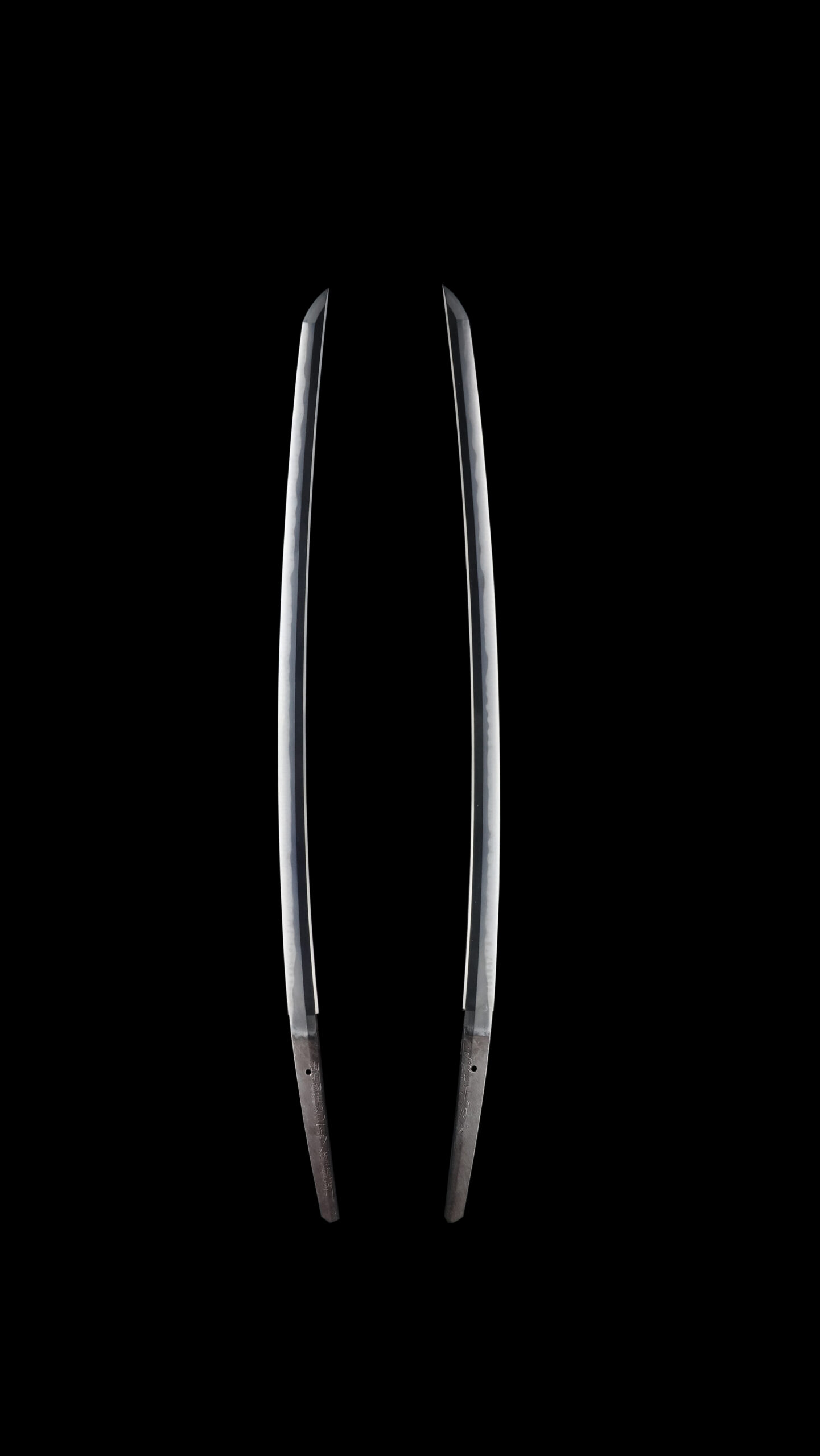
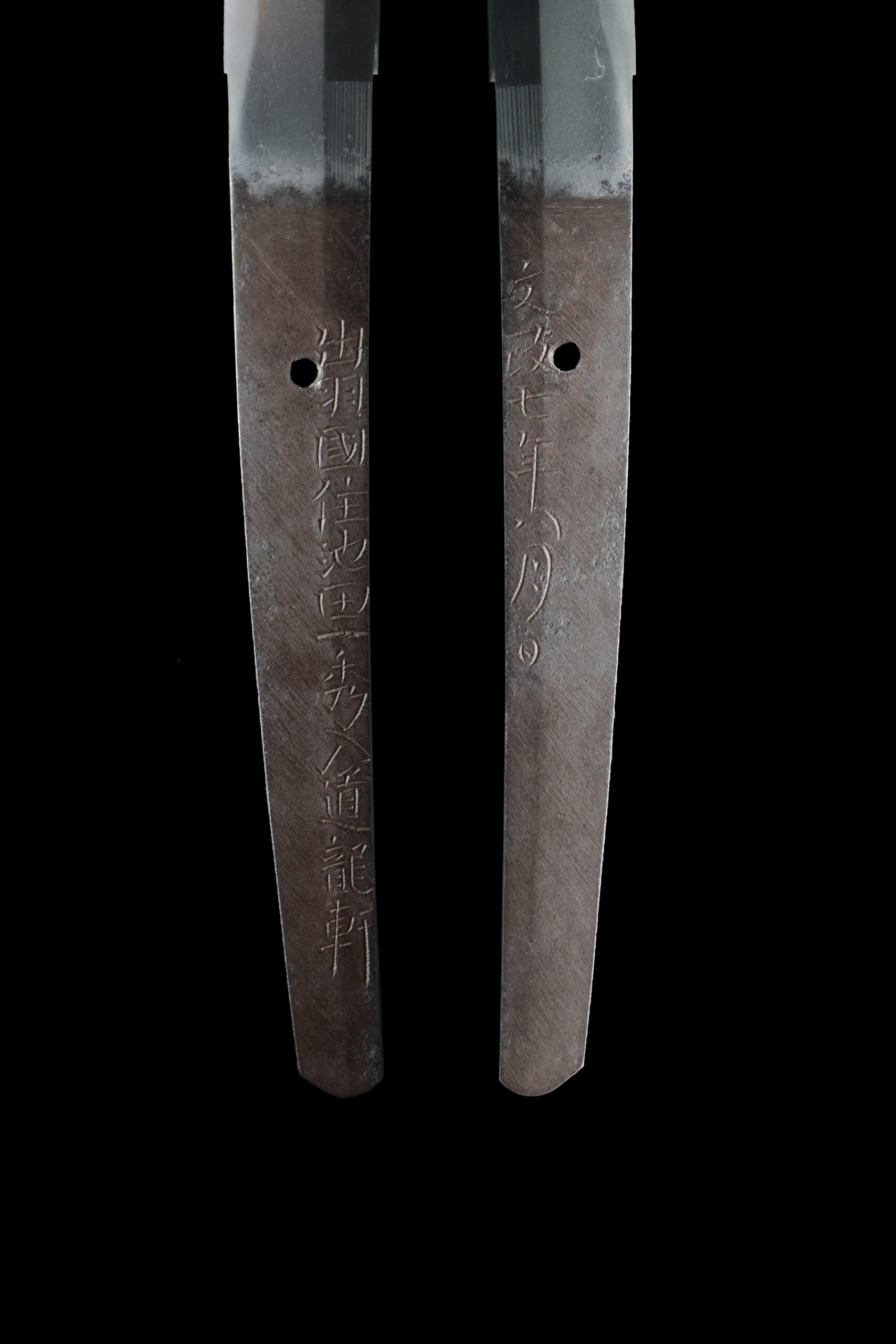
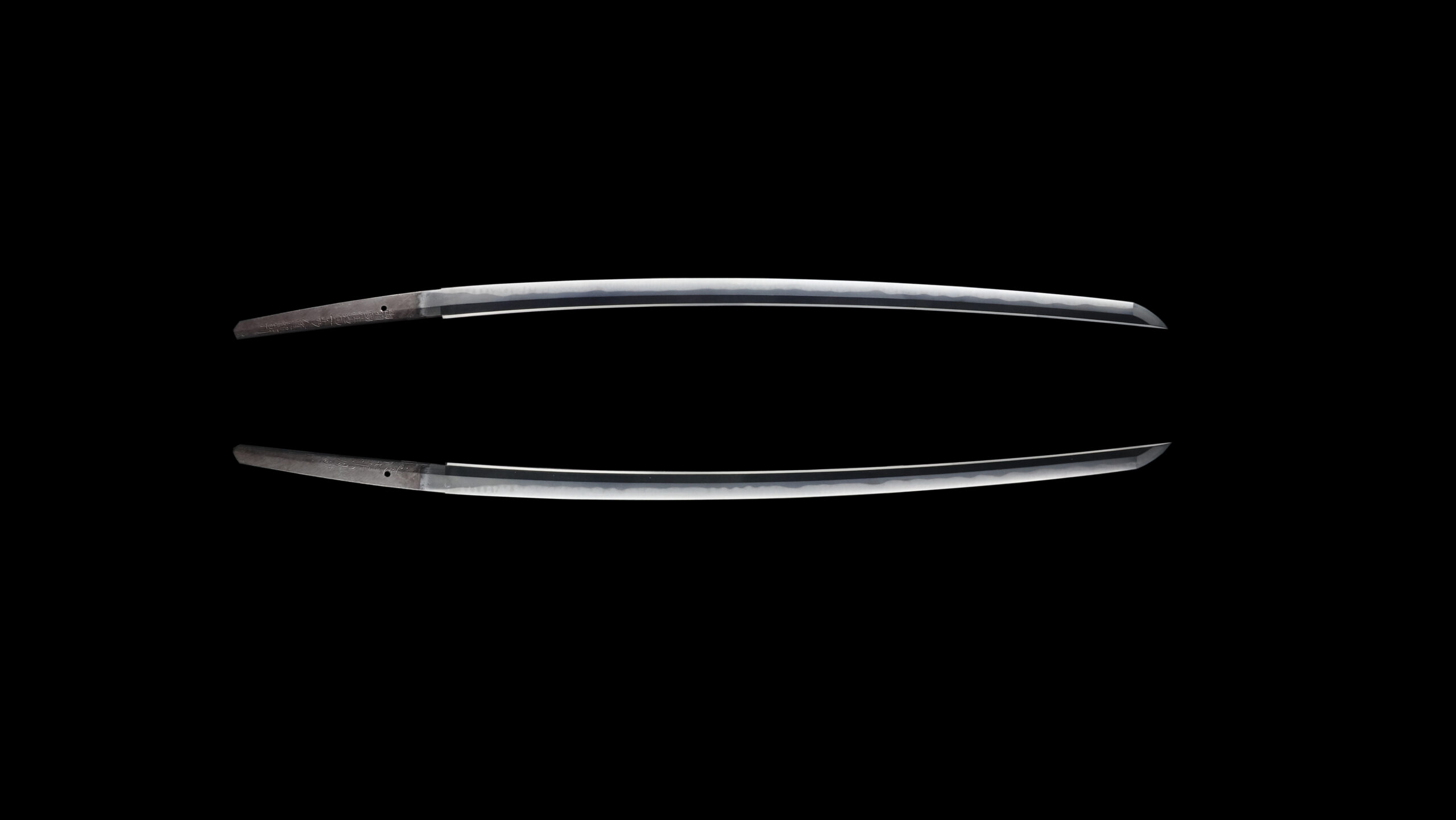
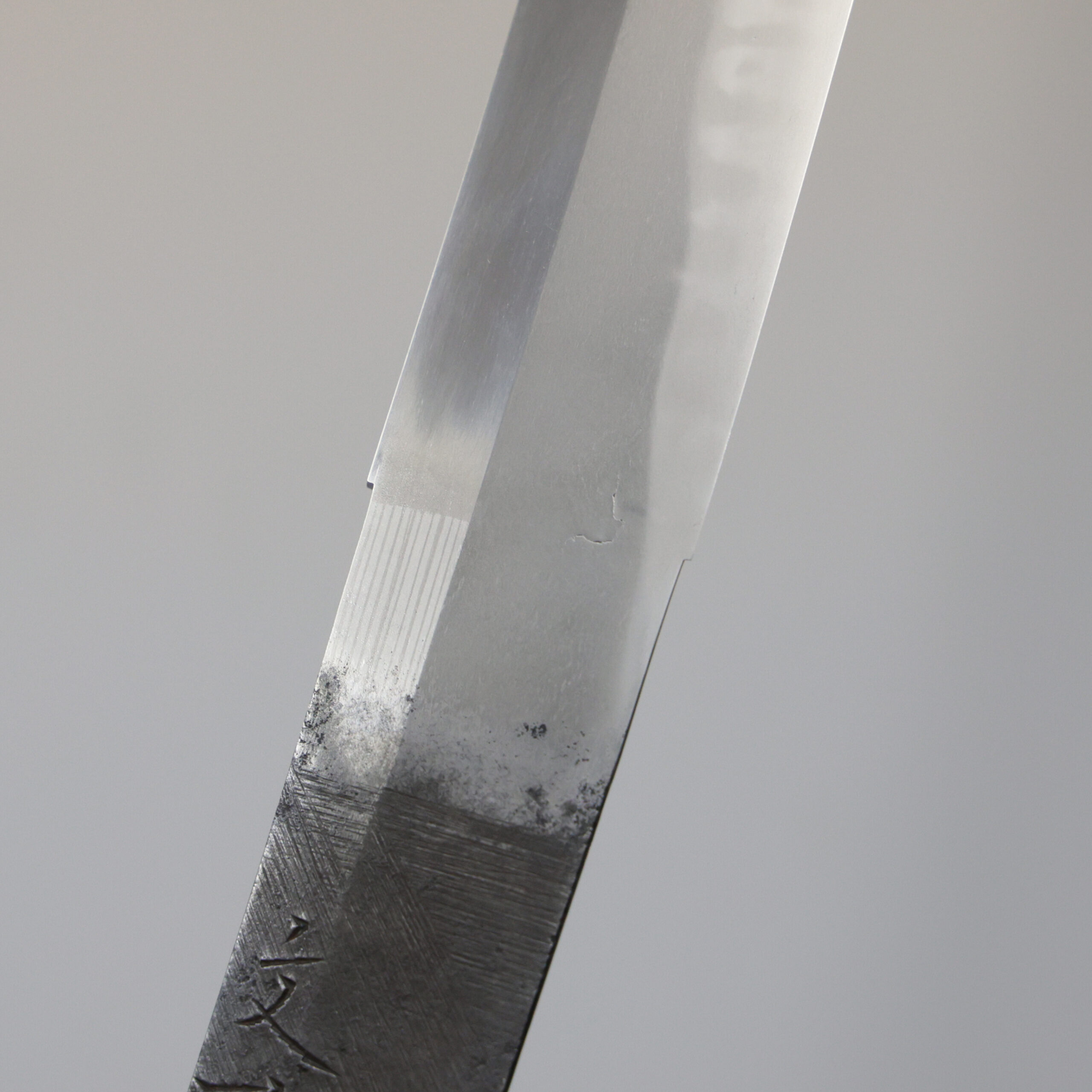
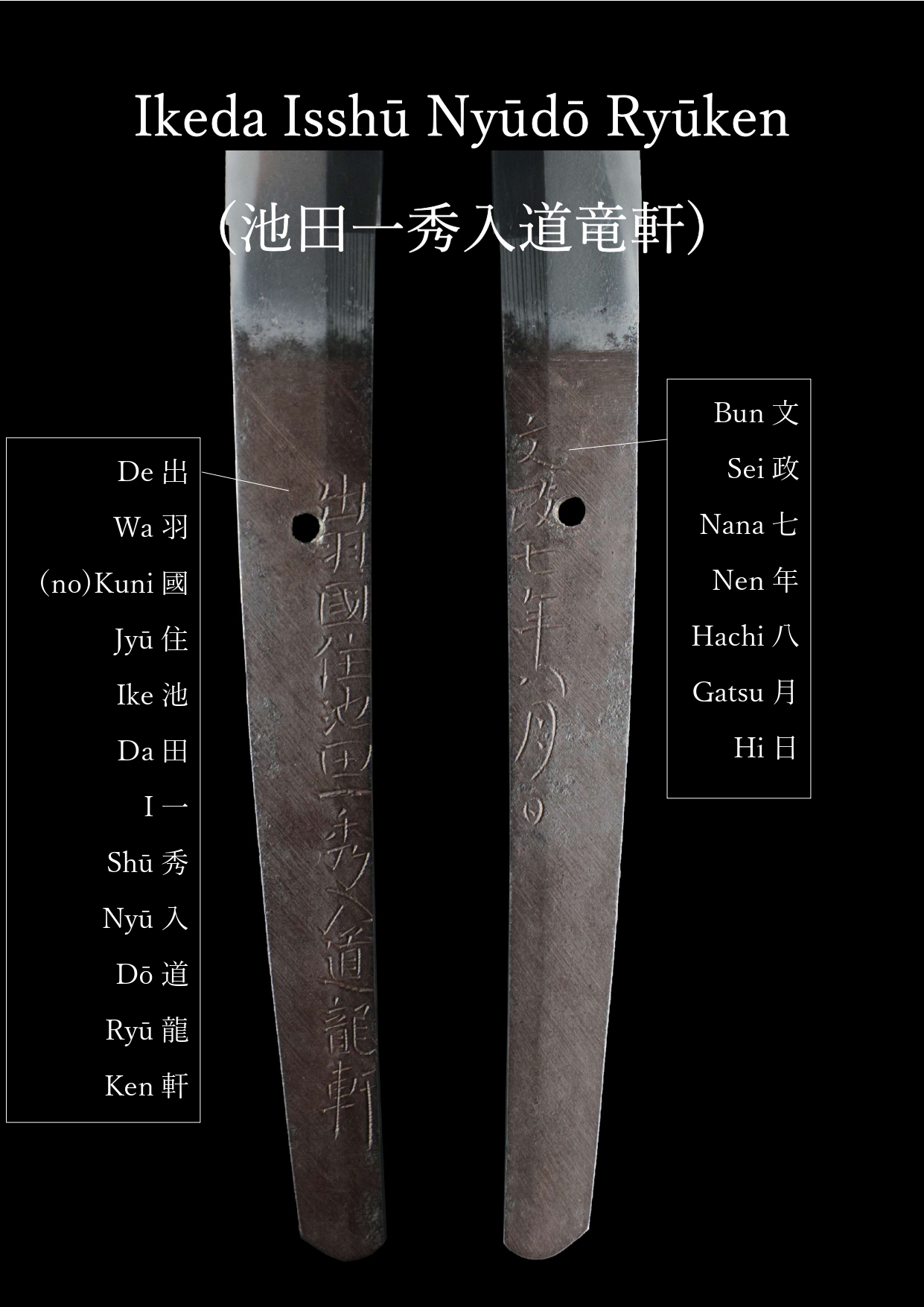
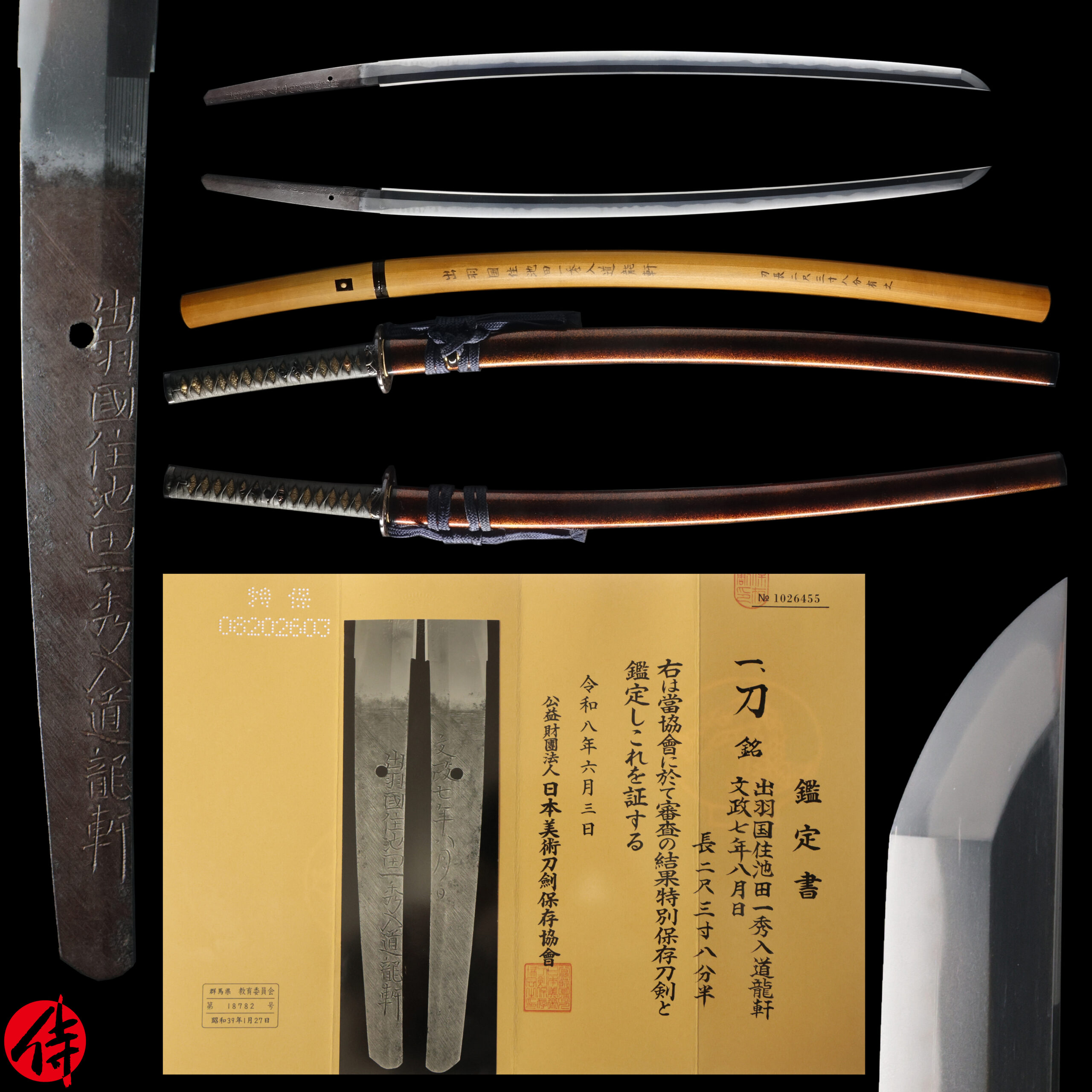
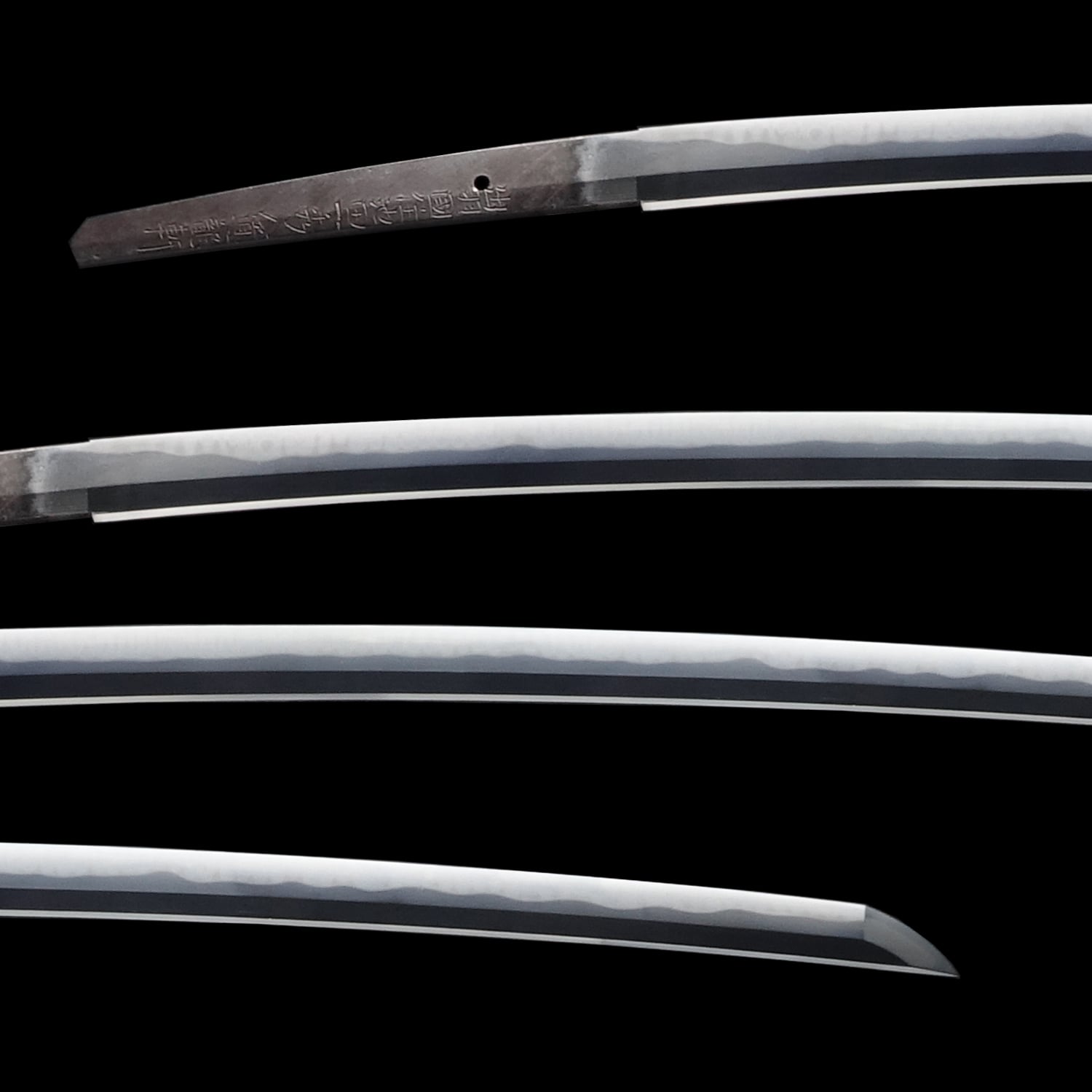
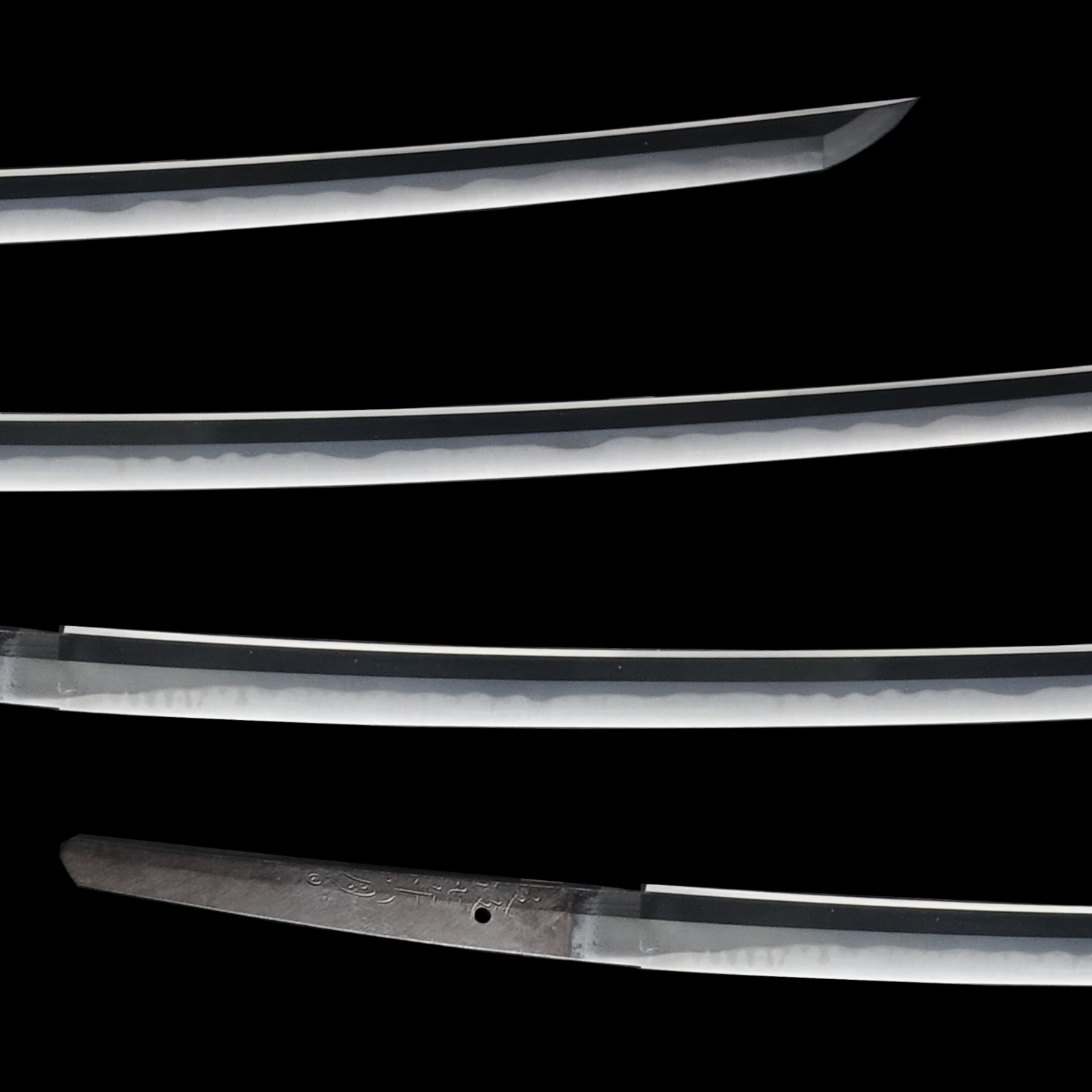
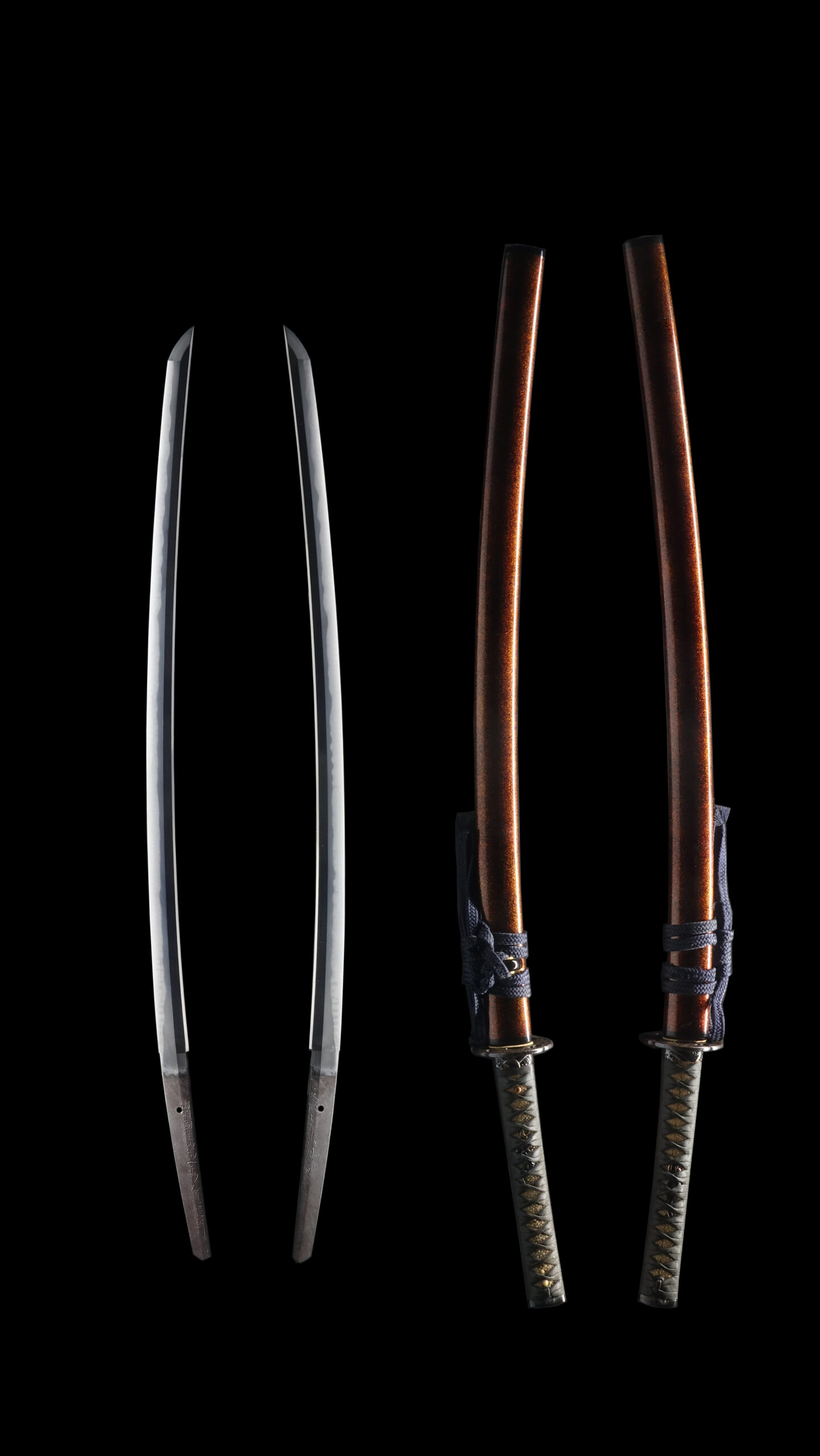
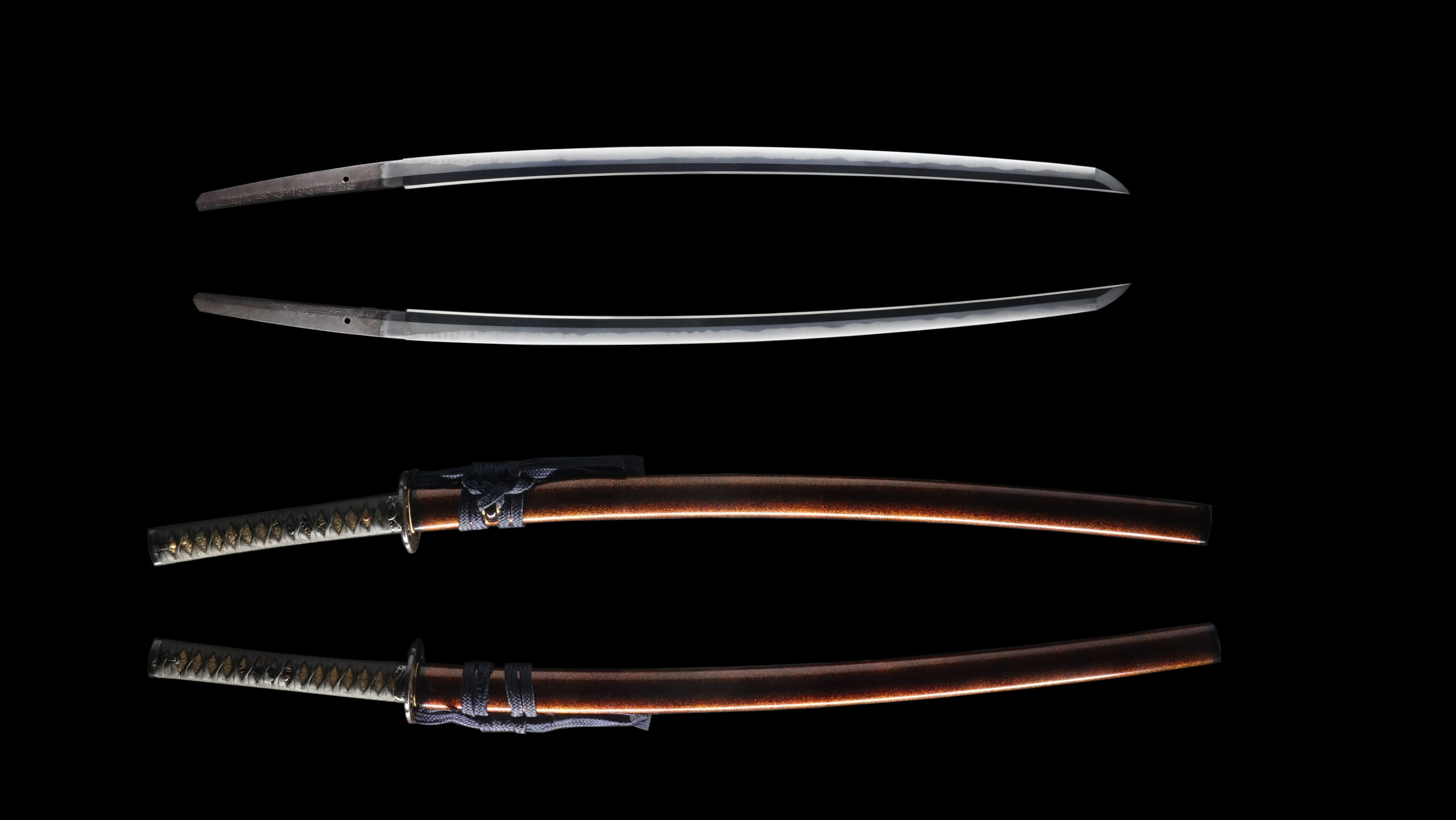
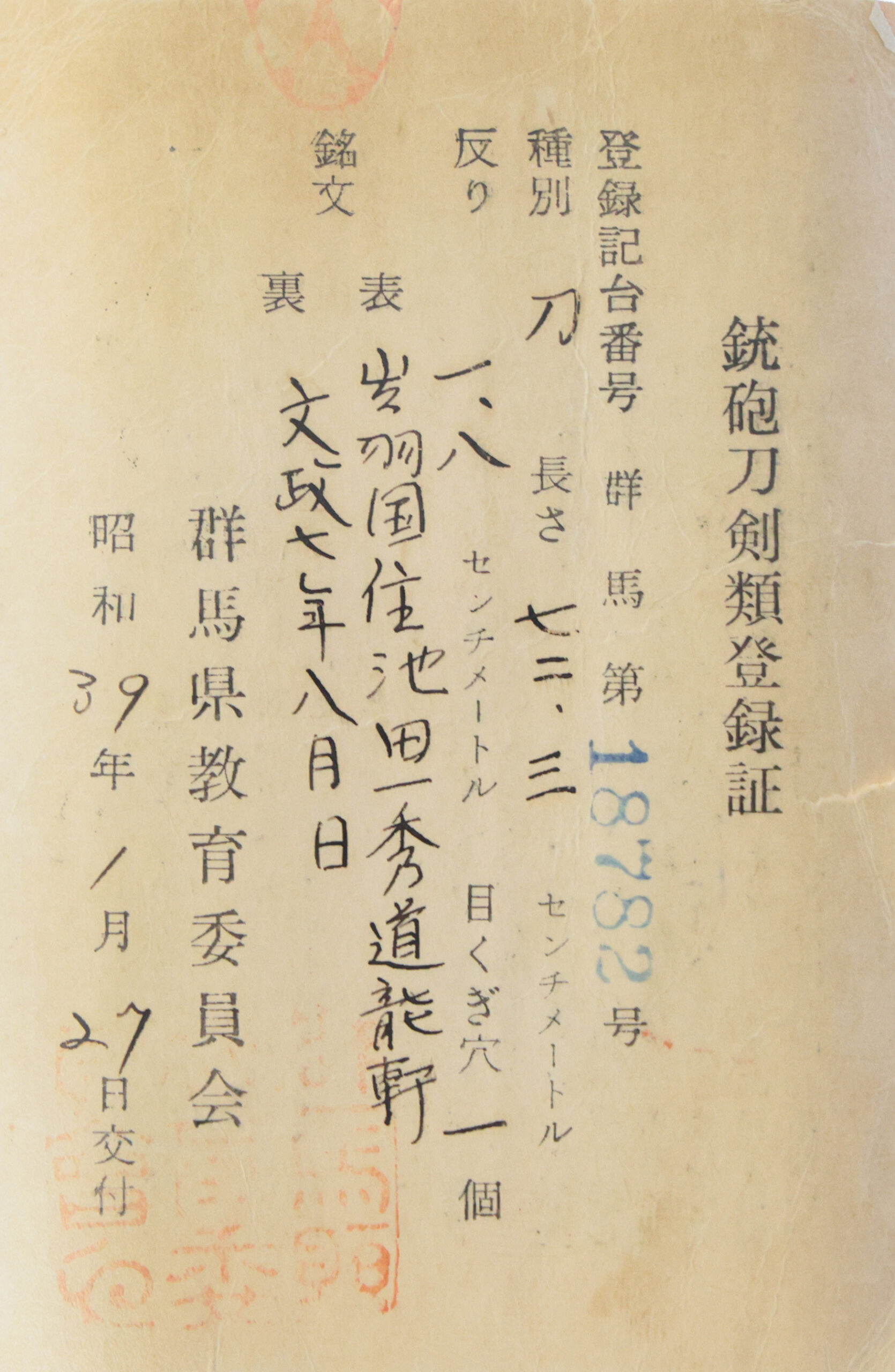
This blade was signed by Ikeda Isshū Nyūdō Ryūken (池田一秀入道龍軒) and dated to the 7th year of the Bunsei era (1824).
Ikeda Isshū, also known as Kazuhide, was a Japanese swordsmith active in Dewa Province (出羽国, present-day Yamagata Prefecture) during the late Edo period. Born into a family of swordsmiths, he became a disciple of the renowned Suishinshi Masahide (水心子正秀) in 1805. Masahide was a leading figure in the Shinshintō (新々刀, New-New Sword) movement, which sought to revive the traditional swordmaking techniques and craftsmanship of earlier periods. Under Masahide’s guidance, Isshū refined his skills and later served as an official swordsmith for the Shōnai Domain, ruled by the Sakai clan. In recognition of his craftsmanship, he received promotions and financial support from the domain. He later took the name Ryūken (龍軒) after taking Buddhist vows and continued forging swords until his death in 1841 at the age of 69.
About Suishinshi Masahide (水心子正秀)
Suishinshi Masahide (1750–1825) is widely regarded as one of the most influential swordsmiths of the Edo period. At a time when many swords were produced primarily as symbols of status, Masahide advocated a return to the practical strength and artistic excellence of the great swords of earlier centuries. His philosophy gave rise to the Shinshintō (“New New Sword”) movement, which sought to revive classical forging traditions. Through his teachings and numerous disciples across Japan, Masahide profoundly shaped the development of Japanese swordsmithing in the late Edo period. Because of his impact on the craft, he is often referred to as the “father of the Shinshintō revival.”
Appraisal
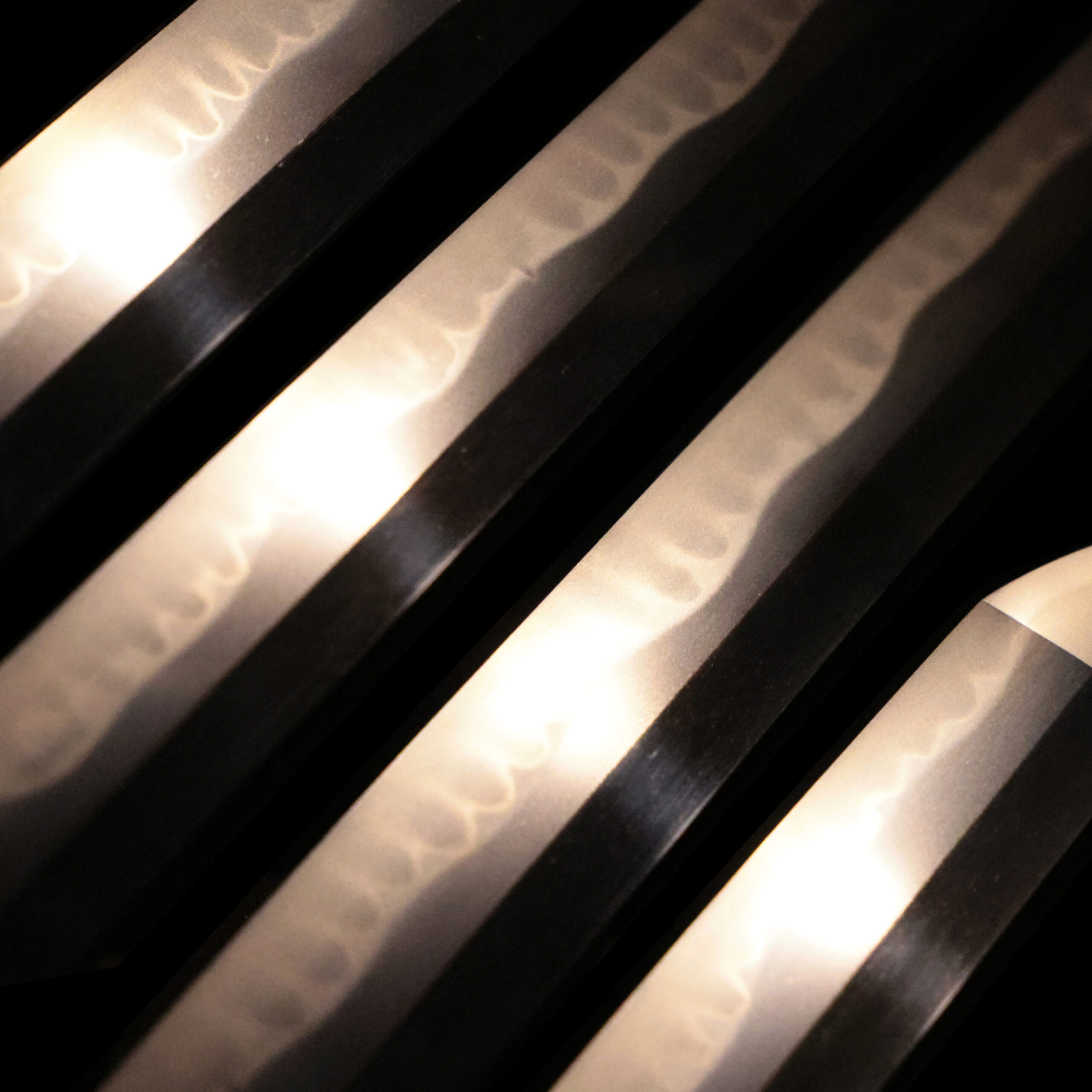
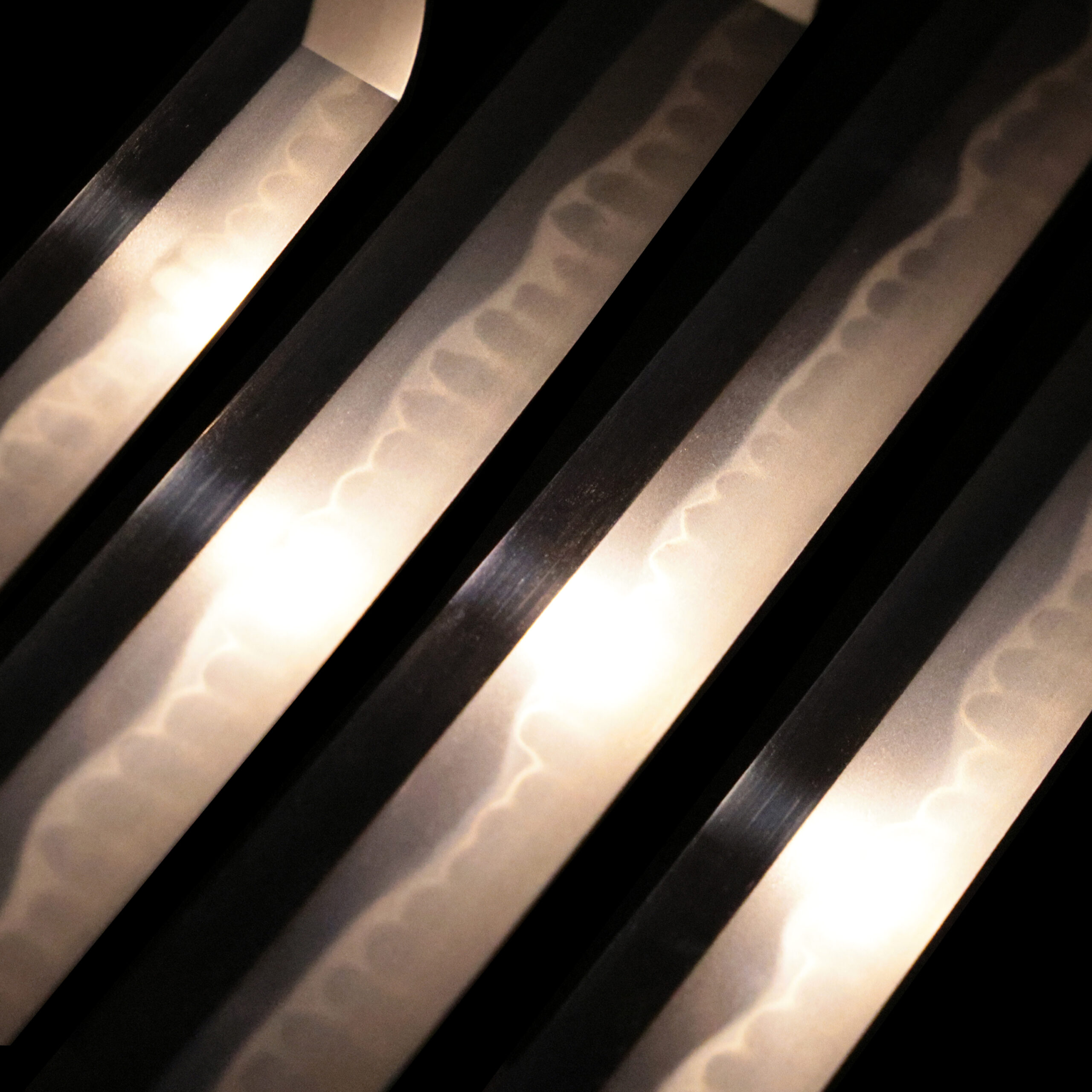
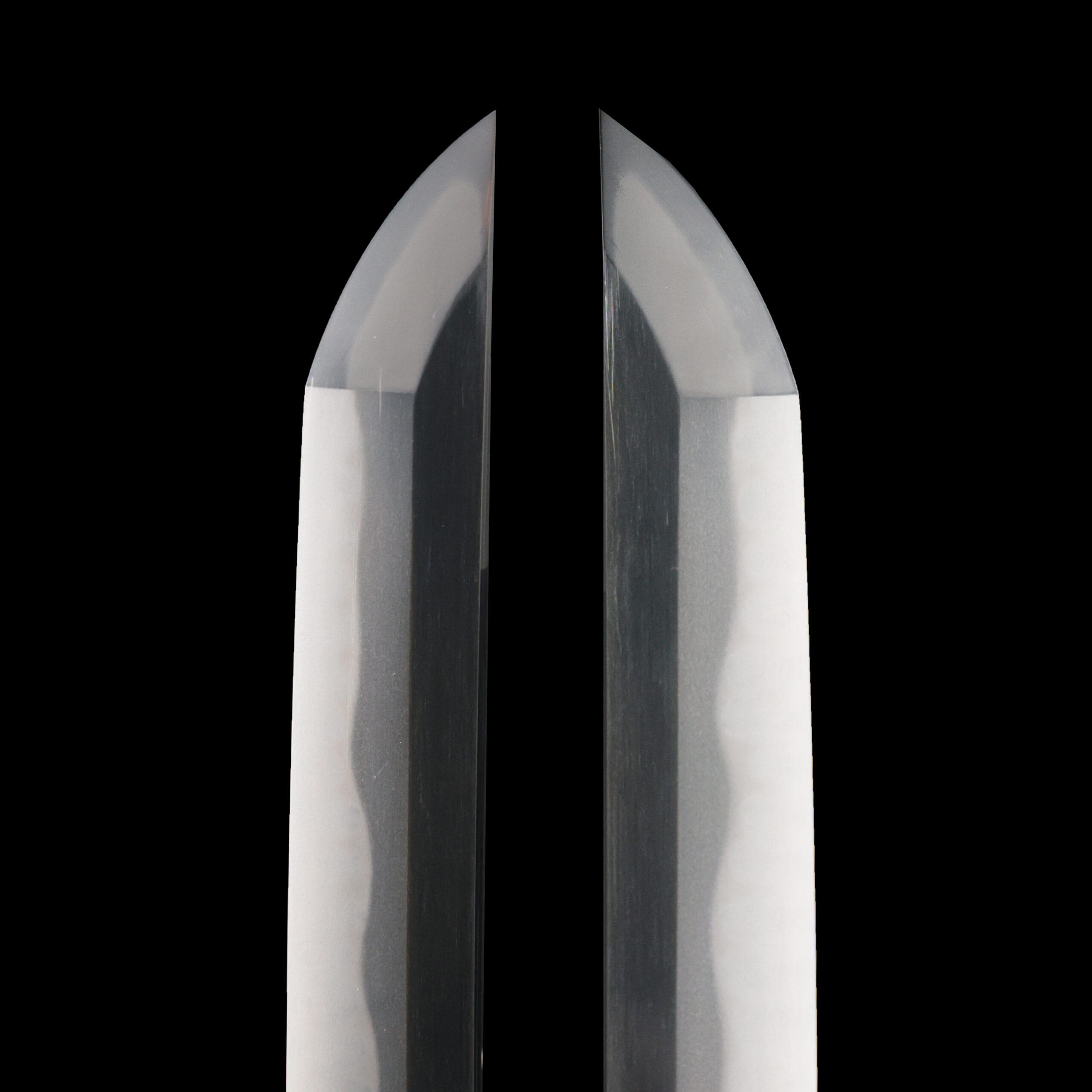
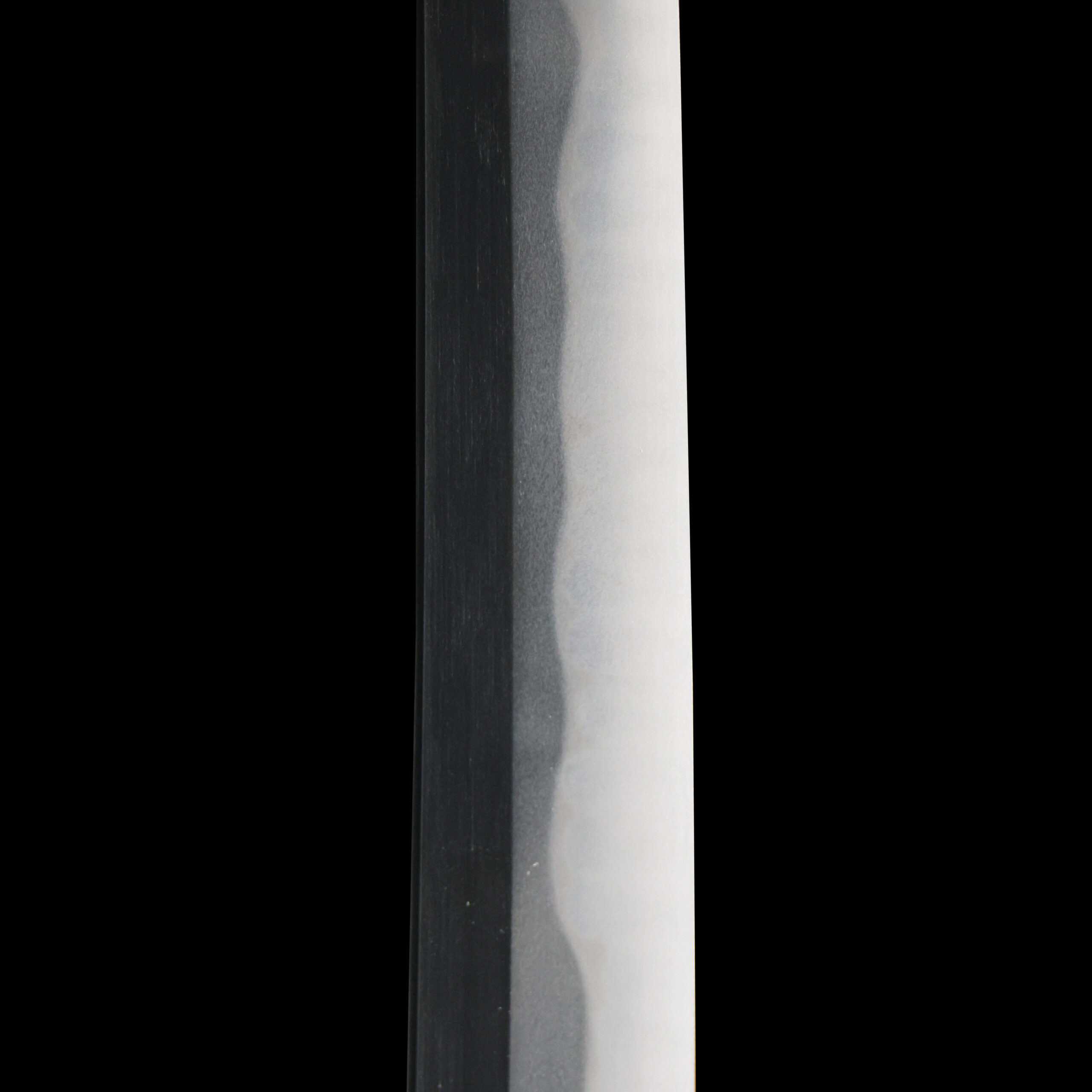
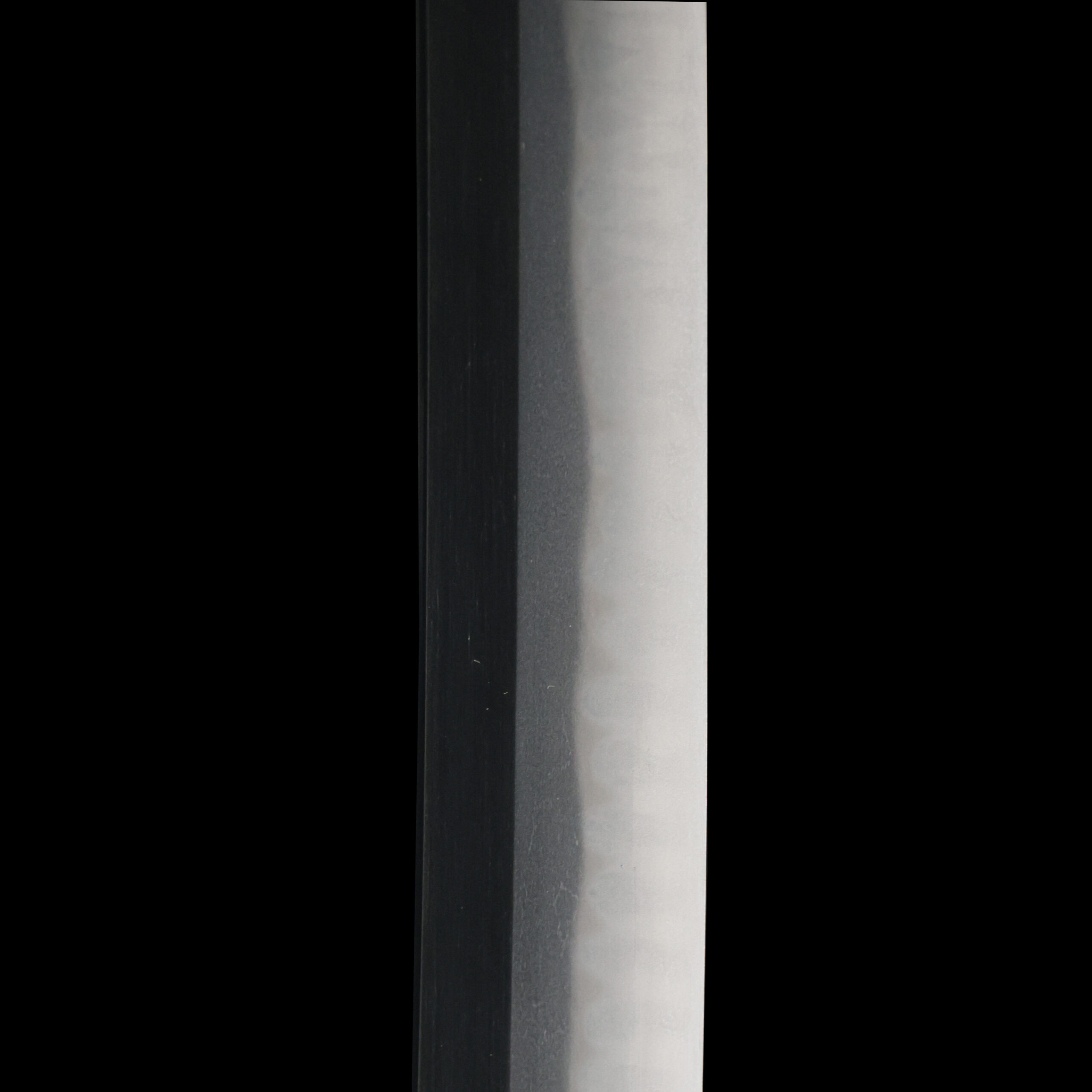
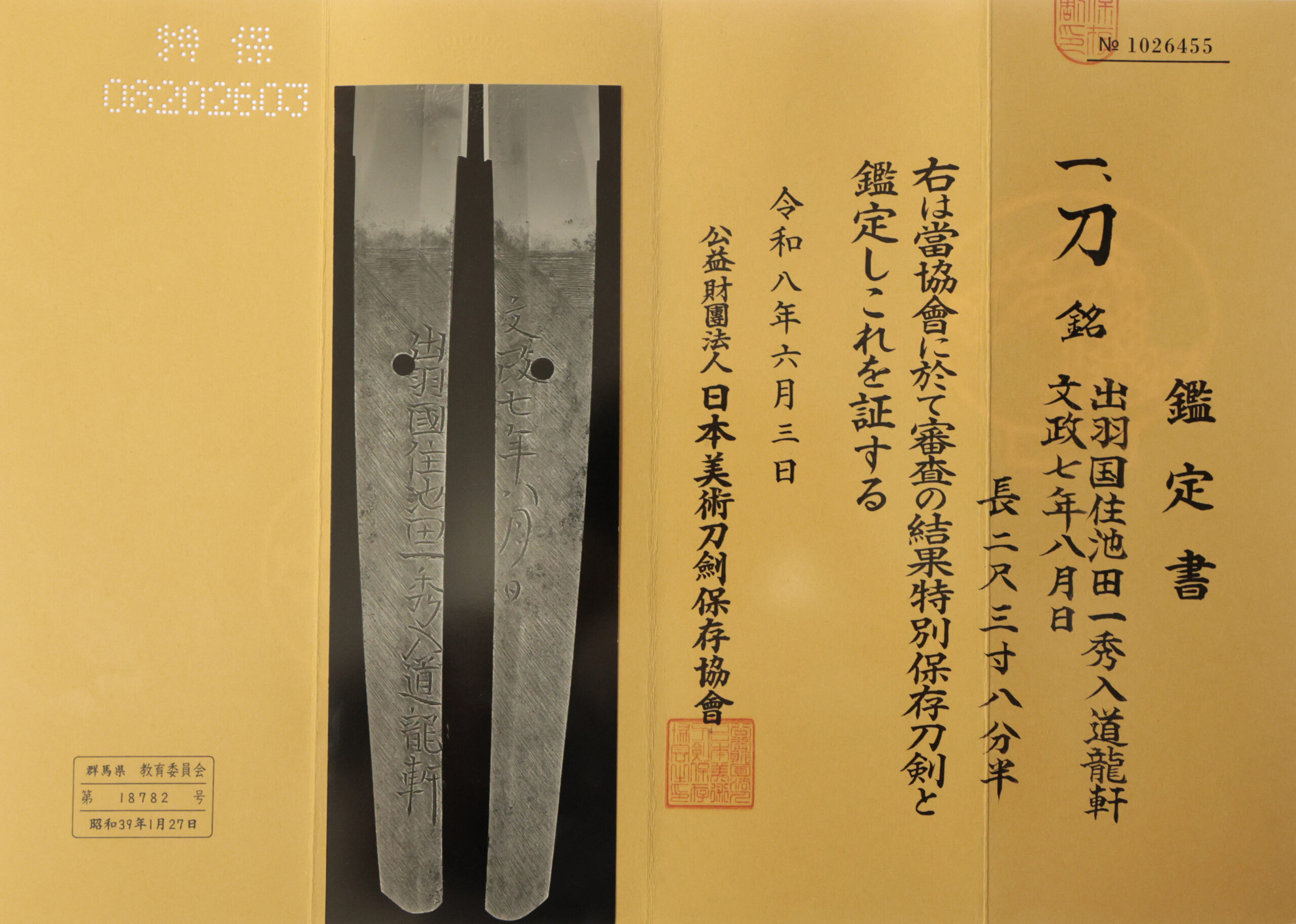
This Katana blade was appraised as a Tokubetsu Hozon Token (特別保存刀剣). It was issued by NBTHK (Nihon Bijutsu Touken Hozon Kyokai:日本美術刀剣保存協会). This authentication papers were only given to authentic Japanese swords, well preserved and high quality with artistic value.
*Please keep in mind that there is a Kitae Kizu on the blade.
Fuchi-Kashira
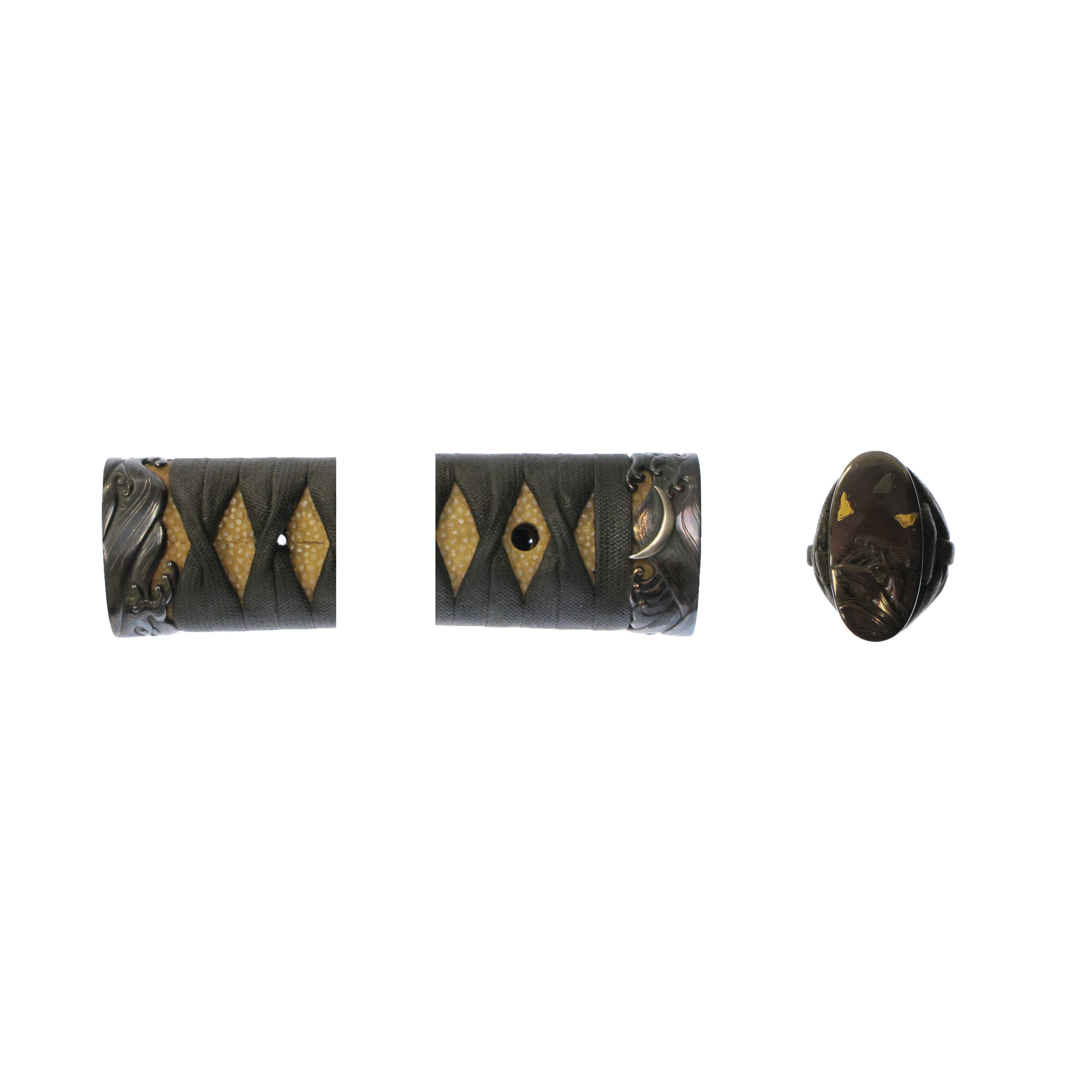
This fuchi-kashira features waves (波, nami) as its main theme, with each piece incorporating a different traditional Japanese design.
The fuchi (collar) is decorated with a combination of waves and a crescent moon (三日月, mikaduki). In Japanese art, the crescent moon has long been admired as a symbol of the changing seasons, the passage of time, and the subtle beauty of nature. Moon-related designs are also associated with traditional auspicious motifs, such as rabbits leaping over waves beneath the moon, symbolizing good fortune and progress.
The kashira (pommel) features the Nami Chidori (波千鳥, Waves and Plovers) design, a traditional Japanese auspicious motif depicting plovers flying together over rough waves. In Japanese culture, plovers are associated with good fortune and success through the wordplay between chidori (千鳥, plover) and chidori (千取り, gaining a thousand victories or achievements). The waves represent life’s challenges, while the birds flying above them symbolize perseverance and the ability to overcome difficulties. Together, these motifs are traditionally associated with good fortune, marital harmony, and the safety and well-being of the family.
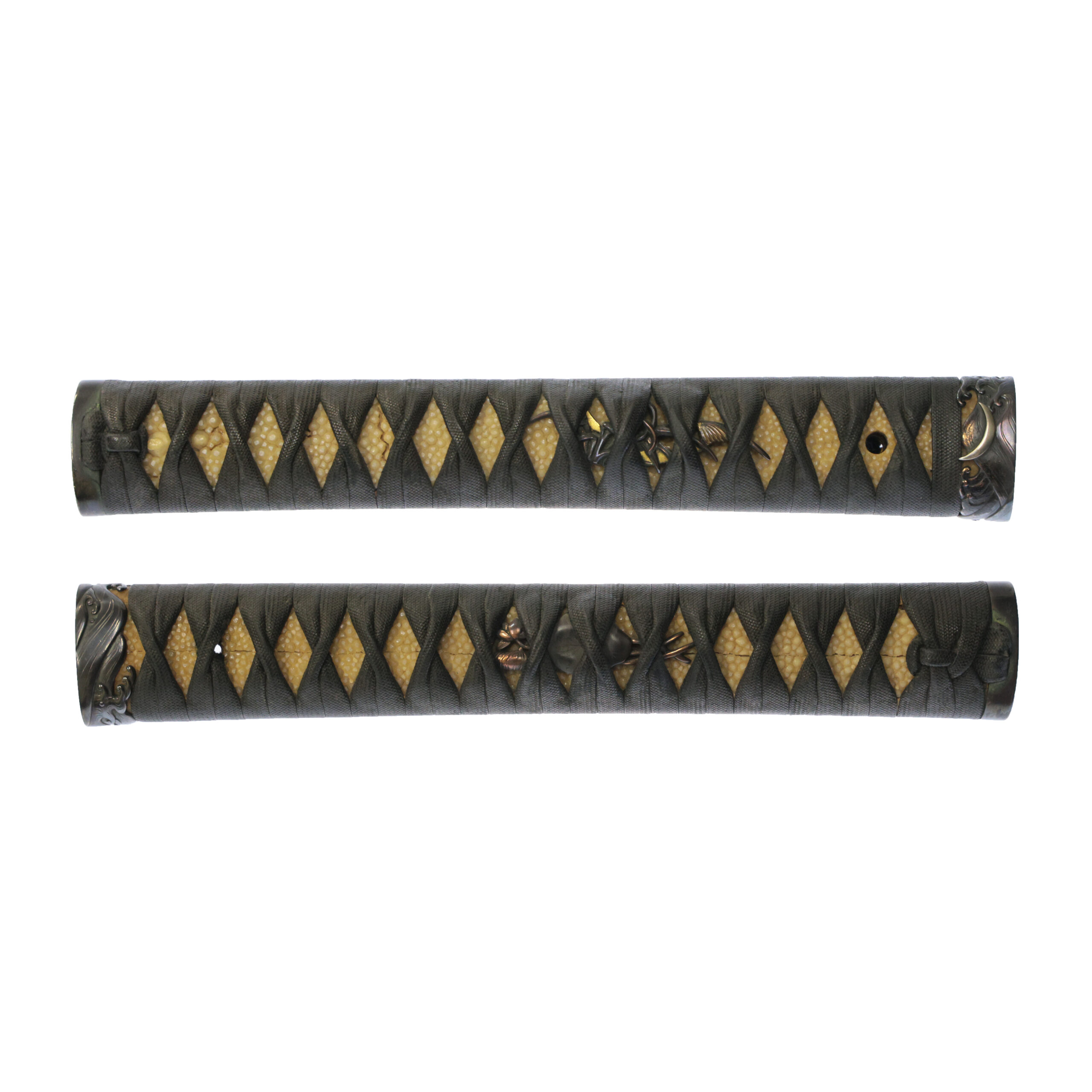
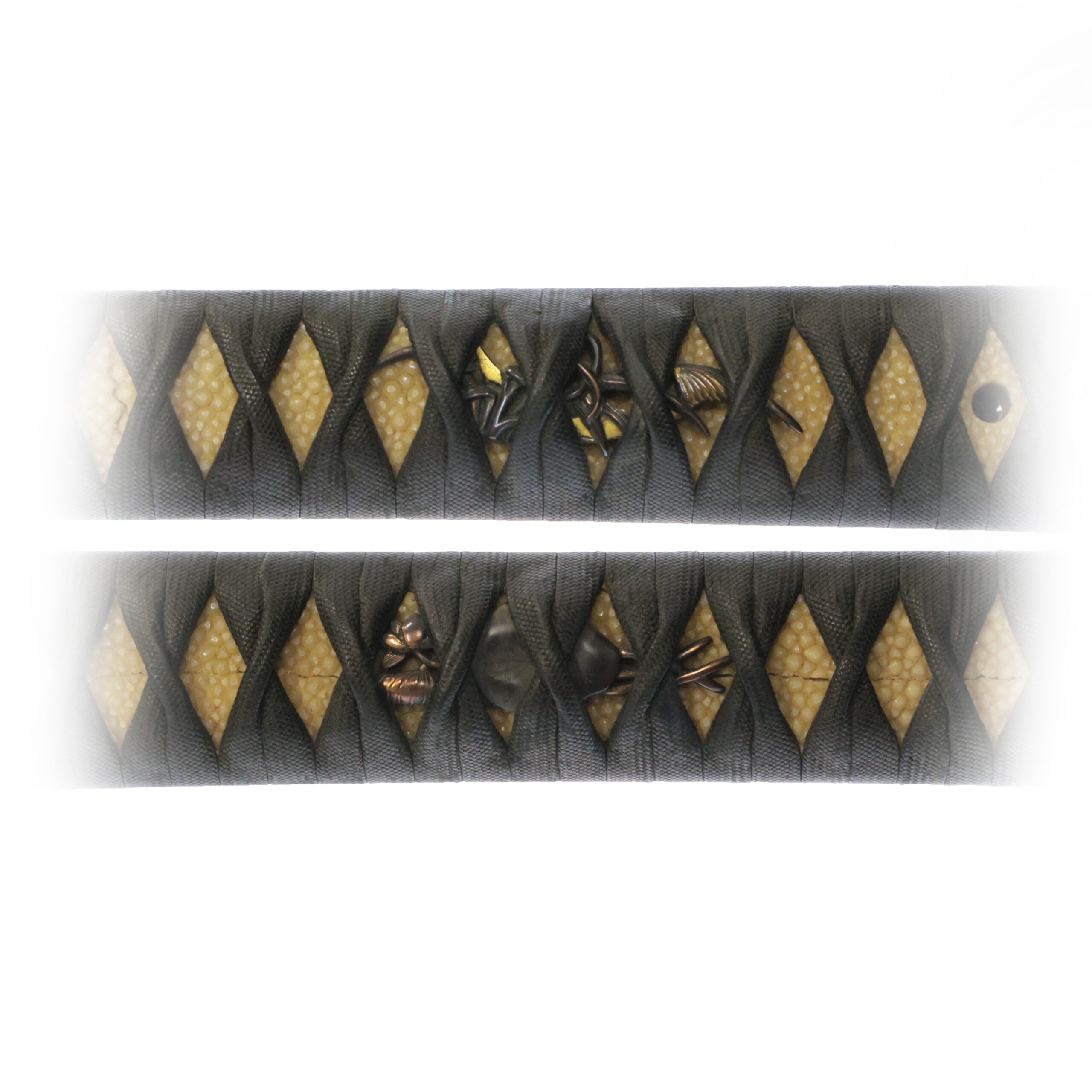
Tsuka and Menuki
The theme of this Tsuba appears to be Akikusa (秋草, autumn grasses and flowers). This motif often features plants associated with the traditional “Seven Flowers of Autumn” celebrated in Japanese poetry, such as bush clover (Hagi, 萩), pampas grass (Susuki, 薄), bellflower (Kikyo, 桔梗), and dianthus (Nadeshiko, 撫子).
Since ancient times, these autumn plants have been admired for their graceful forms swaying gently in the wind. In Japanese culture, they are cherished not only for their seasonal beauty, but also for the quiet elegance and subtle melancholy they evoke as autumn approaches.
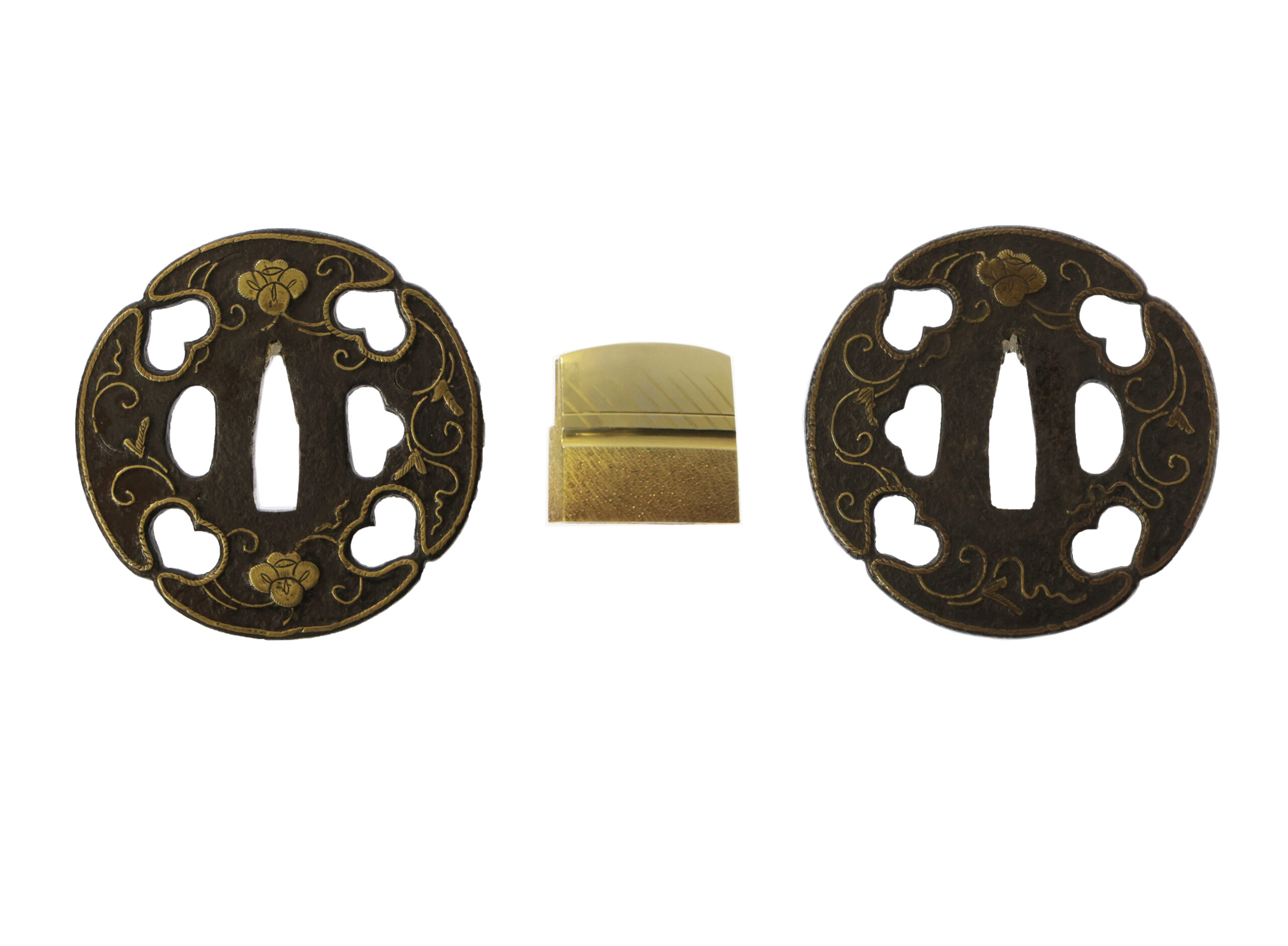
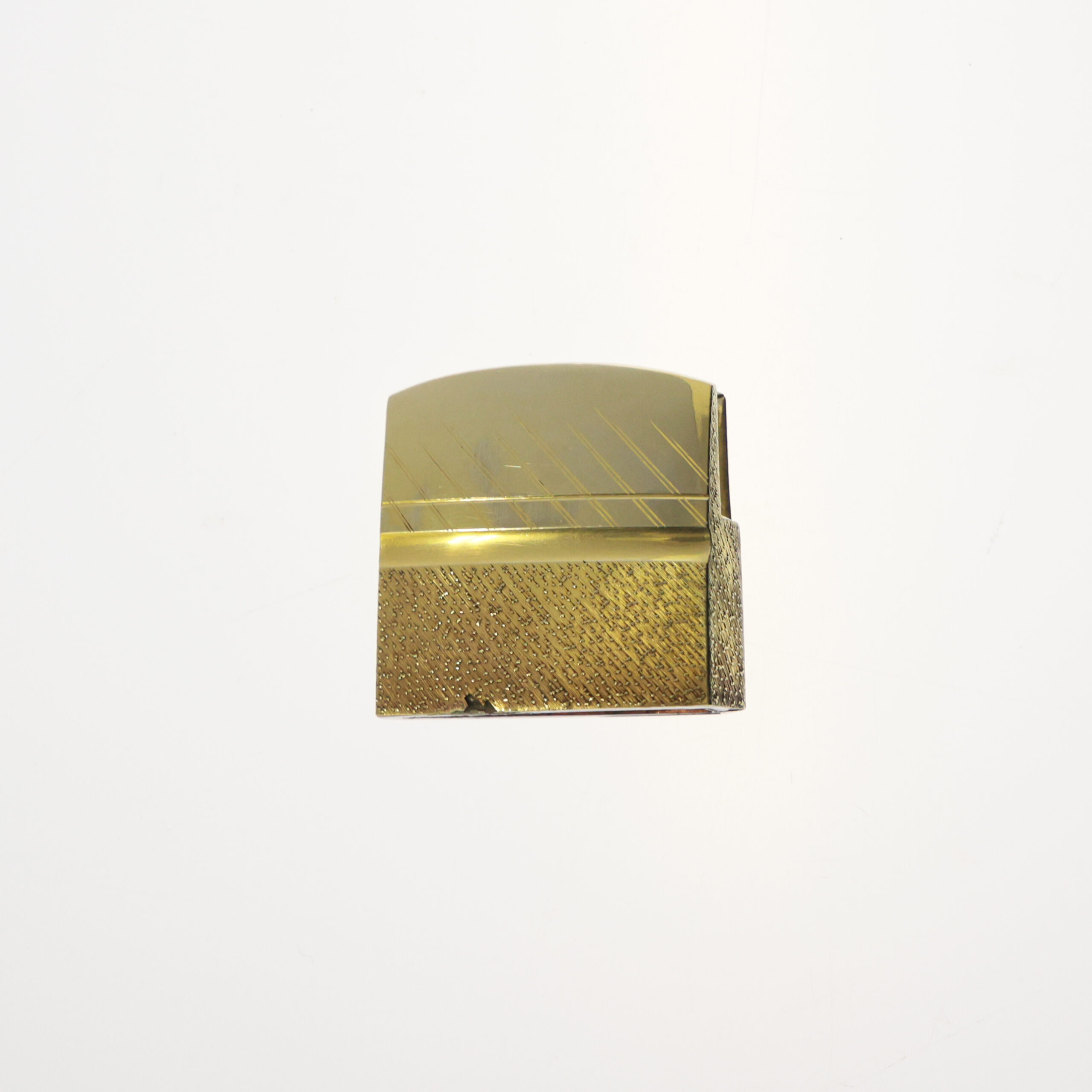
Tsuba and Habaki
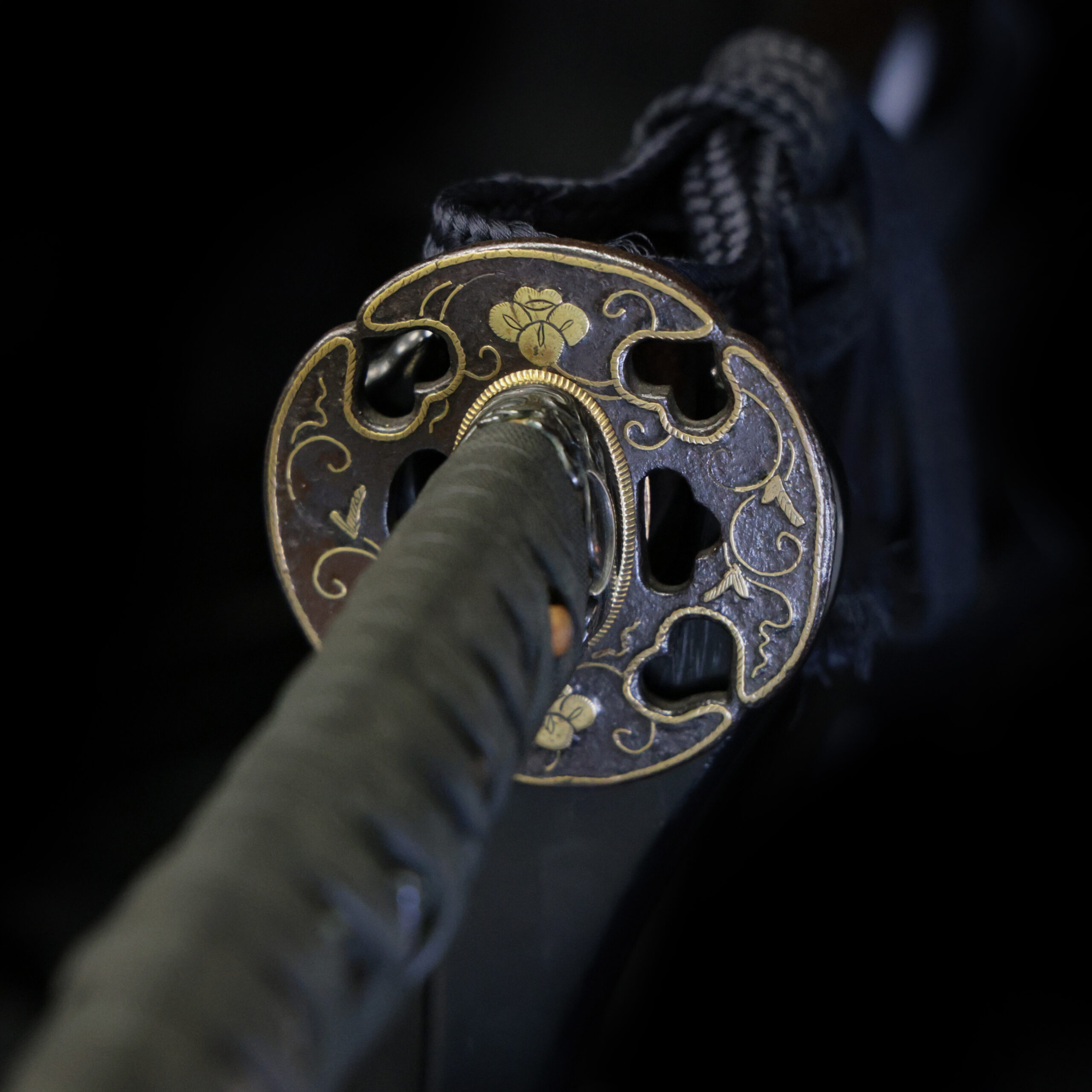
This Tsuba is crafted in the shape of a mokko (木瓜, “four-lobed”) form, which is derived from the stylized outline of a chrysanthemum flower (菊, kiku).
Within each of the lobed sections, the openings are shaped like inome (猪目) — heart-shaped designs that have been used in Japanese art and architecture since ancient times. The inome motif, literally meaning “boar’s eye,” was traditionally believed to ward off evil spirits and invite good fortune, while also adding a graceful decorative touch.
*Please note that there is a small chip on the lower edge (台尻, Dajiri) of the Habaki (鎺, blade collar). If you would like more details about its condition, please feel free to contact us.
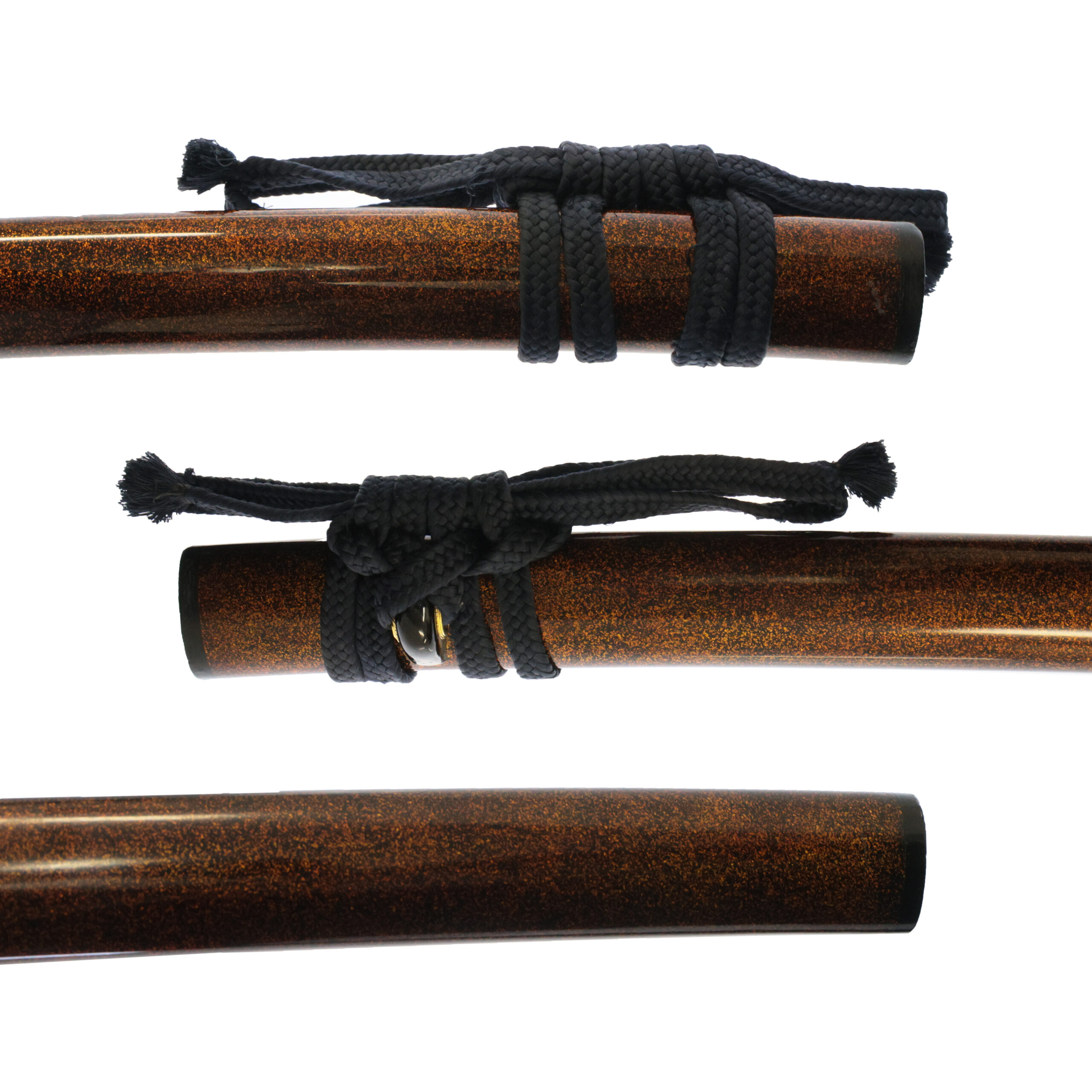
Saya
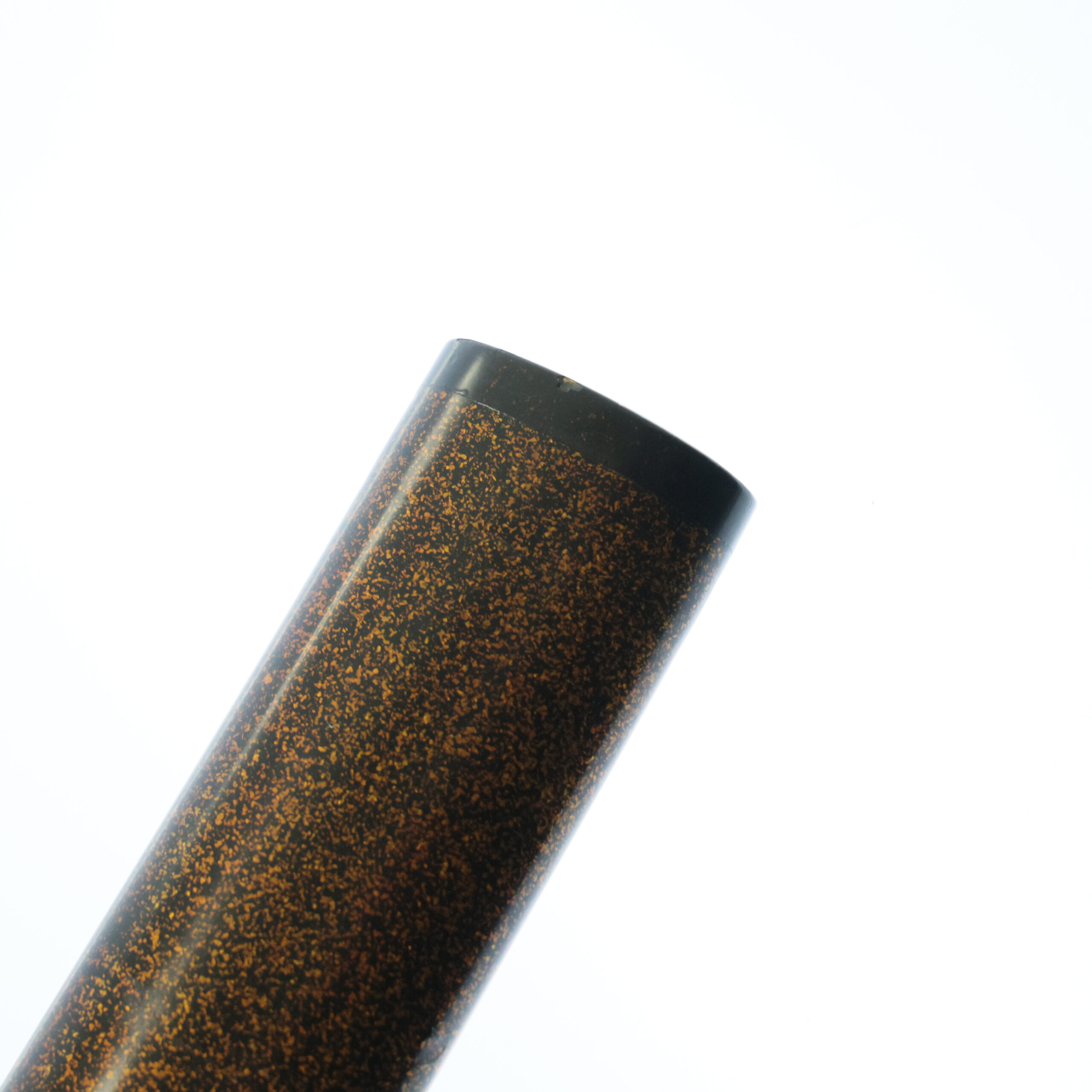
This saya is finished using a traditional Japanese lacquer technique known as Kinnashiji-nuri (金梨地塗). In this method, fine gold powder is sprinkled over layers of black lacquer to create a delicate, pear-skin-like texture. The surface gently shimmers, revealing elegant variations in tone and brilliance depending on the angle of light. Such decoration was commonly seen on sword fittings during the Edo period, symbolizing the dignity and refined taste of high-ranking samurai. By applying multiple layers of lacquer and repeatedly polishing the surface, artisans achieved a finish that combines both durability and timeless beauty.
*Please note that there is a small chip in the black lacquer on the kojiri (鐺, the end of the scabbard). If you would like more details about its condition, please feel free to contact us.
Authentication Paper
NBTHK,, also known as Nihon Bijutsu Touken Hozon Kyokai (the Society for the Preservation of the Japan Art Sword), is one of the oldest Japanese sword appraising organizations in modern-day Japan. They authenticated the Katana blade on June 3rd in the 8th year of the Reiwa (2026) . It means the blade worth preserving for Japanese society.
Registration Number
The Board of Education in Gunma prefecture issued a registration paper for the Katana blade.

 NihontoWatch