NihontoWatch Mon

NihontoWatch

MarketAuctions
Encyclopedia
NihontoWatch Mon

NihontoWatch

MarketAuctions
Encyclopedia

Description

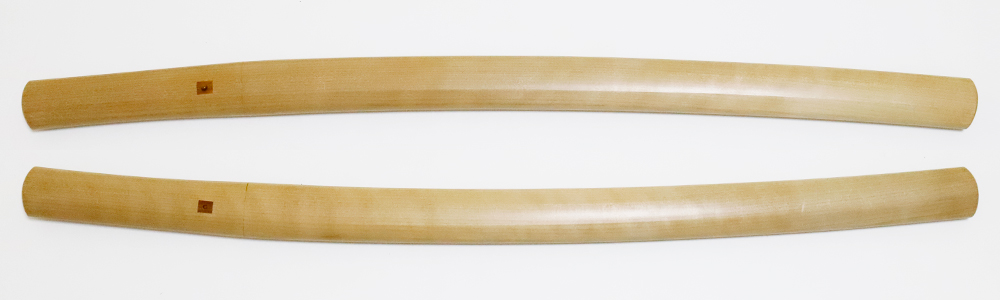
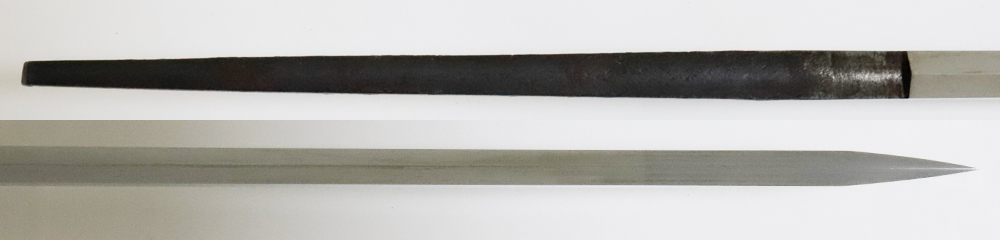
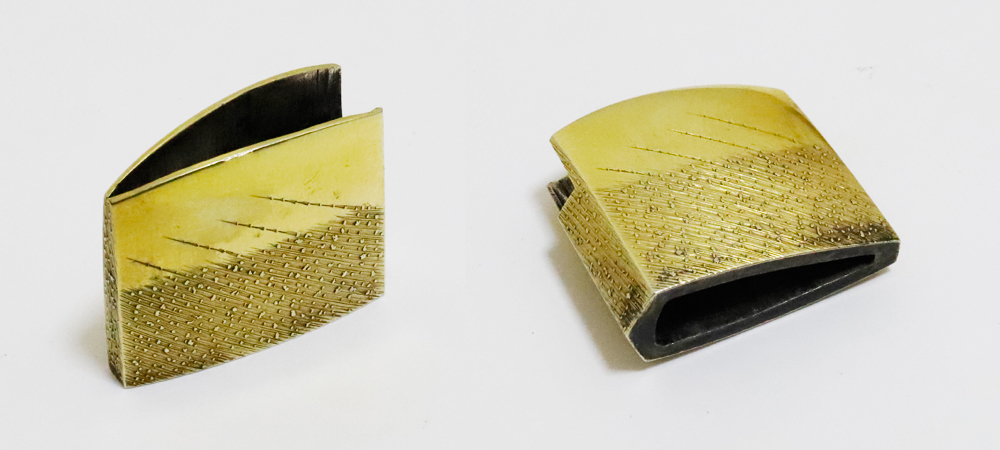
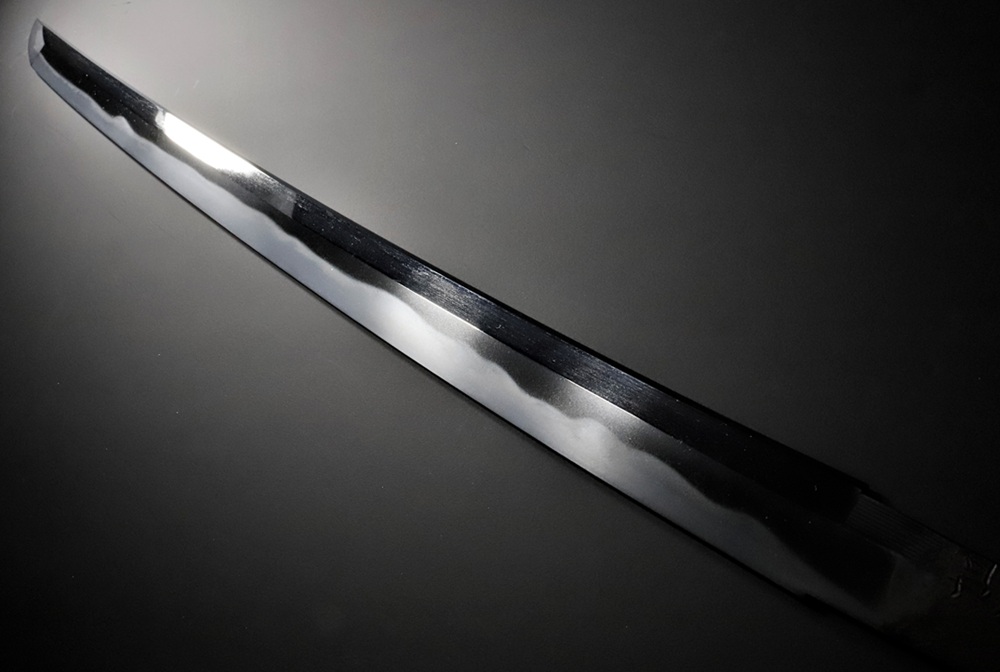
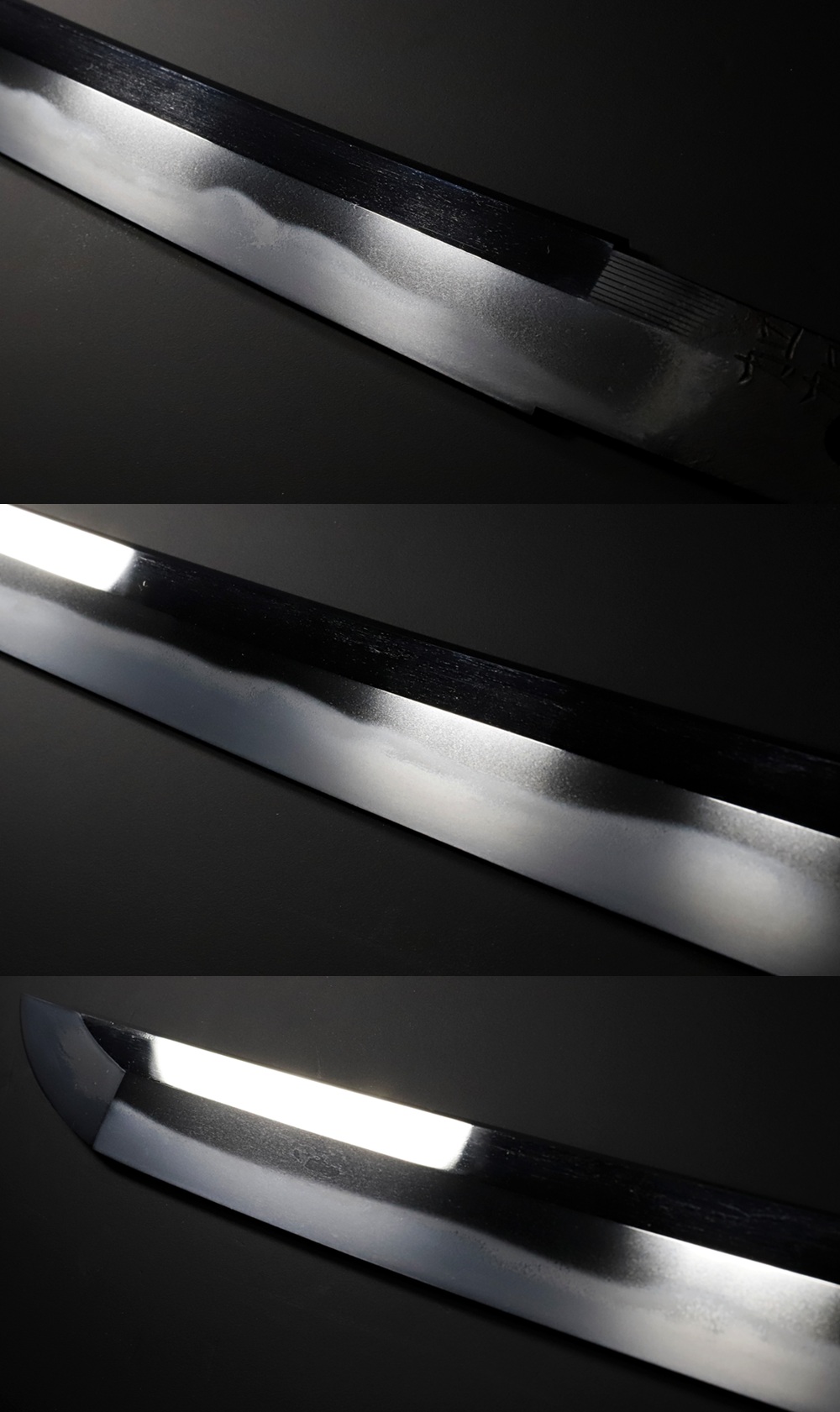
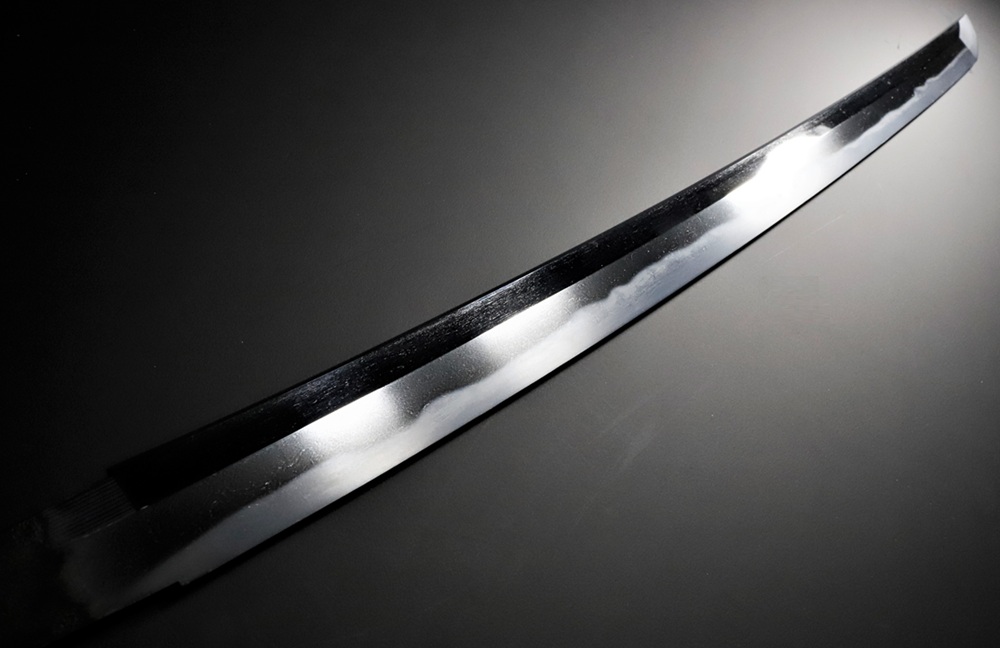
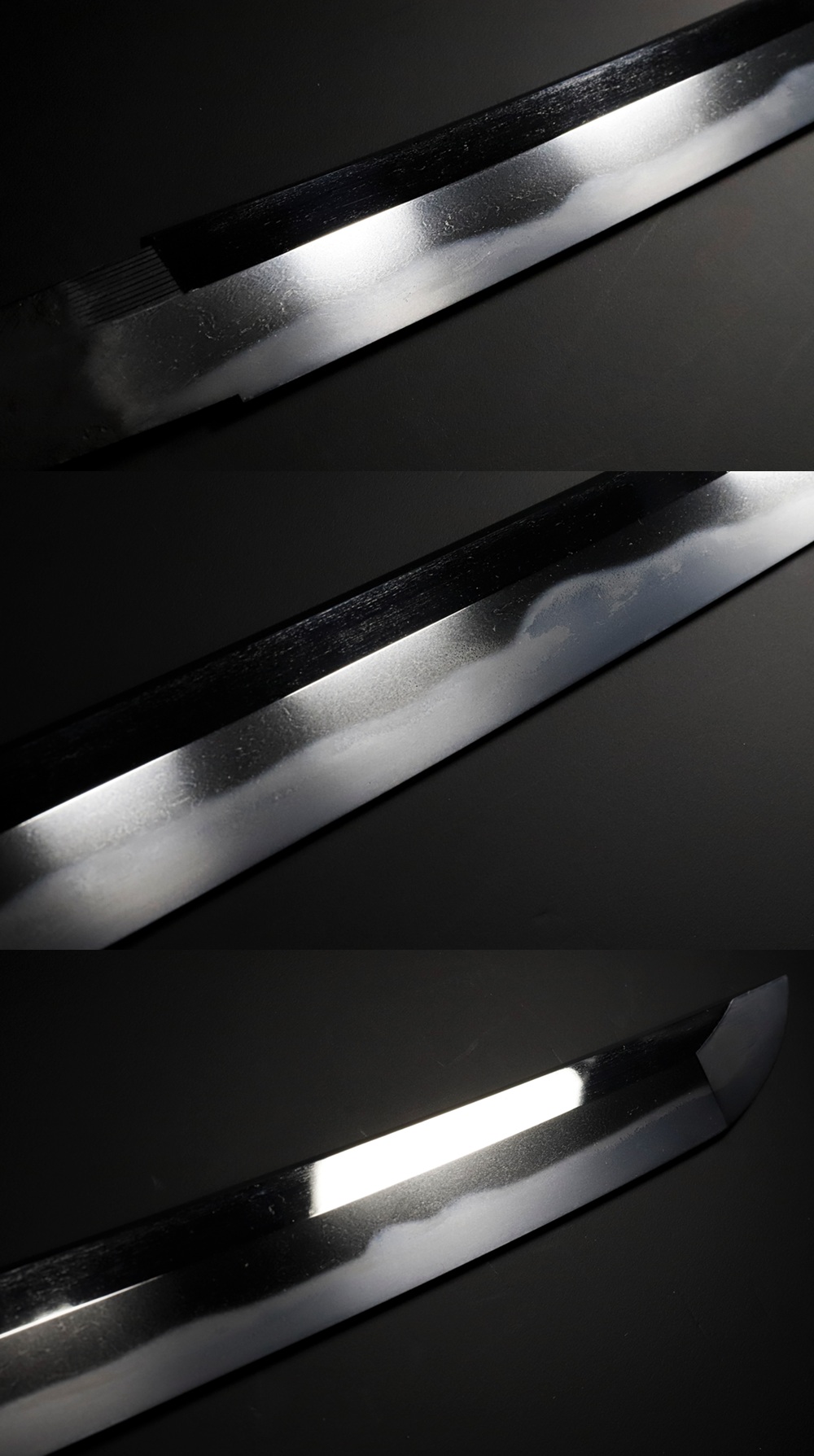
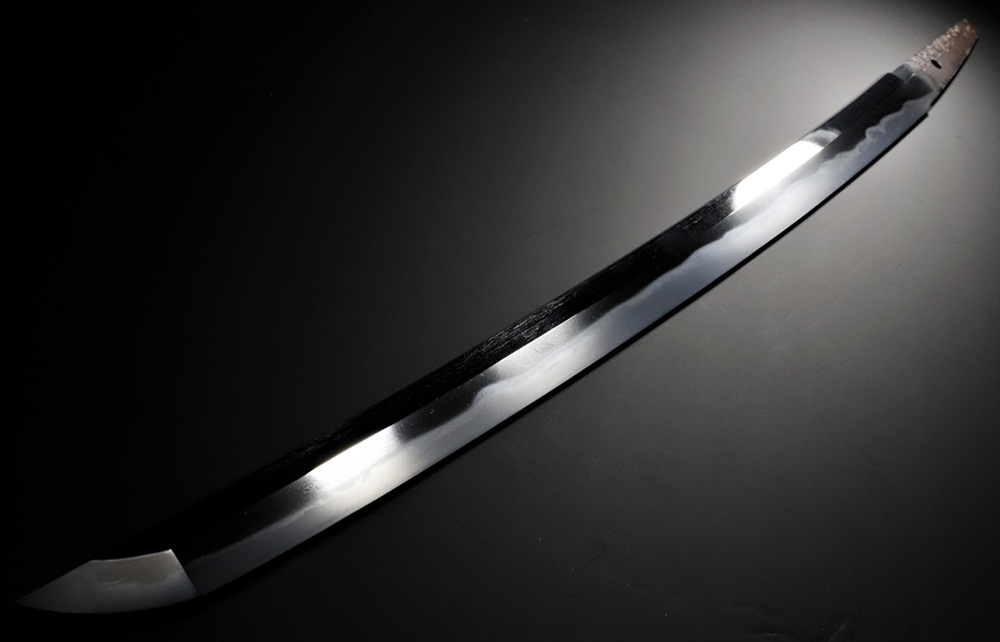
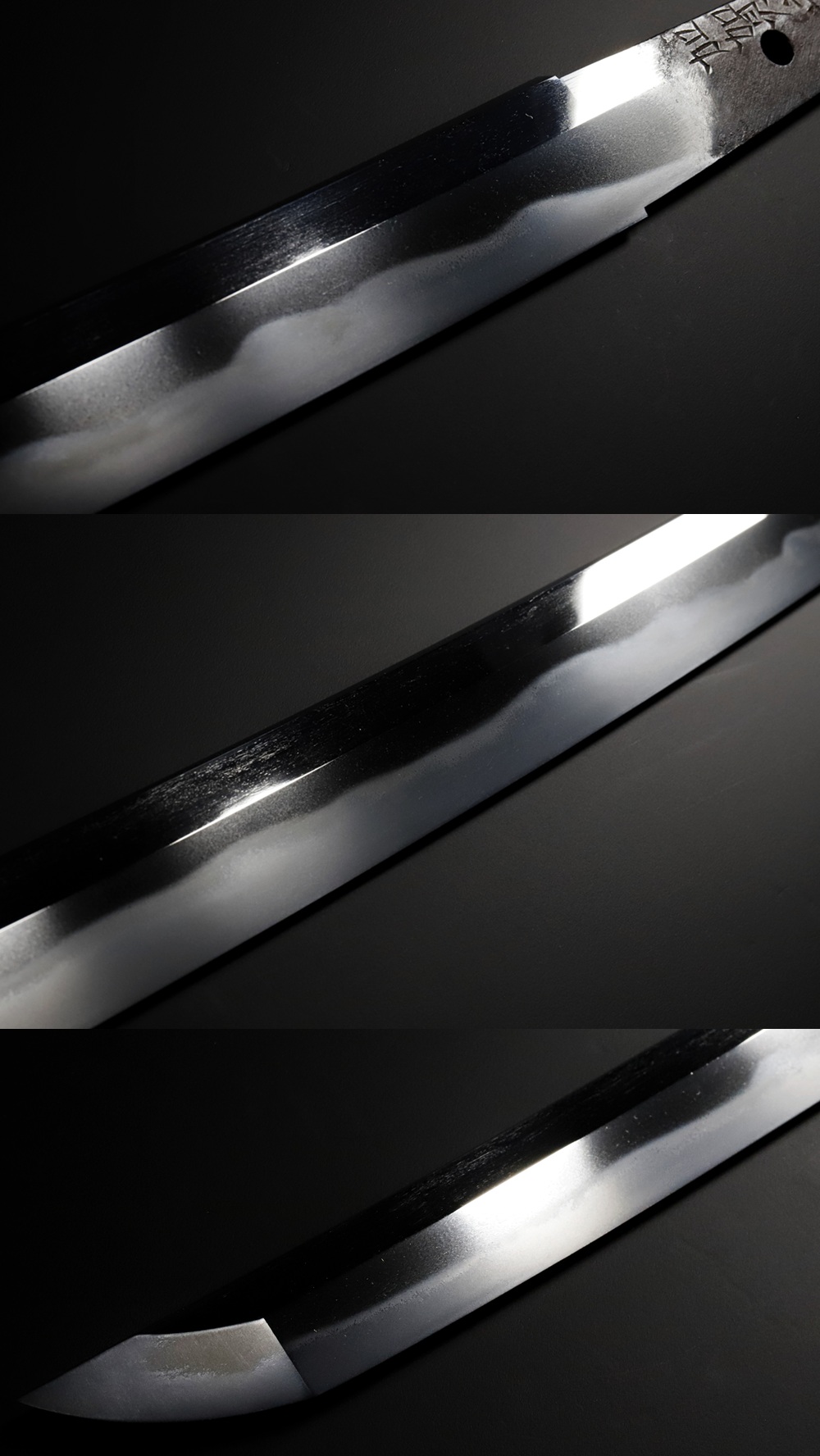
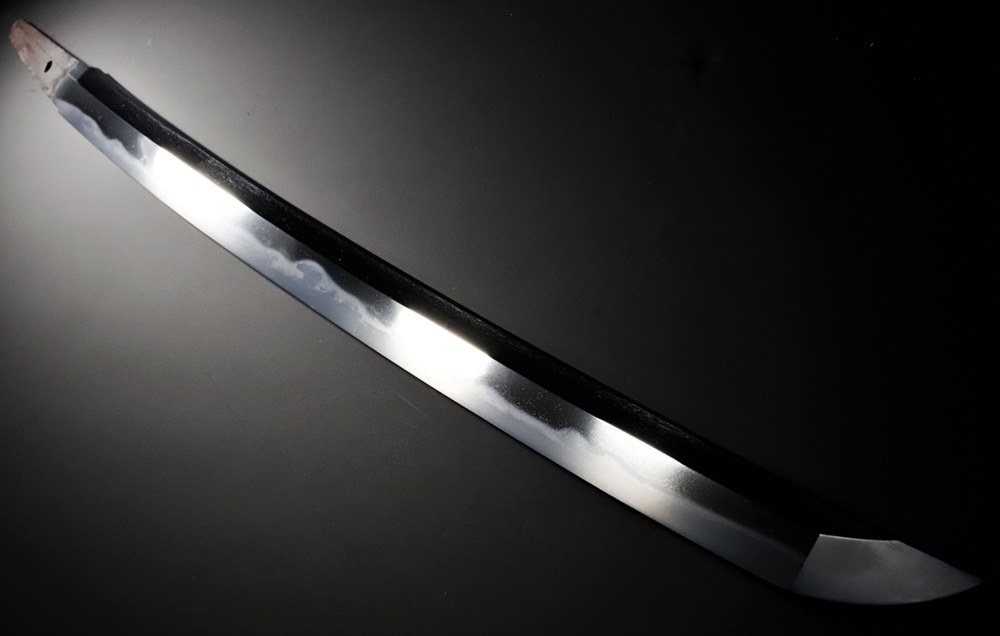
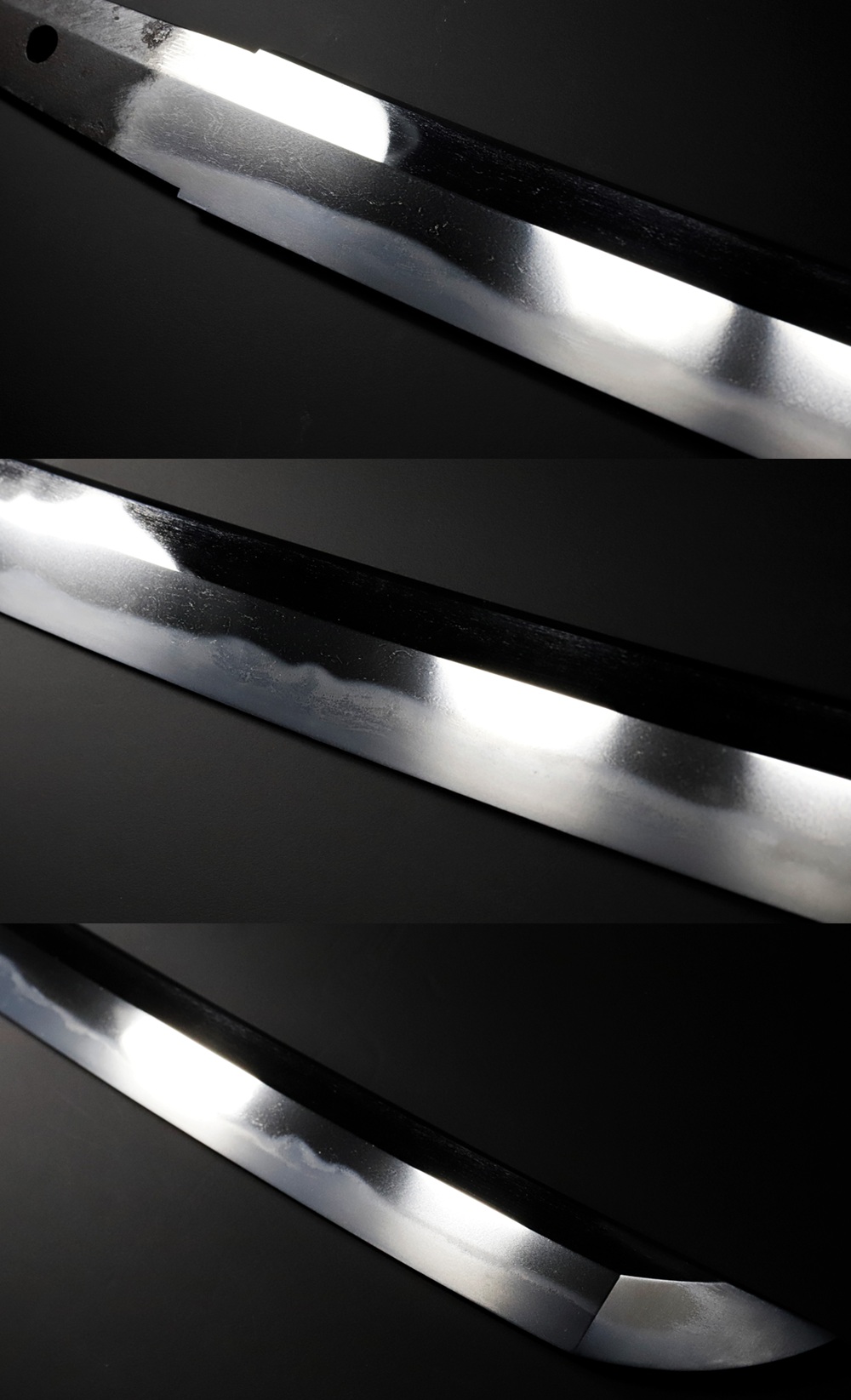
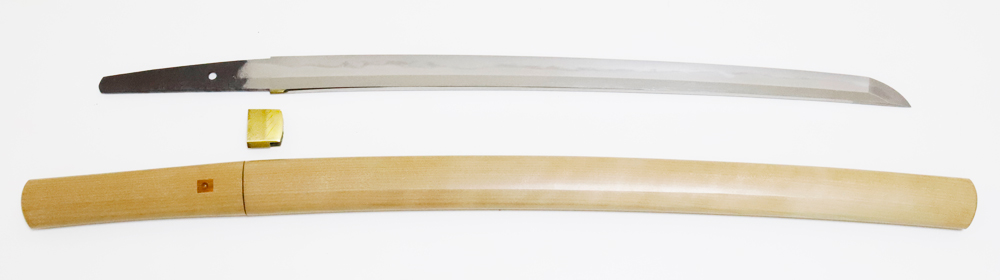
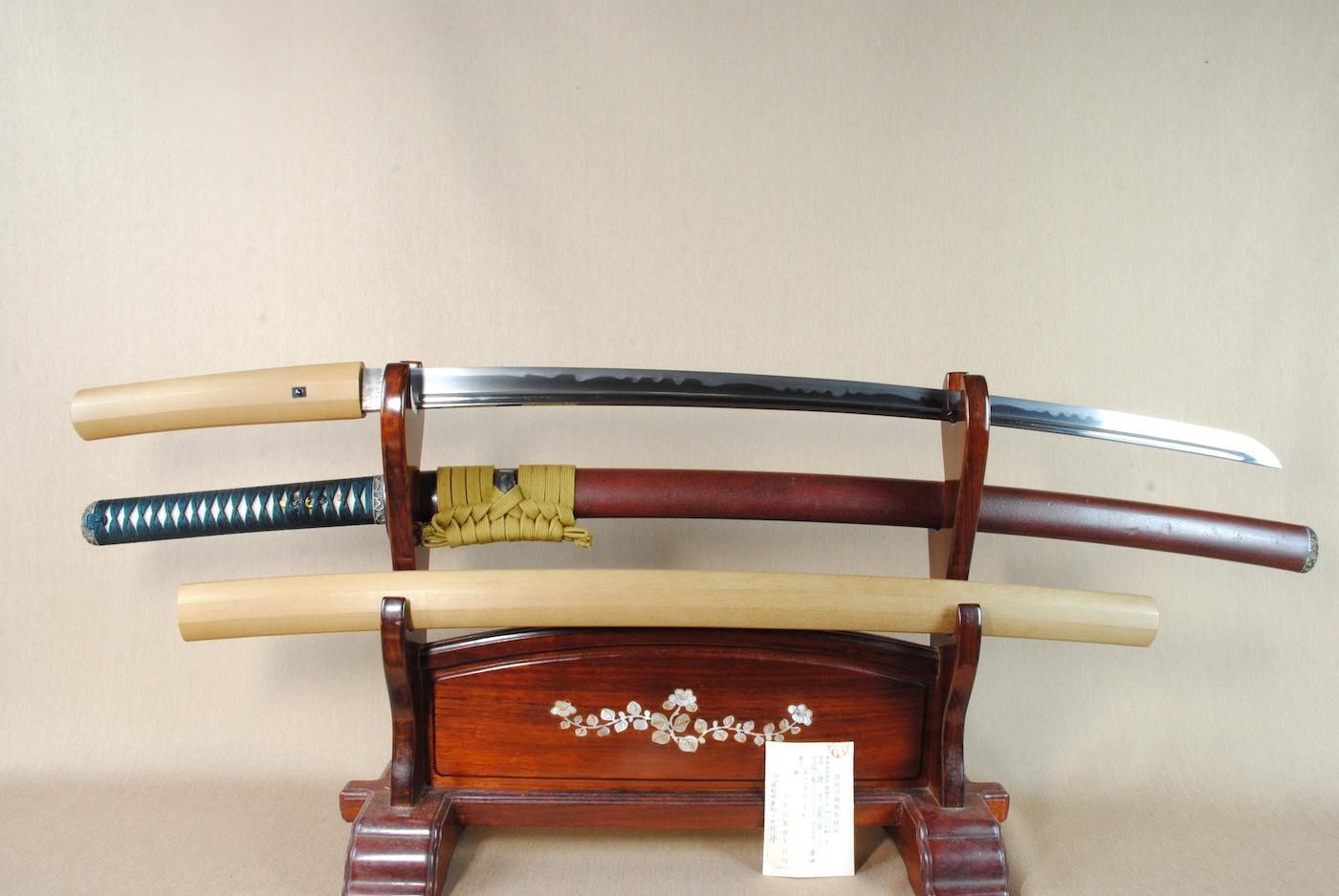
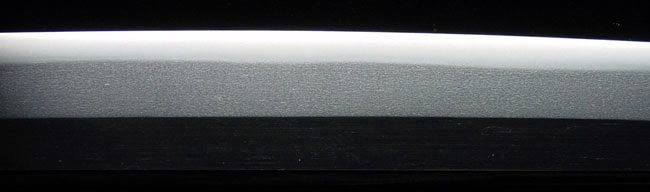
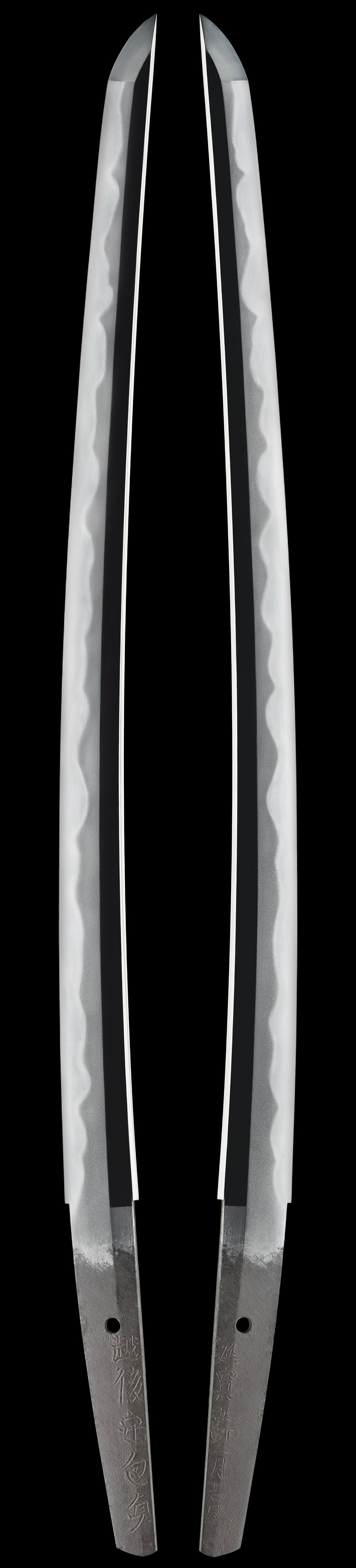
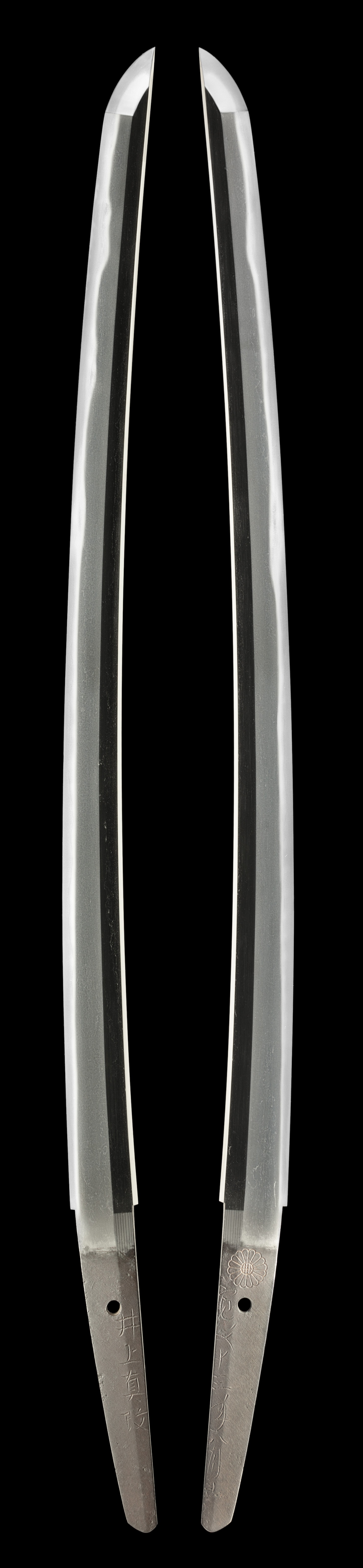
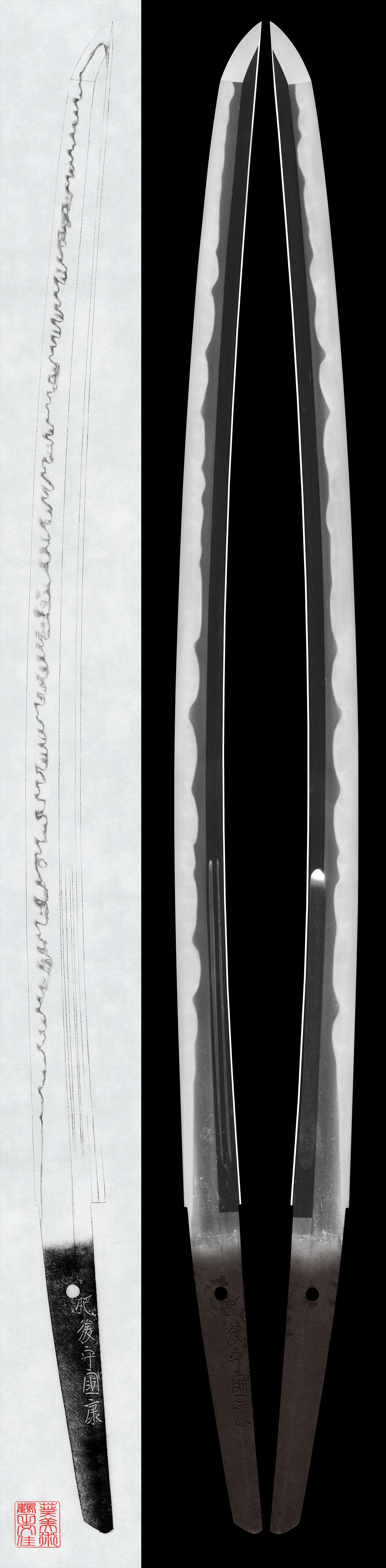
This katana was made by Kaga no Kami Fujiwara Sadanori in Mutsu province during the Edo period. The blade features a refined sugata with a gentle curvature and a hamon of undulating notare with small ko-nie. The sword comes with a silver habaki and has been certified as Tokubetsu Hozon by the NBTHK in 2025.

Certificate Reading

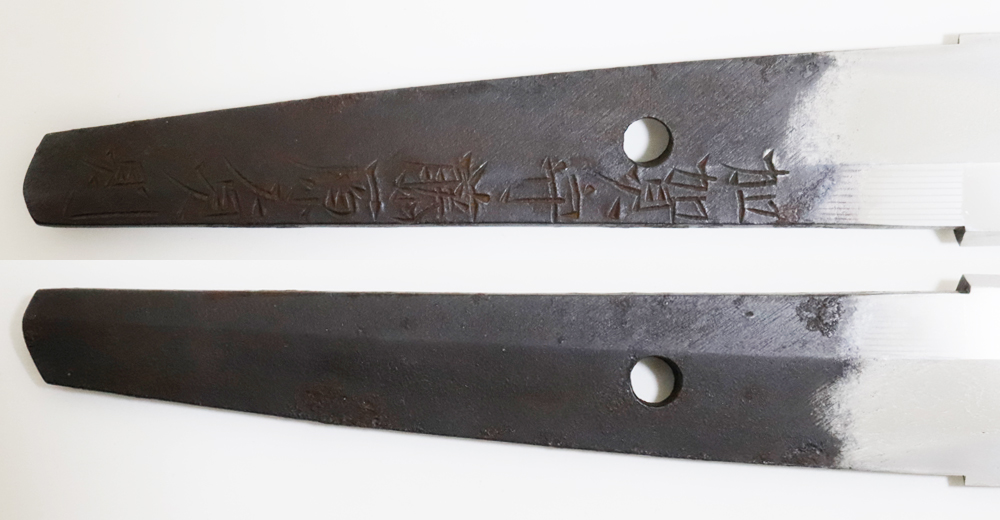
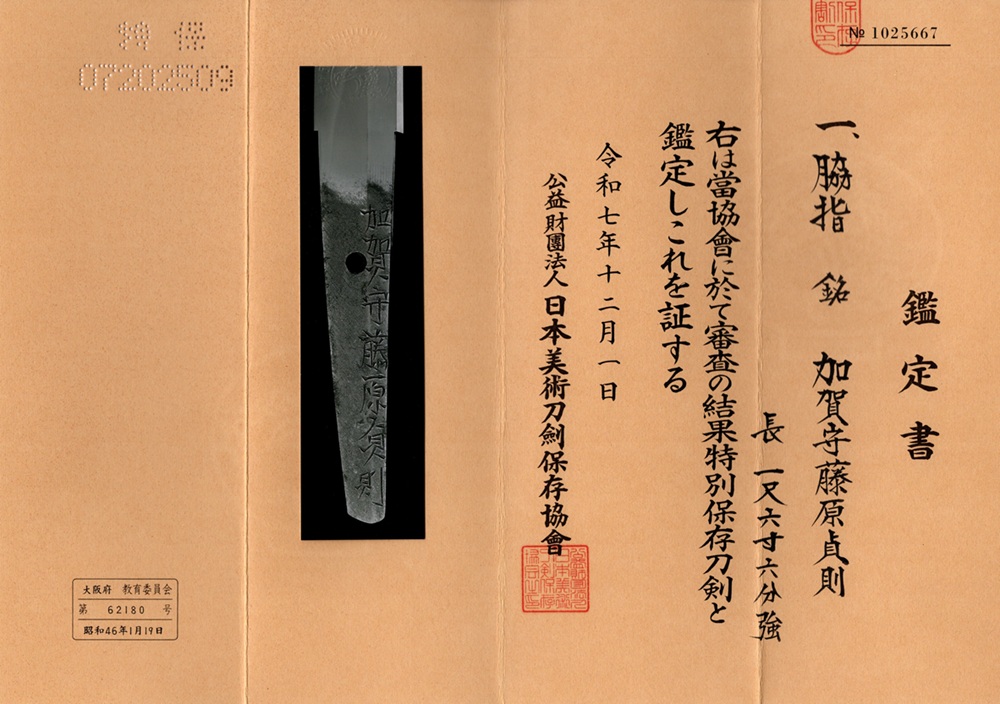
Certificate reading — 銘 加賀守藤原貞則

NihontoWatch MonNihontoWatch
MarketAuctionsEncyclopedia
Swords›Osaka Shinto›Sadanori›Katana: Kaga no Kami Fujiwara Sadanori
wakizashiTokubetsu Hozon
Shinto Sadanori

Katana: Kaga no Kami Fujiwara Sadanori

mei · Kanbun (1661-1673) · nagasa 50.4cm · sori 0.9cm

¥650,000
Visit seller website →
Shinto Sadanori — 1 of 16
Shinto Sadanori — 2 of 16
Shinto Sadanori — 3 of 16
Shinto Sadanori — 4 of 16
Shinto Sadanori — 5 of 16
Shinto Sadanori — 6 of 16
Shinto Sadanori — 7 of 16
Shinto Sadanori — 8 of 16
Shinto Sadanori — 9 of 16
Shinto Sadanori — 10 of 16
Shinto Sadanori — 11 of 16
Shinto Sadanori — 12 of 16
Shinto Sadanori — 13 of 16
Shinto Sadanori — 14 of 16
Shinto Sadanori — 15 of 16
Shinto Sadanori — 16 of 16
1 / 16
1 / 16
Shinto Sadanori — 1 of 16Shinto Sadanori — 2 of 16Shinto Sadanori — 3 of 16Shinto Sadanori — 4 of 16Shinto Sadanori — 5 of 16Shinto Sadanori — 6 of 16Shinto Sadanori — 7 of 16Shinto Sadanori — 8 of 16Shinto Sadanori — 9 of 16Shinto Sadanori — 10 of 16Shinto Sadanori — 11 of 16Shinto Sadanori — 12 of 16Shinto Sadanori — 13 of 16Shinto Sadanori — 14 of 16Shinto Sadanori — 15 of 16Shinto Sadanori — 16 of 16
Measurements & details
Smith
Shinto Sadanori
Type
Wakizashi
School
Osaka Shinto
Period
Around 1661–1679(Kanbun)
Province
Mutsu
Signature
Signed(100% of this smith's designated works are signed)
Measurements
Nagasa 50.4cmSori 0.9cmMotohaba 3.1cmSakihaba 2.3cmKasane 0.7cm
Description

This katana was made by Kaga no Kami Fujiwara Sadanori in Mutsu province during the Edo period. The blade features a refined sugata with a gentle curvature and a hamon of undulating notare with small ko-nie. The sword comes with a silver habaki and has been certified as Tokubetsu Hozon by the NBTHK in 2025.

About the maker

Sadanori

貞則

Shinto · Settsu · around 1661-1679

Fujishiro Jo saku · Tōken Taikan top 39%

1 piece on the market now

›

Suzuki Kaga no Kami Sadanori was a native of Kikuchi in Higo Province whose common name was Saemon (also given as Sayuemon). He traveled to Osaka and studied under Inoue Shinkai, one of the foremost Osaka-shinto masters. Thereafter he entered the service of the Naito family, and when the Naito were enfeoffed at Taira in Iwaki in Oshu, Sadanori accompanied them and relocated there. His signatures also confirm that he resided at Horikawa in Rakuyo (Kyoto), lending his inscriptions considerable documentary value for tracing the geographic movements of Shinkai's disciples.

His manner of work encompasses suguha, suguha with notare, and gunome patterns. The kitae characteristically shows dense ko-itame-hada with thickly formed ji-nie, and the nioiguchi is bright and clear. In his finest works, the deep nioi and thickly adhering nie call to mind the style of his master Shinkai. One particularly notable katana -- tempered in a notare mixed with large gunome, with deep nioi, ko-nie well applied, and a clear nioiguchi with slight tobiyaki -- demonstrates how closely he absorbed his teacher's approach. His tang work is also distinctive, with o-sujikai yasurime and bold, thick-chiseled long signatures, sometimes accompanied by kesho-yasuri.

Relatively few of Sadanori's works survive today; however, inheriting his teacher's style, he was recognized as a highly capable smith. The NBTHK setsumei consistently note the connection to Shinkai in both jigane and hamon, characterizing one blade as "so accomplished that it calls to mind his master Shinkai" and proclaiming it "the finest masterpiece among Sadanori's works." His dated inscriptions -- ranging from Enpo 3 (1675) through Enpo 7 (1679) -- provide valuable chronological markers for the study of the Osaka-shinto tradition and its reach into the Tohoku region through domain patronage.

Historical importance

Where Sadanori stands among comparable artisans: across all of nihontō, and within tradition, era, and period. The tiers (Foremost · Leading · Major · Notable) weigh official designations from the NBTHK and Japan's Agency for Cultural Affairs, together with historical honors of lasting repute such as the Sansaku and Meibutsu-chō.

随一
Foremost
屈指
Leading
有数
Major
著名
Notable

Select a lens to see how it's measured.

Designation record
3 designated works
Jūyō
3
1 work by Sadanori on the market→
Sadanori — full profileShinto school

Dated Works

Years he was demonstrably active, proven by signed-and-dated blades

Active period
1679Editorial estimate: 1661–1679
1 of 3 designated works carry a date
About the school

Osaka Shinto

大坂新刀

Shinto · Settsu

75 pieces on the market now

›

Osaka in the early-to-mid Edo period was a merchant capital, a city of commerce and capital rather than a castle town tied to a single daimyo house, and the swordsmiths who gathered there worked for a wealthy townsman clientele as much as for warriors. The grouping known as Osaka Shinto (大坂新刀) took shape in Settsu from two feeder currents. Learn more →

17 recorded smiths255 designated works
Leading smiths
SmithEraDesignated
Shinkai真改1649-168279
Tadatsuna忠綱1673-171753
Kanesada包貞1673-168278
Kanesada包貞1648-165210
Kunisuke國助1658-166310
Explore the Osaka Shinto school →
NBTHK Certificate
Tokubetsu Hozon Tōken特別保存刀剣
Sword Especially Worthy of Preservation
›

A Hozon-certified blade judged to show notably superior workmanship and a better state of preservation. The bar is higher: re-tempered blades and most unsigned Muromachi/Edo works are excluded.

Signed: 加賀守藤原貞則 (Shinto Sadanori)
As written on the certificate
About the NBTHK›

The NBTHK (Nihon Bijutsu Tōken Hozon Kyōkai, the Society for the Preservation of Japanese Art Swords) is a public-interest incorporated foundation founded in 1948 and supervised by Japan’s Agency for Cultural Affairs (Bunkachō); it is based at the Japanese Sword Museum in Tokyo. Its expert panels physically examine each submitted work (shinsa) and issue a certificate (kanteishō) ranking it by artistic and historical merit. NBTHK papers are the most widely recognized standard of authentication for Japanese swords and fittings.

NBTHK official site→
Seller
T
Touken Matsumoto
Established 1984 · 42 yrs on the market
🇯🇵Ships from Japan
›
✓Verified dealertouken-matsumoto.jp
Settles in JPY
✓Ships worldwide✓English supportWire transferPayPalCredit card
Return policy

Domestic: items may be returned within 7 days in original condition for a full refund (buyer covers transport). Overseas orders: no-refunds, no-returns.

View all of Touken Matsumoto’s listings→View this item on the dealer’s site→

Previously sold by Shinto Sadanori

Ikeda Art
Jūyō
Katana - Jūyō - by Shinto Sadanori - SadanoriKatana - Jūyō - by Shinto Sadanori - Sadanori
Sold

Katana

ByShinto Sadanori
SOLD

More from the Osaka Shinto school

View all →
Touken Komachi
Tokuho
Katana - Tokuho - by Osaka Shinkai - 1st Generation Izumi-no-kami KunisadaKatana - Tokuho - by Osaka Shinkai - 1st Generation Izumi-no-kami Kunisada

Katana

ByOsaka Shinkai
¥1,200,000
World Seiyudo
Tokuho
Wakizashi - Tokuho - by Shinto Tadatsuna - Awataguchi Omi-no-kami Tadatsuna (Ikkanshi Tadatsuna) - Tokubetsu Hozon TokenWakizashi - Tokuho - by Shinto Tadatsuna - Awataguchi Omi-no-kami Tadatsuna (Ikkanshi Tadatsuna) - Tokubetsu Hozon Token

Wakizashi

ByShinto Tadatsuna
¥1,500,000
World Seiyudo
Tokuho
Wakizashi - Tokuho - by Shinto Kanesada - Sakakura Gonnoshin TerukaneWakizashi - Tokuho - by Shinto Kanesada - Sakakura Gonnoshin Terukane

Wakizashi

ByShinto Kanesada
¥1,900,000
Toushin
Tokuho
Daisho - Tokuho - by Shinto Kuniyasu - Daisho: Higo no kami KuniyasuDaisho - Tokuho - by Shinto Kuniyasu - Daisho: Higo no kami Kuniyasu

Daishō

ByShinto Kuniyasu
¥2,640,000
Iida Koendo
Tokuho
Wakizashi - Tokuho - by Osaka Shinkai - Inoue Shinkai (Kiku Seal) Enpo 8th Year, AugustWakizashi - Tokuho - by Osaka Shinkai - Inoue Shinkai (Kiku Seal) Enpo 8th Year, August

Wakizashi

ByOsaka Shinkai
¥8,800,000
Iida Koendo
Tokuho
Katana - Tokuho - by Osaka Shinkai - Inoue Shinkai (Kiku Seal) - Enpo 6th Year, AugustKatana - Tokuho - by Osaka Shinkai - Inoue Shinkai (Kiku Seal) - Enpo 6th Year, August

Katana

ByOsaka Shinkai
¥13,200,000
Aoi Art
Hozon
Katana - Hozon - by Shinto Kuniyasu - Higo Kami KuniyasuKatana - Hozon - by Shinto Kuniyasu - Higo Kami Kuniyasu

Katana

ByShinto Kuniyasu
¥2,700,000
Bushido Antique Japanese Swords
Tokuho
Wakizashi - Tokuho - by Shinto Tadatsuna - Awataguchi Omi No Kami Tadatsuna WakizashiWakizashi - Tokuho - by Shinto Tadatsuna - Awataguchi Omi No Kami Tadatsuna Wakizashi

Wakizashi

ByShinto Tadatsuna
¥24,000

Swords

  • Katana
  • Wakizashi
  • Tantō
  • Tachi
  • Naginata
  • Yari

Fittings

  • Tsuba
  • Fuchi-Kashira
  • Kozuka
  • Menuki

By Certification

  • Tokujū
  • Jūyō
  • Tokuho
  • Hozon

Resources

  • Dealer Directory
  • Artist Directory
  • Glossary
  • Browse All
Nihontowatch© 2026
TermsPrivacyCookiesAbout

Description

This katana was made by Kaga no Kami Fujiwara Sadanori in Mutsu province during the Edo period. The blade features a refined sugata with a gentle curvature and a hamon of undulating notare with small ko-nie. The sword comes with a silver habaki and has been certified as Tokubetsu Hozon by the NBTHK in 2025.

Certificate Reading

Certificate reading — 銘 加賀守藤原貞則

NihontoWatch MonNihontoWatch
MarketAuctionsEncyclopedia
Swords›Osaka Shinto›Sadanori›Katana: Kaga no Kami Fujiwara Sadanori
wakizashiTokubetsu Hozon
Shinto Sadanori

Katana: Kaga no Kami Fujiwara Sadanori

mei · Kanbun (1661-1673) · nagasa 50.4cm · sori 0.9cm

¥650,000
Visit seller website →
Shinto Sadanori — 1 of 16
Shinto Sadanori — 2 of 16
Shinto Sadanori — 3 of 16
Shinto Sadanori — 4 of 16
Shinto Sadanori — 5 of 16
Shinto Sadanori — 6 of 16
Shinto Sadanori — 7 of 16
Shinto Sadanori — 8 of 16
Shinto Sadanori — 9 of 16
Shinto Sadanori — 10 of 16
Shinto Sadanori — 11 of 16
Shinto Sadanori — 12 of 16
Shinto Sadanori — 13 of 16
Shinto Sadanori — 14 of 16
Shinto Sadanori — 15 of 16
Shinto Sadanori — 16 of 16
1 / 16
1 / 16
Shinto Sadanori — 1 of 16Shinto Sadanori — 2 of 16Shinto Sadanori — 3 of 16Shinto Sadanori — 4 of 16Shinto Sadanori — 5 of 16Shinto Sadanori — 6 of 16Shinto Sadanori — 7 of 16Shinto Sadanori — 8 of 16Shinto Sadanori — 9 of 16Shinto Sadanori — 10 of 16Shinto Sadanori — 11 of 16Shinto Sadanori — 12 of 16Shinto Sadanori — 13 of 16Shinto Sadanori — 14 of 16Shinto Sadanori — 15 of 16Shinto Sadanori — 16 of 16
Measurements & details
Smith
Shinto Sadanori
Type
Wakizashi
School
Osaka Shinto
Period
Around 1661–1679(Kanbun)
Province
Mutsu
Signature
Signed(100% of this smith's designated works are signed)
Measurements
Nagasa 50.4cmSori 0.9cmMotohaba 3.1cmSakihaba 2.3cmKasane 0.7cm
Description

This katana was made by Kaga no Kami Fujiwara Sadanori in Mutsu province during the Edo period. The blade features a refined sugata with a gentle curvature and a hamon of undulating notare with small ko-nie. The sword comes with a silver habaki and has been certified as Tokubetsu Hozon by the NBTHK in 2025.

About the maker

Sadanori

貞則

Shinto · Settsu · around 1661-1679

Fujishiro Jo saku · Tōken Taikan top 39%

1 piece on the market now

›

Suzuki Kaga no Kami Sadanori was a native of Kikuchi in Higo Province whose common name was Saemon (also given as Sayuemon). He traveled to Osaka and studied under Inoue Shinkai, one of the foremost Osaka-shinto masters. Thereafter he entered the service of the Naito family, and when the Naito were enfeoffed at Taira in Iwaki in Oshu, Sadanori accompanied them and relocated there. His signatures also confirm that he resided at Horikawa in Rakuyo (Kyoto), lending his inscriptions considerable documentary value for tracing the geographic movements of Shinkai's disciples.

His manner of work encompasses suguha, suguha with notare, and gunome patterns. The kitae characteristically shows dense ko-itame-hada with thickly formed ji-nie, and the nioiguchi is bright and clear. In his finest works, the deep nioi and thickly adhering nie call to mind the style of his master Shinkai. One particularly notable katana -- tempered in a notare mixed with large gunome, with deep nioi, ko-nie well applied, and a clear nioiguchi with slight tobiyaki -- demonstrates how closely he absorbed his teacher's approach. His tang work is also distinctive, with o-sujikai yasurime and bold, thick-chiseled long signatures, sometimes accompanied by kesho-yasuri.

Relatively few of Sadanori's works survive today; however, inheriting his teacher's style, he was recognized as a highly capable smith. The NBTHK setsumei consistently note the connection to Shinkai in both jigane and hamon, characterizing one blade as "so accomplished that it calls to mind his master Shinkai" and proclaiming it "the finest masterpiece among Sadanori's works." His dated inscriptions -- ranging from Enpo 3 (1675) through Enpo 7 (1679) -- provide valuable chronological markers for the study of the Osaka-shinto tradition and its reach into the Tohoku region through domain patronage.

Historical importance

Where Sadanori stands among comparable artisans: across all of nihontō, and within tradition, era, and period. The tiers (Foremost · Leading · Major · Notable) weigh official designations from the NBTHK and Japan's Agency for Cultural Affairs, together with historical honors of lasting repute such as the Sansaku and Meibutsu-chō.

随一
Foremost
屈指
Leading
有数
Major
著名
Notable

Select a lens to see how it's measured.

Designation record
3 designated works
Jūyō
3
1 work by Sadanori on the market→
Sadanori — full profileShinto school

Dated Works

Years he was demonstrably active, proven by signed-and-dated blades

Active period
1679Editorial estimate: 1661–1679
1 of 3 designated works carry a date
About the school

Osaka Shinto

大坂新刀

Shinto · Settsu

75 pieces on the market now

›

Osaka in the early-to-mid Edo period was a merchant capital, a city of commerce and capital rather than a castle town tied to a single daimyo house, and the swordsmiths who gathered there worked for a wealthy townsman clientele as much as for warriors. The grouping known as Osaka Shinto (大坂新刀) took shape in Settsu from two feeder currents. Learn more →

17 recorded smiths255 designated works
Leading smiths
SmithEraDesignated
Shinkai真改1649-168279
Tadatsuna忠綱1673-171753
Kanesada包貞1673-168278
Kanesada包貞1648-165210
Kunisuke國助1658-166310
Explore the Osaka Shinto school →
NBTHK Certificate
Tokubetsu Hozon Tōken特別保存刀剣
Sword Especially Worthy of Preservation
›

A Hozon-certified blade judged to show notably superior workmanship and a better state of preservation. The bar is higher: re-tempered blades and most unsigned Muromachi/Edo works are excluded.

Signed: 加賀守藤原貞則 (Shinto Sadanori)
As written on the certificate
About the NBTHK›

The NBTHK (Nihon Bijutsu Tōken Hozon Kyōkai, the Society for the Preservation of Japanese Art Swords) is a public-interest incorporated foundation founded in 1948 and supervised by Japan’s Agency for Cultural Affairs (Bunkachō); it is based at the Japanese Sword Museum in Tokyo. Its expert panels physically examine each submitted work (shinsa) and issue a certificate (kanteishō) ranking it by artistic and historical merit. NBTHK papers are the most widely recognized standard of authentication for Japanese swords and fittings.

NBTHK official site→
Seller
T
Touken Matsumoto
Established 1984 · 42 yrs on the market
🇯🇵Ships from Japan
›
✓Verified dealertouken-matsumoto.jp
Settles in JPY
✓Ships worldwide✓English supportWire transferPayPalCredit card
Return policy

Domestic: items may be returned within 7 days in original condition for a full refund (buyer covers transport). Overseas orders: no-refunds, no-returns.

View all of Touken Matsumoto’s listings→View this item on the dealer’s site→

Previously sold by Shinto Sadanori

Ikeda Art
Jūyō
Katana - Jūyō - by Shinto Sadanori - SadanoriKatana - Jūyō - by Shinto Sadanori - Sadanori
Sold

Katana

ByShinto Sadanori
SOLD

More from the Osaka Shinto school

View all →
Touken Komachi
Tokuho
Katana - Tokuho - by Osaka Shinkai - 1st Generation Izumi-no-kami KunisadaKatana - Tokuho - by Osaka Shinkai - 1st Generation Izumi-no-kami Kunisada

Katana

ByOsaka Shinkai
¥1,200,000
World Seiyudo
Tokuho
Wakizashi - Tokuho - by Shinto Tadatsuna - Awataguchi Omi-no-kami Tadatsuna (Ikkanshi Tadatsuna) - Tokubetsu Hozon TokenWakizashi - Tokuho - by Shinto Tadatsuna - Awataguchi Omi-no-kami Tadatsuna (Ikkanshi Tadatsuna) - Tokubetsu Hozon Token

Wakizashi

ByShinto Tadatsuna
¥1,500,000
World Seiyudo
Tokuho
Wakizashi - Tokuho - by Shinto Kanesada - Sakakura Gonnoshin TerukaneWakizashi - Tokuho - by Shinto Kanesada - Sakakura Gonnoshin Terukane

Wakizashi

ByShinto Kanesada
¥1,900,000
Toushin
Tokuho
Daisho - Tokuho - by Shinto Kuniyasu - Daisho: Higo no kami KuniyasuDaisho - Tokuho - by Shinto Kuniyasu - Daisho: Higo no kami Kuniyasu

Daishō

ByShinto Kuniyasu
¥2,640,000
Iida Koendo
Tokuho
Wakizashi - Tokuho - by Osaka Shinkai - Inoue Shinkai (Kiku Seal) Enpo 8th Year, AugustWakizashi - Tokuho - by Osaka Shinkai - Inoue Shinkai (Kiku Seal) Enpo 8th Year, August

Wakizashi

ByOsaka Shinkai
¥8,800,000
Iida Koendo
Tokuho
Katana - Tokuho - by Osaka Shinkai - Inoue Shinkai (Kiku Seal) - Enpo 6th Year, AugustKatana - Tokuho - by Osaka Shinkai - Inoue Shinkai (Kiku Seal) - Enpo 6th Year, August

Katana

ByOsaka Shinkai
¥13,200,000
Aoi Art
Hozon
Katana - Hozon - by Shinto Kuniyasu - Higo Kami KuniyasuKatana - Hozon - by Shinto Kuniyasu - Higo Kami Kuniyasu

Katana

ByShinto Kuniyasu
¥2,700,000
Bushido Antique Japanese Swords
Tokuho
Wakizashi - Tokuho - by Shinto Tadatsuna - Awataguchi Omi No Kami Tadatsuna WakizashiWakizashi - Tokuho - by Shinto Tadatsuna - Awataguchi Omi No Kami Tadatsuna Wakizashi

Wakizashi

ByShinto Tadatsuna
¥24,000

Swords

  • Katana
  • Wakizashi
  • Tantō
  • Tachi
  • Naginata
  • Yari

Fittings

  • Tsuba
  • Fuchi-Kashira
  • Kozuka
  • Menuki

By Certification

  • Tokujū
  • Jūyō
  • Tokuho
  • Hozon

Resources

  • Dealer Directory
  • Artist Directory
  • Glossary
  • Browse All
Nihontowatch© 2026
TermsPrivacyCookiesAbout
NihontoWatch Mon

NihontoWatch

MarketAuctions
Encyclopedia
NihontoWatch Mon

NihontoWatch

MarketAuctions
Encyclopedia