Muromachi turned sword making into an industry: the uchigatana rose with massed infantry warfare, Osafune and Seki produced bundle swords beside custom orders, and the Ming trade carried Japanese blades abroad by the tens of thousands.
 NihontoWatchNihontoWatch
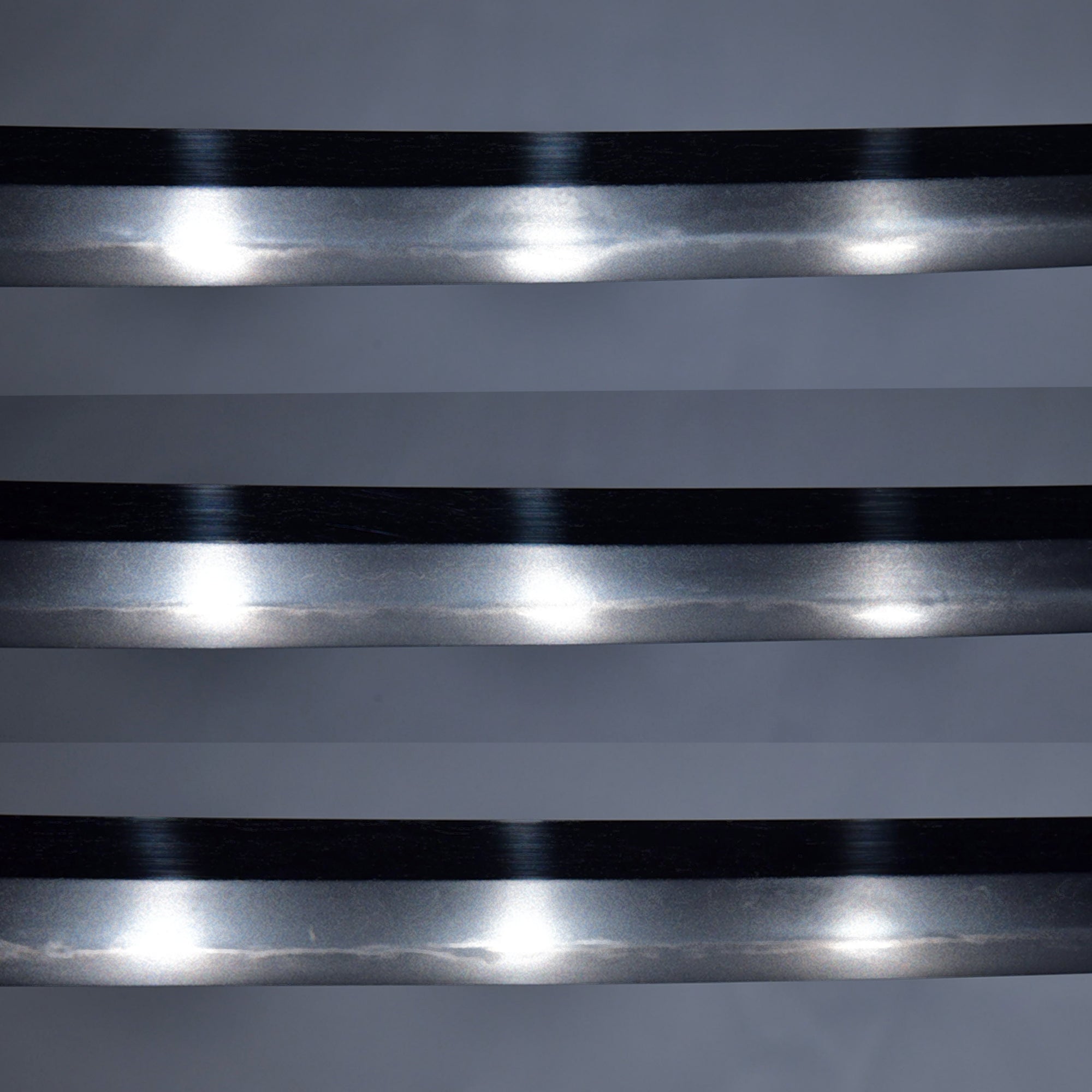
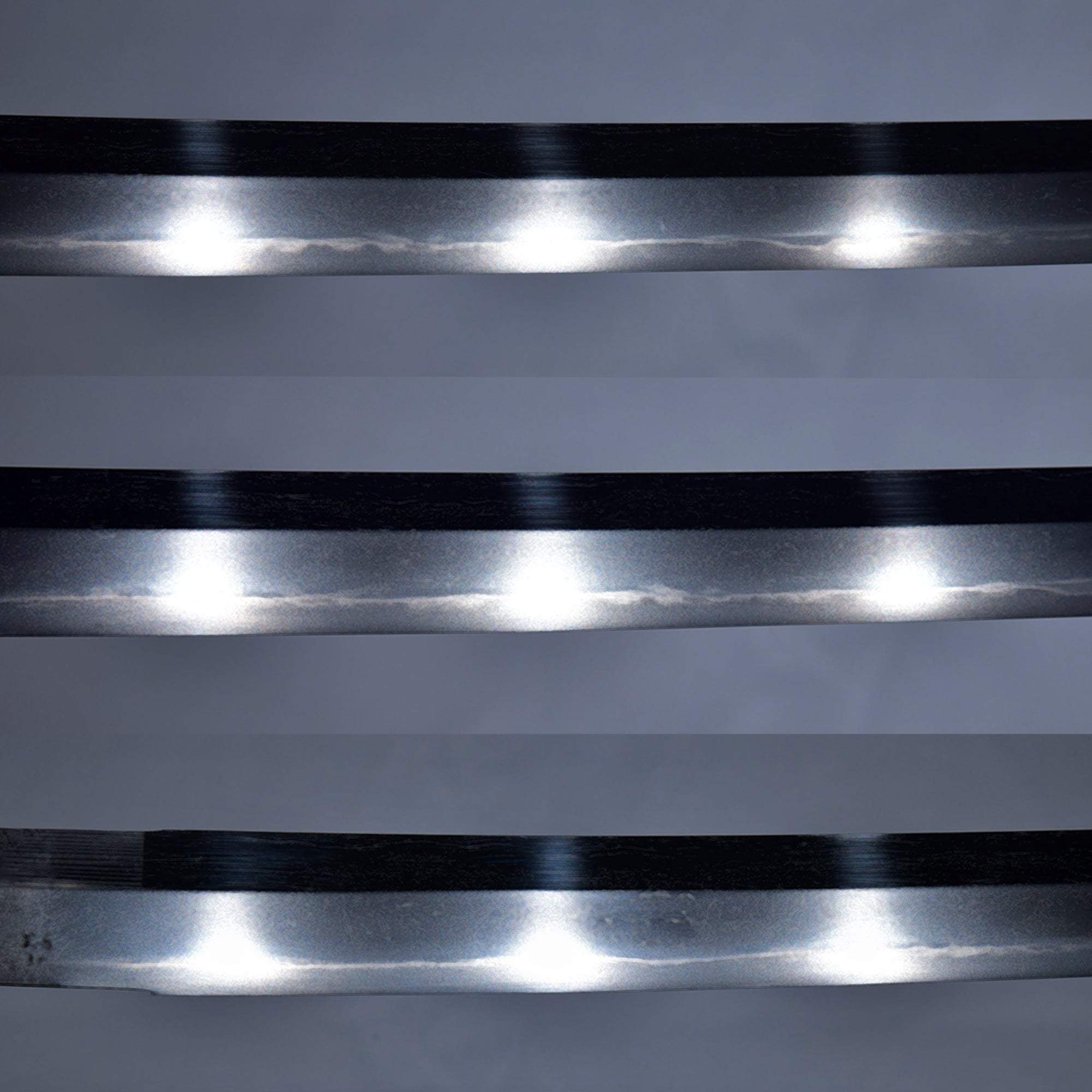
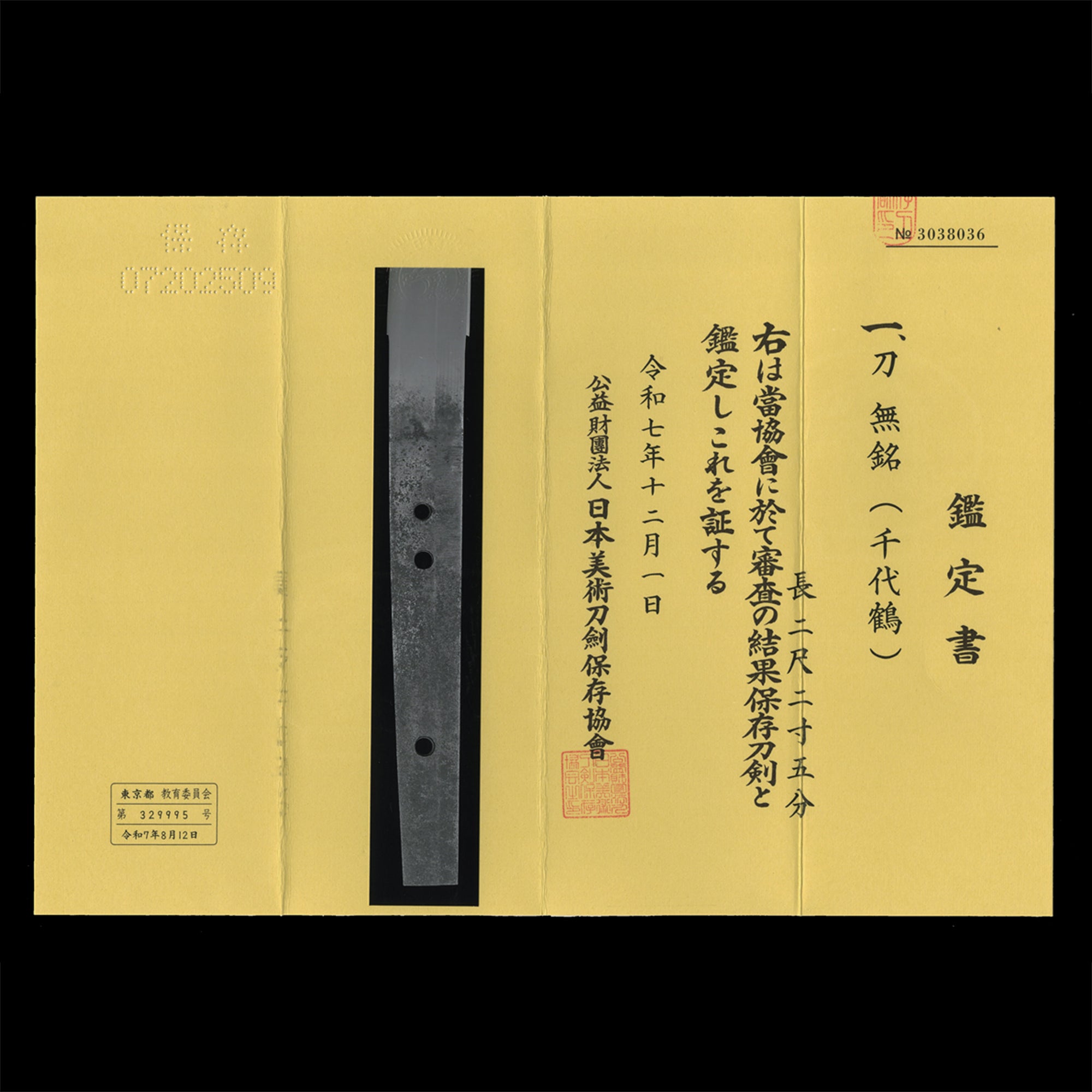
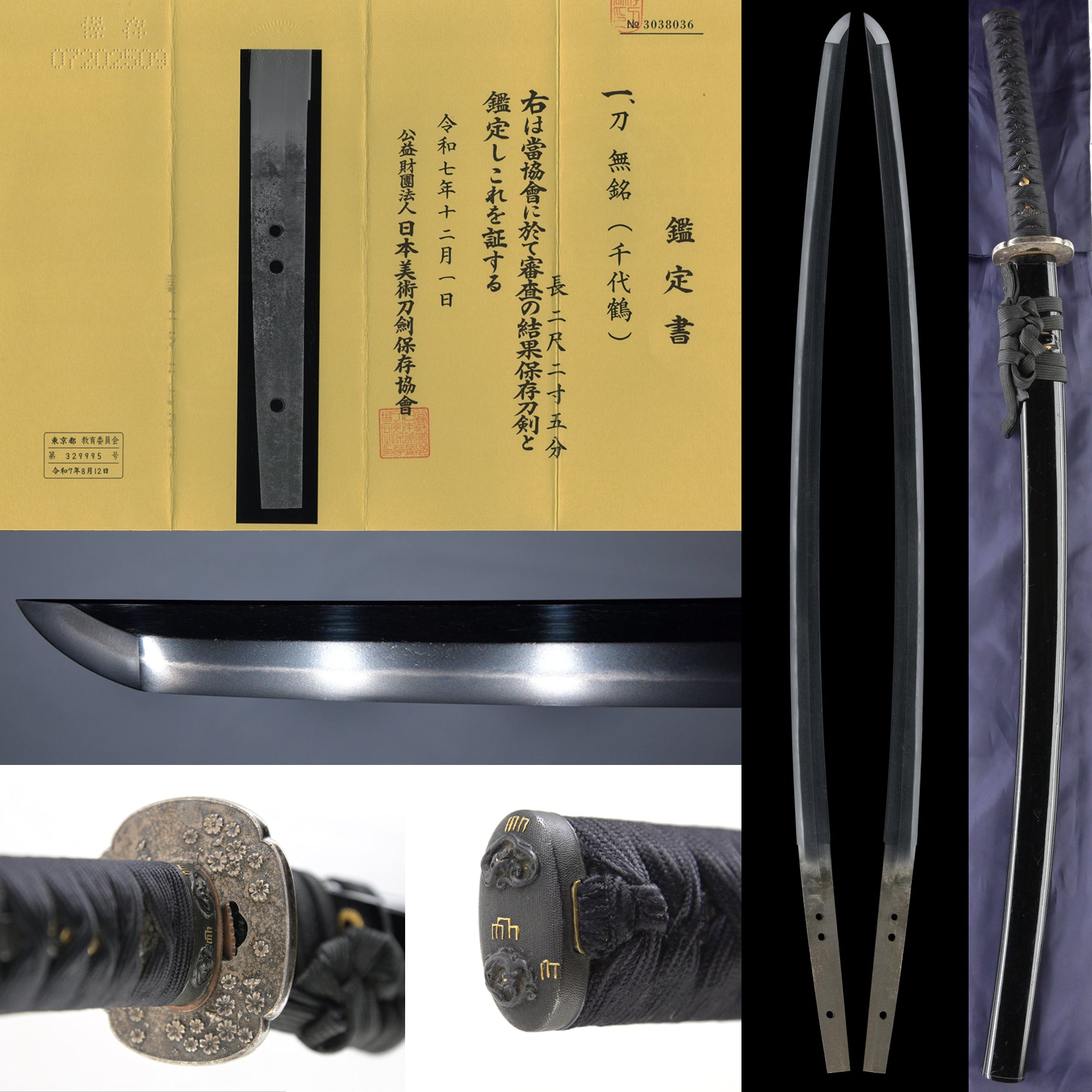
Katana – Mumei (Chiyozuru) | NBTHK Hozon Token Historical Background The Chiyozuru School was a distinguished group of Japanese swordsmiths active in Echizen Province from the Nanbokuchō period through the Muromachi period. The school traces its origins to the prestigious Rai School of Kyoto, one of the most celebrated traditions in Japanese swordmaking. Chiyozuru blades are admired for their distinctive combination of the refined elegance associated with Kyoto craftsmanship and the robust, powerful character of swords forged in Japan's northern provinces. Many Chiyozuru swords originally featured the imposing proportions characteristic of the Nanbokuchō period. A considerable number of surviving examples are believed to have originated as magnificent long tachi, later shortened through the process known as suriage to accommodate changing styles of swordsmanship. The name "Chiyozuru" (千代鶴) carries particularly auspicious significance in Japanese culture. Chiyo suggests "a thousand generations," symbolizing longevity and enduring prosperity, while Tsuru means "crane," a traditional symbol of long life and good fortune. Because of these auspicious associations, swords bearing the Chiyozuru name were traditionally cherished among the samurai class, particularly as ceremonial swords associated with celebrations, longevity, and special occasions. Certification and Collectible Appeal This katana is attributed to the Chiyozuru School by the Nihon Bijutsu Token Hozon Kyokai (NBTHK) and is accompanied by an official Hozon Token certificate, confirming its historical and artistic significance as an authentic Japanese sword worthy of preservation. With its classical straight hamon displaying subtle irregularities, greatly shortened tang, and distinguished Echizen attribution, this katana represents the enduring craftsmanship of a swordmaking tradition rooted in the celebrated Rai School of Kyoto. A compelling piece for collectors seeking an authentic medieval Japanese sword with both historical character and an especially auspicious name. This katana is available for viewing at SAMURAI STORE's showroom in Tokyo, Japan. We welcome collectors to arrange a private appointment to examine the blade and appreciate its craftsmanship in person. The blade comes with a Certificate of NBTHK Japan Sword Preservation Society - Hozon Paper (Well-preserved sword)
Chiyozuru千代鶴
Offered by Samurai Store
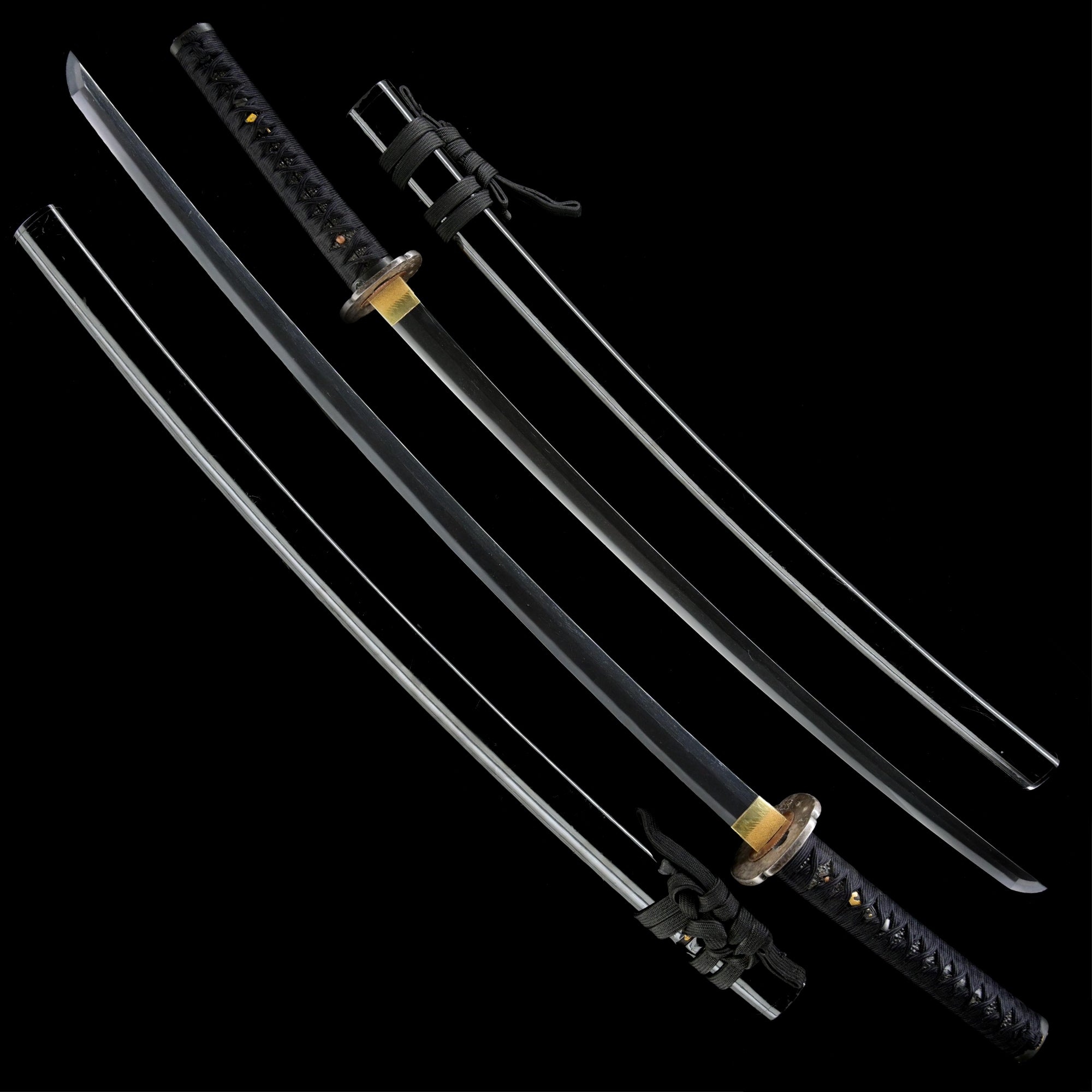
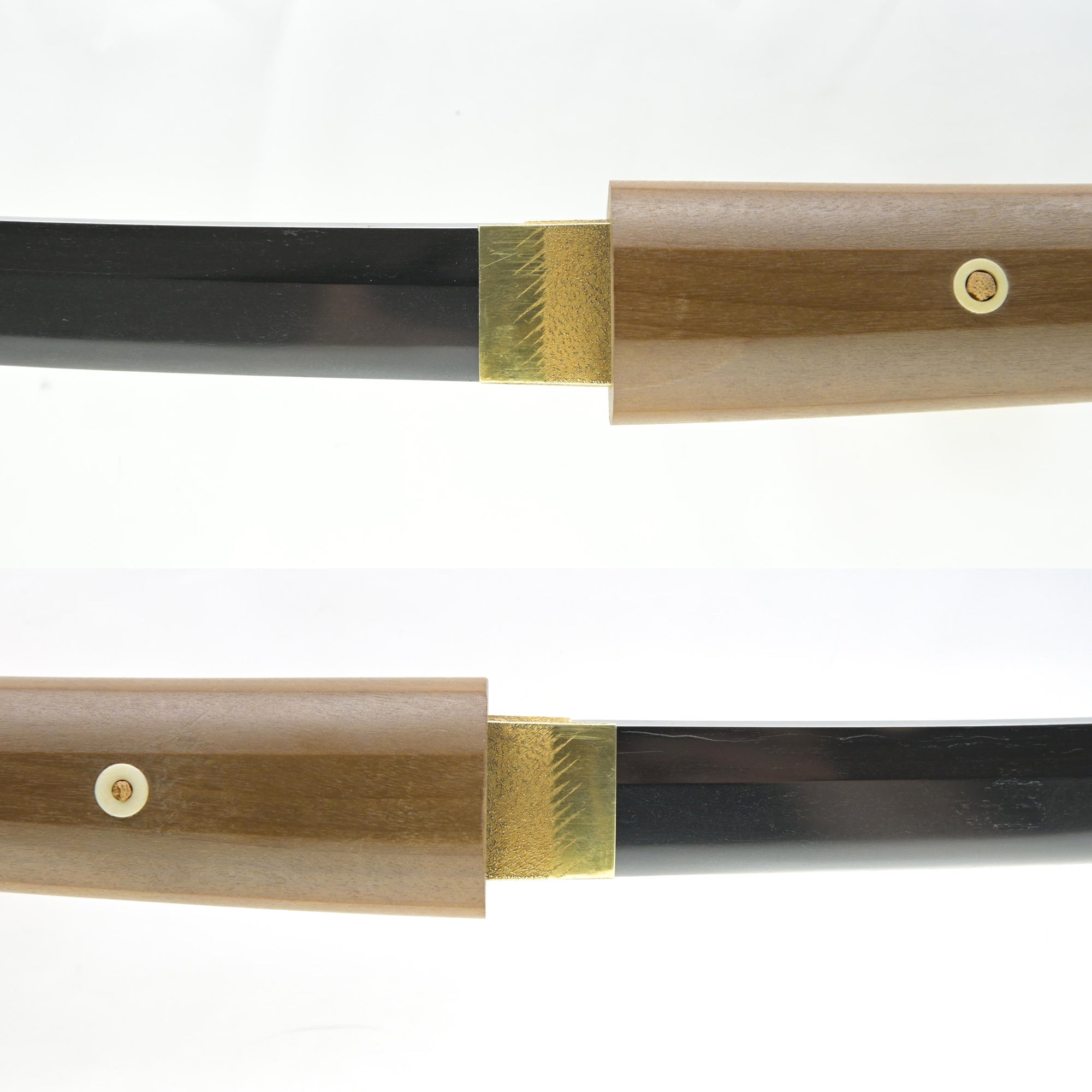
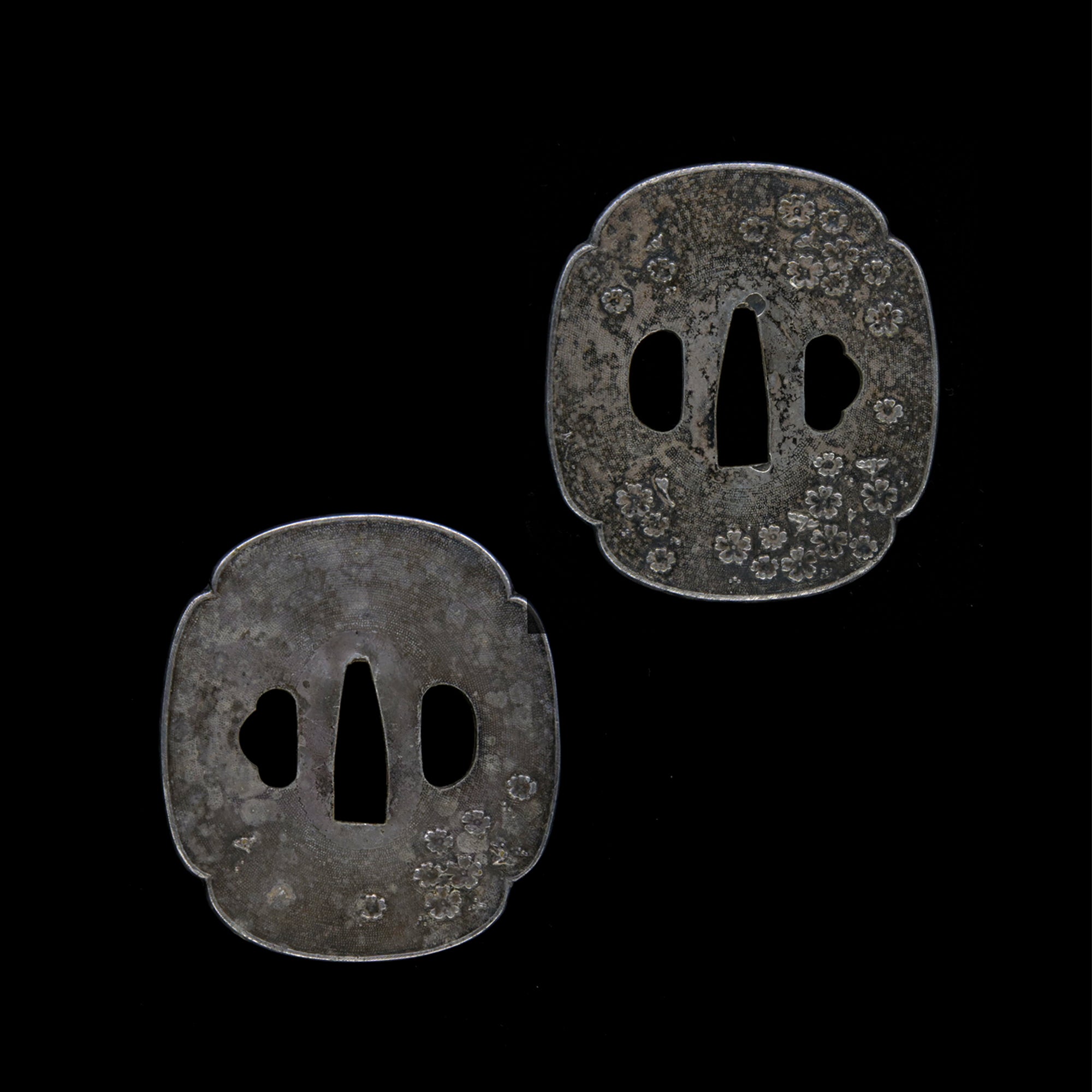
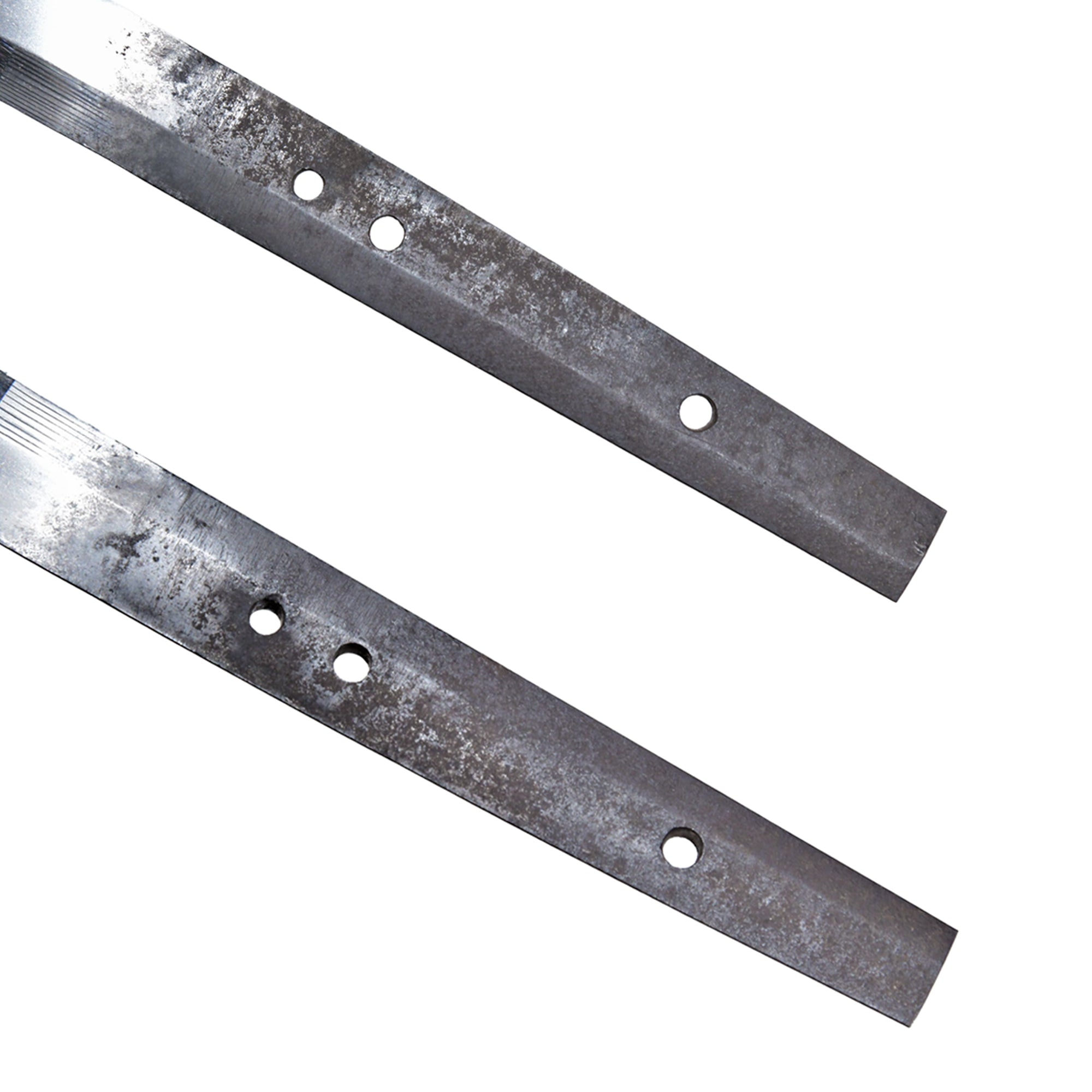








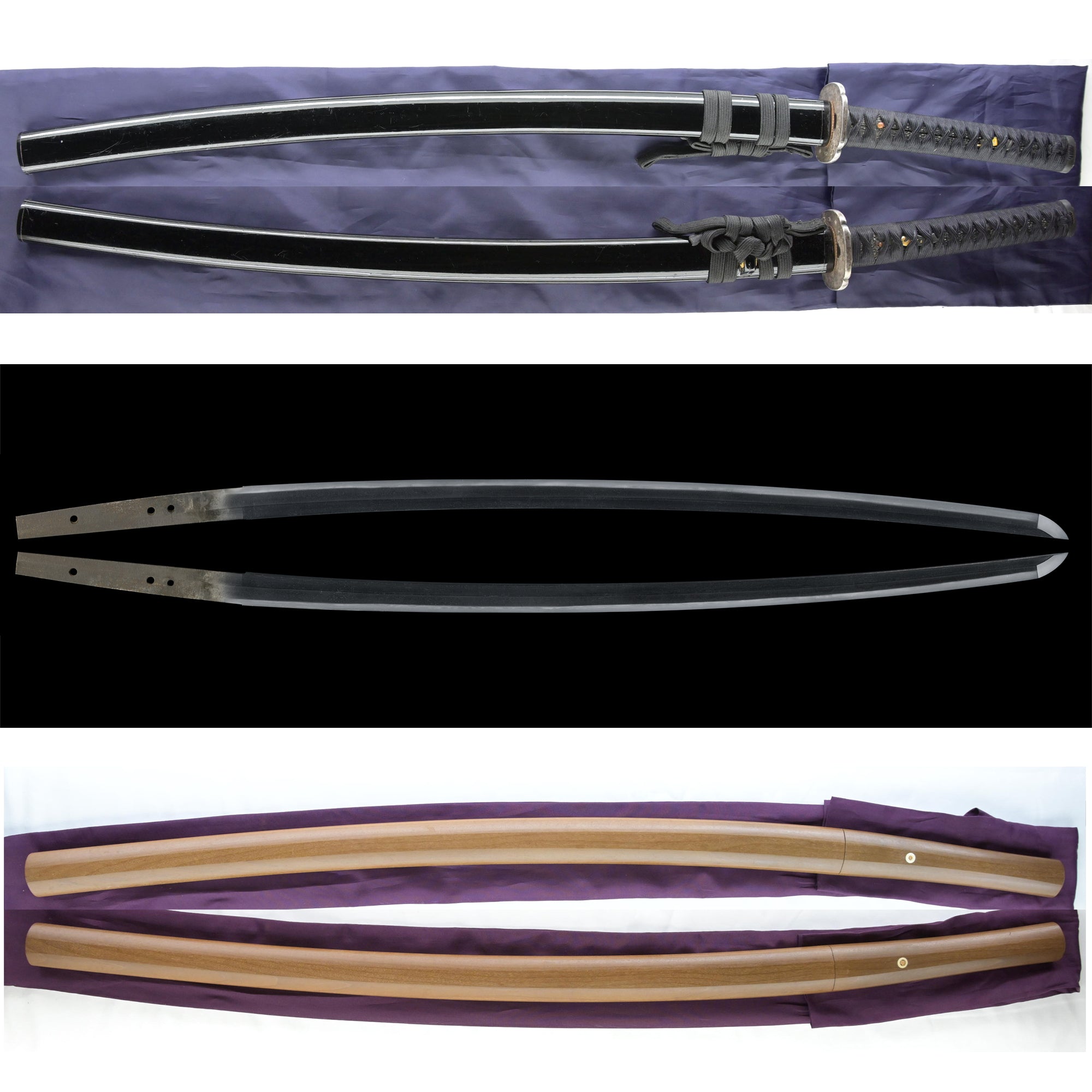
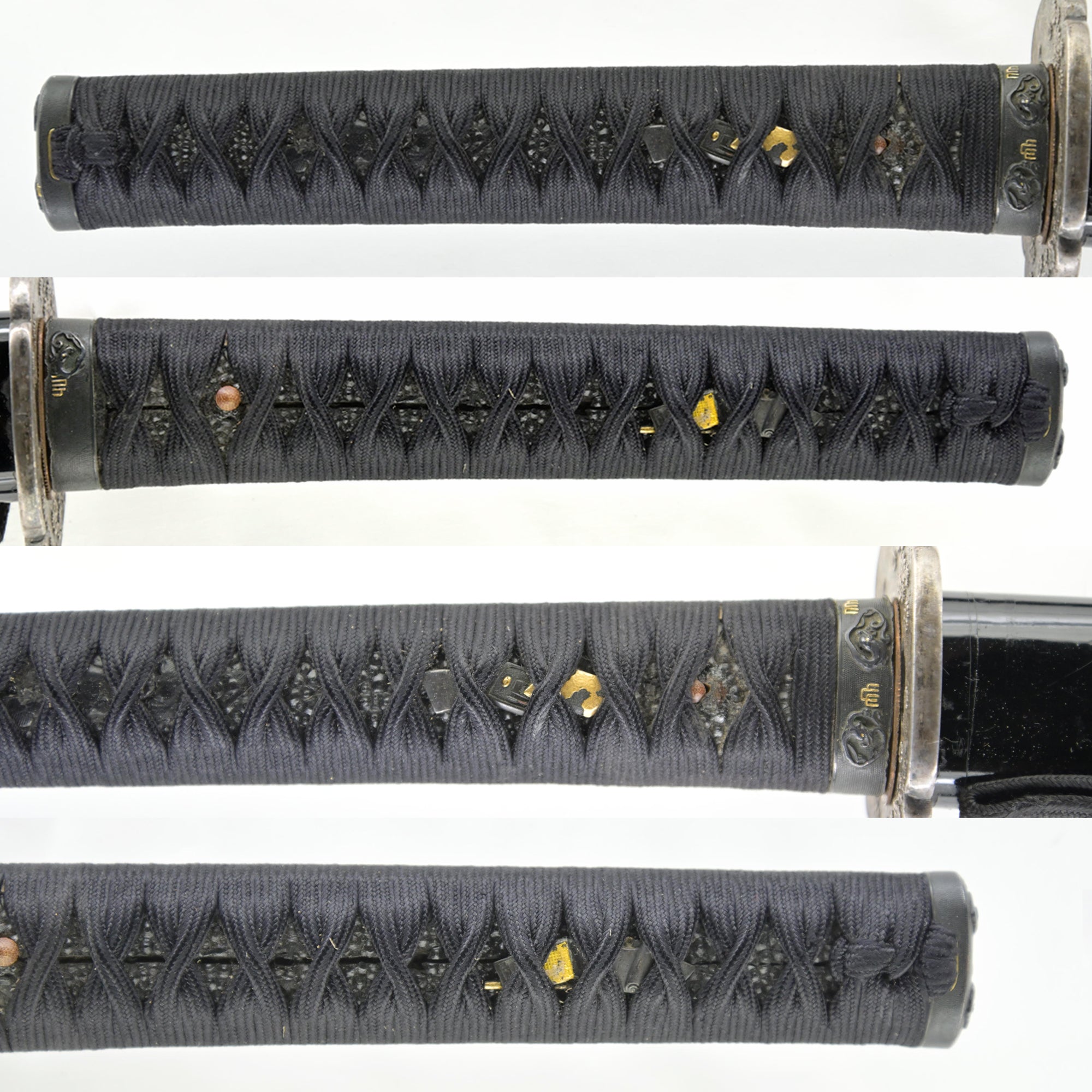
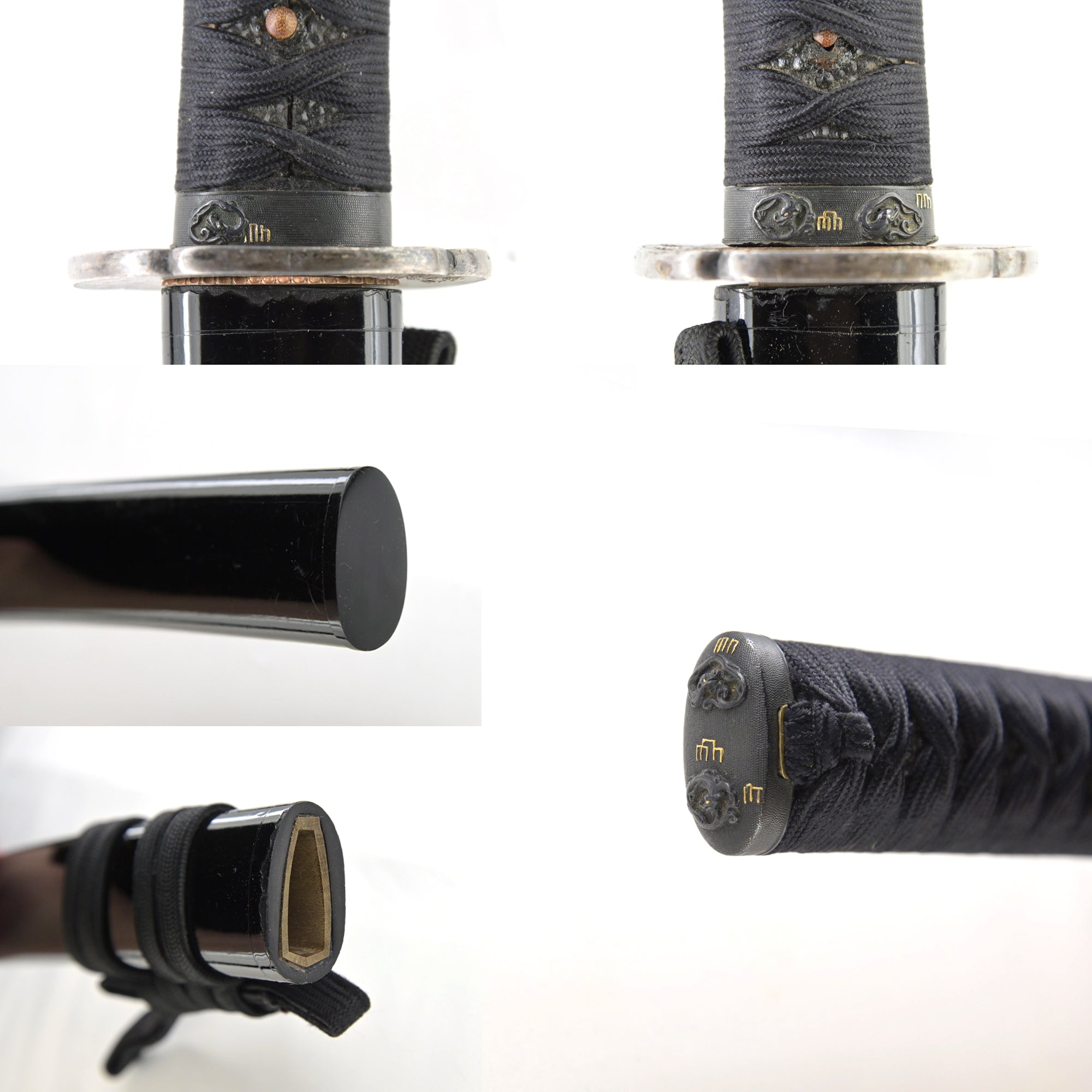
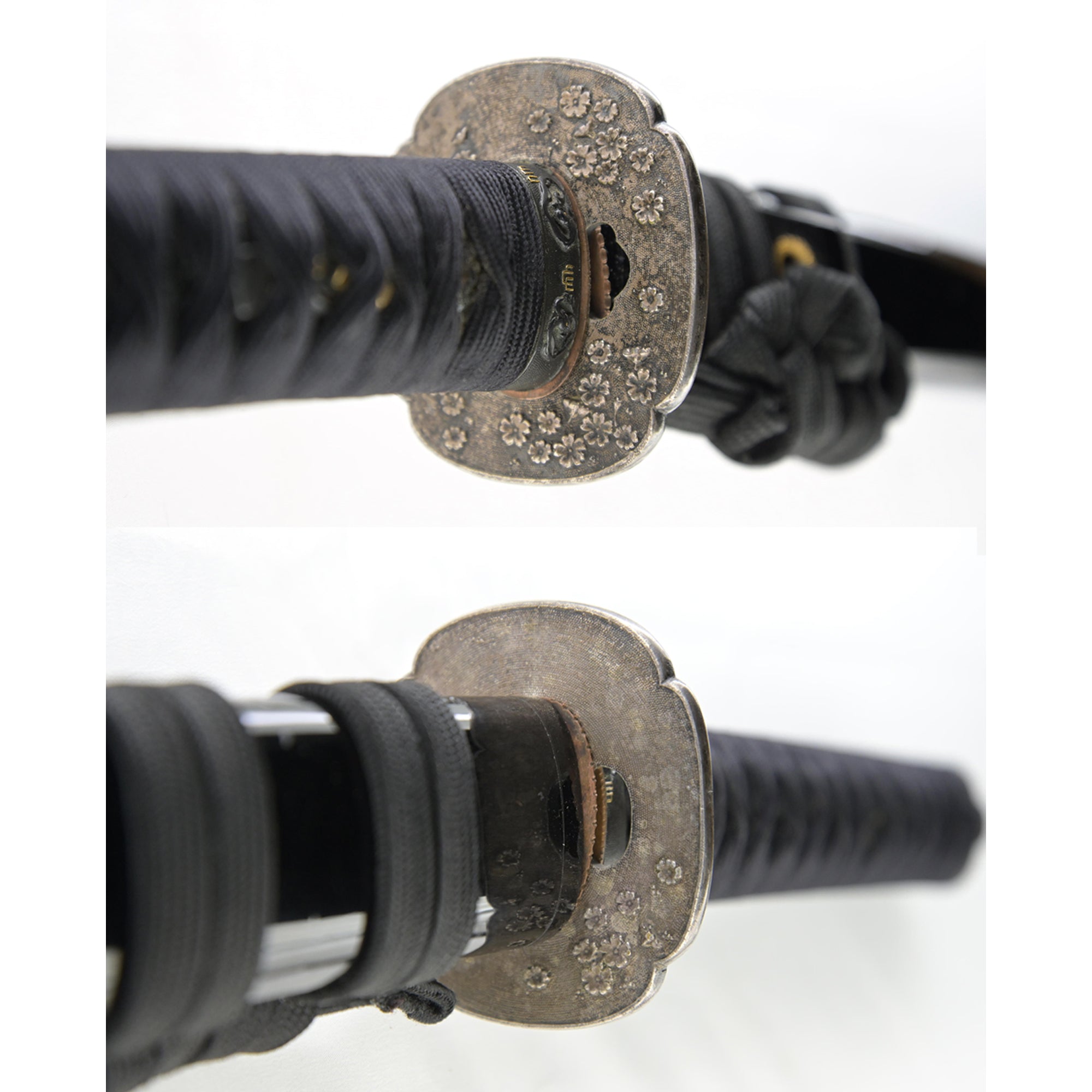
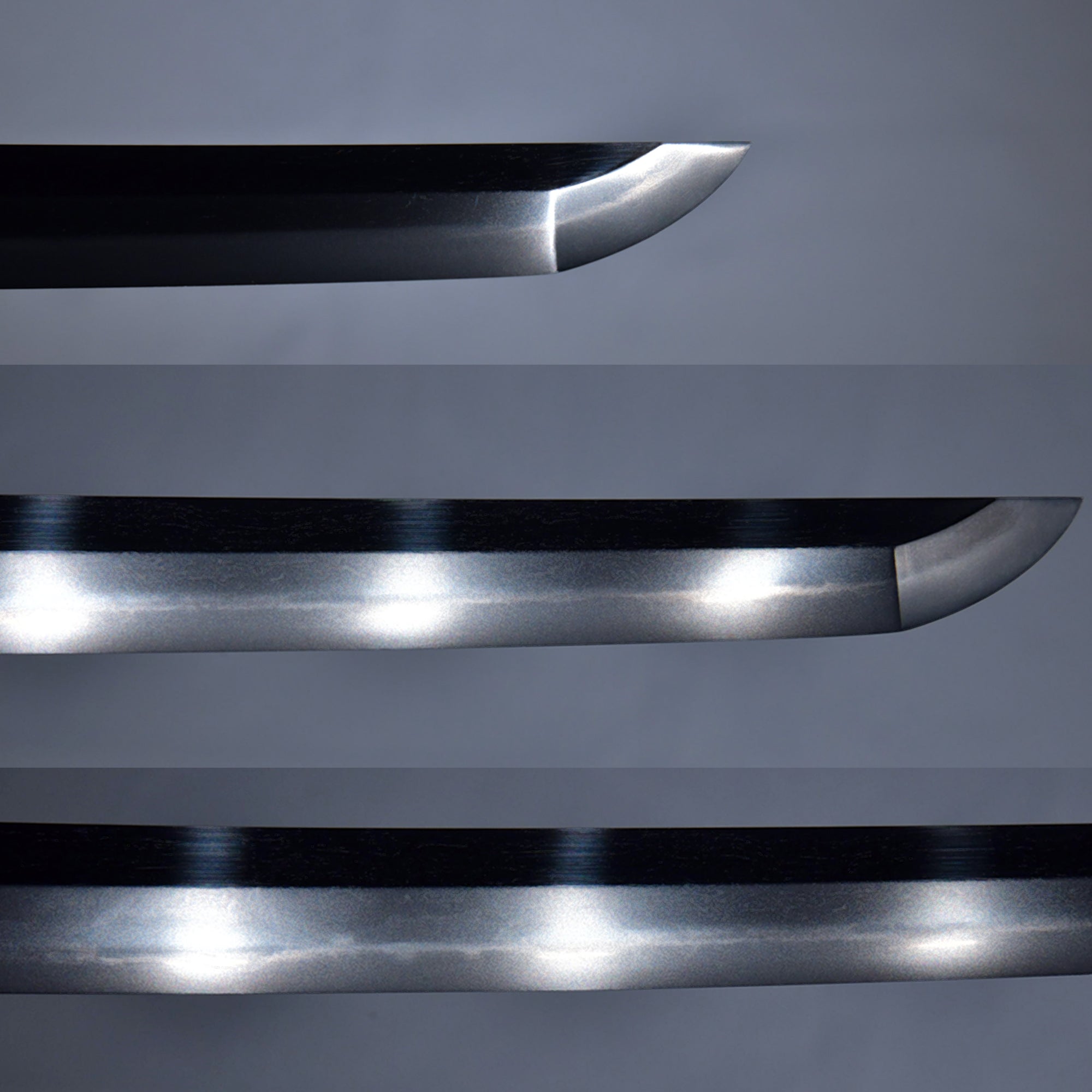
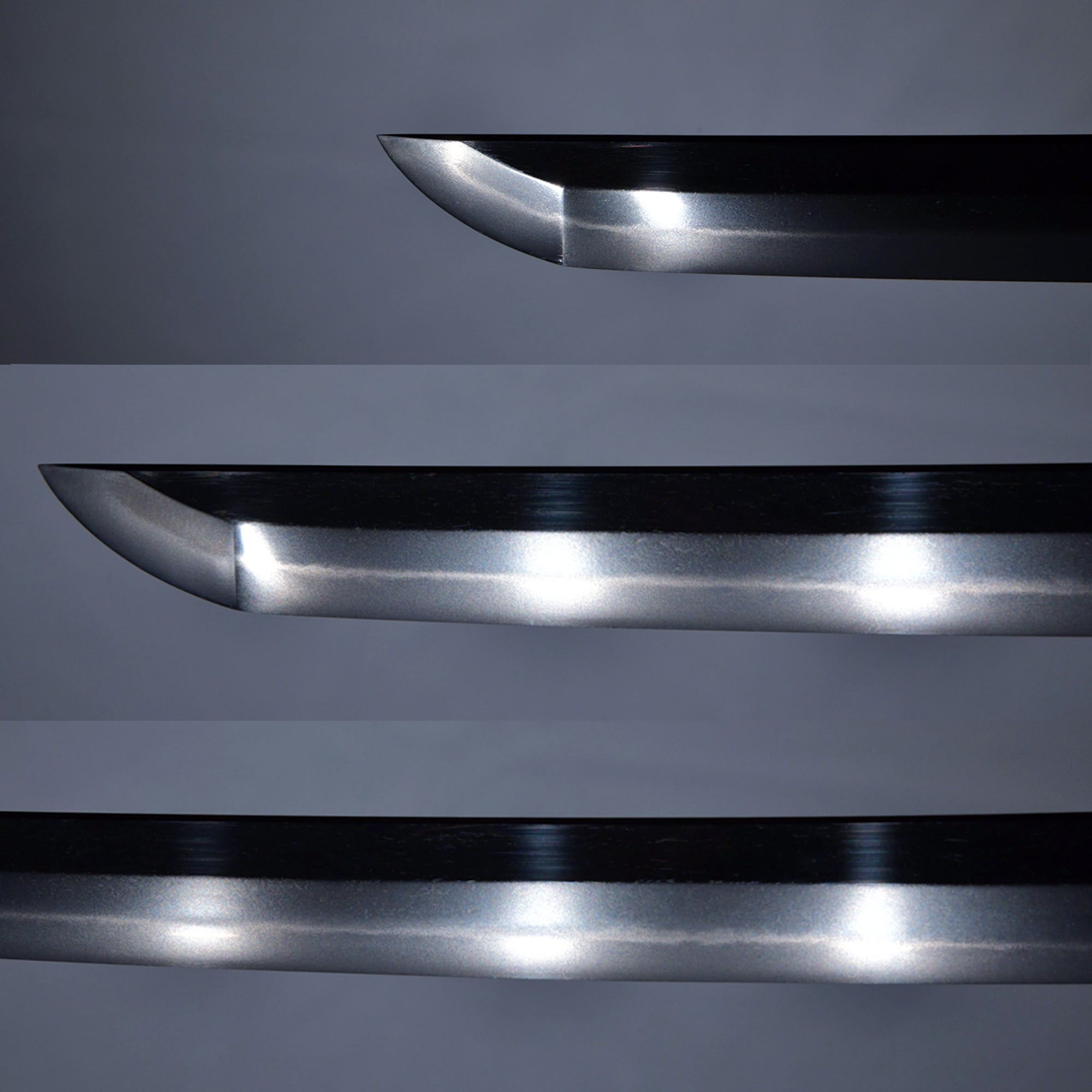
Echizen · around 1532-1555
1 piece on the market now
The Muromachi period (1392 to 1573)
Muromachi turned sword making into an industry: the uchigatana rose with massed infantry warfare, Osafune and Seki produced bundle swords beside custom orders, and the Ming trade carried Japanese blades abroad by the tens of thousands.
Certifies a genuine blade worth preserving: a signature confirmed correct, or, if unsigned, an era, province, and school that the NBTHK can reliably identify.
The NBTHK (Nihon Bijutsu Tōken Hozon Kyōkai, the Society for the Preservation of Japanese Art Swords) is a public-interest incorporated foundation founded in 1948 and supervised by Japan’s Agency for Cultural Affairs (Bunkachō); it is based at the Japanese Sword Museum in Tokyo. Its expert panels physically examine each submitted work (shinsa) and issue a certificate (kanteishō) ranking it by artistic and historical merit. NBTHK papers are the most widely recognized standard of authentication for Japanese swords and fittings.
NBTHK official siteReturns accepted only for errors/damage: damaged or incorrect items reported by email within 10 calendar days; defective goods within 30 calendar days.
¥1,120,000