 NihontoWatchNihontoWatch
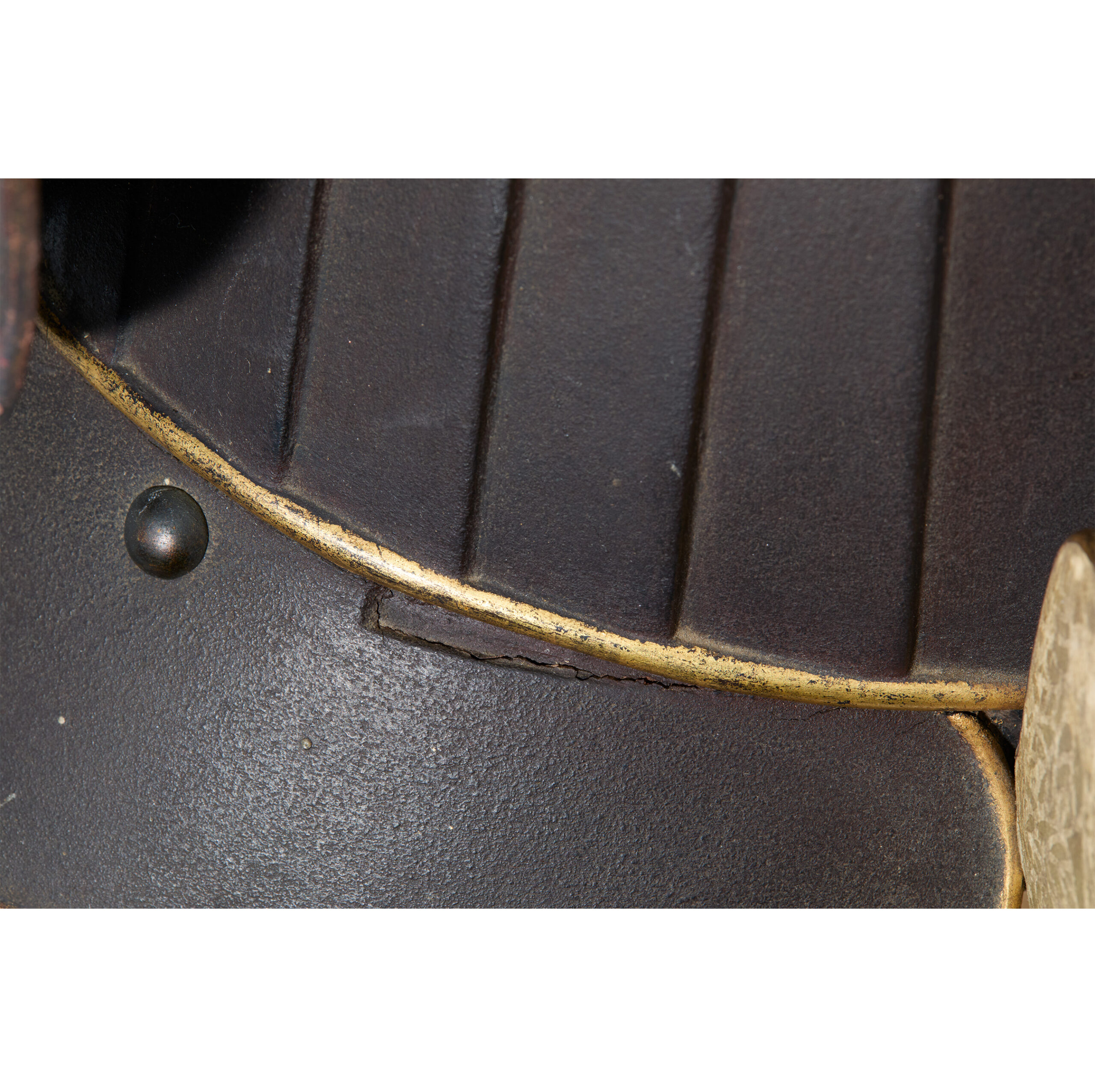
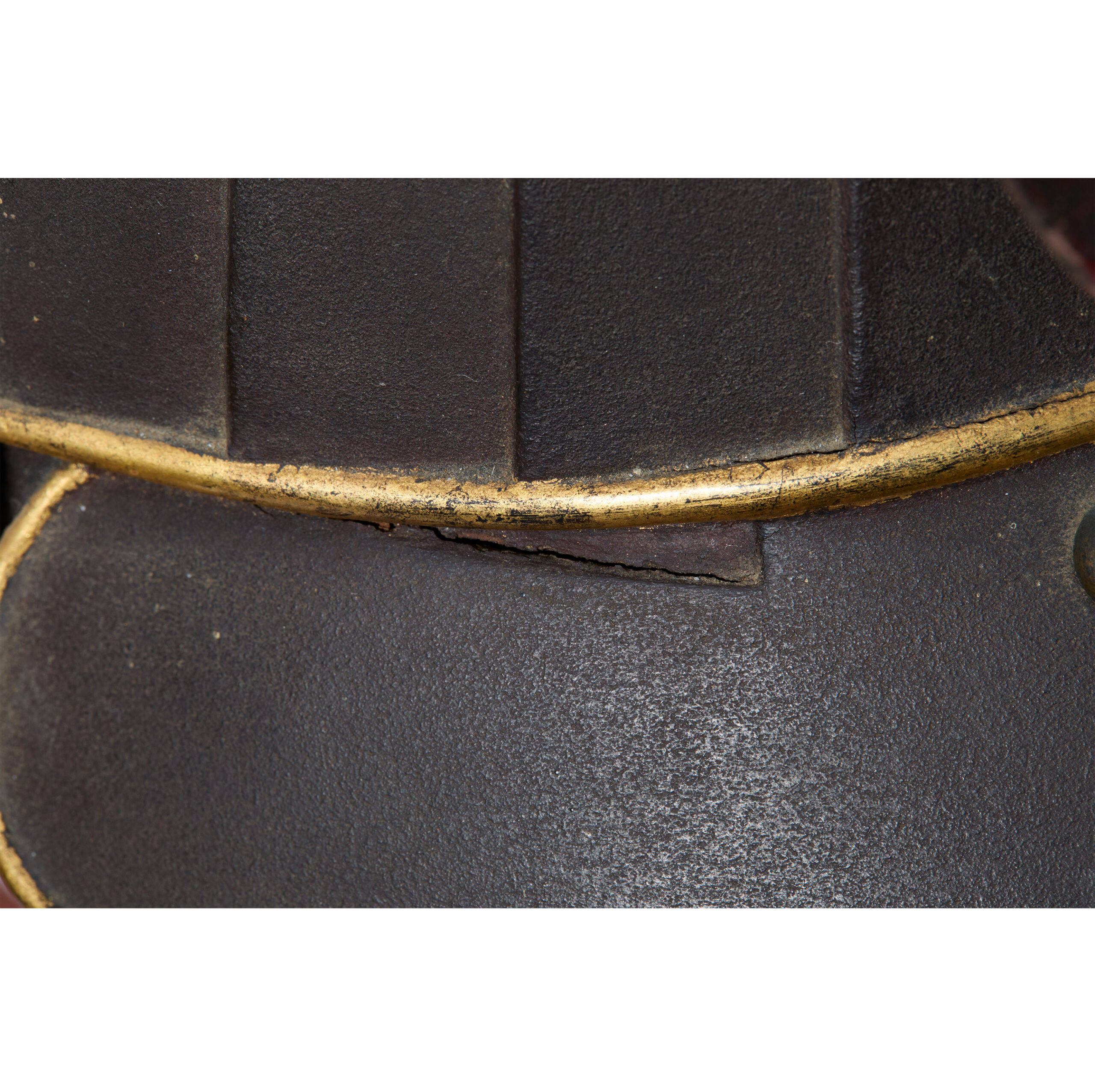
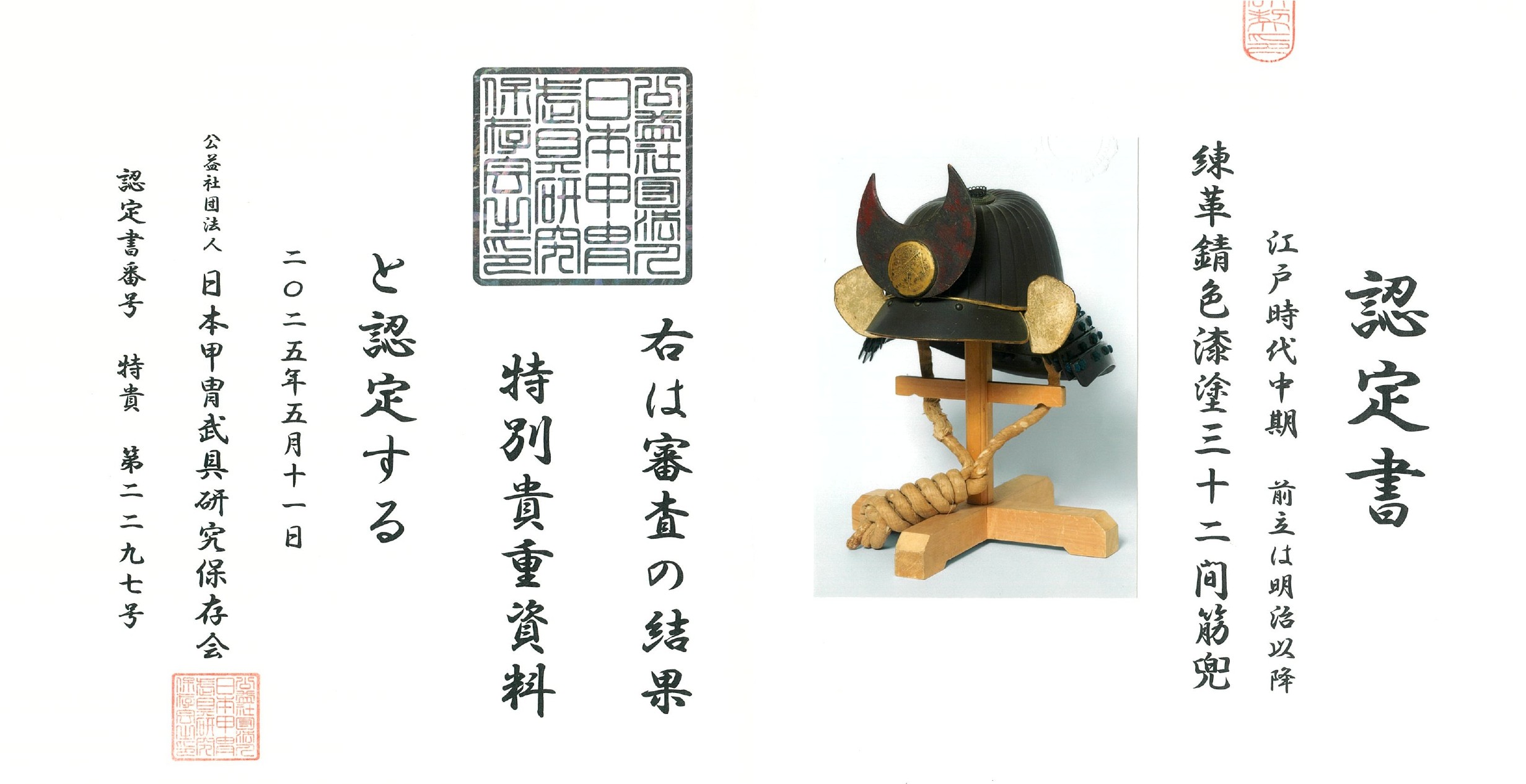
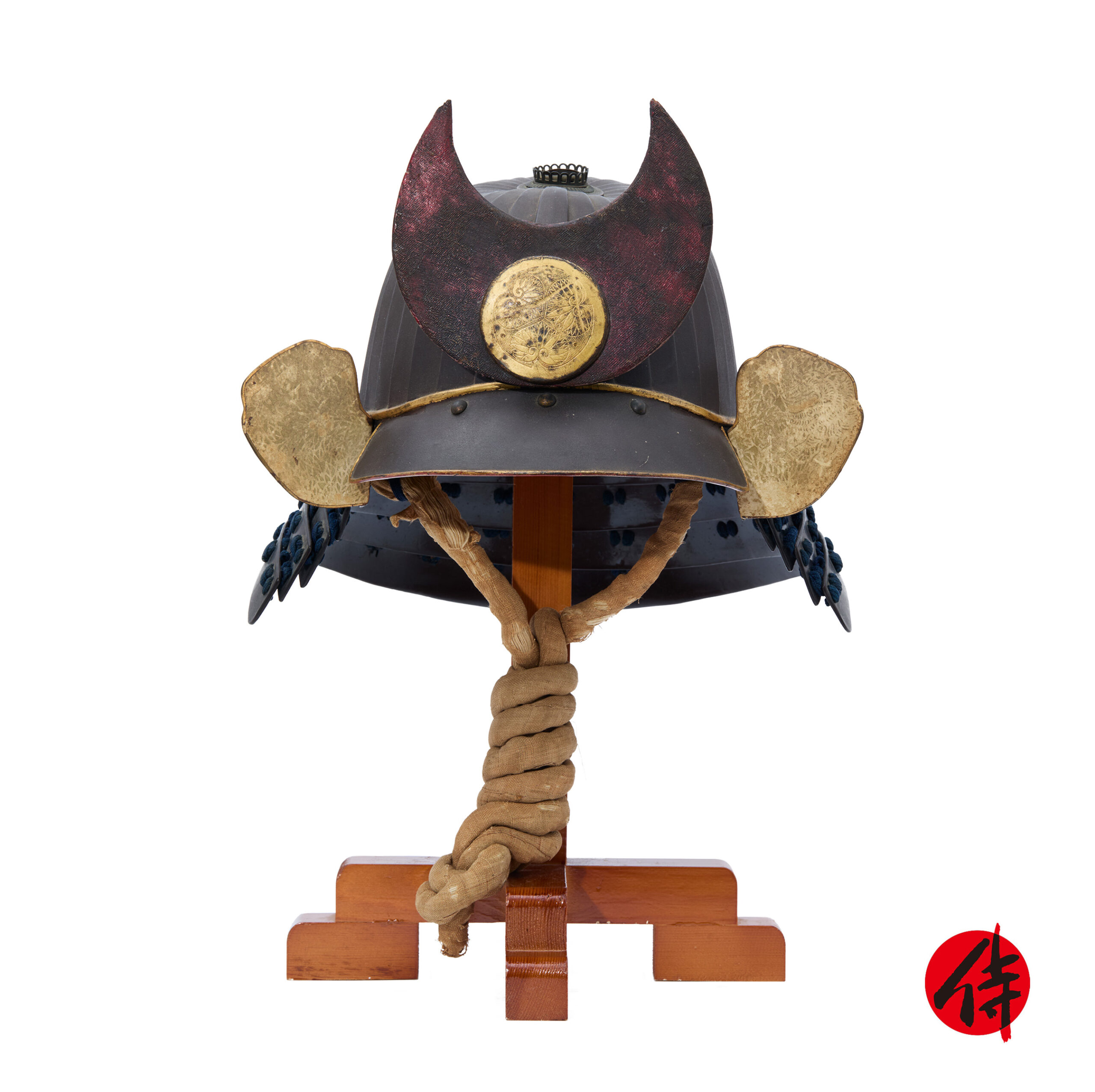
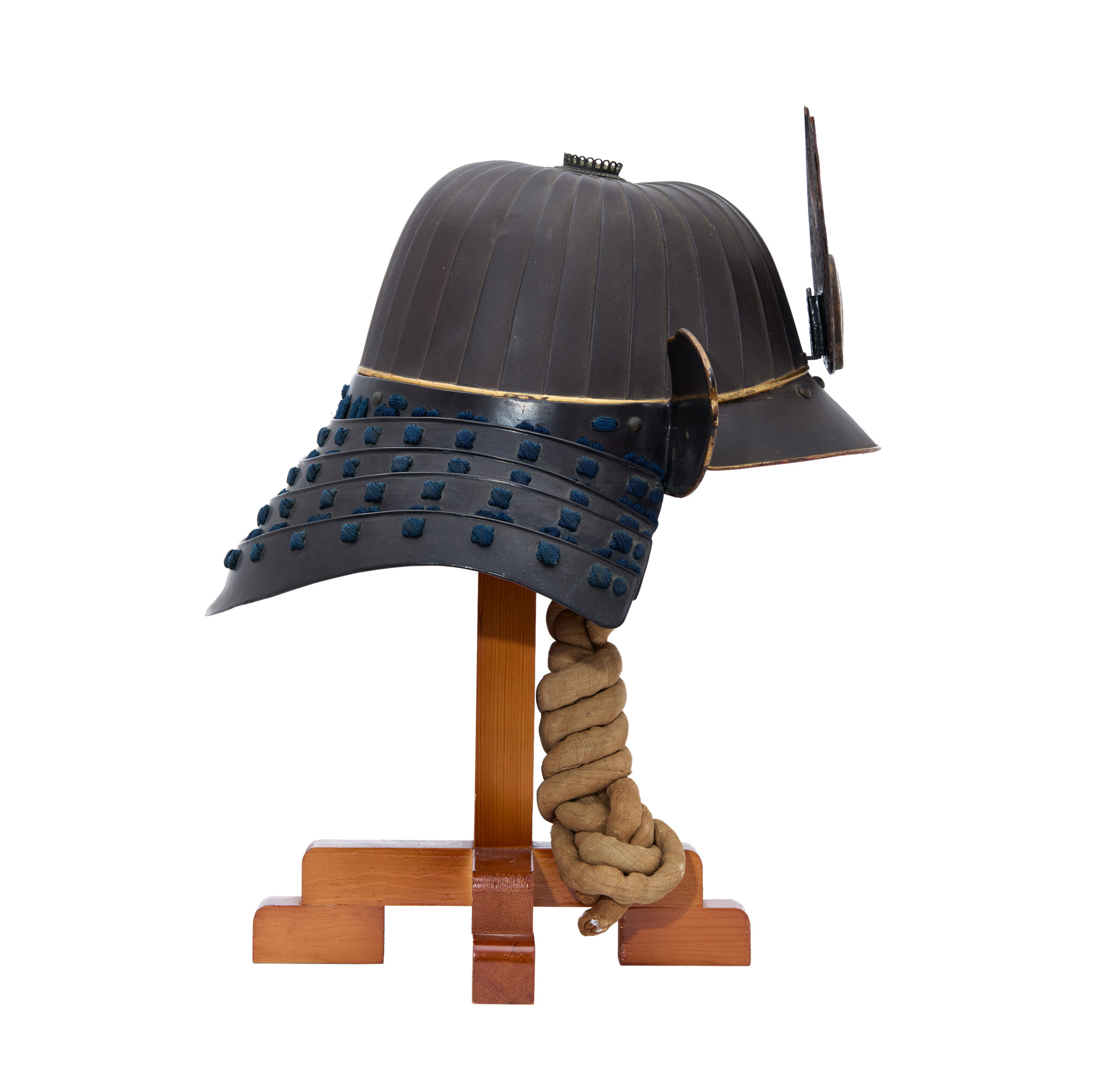
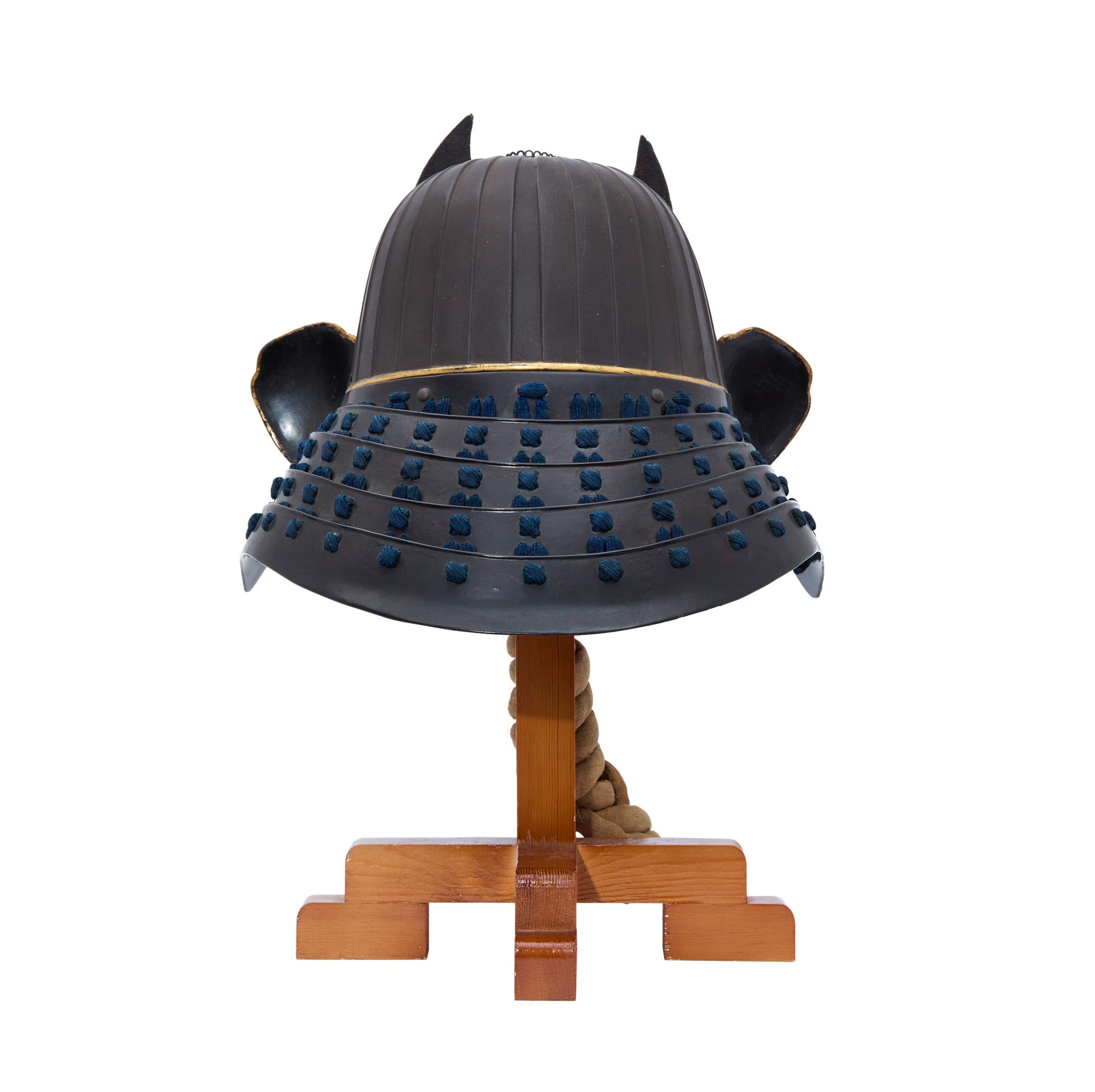
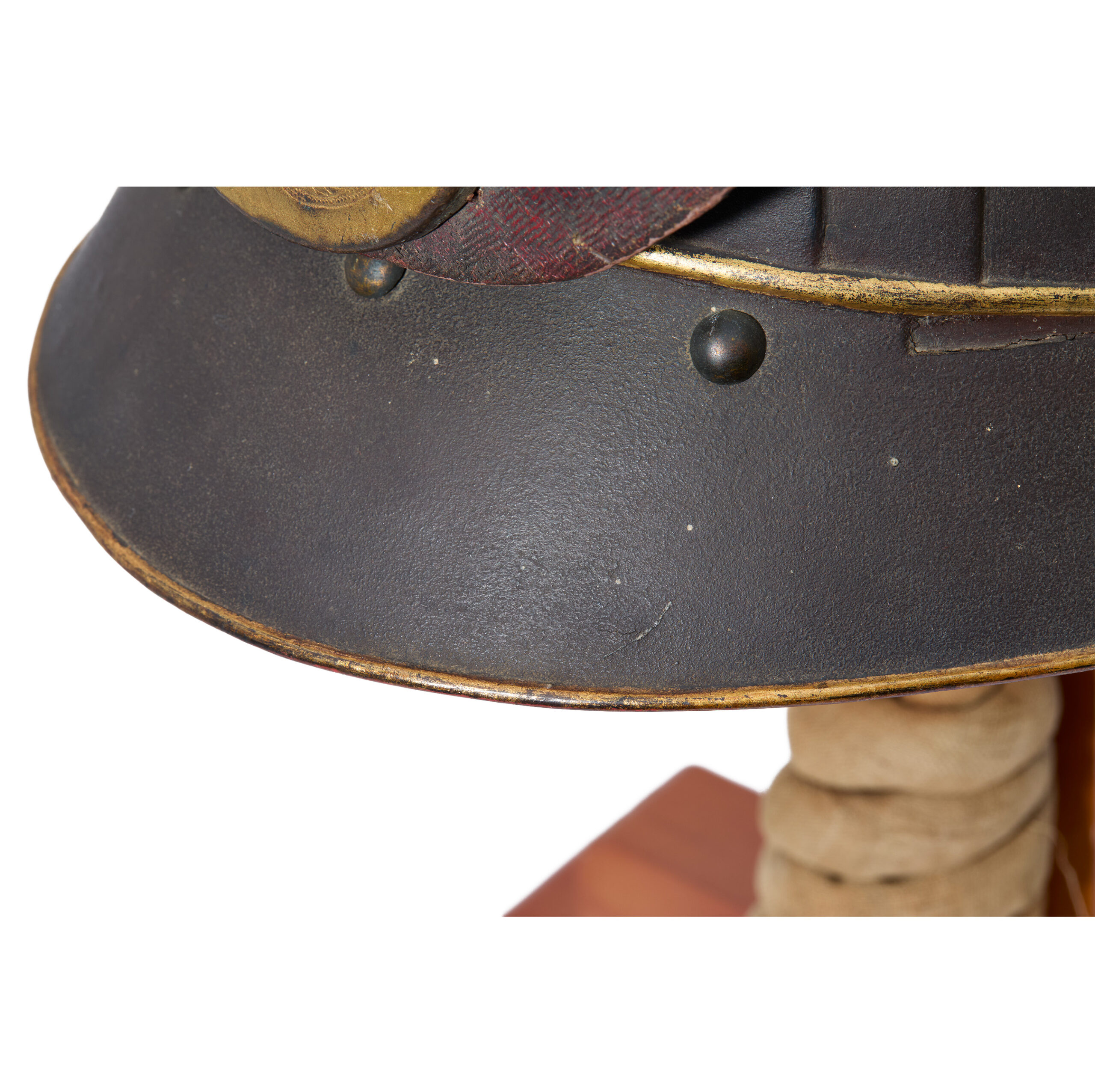
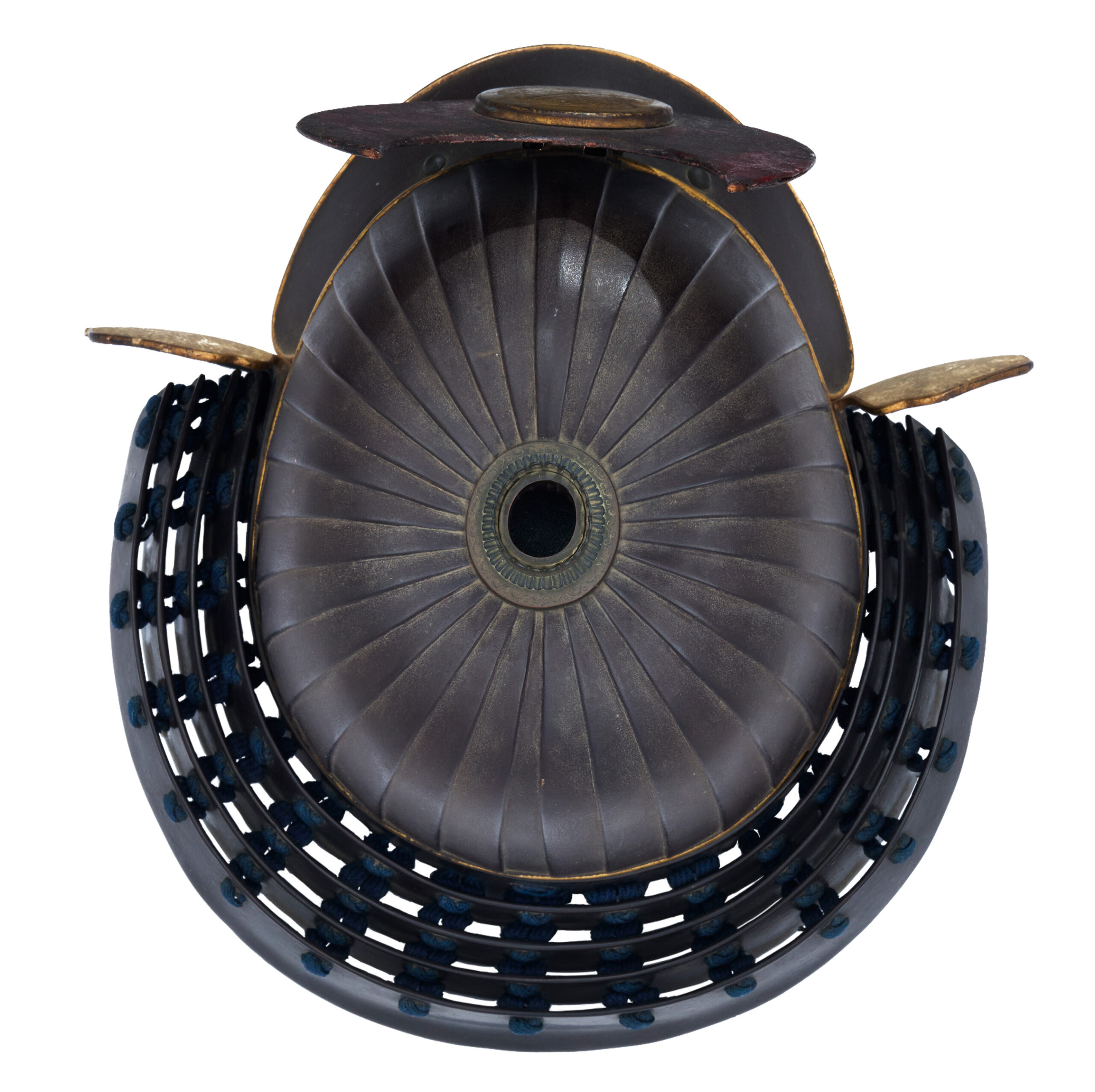
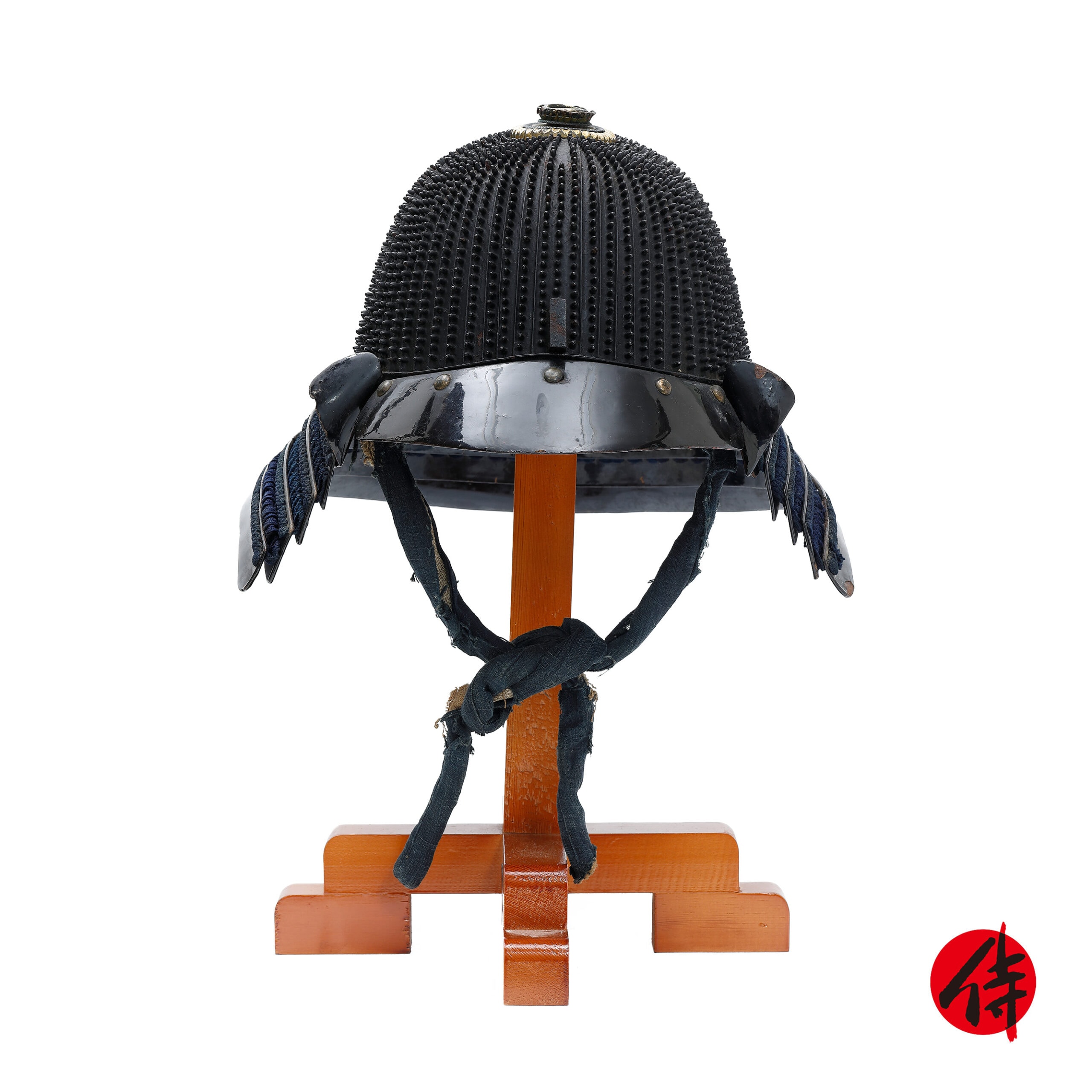
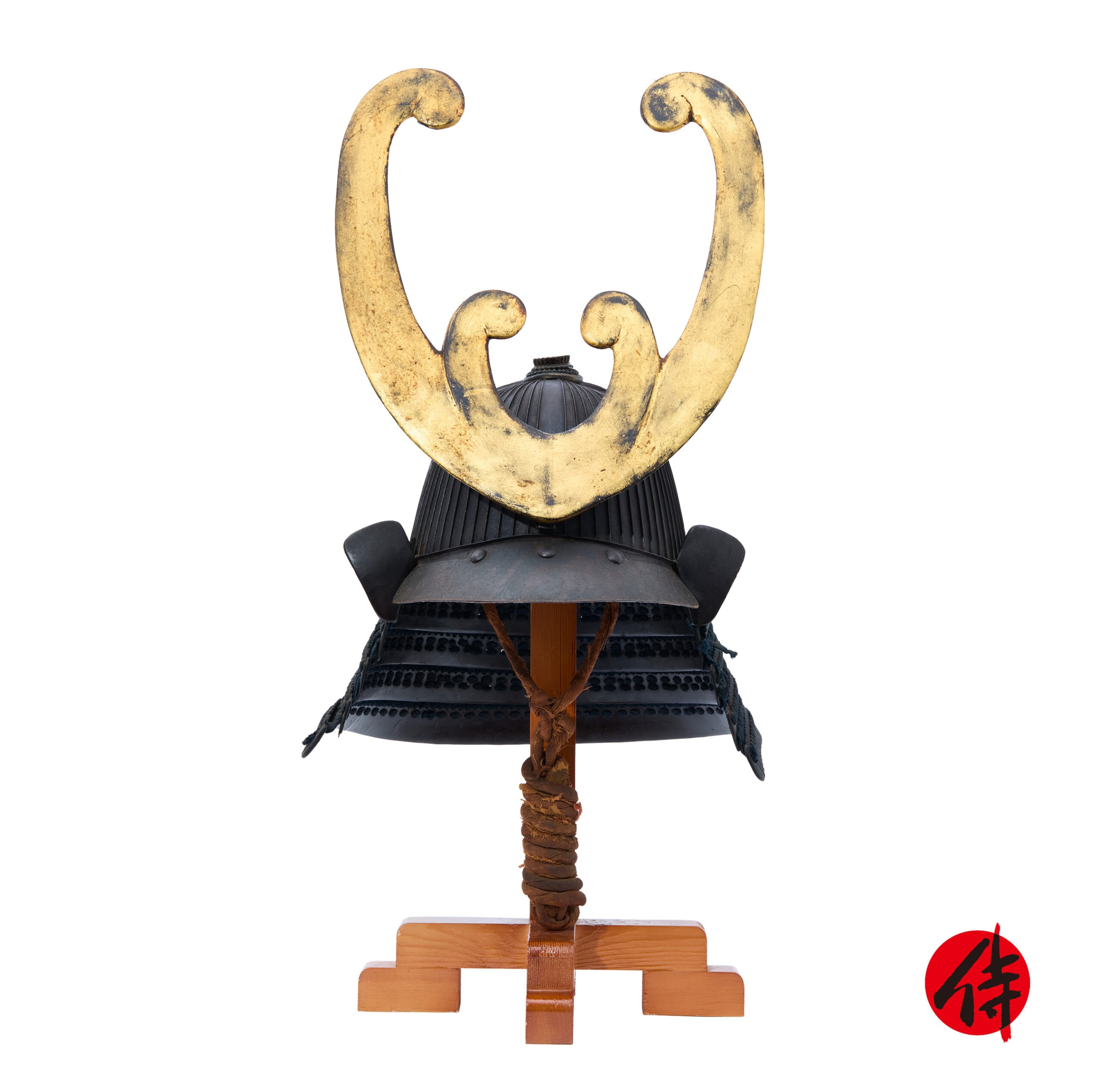
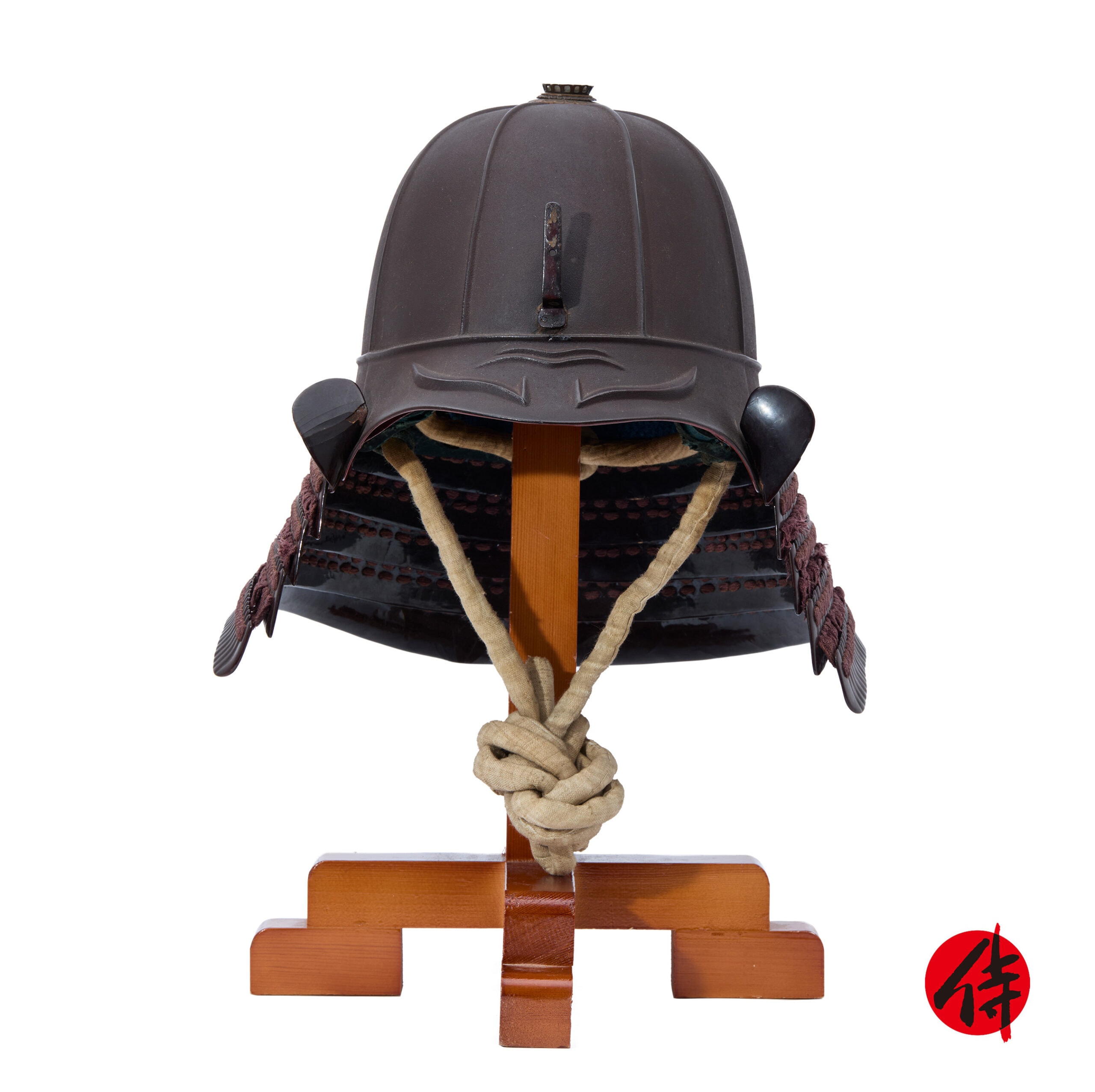
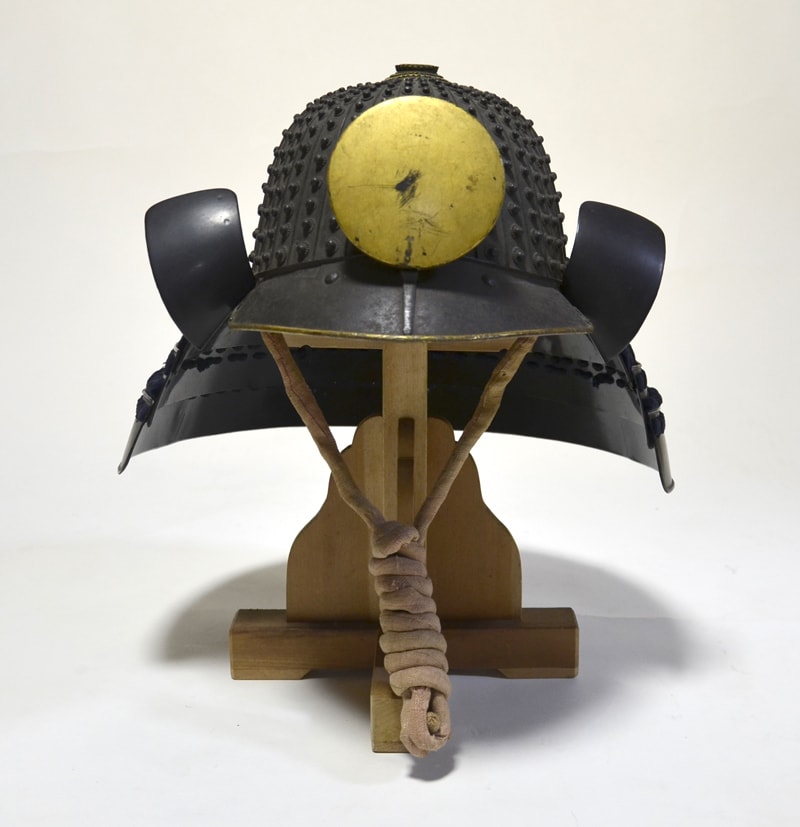
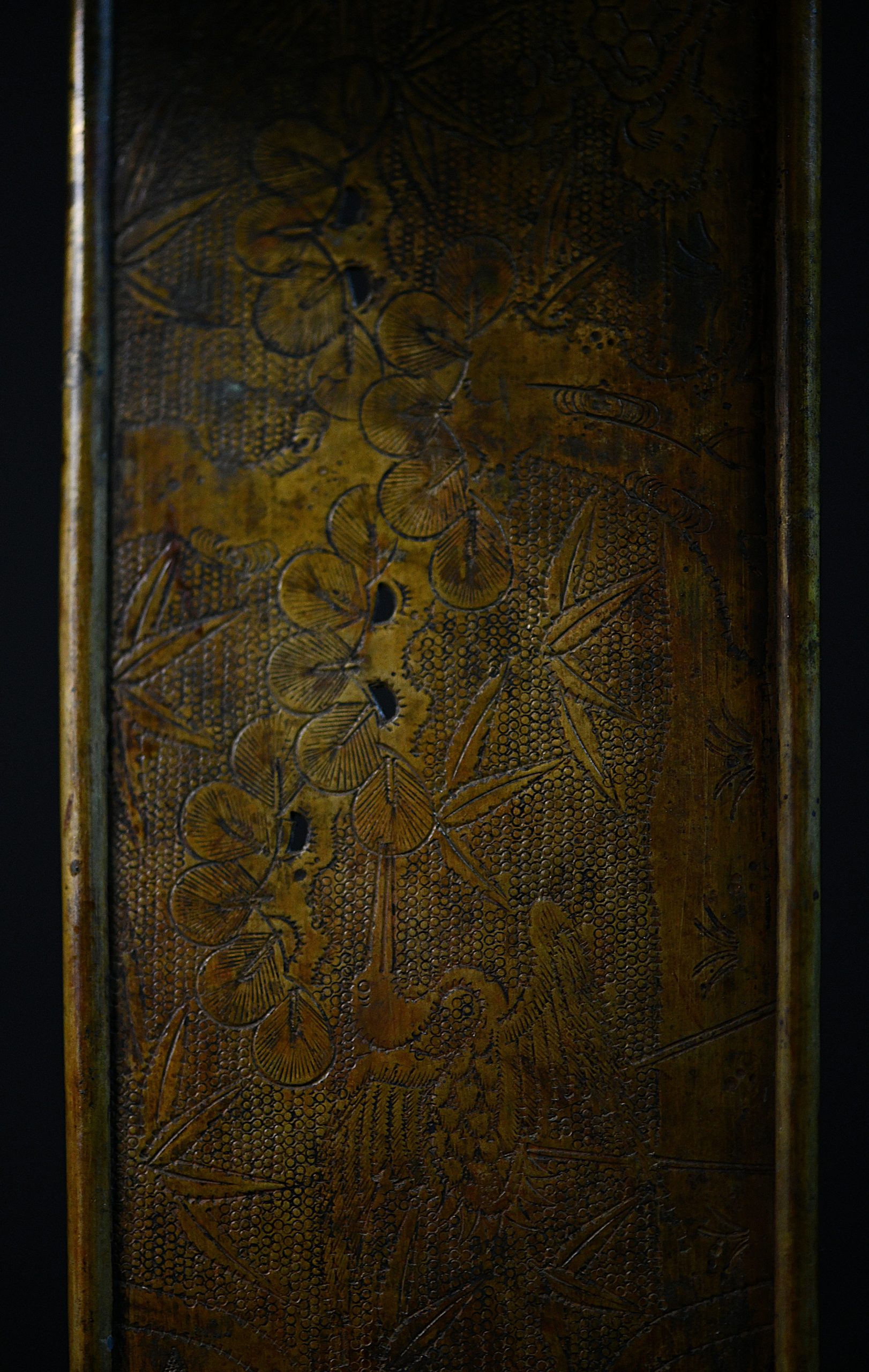
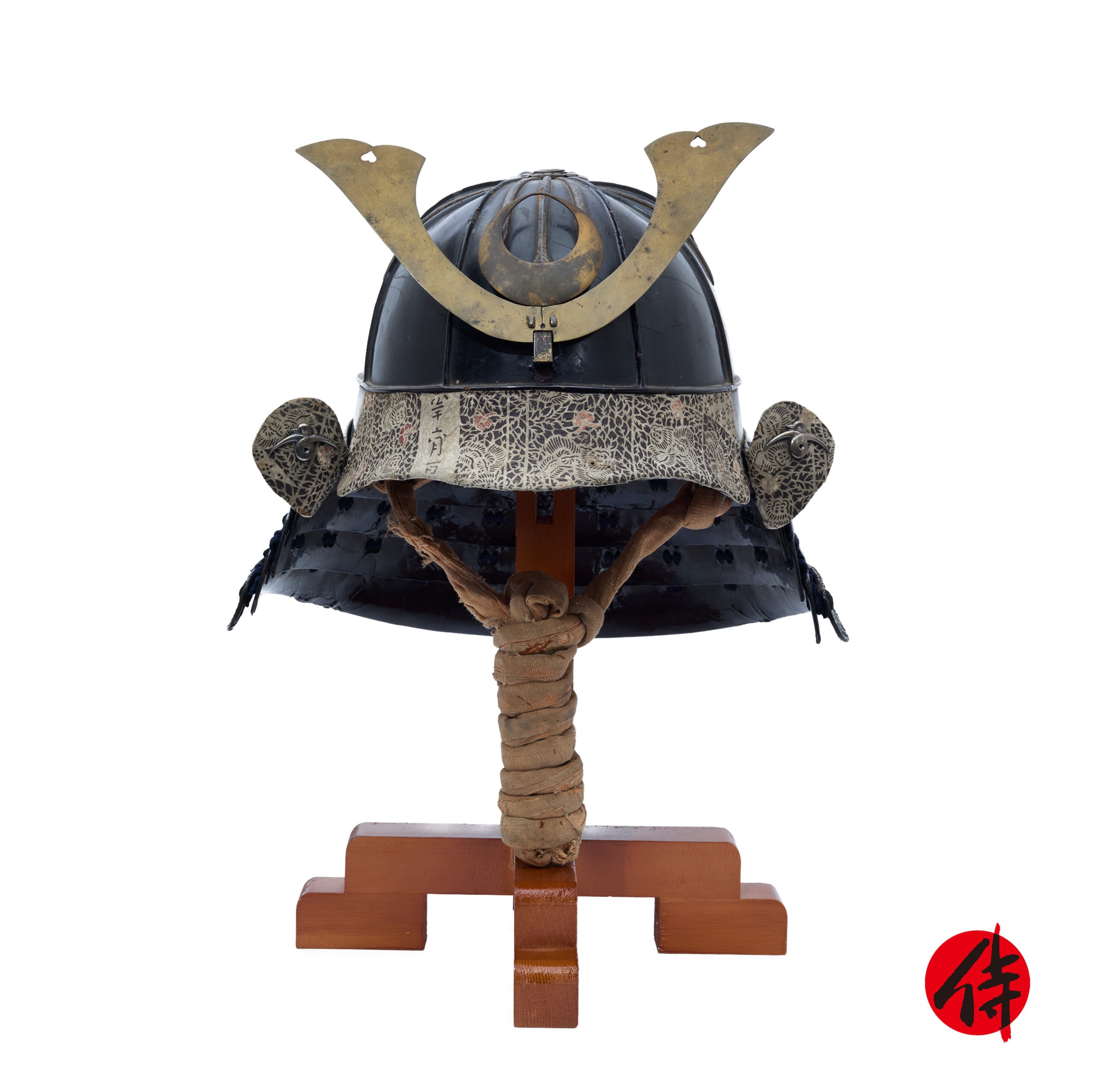
This antique samurai helmet, a Sanjuni Ken Suji Kabuto, dates from the Mid Edo Period (1688-1800). It features 32 riveted iron plates and a Tetsusabi-iro Urushi-nuri finish, mimicking oxidized iron. The helmet is adorned with a crescent moon maedate (believed to be post-Meiji) and a golden Mitsuba Aoi crest, indicating a connection to the Tokugawa clan, with faded Karajishi motifs on the fukikaeshi. It comes with a Tokubetsu Kicho Shiryo Certificate from The Association for the Research and Preservation of Japanese Helmets and Armor.
NihontoWatchOffered by Samurai Museum
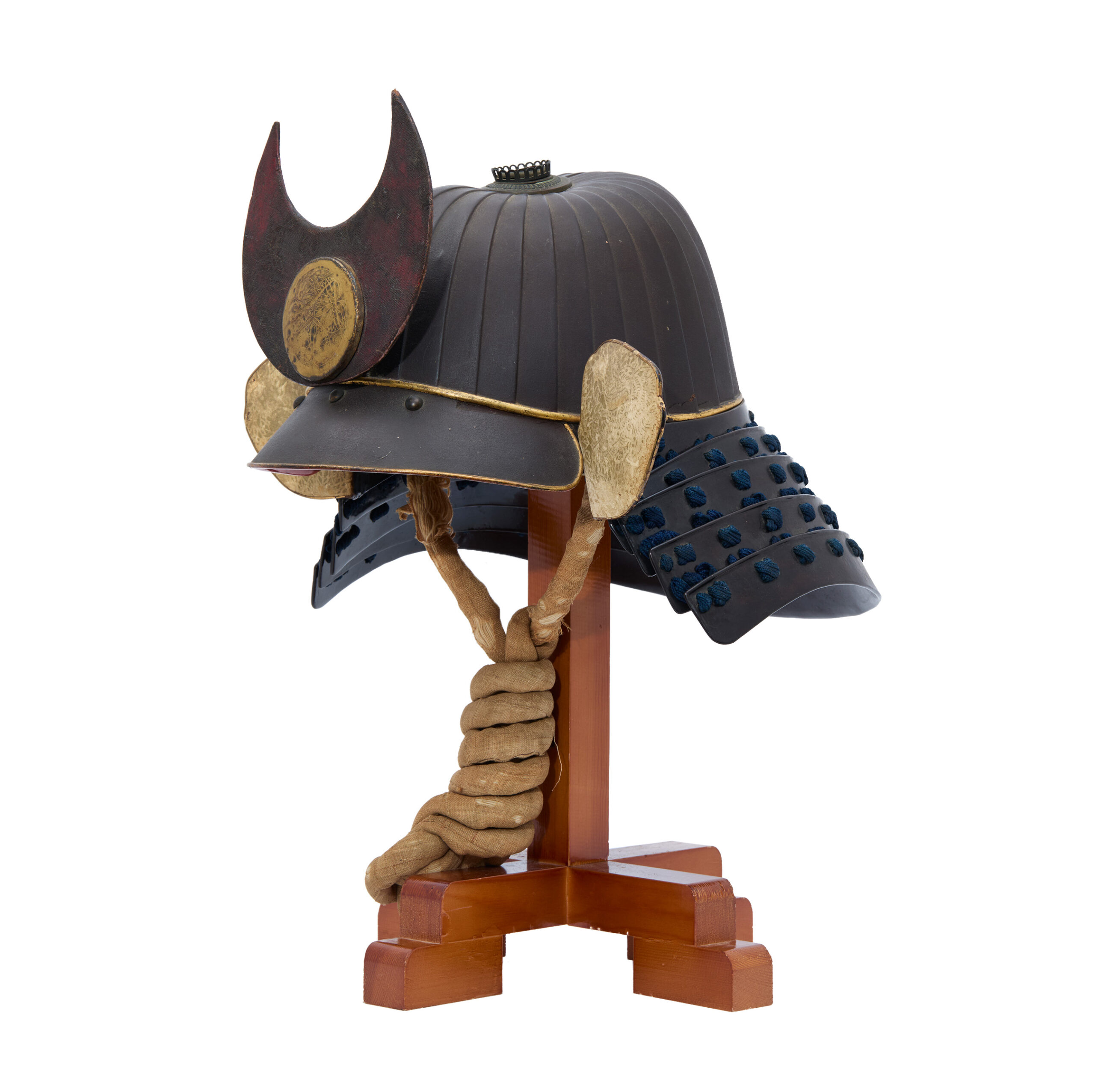
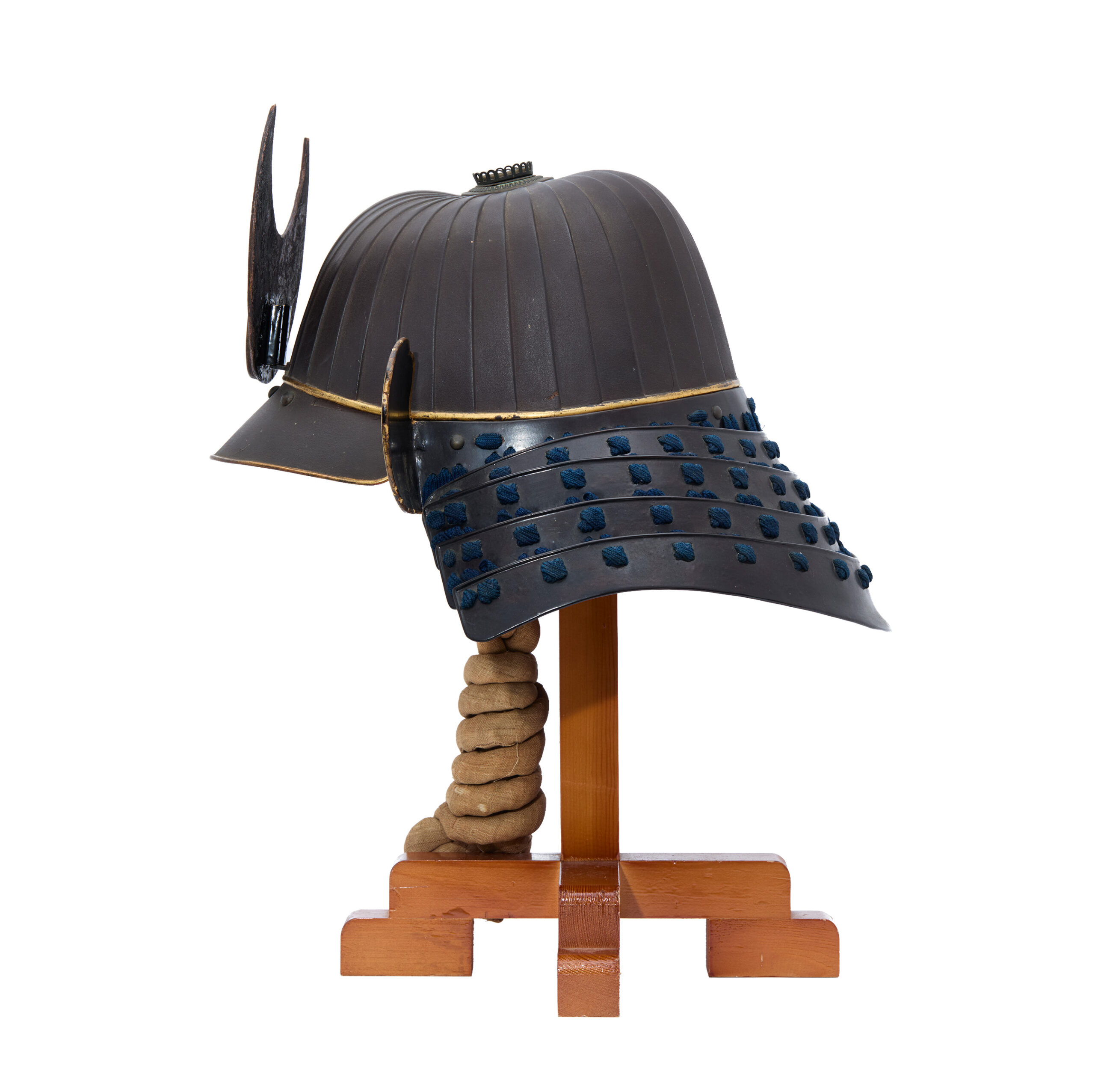
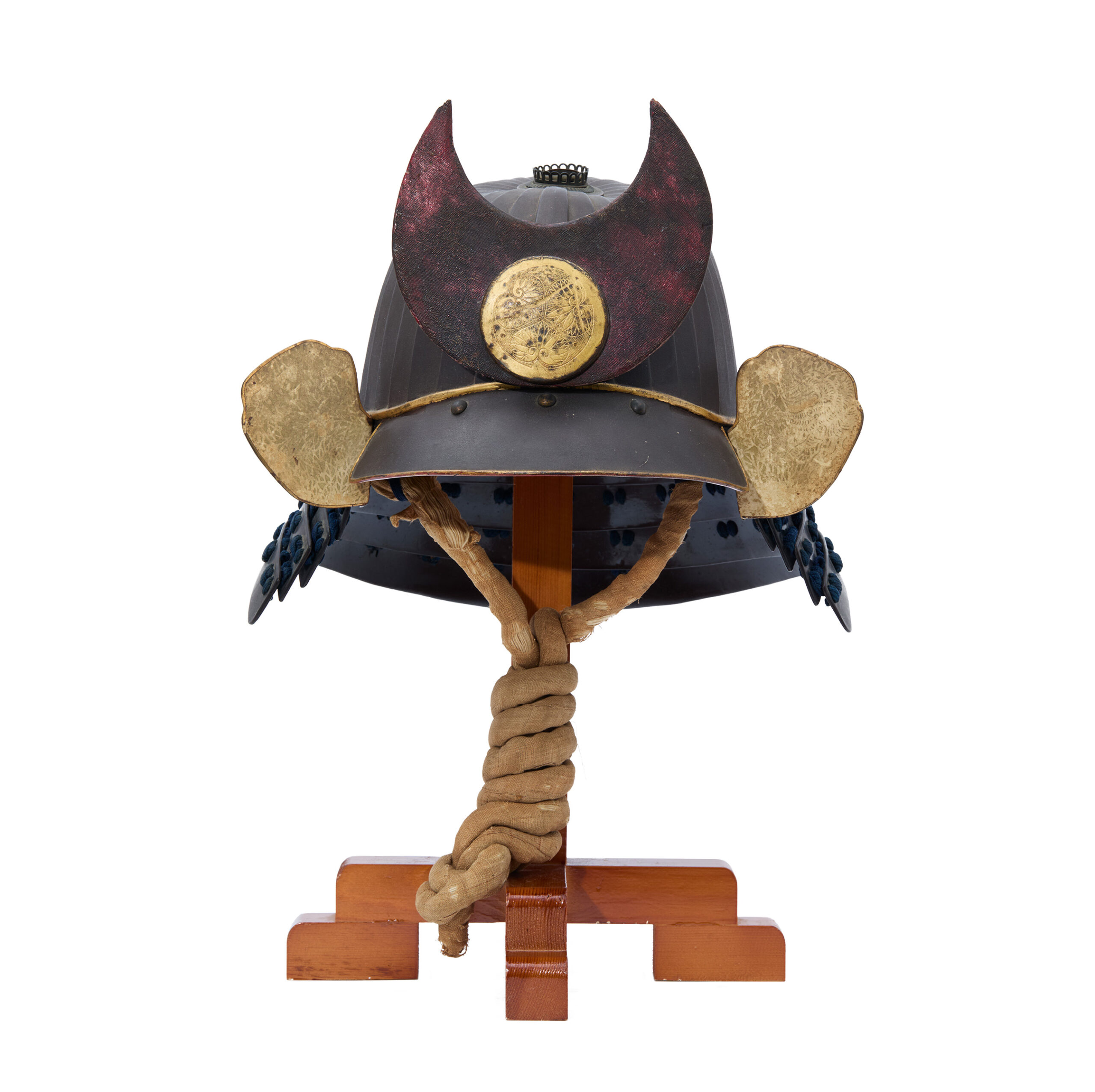
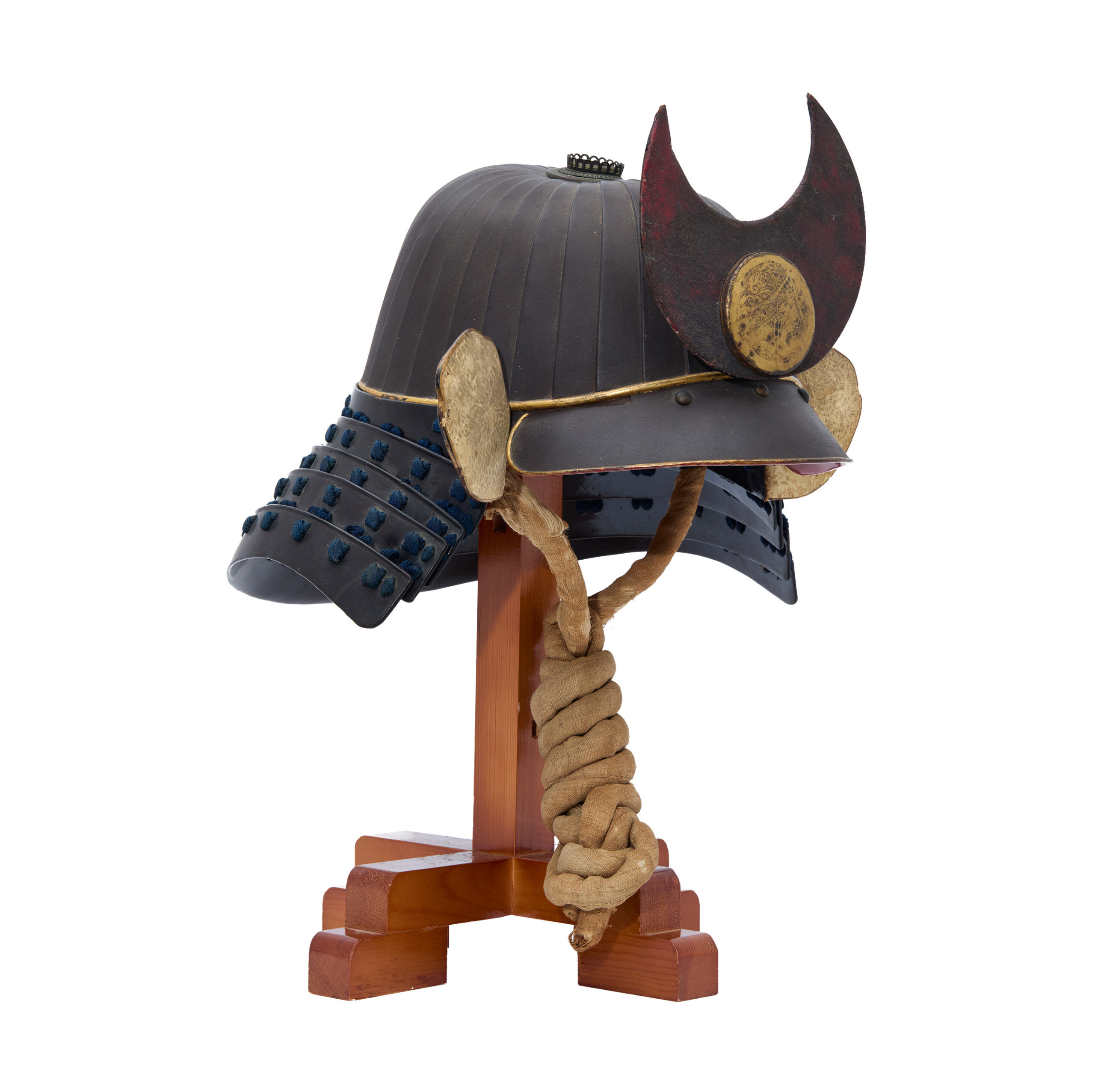
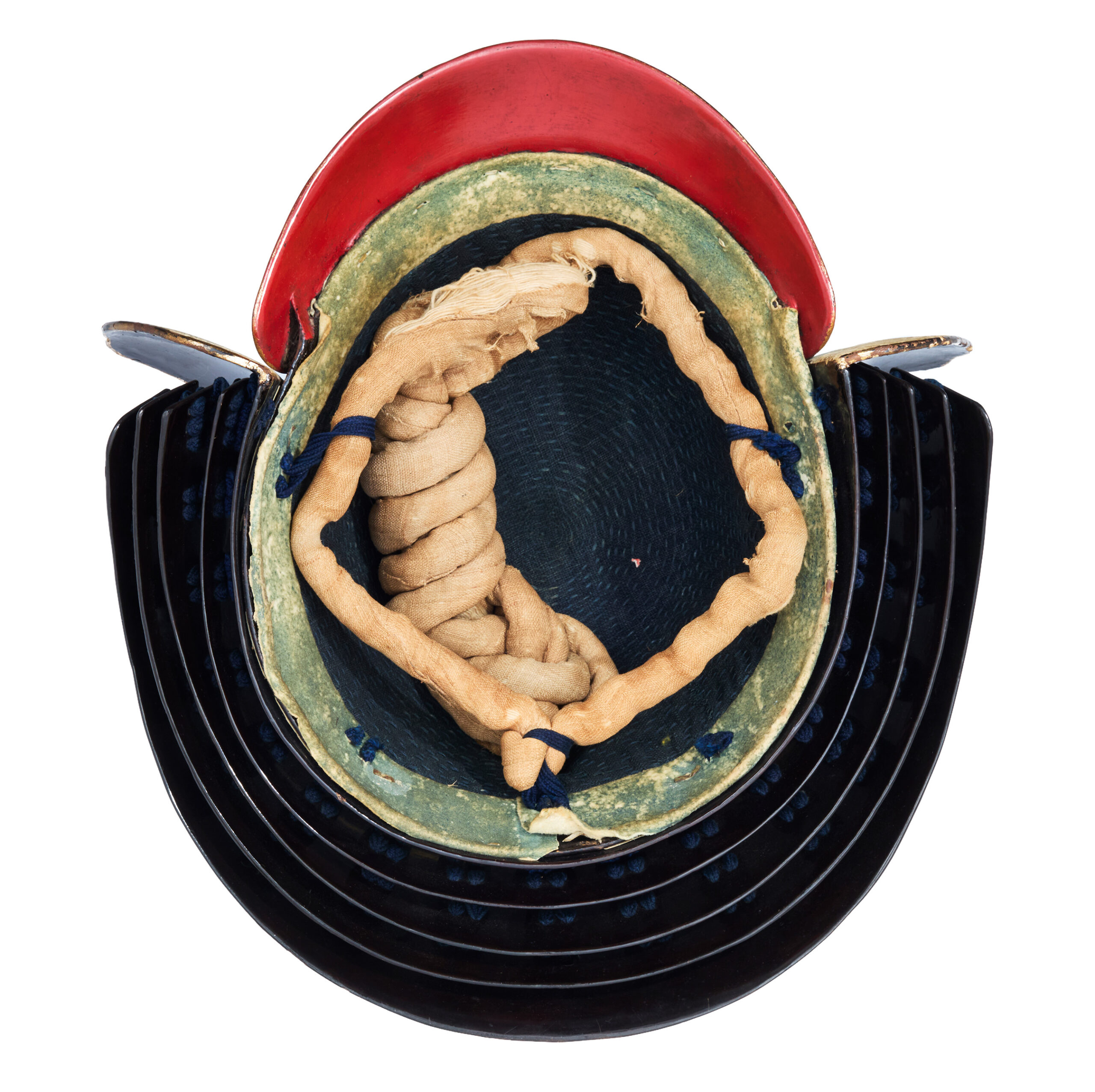
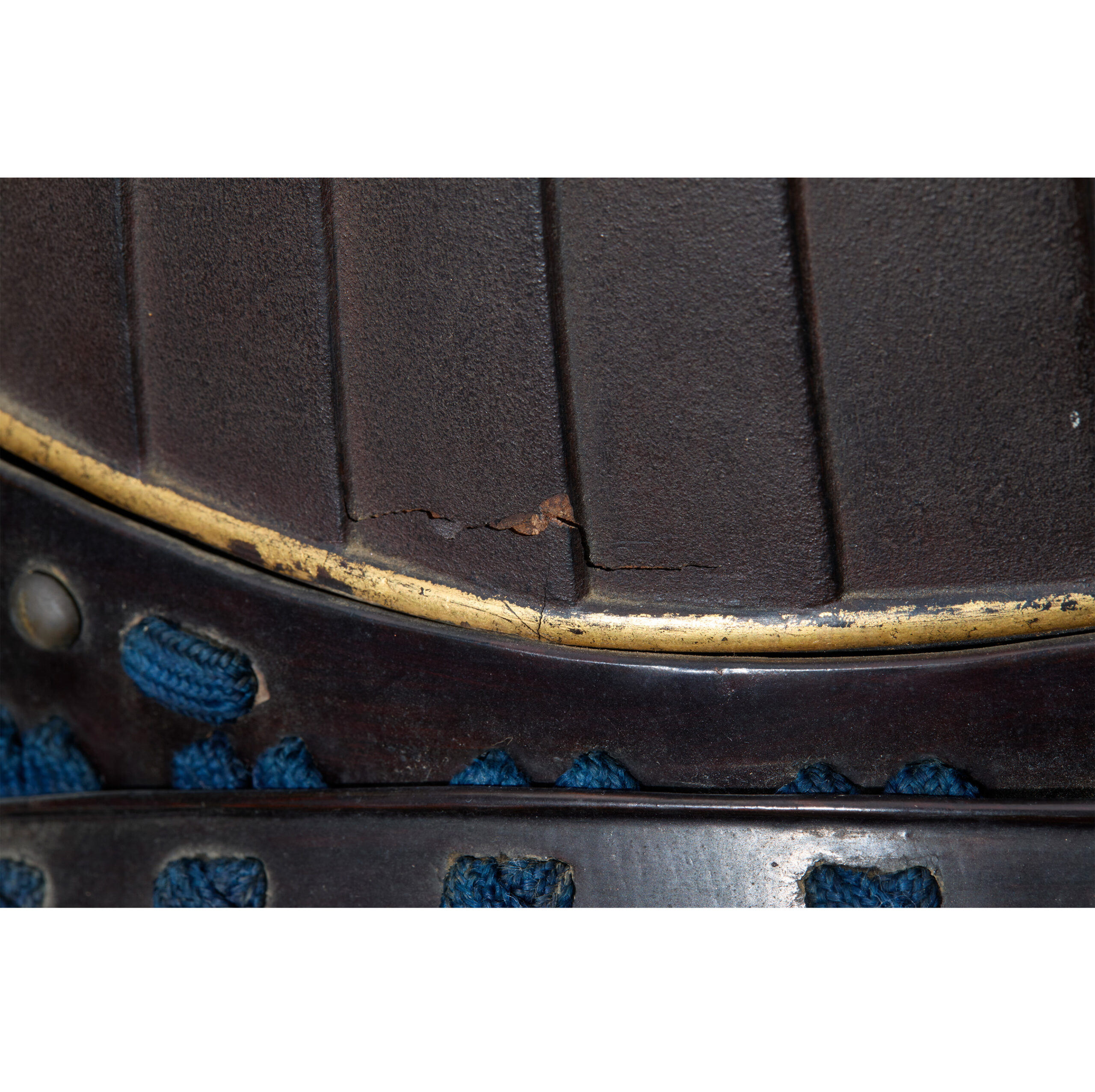
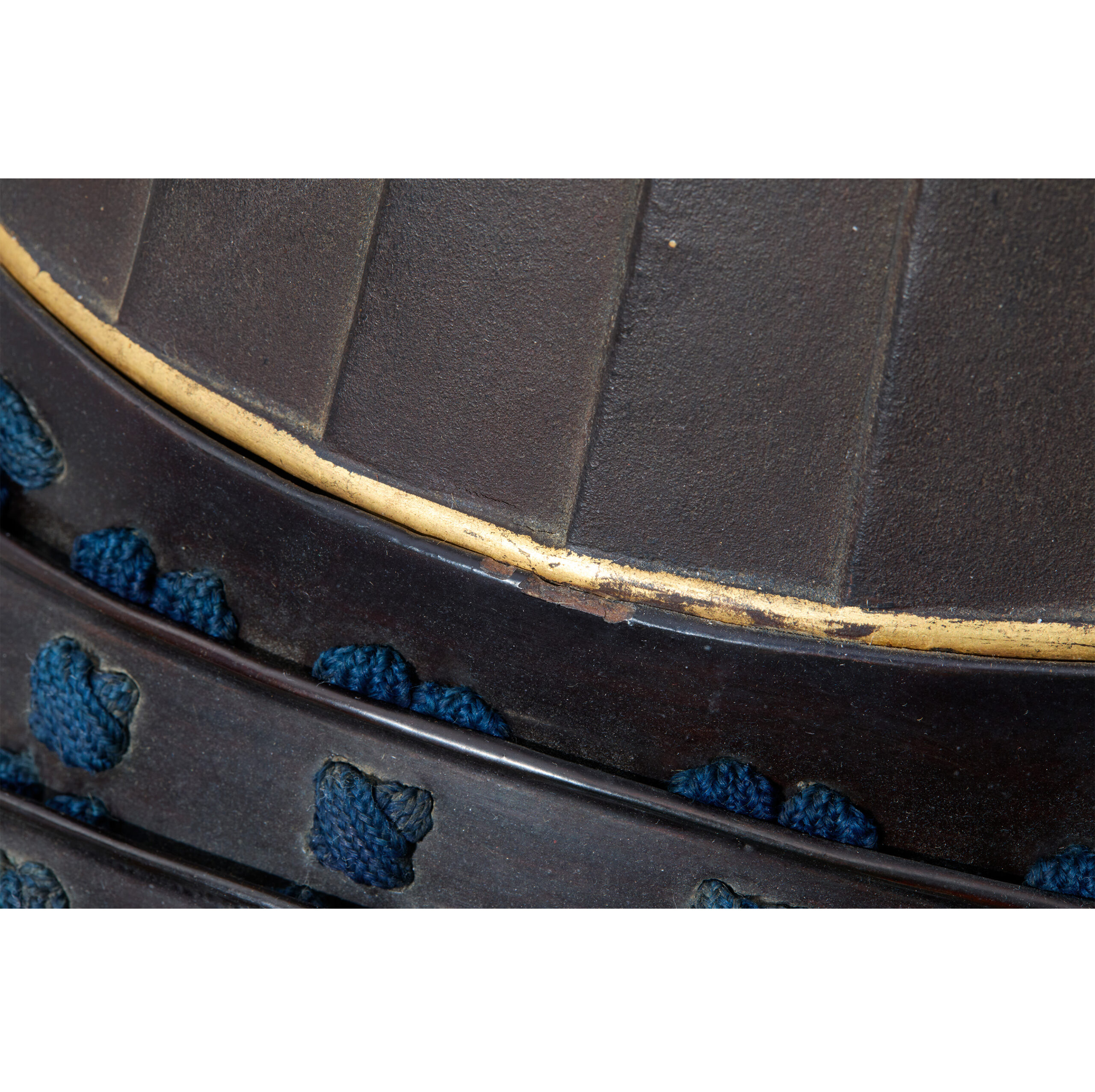
Kabuto only
32-plate · Suji-bachi
Unsigned
Mitsuba Aoi (three-leaf hollyhock), Karajishi (mythical lion)
Edo
Tokugawa
Especially valuable armour of notably superior workmanship and condition, the third of the five ranks.
Japanese armour is not certified by the NBTHK. The Nihon Katchū Bugu Kenkyū Hozon Kai (the Association for the Research and Preservation of Japanese Helmets and Armour), founded in 1961, is the principal body for armour. Its shinsa grades a piece as 資料 (shiryō, "reference material") across five ascending ranks: Hozon, Kichō, Tokubetsu Kichō, Kōshū Tokubetsu Kichō, and the highest, Jūyō Bunka Shiryō. The 資料 framing reflects the society’s purpose of preserving armour as cultural and historical reference, distinct from the NBTHK’s sword paper tiers.
Returns/exchanges limited to defects caused by shipping (except willful misconduct or gross negligence by the company); customers must contact within 72 hours of receiving the product.
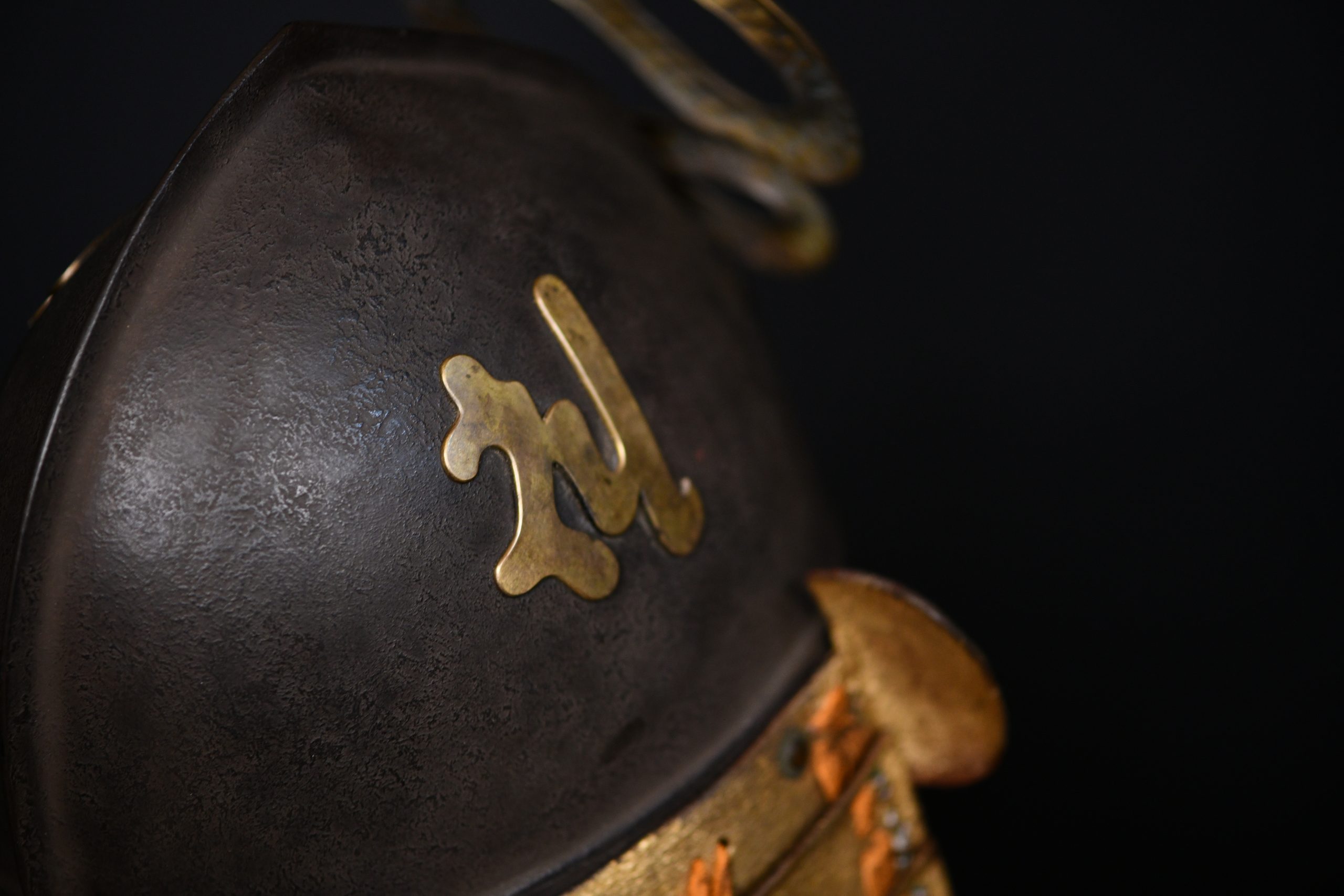
¥750,000