 NihontoWatchNihontoWatch
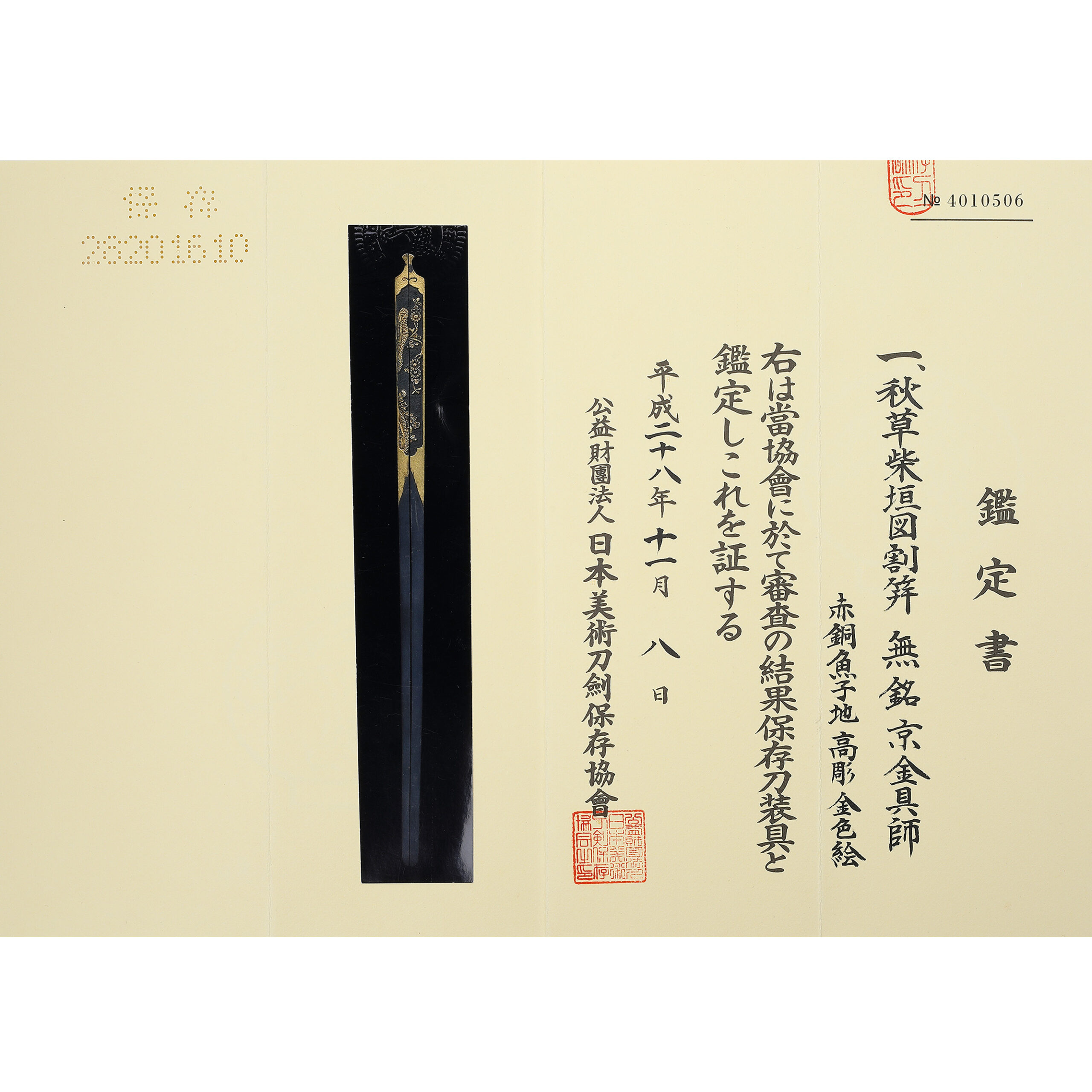
This antique Kogai, used for arranging samurai hairstyles, is made of shakudo with gold overglaze painting (Kin Iro-e) and features a Nanako-Ji surface. It depicts autumn plants like chrysanthemum and Japanese bellflower, along with brushwood fences (Shibagaki). The piece is attributed to the Kyo Kanagu shi school from the Edo period and comes with an NBTHK Hozon Certificate.
NihontoWatchKyo-kanagushi School京金具師派
Offered by Samurai Museum

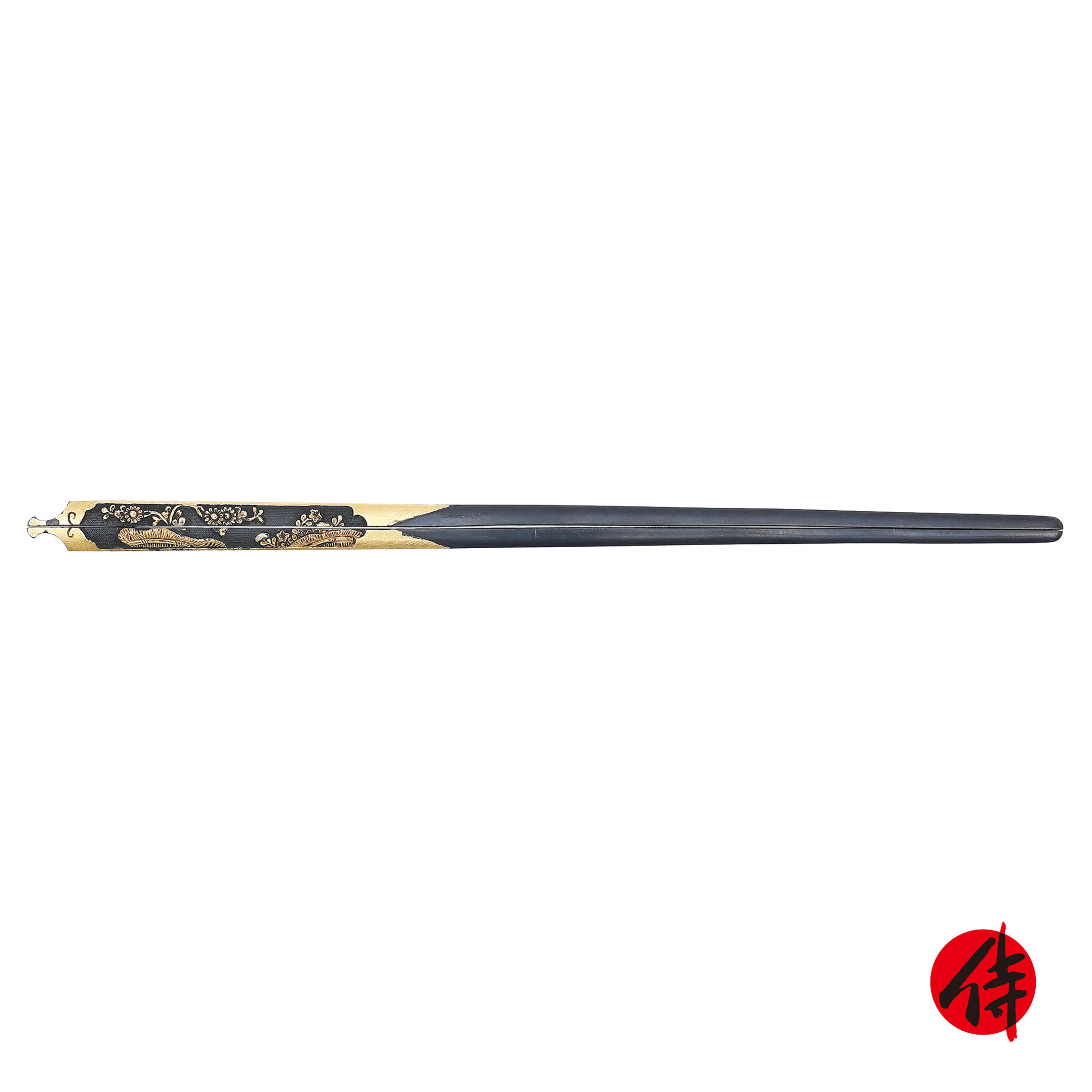
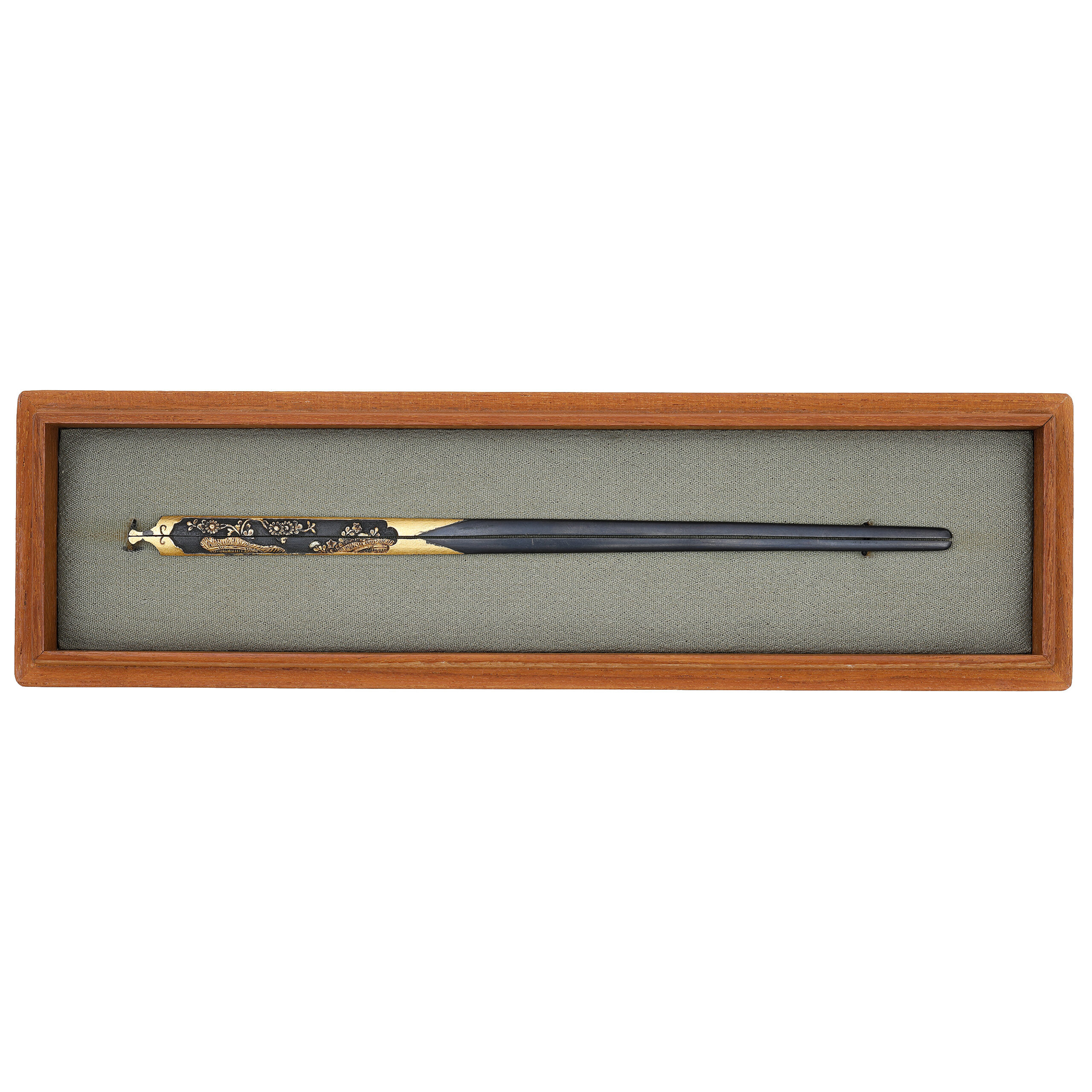
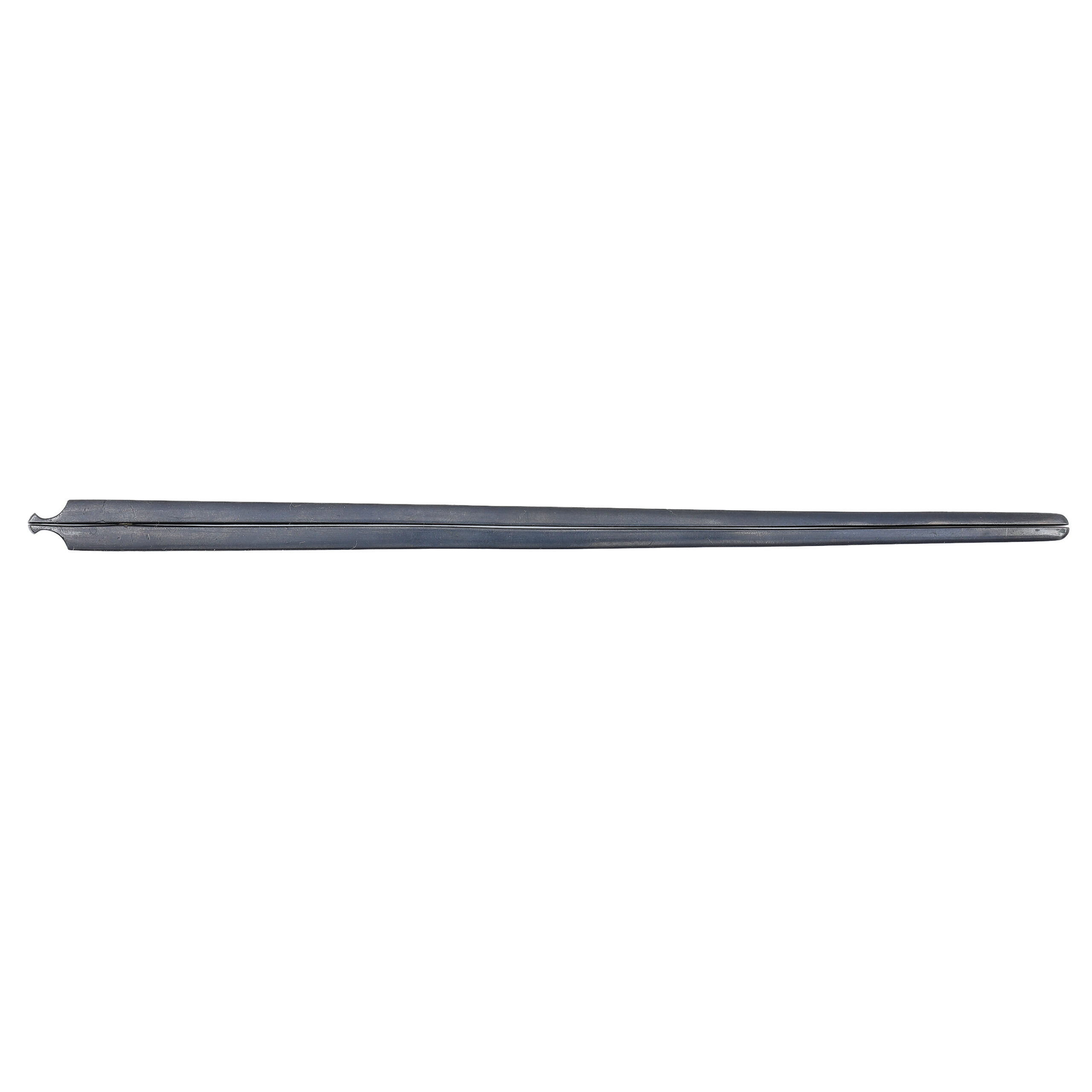
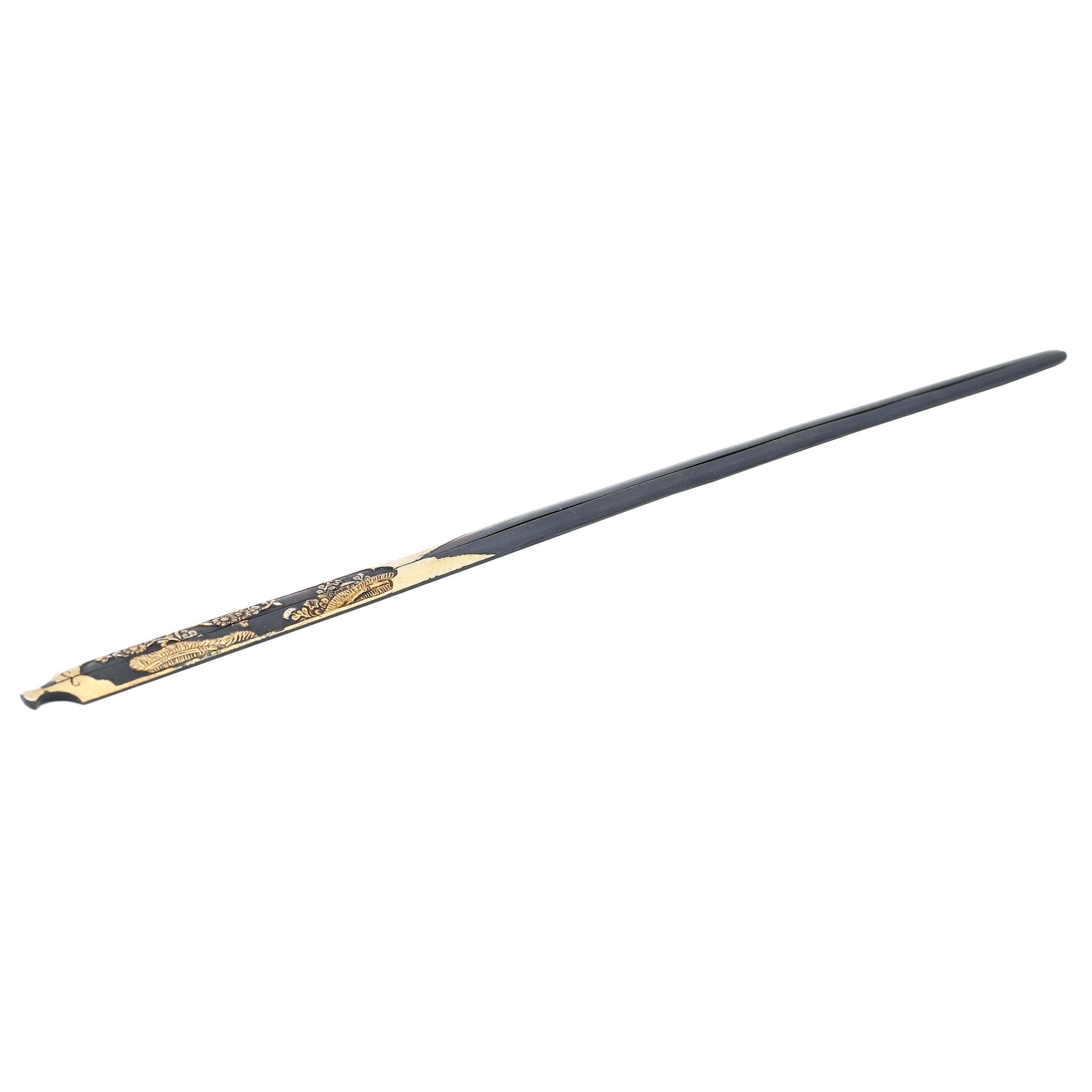
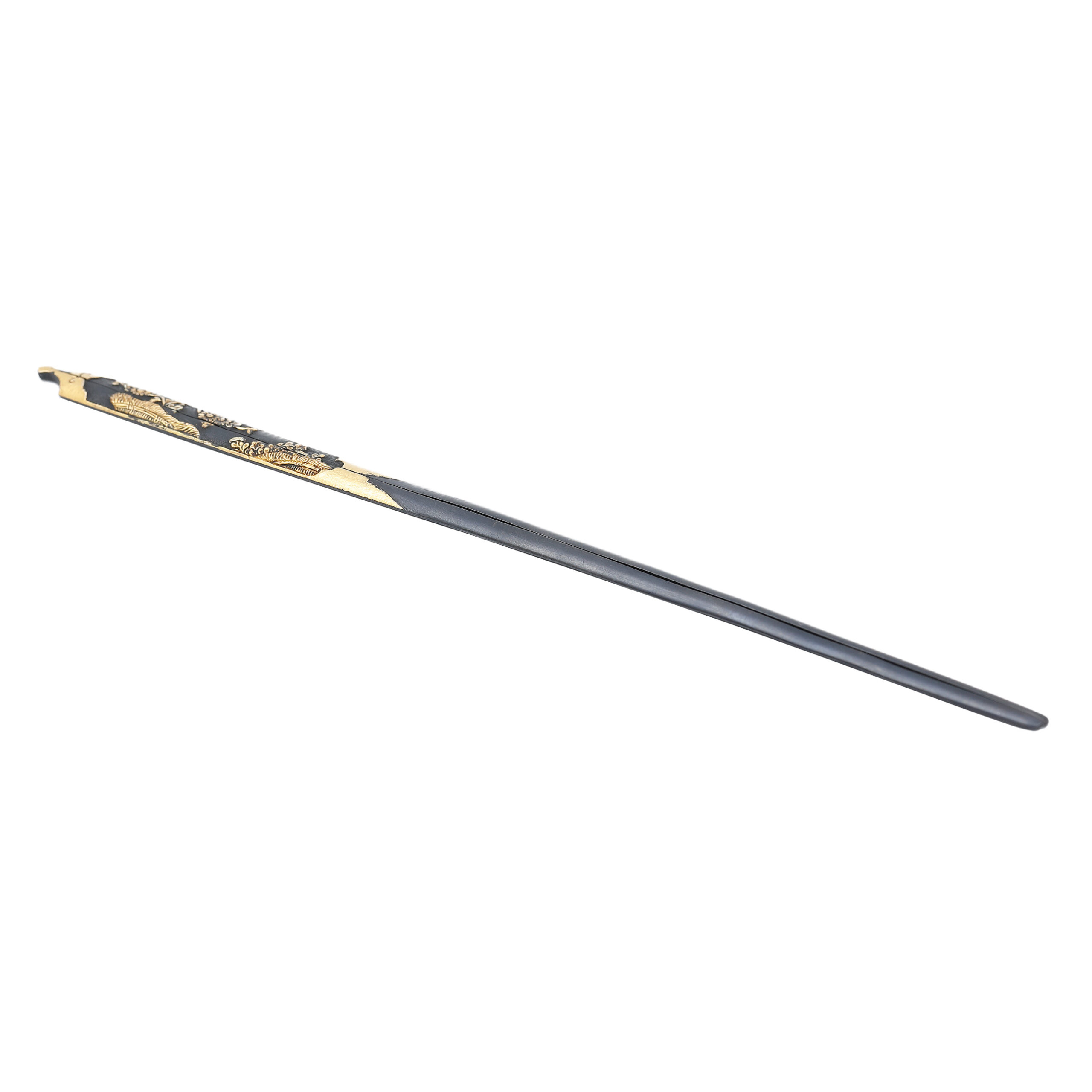
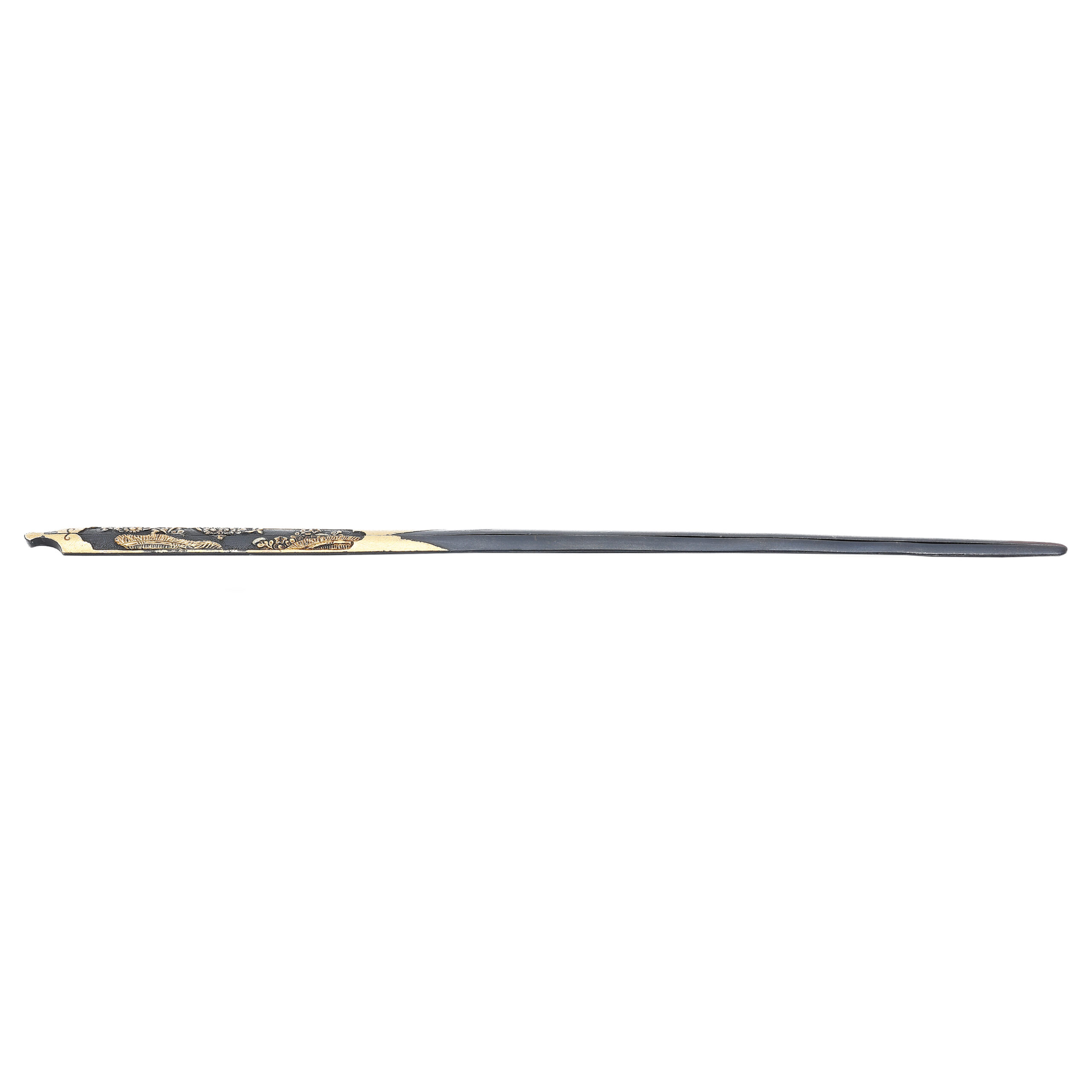
Kyo-kanagushi School
Edo
Yamashiro
Unsigned
Hozon (NBTHK)
Kinko · Yamashiro
Certifies a genuine fitting worth preserving: a correct signature, or, if unsigned, an identifiable era and school, with recognized artistic and craft value.
The NBTHK (Nihon Bijutsu Tōken Hozon Kyōkai, the Society for the Preservation of Japanese Art Swords) is a public-interest incorporated foundation founded in 1948 and supervised by Japan’s Agency for Cultural Affairs (Bunkachō); it is based at the Japanese Sword Museum in Tokyo. Its expert panels physically examine each submitted work (shinsa) and issue a certificate (kanteishō) ranking it by artistic and historical merit. NBTHK papers are the most widely recognized standard of authentication for Japanese swords and fittings.
NBTHK official siteReturns/exchanges limited to defects caused by shipping (except willful misconduct or gross negligence by the company); customers must contact within 72 hours of receiving the product.