NihontoWatch Mon

NihontoWatch

Market
Encyclopedia
Kantei
NihontoWatch Mon

NihontoWatch

Market
Encyclopedia
Kantei

Description

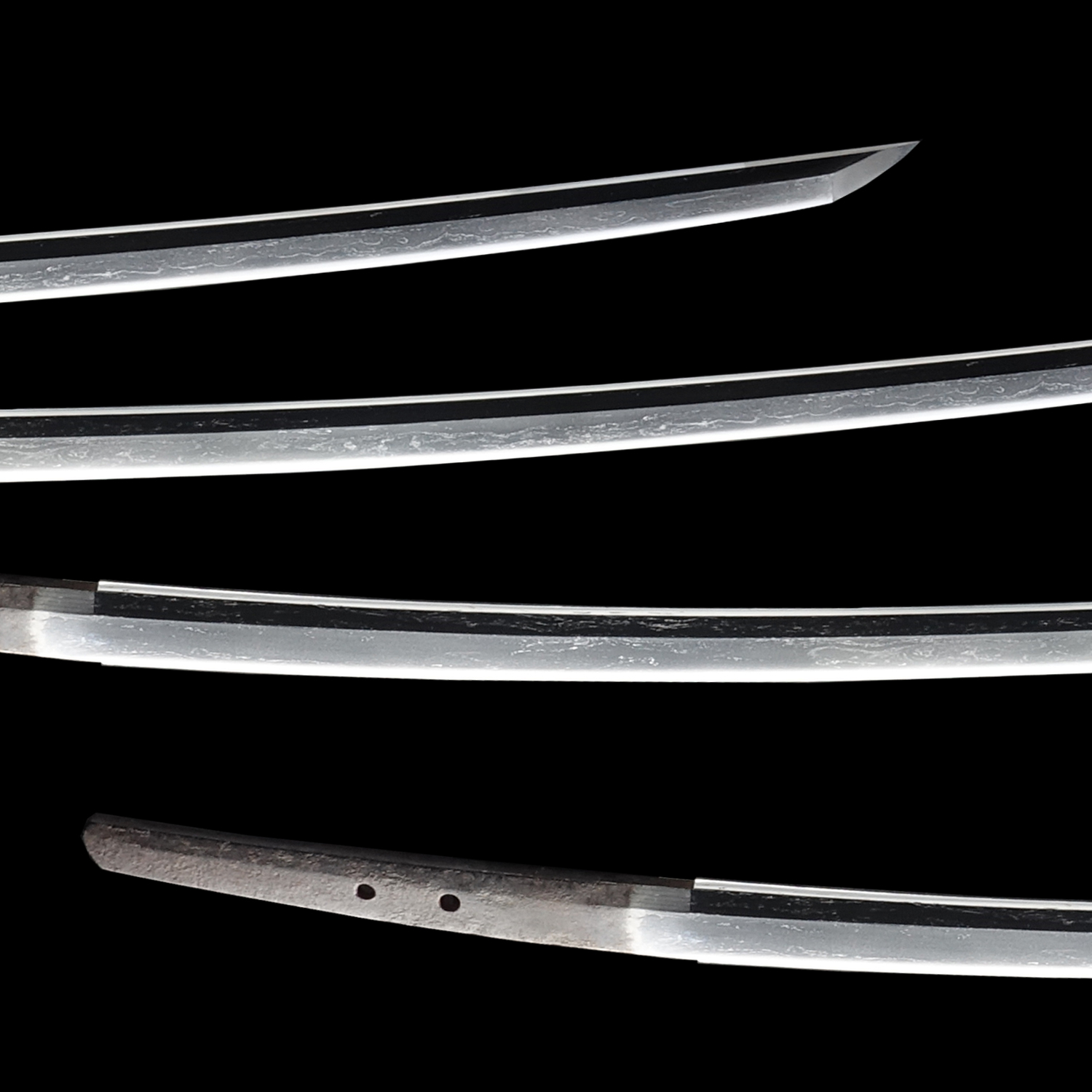
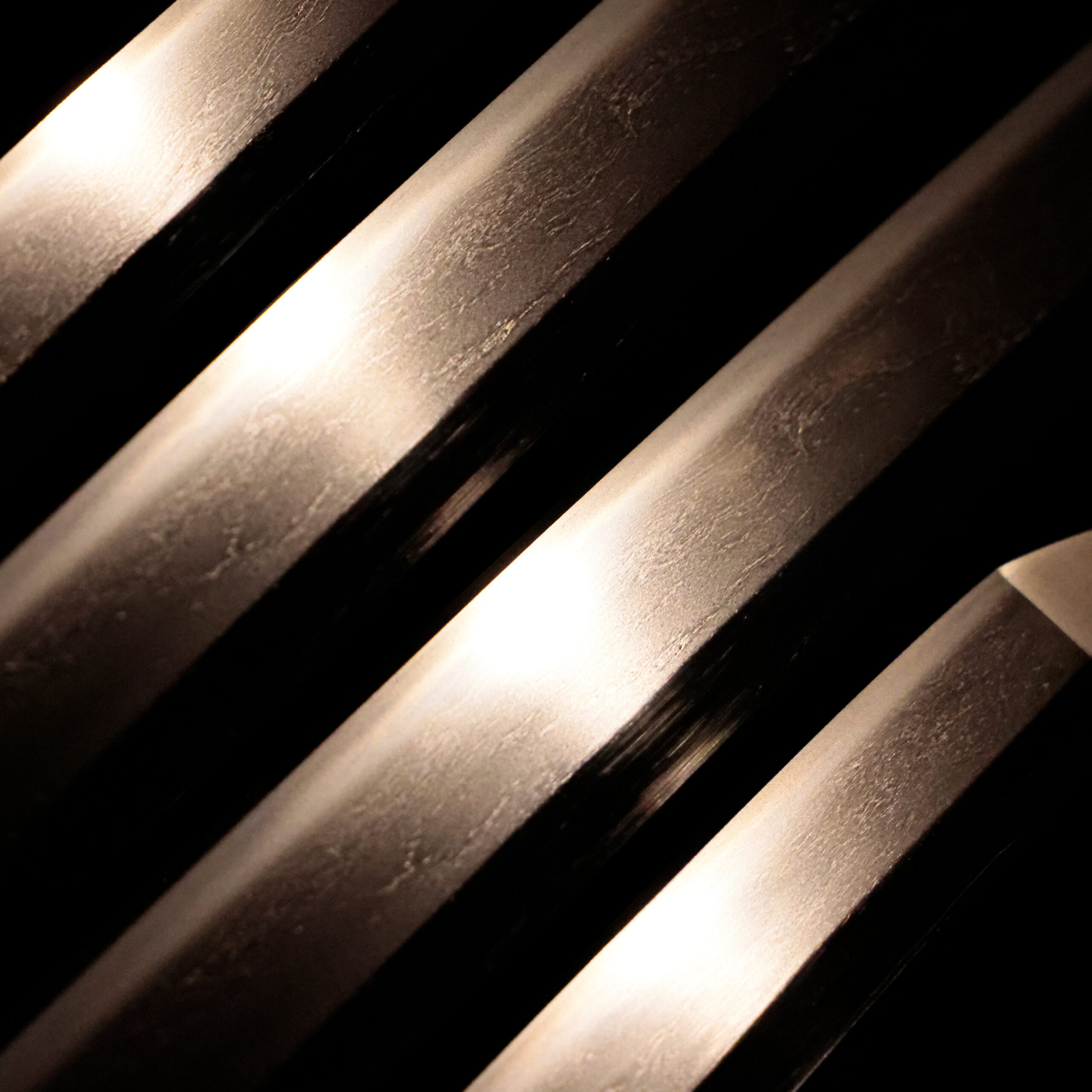
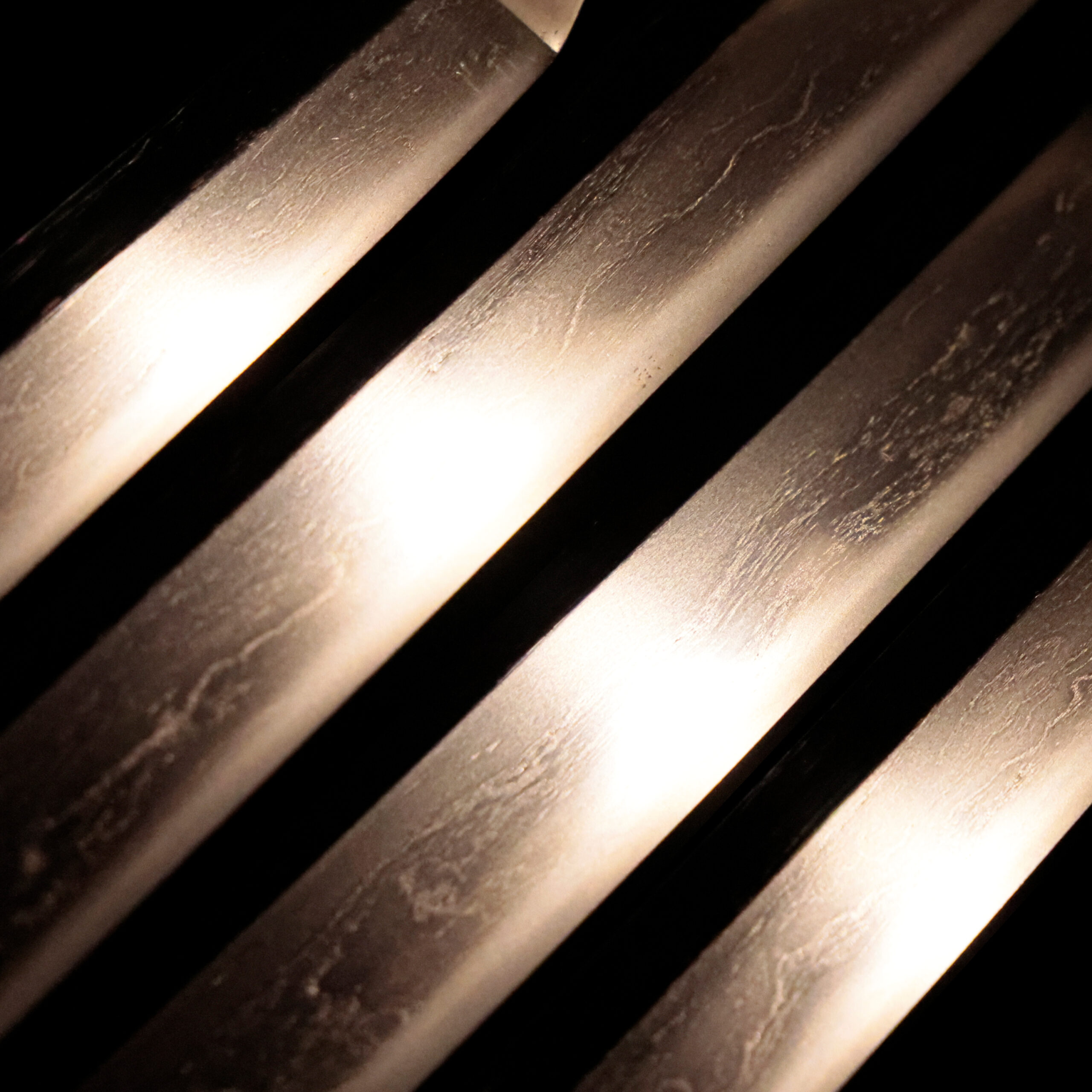
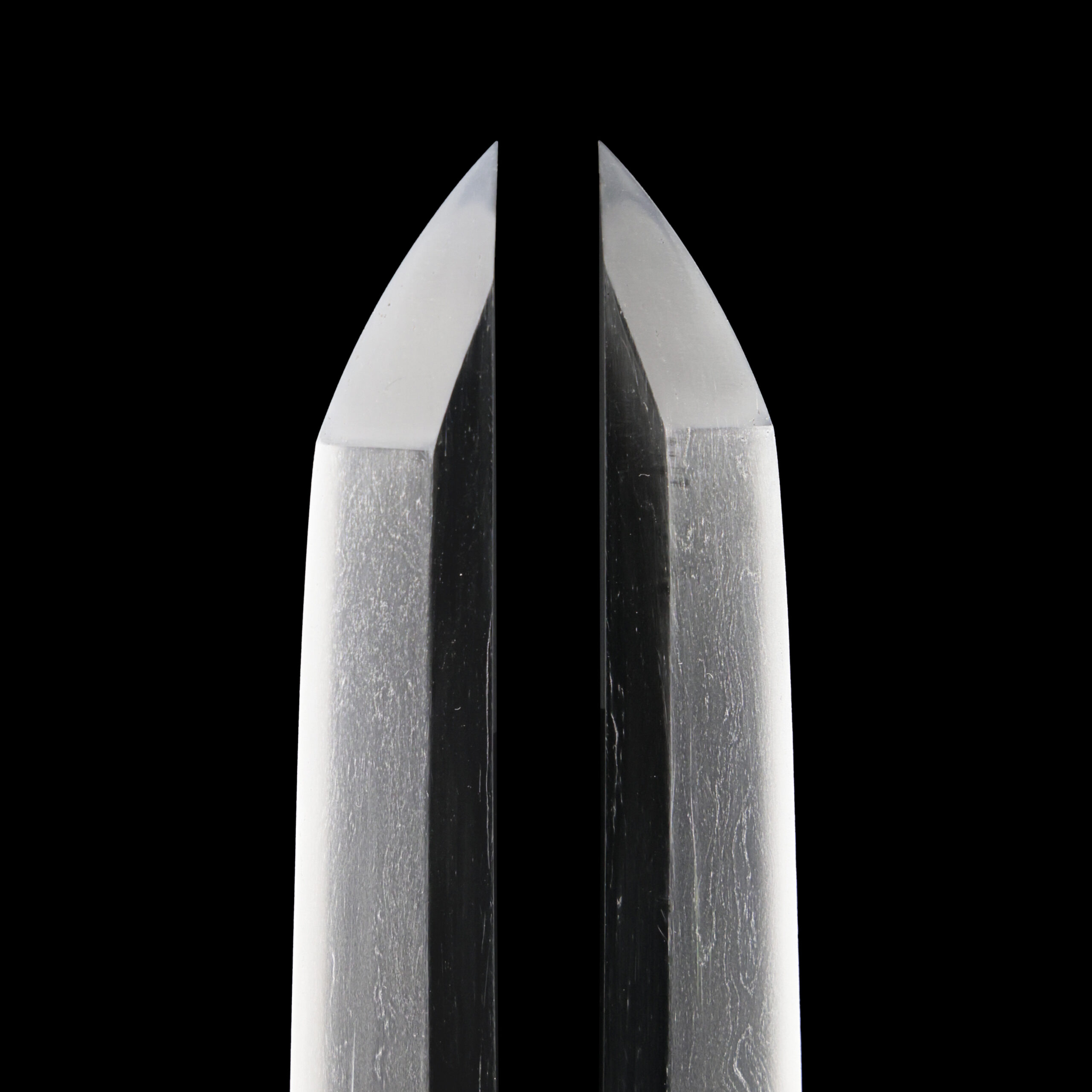
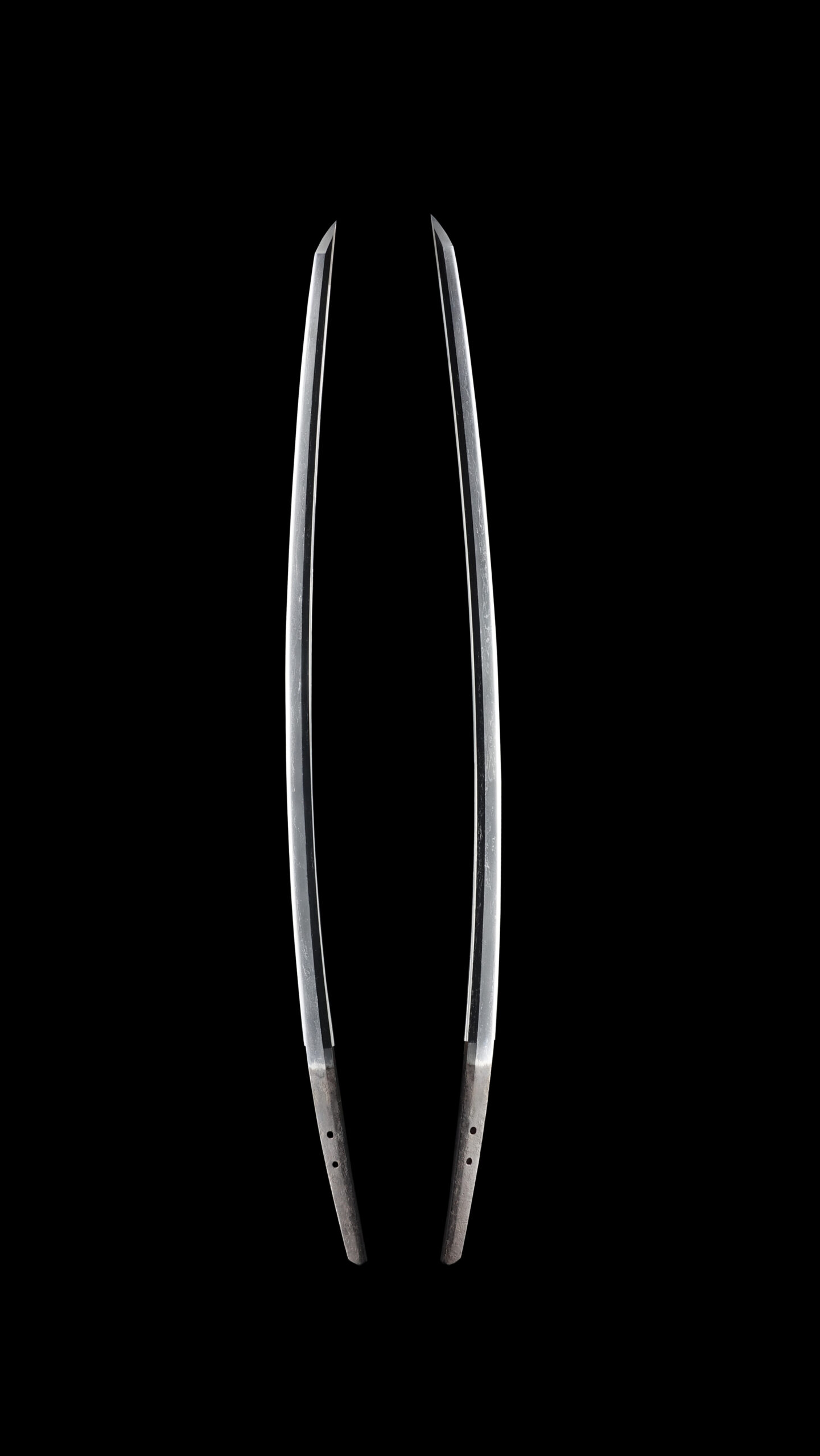
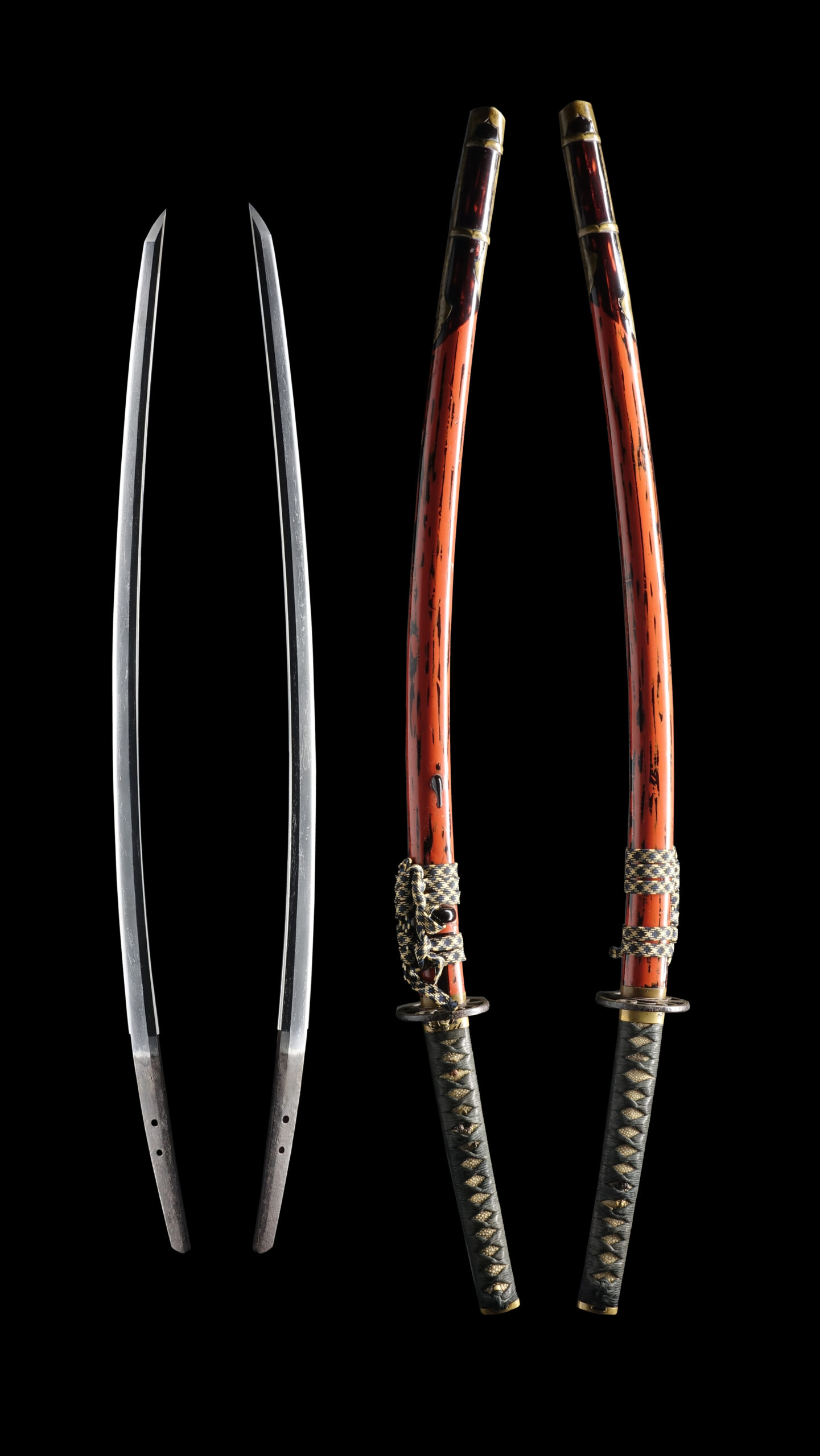
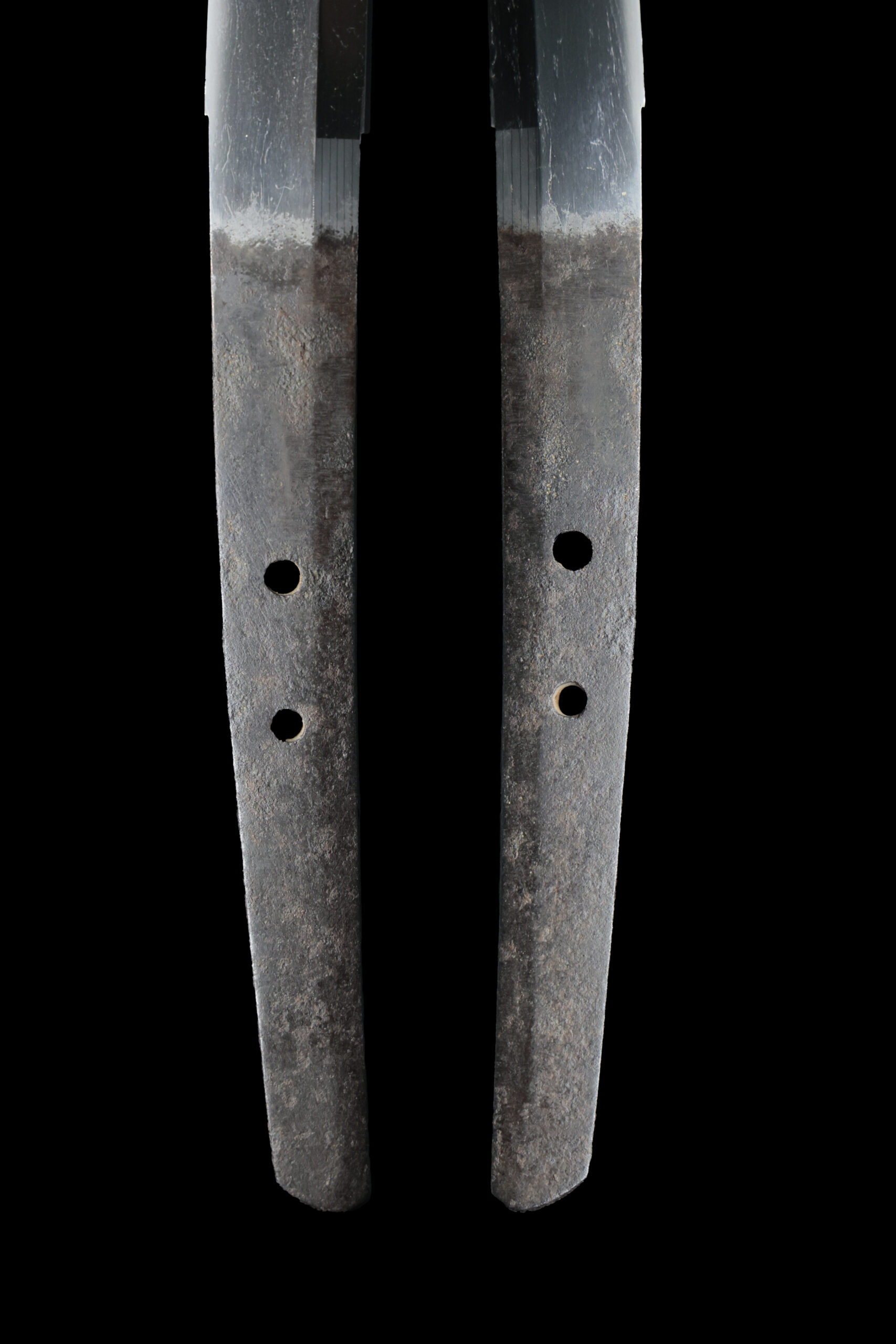
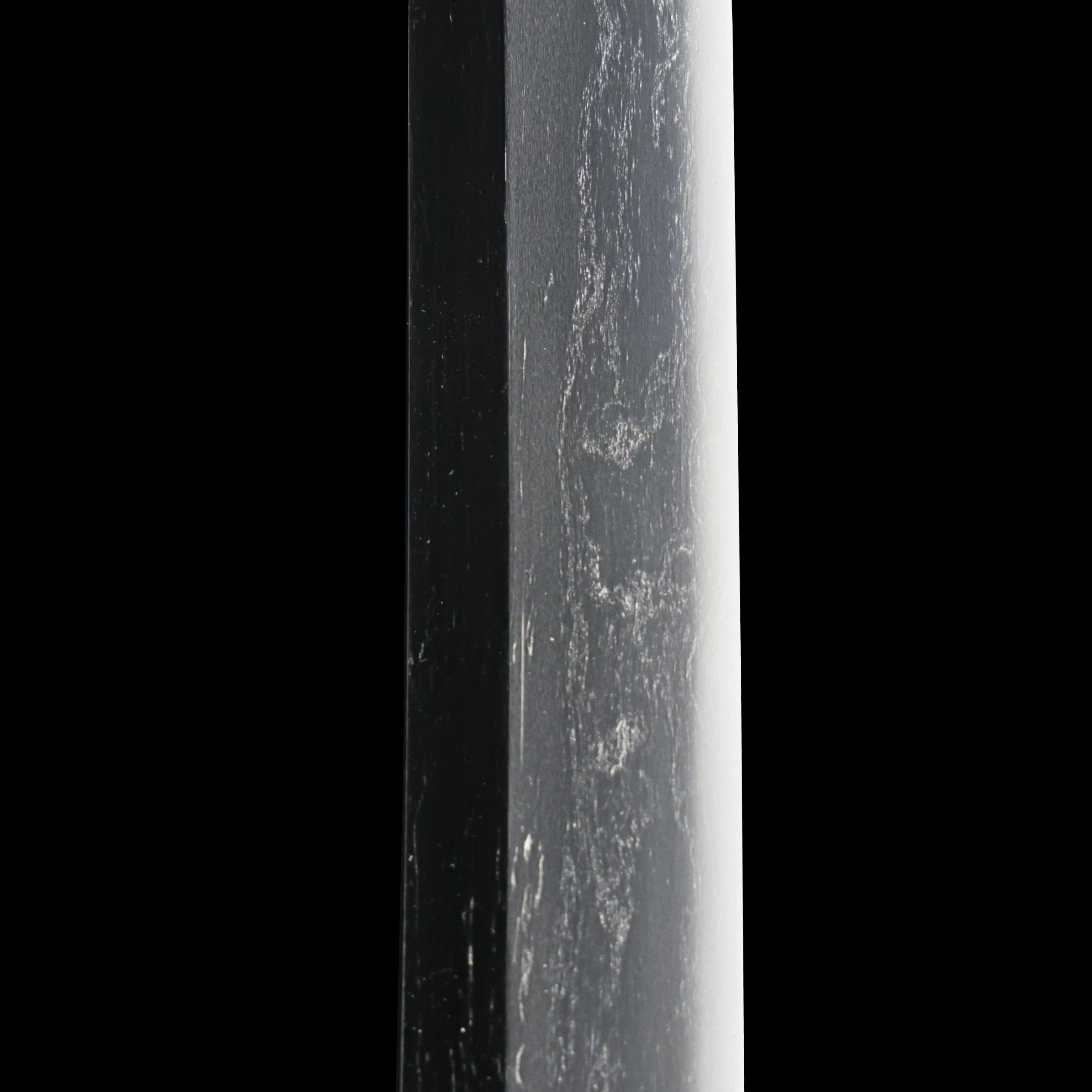
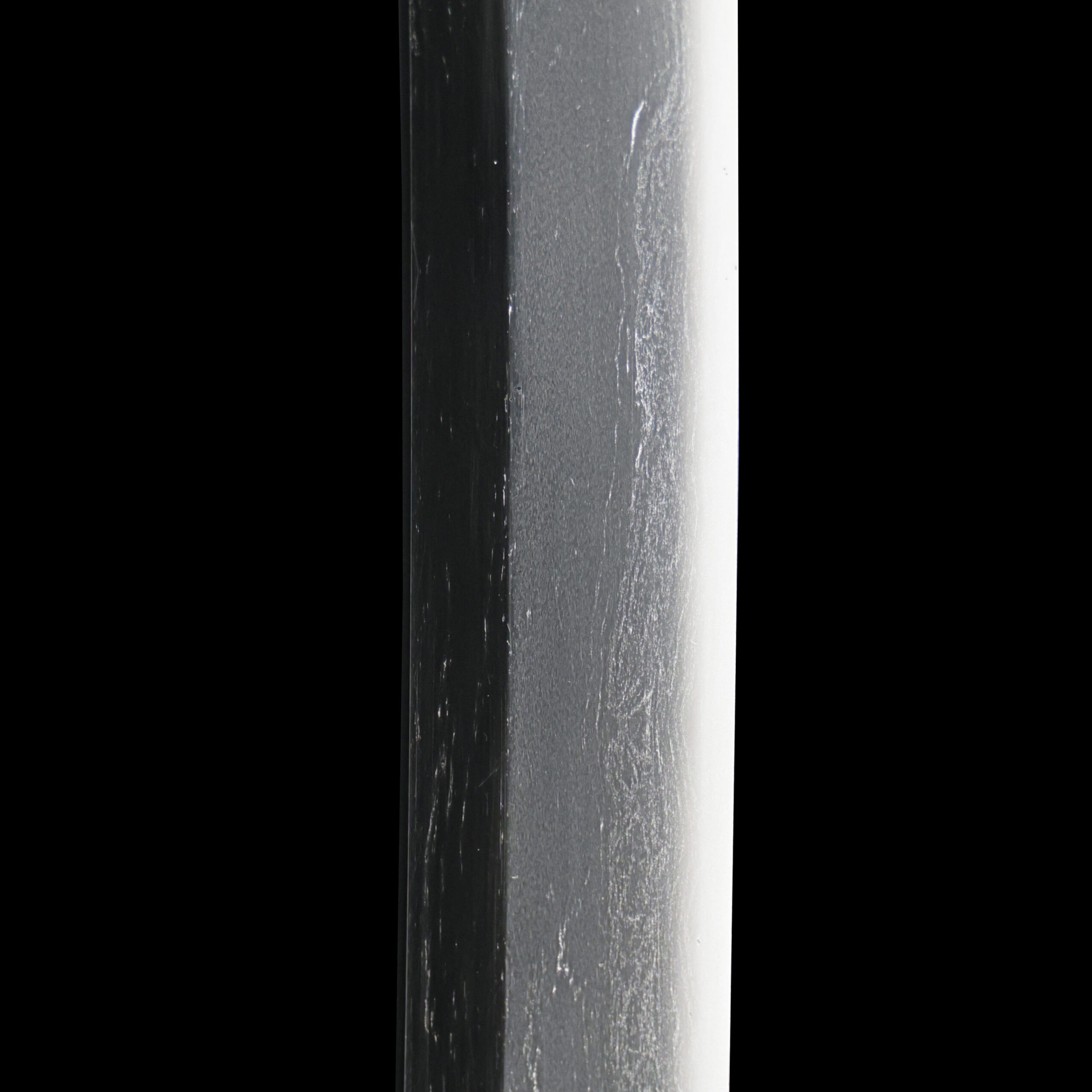
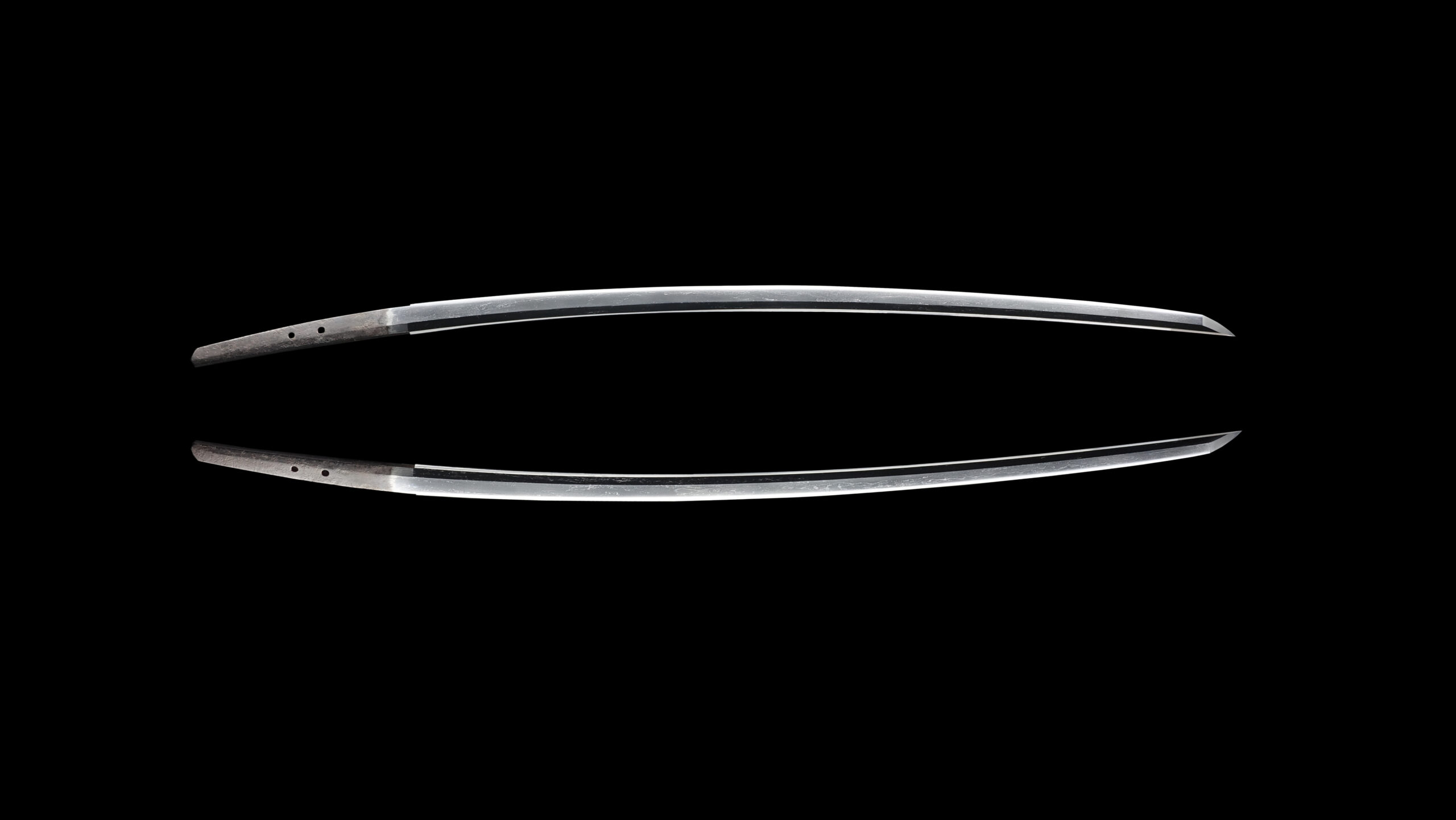
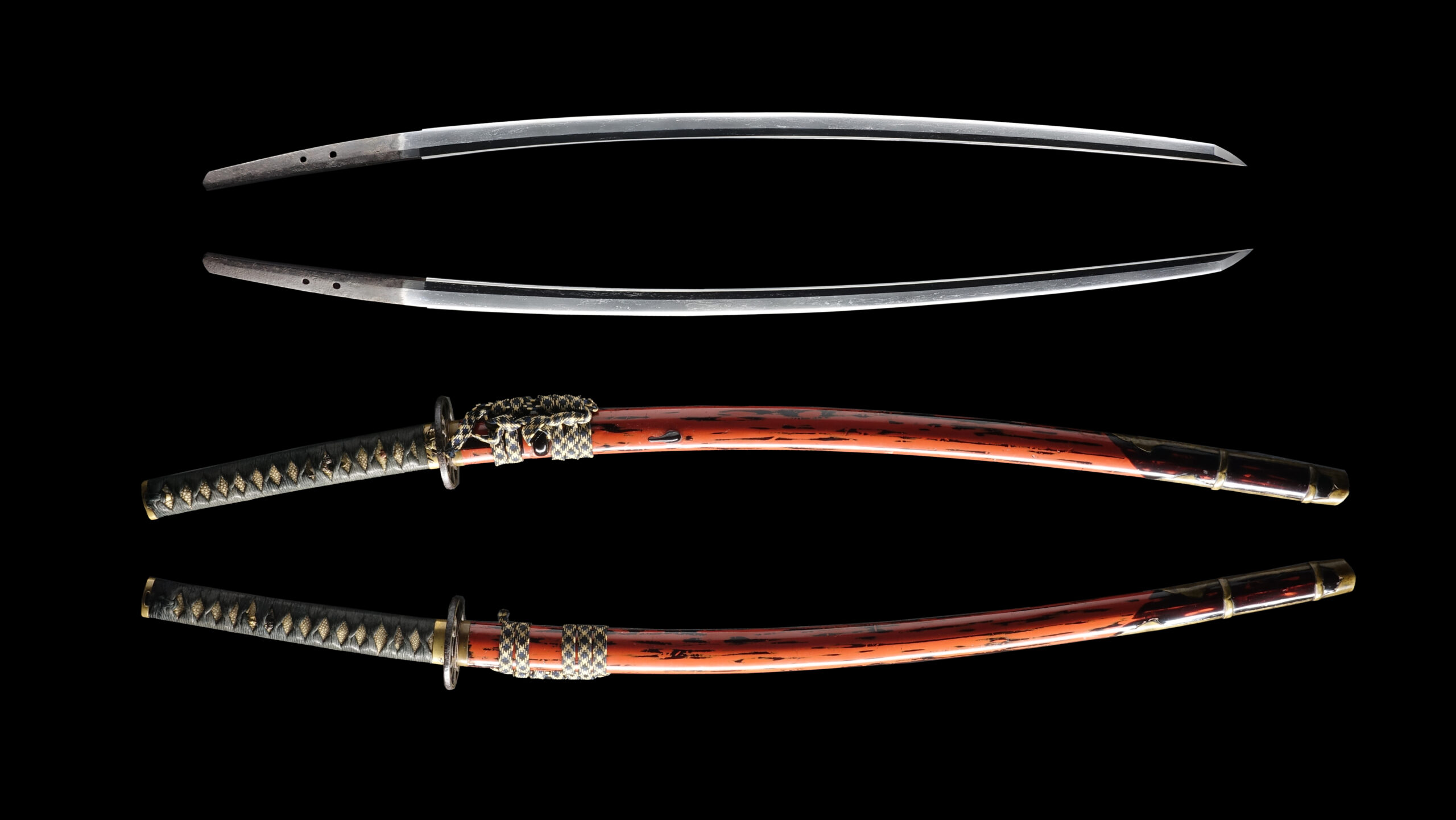
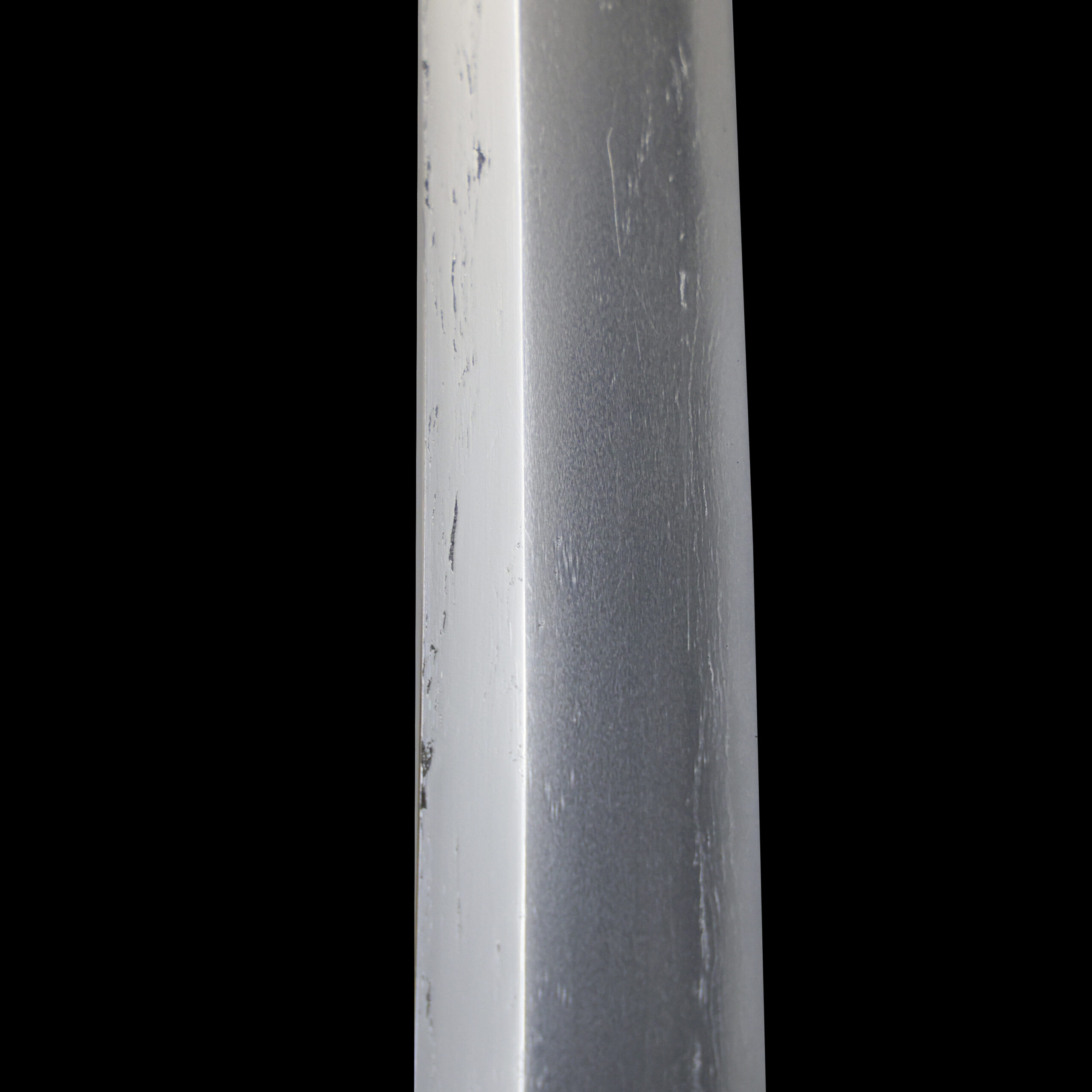
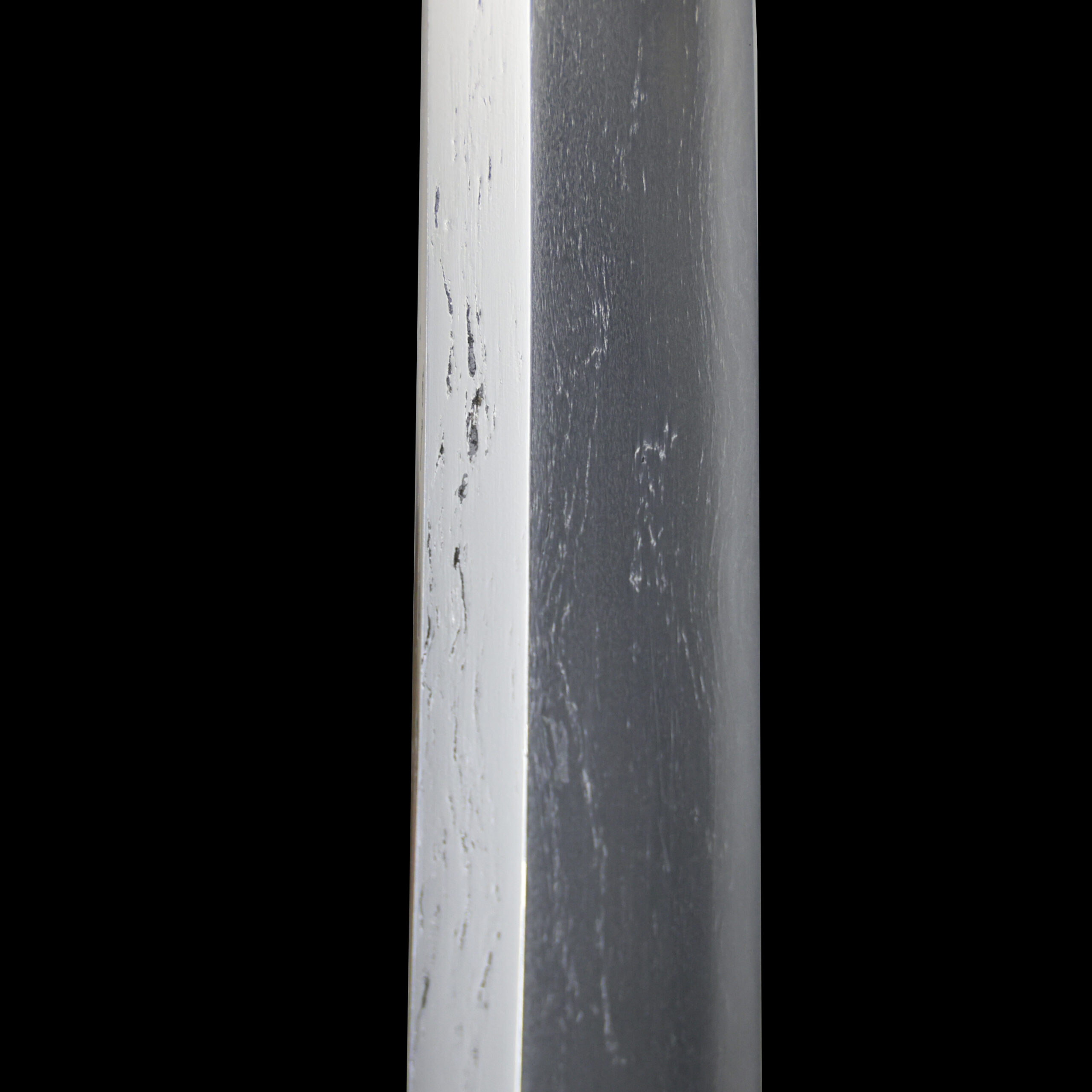
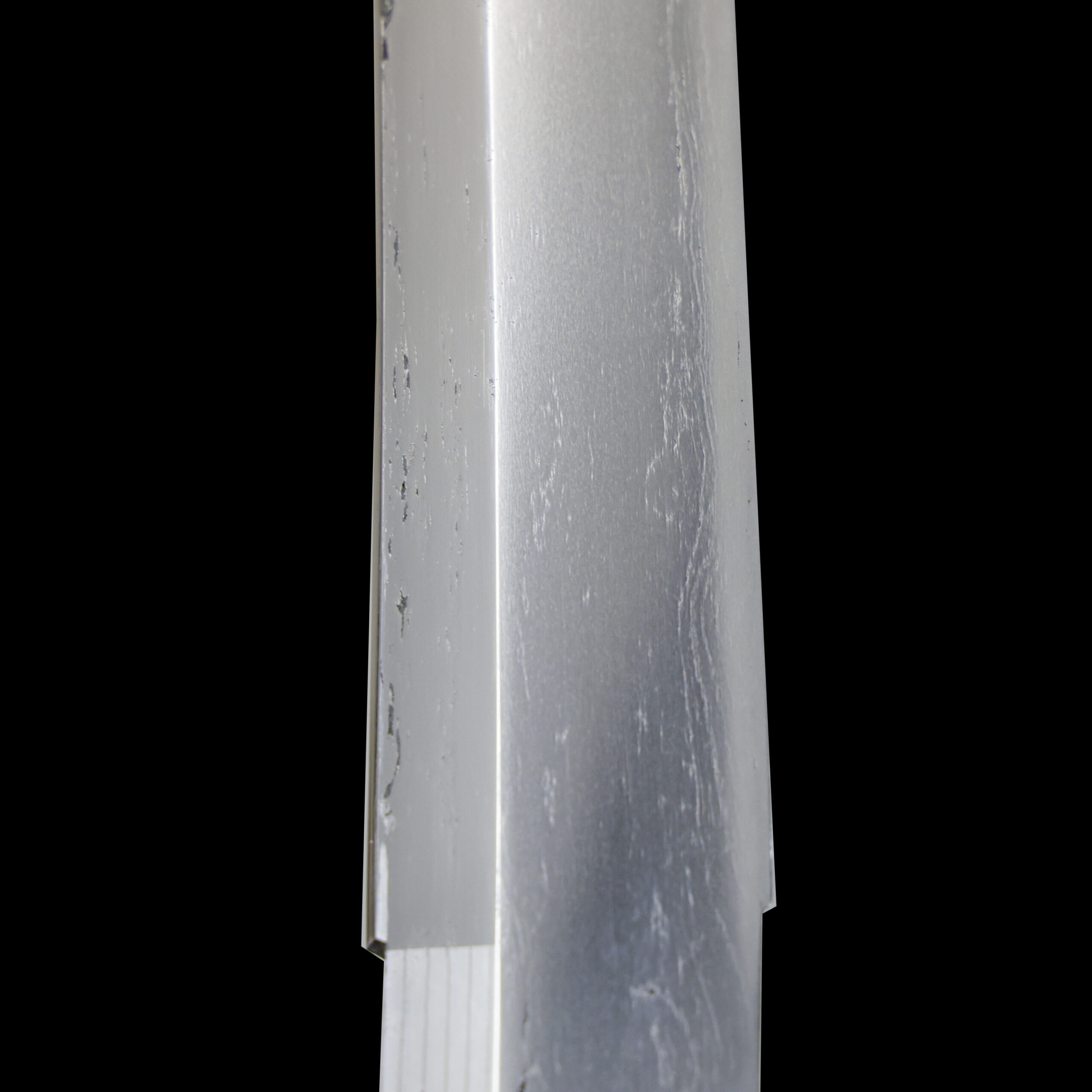
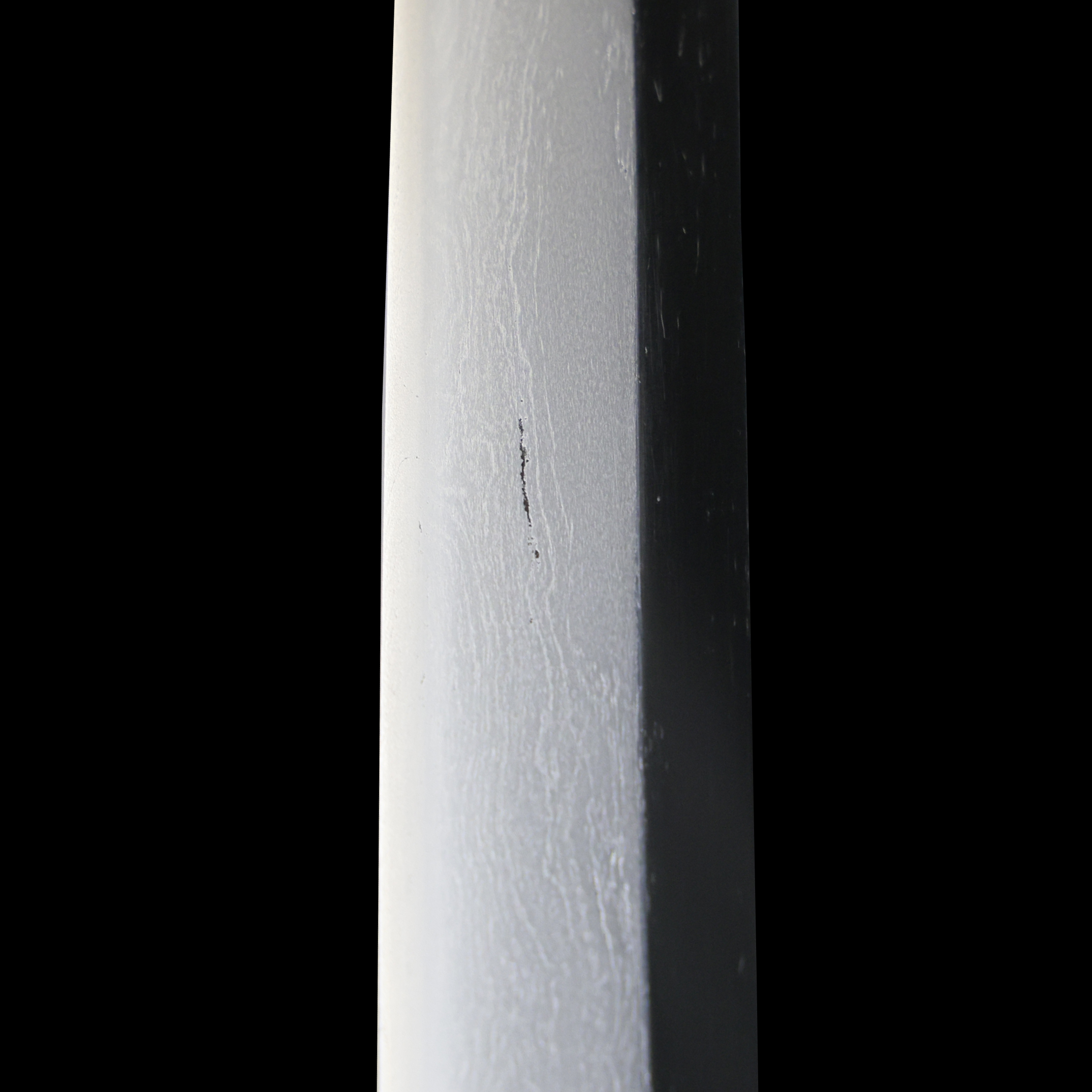
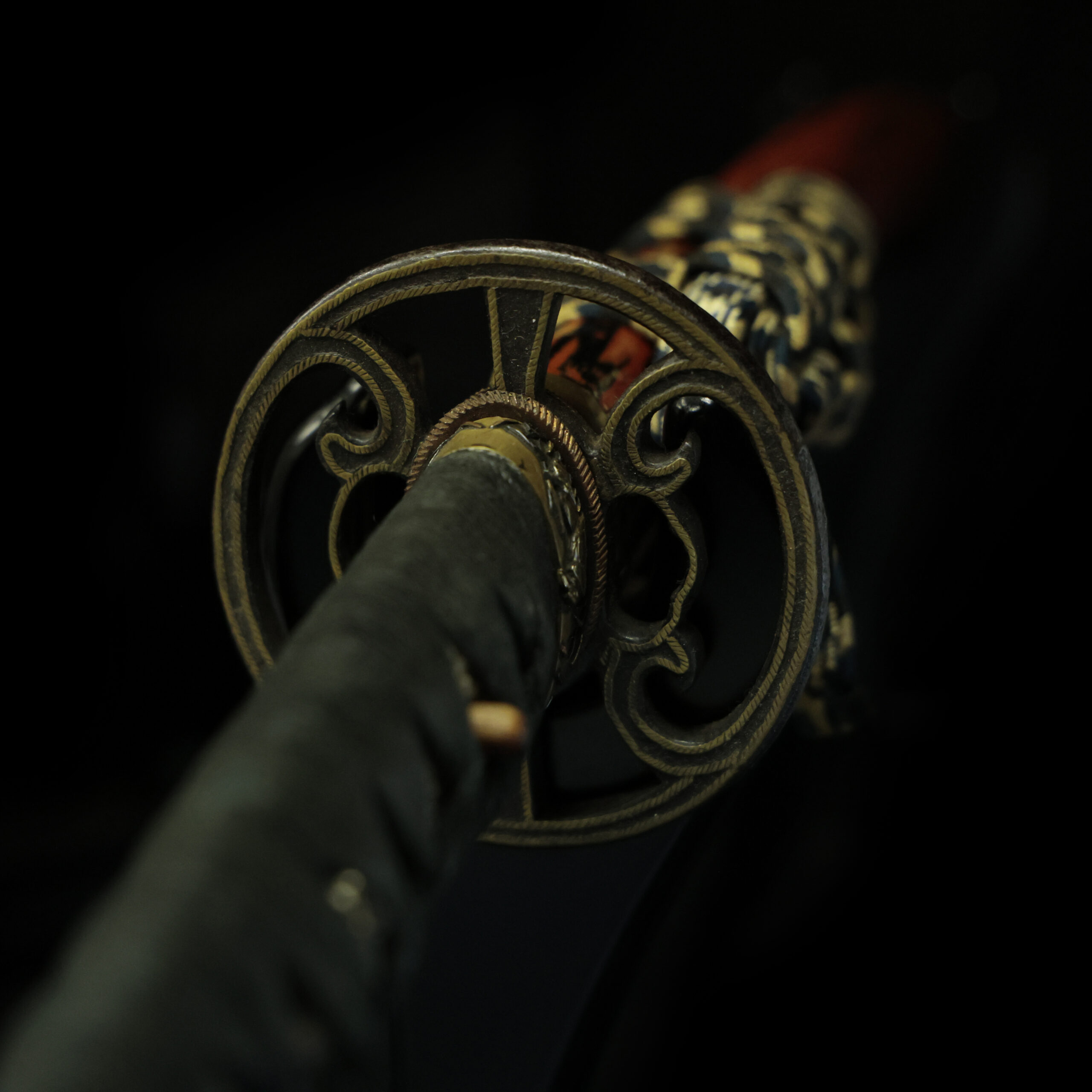
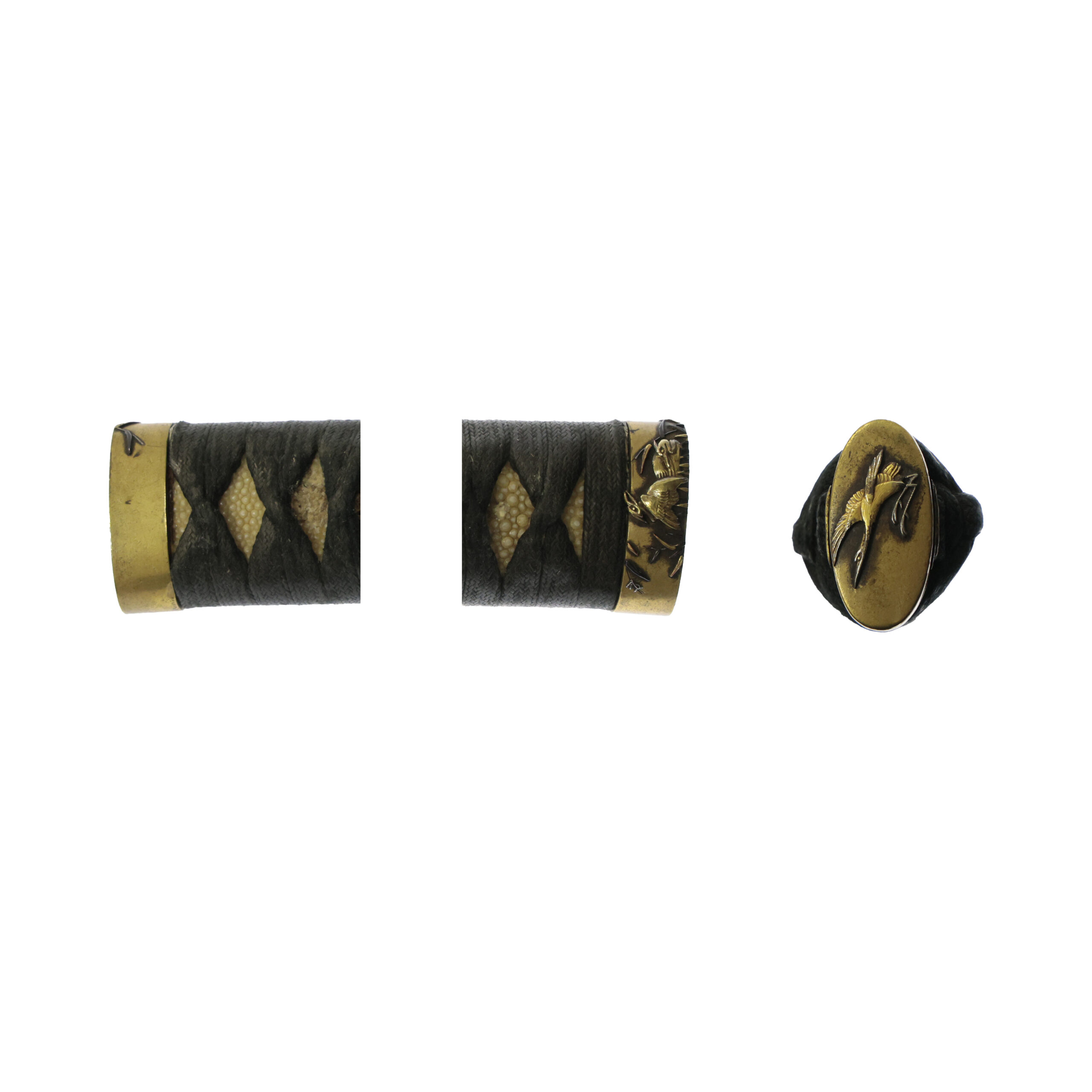
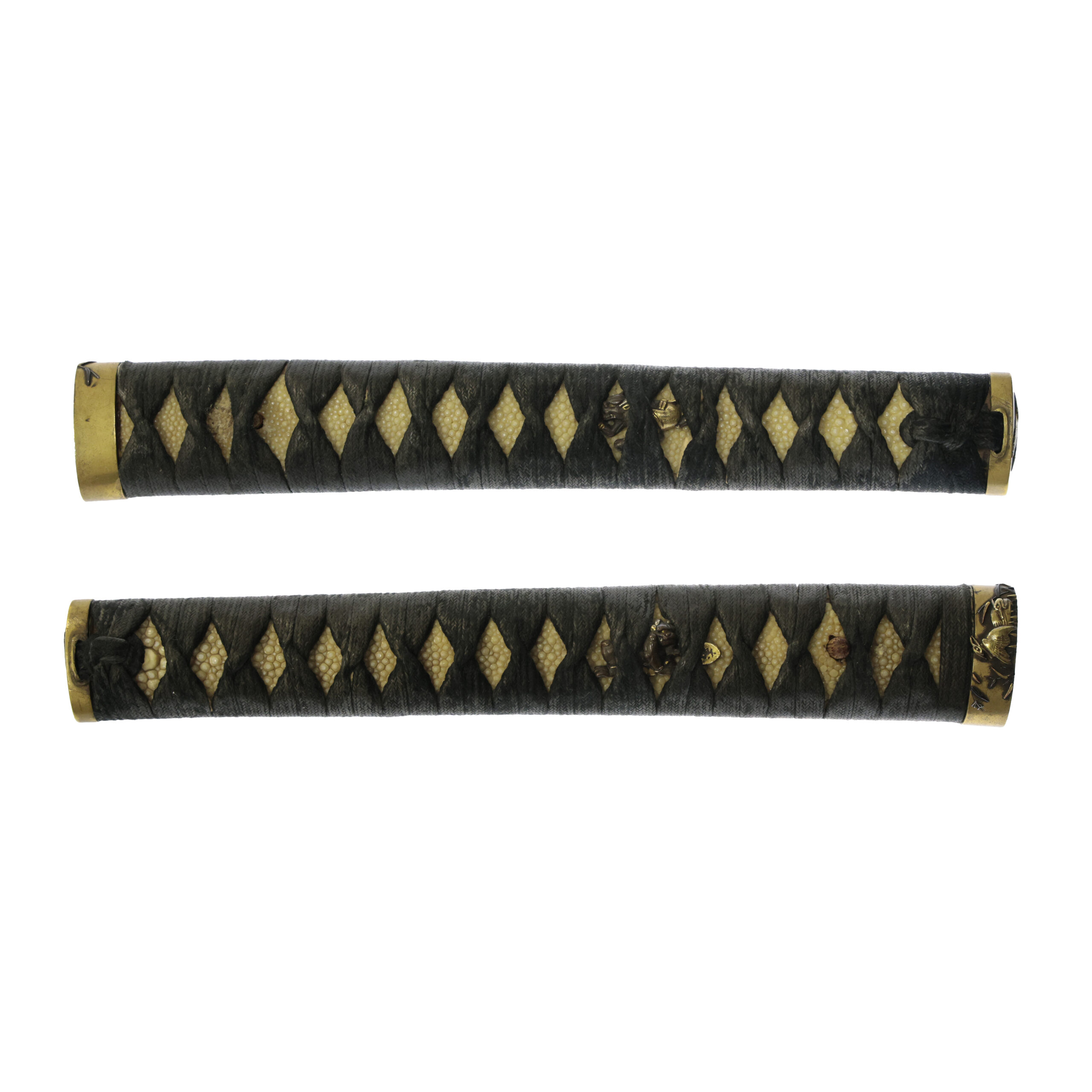
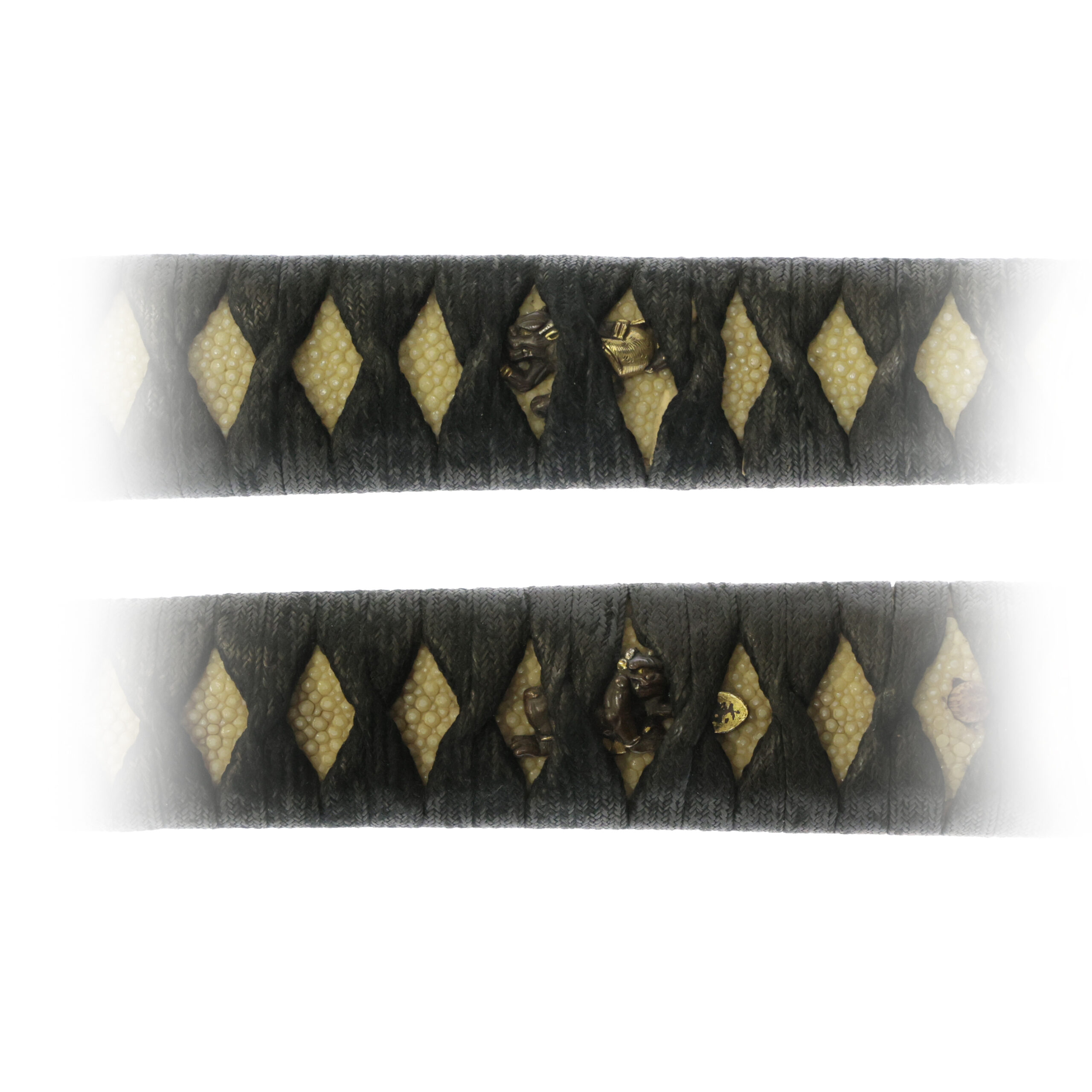
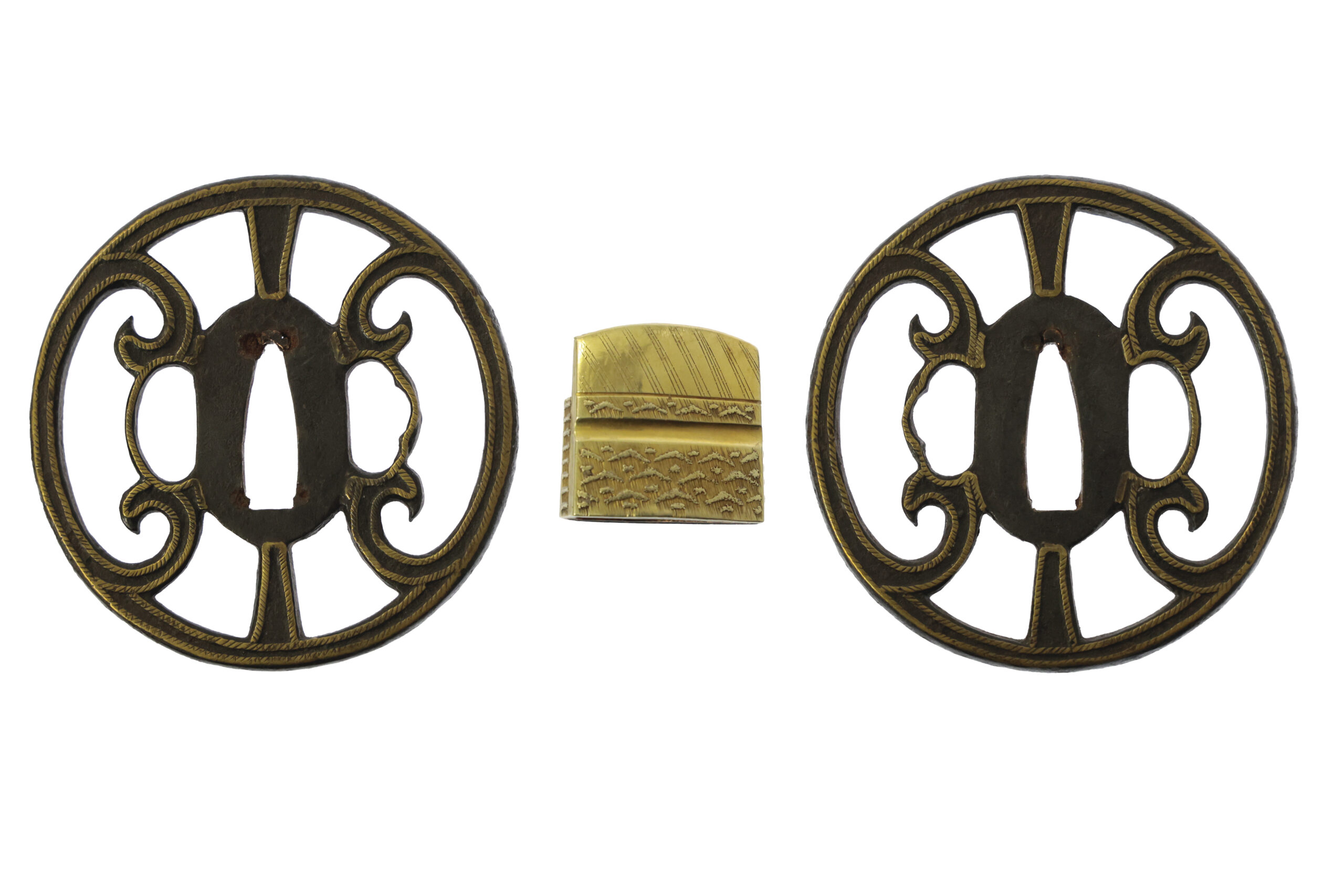
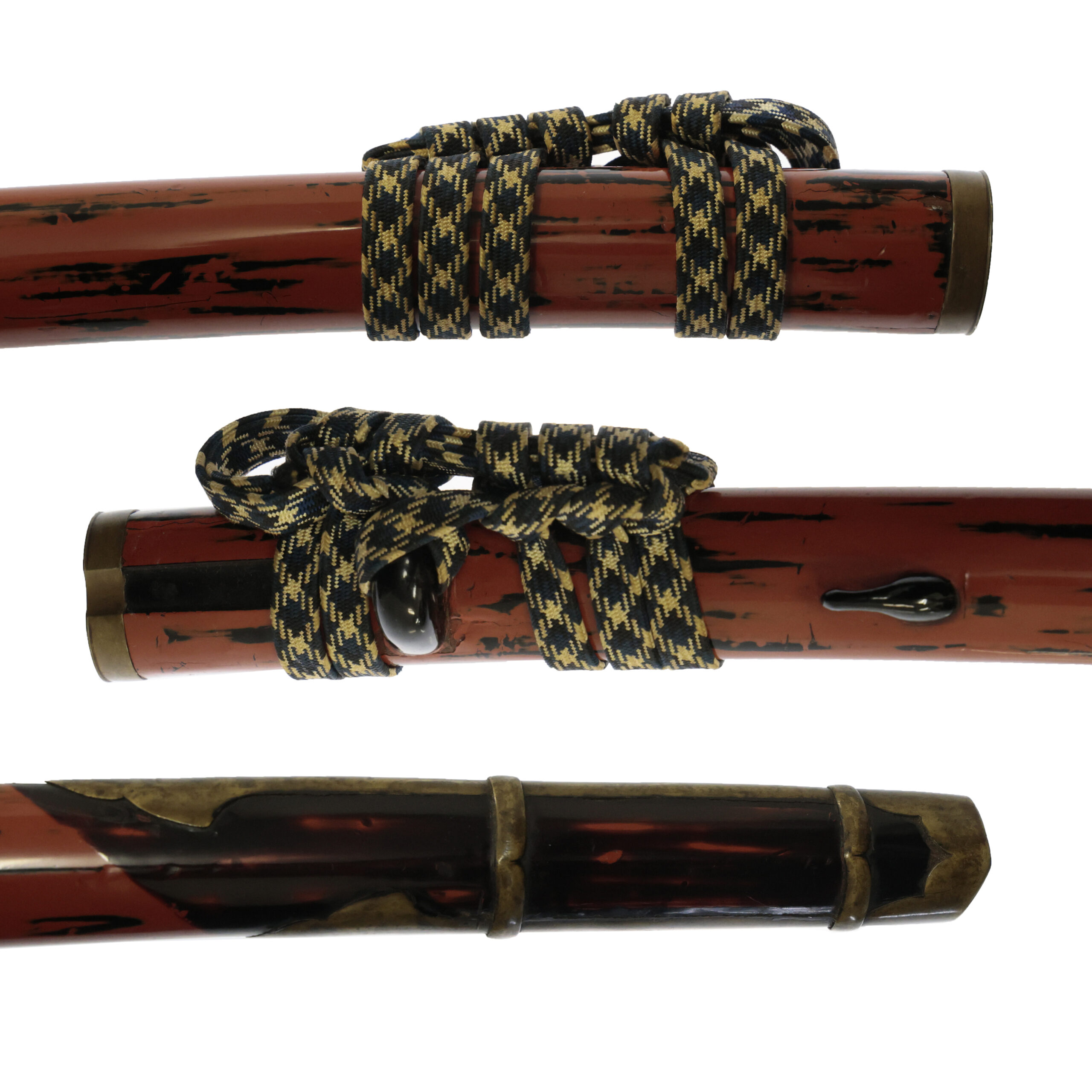
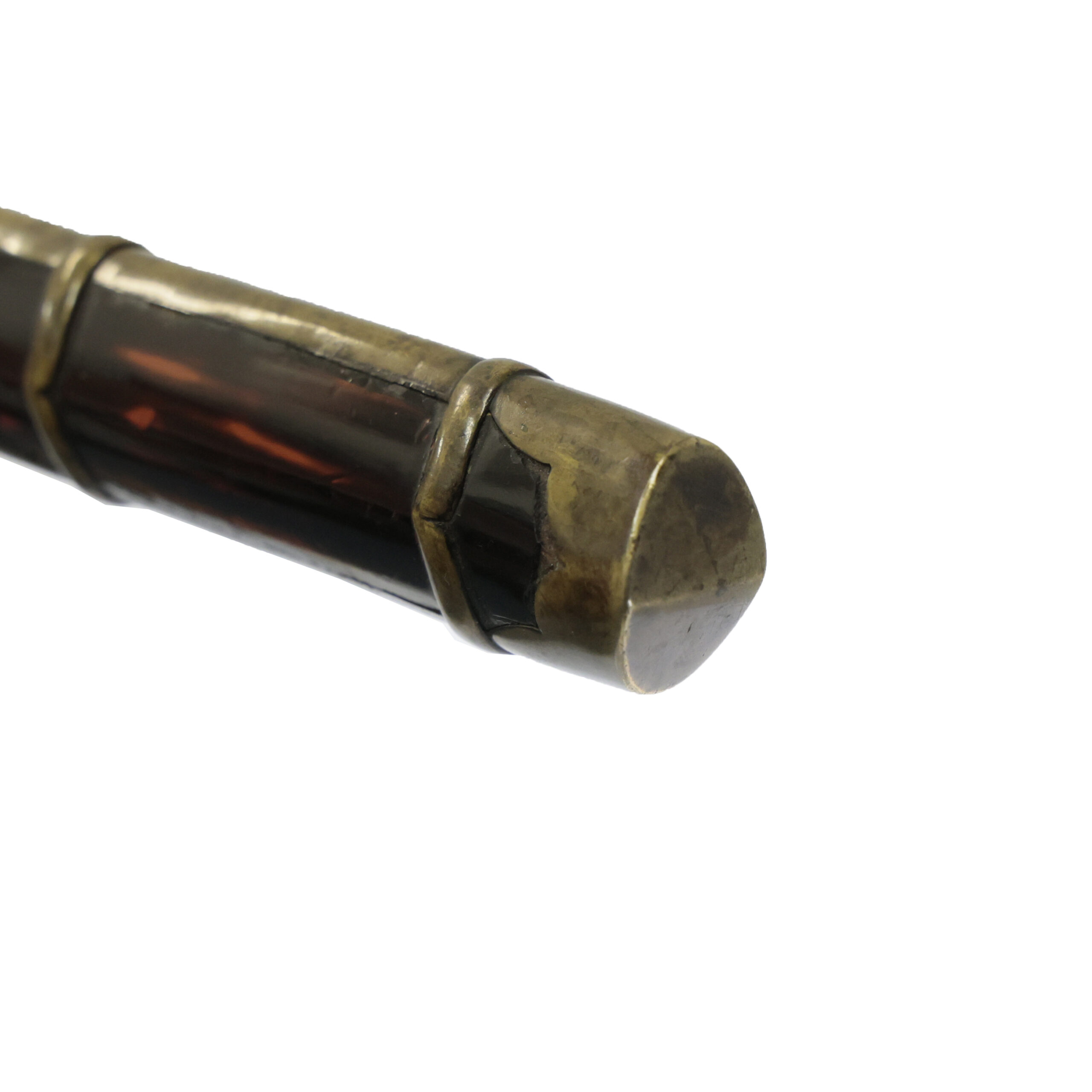
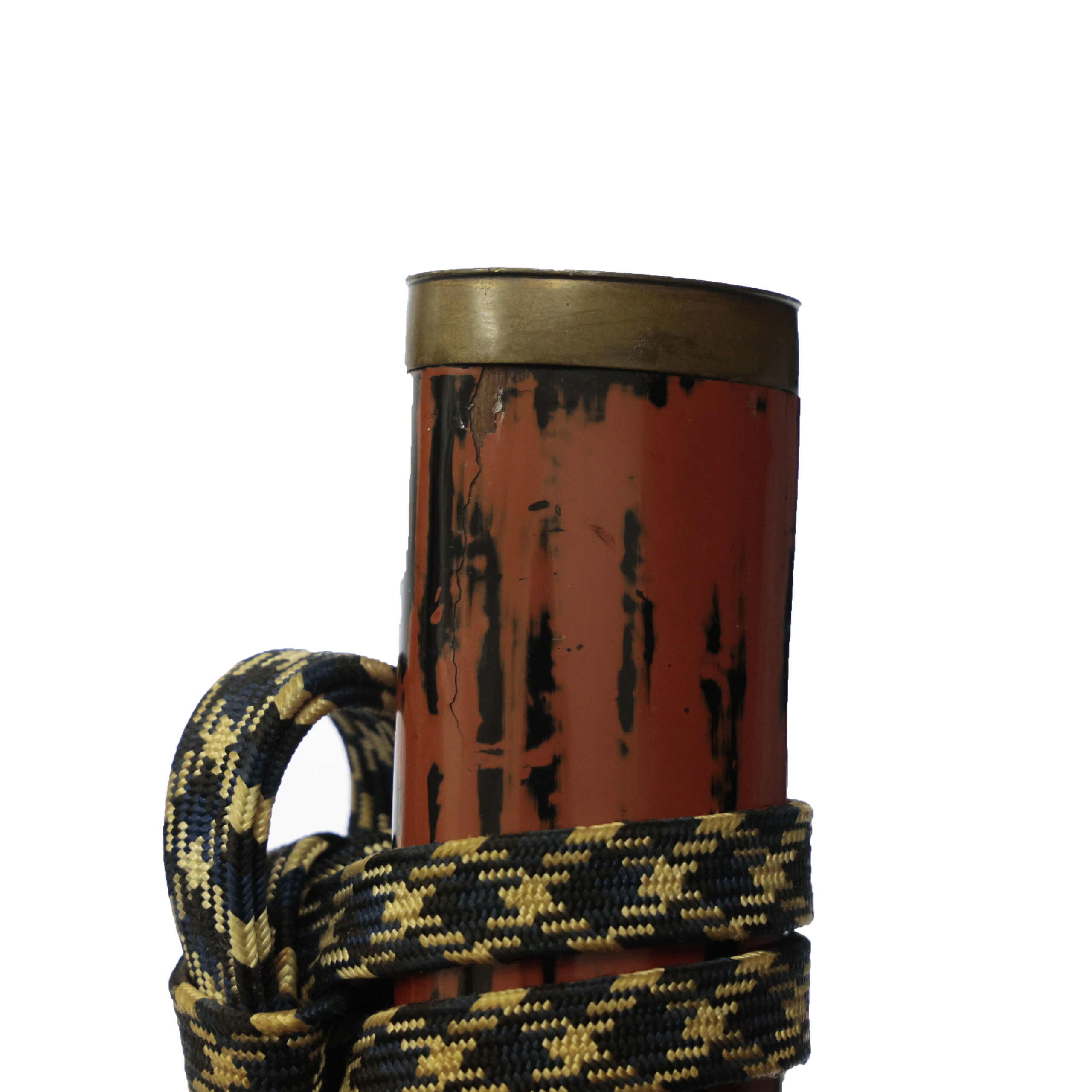
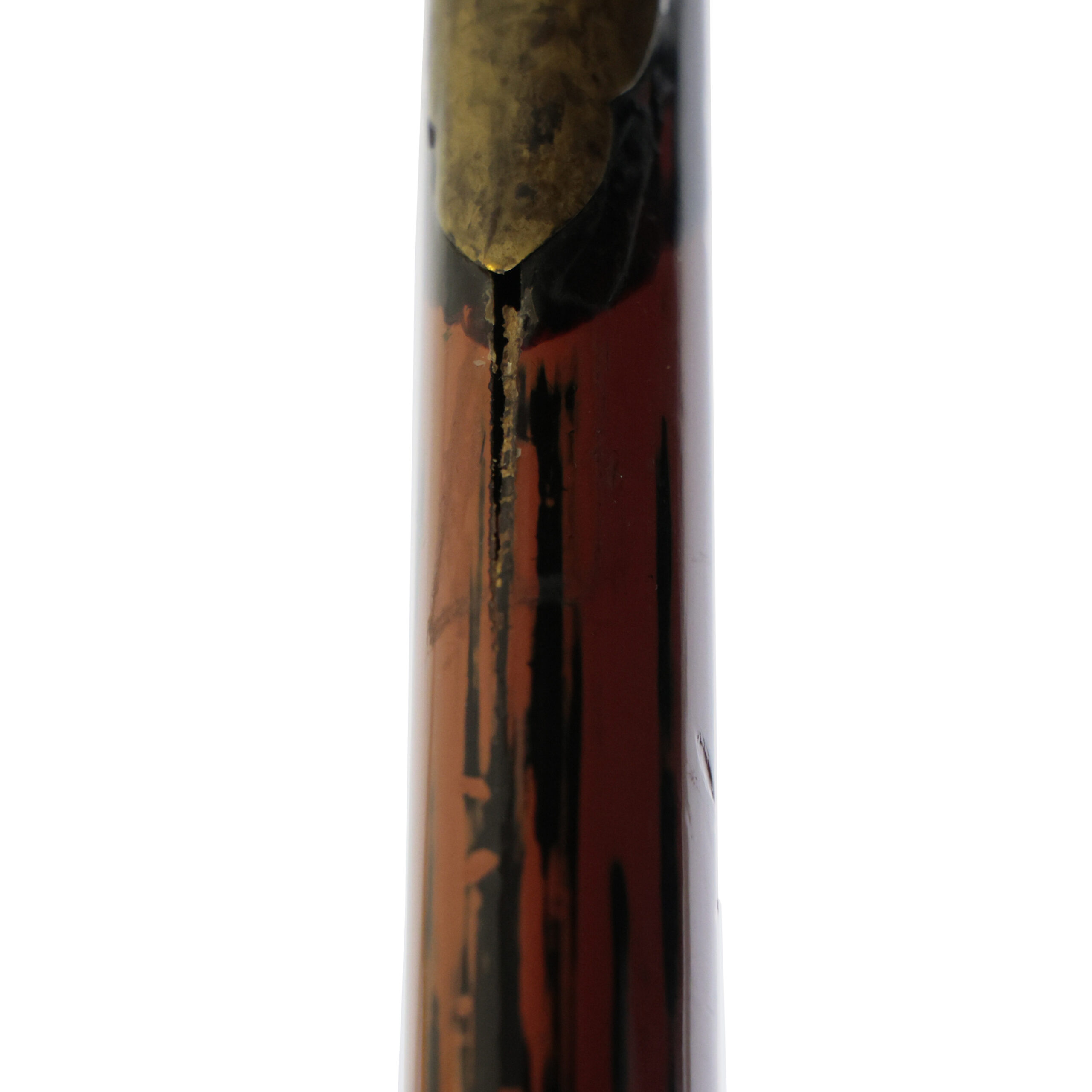
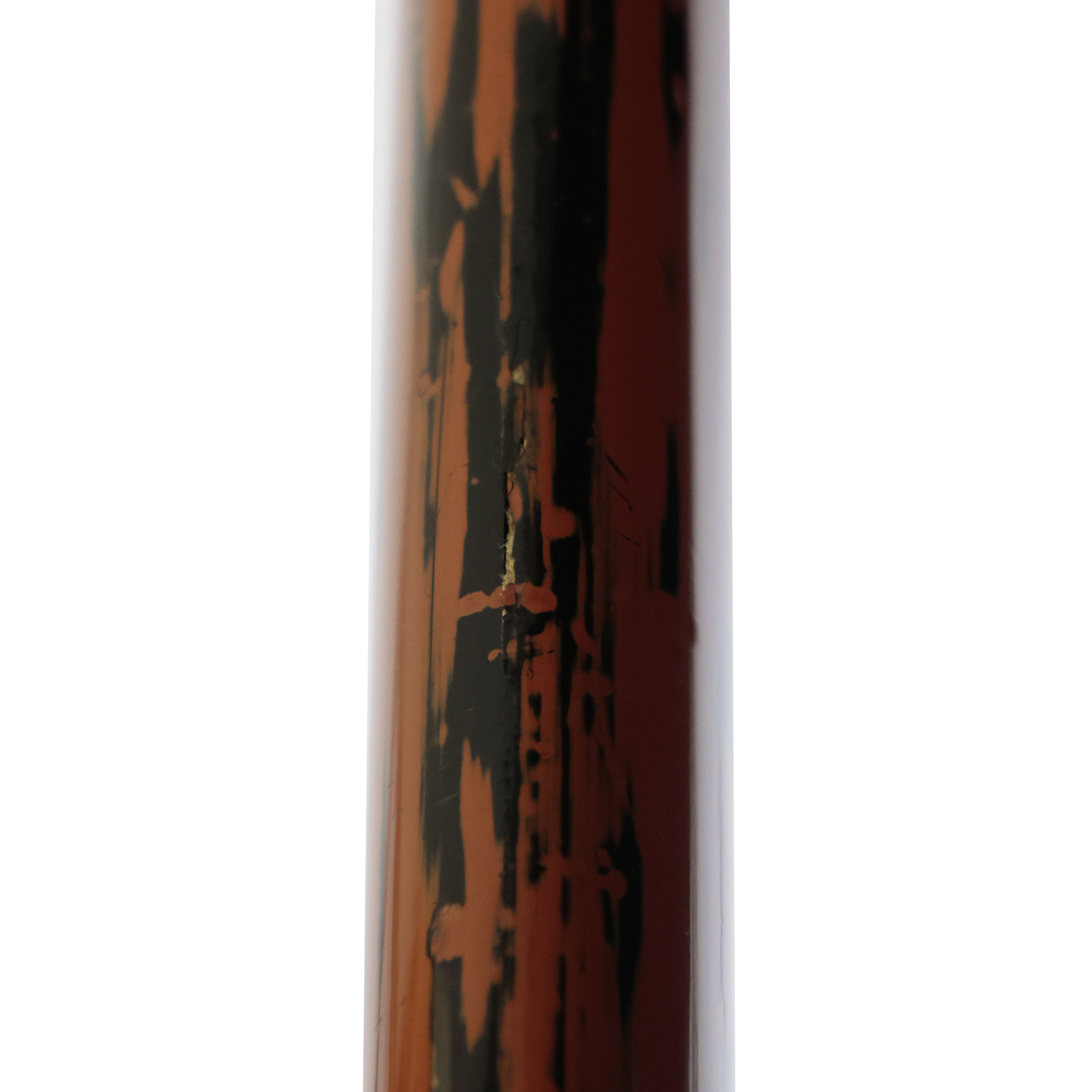
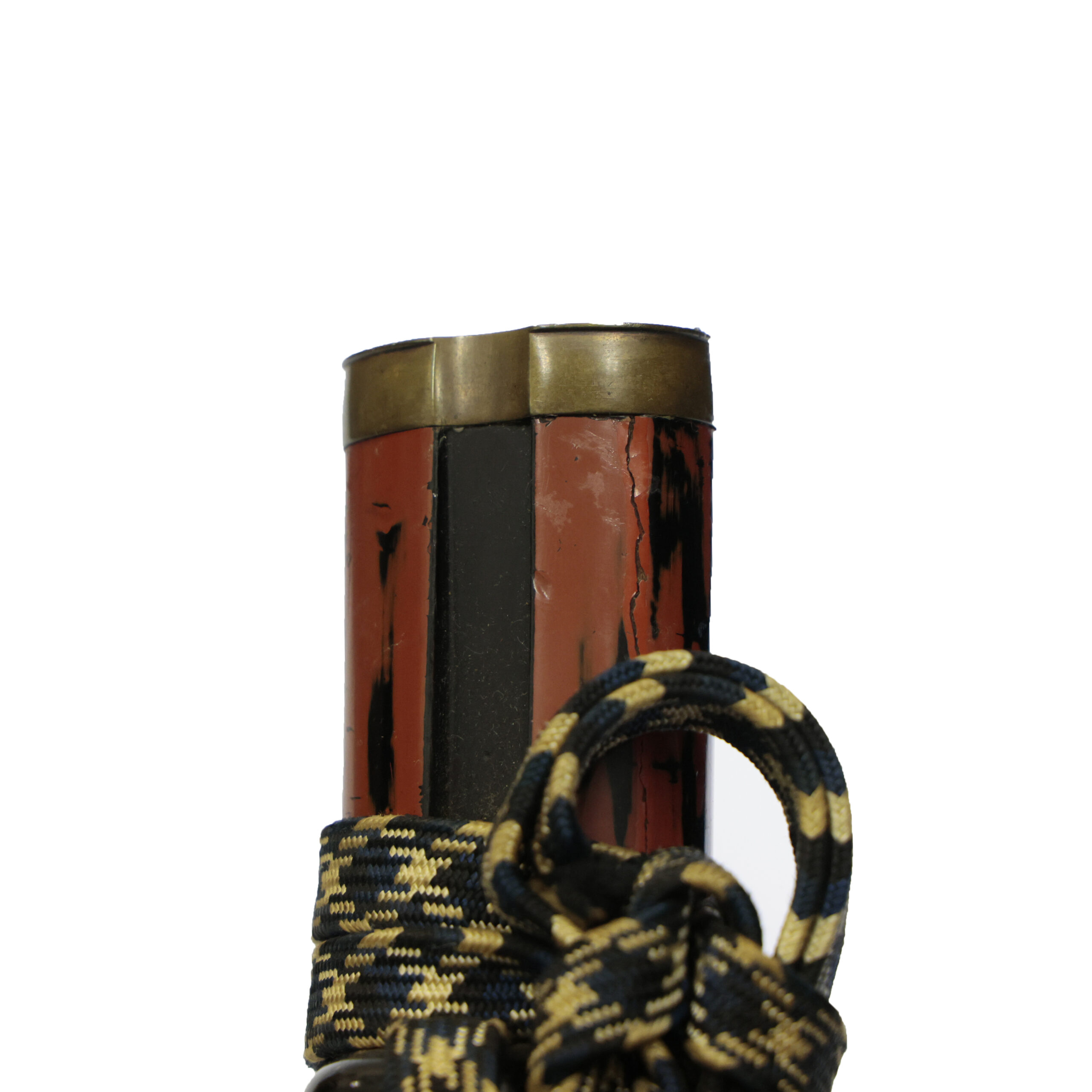
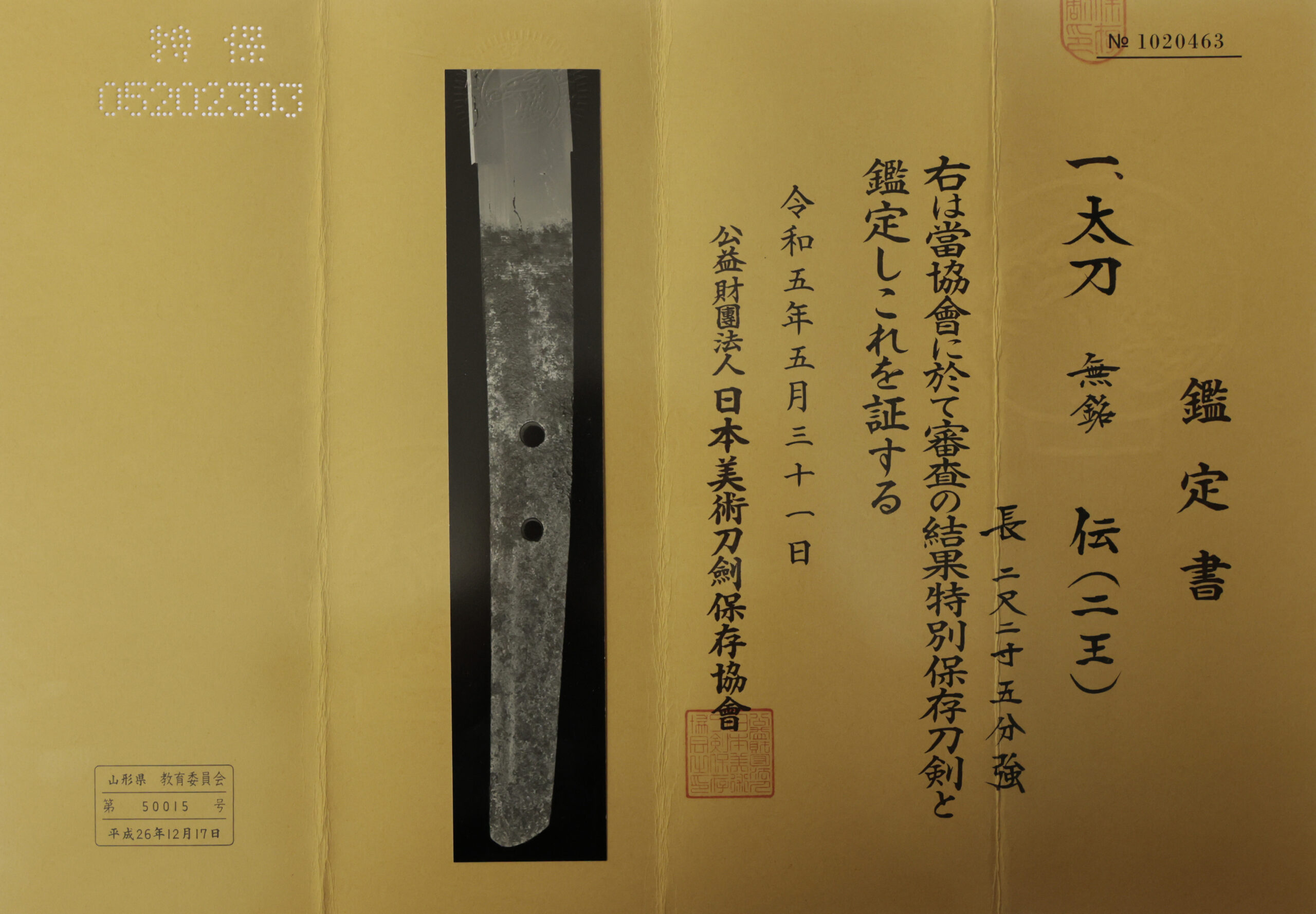
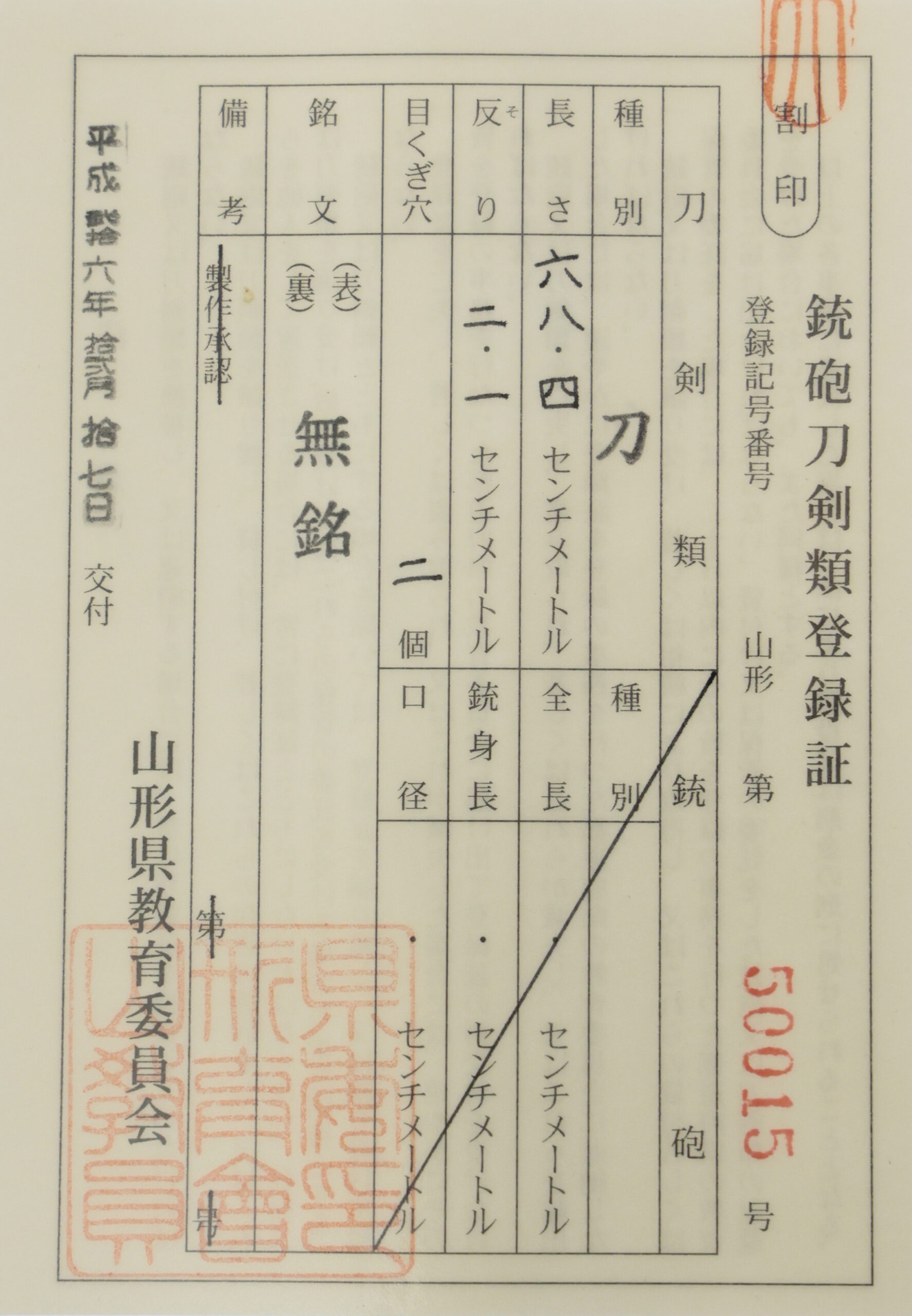
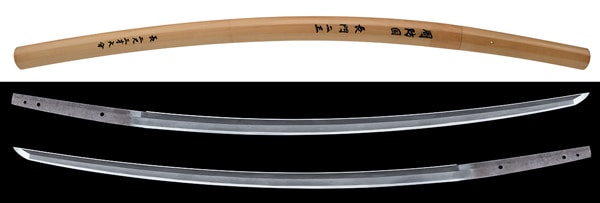
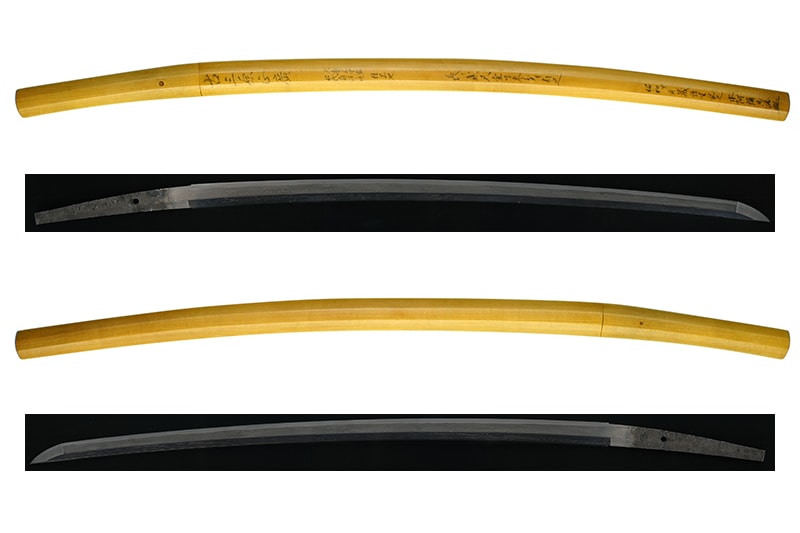
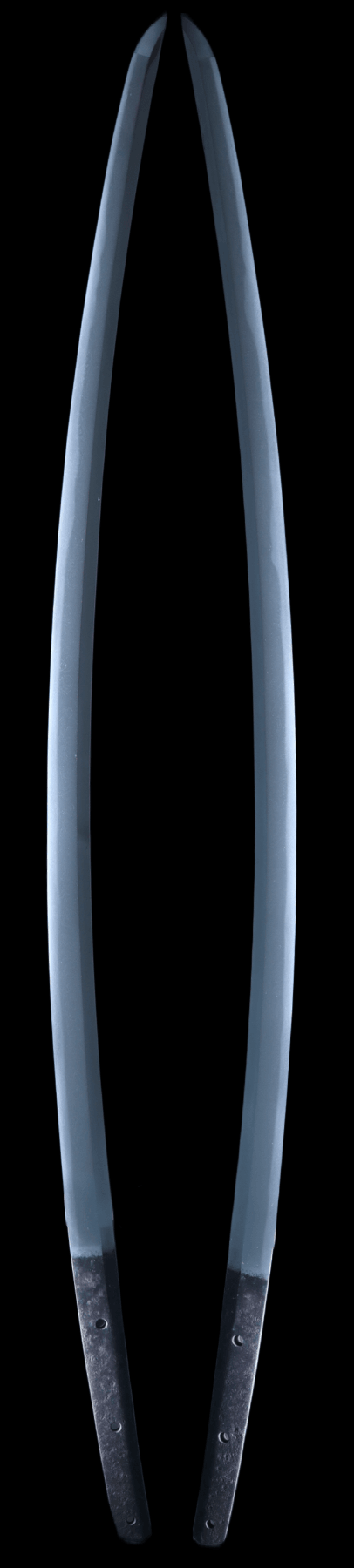
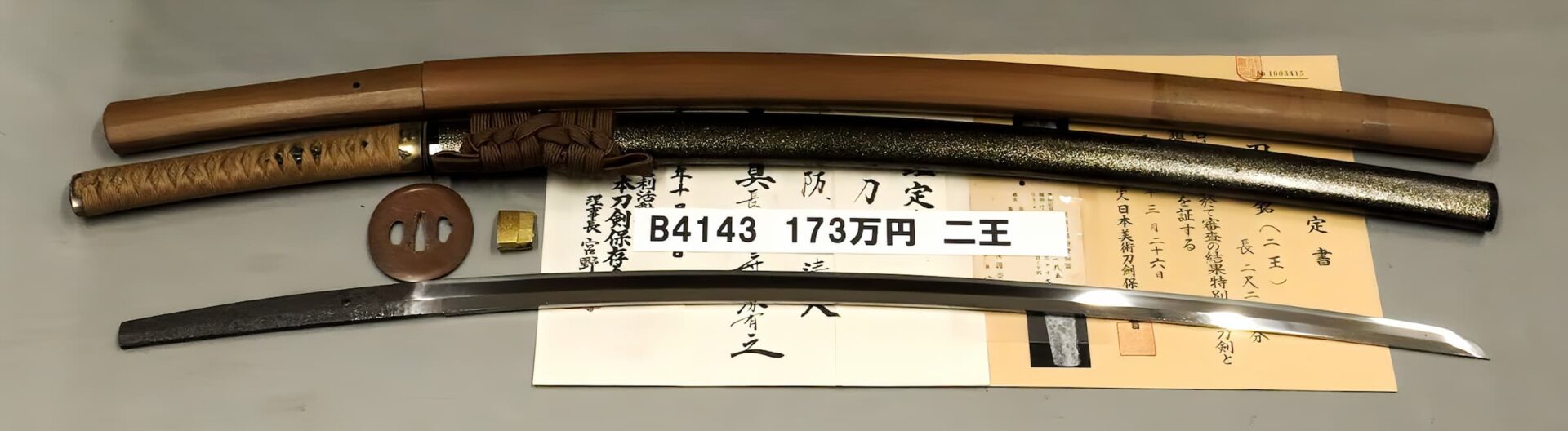
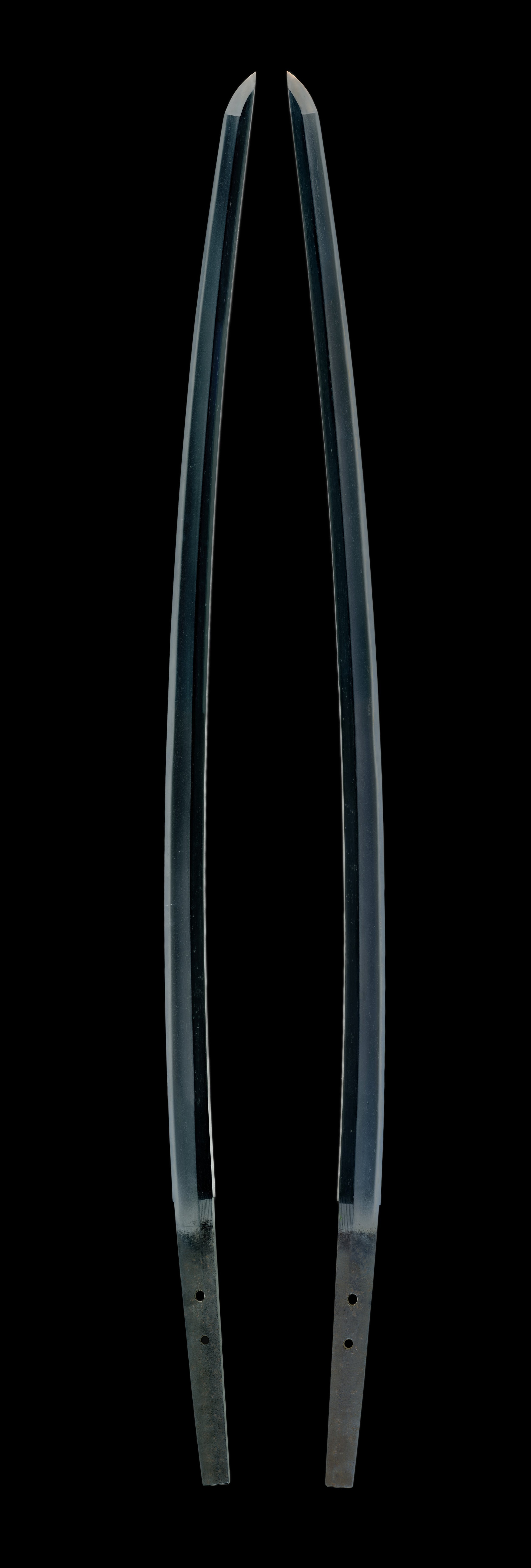
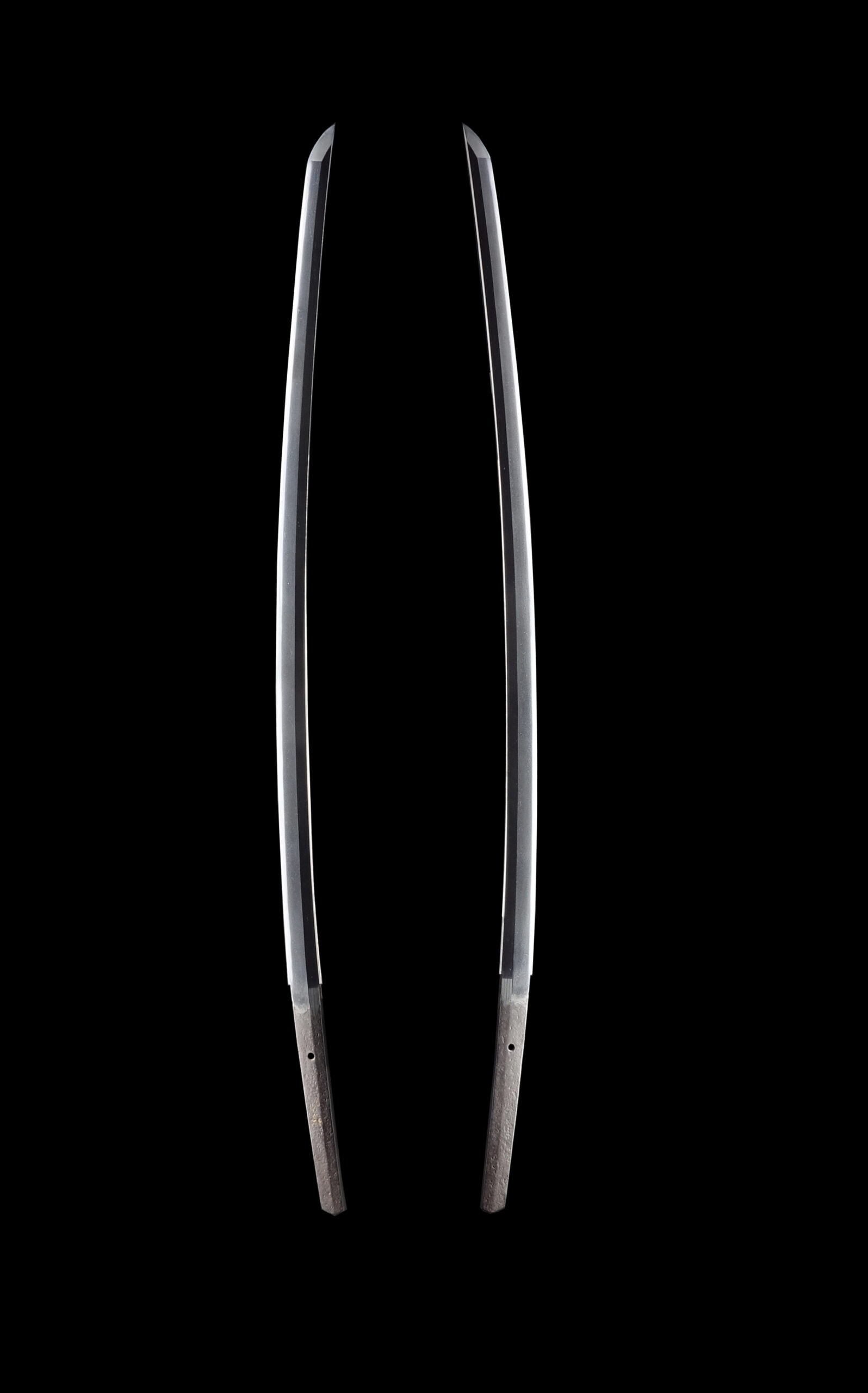
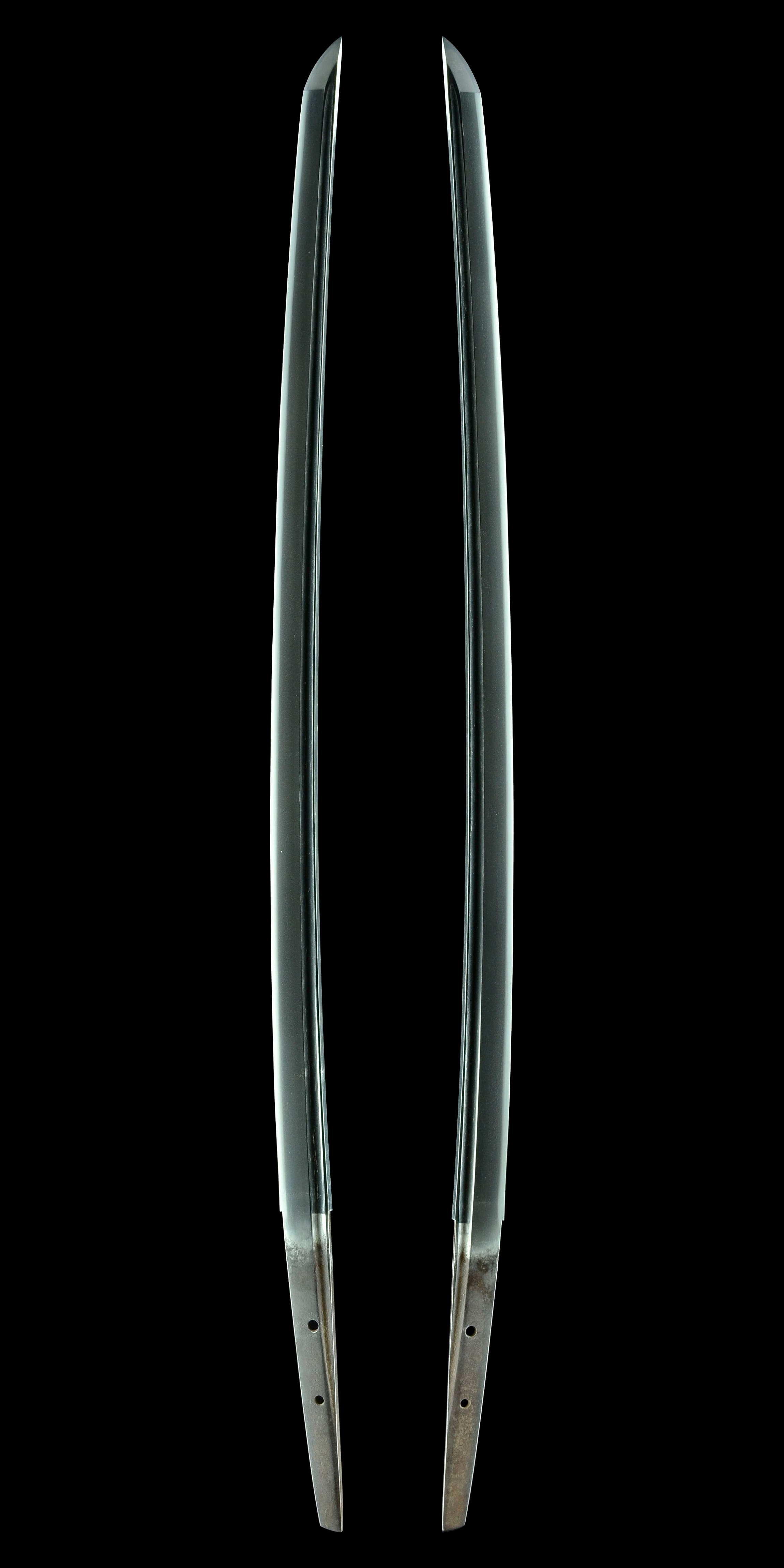
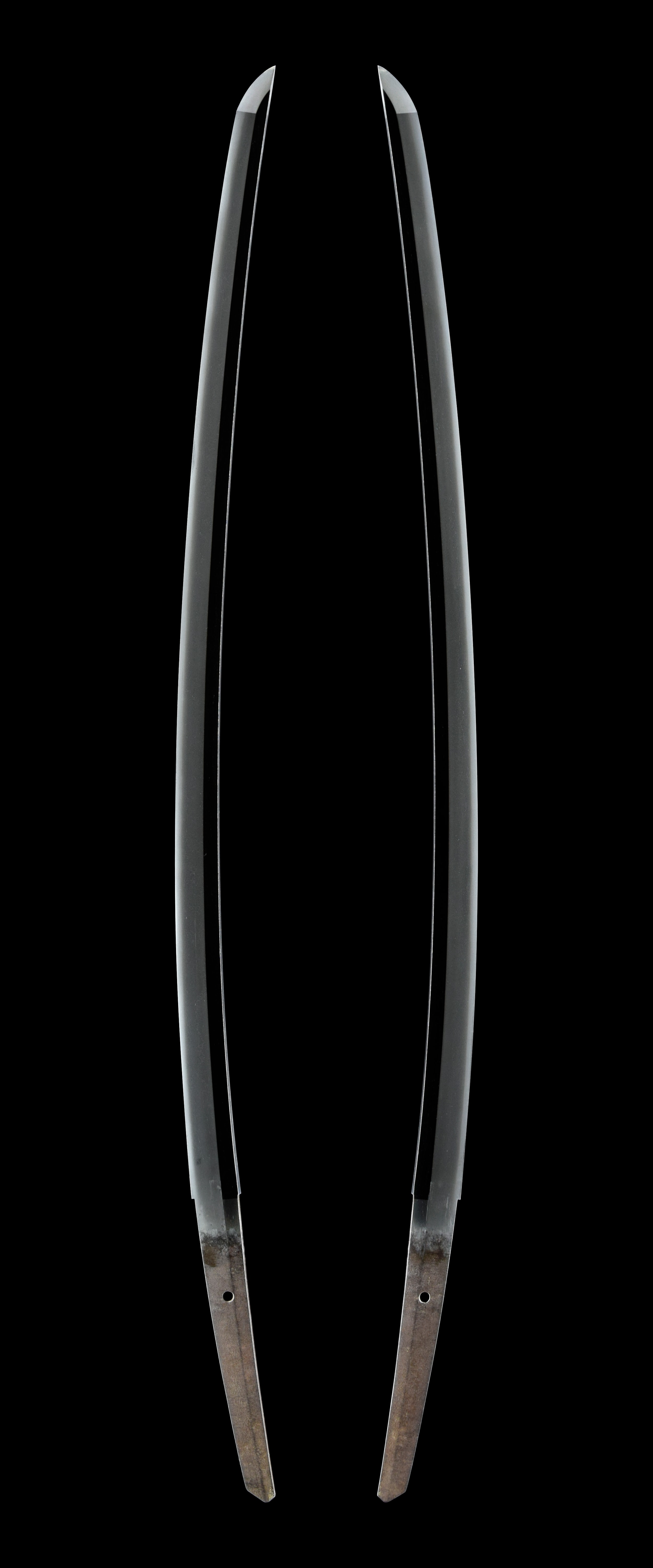
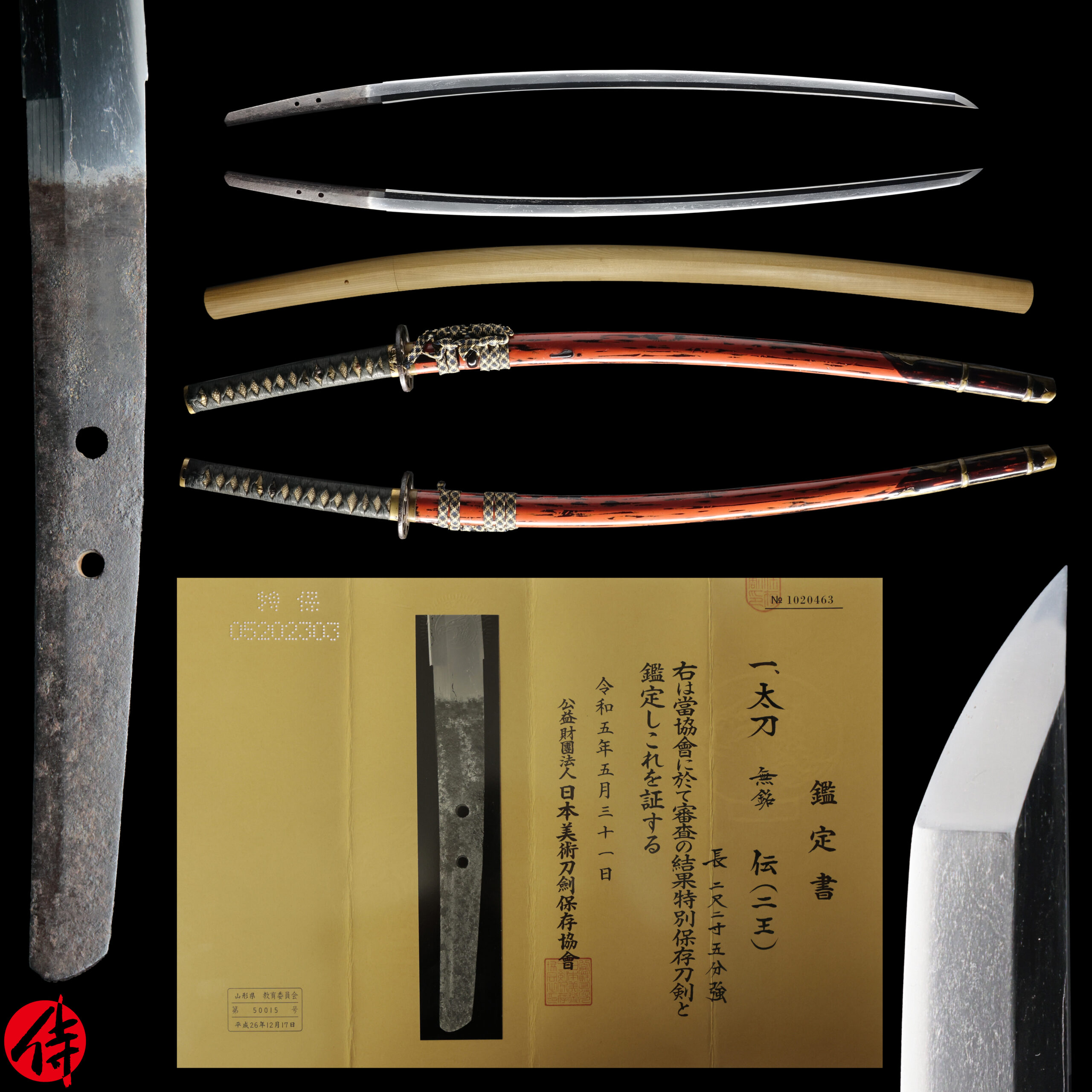
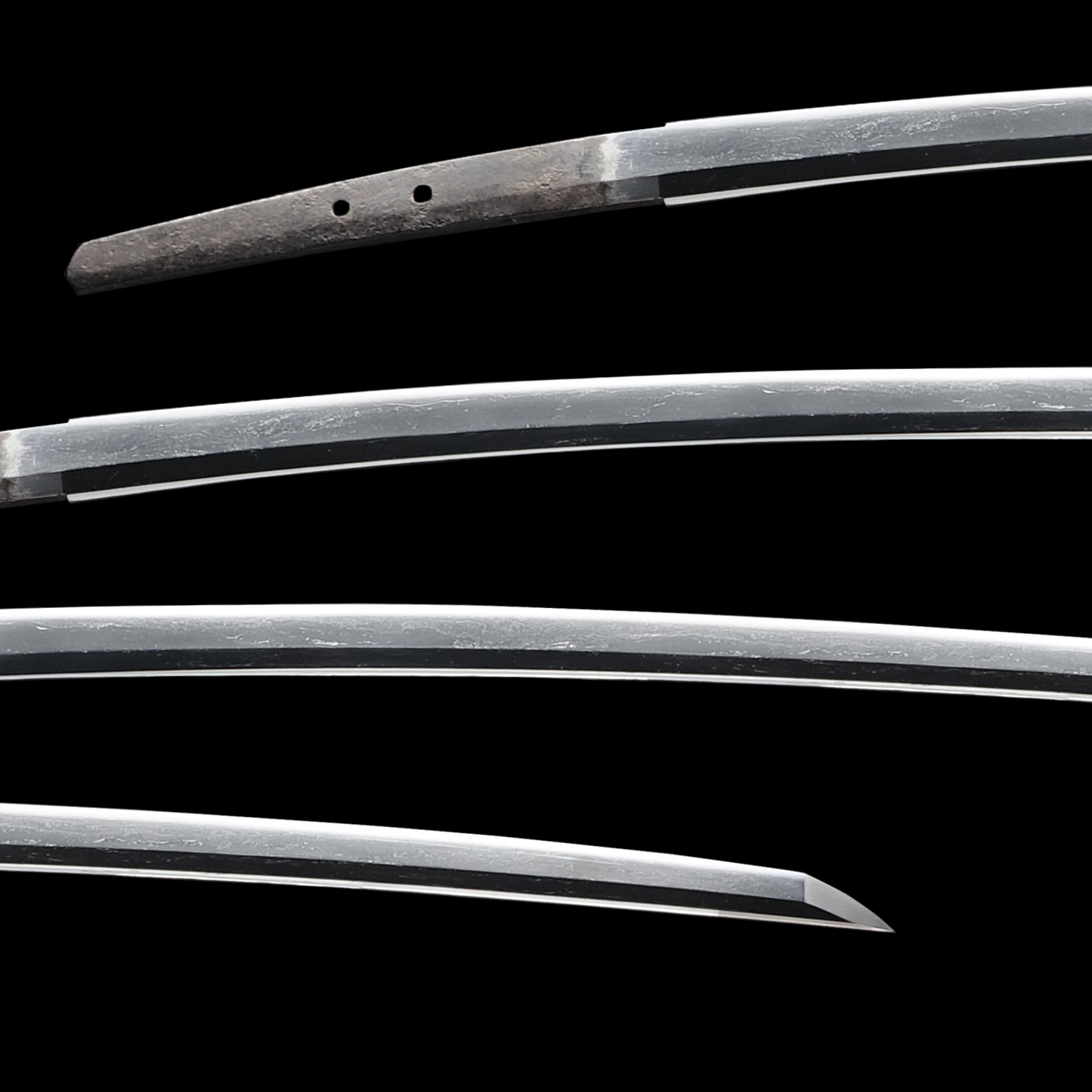
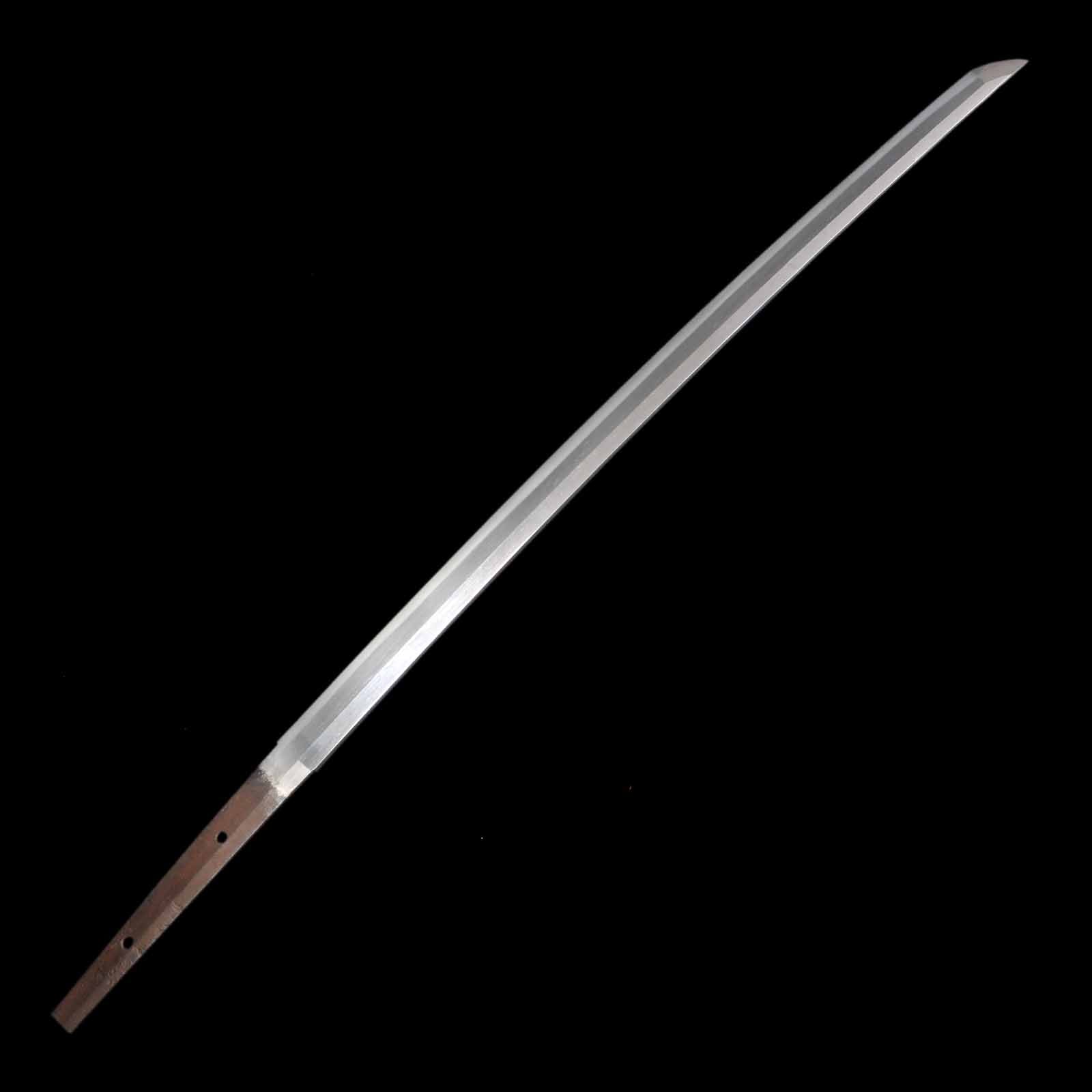
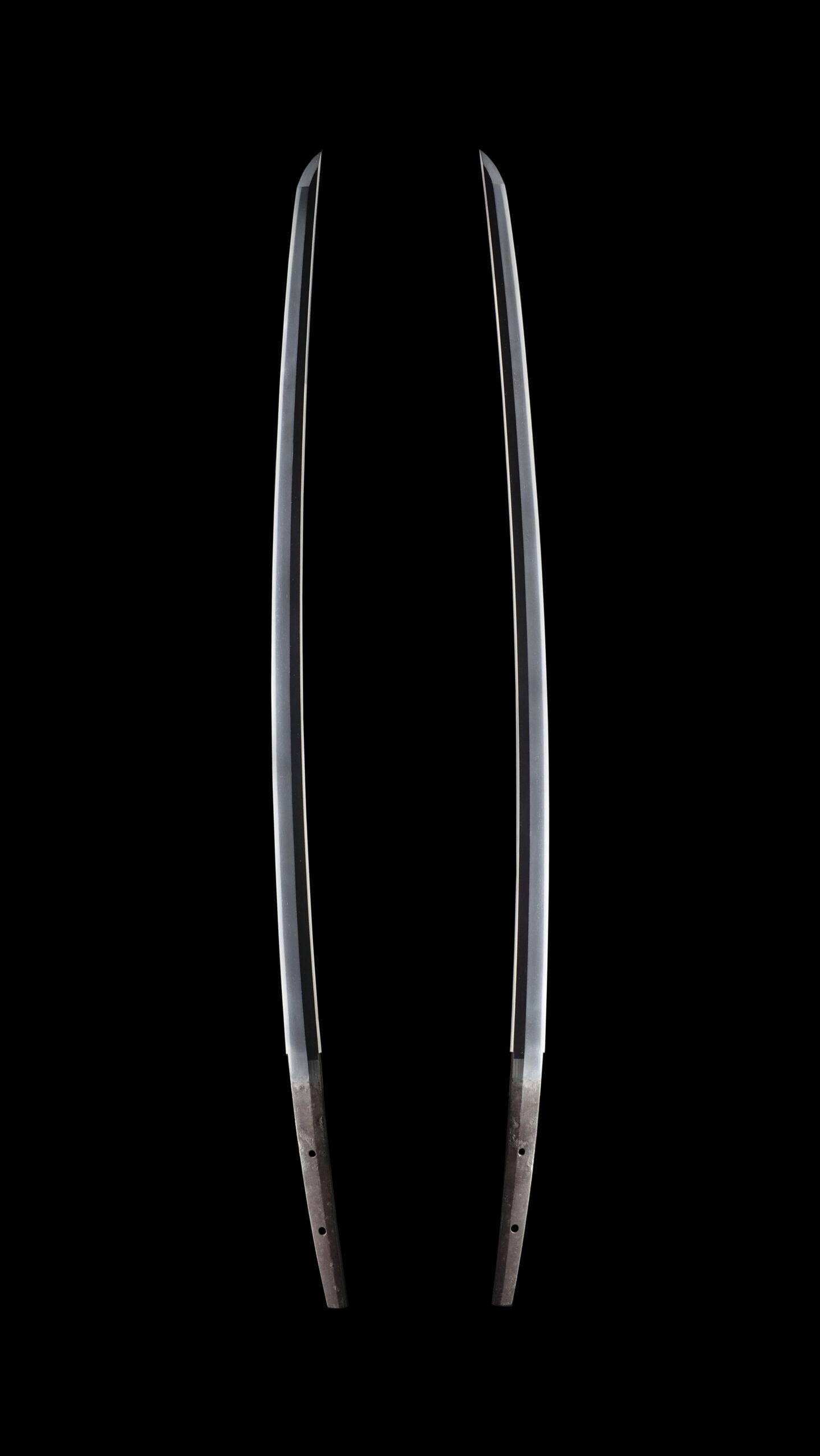
This Tachi is attributed to the Nioh school, believed to have been created during the late Kamakura period. The Nioh school flourished from the mid-Kamakura to late Muromachi period in Suo Province, founded by Nioh Taro Kiyotsuna. It comes with an NBTHK Tokubetsu Hozon Certificate, Shirasaya case, Koshirae mounting, and a traditional sword carrying case.

NihontoWatch MonNihontoWatch
MarketEncyclopediaKantei
Swords›Nio›Nioh›Antique Japanese Sword Tachi Attributed to Den Nioh NBTHK Tokubetsu Hozon Certificate
tachiTokubetsu Hozon
Nio School

Antique Japanese Sword Tachi Attributed to Den Nioh NBTHK Tokubetsu Hozon Certificate

mumei · Nioh · Kamakura · nagasa 68.4cm · sori 2.1cm

SOLD
Nio School — 1 of 30
Nio School — 2 of 30
Nio School — 3 of 30
Nio School — 4 of 30
Nio School — 5 of 30
Nio School — 6 of 30
Nio School — 7 of 30
Nio School — 8 of 30
Nio School — 9 of 30
Nio School — 10 of 30
Nio School — 11 of 30
Nio School — 12 of 30
Nio School — 13 of 30
Nio School — 14 of 30
Nio School — 15 of 30
Nio School — 16 of 30
Nio School — 17 of 30
Nio School — 18 of 30
Nio School — 19 of 30
Nio School — 20 of 30
Nio School — 21 of 30
Nio School — 22 of 30
Nio School — 23 of 30
Nio School — 24 of 30
Nio School — 25 of 30
Nio School — 26 of 30
Nio School — 27 of 30
Nio School — 28 of 30
Nio School — 29 of 30
Nio School — 30 of 30
1 / 30
1 / 30
Nio School — 1 of 30Nio School — 2 of 30Nio School — 3 of 30Nio School — 4 of 30Nio School — 5 of 30Nio School — 6 of 30Nio School — 7 of 30Nio School — 8 of 30Nio School — 9 of 30Nio School — 10 of 30Nio School — 11 of 30Nio School — 12 of 30Nio School — 13 of 30Nio School — 14 of 30Nio School — 15 of 30Nio School — 16 of 30Nio School — 17 of 30Nio School — 18 of 30Nio School — 19 of 30Nio School — 20 of 30Nio School — 21 of 30Nio School — 22 of 30Nio School — 23 of 30Nio School — 24 of 30Nio School — 25 of 30Nio School — 26 of 30Nio School — 27 of 30Nio School — 28 of 30Nio School — 29 of 30Nio School — 30 of 30
Measurements & details
Smith
Nio School
Type
Tachi
School
Nio
Period
Kamakura
Province
Suo
Signature
Unsigned(8% of this smith's designated works are signed)
Measurements
Nagasa 68.4cmSori 2.1cm
Description

This Tachi is attributed to the Nioh school, believed to have been created during the late Kamakura period. The Nioh school flourished from the mid-Kamakura to late Muromachi period in Suo Province, founded by Nioh Taro Kiyotsuna. It comes with an NBTHK Tokubetsu Hozon Certificate, Shirasaya case, Koshirae mounting, and a traditional sword carrying case.

About the school

Nio

二王

Wakimono · Suo

13 pieces on the market now

›

The Niō school (二王) worked in Suō Province along the San'yōdō, the western reach of the country where heavy concentrations of temple estates, including lands of Tōdai-ji, drew the province into exchange with the Yamato heartland. The members describe the line as beginning in tradition around the Hōen era (1135 to 1141) with a Kiyozane or Kiyohira, but they agree that no securely attributable work by either survives, so Kiyotsuna is regarded in effect as the school's founder. His oldest dated piece, a tachi signed in a written-out inscription, "Bun'ei 2, third month, Kiyotsuna" (1265)[[c:1]], is preserved at Itsukushima Shrine and serves as the touchstone against which the first generation is read; after it the same signature continues without interruption through the Muromachi period and into the shintō era, the name borne by generation after generation, with a tantō signed "Bōshū Kuga-shō Kiyotsuna" of Kenmu 2 (1335) marking the line's passage into the Nanbokuchō. The members tie the appellation most persuasively to residence in Niho-shō within the province, one tradition deriving it instead from a first Kiyotsuna who cut a chain to free the Niō Guardian Kings from a temple fire, a pun the name carries. Later hands continue the manner, the Ōei-era Kiyonaga representative of the sue-Niō generations and a Kiyosada recorded through Kakitsu, Daiei, and Tenbun. Across the generations the members converge on one coherent manner. The kitae is itame mixed with mokume and nagare, the grain flowing overall and in places strongly toward masame so that the hada stands finely; minute ji-nie adheres and fine chikei enter, the steel sometimes carrying a slightly whitish tone. The temper rests on a narrow suguha, often slender, mixed with ko-gunome, ko-midare, and a shallow ko-notare, with ko-ashi and ko-nie attached and kinsuji and sunagashi moving along it; along the habuchi the members note hotsure, uchi-noke, and kuichigai-ba, and the bōshi runs straight and turns back in a small ko-maru, the tip at times showing hakikake.

What the members single out as the school's own individuality, the features that separate Niō from the Yamashiro and Yamato suguha it otherwise resembles, are two paired effects: a shirake-utsuri, a whitish hazy reflection standing in the ji toward the mune, and an urumi, a moist softly clouded quality in the nioiguchi where the bright line of Rai and Tegai gives way to something more subdued. Divergences across the line are matters of degree rather than kind: the early signed work reads quiet and controlled with a brightened nioiguchi, the later sue-Niō hands lean toward gentle notare with active yo, and the late generations add kurikara and Niō-guardian carvings in ranma-sukashi and relief within hitsu recesses. To read Niō work the members return to the same tells. The tachi sugata is the elegant late-Kamakura form, slender and high in the shinogi, the kasane somewhat thick, with pronounced koshizori, a small or medium kissaki, and taka-no-ha file marks that confirm the Yamato connection; the tantō is hira-zukuri with slight uchizori. At a glance the workmanship is suggestive of Yamato proper, yet the members observe that the flowing grain is not as conspicuous as in Yamato blades and the nie is comparatively restrained, while the shirake-utsuri in the ji and the urumi in the ha, taken together and not either alone, are the pairing that fixes the attribution against both the Yamato heartland and the brighter Yamashiro suguha of Rai; this same moist, whitish register, paired with the masame-leaning standing hada, also sets the school apart from the clearer steel and jifu of Aoe. The best of the signed first-generation pieces are judged to express not only Kiyotsuna's own hand but the characteristic traits of the school, signed examples with ubu-nakago prized as documentary material given how few survive. Provenance, where recorded, is distinguished: an Important Art Object tachi now in the Sano Art Museum was held at its prewar recognition by Tokugawa Iesato, another signed tachi descends to the Seikadō from the Ōsaka collection of Kajima Isao, and the dated touchstone remains at Itsukushima. Most of what survives is held in shrine and institutional hands rather than traded, so a signed Kiyotsuna with its file marks and old two-character mei intact is among the rarer things a collector of provincial Kamakura work might encounter. Learn more →

14 recorded smiths73 designated works
Leading smiths
SmithEraDesignated
Kiyotsuna清綱1293-129910
Naokuni直國1848-18540
Masakiyo方清1688-17040
Nagamasa長正1528-15320
Masakiyo方清1661-16730
Explore the Nio school →

Historical context

Nearly every later authority calls Kamakura the golden age of the sword: the first warrior government as patron, the great traditions at full strength simultaneously, and, tradition holds, the finest smiths of the realm rotating through Go-Toba’s court.

The Kamakura period (1185 to 1333) →

NBTHK Certificate
Tokubetsu Hozon Tōken特別保存刀剣
Sword Especially Worthy of Preservation
›

A Hozon-certified blade judged to show notably superior workmanship and a better state of preservation. The bar is higher: re-tempered blades and most unsigned Muromachi/Edo works are excluded.

About the NBTHK›

The NBTHK (Nihon Bijutsu Tōken Hozon Kyōkai, the Society for the Preservation of Japanese Art Swords) is a public-interest incorporated foundation founded in 1948 and supervised by Japan’s Agency for Cultural Affairs (Bunkachō); it is based at the Japanese Sword Museum in Tokyo. Its expert panels physically examine each submitted work (shinsa) and issue a certificate (kanteishō) ranking it by artistic and historical merit. NBTHK papers are the most widely recognized standard of authentication for Japanese swords and fittings.

NBTHK official site→
Seller
S
Samurai Museum
🇯🇵Ships from Japan
›
✓Verified dealersamuraimuseum.jp
✓Ships worldwide✓English supportPayPalCredit card
Return policy

Returns/exchanges limited to defects caused by shipping (except willful misconduct or gross negligence by the company); customers must contact within 72 hours of receiving the product.

View all of Samurai Museum’s listings→View this item on the dealer’s site→

Previously sold — Nio School

Choshuya
Tachi - by Nio School - Japanese Sword for Sale | Ginza Choshuya | Ubu-nakago Mumei, Attributed to NiohTachi - by Nio School - Japanese Sword for Sale | Ginza Choshuya | Ubu-nakago Mumei, Attributed to Nioh
Sold

Tachi

ByNio School
SOLD
Tozando
Tokubetsu Kichō
Katana - Tokubetsu Kichō - by Nio School - Mumei (unsigned) - NBTHK Tokubetsu Kicho Certificate, Shirasaya, Koshirae, Sayagaki, Suriage Nakago, Shinto Era, TochigiKatana - Tokubetsu Kichō - by Nio School - Mumei (unsigned) - NBTHK Tokubetsu Kicho Certificate, Shirasaya, Koshirae, Sayagaki, Suriage Nakago, Shinto Era, Tochigi
Sold

Katana

ByNio School
SOLD
World Seiyudo
Tokuho
Katana - Tokuho - by Nio School - Niou - Tokubetsu Hozon TokenKatana - Tokuho - by Nio School - Niou - Tokubetsu Hozon Token
Sold

Katana

ByNio School
SOLD
Giheiya
Jūyō
Katana - Jūyō - by Nio School - Juyo Token: Mumei Nio, 64.5cm, in ShirasayaKatana - Jūyō - by Nio School - Juyo Token: Mumei Nio, 64.5cm, in Shirasaya
Sold

Katana

ByNio School
SOLD
World Seiyudo
Tokuho
Wakizashi - Tokuho - by Nio School - Choshu Hagi Boshu Nio Kiyosada and Kiyotada - NBTHK Tokubetsu Hozon TokenWakizashi - Tokuho - by Nio School - Choshu Hagi Boshu Nio Kiyosada and Kiyotada - NBTHK Tokubetsu Hozon Token
Sold

Wakizashi

ByNio School
SOLD
Nipponto
Hozon
Katana - Hozon - by Nio School - Katana by Nio KiyotsunaKatana - Hozon - by Nio School - Katana by Nio Kiyotsuna
Sold

Katana

ByNio School
SOLD
Choshuya
Katana - by Nio School - O-suriage Mumei: NioKatana - by Nio School - O-suriage Mumei: Nio
Sold

Katana

ByNio School
SOLD
Samurai Nippon
Tokuho
Katana - Tokuho - by Nio School - Nio (Mumei)Katana - Tokuho - by Nio School - Nio (Mumei)
Sold

Katana

ByNio School
SOLD

More from the Nio school

View all →
Toukentakarado
Tokuho
Katana - Tokuho - by Nio School - Mumei attributed to NiohKatana - Tokuho - by Nio School - Mumei attributed to Nioh

Katana

ByNio School
¥1,300,000
Nakano Kosen
Tokuho
Katana - Tokuho - by Nio Kiyohisa - Nio KiyohisaKatana - Tokuho - by Nio Kiyohisa - Nio Kiyohisa

Katana

ByNio Kiyohisa
¥1,730,000
Touken Komachi
Katana - by Nio School - Nio MasakiyoKatana - by Nio School - Nio Masakiyo

Katana

ByNio School
¥360,000
Touken Komachi
Hozon
Katana - Hozon - by Nio School - Katana in Shirasaya: NioKatana - Hozon - by Nio School - Katana in Shirasaya: Nio

Katana

ByNio School
¥1,100,000
Token-Net
Jūyō
Katana - Jūyō - by Nio Kiyozane - Nio Kiyozane - Juyo TokenKatana - Jūyō - by Nio Kiyozane - Nio Kiyozane - Juyo Token

Katana

ByNio Kiyozane
¥5,800,000
Nipponto
Jūyō
Katana - Jūyō - by Nio Kiyonaga - Japanese Sword: Tachi by Nioh KiyonagaKatana - Jūyō - by Nio Kiyonaga - Japanese Sword: Tachi by Nioh Kiyonaga

Katana

ByNio Kiyonaga
¥3,800,000
Toushin
Hozon
Katana - Hozon - by Nio - Mumei (Shinto Nio)Katana - Hozon - by Nio - Mumei (Shinto Nio)

Katana

ByNio
¥495,000
Toushin
Tokuho
Katana - Tokuho - by Nio - Mumei (Nioh or Ogasawara Nagamune)Katana - Tokuho - by Nio - Mumei (Nioh or Ogasawara Nagamune)

Katana

ByNio
¥1,760,000

Swords

  • Katana
  • Wakizashi
  • Tantō
  • Tachi
  • Naginata
  • Yari

Fittings

  • Tsuba
  • Fuchi-Kashira
  • Kozuka
  • Menuki

Armor

  • Kabuto
  • Samurai Armor

By Certification

  • Tokujū
  • Jūyō
  • Tokuho
  • Hozon

Resources

  • Dealer Directory
  • Artist Directory
  • The Daily Kantei
  • Glossary
  • Browse All
Nihontowatch© 2026
TermsPrivacyCookiesAbout

Description

This Tachi is attributed to the Nioh school, believed to have been created during the late Kamakura period. The Nioh school flourished from the mid-Kamakura to late Muromachi period in Suo Province, founded by Nioh Taro Kiyotsuna. It comes with an NBTHK Tokubetsu Hozon Certificate, Shirasaya case, Koshirae mounting, and a traditional sword carrying case.

NihontoWatch MonNihontoWatch
MarketEncyclopediaKantei
Swords›Nio›Nioh›Antique Japanese Sword Tachi Attributed to Den Nioh NBTHK Tokubetsu Hozon Certificate
tachiTokubetsu Hozon
Nio School

Antique Japanese Sword Tachi Attributed to Den Nioh NBTHK Tokubetsu Hozon Certificate

mumei · Nioh · Kamakura · nagasa 68.4cm · sori 2.1cm

SOLD
Nio School — 1 of 30
Nio School — 2 of 30
Nio School — 3 of 30
Nio School — 4 of 30
Nio School — 5 of 30
Nio School — 6 of 30
Nio School — 7 of 30
Nio School — 8 of 30
Nio School — 9 of 30
Nio School — 10 of 30
Nio School — 11 of 30
Nio School — 12 of 30
Nio School — 13 of 30
Nio School — 14 of 30
Nio School — 15 of 30
Nio School — 16 of 30
Nio School — 17 of 30
Nio School — 18 of 30
Nio School — 19 of 30
Nio School — 20 of 30
Nio School — 21 of 30
Nio School — 22 of 30
Nio School — 23 of 30
Nio School — 24 of 30
Nio School — 25 of 30
Nio School — 26 of 30
Nio School — 27 of 30
Nio School — 28 of 30
Nio School — 29 of 30
Nio School — 30 of 30
1 / 30
1 / 30
Nio School — 1 of 30Nio School — 2 of 30Nio School — 3 of 30Nio School — 4 of 30Nio School — 5 of 30Nio School — 6 of 30Nio School — 7 of 30Nio School — 8 of 30Nio School — 9 of 30Nio School — 10 of 30Nio School — 11 of 30Nio School — 12 of 30Nio School — 13 of 30Nio School — 14 of 30Nio School — 15 of 30Nio School — 16 of 30Nio School — 17 of 30Nio School — 18 of 30Nio School — 19 of 30Nio School — 20 of 30Nio School — 21 of 30Nio School — 22 of 30Nio School — 23 of 30Nio School — 24 of 30Nio School — 25 of 30Nio School — 26 of 30Nio School — 27 of 30Nio School — 28 of 30Nio School — 29 of 30Nio School — 30 of 30
Measurements & details
Smith
Nio School
Type
Tachi
School
Nio
Period
Kamakura
Province
Suo
Signature
Unsigned(8% of this smith's designated works are signed)
Measurements
Nagasa 68.4cmSori 2.1cm
Description

This Tachi is attributed to the Nioh school, believed to have been created during the late Kamakura period. The Nioh school flourished from the mid-Kamakura to late Muromachi period in Suo Province, founded by Nioh Taro Kiyotsuna. It comes with an NBTHK Tokubetsu Hozon Certificate, Shirasaya case, Koshirae mounting, and a traditional sword carrying case.

About the school

Nio

二王

Wakimono · Suo

13 pieces on the market now

›

The Niō school (二王) worked in Suō Province along the San'yōdō, the western reach of the country where heavy concentrations of temple estates, including lands of Tōdai-ji, drew the province into exchange with the Yamato heartland. The members describe the line as beginning in tradition around the Hōen era (1135 to 1141) with a Kiyozane or Kiyohira, but they agree that no securely attributable work by either survives, so Kiyotsuna is regarded in effect as the school's founder. His oldest dated piece, a tachi signed in a written-out inscription, "Bun'ei 2, third month, Kiyotsuna" (1265)[[c:1]], is preserved at Itsukushima Shrine and serves as the touchstone against which the first generation is read; after it the same signature continues without interruption through the Muromachi period and into the shintō era, the name borne by generation after generation, with a tantō signed "Bōshū Kuga-shō Kiyotsuna" of Kenmu 2 (1335) marking the line's passage into the Nanbokuchō. The members tie the appellation most persuasively to residence in Niho-shō within the province, one tradition deriving it instead from a first Kiyotsuna who cut a chain to free the Niō Guardian Kings from a temple fire, a pun the name carries. Later hands continue the manner, the Ōei-era Kiyonaga representative of the sue-Niō generations and a Kiyosada recorded through Kakitsu, Daiei, and Tenbun. Across the generations the members converge on one coherent manner. The kitae is itame mixed with mokume and nagare, the grain flowing overall and in places strongly toward masame so that the hada stands finely; minute ji-nie adheres and fine chikei enter, the steel sometimes carrying a slightly whitish tone. The temper rests on a narrow suguha, often slender, mixed with ko-gunome, ko-midare, and a shallow ko-notare, with ko-ashi and ko-nie attached and kinsuji and sunagashi moving along it; along the habuchi the members note hotsure, uchi-noke, and kuichigai-ba, and the bōshi runs straight and turns back in a small ko-maru, the tip at times showing hakikake.

What the members single out as the school's own individuality, the features that separate Niō from the Yamashiro and Yamato suguha it otherwise resembles, are two paired effects: a shirake-utsuri, a whitish hazy reflection standing in the ji toward the mune, and an urumi, a moist softly clouded quality in the nioiguchi where the bright line of Rai and Tegai gives way to something more subdued. Divergences across the line are matters of degree rather than kind: the early signed work reads quiet and controlled with a brightened nioiguchi, the later sue-Niō hands lean toward gentle notare with active yo, and the late generations add kurikara and Niō-guardian carvings in ranma-sukashi and relief within hitsu recesses. To read Niō work the members return to the same tells. The tachi sugata is the elegant late-Kamakura form, slender and high in the shinogi, the kasane somewhat thick, with pronounced koshizori, a small or medium kissaki, and taka-no-ha file marks that confirm the Yamato connection; the tantō is hira-zukuri with slight uchizori. At a glance the workmanship is suggestive of Yamato proper, yet the members observe that the flowing grain is not as conspicuous as in Yamato blades and the nie is comparatively restrained, while the shirake-utsuri in the ji and the urumi in the ha, taken together and not either alone, are the pairing that fixes the attribution against both the Yamato heartland and the brighter Yamashiro suguha of Rai; this same moist, whitish register, paired with the masame-leaning standing hada, also sets the school apart from the clearer steel and jifu of Aoe. The best of the signed first-generation pieces are judged to express not only Kiyotsuna's own hand but the characteristic traits of the school, signed examples with ubu-nakago prized as documentary material given how few survive. Provenance, where recorded, is distinguished: an Important Art Object tachi now in the Sano Art Museum was held at its prewar recognition by Tokugawa Iesato, another signed tachi descends to the Seikadō from the Ōsaka collection of Kajima Isao, and the dated touchstone remains at Itsukushima. Most of what survives is held in shrine and institutional hands rather than traded, so a signed Kiyotsuna with its file marks and old two-character mei intact is among the rarer things a collector of provincial Kamakura work might encounter. Learn more →
14 recorded smiths73 designated works
Leading smiths
SmithEraDesignated
Kiyotsuna清綱1293-129910
Naokuni直國1848-18540
Masakiyo方清1688-17040
Nagamasa長正1528-15320
Masakiyo方清1661-16730
Explore the Nio school →
Historical context

Nearly every later authority calls Kamakura the golden age of the sword: the first warrior government as patron, the great traditions at full strength simultaneously, and, tradition holds, the finest smiths of the realm rotating through Go-Toba’s court.

The Kamakura period (1185 to 1333) →
NBTHK Certificate
Tokubetsu Hozon Tōken特別保存刀剣
Sword Especially Worthy of Preservation
›

A Hozon-certified blade judged to show notably superior workmanship and a better state of preservation. The bar is higher: re-tempered blades and most unsigned Muromachi/Edo works are excluded.

About the NBTHK›

The NBTHK (Nihon Bijutsu Tōken Hozon Kyōkai, the Society for the Preservation of Japanese Art Swords) is a public-interest incorporated foundation founded in 1948 and supervised by Japan’s Agency for Cultural Affairs (Bunkachō); it is based at the Japanese Sword Museum in Tokyo. Its expert panels physically examine each submitted work (shinsa) and issue a certificate (kanteishō) ranking it by artistic and historical merit. NBTHK papers are the most widely recognized standard of authentication for Japanese swords and fittings.

NBTHK official site→
Seller
S
Samurai Museum
🇯🇵Ships from Japan
›
✓Verified dealersamuraimuseum.jp
✓Ships worldwide✓English supportPayPalCredit card
Return policy

Returns/exchanges limited to defects caused by shipping (except willful misconduct or gross negligence by the company); customers must contact within 72 hours of receiving the product.

View all of Samurai Museum’s listings→View this item on the dealer’s site→

Previously sold — Nio School

Choshuya
Tachi - by Nio School - Japanese Sword for Sale | Ginza Choshuya | Ubu-nakago Mumei, Attributed to NiohTachi - by Nio School - Japanese Sword for Sale | Ginza Choshuya | Ubu-nakago Mumei, Attributed to Nioh
Sold

Tachi

ByNio School
SOLD
Tozando
Tokubetsu Kichō
Katana - Tokubetsu Kichō - by Nio School - Mumei (unsigned) - NBTHK Tokubetsu Kicho Certificate, Shirasaya, Koshirae, Sayagaki, Suriage Nakago, Shinto Era, TochigiKatana - Tokubetsu Kichō - by Nio School - Mumei (unsigned) - NBTHK Tokubetsu Kicho Certificate, Shirasaya, Koshirae, Sayagaki, Suriage Nakago, Shinto Era, Tochigi
Sold

Katana

ByNio School
SOLD
World Seiyudo
Tokuho
Katana - Tokuho - by Nio School - Niou - Tokubetsu Hozon TokenKatana - Tokuho - by Nio School - Niou - Tokubetsu Hozon Token
Sold

Katana

ByNio School
SOLD
Giheiya
Jūyō
Katana - Jūyō - by Nio School - Juyo Token: Mumei Nio, 64.5cm, in ShirasayaKatana - Jūyō - by Nio School - Juyo Token: Mumei Nio, 64.5cm, in Shirasaya
Sold

Katana

ByNio School
SOLD
World Seiyudo
Tokuho
Wakizashi - Tokuho - by Nio School - Choshu Hagi Boshu Nio Kiyosada and Kiyotada - NBTHK Tokubetsu Hozon TokenWakizashi - Tokuho - by Nio School - Choshu Hagi Boshu Nio Kiyosada and Kiyotada - NBTHK Tokubetsu Hozon Token
Sold

Wakizashi

ByNio School
SOLD
Nipponto
Hozon
Katana - Hozon - by Nio School - Katana by Nio KiyotsunaKatana - Hozon - by Nio School - Katana by Nio Kiyotsuna
Sold

Katana

ByNio School
SOLD
Choshuya
Katana - by Nio School - O-suriage Mumei: NioKatana - by Nio School - O-suriage Mumei: Nio
Sold

Katana

ByNio School
SOLD
Samurai Nippon
Tokuho
Katana - Tokuho - by Nio School - Nio (Mumei)Katana - Tokuho - by Nio School - Nio (Mumei)
Sold

Katana

ByNio School
SOLD

More from the Nio school

View all →
Toukentakarado
Tokuho
Katana - Tokuho - by Nio School - Mumei attributed to NiohKatana - Tokuho - by Nio School - Mumei attributed to Nioh

Katana

ByNio School
¥1,300,000
Nakano Kosen
Tokuho
Katana - Tokuho - by Nio Kiyohisa - Nio KiyohisaKatana - Tokuho - by Nio Kiyohisa - Nio Kiyohisa

Katana

ByNio Kiyohisa
¥1,730,000
Touken Komachi
Katana - by Nio School - Nio MasakiyoKatana - by Nio School - Nio Masakiyo

Katana

ByNio School
¥360,000
Touken Komachi
Hozon
Katana - Hozon - by Nio School - Katana in Shirasaya: NioKatana - Hozon - by Nio School - Katana in Shirasaya: Nio

Katana

ByNio School
¥1,100,000
Token-Net
Jūyō
Katana - Jūyō - by Nio Kiyozane - Nio Kiyozane - Juyo TokenKatana - Jūyō - by Nio Kiyozane - Nio Kiyozane - Juyo Token

Katana

ByNio Kiyozane
¥5,800,000
Nipponto
Jūyō
Katana - Jūyō - by Nio Kiyonaga - Japanese Sword: Tachi by Nioh KiyonagaKatana - Jūyō - by Nio Kiyonaga - Japanese Sword: Tachi by Nioh Kiyonaga

Katana

ByNio Kiyonaga
¥3,800,000
Toushin
Hozon
Katana - Hozon - by Nio - Mumei (Shinto Nio)Katana - Hozon - by Nio - Mumei (Shinto Nio)

Katana

ByNio
¥495,000
Toushin
Tokuho
Katana - Tokuho - by Nio - Mumei (Nioh or Ogasawara Nagamune)Katana - Tokuho - by Nio - Mumei (Nioh or Ogasawara Nagamune)

Katana

ByNio
¥1,760,000

Swords

  • Katana
  • Wakizashi
  • Tantō
  • Tachi
  • Naginata
  • Yari

Fittings

  • Tsuba
  • Fuchi-Kashira
  • Kozuka
  • Menuki

Armor

  • Kabuto
  • Samurai Armor

By Certification

  • Tokujū
  • Jūyō
  • Tokuho
  • Hozon

Resources

  • Dealer Directory
  • Artist Directory
  • The Daily Kantei
  • Glossary
  • Browse All
Nihontowatch© 2026
TermsPrivacyCookiesAbout
NihontoWatch Mon

NihontoWatch

Market
Encyclopedia
Kantei
NihontoWatch Mon

NihontoWatch

Market
Encyclopedia
Kantei