Muromachi turned sword making into an industry: the uchigatana rose with massed infantry warfare, Osafune and Seki produced bundle swords beside custom orders, and the Ming trade carried Japanese blades abroad by the tens of thousands.
 NihontoWatchNihontoWatch
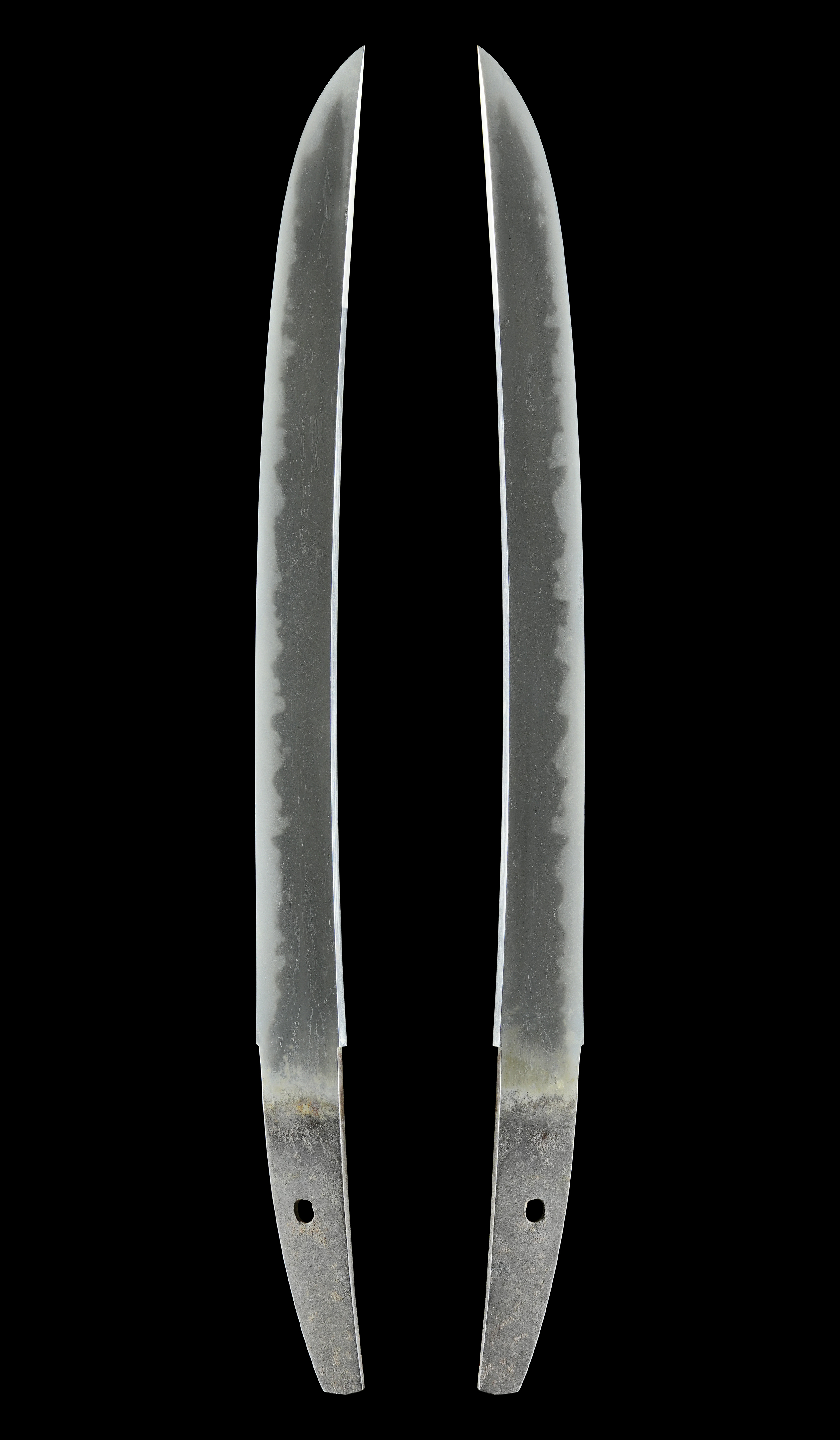
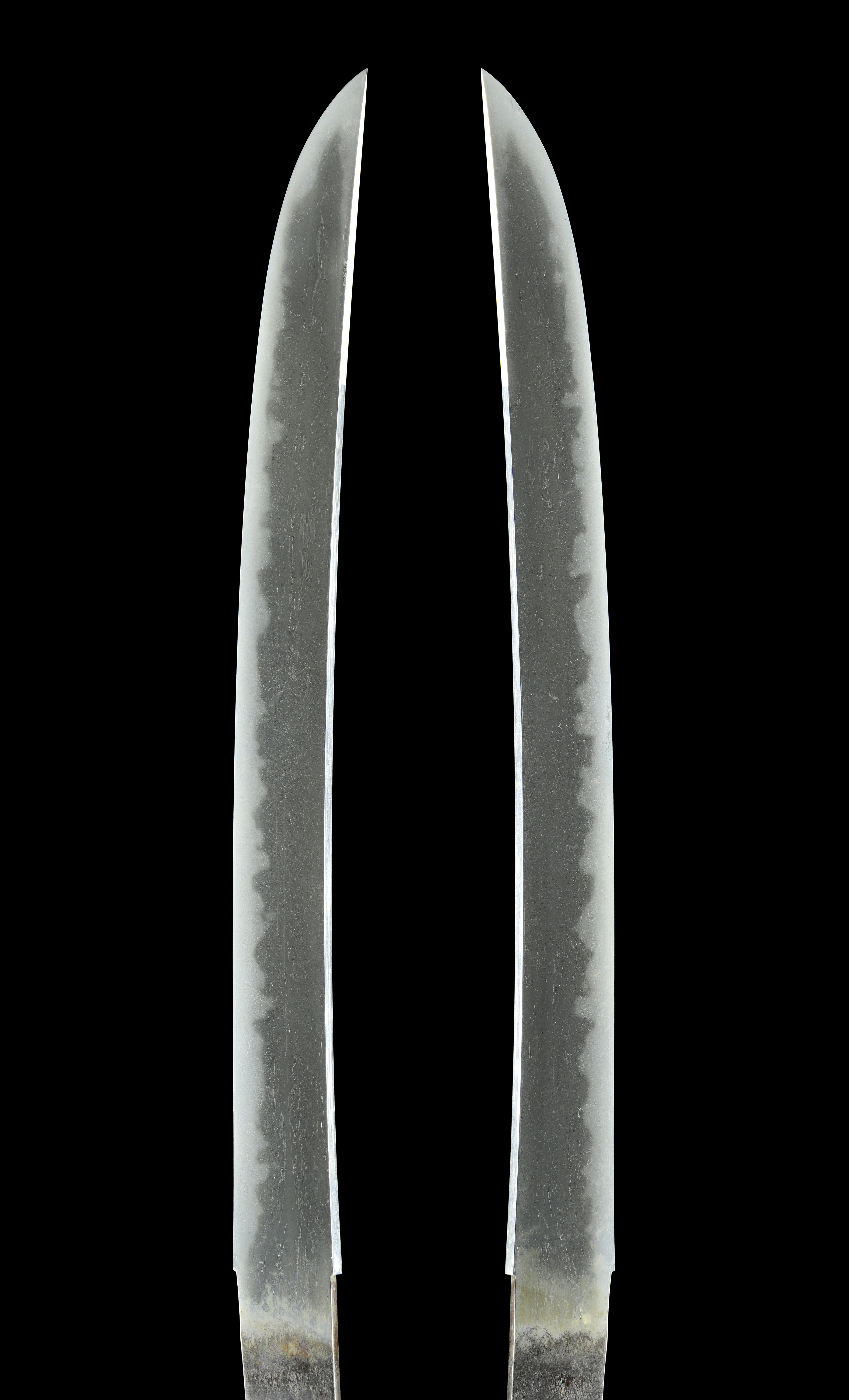
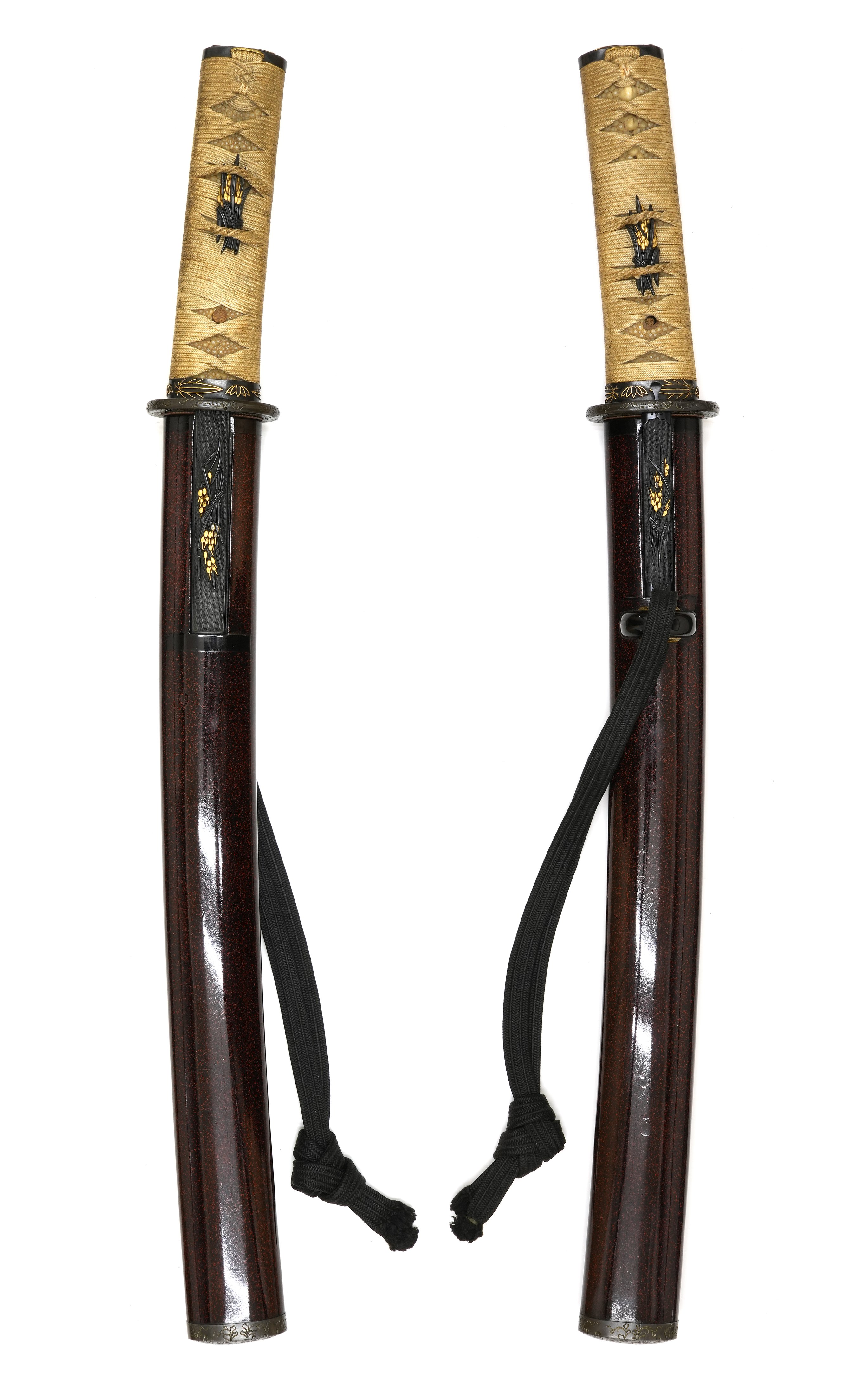
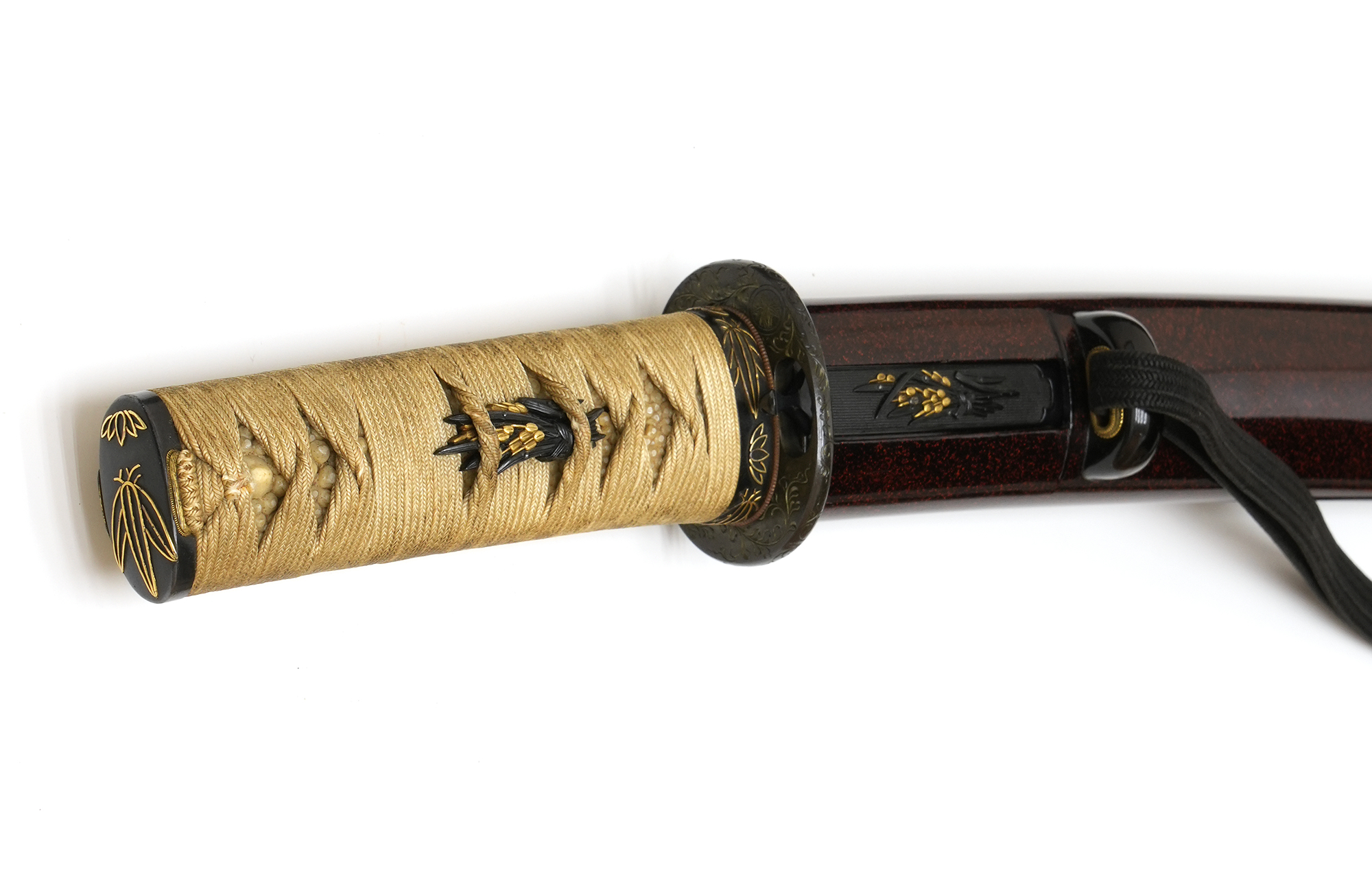
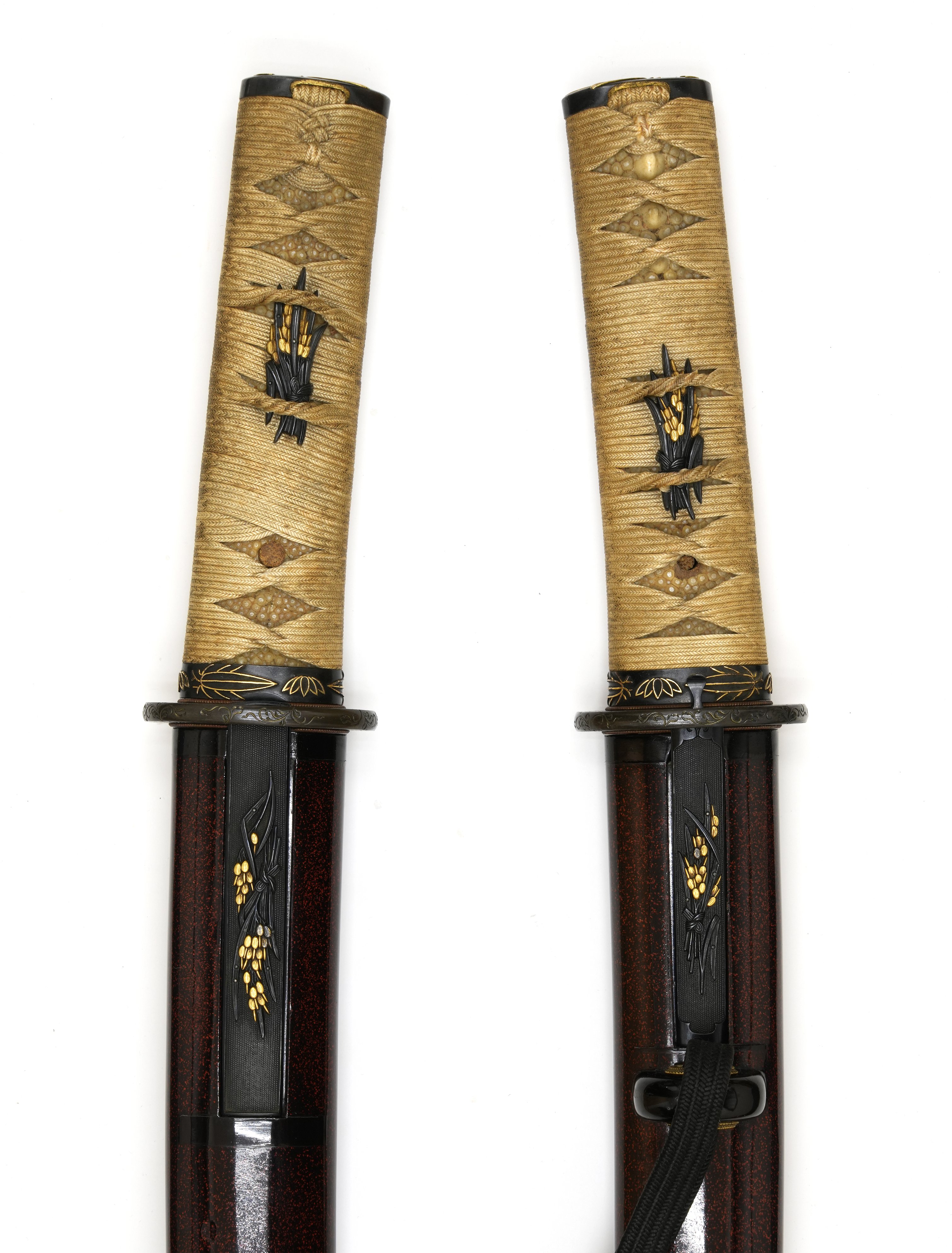
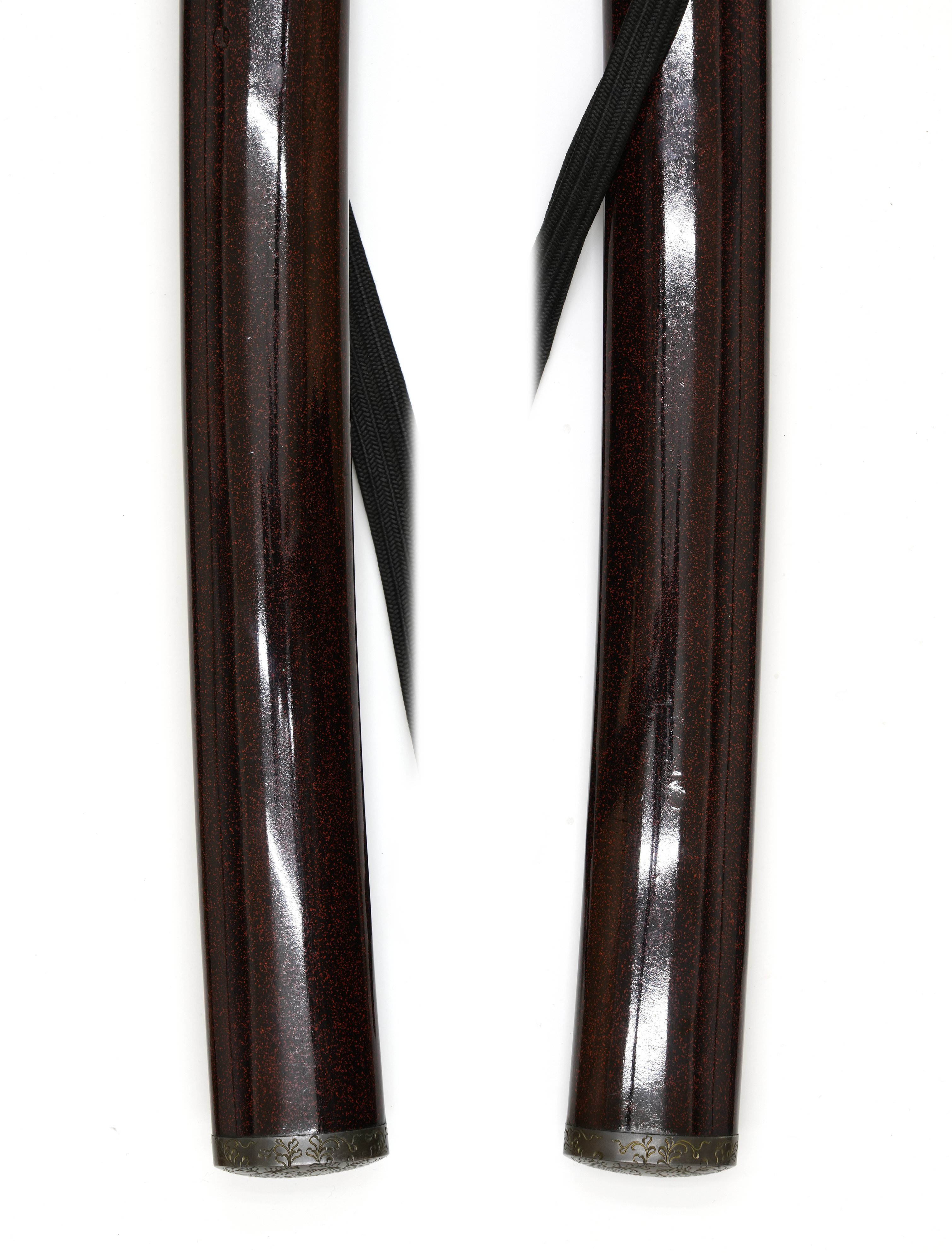
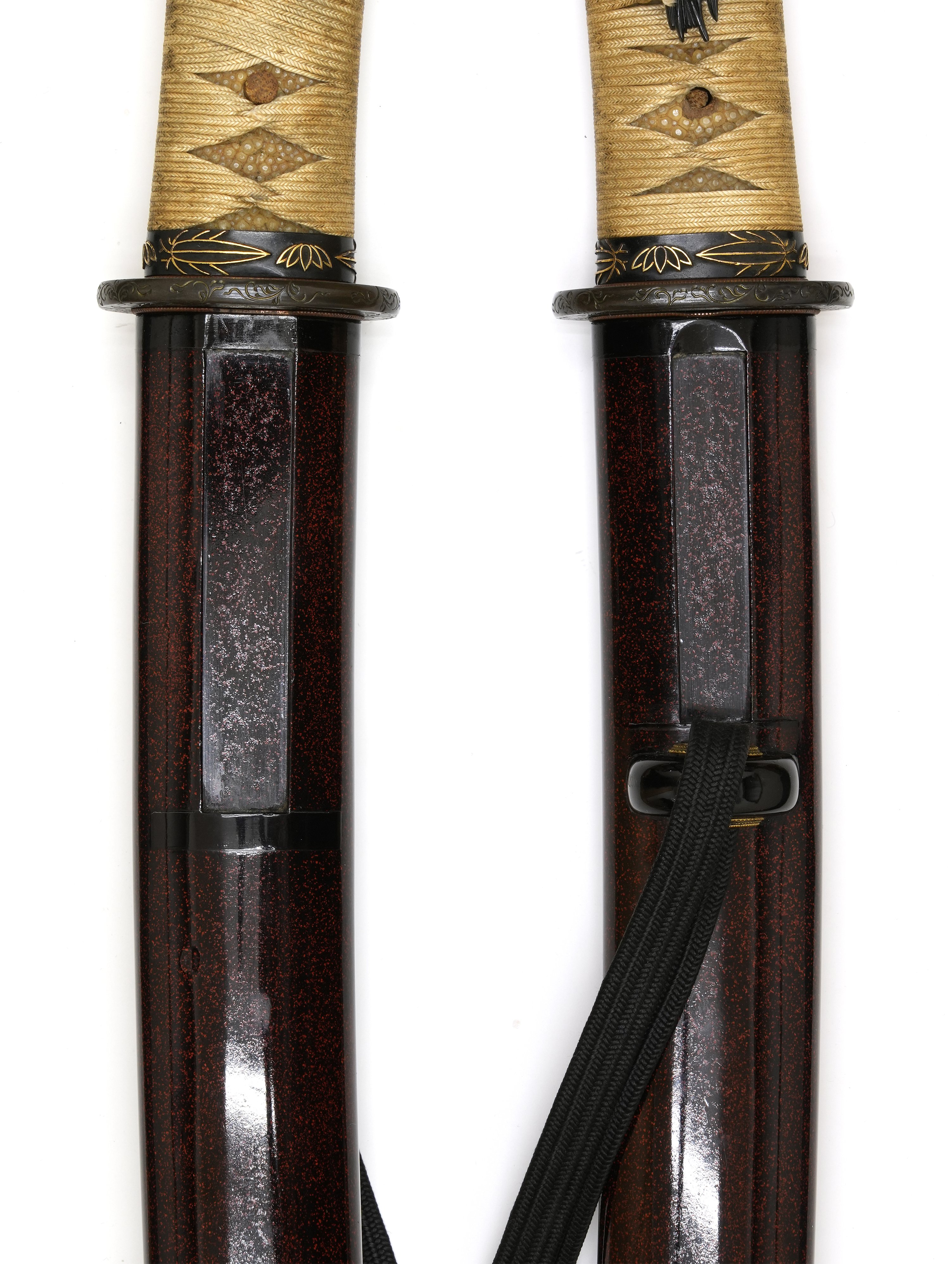
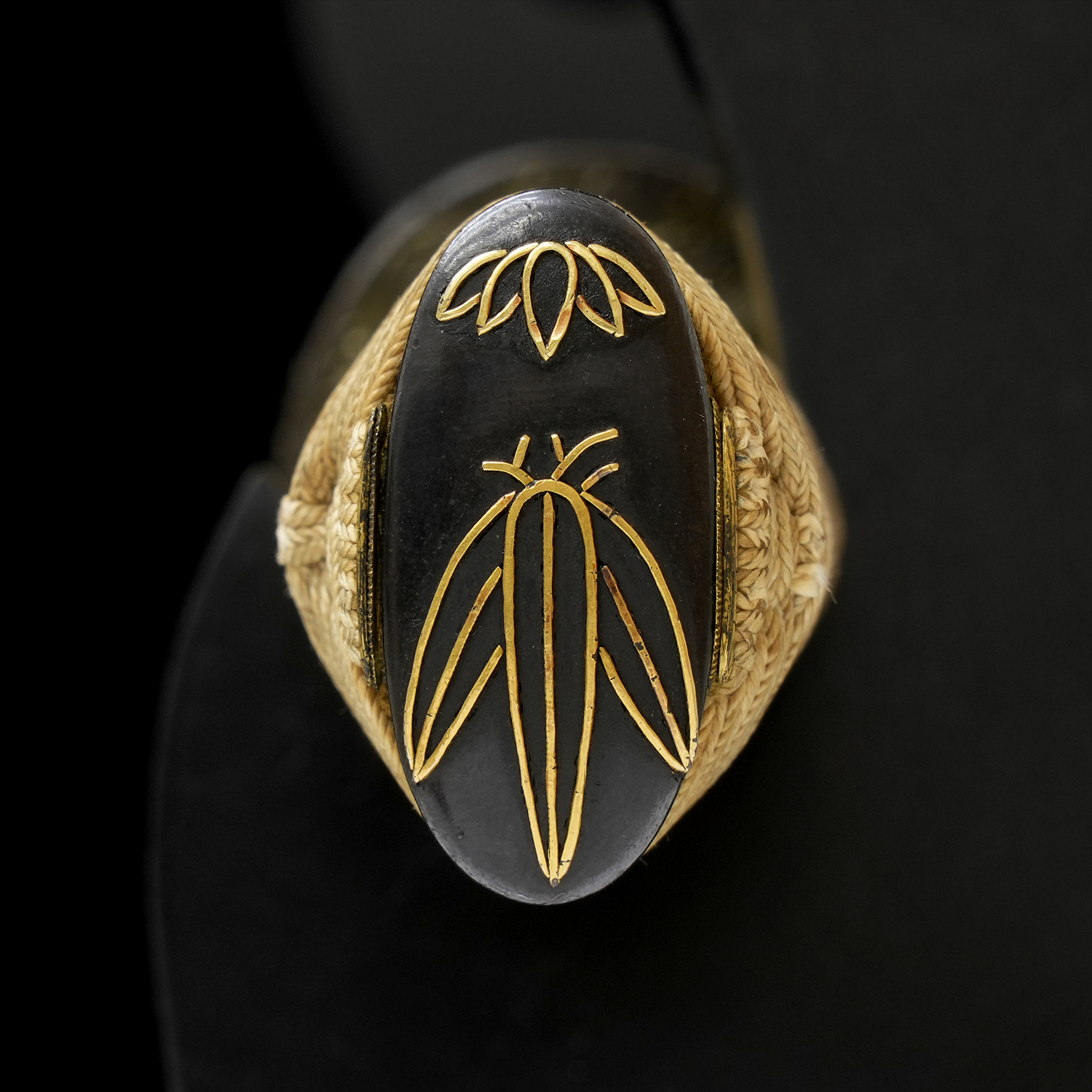
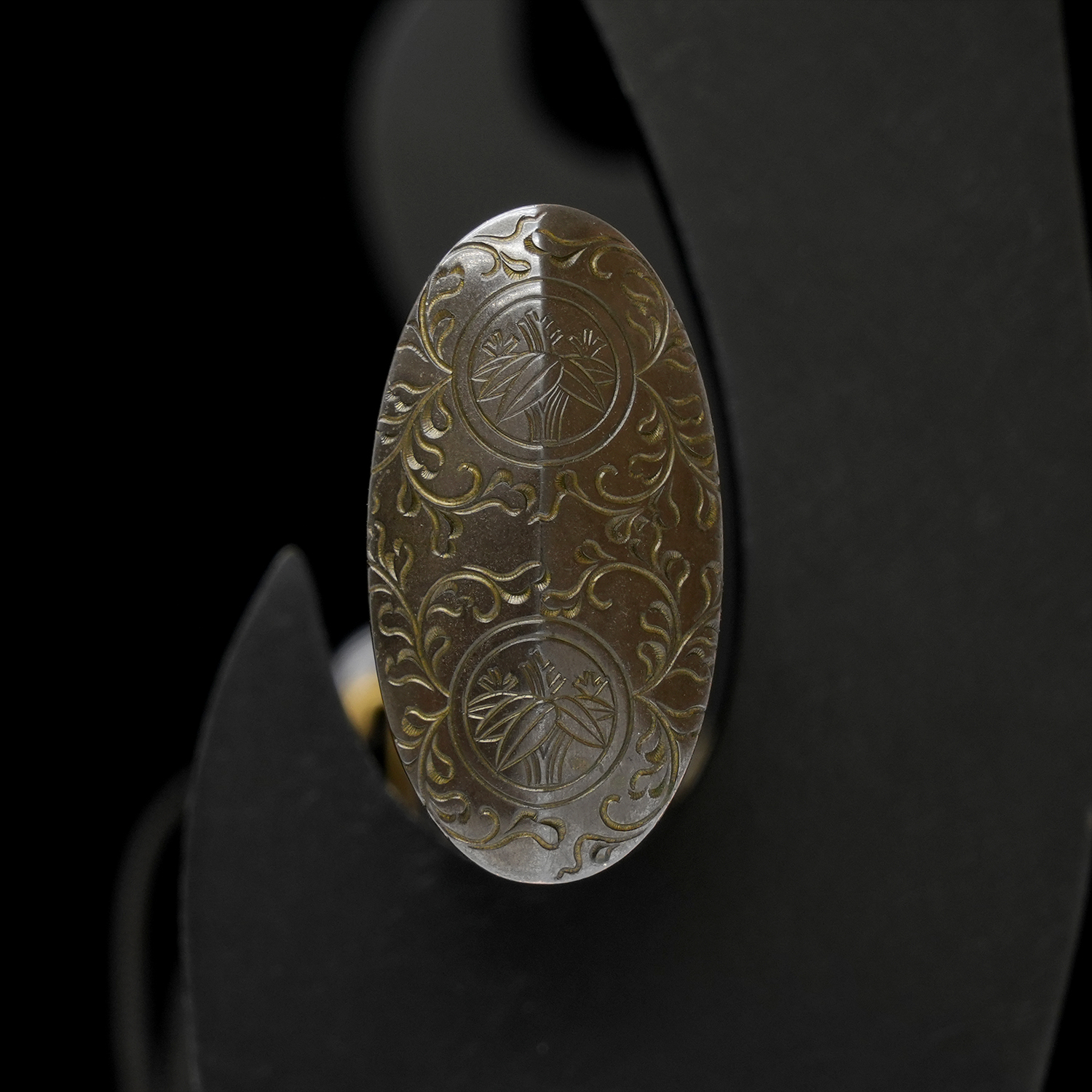
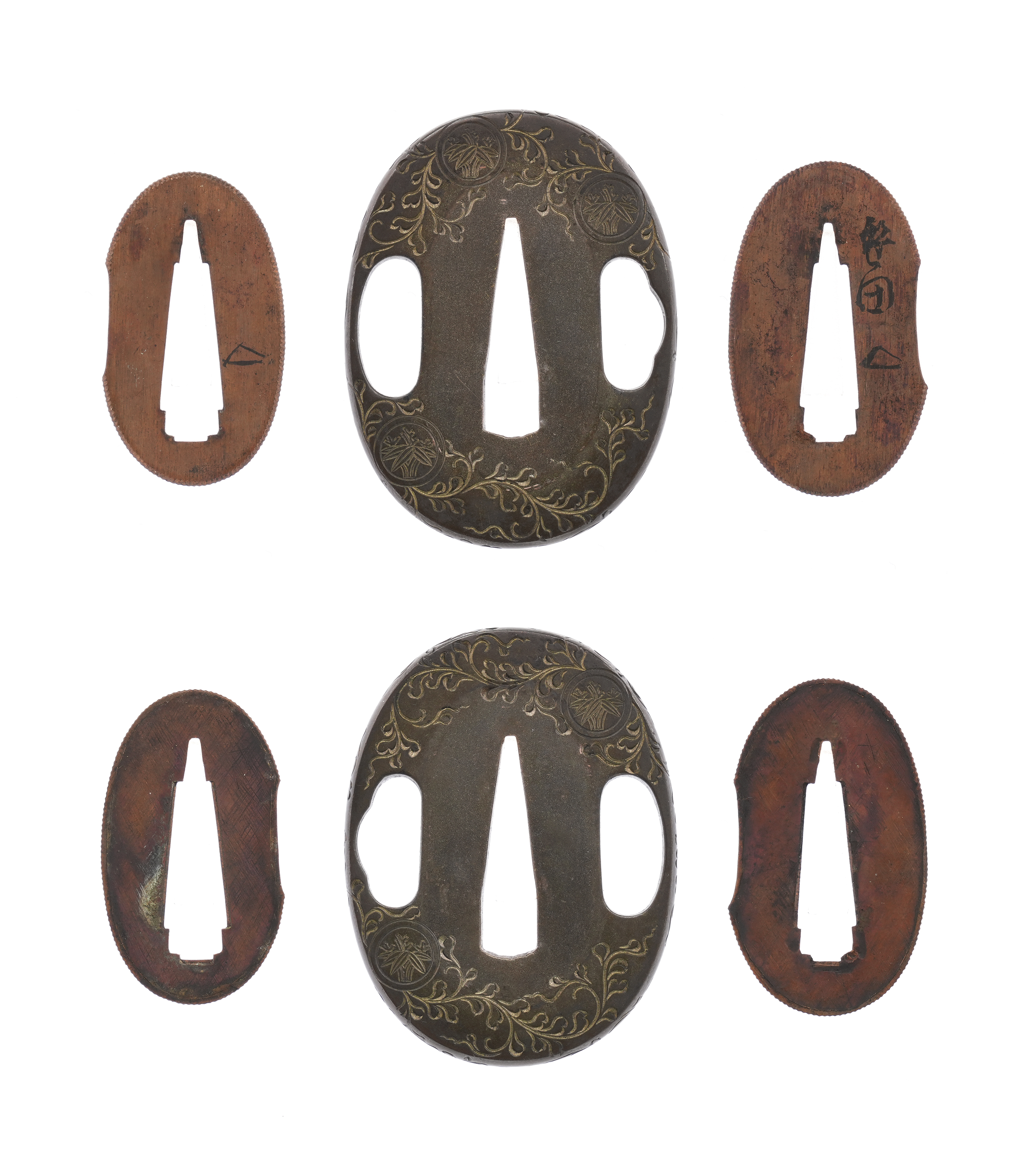
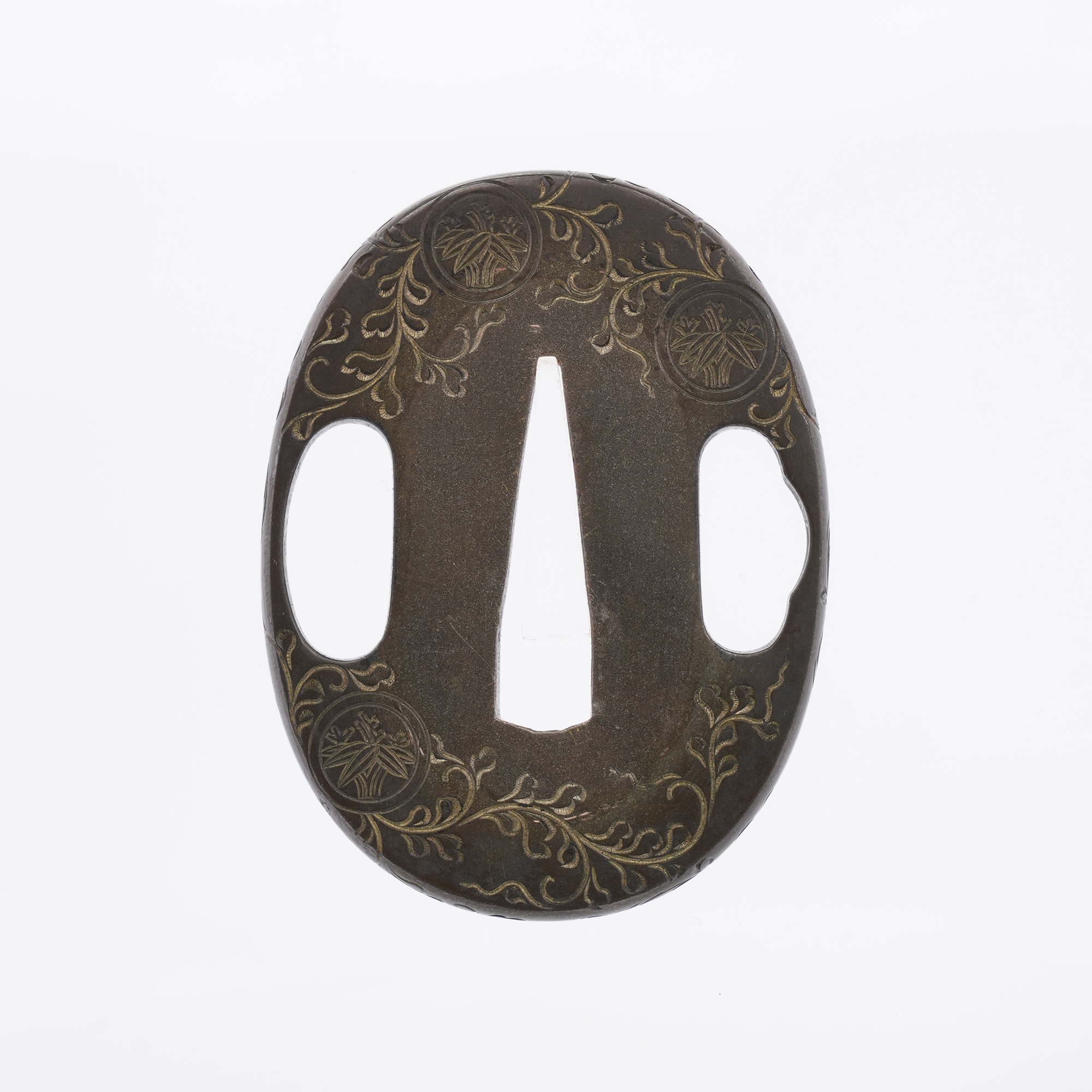
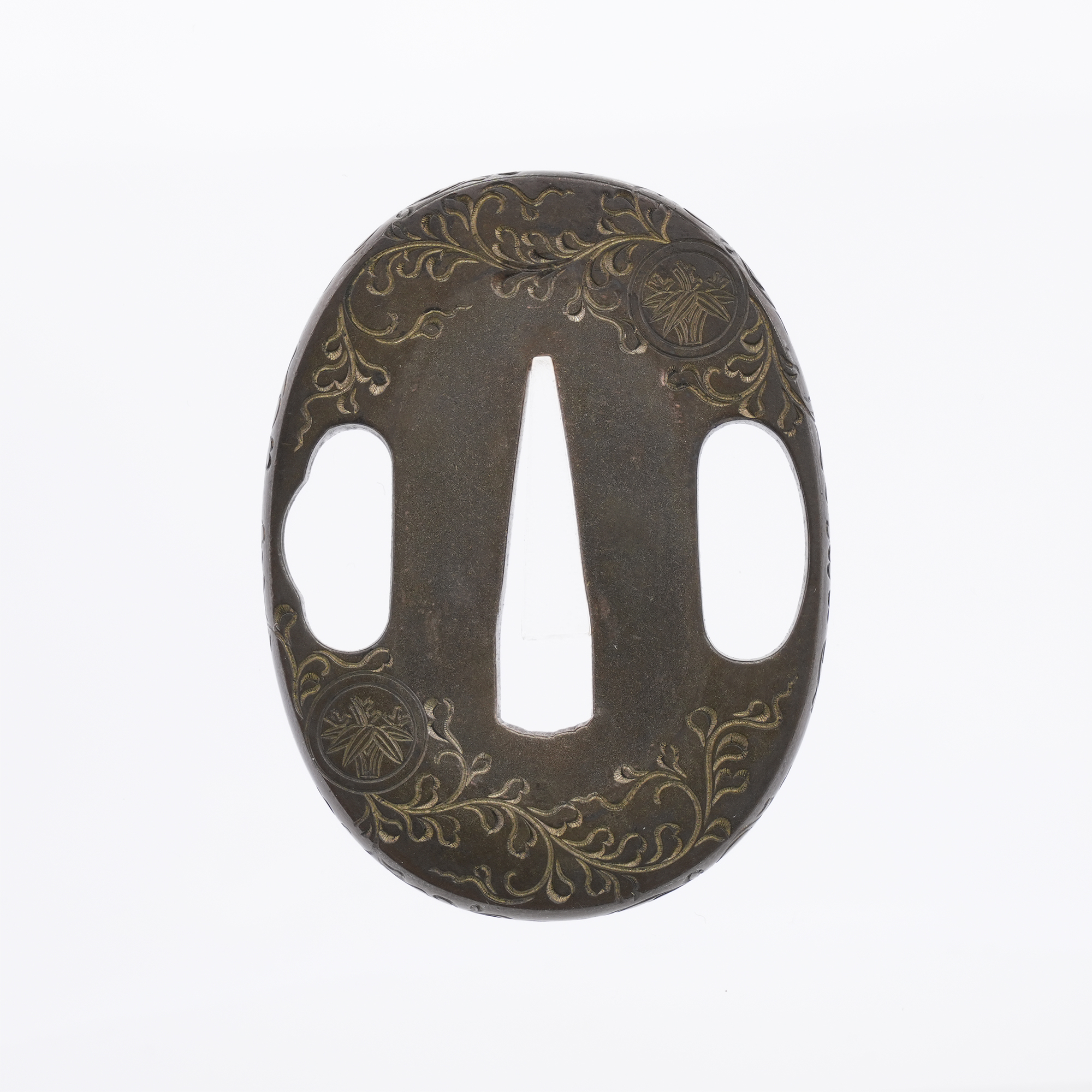
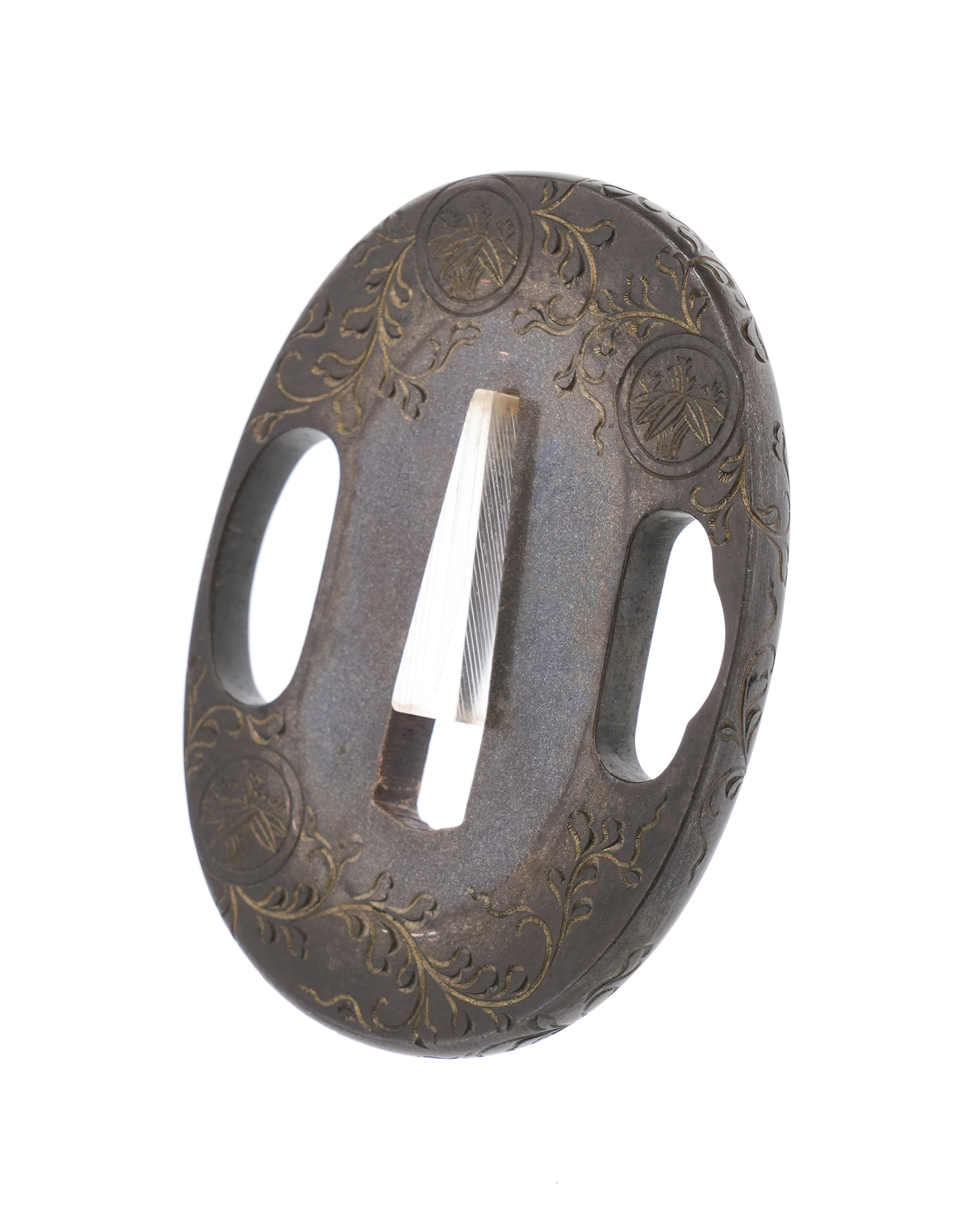
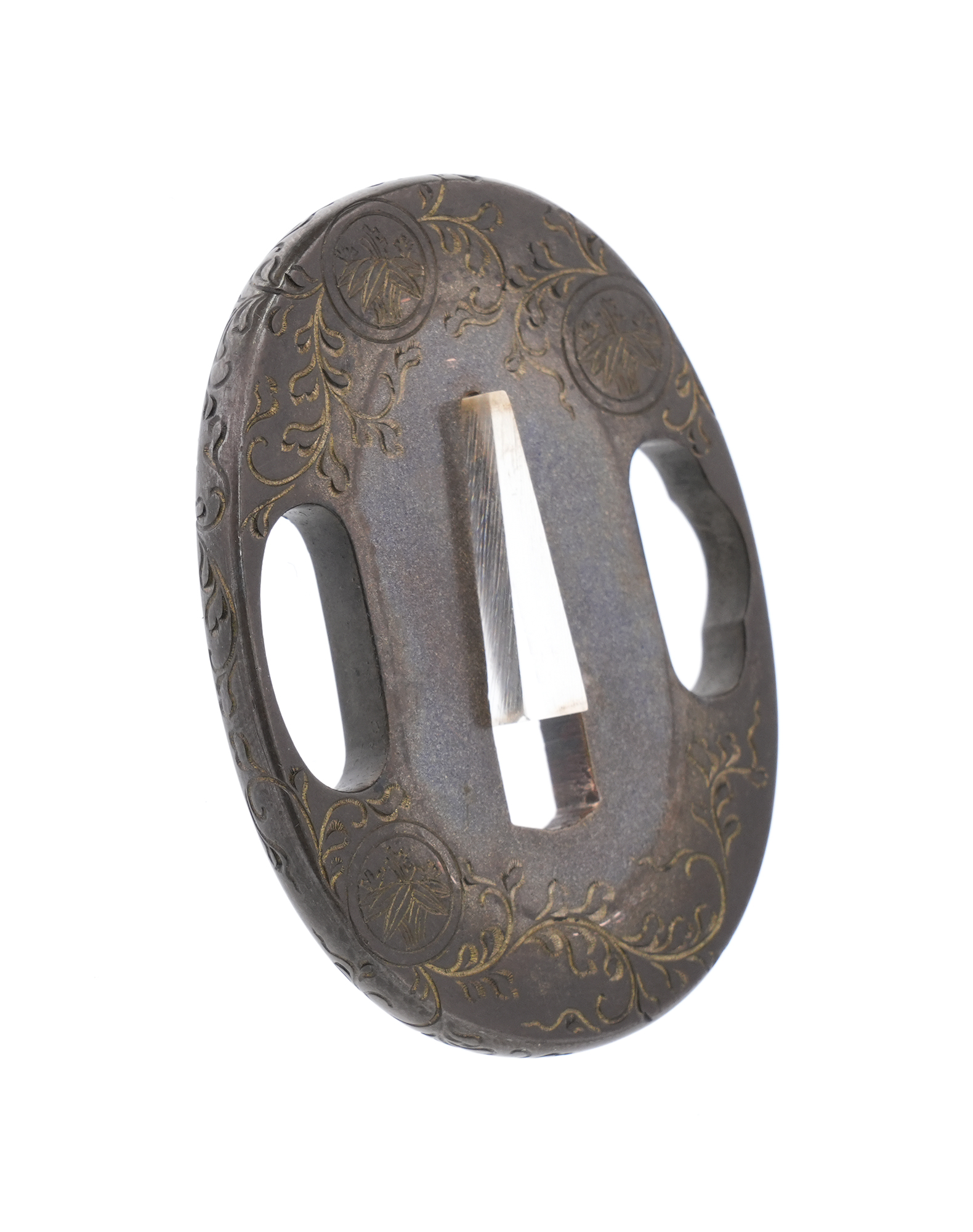
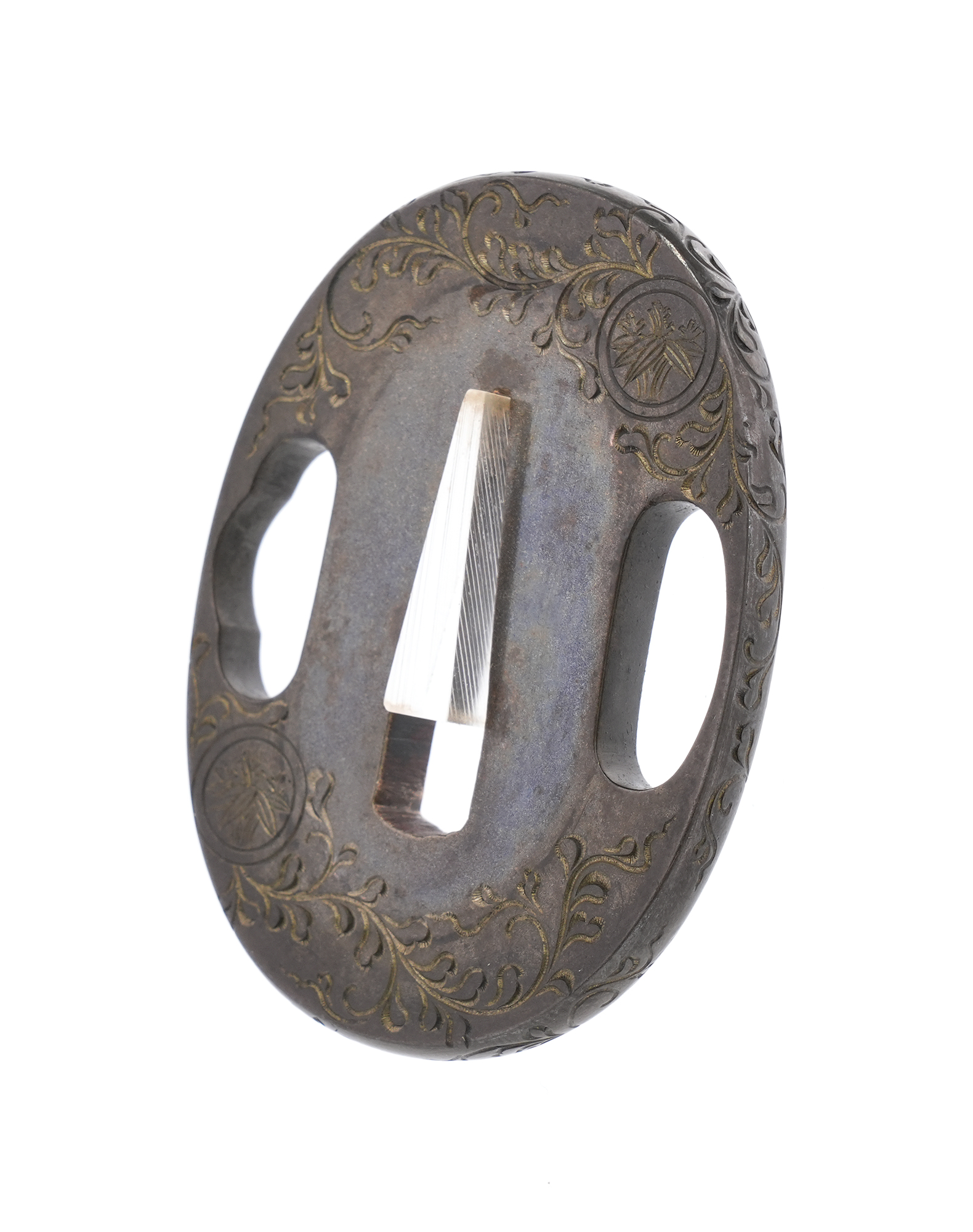
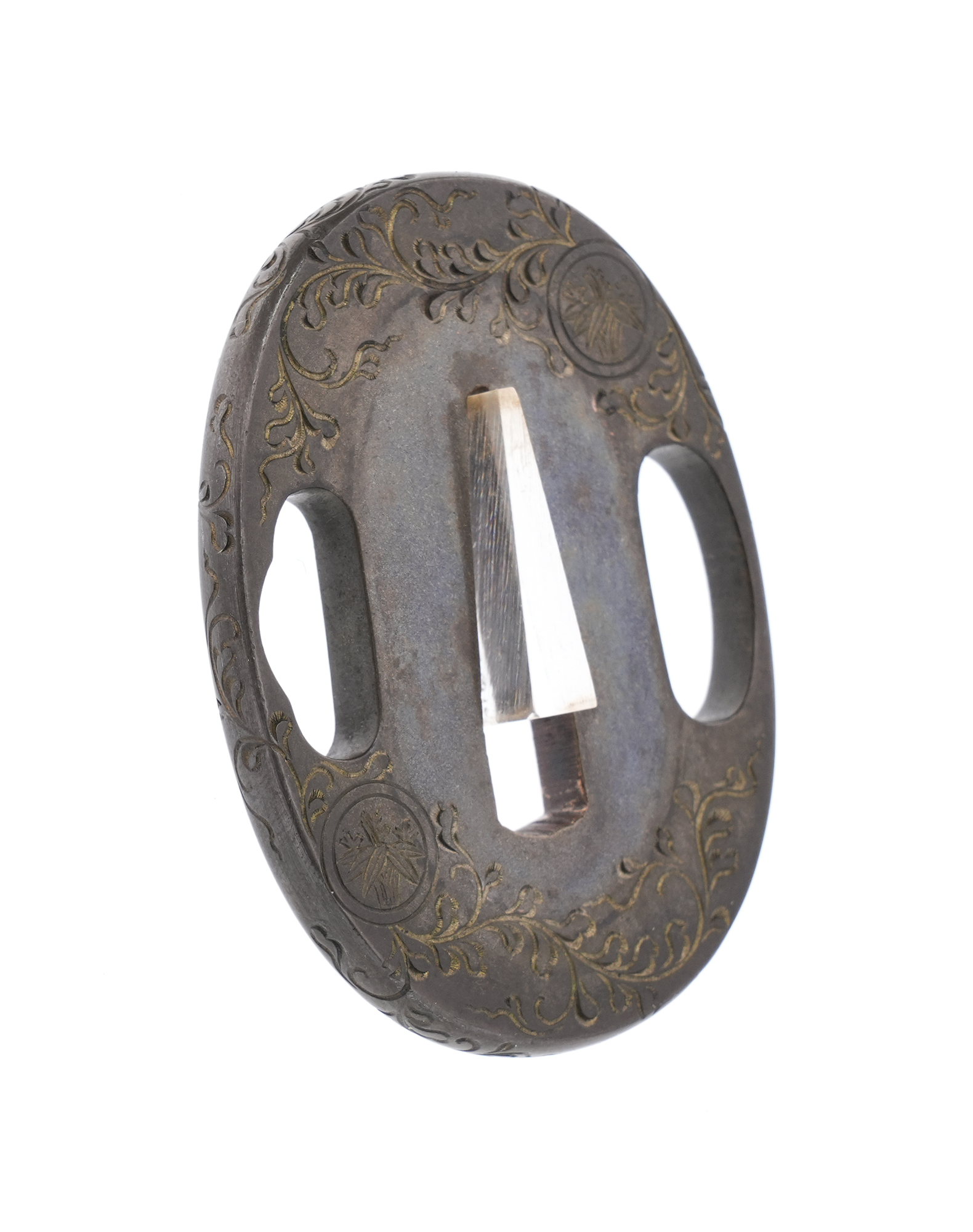
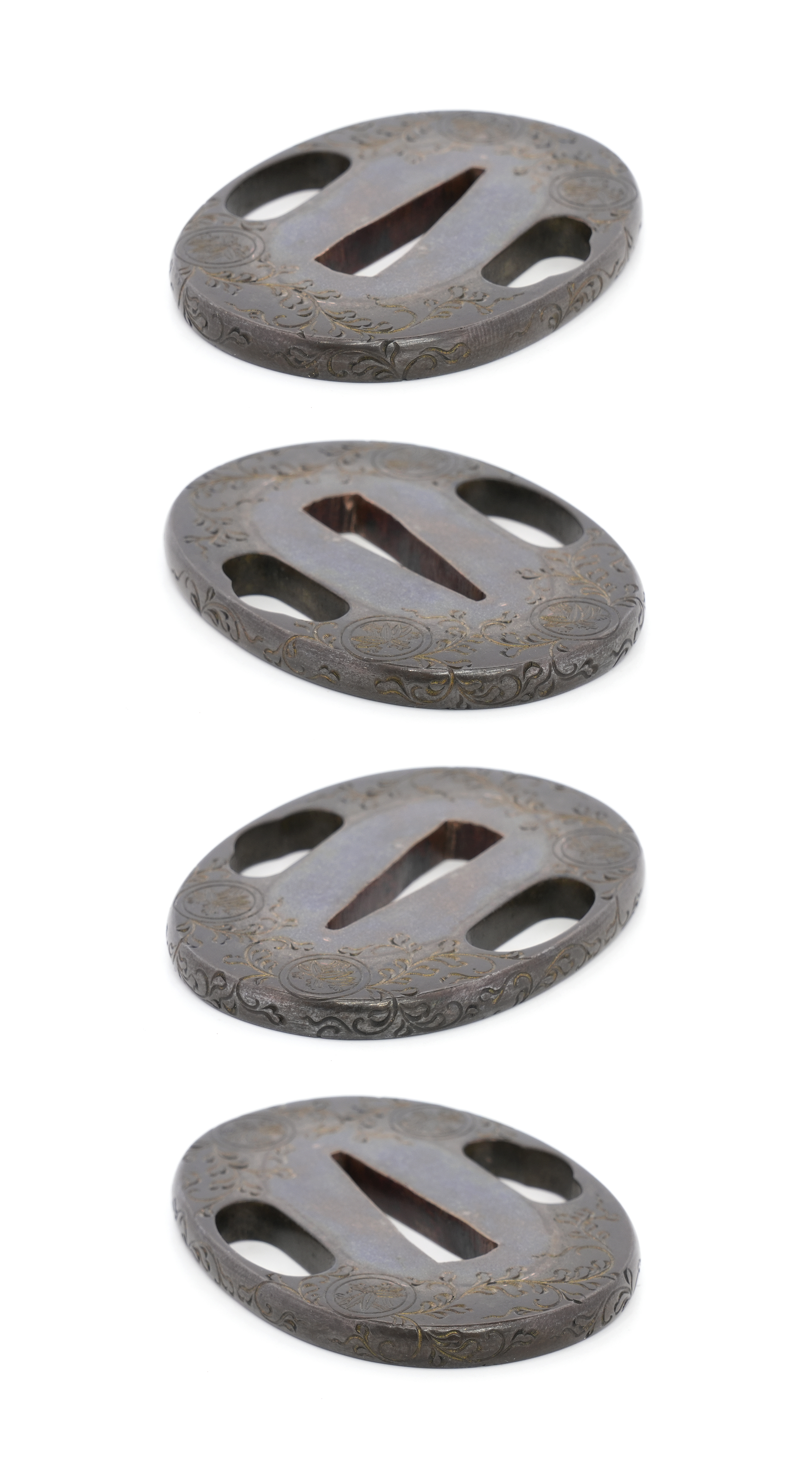
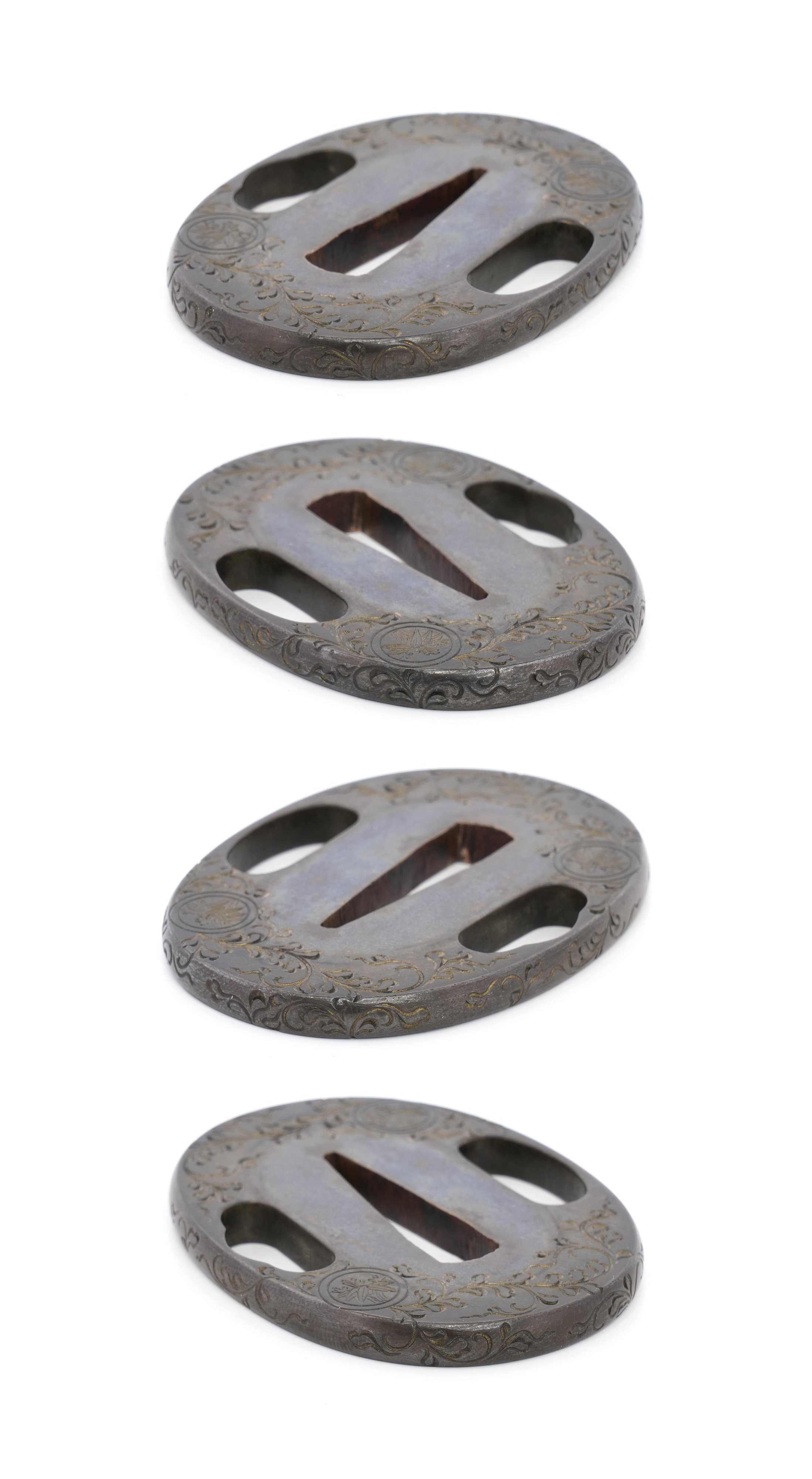
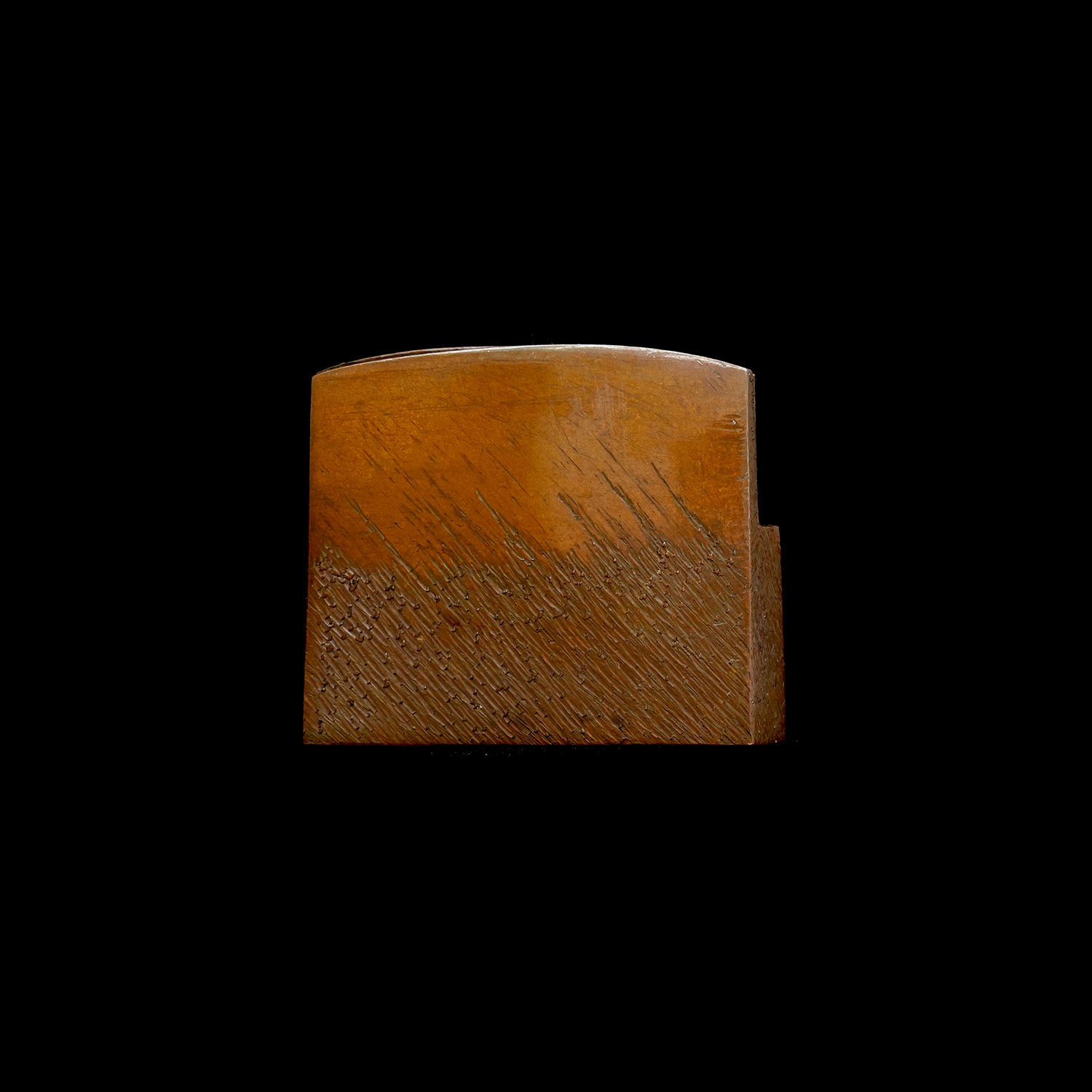
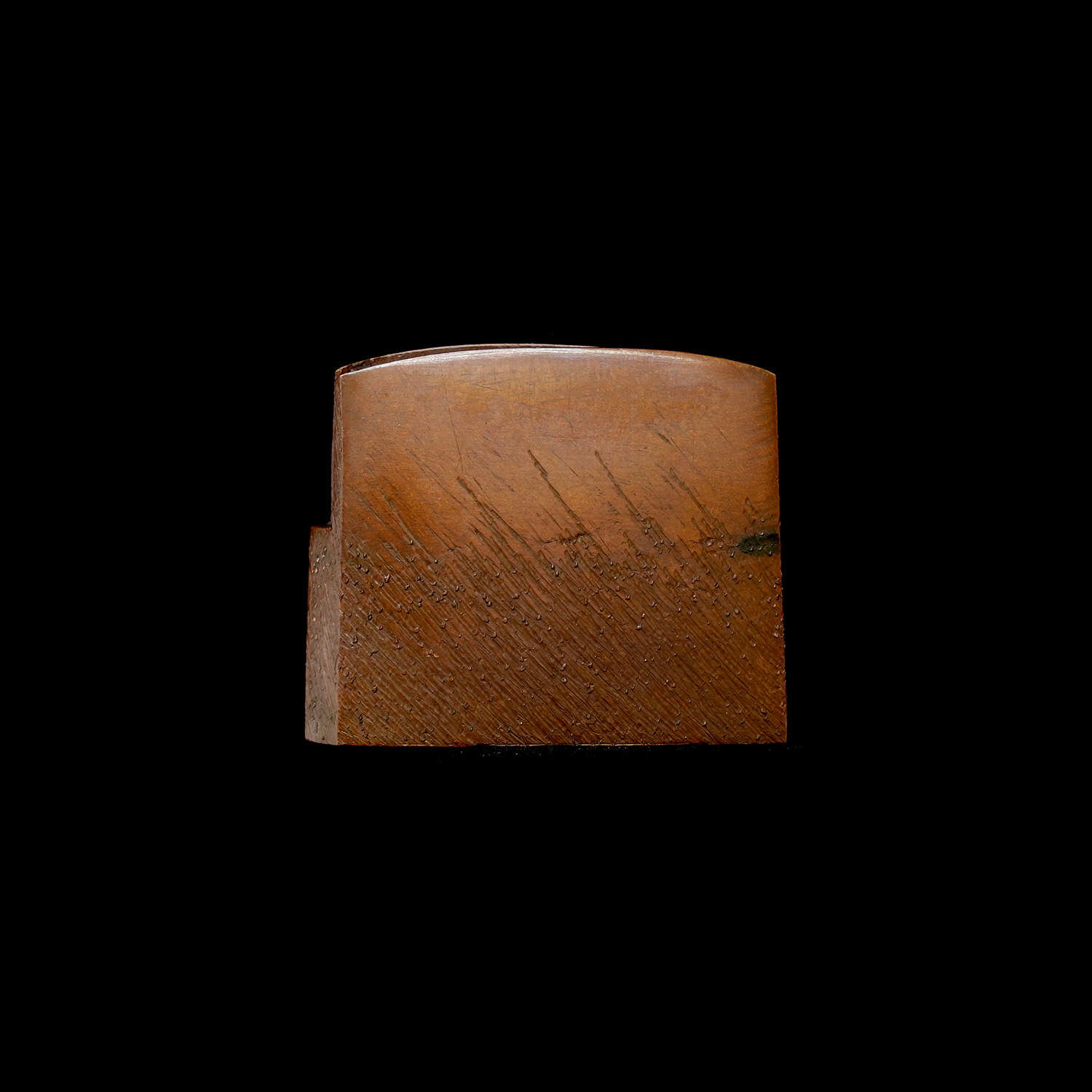
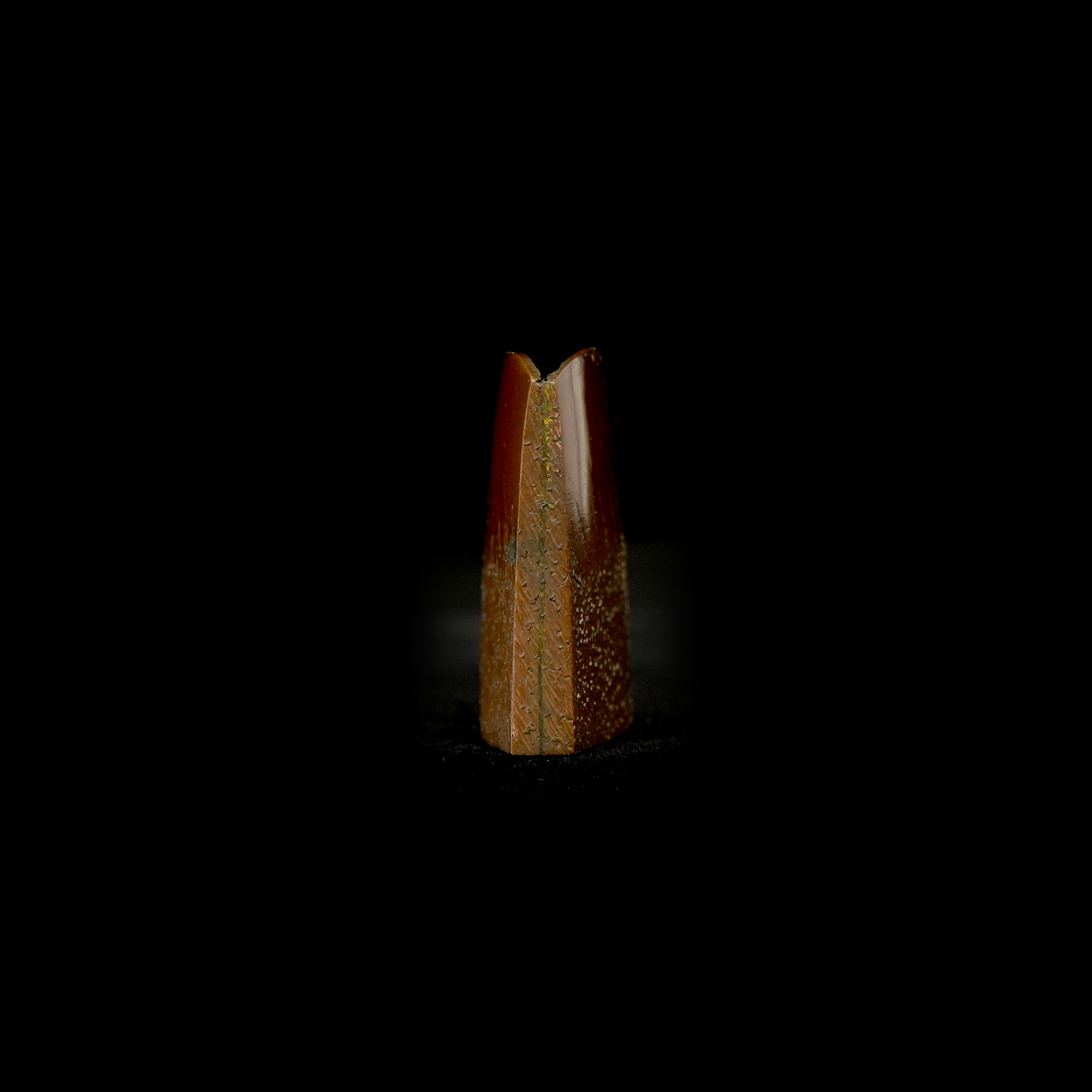
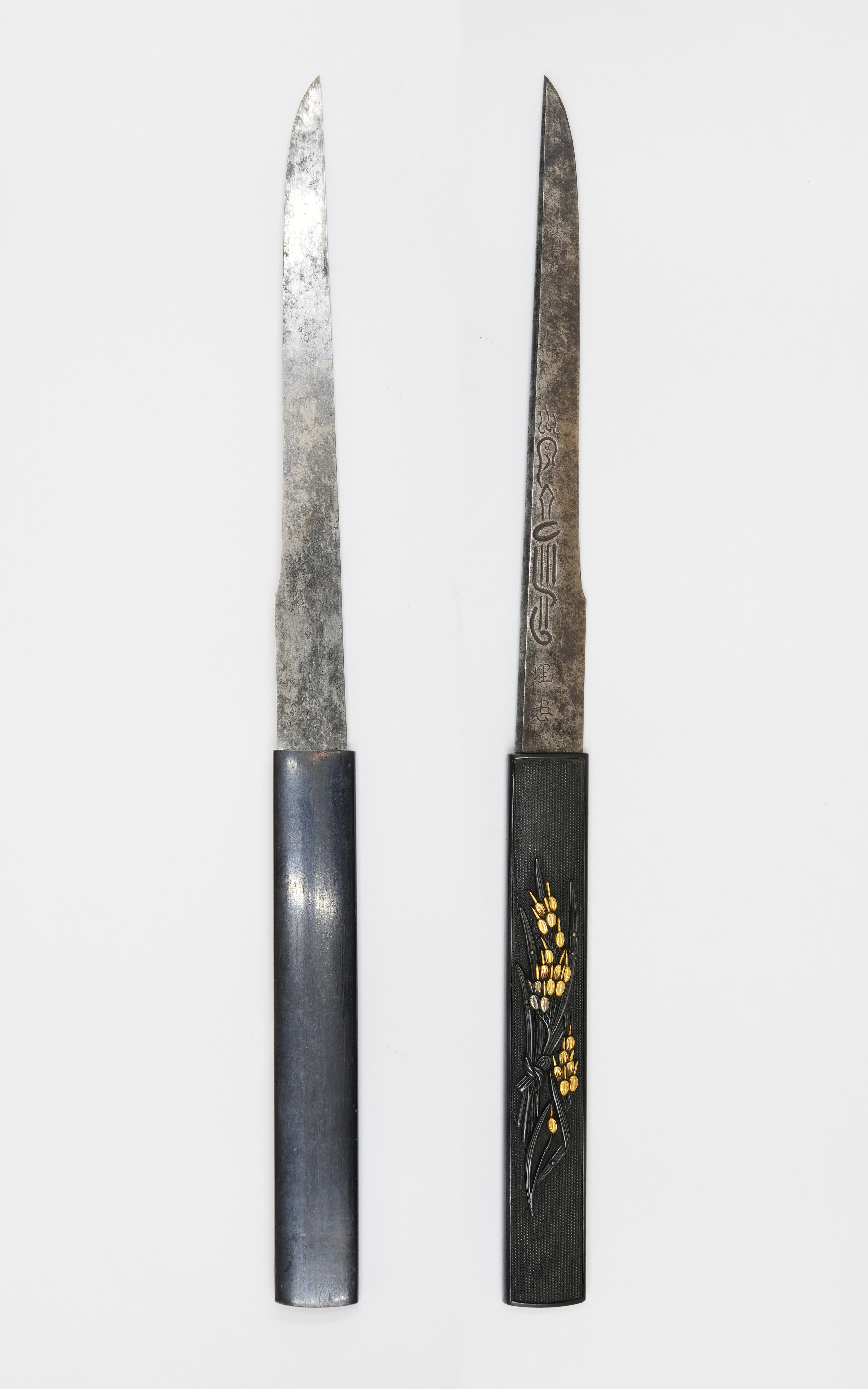
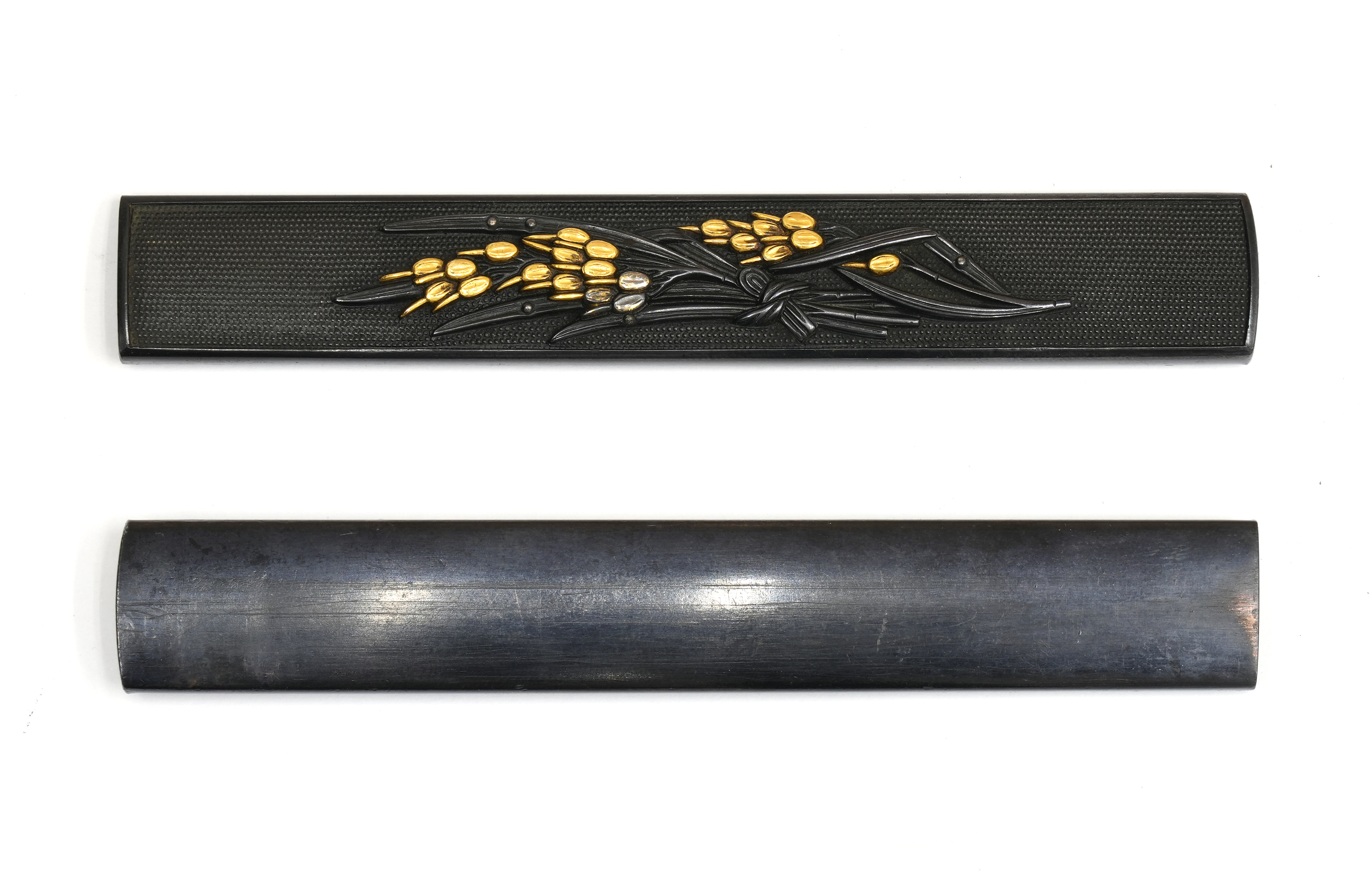
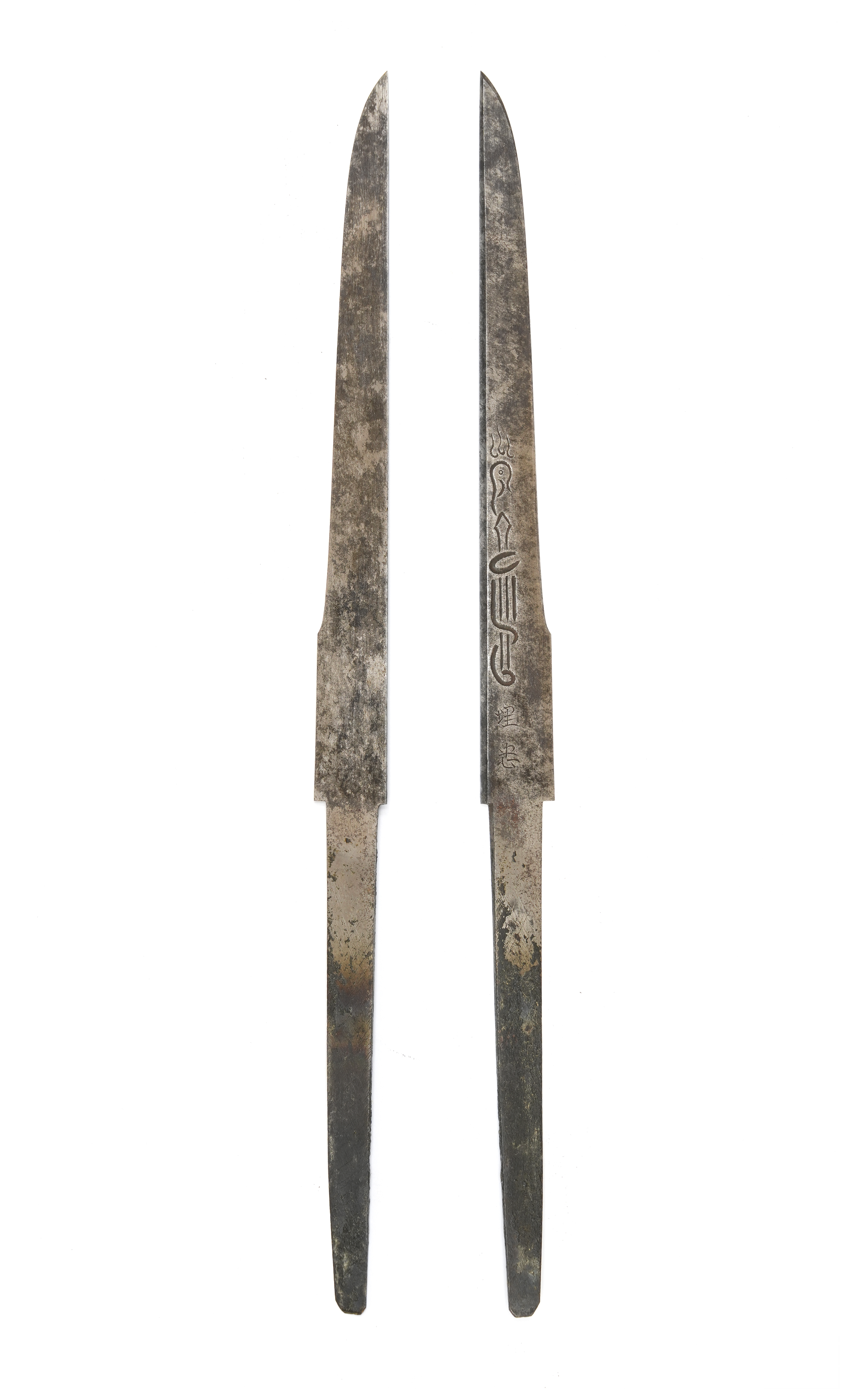
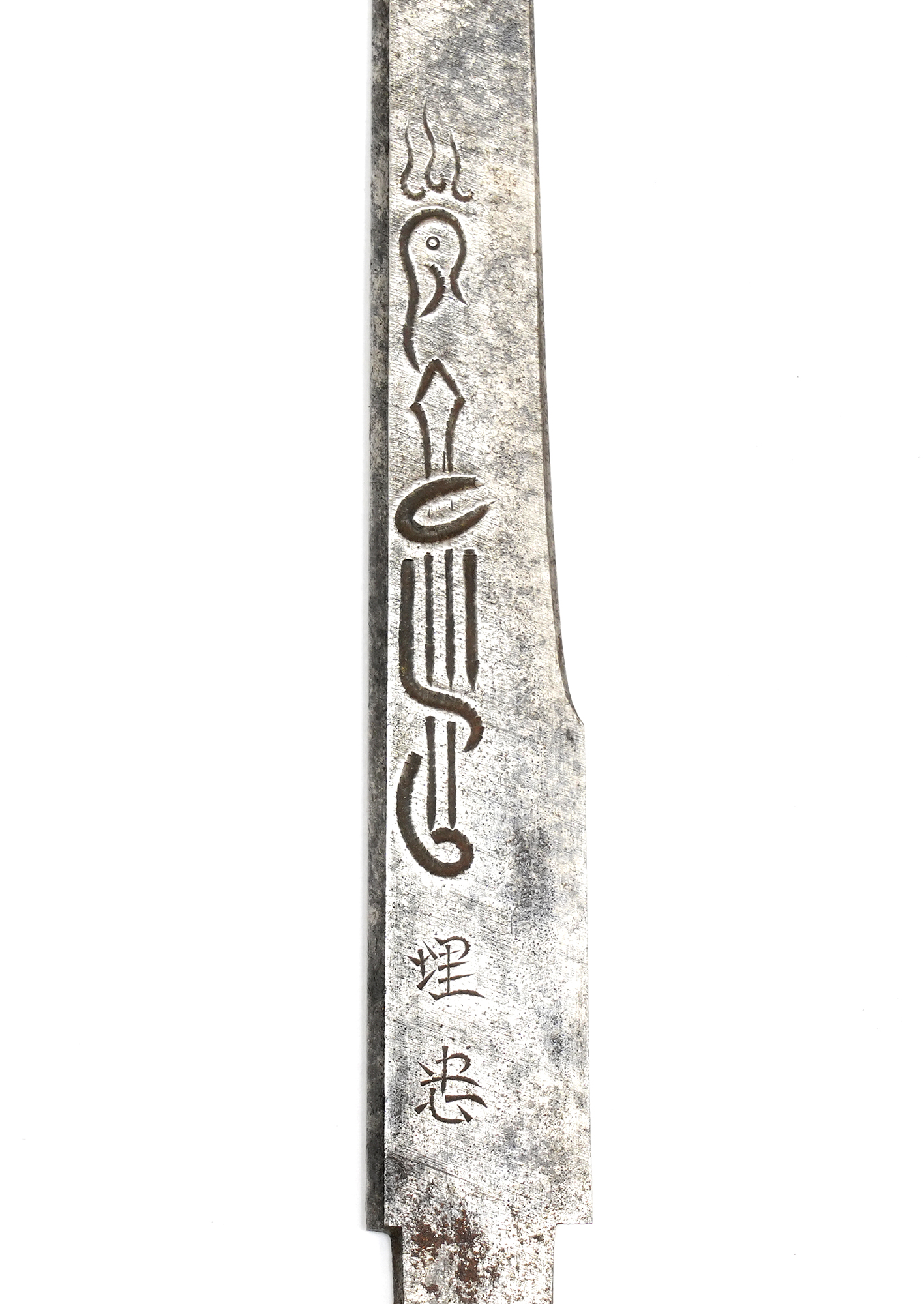
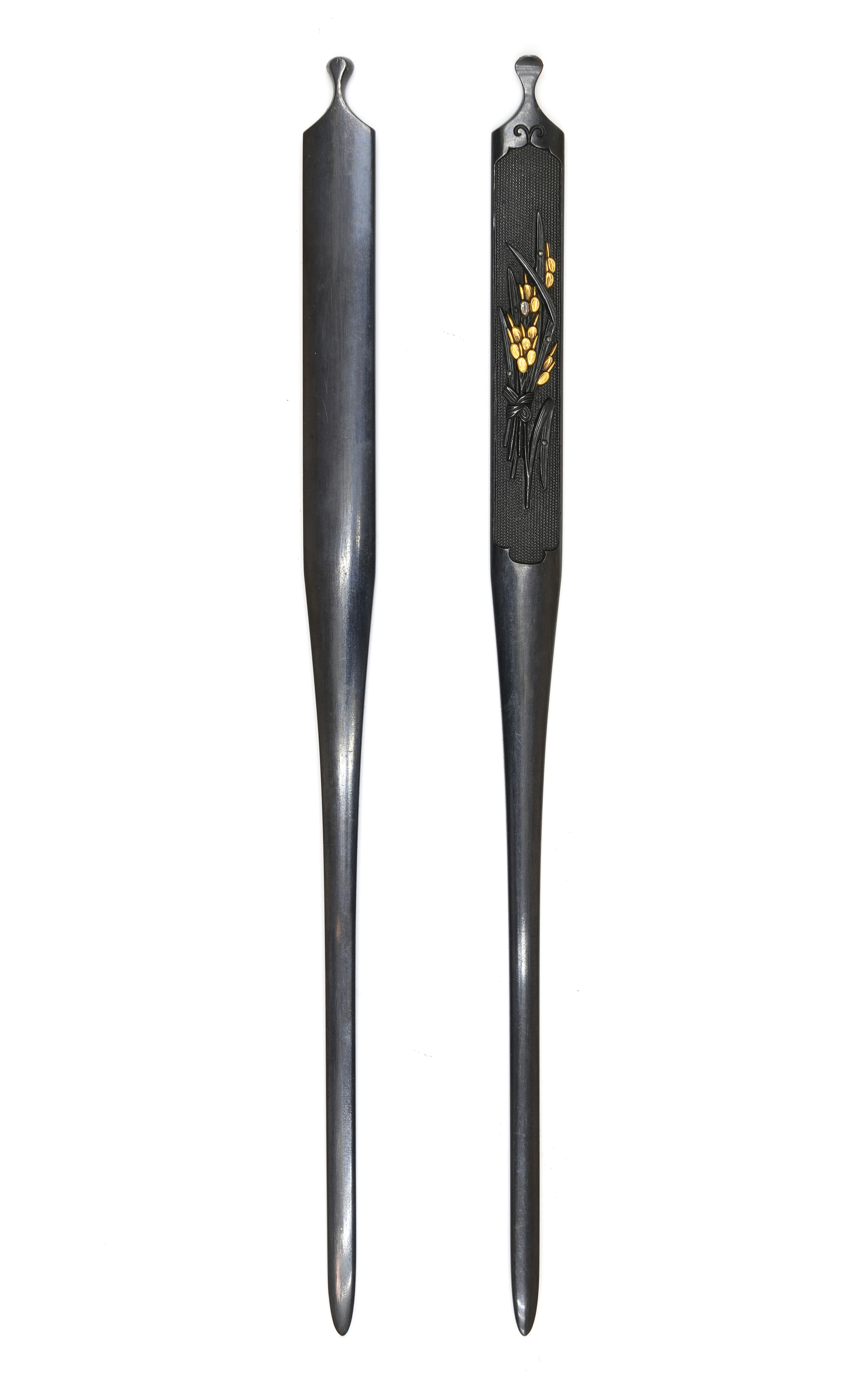
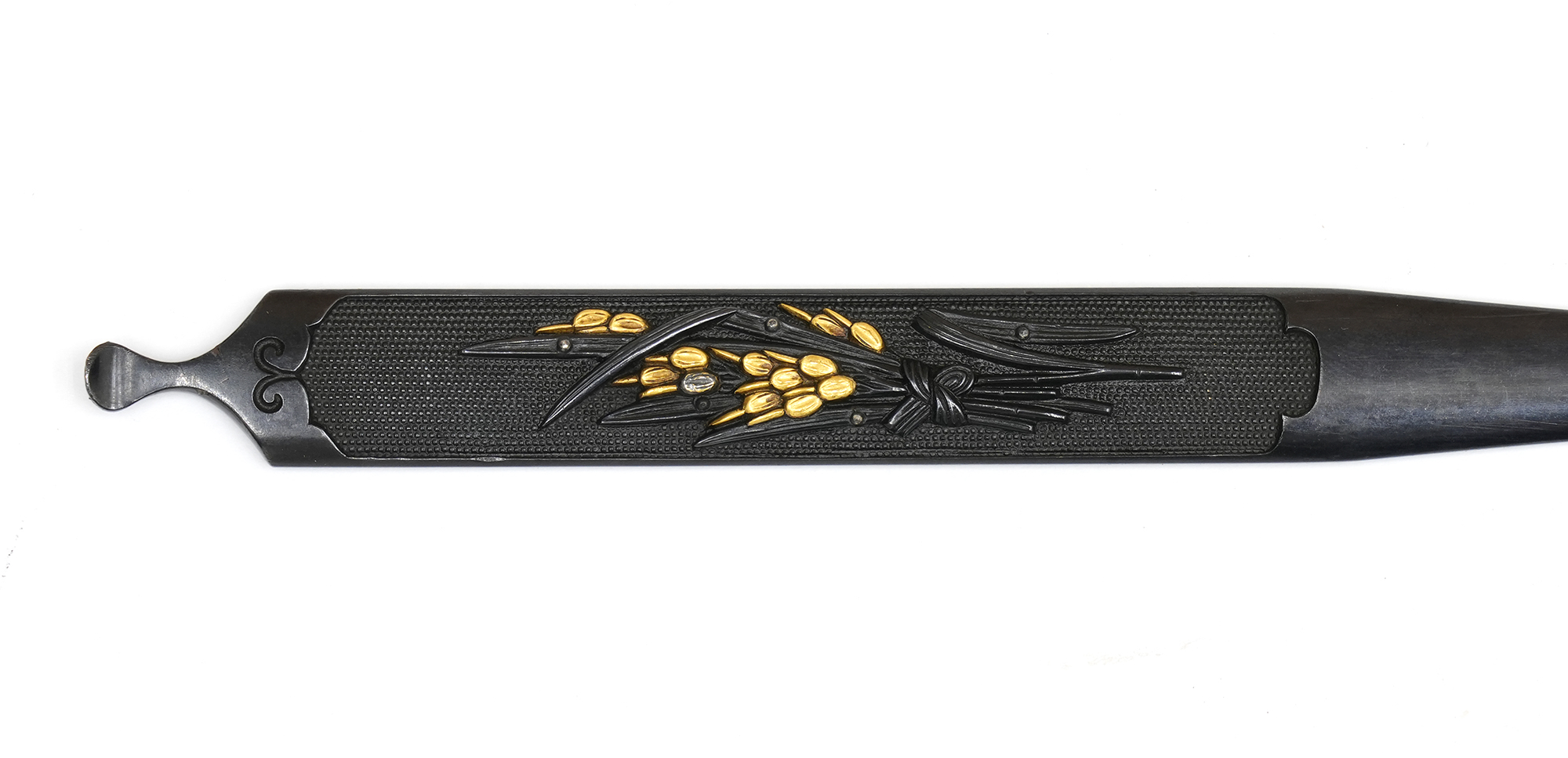
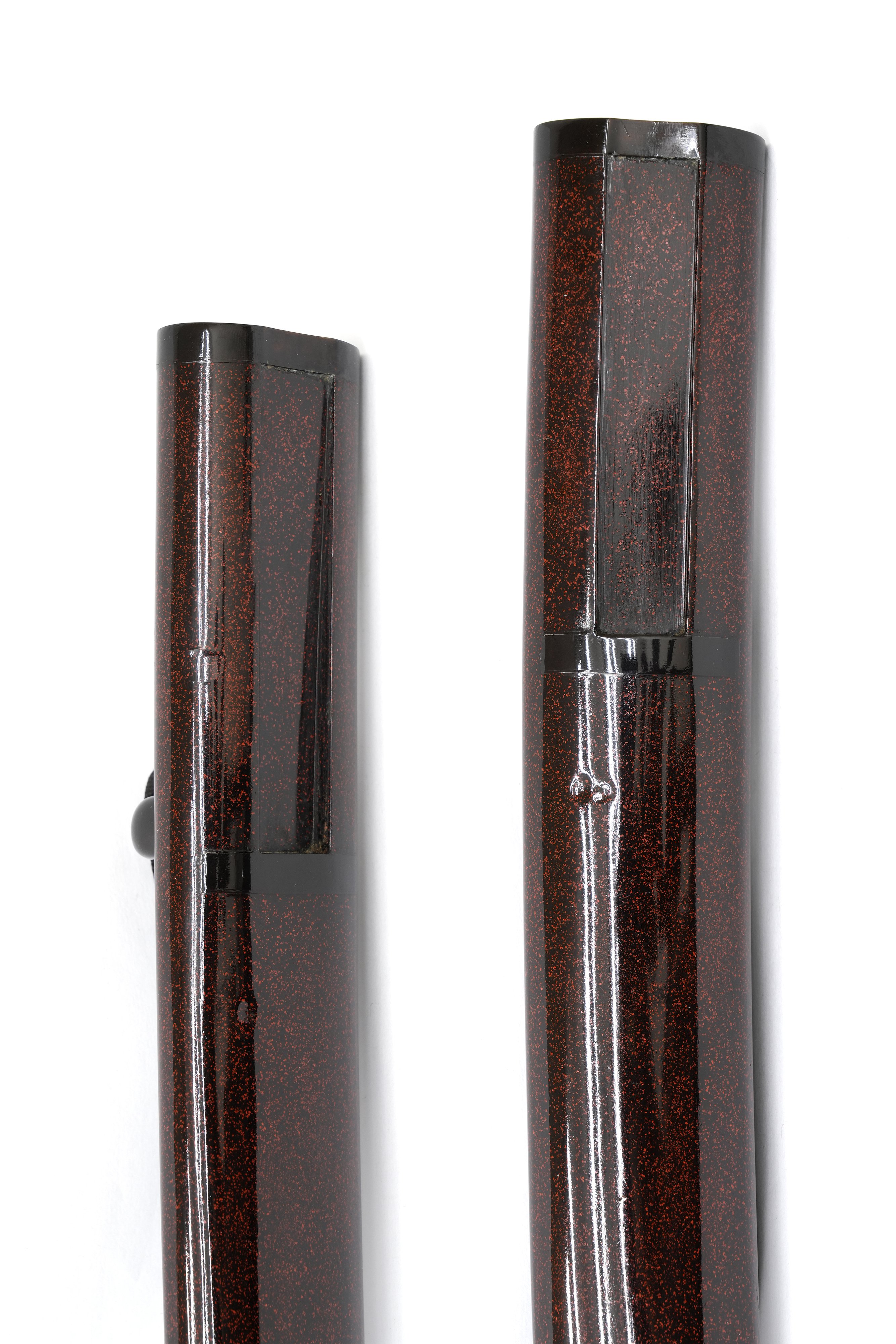
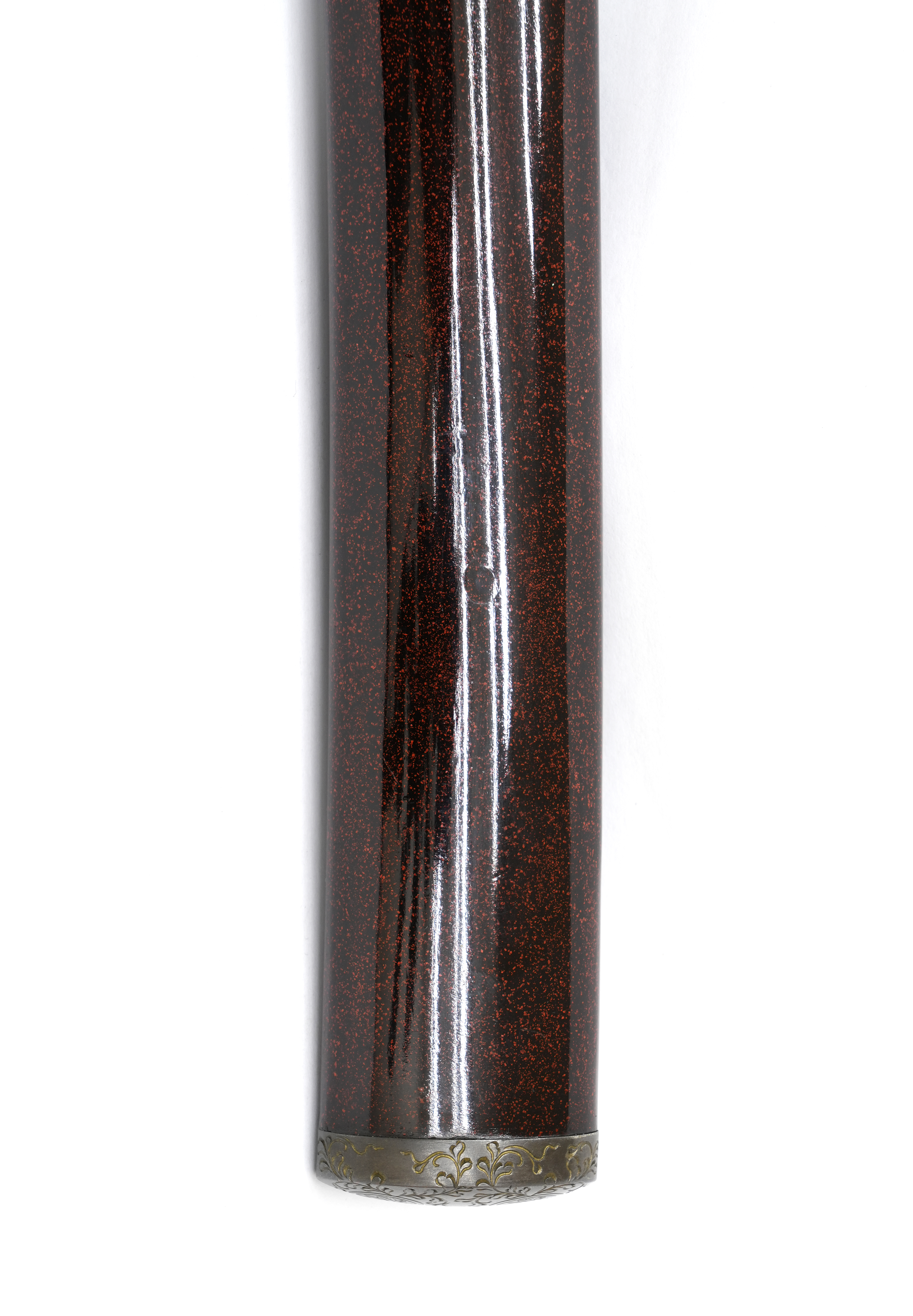
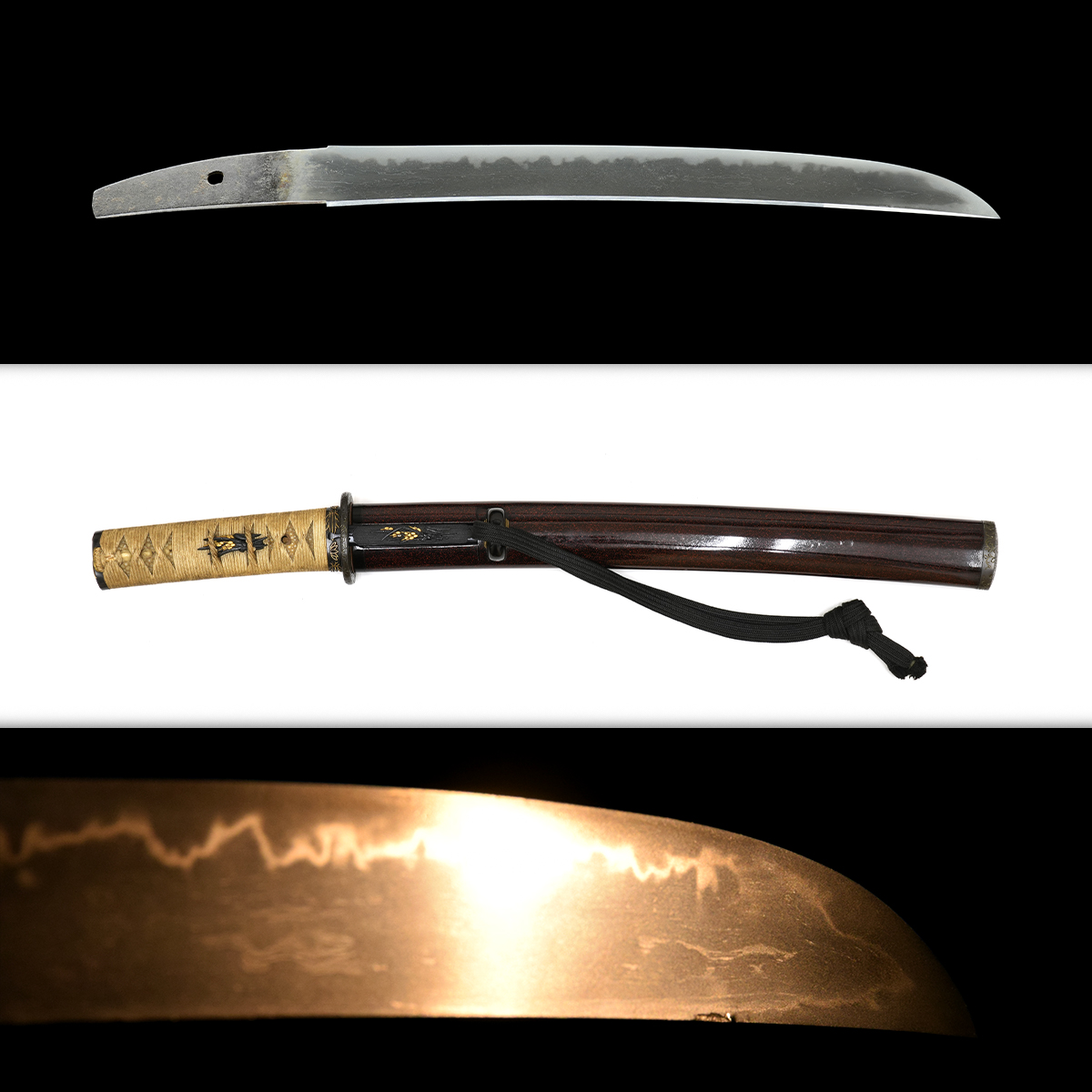
This is an unsigned wakizashi from the late Muromachi period, featuring a hira-zukuri blade with an iori-mune. The jigane is well-forged ko-itame mixed with mokume, showing a vibrant gunome-choji midare hamon with abundant ashi and yo. It comes with a distinctive koshirae featuring a varied lacquer saya and matching fittings with a rice plant motif, including a kozuka with a kogatana signed "Umetada" and a kurikara dragon carving.
NihontoWatchOffered by Toushin

That’s real money, and we couldn’t find current papers for this piece. Before you buy, ask the dealer whether it has been, or can be, submitted to shinsa. — Hoshi Ask me first



The Muromachi period (1392 to 1573)
Muromachi turned sword making into an industry: the uchigatana rose with massed infantry warfare, Osafune and Seki produced bundle swords beside custom orders, and the Ming trade carried Japanese blades abroad by the tens of thousands.
We could not find an authenticity certificate on the seller’s listing. Japanese swords and fittings are normally papered by the NBTHK (or the NTHK). Without one, the attribution is the seller’s own assessment and has not been independently verified — treat it with caution and ask the dealer about certification before buying.
Returns accepted within 3 days of delivery for defective items or significant discrepancies; customer bears return shipping and bank fees.
¥1,100,000