Two courts, sixty years of war, and the most dramatic silhouettes in the sword’s history: broad blades, extended points, true ōdachi later cut down into the majestic katana collectors prize. The Sōshū manner was the style of the age.
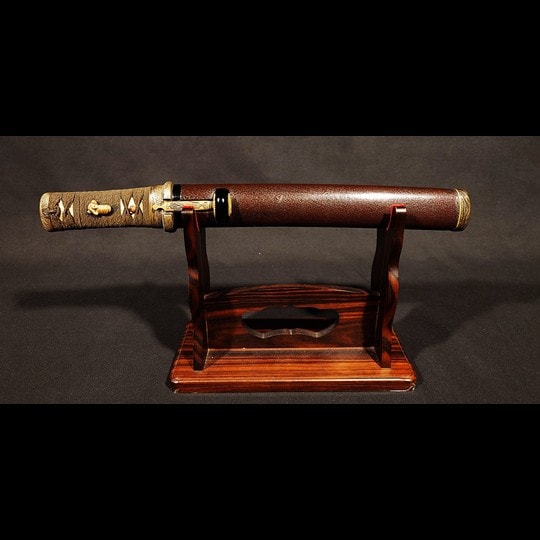
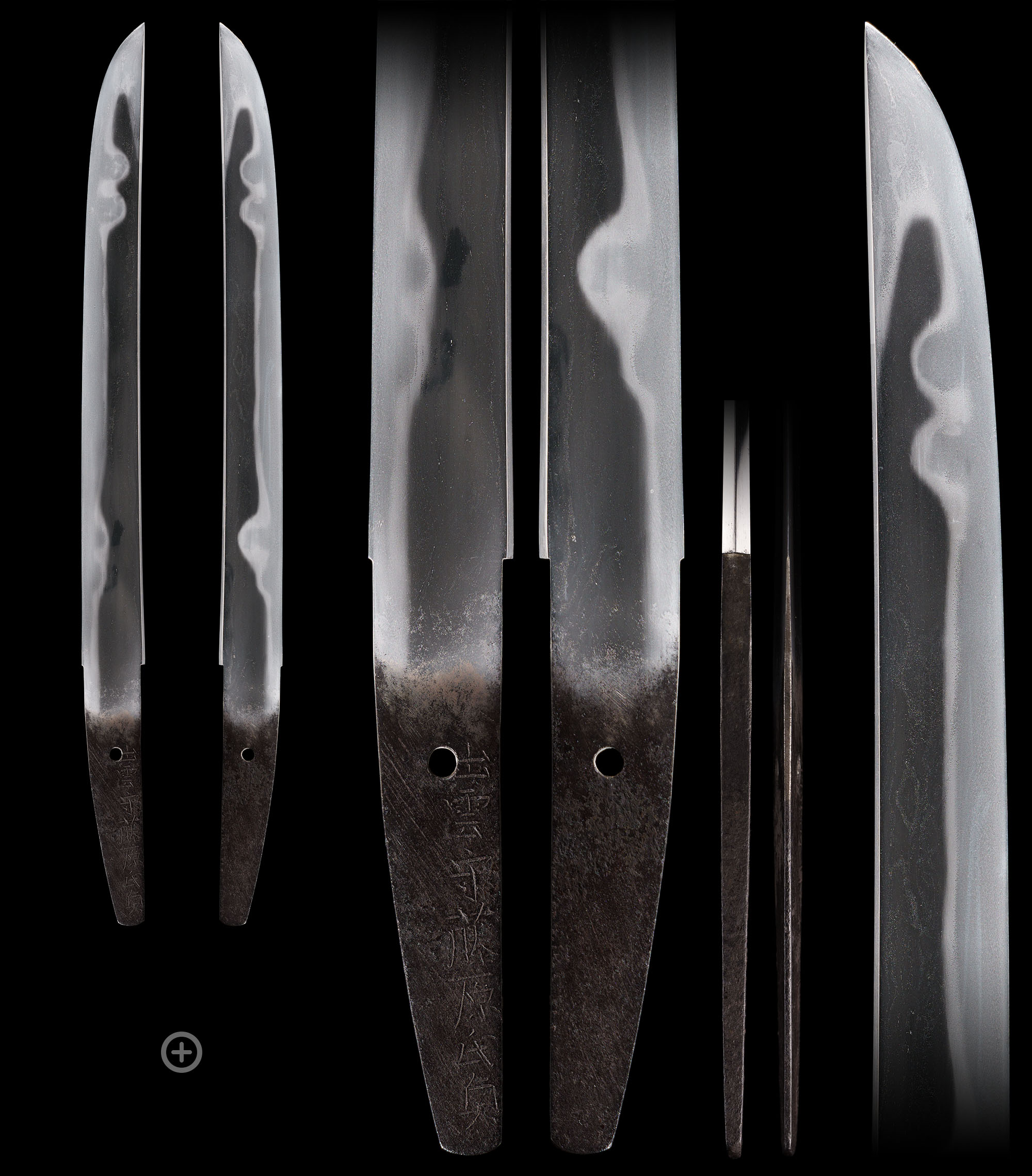
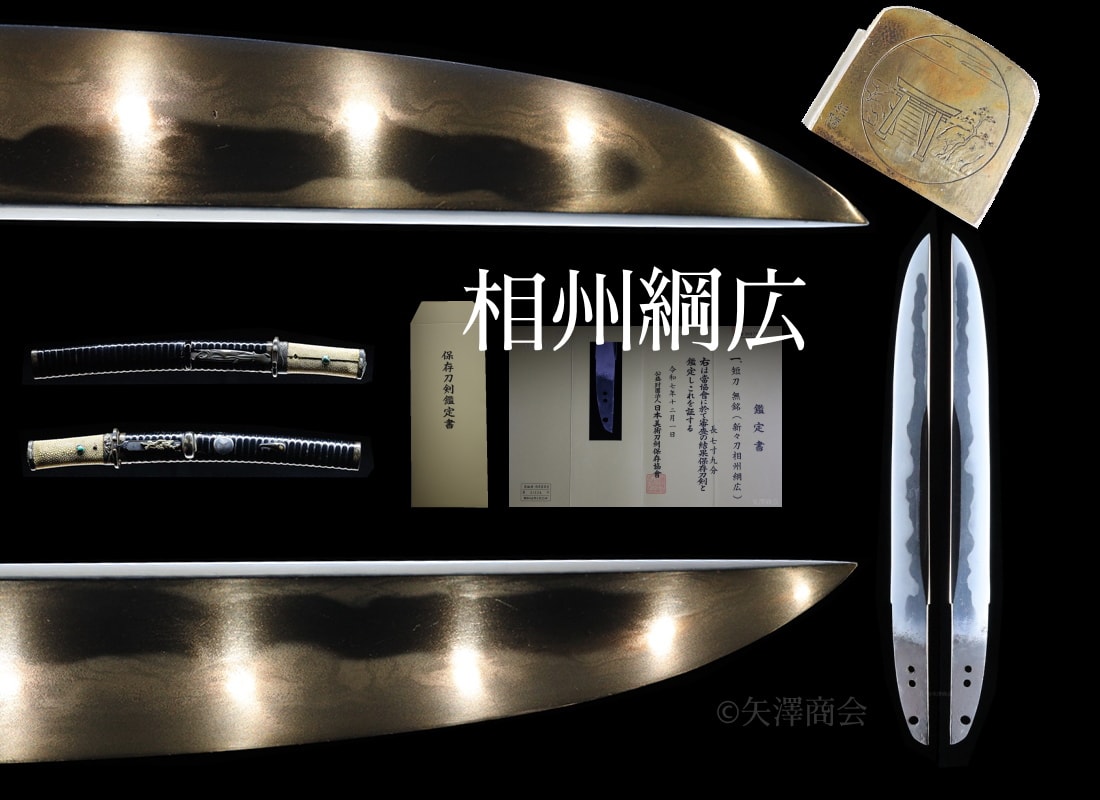
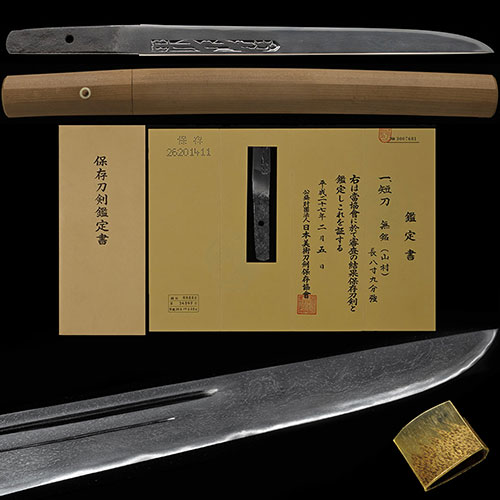
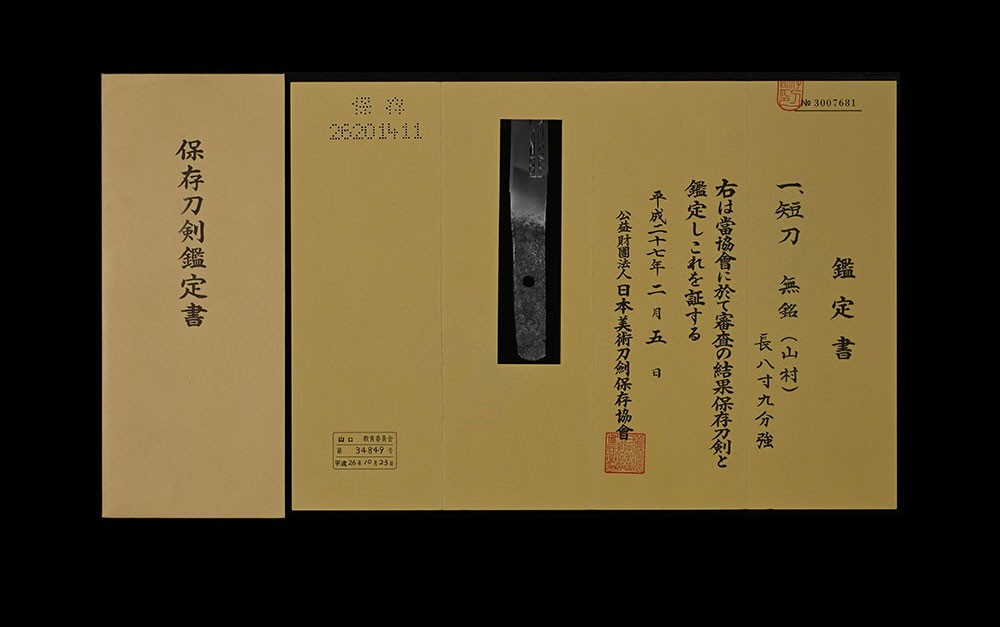
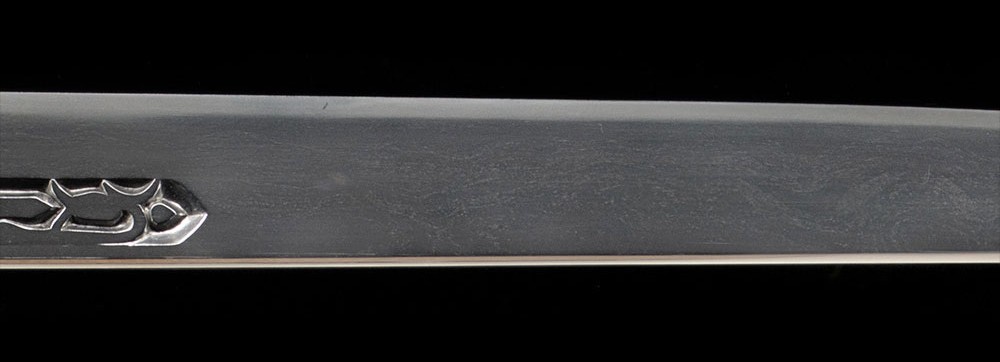
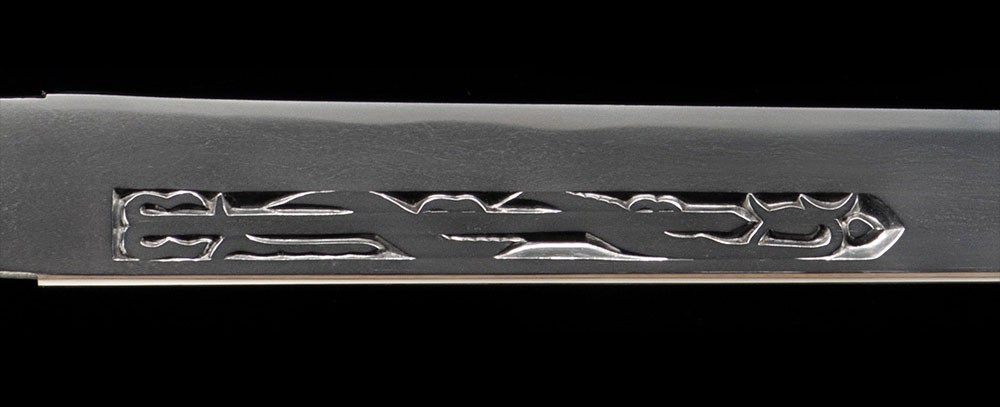
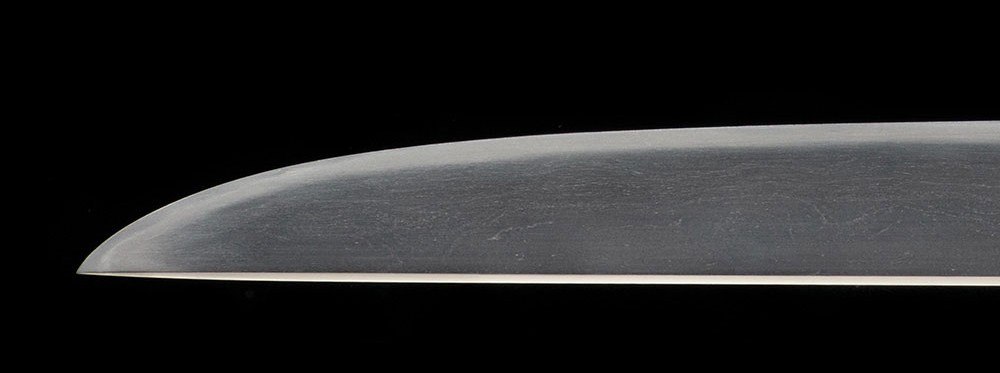
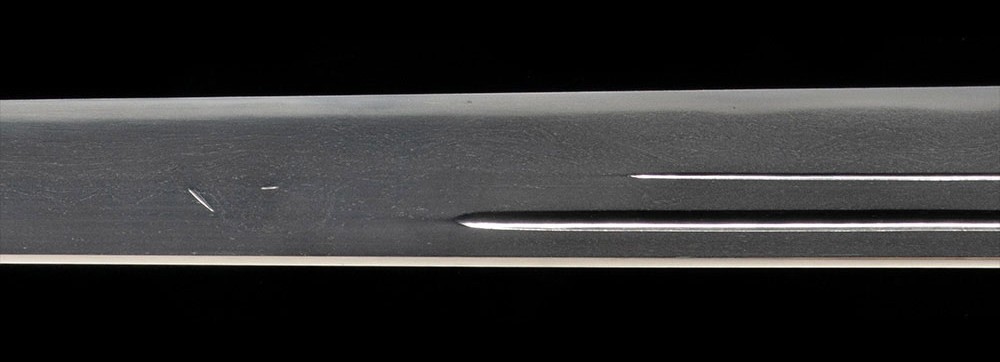
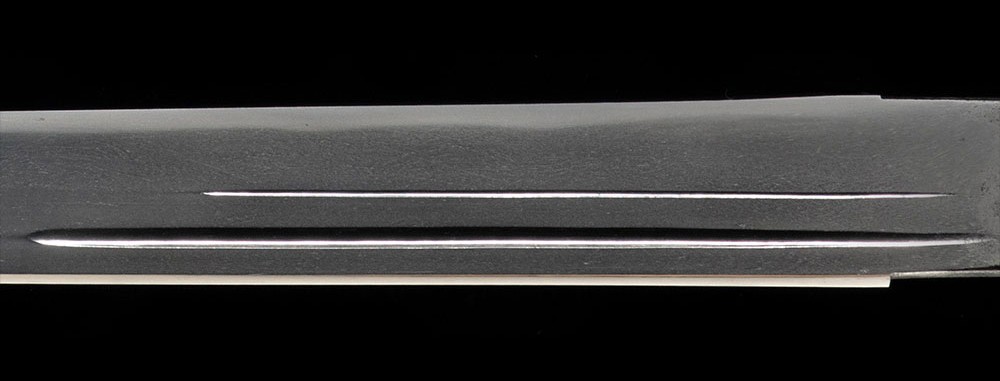
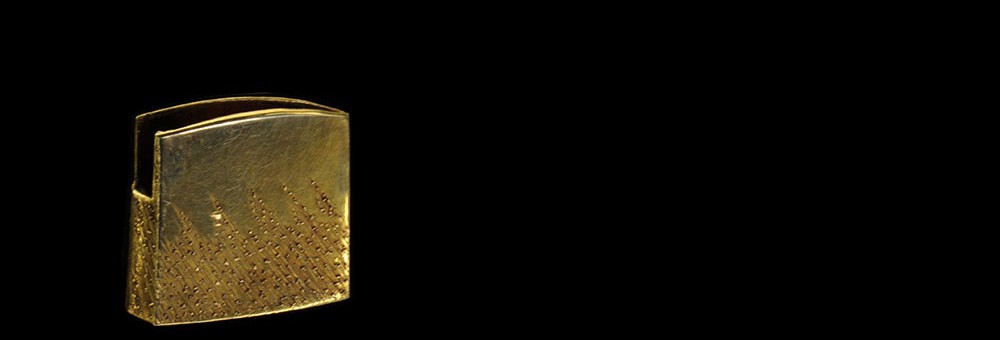
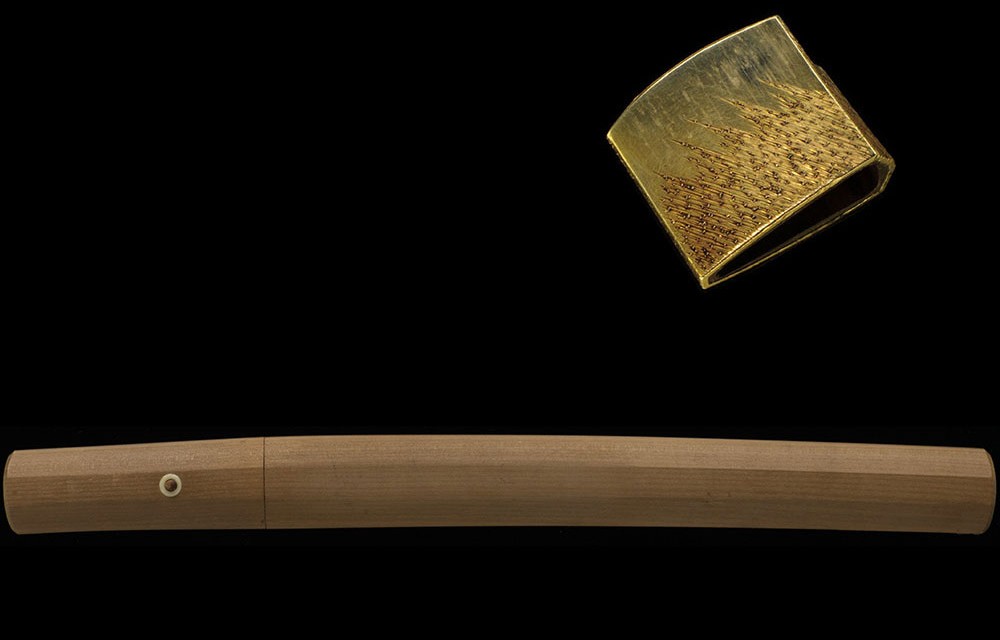
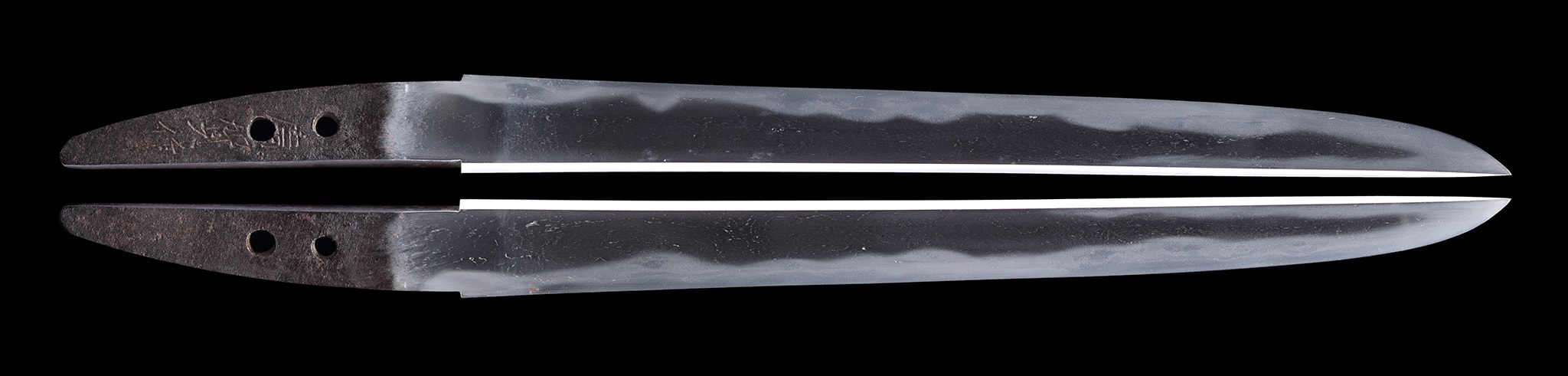
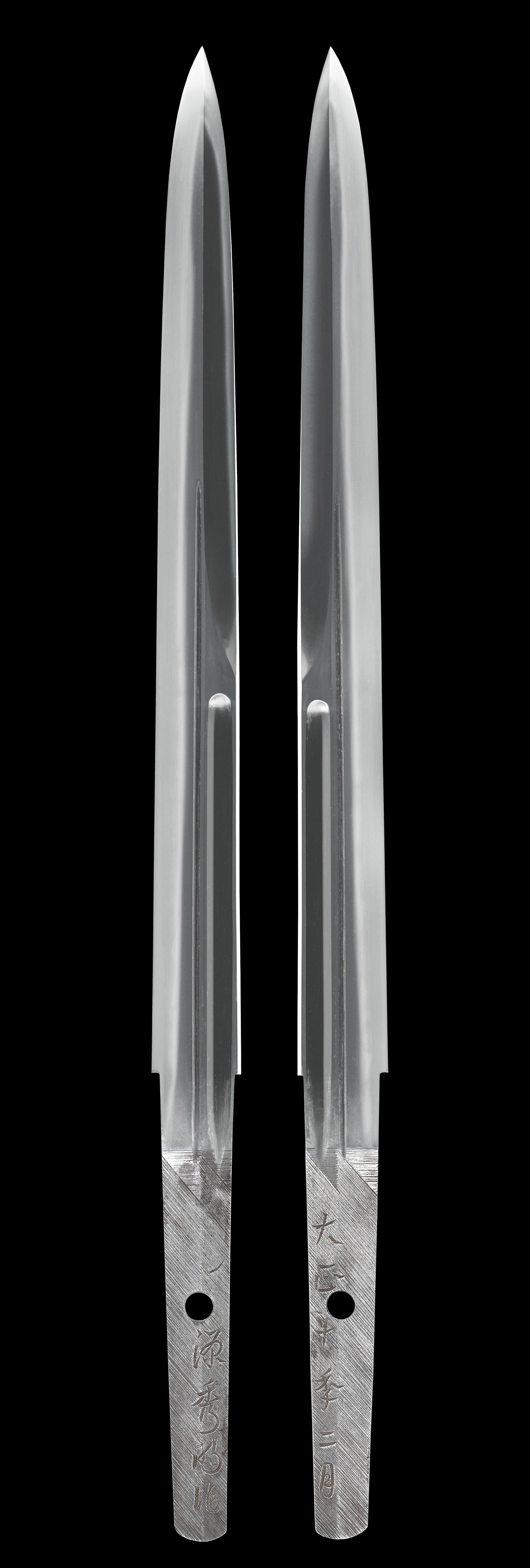
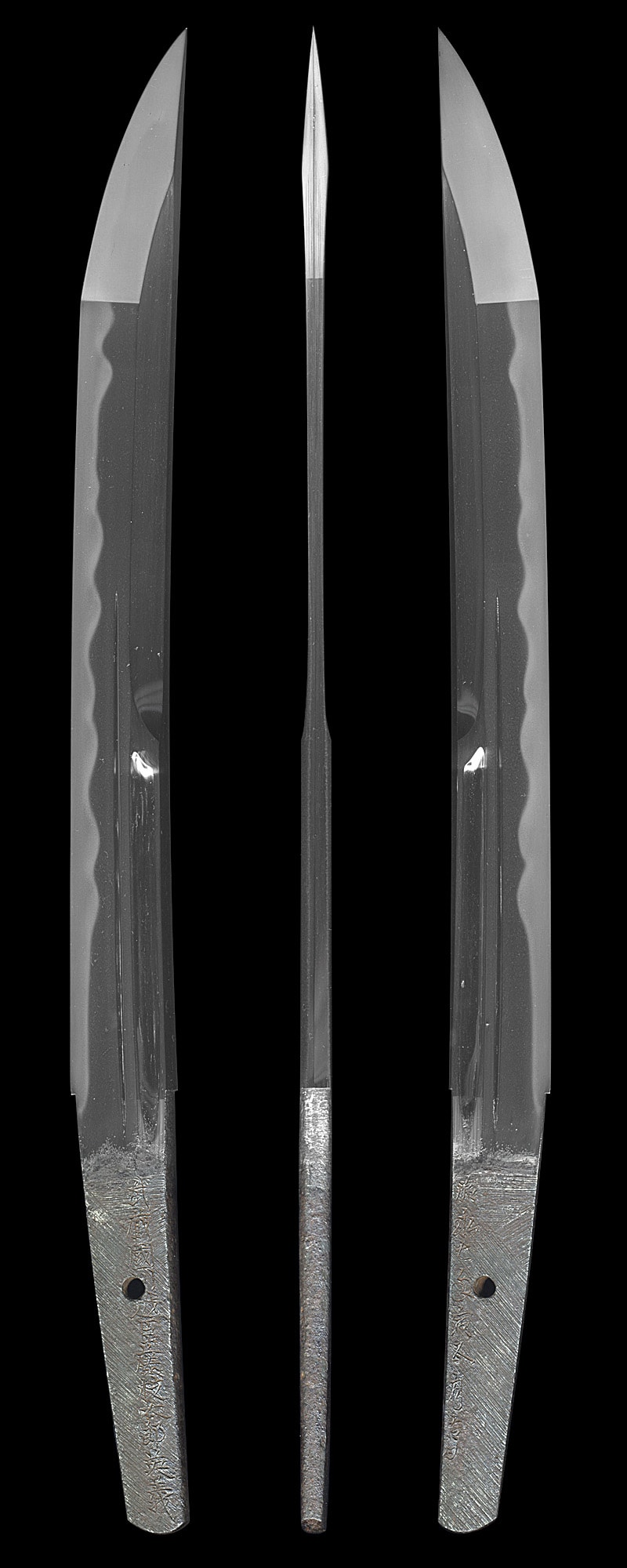
This is a Sun-nobi Tanto by Yamamura Nobukuni, the nephew of the first generation Nobukuni, from the Nanbokucho period (Ouan era). It features a Hiradukuri shape with a slightly thin kasane and uchi-zori. The blade exhibits a bright nioikuchi, itamehada-tsumi jigane, and a suguha-style hamon with small gunome and yubashiri. It is accompanied by an NBTHK Hozon Token certificate.
Certificate reading — 無銘(山村)
 NihontoWatch
mei · Nanbokucho · nagasa 27.1cm
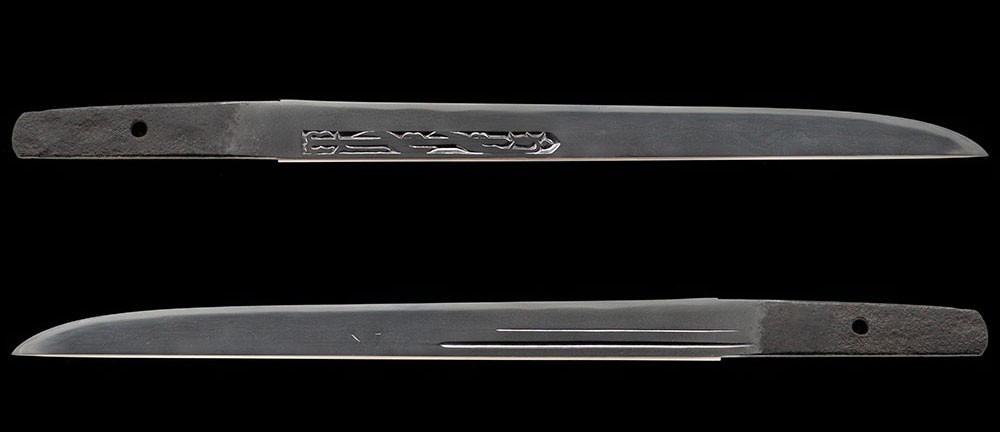
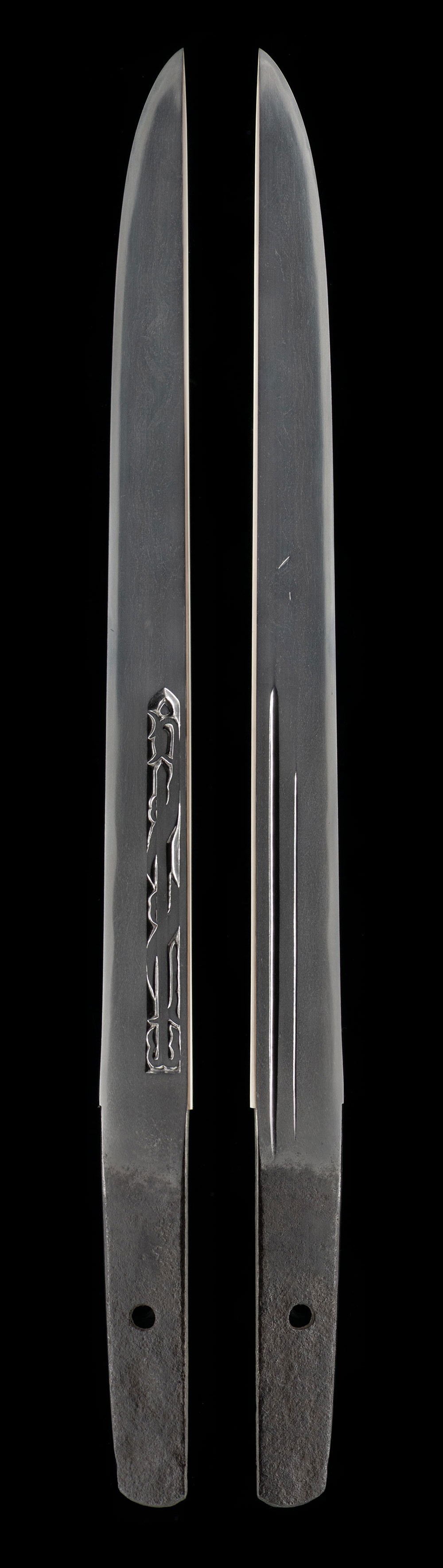
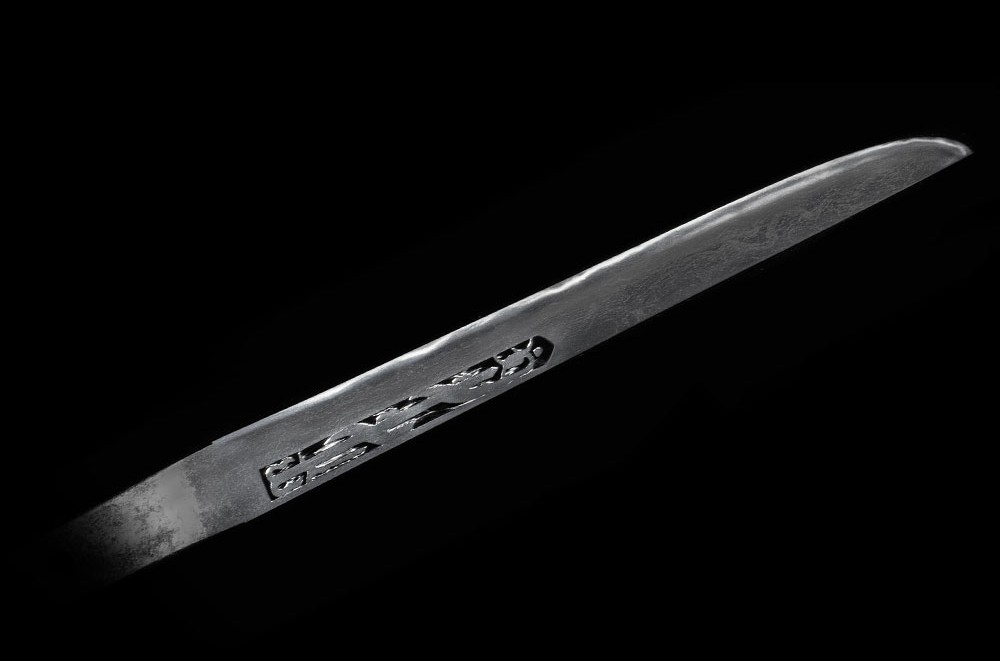
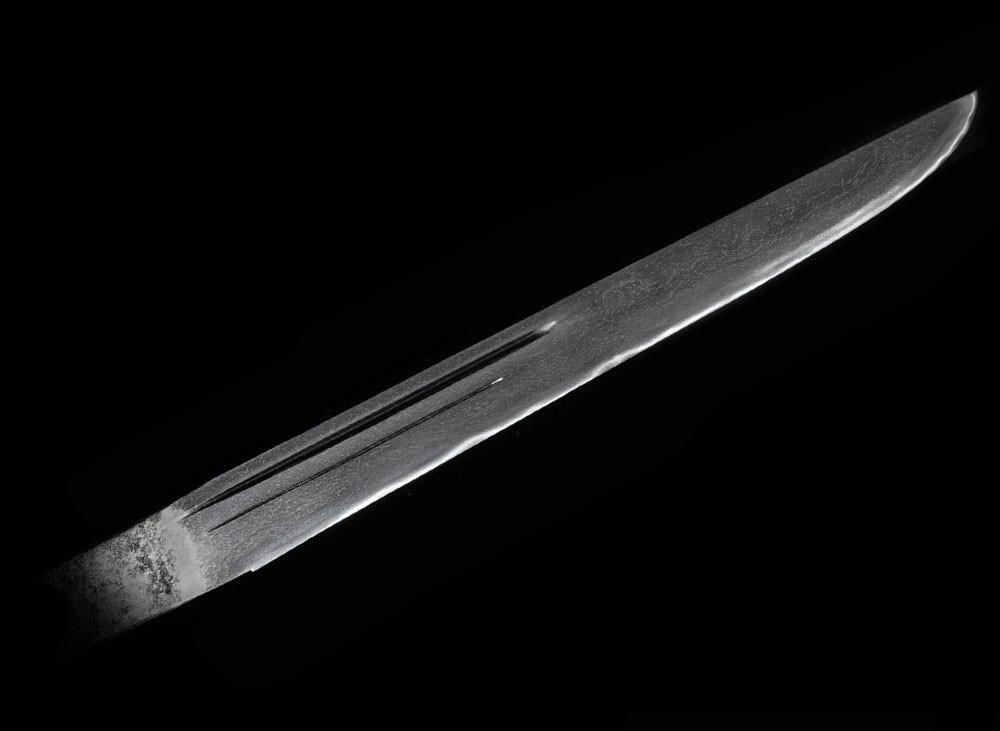
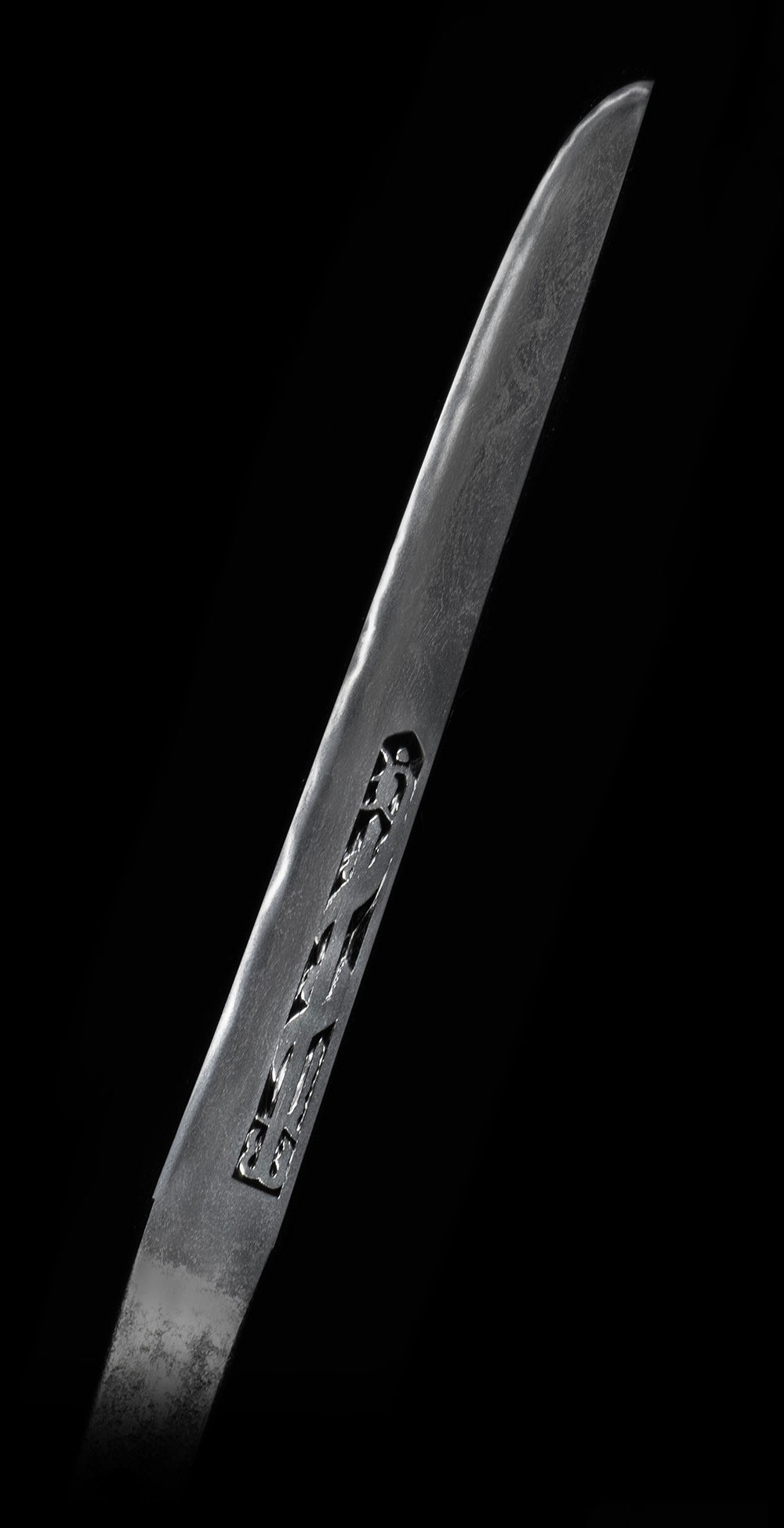
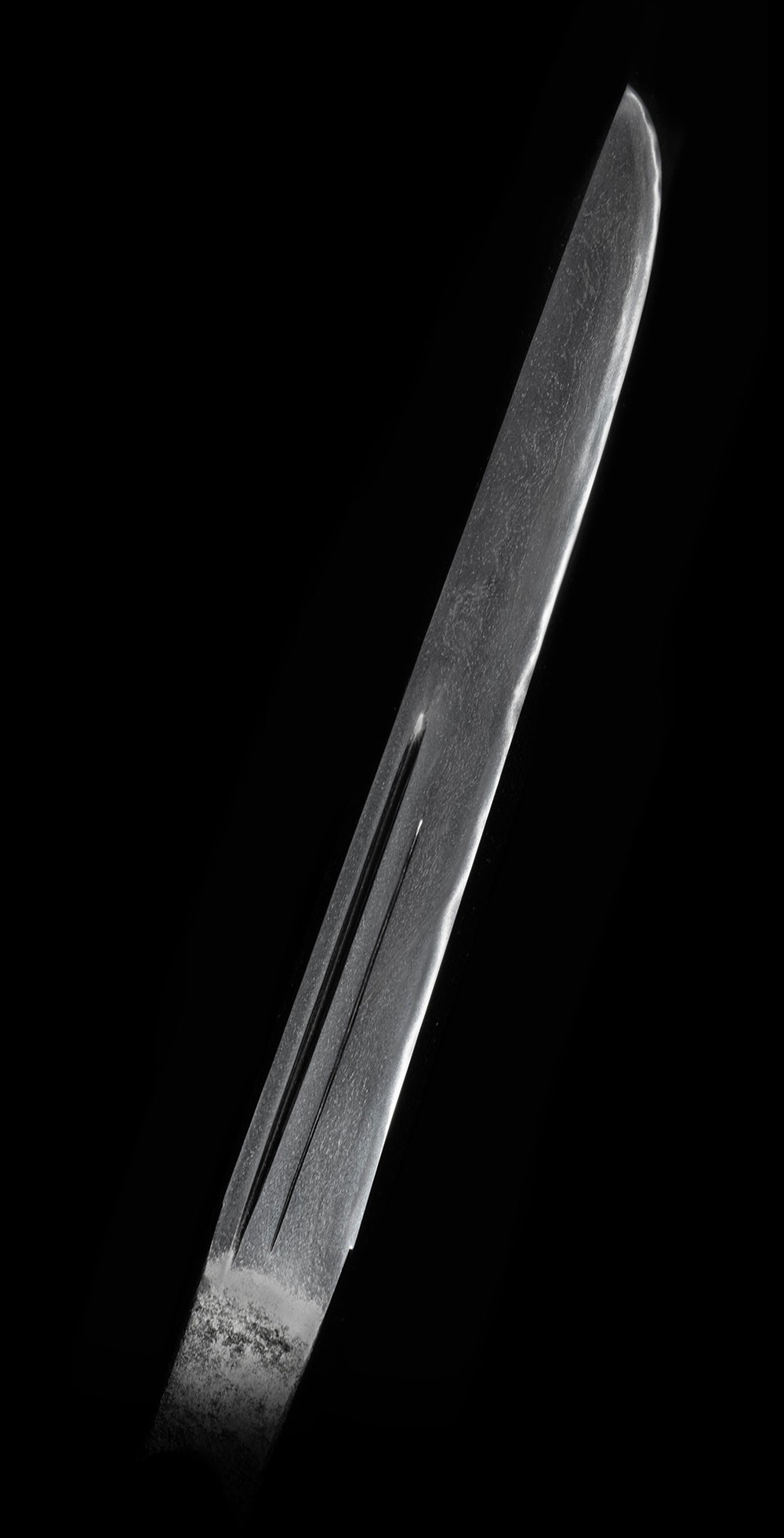
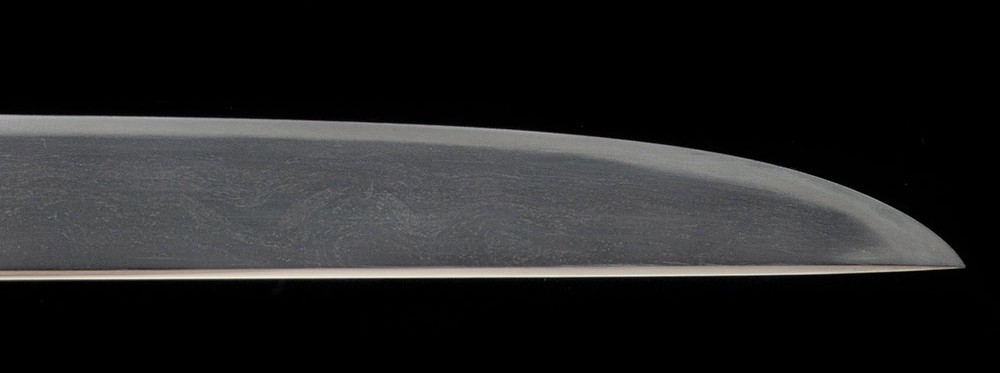
Echigo · around 1368-1375
1 piece on the market now
The Nanbokuchō period (1333 to 1392)
Two courts, sixty years of war, and the most dramatic silhouettes in the sword’s history: broad blades, extended points, true ōdachi later cut down into the majestic katana collectors prize. The Sōshū manner was the style of the age.
Certifies a genuine blade worth preserving: a signature confirmed correct, or, if unsigned, an era, province, and school that the NBTHK can reliably identify.
The NBTHK (Nihon Bijutsu Tōken Hozon Kyōkai, the Society for the Preservation of Japanese Art Swords) is a public-interest incorporated foundation founded in 1948 and supervised by Japan’s Agency for Cultural Affairs (Bunkachō); it is based at the Japanese Sword Museum in Tokyo. Its expert panels physically examine each submitted work (shinsa) and issue a certificate (kanteishō) ranking it by artistic and historical merit. NBTHK papers are the most widely recognized standard of authentication for Japanese swords and fittings.
NBTHK official siteReturns/exchanges/cancellations not accepted after shipment except for significant defects; if defective, return/exchange possible within 3 days of arrival (return shipping paid by customer).
¥350,000