Description

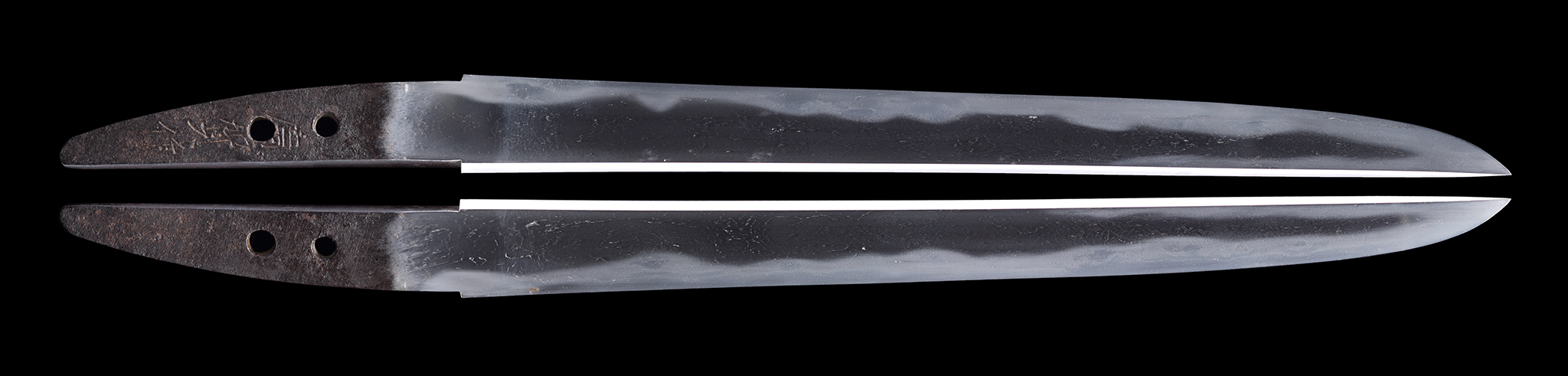
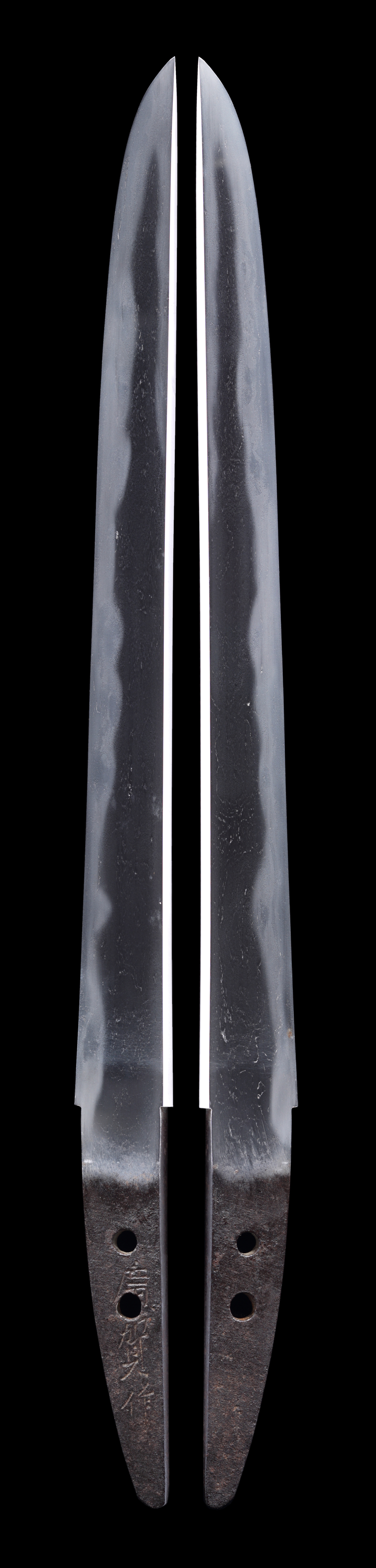
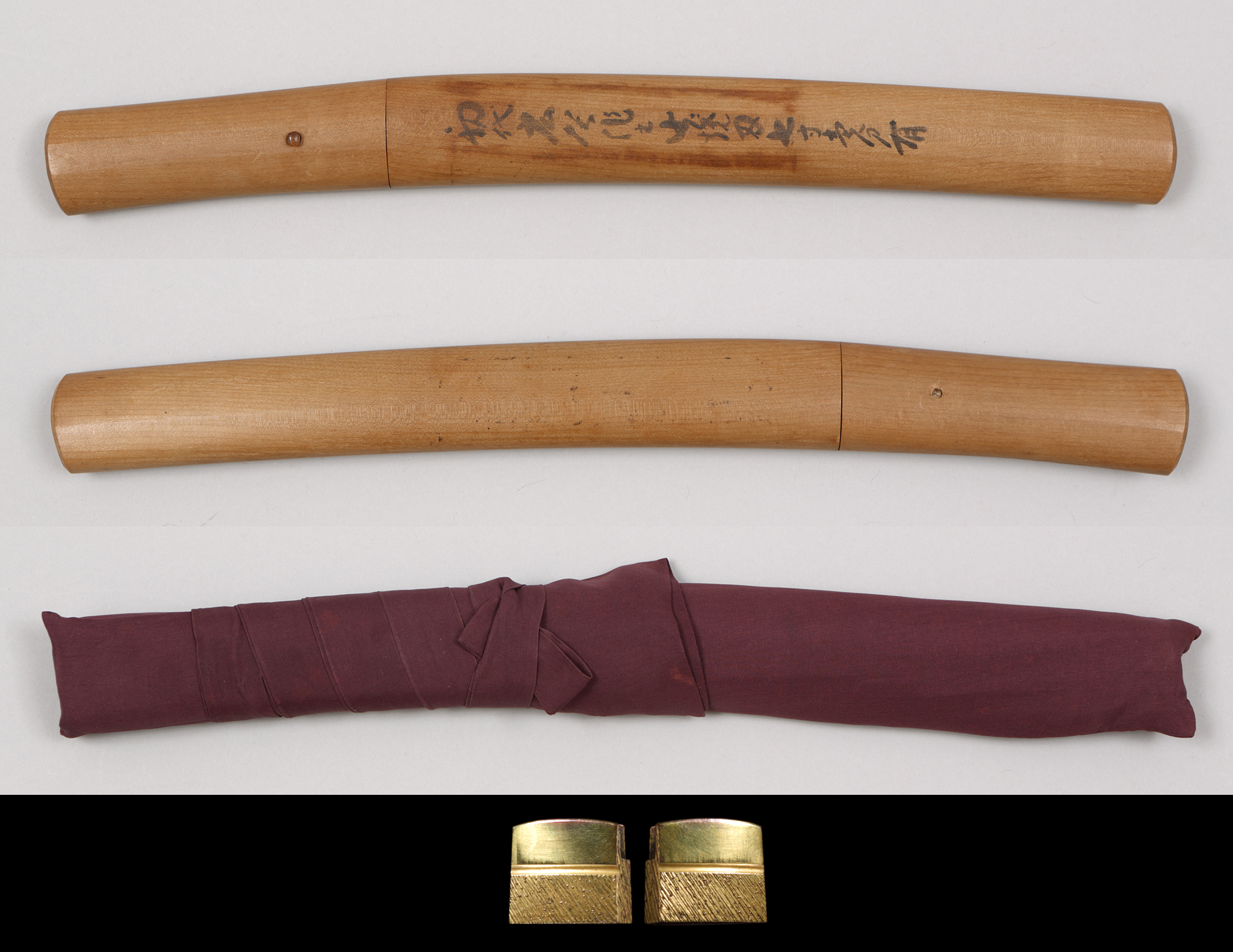
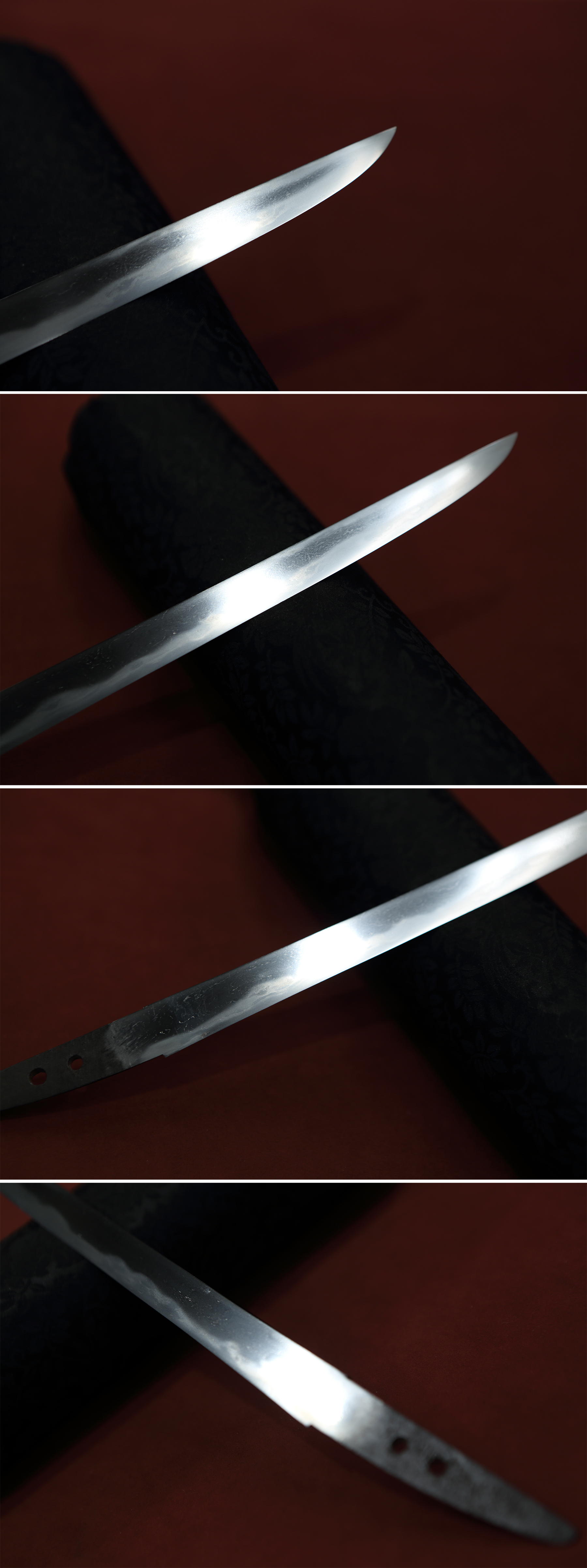
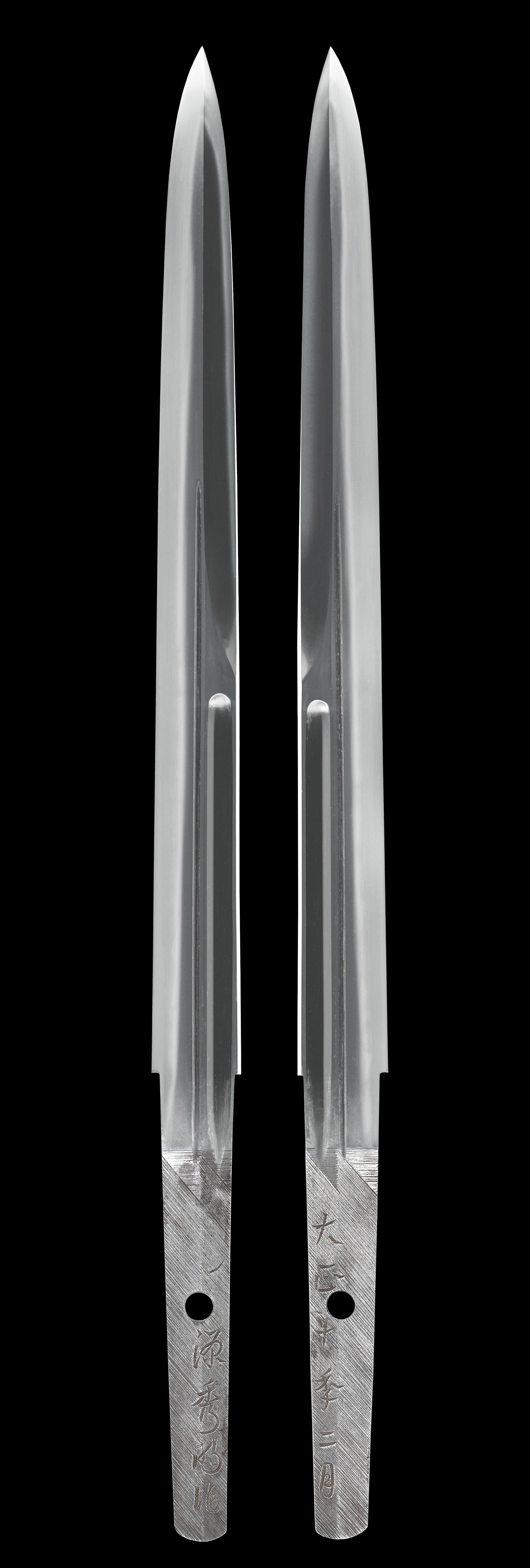
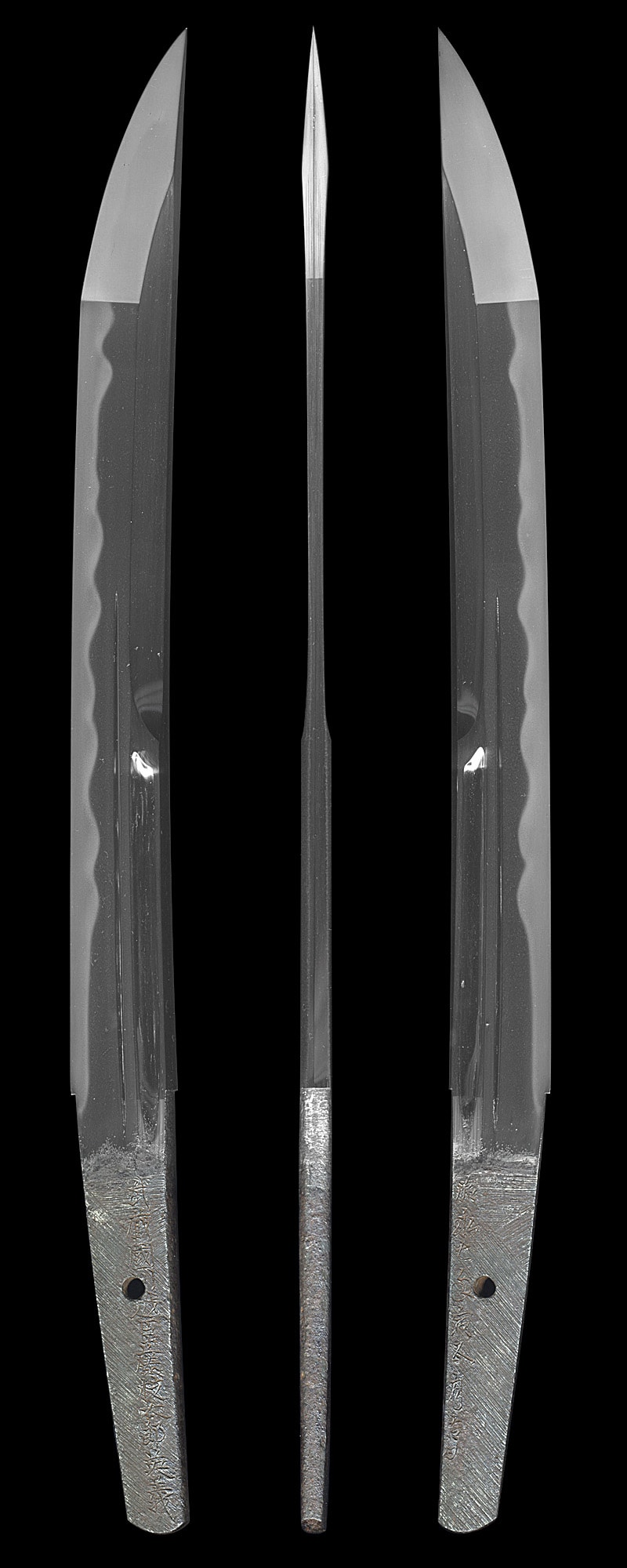
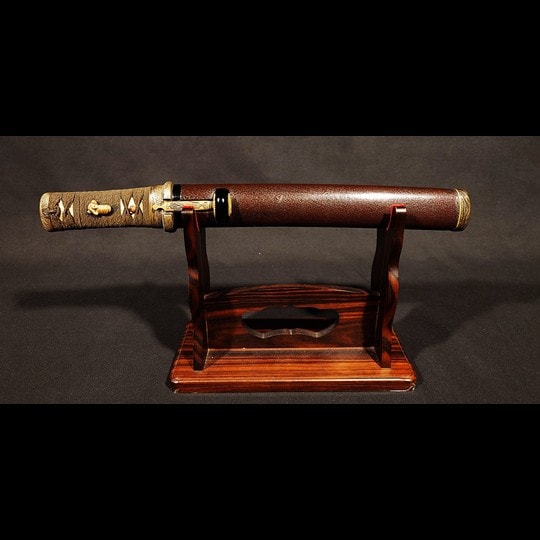
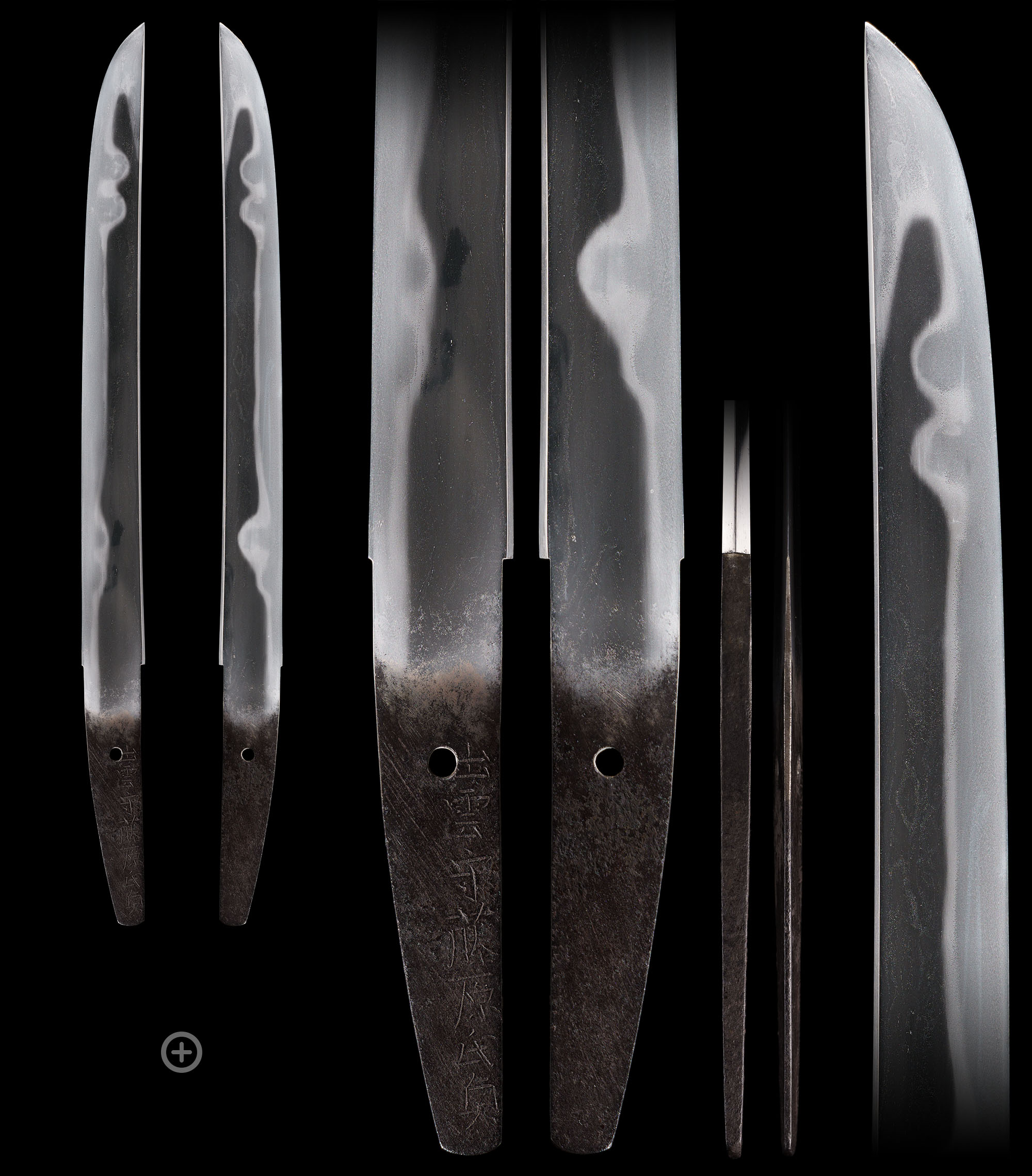
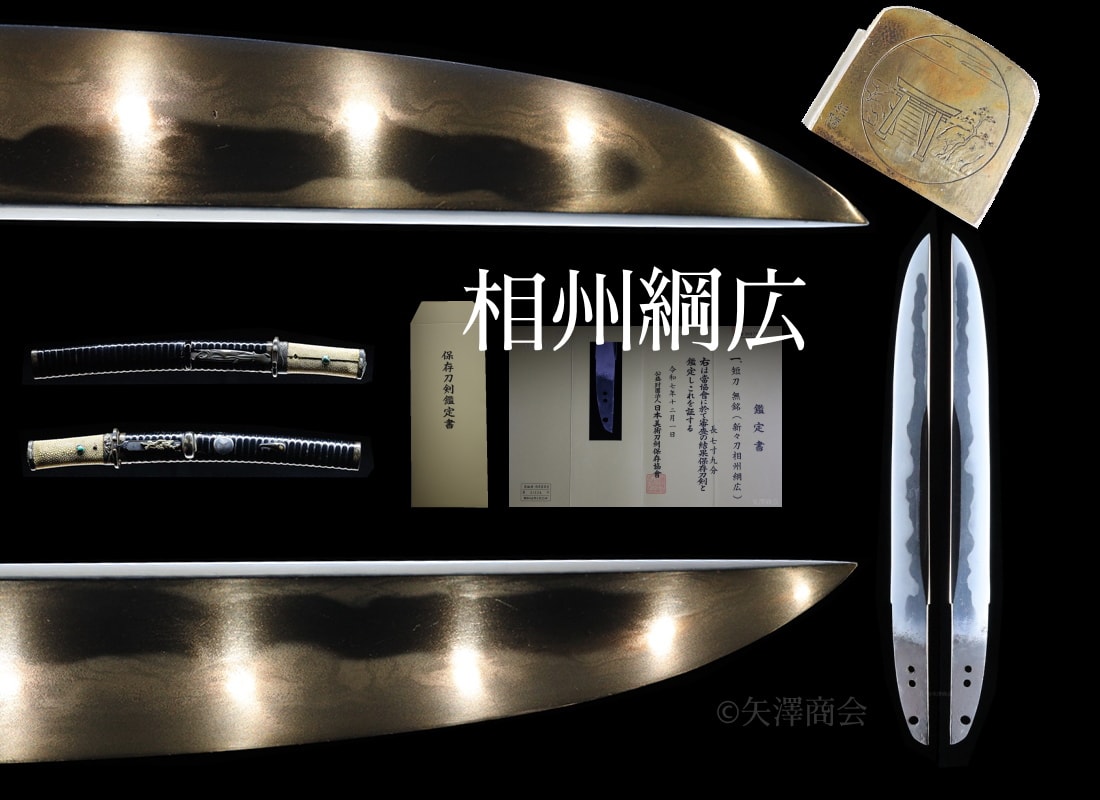
This is a tanto by Hiroga from the late Muromachi period. The blade features a hirazukuri shape with an iorimune, standard width and thickness, and a small tanagobara-shaped nakago. It comes with a habaki, shirasaya, shirasaya bag, registration paper, and Hozon Token certificate.

短刀 白鞘入り

短刀 白鞘入り

Tantō

¥350,000

Tracked across 76 dealers worldwide · price history · sold archive

Specifications

Nagasa

21.6 cm

Motohaba

2.08 cm

About the school

Hoki School伯耆派

1 Jūyō Tōken

The Hoki school takes its name from Hoki province on the San'in coast, the northern slope of the country facing the Japan Sea, and it sits in the oldest stratum of the curved Japanese sword. Its founding figure is *Yasutsuna*, the representative master of Ko-Hoki (古伯耆), a smith the published sources place in the late Heian period, roughly contemporary with Sanjo Munechika and working at the moment the blade was passing from the straight *chokuto* into the curved *tachi*. Around him the commentary gathers a small founding circle, the *Ohara* group, named for the locality of Ohara: *Sanemori*, transmitted as Yasutsuna's son and the second master of the line, together with *Aritsuna*, *Sadatsuna*, Yasuie and *Sanekage*, a body that flourished from the late Heian into the early Kamakura period. *Kunimune* of Hoki carries the inheritance on toward the Kamakura age. Signed work survives at this depth of antiquity only in scattered numbers, most abundantly under Yasutsuna, so that the school is studied as much from the steel as from the inscription, and Yasutsuna's name itself approaches the legendary through the *Meibutsu* Dojigiri Yasutsuna. What binds the members is a shared vocabulary the published records return to on blade after blade. The *jigane* is forged in *itame* mixed with *o-itame* and *mokume*, the grain standing open in large pattern, at times flowing into *nagare-hada*; thick *ji-nie* adheres, *chikei* enter, and patchy *jifu* with a *jifu-utsuri* or *midare-utsuri* drifts across a steel of darkish, iron-grey tone. Over that dark *ji* the temper rests on a *suguha* base broken into *ko-midare*, with *ko-choji*, *ko-gunome* and *ko-notare* mingling so that the whole pattern stays small in scale, the *nie* lying thick, the *nioiguchi* clouded into *urumi* and *shizumi-gokoro* rather than the clear bright line of Bizen, and *kinsuji*, *nie-suji* and *sunagashi* weaving insistently through the *ha*. The *sugata* keeps the archaic Heian silhouette, slender, with high *koshizori* and *funbari*, narrowing to a small *kissaki*, and many blades drop the temper above the *machi* in *yakiotoshi*, the *boshi* running straight to a small *ko-maru* or *yakizume* swept with *hakikake*. Within this common ground the members diverge by degree: Yasutsuna's *midare* runs larger and his upper *hamon* mixes *ko-gunome* and *ko-notare* in an independent form; Sanemori's pattern is smaller in scale and more archaic in tone, his signature cut in a long six-character *mei*; Sadatsuna divides into a rustic unsigned register and a finer signed one that brightens toward Bizen; Kunimune's best pieces break the upper edge into banded *nijuba* and *sanjuba*. In *kantei* the recurring task is to hold Hoki apart from old Bizen, whose contemporaneous *ko-midare* it superficially resembles. The published sources draw the distinction on close view: where Ko-Bizen steel is bright and tight, the Hoki *ji* stands open and dark, the *itame* large and conspicuous, the *nioiguchi* clouded, and the *kinsuji* and *sunagashi* work through a softer, more provincial edge, what the commentary calls a rustic flavor carrying an ancient fragrance. A thread of Yamato spirit is read in certain blades as well, and Sadatsuna's *o-sujikai* *yasurime* link him toward Aoe even as the settled judgment keeps him in Ko-Hoki. The Aritsuna manner, the standing *nie*-laden *itame* with its small *midare*, is named among the acknowledged sources Masamune and Norishige took as their ideal in founding the Soshu tradition. Yasutsuna and Sanemori stand at the head of the school, Yasutsuna graded Sai-jo saku and his hand the working definition of Ko-Hoki, to which archaic unsigned blades gather as *den* attributions. Named works fix the standard, the Dojigiri Yasutsuna above all, alongside the *kodachi* bearing the added character *Katsu* and the carved *tachi* referenced to the Kishu Toshogu. Provenance runs through the houses that held the country, the Toyotomi, the Tokugawa, the Maeda, the Satake, the Shimazu and the Imperial line, with blades now resting in shrines and museums and a privately held example among the rarest encounters the field can offer.

Dealer

Touken Komachi

toukenkomachi.com