Edo was the sword’s age of connoisseurship: the Hon’ami appraisers, the shogunal register of famous blades of 1719, and a thriving literature turned the sword into an object of study even as it ceased to be drawn in war.
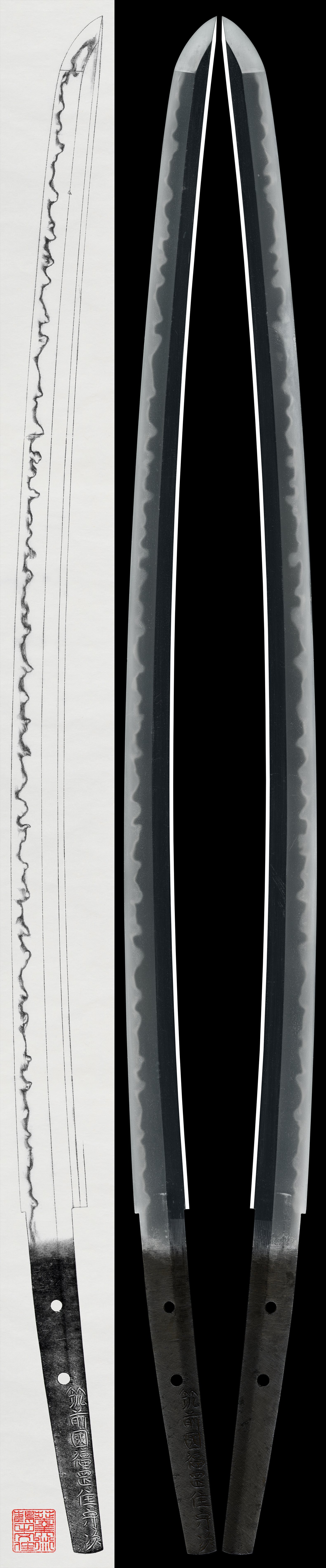
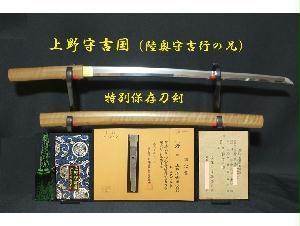
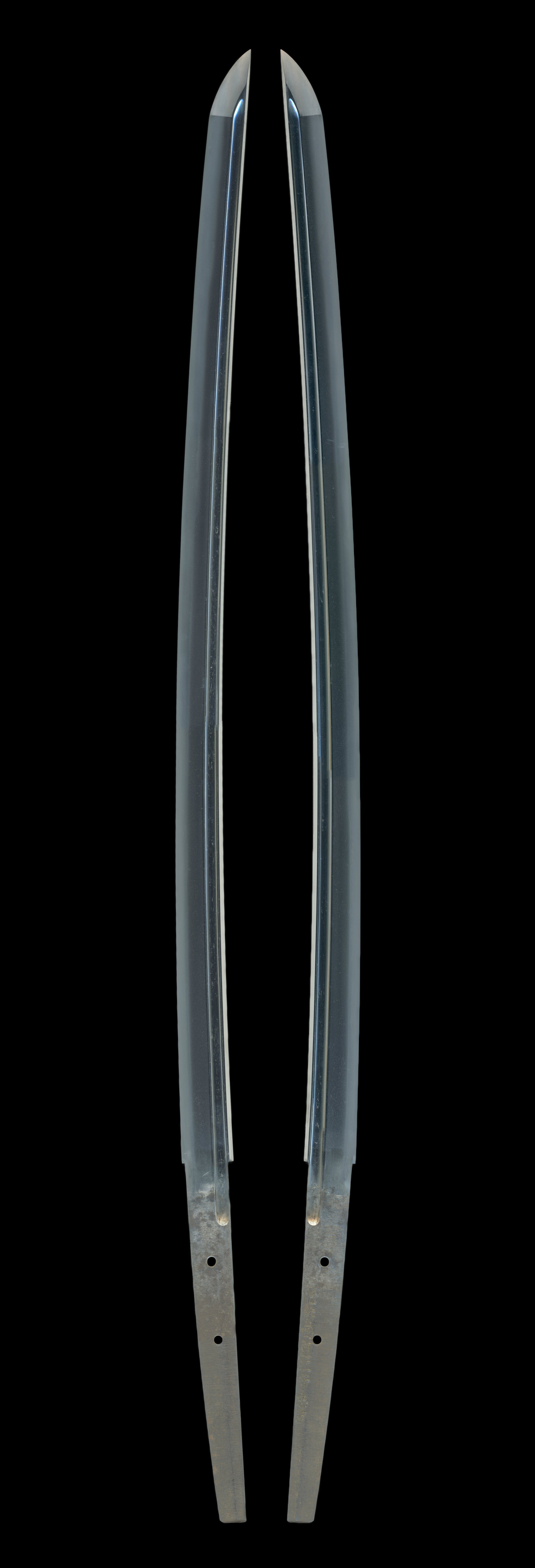
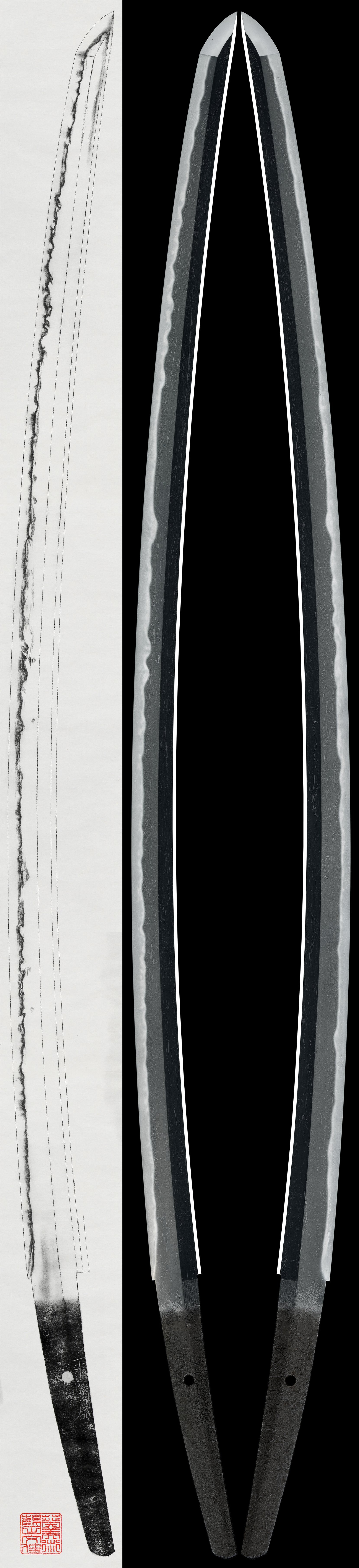
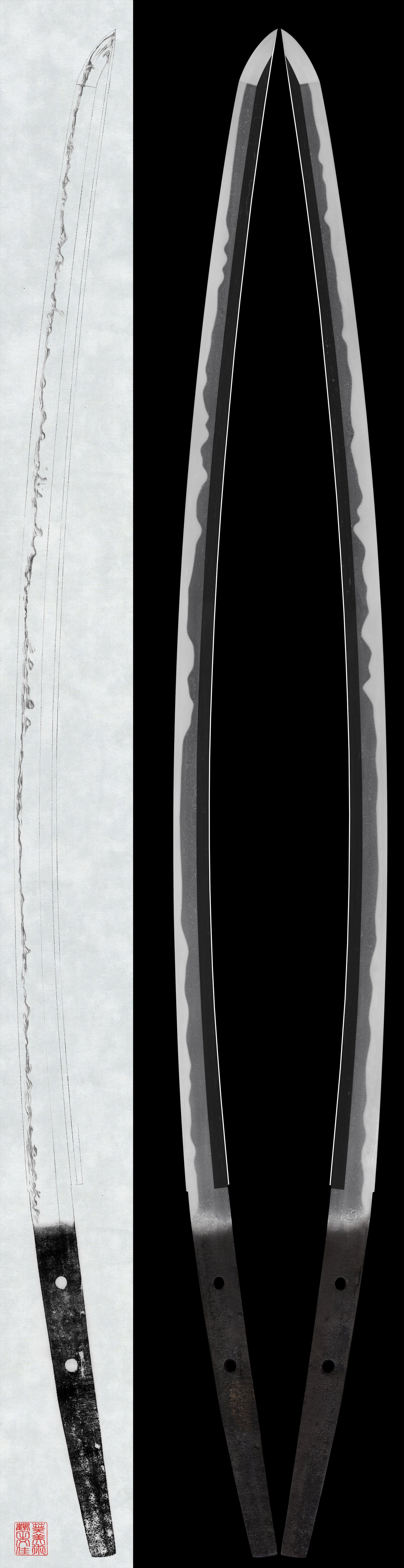
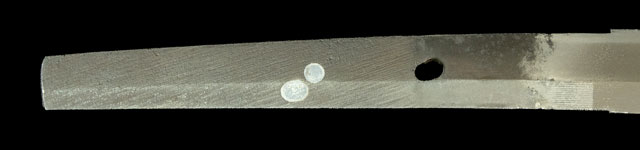
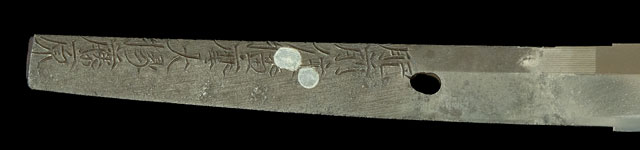
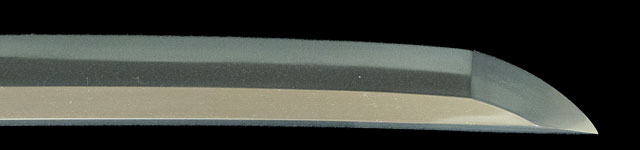
Katana Mei: Hizen Ju Harima Daijo Fujiwara (Remainder cut) Product Number 31-2577 Katana Hizen Ju Harima Daijo Fujiwara Province / Era Hizen, Kanbun With Koshirae, in Shirasaya Nagasa 71.4cm (2 shaku 3 sun 5 bu 6 rin) Sori 2.1cm (6 bu 9 rin) Motohaba 2.89cm Sakihaba 2.28cm Motokasane 6.1mm Sakikasane 5.5mm Toshin Weight 710g 1,100g excluding Saya Nakago Ubu Mekugi-ana 3 Hamon Suguha Price 550,000 Yen (Tax included) Jigane is Ko-itame hada, well-refined. Hamon is Ko-nie deki, thickly applied and bright. This is the first generation Tadakuni.
 NihontoWatch
signed · Shinto · nagasa 71.4cm · sori 2.1cm






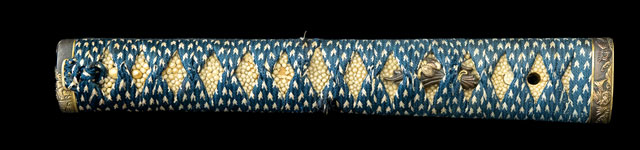
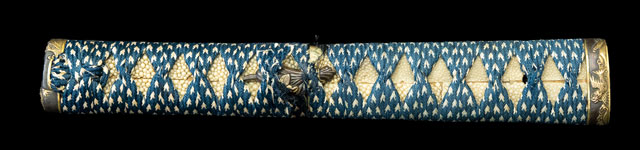
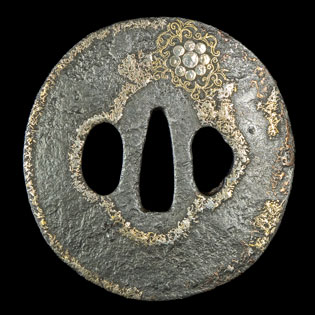
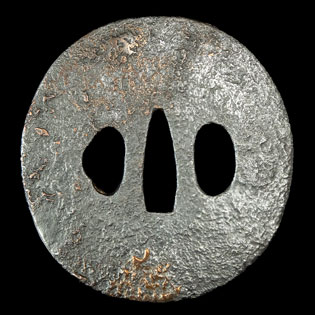
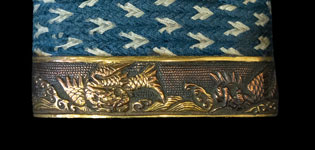
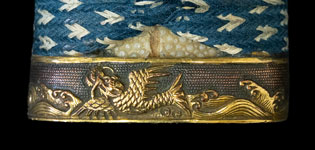
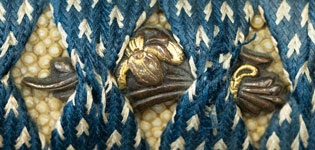
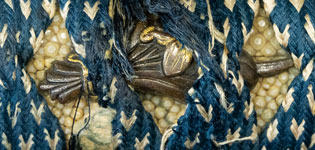
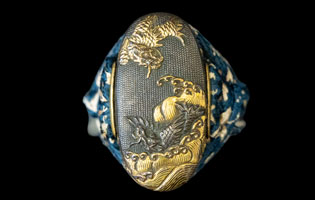
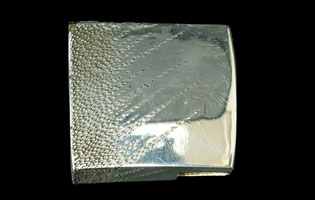
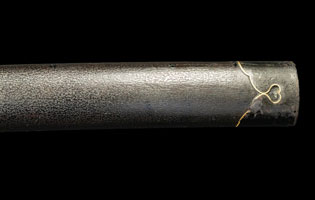
The Edo period (1615 to 1868)
Edo was the sword’s age of connoisseurship: the Hon’ami appraisers, the shogunal register of famous blades of 1719, and a thriving literature turned the sword into an object of study even as it ceased to be drawn in war.
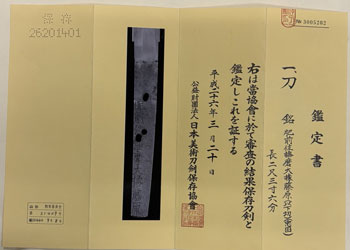
Certifies a genuine blade worth preserving: a signature confirmed correct, or, if unsigned, an era, province, and school that the NBTHK can reliably identify.
The NBTHK (Nihon Bijutsu Tōken Hozon Kyōkai, the Society for the Preservation of Japanese Art Swords) is a public-interest incorporated foundation founded in 1948 and supervised by Japan’s Agency for Cultural Affairs (Bunkachō); it is based at the Japanese Sword Museum in Tokyo. Its expert panels physically examine each submitted work (shinsa) and issue a certificate (kanteishō) ranking it by artistic and historical merit. NBTHK papers are the most widely recognized standard of authentication for Japanese swords and fittings.
NBTHK official sitePlease request cooling-off within 8 days of the item's arrival. Items that have been altered cannot be handled. Return shipping is the customer's responsibility. If the destination is overseas, returns and refunds are not available.
¥550,000