Around 1800 Suishinshi Masahide argued in his writings that the craft must return to the old masters’ methods: the fukkotō revival. His greatest successor Naotane worked convincingly in Bizen and Sōshū manners that had been dead for centuries.
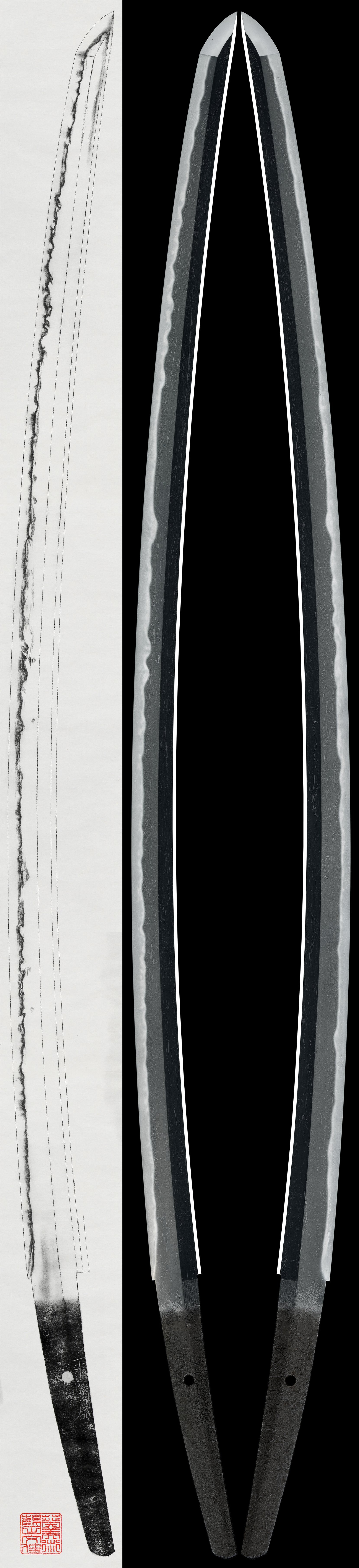
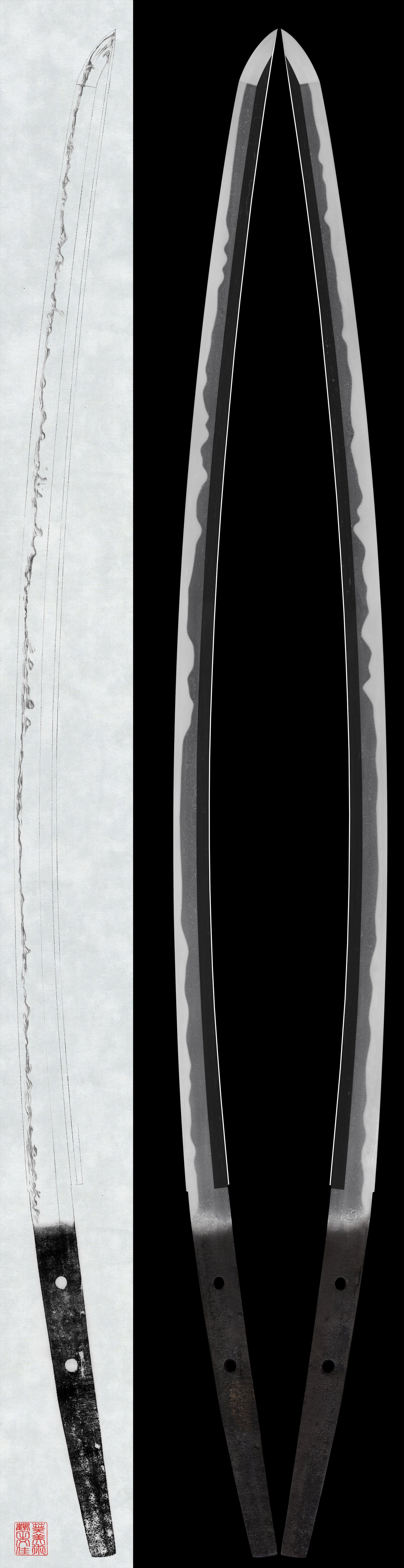
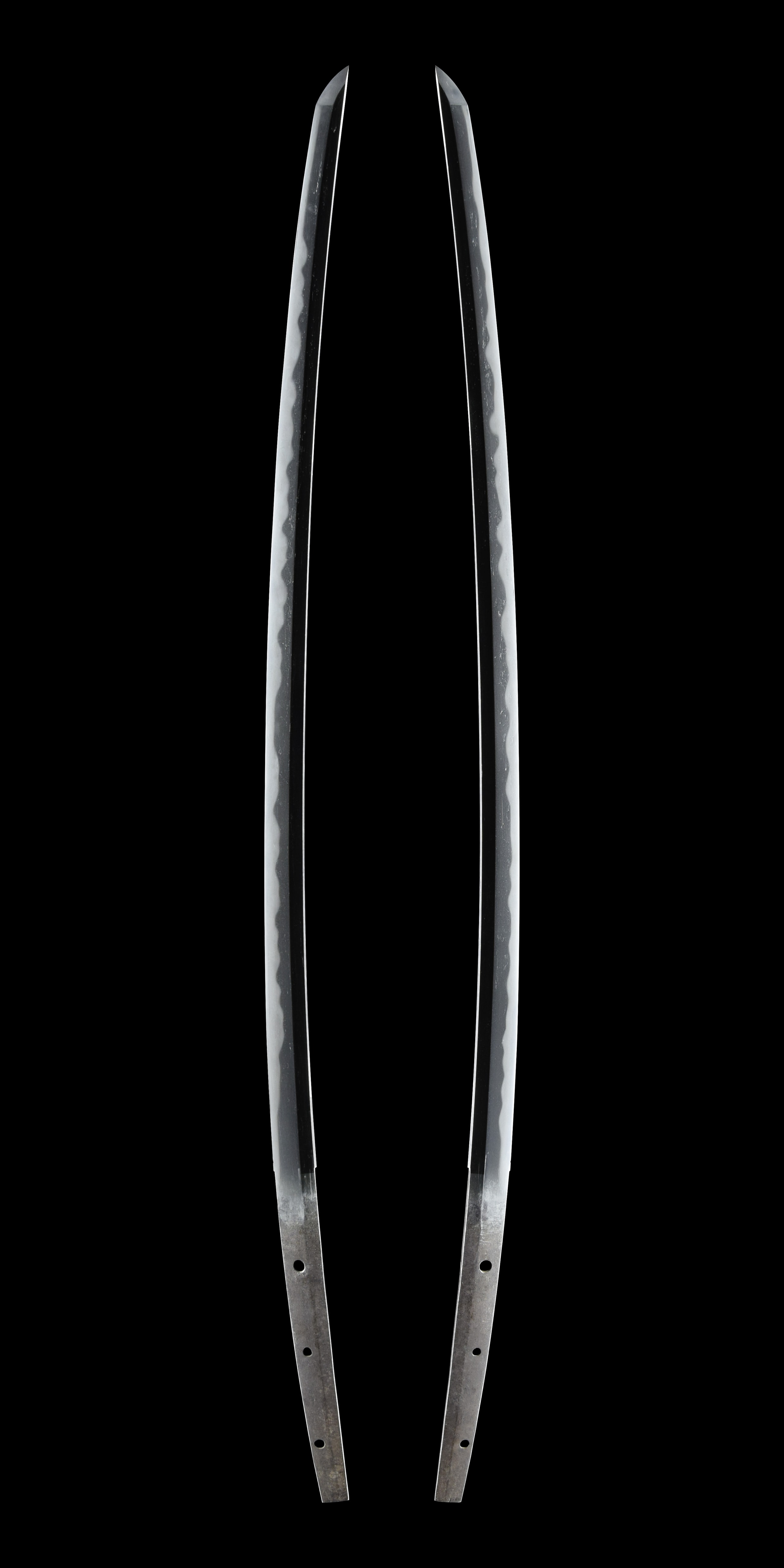
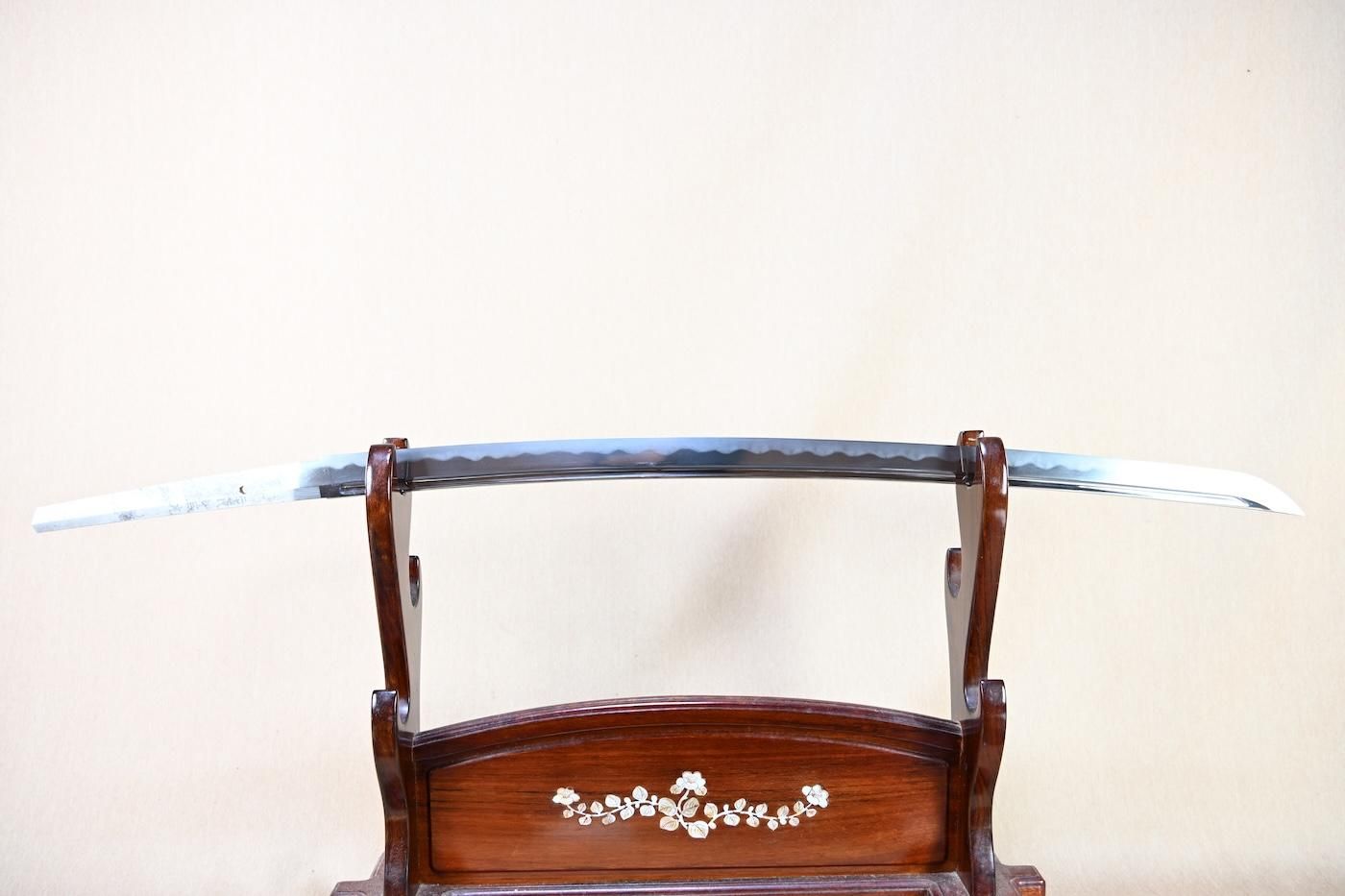
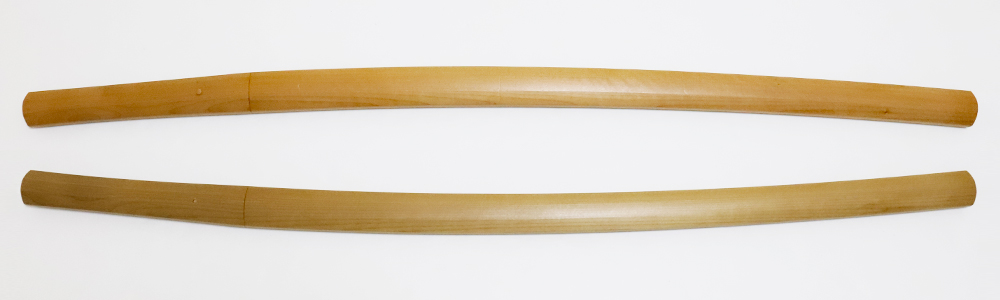
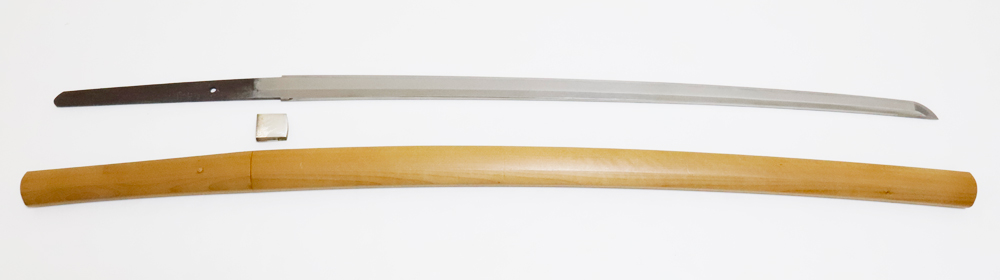
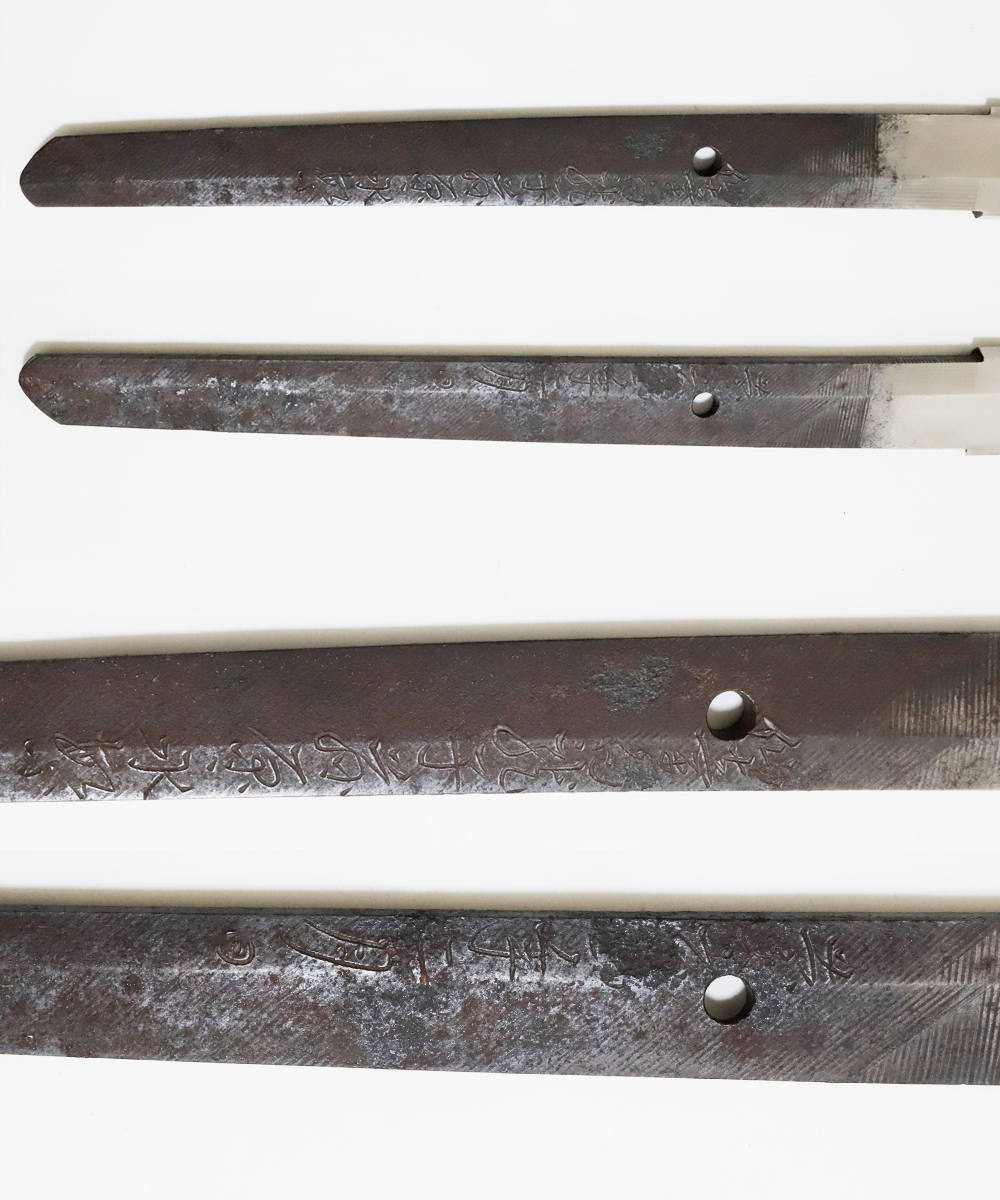
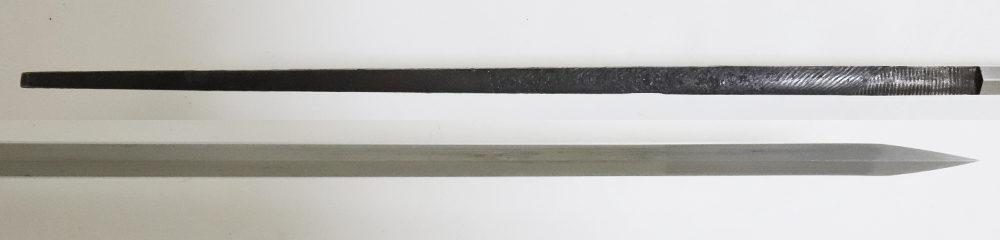
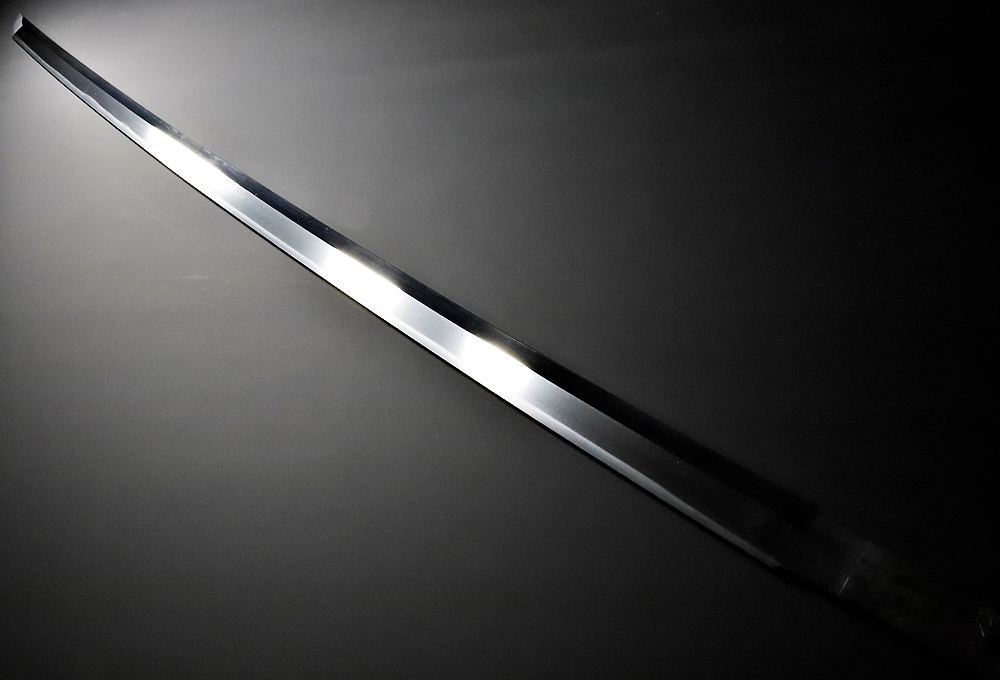
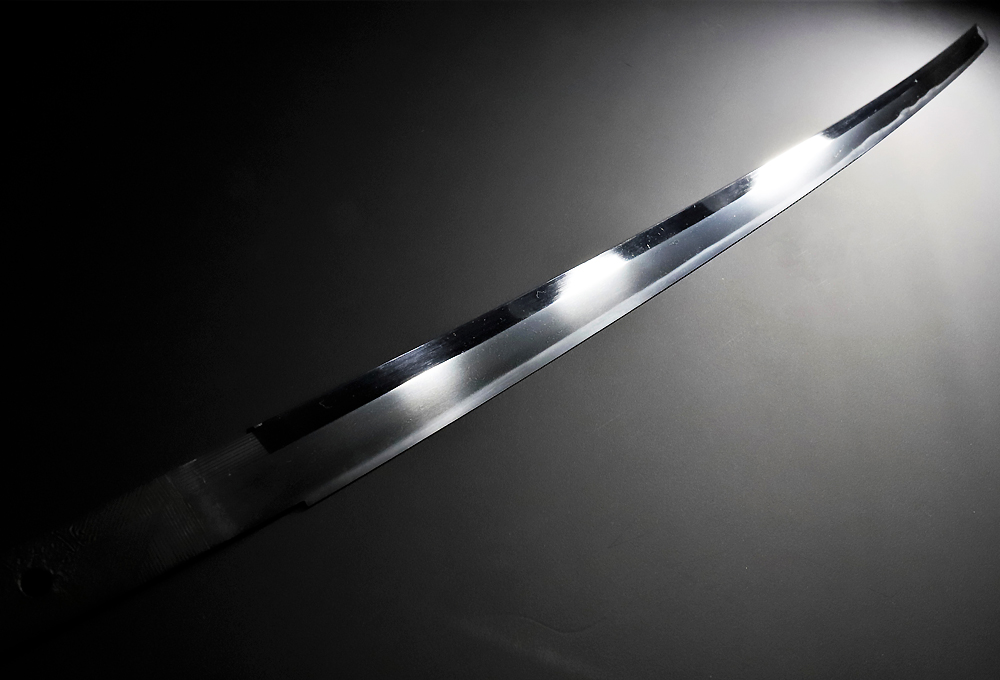
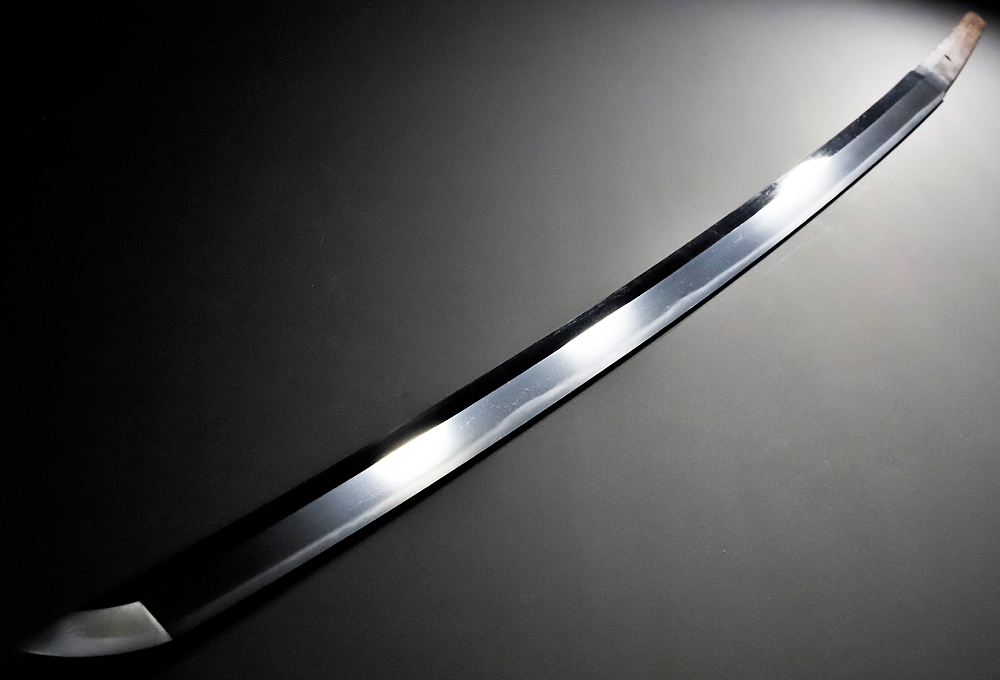
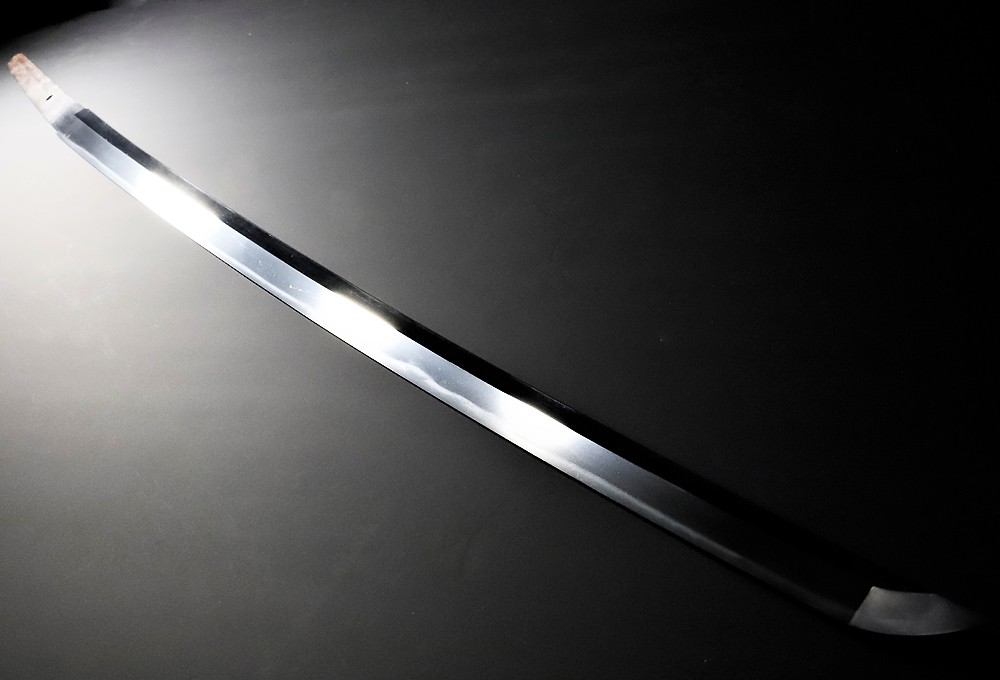
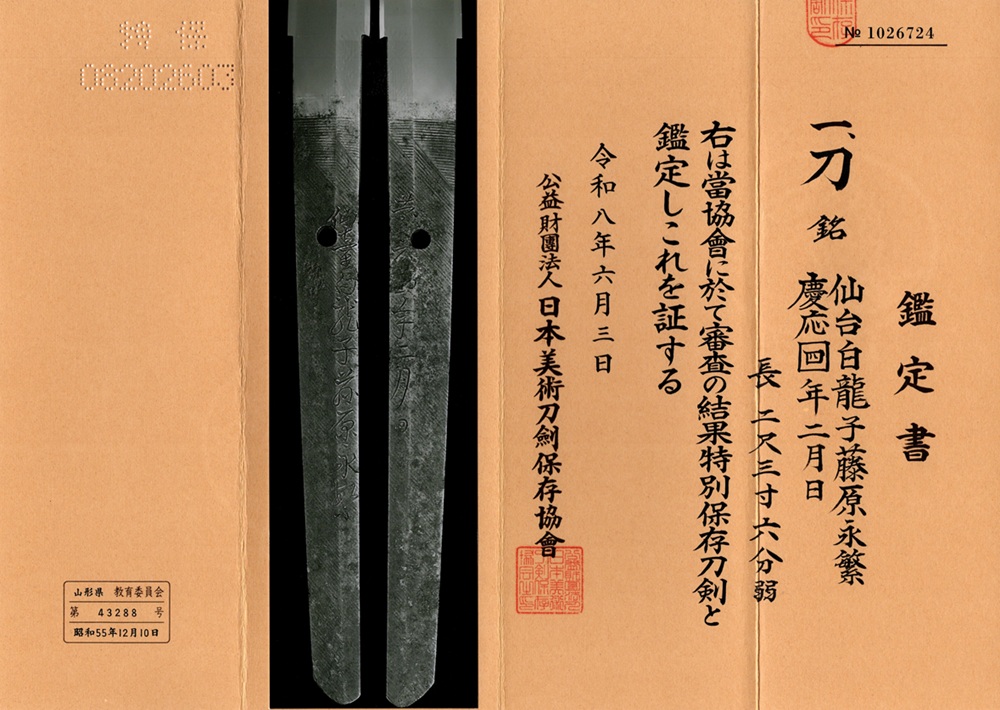
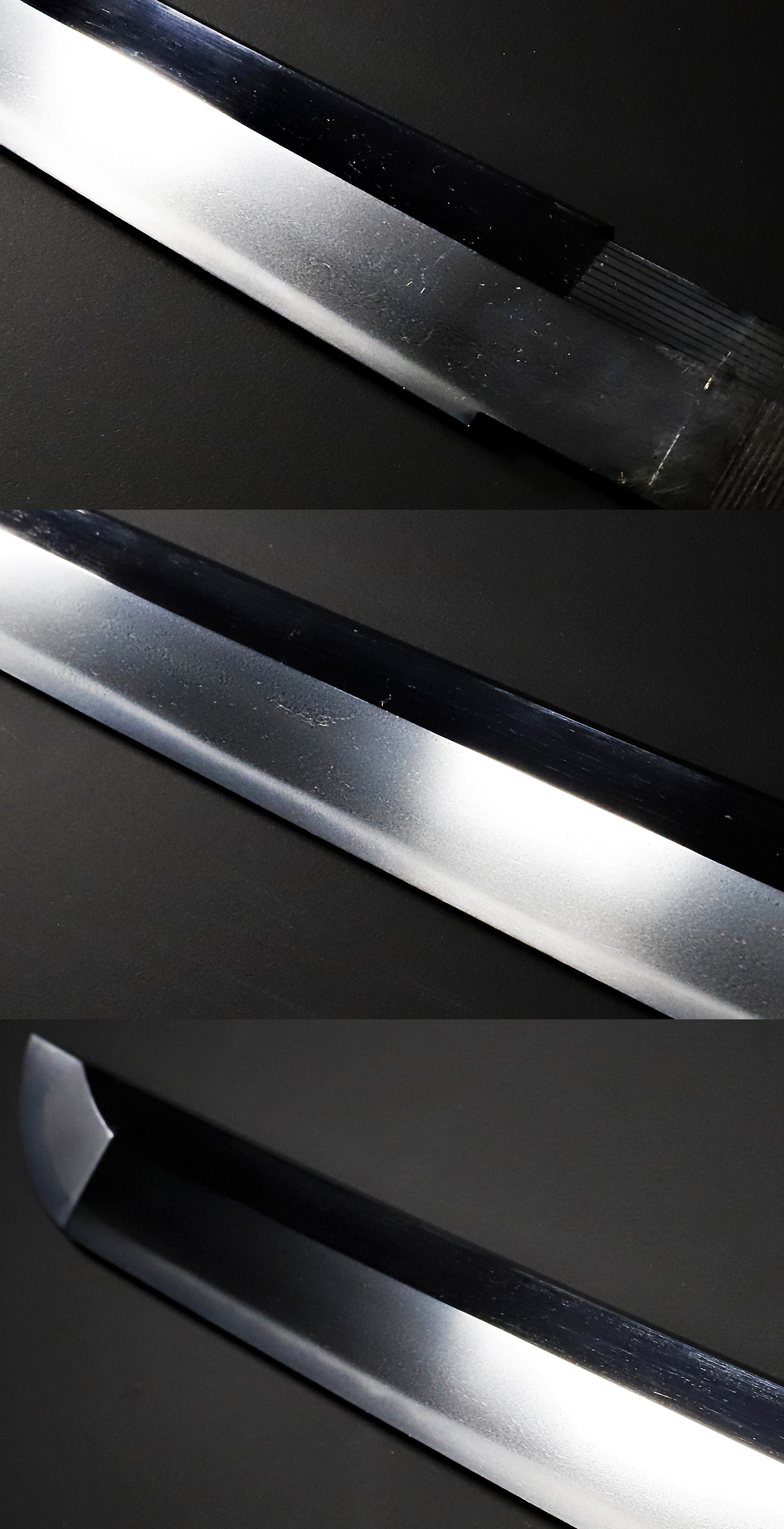
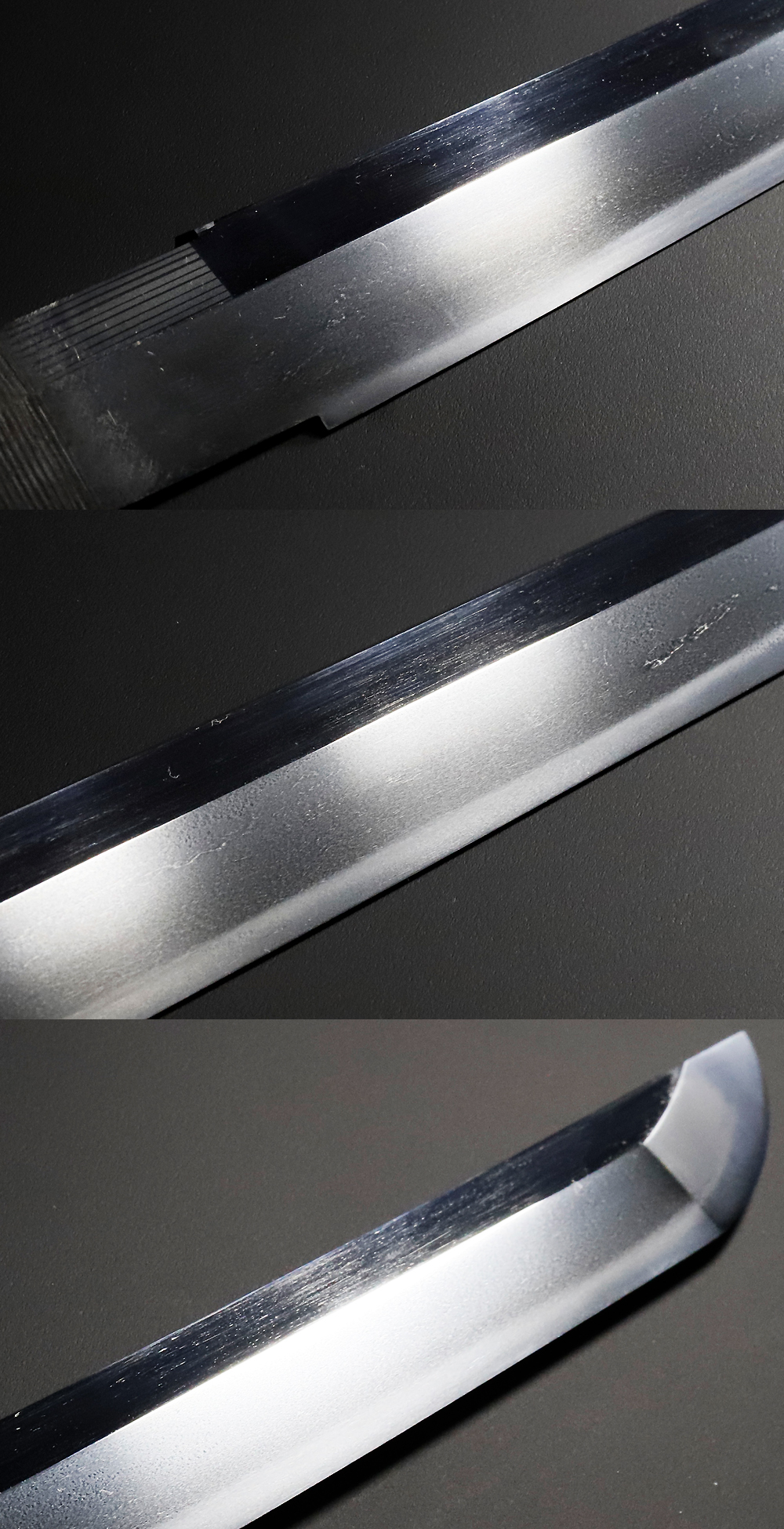
This katana is signed by Shiryuushi Fujiwara Nagashige, the 11th generation of the Tashiro Nagashige line from Sendai, active during the Bakumatsu period. Made in Keio 4 (1868) when Nagashige was 55, it features a finely forged ko-itame hada and a chu-suguha hamon with slight disturbances and ko-nie. The blade has a graceful form with a small chu-kissaki and comes with NBTHK Tokubetsu Hozon papers.
 NihontoWatch
mei · Tashiro Nagashige · Shin-shinto · nagasa 71.5cm · sori 1.1cm


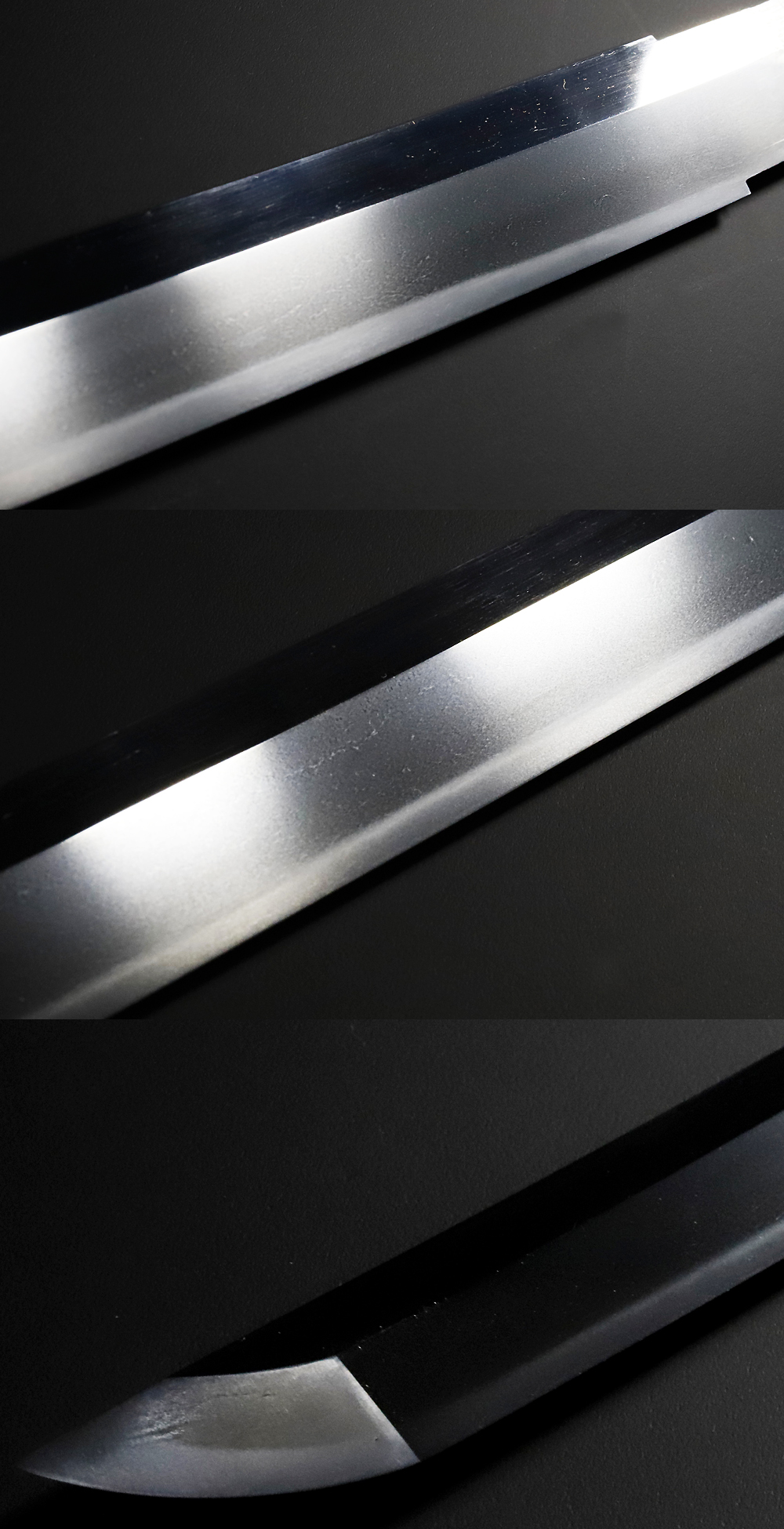
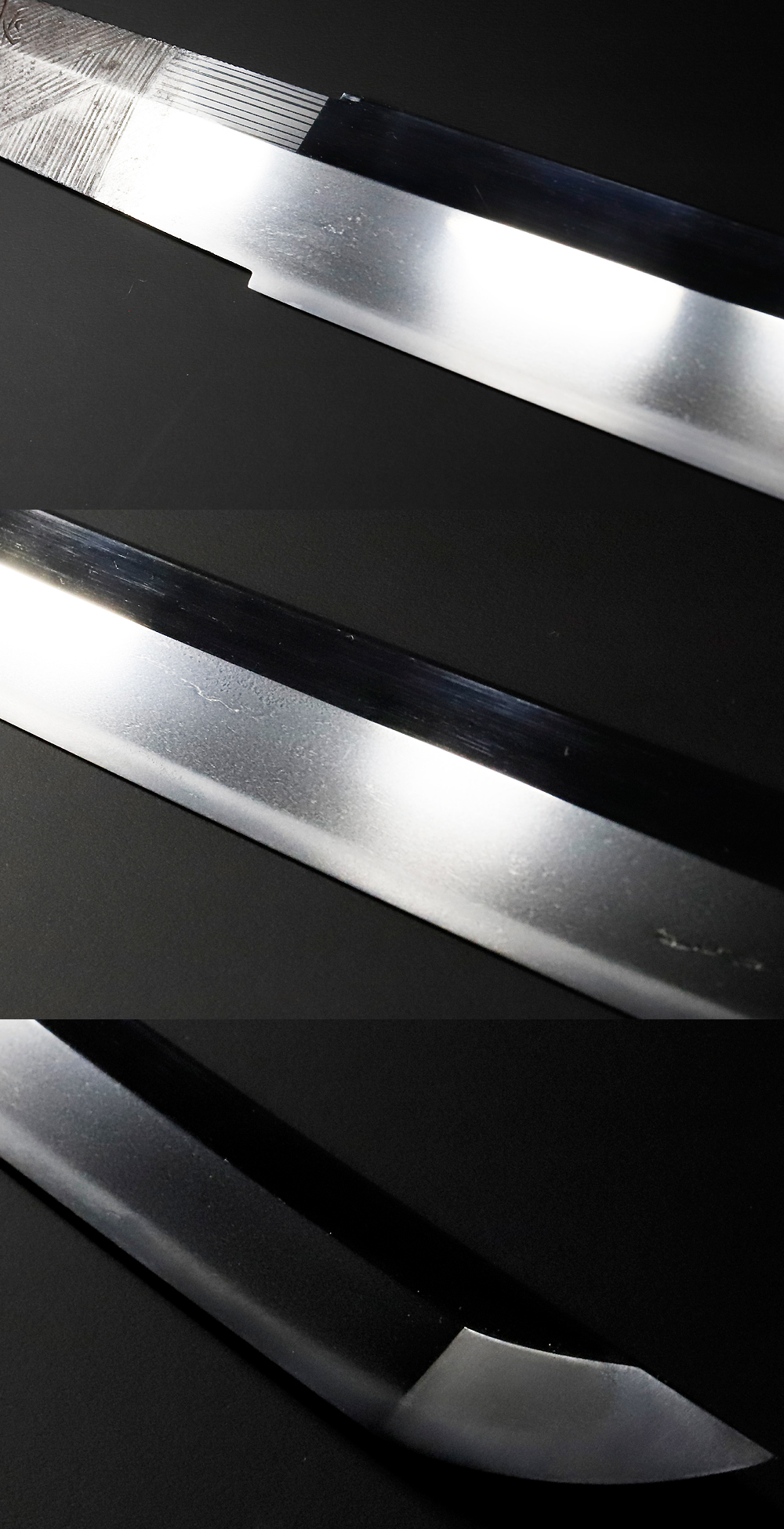
The Shinshintō revival
Around 1800 Suishinshi Masahide argued in his writings that the craft must return to the old masters’ methods: the fukkotō revival. His greatest successor Naotane worked convincingly in Bizen and Sōshū manners that had been dead for centuries.
A Hozon-certified blade judged to show notably superior workmanship and a better state of preservation. The bar is higher: re-tempered blades and most unsigned Muromachi/Edo works are excluded.
The NBTHK (Nihon Bijutsu Tōken Hozon Kyōkai, the Society for the Preservation of Japanese Art Swords) is a public-interest incorporated foundation founded in 1948 and supervised by Japan’s Agency for Cultural Affairs (Bunkachō); it is based at the Japanese Sword Museum in Tokyo. Its expert panels physically examine each submitted work (shinsa) and issue a certificate (kanteishō) ranking it by artistic and historical merit. NBTHK papers are the most widely recognized standard of authentication for Japanese swords and fittings.
NBTHK official siteDomestic: items may be returned within 7 days in original condition for a full refund (buyer covers transport). Overseas orders: no-refunds, no-returns.
 Koshirae
¥650,000