Two courts, sixty years of war, and the most dramatic silhouettes in the sword’s history: broad blades, extended points, true ōdachi later cut down into the majestic katana collectors prize. The Sōshū manner was the style of the age.
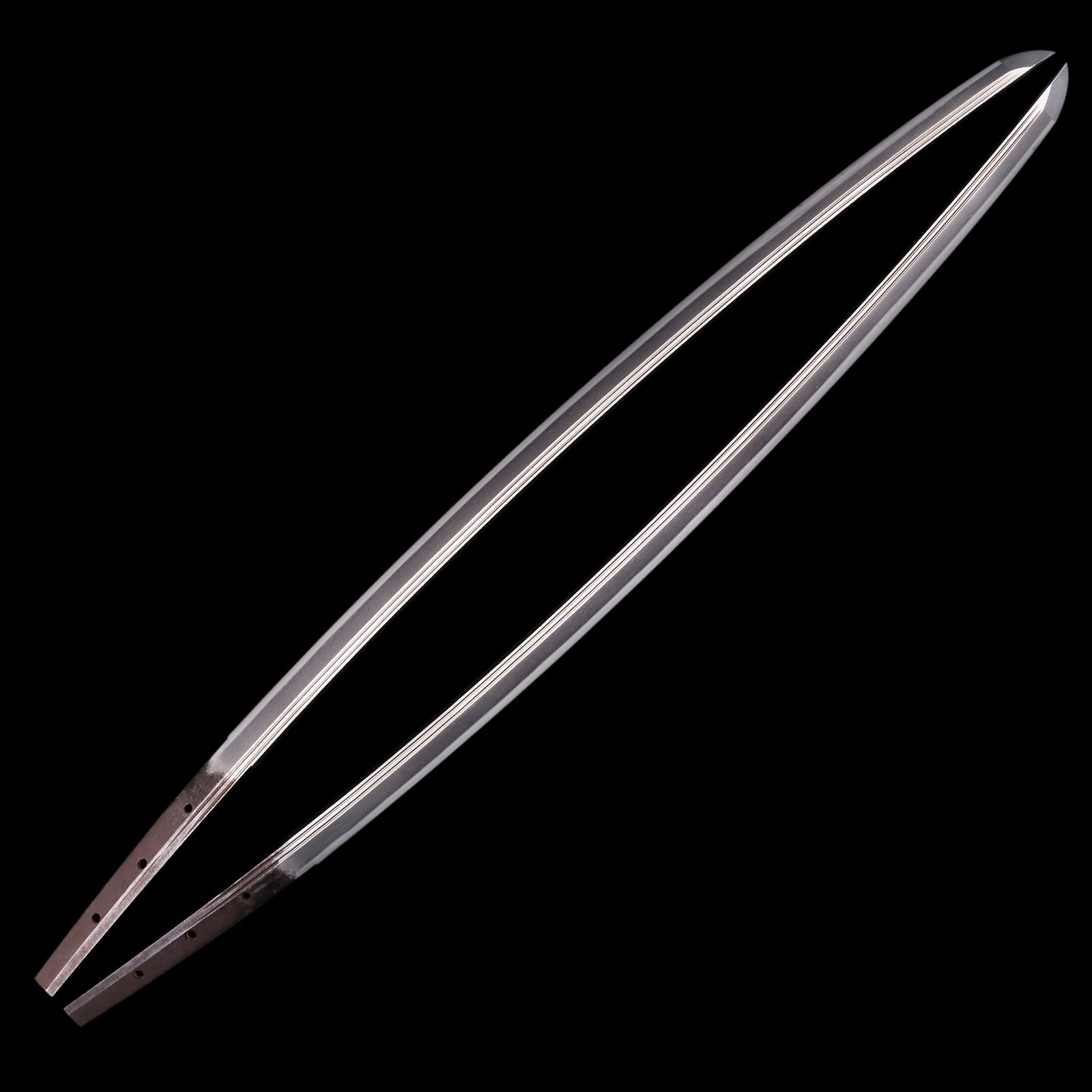
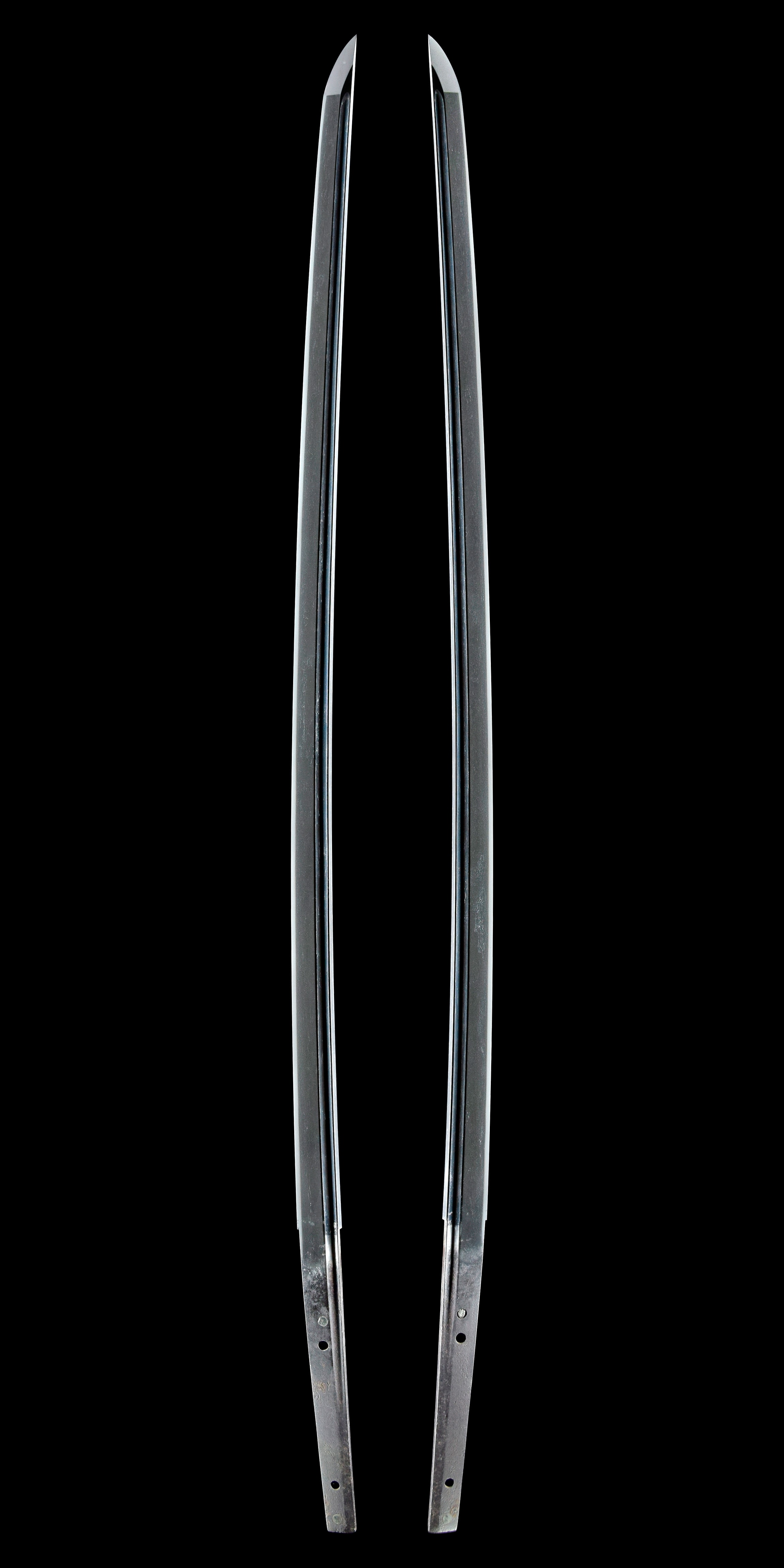
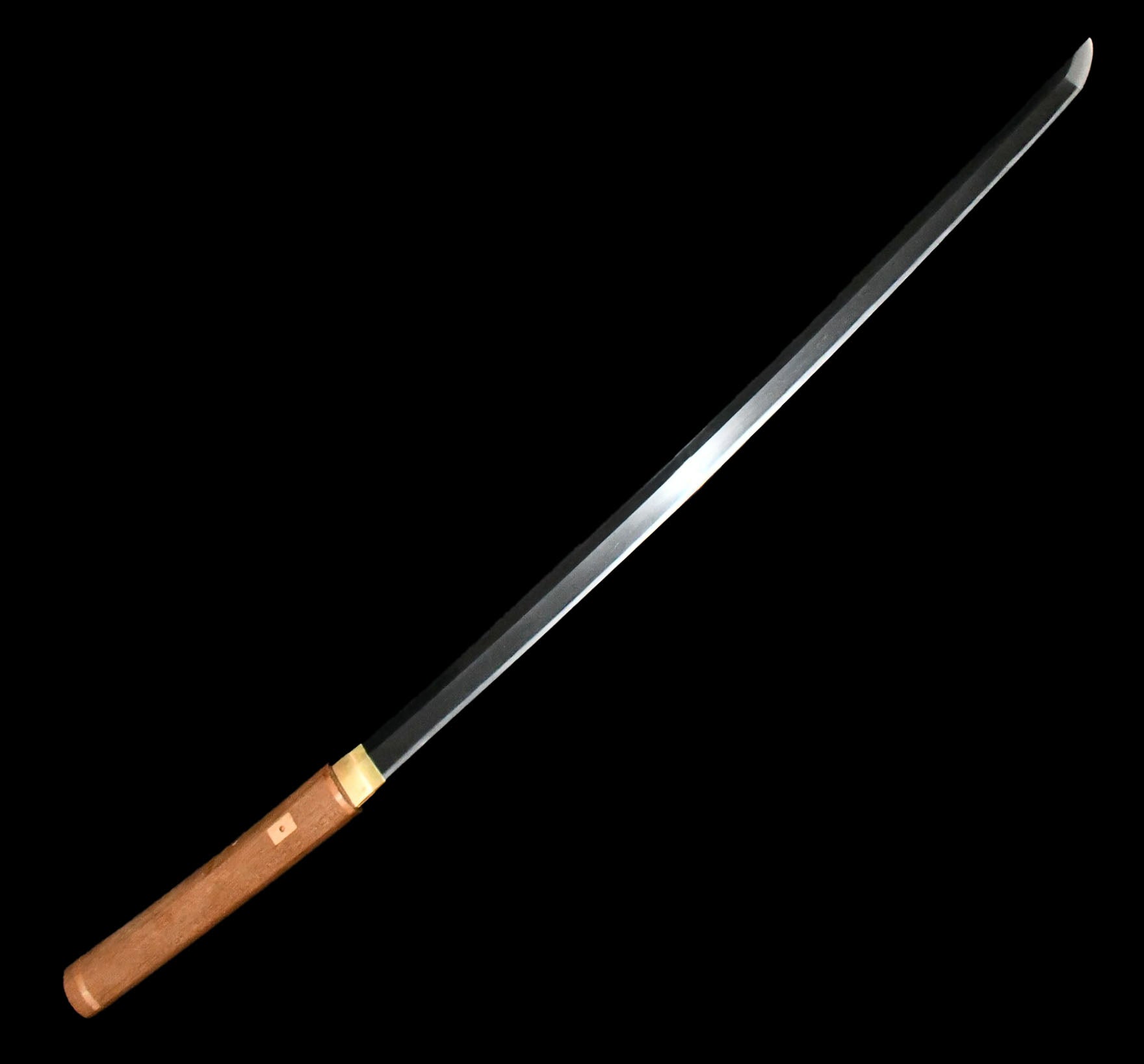
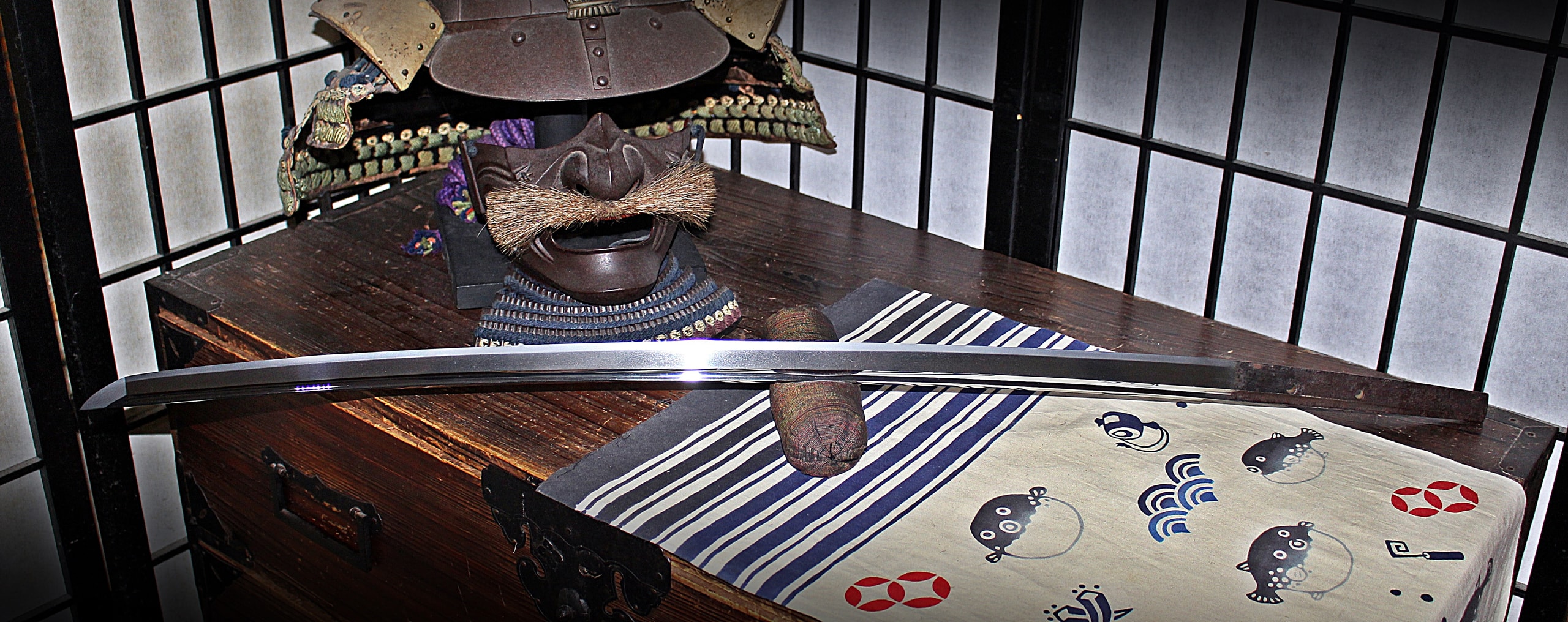
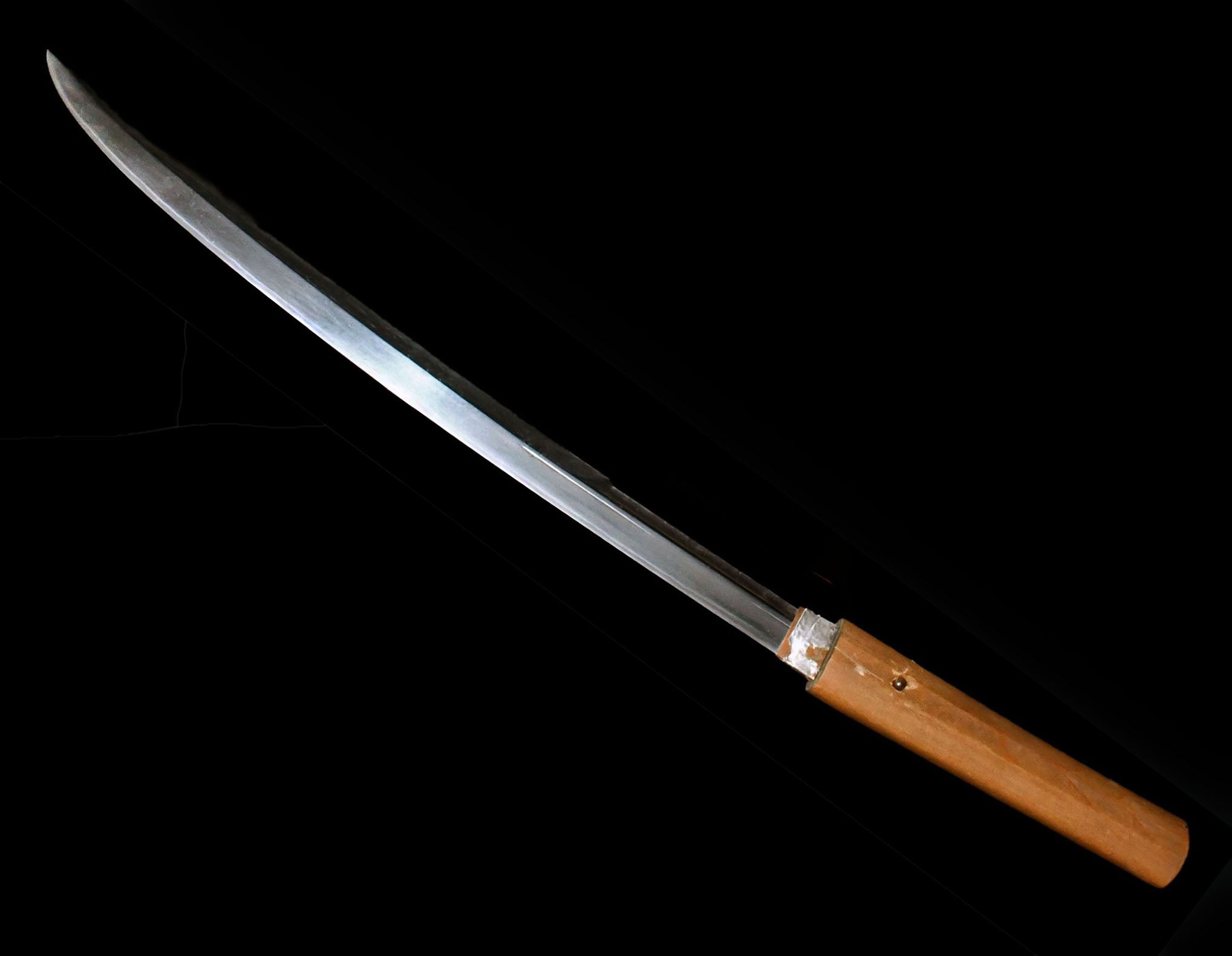
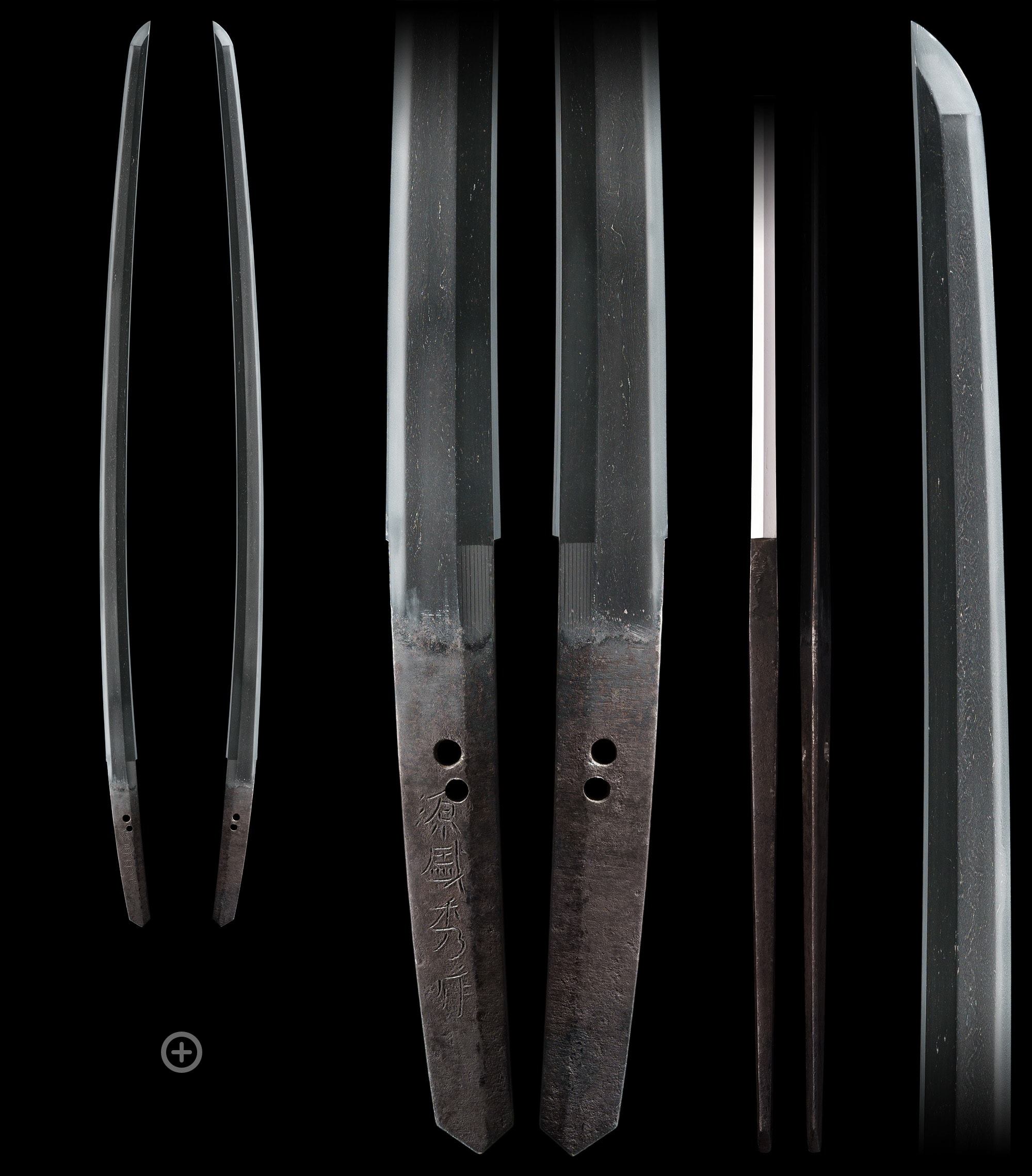
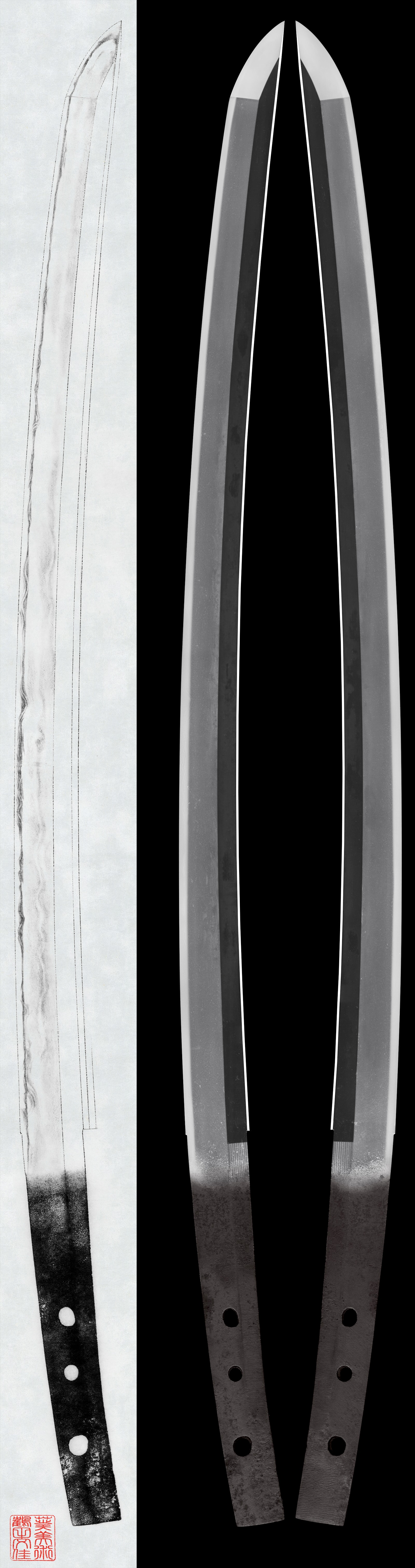
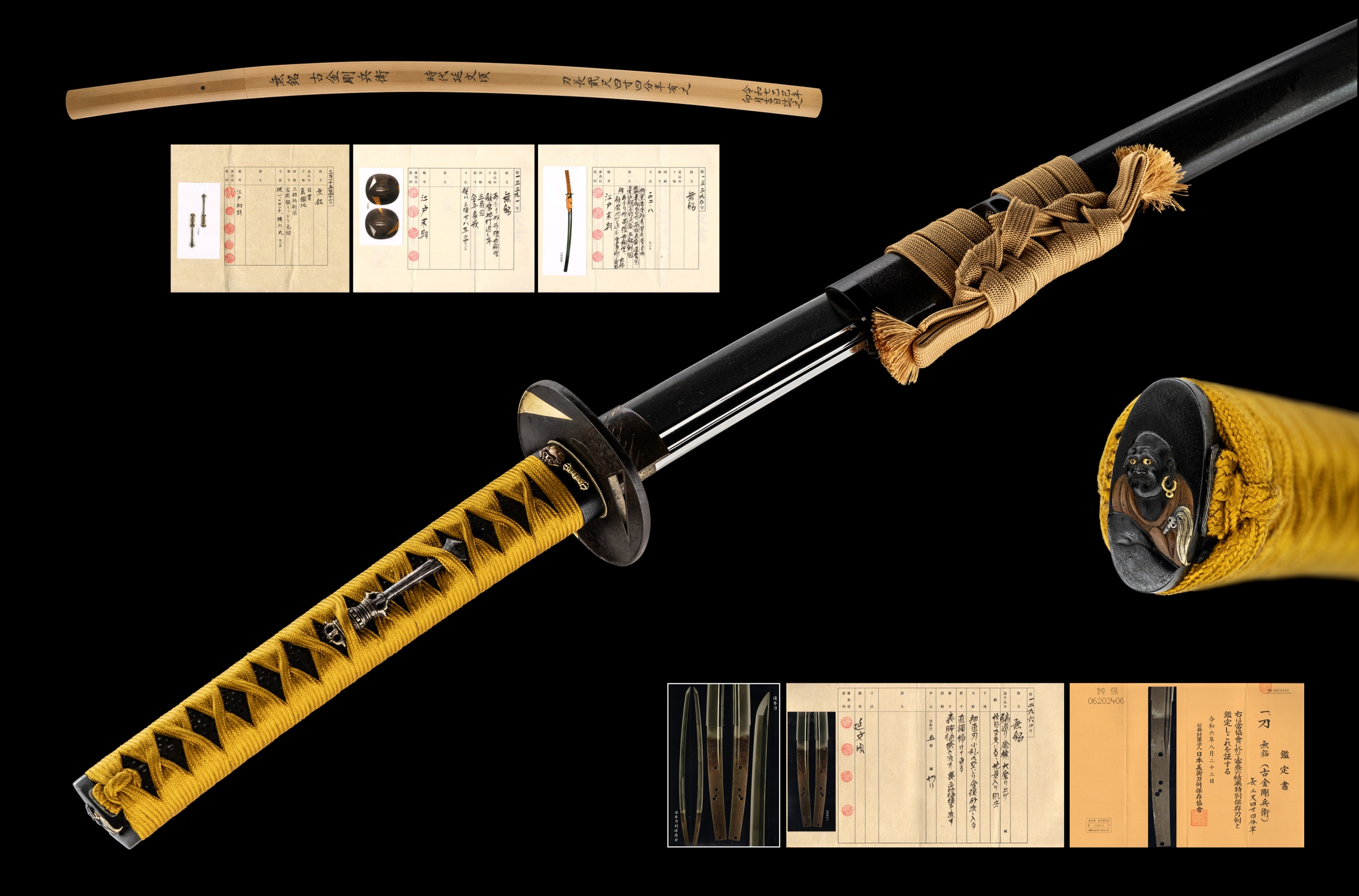
This Nambokuchô period katana is attributed to Moritaka of the Ko-Kongôbyôe school and is certified as Tokubetsu Hozon by the NBTHK. It features a nagasa of 74.1cm, a standing-out itame jihada, and a hoso-suguha hamon with ko-midare. The blade comes with an uchigatana koshirae from the late Edo period, adorned with Buddhist motifs, and is accompanied by a shirasaya with a sayagaki.
 NihontoWatch
mumei · Ko-Kongôbyôe · Chû-kotô – nambokuchô (enbun era: 1356-1361) · nagasa 74.1cm · sori 1.3cm
Wakimono · Chikuzen
In Chikuzen Province during the Nanbokuchō period two groups worked side by side: the Samonji lineage and the Kongōbyōe lineage, the latter the early phase to which these blades are attributed. The setsumei anchor the school through one named smith, Sadamori (貞盛), known from a tantō signed "Chikushū Reizei Sadamori, Shōhei 25, first month, day,"[[c:1]] whose work is read as the reference point for the group. Through Sadamori the records frame Kongōbyōe by its Yamato kishitsu, a Yamato temperament carried in both ji and ha, and place these katana from the end of the Kamakura period through the Nanbokuchō era. One blade is described directly as a Kyūshū production, its forging carrying the "Kanamono flavor" (kanami) the records treat as distinctive of Kyūshū work. Across the three katana a consistent vocabulary recurs. The forging is large itame and ō-itame mixed with itame, with prominent mokume and ō-mokume, the grain standing out and tending toward hada-dachi; near the edge a slight nagare-hada enters and becomes masame. The jigane is repeatedly read as inclining to a dark, blackish tone, with ji-nie adhering and chikei entering.
The hamon is a narrow suguha or hoso-suguha, faintly tinged with shallow notare and mixed with small gunome, carried in a tight-tending nioiguchi (shimari-gokoro) to which ko-nie adheres well; along the habuchi there is hotsure, with uchi-noke, kinsuji, and sunagashi, and the nioiguchi can take on a subdued (shizumi) feeling. The bōshi runs sugu with ko-maru or ō-maru, somewhat hakikake. To recognize Ko-Kongōbyōe is to read this pairing: a standing, dark-toned Kyūshū jigane against a narrow, tightly gathered suguha. For kantei the records weight the joining of ji and ha: the blackish, grain-standing forging filled with fine chikei set against a narrow suguha whose nioiguchi feels tight, with modest sunagashi and kinsuji spanning ji and ha read as scenery rather than as flourish. The named anchor is Sadamori's dated Shōhei 25 tantō, an Important Art Object; one of these katana carries provenance to Ishikura Yasuke of Osaka. The setsumei note that no signed Kongōbyōe works run earlier than the Muromachi period, so these ō-suriage mumei katana are judged as the lineage's earlier reach, placed late Kamakura into Nanbokuchō. The records read them as superior works (yūhin) of plain, forceful bearing definitively attributable to Ko-Kongōbyōe. Learn more →
The Nanbokuchō period (1333 to 1392)
Two courts, sixty years of war, and the most dramatic silhouettes in the sword’s history: broad blades, extended points, true ōdachi later cut down into the majestic katana collectors prize. The Sōshū manner was the style of the age.
A Hozon-certified blade judged to show notably superior workmanship and a better state of preservation. The bar is higher: re-tempered blades and most unsigned Muromachi/Edo works are excluded.
The NBTHK (Nihon Bijutsu Tōken Hozon Kyōkai, the Society for the Preservation of Japanese Art Swords) is a public-interest incorporated foundation founded in 1948 and supervised by Japan’s Agency for Cultural Affairs (Bunkachō); it is based at the Japanese Sword Museum in Tokyo. Its expert panels physically examine each submitted work (shinsa) and issue a certificate (kanteishō) ranking it by artistic and historical merit. NBTHK papers are the most widely recognized standard of authentication for Japanese swords and fittings.
NBTHK official siteAll swords come with a three-day inspection period beginning from the date of delivery. If not satisfied, the sword may be returned within this period for a full refund of the purchase price. Outside of this period, all sales are final. Swords purchased on a layaway payment plan are not eligible for the three-day inspection period.