応仁の乱が足利の体制を砕いた後、戦国の一世紀はほとんどすべての国を武装させた。この時代は選ぶ目に報いる。並の作は多いが、その傍らには第一級の注文打ちが立っている。
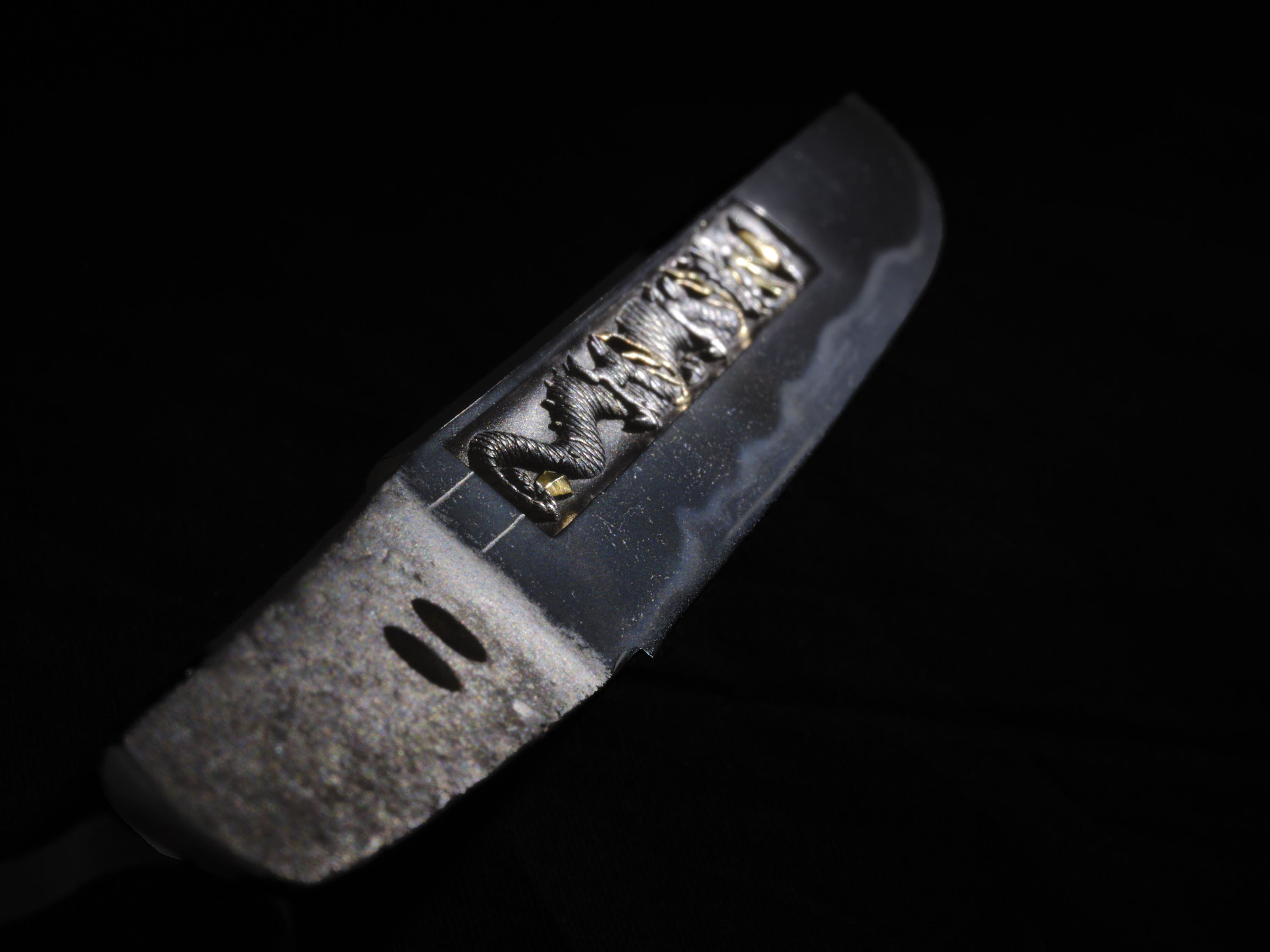
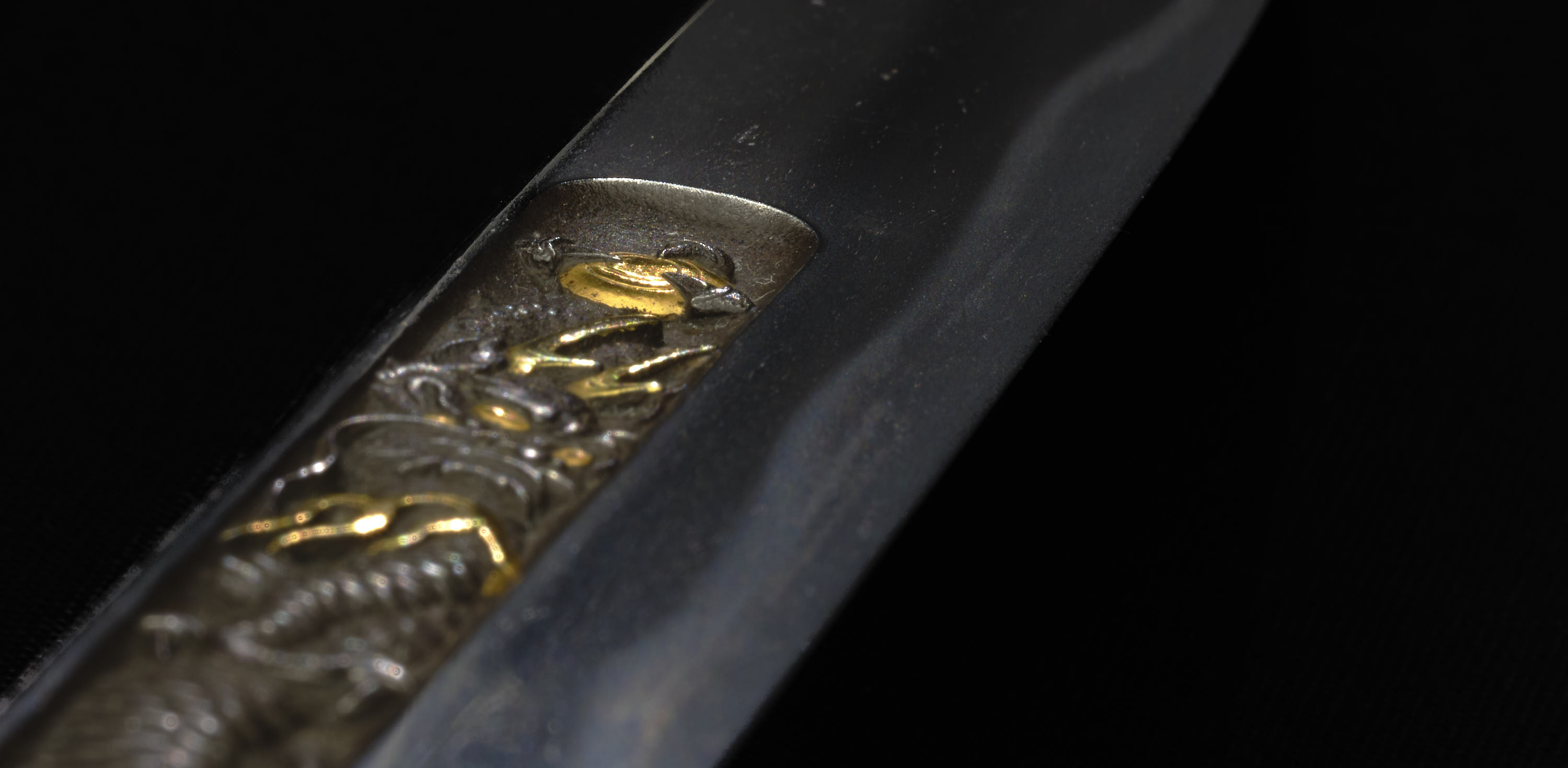
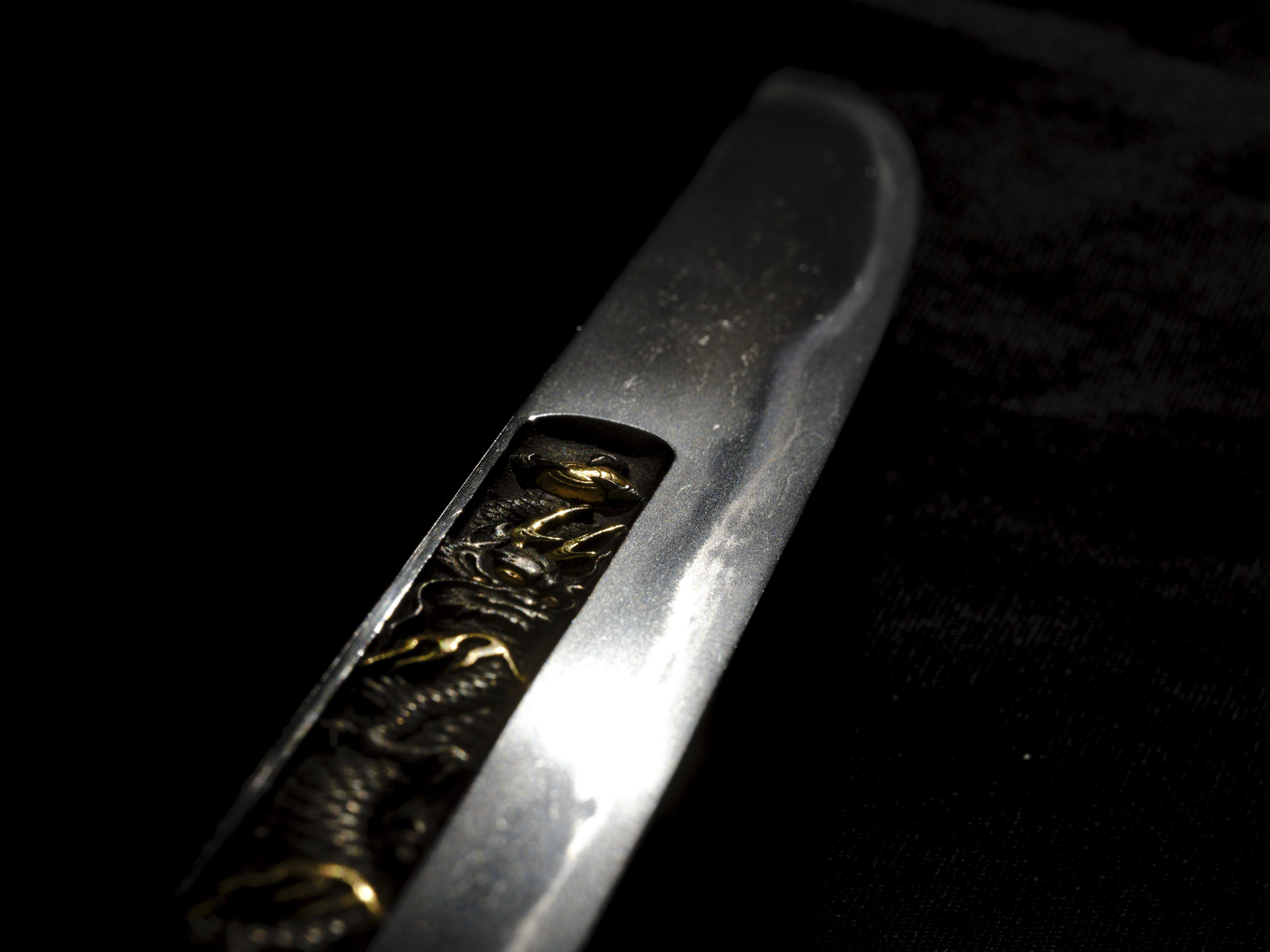
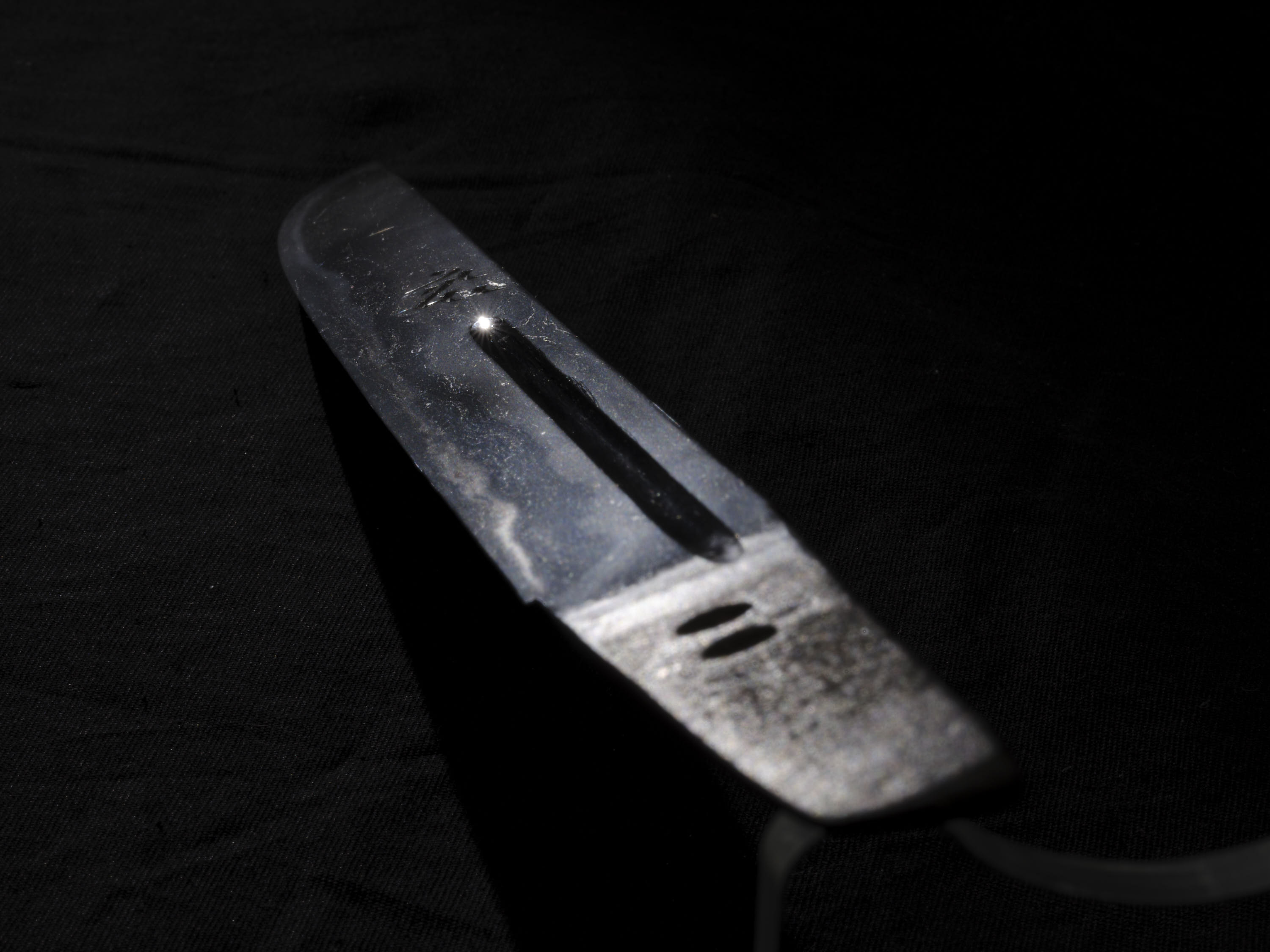
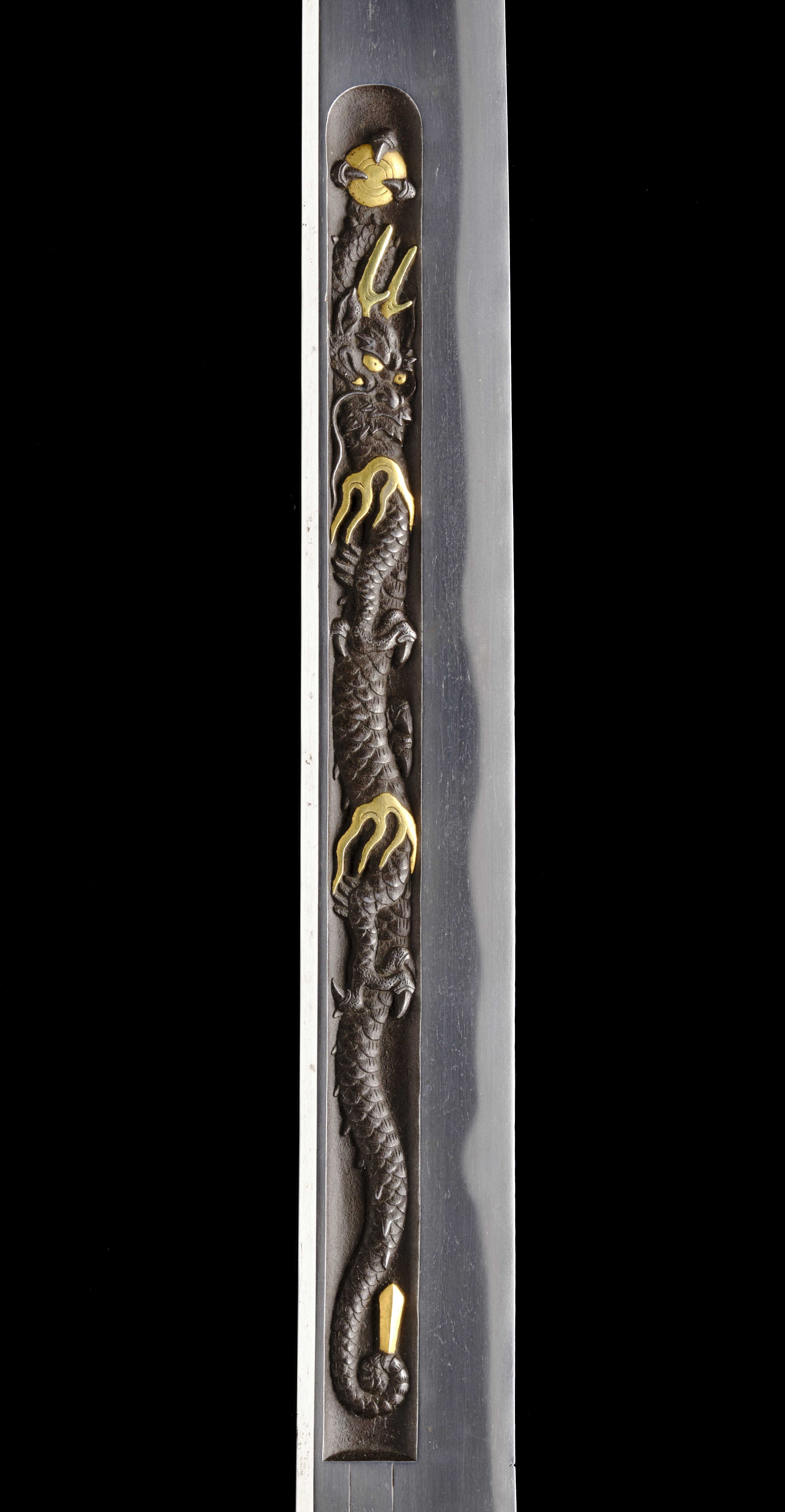
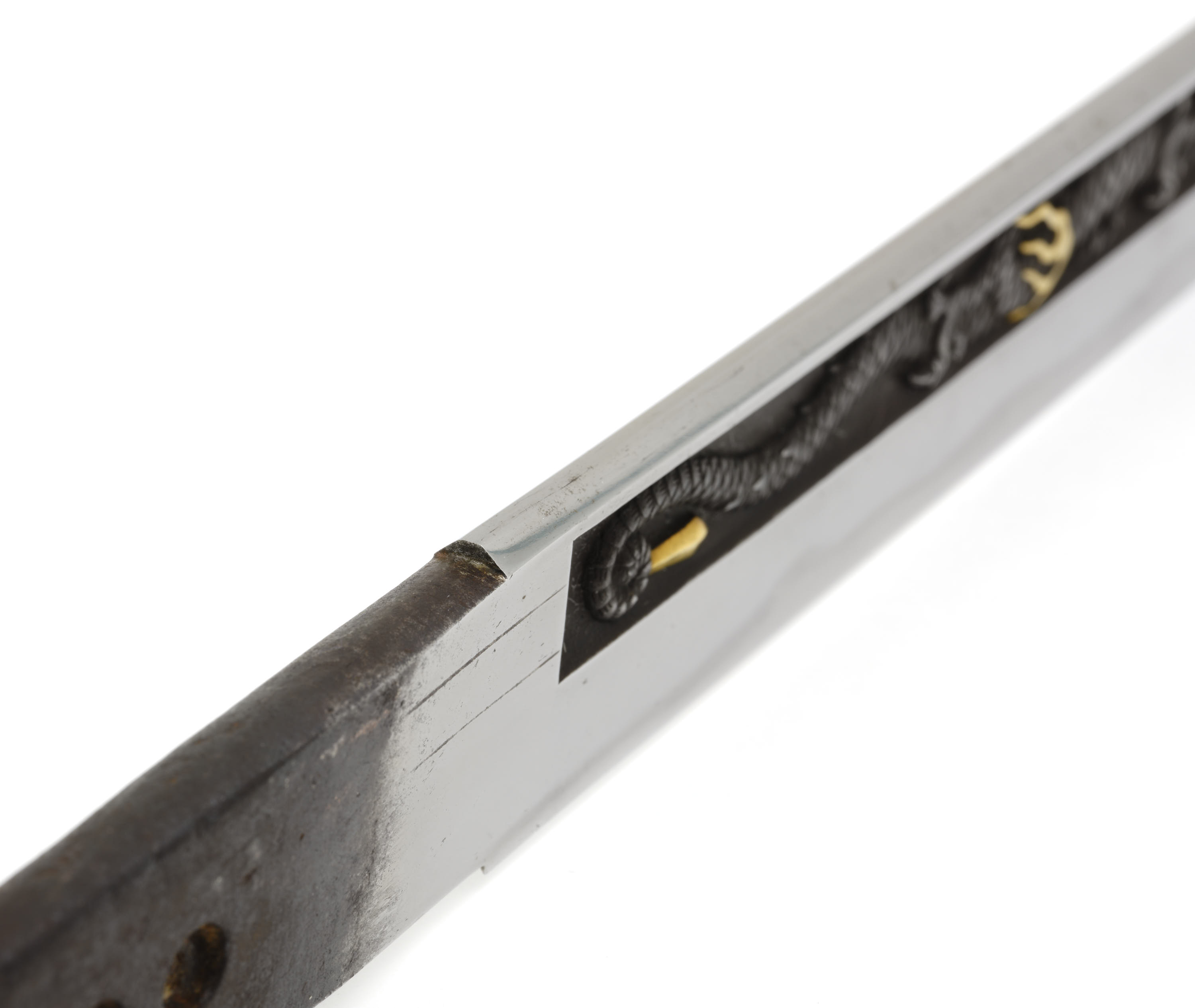
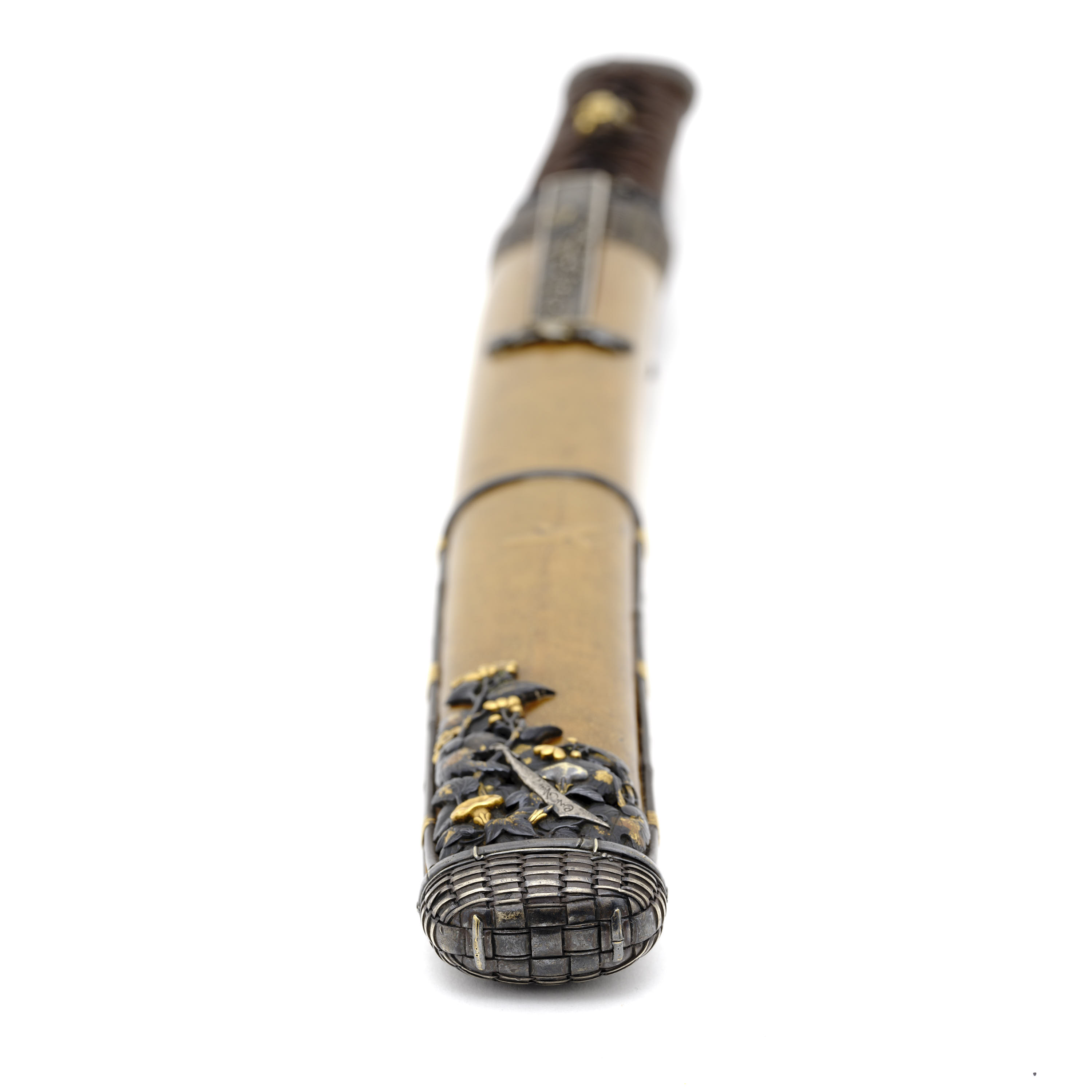
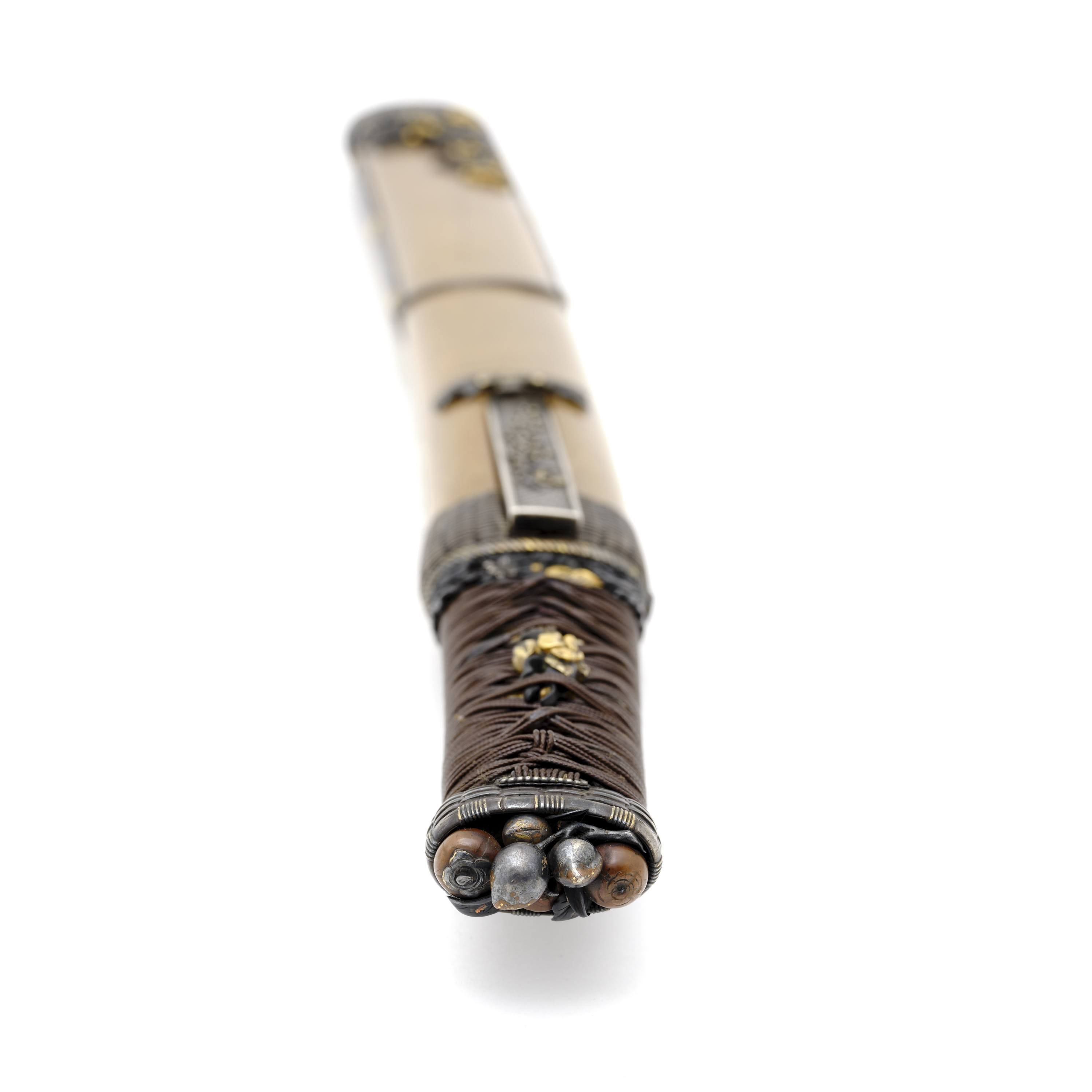
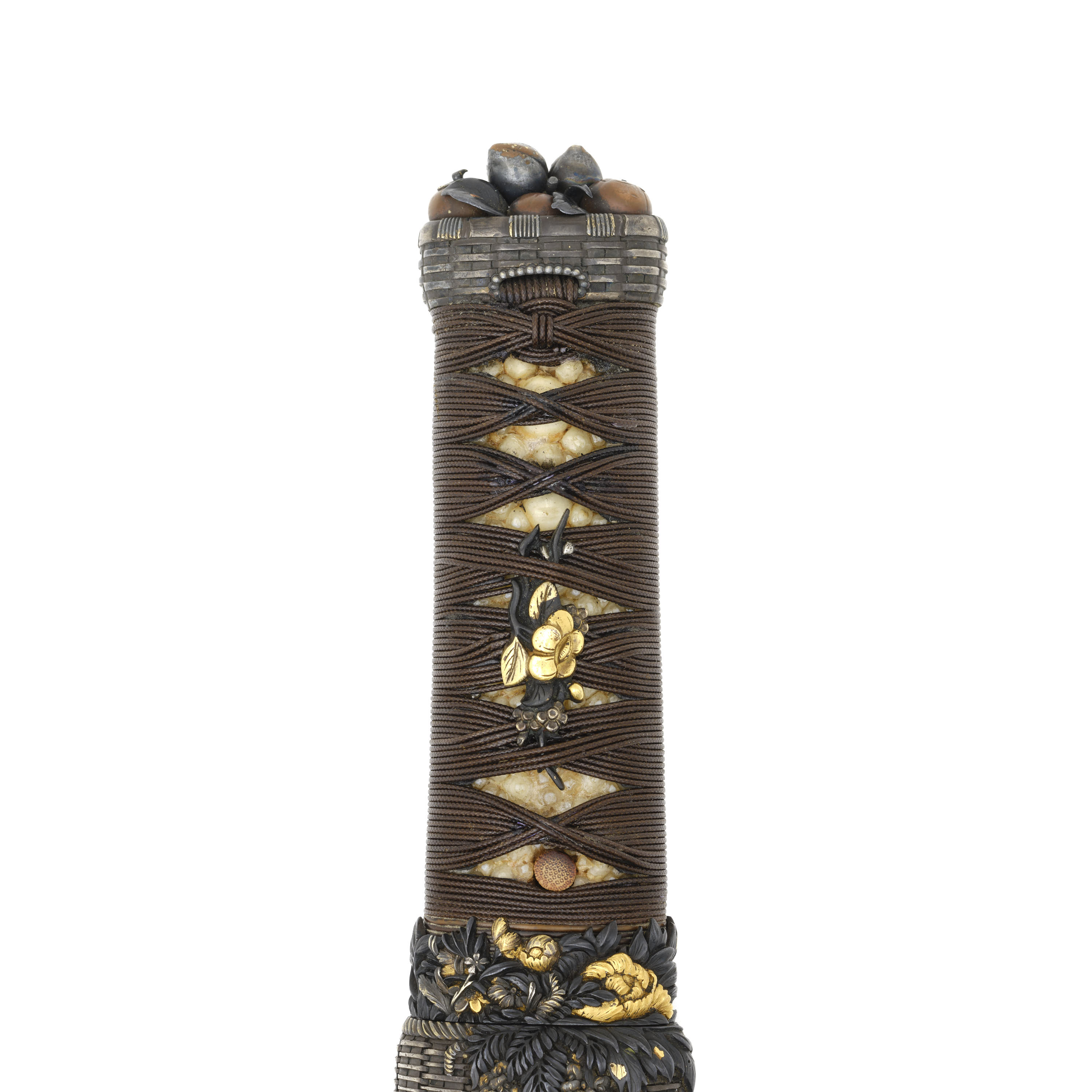
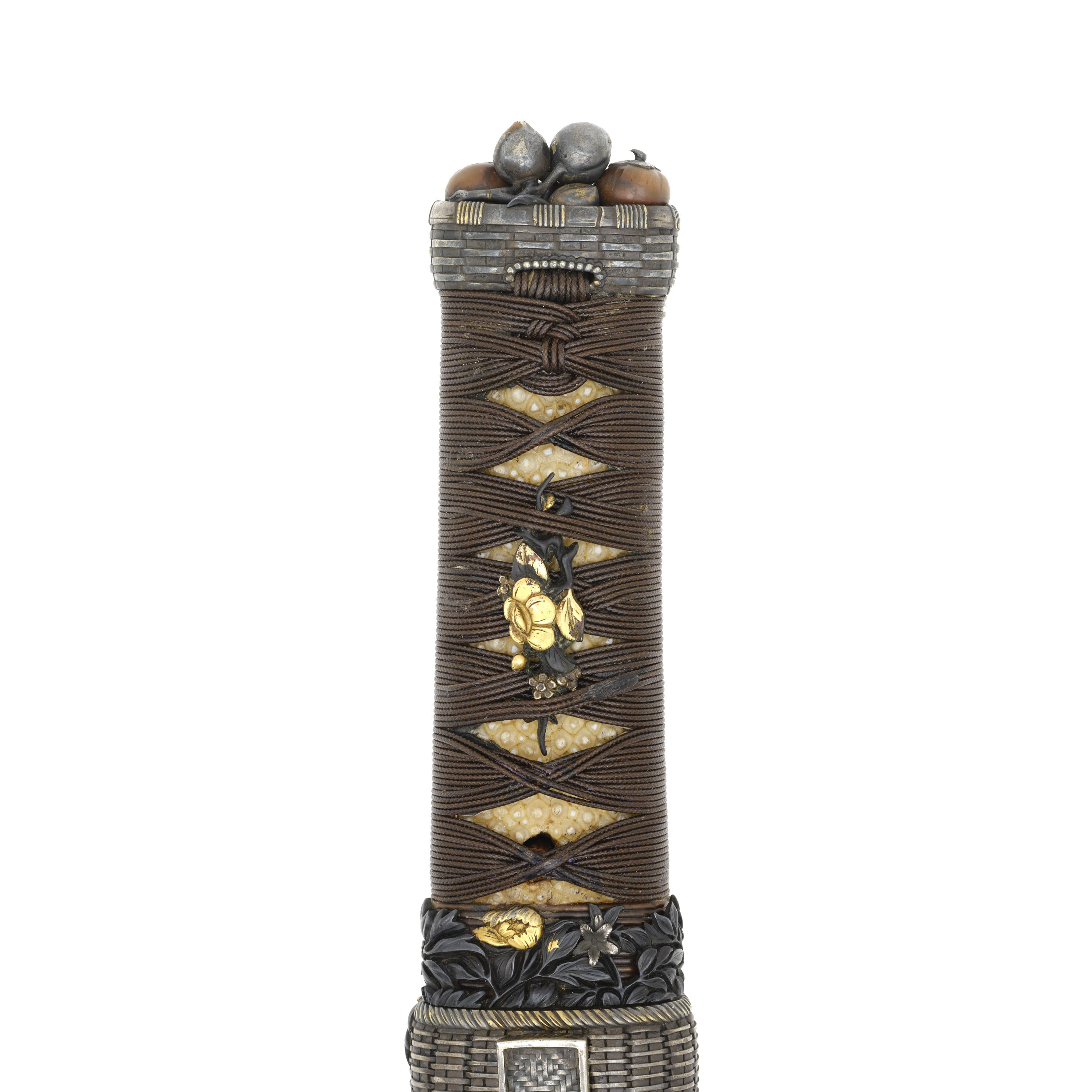
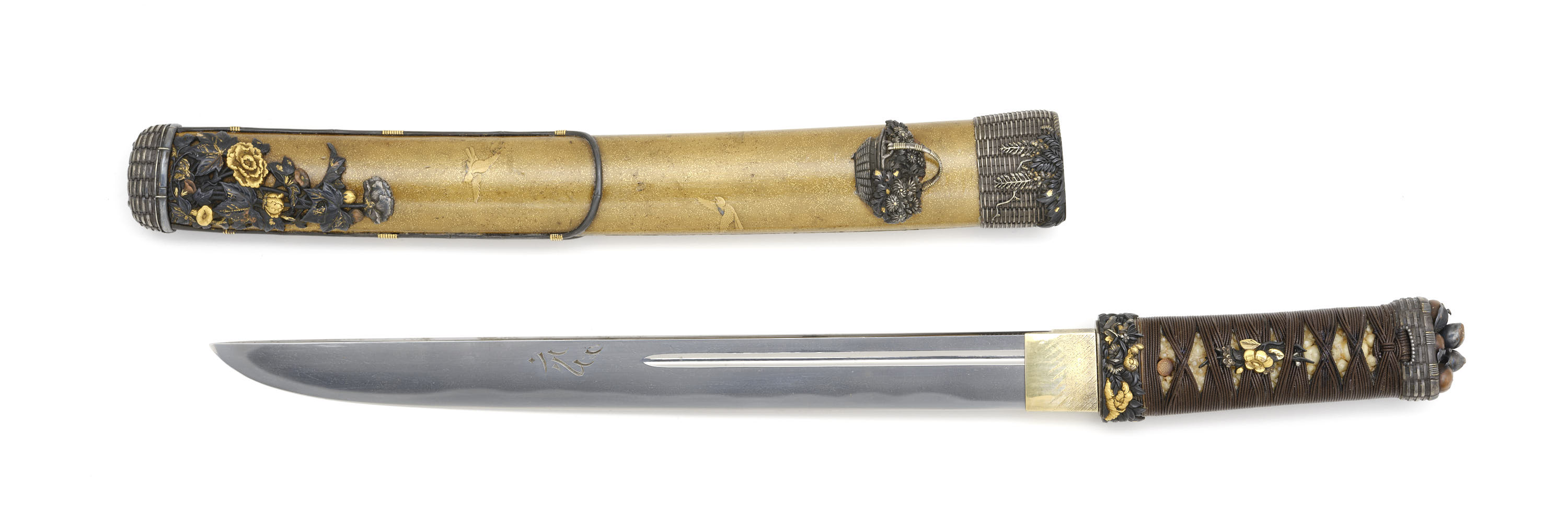
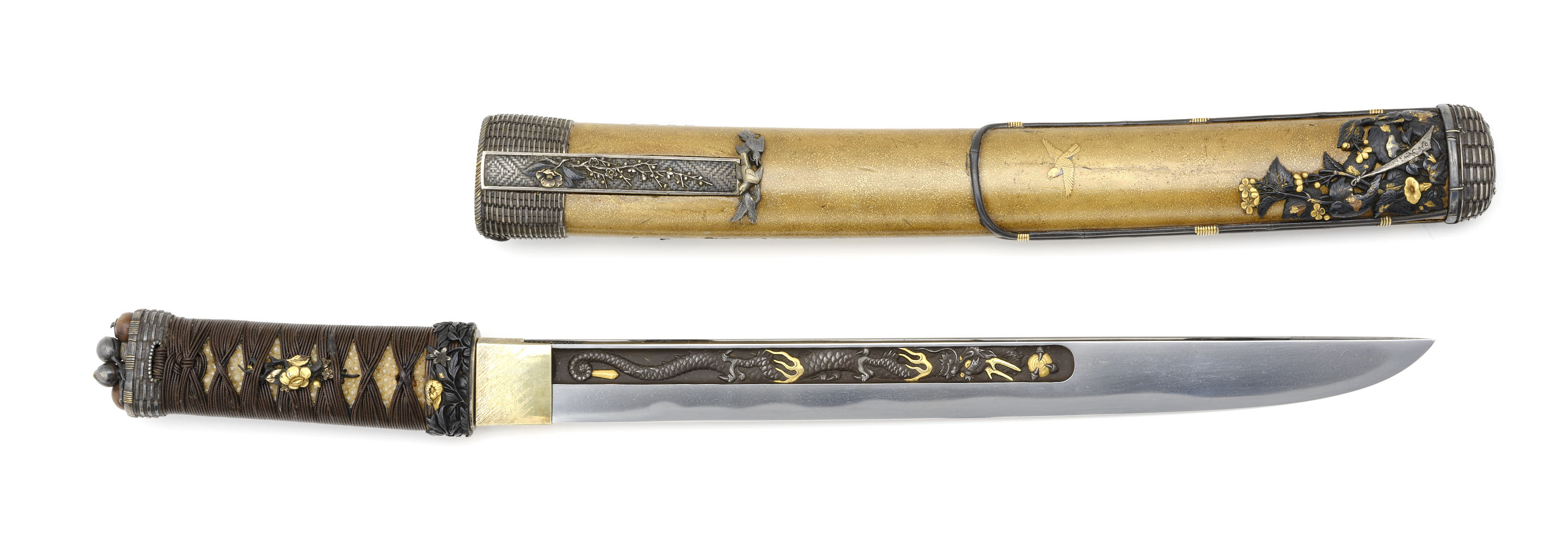
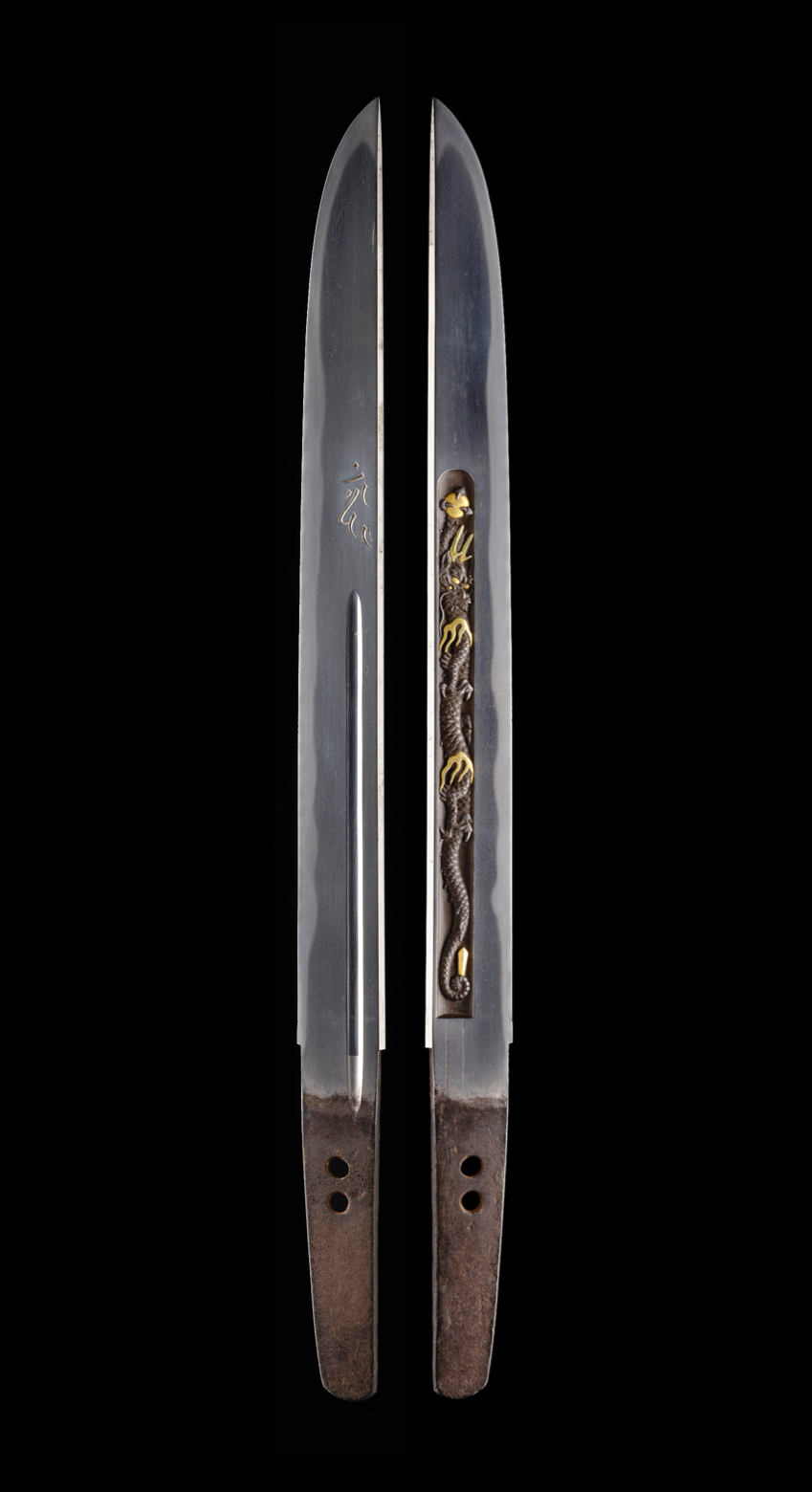
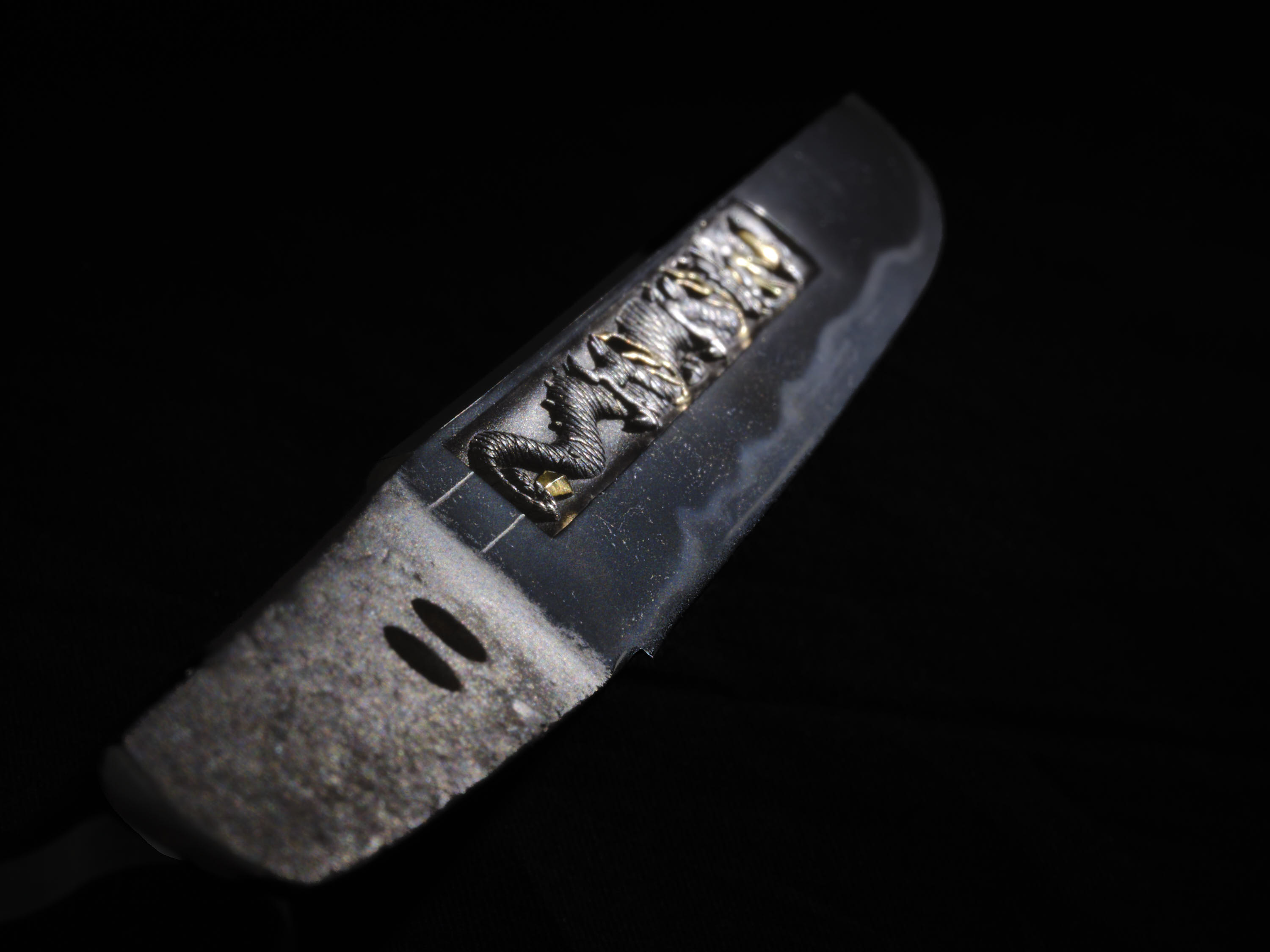
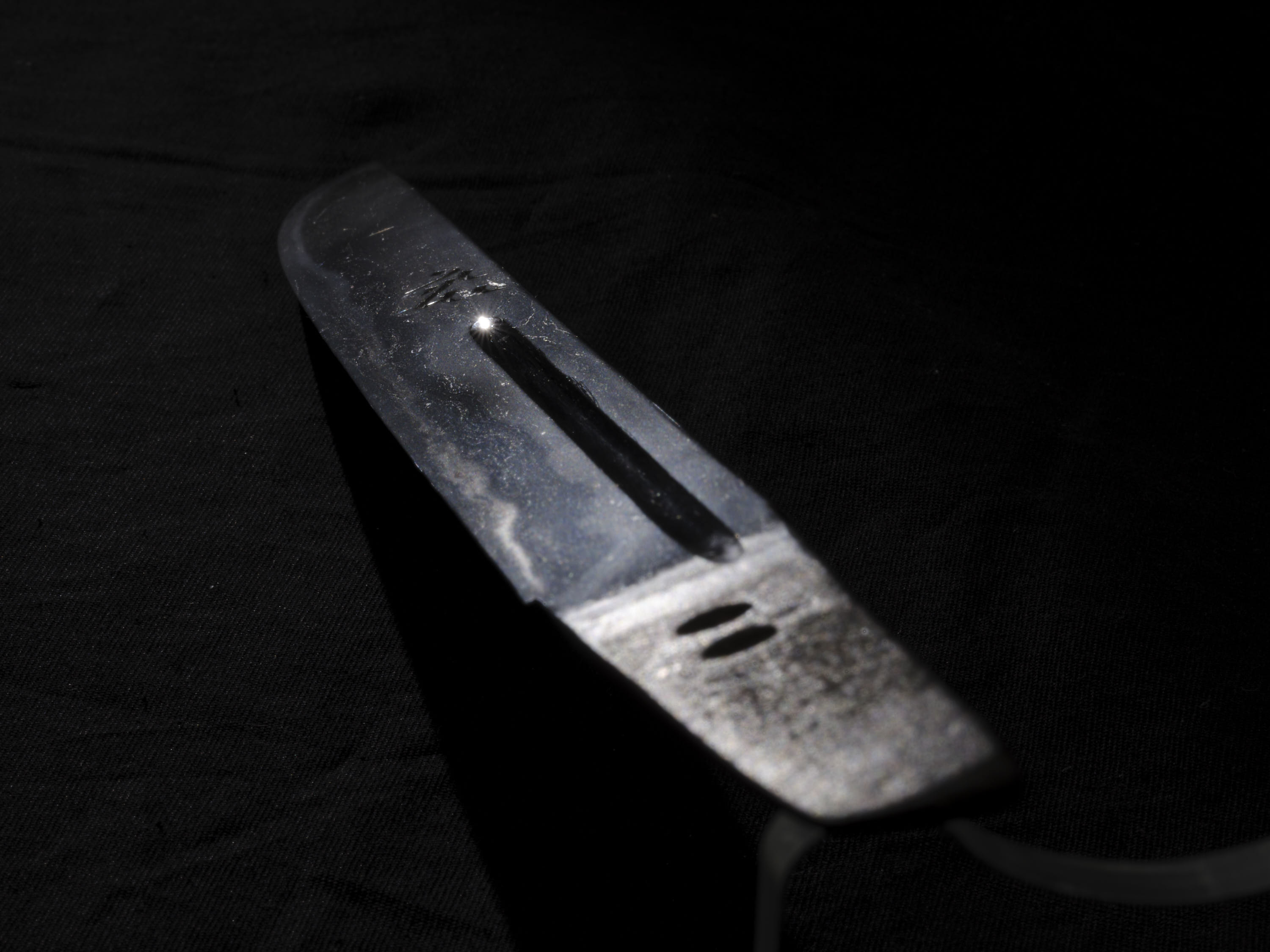
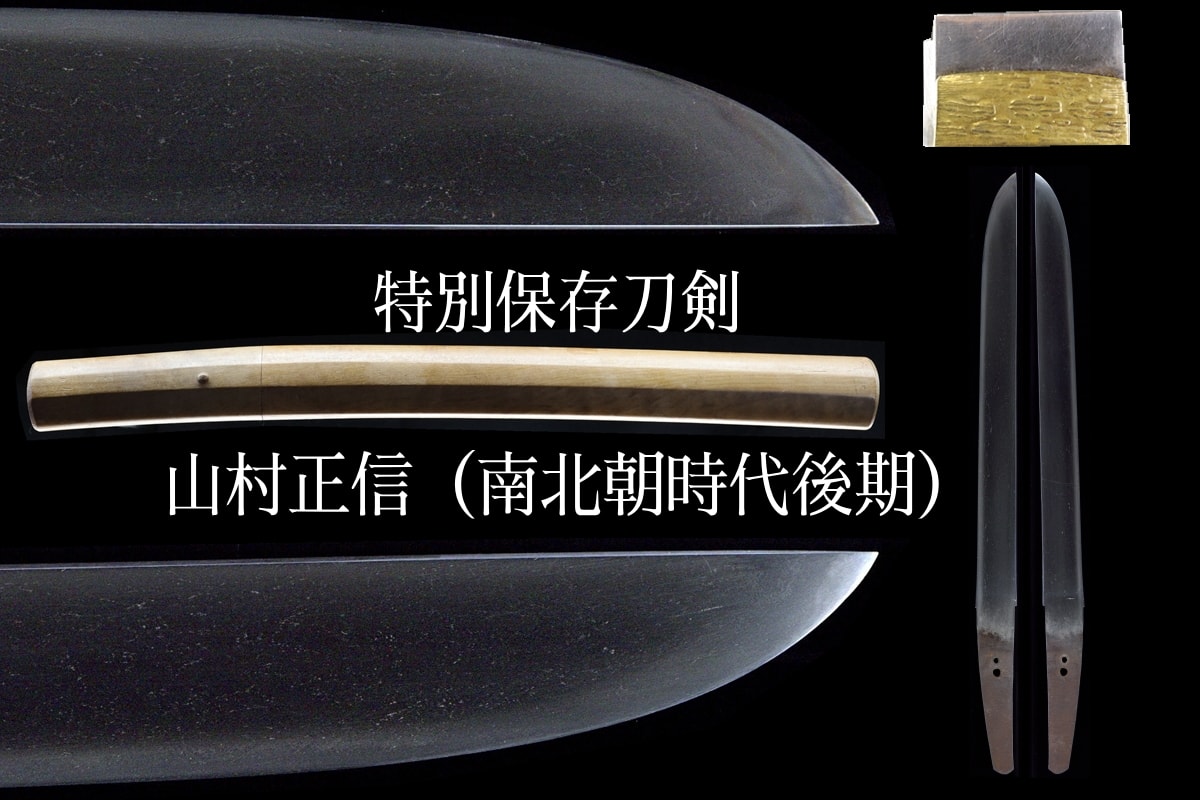
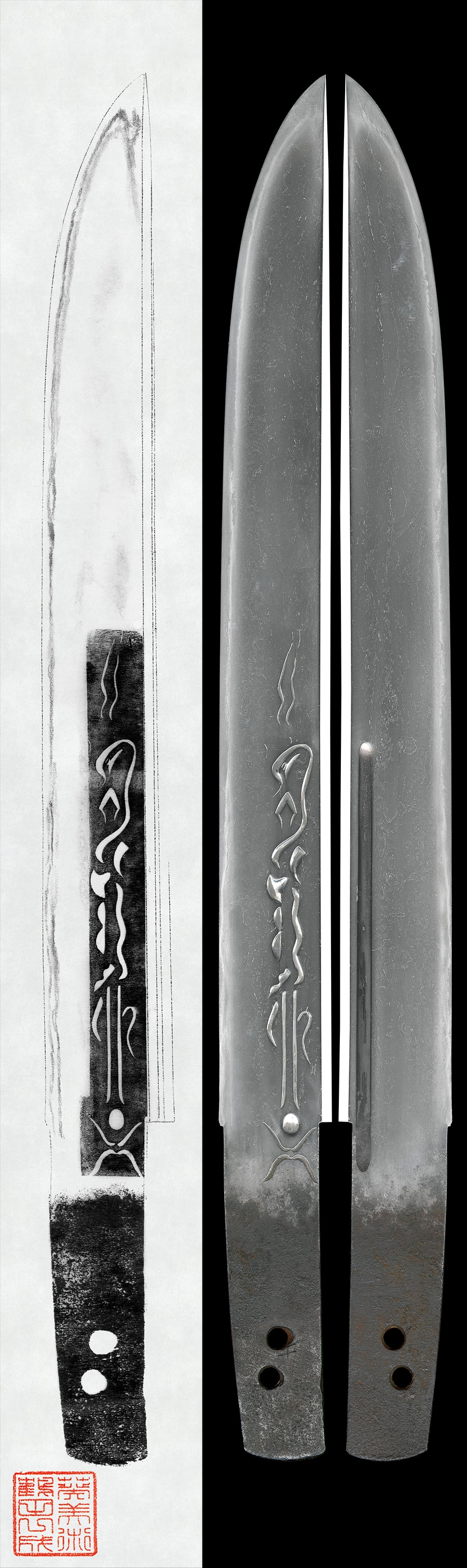
Introduction Yamamura Yasunobu ( 山村安信 ) was a Japanese swordsmith who was active around the Ōei period of 1394-1428. He was part of the Yamamura school of Echigo province, who were a family of samurai who had taken up swordsmithing. This started with Masanobu was taught by the famous swordsmith Nobukuni of Kyoto. Nobukuni in turn traced his lineage back to the first-generation Nobukuni who was trained by Sōshū Sadamune, Masamune's son and lineage holder. The lineage combined Sōshū characteristics with more typical Kyoto Rai swordsmithing. This example A tantō from the first years of the Muromachi period. It appears to be unshortened ( ubu ) but with two peg holes ( mekugi-ana ). The most striking part of it is the sunken panel with dragon grasping a sacred jewel on the right side of the blade. It has the unusual feature of being blackened, with some elements highligted with pure gold. The style of the dragon indicates it was done in the Shintō period. At the base of the blade are two faint lines, indicative that there was once a different horimono in its place, probably a stylized ken (straightsword) as was commonly seen in the Sōshū line. On the other side is a very crisply carved Sanskrit character invoking Fudō Myōō (the Immovable Wisdom King), probably done around the same time as the dragon horimono . An unusual feature for the school is the very prominent utsuri present on both sides of this blade that is not described in the standard literature describing this school, yet the NBTHK did attribute it straight to this smith. Blade attributes (With plain English below) Sugata: Hira-zukuri , mitsu-mune, muzori . (Overall form: Wedge shaped cross-section with flat sides, tri-facetted spine, and no curvature.) Jigane: Itame mixed with nagare and masame with some ji-nie. Prominent utsuri. (Steel: Regular wood grain mixed with running and straight grain. Some martensite crystals in the area above the temperline.


越後 · 1394-1428頃
藤代 Jo saku · 刀剣大鑑 上位49%
現在1点販売中
応仁の乱が足利の体制を砕いた後、戦国の一世紀はほとんどすべての国を武装させた。この時代は選ぶ目に報いる。並の作は多いが、その傍らには第一級の注文打ちが立っている。
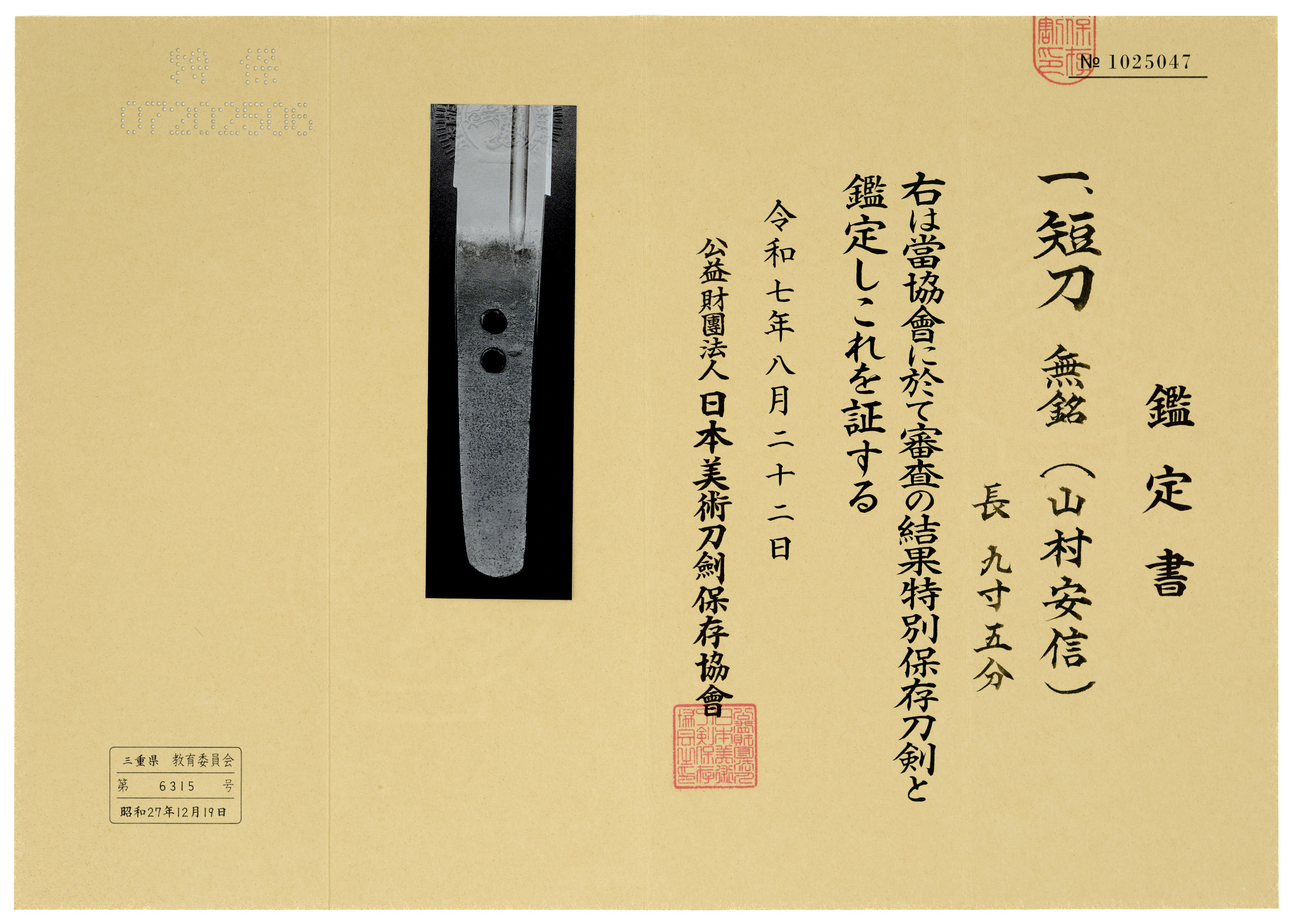
保存刀剣のうち、出来が一層優れ、保存状態も良好と認められたものです。再刃や、室町・江戸期の多くの無銘作は対象外となり、保存刀剣より高い基準が課されます。
日本美術刀剣保存協会(NBTHK)は、1948年に設立され、文化庁の監督を受ける公益財団法人で、東京・刀剣博物館に本部を置きます。専門の審査員が出品作を直接審査し、美術的・歴史的価値に応じた鑑定書を発行します。NBTHKの鑑定書は、日本刀および刀装具の真正性を示す最も広く認知された基準です。
NBTHK公式サイトReturns accepted on items ordered from the site when an item does not appear to be as depicted and described; buyer must notify via email within 7 days of receipt. Refund covers purchase price minus shipping, bank fees, and currency conversion. Sales on items paid in terms are final, as are sales of items personally inspected.
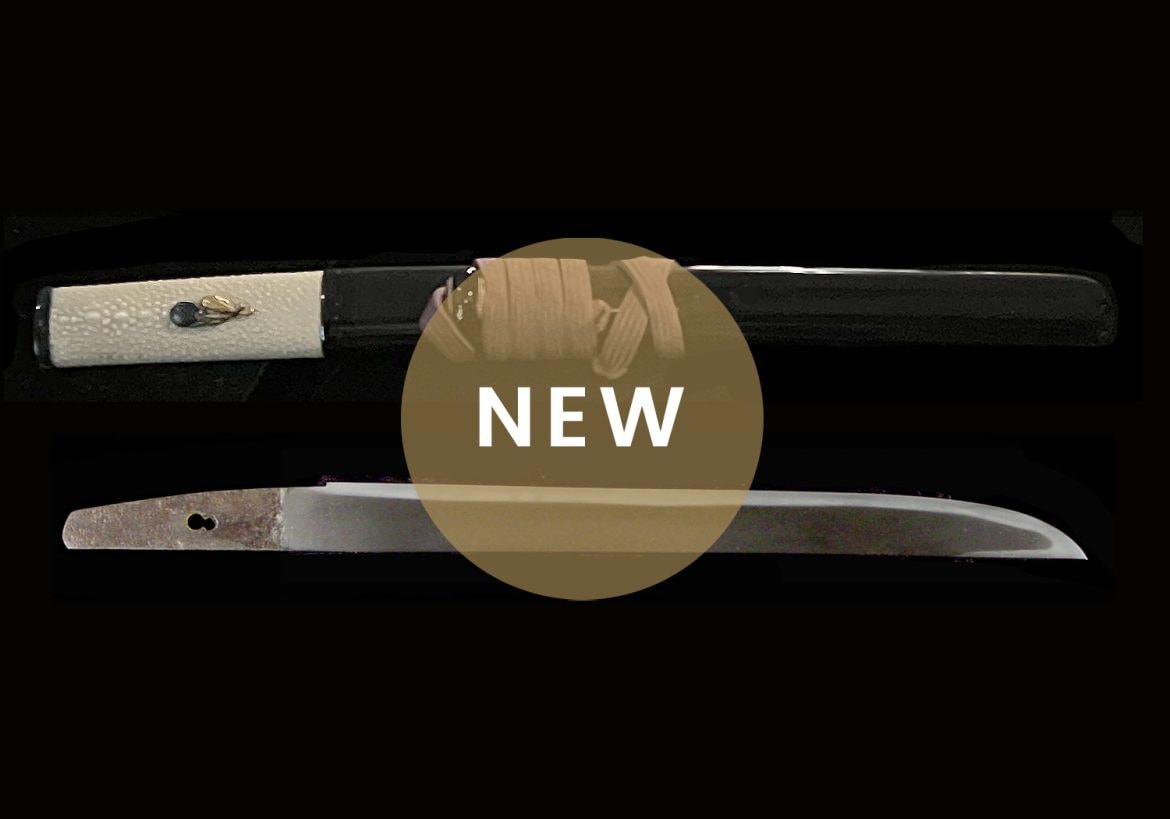
Introduction Yamamura Yasunobu ( 山村安信 ) was a Japanese swordsmith who was active around the Ōei period of 1394-1428. He was part of the Yamamura school of Echigo province, who were a family of samurai who had taken up swordsmithing. This started with Masanobu was taught by the famous swordsmith Nobukuni of Kyoto. Nobukuni in turn traced his lineage back to the first-generation Nobukuni who was trained by Sōshū Sadamune, Masamune's son and lineage holder. The lineage combined Sōshū characteristics with more typical Kyoto Rai swordsmithing. This example A tantō from the first years of the Muromachi period. It appears to be unshortened ( ubu ) but with two peg holes ( mekugi-ana ). The most striking part of it is the sunken panel with dragon grasping a sacred jewel on the right side of the blade. It has the unusual feature of being blackened, with some elements highligted with pure gold. The style of the dragon indicates it was done in the Shintō period. At the base of the blade are two faint lines, indicative that there was once a different horimono in its place, probably a stylized ken (straightsword) as was commonly seen in the Sōshū line. On the other side is a very crisply carved Sanskrit character invoking Fudō Myōō (the Immovable Wisdom King), probably done around the same time as the dragon horimono . An unusual feature for the school is the very prominent utsuri present on both sides of this blade that is not described in the standard literature describing this school, yet the NBTHK did attribute it straight to this smith. Blade attributes (With plain English below) Sugata: Hira-zukuri , mitsu-mune, muzori . (Overall form: Wedge shaped cross-section with flat sides, tri-facetted spine, and no curvature.) Jigane: Itame mixed with nagare and masame with some ji-nie. Prominent utsuri. (Steel: Regular wood grain mixed with running and straight grain. Some martensite crystals in the area above the temperline.


越後 · 1394-1428頃
藤代 Jo saku · 刀剣大鑑 上位49%
現在1点販売中
応仁の乱が足利の体制を砕いた後、戦国の一世紀はほとんどすべての国を武装させた。この時代は選ぶ目に報いる。並の作は多いが、その傍らには第一級の注文打ちが立っている。
保存刀剣のうち、出来が一層優れ、保存状態も良好と認められたものです。再刃や、室町・江戸期の多くの無銘作は対象外となり、保存刀剣より高い基準が課されます。
日本美術刀剣保存協会(NBTHK)は、1948年に設立され、文化庁の監督を受ける公益財団法人で、東京・刀剣博物館に本部を置きます。専門の審査員が出品作を直接審査し、美術的・歴史的価値に応じた鑑定書を発行します。NBTHKの鑑定書は、日本刀および刀装具の真正性を示す最も広く認知された基準です。
NBTHK公式サイトReturns accepted on items ordered from the site when an item does not appear to be as depicted and described; buyer must notify via email within 7 days of receipt. Refund covers purchase price minus shipping, bank fees, and currency conversion. Sales on items paid in terms are final, as are sales of items personally inspected.