NihontoWatch Mon

NihontoWatch

マーケット
事典
鑑定
NihontoWatch Mon

NihontoWatch

マーケット
事典
鑑定

説明

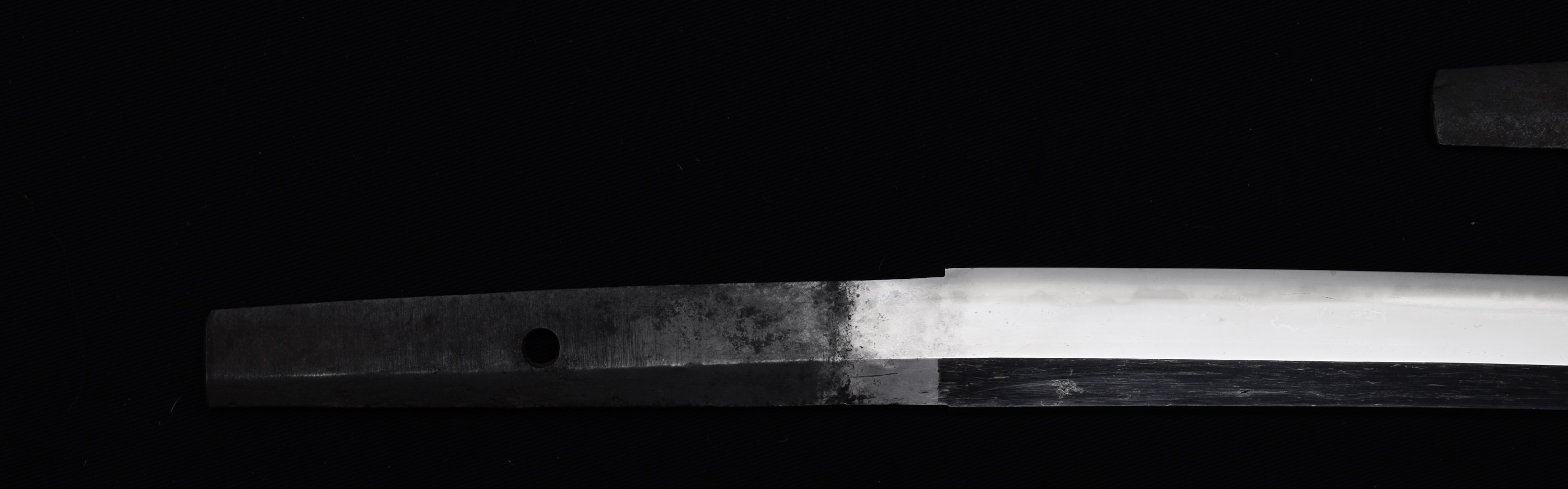
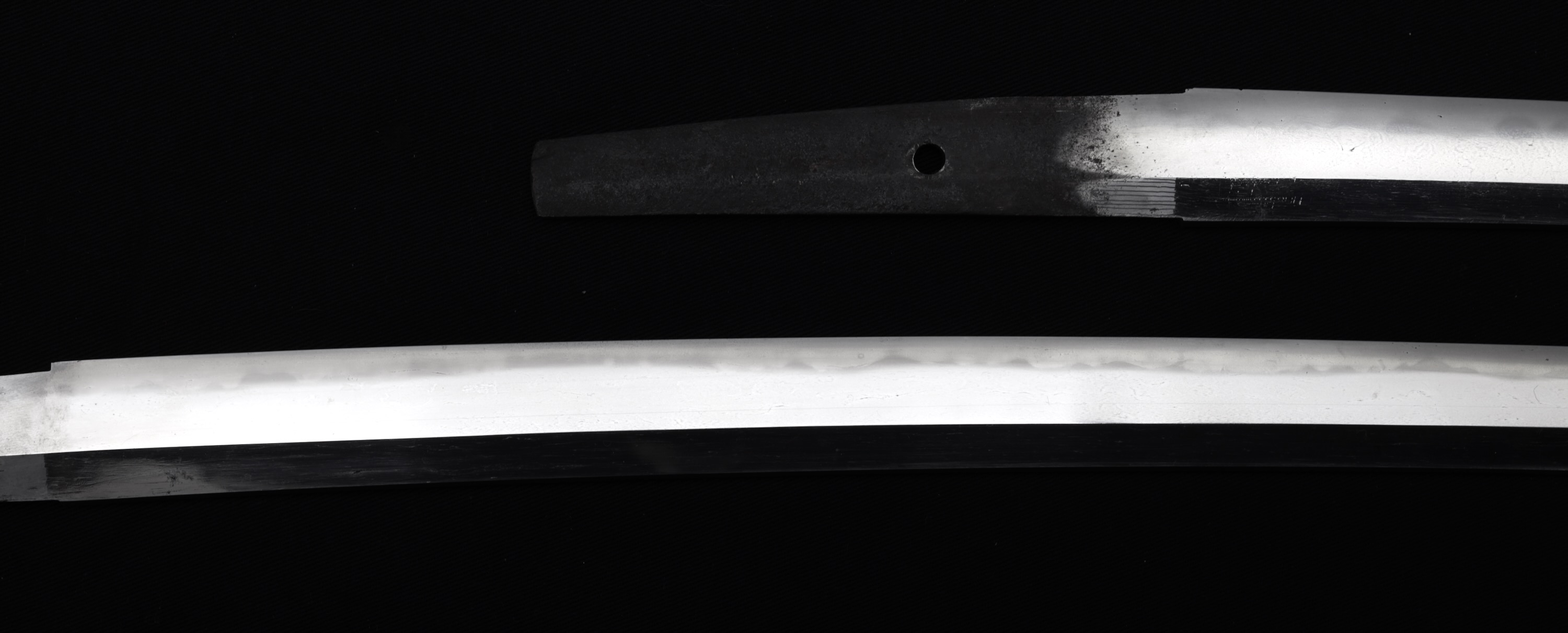
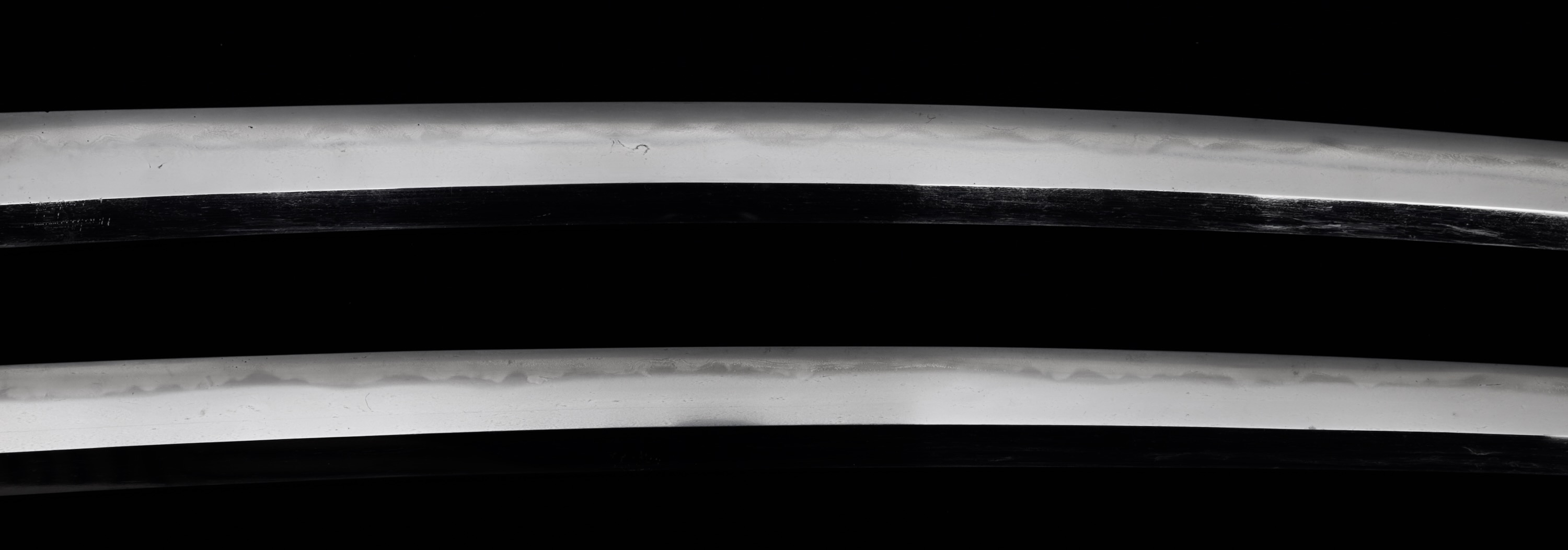
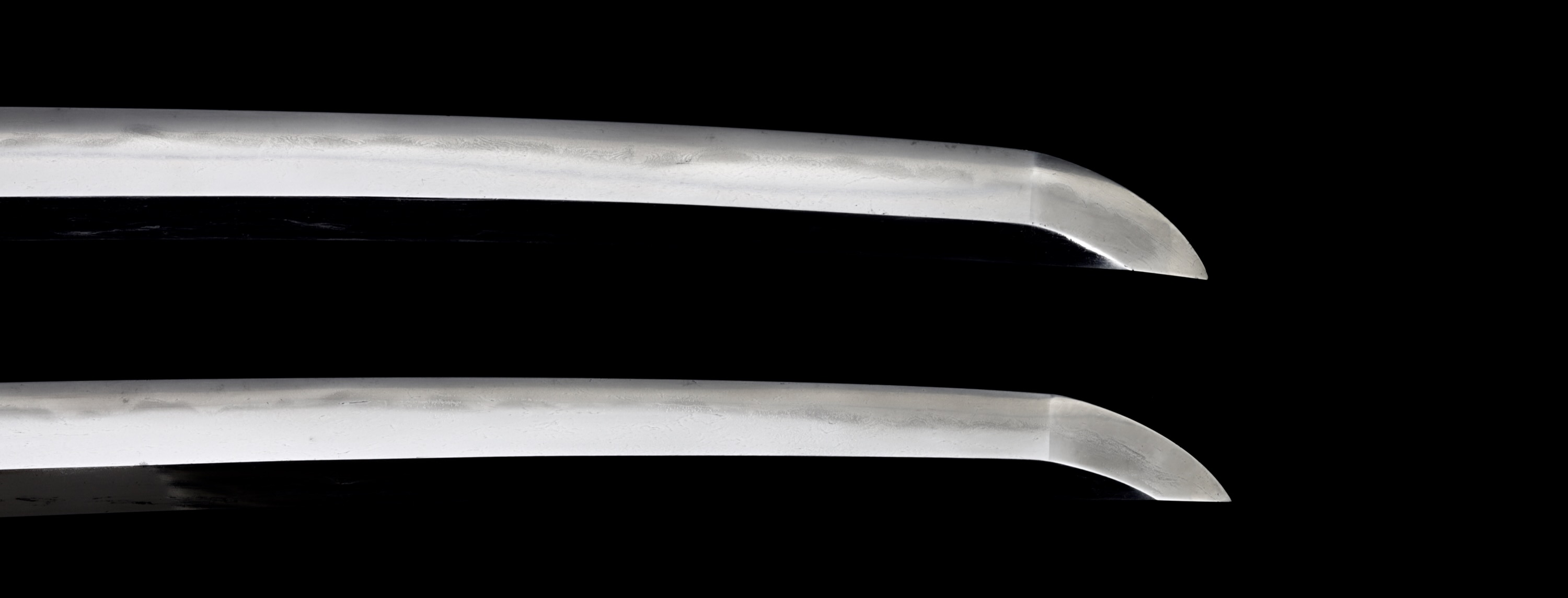
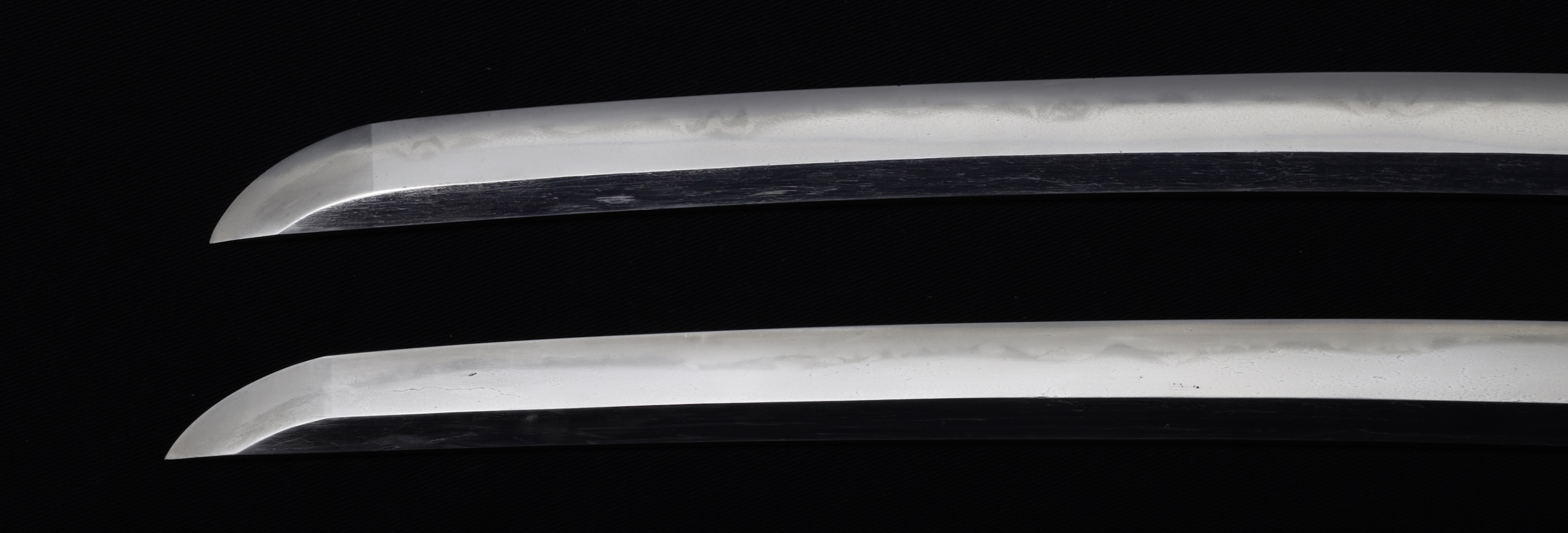
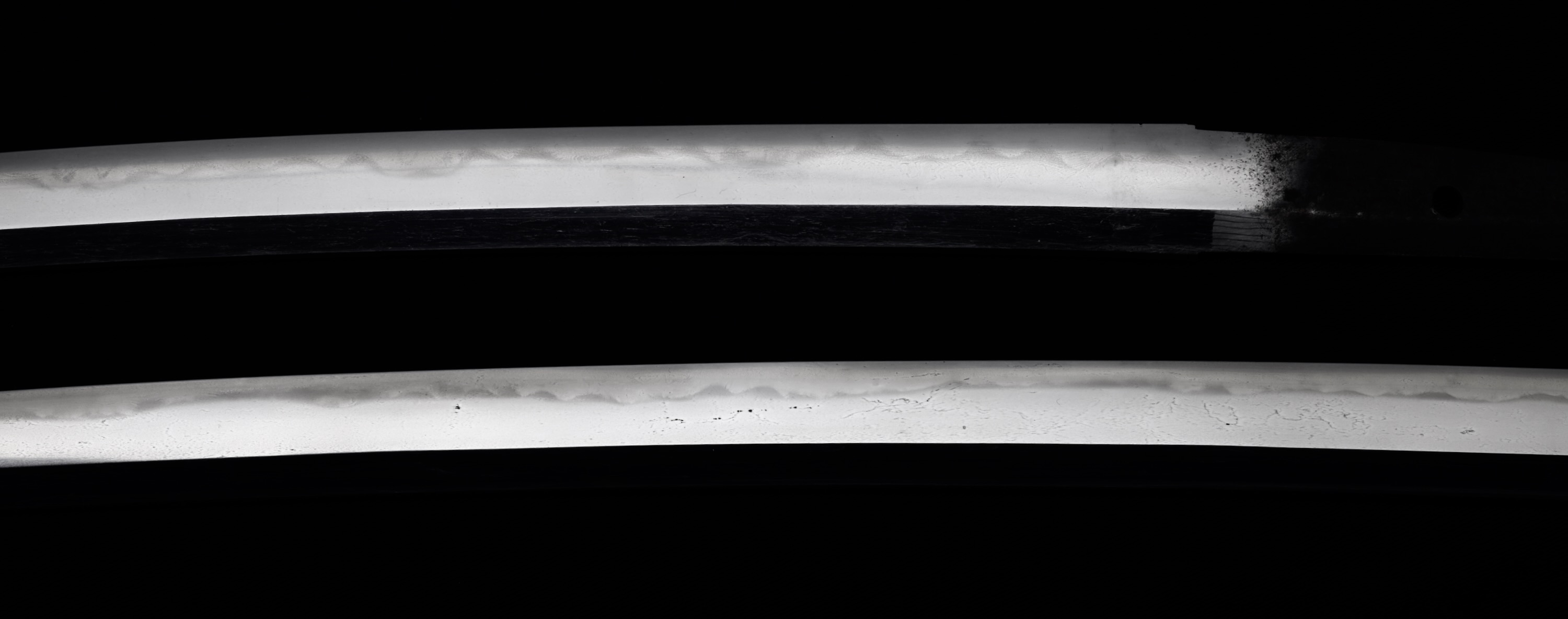
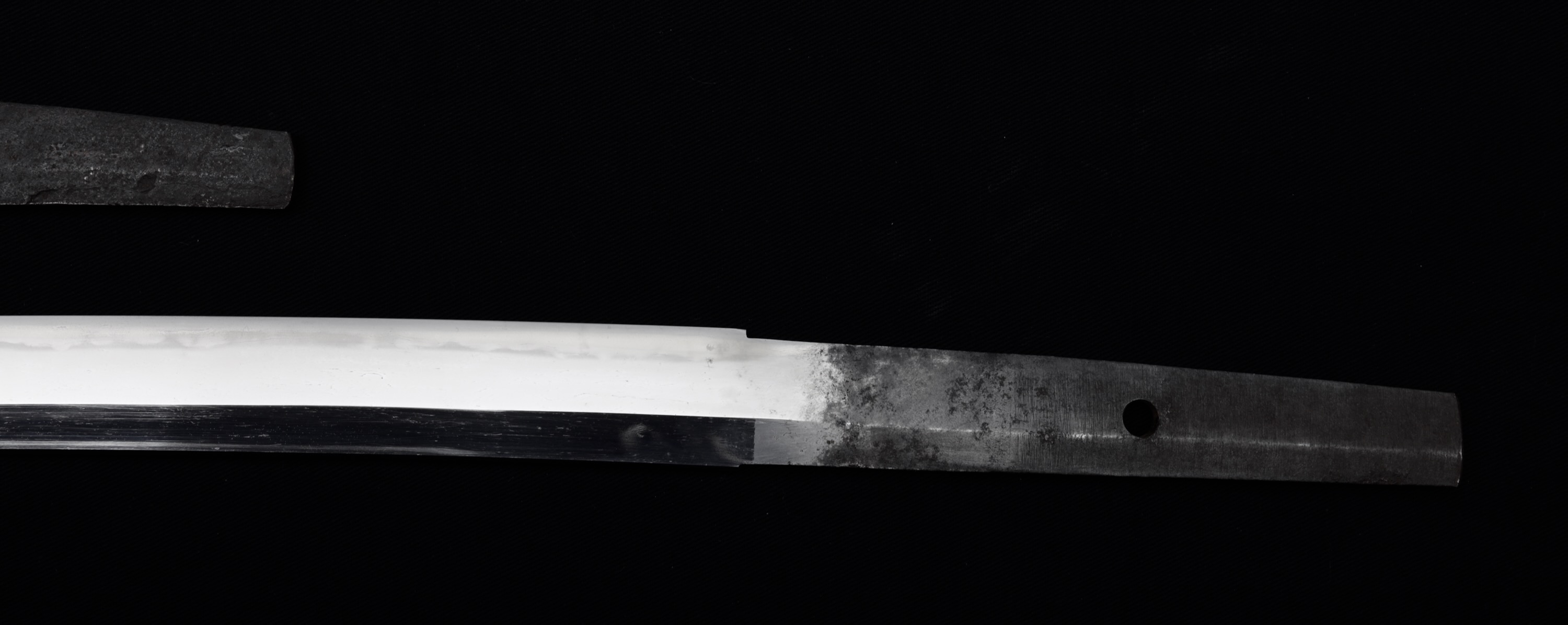
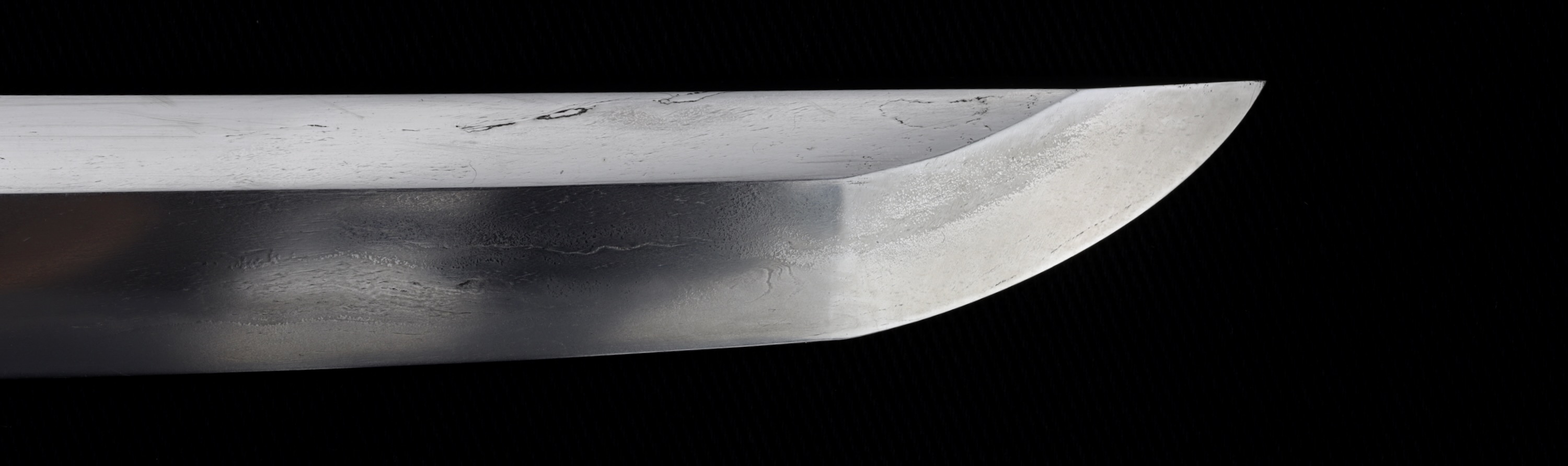
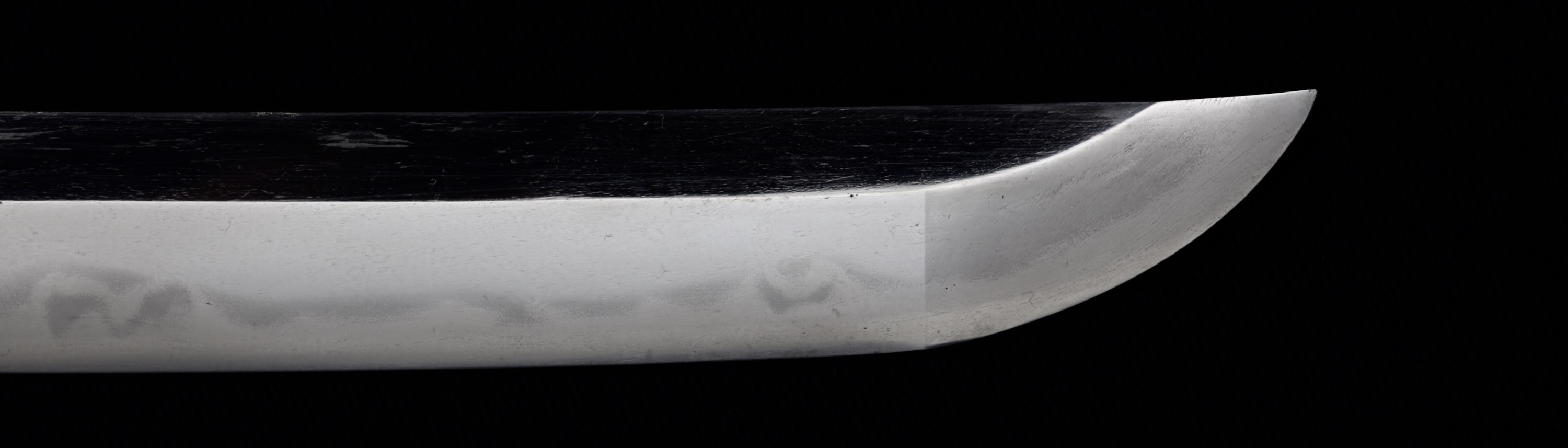
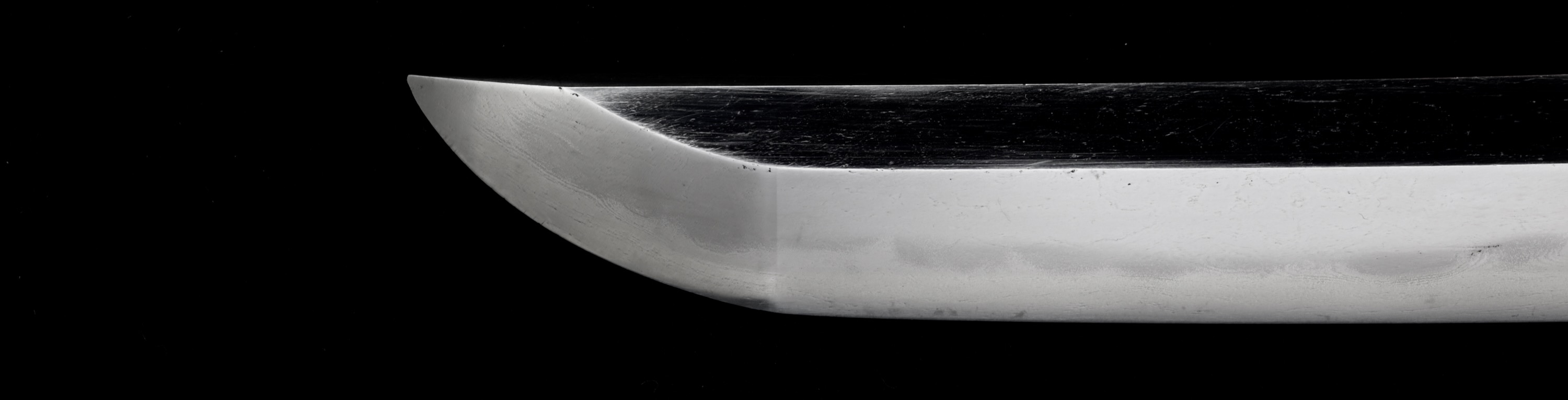
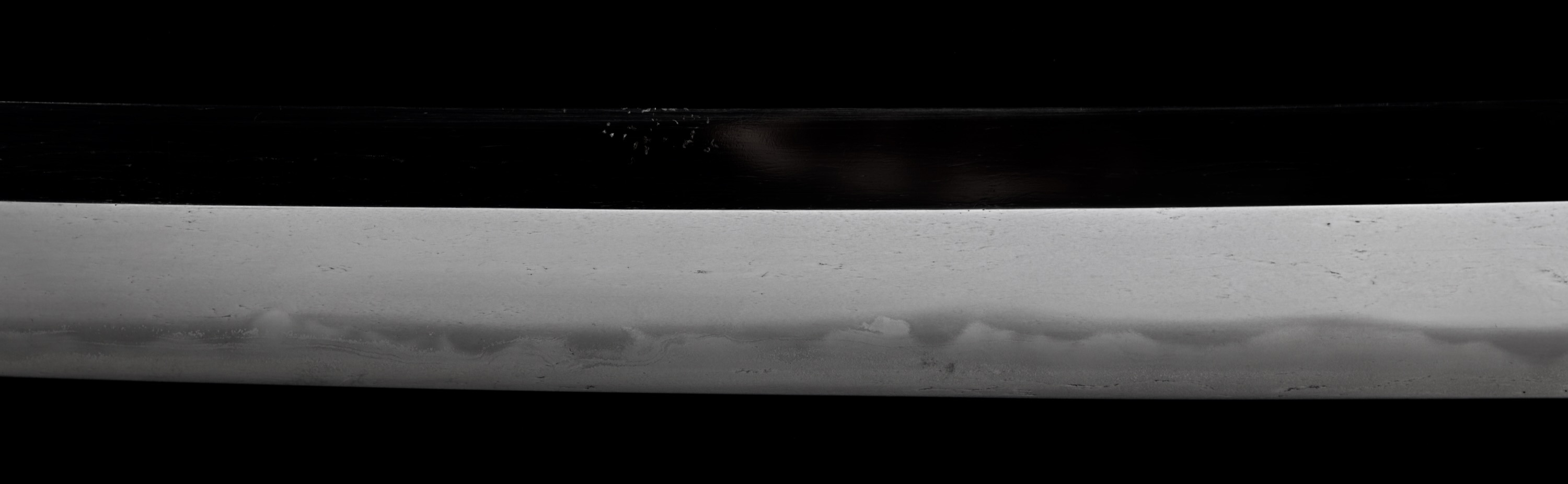
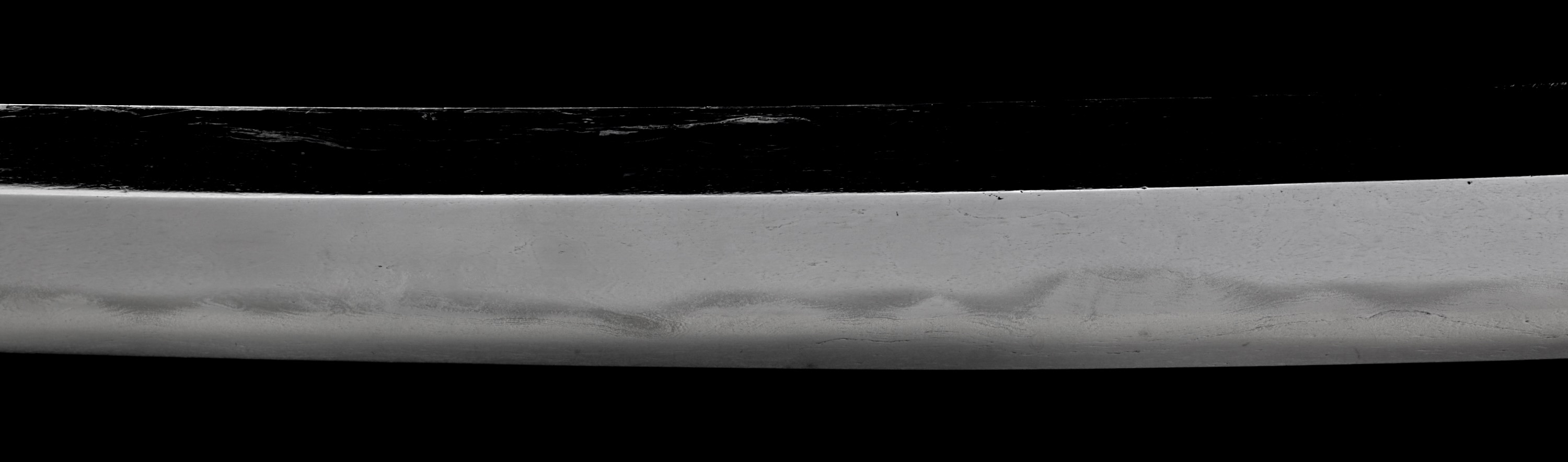
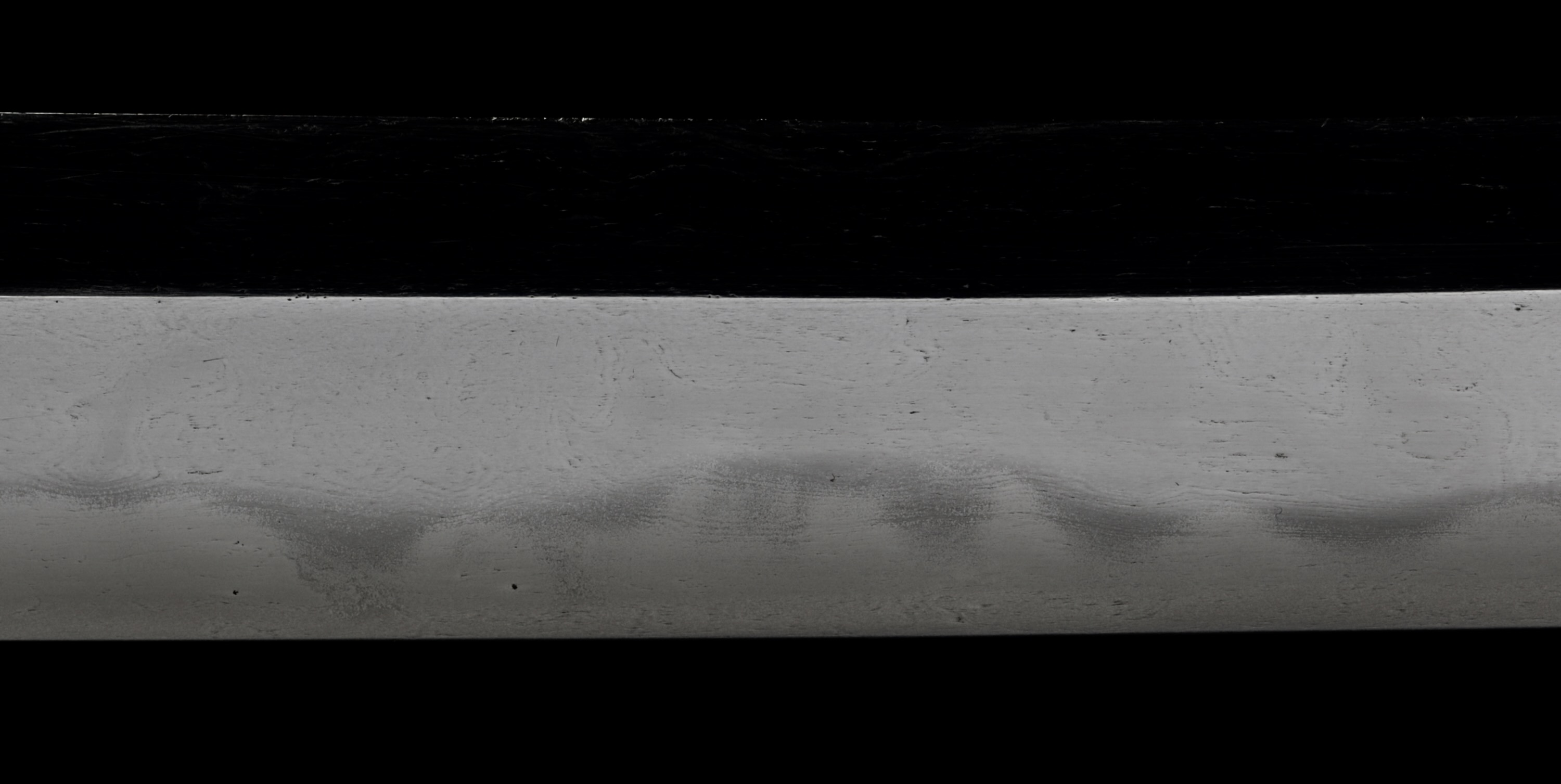
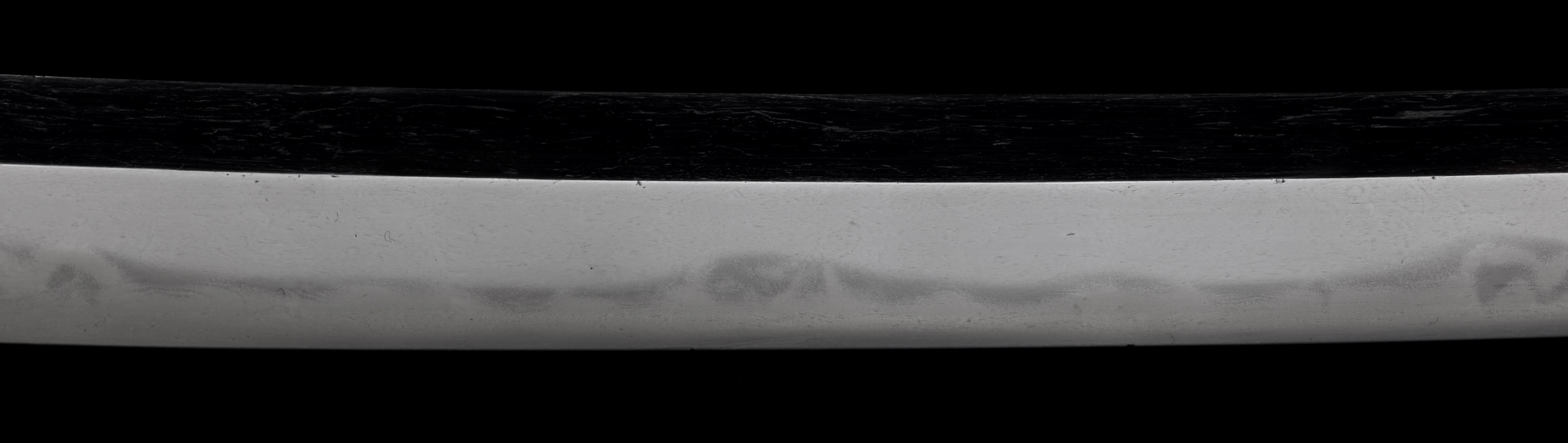
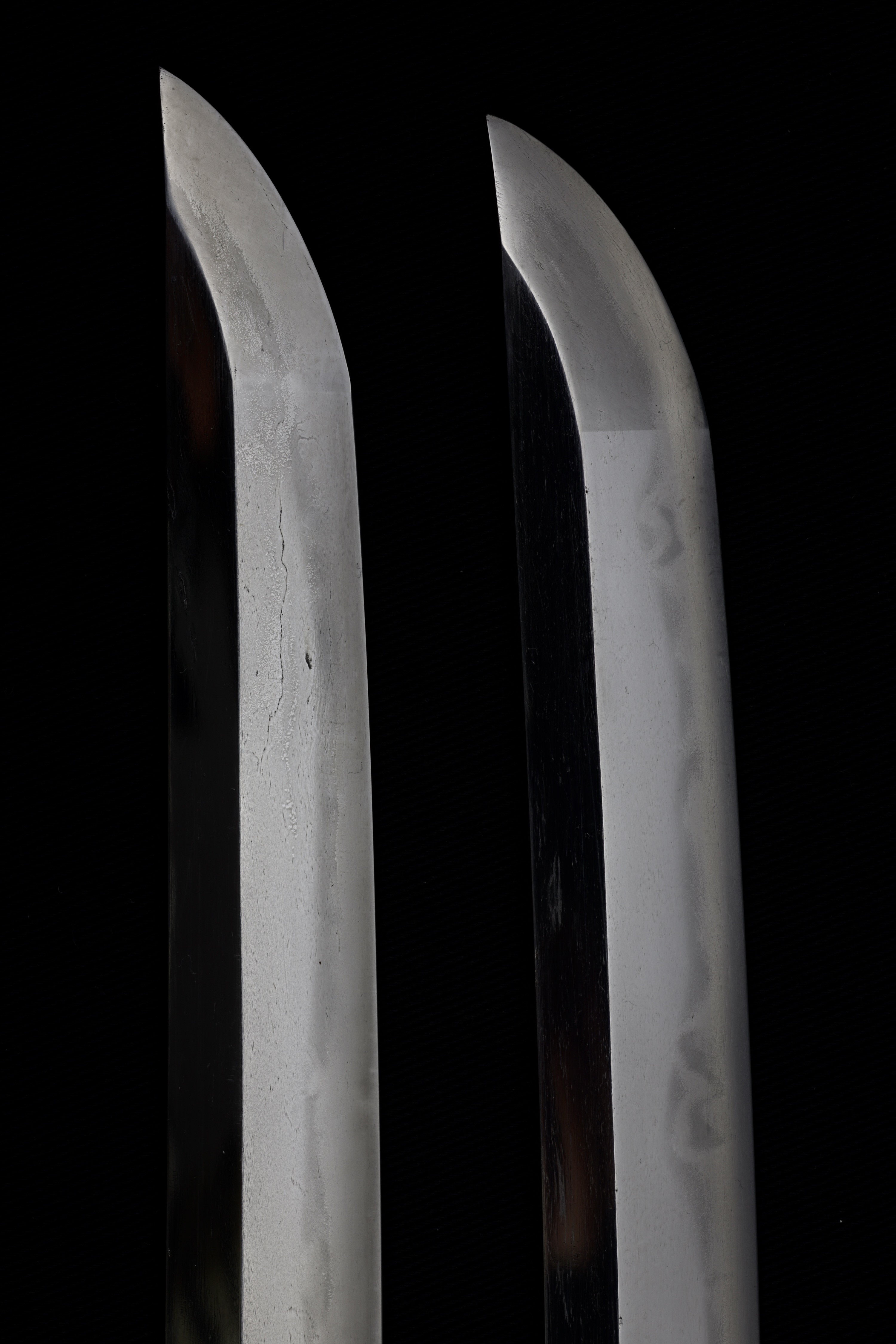
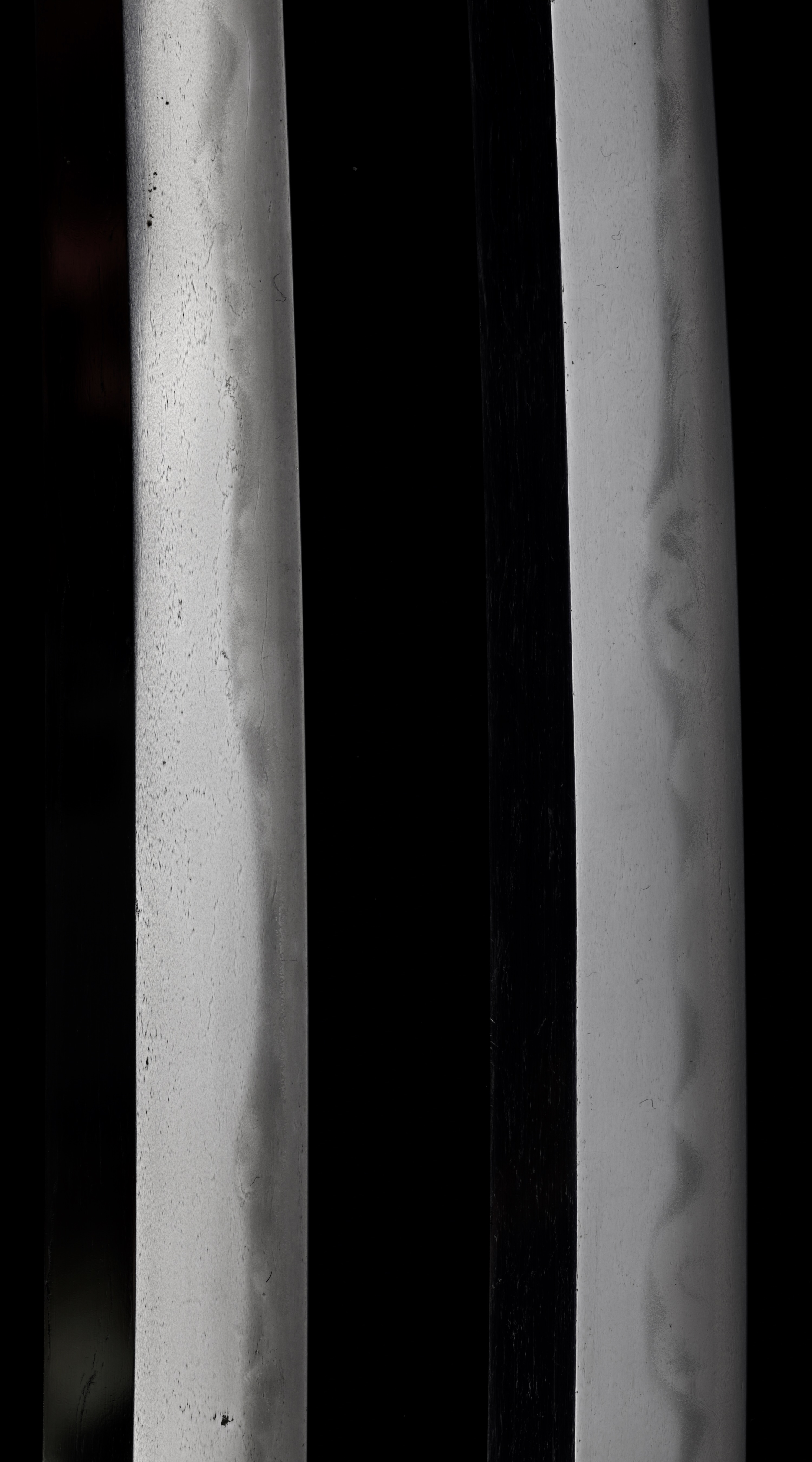
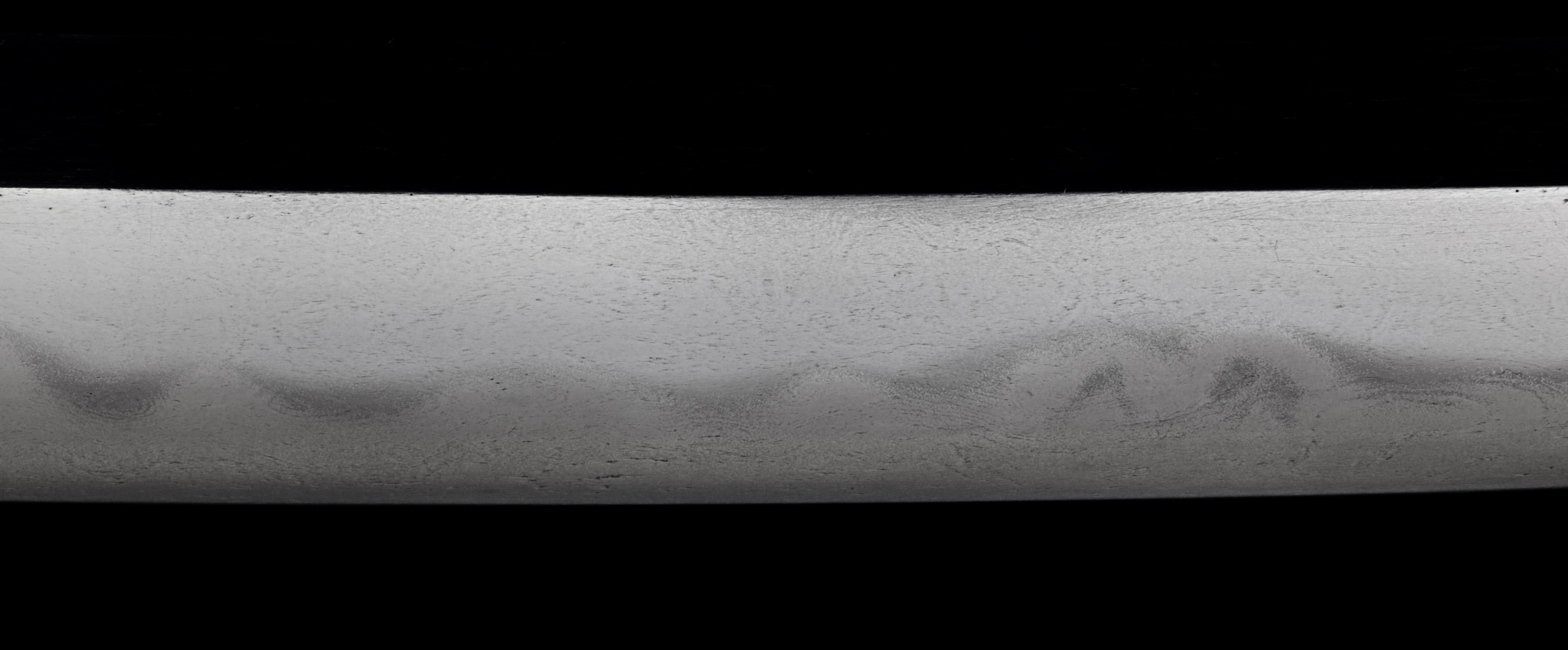
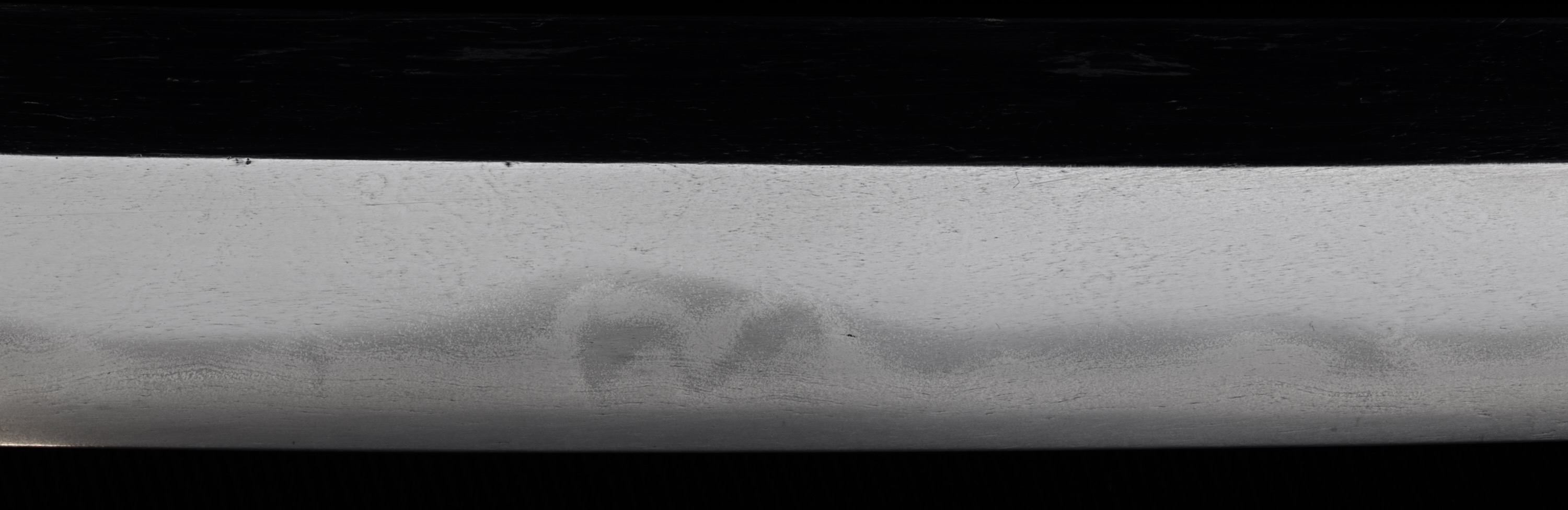
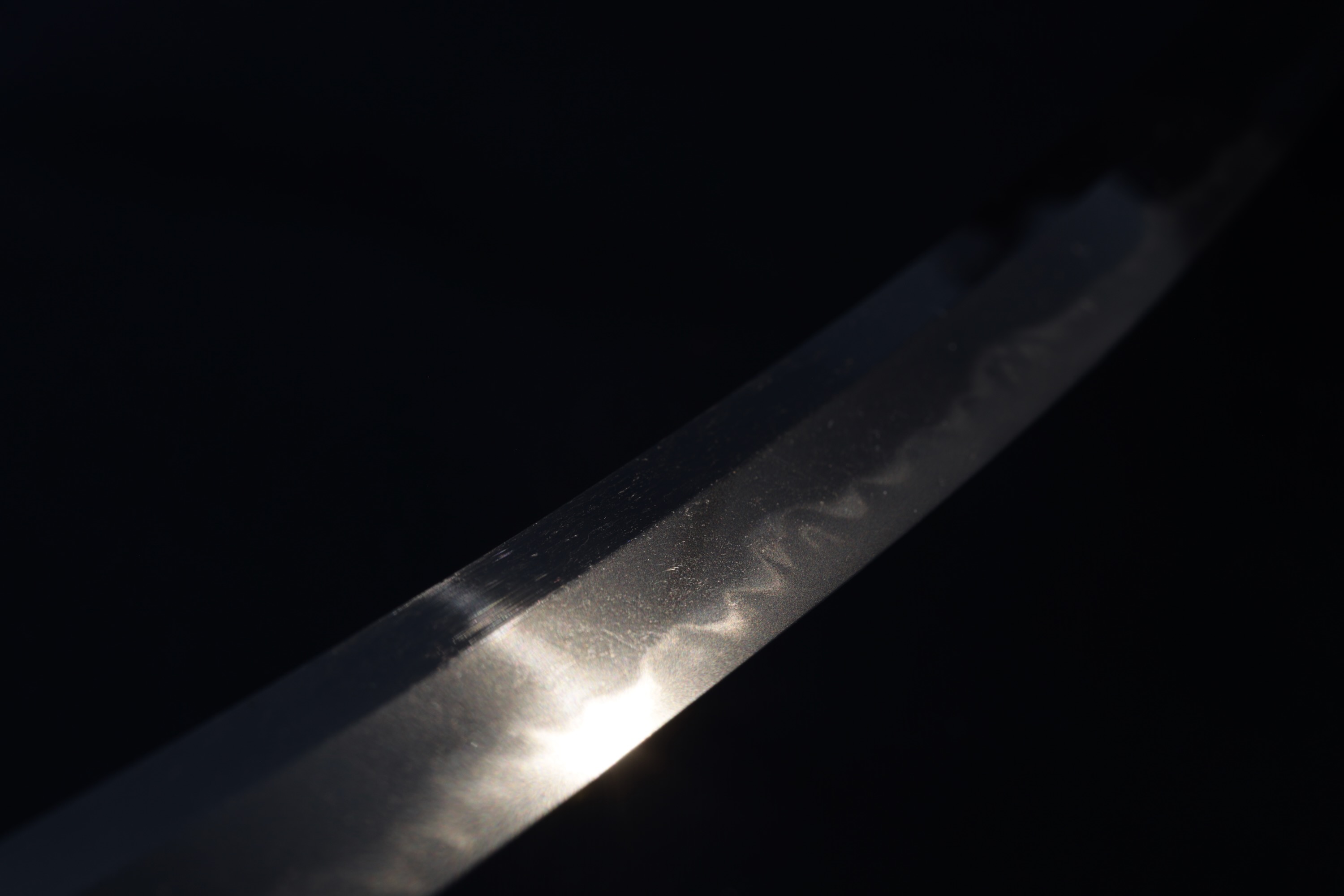
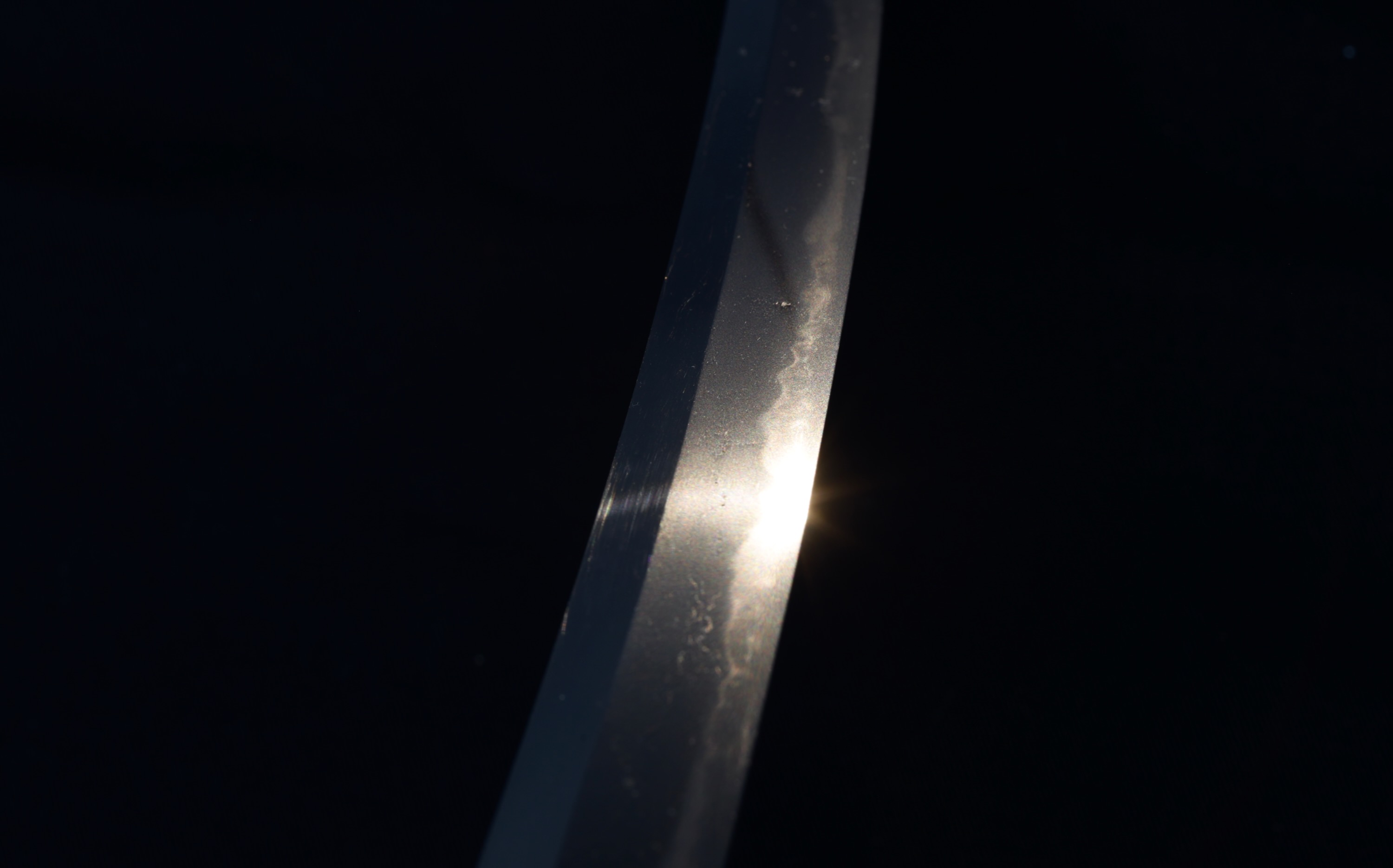
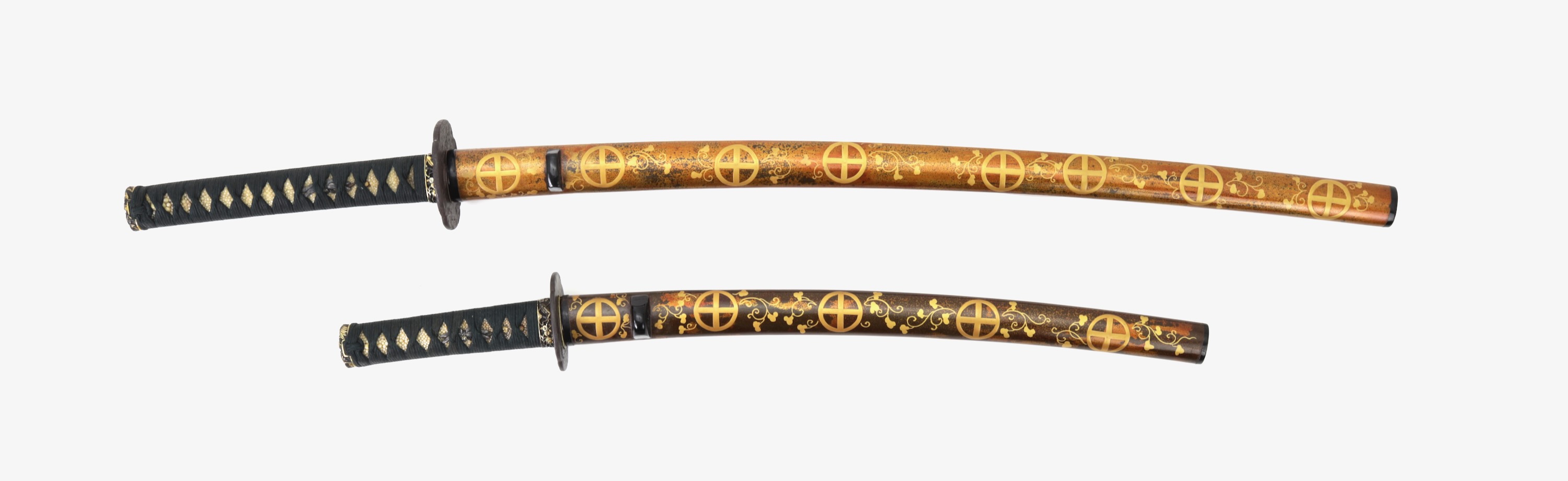
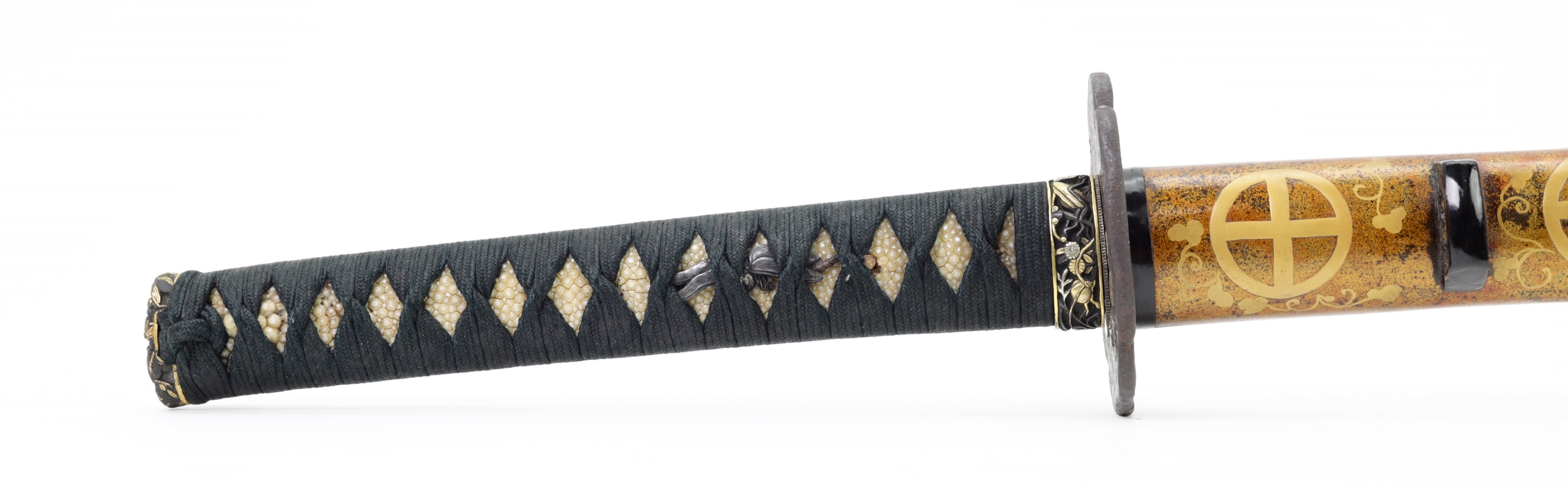
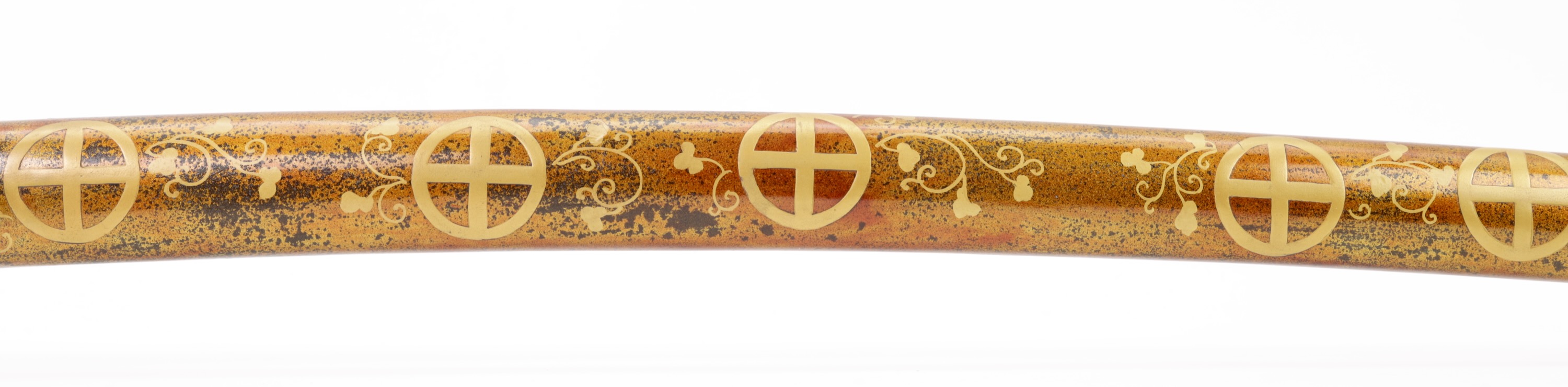
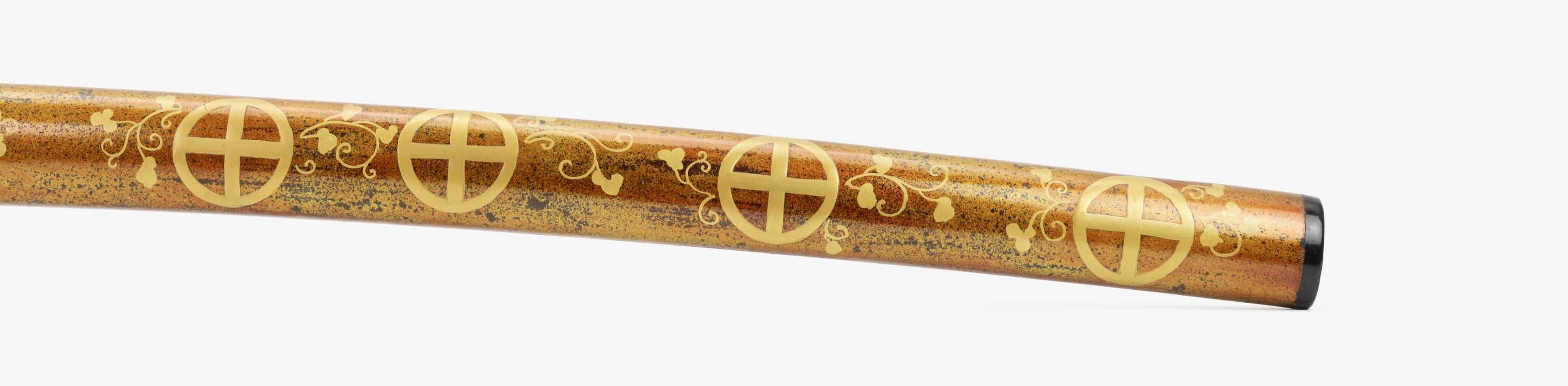
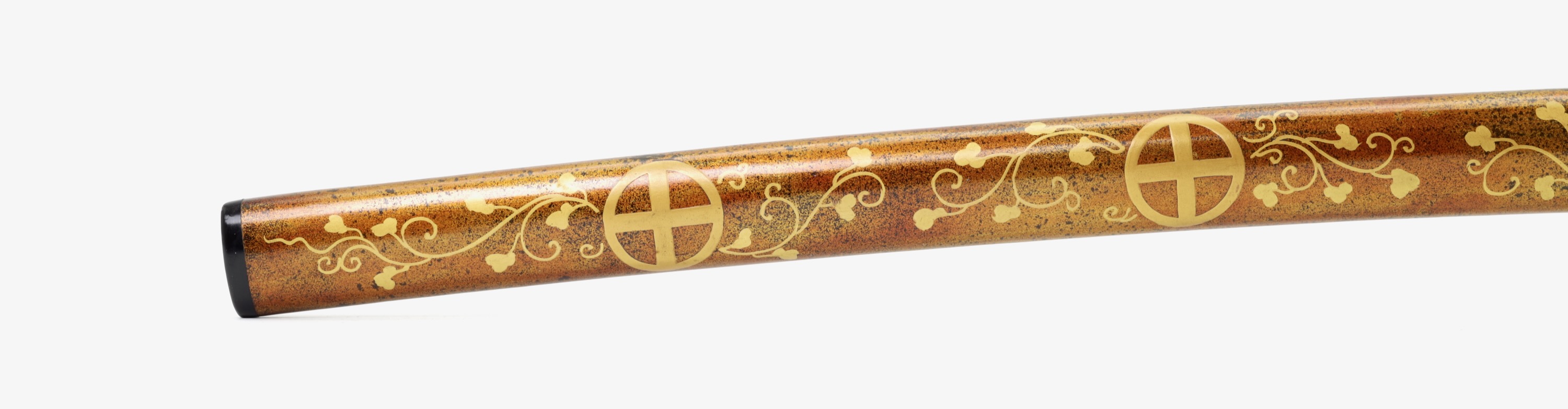
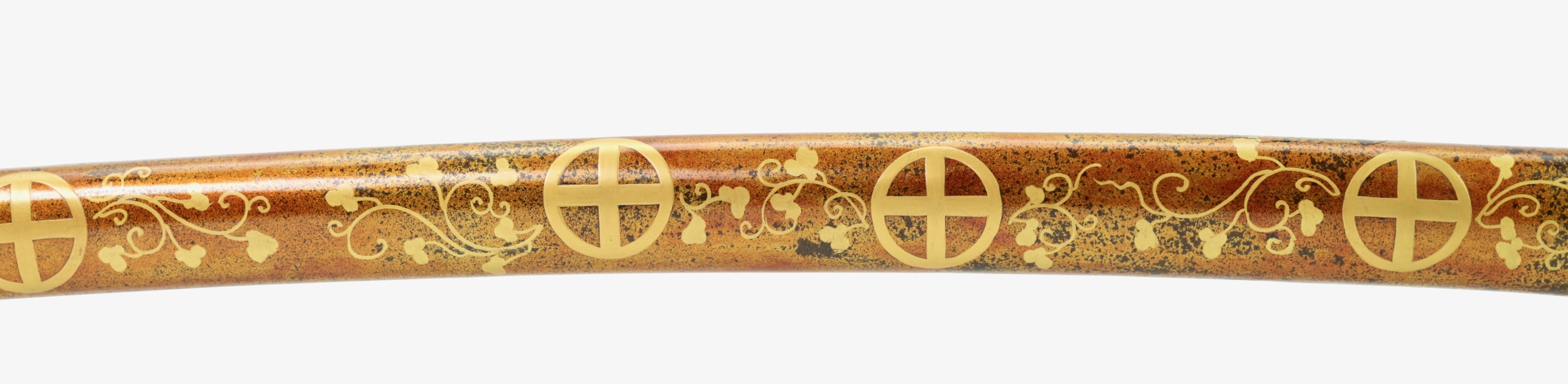
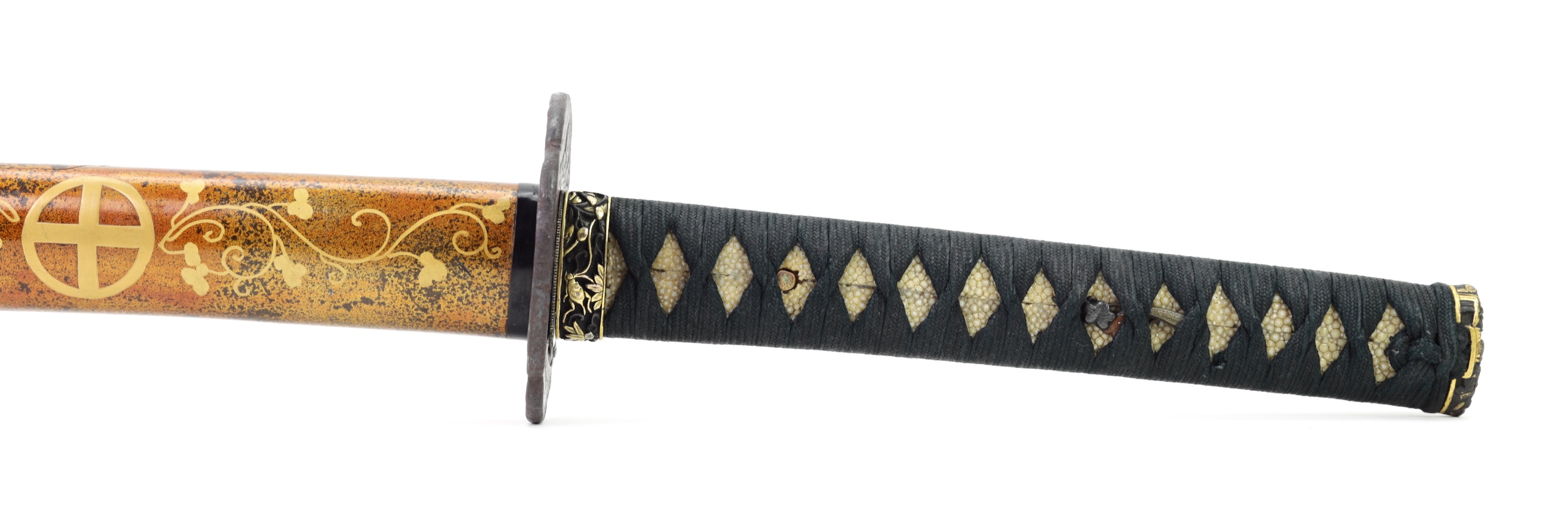
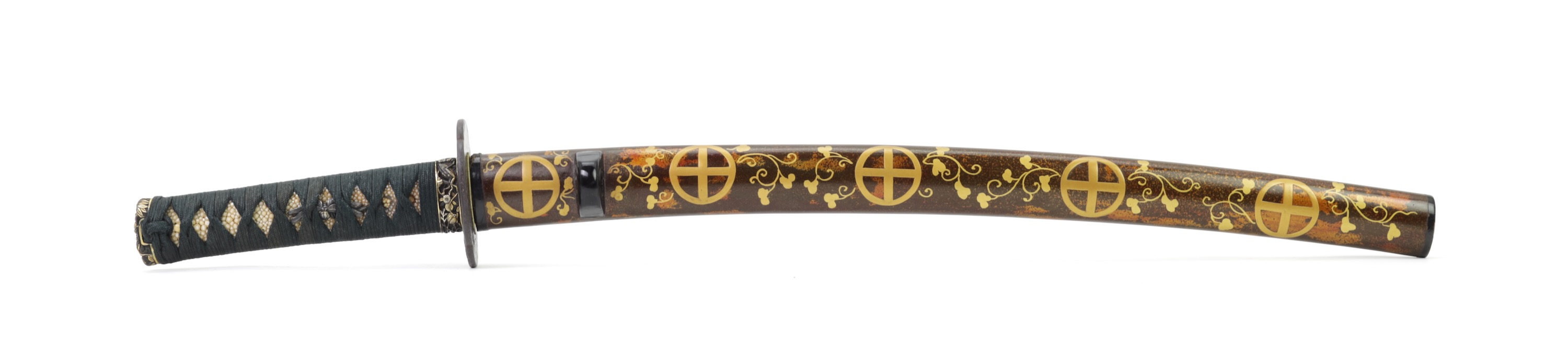
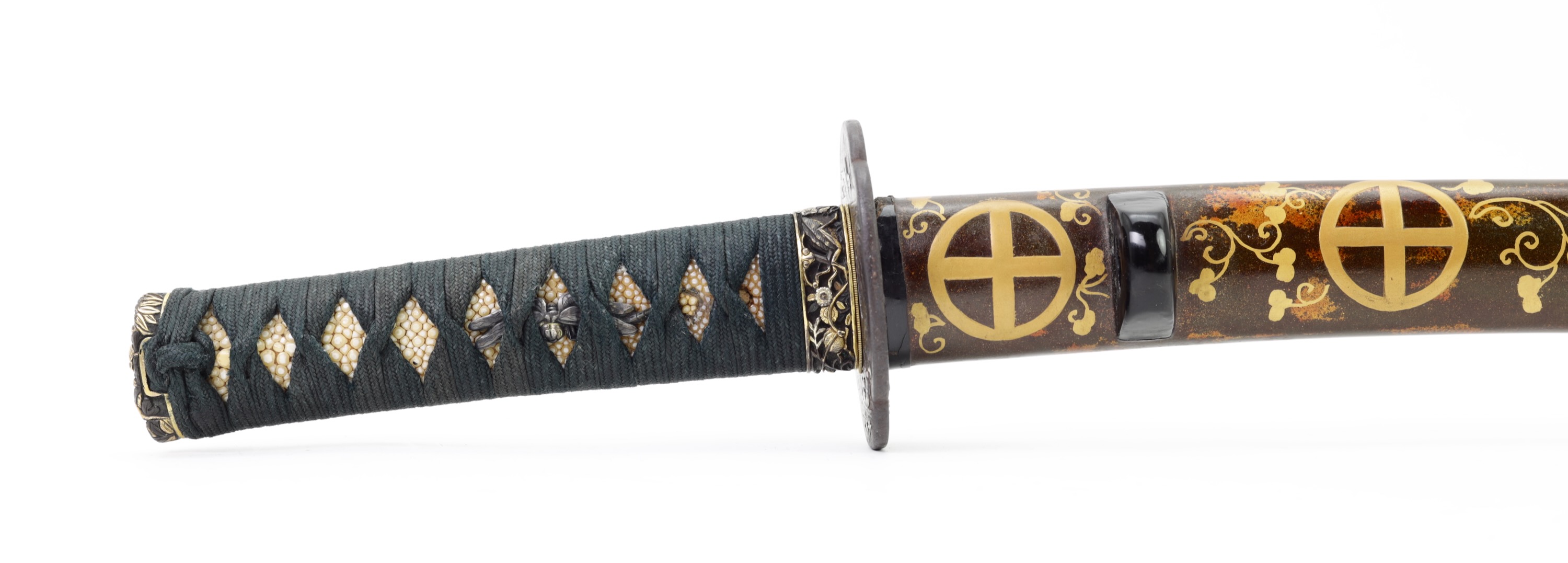
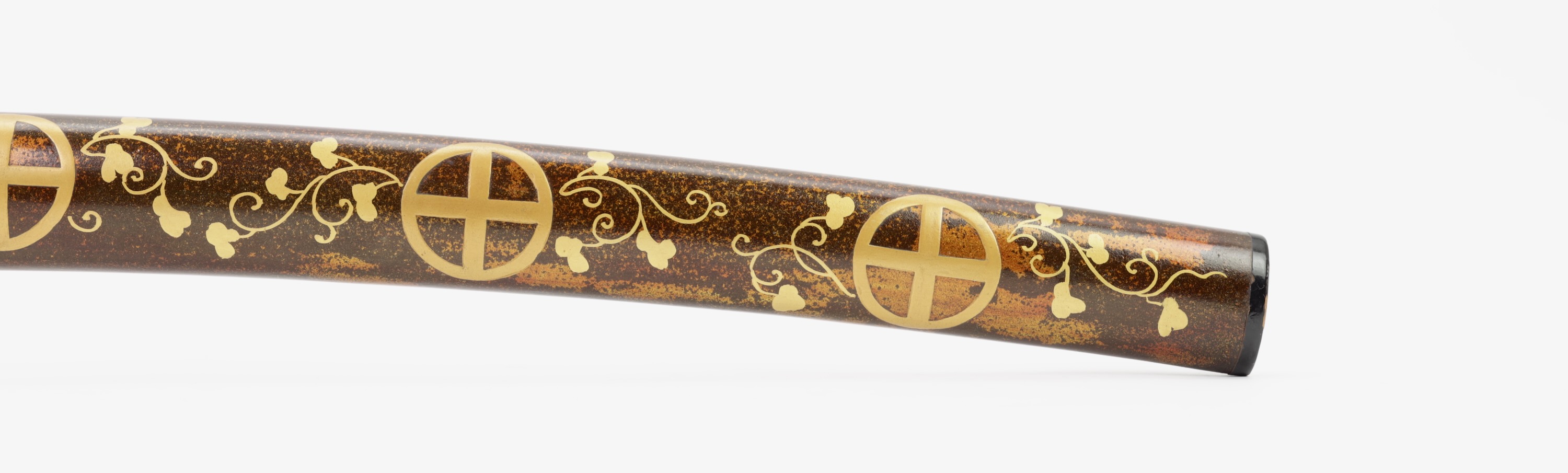
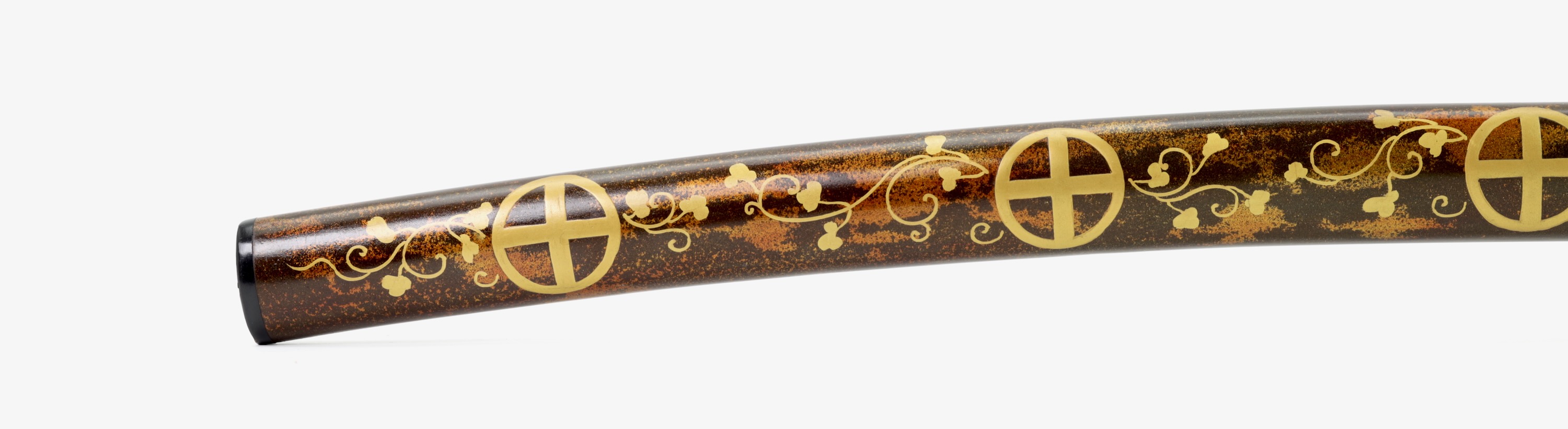
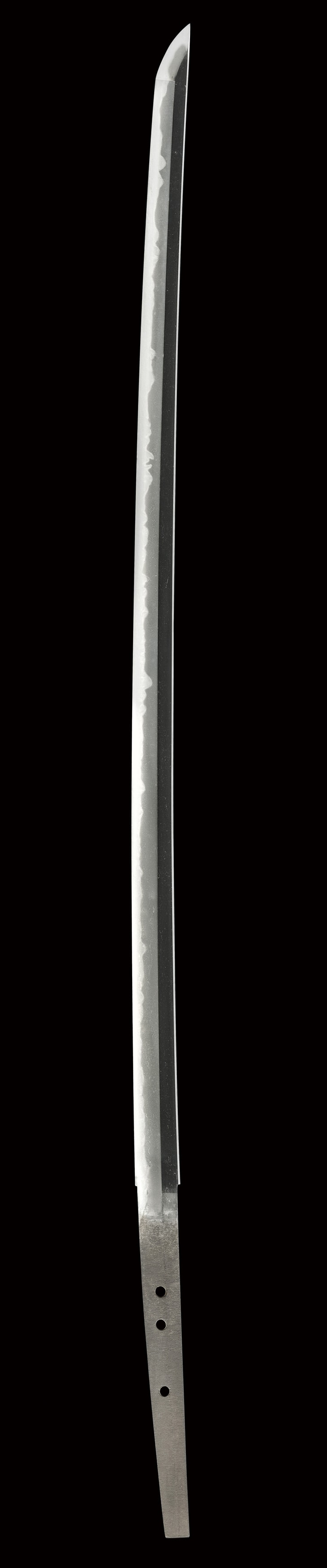
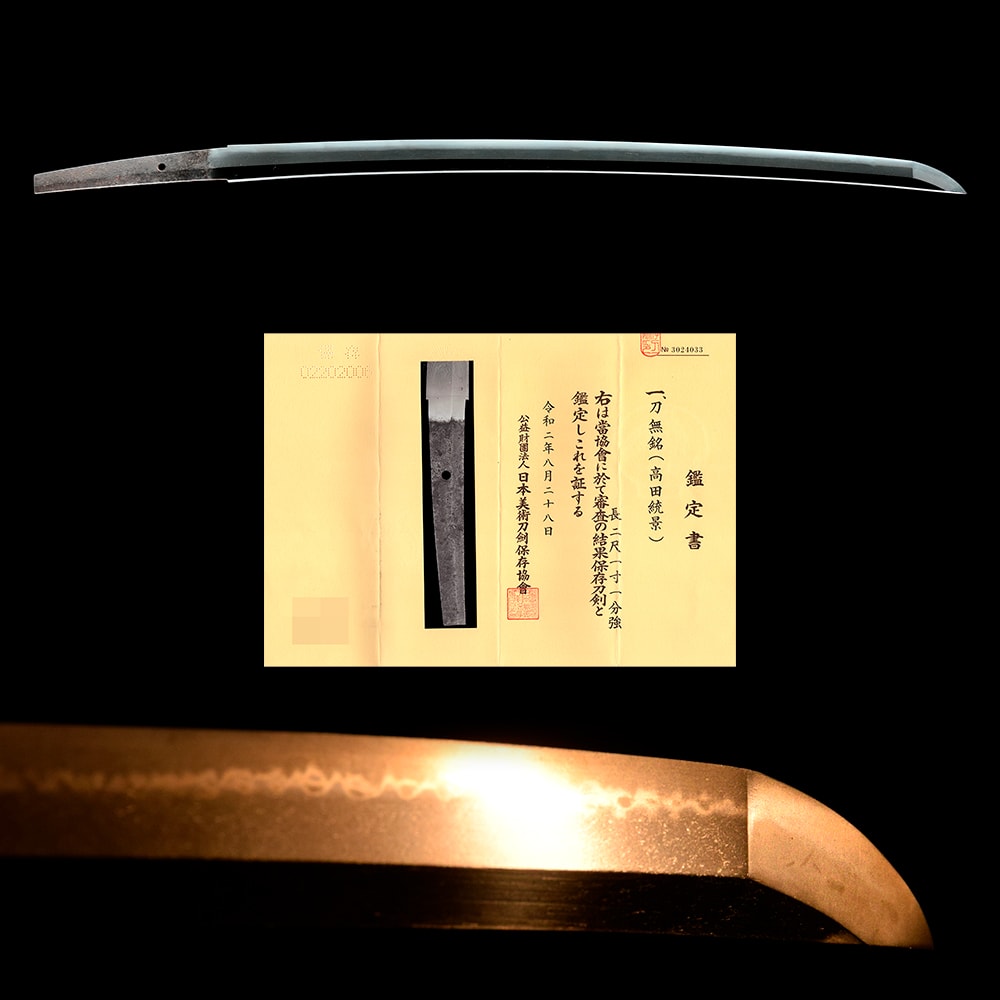
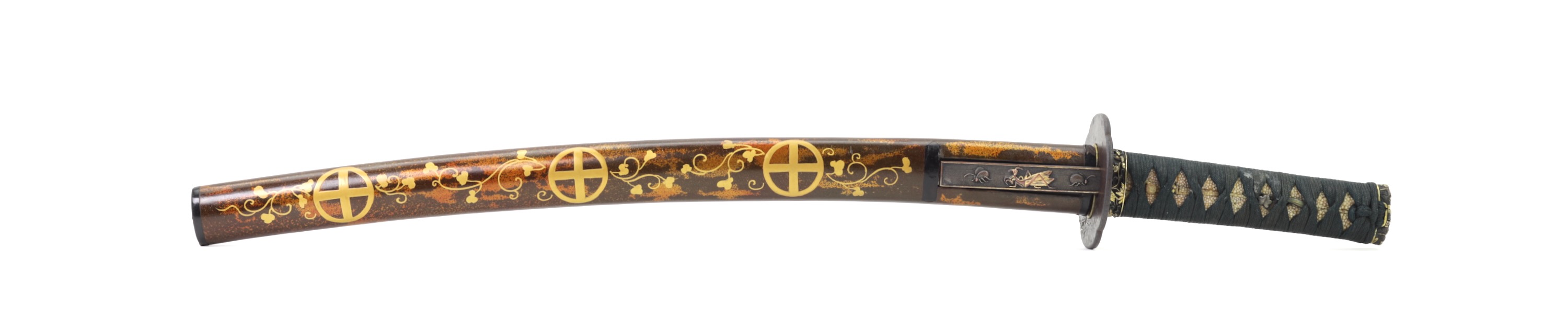
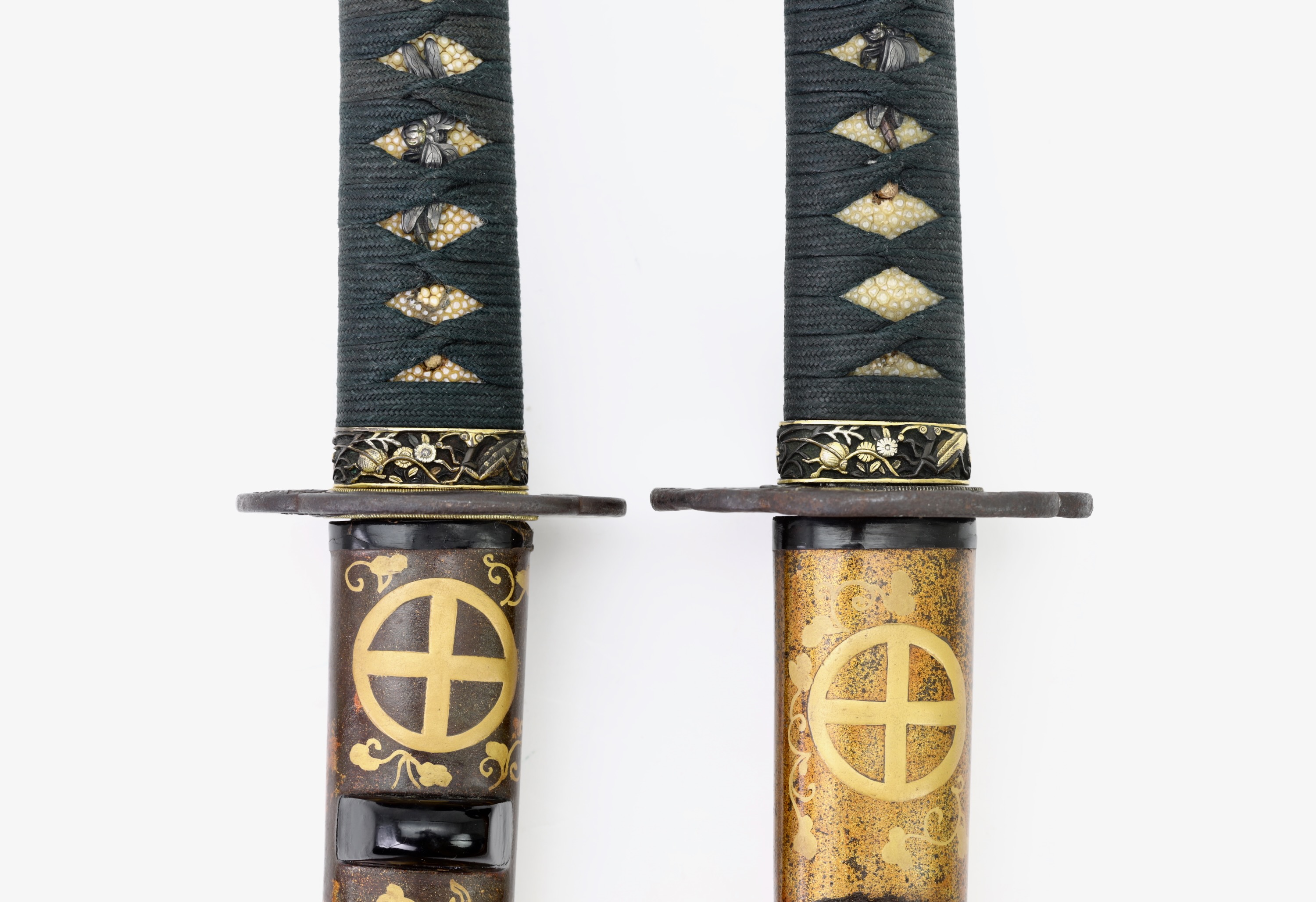
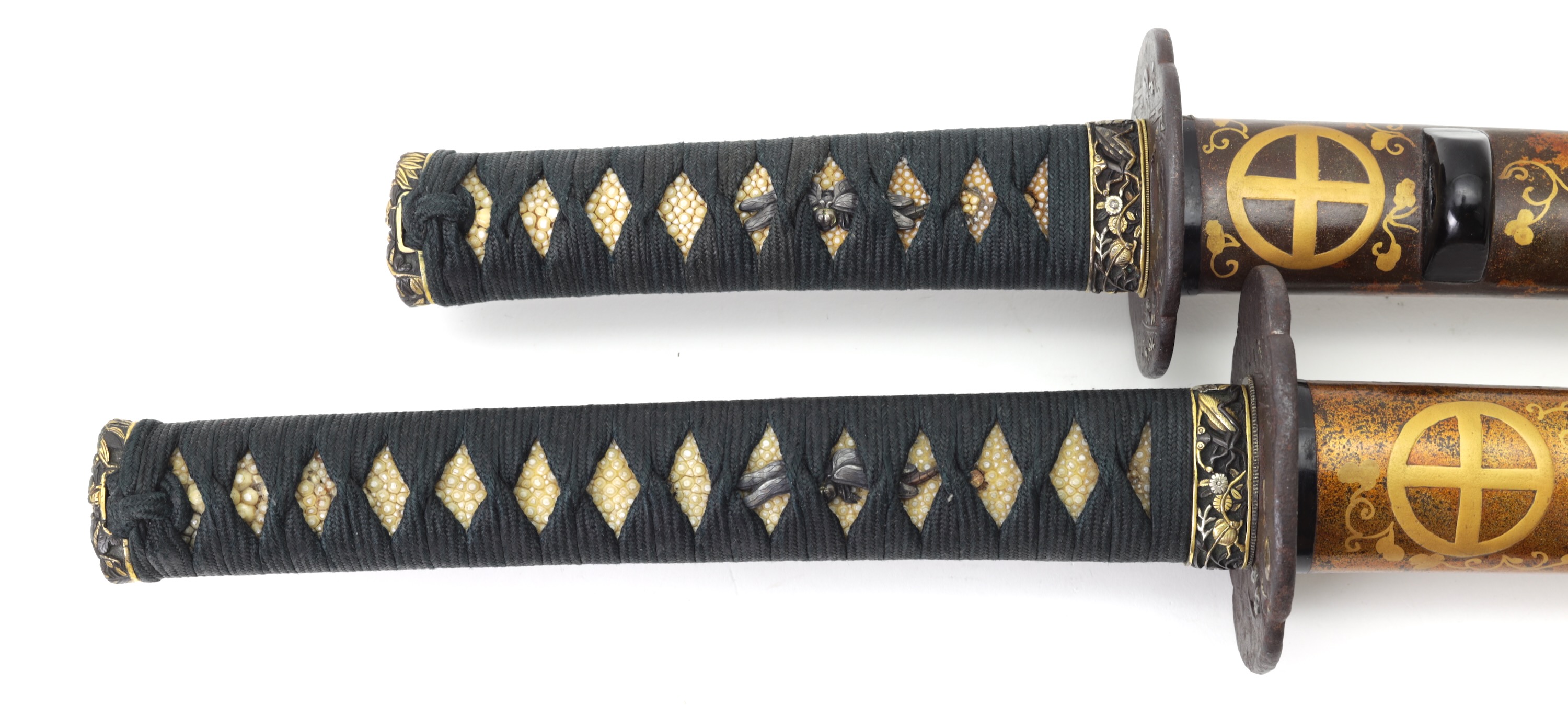
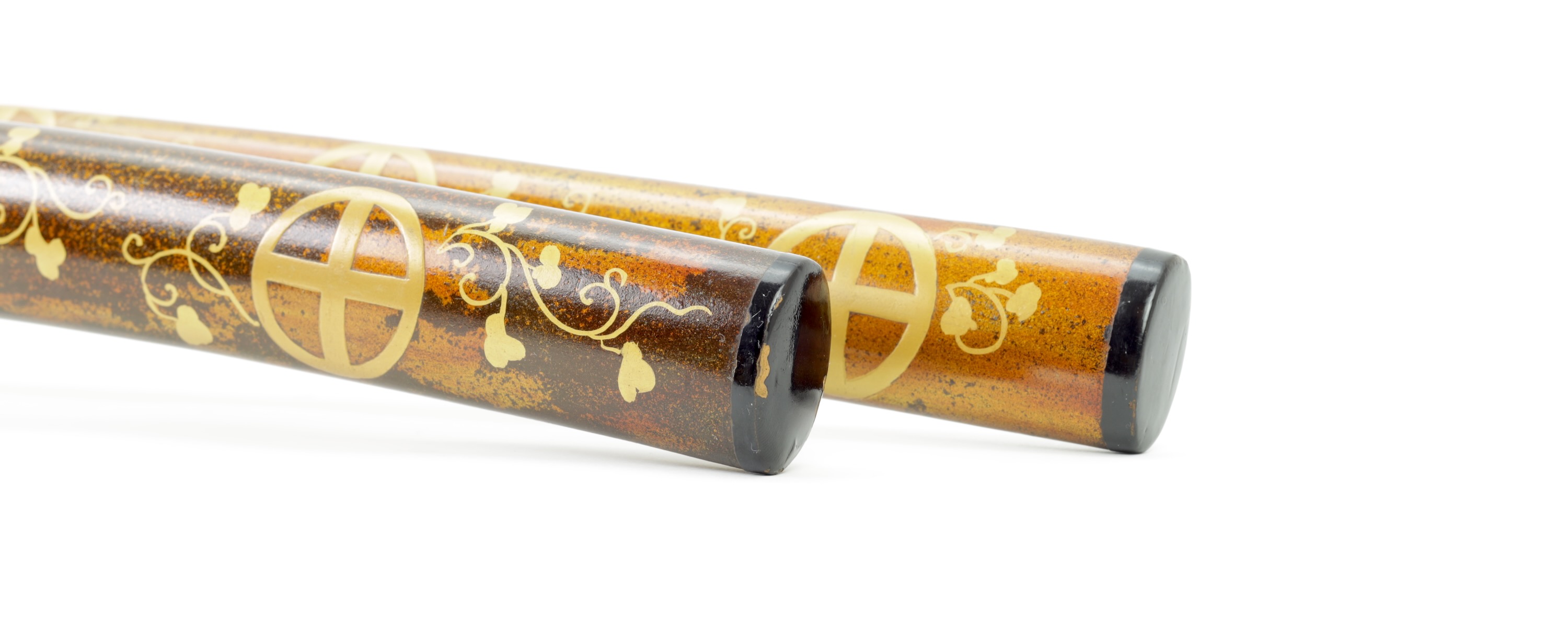
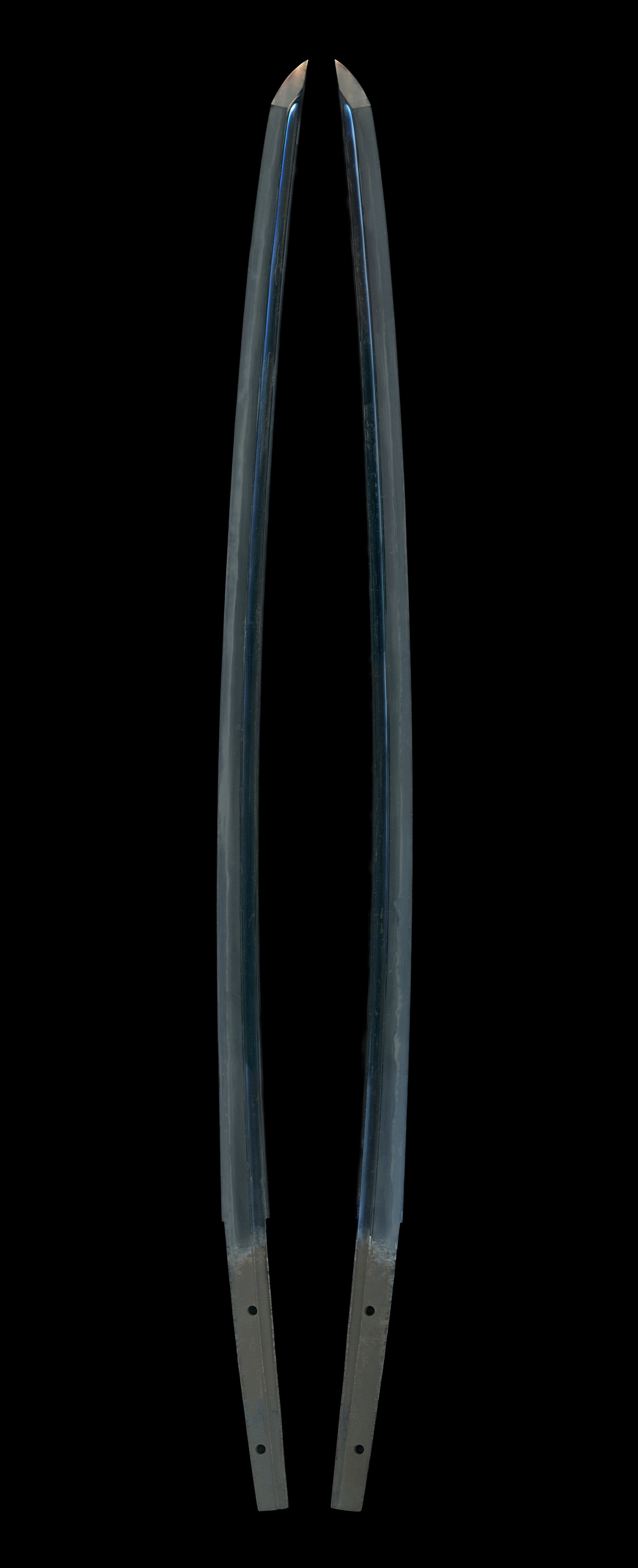
Introduction During the Edo period (1600-1868) the samurai class had the sole privilege of being able to wear the daishō ( 大小 ), which became a symbol of their caste. It consists of a large katana, the dai ( 大 ) , and a shorter wakizashi , the shō ( 小 ). When entering a building, the katana was typically left outside as a sign of respect, but the wakizashi was carried at all times. Most samurai just wore two unrelated swords, but the epitome of a daishō was, of course, a fully matched set. This was only accessible to wealthier samurai. This daishō Both blades are forged by the Takada group of swordsmiths who were active in Bungo, in the northern part of the island of Kyūshū. This group of smiths was active from around the 14th century and thrived well into the 19th century. They were initially known for making very practical blades, with less focus on aesthetics, but by the Shinto period, between them, they mastered all of the five main traditions while also producing typical Shinto styles. Both these blades are in a fine, recent polish and have recent NBTHK Hozon papers. The dai The katana is attributed to the Taira Takada smiths of the Koto period and has the rustic, practical appearance that these blades were known for. Compared to the Shinto period shō , it has a more open-grained hada and a lot more nie . Dai sword attributes (With plain English below) Nakago: Suriage. Mumei. Kurijiri. Kiri yasurime . One mekugi ana. (Tang: Shortened. Unsigned. Rounded tip. Straight file marks. One peg hole.) Sugata: Toriizori . Shinogi-zukuri with noticeable funbari . Iori-mune . (Overall form: Curvature concentrated at the center. Blade with ridged sides, ridged spine, and noticeable taper in width. Spine finished with two facets.) Jigane: A coarse ko itame-hada with some mokume. Masame in the ji. Some nie and ara nie in the ji . (Steel: A coarse small dimensioned wood grain pattern with some burling patterns. Straight grain in the upper facet.

NihontoWatch MonNihontoWatch
MarketEncyclopediaKantei
刀剣›Takada›Shimazu mon daishō
大小

Shimazu mon daishō

Takada
売却済
Shimazu mon daishō — 1 of 37
Shimazu mon daishō — 2 of 37
Shimazu mon daishō — 3 of 37
Shimazu mon daishō — 4 of 37
Shimazu mon daishō — 5 of 37
Shimazu mon daishō — 6 of 37
Shimazu mon daishō — 7 of 37
Shimazu mon daishō — 8 of 37
Shimazu mon daishō — 9 of 37
Shimazu mon daishō — 10 of 37
Shimazu mon daishō — 11 of 37
Shimazu mon daishō — 12 of 37
Shimazu mon daishō — 13 of 37
Shimazu mon daishō — 14 of 37
Shimazu mon daishō — 15 of 37
Shimazu mon daishō — 16 of 37
Shimazu mon daishō — 17 of 37
Shimazu mon daishō — 18 of 37
Shimazu mon daishō — 19 of 37
Shimazu mon daishō — 20 of 37
Shimazu mon daishō — 21 of 37
Shimazu mon daishō — 22 of 37
Shimazu mon daishō — 23 of 37
Shimazu mon daishō — 24 of 37
Shimazu mon daishō — 25 of 37
Shimazu mon daishō — 26 of 37
Shimazu mon daishō — 27 of 37
Shimazu mon daishō — 28 of 37
Shimazu mon daishō — 29 of 37
Shimazu mon daishō — 30 of 37
Shimazu mon daishō — 31 of 37
Shimazu mon daishō — 32 of 37
Shimazu mon daishō — 33 of 37
Shimazu mon daishō — 34 of 37
Shimazu mon daishō — 35 of 37
Shimazu mon daishō — 36 of 37
Shimazu mon daishō — 37 of 37
1 / 37
1 / 37
Shimazu mon daishō — 1 of 37Shimazu mon daishō — 2 of 37Shimazu mon daishō — 3 of 37Shimazu mon daishō — 4 of 37Shimazu mon daishō — 5 of 37Shimazu mon daishō — 6 of 37Shimazu mon daishō — 7 of 37Shimazu mon daishō — 8 of 37Shimazu mon daishō — 9 of 37Shimazu mon daishō — 10 of 37Shimazu mon daishō — 11 of 37Shimazu mon daishō — 12 of 37Shimazu mon daishō — 13 of 37Shimazu mon daishō — 14 of 37Shimazu mon daishō — 15 of 37Shimazu mon daishō — 16 of 37Shimazu mon daishō — 17 of 37Shimazu mon daishō — 18 of 37Shimazu mon daishō — 19 of 37Shimazu mon daishō — 20 of 37Shimazu mon daishō — 21 of 37Shimazu mon daishō — 22 of 37Shimazu mon daishō — 23 of 37Shimazu mon daishō — 24 of 37Shimazu mon daishō — 25 of 37Shimazu mon daishō — 26 of 37Shimazu mon daishō — 27 of 37Shimazu mon daishō — 28 of 37Shimazu mon daishō — 29 of 37Shimazu mon daishō — 30 of 37Shimazu mon daishō — 31 of 37Shimazu mon daishō — 32 of 37Shimazu mon daishō — 33 of 37Shimazu mon daishō — 34 of 37Shimazu mon daishō — 35 of 37Shimazu mon daishō — 36 of 37Shimazu mon daishō — 37 of 37
法量・詳細
種別
daisho
国
豊後
説明

Introduction During the Edo period (1600-1868) the samurai class had the sole privilege of being able to wear the daishō ( 大小 ), which became a symbol of their caste. It consists of a large katana, the dai ( 大 ) , and a shorter wakizashi , the shō ( 小 ). When entering a building, the katana was typically left outside as a sign of respect, but the wakizashi was carried at all times. Most samurai just wore two unrelated swords, but the epitome of a daishō was, of course, a fully matched set. This was only accessible to wealthier samurai. This daishō Both blades are forged by the Takada group of swordsmiths who were active in Bungo, in the northern part of the island of Kyūshū. This group of smiths was active from around the 14th century and thrived well into the 19th century. They were initially known for making very practical blades, with less focus on aesthetics, but by the Shinto period, between them, they mastered all of the five main traditions while also producing typical Shinto styles. Both these blades are in a fine, recent polish and have recent NBTHK Hozon papers. The dai The katana is attributed to the Taira Takada smiths of the Koto period and has the rustic, practical appearance that these blades were known for. Compared to the Shinto period shō , it has a more open-grained hada and a lot more nie . Dai sword attributes (With plain English below) Nakago: Suriage. Mumei. Kurijiri. Kiri yasurime . One mekugi ana. (Tang: Shortened. Unsigned. Rounded tip. Straight file marks. One peg hole.) Sugata: Toriizori . Shinogi-zukuri with noticeable funbari . Iori-mune . (Overall form: Curvature concentrated at the center. Blade with ridged sides, ridged spine, and noticeable taper in width. Spine finished with two facets.) Jigane: A coarse ko itame-hada with some mokume. Masame in the ji. Some nie and ara nie in the ji . (Steel: A coarse small dimensioned wood grain pattern with some burling patterns. Straight grain in the upper facet.
ご注意 — 鑑定書が見つかりません

販売店の出品ページで鑑定書を確認できませんでした。日本刀および刀装具は通常、NBTHK(または NTHK)の鑑定を受けます。鑑定書がない場合、極めは販売店の見解にとどまり、第三者による確認は行われていません。ご購入前に販売店へ鑑定書の有無をお問い合わせのうえ、慎重にご判断ください。

販売店
M
Mandarin Mansion
創業 2005年 · 業歴21年
🇳🇱オランダから発送
›
✓認証販売店mandarinmansion.com
✓海外発送可✓英語対応銀行振込PayPal
返品ポリシー

Returns accepted on items ordered from the site when an item does not appear to be as depicted and described; buyer must notify via email within 7 days of receipt. Refund covers purchase price minus shipping, bank fees, and currency conversion. Sales on items paid in terms are final, as are sales of items personally inspected.

Mandarin Mansionの出品一覧を見る→販売店サイトでこの商品を見る→

Takada派の作

Katana Yamadaiya
保存
Katana - Hozon - by Takada School - 保存刀剣 無銘(平高田)Katana - Hozon - by Takada School - 保存刀剣 無銘(平高田)

刀

作高田派
68.2cm·室町
¥380,000
宝刀堂
保存
Katana - Hozon - by Takada School - 無銘 平高田 刀Katana - Hozon - by Takada School - 無銘 平高田 刀

刀

作高田派
67.9cm·室町
¥370,000
刀剣小町
Katana - by Yukinaga - 刀 白鞘入り 拵付きKatana - by Yukinaga - 刀 白鞘入り 拵付き

刀

作行長
75.5cm·江戸
¥550,000
刀剣小町
特別保存
Katana - Tokuho - by Takada Kuniyuki - 刀 白鞘入りKatana - Tokuho - by Takada Kuniyuki - 刀 白鞘入り

刀

作國行
69.69cm·新刀
¥550,000
コレクション情報
Katana - 刀 無銘 Katana:MumeiKatana - 刀 無銘 Katana:Mumei

刀

作Takada
70cm·新刀
¥349,000
刀剣小町
保存
Wakizashi - Hozon - by Takada Munekage - 脇差 白鞘入り 藤原統景(高田)Wakizashi - Hozon - by Takada Munekage - 脇差 白鞘入り 藤原統景(高田)

脇差

作統景
51cm·室町
¥198,000
刀心
保存
Katana - Hozon - by Takada Munekage - 無銘(高田統景) - 2-1756Katana - Hozon - by Takada Munekage - 無銘(高田統景) - 2-1756

刀

作統景
64.2cm·室町
¥440,000
サムライ商会
保存
Katana - Hozon - by Masayuki - 刀 豊州住藤原正行 慶安四年八月日Katana - Hozon - by Masayuki - 刀 豊州住藤原正行 慶安四年八月日

刀

作正行
71cm·Kanei (1624-1644)
¥580,000

刀剣

  • 刀
  • 脇差
  • 短刀
  • 太刀
  • 薙刀
  • 槍

刀装具

  • 鍔
  • 縁頭
  • 小柄
  • 目貫

甲冑武具

  • 兜
  • 甲冑

鑑定別

  • 特重
  • 重要
  • 特別保存
  • 保存

リソース

  • 刀剣商一覧
  • 刀工一覧
  • 誌上鑑定
  • すべて見る
Nihontowatch© 2026
利用規約プライバシーCookie運営者情報

説明

Introduction During the Edo period (1600-1868) the samurai class had the sole privilege of being able to wear the daishō ( 大小 ), which became a symbol of their caste. It consists of a large katana, the dai ( 大 ) , and a shorter wakizashi , the shō ( 小 ). When entering a building, the katana was typically left outside as a sign of respect, but the wakizashi was carried at all times. Most samurai just wore two unrelated swords, but the epitome of a daishō was, of course, a fully matched set. This was only accessible to wealthier samurai. This daishō Both blades are forged by the Takada group of swordsmiths who were active in Bungo, in the northern part of the island of Kyūshū. This group of smiths was active from around the 14th century and thrived well into the 19th century. They were initially known for making very practical blades, with less focus on aesthetics, but by the Shinto period, between them, they mastered all of the five main traditions while also producing typical Shinto styles. Both these blades are in a fine, recent polish and have recent NBTHK Hozon papers. The dai The katana is attributed to the Taira Takada smiths of the Koto period and has the rustic, practical appearance that these blades were known for. Compared to the Shinto period shō , it has a more open-grained hada and a lot more nie . Dai sword attributes (With plain English below) Nakago: Suriage. Mumei. Kurijiri. Kiri yasurime . One mekugi ana. (Tang: Shortened. Unsigned. Rounded tip. Straight file marks. One peg hole.) Sugata: Toriizori . Shinogi-zukuri with noticeable funbari . Iori-mune . (Overall form: Curvature concentrated at the center. Blade with ridged sides, ridged spine, and noticeable taper in width. Spine finished with two facets.) Jigane: A coarse ko itame-hada with some mokume. Masame in the ji. Some nie and ara nie in the ji . (Steel: A coarse small dimensioned wood grain pattern with some burling patterns. Straight grain in the upper facet.

NihontoWatch MonNihontoWatch
MarketEncyclopediaKantei
刀剣›Takada›Shimazu mon daishō
大小

Shimazu mon daishō

Takada

売却済
Shimazu mon daishō — 1 of 37
Shimazu mon daishō — 2 of 37
Shimazu mon daishō — 3 of 37
Shimazu mon daishō — 4 of 37
Shimazu mon daishō — 5 of 37
Shimazu mon daishō — 6 of 37
Shimazu mon daishō — 7 of 37
Shimazu mon daishō — 8 of 37
Shimazu mon daishō — 9 of 37
Shimazu mon daishō — 10 of 37
Shimazu mon daishō — 11 of 37
Shimazu mon daishō — 12 of 37
Shimazu mon daishō — 13 of 37
Shimazu mon daishō — 14 of 37
Shimazu mon daishō — 15 of 37
Shimazu mon daishō — 16 of 37
Shimazu mon daishō — 17 of 37
Shimazu mon daishō — 18 of 37
Shimazu mon daishō — 19 of 37
Shimazu mon daishō — 20 of 37
Shimazu mon daishō — 21 of 37
Shimazu mon daishō — 22 of 37
Shimazu mon daishō — 23 of 37
Shimazu mon daishō — 24 of 37
Shimazu mon daishō — 25 of 37
Shimazu mon daishō — 26 of 37
Shimazu mon daishō — 27 of 37
Shimazu mon daishō — 28 of 37
Shimazu mon daishō — 29 of 37
Shimazu mon daishō — 30 of 37
Shimazu mon daishō — 31 of 37
Shimazu mon daishō — 32 of 37
Shimazu mon daishō — 33 of 37
Shimazu mon daishō — 34 of 37
Shimazu mon daishō — 35 of 37
Shimazu mon daishō — 36 of 37
Shimazu mon daishō — 37 of 37
1 / 37
1 / 37
Shimazu mon daishō — 1 of 37Shimazu mon daishō — 2 of 37Shimazu mon daishō — 3 of 37Shimazu mon daishō — 4 of 37Shimazu mon daishō — 5 of 37Shimazu mon daishō — 6 of 37Shimazu mon daishō — 7 of 37Shimazu mon daishō — 8 of 37Shimazu mon daishō — 9 of 37Shimazu mon daishō — 10 of 37Shimazu mon daishō — 11 of 37Shimazu mon daishō — 12 of 37Shimazu mon daishō — 13 of 37Shimazu mon daishō — 14 of 37Shimazu mon daishō — 15 of 37Shimazu mon daishō — 16 of 37Shimazu mon daishō — 17 of 37Shimazu mon daishō — 18 of 37Shimazu mon daishō — 19 of 37Shimazu mon daishō — 20 of 37Shimazu mon daishō — 21 of 37Shimazu mon daishō — 22 of 37Shimazu mon daishō — 23 of 37Shimazu mon daishō — 24 of 37Shimazu mon daishō — 25 of 37Shimazu mon daishō — 26 of 37Shimazu mon daishō — 27 of 37Shimazu mon daishō — 28 of 37Shimazu mon daishō — 29 of 37Shimazu mon daishō — 30 of 37Shimazu mon daishō — 31 of 37Shimazu mon daishō — 32 of 37Shimazu mon daishō — 33 of 37Shimazu mon daishō — 34 of 37Shimazu mon daishō — 35 of 37Shimazu mon daishō — 36 of 37Shimazu mon daishō — 37 of 37
法量・詳細
種別
daisho
国
豊後
説明

Introduction During the Edo period (1600-1868) the samurai class had the sole privilege of being able to wear the daishō ( 大小 ), which became a symbol of their caste. It consists of a large katana, the dai ( 大 ) , and a shorter wakizashi , the shō ( 小 ). When entering a building, the katana was typically left outside as a sign of respect, but the wakizashi was carried at all times. Most samurai just wore two unrelated swords, but the epitome of a daishō was, of course, a fully matched set. This was only accessible to wealthier samurai. This daishō Both blades are forged by the Takada group of swordsmiths who were active in Bungo, in the northern part of the island of Kyūshū. This group of smiths was active from around the 14th century and thrived well into the 19th century. They were initially known for making very practical blades, with less focus on aesthetics, but by the Shinto period, between them, they mastered all of the five main traditions while also producing typical Shinto styles. Both these blades are in a fine, recent polish and have recent NBTHK Hozon papers. The dai The katana is attributed to the Taira Takada smiths of the Koto period and has the rustic, practical appearance that these blades were known for. Compared to the Shinto period shō , it has a more open-grained hada and a lot more nie . Dai sword attributes (With plain English below) Nakago: Suriage. Mumei. Kurijiri. Kiri yasurime . One mekugi ana. (Tang: Shortened. Unsigned. Rounded tip. Straight file marks. One peg hole.) Sugata: Toriizori . Shinogi-zukuri with noticeable funbari . Iori-mune . (Overall form: Curvature concentrated at the center. Blade with ridged sides, ridged spine, and noticeable taper in width. Spine finished with two facets.) Jigane: A coarse ko itame-hada with some mokume. Masame in the ji. Some nie and ara nie in the ji . (Steel: A coarse small dimensioned wood grain pattern with some burling patterns. Straight grain in the upper facet.

ご注意 — 鑑定書が見つかりません

販売店の出品ページで鑑定書を確認できませんでした。日本刀および刀装具は通常、NBTHK(または NTHK)の鑑定を受けます。鑑定書がない場合、極めは販売店の見解にとどまり、第三者による確認は行われていません。ご購入前に販売店へ鑑定書の有無をお問い合わせのうえ、慎重にご判断ください。

販売店
M
Mandarin Mansion
創業 2005年 · 業歴21年
🇳🇱オランダから発送
›
✓認証販売店mandarinmansion.com
✓海外発送可✓英語対応銀行振込PayPal
返品ポリシー

Returns accepted on items ordered from the site when an item does not appear to be as depicted and described; buyer must notify via email within 7 days of receipt. Refund covers purchase price minus shipping, bank fees, and currency conversion. Sales on items paid in terms are final, as are sales of items personally inspected.

Mandarin Mansionの出品一覧を見る→販売店サイトでこの商品を見る→

Takada派の作

Katana Yamadaiya
保存
Katana - Hozon - by Takada School - 保存刀剣 無銘(平高田)Katana - Hozon - by Takada School - 保存刀剣 無銘(平高田)

刀

作高田派
68.2cm·室町
¥380,000
宝刀堂
保存
Katana - Hozon - by Takada School - 無銘 平高田 刀Katana - Hozon - by Takada School - 無銘 平高田 刀

刀

作高田派
67.9cm·室町
¥370,000
刀剣小町
Katana - by Yukinaga - 刀 白鞘入り 拵付きKatana - by Yukinaga - 刀 白鞘入り 拵付き

刀

作行長
75.5cm·江戸
¥550,000
刀剣小町
特別保存
Katana - Tokuho - by Takada Kuniyuki - 刀 白鞘入りKatana - Tokuho - by Takada Kuniyuki - 刀 白鞘入り

刀

作國行
69.69cm·新刀
¥550,000
コレクション情報
Katana - 刀 無銘 Katana:MumeiKatana - 刀 無銘 Katana:Mumei

刀

作Takada
70cm·新刀
¥349,000
刀剣小町
保存
Wakizashi - Hozon - by Takada Munekage - 脇差 白鞘入り 藤原統景(高田)Wakizashi - Hozon - by Takada Munekage - 脇差 白鞘入り 藤原統景(高田)

脇差

作統景
51cm·室町
¥198,000
刀心
保存
Katana - Hozon - by Takada Munekage - 無銘(高田統景) - 2-1756Katana - Hozon - by Takada Munekage - 無銘(高田統景) - 2-1756

刀

作統景
64.2cm·室町
¥440,000
サムライ商会
保存
Katana - Hozon - by Masayuki - 刀 豊州住藤原正行 慶安四年八月日Katana - Hozon - by Masayuki - 刀 豊州住藤原正行 慶安四年八月日

刀

作正行
71cm·Kanei (1624-1644)
¥580,000

刀剣

  • 刀
  • 脇差
  • 短刀
  • 太刀
  • 薙刀
  • 槍

刀装具

  • 鍔
  • 縁頭
  • 小柄
  • 目貫

甲冑武具

  • 兜
  • 甲冑

鑑定別

  • 特重
  • 重要
  • 特別保存
  • 保存

リソース

  • 刀剣商一覧
  • 刀工一覧
  • 誌上鑑定
  • すべて見る
Nihontowatch© 2026
利用規約プライバシーCookie運営者情報
NihontoWatch Mon

NihontoWatch

マーケット
事典
鑑定
NihontoWatch Mon

NihontoWatch

マーケット
事典
鑑定