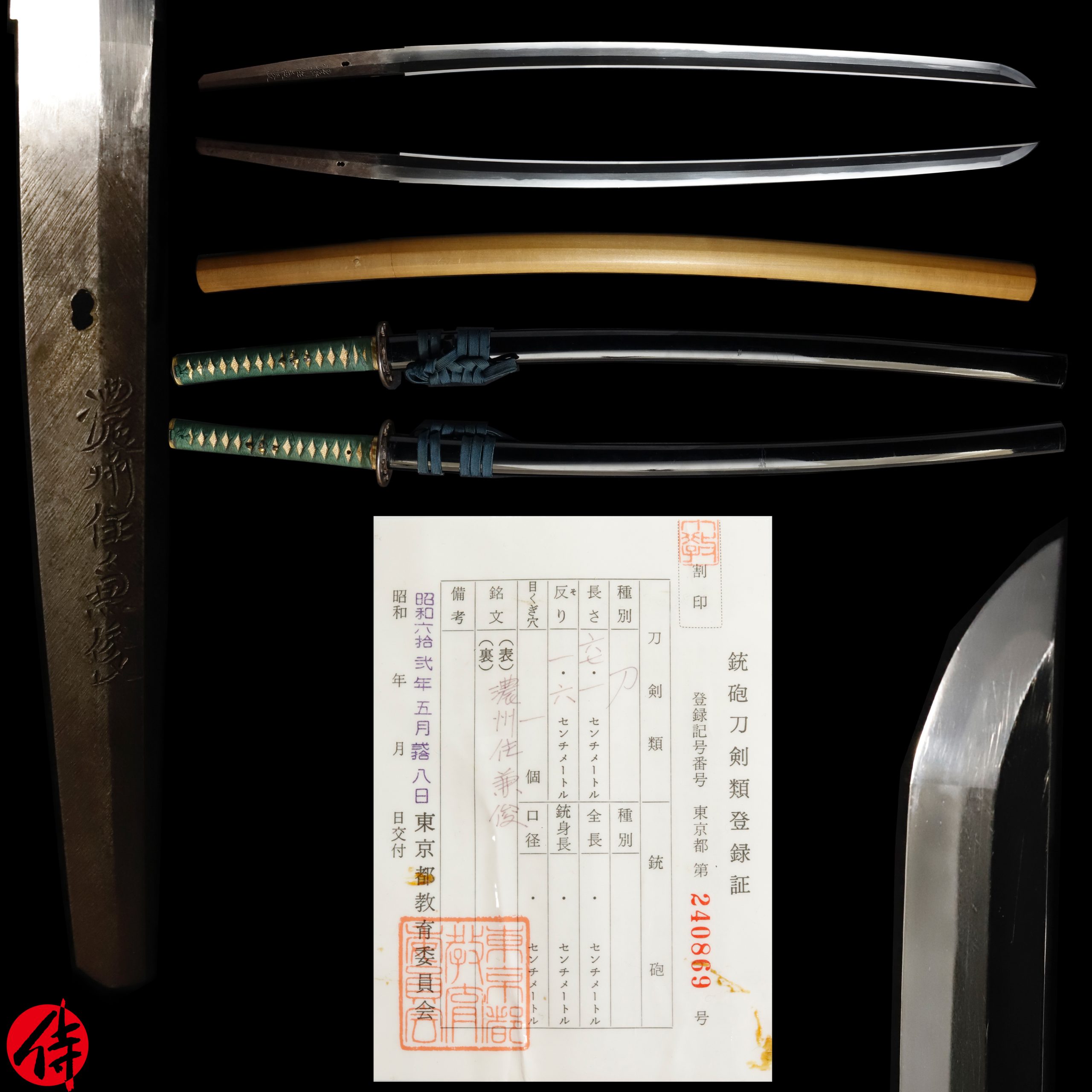
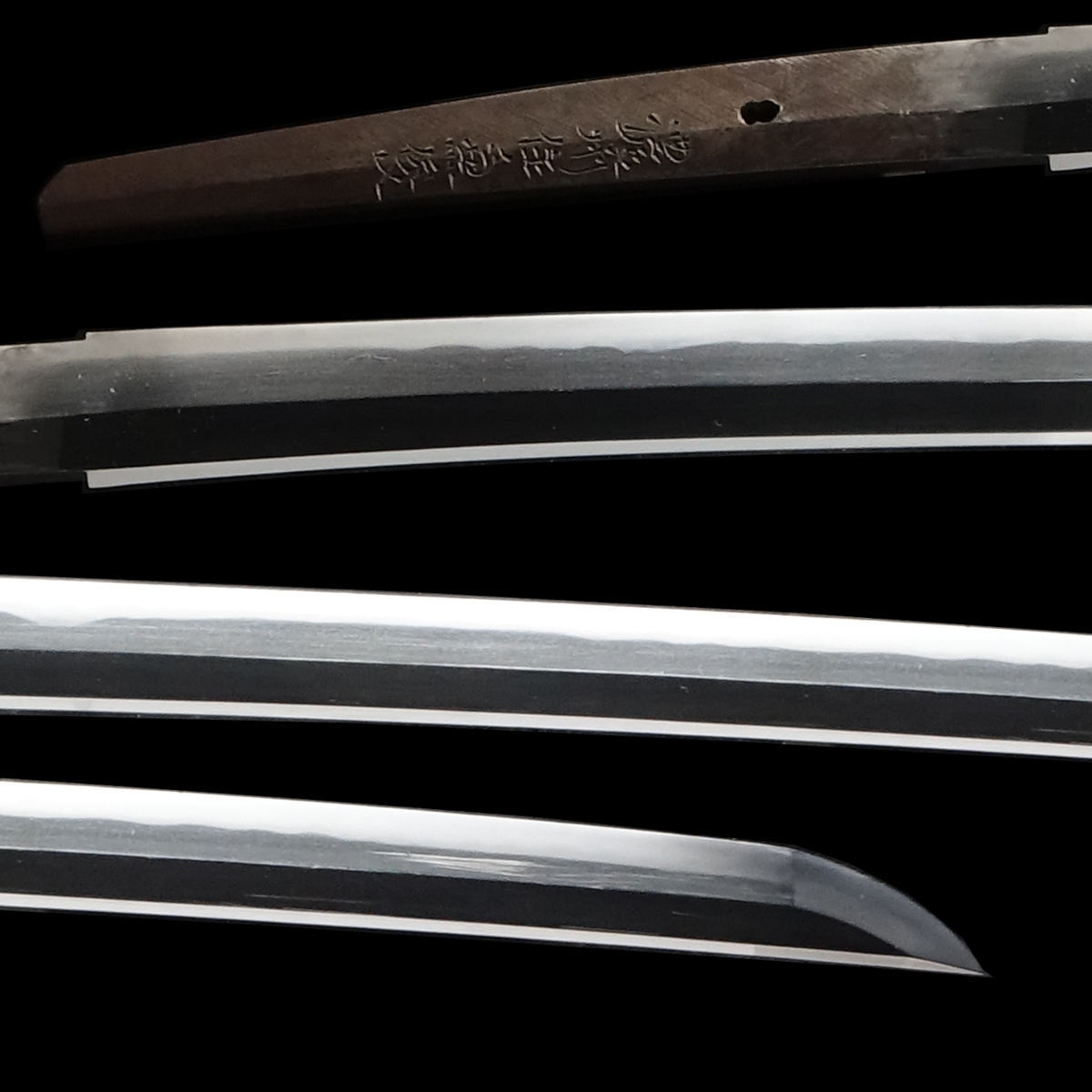
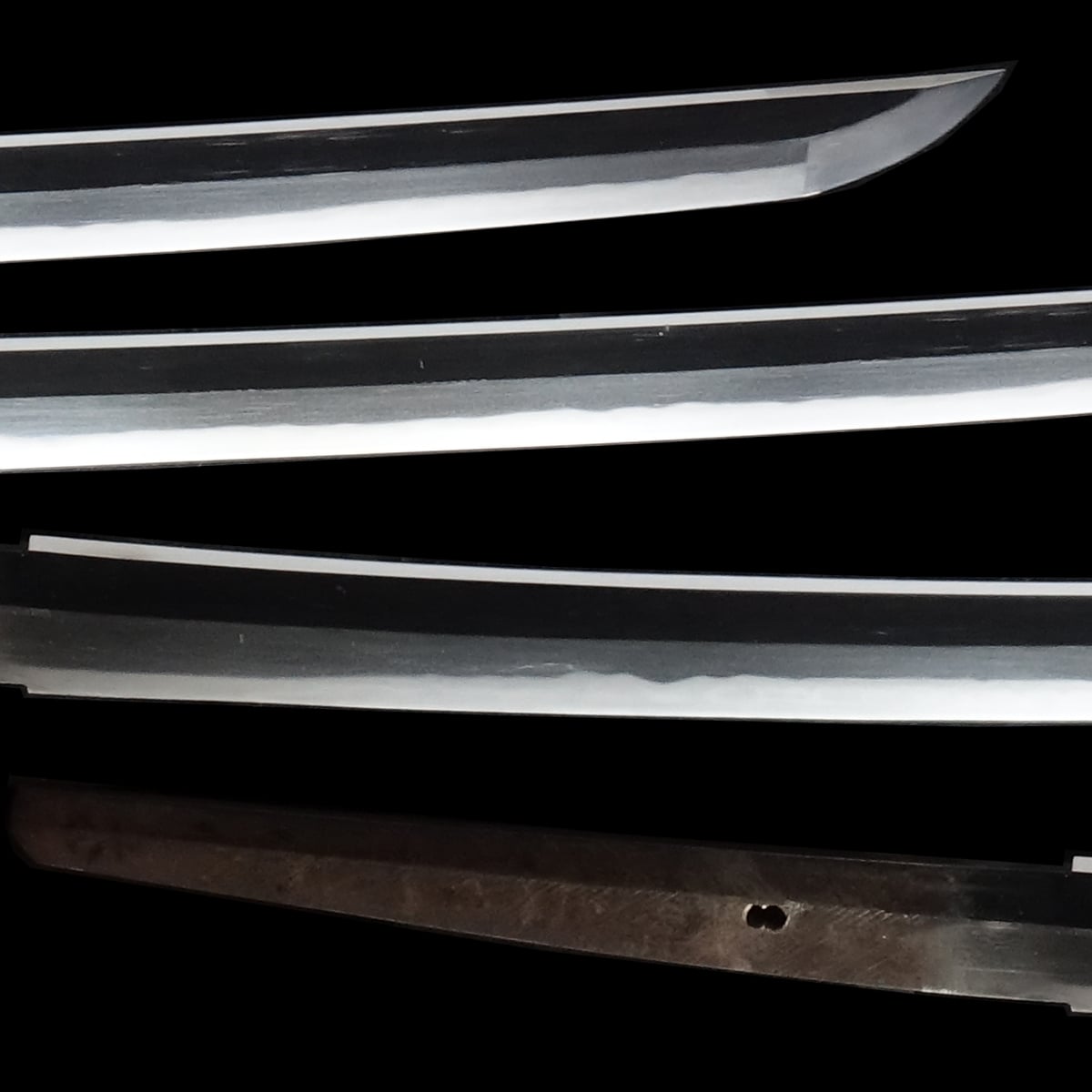
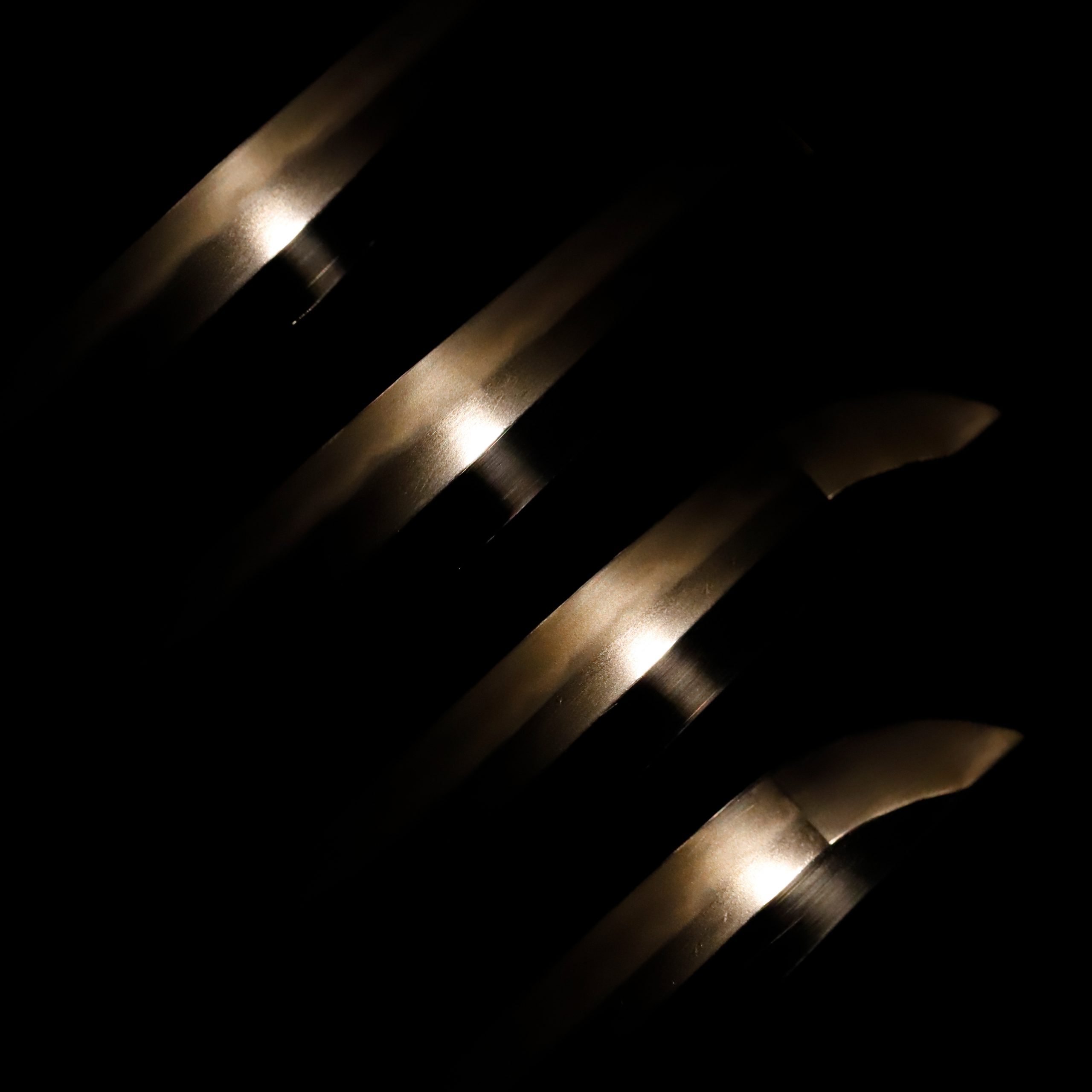
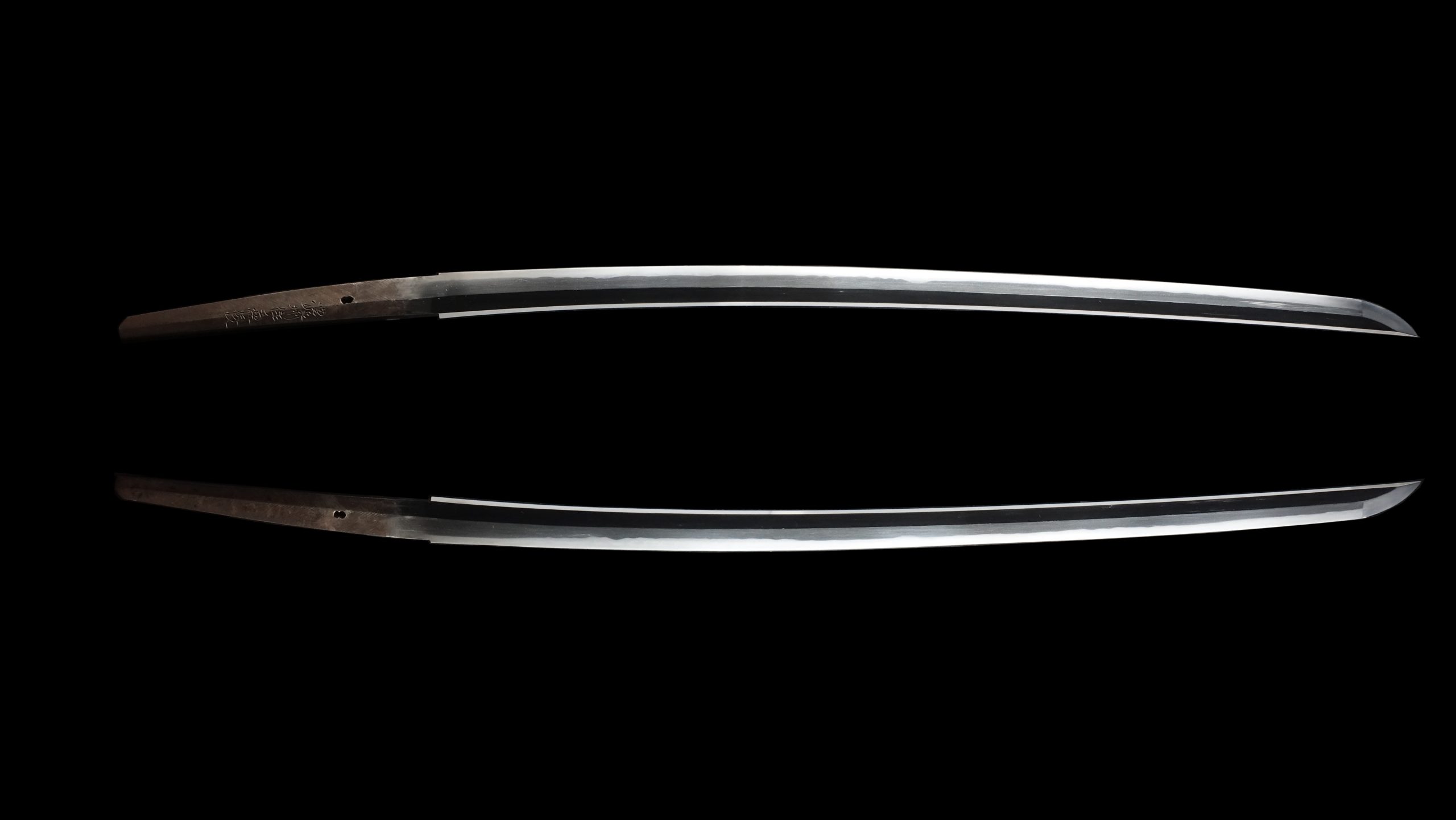
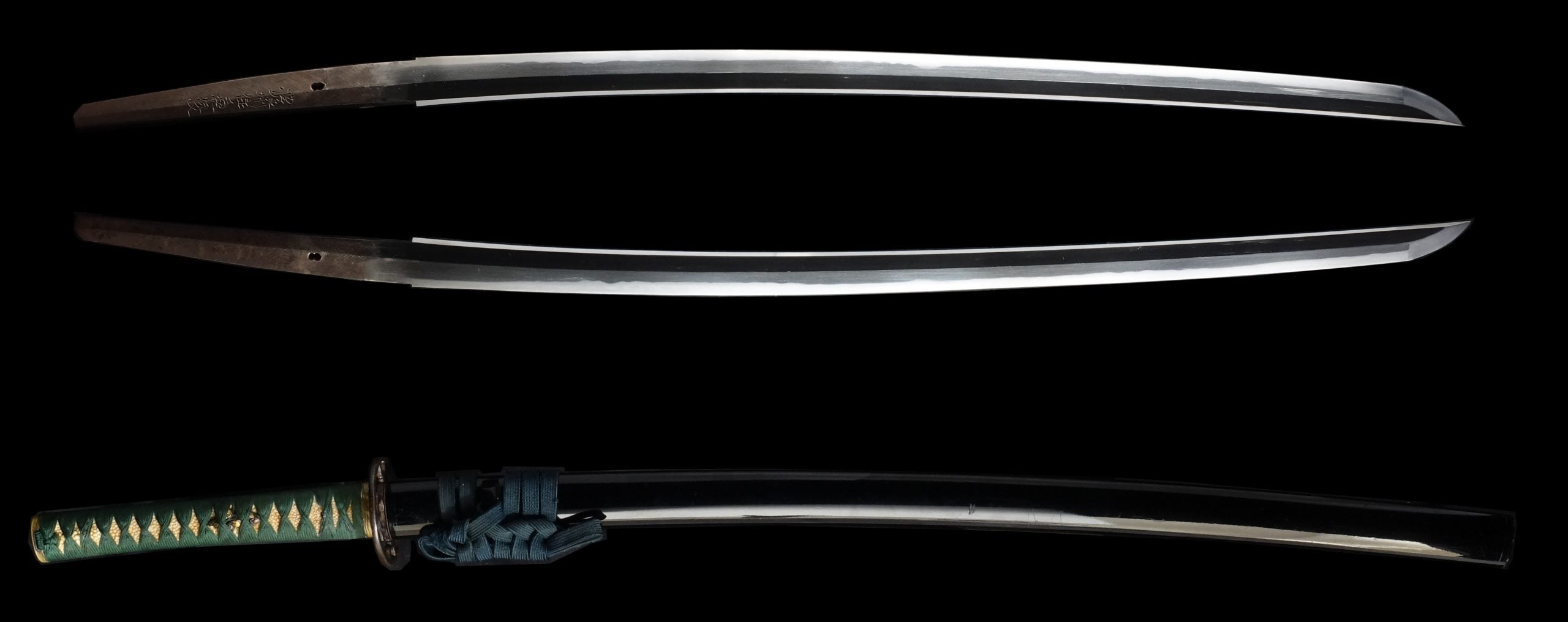
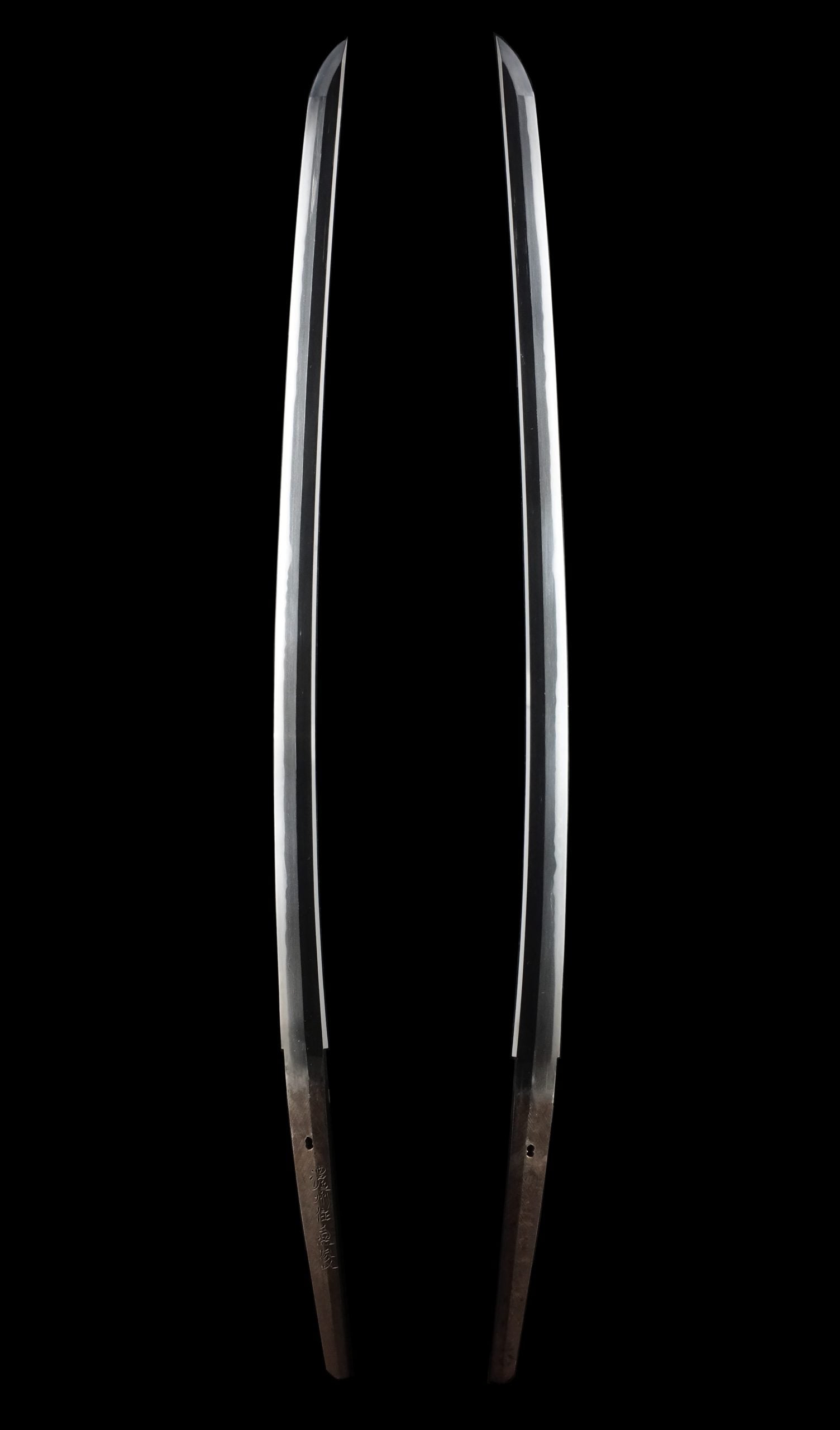
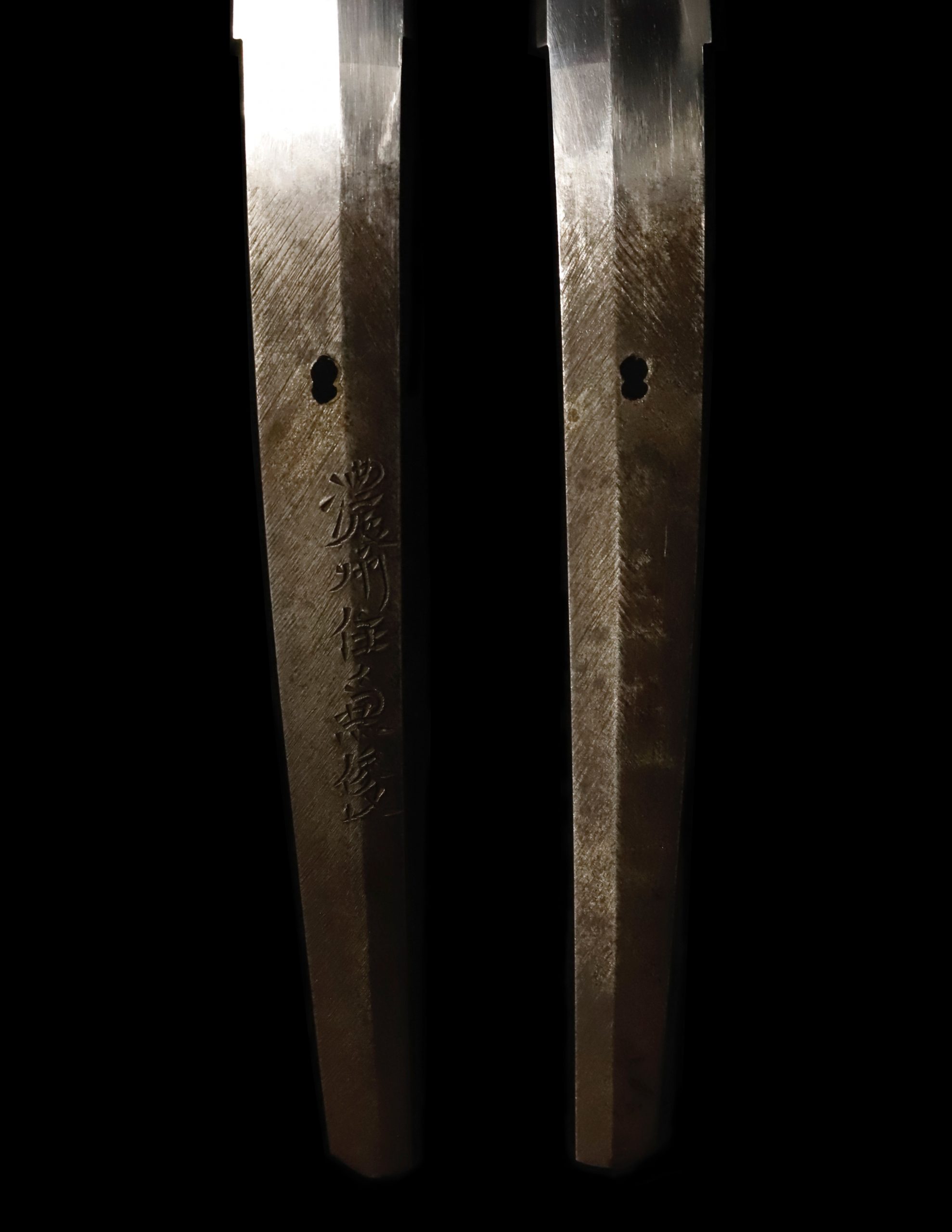
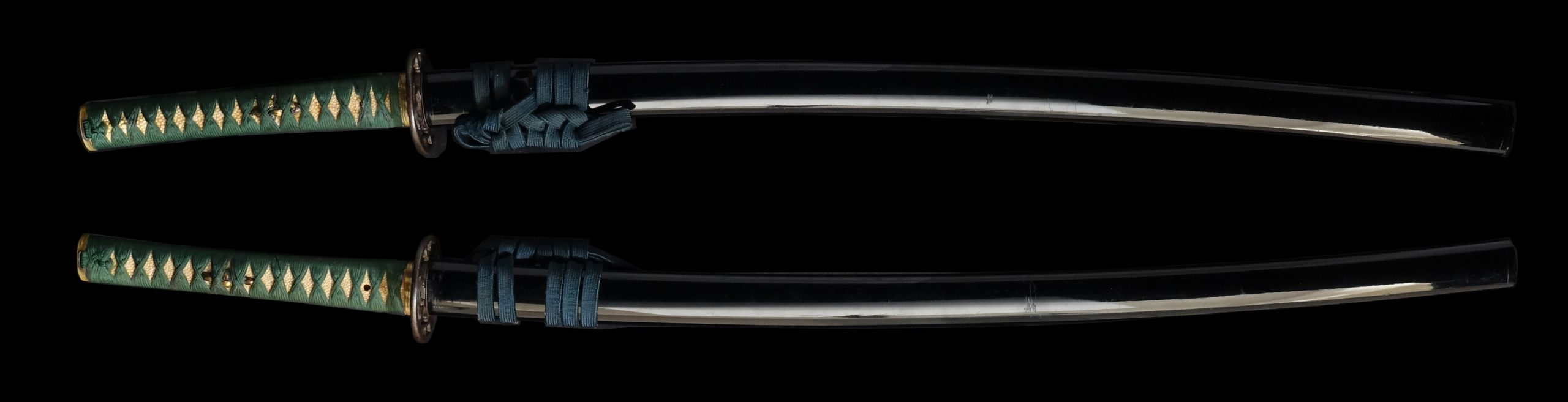
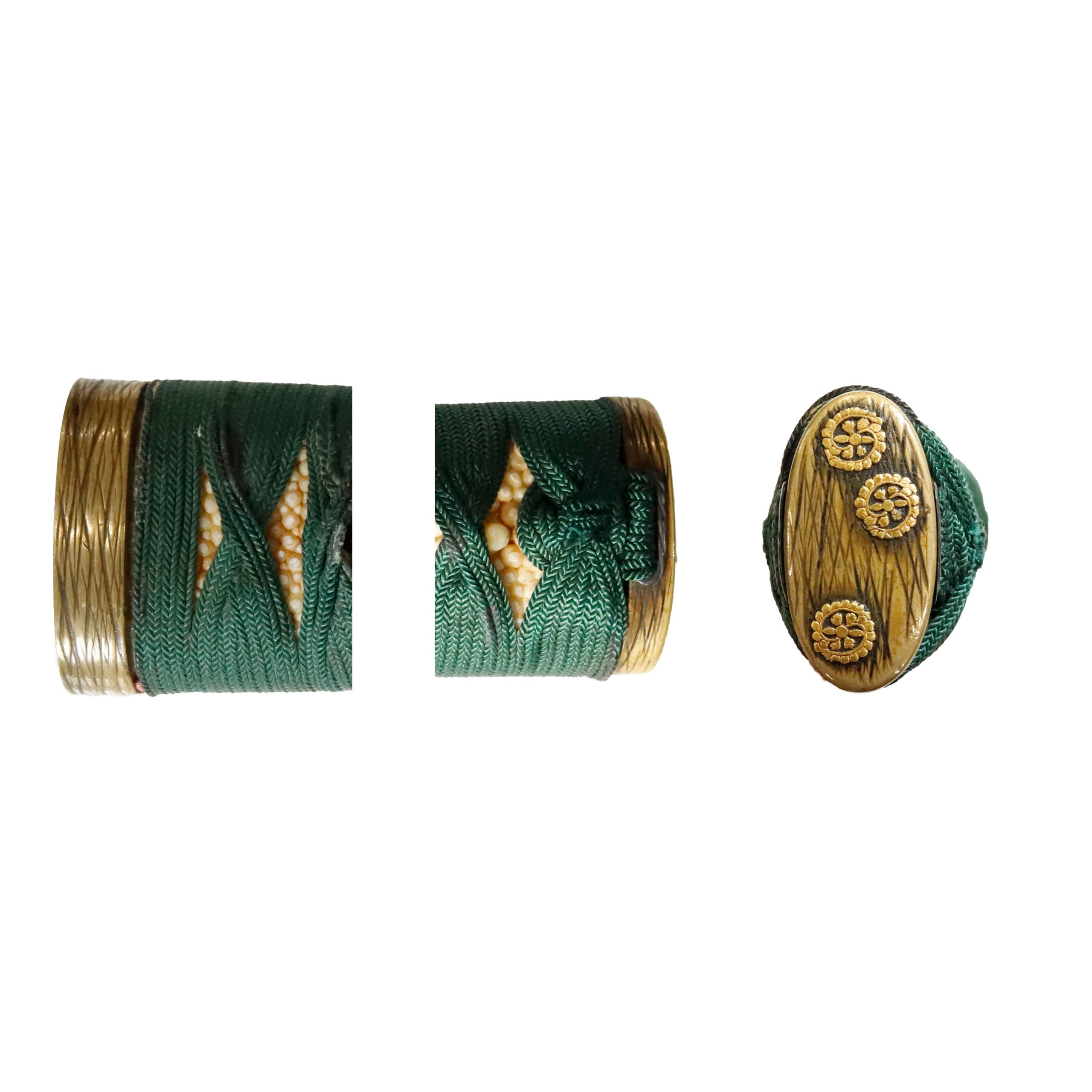
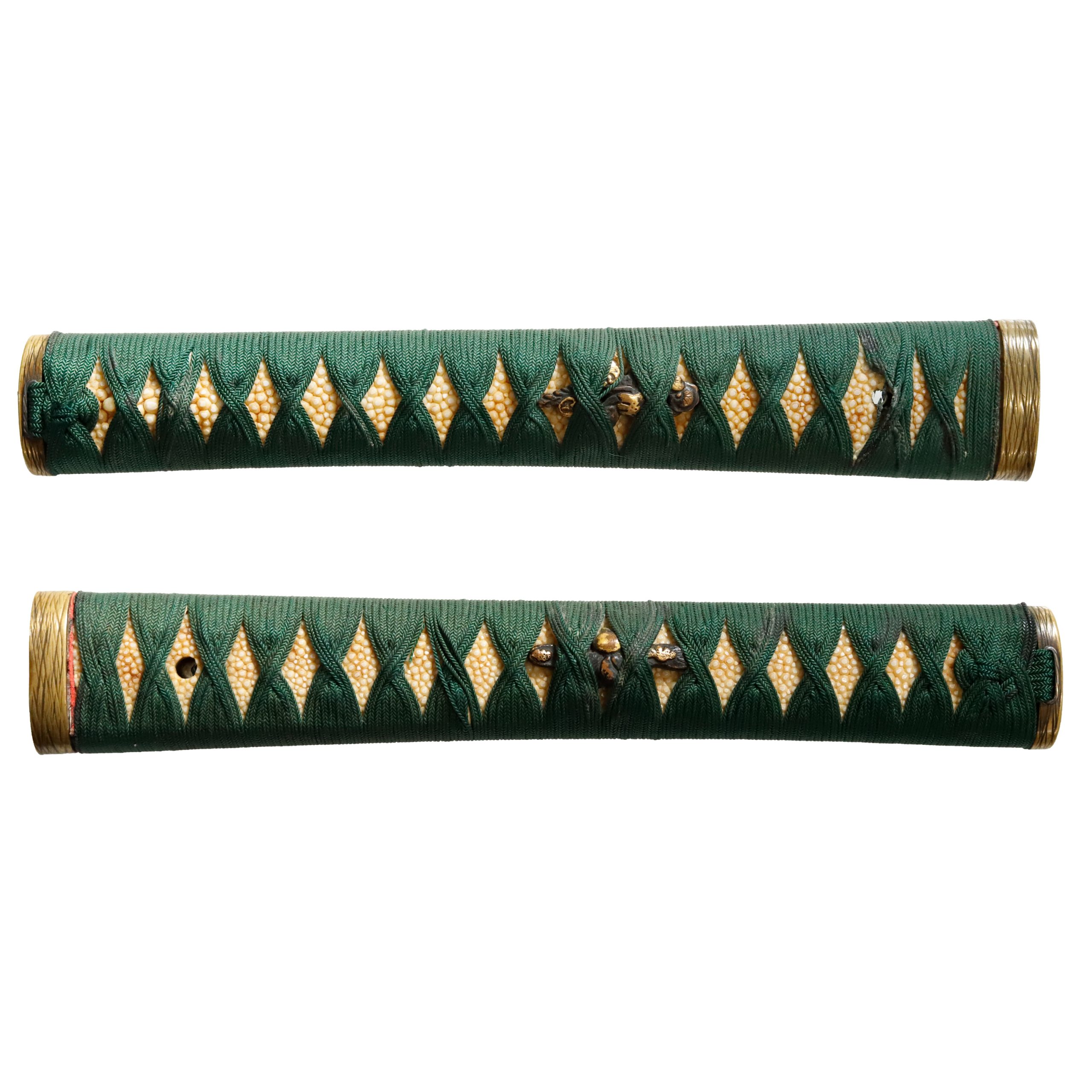
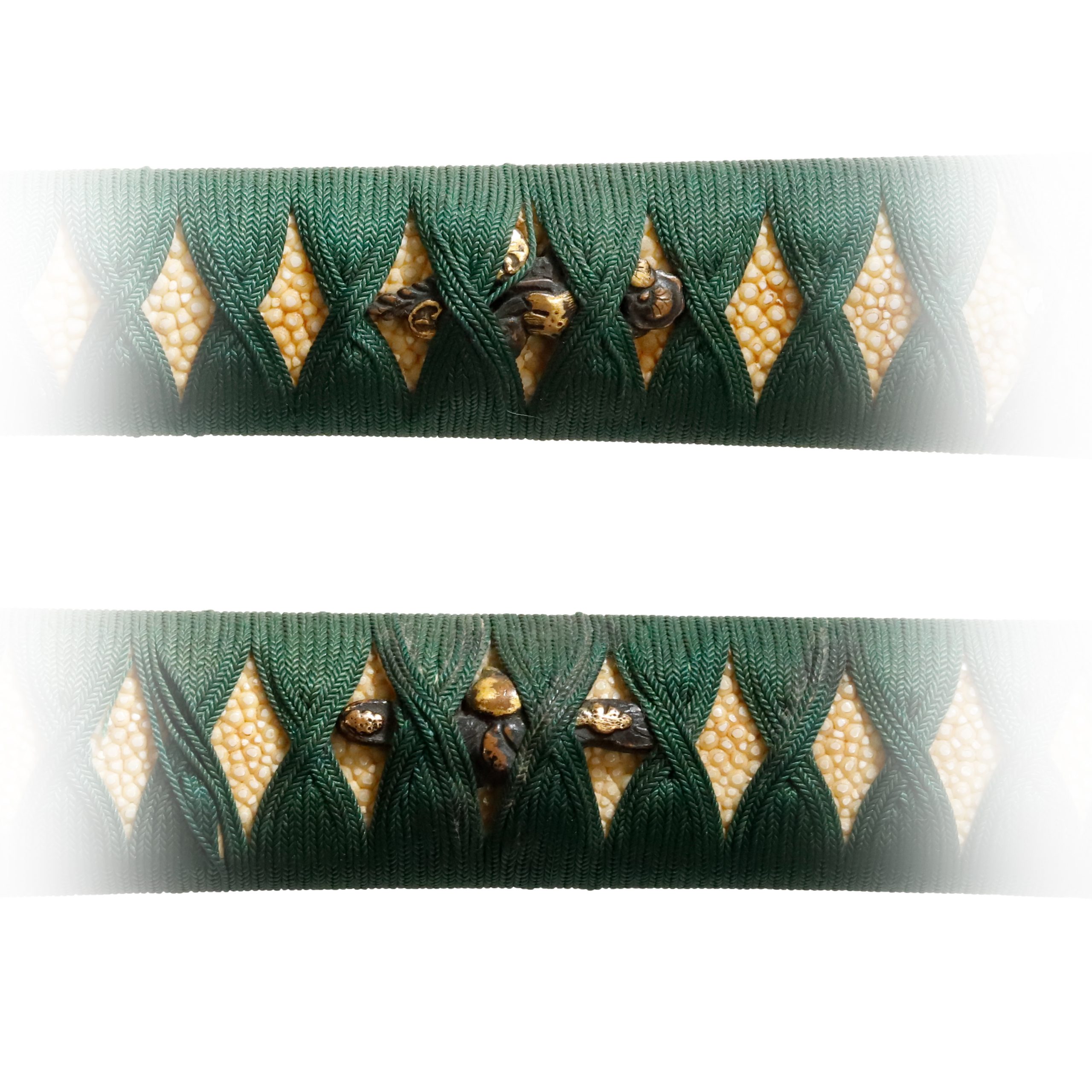
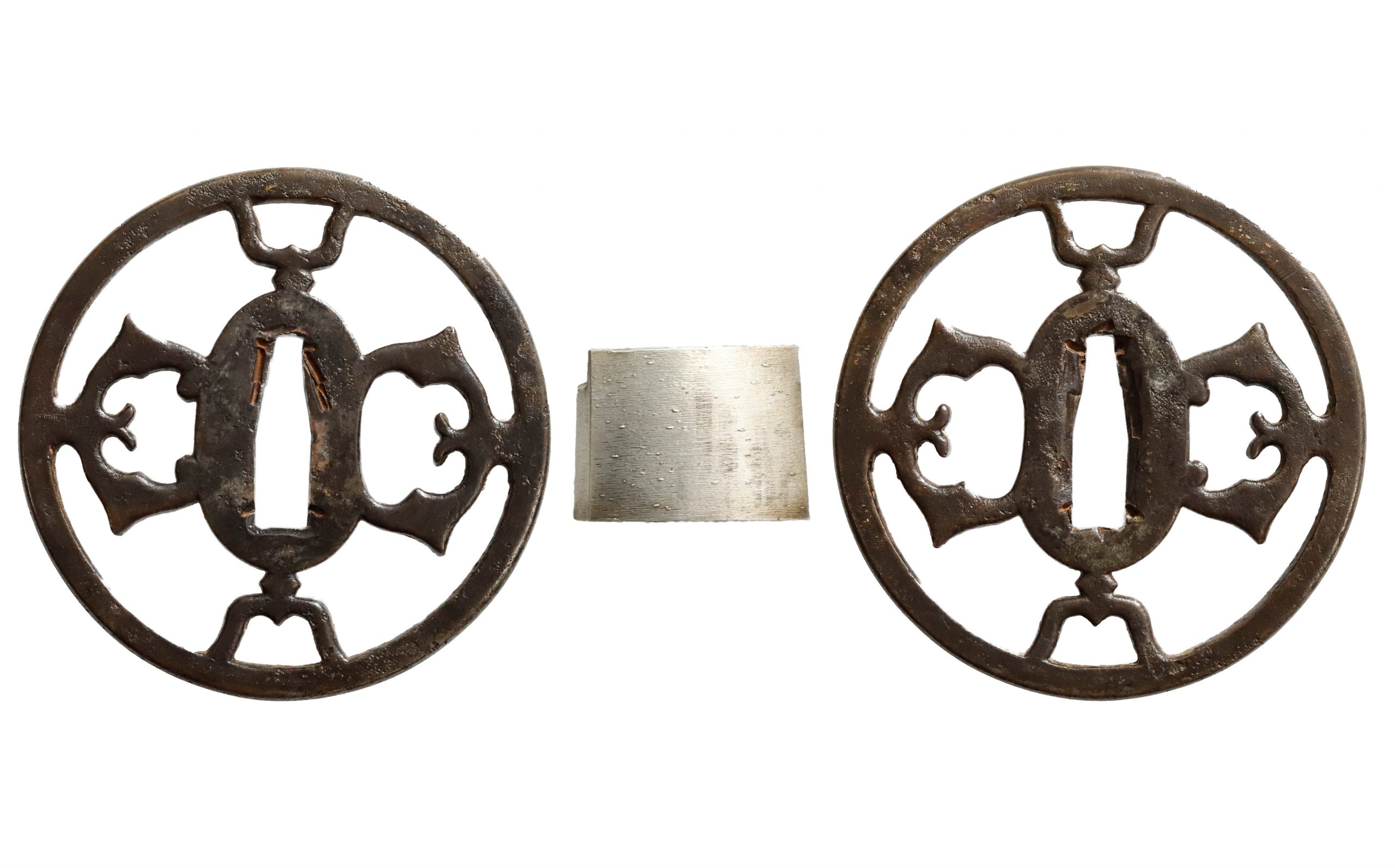
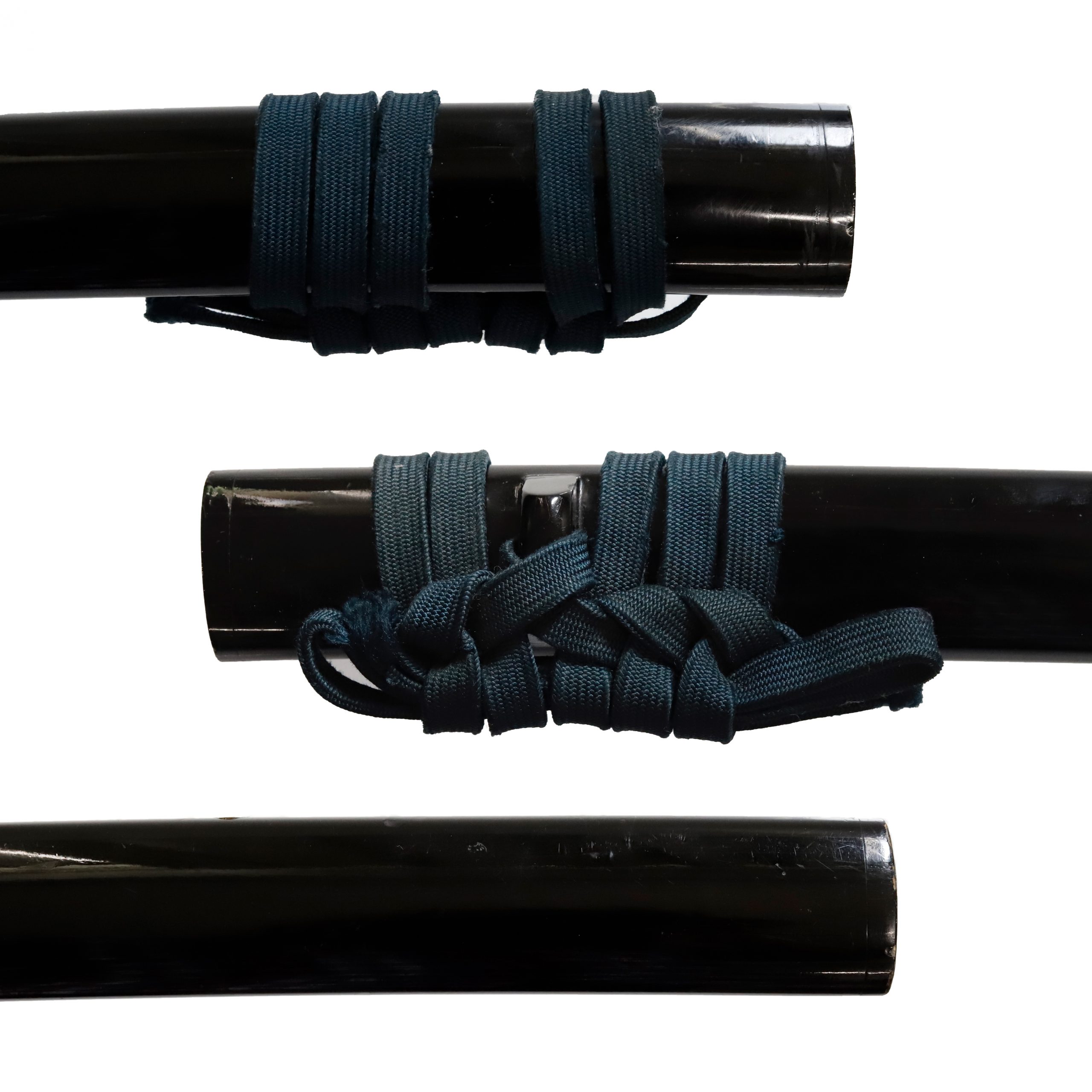
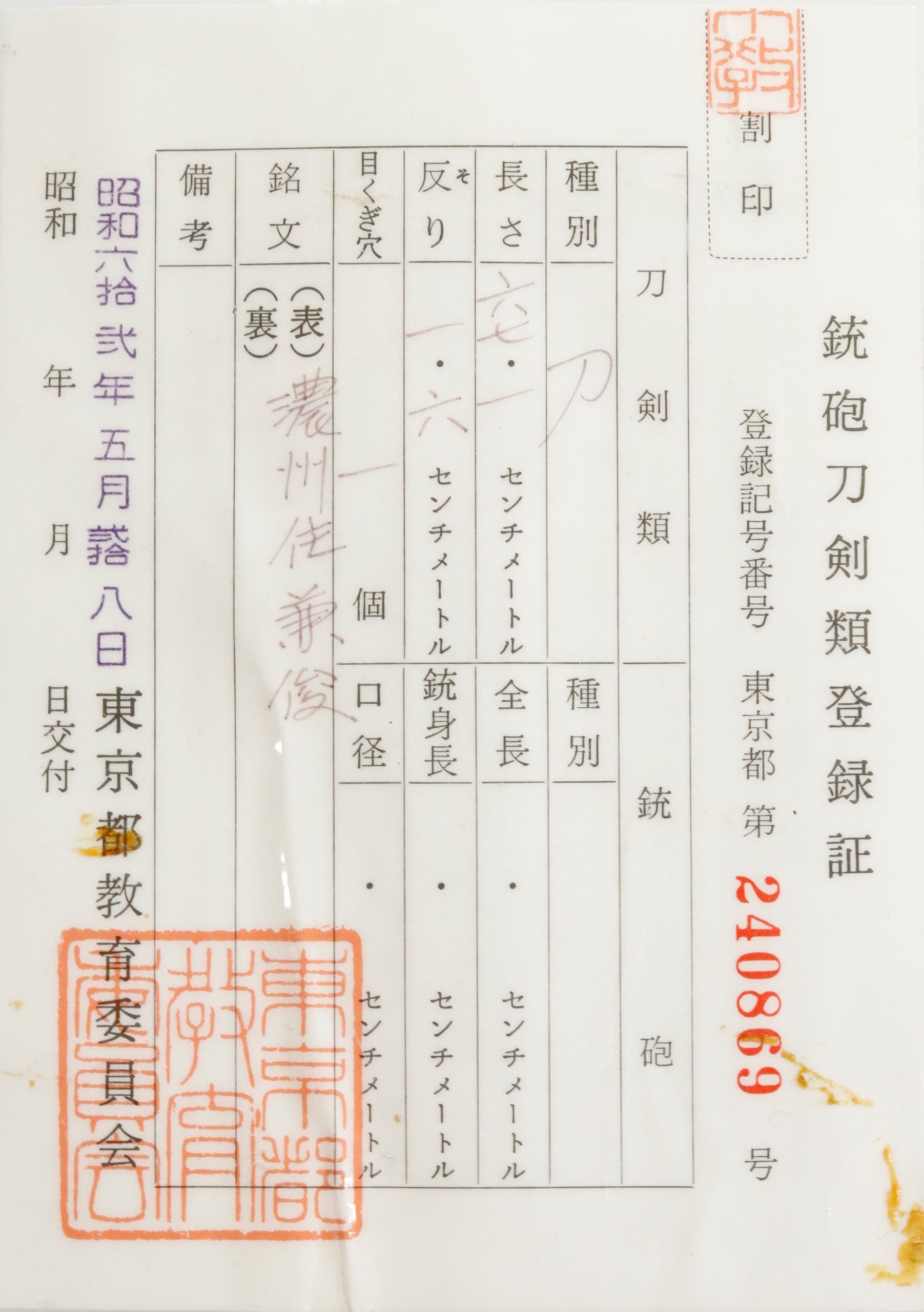
Modern Authentic Japanese Sword Showato Katana Signed by Noshu Jyu Kanetoshi 【Description】 Noshu Jyu Kanetoshi(濃州住兼俊) is the swordsmith name used by Murayama Kinoichi. Noshu is the name of the place in Mino province(Gifu prefecture), and Jyu means living in Japanese. We believe this blade was forged in the early Showa period. Kanetoshi was one of the most famous swordsmiths from the early Showa period. He was born in the 36th year of the Meiji era(1903) and raised in Gifu prefecture, where he also forged swords. He was famous for being a Rikugun Jyumei Tosho(陸軍受命刀匠), which was the title given by the Japanese military to skilled Japanese swordsmiths during Taisho-the early Showa period. A swordsmith forged two swords and submitted them to the governmental agency that produced weapons. After passing the particular and rigorous exam there, the swordsmith would be acknowledged as Rikugun Jyumei Tosho. We assumed he primarily forged swords for the Japanese military before and during World War II. While the blade is considered Gendaito(modern Japanese sword), we believe the sword mountings( Tsuba, Fuchi Kashira and Menuki) are antique ones. 【Blade】 Cutting Edge Length : 67.1 cm( 26.4 inches) Curvature(Sori): 1.6 cm( 0.62 inches) Hamon : The crystalline structure which forms along the cutting edge of a blade as a result of the hardening process Jimon(Jihada) : visible steel surface pattern created by folding and hammering during forging process Nakago : Nakago is the tang of the Japanese sword. Koshirae: Koshirae is the mounting of the Japanese sword. There are several parts that consist of Koshirae such as Saya(Sabbard), Tsuka( Handle), Tsuba(Handguard). Fuchi-Kashira : A pair of matching sword fittings that cover the upper and bottom parts of its sword hilt. It might be a type of Futastu-Fuji-Domoe pattern that is designed for this Kashira part. It is one of the derivations of the Fuji (wisteria) design. Wisteria has strong fertility and grows being entwined with other trees. Therefore, people regarded this flower as a symbol of longevity and prosperity for future generations. Also, its Japanese name Fuji (藤) has the same pronunciation as another word Fuji, which is written as “不死,” which means immortality. That is why the Fujiwara (藤原) family, who reached the height of glory in the Heian period (794-1185), used this motif for their family name and family crest. Besides, wisterias bloom downward. Its appearance was likened to a scene that the gods or Buddha is descending to the earth. Tsuka and Menuki : Tsuka is the handle of the Japanese sword and Menuki is its decoration. It is challenging to judge the motif of this Menuki. Although most of the colors were already flaked off due to aging, it looks this Menuki was initially decorated with several colors. Tsuba and Habaki : Tsuba is the handguard for the Japanese Sword and Habaki is the equipment to make the blade not touch its scabbard inside. It prevents the blade from getting rusty and chipped. Circle-shaped Tsuba made from iron. It is unclear what the motif of this Tsuba’s design is. However, it looks like a decorative part of the Samurai helmet (Kabuto). Especially after the Middle Ages, Samurais enjoyed installing ornamental pieces (Tatemono) for their helmets. Samurais used characteristic Tatemonos to protect their heads and be noticeable on the battlefields or showing their positions. Saya : Saya is the scabbard for the Japanese sword. Registration paper : Tokyo 240869 The Board of Education in Tokyo issued a registration paper for this sword in the same year the sword was forged(2001). In order to obtain this paper, the sword needs to be traditionally hand forged. With this paper, its owner can legally own an authentic Japanese sword in Japan. This paper will need to be returned to the board of education when the sword being shipped abroad but you can receive a copy of it. —————————————————————– 【About us】 Samurai Museum is located in Tokyo, Japan, exhibiting antique artifa
 NihontoWatchBETA
在銘 · 昭和 · 長さ 67.1cm · 反り 1.6cm
美濃 · 1926-1989頃
販売店の出品ページで鑑定書を確認できませんでした。日本刀および刀装具は通常、NBTHK(または NTHK)の鑑定を受けます。鑑定書がない場合、極めは販売店の見解にとどまり、第三者による確認は行われていません。ご購入前に販売店へ鑑定書の有無をお問い合わせのうえ、慎重にご判断ください。
Returns/exchanges limited to defects caused by shipping (except willful misconduct or gross negligence by the company); customers must contact within 72 hours of receiving the product.
Modern Authentic Japanese Sword Showato Katana Signed by Noshu Jyu Kanetoshi 【Description】 Noshu Jyu Kanetoshi(濃州住兼俊) is the swordsmith name used by Murayama Kinoichi. Noshu is the name of the place in Mino province(Gifu prefecture), and Jyu means living in Japanese. We believe this blade was forged in the early Showa period. Kanetoshi was one of the most famous swordsmiths from the early Showa period. He was born in the 36th year of the Meiji era(1903) and raised in Gifu prefecture, where he also forged swords. He was famous for being a Rikugun Jyumei Tosho(陸軍受命刀匠), which was the title given by the Japanese military to skilled Japanese swordsmiths during Taisho-the early Showa period. A swordsmith forged two swords and submitted them to the governmental agency that produced weapons. After passing the particular and rigorous exam there, the swordsmith would be acknowledged as Rikugun Jyumei Tosho. We assumed he primarily forged swords for the Japanese military before and during World War II. While the blade is considered Gendaito(modern Japanese sword), we believe the sword mountings( Tsuba, Fuchi Kashira and Menuki) are antique ones. 【Blade】 Cutting Edge Length : 67.1 cm( 26.4 inches) Curvature(Sori): 1.6 cm( 0.62 inches) Hamon : The crystalline structure which forms along the cutting edge of a blade as a result of the hardening process Jimon(Jihada) : visible steel surface pattern created by folding and hammering during forging process Nakago : Nakago is the tang of the Japanese sword. Koshirae: Koshirae is the mounting of the Japanese sword. There are several parts that consist of Koshirae such as Saya(Sabbard), Tsuka( Handle), Tsuba(Handguard). Fuchi-Kashira : A pair of matching sword fittings that cover the upper and bottom parts of its sword hilt. It might be a type of Futastu-Fuji-Domoe pattern that is designed for this Kashira part. It is one of the derivations of the Fuji (wisteria) design. Wisteria has strong fertility and grows being entwined with other trees. Therefore, people regarded this flower as a symbol of longevity and prosperity for future generations. Also, its Japanese name Fuji (藤) has the same pronunciation as another word Fuji, which is written as “不死,” which means immortality. That is why the Fujiwara (藤原) family, who reached the height of glory in the Heian period (794-1185), used this motif for their family name and family crest. Besides, wisterias bloom downward. Its appearance was likened to a scene that the gods or Buddha is descending to the earth. Tsuka and Menuki : Tsuka is the handle of the Japanese sword and Menuki is its decoration. It is challenging to judge the motif of this Menuki. Although most of the colors were already flaked off due to aging, it looks this Menuki was initially decorated with several colors. Tsuba and Habaki : Tsuba is the handguard for the Japanese Sword and Habaki is the equipment to make the blade not touch its scabbard inside. It prevents the blade from getting rusty and chipped. Circle-shaped Tsuba made from iron. It is unclear what the motif of this Tsuba’s design is. However, it looks like a decorative part of the Samurai helmet (Kabuto). Especially after the Middle Ages, Samurais enjoyed installing ornamental pieces (Tatemono) for their helmets. Samurais used characteristic Tatemonos to protect their heads and be noticeable on the battlefields or showing their positions. Saya : Saya is the scabbard for the Japanese sword. Registration paper : Tokyo 240869 The Board of Education in Tokyo issued a registration paper for this sword in the same year the sword was forged(2001). In order to obtain this paper, the sword needs to be traditionally hand forged. With this paper, its owner can legally own an authentic Japanese sword in Japan. This paper will need to be returned to the board of education when the sword being shipped abroad but you can receive a copy of it. —————————————————————– 【About us】 Samurai Museum is located in Tokyo, Japan, exhibiting antique artifa
NihontoWatchBETA在銘 · 昭和 · 長さ 67.1cm · 反り 1.6cm
美濃 · 1926-1989頃
販売店の出品ページで鑑定書を確認できませんでした。日本刀および刀装具は通常、NBTHK(または NTHK)の鑑定を受けます。鑑定書がない場合、極めは販売店の見解にとどまり、第三者による確認は行われていません。ご購入前に販売店へ鑑定書の有無をお問い合わせのうえ、慎重にご判断ください。
Returns/exchanges limited to defects caused by shipping (except willful misconduct or gross negligence by the company); customers must contact within 72 hours of receiving the product.


