二世紀半の泰平のあいだ、刀は武器である以上に武士の身分の標章であった。江戸の実証と大坂の華やぎのように都市ごとの作風が育ち、時代の末には需要も細っていく。
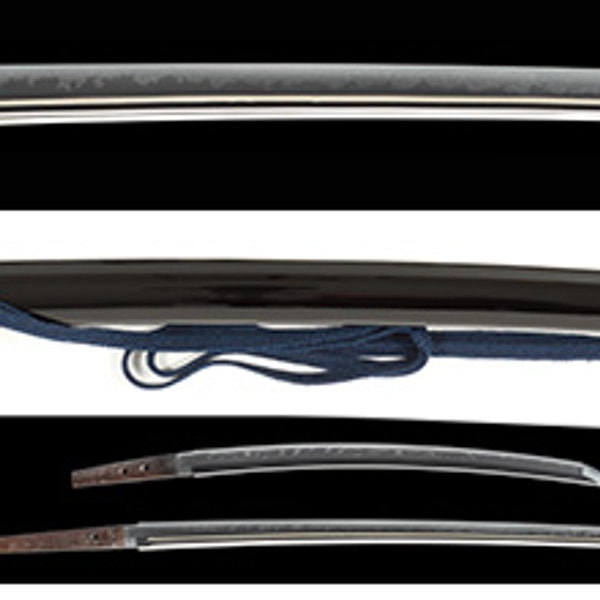
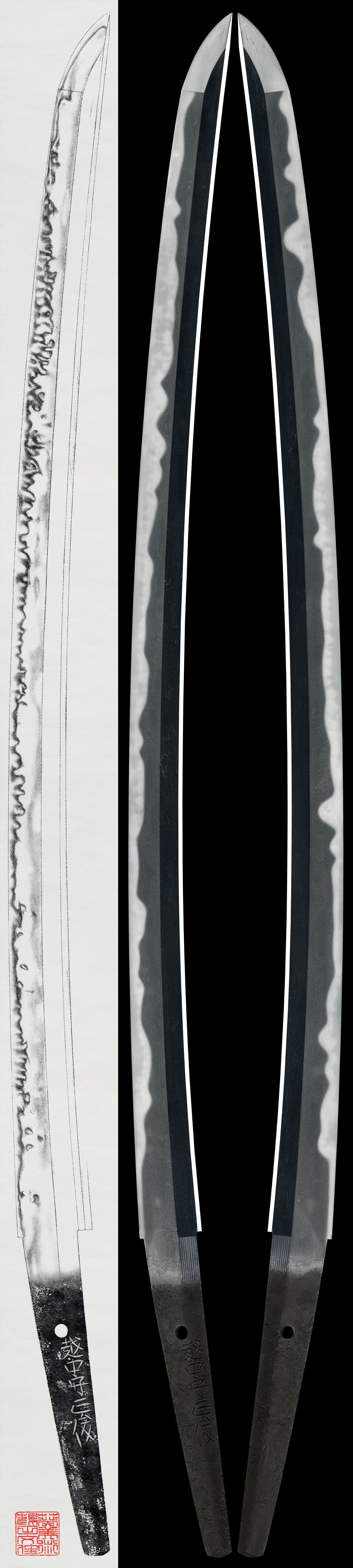
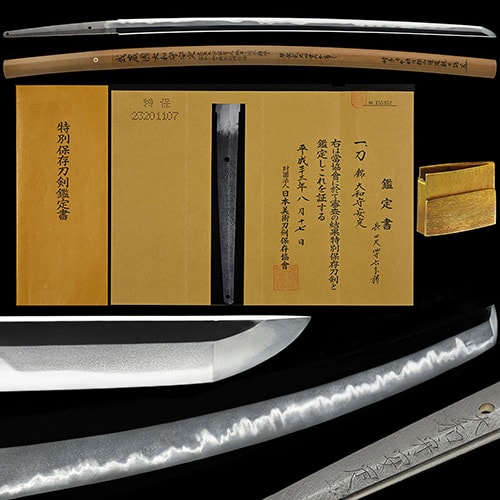
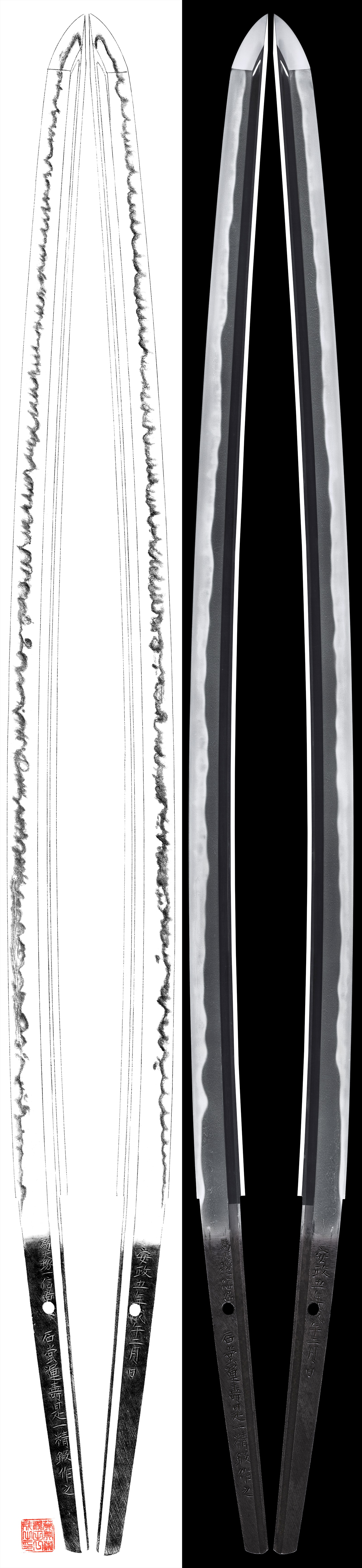
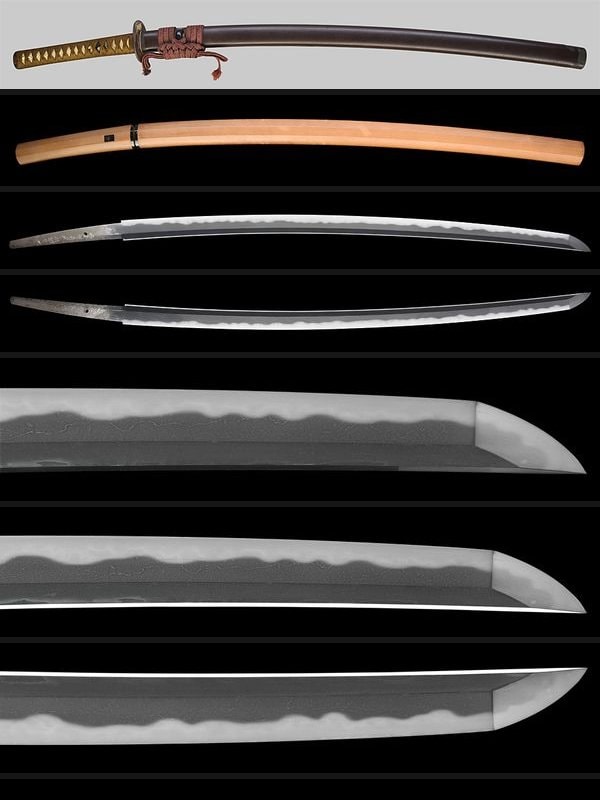
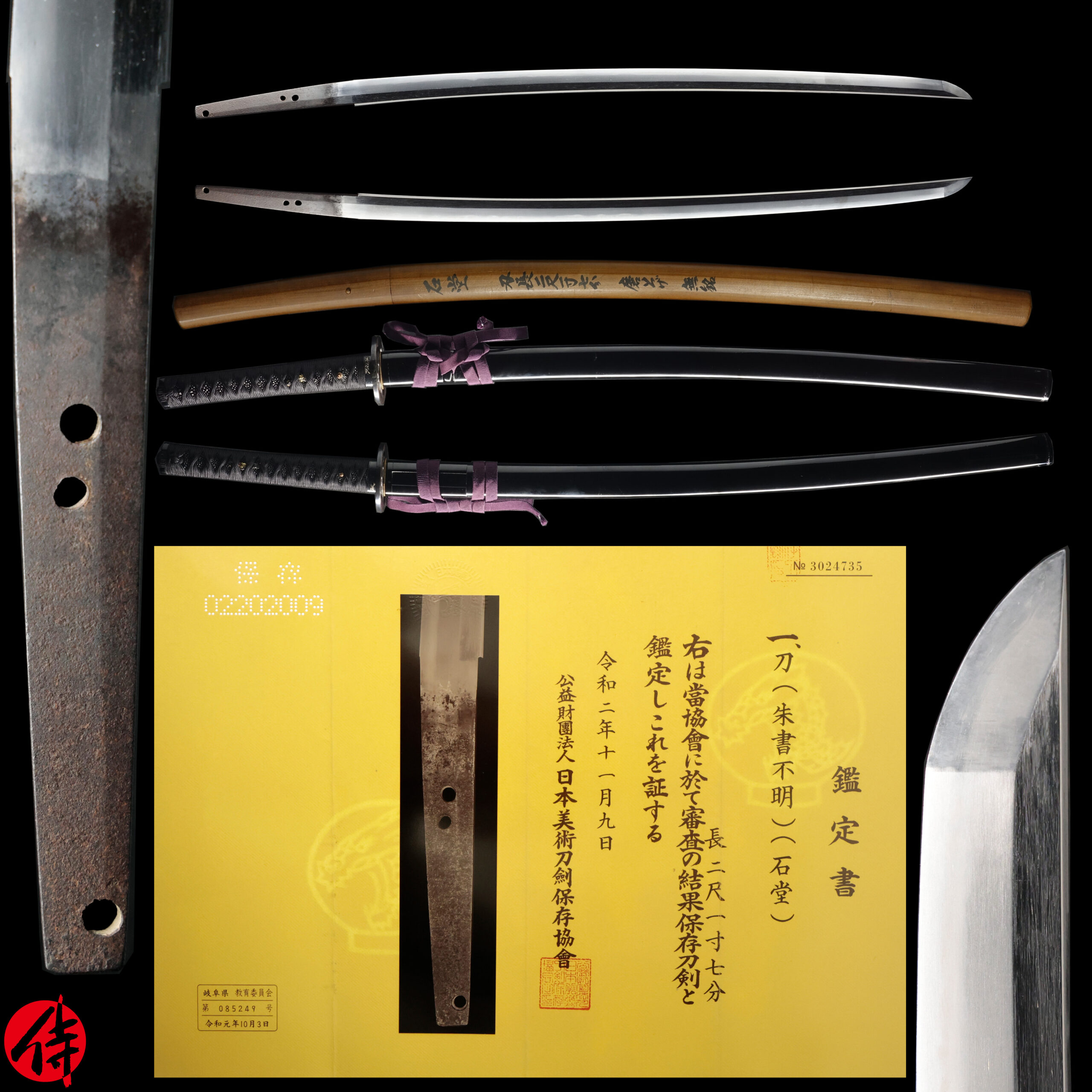
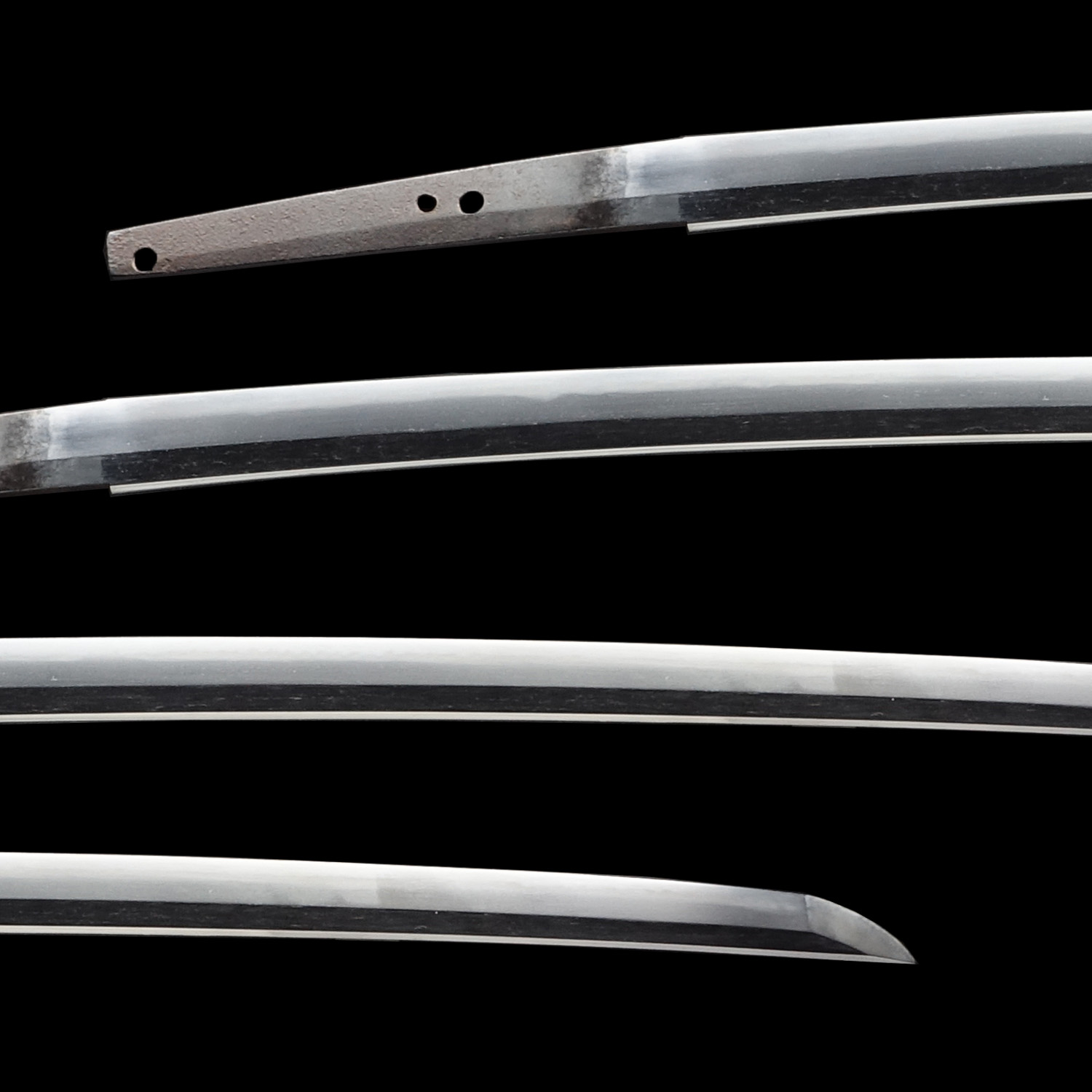
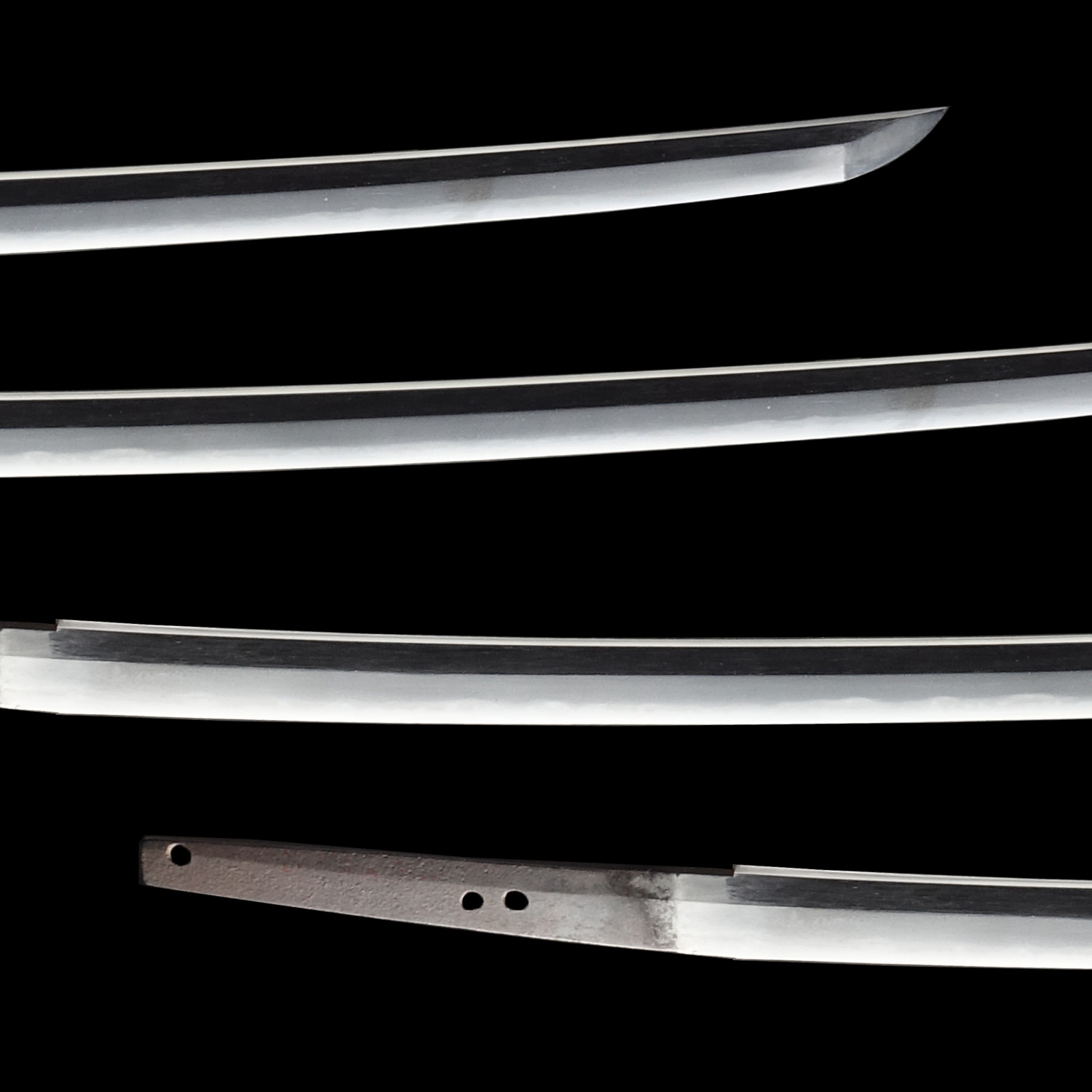
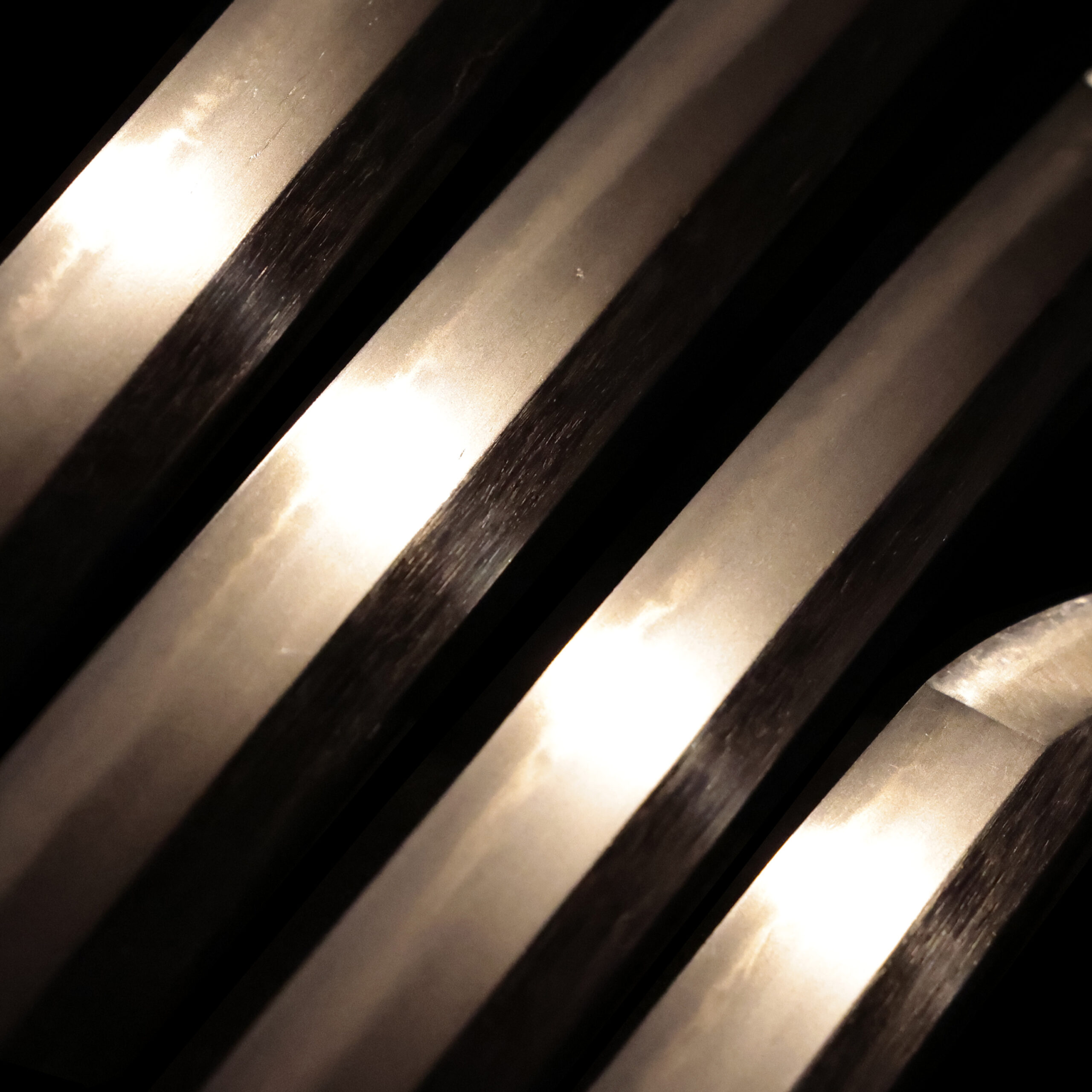
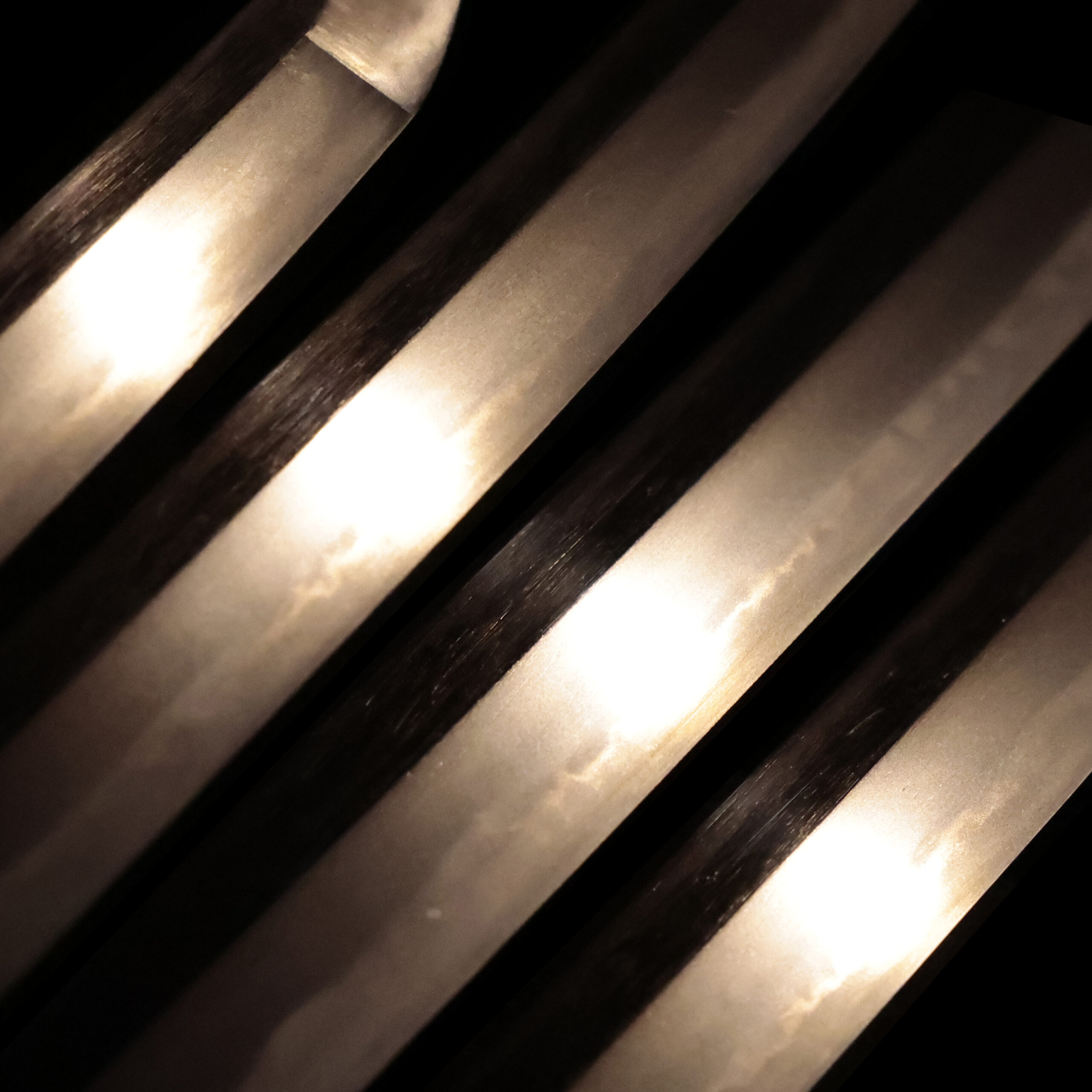
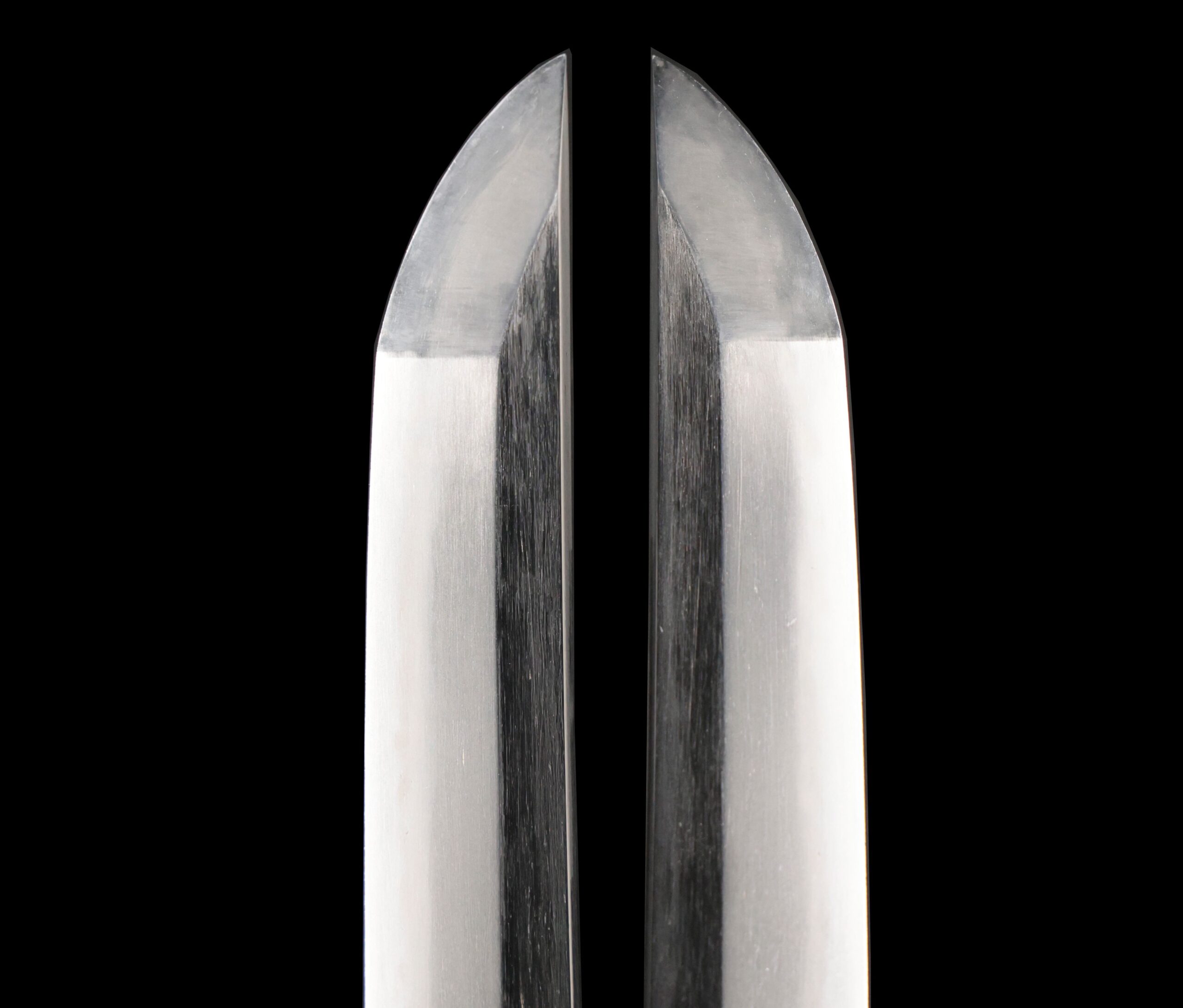
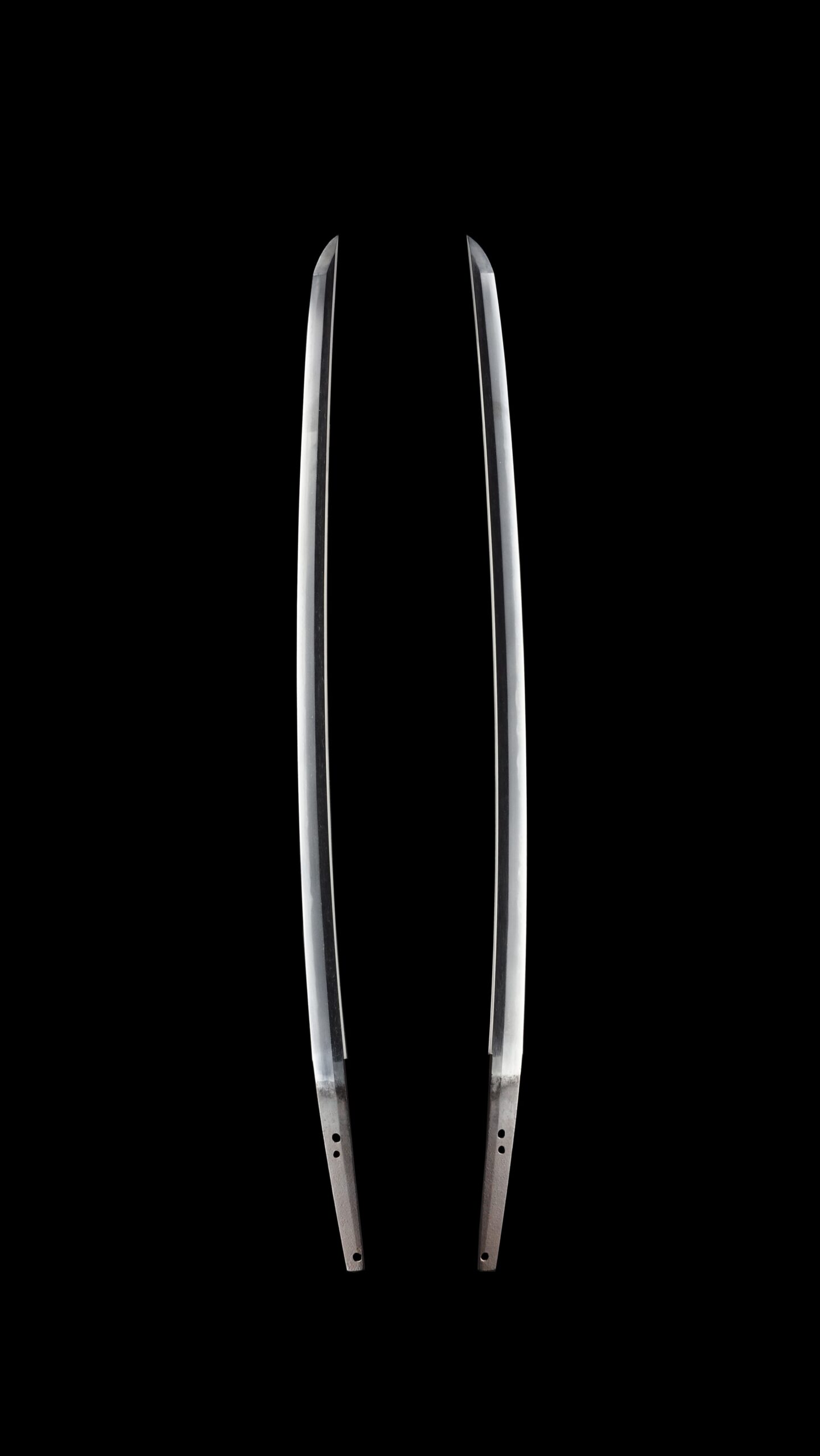
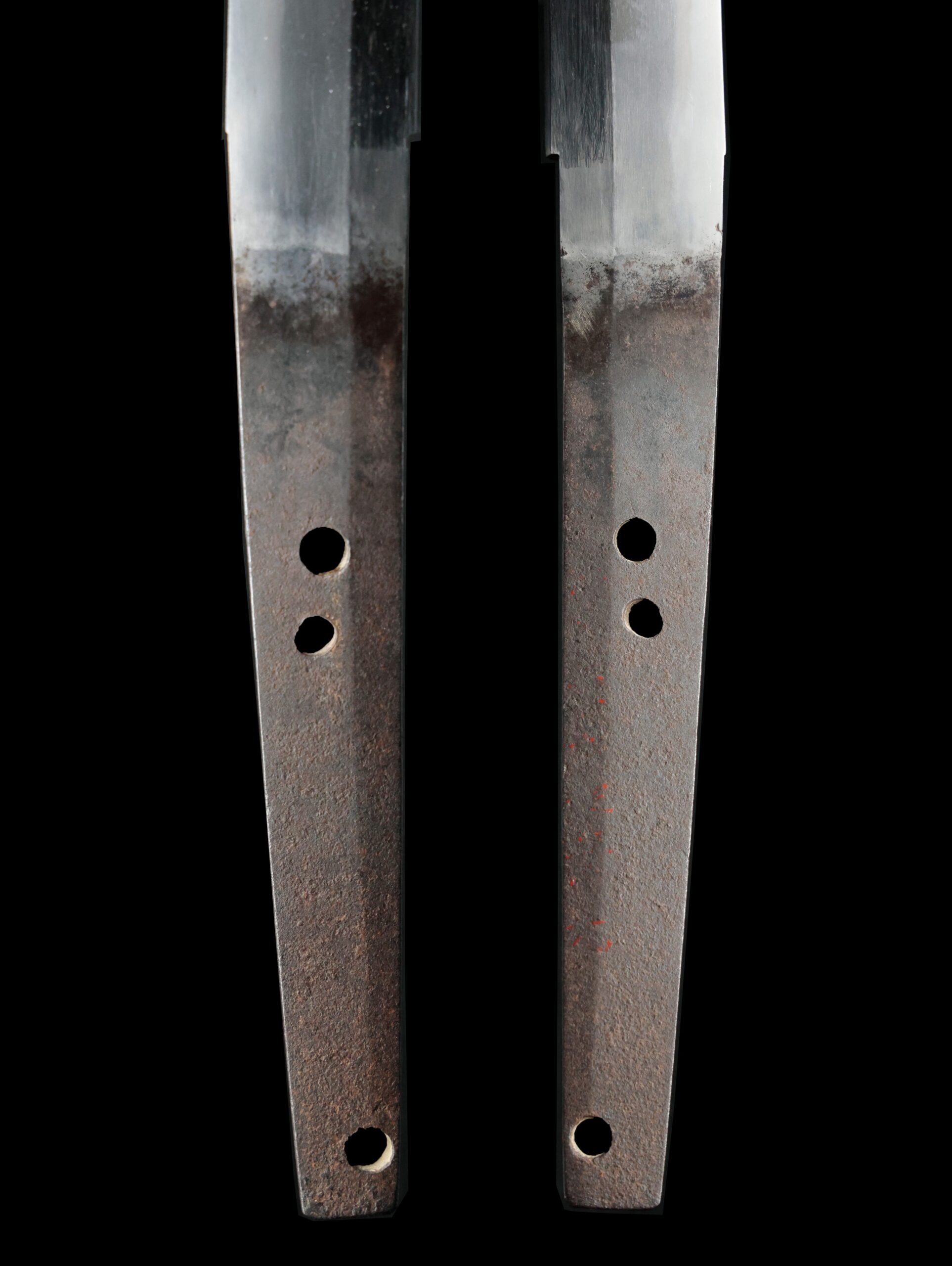
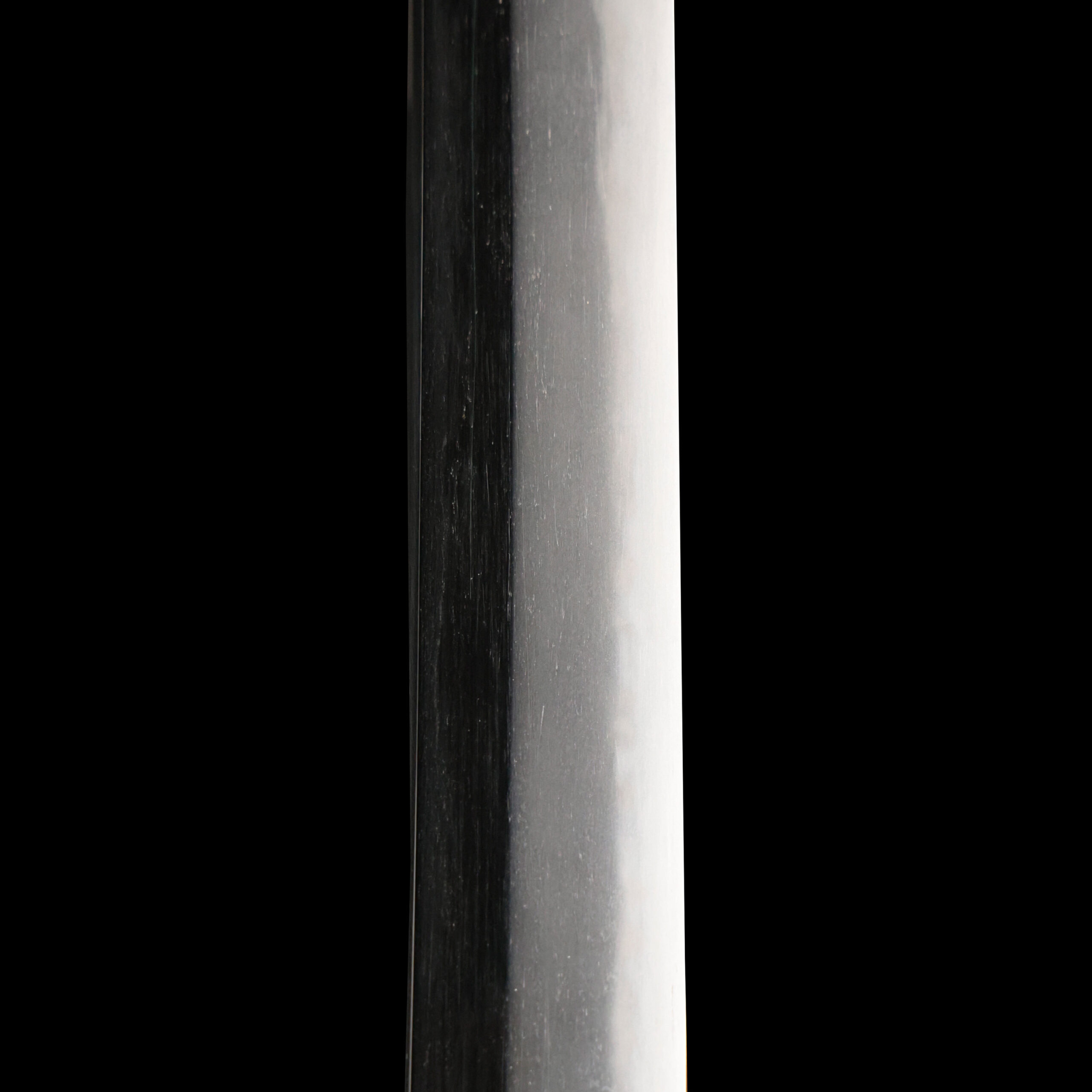
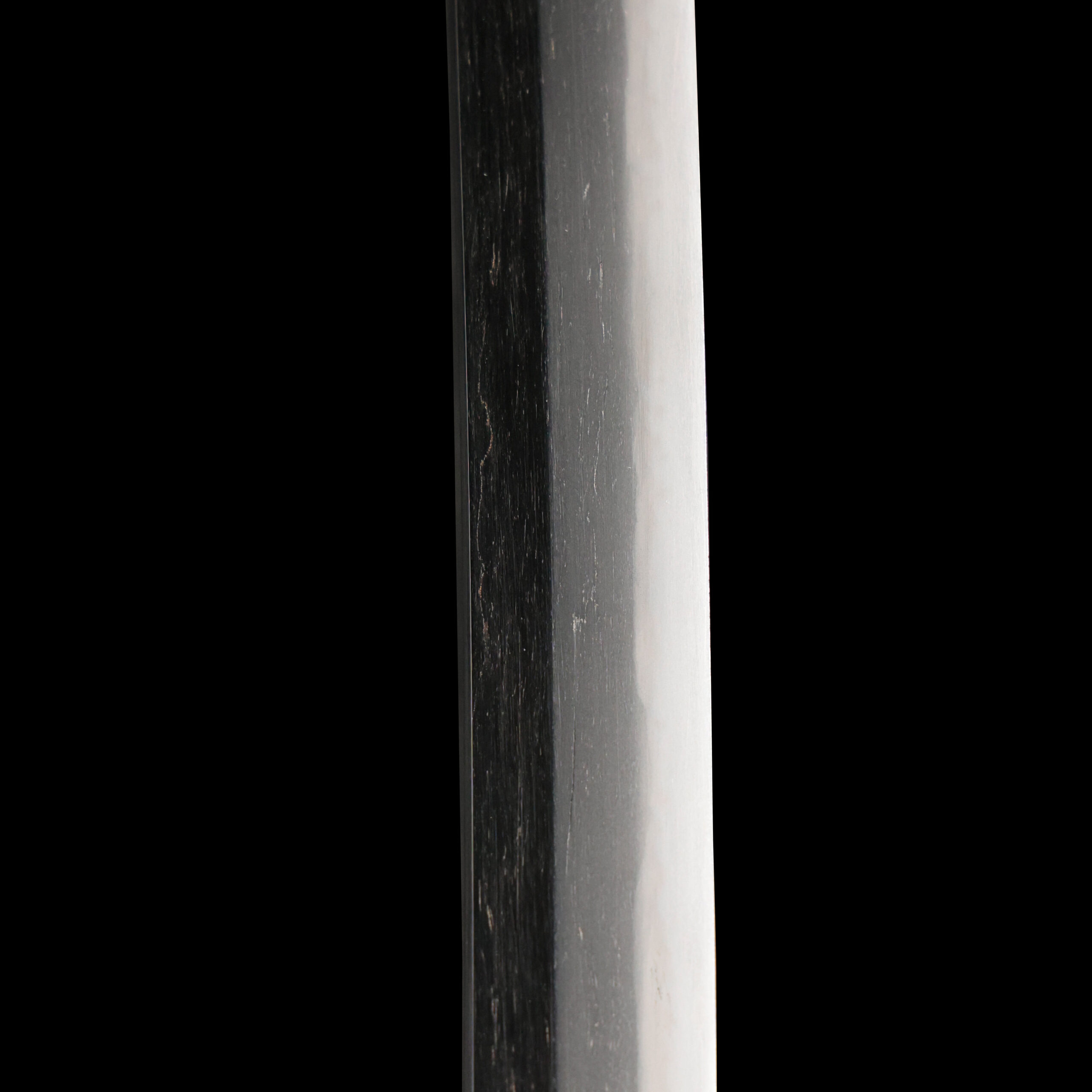
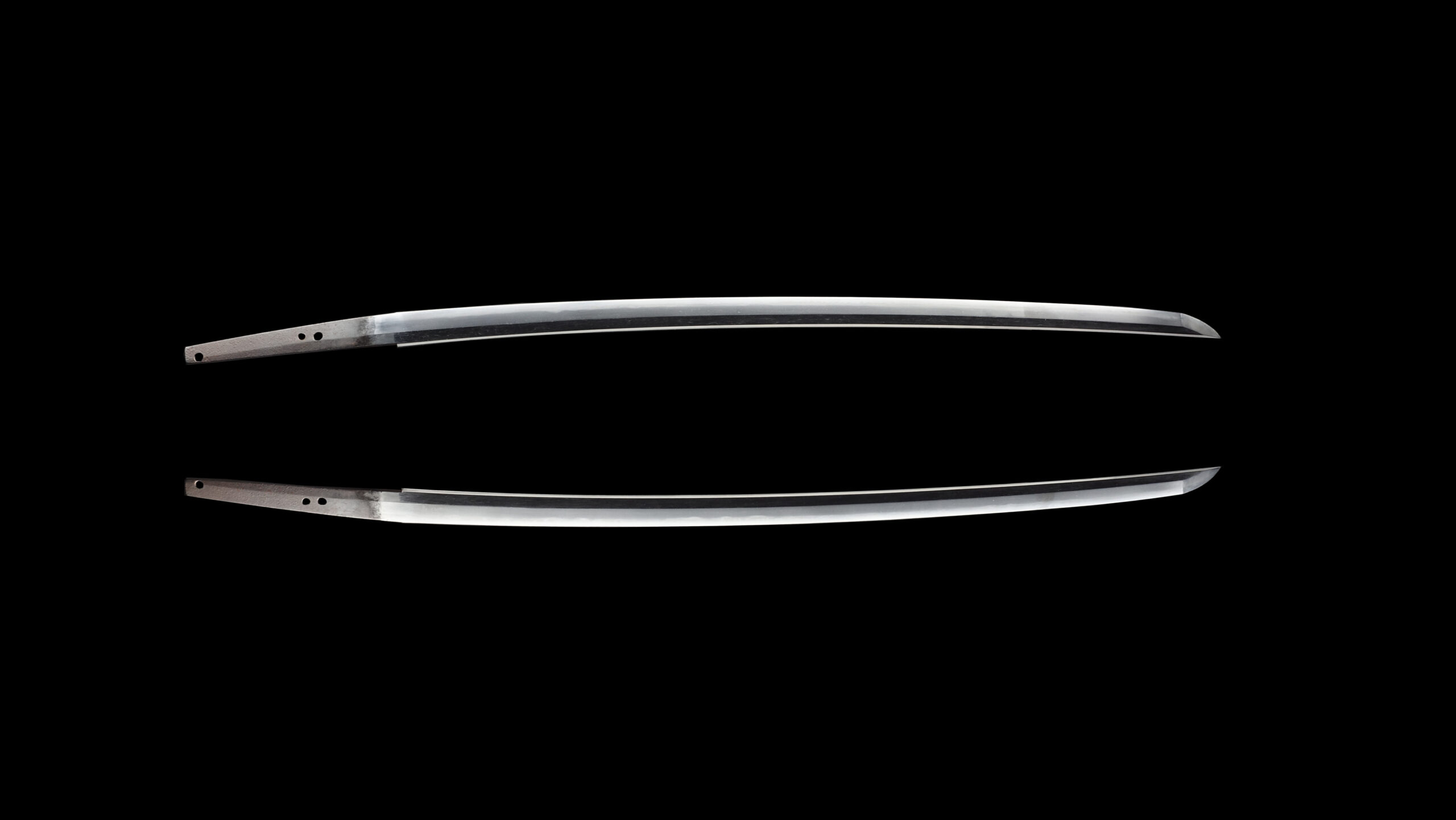
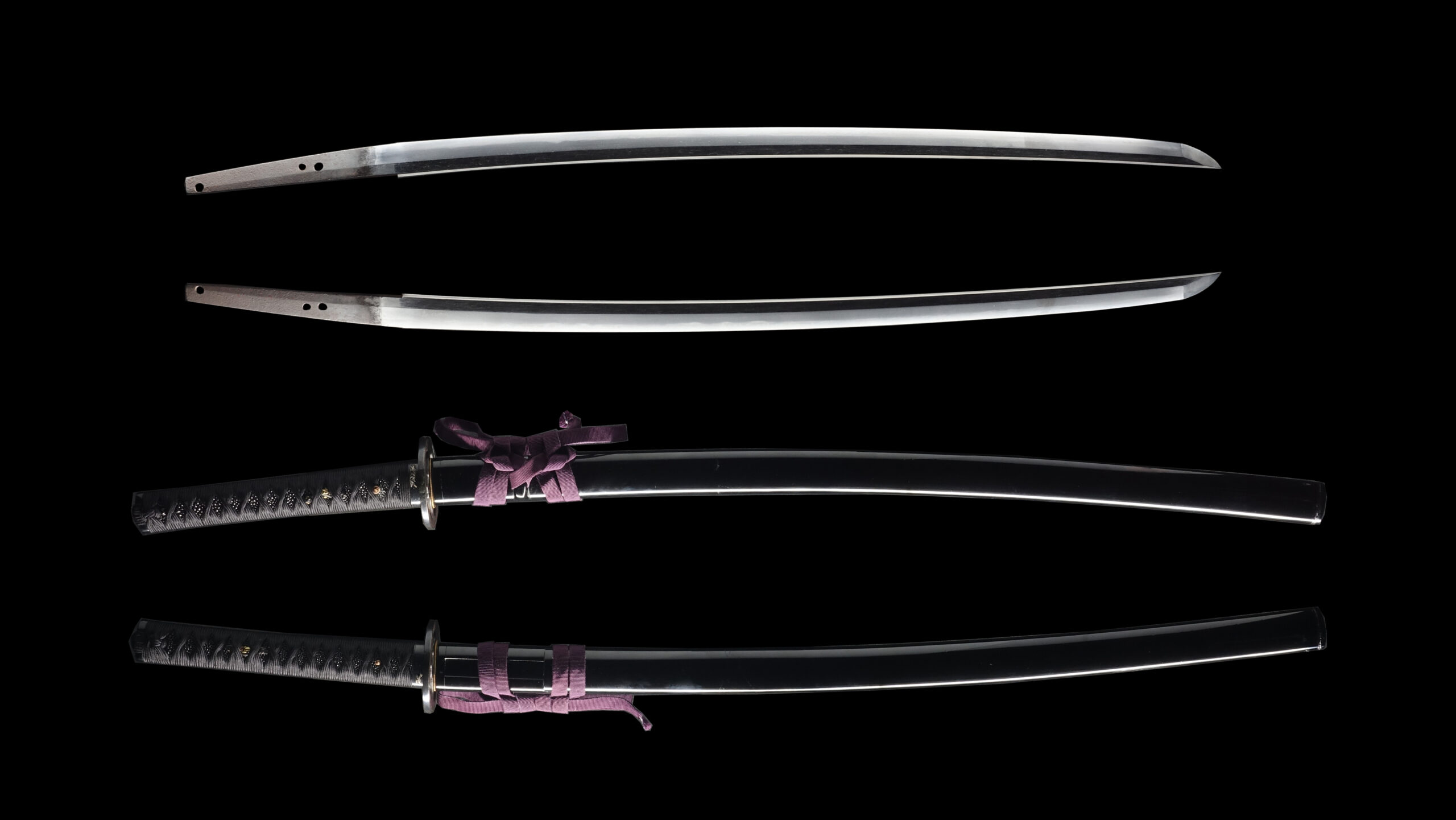
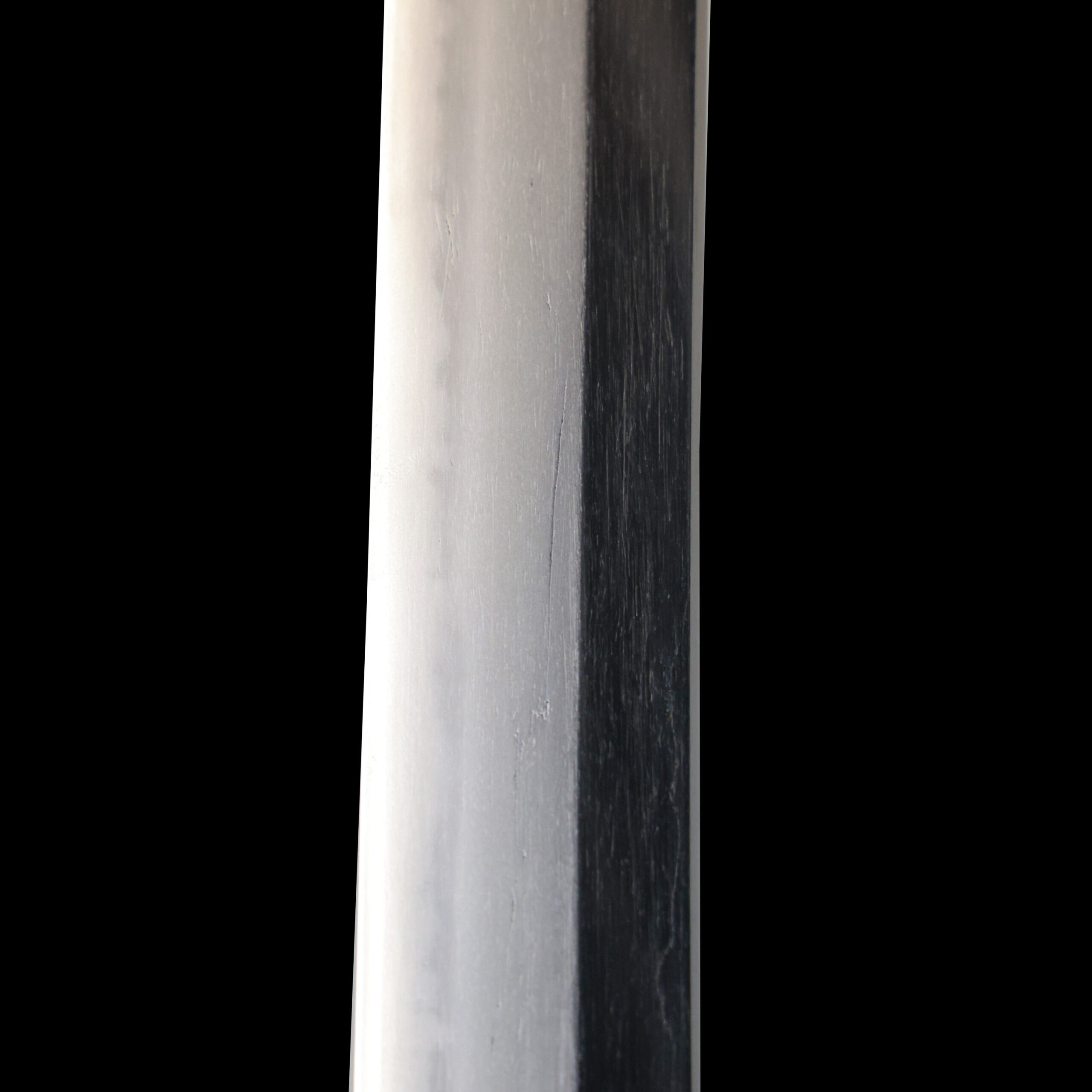
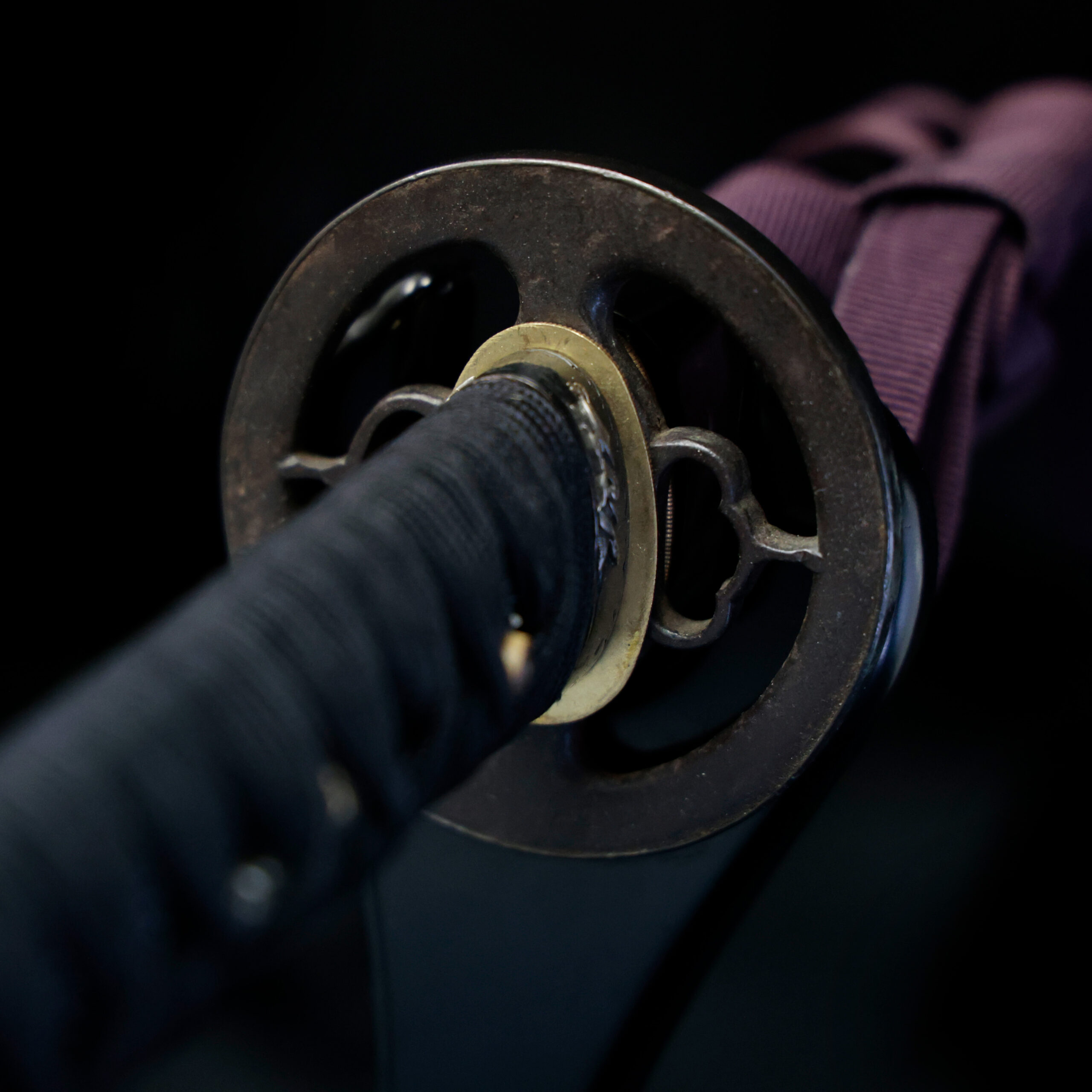
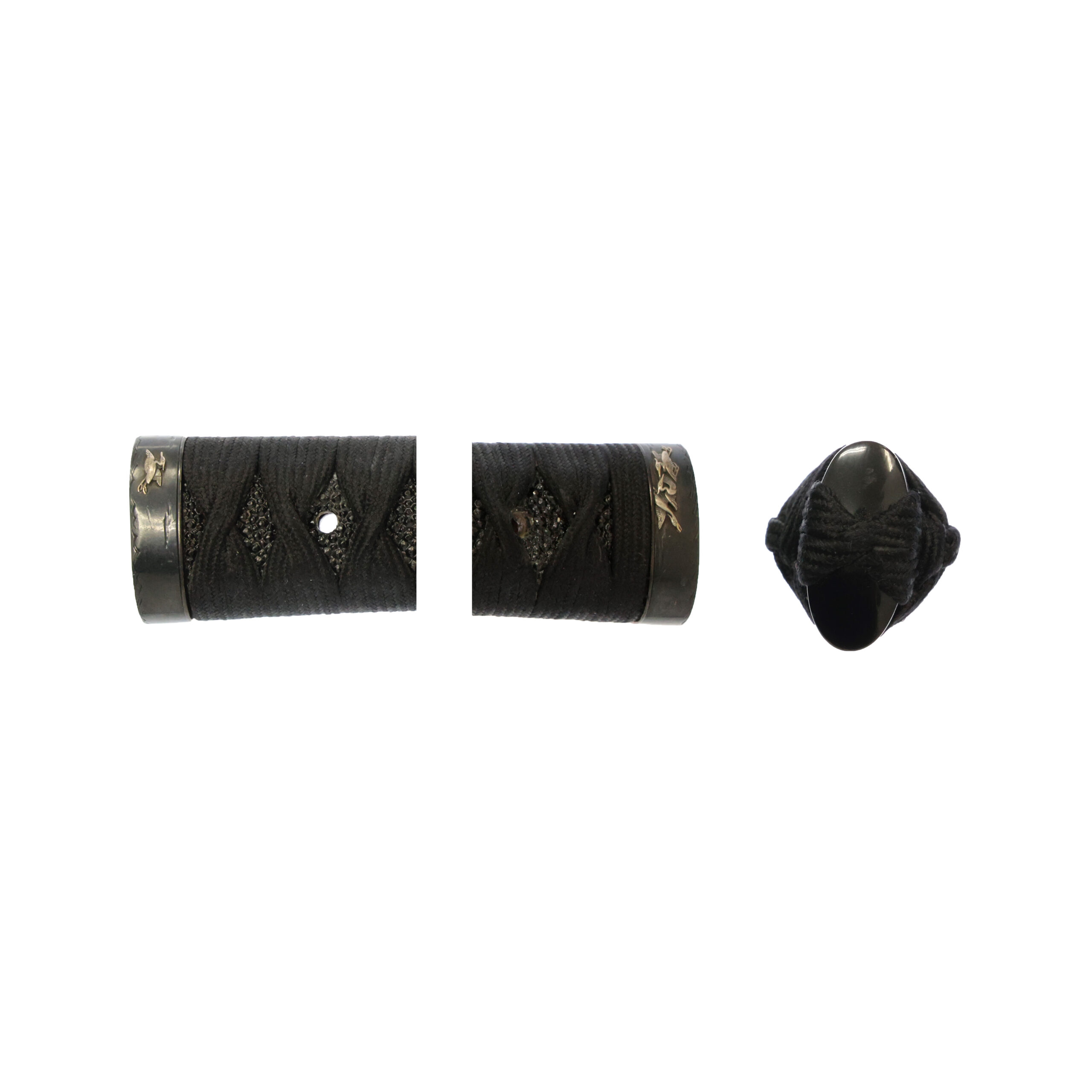
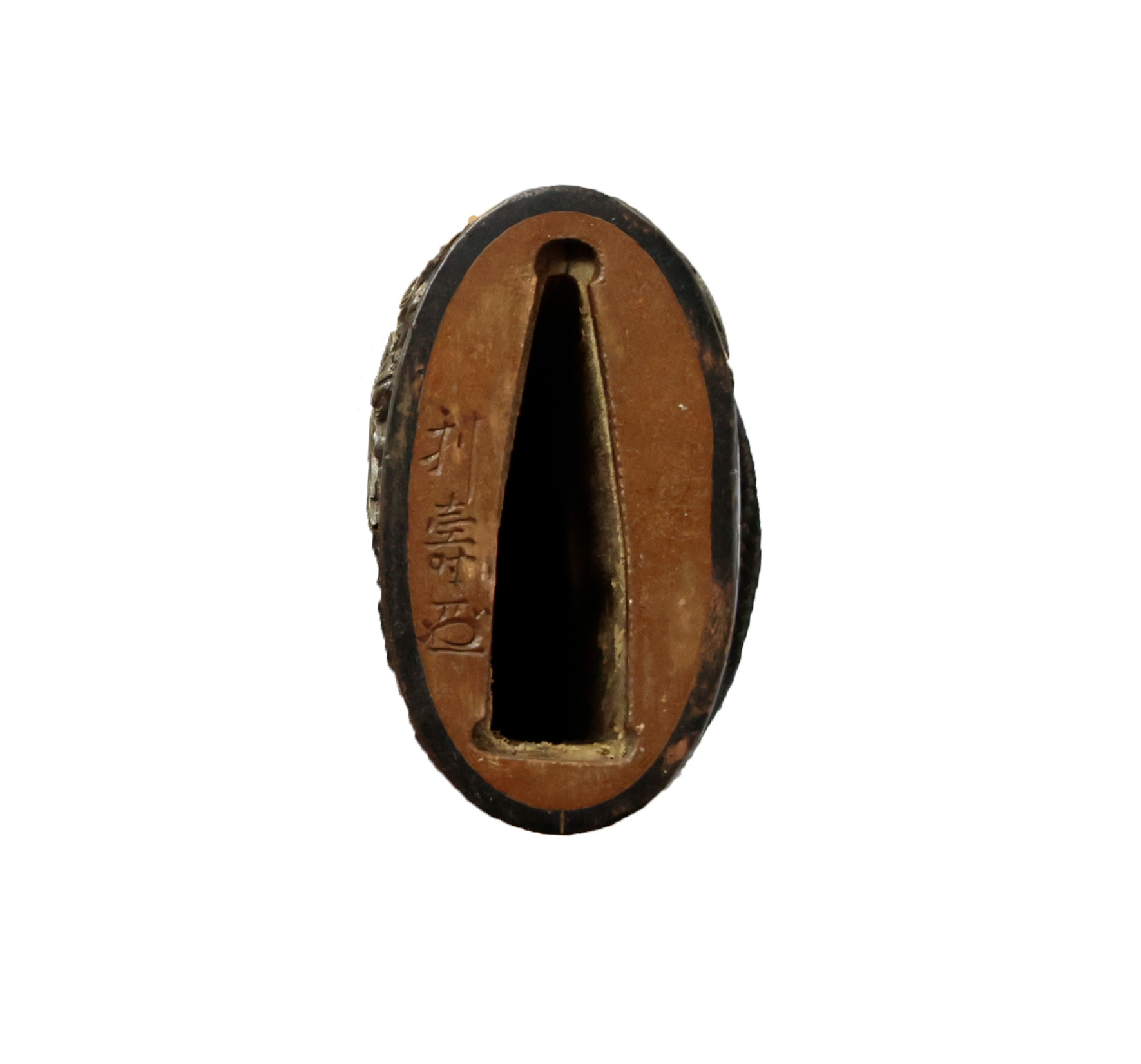
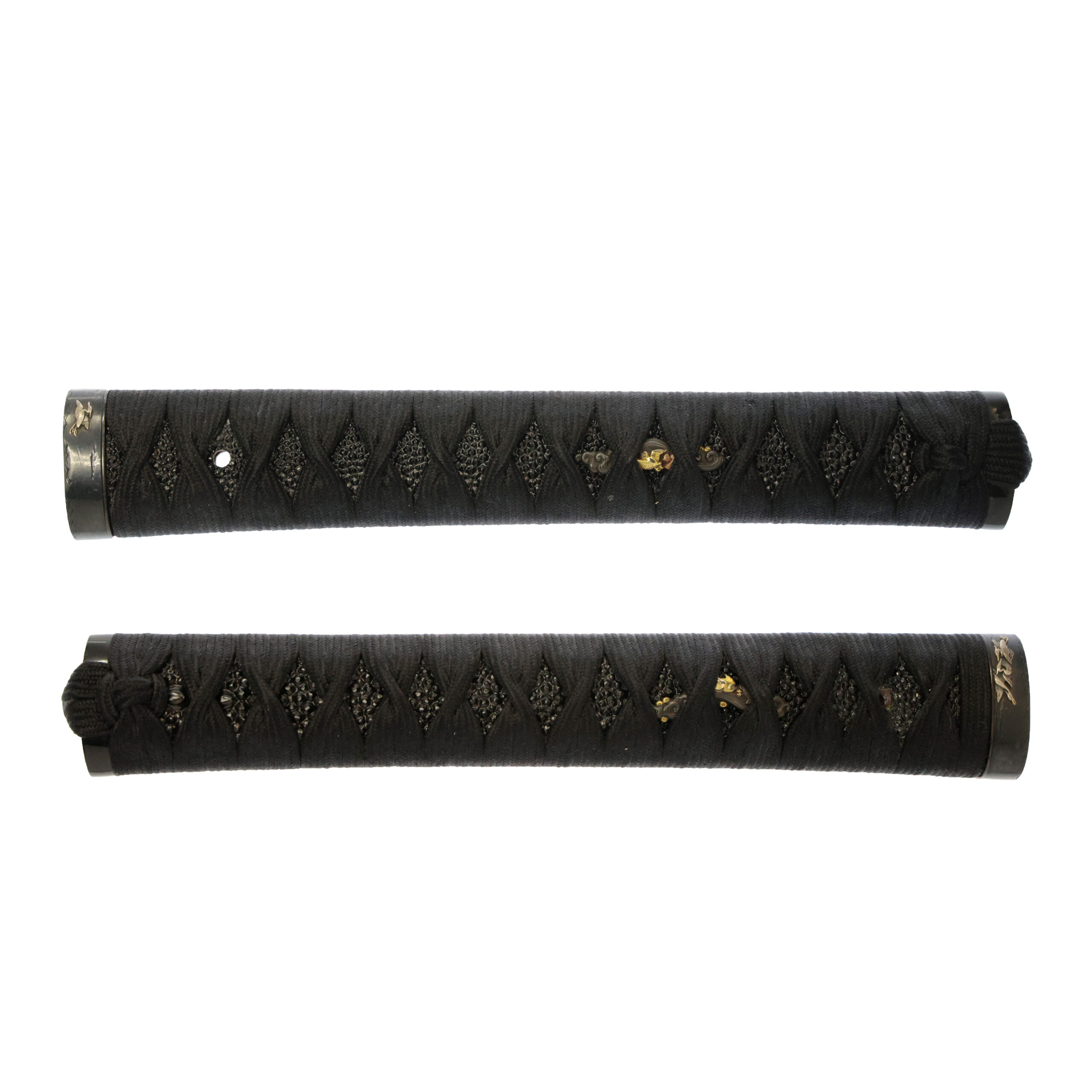
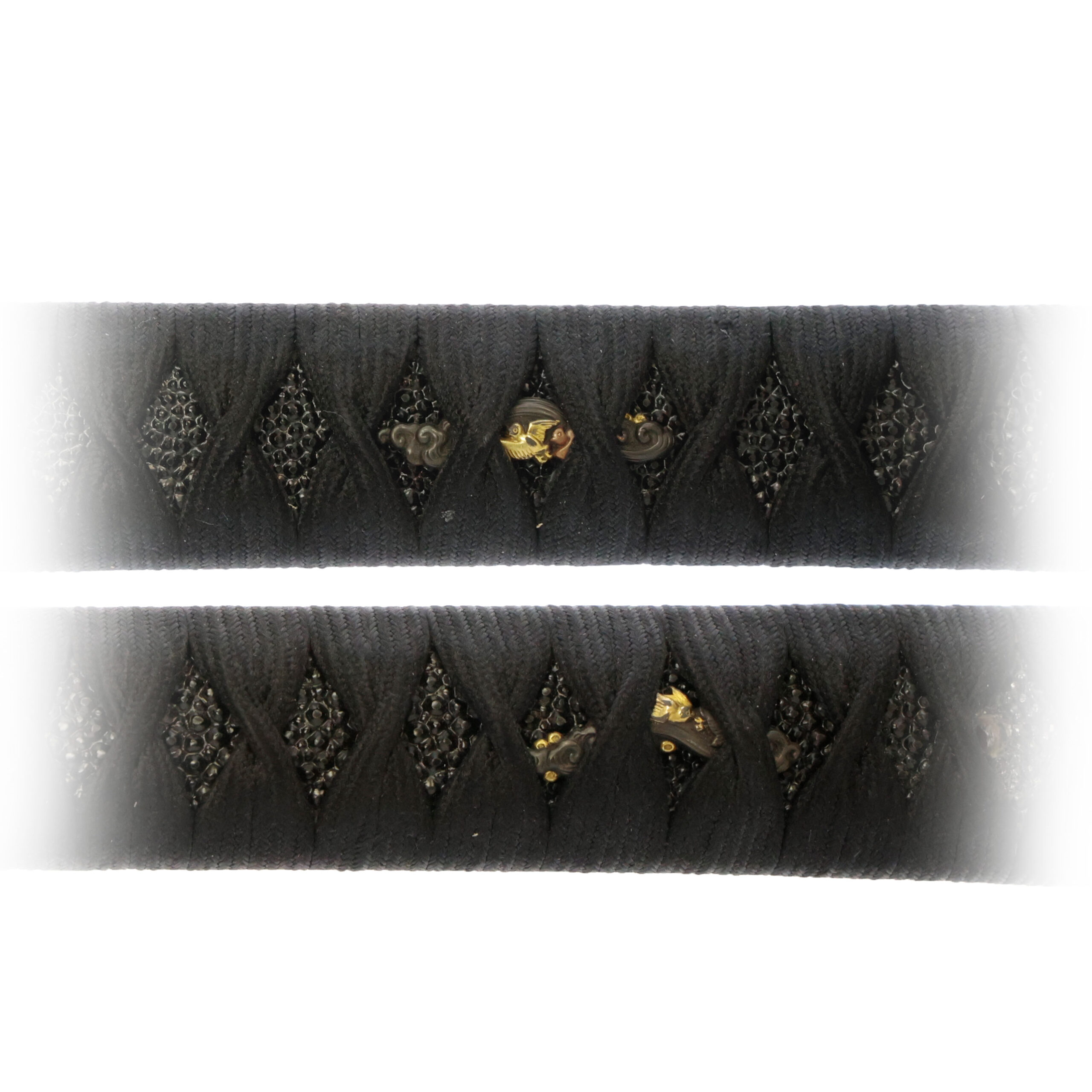
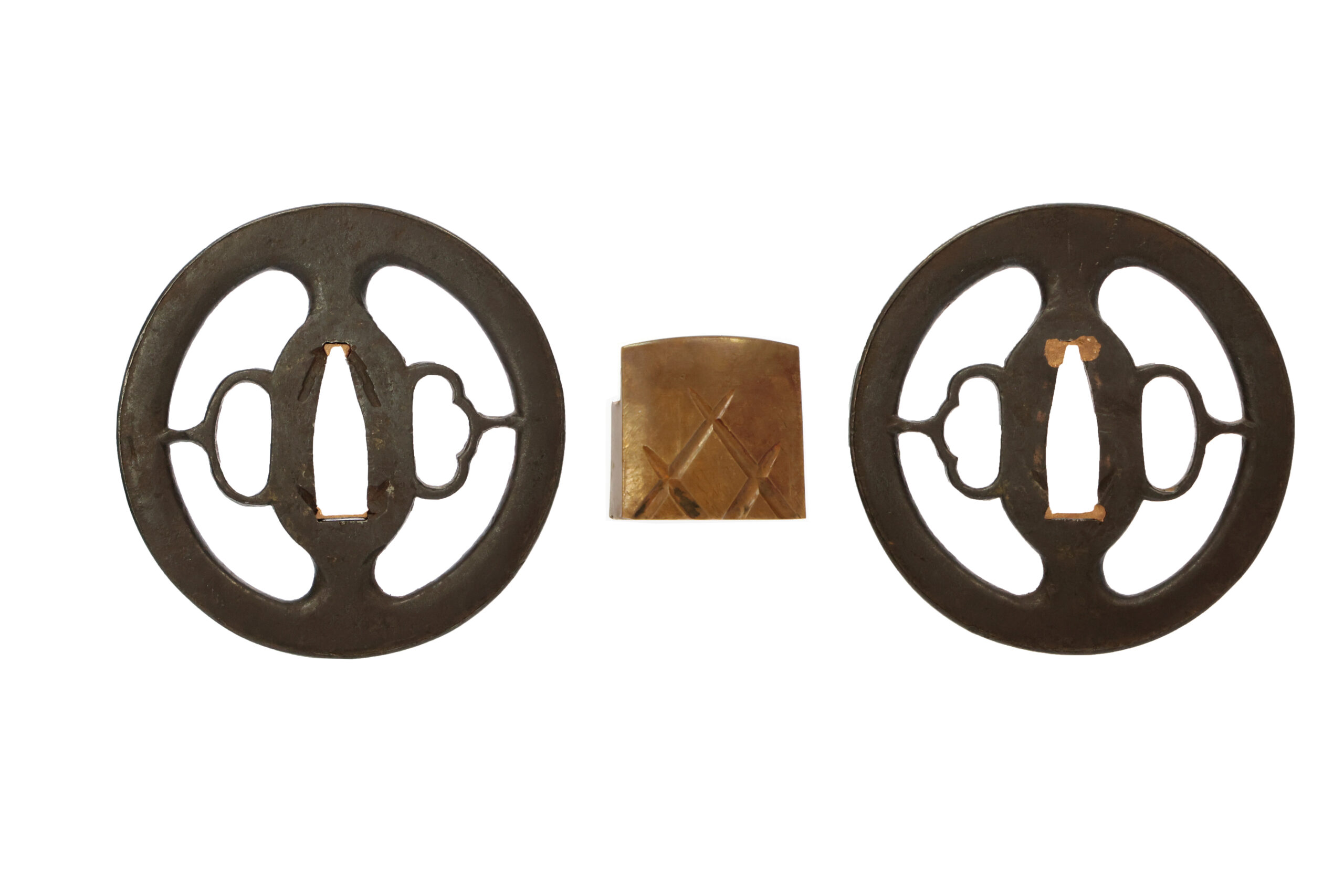
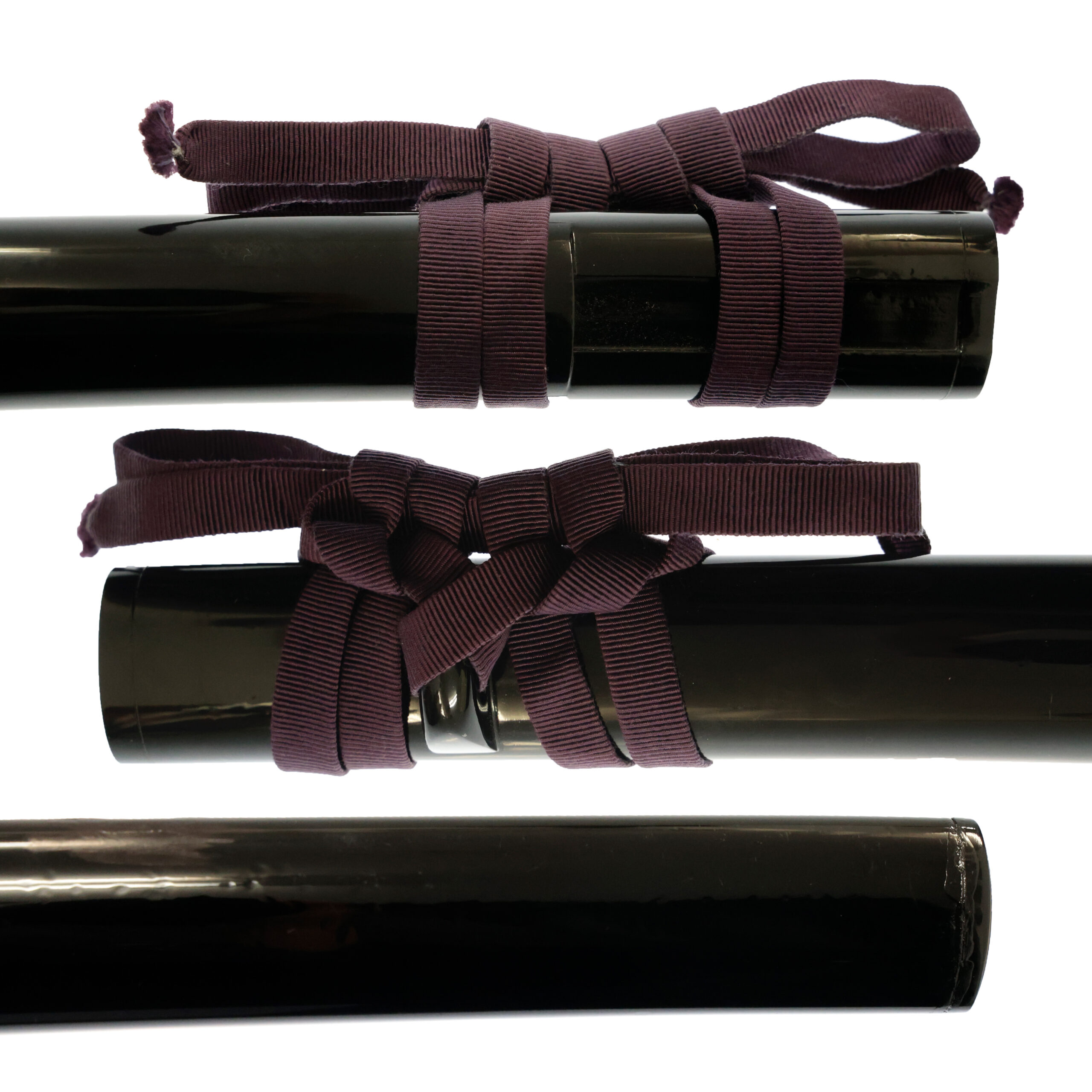
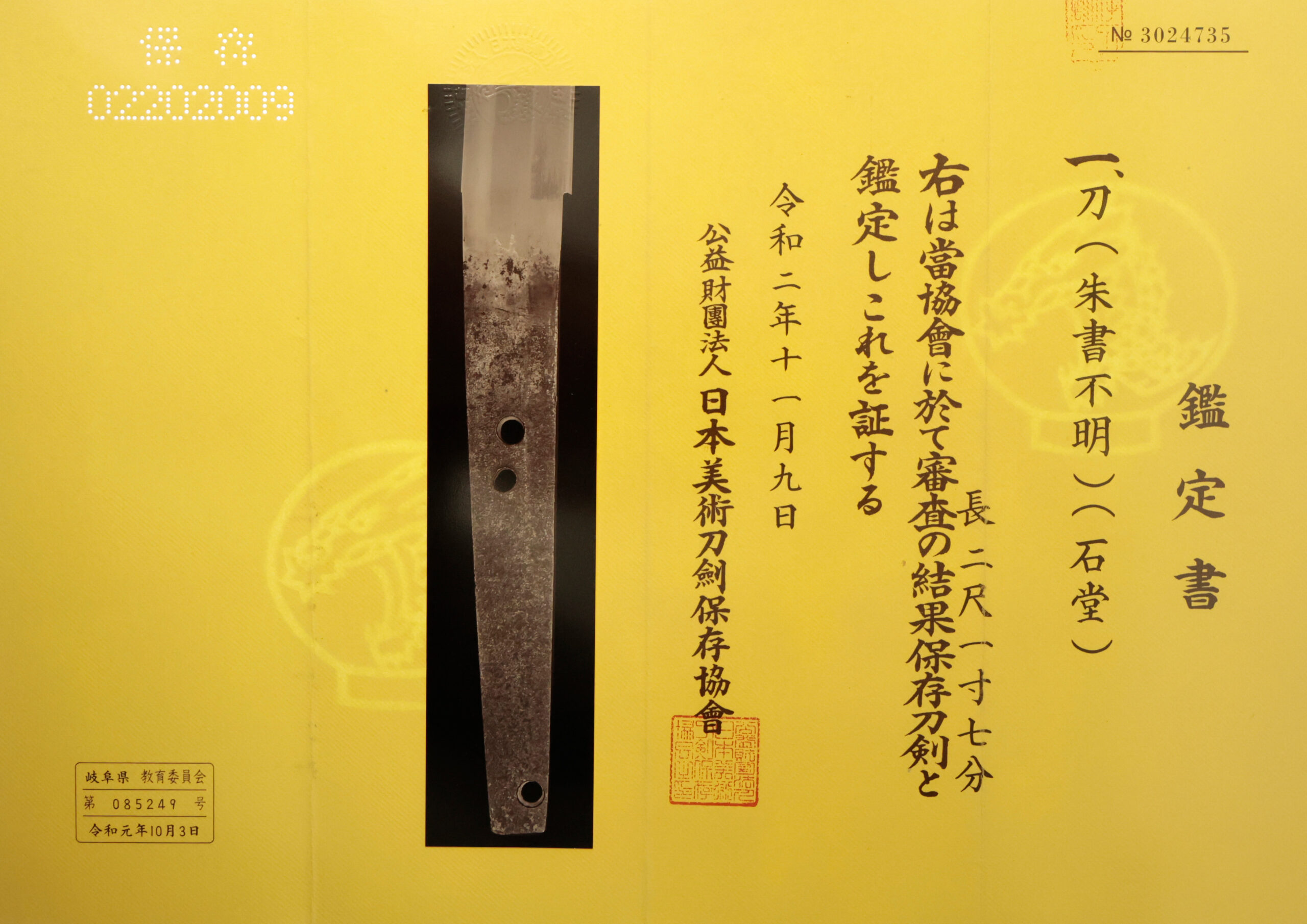
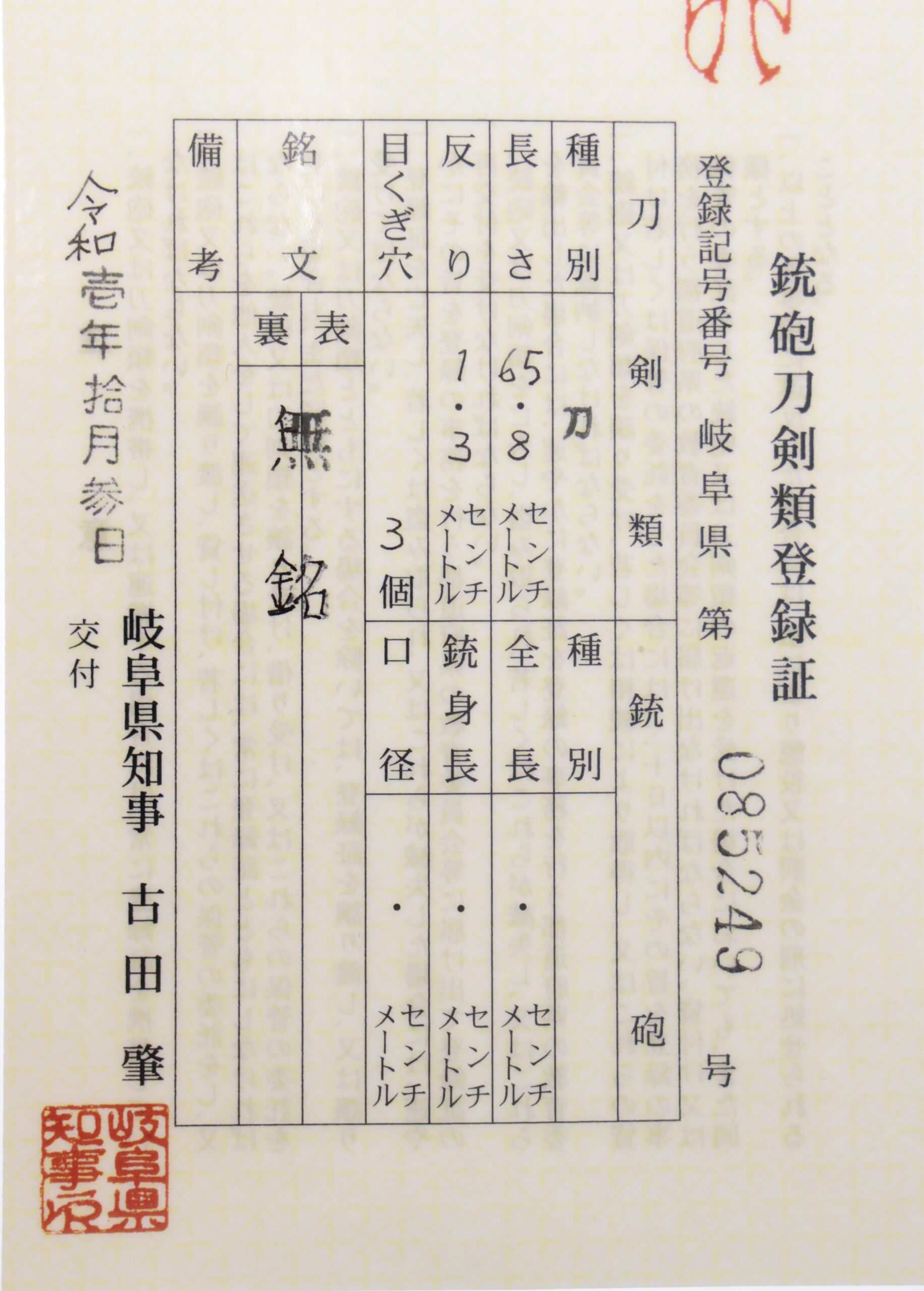
Antique Japanese Sword Katana Attributed to Ishido with NBTHK Hozon Certificate 【Description】 Summary This blade is attributed to Ishido, a school distributed throughout the country, such as Musashi (today’s Tokyo), Settsu (today’s Osaka), Kii (today’s Wakayama prefecture), Chikuzen (today’s Fukuoka prefecture), and other areas in the Edo period. According to NBHTK, this blade is considered to have been forged during the early – mid Edo period (the 17th – 18th century), though it is still unknown where it was forged exactly. Ishido school was initially founded by Sukenaga, an offspring of Ichimonji Sukemune, who had created Fukuoka Ichimonji school in Bizen province (Today’s Okayama prefecture). During 1492-1501 (Mid Muromachi period), Sukenaga and his school moved from Bizen province to Omi province after being summoned by Gamou family, a powerful feudal line in that region. Sukenaga started to live in front of Ishido temple, and he changed his surname to Ishido. As of the early Edo period, many Ishido swordsmiths in Omi province moved to other parts of Japan. Four major branches flourished in Edo, Osaka, Kishu, and Chikuzen. Following this trend, Yasuhiro, a prominent figure in Omi Ishido school, moved to Kishu province from Omi province. It is said that Yasuhiro was the founder of Kishu Ishido school. There is a record where Yasuhiro and Yasusada forged a blade together. When two swordsmiths collaborate to create one work, it is called Gassaku (合作). It was generally done by a master and his apprentice or his son. This fact indicates that Yasusada had a close tie with the head of Kishu Ishido school. This blade is appraised as a Hozon Touken (保存刀剣) issued by NBTHK (Nihon Bijutsu Touken Hozon Kyokai: 日本美術刀剣保存協会). This authentication paper was only given to authentic Japanese swords, well preserved and high quality with artistic value. *Please keep in mind that there is a couple of Kitae Kizu on this blade. If you like to know the detailed condition, please feel free to contact us. 【Blade】 Cutting Edge Length (Nagasa) : 65.8 cm (25.9 inches) Curvature (Sori) : 1.3 cm (0.51 inches) Hamon : The crystalline structure which forms along the cutting edge of a blade as a result of the hardening process. Jimon (Jihada) : Visible steel surface pattern created by folding and hammering during forging process. Kissaki : Kissaki is the tip of the Japanese sword. Nakago : Nakago is the tang of the Japanese sword. Japanese swordsmiths left the black rust on the tang because it prevents red rust while the tang is in its handle. And the discoloration of the tang was created over time, and it is a great indicator for a Japanese sword specialist to estimate when the sword was forged. Koshirae : Koshirae is the mounting of the Japanese sword. There are several parts that consist of Koshirae such as Saya (Scabbard), Tsuka (Handle), Tsuba (Handguard). Fuchi-Kashira : A pair of matching sword fittings that cover the upper and bottom parts of its sword hilt. The flying birds depicted on this Fuchi Kashira seem to be herons (鷺, Sagi). The heron, a beautiful water bird, was considered a symbol of noble character and high-ranking bureaucrats because of its appearance of standing unstained in the muddy water of rivers and rice fields. Also, the heron is often depicted in classical Chinese paintings as well since it is an auspicious bird. For example, A painting depicting a heron, a lotus, and a drunken hibiscus represents that one’s future life will be filled with happiness, wealth, and prosperity. Tsuka and Menuki : Tsuka is the handle of the Japanese sword and Menuki is its decoration. The theme of this Menuki might be the Nami Chidori (波千鳥), which is a classical motif of plovers flying over the sea. The Nami (波) means waves, and the Chidori (千鳥) means plovers in Japanese. This pattern represents a happy marriage and family safety. In Japan, people have treated it as a good omen since the Nara period (648-781). Waves are compared to the world, which de
 NihontoWatch
無銘 · Ishido · 新刀 · 長さ 65.8cm · 反り 1.3cm
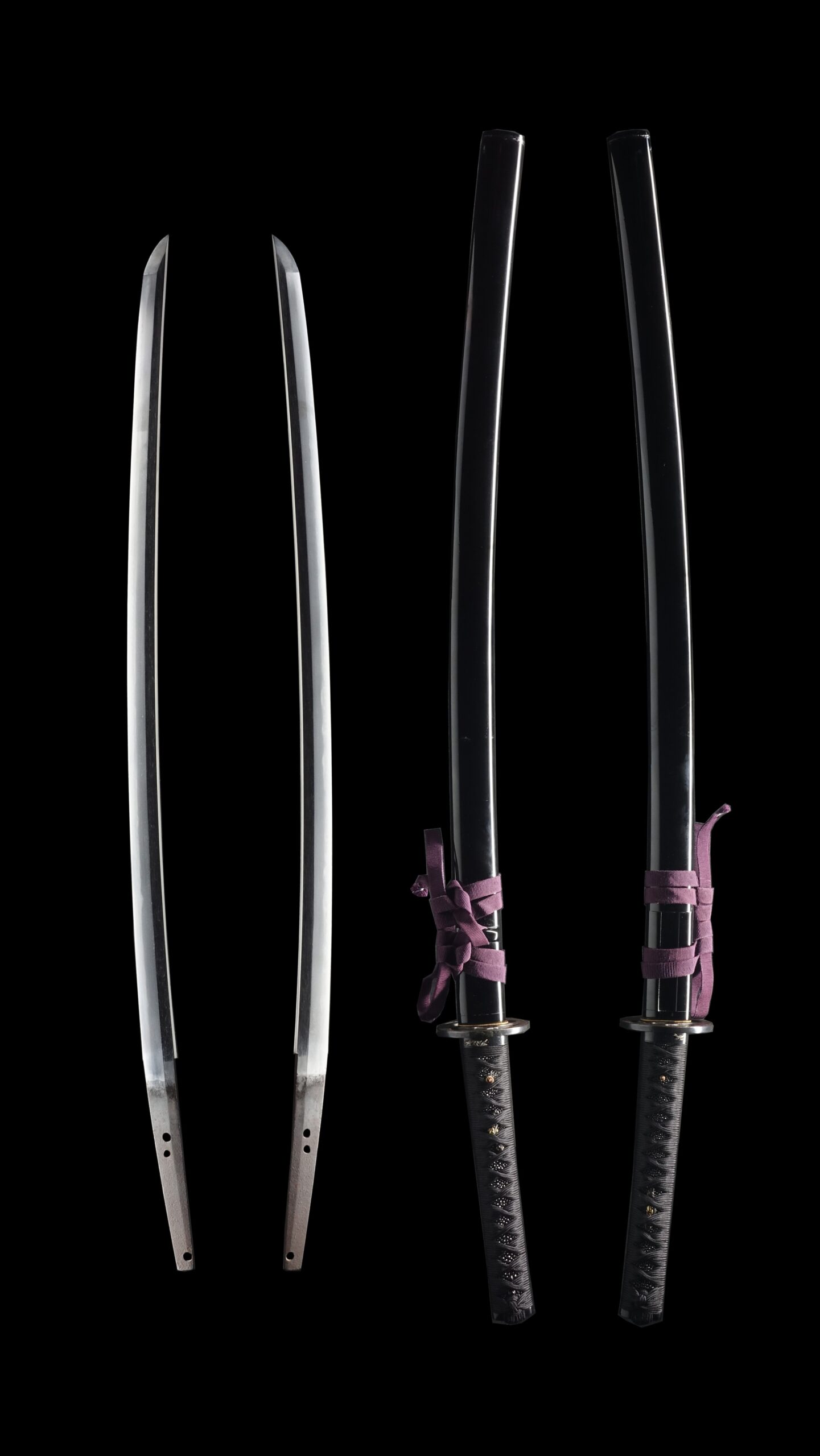
新刀 · 近江
現在47点販売中
石堂派は、近江国蒲生郡石堂村の刀工に淵源を有する一門である。慶長から元和・寛永にかけて、これらの刀工は近江よりまず京都へ上り、のちに江戸へ下って一派を成したと伝えられ、これがいわゆる江戸石堂の祖となった。武蔵大掾是一はその祖と称され、日置出羽守光平・常光・越前守宗弘らと共に江戸石堂の名を大いに高めた。中でも対馬守橘常光は、日置を姓とし生国を近江国蒲生郡とする一派の代表工で、従来は光平の兄とされてきたが、年紀作を逆算すると光平の方が六歳年長であり、また常光は橘氏、光平は源氏を名乗っていることから、兄弟であるという通説には疑問がもたれている。一門はやがて各地へ広がり、是一門からは是次が出て九州に活躍し福岡石堂の繁栄をもたらした。紀州にあっては平安城安広が紀州名草郡和歌山に移って作刀し、また備中守橘康広(富田五郎左衛門)が紀州石堂派を代表し、のちに大坂に移って大坂石堂派の始祖となった。河内守康永の門人多々良長幸もまた紀州より大坂に移り、近江には佐々木善四郎一峯らがあって、一派は江戸・大坂・紀州・福岡・近江の各地に系統を伝えた。 石堂派の作風は、御家芸ともいうべき備前伝にあり、映りの立った鍛えに丁子乱れを得意とする点に一貫した特色がある。鍛えは板目つみ、杢・流れ肌を交え、地沸微塵につき、乱れ映りが鮮やかに立つ。刃文は丁子乱れを主調とし、大丁子・頭の丸い丁子・小丁子・互の目・小互の目・尖りごころの刃などを交え、重花丁子・袋丁子をも交えて足・葉よく入り、華やかとなる。常光の作には焼に高低が見られ、焼頭が鎬にかかる程の大出来の丁子を焼くものがあって、古作一文字を髣髴とさせる。安広は互の目・小互の目・箱刃風・尖りごころの刃などを交えて総じて焼高く、棟焼よく入り、金筋・砂流し・沸筋頻りにかかる放胆な焼刃を示す。康広は逆ごころをおびた華やかな丁子乱れを得意とし、長幸は石堂派本来の一文字を狙った丁子乱れの作と、末備前に範をとった腰のひらいた互の目を主調とする作の二様を遺す。総じて匂口の明るく冴える点が、一門諸工に通じる特色である。 評価としては、石堂派は新刀・新々刀の時代にあって備前伝の作風を伝え、丁子乱れの華やかな出来をよく示した点に意義が認められる。常光は焼に高低のある華やかな丁子乱れを焼いて本領を発揮し、その典型作は同工中の優品・最高傑作と称される。安広は長寸・身幅広く重ね厚い堂々たる姿態に放胆な焼刃を加え、新刀を代表する一工としてその技倆が遺憾なく発揮されている。康広は覇気に富んだ作柄を仕上げ、その一口は薩摩国島津家に伝来したものも知られる。長幸は師に優る技量の持主と評され、匂口のふっくらとした出来を遺す。各地に展開しながら備前伝の本領を堅持し、江戸時代初期より長く続いたこの一門は、新刀・新々刀の世にあって備前の作風を伝えた代表的な流派として高く位置づけられている。 詳しく見る →
江戸時代
二世紀半の泰平のあいだ、刀は武器である以上に武士の身分の標章であった。江戸の実証と大坂の華やぎのように都市ごとの作風が育ち、時代の末には需要も細っていく。
銘が正しい、または無銘でも年代・国・系統を確実に指摘できる、保存に値する真正の作と鑑定されたものです。
日本美術刀剣保存協会(NBTHK)は、1948年に設立され、文化庁の監督を受ける公益財団法人で、東京・刀剣博物館に本部を置きます。専門の審査員が出品作を直接審査し、美術的・歴史的価値に応じた鑑定書を発行します。NBTHKの鑑定書は、日本刀および刀装具の真正性を示す最も広く認知された基準です。
NBTHK公式サイトReturns/exchanges limited to defects caused by shipping (except willful misconduct or gross negligence by the company); customers must contact within 72 hours of receiving the product.
Antique Japanese Sword Katana Attributed to Ishido with NBTHK Hozon Certificate 【Description】 Summary This blade is attributed to Ishido, a school distributed throughout the country, such as Musashi (today’s Tokyo), Settsu (today’s Osaka), Kii (today’s Wakayama prefecture), Chikuzen (today’s Fukuoka prefecture), and other areas in the Edo period. According to NBHTK, this blade is considered to have been forged during the early – mid Edo period (the 17th – 18th century), though it is still unknown where it was forged exactly. Ishido school was initially founded by Sukenaga, an offspring of Ichimonji Sukemune, who had created Fukuoka Ichimonji school in Bizen province (Today’s Okayama prefecture). During 1492-1501 (Mid Muromachi period), Sukenaga and his school moved from Bizen province to Omi province after being summoned by Gamou family, a powerful feudal line in that region. Sukenaga started to live in front of Ishido temple, and he changed his surname to Ishido. As of the early Edo period, many Ishido swordsmiths in Omi province moved to other parts of Japan. Four major branches flourished in Edo, Osaka, Kishu, and Chikuzen. Following this trend, Yasuhiro, a prominent figure in Omi Ishido school, moved to Kishu province from Omi province. It is said that Yasuhiro was the founder of Kishu Ishido school. There is a record where Yasuhiro and Yasusada forged a blade together. When two swordsmiths collaborate to create one work, it is called Gassaku (合作). It was generally done by a master and his apprentice or his son. This fact indicates that Yasusada had a close tie with the head of Kishu Ishido school. This blade is appraised as a Hozon Touken (保存刀剣) issued by NBTHK (Nihon Bijutsu Touken Hozon Kyokai: 日本美術刀剣保存協会). This authentication paper was only given to authentic Japanese swords, well preserved and high quality with artistic value. *Please keep in mind that there is a couple of Kitae Kizu on this blade. If you like to know the detailed condition, please feel free to contact us. 【Blade】 Cutting Edge Length (Nagasa) : 65.8 cm (25.9 inches) Curvature (Sori) : 1.3 cm (0.51 inches) Hamon : The crystalline structure which forms along the cutting edge of a blade as a result of the hardening process. Jimon (Jihada) : Visible steel surface pattern created by folding and hammering during forging process. Kissaki : Kissaki is the tip of the Japanese sword. Nakago : Nakago is the tang of the Japanese sword. Japanese swordsmiths left the black rust on the tang because it prevents red rust while the tang is in its handle. And the discoloration of the tang was created over time, and it is a great indicator for a Japanese sword specialist to estimate when the sword was forged. Koshirae : Koshirae is the mounting of the Japanese sword. There are several parts that consist of Koshirae such as Saya (Scabbard), Tsuka (Handle), Tsuba (Handguard). Fuchi-Kashira : A pair of matching sword fittings that cover the upper and bottom parts of its sword hilt. The flying birds depicted on this Fuchi Kashira seem to be herons (鷺, Sagi). The heron, a beautiful water bird, was considered a symbol of noble character and high-ranking bureaucrats because of its appearance of standing unstained in the muddy water of rivers and rice fields. Also, the heron is often depicted in classical Chinese paintings as well since it is an auspicious bird. For example, A painting depicting a heron, a lotus, and a drunken hibiscus represents that one’s future life will be filled with happiness, wealth, and prosperity. Tsuka and Menuki : Tsuka is the handle of the Japanese sword and Menuki is its decoration. The theme of this Menuki might be the Nami Chidori (波千鳥), which is a classical motif of plovers flying over the sea. The Nami (波) means waves, and the Chidori (千鳥) means plovers in Japanese. This pattern represents a happy marriage and family safety. In Japan, people have treated it as a good omen since the Nara period (648-781). Waves are compared to the world, which de
NihontoWatch無銘 · Ishido · 新刀 · 長さ 65.8cm · 反り 1.3cm
新刀 · 近江
現在47点販売中
石堂派は、近江国蒲生郡石堂村の刀工に淵源を有する一門である。慶長から元和・寛永にかけて、これらの刀工は近江よりまず京都へ上り、のちに江戸へ下って一派を成したと伝えられ、これがいわゆる江戸石堂の祖となった。武蔵大掾是一はその祖と称され、日置出羽守光平・常光・越前守宗弘らと共に江戸石堂の名を大いに高めた。中でも対馬守橘常光は、日置を姓とし生国を近江国蒲生郡とする一派の代表工で、従来は光平の兄とされてきたが、年紀作を逆算すると光平の方が六歳年長であり、また常光は橘氏、光平は源氏を名乗っていることから、兄弟であるという通説には疑問がもたれている。一門はやがて各地へ広がり、是一門からは是次が出て九州に活躍し福岡石堂の繁栄をもたらした。紀州にあっては平安城安広が紀州名草郡和歌山に移って作刀し、また備中守橘康広(富田五郎左衛門)が紀州石堂派を代表し、のちに大坂に移って大坂石堂派の始祖となった。河内守康永の門人多々良長幸もまた紀州より大坂に移り、近江には佐々木善四郎一峯らがあって、一派は江戸・大坂・紀州・福岡・近江の各地に系統を伝えた。 石堂派の作風は、御家芸ともいうべき備前伝にあり、映りの立った鍛えに丁子乱れを得意とする点に一貫した特色がある。鍛えは板目つみ、杢・流れ肌を交え、地沸微塵につき、乱れ映りが鮮やかに立つ。刃文は丁子乱れを主調とし、大丁子・頭の丸い丁子・小丁子・互の目・小互の目・尖りごころの刃などを交え、重花丁子・袋丁子をも交えて足・葉よく入り、華やかとなる。常光の作には焼に高低が見られ、焼頭が鎬にかかる程の大出来の丁子を焼くものがあって、古作一文字を髣髴とさせる。安広は互の目・小互の目・箱刃風・尖りごころの刃などを交えて総じて焼高く、棟焼よく入り、金筋・砂流し・沸筋頻りにかかる放胆な焼刃を示す。康広は逆ごころをおびた華やかな丁子乱れを得意とし、長幸は石堂派本来の一文字を狙った丁子乱れの作と、末備前に範をとった腰のひらいた互の目を主調とする作の二様を遺す。総じて匂口の明るく冴える点が、一門諸工に通じる特色である。 評価としては、石堂派は新刀・新々刀の時代にあって備前伝の作風を伝え、丁子乱れの華やかな出来をよく示した点に意義が認められる。常光は焼に高低のある華やかな丁子乱れを焼いて本領を発揮し、その典型作は同工中の優品・最高傑作と称される。安広は長寸・身幅広く重ね厚い堂々たる姿態に放胆な焼刃を加え、新刀を代表する一工としてその技倆が遺憾なく発揮されている。康広は覇気に富んだ作柄を仕上げ、その一口は薩摩国島津家に伝来したものも知られる。長幸は師に優る技量の持主と評され、匂口のふっくらとした出来を遺す。各地に展開しながら備前伝の本領を堅持し、江戸時代初期より長く続いたこの一門は、新刀・新々刀の世にあって備前の作風を伝えた代表的な流派として高く位置づけられている。 詳しく見る →
江戸時代
二世紀半の泰平のあいだ、刀は武器である以上に武士の身分の標章であった。江戸の実証と大坂の華やぎのように都市ごとの作風が育ち、時代の末には需要も細っていく。
銘が正しい、または無銘でも年代・国・系統を確実に指摘できる、保存に値する真正の作と鑑定されたものです。
日本美術刀剣保存協会(NBTHK)は、1948年に設立され、文化庁の監督を受ける公益財団法人で、東京・刀剣博物館に本部を置きます。専門の審査員が出品作を直接審査し、美術的・歴史的価値に応じた鑑定書を発行します。NBTHKの鑑定書は、日本刀および刀装具の真正性を示す最も広く認知された基準です。
NBTHK公式サイトReturns/exchanges limited to defects caused by shipping (except willful misconduct or gross negligence by the company); customers must contact within 72 hours of receiving the product.