江戸は刀の目利きの時代である。本阿弥の鑑定、1719年の享保名物帳、盛んな刀剣書が、戦で抜かれることのなくなった刀を学問の対象へと変えていった。
 NihontoWatchNihontoWatch
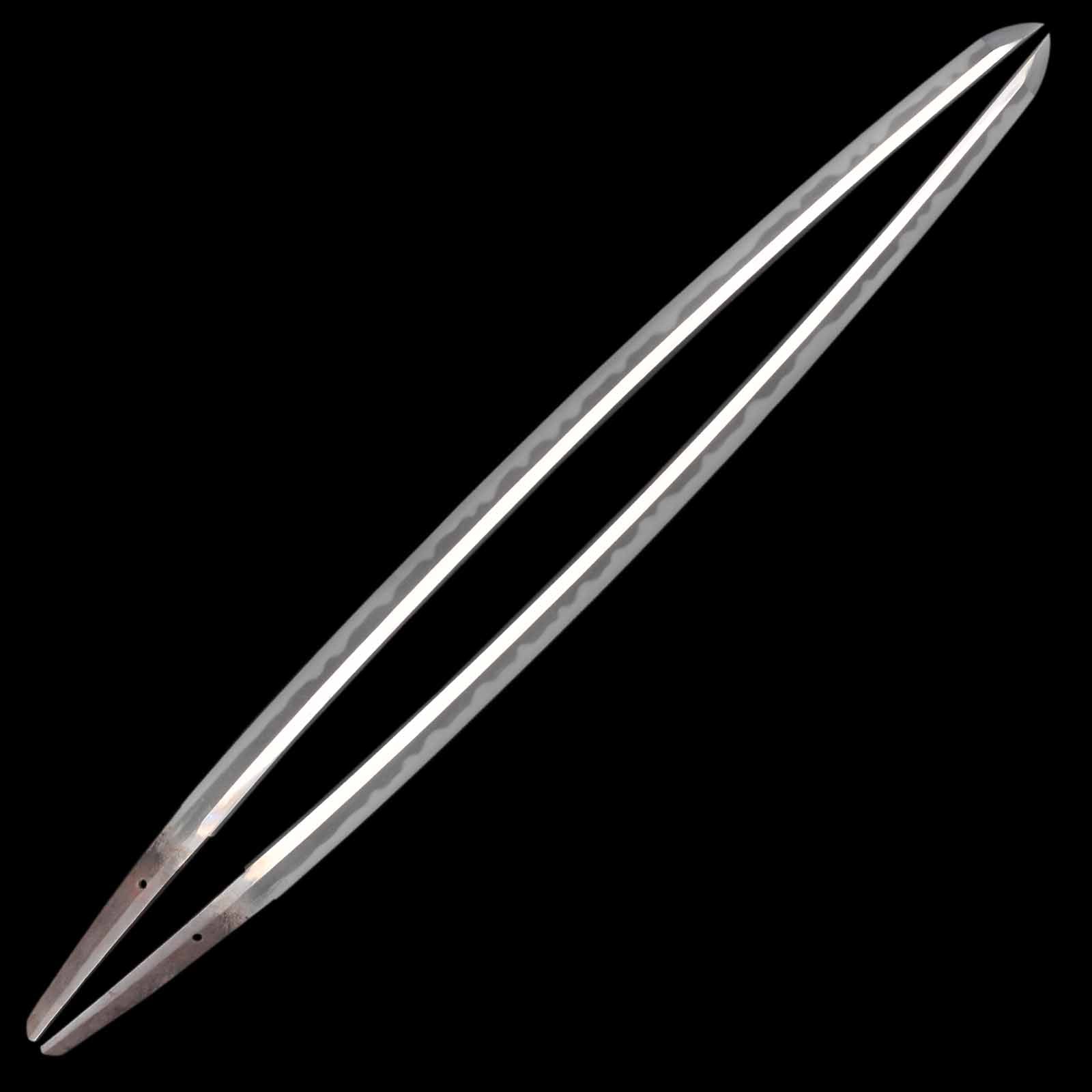
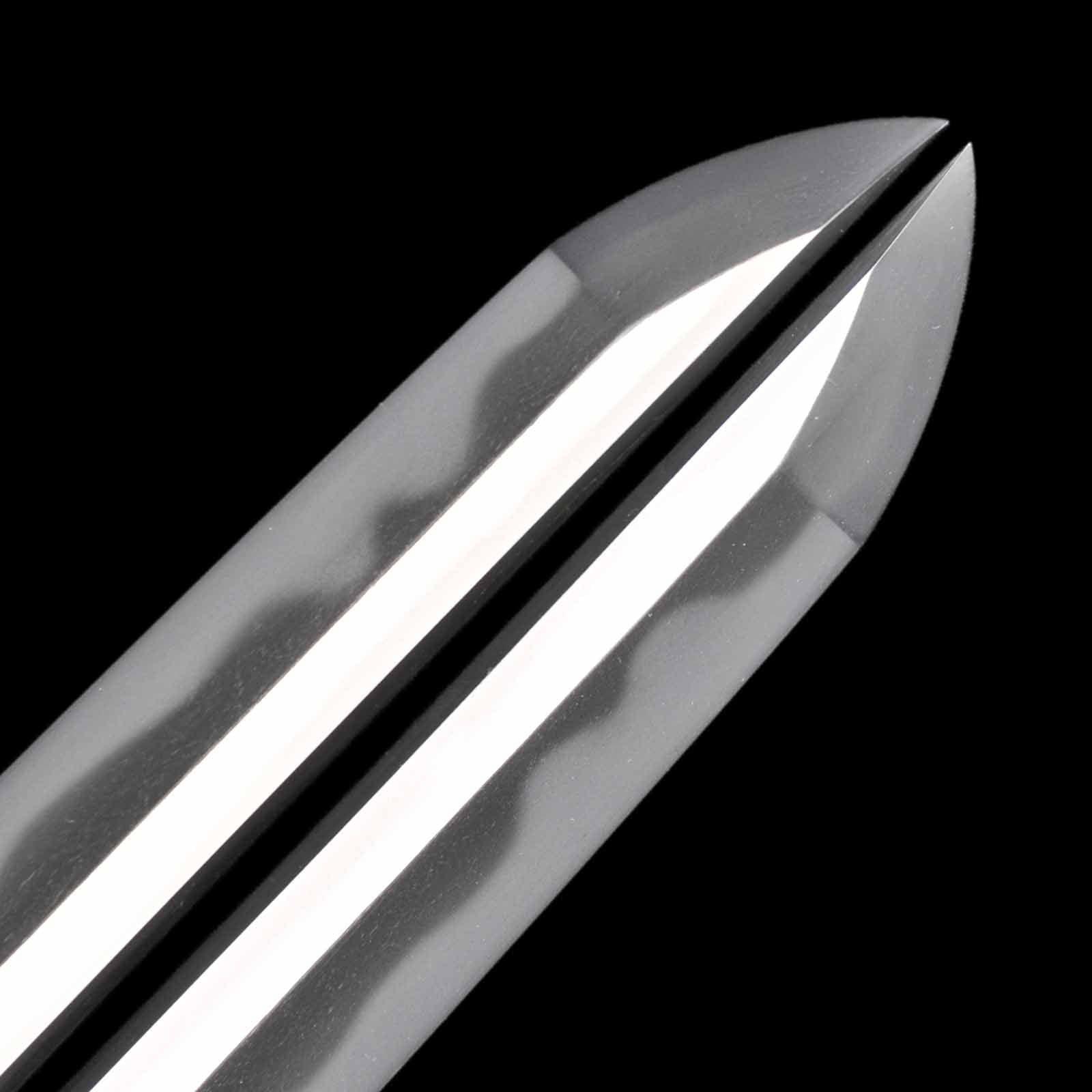
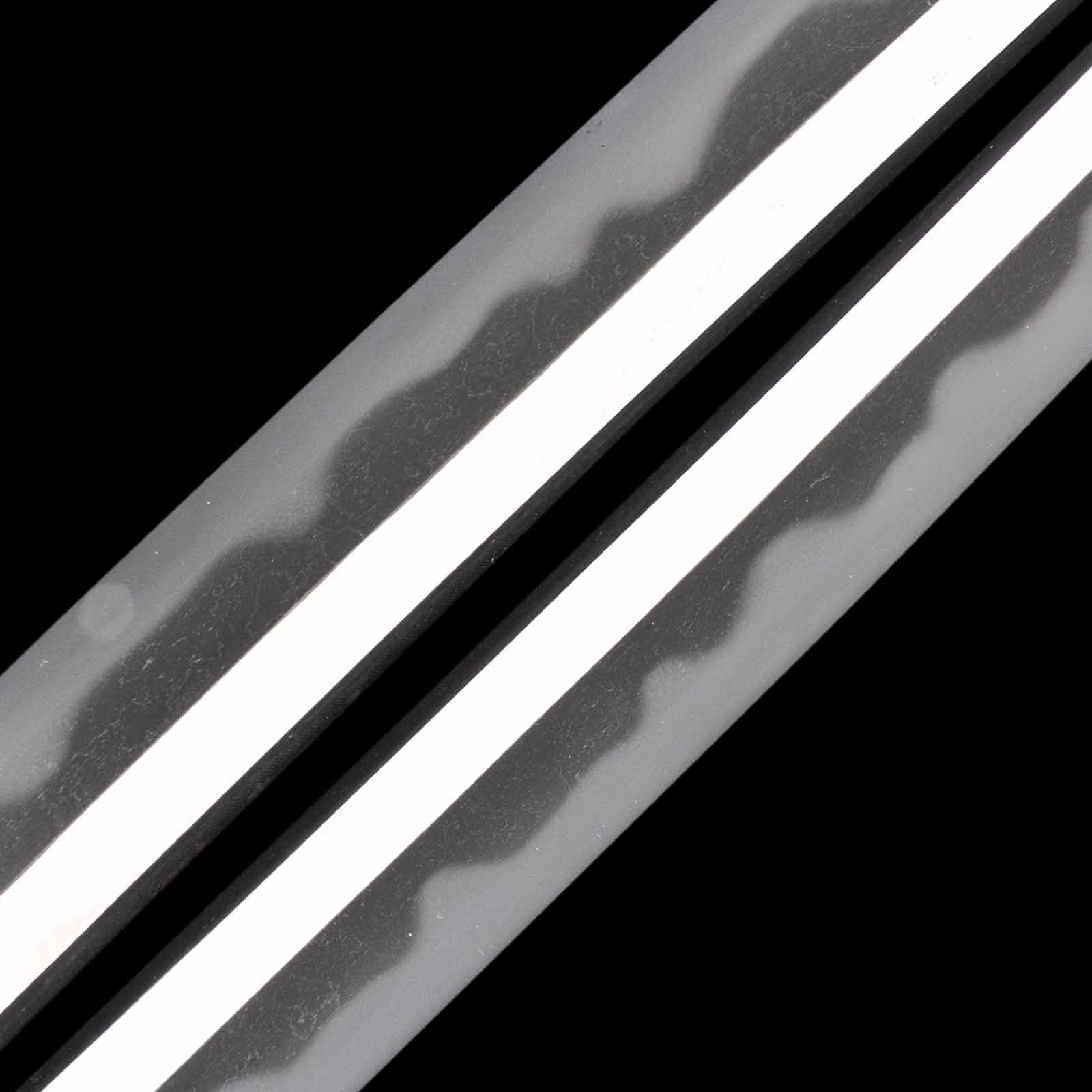
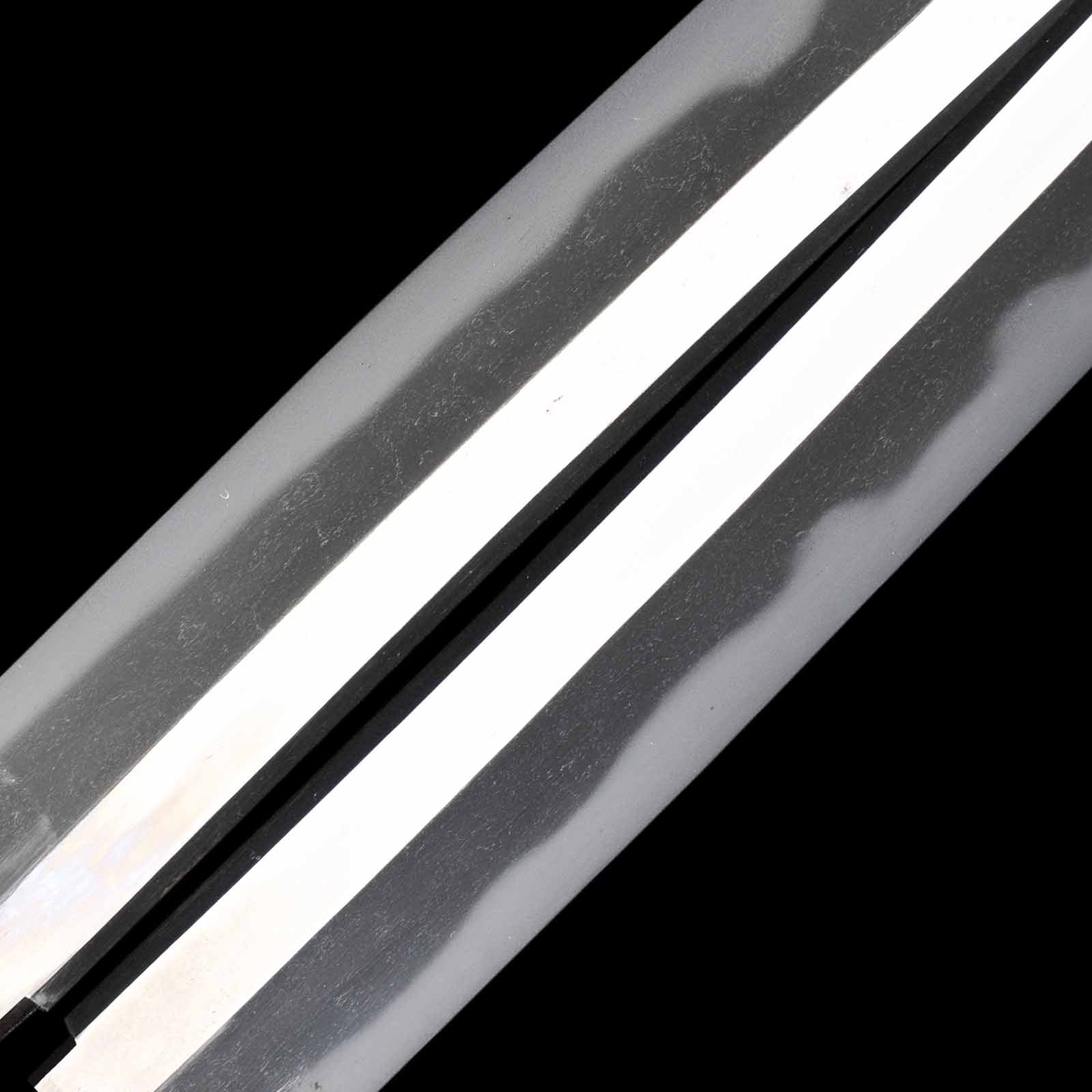
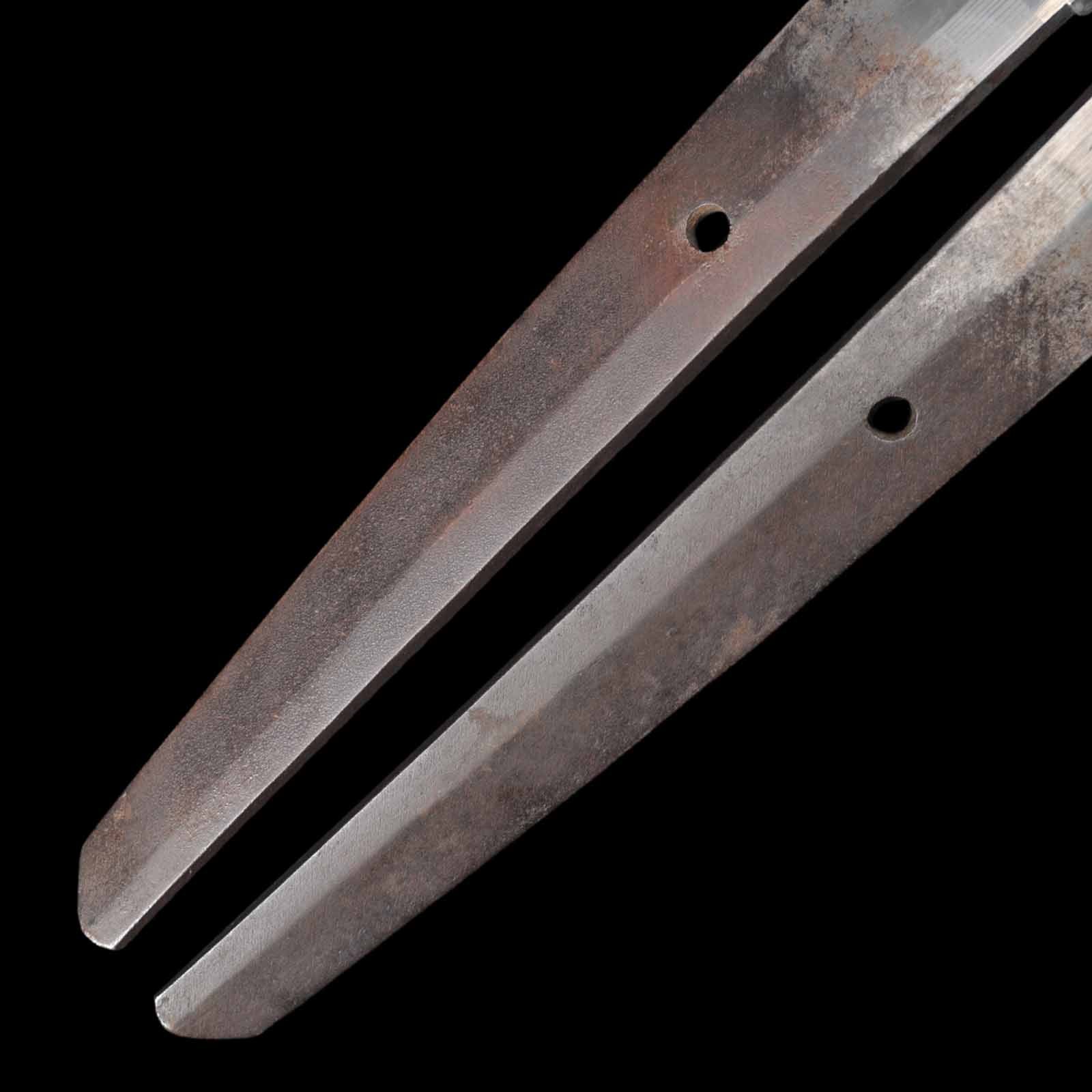
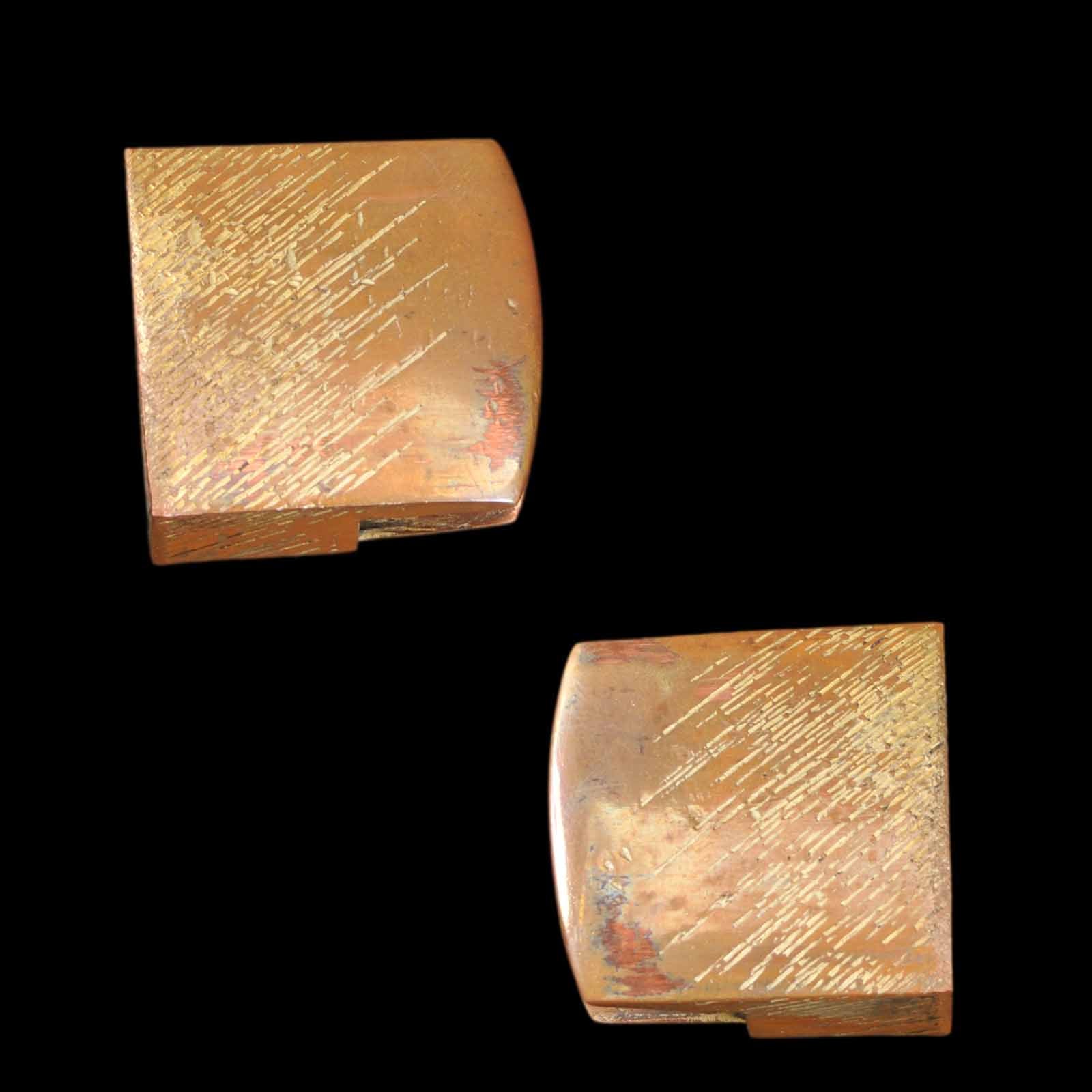
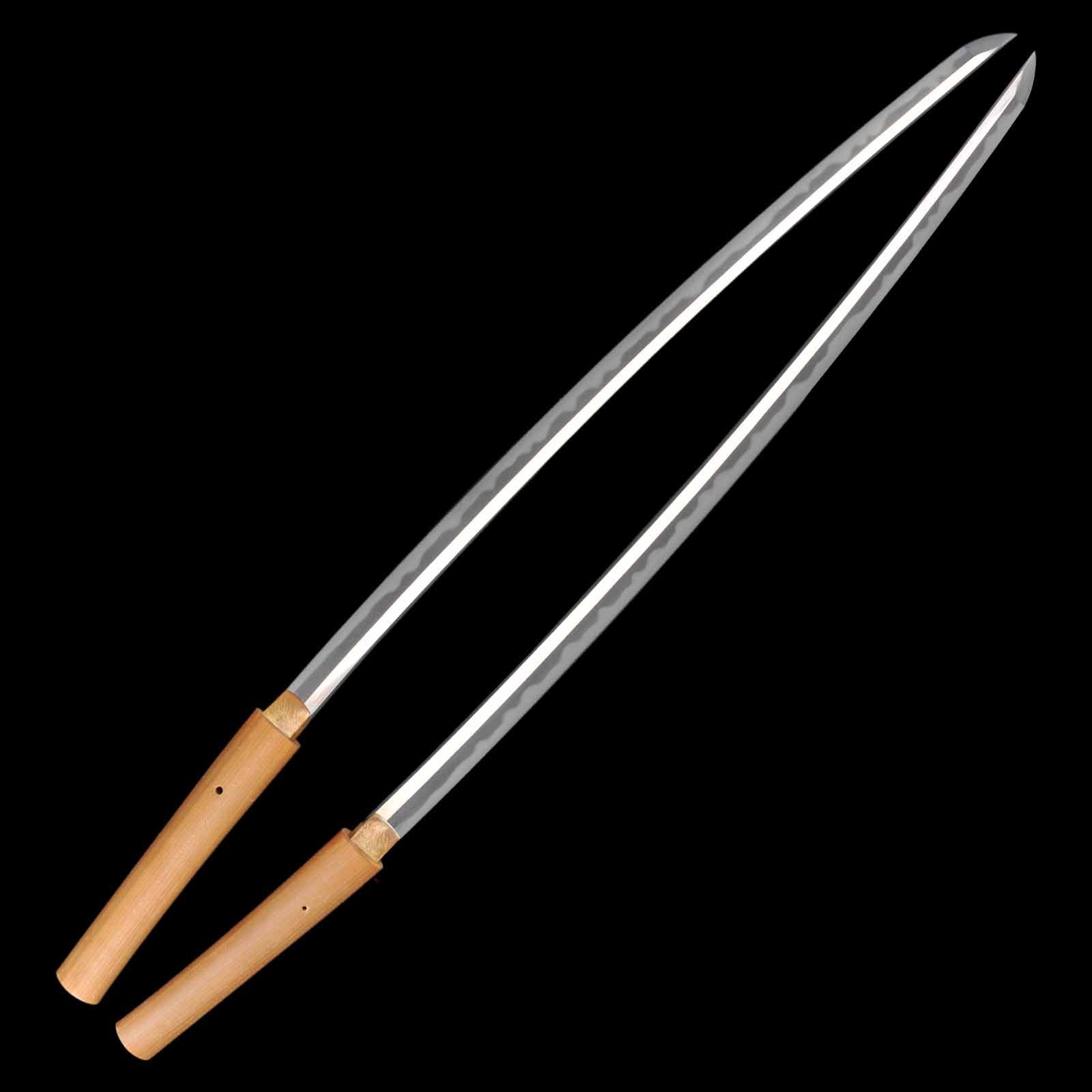
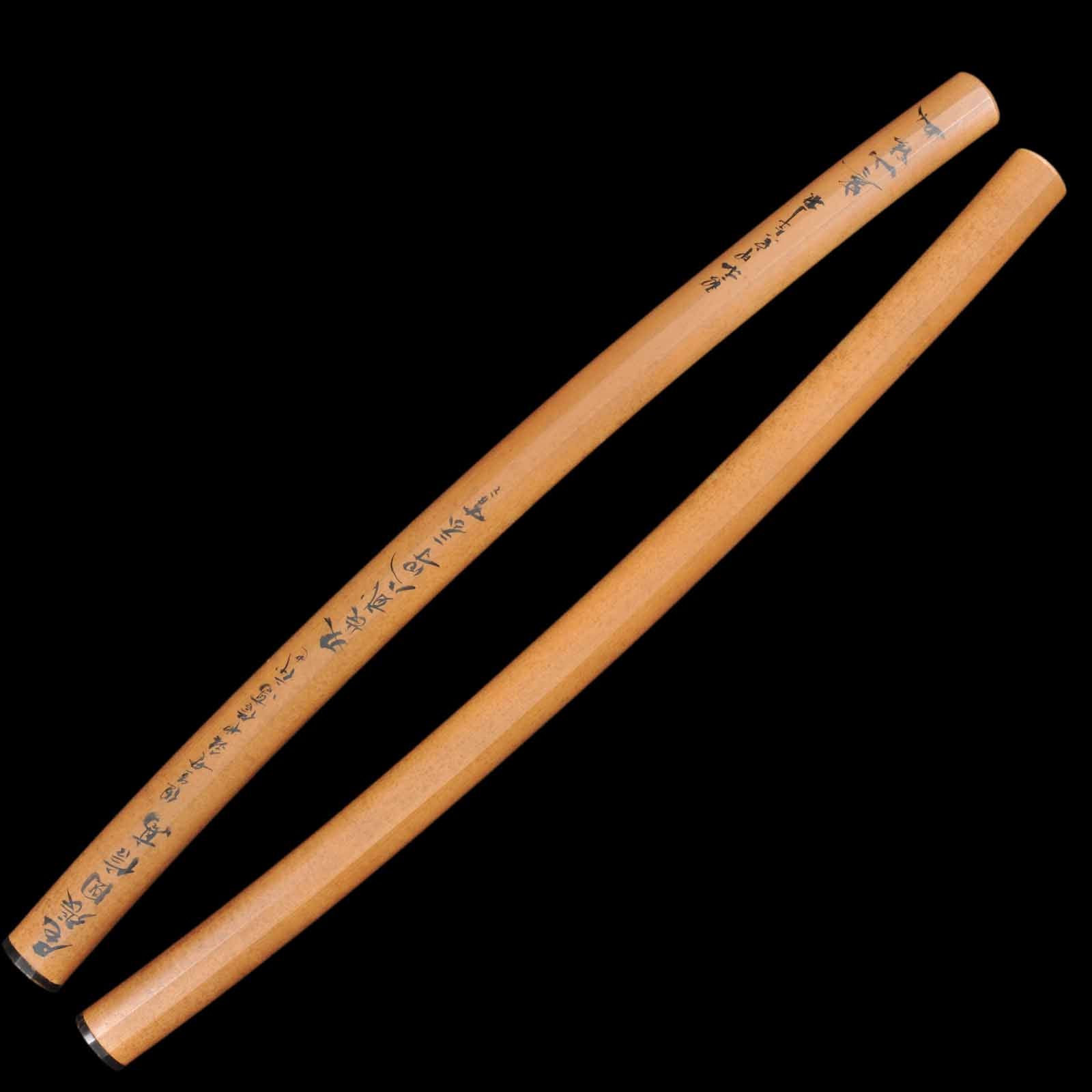
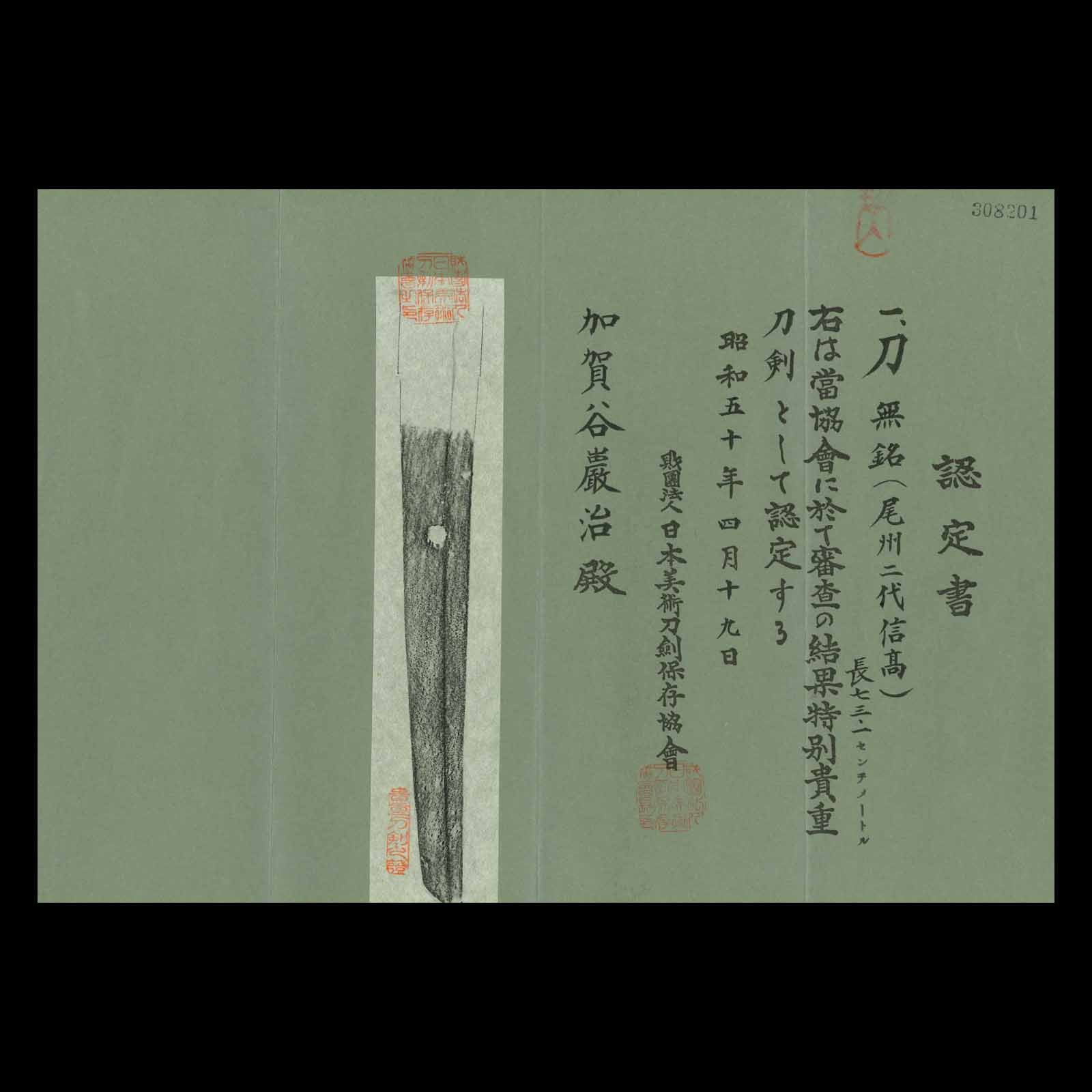
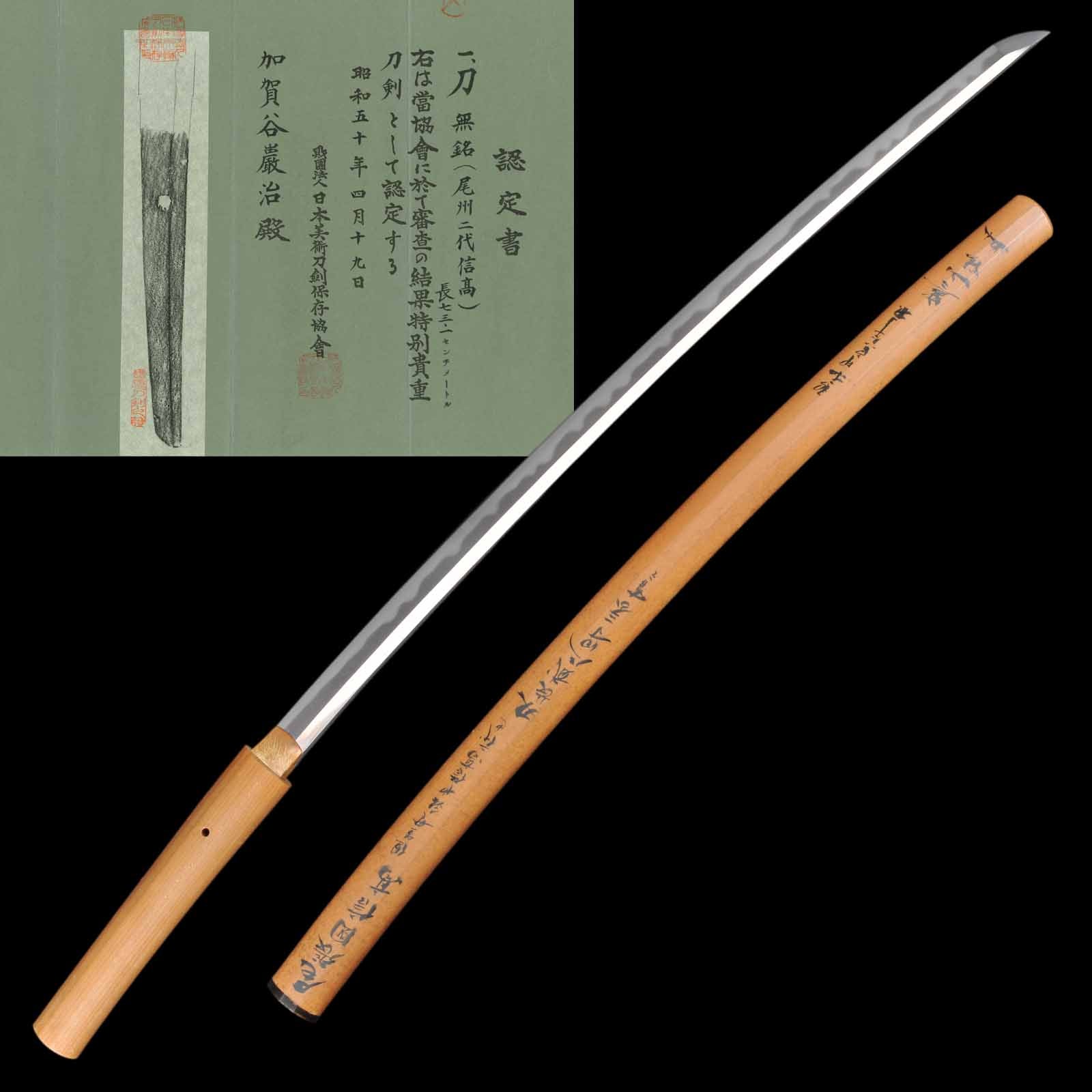
We proudly present this unsigned katana, which features a sayagaki by Sato Kanzan, a leading authority on Japanese sword appraisal, and comes with a certificate of authenticity from the Society for the Preservation of Japanese Art Swords. The blade is in excellent condition, has been polished, and is sound throughout. The jigane features a blend of itame and mokume patterns that is truly awe-inspiring. The hamon exhibits a mix of notare and gunome patterns, with a moist, lustrous nioikuchi. The active hataraki—such as yo, ashi, and tama—are vibrant, making this a sword that never ceases to captivate the viewer. The boshi has a pronounced return that extends to the center of the blade, giving it a hitatsura-style appearance. Although unsigned, in April 1975, the Society for the Preservation of Japanese Art Swords certified this work as a katana by the second-generation Nobutaka and, recognizing its exceptional value, issued a “Tokubetsu Kicho” certificate of authenticity. Speaking of the second-generation Nobutaka, he was a master swordsmith representing the Shinto period who was active in Owari Province (present-day Aichi Prefecture). He produced excellent swords from the early to mid-Edo period, and his collaborative works with the third-generation Nobutaka are also known for their exceptional quality. He succeeded his father, the first-generation Nobutaka, and received the title “Hoki-no-kami” in 1633. He retired and became a Buddhist monk (taking the name Kanyu) in 1662, and continued to forge swords energetically until his death in 1689 at the age of 87. His swords are renowned as practical, battle-ready masterpieces cherished by samurai such as those of the Owari Yagyu Shinkage-ryu school, and are highly regarded by connoisseurs. The sword is equipped with a high-quality shirasaya featuring a sayagaki by Sato Kanzan, a leading authority on Japanese sword appraisal. The sayagaki states that this work was crafted by the second-generation Nobutaka, indicating that
NihontoWatch

美濃伝 · 尾張 · 1624-1644頃
藤代 上作 · 刀剣大鑑 上位37%
現在1点販売中
信高の位置づけを、日本刀全体および伝法・時代・時期ごとに示します。各区分(随一・屈指・有数・著名)は、日刀保および文化庁による指定に加え、三作や名物帳などの歴史的栄誉を加味したものです。
各項目を選ぶと評価方法が表示されます。
美濃伝 · 美濃
現在6点販売中
三阿弥は美濃国に興った刀工の一派で、説示に拠れば関七流の一つに数えられ、その頭領が兼則であったと伝える。兼則は古伝書や銘鑑に南北朝末期から室町初期の応永にかけて存在したことが記され、現存する作例の最古とみられる太刀は作風と銘字の書風から応永を降らぬものと鑑せられている。同派の兼国は、その遠祖を南北朝時代の直江兼友門とも、大和兼国あるいは兼則の子ともいうが、そこまで時代の溯る作は未だ見られず、室町期に入って同銘数工におよび、末関に至るまで栄えた。兼則は兼元・兼定らと共に末関を代表する刀工に位置づけられる。下って桃山から江戸初期には、三阿弥兼国の子孫と伝える伯耆守藤原信高が出る。初代信高は永禄六年に美濃国上有知(現美濃町)に生まれ、河村左衛門と称し、天正九年十九歳で伯耆守を受領し、のち尾州清洲を経て徳川義直に従い慶長十五・六年頃に名古屋へ移った。寛永十年に隠居して入道銘を慶遊といい、同十三年に七十六歳で歿している。鍛えや帽子に美濃伝の見どころを残しつつ、活動の地は美濃から尾張へと移っている。 作風は時代と工により振幅が大きい。兼則・兼国ら室町期の作は、小板目あるいは板目がよくつみ、処々流れごころとなって地沸が細かにつき、白けごころをまじえる鍛えに、匂口の締まった直刃を基調とし、小互の目や角ばる刃、尖り刃を交え、足が入り、処々ほつれて飛焼がかかり、帽子は直ぐに小丸、あるいは尖りごころに返って掃きかけるものがある。兼国の優作は地鉄ともども冴えて明るく、一見善定兼吉の出来を思わせると評される。信高に至ると姿は一変し、室町最末期から桃山期にかけての幅広・大鋒の堂々たる豪壮な体配を示し、広直刃を基調に浅くのたれ、裏は小のたれに互の目ごころの刃を交え、匂深く沸がよくつき、部分的に荒めの沸をまじえて焼頭が沸崩れ、処々ほつれて喰違刃風となり、砂流し・金筋・湯走り・飛焼が鎬地にまたがって頻りにかかり、上半は皆焼風となる。帽子を焼き深く大胆に一枚風として長く返らせ、板目に流れ肌をまじえる鍛えや帽子の地蔵風に出身たる美濃伝の名残を窺わせる。見分けには、室町期の締まった直刃と冴えた地鉄、信高の沸づき変化に富む放胆な刃取りと豪壮な姿という時代差が手がかりとなる。 鑑定の要点は、兼則の「兼」の字の第四画目の鏨がしゃくれるところで、これは康応や応永年紀の兼吉にも見られ、南北朝末から応永にかけての銘の特徴とされる。信高には初代と二代があり、二代は初代の子で寛永十年に伯耆守を受領、寛文二年六十歳で入道し、元禄二年八十七歳で歿した。その技倆は父に劣らず、現存作中の優秀作は多くがこの二代の手になるという。伝来の明らかな作も多く、兼則には山之内家伝来の太刀、兼国には相模国小田原藩主大久保家の旧蔵で大久保忠成が九十三歳で指料とした旨を金象嵌に刻む一口があり、いずれも資料性が高い。信高には天正九年伯耆守受領直後の作で稲葉江写しとして名高い一口や、尾張刀工に多い槍のうちでも稀な長大作があって、その技を伝える。美濃に発し関七流の一角を占めた一派が、末関を経て尾張へ伝統を運んだ流れを、これらの作は示している。 詳しく見る →
江戸時代
江戸は刀の目利きの時代である。本阿弥の鑑定、1719年の享保名物帳、盛んな刀剣書が、戦で抜かれることのなくなった刀を学問の対象へと変えていった。
本作は日刀保の旧鑑定書(貴重・特別貴重)を有しますが、これらは現在発行されておらず、現在の日刀保ではほとんど認められていません。極めを確認するには、公的な鑑定機関(日刀保・日本刀剣保存会など)に再提出し、現行の鑑定を受けることもご検討ください。
As a general rule, returns/exchanges are not accepted on Japanese sword orders unless damaged upon delivery. Other items: returns/exchanges accepted within 7 days of delivery. Cancellation for personal reasons incurs a 30% restocking fee (70% refunded). Return shipping must be prepaid and insured by the buyer; shipping/handling fees are non-refundable. Contact katana@tozando.co.jp to initiate a return.