南朝が大和国吉野に都を置いたとき、大和の諸派は最盛期にあった。包永以後の手掻、尻懸則長、そして保昌の純然たる柾目である。その技はすでに諸国へ広がりつつあった。
 NihontoWatchNihontoWatch
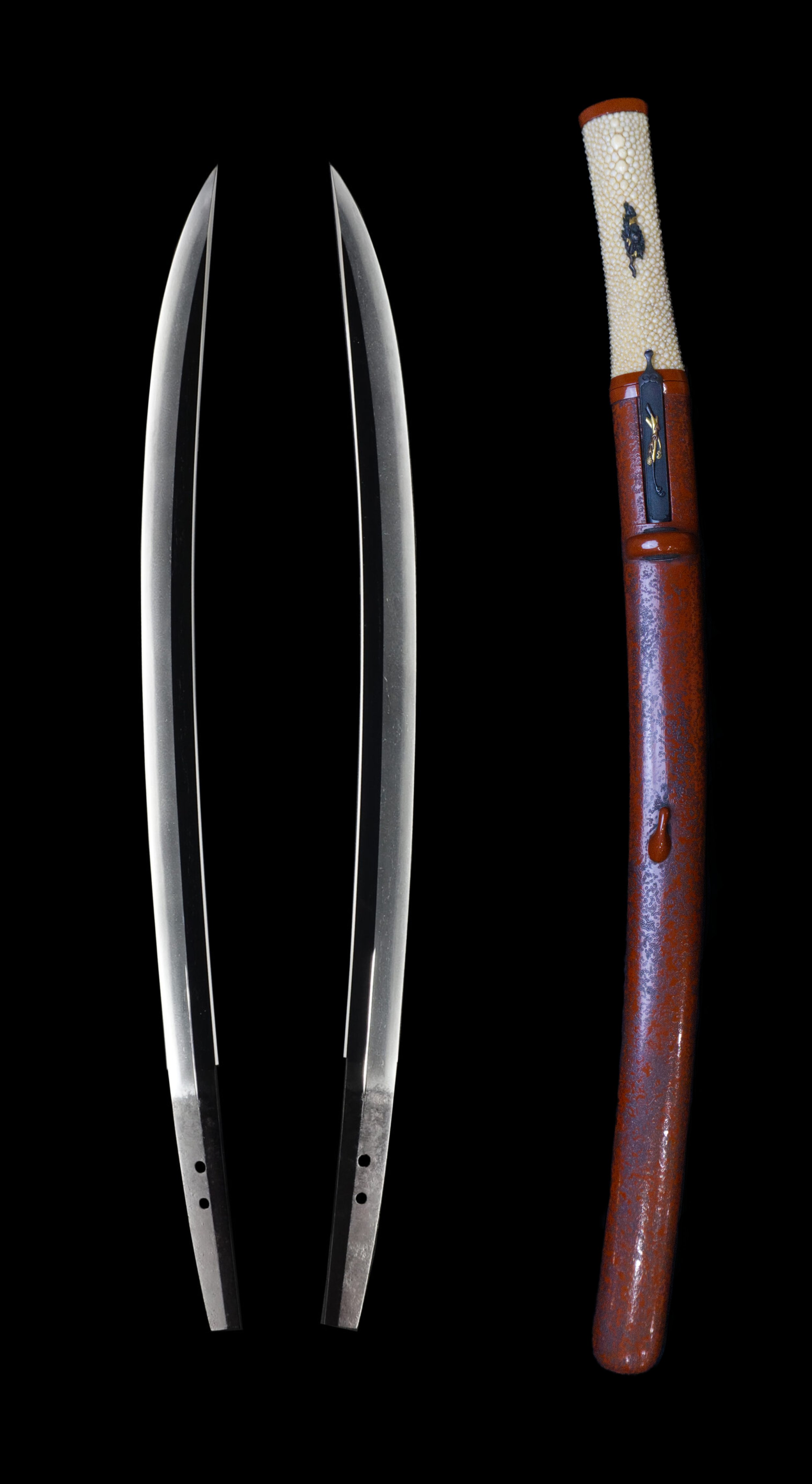
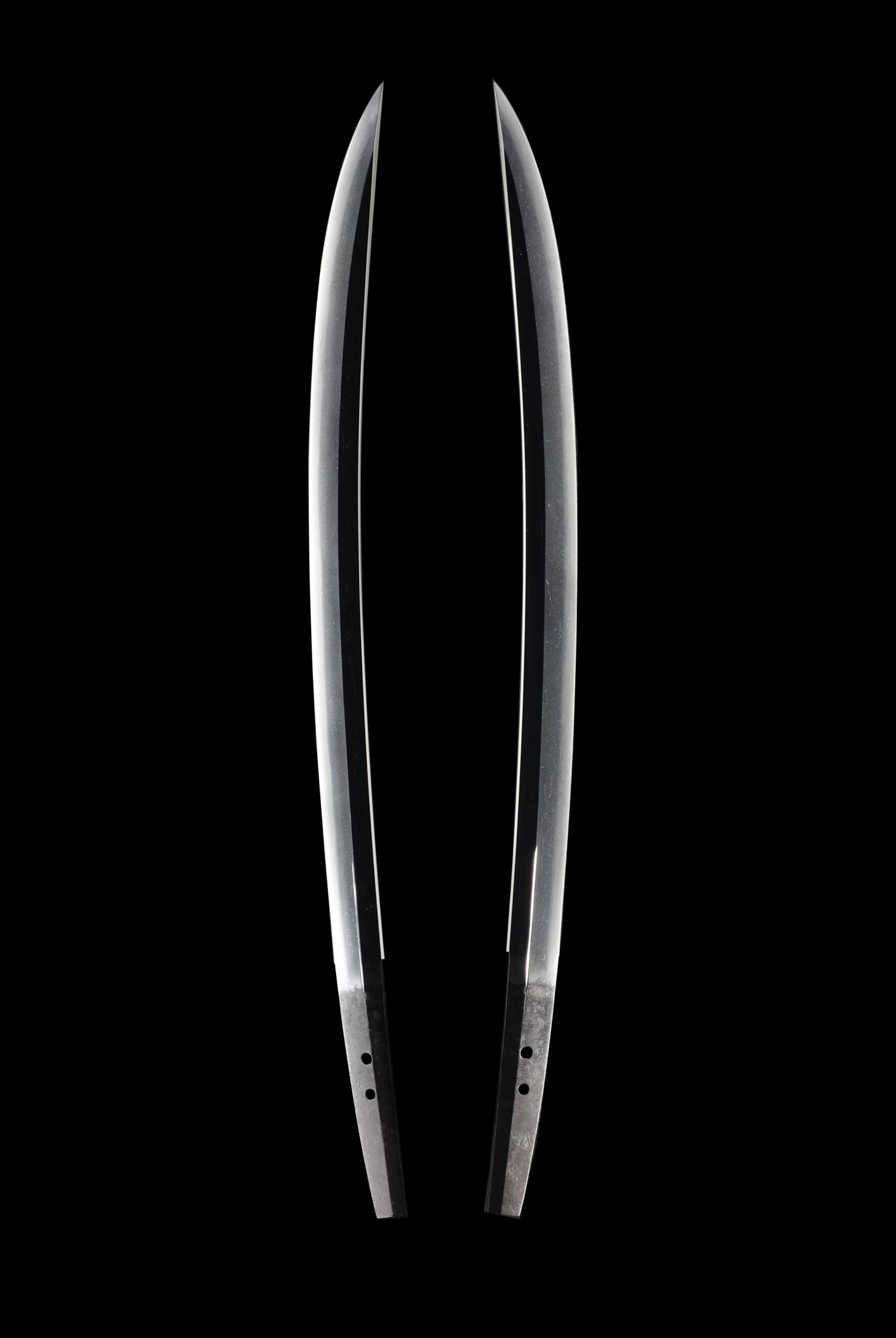
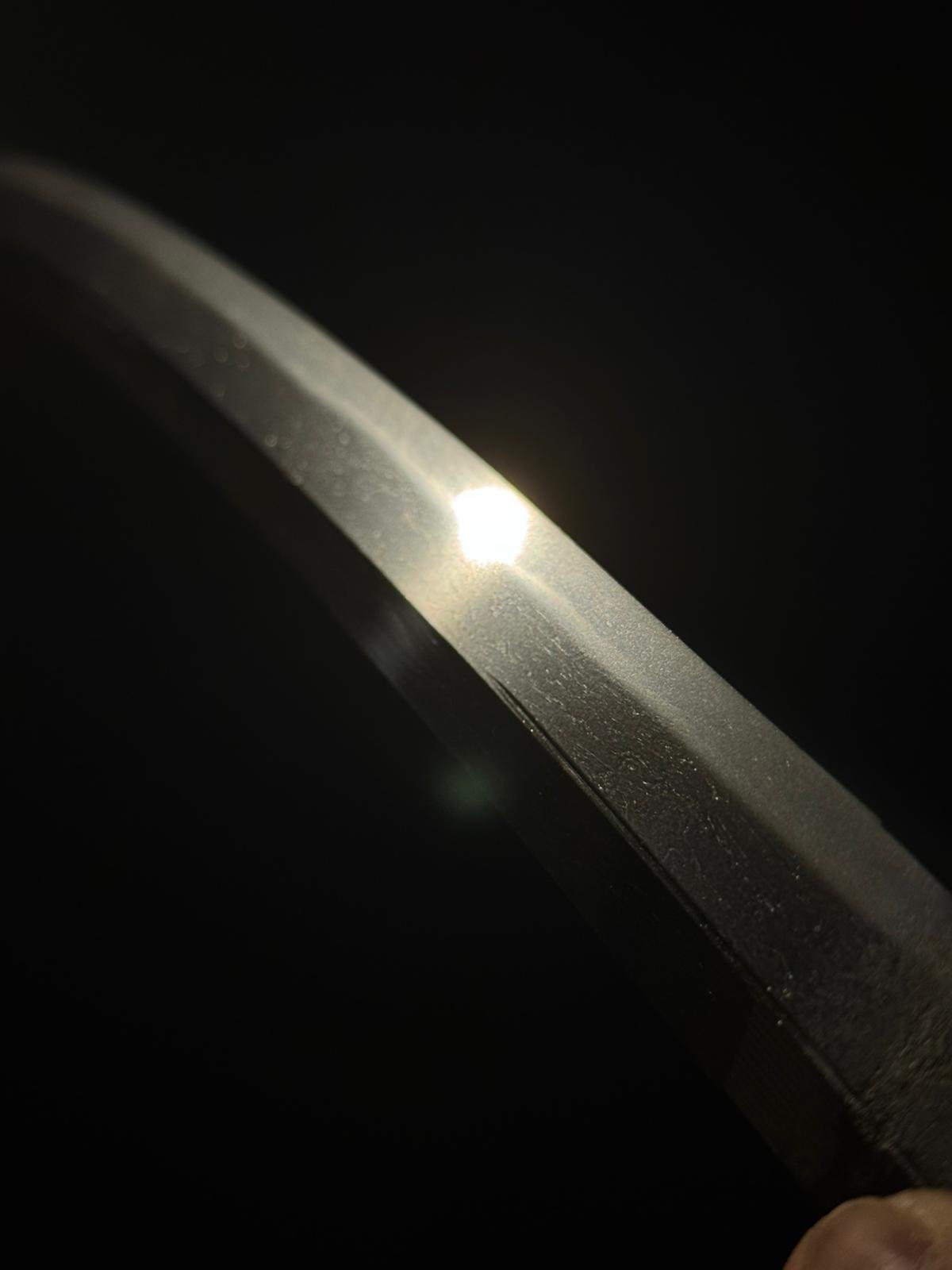
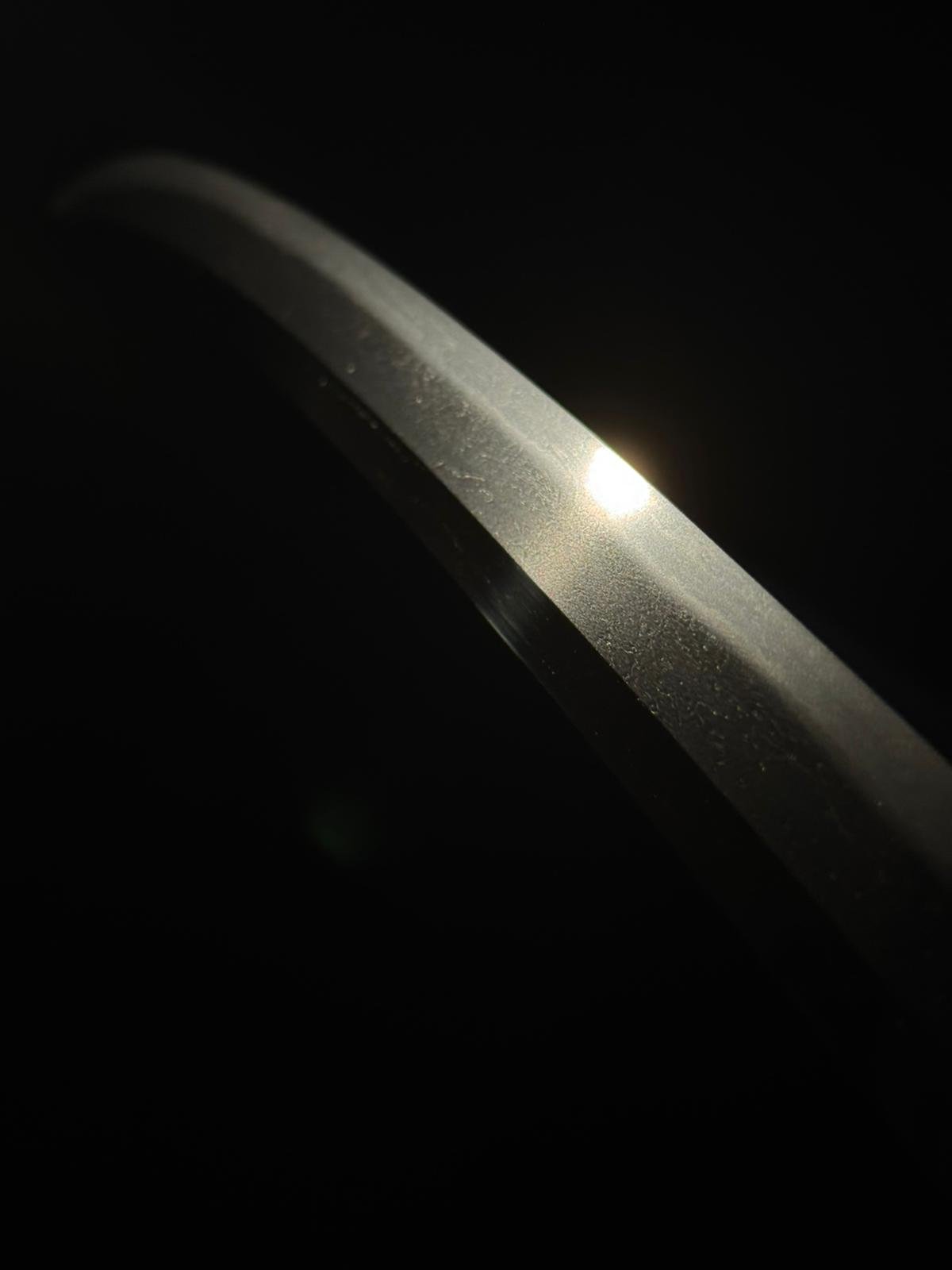
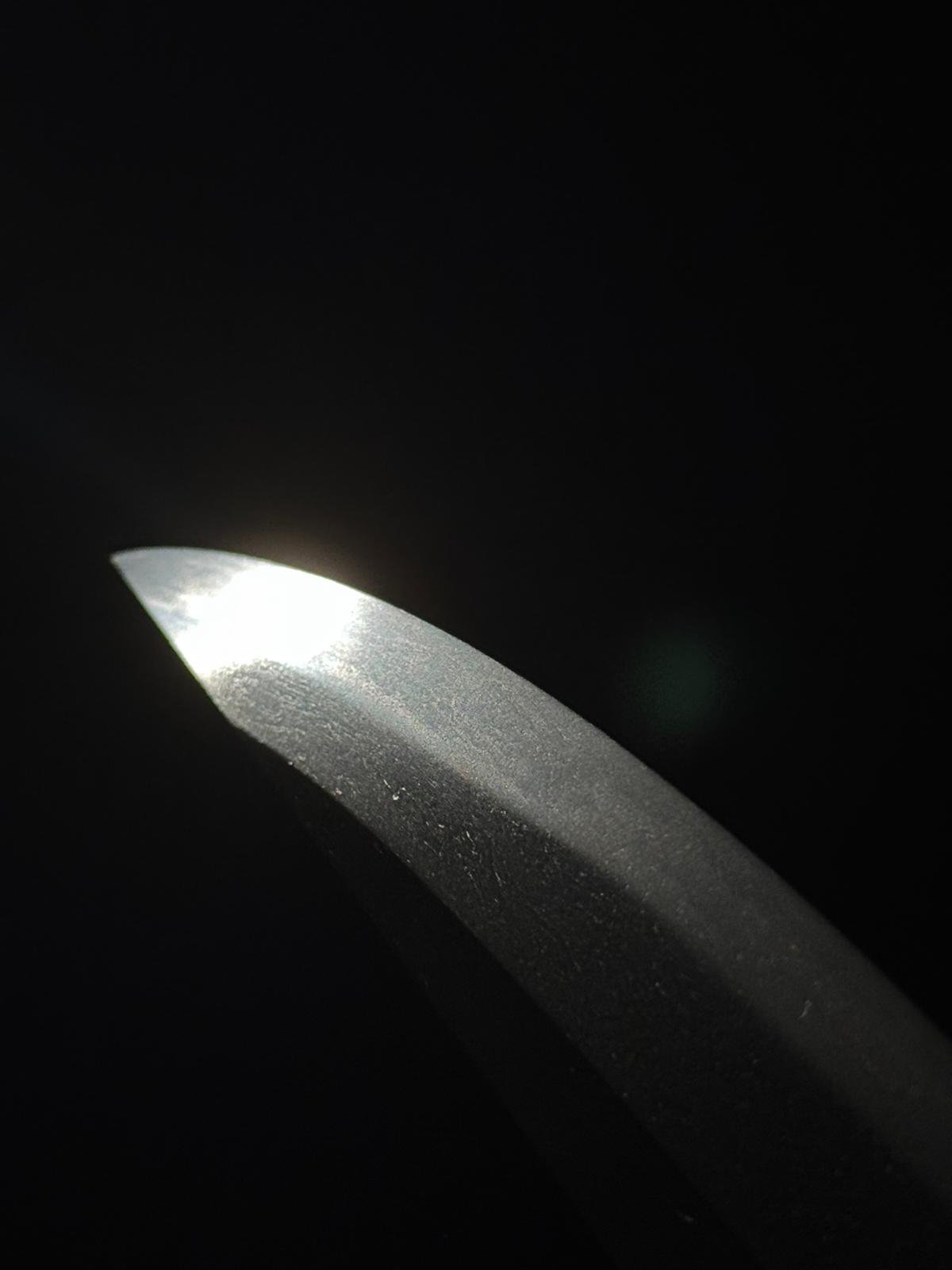
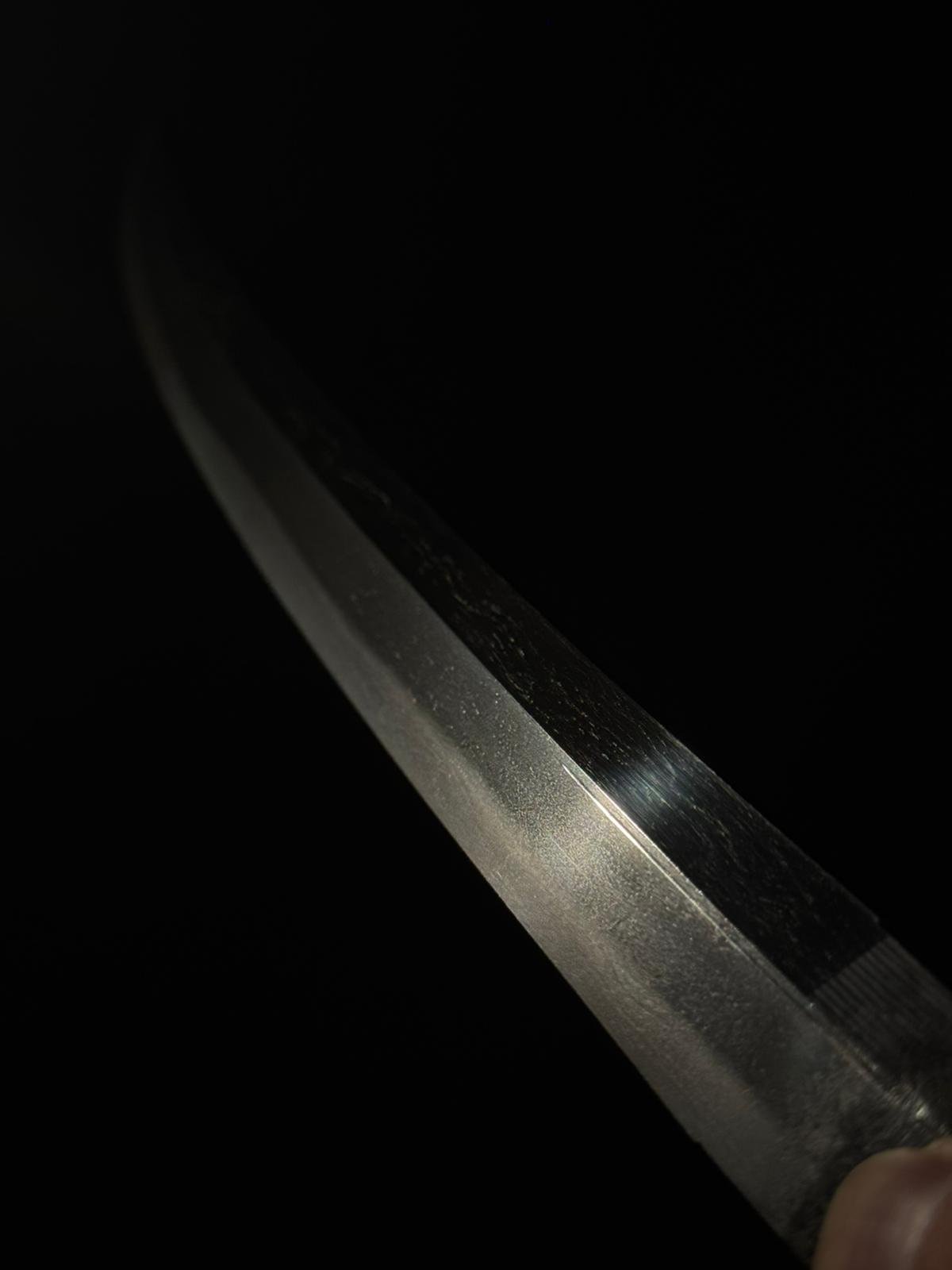
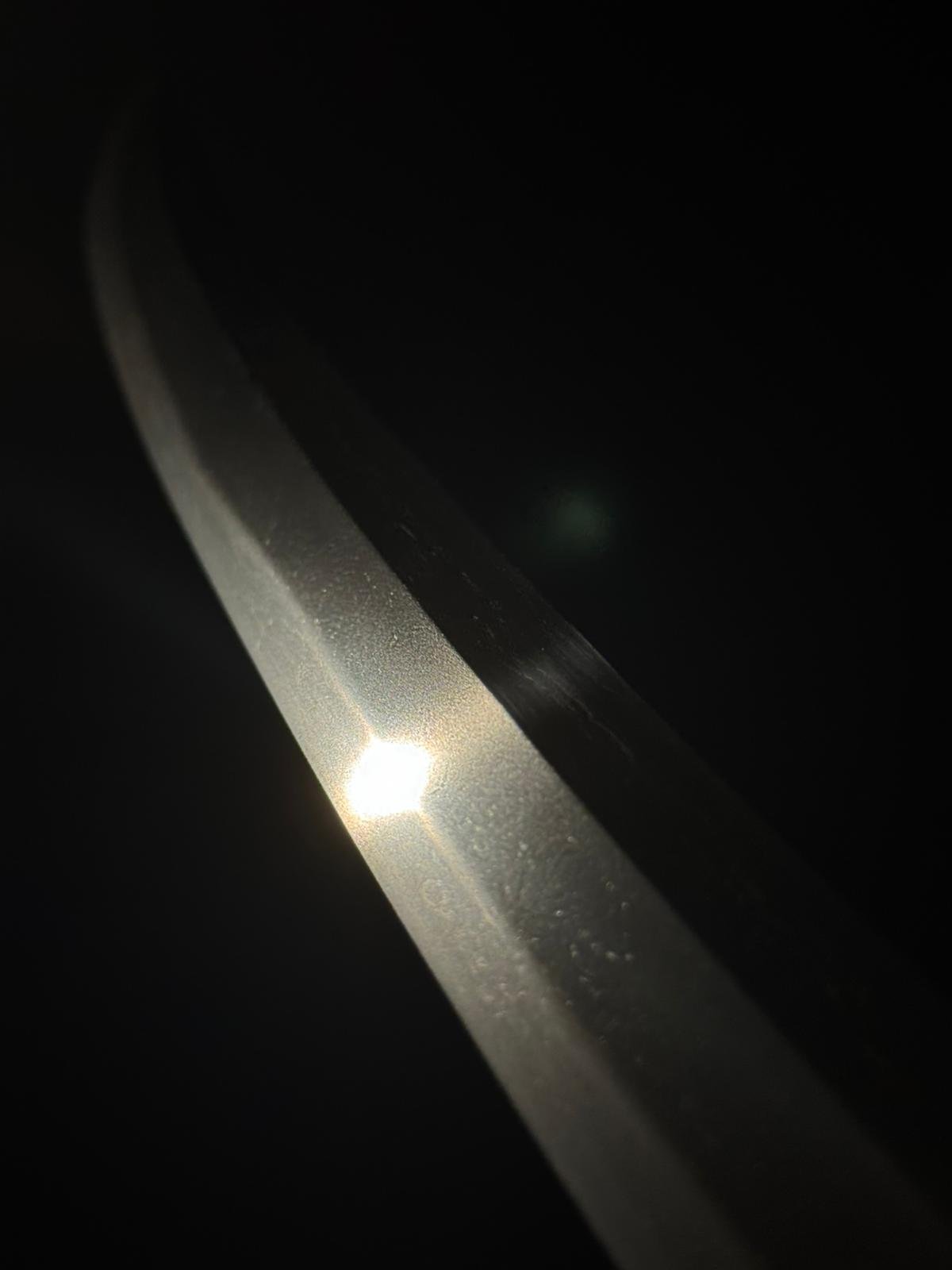
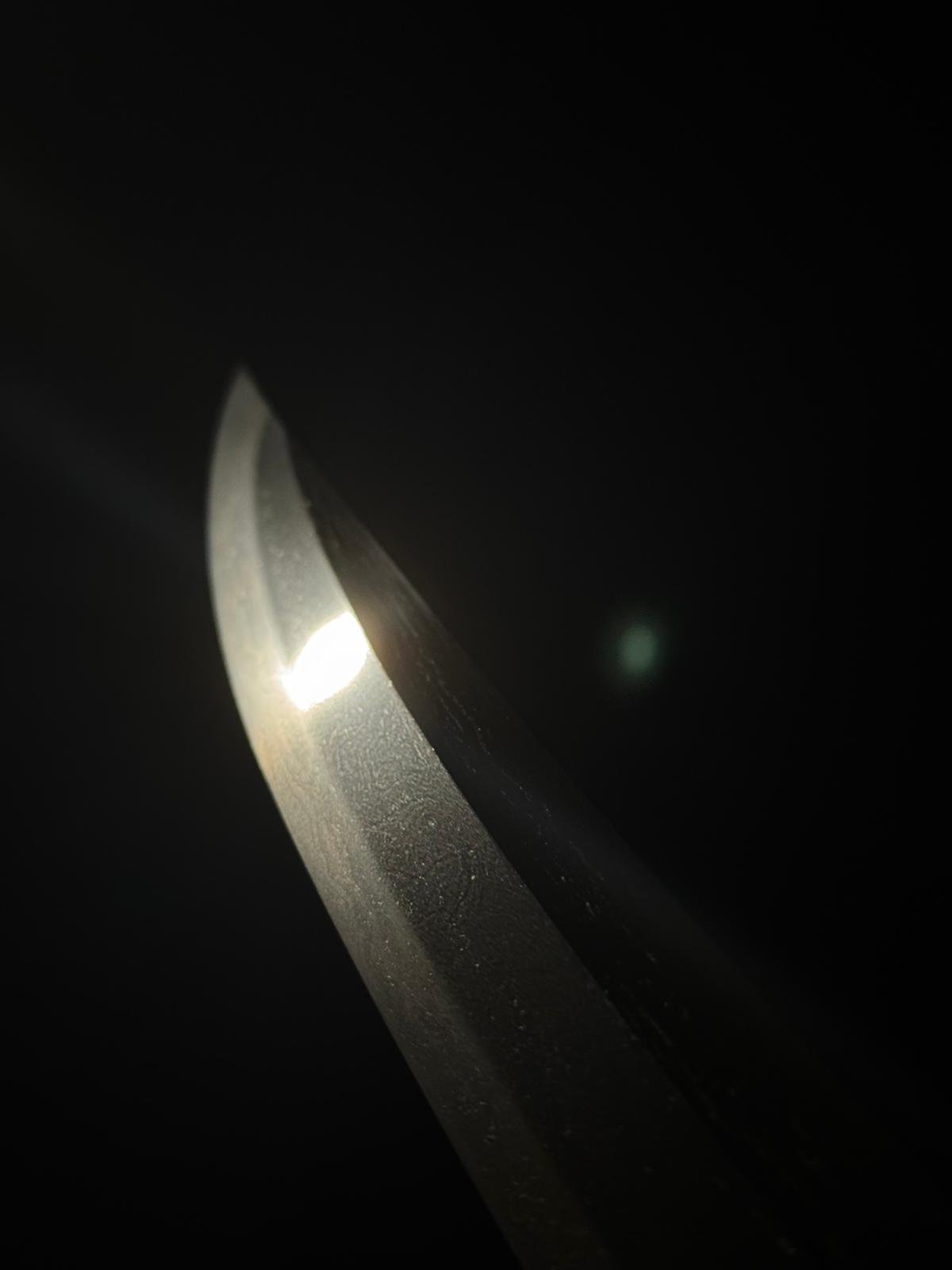
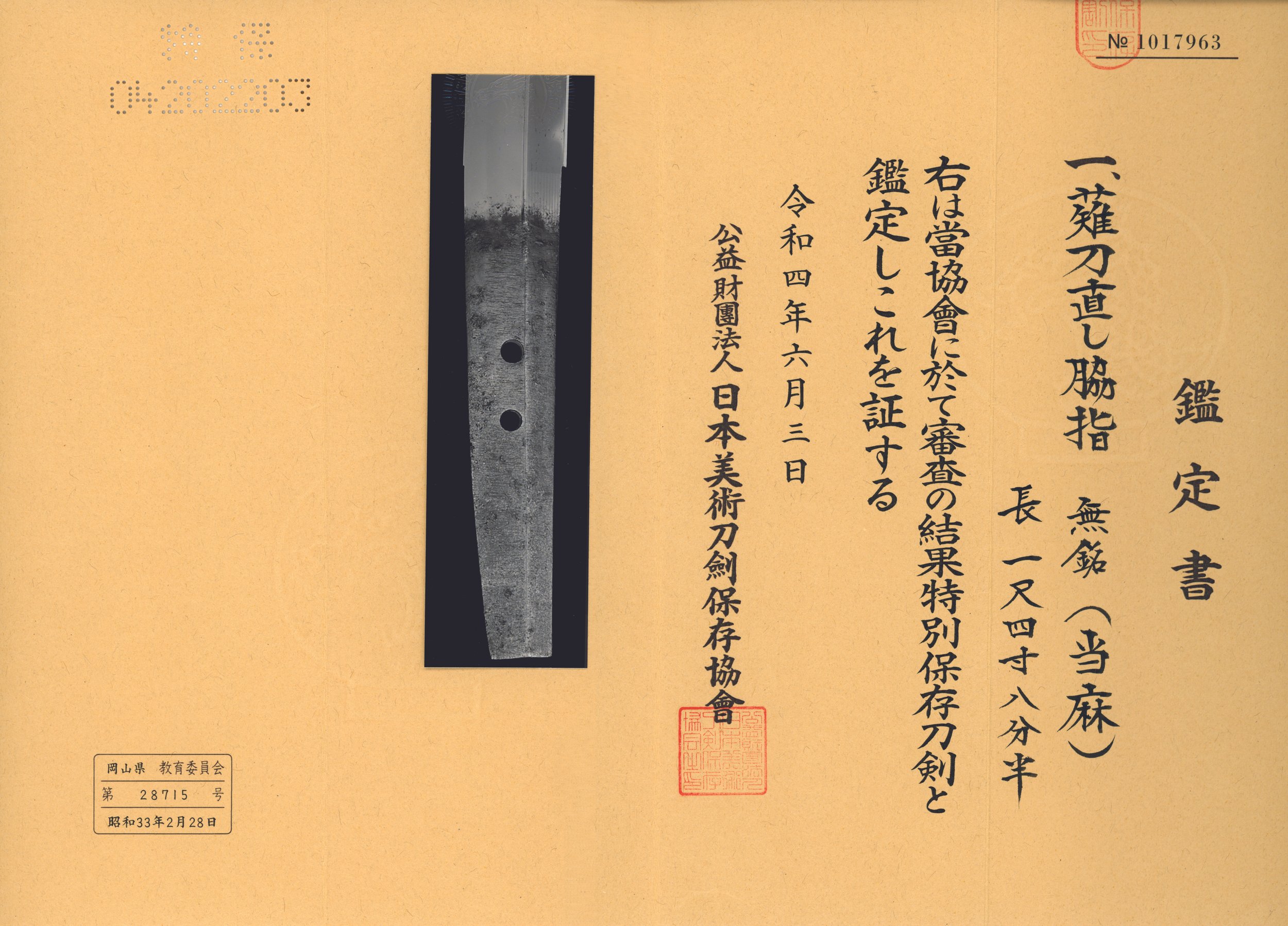
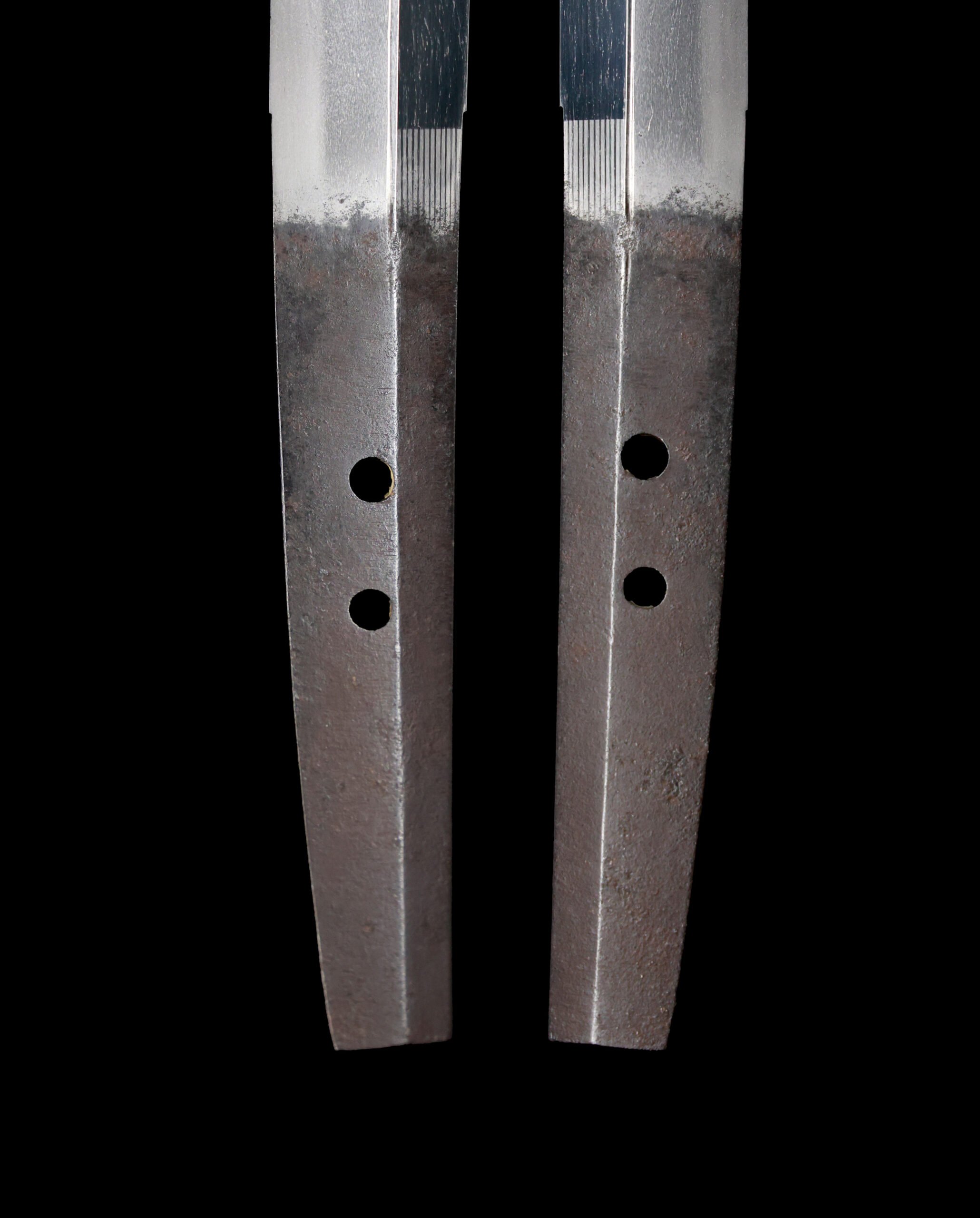
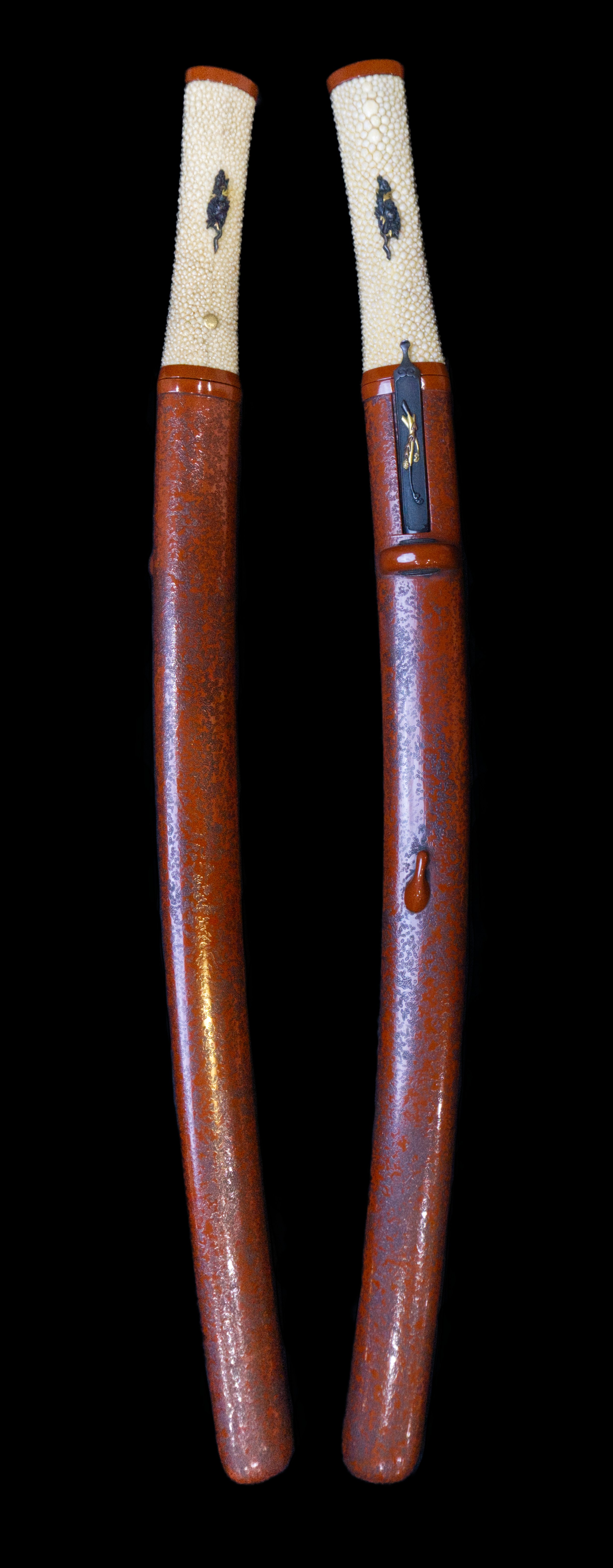
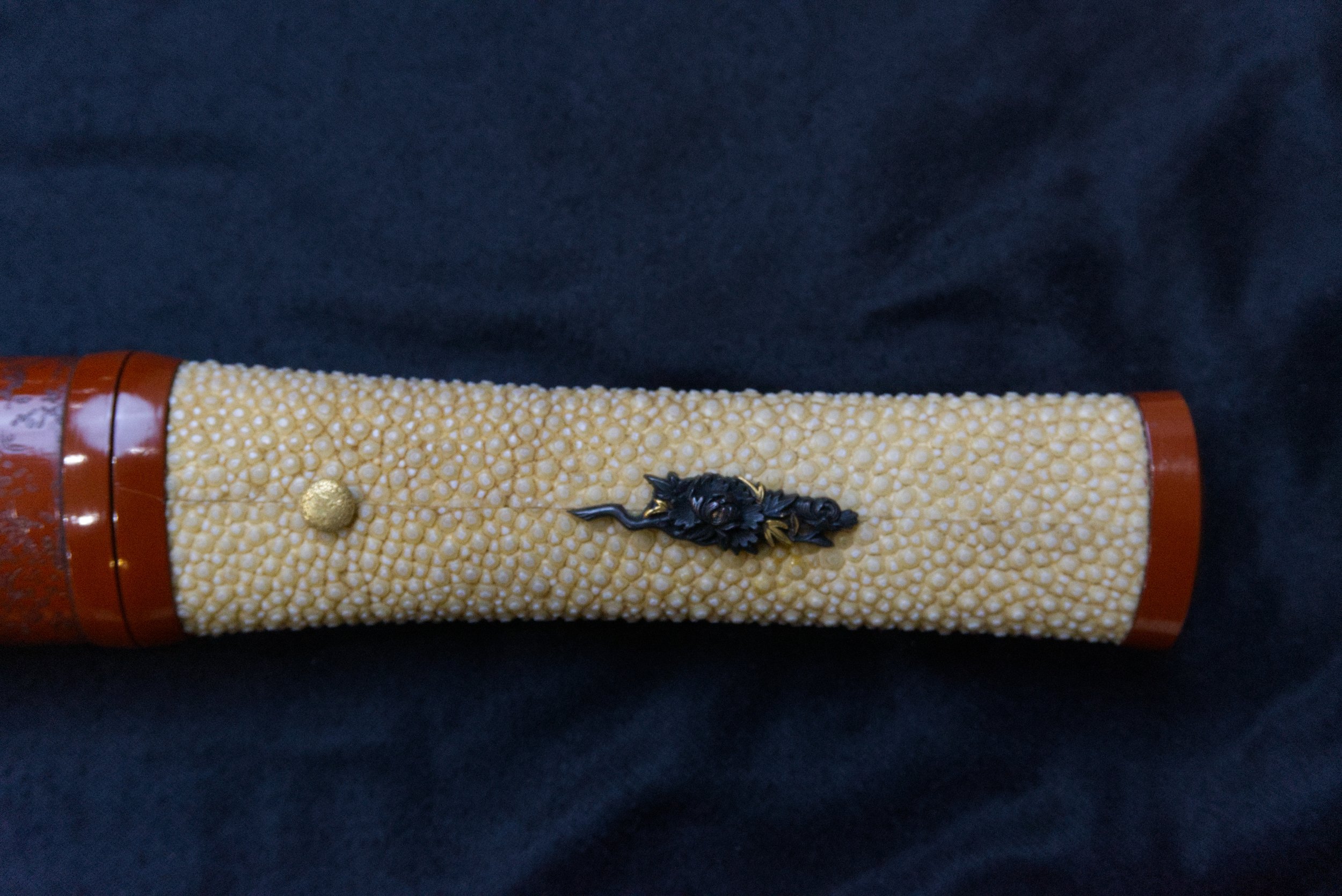
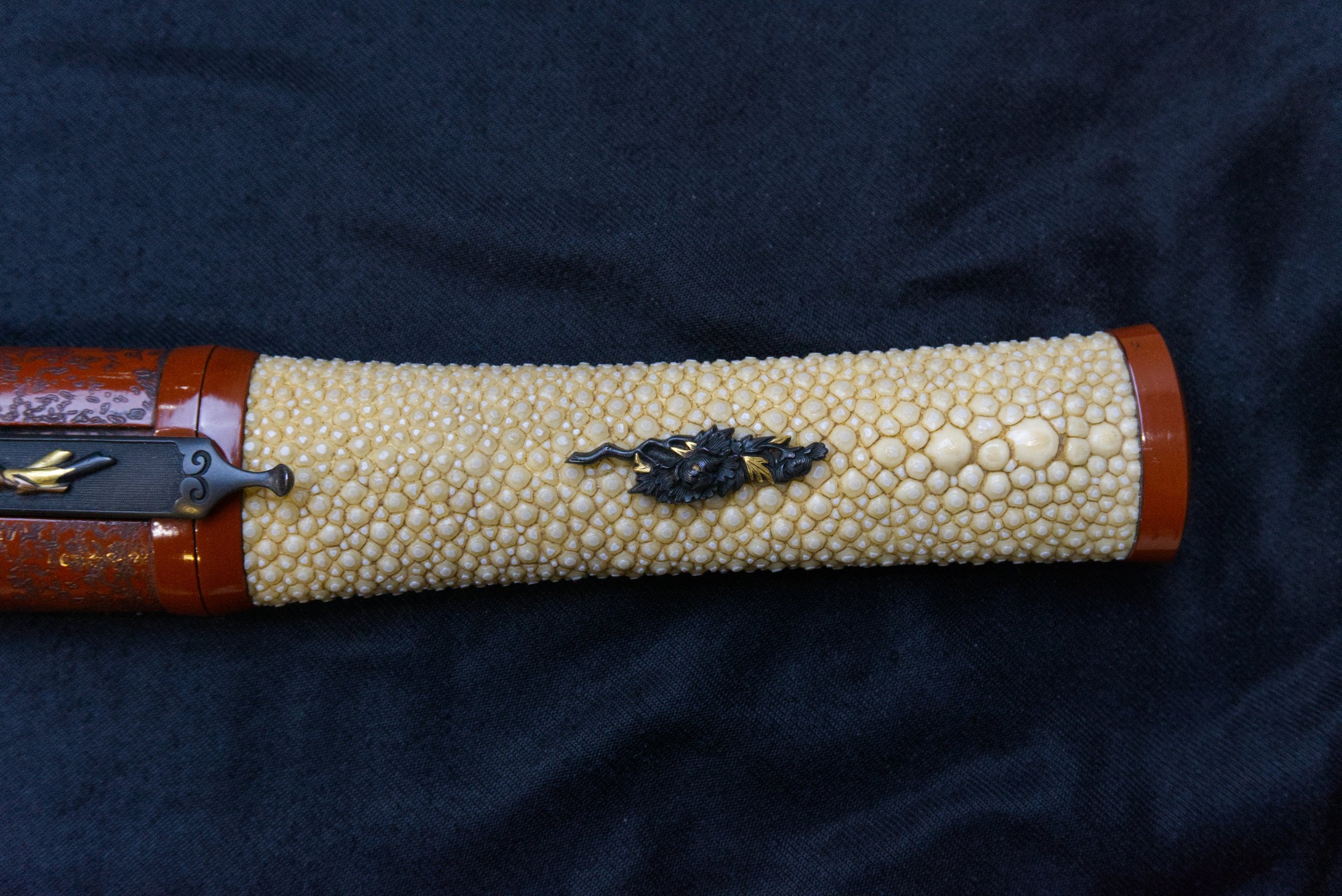
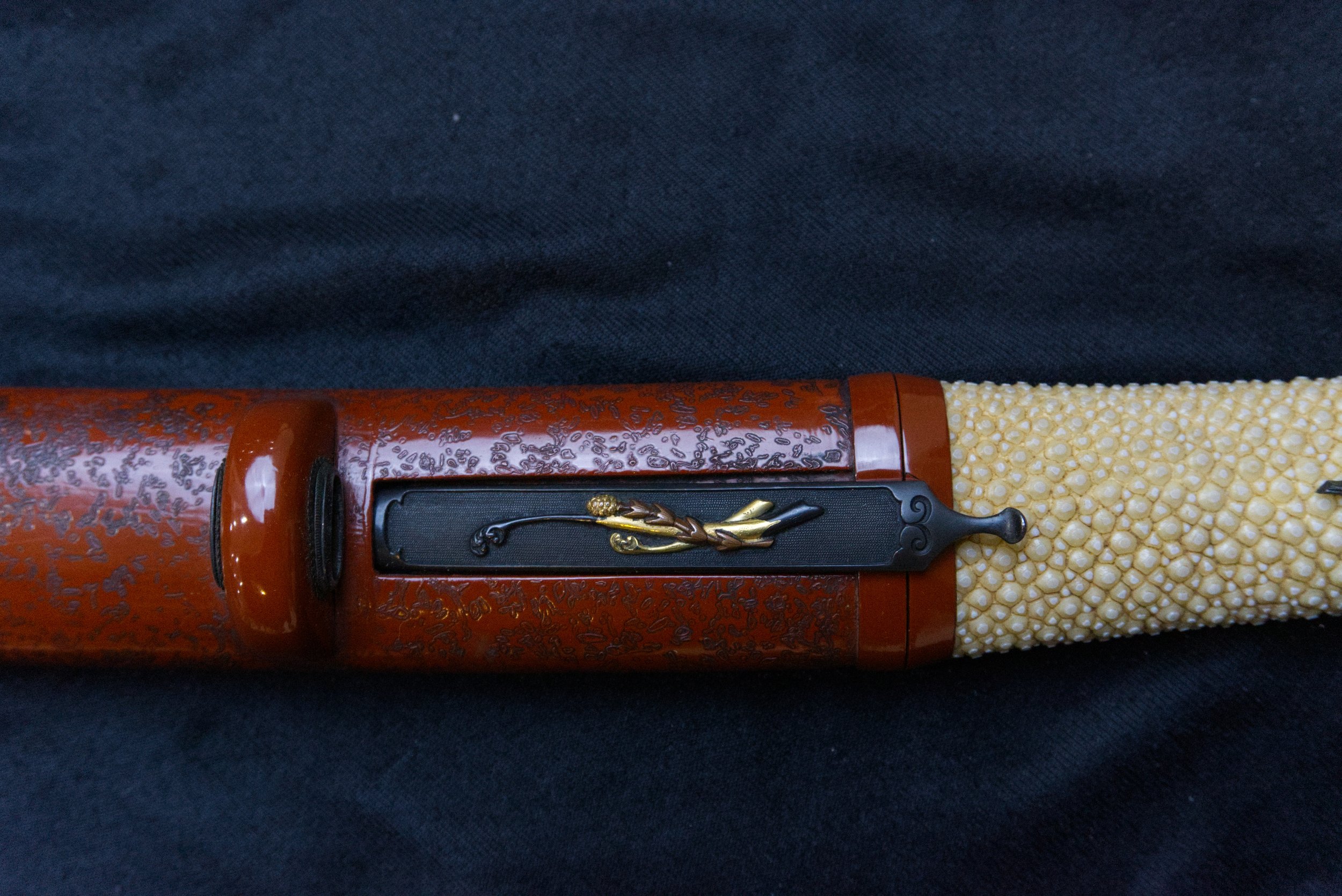
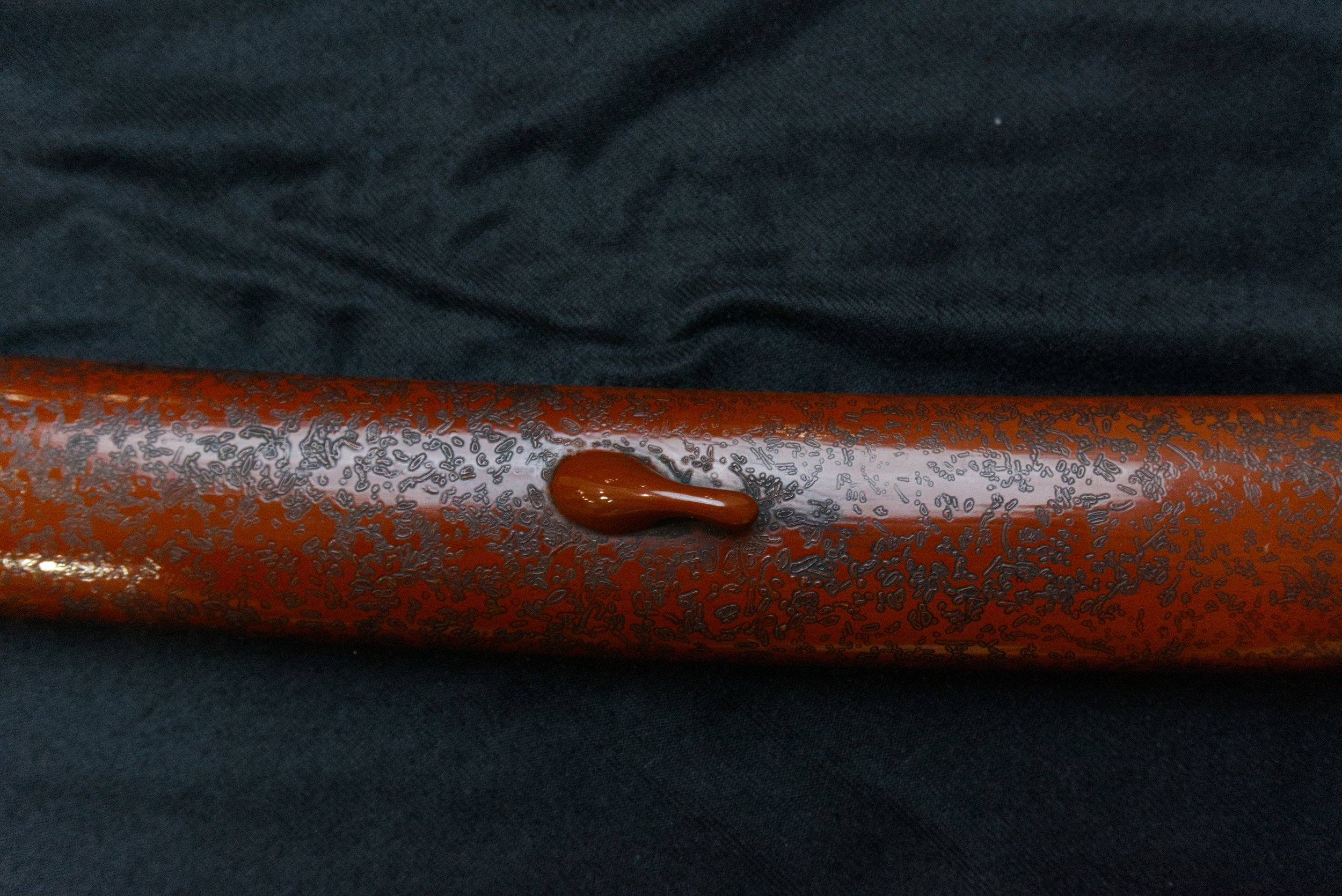
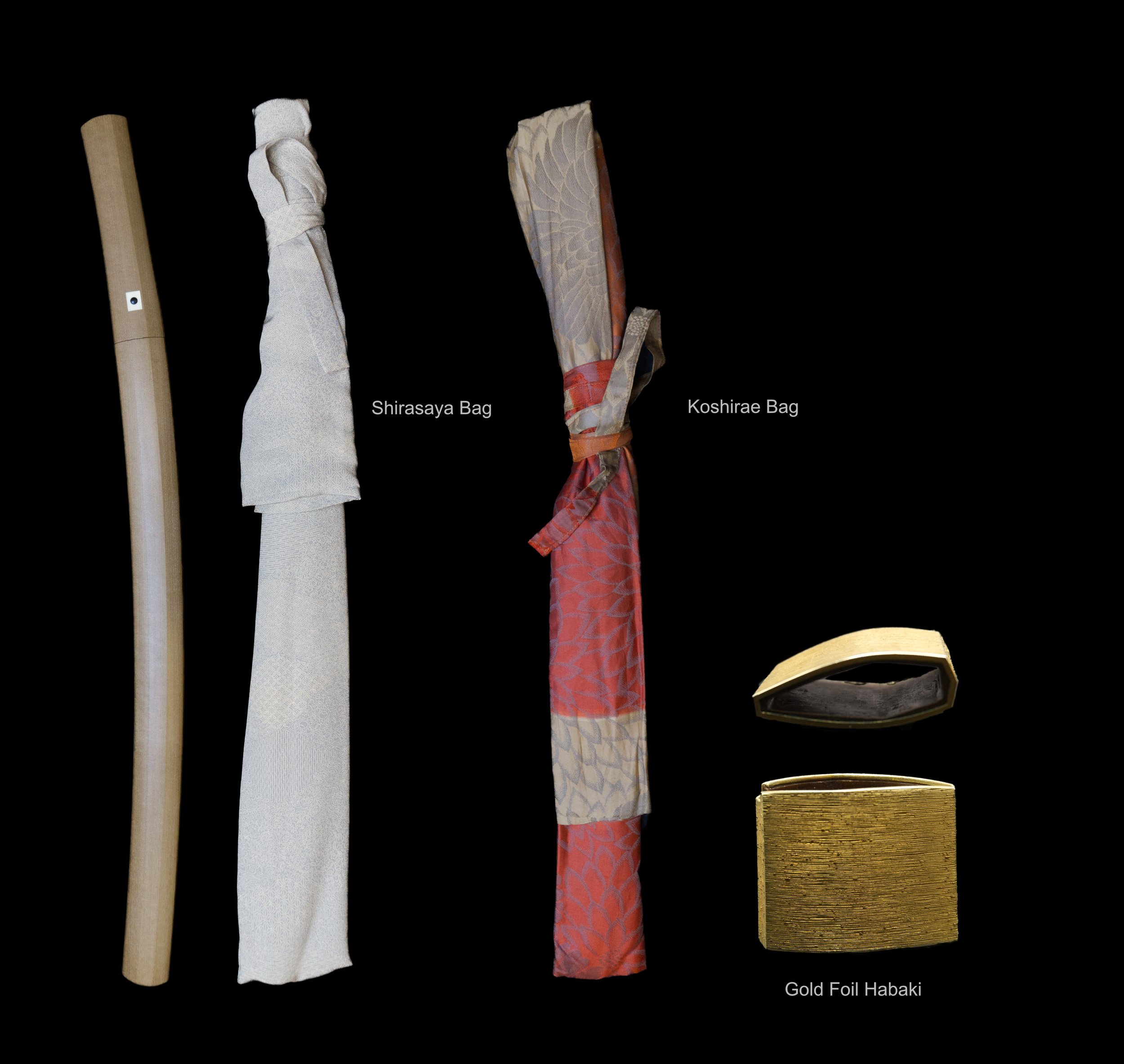
Koto Period Naginata Naoshi Wakizashi attributed to Taima School (Yamato-den) This blade is attributed to the Taima school (当麻), one of the five Yamato traditions active from the late Kamakura to early Nanbokuchō period (late 13th to early 14th century) in Yamato Province. The Taima group is closely associated with Taima-dera in present-day Nara, a historically significant location that served as an important hub in ancient Japan. The school is understood to have developed within the sphere of Kōfuku-ji Temple and was supported by its religious and political influence. The founder of the school is traditionally identified as Kuniyuki (国行), who was active around the Shōō era (1288–1293). The Taima lineage continued to flourish into the Nanbokuchō period. Like other Yamato schools, Taima smiths produced blades primarily for powerful temple complexes and warrior monks, who required dependable weapons during a time of frequent conflict between rival religious institutions. Their work was also supplied to the samurai class during this period. This blade is an excellent example of a naginata-naoshi (薙刀直し), a form converted from a naginata. Originally mounted as a polearm, the naginata featured a long shaft with a curved blade at the tip and had been in use since at least the Heian period. As battlefield needs evolved, many naginata were shortened and reshaped into katana or wakizashi, better suited for later styles of combat. Characteristic features of naginata-naoshi are clearly present here. The curvature is concentrated toward the tip, creating a continuous flowing sori from the hamachi to the kissaki. While the blade retains a defined shinogi, it does not exhibit a yokote, reflecting its origin as a polearm rather than a purpose-forged sword. The shape is extremely sharp looking. The jigane is finely forged, displaying a exceptionally tight itame-hada with areas of flowing itame-nagare visible across the ji. The steel has the characteristic dark appearance associated with koto-period workmanship, yet remains well refined and consistent throughout. Notably, toward the kissaki, the hada transitions into a masame-like structure towards the munesaki side of the tip, a well-recognized trait of the Taima school often referred to as “Taima-hada.” This feature is a strong kantei point and adds to the blade’s overall character. The hamon is a chū-suguha in nie-deki, executed in a controlled and consistent manner. Within the hardened edge, fine activities such as kinsuji and inazuma are present, lending subtle movement and vitality to an otherwise restrained temper line. Accompanied by an aikuchi wakizashi koshirae. The menuki depict peony (botan) motifs in dark metal with gold-accented leaves, symbolizing prosperity and strength. The kozuka features a warabi (bracken fern) design, representing resilience and growth. The saya is finished in vermillion urushi using the mushi-kuinuri technique, a specialized lacquer method that creates a textured, irregular surface resembling natural insect wear. This effect is intentionally produced through layered lacquer and controlled finishing, resulting in a subtle, organic pattern that enhances depth and visual character. “Taima Hada”

販売店の記載のまま
大和伝 · 大和
現在7点販売中
当麻派は大和五派の一に数えられ、大和国当麻寺に隷属した一群の刀工に発する。祖は国行で、鎌倉時代末期に当麻の地に拠り、以下数代を経て南北朝期に栄えた。寺院に従属する工であったため自ら銘を切ることが少なく、その作は今日大半が無銘の極めものとして伝わり、在銘の確かな作は国行と有俊、さらに友清・友行・俊長らに僅かに遺るに過ぎない。一派の古さは、この系統を引くと伝える有俊の永仁六年紀の太刀によって裏づけられ、製作はこれより遡ると解される。寺工という出自は単なる来歴ではなく、その作風と彫物の双方に及ぶ。短刀や脇指に梵字、三鈷剣、護摩箸、素剣の類が刻まれるのは、当麻寺を中心とする大和の寺院世界に根ざした意匠であり、密教的な趣を帯びる。室町初期には信長が越前浅古へ移り、同銘が数代続いて浅古当麻と総称され、柾がかる鋼と沸の刃を北陸へ伝えた。 作風は大和諸派に通ずる語法に立つ。地鉄は流れる板目に杢を交え、刃寄りや処々で柾に集まって柾がかり、地沸が微塵に厚くつき、地景が頻りに入って冴える。鍛えが締まれば肌は静まり、大磨上の刀ではやや肌立ちて流れを開く。優れた作には地に沸映りが立つが、これは備前の乱れ映りではなく沸による反映であって、当麻の特色がここに最も強く現れると評者は読む。刃文は直刃を基調に浅くのたれ、小互の目・小丁子・二重刃・喰違刃を交え、刃縁はほつれ、刃中に足・葉が入って金筋・砂流しが頻りに閃き、匂口は明るく冴える。帽子は直ぐに掃きかけ、小丸に返り、あるいは返らずに焼詰め、時に乱れ込んで尖る。この掃きかけの止め方は遺例を貫く最も恒なる徴である。同じ大和の中にあって当麻を分かつのは、抑えた直刃の上に営まれる沸の働きが諸派より厚く豊かなことであり、有俊の永仁紀の作にみる連続した二重刃のごとく、その傾きが時に異風と称されるほどに目立つ。 鑑定の勘所は、この沸の働きと帽子、そして柾がかる地鉄の三つにある。流れて柾がかる板目に掃きかける帽子を併せて読むことが、より素朴な手掻や千手院の手から当麻を分かち、保昌の強い柾立つ地や尻懸の手とも別をなす。沸厚く二重刃や打のけのさかんな無銘の刀は当麻と鑑するのが妥当とされ、逆に地刃はよくとも刃が静かでこの働きを欠くものでは極めはなお控えめに示される。俊長のごとく高木貞宗に近い手は古来その弟子と伝えられたが、評者はこれを認めず、貞宗風の地に重なる大和の徴によって当麻と読む。祖たる国行は来派の同銘工と区別されつつ一派の格を定め、楷書風と行書風の二様の銘振りが当麻の作の徴とされる。遺例の多くが身幅広い南北朝の刀を大磨上にした無銘極めであるのは、一派が寺に隷属して銘を遺さなかったことの帰結であり、稀少な在銘作は手を定める資料として殊に貴ばれる。伝来は乏しく、致道博物館や徳川美術館に蔵されるものを除けば、多くは所在の知れぬ私蔵にあって、市場に現れることは稀である。 詳しく見る →
南北朝時代の大和
南朝が大和国吉野に都を置いたとき、大和の諸派は最盛期にあった。包永以後の手掻、尻懸則長、そして保昌の純然たる柾目である。その技はすでに諸国へ広がりつつあった。
保存刀剣のうち、出来が一層優れ、保存状態も良好と認められたものです。再刃や、室町・江戸期の多くの無銘作は対象外となり、保存刀剣より高い基準が課されます。
日本美術刀剣保存協会(日刀保)は、1948年に設立され、文化庁の監督を受ける公益財団法人で、東京・刀剣博物館に本部を置きます。専門の審査員が出品作を直接審査し、美術的・歴史的価値に応じた鑑定書を発行します。日刀保の鑑定書は、日本刀および刀装具の真正性を示す最も広く認知された基準です。
日刀保公式サイトWe offer a three-day inspection period. To initiate a return, you must notify us within three days of the package being delivered. Once we confirm your request, you have seven days to ship the item back to us. The item must be returned in its original condition, including all accompanying documents, certificates, and packaging materials. The buyer is responsible for covering the shipping costs and insurance for the return shipment.