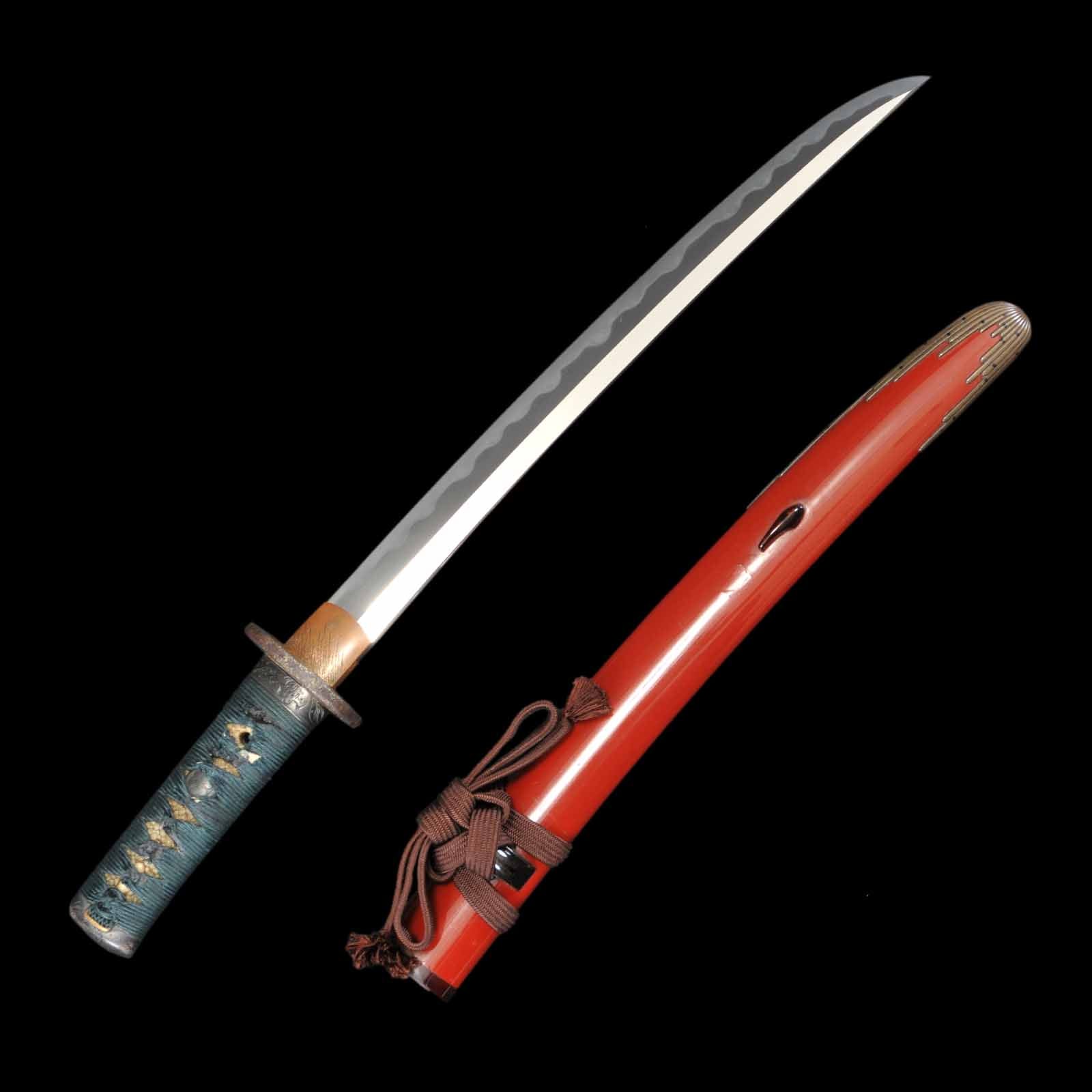
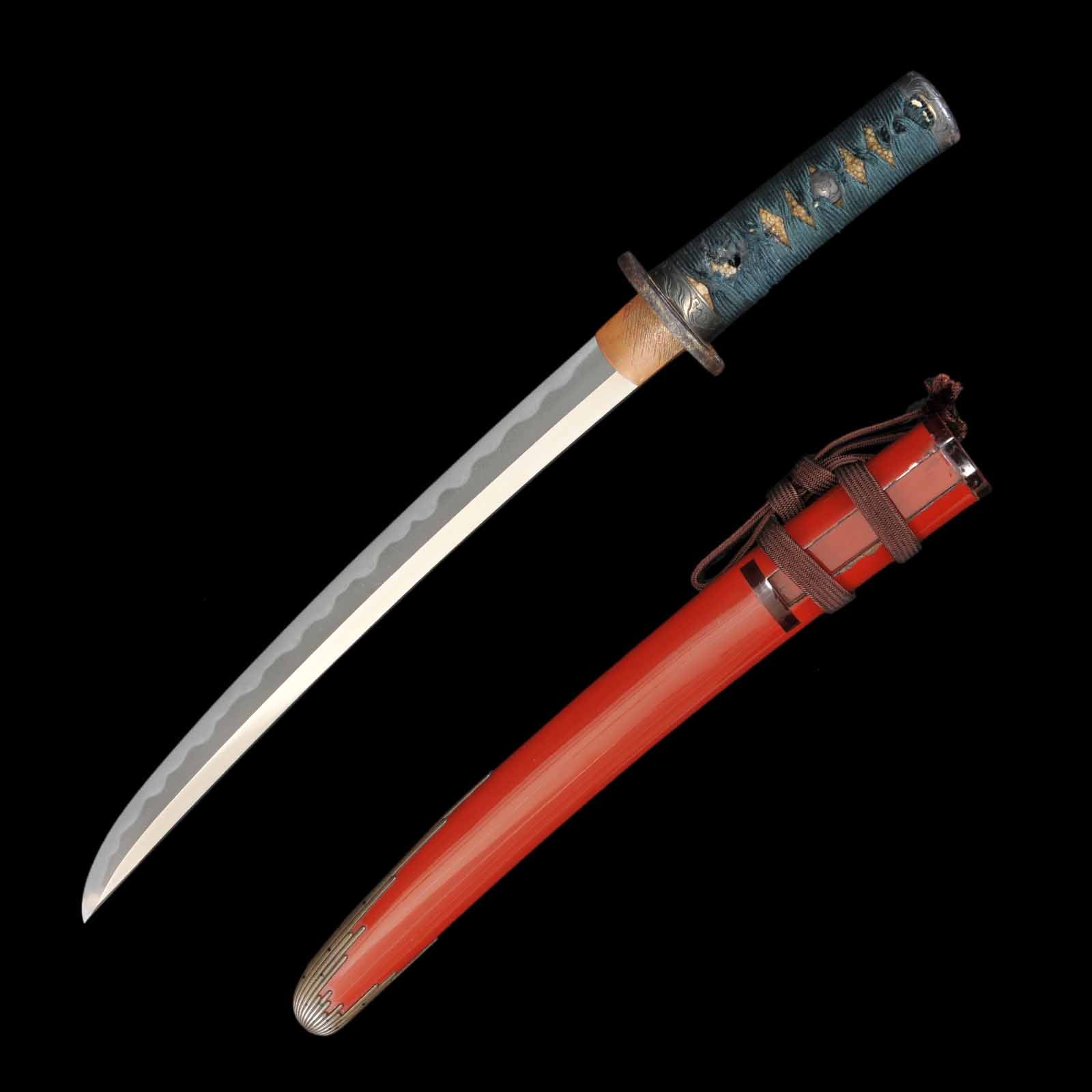
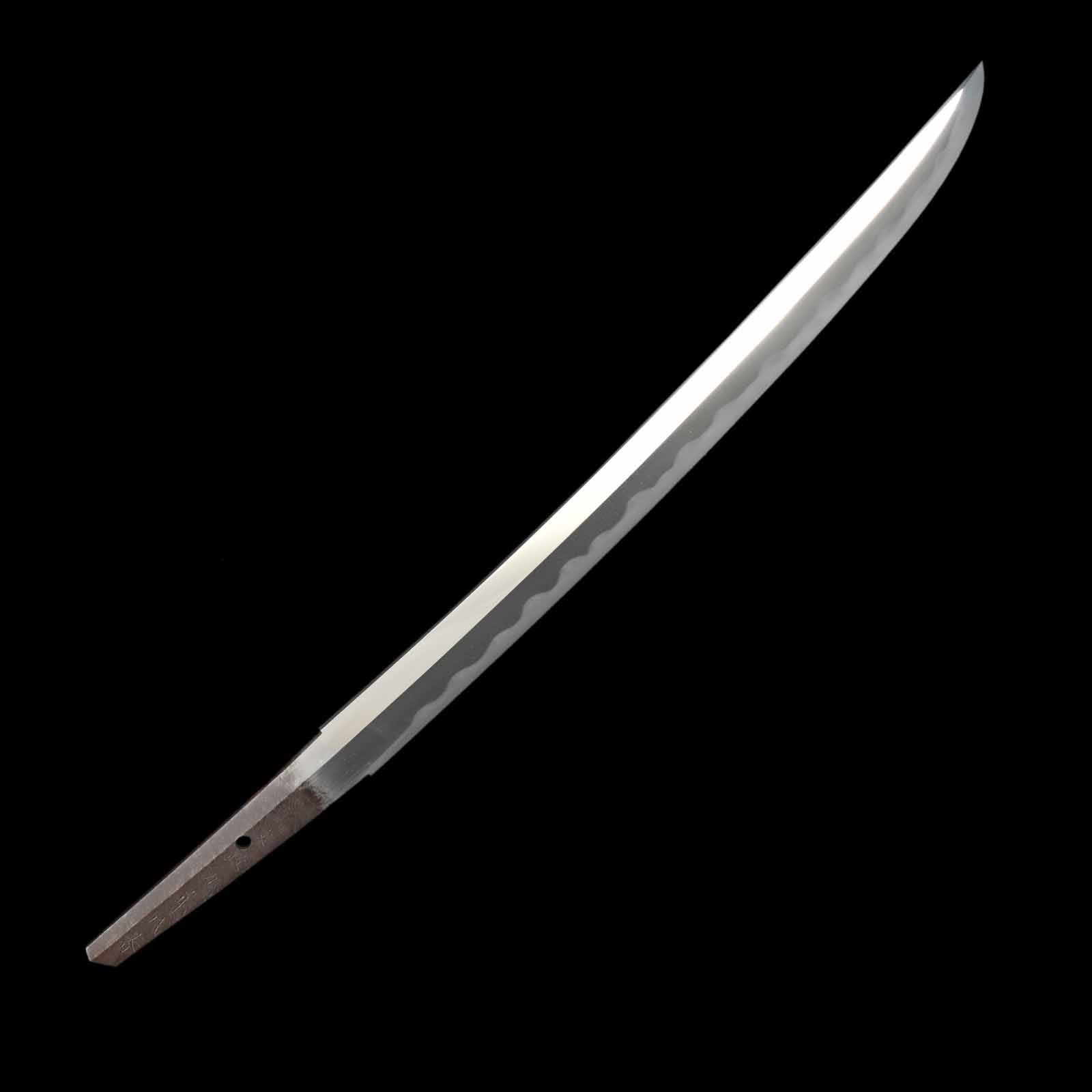
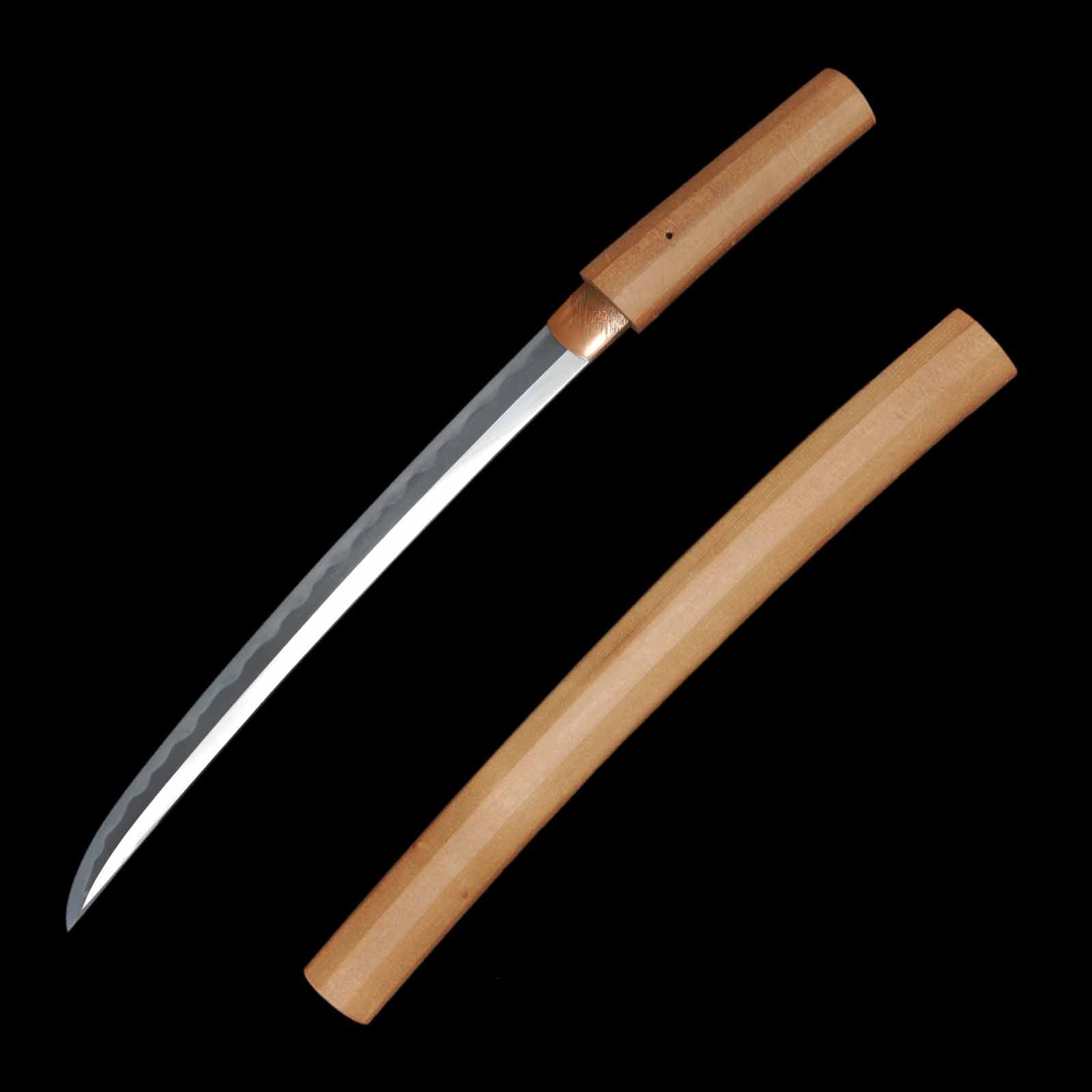
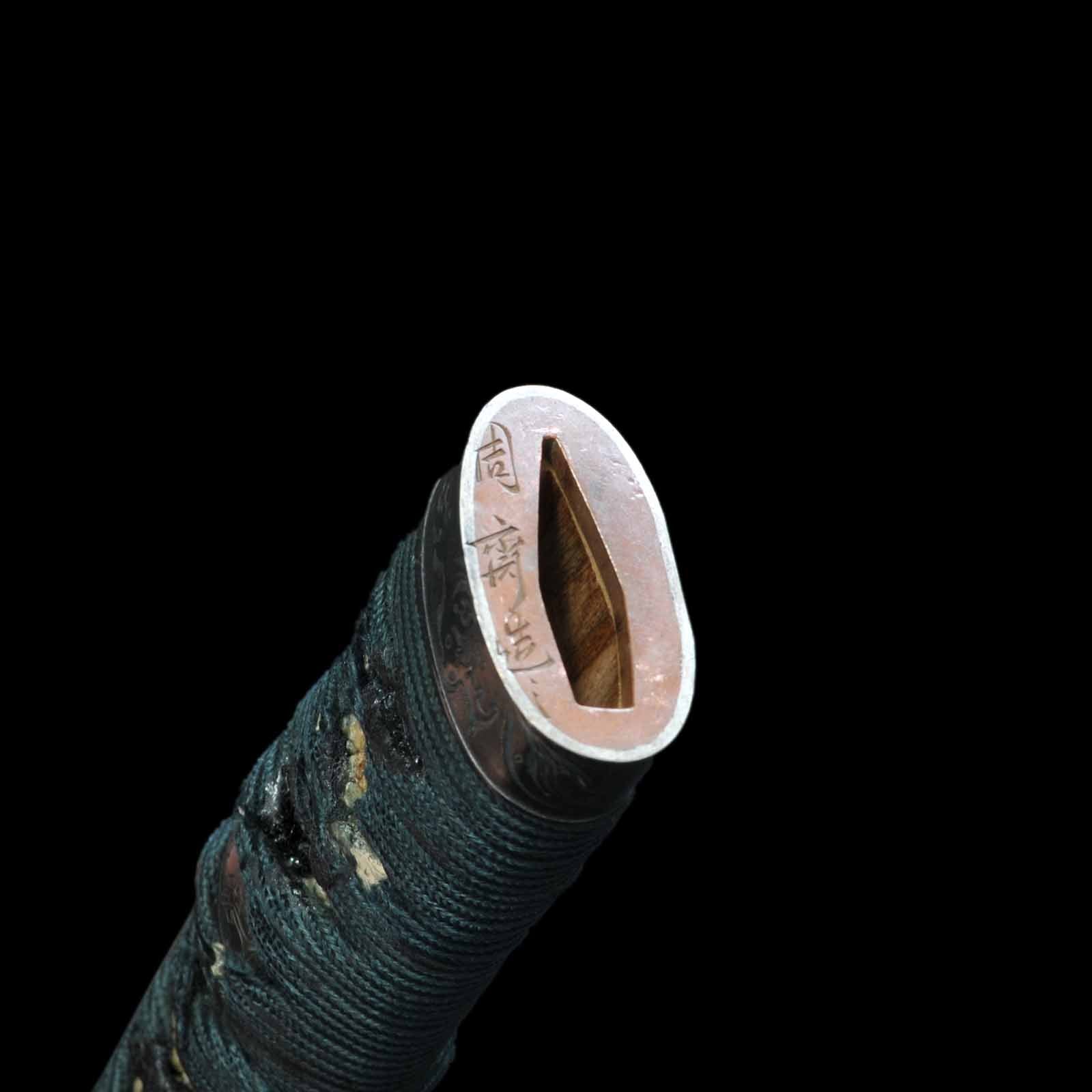
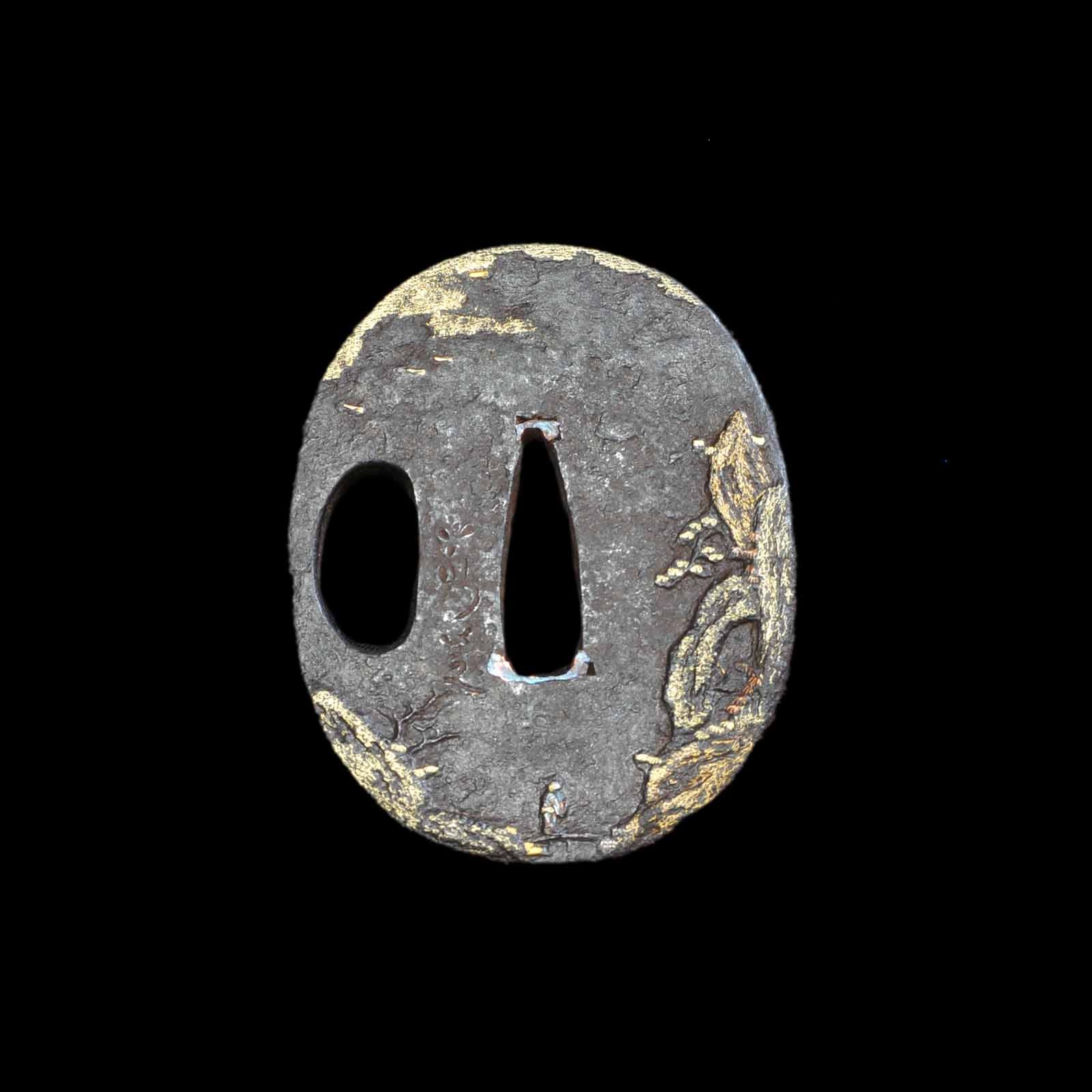
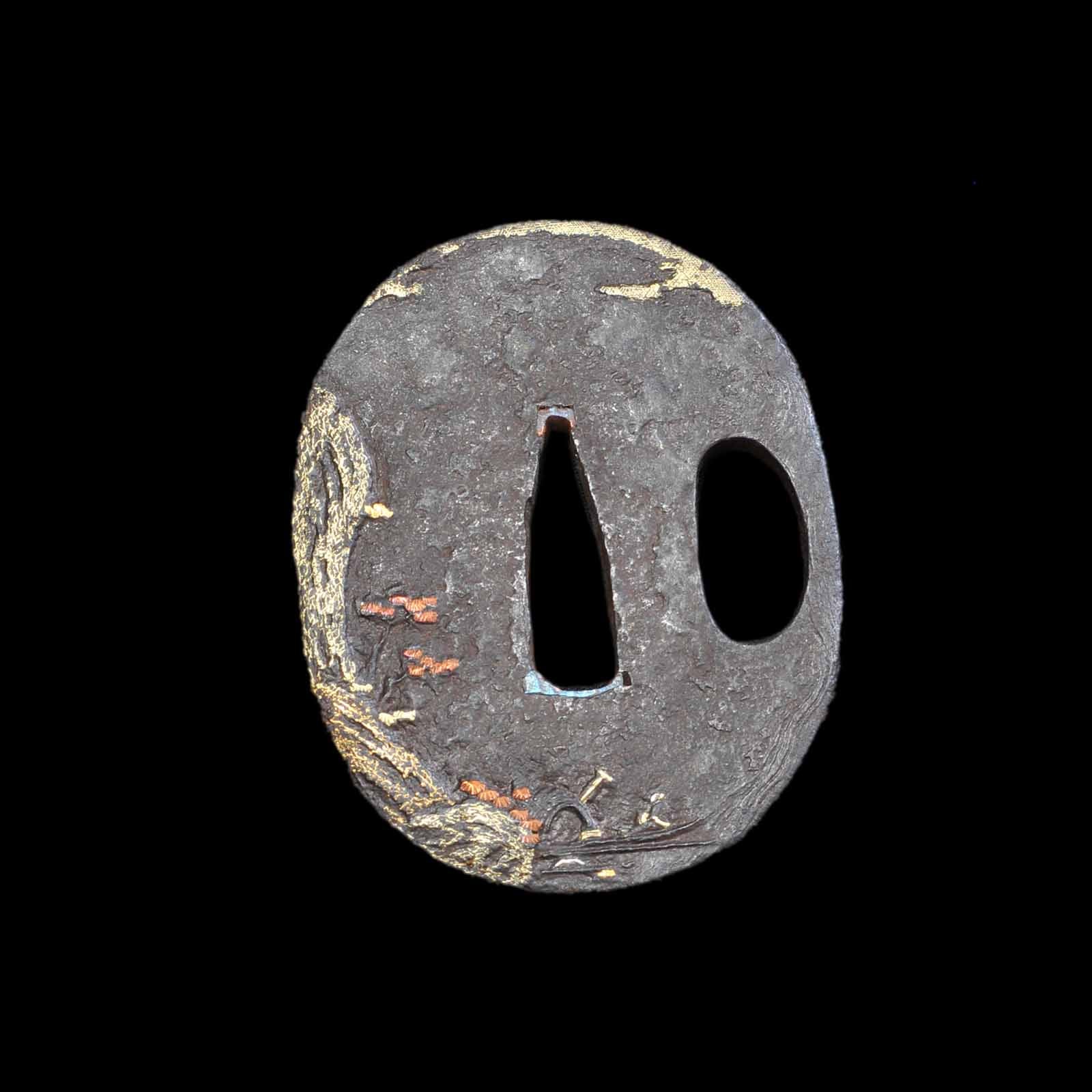
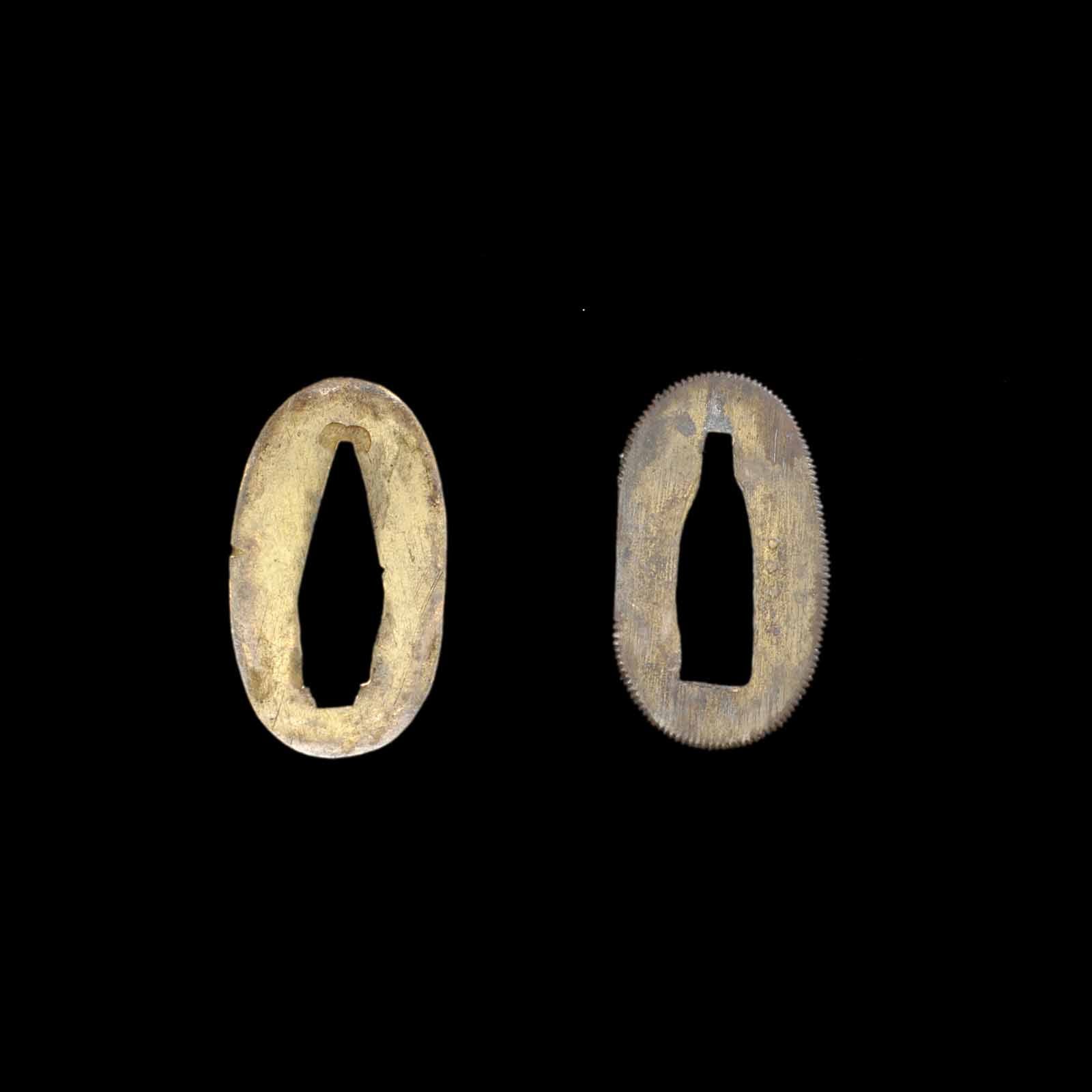
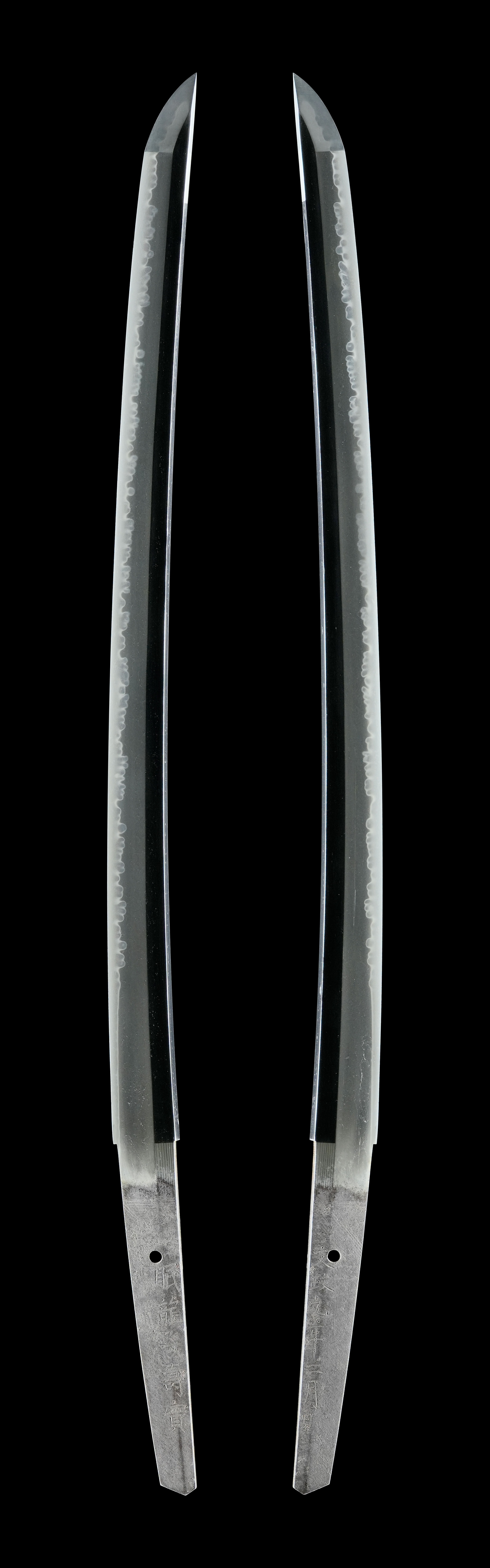
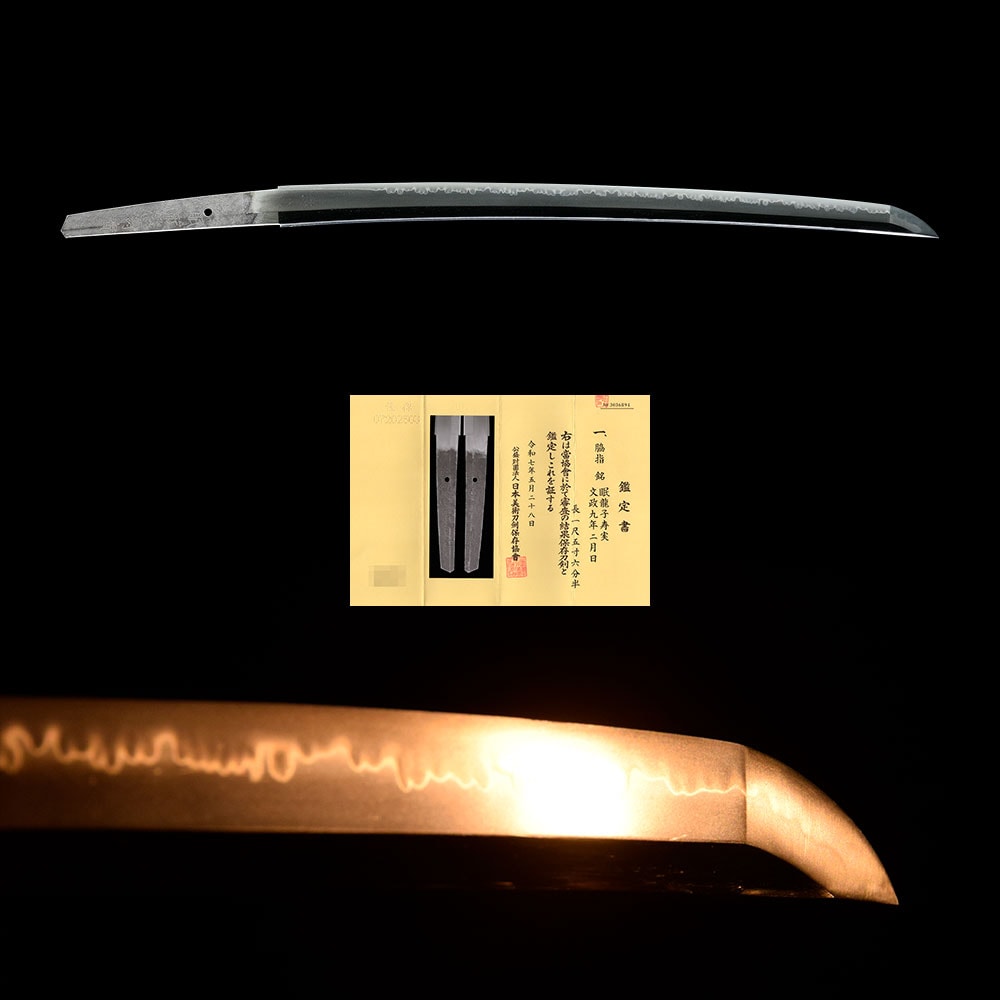
Tanto(Shobu-zukuri) - Toshizane - NBTHK Hozon Certificate - Tanto/Shirasaya Koshirae - Ubu Nakago - Shinshinto Era - Aichi 65374
売却済
世界76社の刀剣商を横断追跡 · 価格履歴 · 売却アーカイブ
Kaei (1848-1854)
仕様
33.5 cm
0.6 cm
2.76 cm
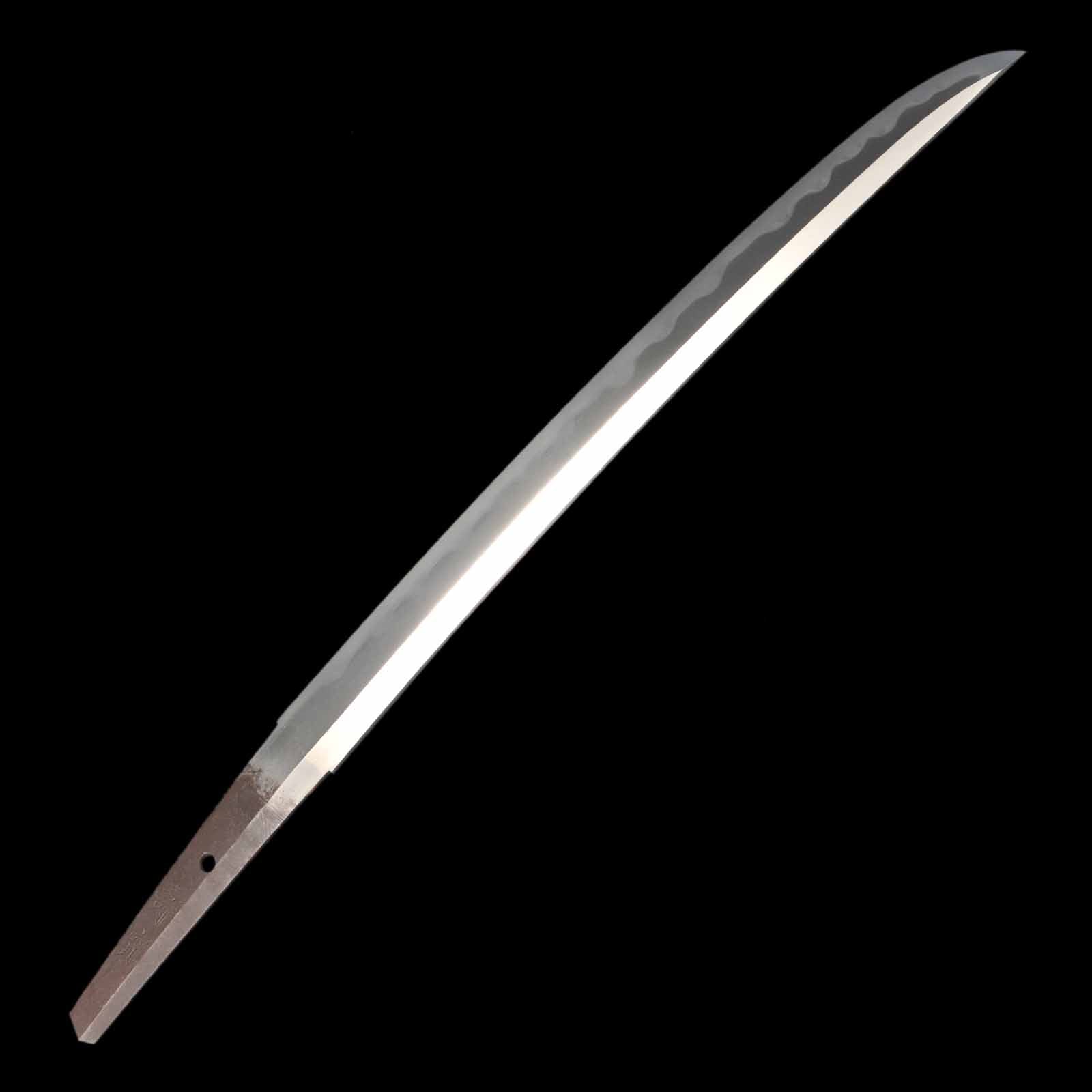
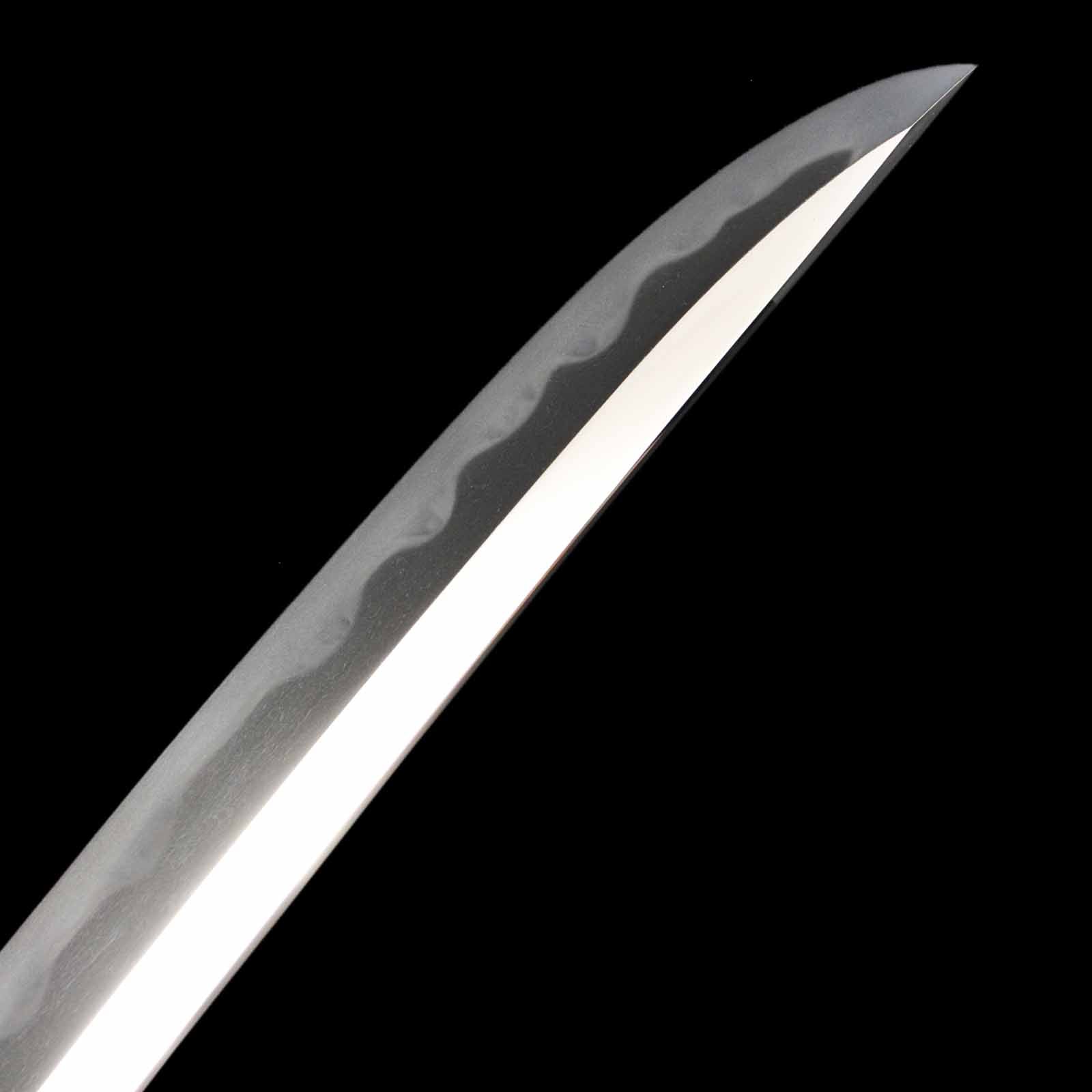
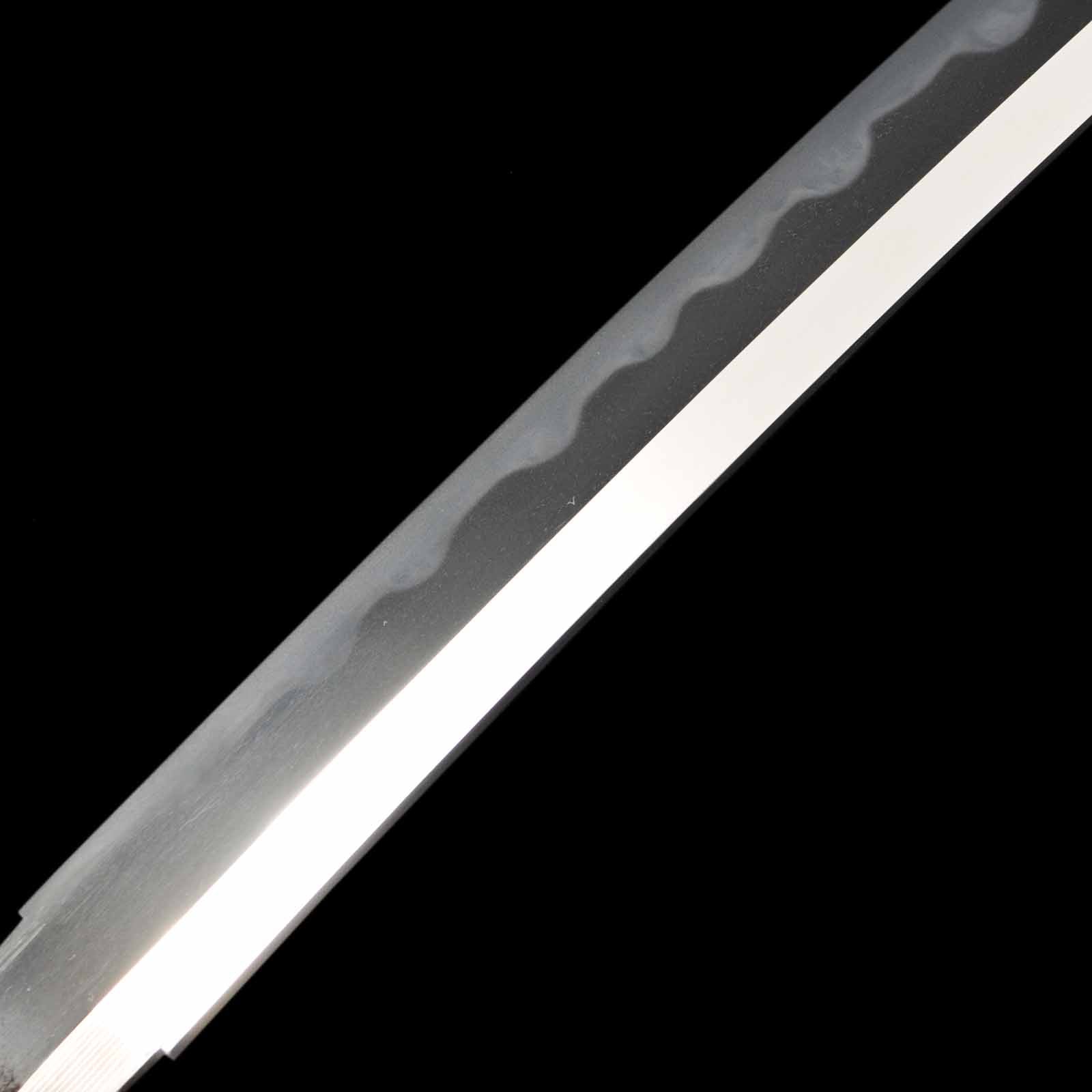
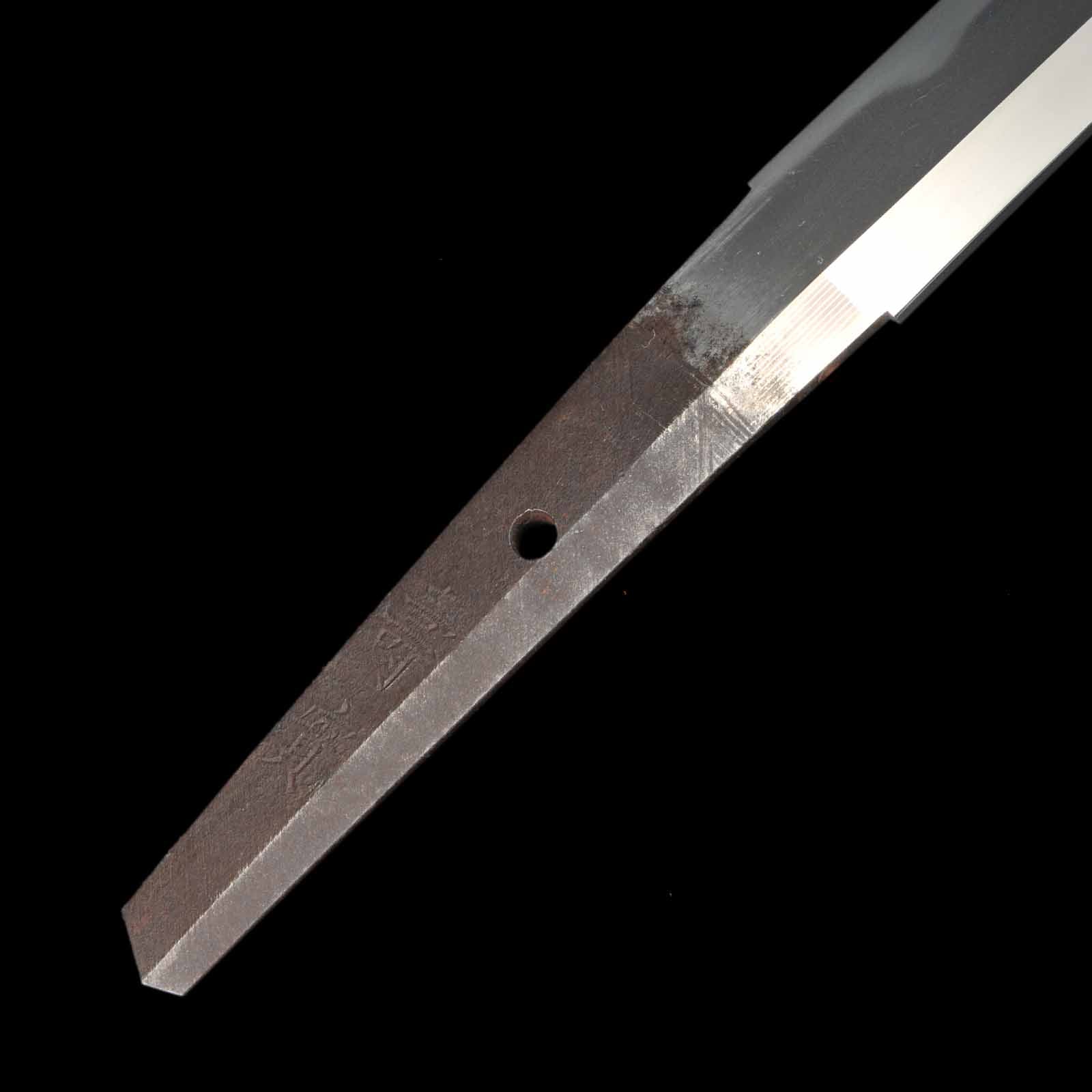
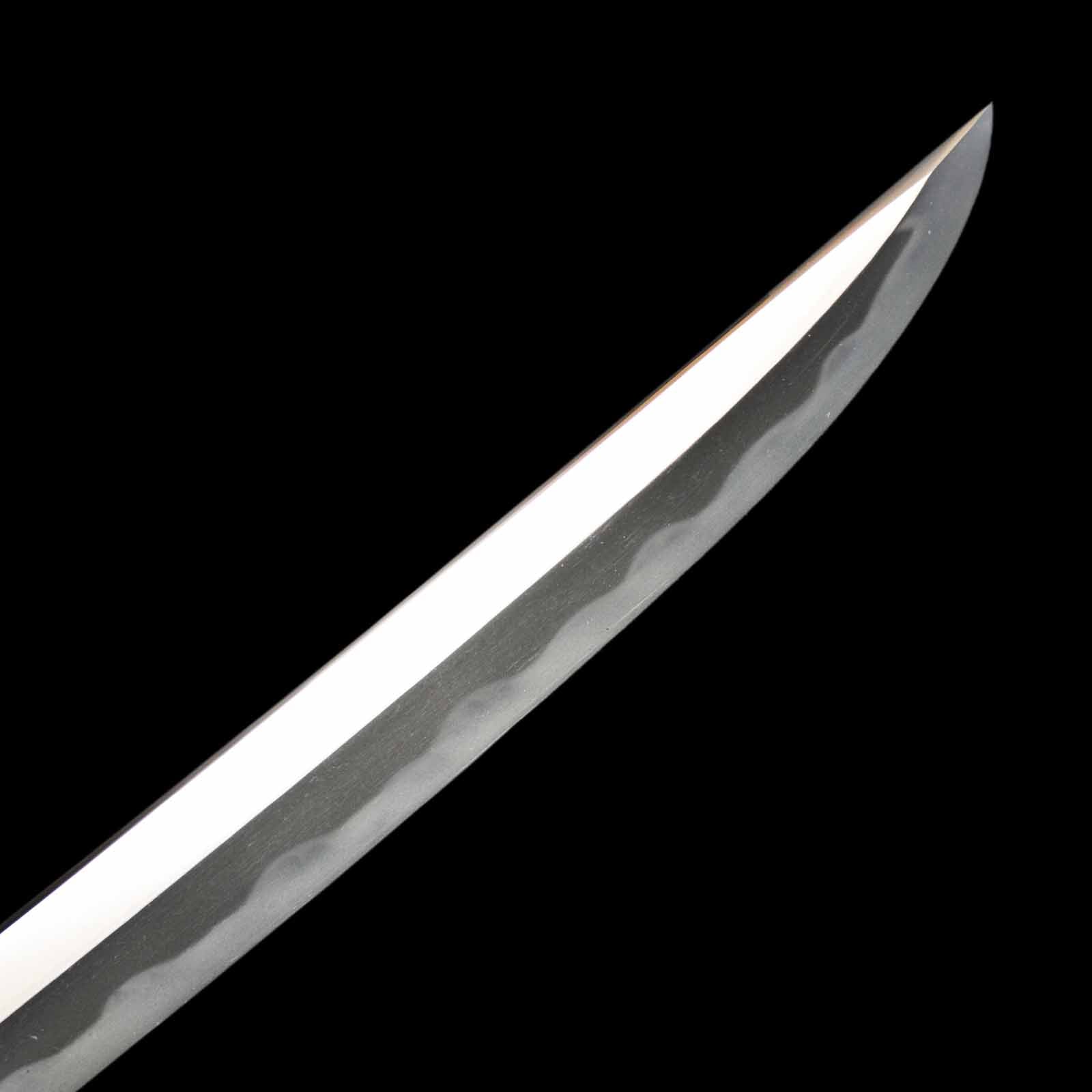
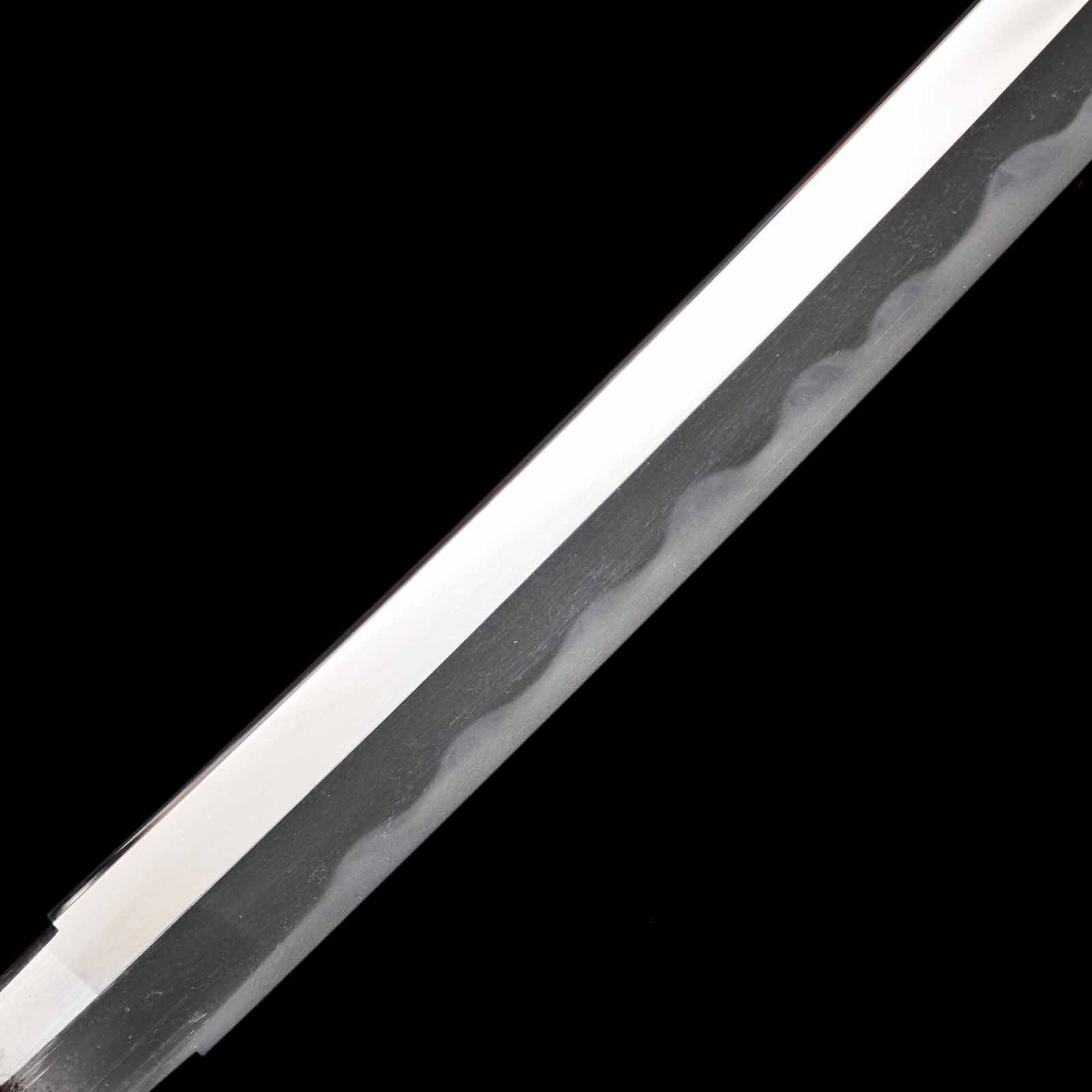
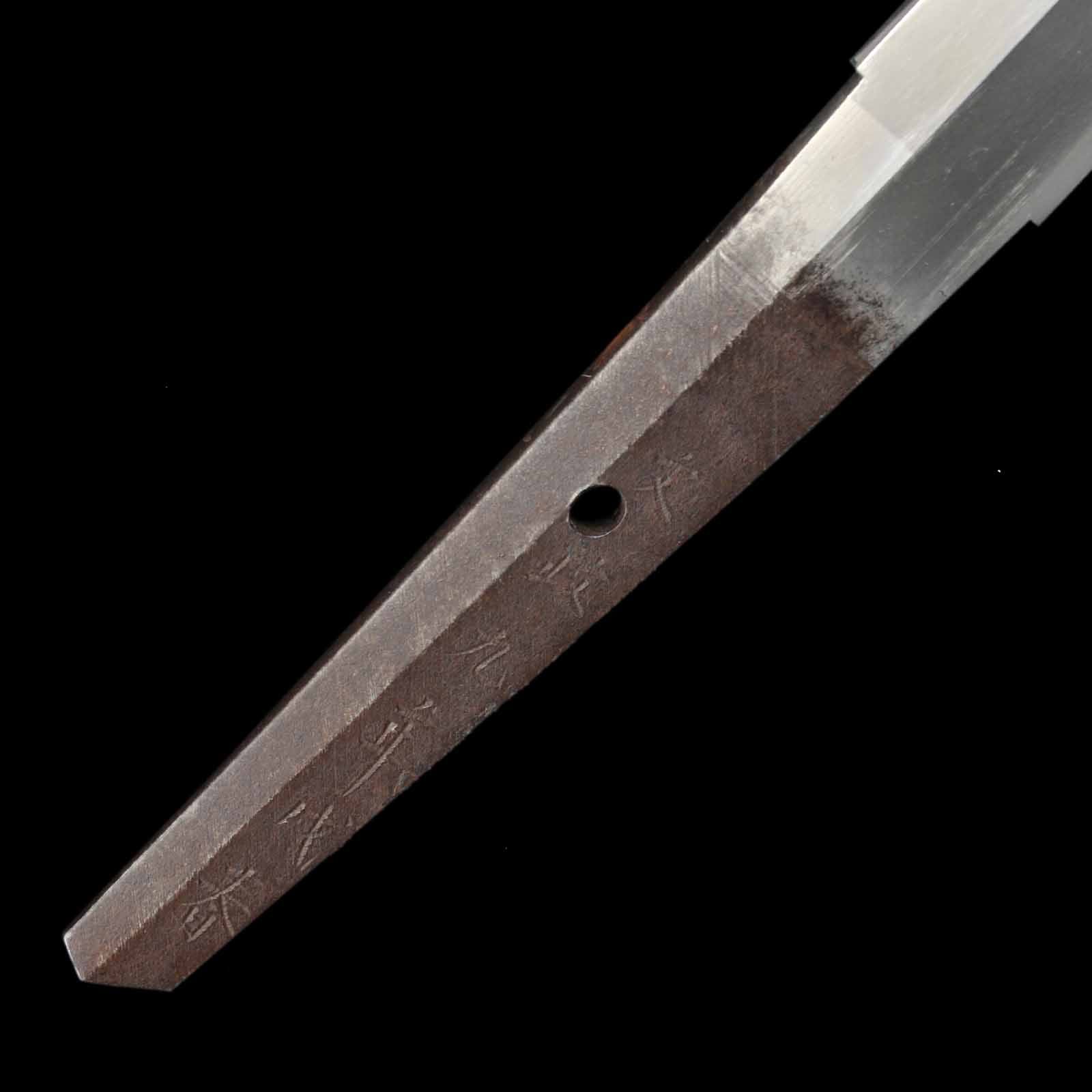
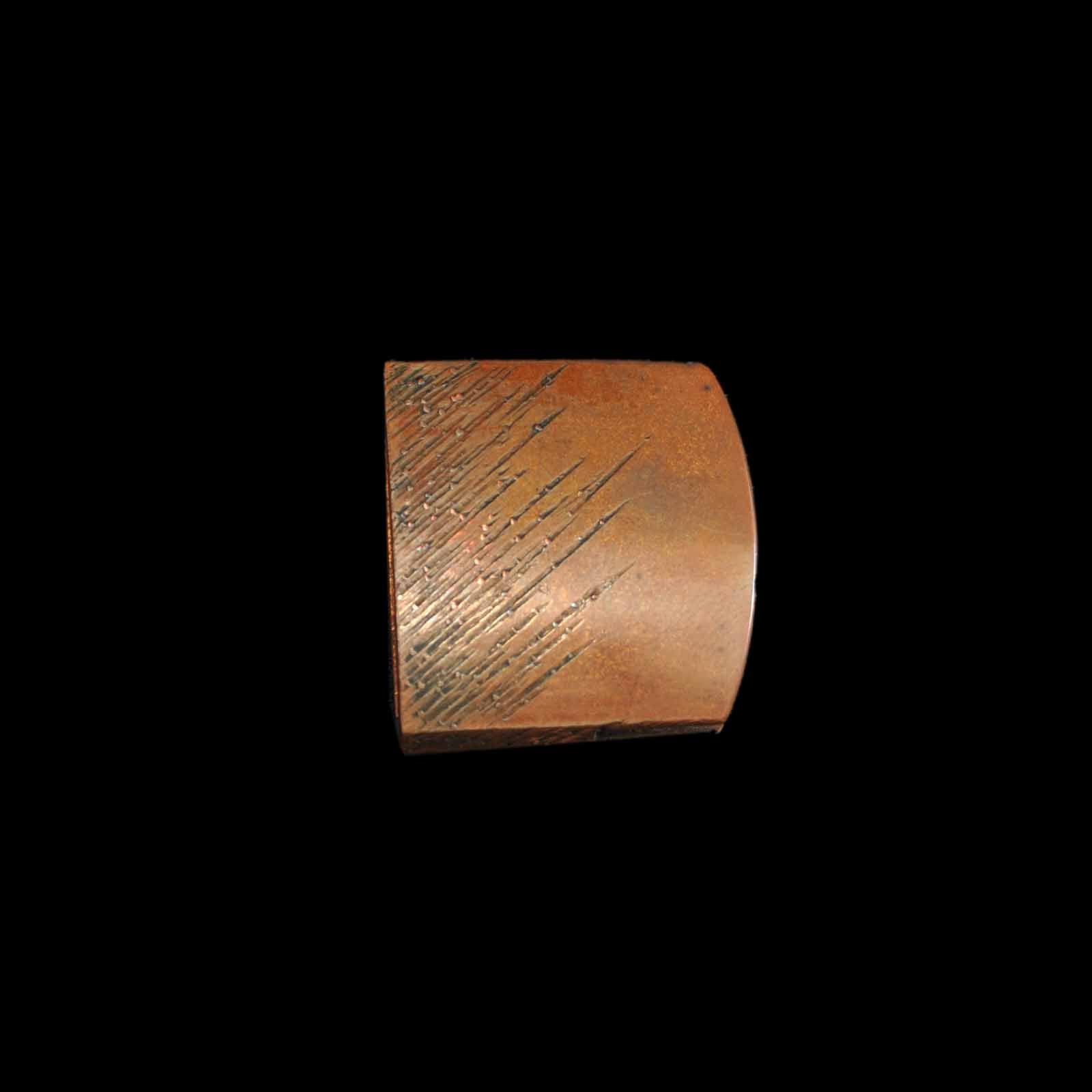
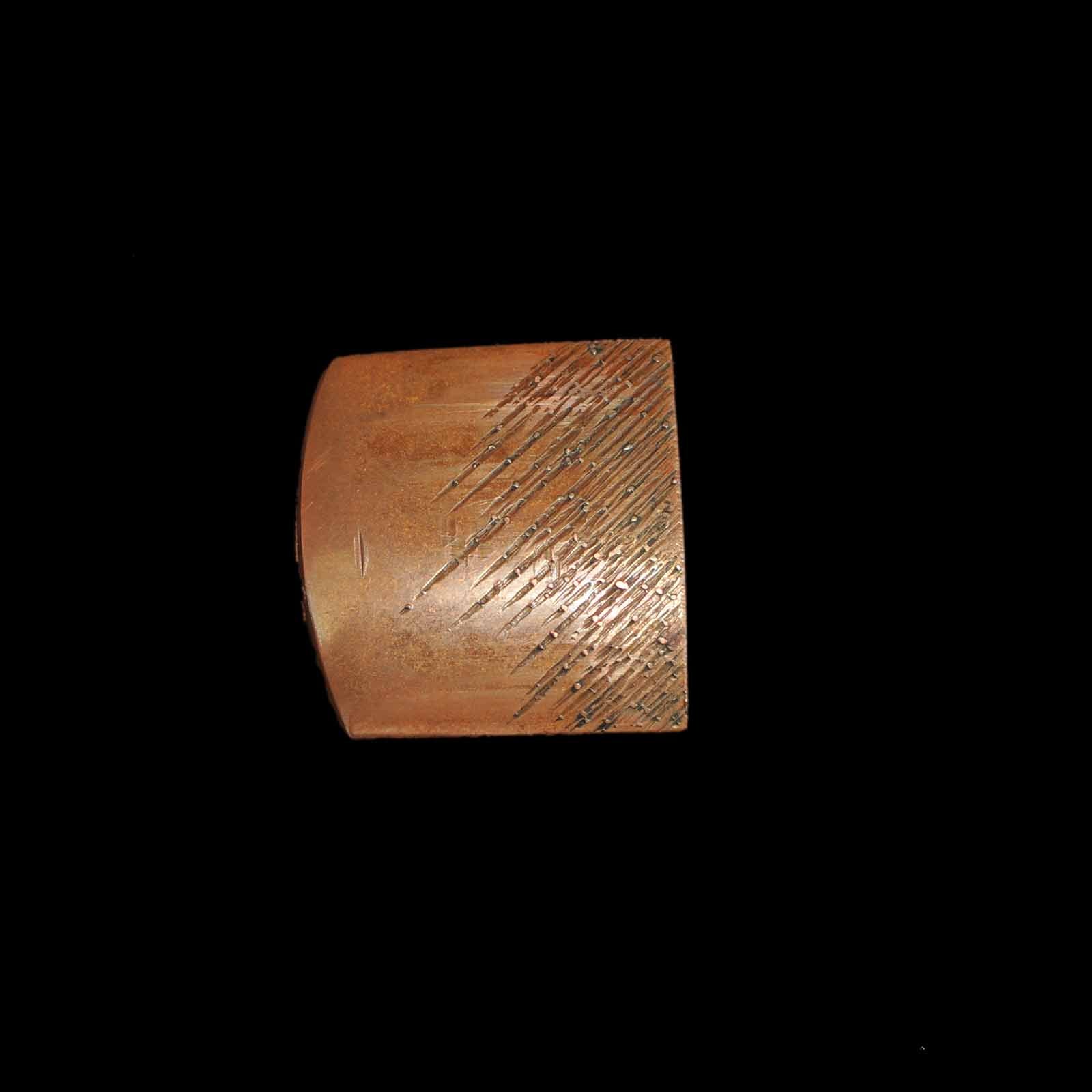
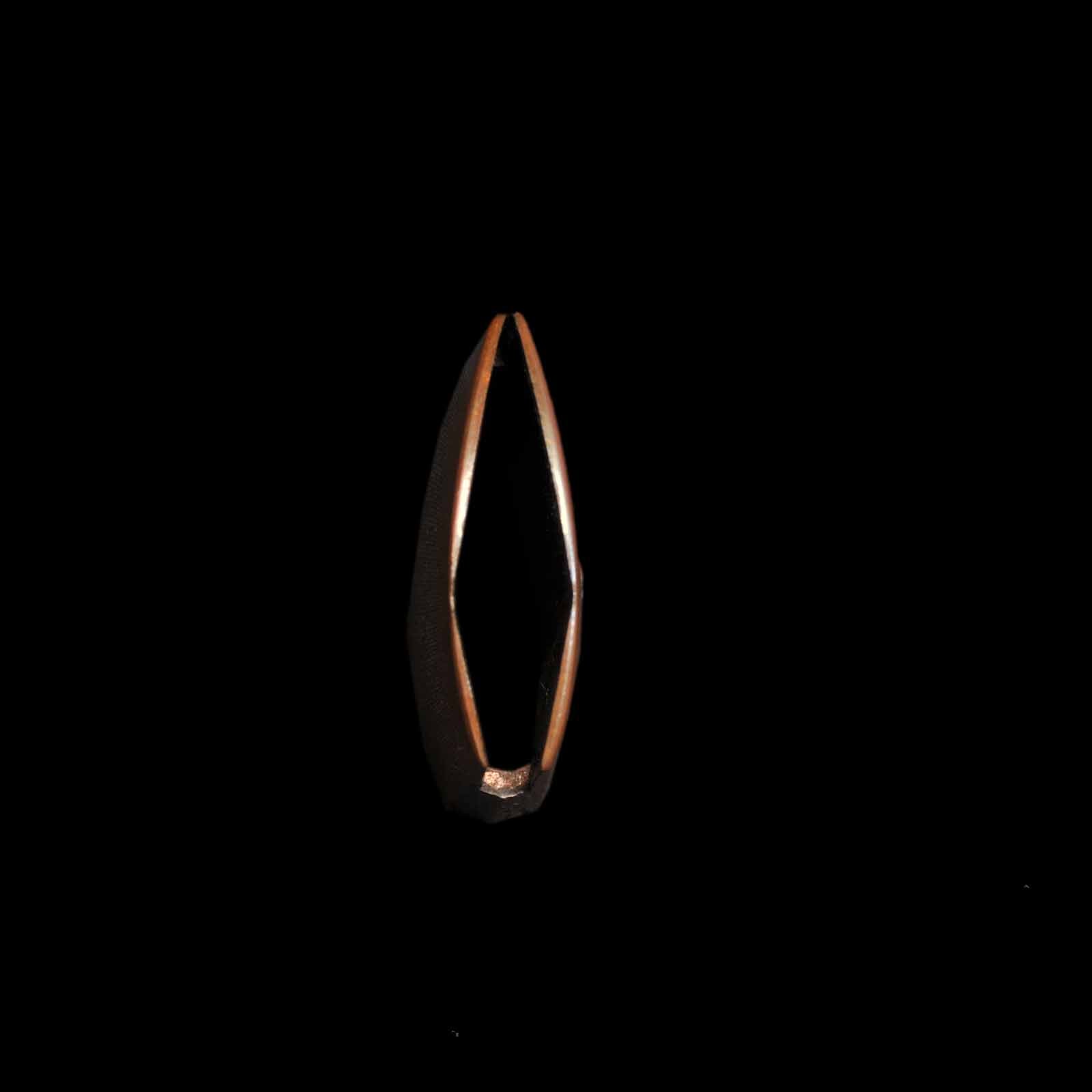
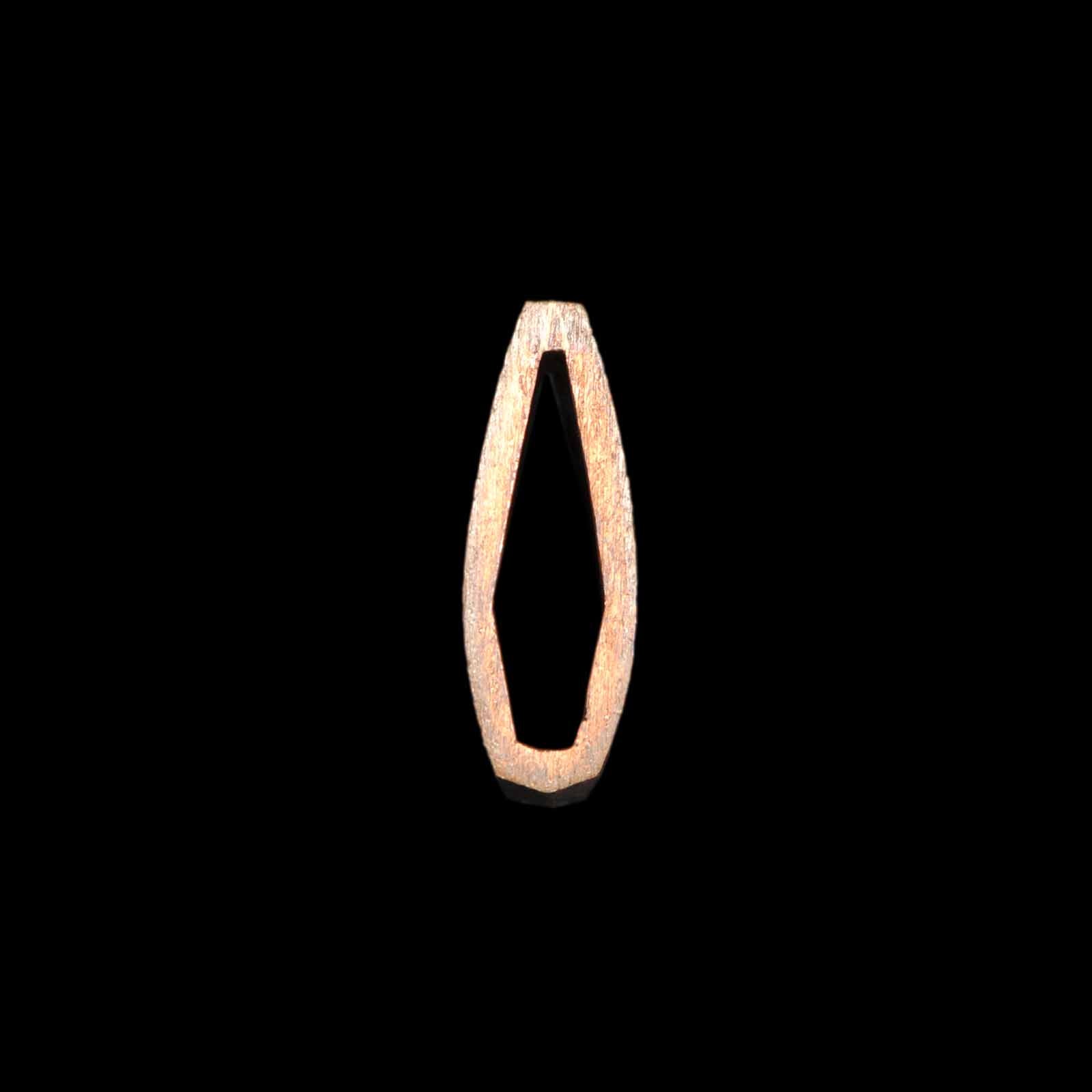
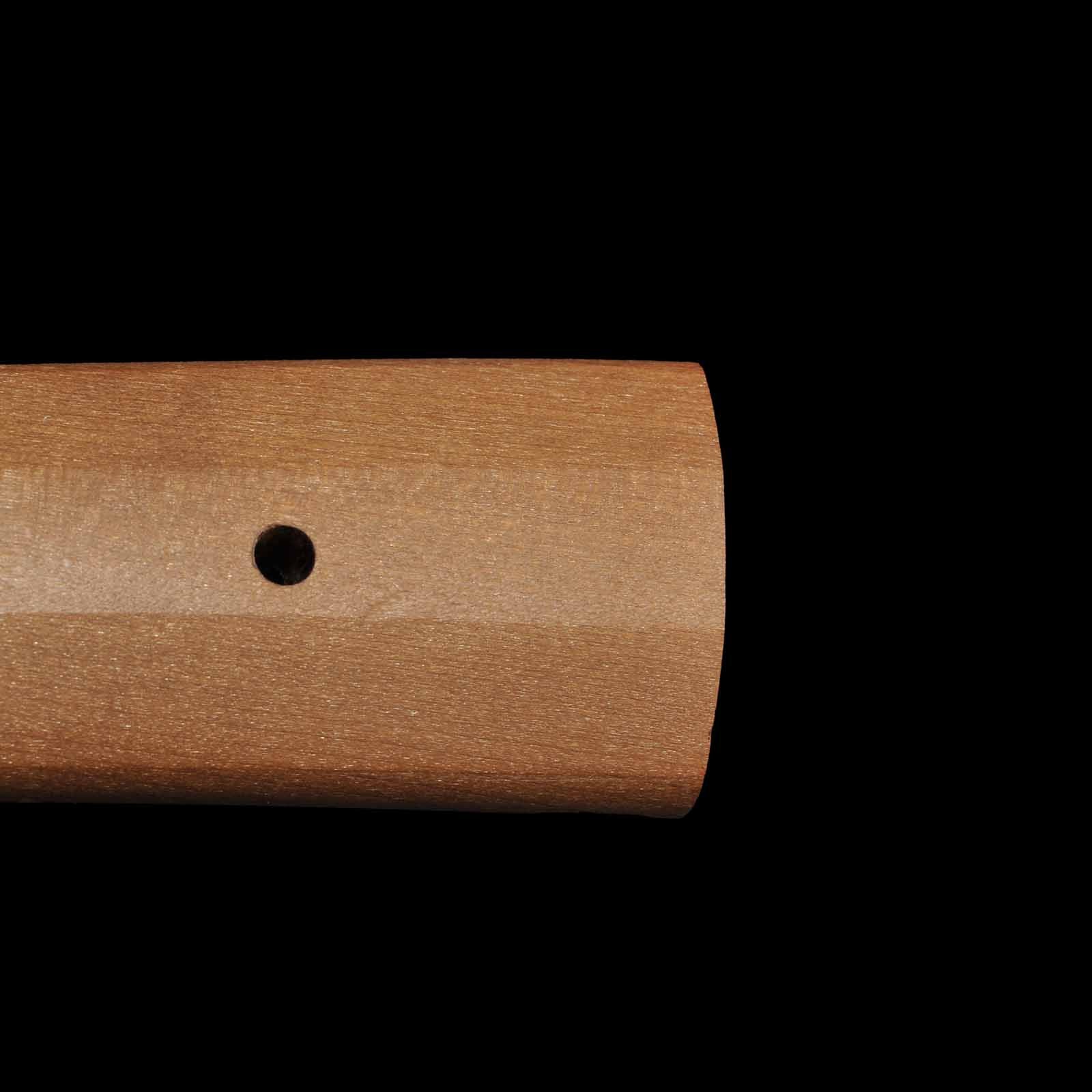
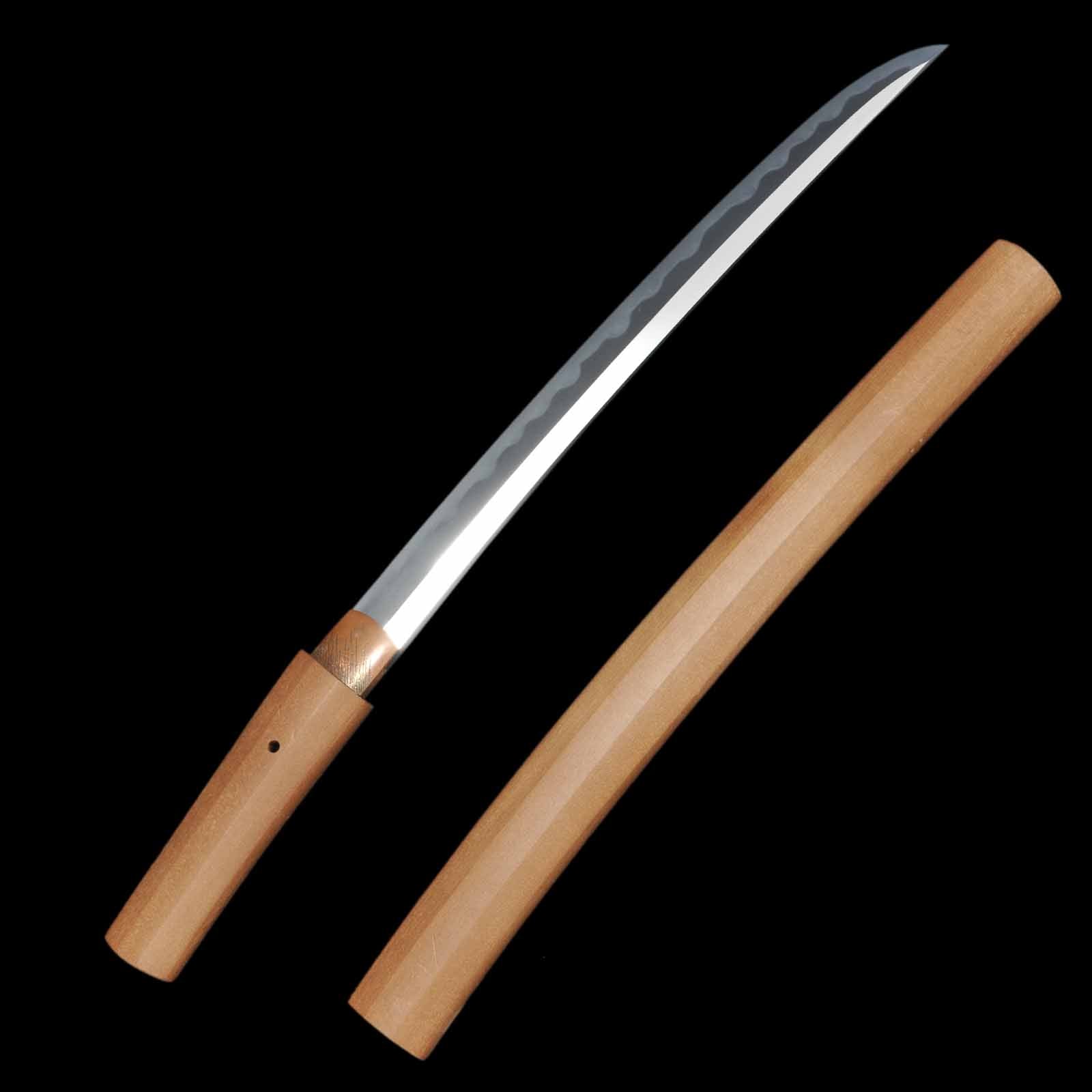
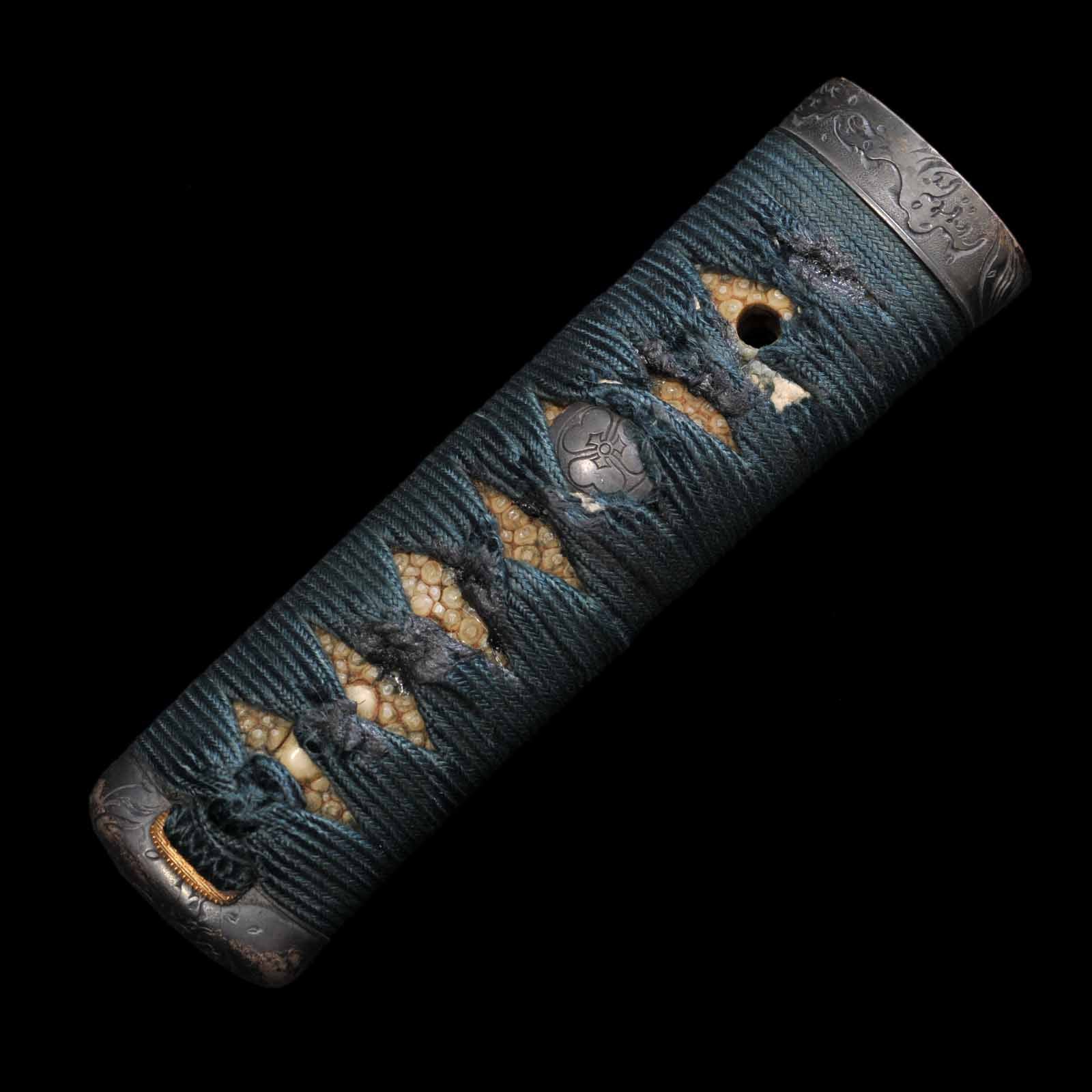
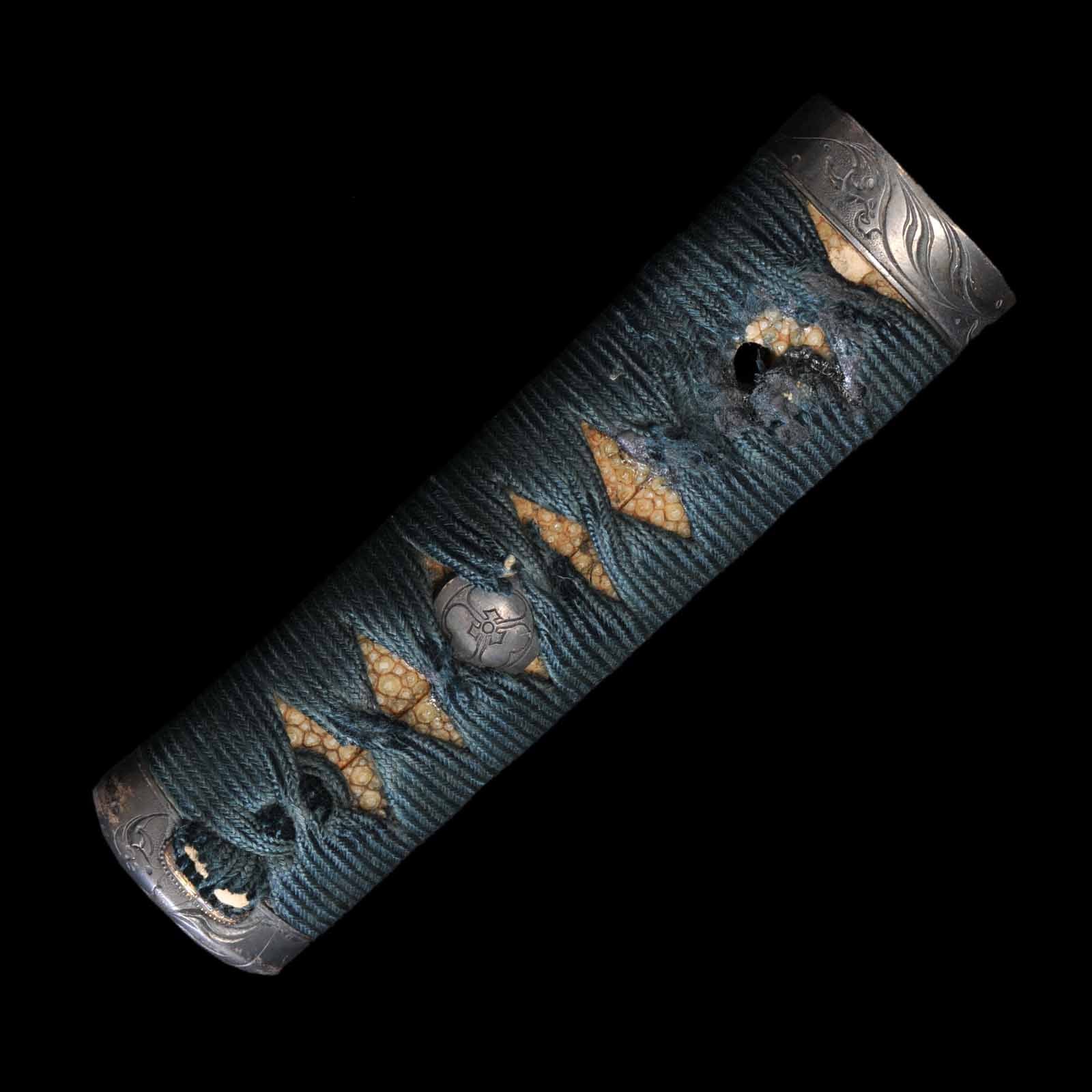
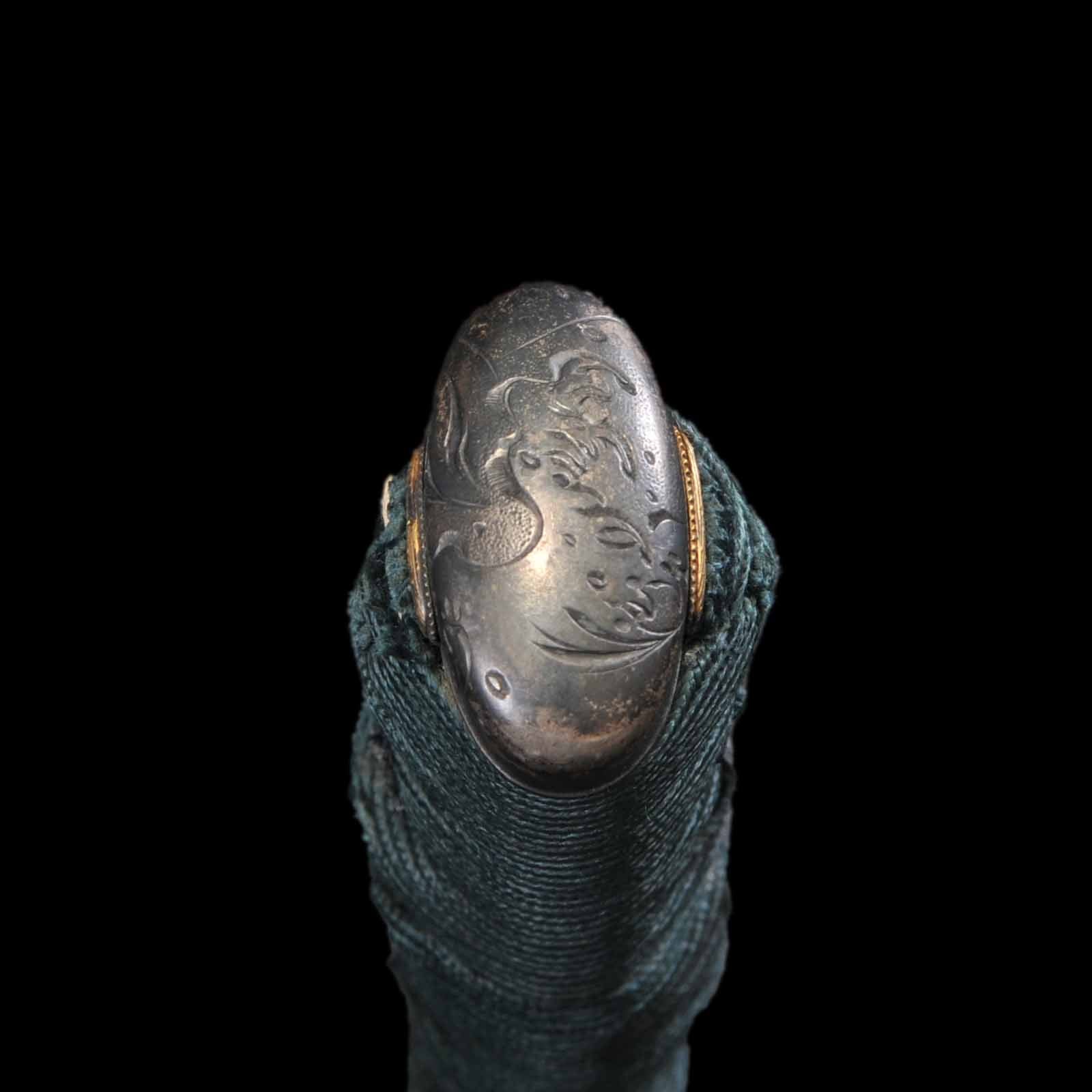
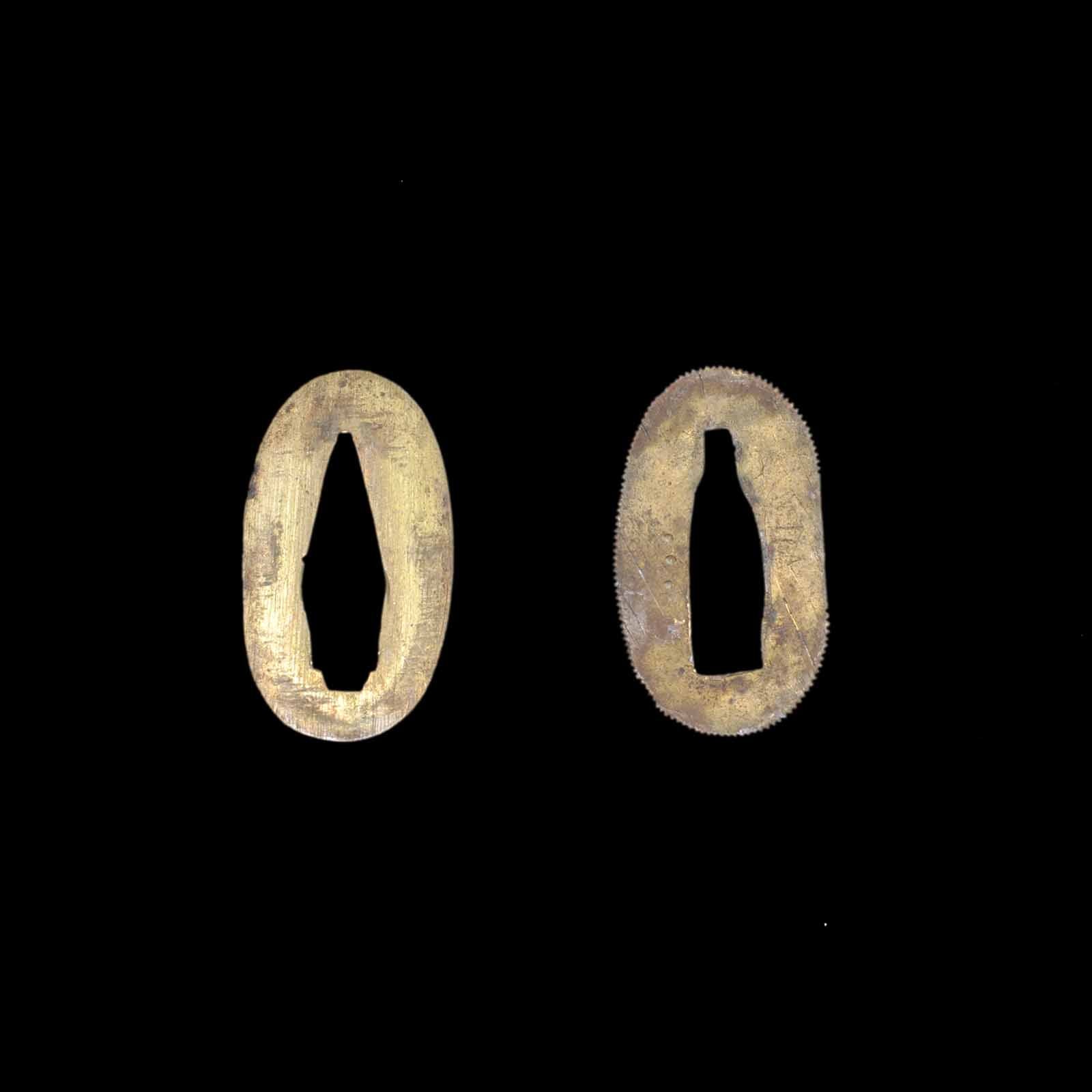
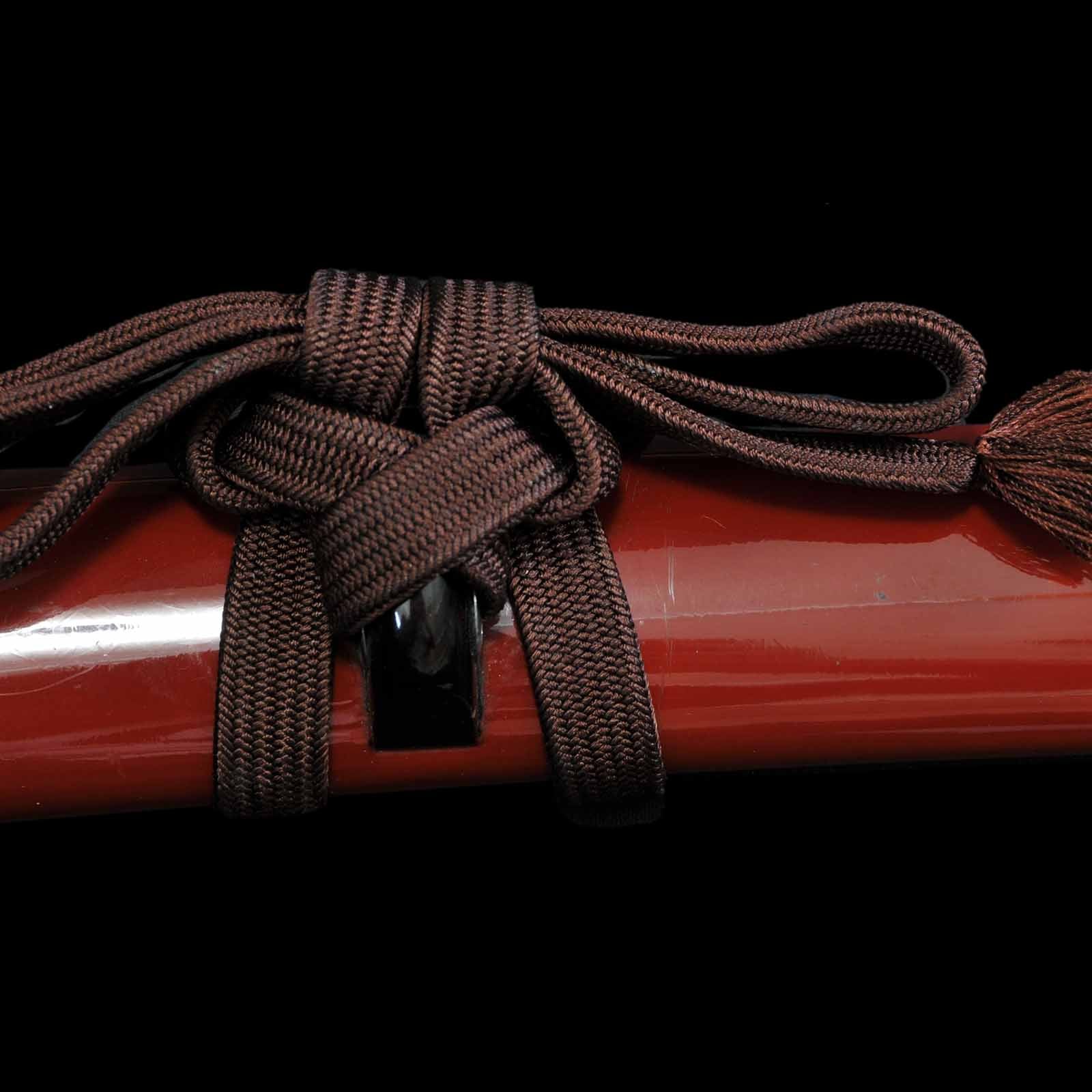
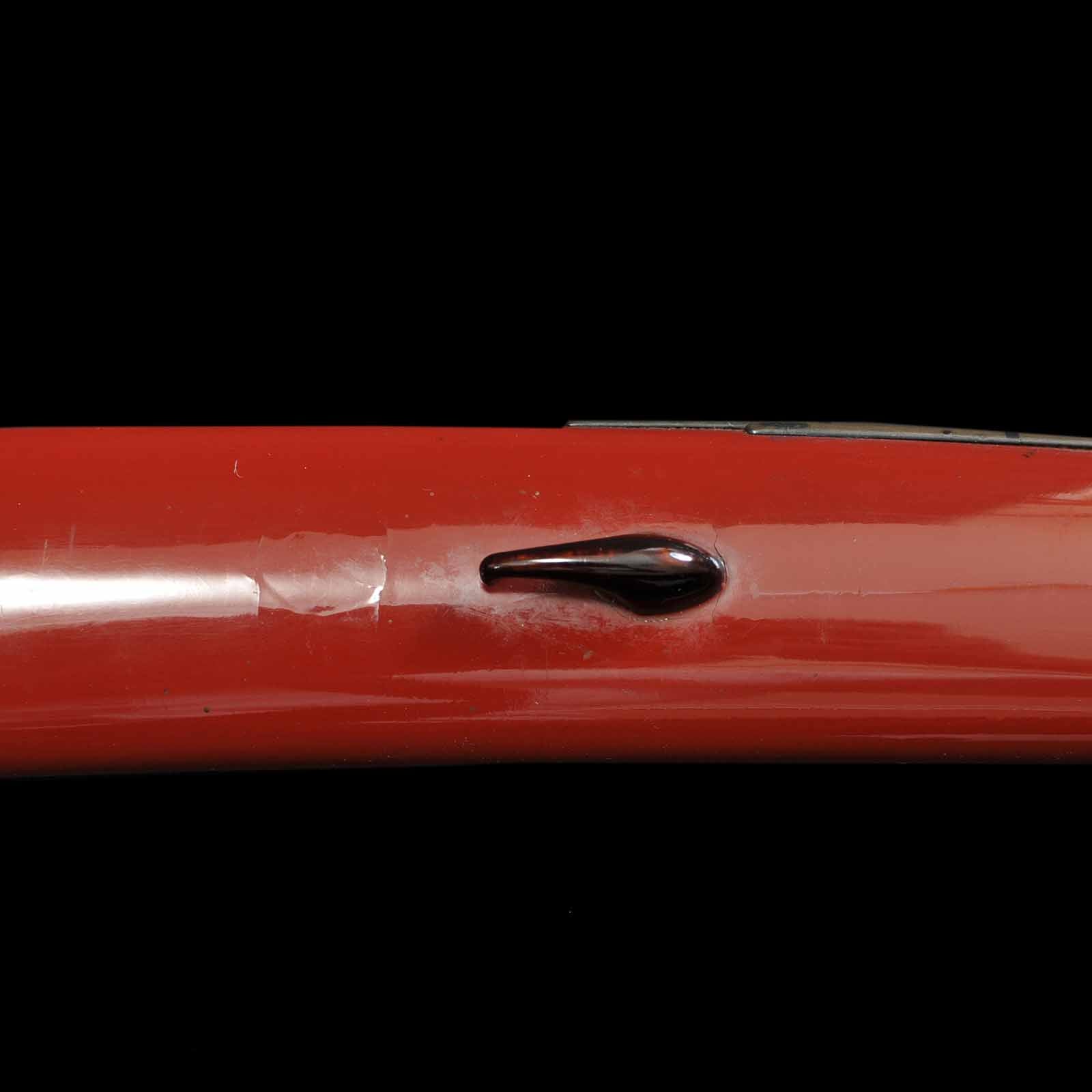
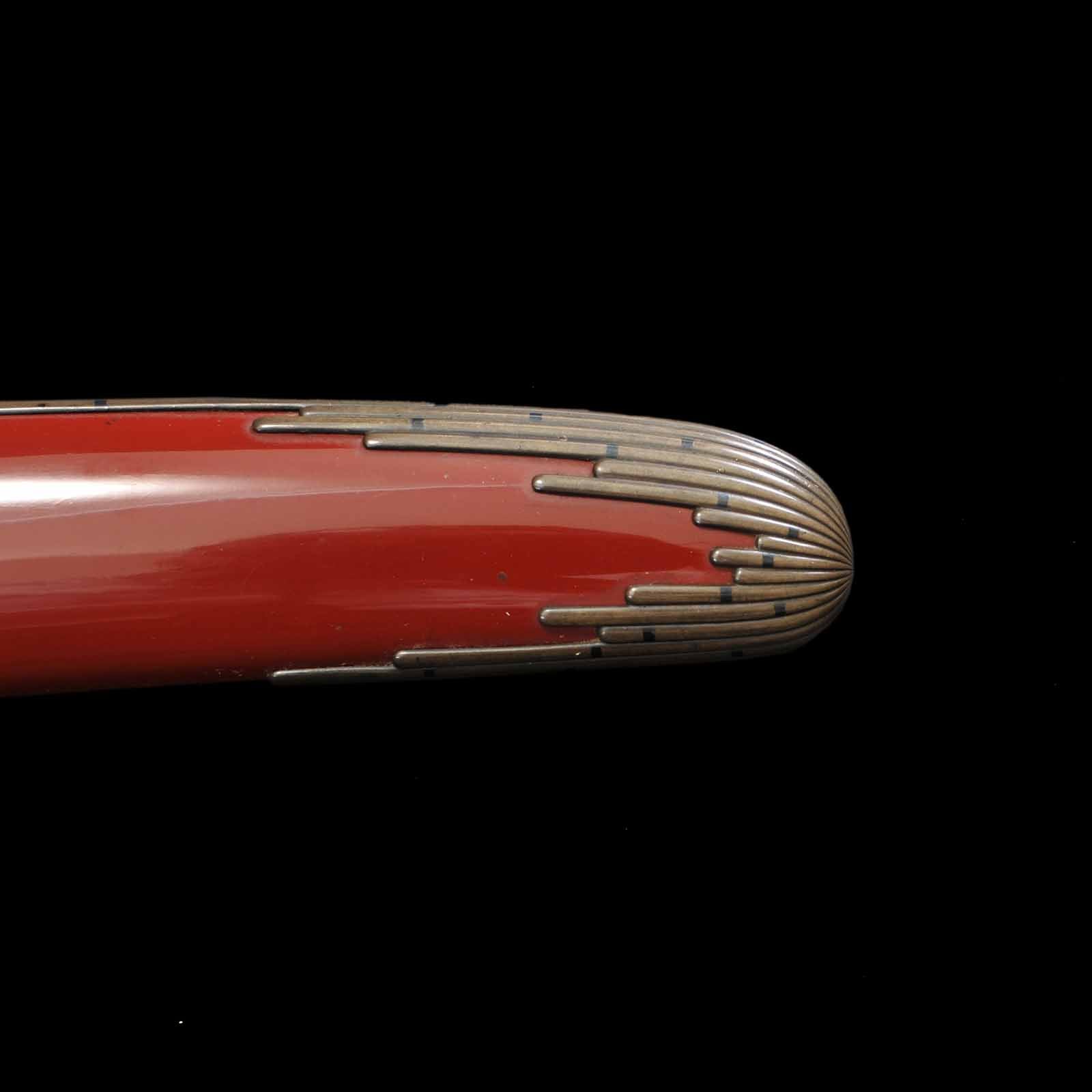
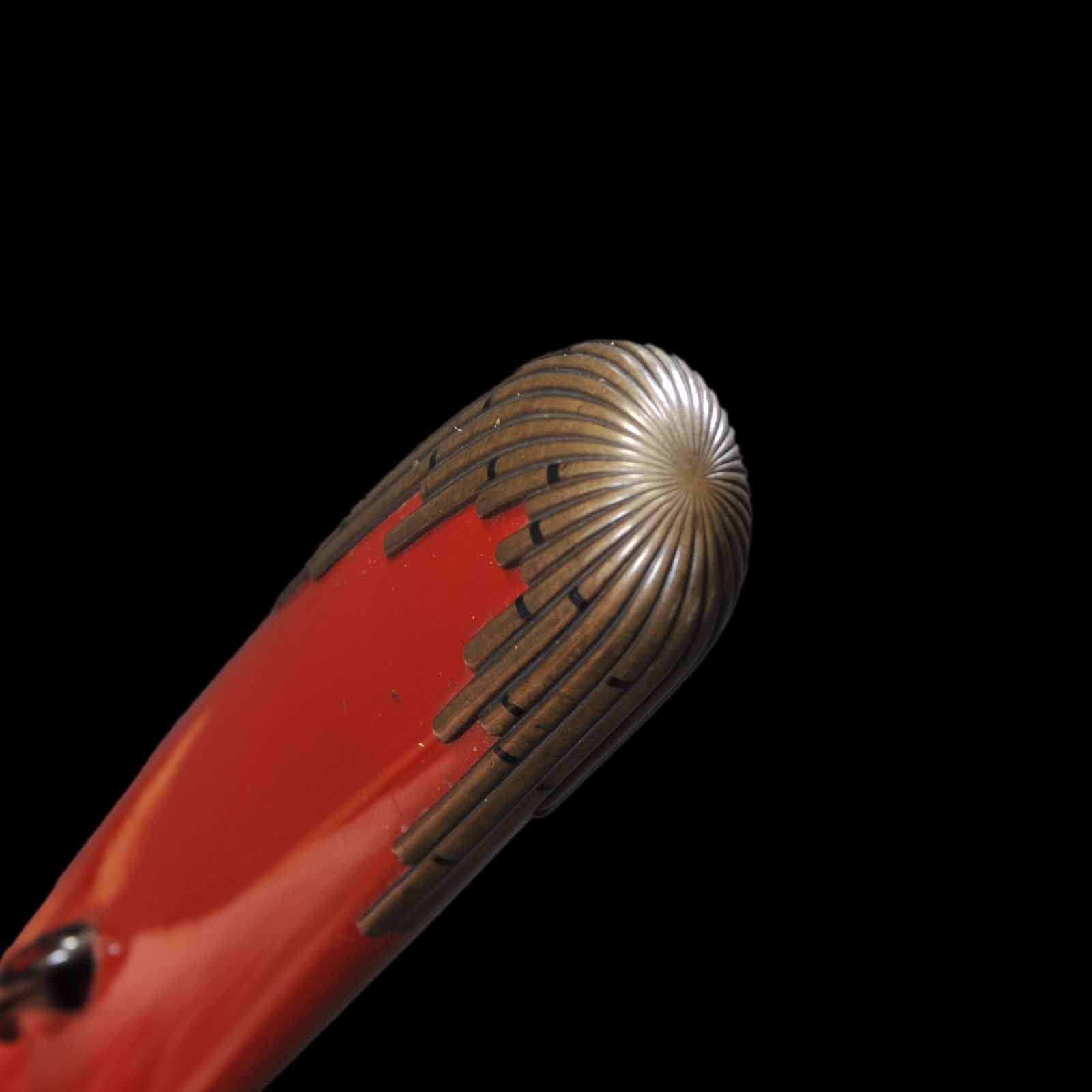
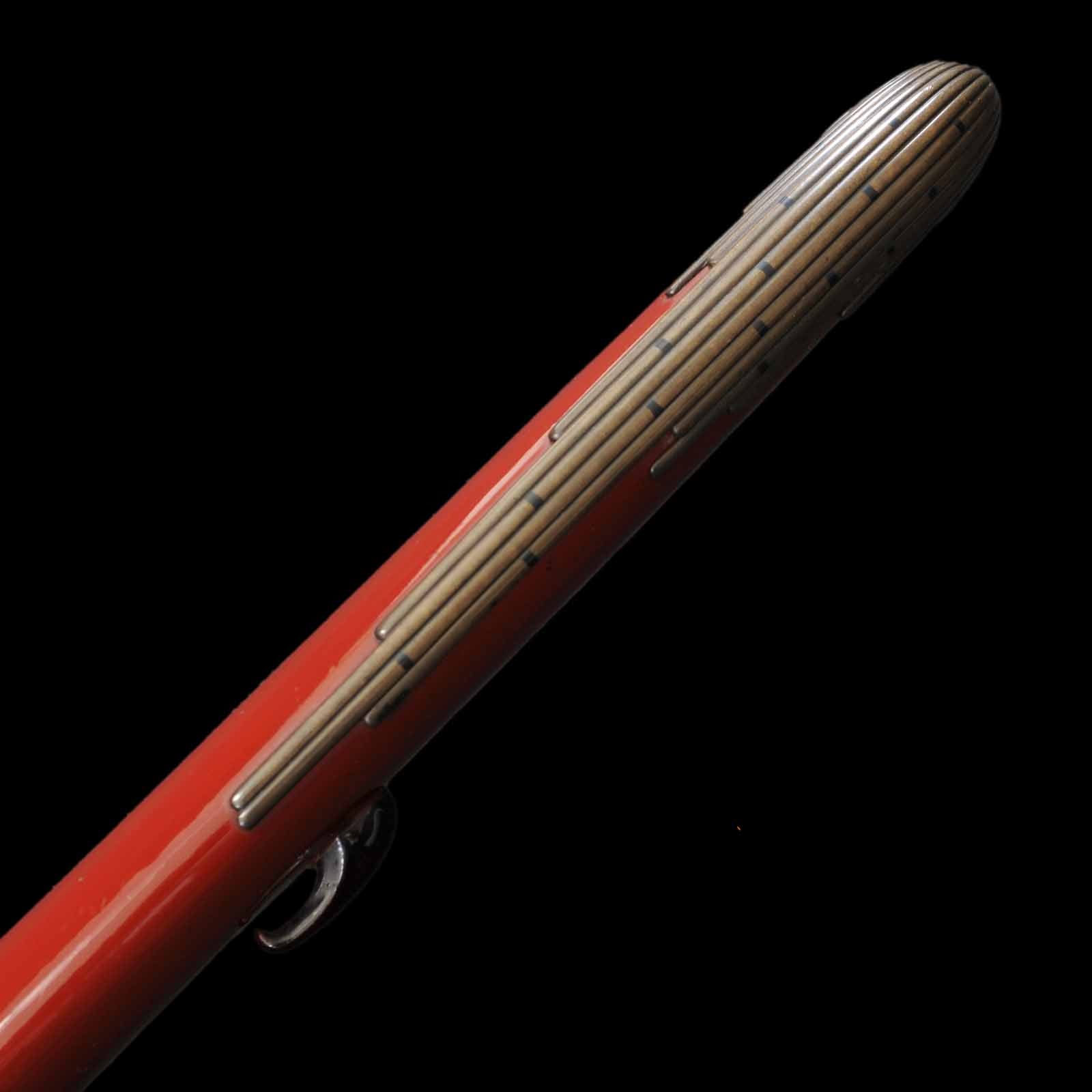
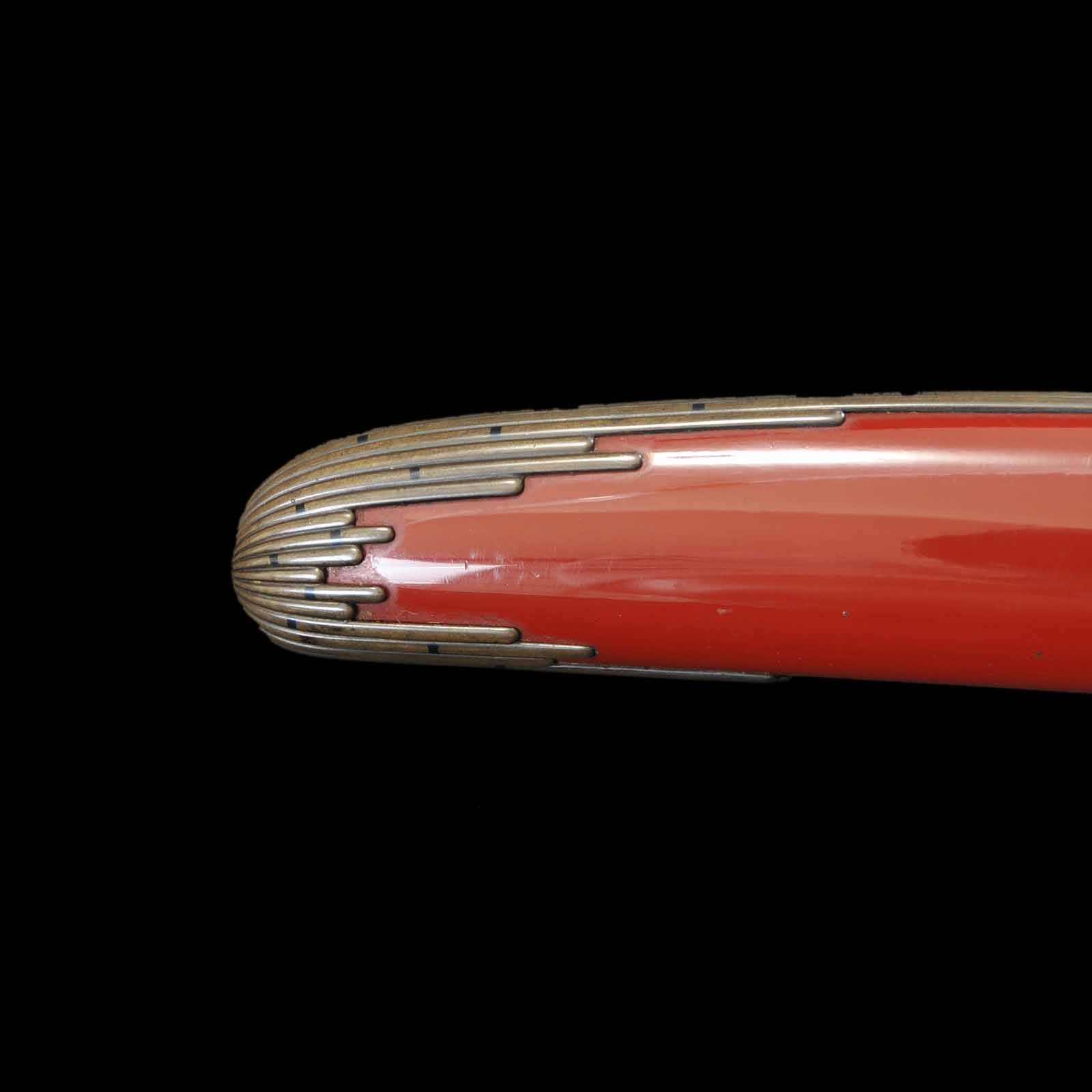
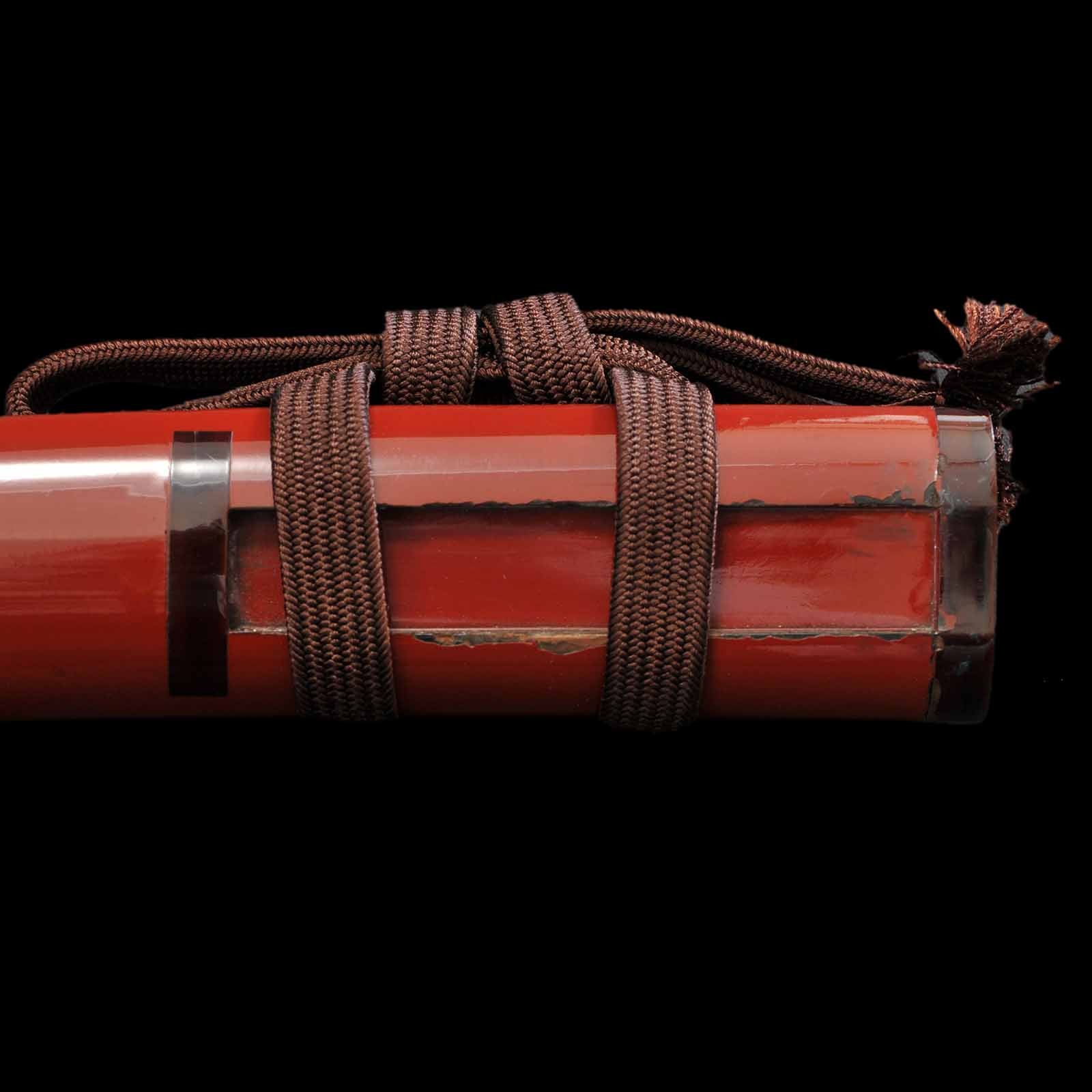
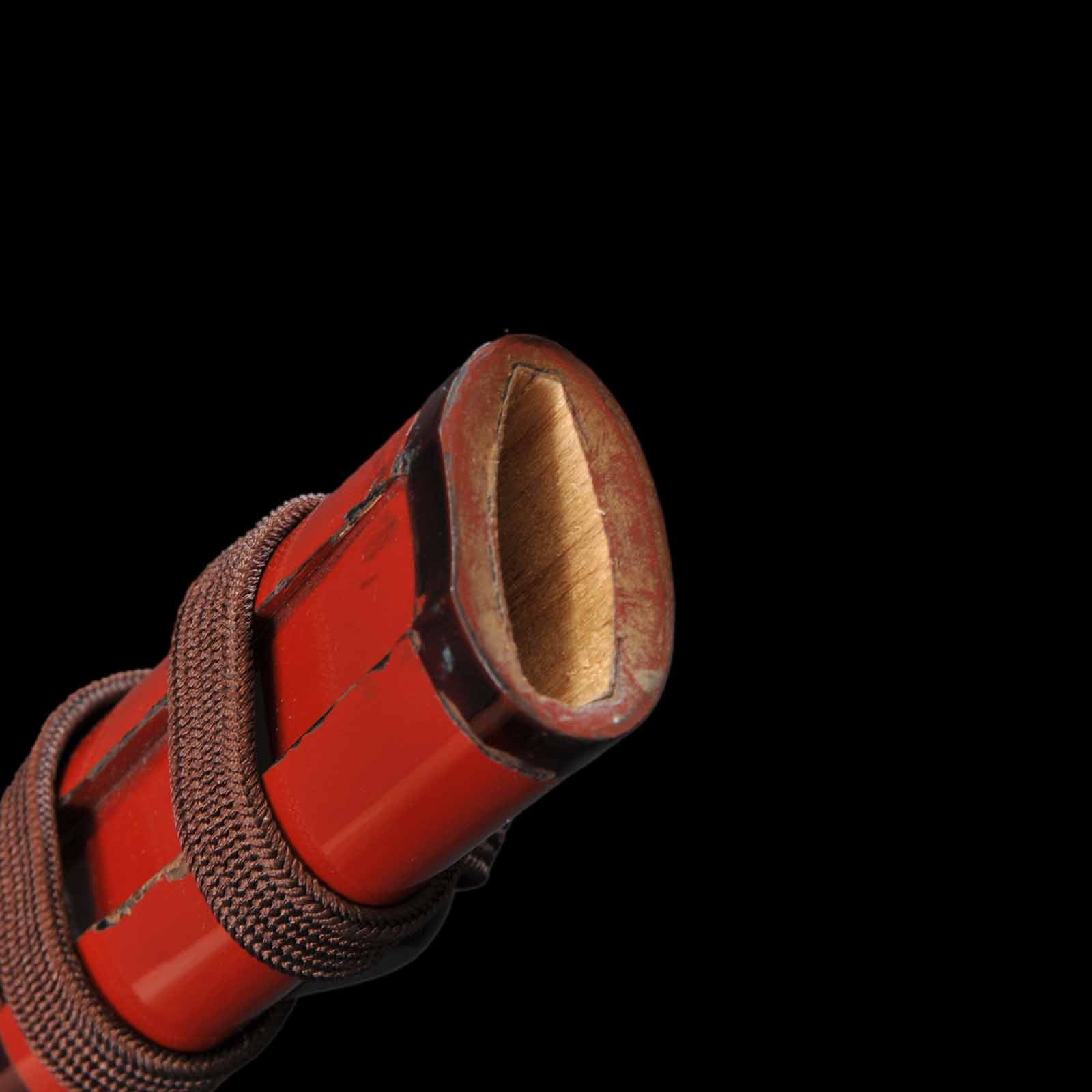
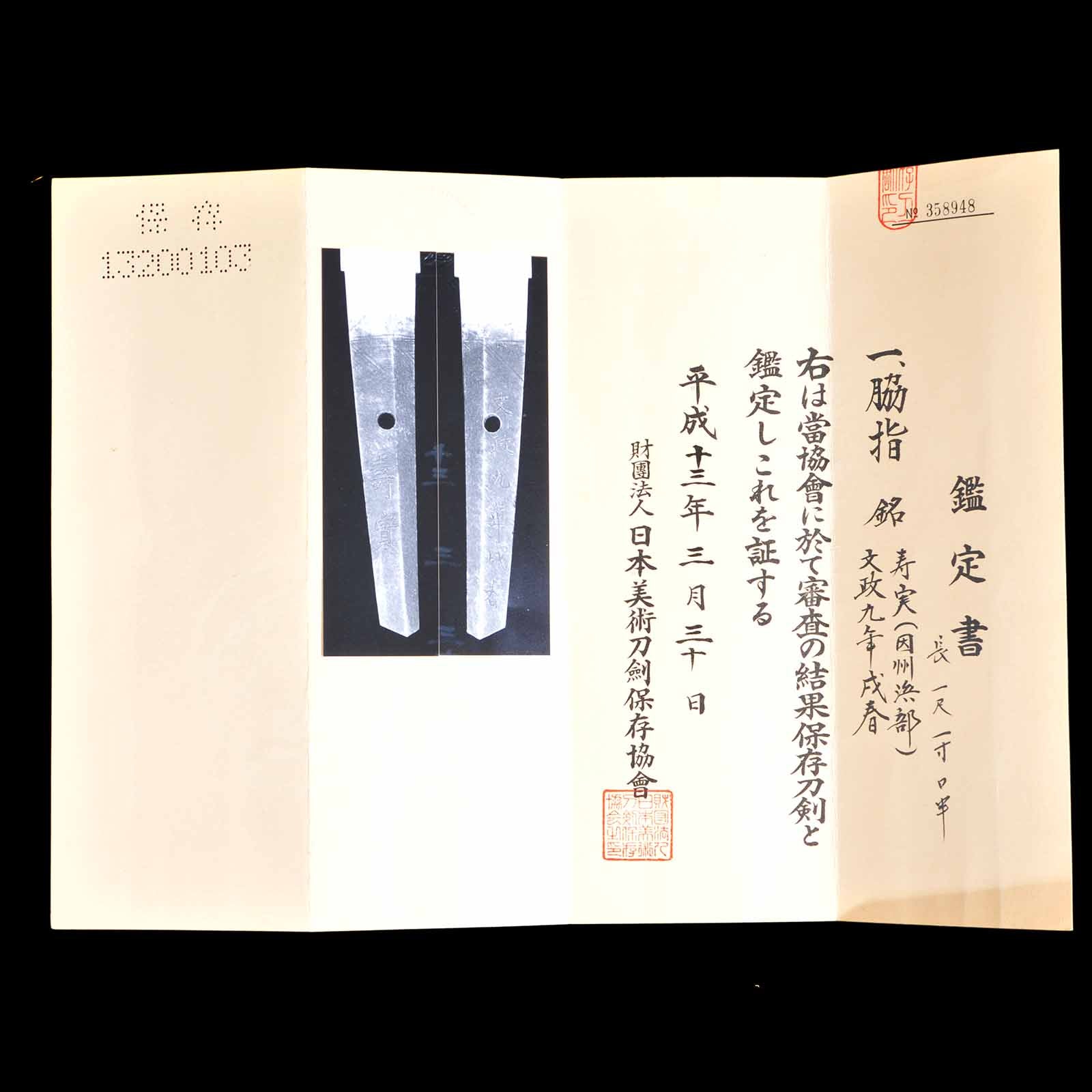
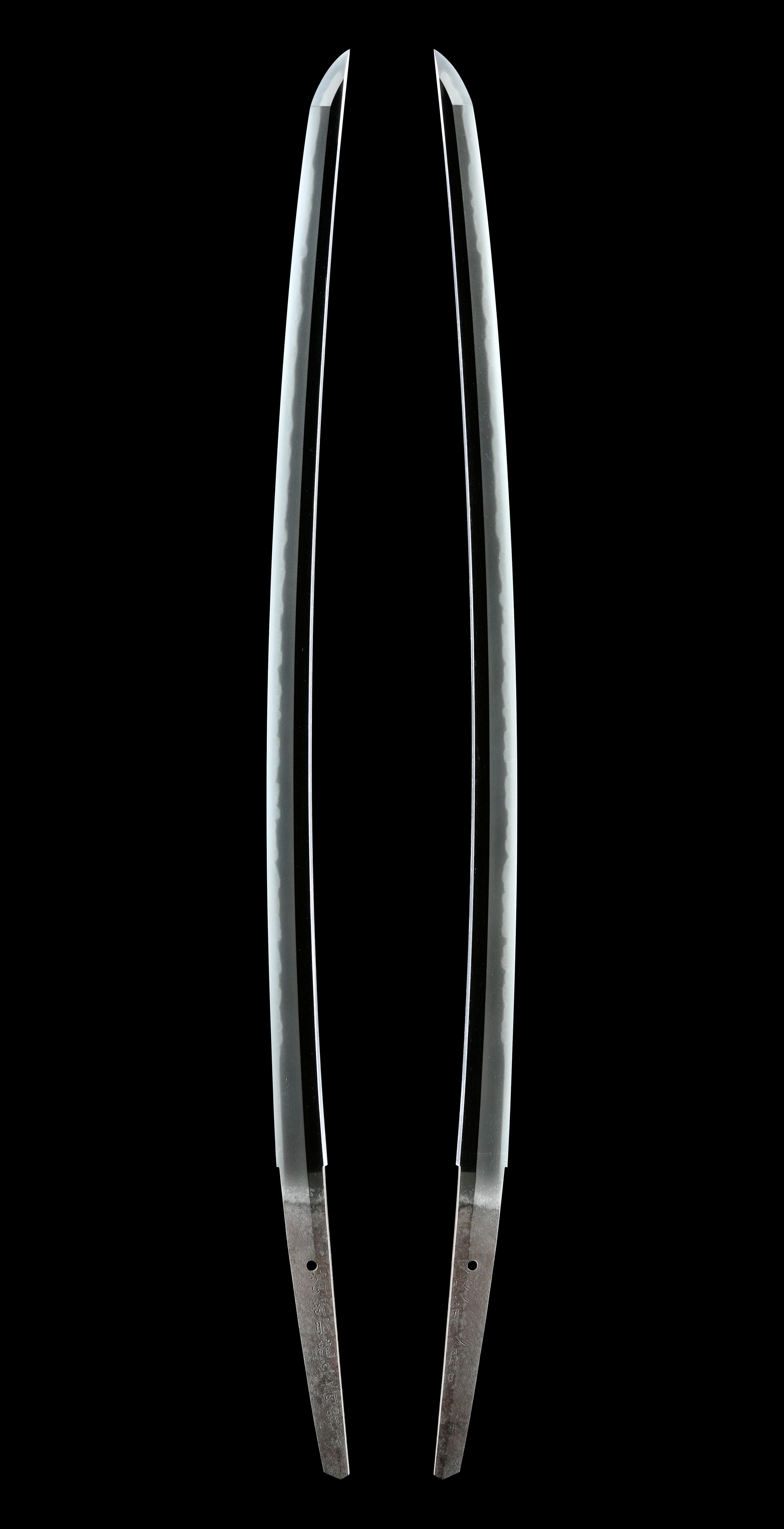
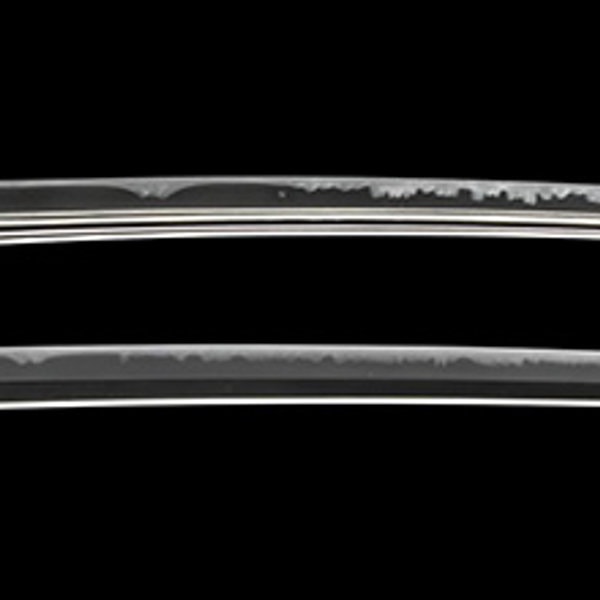
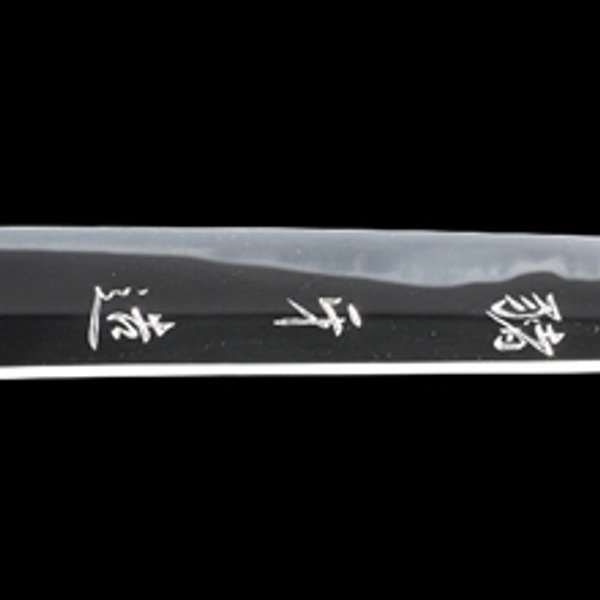
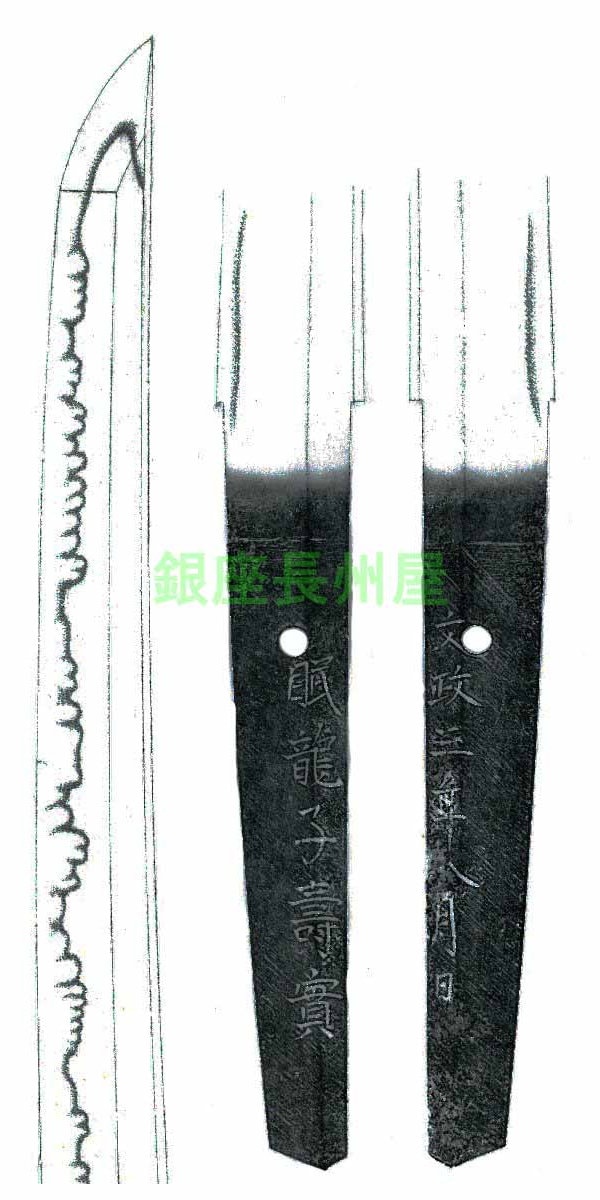
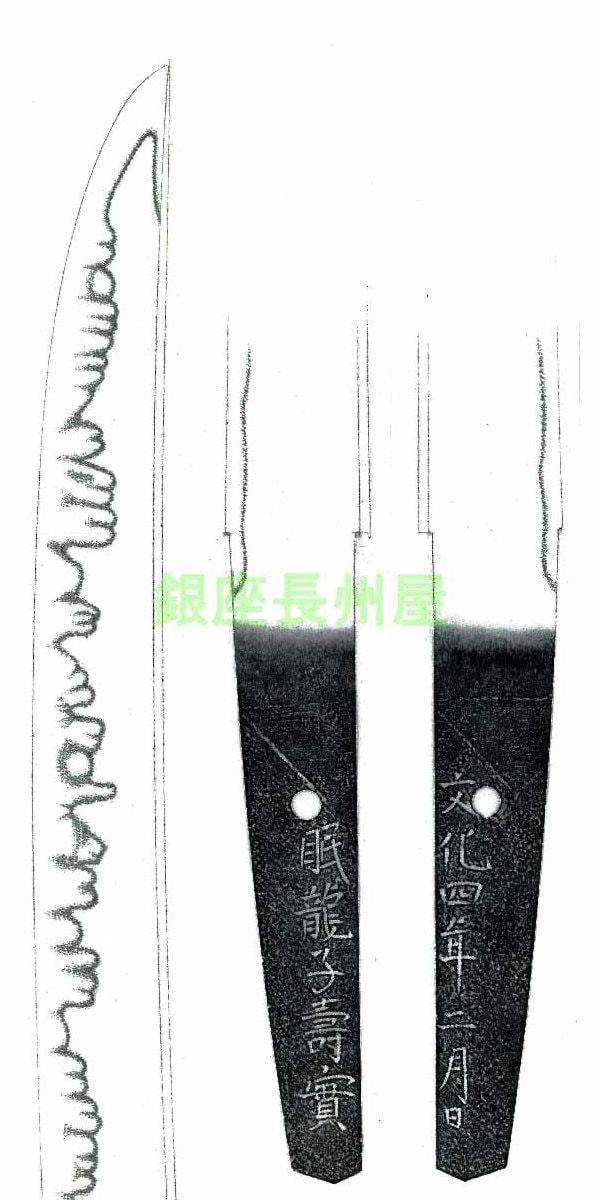
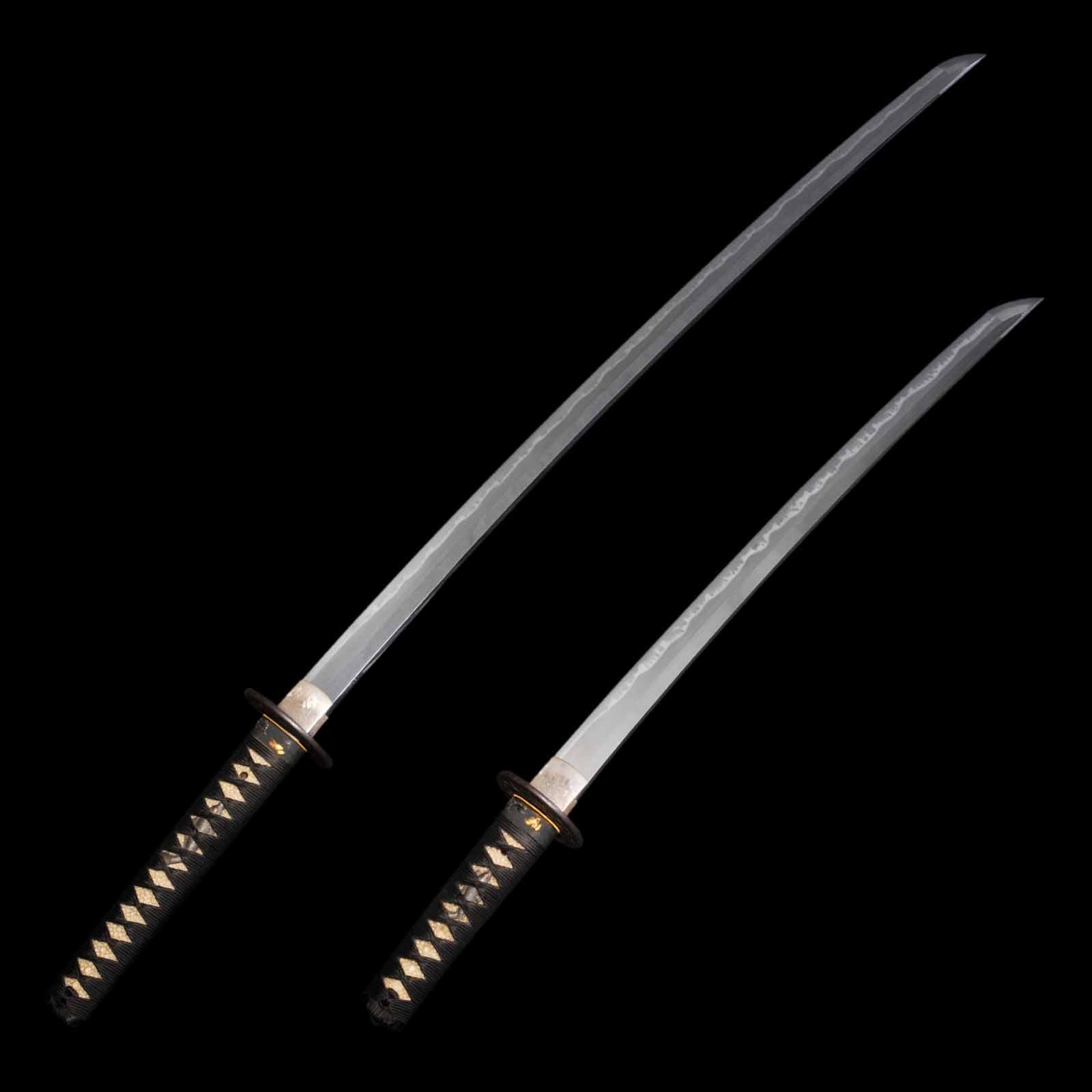
We have just received a very beautiful tanto made by Minryushi Toshizane. This dagger is in extremely good condition, with no flaws, rust, or chips. The shape of the blade is a shobu-zukuri and has a beautiful appearance reminiscent of an iris leaf. The hada is well packed with itame hada and abundant yubashiri. Hamon has a well-packed nie with choji overlapping the gunome. The nakago is engraved with EToshizane Eon the front and “Ninth year of Bunsei period, from fall to winter Eon the back. The ninth year of the Bunsei period corresponds to the year 1826 in the Western calendar. Minryushi Toshizane, whose real name was Hamabe Gihachiro, was born in 1777 in what is now Inshu, eastern Tottori Prefecture. His father was Hamabe Toshinori, a swordsmith in the service of the Inaba clan and a famous master swordsman of the late Edo period. When he began making swords, his name was Toshikuni, but in 1797, when he was 20 years old, he changed his name to Toshizane, and four more years later, in 1801, he took the title Minryushi. With his father's inquisitive mind and excellent technique, he excelled in the very flamboyant hamon of choji, attracting a large number of students. The name of Minlusi's school, along with that of Suishinshi Masahide's school in Edo, has gained great fame and flourished. Among Minryushi's students was Kawamura Toshitaka, Kiyomaro's master, and Toshizane's skills were passed on to Kiyomaro through Toshitaka. This dagger is also equipped with tanto koshirae. It features a tapered scabbard butt reminiscent of the Toppei Koshirae, and is very distinctive with multiple linear fittings reminiscent of bamboo neatly attached. The kaelizuno is attached to a vermilion lacquered scabbard. The metal fittings are of the period, and the silk tsukite is partially worn. The Society for Preservation of Japanese Art Swords and Swords issued a certificate of authenticity for this sword in 2001, after a hozon appraisal, as it is highly worthy of preservation for po

売却済
世界76社の刀剣商を横断追跡 · 価格履歴 · 売却アーカイブ
Kaei (1848-1854)
33.5 cm
0.6 cm
2.76 cm

Authentic Koto Era Tanto for Sale - Mumei, NBTHK Hozon Certificate(Yoshinori) | Tozando
$2,900

Authentic Shinto Era Tanto for Sale - Sukemasa | Tozando
$2,400

Authentic Koto Era O-Tanto for Sale - Sukesada | Tozando
$1,800

Authentic Koto Era Tanto for Sale - Kanemitsu, NBTHK Hozon Certificate | Tozando
$2,300
We have just received a very beautiful tanto made by Minryushi Toshizane. This dagger is in extremely good condition, with no flaws, rust, or chips. The shape of the blade is a shobu-zukuri and has a beautiful appearance reminiscent of an iris leaf. The hada is well packed with itame hada and abundant yubashiri. Hamon has a well-packed nie with choji overlapping the gunome. The nakago is engraved with EToshizane Eon the front and “Ninth year of Bunsei period, from fall to winter Eon the back. The ninth year of the Bunsei period corresponds to the year 1826 in the Western calendar. Minryushi Toshizane, whose real name was Hamabe Gihachiro, was born in 1777 in what is now Inshu, eastern Tottori Prefecture. His father was Hamabe Toshinori, a swordsmith in the service of the Inaba clan and a famous master swordsman of the late Edo period. When he began making swords, his name was Toshikuni, but in 1797, when he was 20 years old, he changed his name to Toshizane, and four more years later, in 1801, he took the title Minryushi. With his father's inquisitive mind and excellent technique, he excelled in the very flamboyant hamon of choji, attracting a large number of students. The name of Minlusi's school, along with that of Suishinshi Masahide's school in Edo, has gained great fame and flourished. Among Minryushi's students was Kawamura Toshitaka, Kiyomaro's master, and Toshizane's skills were passed on to Kiyomaro through Toshitaka. This dagger is also equipped with tanto koshirae. It features a tapered scabbard butt reminiscent of the Toppei Koshirae, and is very distinctive with multiple linear fittings reminiscent of bamboo neatly attached. The kaelizuno is attached to a vermilion lacquered scabbard. The metal fittings are of the period, and the silk tsukite is partially worn. The Society for Preservation of Japanese Art Swords and Swords issued a certificate of authenticity for this sword in 2001, after a hozon appraisal, as it is highly worthy of preservation for po

売却済
世界76社の刀剣商を横断追跡 · 価格履歴 · 売却アーカイブ
Kaei (1848-1854)
33.5 cm
0.6 cm
2.76 cm

Authentic Koto Era Tanto for Sale - Mumei, NBTHK Hozon Certificate(Yoshinori) | Tozando
$2,900

Authentic Shinto Era Tanto for Sale - Sukemasa | Tozando
$2,400

Authentic Koto Era O-Tanto for Sale - Sukesada | Tozando
$1,800

Authentic Koto Era Tanto for Sale - Kanemitsu, NBTHK Hozon Certificate | Tozando
$2,300